


Abstract
Bakery products constitute an essential element of the daily diet, with significant nutritional and social importance. This study analyzes current industry trends, consumer behaviors, and distinctions between traditional and modern health-focused products, integrating both international findings and data relevant to Romania. The research draws on the specialized literature to examine changes in consumption patterns and manufacturers’ adaptation strategies. The results highlight three main directions: the increase in the popularity of artisanal and specialty products, the development of the healthy products segment (gluten-free, vegan, with added seeds or whole grains), and the increasing emphasis on sustainability and ethical practices. Although white bread remains the main choice, interest in healthier options, such as wholemeal or fortified bread, is growing both in the global and Romanian contexts, although it is still largely niche. Generational differences indicate that adults prefer traditional and healthy products, while young people and students choose quick and convenient snacks, strongly influenced by social networks. The conclusion highlights the bakery industry’s transition between tradition and modernity, where future success depends on integrating health, sustainability, and personalization into production and marketing processes.
1. Introduction
Cereal products have long represented a fundamental component of the daily diet [1,2,3]. At the same time, the cereal industry and consumer habits have been subject to continuous changes, as documented by various studies addressing shifts in production practices, product innovation, and consumer expectations over the past decade [4,5].
Bakery products are widely appreciated worldwide. A wide variety of items, such as bread, biscuits, cakes, and other similar products, are available depending on the preferences of end consumers [6,7]. Their high demand has led to a considerable diversification of the offerings worldwide [7,8]. Bakeries have gone beyond their traditional role as food suppliers, transforming themselves into true cultural centers, where a variety of flavors and textures are found to meet the diverse preferences of consumers [9]. Due to their high nutritional value, cereal-based products represent an essential source of energy for the human body, being considered essential foods in the diet [1,10].
The chain from production to consumption of food is one of the most significant challenges in today’s world, as food, essential for sustaining human life, plays a decisive role in ensuring the health of the population and in maintaining the balance of communities. Bakery products, mainly obtained from cereals, are among the most consumed food products, being present daily in the menu of the majority of the population. Their popularity is due both to the intake of carbohydrates necessary for energy and to the variety of forms in which they can be found, from bread and rolls to more complex, industrially processed products [11]. Other factors that have contributed to the popularity of these products include their global spread, affordable cost, and widespread recognition [1].
In the consumer goods and bakery industries, developments in the food sector reflect the constant adaptation to the ever-changing preferences of consumers. Food is no longer perceived simply as a source of energy, but as part of a complex culinary experience, in which the variety of flavors and textures plays an essential role. At the same time, there is a growing interest in products considered organic and beneficial for health [12].
Consumer preferences are one of the most important and dynamic trends in continuous evolution [13]. Consumer opinions and behavioral patterns regarding basic foods, such as bakery products, are of major importance for the bakery industry sector [14].
The growing consumer demand for healthy foods directly influences the growth of functional food production [15]. In recent times, consumers have shown increasing interest in bakery products that contribute to maintaining health, due to the content of bioactive compounds [16,17]. The process of selecting ideas for the development of new products should be based on the results of market research in the target segment, on current scientific data, as well as on the recommendations of specialized institutions [15]. Although health and appearance are important criteria, sensory quality (particularly taste) is essential and can determine the success or failure of a business, which is why it should always be the main priority of manufacturers [13]. The increasing attention paid to health and demographic changes determines a transition to a new paradigm of consumption of bakery products, correlated with the transformation of institutional values of digital native generations, marked by an increased interest in sustainable development and healthy eating [18].
This trend has led to increased attention to nutritional options, natural flavors, and innovative recipes designed to enhance the culinary experience. At the same time, consumers are increasingly willing to pay a higher price for bread perceived as healthy and wholesome, which highlights the importance of using clean labels in the product development process [12]. Another important aspect is the increase in the number of consumers with dietary restrictions for health reasons. Therefore, it becomes essential to analyze this reality, as well as the specific market dedicated to these consumers [19]. Consumers are increasingly concerned with the nutritional profiles of products, and bread and other bakery products have come to be analyzed not only from the perspective of physical well-being, but also from the perspective of psychological well-being [20].
Consumer choice and preferences regarding bakery products are determined by various factors, such as product characteristics and their socio-demographic profile. This is particularly relevant in the case of innovations in the bakery industry, which include the addition of additional functional ingredients [14]. Nowadays, consumers are showing increased attention and making purchasing decisions based on increased awareness [20].
The bakery industry has undergone significant transformations in recent years, mainly influenced by the increasing consumer demands for healthier, higher quality, and sustainably produced products. These changes have occurred in terms of physical structure, production systems, type of products, services offered, and much more [5]. Although traditional products continue to be appreciated, a clear trend towards artisanal, gluten-free, and health-promoting alternatives is observed [4]. Against this background, the bakery industry tends to adapt to new realities, assuming an active role in promoting sustainable development and offering products that are friendly to both humans and the environment [18].
In the current context, consumers are increasingly demanding the quality of the food products they purchase, paying increased attention to both the composition and origin of the ingredients, as well as the manufacturing process [21].
Food consumption patterns have evolved, amid a growing awareness of the role that a balanced diet plays in maintaining health [22]. While traditional bakery products remain popular, there is a shift towards artisanal options, gluten-free formulas, products with low salt or sugar content, and high-fiber or protein options. These trends reflect the growing concern for a balanced lifestyle and the impact that food choices have on health and the environment [4].
The development of the bakery industry is closely linked to changes in consumer behavior, which shows an increasing interest in high-quality bakery products. This increased demand has led manufacturers to invest in modern technologies, premium ingredients, and innovative production methods to meet the expectations of an increasingly demanding public [23,24].
In Romania, bakery products continue to play an essential role in the daily diet, and consumer preferences are rapidly evolving under the influence of social, economic and nutritional changes. Recent analyses, supported by both international literature and studies dedicated to the Romanian context—such as research conducted by Rompan—highlight a constant decrease in the consumption of bakery products, both in urban and rural areas. In contrast, Romanian consumers are increasingly oriented towards healthy, functional, artisanal, and sustainable products, without giving up their traditional preference for white bread and classic products. At the same time, global trends such as the interest in natural ingredients, gluten-free alternatives, vegan products, and sustainable packaging are increasingly reflected in the purchasing behaviors of Romanians. The Romanian bakery industry is responding to these changes by diversifying its offerings, integrating functional ingredients, modernizing technologies, and expanding sales channels, trying to harmonize tradition with the demands of a modern, informed, and health-conscious consumer.
This article aims to analyze the consumption preferences of the population, in order to adapt industrial production to market demands. Since artisanal production cannot meet the consumption needs of the Romanian population, which currently stands at 72 kg/capita/year, the industry must adapt its manufacturing technologies so as to produce only the types of bread requested by consumers.
The evolution of Romanian consumers’ preferences for bakery products was tracked, integrating both perspectives from the international literature and data relevant to the Romanian context, but also current industry trends, consumer orientations towards traditional, modern, and functional products, as well as factors influencing purchasing behavior, from price and origin to health and generational characteristics. At the same time, the food industry’s adaptations to new market demands, through technological innovation, recipe diversification, and the introduction of ingredients with functional value, are evaluated.
2. Materials and Methods
In order to guarantee transparency and reproducibility of the literature selection procedure, this review was carried out in accordance with systematic review principles and, whenever feasible, in accordance with PRISMA recommendations. Sector-specific data from the Romanian market supplemented the primary sources, which were scientific articles discussing consumer preferences and behaviors related to bakery products.
The identification, assessment, and synthesis of studies published in pertinent national and international academic databases, including Web of Science, Scopus, ScienceDirect, PubMed, and Google Scholar, were all part of the literature selection process. “Bakery products,” “flour products,” “consumer behavior,” “consumer preferences,” “market trends,” “functional products,” “sustainable products,” and “traditional products” were among the keyword combinations used in the search, which spanned the years [2004–2024].
Boolean operators (AND/OR) were used to adapt search strings for each database.
Empirical studies on consumer behavior and food preferences for bakery or flour-based products; market trends and the evolution of demand for traditional, modern, functional, or sustainable products; the availability of quantitative or qualitative data on consumption habits, attitudes, or purchasing decisions; and publications in peer-reviewed journals or credible institutional reports, were the primary inclusion criteria.
The following were included in the exclusion criteria: narrative reviews, meta-analyses, editorials, and opinion pieces that lacked original empirical data; studies that either did not specifically address bakery or flour products or only mentioned them in passing, without reporting pertinent consumption or preference indicators; and documents that either lacked sufficient methodological detail or reported results incompletely.
The standard steps of identification, screening, eligibility, and inclusion were used to choose the studies. The records were first looked at by title and abstract, and then by full text to see if they were eligible. A PRISMA-style flow diagram (Figure 1) shows the process and gives a summary of how many records were found, how many were left out, and how many were finally included in the synthesis.
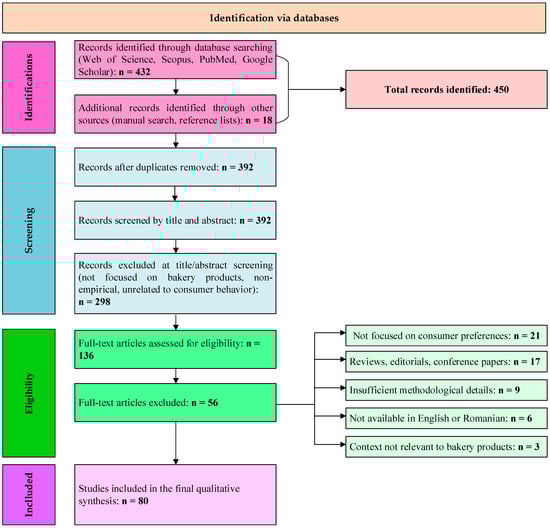
Figure 1.
PRISMA-style flow diagram.
To ensure a relevant perspective for the regional context, studies focusing on the Romanian consumer market were also included. These contributions offer insights into local consumption habits and are used to connect the international literature with current trends in the Romanian bakery sector.
A significant portion of the analysis relied on data from the Rompan database, a key organization in the Romanian bakery sector. To show how the local market is different and how international findings relate to Romanian realities, data from the Rompan 2018 study, which gives important information about Romanian consumer habits and attitudes toward flour products, were used.
Selected studies were screened based on titles, abstracts, and full texts to ensure conceptual relevance. Data extraction utilized a structured template that encompassed study design, population characteristics, types of bakery products analyzed, consumption indicators, preference drivers, health and sustainability considerations, and other pertinent variables. The synthesis compared what was found in the literature, found important indicators in research on bakery product consumers, and put them into groups based on taste, health, sustainability, ethics, trends, and functional ingredients. We also looked at new trends among consumers, such as their interest in clean label products, gluten-free options, health concerns, and the effects on the environment.
This thematic structuring allowed the integration of international evidence with research dedicated to Romanian consumers, offering a contextualized overview of behavioral patterns and preference drivers.
The final selection of the literature highlights evolving consumer expectations regarding clean-label formulations, gluten-free or functional bakery products, ethical production claims, and environmental considerations. These aspects were analyzed comparatively to illustrate how contemporary preferences align with broader shifts in bakery product demand, both globally and within the Romanian market.
To avoid any potential misinterpretation, it is important to note that all numerical values, percentages, and distributions reported in this review are extracted from previously published studies and do not represent original statistical analyses conducted by the authors. The synthesis presented here is strictly descriptive, aiming to summarize and compare empirical findings from the literature without performing inferential statistics, significance testing, or the calculation of confidence intervals. Consequently, any comparisons made throughout the manuscript reflect patterns observed across the reviewed studies rather than statistically validated differences.
3. Results
Bakery products are a popular food due to their affordable price. Amid rapid changes in eating habits, they have become increasingly popular among the general population. The growth rate of bakery product consumption has been remarkable, both in urban and rural areas [25].
Bakery products play an essential role in human nutrition, representing a basic element of the daily diet, being consumed daily in different forms. These vary depending on the type of flour used, preparation methods, added ingredients, and cultural or regional preferences [26].
Bakery products are a fundamental element in the daily diet and in the global food industry due to the convenience, diversity, and nutritional value they offer. These products adapt to consumer preferences and needs, being available in whole grain, gluten-free, sugar-free, or fortified versions. At the same time, their extended shelf life and easy storage contribute to accessibility, reduce food waste, and support food security in various regions [27].
Bakery products play a complex role (Figure 2), contributing significantly to the economy by supporting industrial production, small businesses, and artisanal baking, while generating jobs in agriculture, food processing, and retail trade [27]. The social importance of bakery products is influenced by local traditions and customs, accessibility for all categories of the population, and the diversity of assortments, including products with functional roles or those designed for specific dietary needs [26].
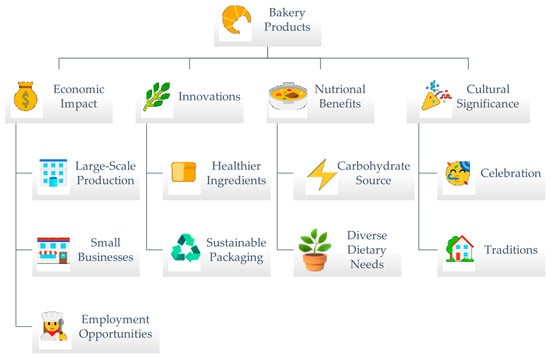
Figure 2.
Multidimensional roles of bakery products in contemporary society (adapted from Sowmya and Ramalingappa, 2025) [27].
The industry continues to innovate, adopting healthier ingredients, functional additives, and sustainable packaging to meet the growing demand for nutritious and environmentally friendly products. In conclusion, bakery products represent a fundamental food, with economic, nutritional, and cultural impact, indispensable in both modern and traditional diets [27].
The current trend in the bakery industry is to expand the range of functional products designed to provide the necessary macro- and micronutrients for a healthy and active lifestyle [26]. Traditional bakery products, which often contain refined sugars, saturated fats, and common allergens, are now being adapted to meet modern nutritional requirements and to accommodate various dietary restrictions [28].
Healthy foods with improved nutritional characteristics, obtained from unconventional raw materials, are known as “functional foods”, and are part of the usual diet, similar to traditional ones, but are designed to provide, in addition to the nutrients they naturally contain, additional elements that support health. The reason why these products are transformed into functional foods is, on the one hand, the desire to meet the expectations of consumers and decision-makers, and on the other hand, the fact that wheat flour used as a base in bakery products is poorer in minerals and contains gluten, an allergen for many people. Wheat flour is thus partially replaced by functional ingredients, such as cereals, pseudo-cereals, legumes, fruits, edible residues from the food industry, or even animal protein sources [22].
These ingredients have been integrated into various bakery products, such as biscuits, muffins, bread, tortillas, or crackers. The resulting products are not only a good source of bioactive compounds, but also have an improved nutritional composition, with a higher content of polyphenols, dietary fiber, minerals, vitamins, and other beneficial substances [22].
Consumers’ understanding of the nutritional characteristics of foods could encourage them to adopt healthier and more balanced dietary choices [29,30,31,32]. Demand for healthy products remains high, but taste continues to be a key factor for success. Health is a complex and multidimensional concept that reflects the overall well-being of consumers from a physical, mental, and social perspective. Health-related aspects such as calorie, fat, salt, sugar content, and maintaining a balanced diet have a significant impact on consumers’ decisions regarding the purchase and consumption of processed foods [33,34,35,36,37,38,39,40]. Manufacturers are responding by including healthy and popular ingredients such as grains, seeds, and legumes in recipes [26].
3.1. Trends and Adaptations in the Bakery Industry
In recent years, the bakery industry has demonstrated a remarkable resilience and adaptability, due to its efficient response to changing consumer demands. Innovation in the food industry generally aims at the adoption of modern technical and technological solutions in the production process, as well as the launch of new food products [41,42].
The creation of fortified or enriched food products with fiber and other functional ingredients represents an important opportunity to meet the demands of health-conscious consumers who are looking for innovative products that contain ingredients with enhanced nutritional value, supporting both personal health and well-being, and protecting the environment [41,43,44,45].
Among the main trends are the following:
- Artisan and specialty products are gaining popularity. The demand for artisanal breads, cakes, and pastries has increased as consumers seek authenticity, distinctive flavors, and premium ingredients [4]. Consumer preference for unique, handmade, and locally sourced products has led to an increase in demand for artisanal and specialty bakery products. Traditional baking methods, the use of premium ingredients, and authentic flavors are increasingly appreciated in the market [46]. This trend continues to manifest itself, supported in particular by the benefits it brings to rural communities, the advantages of short supply chains, and the increasing importance given to sustainability [47,48].
- Health-focused products. As consumers become more conscious about their healthy lifestyles, the demand for bakery products tailored to specific dietary needs is constantly growing. Gluten-free, vegan, dairy-free, and low-sugar products are becoming increasingly popular, and bakeries are investing in research and innovation to cater to these niche markets [4].
- Sustainability and ethical practices. Consumer interest in sustainability and ethical sourcing of ingredients is growing. As a result, organic, non-GMO, and sustainably packaged bakery products are gaining popularity, and bakeries that adopt these practices are strengthening their customer loyalty [4].
3.2. Consumer Preferences and Behavior in Relation to Bakery Products
Bakery products are an essential element in the daily diet of consumers, being appreciated both for their nutritional value and for their assortment diversity. Consumer choices in the food market are determined by a variety of factors, including the taste, smell, appearance, and texture of the products but also functional elements such as packaging and ease of use. Other important influences are the nutritional value, product availability, brand, price, previous experiences, and the opinions of other people [49,50,51,52]. Factors considered beneficial for health significantly influence the decision-making process of consumers, such as the naturalness of the product or the production methods used to improve the nutritional value of foods [49,53,54,55].
In the context of Romania
Consumer preferences for bakery products have diversified significantly, and expectations regarding their quality have increased considerably [56]. Against the backdrop of changing eating habits and increasing interest in health, it is important to understand how consumers perceive their own level of consumption of these products. The data presented in Figure 3 reflects the distribution of consumption levels, providing a clear picture of current preferences and trends in the consumption of bakery products.
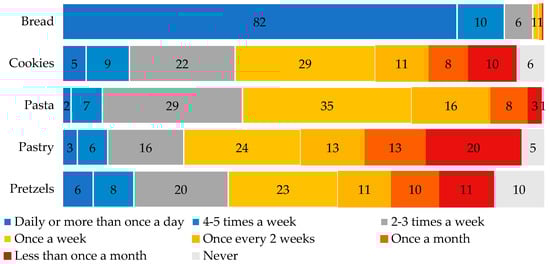
Figure 3.
Consumer preferences regarding the level of consumption of bakery products (ROMPAN’s own study).
Of all the food categories analyzed, bread remains the most frequently consumed food, forming part of the daily routine of most respondents. In contrast, pastries are less popular: around half of the participants say they consume them less than once every two weeks, indicating occasional consumption, associated more with special occasions than with everyday eating habits.
People in rural areas consume bread more frequently than those in urban areas, due to food traditions and lifestyles closer to classical consumption habits. In contrast, pastries and bagels are consumed mainly by residents of large cities, where the fast pace of life and easy access to such products make them frequent and convenient snacks.
3.3. Consumer Orientations in Relation to Bakery Products
Health and wellness orientation. More and more consumers are switching away from bakery products high in sugar, saturated fat, and additives, opting instead for healthier options such as whole-grain bread, multigrain products, and gluten-free products. Low-calorie, high-protein options are also gaining traction among those concerned with an active and fitness lifestyle [4].
The increasing awareness of the relationship between nutrition and health determines an increased orientation of consumers towards healthier bakery products [46].
Plant-based bakery products and alternatives. The growing interest in vegan, vegetarian, and flexitarian diets has led to a growing demand for bakery products made with plant-based ingredients. These alternatives include egg-free and dairy-free options, tailored to the needs of consumers avoiding animal-based ingredients. Clear product labeling, along with effective and targeted marketing strategies, is essential to attract this growing market segment [46].
Convenience as a driving factor in consumer choices. Even as health concerns increase, many consumers prioritize time-saving bakery products. Especially in urban areas, ready-to-eat and conveniently packaged options are sought, tailored to on-the-go lifestyles [4,46].
Responsible consumption. The preference for ethically sourced bakery products is growing. Consumers are choosing products made with fair trade ingredients, sustainable packaging, and less processed products and are willing to pay more to support these values [4].
Personalization. More and more consumers are looking for bakery products tailored to their specific dietary needs, such as gluten intolerance or lactose sensitivity. The demand for personalized products is growing, and bakeries are responding by offering more flexible and varied product lines [4].
Product selections. In the process of choosing products, consumers take into account several factors. Among these are attitudes towards color, attractiveness, and chromatic preferences, elements closely related to the purchase decision. Studies show that gender significantly influences color selection, and older children tend to make decisions based on cognitive factors. In marketing, strategies are built precisely to identify these attitudes and adapt the offerings. At the same time, men and women differ in terms of functional utility as well as in hedonic and social behavior. Thus, the impact of gender on consumer choices cannot be considered fixed or consistent [57].
Behavioral adaptation. Consumption habits manifest themselves differently at the level of each generation, shaping specific phenomena. In the case of generations Y and Z, these changes are strongly marked by the influence of social networks. The online environment is not only a communication platform, but also a space that shapes consumption preferences, cultural values, and lifestyles. Social networks contribute to the formation of virtual communities that transcend national borders, but, at the same time, function as instruments of a new type of cultural imperialism. Thus, young generations are in a process of adapting to a globalized market, where online social interactions play a decisive role in shaping purchasing behaviors [57].
Generational diversity. Consumer behavior is constantly changing, influenced by social dynamics and current patterns of interaction. Generations differ in their use of technology, information sources, and attitudes toward products [57,58].
- The Baby Boomer generation (1946–1960) is characterized by a pronounced idealism but also by difficulties in adapting to the rapid changes in contemporary society. Consumers in this category tend to exhibit a more traditional and cautious behavior [57,59].
- Generation X (1960–1980) emphasizes comfort and security in their consumption choices. These consumers are characterized by loyalty to their favorite products and brands, avoid risks, and often focus on practical and functional solutions [57,59].
- Generation Y or Millennials (1980–1995) are defined by the desire to experiment, discover new things, and socialize through social networks. Shopping becomes for this generation not only a necessity but also a social and status-affirming experience. Their sensitivity to technology allows them to make purchasing decisions quickly and easily adapt to trends [57].
- Generation Z (born after 1995), also known as the “digital generation”, is the most familiar with information technology and the Internet. For these consumers, almost all activities are supported by the digital environment, and social networks play a central role in shaping opinions and purchasing behaviors. They avoid traditional sources of information, such as newspapers, magazines, television, and radio, preferring digital, interactive, and entertainment content. Generation Z is characterized by creativity, innovation, lack of brand loyalty, and an increased openness to new products [57,59,60,61].
Preferences for bakery products differ significantly between generations, and their analysis provides a picture of the eating habits of adults and students. Adults, as part of an older generation, tend to opt for traditional and healthier products, while students, representing a younger generation, prefer quick and convenient snacks. This correlation between food choices and generational affiliation highlights how lifestyle and daily routines influence consumption habits.
These results indicate that adults generally choose traditional products and healthy options, while students prefer quick and convenient snacks. In conclusion, there are clear differences in behavior in choosing bakery products between the two groups [62].
In the context of Romania
Consumption trends in the category of bakery products and foods with high nutritional benefits highlight significant changes in consumer behavior. Especially in urban areas and among people with higher incomes and education, there is an increasing orientation towards products considered healthier, such as foods rich in fiber or those containing seeds. At the same time, a significant part of the respondents intend to reduce the consumption of traditional bakery products in the future, a phenomenon that reflects a growing concern for nutritional balance and the adoption of a healthy lifestyle.
This shift not only signals a transformation in eating habits but also reveals a deeper consumer interest in foods that offer functional benefits beyond basic nutrition. As a result, manufacturers need to rethink their strategies, investing in innovation, cleaner ingredient lists, and product formats that align with the growing preference for health-oriented eating.
The data indicate a clear trend of decreasing consumption of bakery products, both through the future intentions of the respondents and through the behavior already manifested in the last year (Figure 4). The reduction in consumption is particularly pronounced among urban residents, people aged between 30 and 39, and those with above-average incomes, which suggests that segments with a higher level of information and resources tend to adopt health-oriented eating habits more quickly. In contrast, high-fiber foods and seed products are gaining popularity, being preferred especially by women, young people, and people with a high level of education. These developments highlight an overall shift in consumer preferences, which are increasingly moving towards options perceived as beneficial for health.
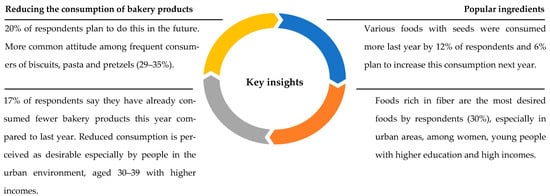
Figure 4.
Attitudes that influence consumer behavior: Key insights (ROMPAN’s own study).
To highlight how consumers structure their preferences in the purchasing process, the importance given to different factors that can influence the purchase decision was analyzed. The results summarized in the Figure 5 show how respondents prioritize both the intrinsic characteristics of products and the external or social elements that can intervene in the final choice.
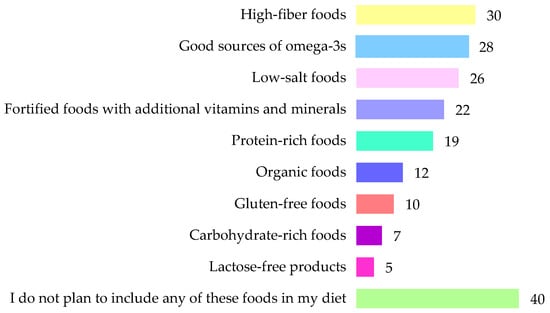
Figure 5.
Consumer choices towards food categories with nutritional benefits (ROMPAN’s own study).
After analyzing the average of consumer choices, it is observed that product quality and ingredients are the most important factors, indicating that people value the real value and safety of the product. Appearance and price have a moderate influence, being relevant, but not as decisive as quality. Factors such as weight, availability in stores, and familiarity with the product have a lower impact, not being major determinants in product choice. Also, recommendations from acquaintances and attractive advertising influence consumers’ decisions the least, indicating that external opinions and visual marketing are not decisive for most choices. Overall, consumers prioritize quality and ingredients, and external or promotional factors play a secondary role, providing useful information for product development and marketing strategy.
3.4. Consumer Buying Behaviors of Bakery Products
In the context of Romania
Consumer purchasing behavior for bakery products is the result of a complex combination of economic, cultural, social, and personal factors. These products, being consumed daily and having a central role in the population’s diet, determine a carefully calibrated decision-making process, in which both perceptions of quality or freshness, as well as elements such as price, availability, or media influences, intervene. The analysis of consumer behavior highlights not only differences between population segments but also how the social and commercial context shapes preferences and purchasing habits. In this regard, the criteria below reflect the main dimensions that shape the way consumers choose, evaluate, and buy bakery products (Figure 6).
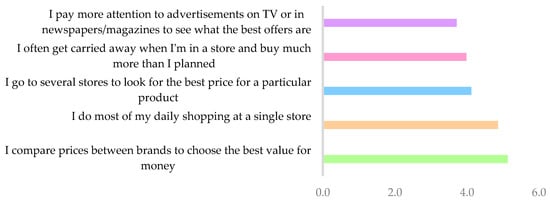
Figure 6.
Average buying behaviors and attitudes (ROMPAN’s own study).
Criteria that influence consumer purchasing behavior for bakery products:
Price. Price is one of the most important decision criteria. Consumers frequently compare prices of several brands in the same store, trying to identify the most advantageous option. This behavior is much more pronounced in rural areas, where the small number of stores limits the possibility of comparing prices between different locations, which is why the decision is made mainly between locally available brands.
People in rural areas, especially in small towns, face a reduced diversity of stores, which limits the ability to compare multiple options and influences their purchasing behavior. In contrast, urban consumers adopt a more analytical and value-oriented approach, being concerned with choosing products that are “worth the money”. They actively compare different brands and select options that offer the best value for money.
Differences in behavior are also observed at the gender and age level. Women show a more pronounced tendency towards impulsive purchases, being more influenced by visual and promotional stimuli. They also pay more attention to advertisements and take into account the information transmitted, looking for the most advantageous offers. Young people up to 40 years of age show similar behavior, being prone to spontaneous purchases, especially when products are attractively presented or promoted through discounts.
Overall, residential environment, gender, and age determine significant differences in how consumers react to price, promotions, product diversity, and purchasing propensity.
Product origin (Romanian Vs. Imported). A defining criterion is the origin of the products. Consumers show a clear preference for Romanian products, associated with freshness, superior quality, and trust in the production process. This preference reflects the cultural and culinary attachment to traditional local products. However, the greater diversity of assortments remains the main reason why some consumers choose imported products.
Impulsive buying. Impulsive behavior is more common among women and people under 40. They are more likely to buy bakery or pastry products in the spur of the moment, depending on their mood, the appearance of the products, or the promotions displayed. This type of unplanned purchase indicates an increased sensitivity to visual stimuli and the smell of fresh products.
Media influence. Approximately 20% of consumers say that they are influenced by advertising messages in the media. Women, in particular, are more receptive to information transmitted through advertisements, whether about product quality, ingredients, or promotions. This aspect highlights the role of commercial communication in building the perception of brands and bakery products.
Purchase channels used. The purchase channel is a decisive criterion. Bakery products are mostly purchased from traditional trade, due to their accessibility and perceived freshness. In contrast, for flour and cornmeal, consumers choose both modern and traditional retail stores to a balanced extent. Specialized bakery stores play a significant role in urban areas, where they account for up to 40% of purchasing opportunities.
Differences between urban and rural areas. Purchasing behaviors vary considerably depending on the area of residence. In urban areas, purchases from modern trade predominate due to access to supermarkets and hypermarkets. In rural areas, however, traditional trade is the main source of supply. Also in rural areas, a more frequent practice of home production of traditional products is noted.
Reading and checking labels. Reading labels is an important criterion for some consumers, but motivations differ. Checking the expiration date is the main concern, reflecting the interest in freshness and food safety. Although information on food additives is found on the label, it is analyzed much less frequently, indicating selective attention to product details.
Figure 7 illustrates the key factors influencing consumer preferences when selecting bakery products, highlighting which attributes are considered most important in daily purchasing decisions.
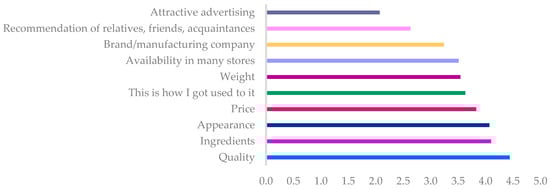
Figure 7.
Average criteria for choosing bakery products (ROMPAN’s own study).
Consumers prioritize the intrinsic qualities of bakery products, such as overall quality, ingredients, and appearance, when making their purchasing decisions. Practical factors like price, product weight, and availability in stores also influence choices but to a lesser extent. Familiarity with the product plays a moderate role, reflecting the impact of habitual consumption patterns. External factors, such as brand reputation, recommendations from friends or family, and advertising, appear to have the least influence on consumer decisions. Overall, these findings indicate that consumers focus primarily on the tangible characteristics and perceived quality of bakery products rather than on marketing or social influence.
3.5. Comparative Analysis: Traditional vs. Modern Bakery Products
The bakery industry has seen significant changes in recent years, driven in particular by consumer demands for healthier, higher quality, and sustainable products. While traditional products remain popular, there is a clear trend towards artisanal, gluten-free, and health-oriented options. Businesses that embrace these trends, investing in innovation and digital marketing, are positioning themselves for long-term growth. The future prospects of the industry depend on its ability to adapt to changes in consumer behavior, focusing on personalization, convenience, and responsible practices, as well as on the ability to integrate tradition with modern health and sustainability demands [4].
Bread and bakery products constitute an essential component of the global human diet. Current trends in the production of these foods focus on two main directions [63]:
- Developing functional bakery products that meet the demands of modern consumers interested in a healthy diet by integrating ingredients with nutritional benefits [63].
- Extending the shelf life of products by combating microbial degradation (especially mold) and loss of quality (delaying the aging process) using both conventional and innovative processing and preservation methods [63].
The bakery industry is evolving from traditional products to modern, health-focused options. Bakery products today are differentiated by tradition and health orientation. This comparison highlights how ingredients, nutritional value, production methods, target audience, sales channels, and consumer preferences vary between traditional and modern products. The analysis provides a clear picture of current consumer trends, showing how preferences for taste, affordability, or health influence purchasing decisions.
Table 1 shows the differences between traditional and modern health-oriented bakery products. Traditional products are characterized by classic ingredients such as refined flour, sugar and butter, higher nutritional values in calories and fats, and mass production, being intended for a wide audience that prioritizes taste and affordable price. In contrast, modern products use natural or whole ingredients, have a more balanced nutritional profile, are artisanal or produced in small batches, and are aimed at health-conscious people, vegans, or those with food intolerances. They are also sold through specialized stores or online and respond to consumer demands that emphasize quality, sustainability, and healthy options [4].

Table 1.
Characteristics of traditional versus modern bakery products (Data from Singh, Suman, Kour, and Kumar, 2024) [4].
3.6. Relationship Between Consumer Preferences and Product Quality Attributes
To ensure a coherent transition between consumer preference analysis and the discussion of product quality, it is important to highlight how these two dimensions interact. Consumer choices for bakery products are strongly influenced by several quality-related characteristics such as freshness, texture, nutritional profile, ingredient origin, and product safety. As current market studies show, preferences identified—such as the interest in whole-grain products, clean-label formulations, reduced additives, or functional ingredients—are directly reflected in the quality attributes required by consumers.
Understanding these connections provides the conceptual foundation for the next section, which explores how technological, sensory, and compositional quality factors shape purchasing decisions and market dynamics.
3.7. Product and Process Quality in Bakeries
The dynamic and volatile market in which the flour products industry operates increasingly requires the development of products that meet the high quality requirements of consumers through the use of fast, safe, and precise technologies. However, the concept of “quality” is a complex one, especially in the context of flour products, where it refers not only to sustainability aspects but also to the characteristics of the manufacturing process. Today’s consumers, increasingly informed, demand detailed data on the origin of raw materials, processing methods, and nutritional values of the products they purchase [64,65].
According to the authors [66], food quality is defined as the degree to which it is suitable for consumption, integrating requirements capable of meeting consumer expectations. They emphasized that, in the case of flour products, quality can be analyzed through two dimensions: objective and subjective. Subjective quality includes attributes such as taste, texture, appearance, price, or the perception of the use of natural ingredients or artisanal processes. In contrast, objective quality concerns physicochemical and microbiological parameters, such as moisture, gluten content, dough consistency, or microbiological safety of the finished product [64,66].
In the analysis of production processes in the flour industry, the study [67] demonstrated the efficiency of applying the Lean Six Sigma (LSS) methodology to identify customer requirements, reduce waste, and control process variability. The implementation of LSS tools in milling, baking, or pastry contributes to improving performance, optimizing costs and increasing competitiveness in the market [64,67].
By using dynamic programming (DP), the study [68] showed that defects in bakery production lines can be detected and corrected in a timely manner, ensuring constant product quality. Research [69] also showed that the application of the Kaizen 5S method, together with employee involvement and continuous process monitoring, leads to a significant improvement in the quality of flour products and a better organization of workflows [64,68,69].
Thus, according to [70], modern quality control tools play an essential role in optimizing production processes in the flour industry. Companies that consistently implement such mechanisms benefit from greater market visibility, increased customer satisfaction, and increased employee motivation, all of which lead to high productivity, profitability, and sustainable long-term success [64,69,70].
3.8. Quality Strategies and Sustainable Development Practices in the Bakery Industry
The bakery industry is an essential sector of the food industry, characterized by constant demand, a high degree of competitiveness, and a significant diversity of products offered to consumers. In an increasingly demanding market context, product quality has become the main criterion for differentiating between producers, and quality improvement strategies and sustainable practices have become key elements for ensuring competitiveness and consumer confidence [71].
To meet the increasingly complex demands of the market, manufacturers in the bakery industry apply various quality strategies, including the following: the maximum performance strategy, the quality dominance strategy, the quality focus strategy, the excellence strategy, and the continuous improvement strategy [71].
The maximum performance strategy aims to obtain products with high quality standards through continuous modernization of technologies, the use of superior raw materials, and the application of rigorous control processes. This strategy is usually associated with manufacturers targeting premium market segments, oriented towards innovation and added value [71].
The quality dominance strategy is based on differentiating products through clear attributes such as freshness, food safety, uniformity, and strict compliance with manufacturing standards. It allows maintaining a constant level of perceived quality and strengthens consumer confidence through stable and predictable products [71].
The quality focus strategy is frequently used by manufacturers who choose to specialize in a specific market segment—for example, artisanal, additive-free, wholesome, or locally sourced products. This strategy supports the strengthening of brand identity and consumer loyalty through consistent quality and a specific offer for a certain type of product [71].
The excellence strategy involves adapting and diversifying products by continuously improving technological processes, reducing response times to market requirements, and maintaining an optimal ratio between quality and cost. This also involves applying the principles of operational efficiency and focusing on quickly satisfying customer needs, with a focus on hygiene, food safety, and sustainability [71].
4. Discussion
Bakery products are among the foods with continuous demand, being frequently purchased by almost all categories of consumers [72]. Consumers’ eating behavior and lifestyle have changed considerably in recent decades, influenced by social and cultural changes in modern economies [73,74,75]. In addition to the socio-demographic characteristics and consumption habits of consumers, an essential role is also played by the characteristics and variety of the product, the type of cereal from which it is obtained, the processing method and production system, as well as the possible effects of bakery products on human health [76,77].
Consumers’ purchasing behavior for bakery products is influenced by a complex combination of economic, cultural, social, and personal factors. Bread remains the staple product, and price is one of the most important factors in the purchase decision, with differences between rural and urban areas: rural consumers compare fewer options due to the reduced diversity of stores, while urban consumers adopt an analytical approach, oriented towards value for money. The origin of the product also plays a significant role, with Romanians preferring local products for their perceived freshness and quality, the classic example being cozonac.
Impulsive behaviors are more common among women and people under 40, influenced by the visual appearance, promotions, and smell of fresh products, while advertising has a moderate impact, affecting approximately 20% of consumers. Acquisition channels differ between urban and rural areas: bakery products are mainly purchased from traditional trade, and specialized stores play a more important role in urban areas.
In the selection process, consumers emphasize the intrinsic qualities of products—quality, ingredients, and appearance—while practical factors, such as price and availability, influence the decision to a lesser extent. External factors, such as brand reputation, recommendations, or advertising, have the least influence, indicating that purchasing decisions are mainly guided by tangible features and perceived quality of products.
Thus, consumers’ attention to the intrinsic qualities and perceived quality of products also reflects broader transformations in the industry: the preference for personalized, sustainable products and products with functional ingredients represents an extension of the interest in quality and authenticity, indicating a transition from mass production and accessibility to a model oriented towards the needs as well as the cultural and social values of consumers [26].
The differences identified between traditional and modern products highlight a paradigm shift in the industry from the emphasis on accessibility and mass production to customization, sustainability, and functional ingredients. This trend is consistent with earlier observations [26], which show that modern bakeries integrate not only dietary needs but also cultural and social values.
In the long term, these findings have major implications for manufacturers and their market strategies. Adapting to new requirements involves not only diversifying the range but also integrating sustainable and ethical practices, which can strengthen consumer loyalty. At the same time, taste and tradition remain decisive factors, which suggests the need for a balance between innovation and continuity.
In this context, the quality of bakery products is becoming an essential factor in satisfying the preferences of consumers, who increasingly orient their choices towards products perceived as natural, safe, and sustainable. According to recent studies, the perception of quality is influenced by both objective factors—such as physicochemical composition, dough consistency, and microbiological safety—and subjective factors, such as taste, texture, appearance, or origin of ingredients [72,73,74].
At the same time, modern consumers show an increased interest in the transparency of production processes, preferring products obtained through artisanal methods or environmentally friendly technologies [75,76,77]. The implementation of continuous improvement strategies, such as Lean Six Sigma, Kaizen 5S, and operational excellence, allows manufacturers to respond more effectively to these requirements, ensuring high quality standards and rapid adaptation to market trends [78,79].
At the same time, the concern for sustainable development is becoming increasingly important, with consumers appreciating initiatives to reduce waste, use biodegradable packaging, and valorize local resources. This orientation towards social and ecological responsibility contributes to strengthening trust in brands and customer loyalty, highlighting the fact that, currently, the quality of bakery products is no longer defined only by taste or appearance, but by a set of values that reflect sustainability, authenticity, and respect for the consumer [72,73,74,75,76,77,78,79,80].
From a research perspective, future directions aim to deepen the relationship between the perception of quality and purchasing behavior, especially in the context of new trends in digitalization and online communication. An important direction of development is the orientation towards healthier bakery products, with a reduced content of salt, fat, and additives, but rich in fiber and functional ingredients, able to meet the current demands of consumers concerned about a balanced diet. In this regard, it is proposed to develop an interdisciplinary collaboration between specialists in food technology, nutrition, and marketing in order to correlate the technological aspects of production with the nutritional needs and perceptions of consumers.
At the same time, the application of questionnaires and perception studies on the attitude towards healthy, natural, or sustainable products could provide relevant data for the formulation of consumer-oriented innovation strategies. Also, a longitudinal analysis is required on how preferences for traditional, artisanal, or modern products change in relation to socio-economic and cultural developments.
The bakery industry is at a point of balance between tradition and innovation, between perceived quality and technological quality, between economic efficiency and social responsibility. Continuous adaptation to consumer requirements and preferences, combined with the implementation of sustainable and high-performance processes, is the key to maintaining competitiveness and trust in a constantly changing market.
5. Limitations
This review has several limitations that should be acknowledged when interpreting the findings. First, the search strategy included only studies published in English, which introduces a language bias and may have led to the omission of relevant research published in other languages. Second, the review relies primarily on peer-reviewed journal articles, which may result in publication bias, as studies with non-significant or contradictory results are less likely to be published. Third, although the review followed a structured approach to study selection and synthesis, it did not include a formal quality assessment or risk-of-bias evaluation of the included studies. Consequently, the methodological rigor of the primary research could not be systematically compared.
Additionally, the heterogeneity of study designs, populations, and indicators across the included literature limited the possibility of conducting a quantitative synthesis or meta-analysis. As a result, the conclusions drawn are based on a descriptive and integrative interpretation, which may reflect contextual differences among the sources. Despite these limitations, the review provides valuable insights into consumer preferences for bakery products and highlights relevant trends in the field.
6. Conclusions
Bakery products are an essential pillar of human nutrition due to their nutritional value, accessibility, and variety, and in recent years the industry has undergone significant transformations, driven by the growing demand for healthy, natural, artisanal, and sustainable products. Current trends show a clear shift from traditional items to functional and personalized variants that meet modern nutritional requirements, and innovation and technology play a crucial role in the development of these products, allowing the incorporation of functional ingredients—such as whole grains, legumes, seeds, and pseudo-cereals—to create foods enriched with fiber, vitamins, and bioactive compounds, thus responding to contemporary health and nutrition needs.
At the same time, there are generational differences influence consumer choices: younger generations are more receptive to innovation, sustainability, and digital marketing, while older consumers prefer traditional, familiar, and safe products, and the digital environment, together with socio-economic factors such as price, product origin, purchase channels, and media impact, increasingly shape purchasing behavior and food preferences. The industry’s ability to integrate these demands—from personalization and nutritional value to ethical practices and eco-friendly packaging—is key to future development, demonstrating that bakery products remain fundamental to the global diet, and their long-term success depends on adaptability to new trends and the balance between taste, accessibility, and health benefits.
Future studies should place greater emphasis on the socio-economic drivers of bakery product consumption. Research integrating variables such as household income, educational attainment, age groups, and urban–rural disparities would provide a more nuanced understanding of consumer behavior. Moreover, national-level surveys or longitudinal studies that systematically measure these factors could help identify distinct consumer segments and clarify how socio-economic contexts influence preferences for traditional, functional, healthy, or sustainable bakery products. It is necessary to develop a close collaboration between nutrition specialists and experts in the field of bakery technology in order to guide the population towards a responsible and balanced consumption of bakery products with superior nutritional value and health benefits. Such investigations would significantly strengthen the evidence base and support more targeted policy or industry strategies.
Author Contributions
Conceptualization, B.M.C., D.V.V. and A.I.A.; methodology, M.N. and I.C.; data curation, L.B. and E.A.; writing—original draft preparation, B.M.C., D.V.V. and A.I.A.; writing—review and editing, I.C., E.A. and M.V.N.; visualization, L.B., B.M.C. and M.N.; supervision, D.V.V. and M.V.N. All authors have read and agreed to the published version of the manuscript.
Funding
This research received no external funding.
Institutional Review Board Statement
Not applicable.
Informed Consent Statement
Not applicable.
Data Availability Statement
No new data were created or analyzed in this study.
Conflicts of Interest
The authors declare no conflicts of interest.
References
- Lădaru, G.R.; Siminică, M.; Diaconeasa, M.C.; Ilie, D.M.; Dobrotă, C.E.; Motofeanu, M. Influencing factors and social media reflections of bakery products consumption in Romania. Sustainability 2021, 13, 3411. [Google Scholar] [CrossRef]
- Awika, J.M. Major cereal grains production and use around the world. In Advances in Cereal Science: Implications to Food Processing and Health Promotion; American Chemical Society: Washington, DC, USA, 2011; pp. 1–13. [Google Scholar]
- Shewry, P.R.; Hey, S.J. The contribution of wheat to human diet and health. Food Energy Secur. 2015, 4, 178–202. [Google Scholar] [CrossRef]
- Singh, S.; Suman; Kour, P.; Kumar, S. Bakery products, business status in recent years, and consumer behaviour. Int. J. Adv. Biochem. Res. 2024, 8, 30–32. [Google Scholar] [CrossRef]
- Souki, G.Q.; Reis, V.C.; Moura, L.R.C. The behavior of bakery consumers. Organ. Rurais Agroindustriais 2016, 18, 1–12. [Google Scholar]
- Guiné, R.P.; Florença, S.G. Development and characterisation of functional bakery products. Physchem 2024, 4, 234–257. [Google Scholar] [CrossRef]
- Kaur, P.; Choudhary, M. Consumer’s behavior with regard to purchase and consumption of bakery products. Acta Sci. Nutr. Health 2024, 8, 95–101. [Google Scholar]
- Albuquerque, T.G.; Santos, J.; Silva, M.A.; Oliveira, M.B.P.; Costa, H.S. Multivariate characterization of salt and fat content, and the fatty acid profile of pastry and bakery products. Food Funct. 2017, 8, 4170–4178. [Google Scholar] [CrossRef]
- Kumar, A.; Raina, A. Consumer preferences and trends in the bakery industry with special reference to Ghaziabad. J. Emerg. Technol. Innov. Res. 2024, 11, f292–f302. [Google Scholar]
- Guiné, R.P. Textural properties of bakery products: A review of instrumental and sensory evaluation studies. Appl. Sci. 2022, 12, 8628. [Google Scholar] [CrossRef]
- Gul, H.; Kart, F.M.; Gul, M.; Akpınar, M.G. Bakery products consumption and consumers’ awareness in urban areas of Isparta city, Turkey. Sci. Pap. Ser. Manag. Econ. Eng. Agric. Rural. Dev. 2017, 17, 137–145. [Google Scholar]
- Virana, D.; Goel, A. Study of consumer buying patterns towards branded and non-branded bakery products. Int. J. Progress. Res. Eng. Manag. Sci. 2025, 5, 1174–1180. [Google Scholar]
- Ramirez, M.J.N.; Limos-Galay, J.A. Customer satisfaction and promotional strategies of bakery stores in San Jose, Occidental Mindoro. Int. J. Res. Stud. Manag. 2023, 11, 1107. [Google Scholar] [CrossRef]
- Andaregie, A.; Shimura, H.; Chikasada, M.; Sasaki, S.; Mulugeta, M.A.; Worku, A.; Takagi, I. Assessing eating habits and preferences for bakery products among urban dwellers in Ethiopia. Cogent Bus. Manag. 2024, 11, 2375621. [Google Scholar] [CrossRef]
- Grujić, S.; Grujčić, M. Consumer’s research for new functional bakery product development. Appl. Technol. Innov. 2016, 12, 1–16. [Google Scholar] [CrossRef]
- Cappelli, A.; Cini, E.; Guerrini, L.; Masella, P.; Angeloni, G.; Parenti, A. Predictive models of the rheological properties and optimal water content in doughs: An application to ancient grain flours with different degrees of refining. J. Cereal Sci. 2018, 83, 229–235. [Google Scholar] [CrossRef]
- Cappelli, A.; Cini, E. Challenges and opportunities in wheat flour, pasta, bread, and bakery product production chains: A systematic review of innovations and improvement strategies to increase sustainability, productivity, and product quality. Sustainability 2021, 13, 2608. [Google Scholar] [CrossRef]
- Shaposhnikov, I.; Kosovan, A.; Vedernikov, A.; Sergeev, S.; Tagiev, N. How bakery industry is changing to comply with new consumer trends on sustainability and eco-consciousness. In BIO Web of Conferences; EDP Sciences: Les Ulis, France, 2023; Volume 64, p. 01015. [Google Scholar]
- Kraslanová, M.; Poláková, Z. Consumption of bakery products in correlation with selected demographic characteristics. In Efficient, Sustainable and Resilient Agriculture and Food Systems: The Interface of Science, Politics and Practice—International Scientific Days 2022; Wolters Kluwer ČR: Nitra, Slovakia, 2022. [Google Scholar]
- Nicolosi, A.; Laganà, V.R.; Di Gregorio, D. Habits, health and environment in the purchase of bakery products: Consumption preferences and sustainable inclinations before and during COVID-19. Foods 2023, 12, 1661. [Google Scholar] [CrossRef] [PubMed]
- Kubicová, Ľ.; Predanocyová, K. Situation in the market of bakery products. In International Scientific Days; Wolters Kluwer ČR: Prahgue, Czech, 2018; pp. 391–406. [Google Scholar]
- Dossa, S.; Rivis, A. Functional foods and bakery products: A review. J. Agroaliment. Process. Technol. 2024, 2024, 104–114. [Google Scholar] [CrossRef]
- Rivas, E.; Rivas, G.G.; Iran, J.M.A.; Balagno, J.A.R. There’s a whisk, there’s a way: The customer satisfaction on the bakery business in Lantapan. Int. J. Sci. Manag. Res. 2023, 6, 108–126. [Google Scholar] [CrossRef]
- Martinez, M.M.; Gomez, M. Current trends in the realm of baking: When indulgent consumers demand healthy sustainable foods. Foods 2019, 8, 518. [Google Scholar] [CrossRef]
- Lakshmi, E. Consumer preference and quality of bakery product—Bread. Int. J. Food Nutr. Diet. 2017, 5, 42–44. [Google Scholar]
- Mickiewicz, B.; Britchenko, I. Main trends and development forecast of bread and bakery products market. VUZF Rev. 2022, 7, 113–123. [Google Scholar] [CrossRef]
- Sowmya, K.L.; Ramalingappa, B. Enhancing bakery product quality: Addressing spoilage and promoting healthier practices. J. Microhiology Relat. Res. 2025, 11, 42–44. [Google Scholar]
- Mohammadi, Z.; Anusha, M.B. A review of plant-based bakery products. Int. J. Multidiscip. Res. 2025, 7, 3847–3868. [Google Scholar] [CrossRef]
- Kušar, A.; Pravst, I.; Pivk Kupirovič, U.; Grunert, K.G.; Kreft, I.; Hristov, H. Consumers’ preferences towards bread characteristics based on food-related lifestyles: Insights from Slovenia. Foods 2023, 12, 3766. [Google Scholar] [CrossRef]
- Bandara, B.E.S.; De Silva, D.A.M.; Maduwanthi, B.C.H.; Warunasinghe, W.A.A.I. Impact of food labeling information on consumer purchasing decision: With special reference to Faculty of Agricultural Sciences. Procedia Food Sci. 2016, 6, 309–313. [Google Scholar] [CrossRef]
- Spiteri, M.; Soler, L.G. Food reformulation and nutritional quality of food consumption: An analysis based on households panel data in France. Eur. J. Clin. Nutr. 2018, 72, 228–235. [Google Scholar] [CrossRef] [PubMed]
- Bryła, P. Selected predictors of the importance attached to salt content information on the food packaging (a study among Polish consumers). Nutrients 2020, 12, 293. [Google Scholar] [CrossRef]
- Kumar, S.; Imtiyaz, H. Assessing the role of determinants on consumer’s purchase intention and consumption of branded bread in an academic environment. Int. J. Environ. Agric. Res. 2025, 11, b759–b776. [Google Scholar]
- Musaiger, A.O. Consumption, health attitudes and perception toward fast food among Arab consumers in Kuwait: Gender differences. Glob. J. Health Sci. 2014, 6, 136. [Google Scholar]
- Georgescu, C.; Birca, A.; Mironescu, M.; Tiţa, M.A.; Shamtsyan, M.; Mironescu, I.D.; Tiţa, O. Consumer perceptions of nutrition and health claims from food labels in Romania. J. Hyg. Eng. Des. 2016, 16, 13–18. [Google Scholar]
- Contini, C.; Boncinelli, F.; Gerini, F.; Scozzafava, G.; Casini, L. Investigating the role of personal and context-related factors in convenience foods consumption. Appetite 2018, 126, 26–35. [Google Scholar] [CrossRef]
- Sajdakowska, M.; Gębski, J.; Żakowska-Biemans, S.; Jeżewska-Zychowicz, M. Willingness to eat bread with health benefits: Habits, taste and health in bread choice. Public Health 2019, 167, 78–87. [Google Scholar] [CrossRef]
- Engindeniz, S.; Bolatova, Z. A study on consumption of composite flour and bread in global perspective. Br. Food J. 2021, 123, 1962–1973. [Google Scholar] [CrossRef]
- Imtiyaz, H.; Soni, P.; Yukongdi, V. Assessing the consumers’ purchase intention and consumption of convenience food in emerging economy: The role of physical determinants. Sage Open 2023, 13, 21582440221148434. [Google Scholar] [CrossRef]
- Wambugu, H.W.; Musyoka, R. Factors influencing behavior of bread consumers in Kenya. Int. J. Manag. Stud. Res. 2022, 10, 1002001. [Google Scholar] [CrossRef]
- Królak, M.; Górska-Warsewicz, H.; Mądra-Sawicka, M.; Rejman, K.; Żakowska-Biemans, S.; Szlachciuk, J.; Wojtaszek, M. Towards sustainable innovation in the bakery sector—An example of fibre-enriched bread. Sustainability 2022, 14, 2743. [Google Scholar] [CrossRef]
- Bigliardi, B.; Galati, F. Innovation trends in the food industry: The case of functional foods. Trends Food Sci. Technol. 2013, 31, 118–129. [Google Scholar] [CrossRef]
- Martínez-Monzó, J.; García-Segovia, P.; Albors-Garrigos, J. Trends and innovations in bread, bakery, and pastry. J. Culin. Sci. Technol. 2013, 11, 56–65. [Google Scholar] [CrossRef]
- Ciurzyńska, A.; Cieśluk, P.; Barwińska, M.; Marczak, W.; Ordyniak, A.; Lenart, A.; Janowicz, M. Eating habits and sustainable food production in the development of innovative “healthy” snacks. Sustainability 2019, 11, 2800. [Google Scholar] [CrossRef]
- Moons, I.; Barbarossa, C.; De Pelsmacker, P. The determinants of the adoption intention of eco-friendly functional food in different market segments. Ecol. Econ. 2018, 151, 151–161. [Google Scholar] [CrossRef]
- Prabhudesai, A.; Ansari, A. A case study of bakery market trend analysis. Int. J. Adv. Res. Sci. Commun. Technol. 2021, 10, 10–12. [Google Scholar]
- Mucha, L. Applying the theory of planned behavior to examine the customer behavior towards craft bakery products: Evidence from Hungary. Humanit. Soc. Sci. Commun. 2024, 11, 1520. [Google Scholar] [CrossRef]
- De Boni, A.; Pasqualone, A.; Roma, R.; Acciani, C. Traditions, health and environment as bread purchase drivers: A choice experiment on high-quality artisanal Italian bread. J. Clean. Prod. 2019, 221, 249–260. [Google Scholar] [CrossRef]
- Sajdakowska, M.; Gębski, J.; Jeżewska-Zychowicz, M.; Królak, M. Consumer choices in the bread market: The importance of fiber in consumer decisions. Nutrients 2020, 13, 132. [Google Scholar] [CrossRef]
- Cox, D.N.; Koster, A.; Russell, C.G. Predicting intentions to consume functional foods and supplements to offset memory loss using an adaptation of protection motivation theory. Appetite 2004, 43, 55–64. [Google Scholar] [CrossRef]
- Heenan, S.P.; Dufour, J.P.; Hamid, N.; Harvey, W.; Delahunty, C.M. The sensory quality of fresh bread: Descriptive attributes and consumer perceptions. Food Res. Int. 2008, 41, 989–997. [Google Scholar] [CrossRef]
- Carrillo, E.; Varela, P.; Salvador, A.; Fiszman, S. Main factors underlying consumers’ food choice: A first step for the understanding of attitudes toward “healthy eating”. J. Sens. Stud. 2011, 26, 85–95. [Google Scholar] [CrossRef]
- Dean, M.; Shepherd, R.; Arvola, A.; Vassallo, M.; Winkelmann, M.; Claupein, E.; Saba, A. Consumer perceptions of healthy cereal products and production methods. J. Cereal Sci. 2007, 46, 188–196. [Google Scholar] [CrossRef]
- Pinotti, L.; Krogdahl, A.; Givens, I.; Knight, C.; Baldi, A.; Baeten, V.; Luten, J. The role of animal nutrition in designing optimal foods of animal origin as reviewed by the COST Action Feed for Health (FA0802). Biotechnol. Agron. Soc. Environ. 2014, 18, 471–479. [Google Scholar]
- Singh, A.; Kaur, V.; Kaler, R.S.S. A review on dietary fiber in cereals and its characterization. J. Appl. Nat. Sci. 2018, 10, 1216–1225. [Google Scholar] [CrossRef]
- Lădaru, G.R.; Ilie, D.M. Marketing Study on Consumer Preferences for Bakery Products. 2020. Available online: https://iceadr.ro/wp-content/uploads/2024/02/PANIFICATIE_STUDIU.pdf (accessed on 14 October 2025).
- Widhiasthini, N.W.; Suryawati, P.I.; Pika, P.A.T.P. Bakery product choices and behavior change for different generations. Int. Res. J. Manag. IT Soc. Sci. 2020, 7, 188–195. [Google Scholar]
- Bohns, V.K.; Newark, D.A.; Boothby, E.J. When do we feel responsible for other people’s behavior and attitudes? In Advances in Group Processes; Emerald Publishing Limited: Bingley, UK, 2018; pp. 159–179. [Google Scholar]
- Gentilviso, C.; Aikat, D. Embracing the visual, verbal, and viral media: How post-millennial consumption habits are reshaping the news. In Mediated Millennials; Emerald Publishing Limited: Bingley, UK, 2019; Volume 19, pp. 147–171. [Google Scholar]
- Chicca, J.; Shellenbarger, T. Connecting with Generation Z: Approaches in nursing education. Teach. Learn. Nurs. 2018, 13, 180–184. [Google Scholar] [CrossRef]
- Mahmoud, A.B.; Fuxman, L.; Mohr, I.; Reisel, W.D.; Grigoriou, N. “We aren’t your reincarnation!” workplace motivation across X, Y and Z generations. Int. J. Manpow. 2021, 42, 193–209. [Google Scholar] [CrossRef]
- Romînescu, R.C.; Riviş, A. Research on the impact of consumer behaviour in Timiș County, Romania, regarding the consumption of bakery products and the possibility of diversifying by replacing wheat flour with chickpea flour. Sci. Pap. Ser. Manag. Econ. Eng. Agric. Rural Dev. 2025, 25, 813–820. [Google Scholar]
- Mitelut, A.C.; Popa, E.E.; Popescu, P.A.; Popa, M.E. Trends of innovation in bread and bakery production. In Trends in Wheat and Bread Making; Elsevier: Amsterdam, The Netherlands, 2021; pp. 199–226. [Google Scholar]
- Serpa, N.P.; Silva, D.J.C.D.; Wegner, R.D.S.; Stertz, E.D.S.; Teixeira, C.S.; Lopes, L.F.D. Quality and sustainability in the production process: A study of bakeries using an integrated multi-criteria method based on fuzzy AHP and fuzzy TOPSIS. Environ. Qual. Manag. 2023, 32, 251–262. [Google Scholar] [CrossRef]
- El-Mesery, H.S.; Mao, H.; Abomohra, A.E.F. Applications of non-destructive technologies for agricultural and food products quality inspection. Sensors 2019, 19, 846. [Google Scholar] [CrossRef] [PubMed]
- Haas, R.; Imami, D.; Miftari, I.; Ymeri, P.; Grunert, K.; Meixner, O. Consumer perception of food quality and safety in Western Balkan countries: Evidence from Albania and Kosovo. Foods 2021, 10, 160. [Google Scholar] [CrossRef] [PubMed]
- Costa, L.B.M.; Godinho Filho, M.; Fredendall, L.D.; Ganga, G.M.D. The effect of Lean Six Sigma practices on food industry performance: Implications of the sector’s experience and typical characteristics. Food Control 2020, 112, 107110. [Google Scholar] [CrossRef]
- Durak, B.; Tuzun Aksu, D. Bun splitting: An online cutting problem with defects from the food industry. Int. J. Prod. Res. 2021, 59, 3202–3220. [Google Scholar] [CrossRef]
- Rahayu, F. Improving the production quality processes at bread SMEs in Jakarta. Appl. Technol. Comput. Sci. J. 2021, 4, 10–15. [Google Scholar] [CrossRef]
- Zhao, X.; Wang, P.; Pal, R. The effects of agro-food supply chain integration on product quality and financial performance: Evidence from Chinese agro-food processing business. Int. J. Prod. Econ. 2021, 231, 107832. [Google Scholar] [CrossRef]
- Neacsu, N.A. Approaches regarding quality and sustainability strategies on the Romanian bakery market. Bull. Transilv. Univ. Brasov. Ser. V Econ. Sci. 2021, 14, 49–54. [Google Scholar] [CrossRef]
- Maiboroda, H. The study of consumer behavior in the market of bakery products in the conditions of brand management. Three Seas Econ. J. 2021, 2, 34–39. [Google Scholar] [CrossRef]
- Uliano, A.; Stanco, M.; Marotta, G.; Nazzaro, C. Combining healthiness and sustainability: An analysis of consumers’ preferences and willingness to pay for functional and sustainable snack bars. Future Foods 2024, 9, 100355. [Google Scholar] [CrossRef]
- Nazzaro, C.; Stanco, M.; Marotta, G. The life cycle of corporate social responsibility in agri-food: Value creation models. Sustainability 2020, 12, 1287. [Google Scholar] [CrossRef]
- Nazzaro, C.; Lerro, M.; Stanco, M.; Marotta, G. Do consumers like food product innovation? An analysis of willingness to pay for innovative food attributes. Br. Food J. 2019, 121, 1413–1427. [Google Scholar] [CrossRef]
- Cobanoglu, F.; Karaman, A.D.; Ogut, S. Defining and predicting consumers’ bread choices based on socio-demographic characteristics and healthy living orientations. Selcuk J. Agric. Food Sci. 2022, 36, 146–165. [Google Scholar] [CrossRef]
- Sandvik, P.; Nydahl, M.; Kihlberg, I.; Marklinder, I. Consumers’ health-related perceptions of bread—Implications for labeling and health communication. Appetite 2018, 121, 285–293. [Google Scholar] [CrossRef]
- Scalet, H. An overview on bakery and its products. J. Food Drug Res. 2022, 6, 1–2. [Google Scholar]
- Gazarová, M.; Lenártová, P.; Kopcekova, J.; Mrázová, J.; Holovicova, M.; Chlebová, Z.; Wyka, J. Consumption of different types of bakery products and its effect on visceral fat area in healthy population. Rocz. Państw. Zakł. Hig. 2018, 69, 353–362. [Google Scholar] [CrossRef] [PubMed]
- Olakanmi, S.J.; Bharathi, V.S.; Jayas, D.S.; Paliwal, J. Innovations in nondestructive assessment of baked products: Current trends and future prospects. Compr. Rev. Food Sci. Food Saf. 2024, 23, e13385. [Google Scholar] [CrossRef] [PubMed]
Disclaimer/Publisher’s Note: The statements, opinions and data contained in all publications are solely those of the individual author(s) and contributor(s) and not of MDPI and/or the editor(s). MDPI and/or the editor(s) disclaim responsibility for any injury to people or property resulting from any ideas, methods, instructions or products referred to in the content. |
© 2025 by the authors. Licensee MDPI, Basel, Switzerland. This article is an open access article distributed under the terms and conditions of the Creative Commons Attribution (CC BY) license (https://creativecommons.org/licenses/by/4.0/).