Article

Mechanical Properties of 3D-Printed Molybdenum Tailings Mortar

1
Shaanxi Key Laboratory of Safety and Durability of Concrete Structures, Xijing University, Xi’an 710123, China
2
Key Lab of Structures Dynamic Behavior and Control of the Ministry of Education, Harbin Institute of Technology, Harbin 150090, China
3
Academy of Combat Support, Rocket Force University of Engineering, Xi’an 710025, China
4
Department of Architecture and Building Science, Tohoku University, Sendai 980-8576, Japan
5
Department of Mechanical Engineering, University of North Texas, Denton, TX 76207, USA
*
Author to whom correspondence should be addressed.
Appl. Sci. 2025, 15(21), 11483; https://doi.org/10.3390/app152111483
Submission received: 5 September 2025 / Revised: 1 October 2025 / Accepted: 24 October 2025 / Published: 27 October 2025
(This article belongs to the Special Issue Utilization of Industrial Waste in Cemetitious Materials)

Abstract

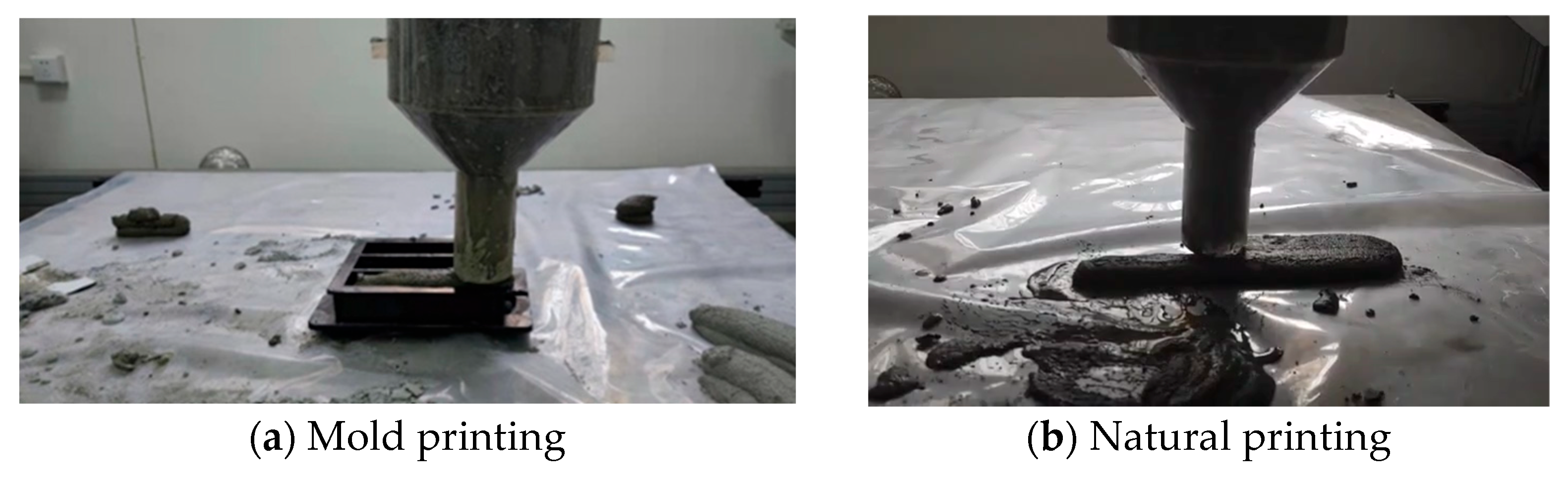
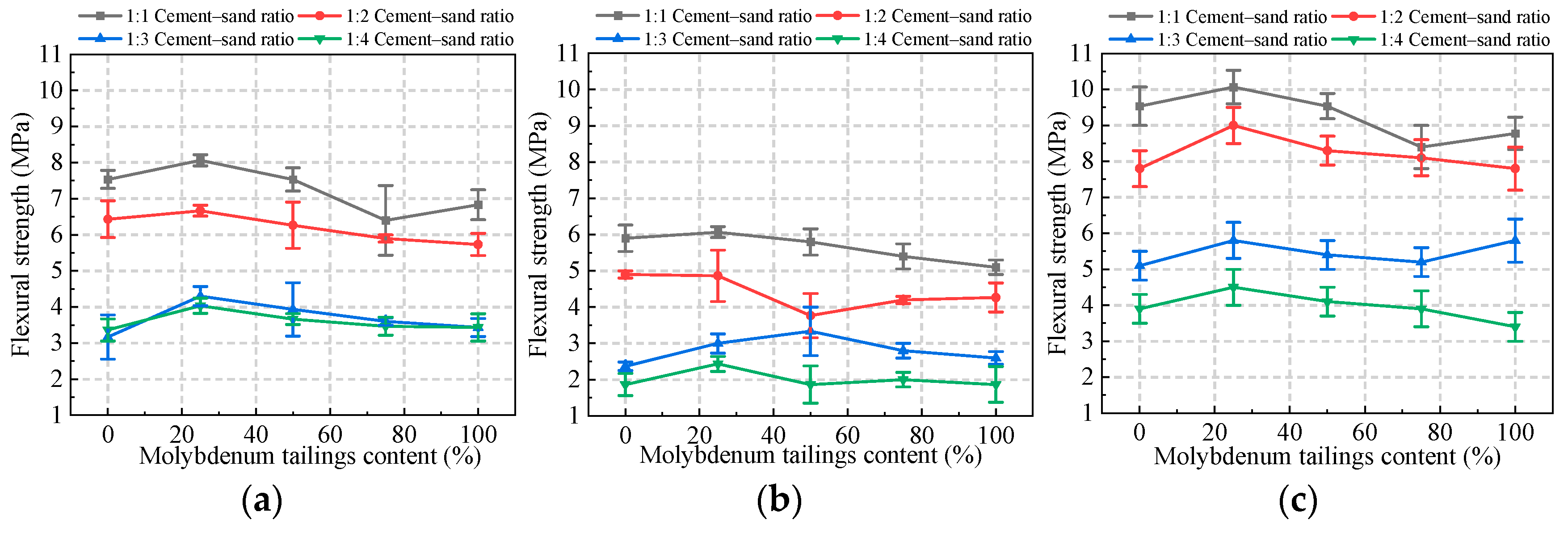
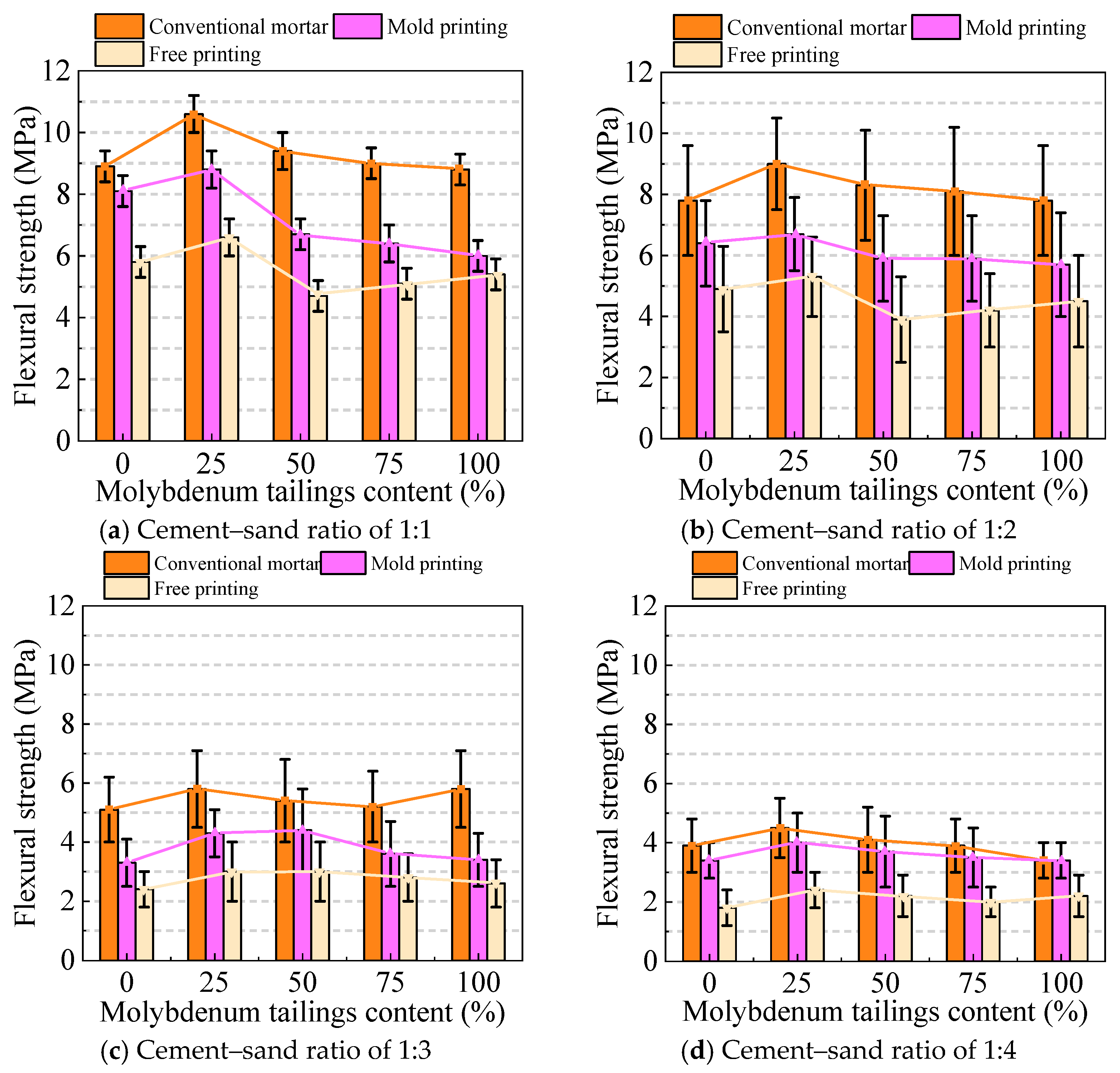
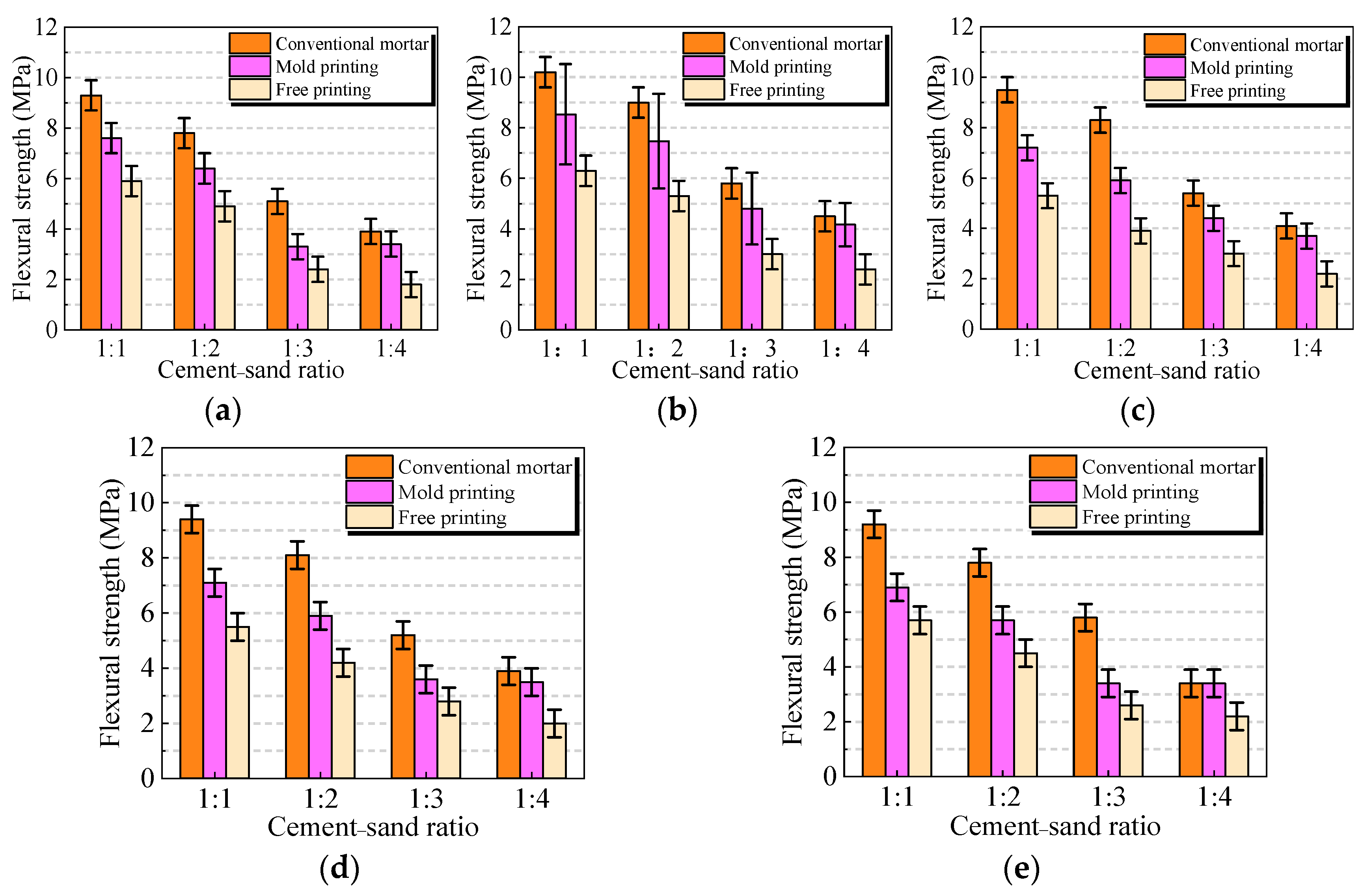
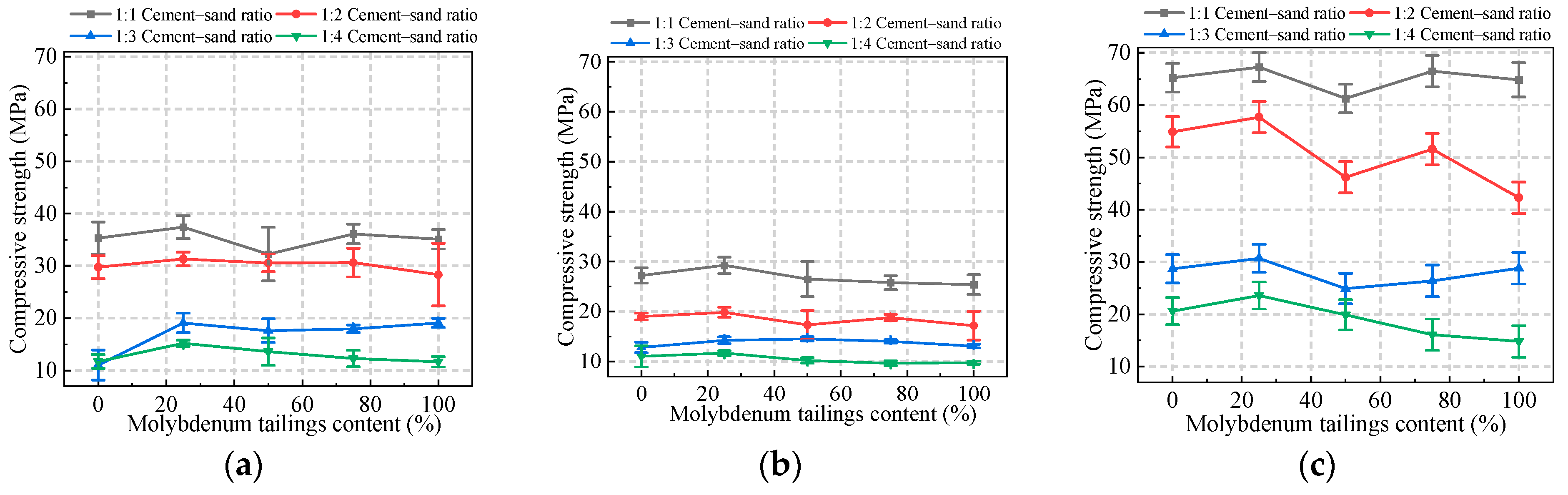
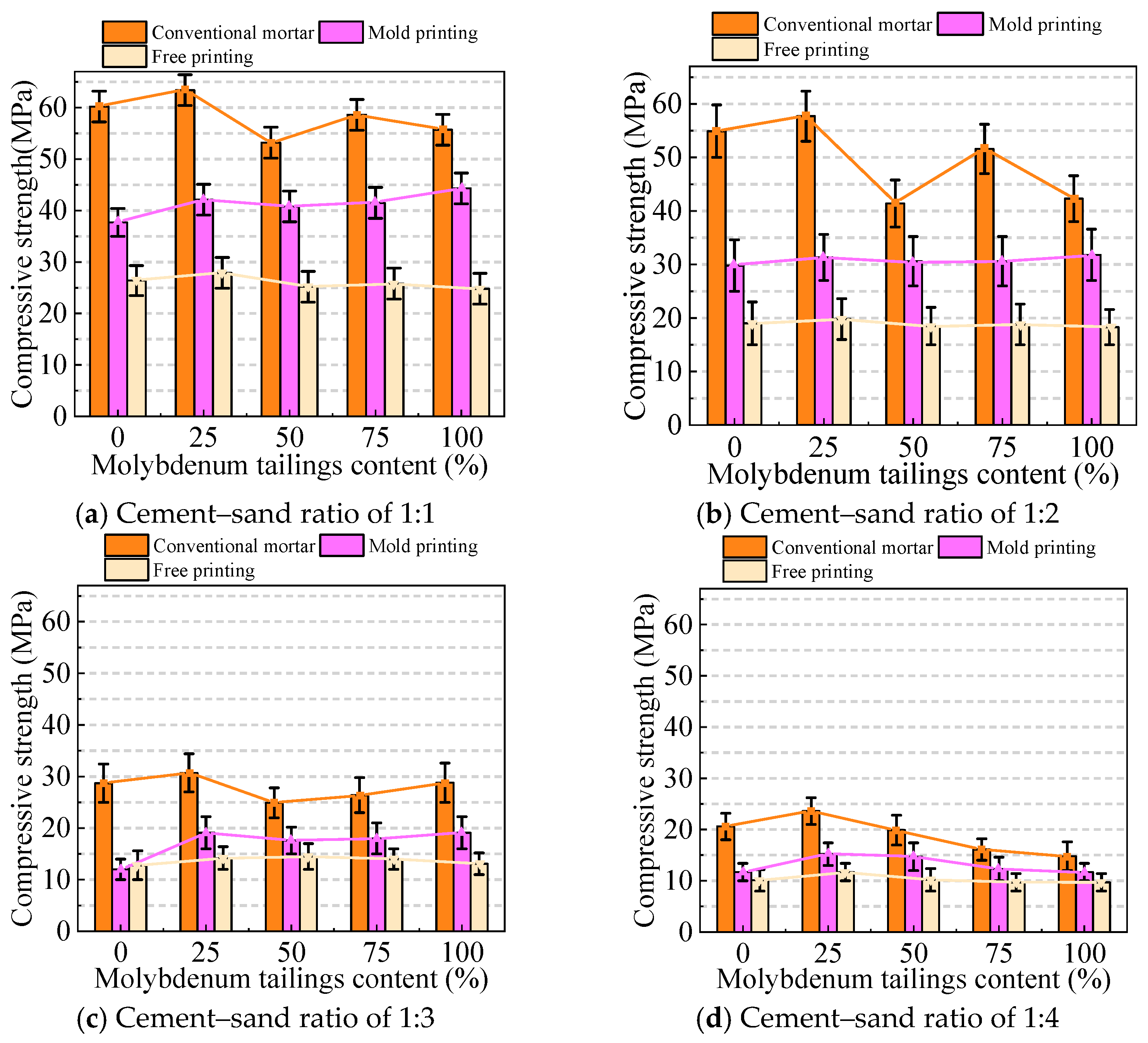
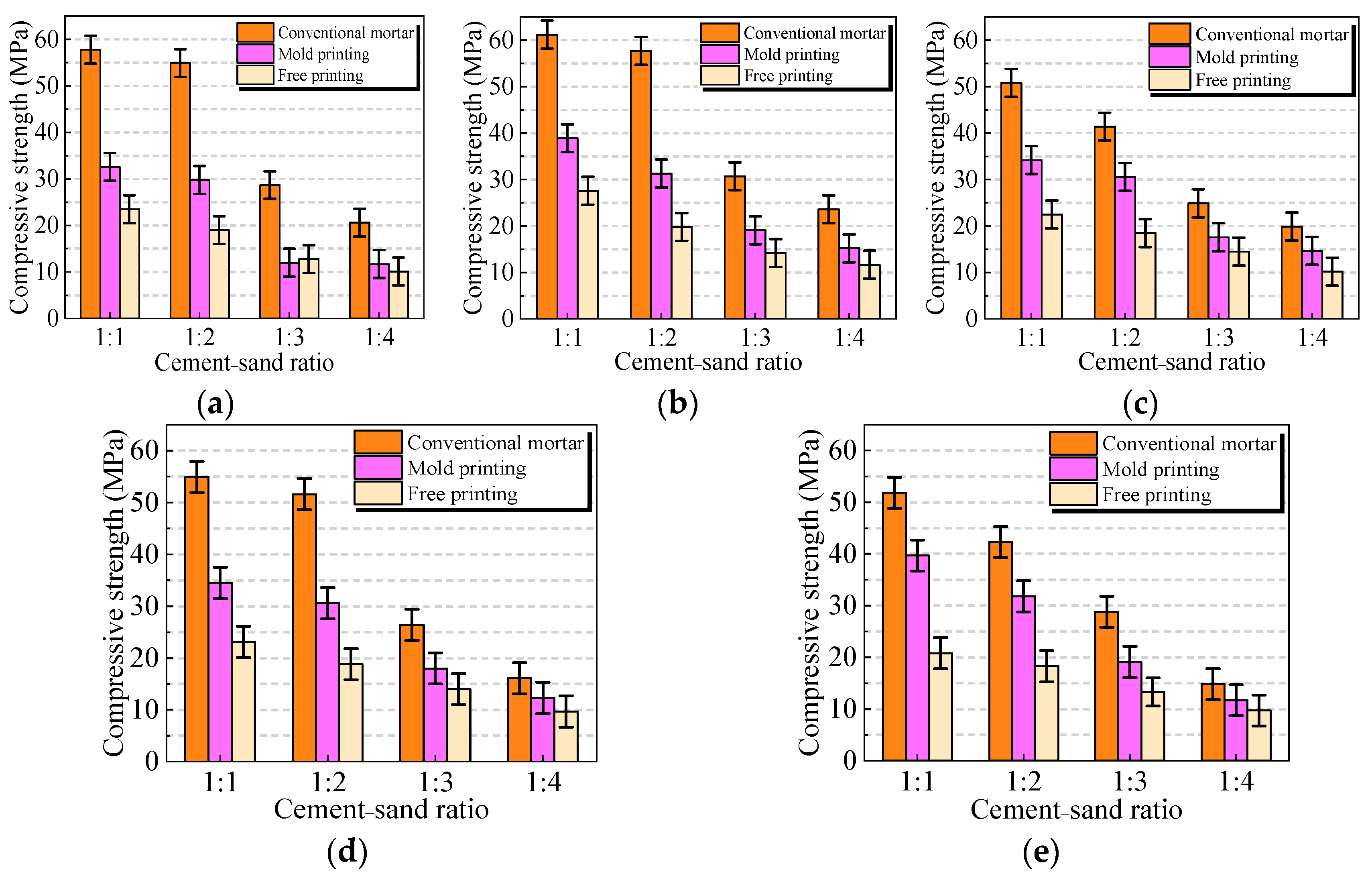
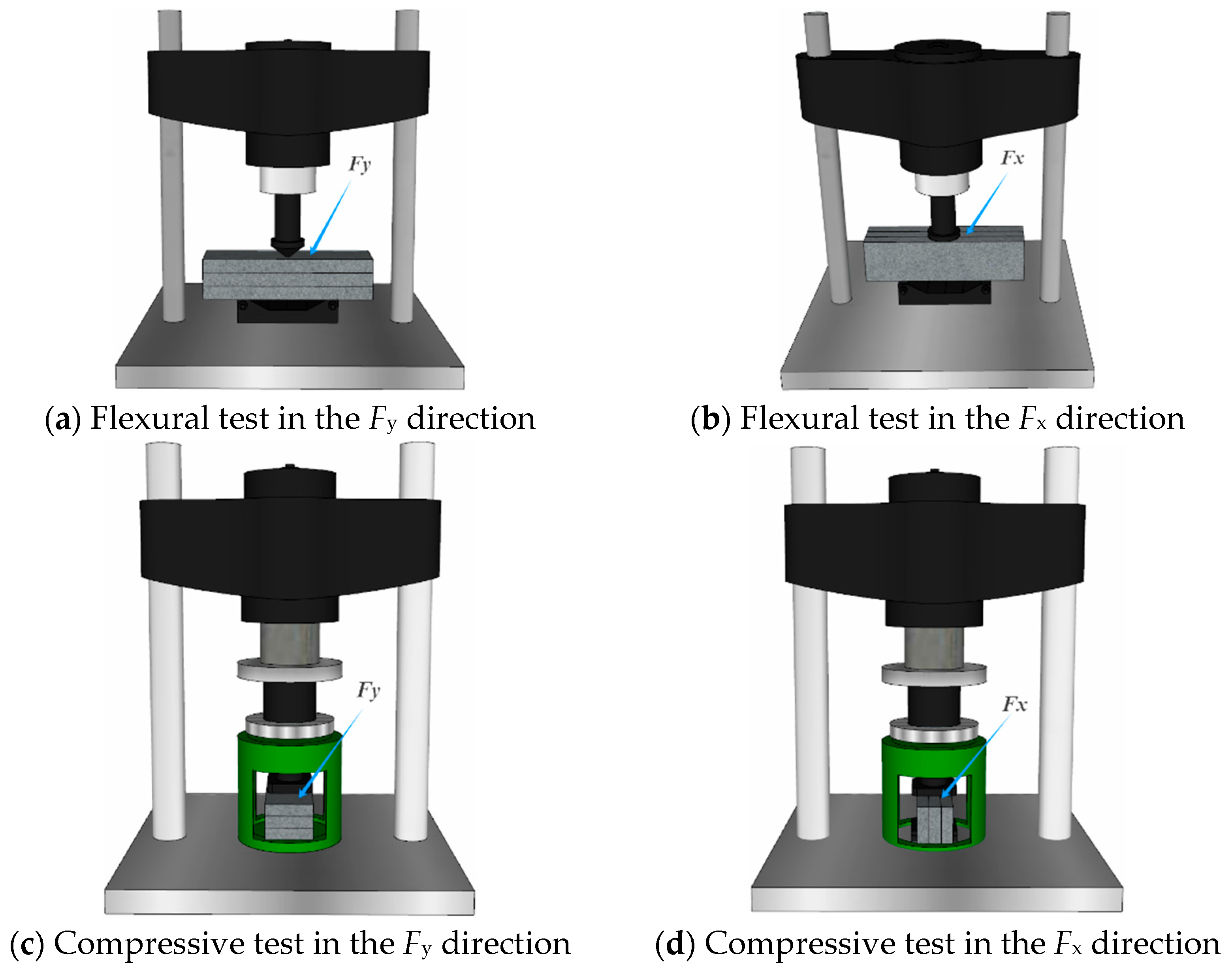
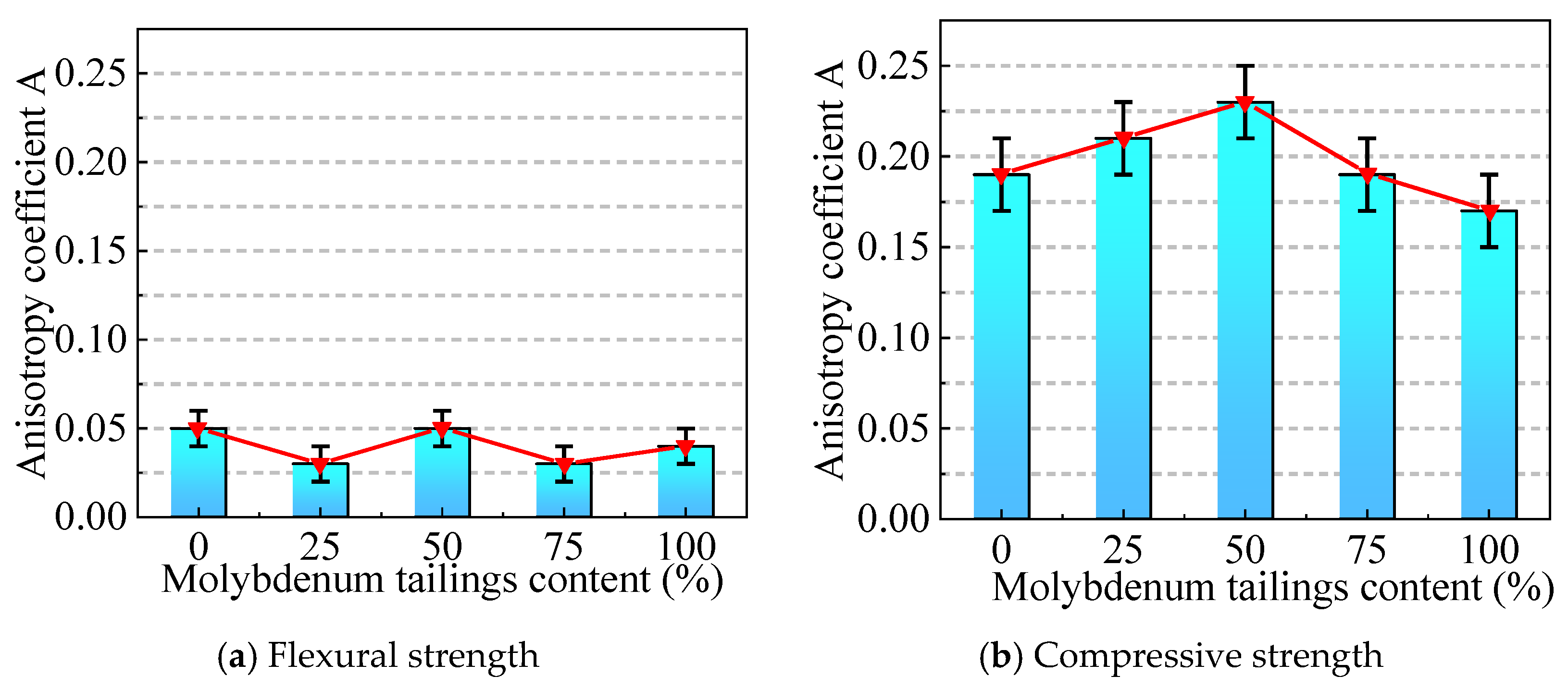
As an innovative approach to advancing sustainable construction, this study explores the integration of molybdenum tailings as fine aggregate in 3D-printed mortar. The rheological and mechanical properties of the developed mixtures are systematically investigated. Environmental and economic assessments demonstrate that molybdenum tailings sand exhibits negligible global warming potential (GWP), acidification potential (AP), and cumulative energy demand (CED), completely avoiding the environmental impacts associated with natural sand extraction. Economically, full replacement with molybdenum tailings reduces material costs, as the tailings are typically provided without charge by mining enterprises. Furthermore, the template-free 3D printing technology eliminates formwork-related environmental impacts and simplifies construction processes. Experimental results indicate that mortars with cement-to-sand ratios between 1:1 and 1:2 possess favorable printability, with nozzle movement parameters significantly influencing printed dimensions. While increased molybdenum tailings content reduces mechanical strength, the cement-to-sand ratio exerts a more pronounced effect. The compressive strength of mold-printed and free-printed mortar reaches 55–75% and 35–55% of conventional mortar, respectively. Anisotropy analysis reveals minimal directional dependence in flexural strength, whereas compressive strength shows clear anisotropy, with X-direction strength measuring approximately 70% of that in the Y direction. This research provides valuable insights into the sustainable design and performance optimization of 3D-printed mortar using industrial byproducts.
Keywords: 3D printing; molybdenum tailings; rheological properties; mechanical properties; LCA 3D printing; molybdenum tailings; rheological properties; mechanical properties; LCA