Article

Smartphone Sensors in Motion: Advancing Traffic Safety with Mobile Technology

1
Department of Road and Urban Transport, Faculty of Operation and Economic of Transport and Communications, University of Zilina, Univerzitna 1, 010 26 Zilina, Slovakia
2
Department of Traffic Accidents Expertise, Faculty of Transport and Traffic Scientes, University of Zagreb, Borongajska 83a, 10 000 Zagreb, Croatia
3
Faculty of Mechanical Engineering, Lublin University of Technology, Nadbystrzycka Str. 36, 20 618 Lublin, Poland
*
Author to whom correspondence should be addressed.
Appl. Sci. 2024, 14(13), 5404; https://doi.org/10.3390/app14135404
Submission received: 10 May 2024 / Revised: 10 June 2024 / Accepted: 15 June 2024 / Published: 21 June 2024
(This article belongs to the Special Issue Innovations in Road Safety and Transportation)

Abstract

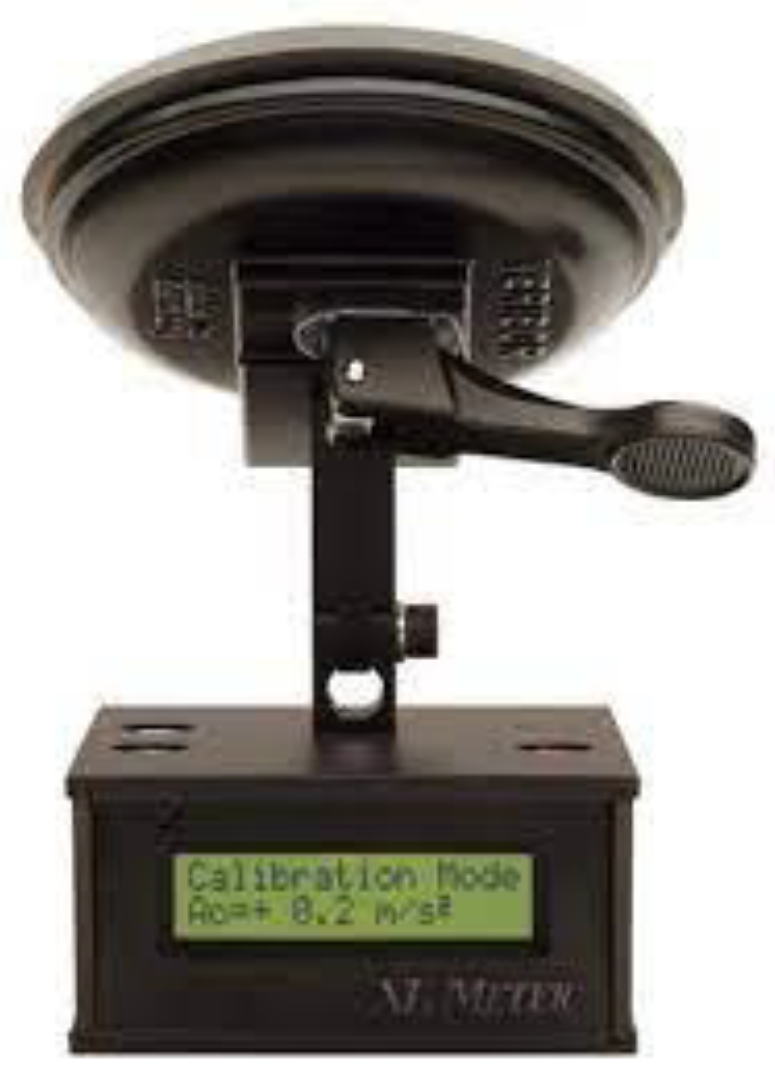
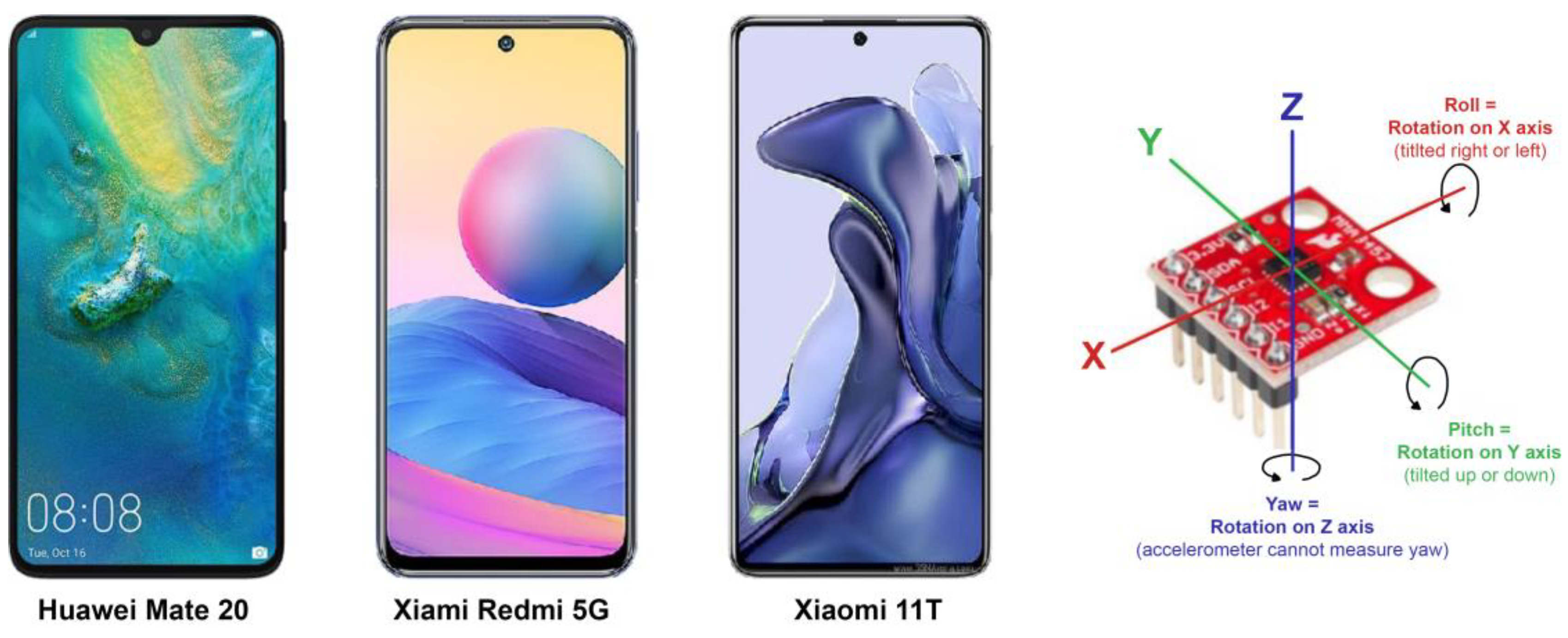
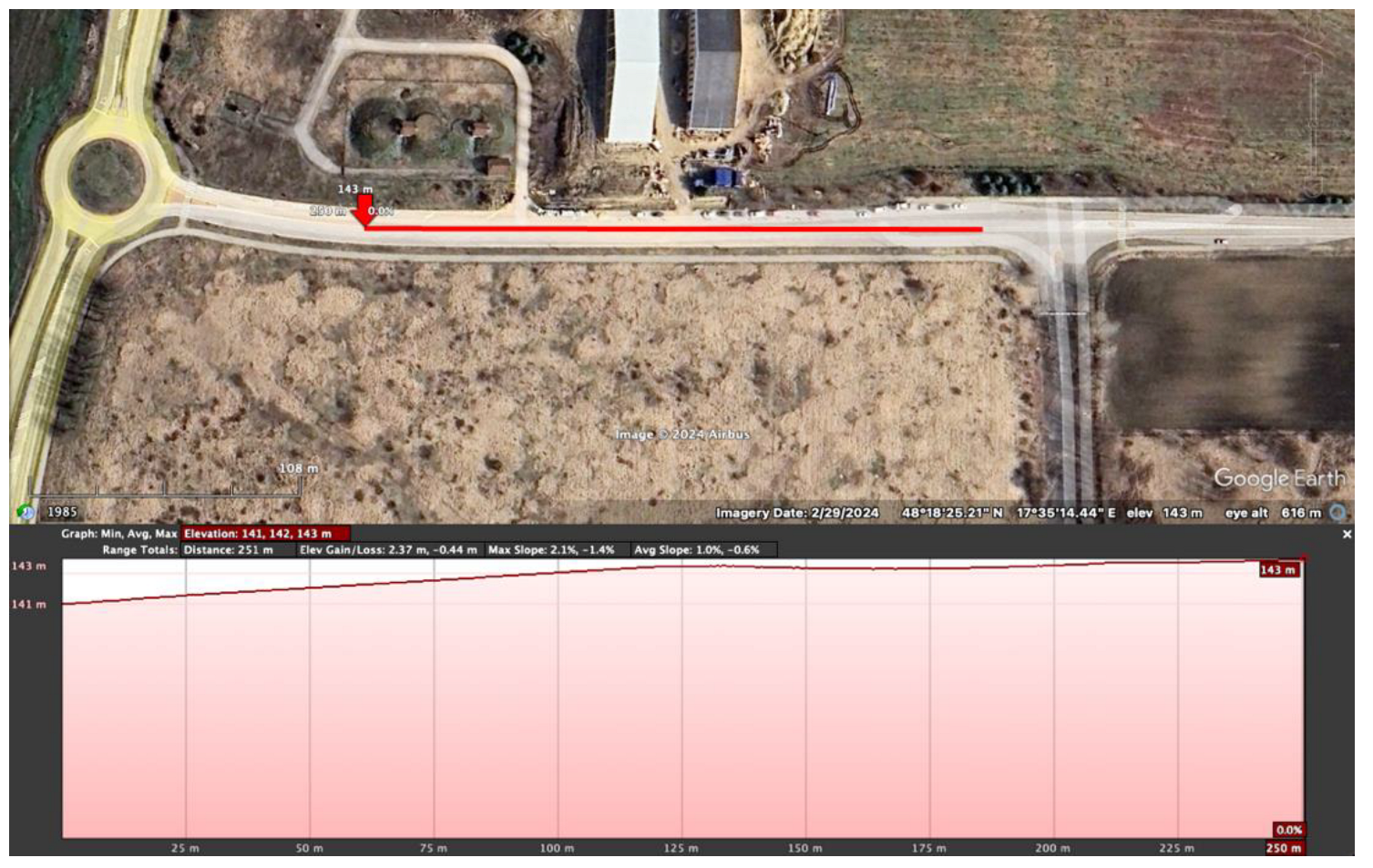
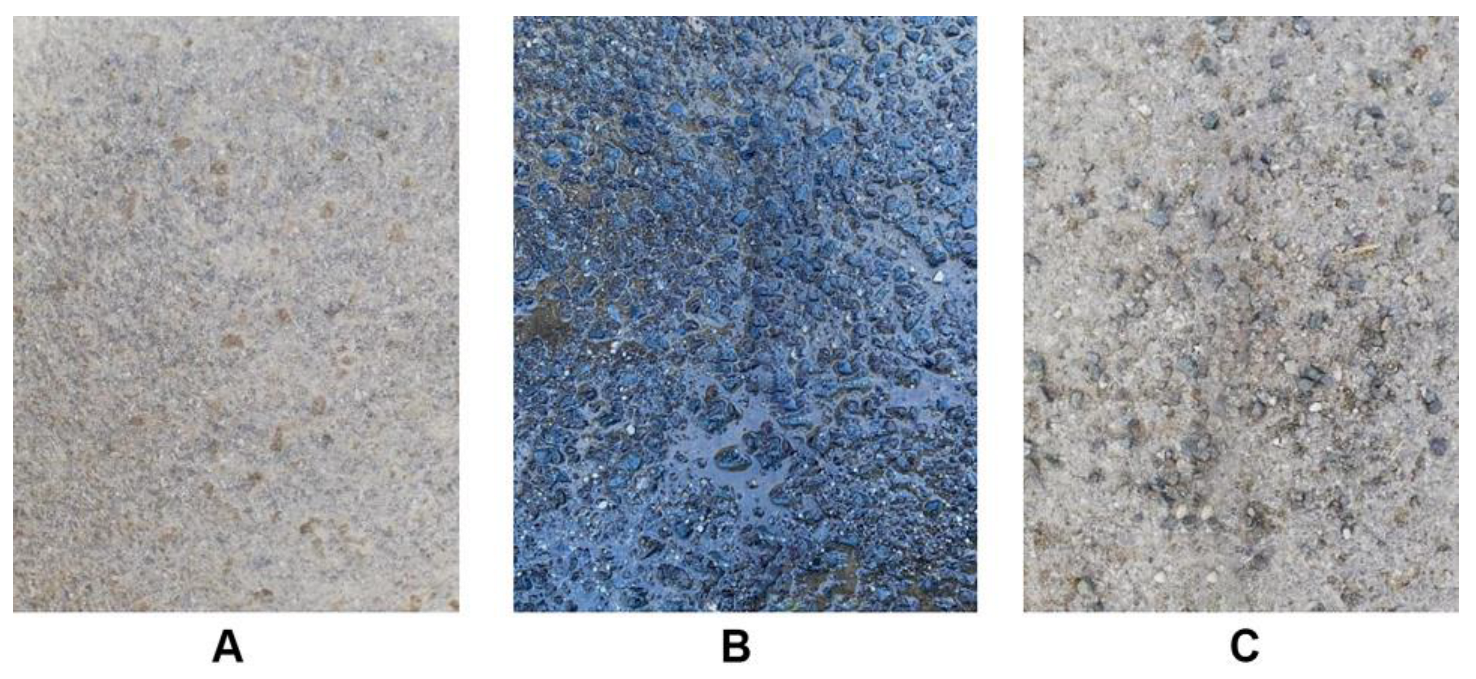
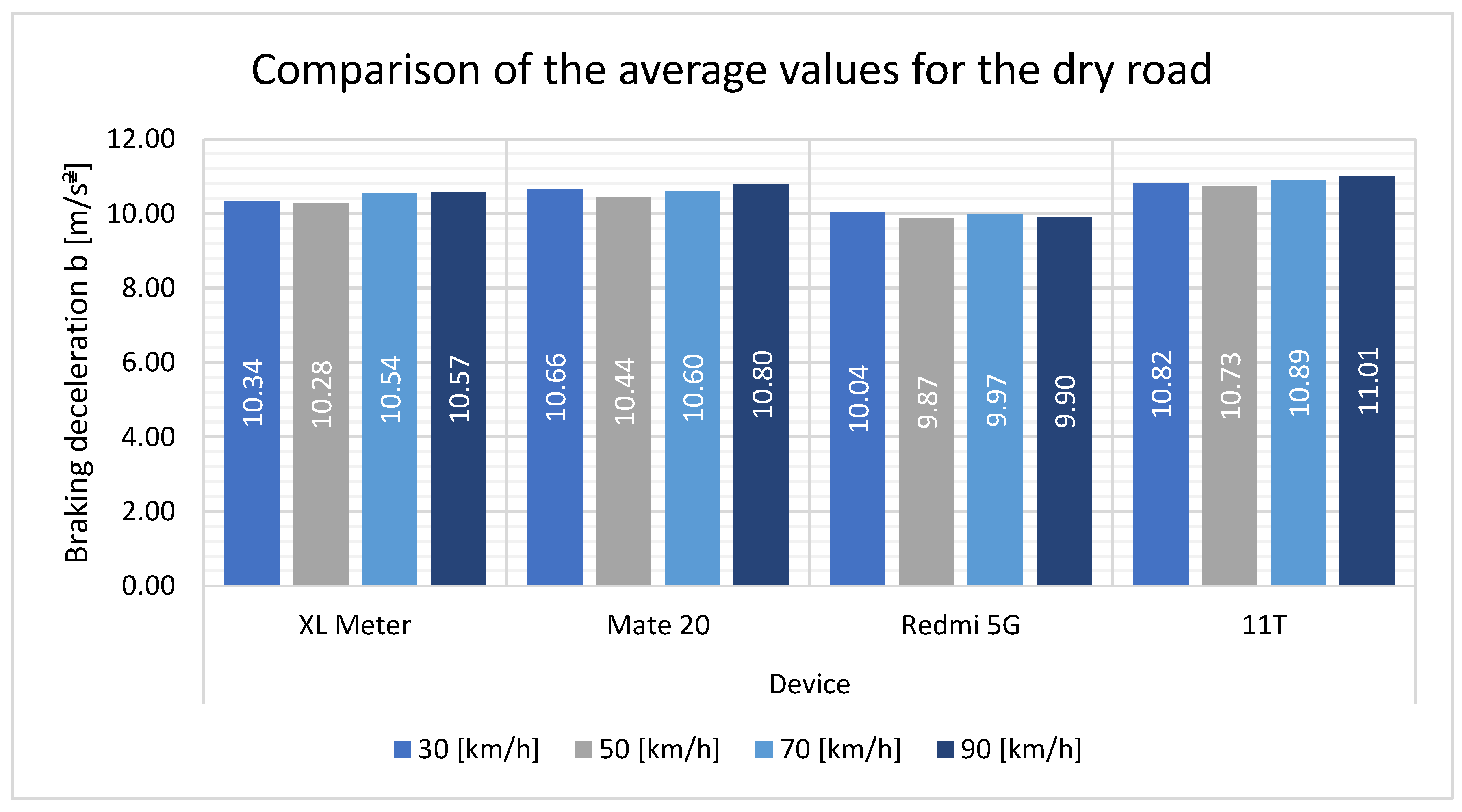
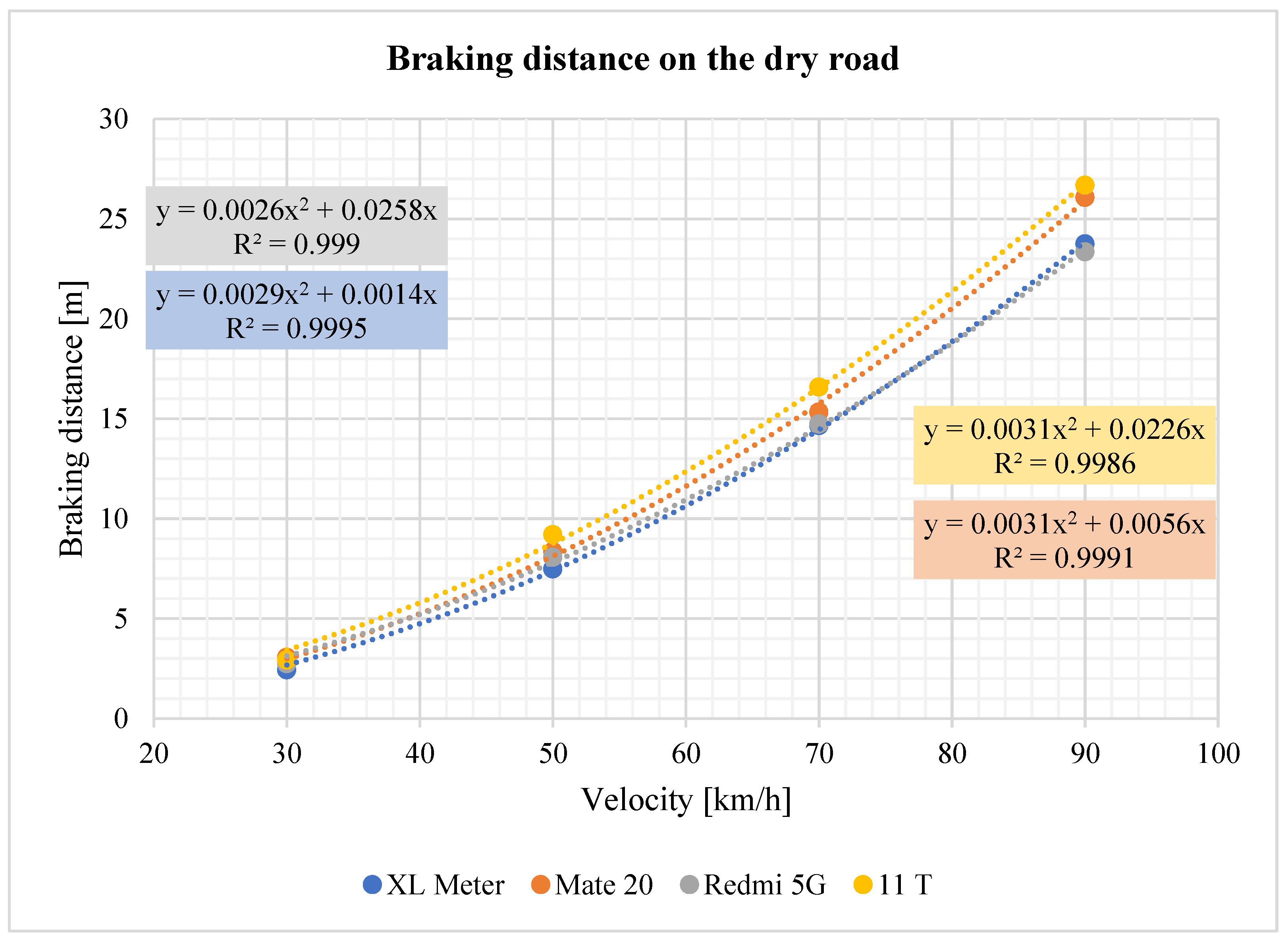
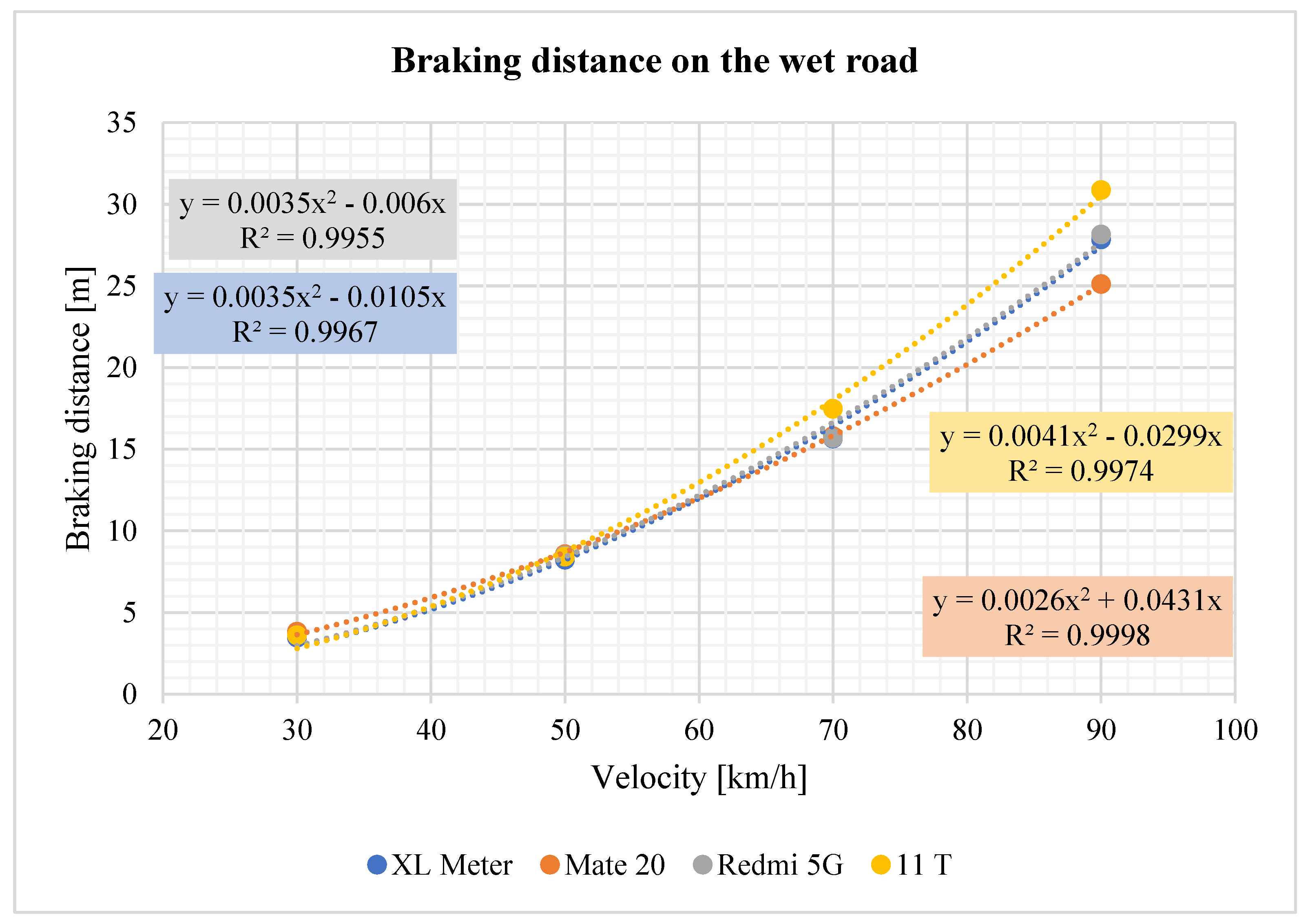
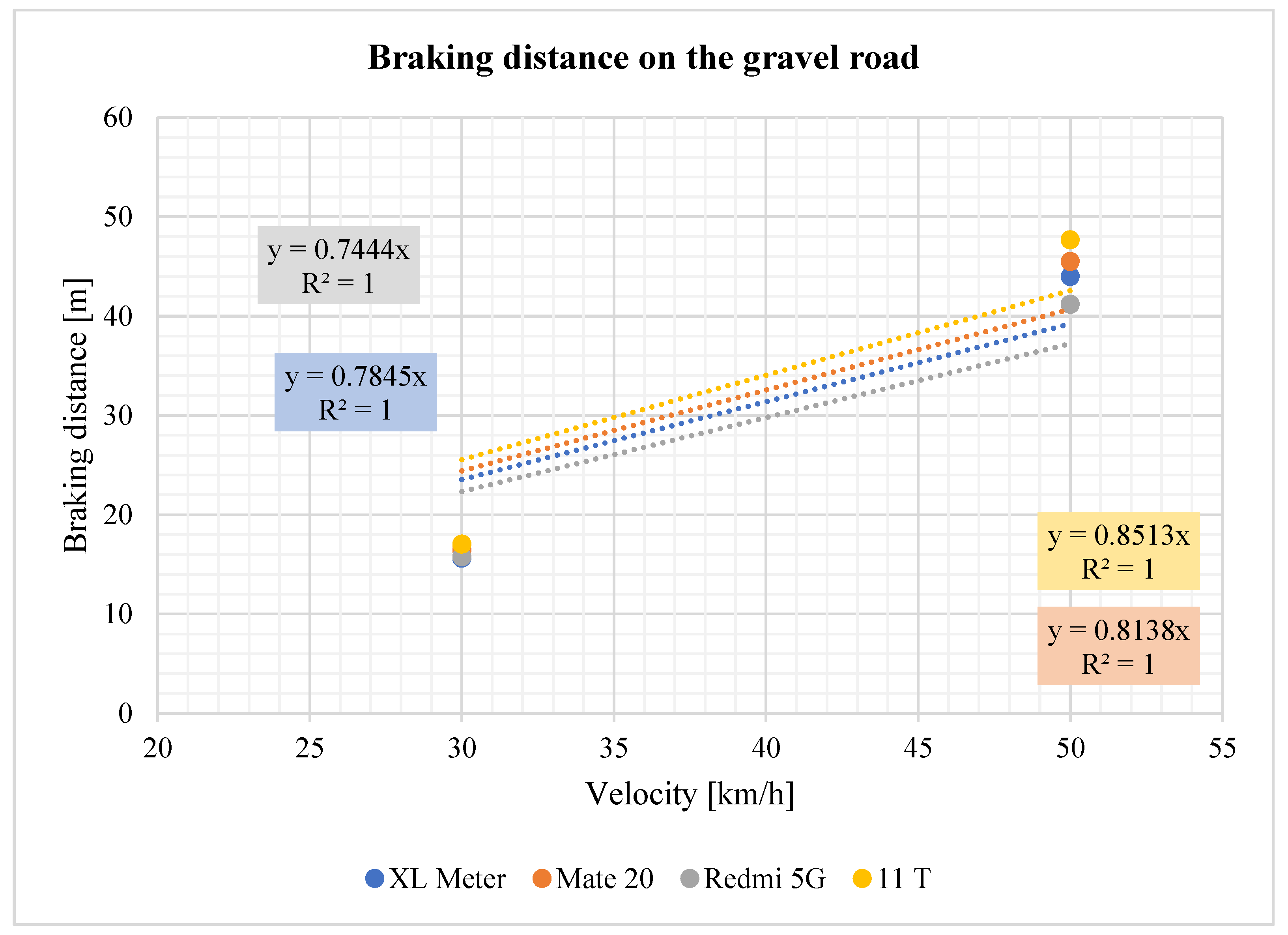
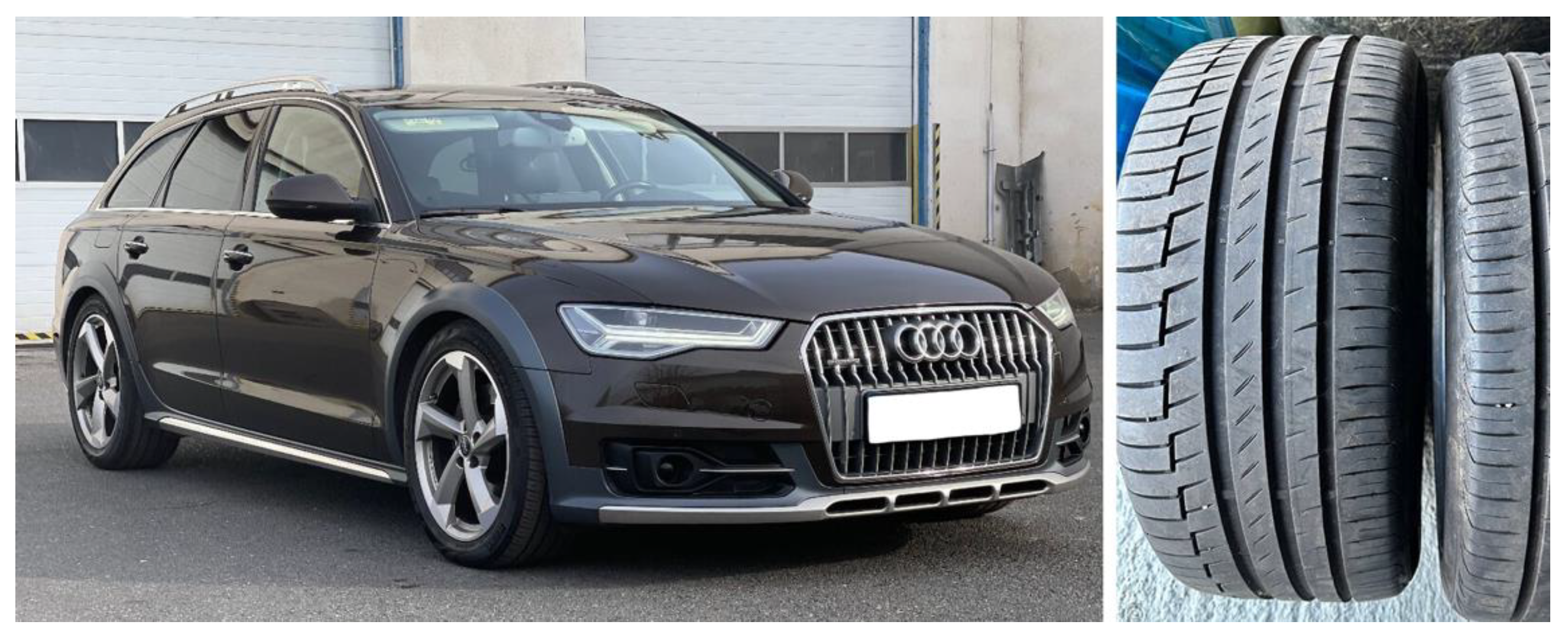
This research investigates the feasibility of using smartphones as reliable instruments to measure vehicle deceleration under different conditions and compares their accuracy and reliability with traditional decelerometers. The research was conducted using a passenger vehicle (Audi A6 Avant) on different road surfaces—dry, wet, and gravel—at several speed intervals (30, 50, 70, and 90 km/h). The vehicle was equipped with an XL Meter decelerometer and three different smartphones in different price ranges. Each device recorded deceleration data, which was then analyzed to evaluate accuracy and reliability. The findings show that while the smartphones show promising results on dry and gravel surfaces, their accuracy decreases at lower speeds and on wet surfaces due to the limitations of the sensors in detecting subtle deceleration values. The research also highlights that mid-range smartphones can perform comparably to higher-end models, suggesting that excessive investment in more expensive technology may not be necessary for scientific purposes. However, some differences in measurements are attributed to variations in device mounting and orientation sensitivity. In conclusion, this research supports the potential of integrating smartphone technology in vehicle testing for road safety, although it highlights critical limitations that need to be addressed for standardized use.
Keywords: vehicle deceleration; smartphone sensors; mobile measurement technology; cost-effective alternatives; sensor accuracy vehicle deceleration; smartphone sensors; mobile measurement technology; cost-effective alternatives; sensor accuracy