Partial Substitution of Whey Protein Concentrate with Spray–Dried Porcine Plasma or Soy Protein Isolate in Milk Replacer Differentially Modulates Ileal Morphology, Nutrient Digestion, Immunity and Intestinal Microbiota of Neonatal Piglets
by
 , , , , ,
Yuwei Zhang
 ,
,
Qiang Zhou
,
Shiya Liu
,
Xiang Quan
,
Zhengfeng Fang
, 
Yan Lin
,
Shengyu Xu
,
Bin Feng
 ,
,
Yong Zhuo
,
De Wu
and
Lianqiang Che
* 
Key Laboratory for Animal Disease-Resistant Nutrition of China Ministry of Education, Institute of Animal Nutrition, Sichuan Agricultural University, Chengdu 611130, China
*
Author to whom correspondence should be addressed.
Animals 2023, 13(21), 3308; https://doi.org/10.3390/ani13213308
Submission received: 11 September 2023
/
Revised: 12 October 2023
/
Accepted: 18 October 2023
/
Published: 24 October 2023
(This article belongs to the Section Pigs)
Simple Summary
Milk replacer is recommended as an effective substitute when sow milk is insufficient or unavailable to meet the requirements of neonates, and the protein sources of milk replacer are vital for the intestinal maturation and health of neonates. In this study, we investigate the effects of SDPP or SPI partially substituting WPC in milk replacer on the growth performance, ileal morphology, nutrient digestion, immunity and intestinal microbiota of neonatal piglets. Our results confirm the efficacy of SDPP in milk replacer for improving the growth and intestinal health of neonatal piglets.
Abstract
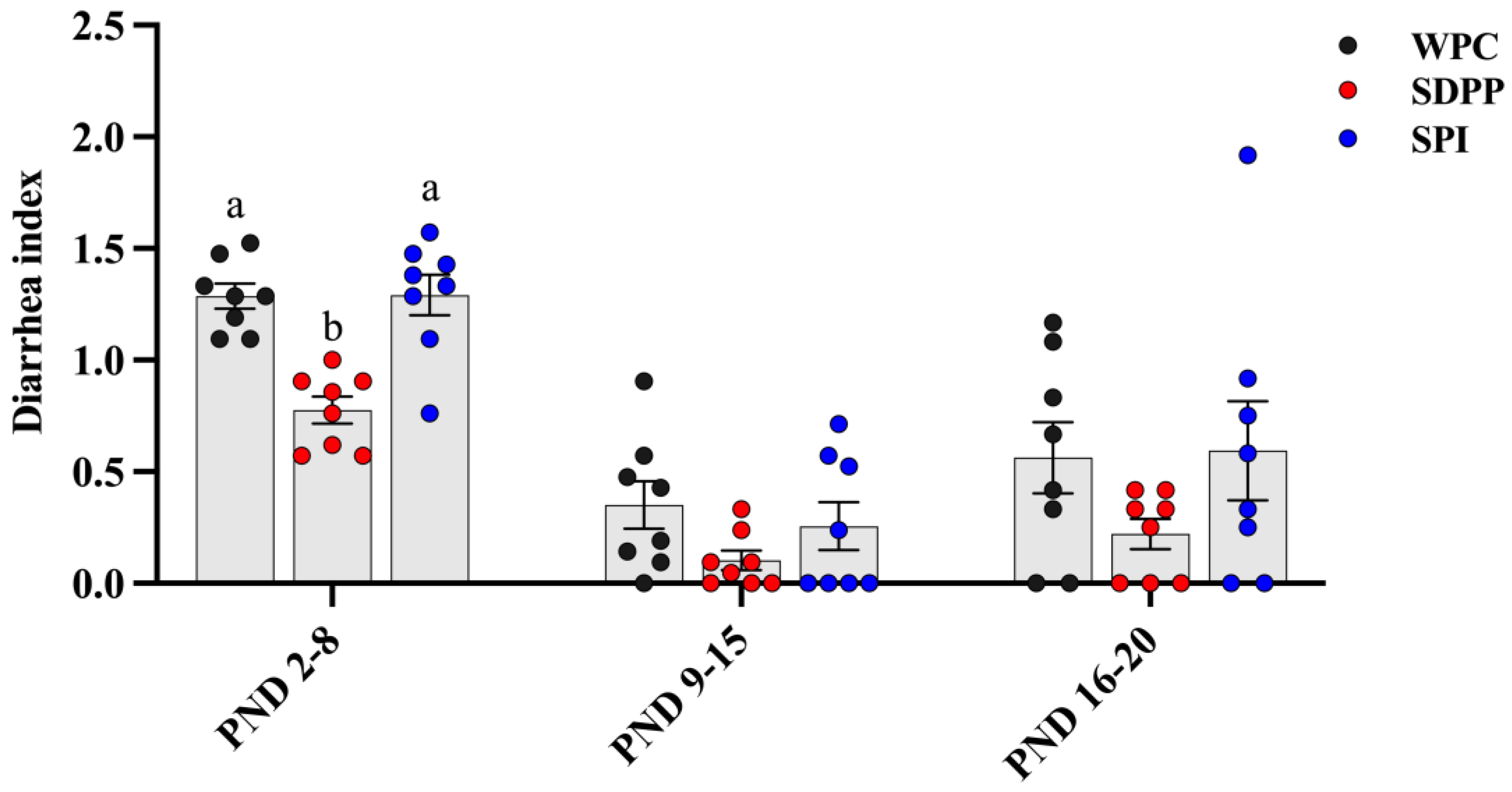
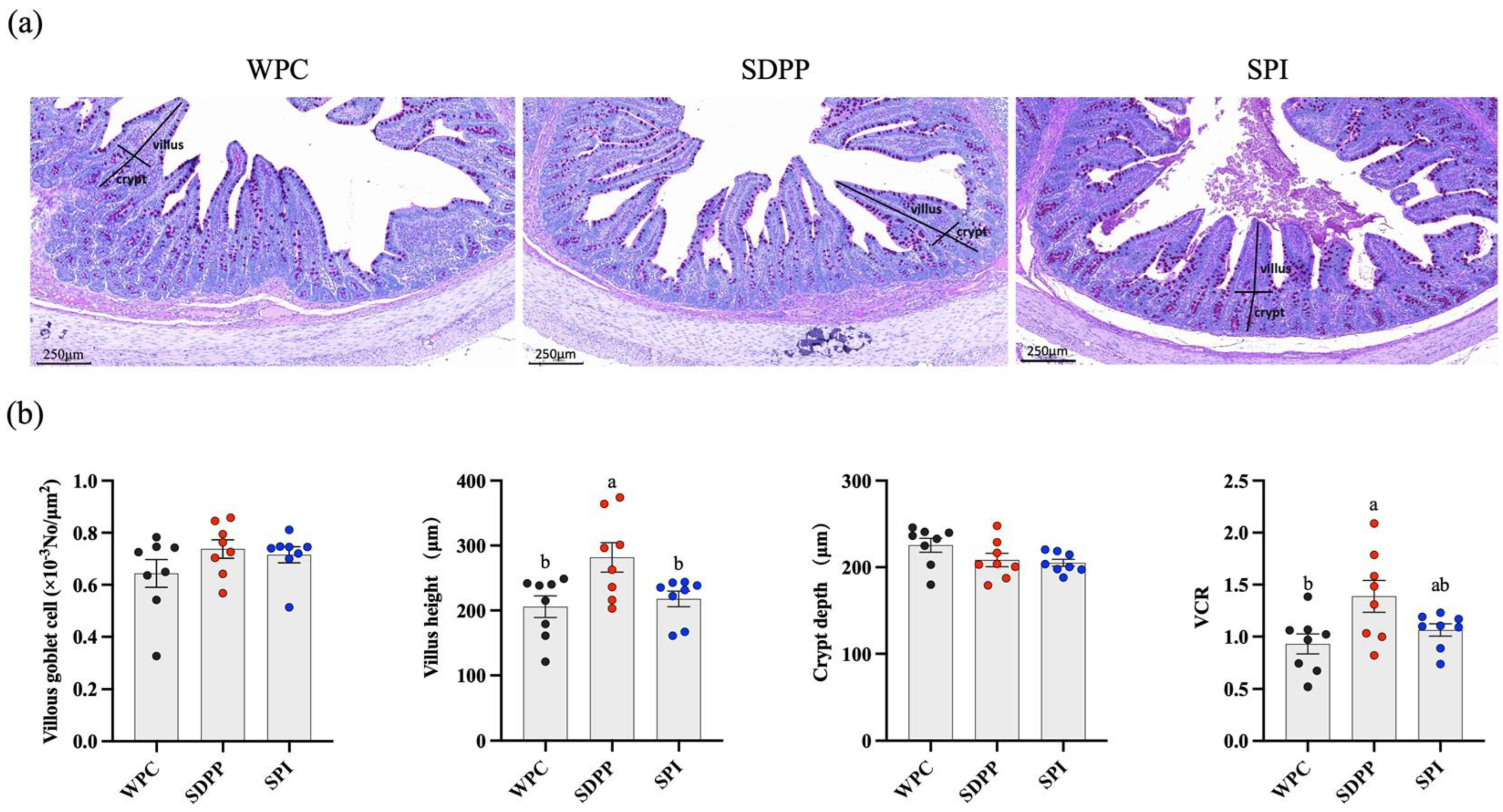
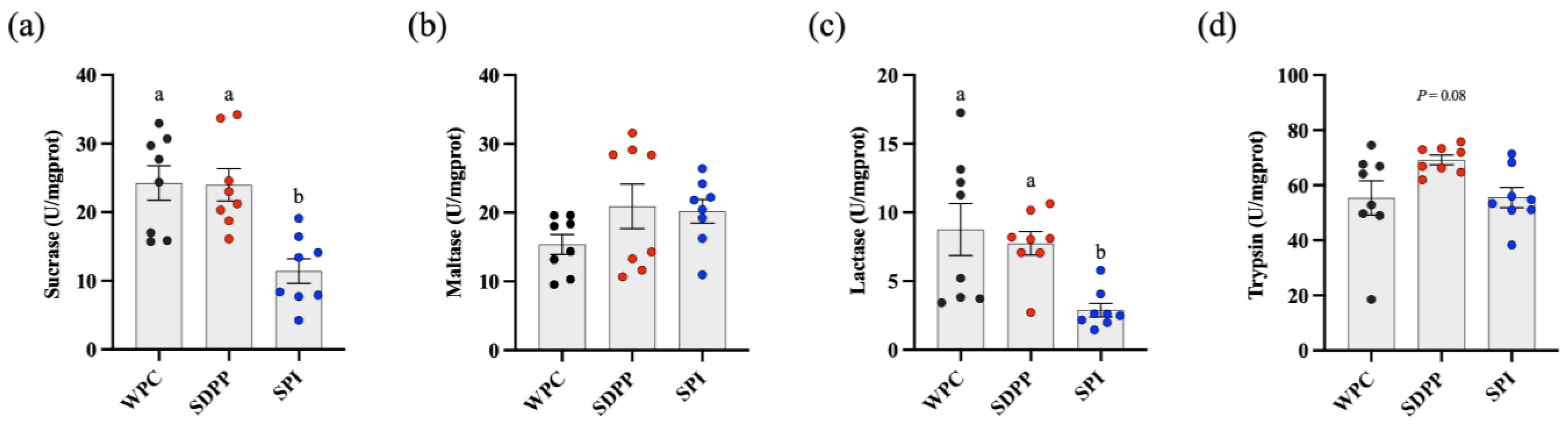
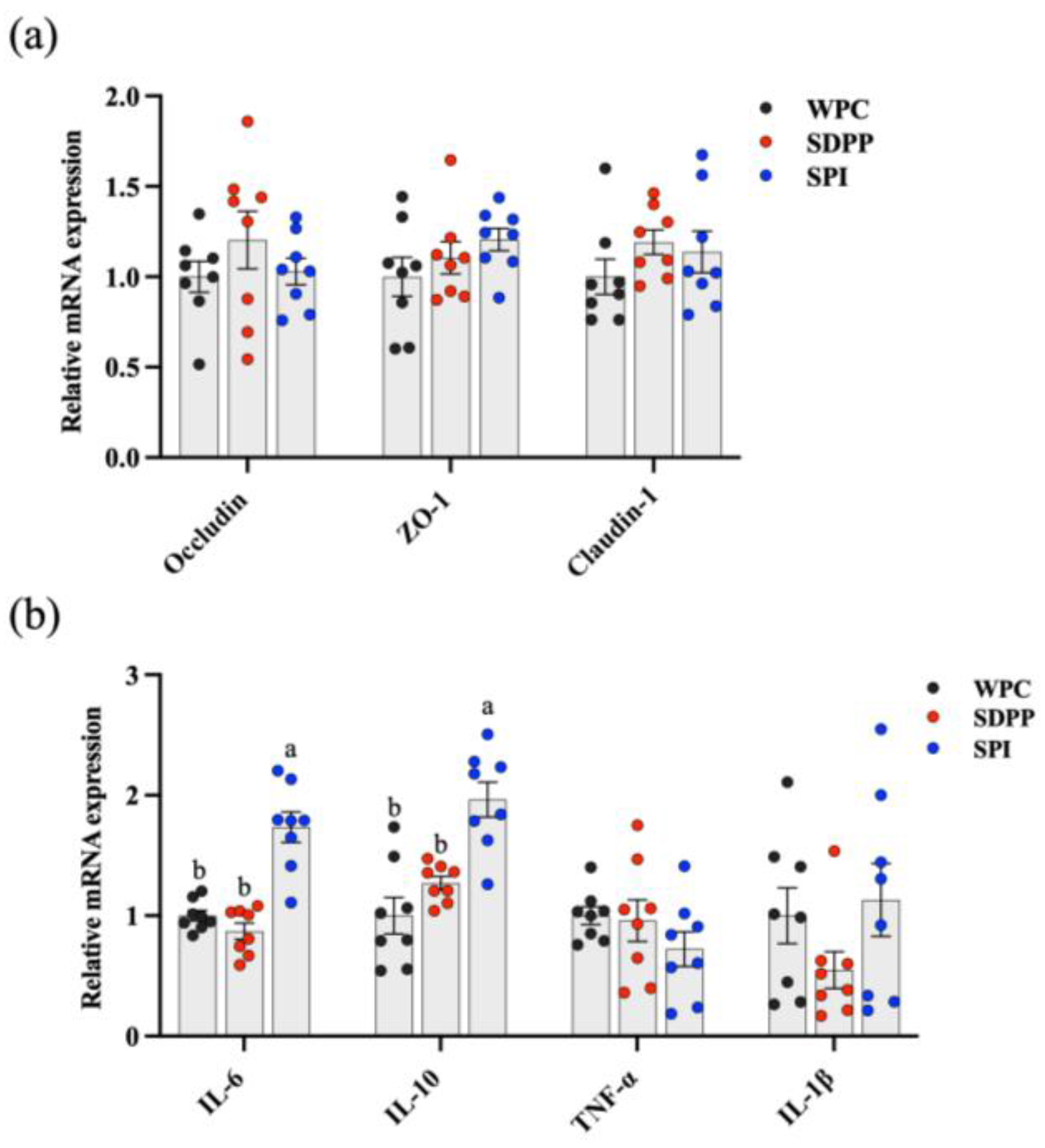
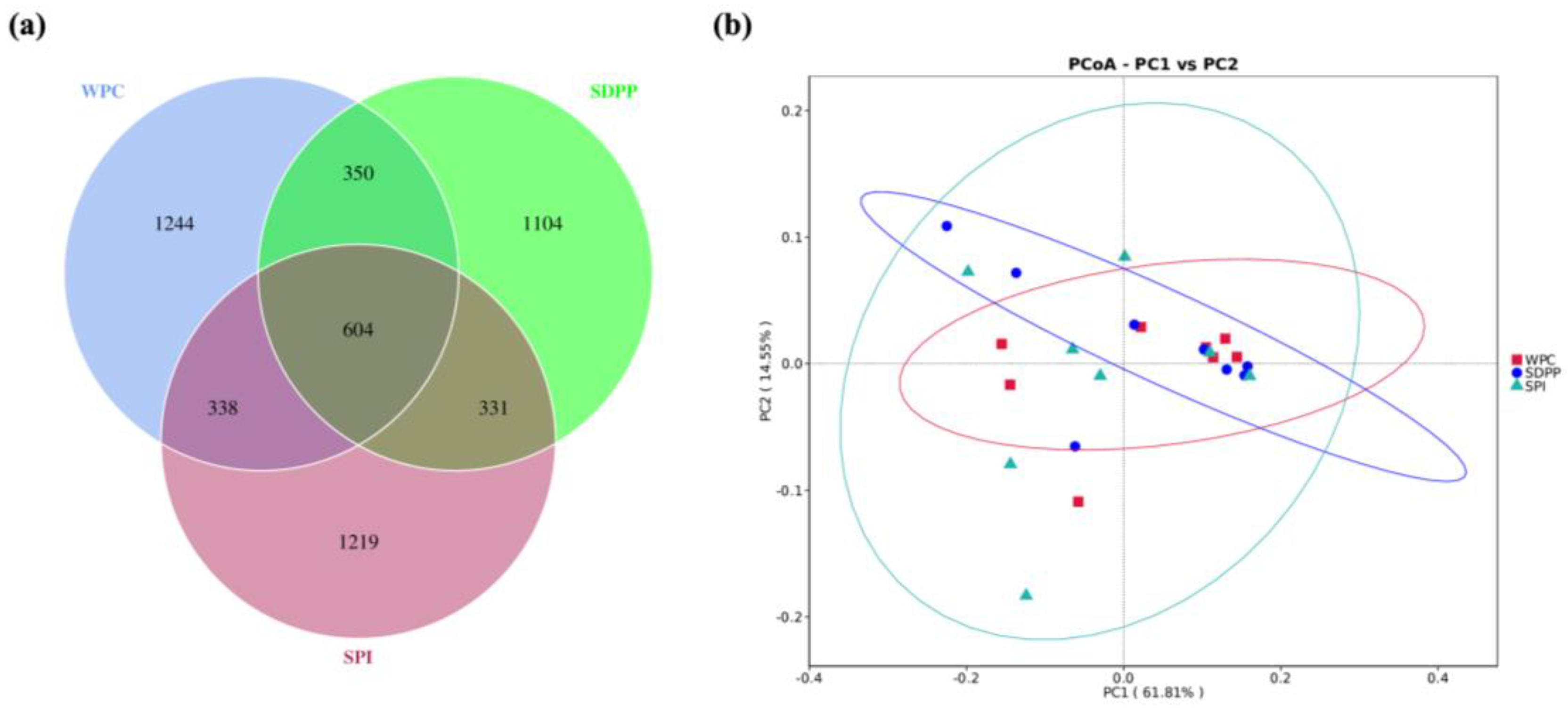
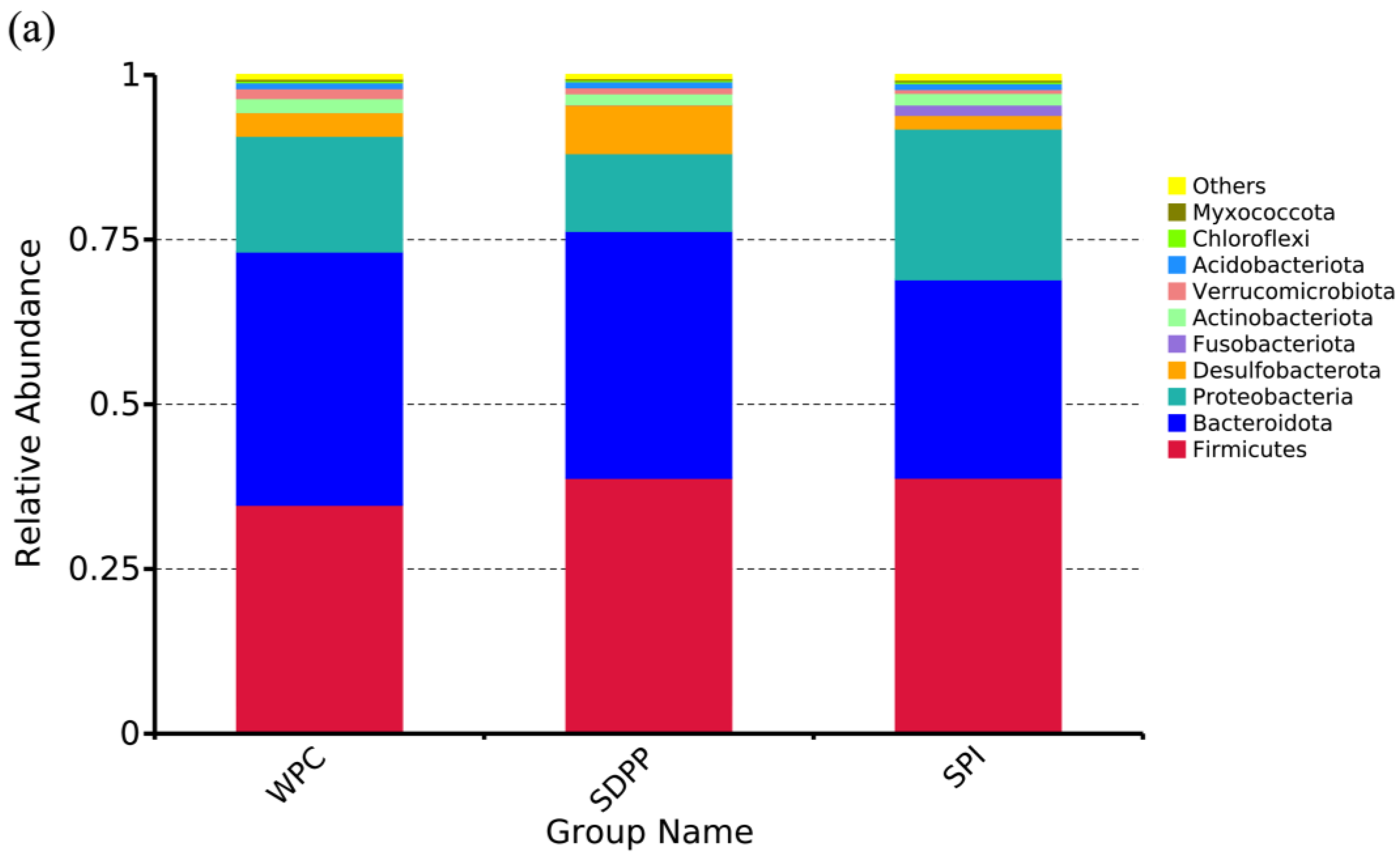
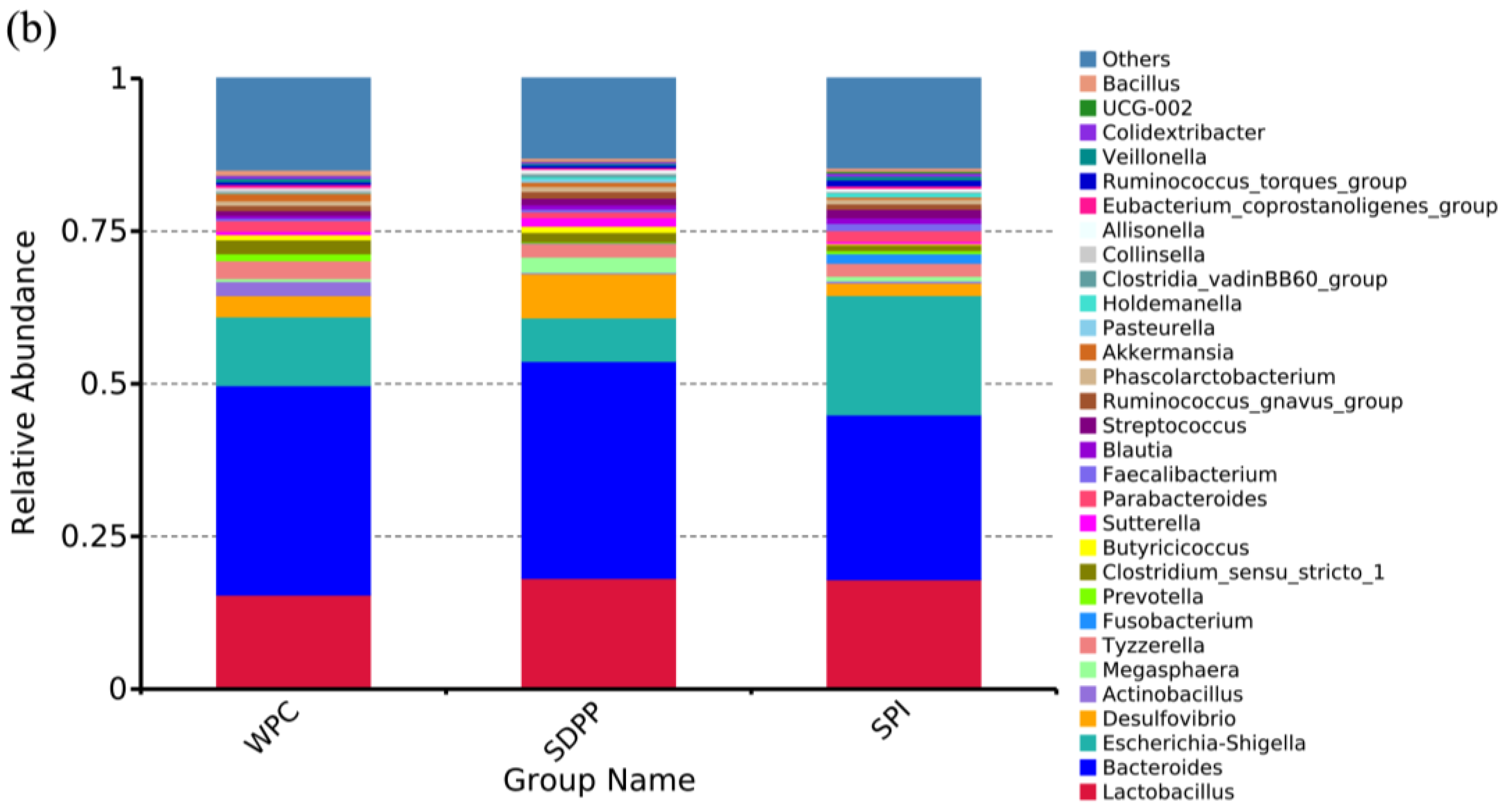
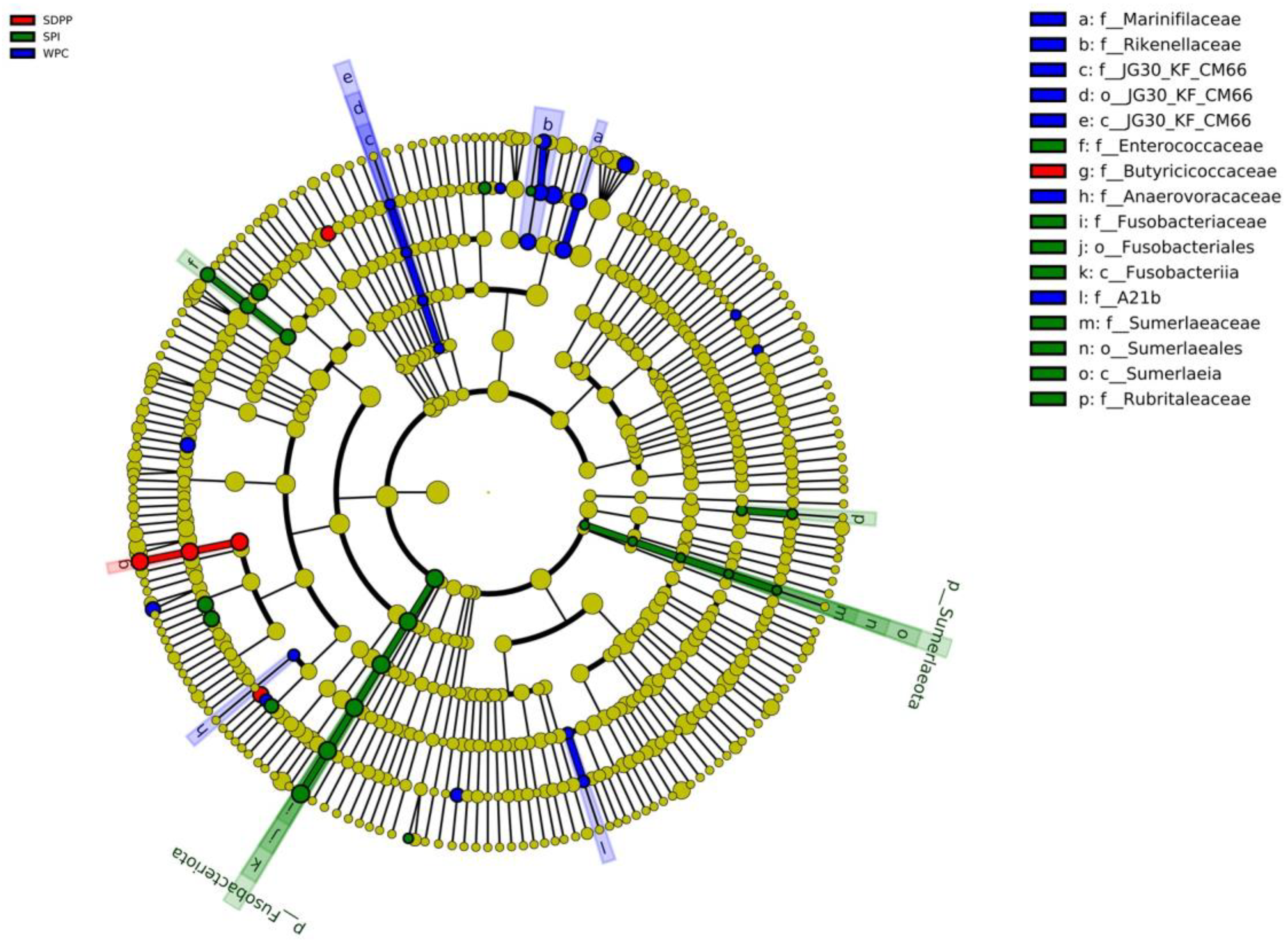
Appropriate protein sources are vital for the growth, development and health of neonates. Twenty–four 2–day–old piglets were randomly divided into three groups and fed isoenergetic and isonitrogenous diets. The experimental diets included a milk replacer with 17.70% whey protein concentrate (WPC group), a milk replacer with 6% spray–dried porcine plasma isonitrogenously substituting WPC (SDPP group), and a milk replacer with 5.13% soy protein isolate isonitrogenously substituting WPC (SPI group). Neonatal piglets were fed milk replacer from postnatal day 2 (PND 2) to day 20 (PND 20). The growth performance, intestinal morphology, activities of digestive enzymes, plasma biochemical parameters, immunity–related genes, short–chain fatty acids (SCFA) and intestinal microbiota in the colonic chyme were determined. The results showed that SDPP–fed piglets had higher final BW (p = 0.05), ADG (p = 0.05) and F/G (p = 0.07) compared with WPC– and SPI–fed piglets, and SDPP–fed piglets had a lower diarrhea index (p < 0.01) from PND 2 to PND 8. SDPP–fed piglets had an increased ileal villus height (p = 0.04) and ratio of villus height to crypt depth (VCR) (p = 0.02), and increased activities of sucrase (p < 0.01), lactase (p = 0.02) and trypsin (p = 0.08) in the jejunum, compared with WPC– and SPI–fed piglets. Furthermore, SPI–fed piglets had an increased mRNA expression of IL-6 (p < 0.01) and concentration of plasma urea (p = 0.08). The results from LEfSe analysis showed that SDPP–fed piglets had a higher abundance of beneficial Butyricicoccus compared with WPC– and SPI–fed piglets, in which higher abundances of pathogenic bacteria such as Marinifilaceae, Fusobacterium and Enterococcus were observed. Moreover, SDPP–fed piglets had an increased concentration of butyric acid (p = 0.08) in the colonic chyme compared with WPC– and SPI–fed piglets. These results suggest that neonatal piglets fed milk replacer with SDPP partially substituting WPC had improved growth performance and intestinal morphology and function, associated with higher digestive enzyme activity and fewer pathogenic bacteria.