Article

Biodegradation of Phenol at High Initial Concentration by Rhodococcus opacus 3D Strain: Biochemical and Genetic Aspects

by
Tatiana O. Anokhina
1,
Tatiana Z. Esikova
1,
Valentina N. Polivtseva
2,
Nataliya E. Suzina
2 and
Inna P. Solyanikova
3,4,*
1
Laboratory of Plasmid Biology, G.K. Skryabin Institute of Biochemistry and Physiology of Microorganisms, Pushchino Center for Biological Research, Russian Academy of Sciences, Prosp. Nauki 5, 142290 Pushchino, Russia
2
Laboratory of Cytology of Microorganisms, G.K. Skryabin Institute of Biochemistry and Physiology of Microorganisms, Pushchino Scientific Center for Biological Research, Russian Academy of Sciences, Prosp. Nauki 5, 142290 Pushchino, Russia
3
Laboratory of Microbial Enzymology, G.K. Skryabin Institute of Biochemistry and Physiology of Microorganisms, Pushchino Scientific Center for Biological Research, Russian Academy of Sciences, Prosp. Nauki 5, 142290 Pushchino, Russia
4
Regional Microbiological Center, Institute of Pharmacy, Chemistry and Biology, Belgorod National Research University, 308015 Belgorod, Russia
*
Author to whom correspondence should be addressed.
Microorganisms 2025, 13(1), 205; https://doi.org/10.3390/microorganisms13010205

Submission received: 30 December 2024 / Revised: 15 January 2025 / Accepted: 15 January 2025 / Published: 18 January 2025
(This article belongs to the Special Issue Microbial Metabolism and Application in Biodegradation)

Abstract

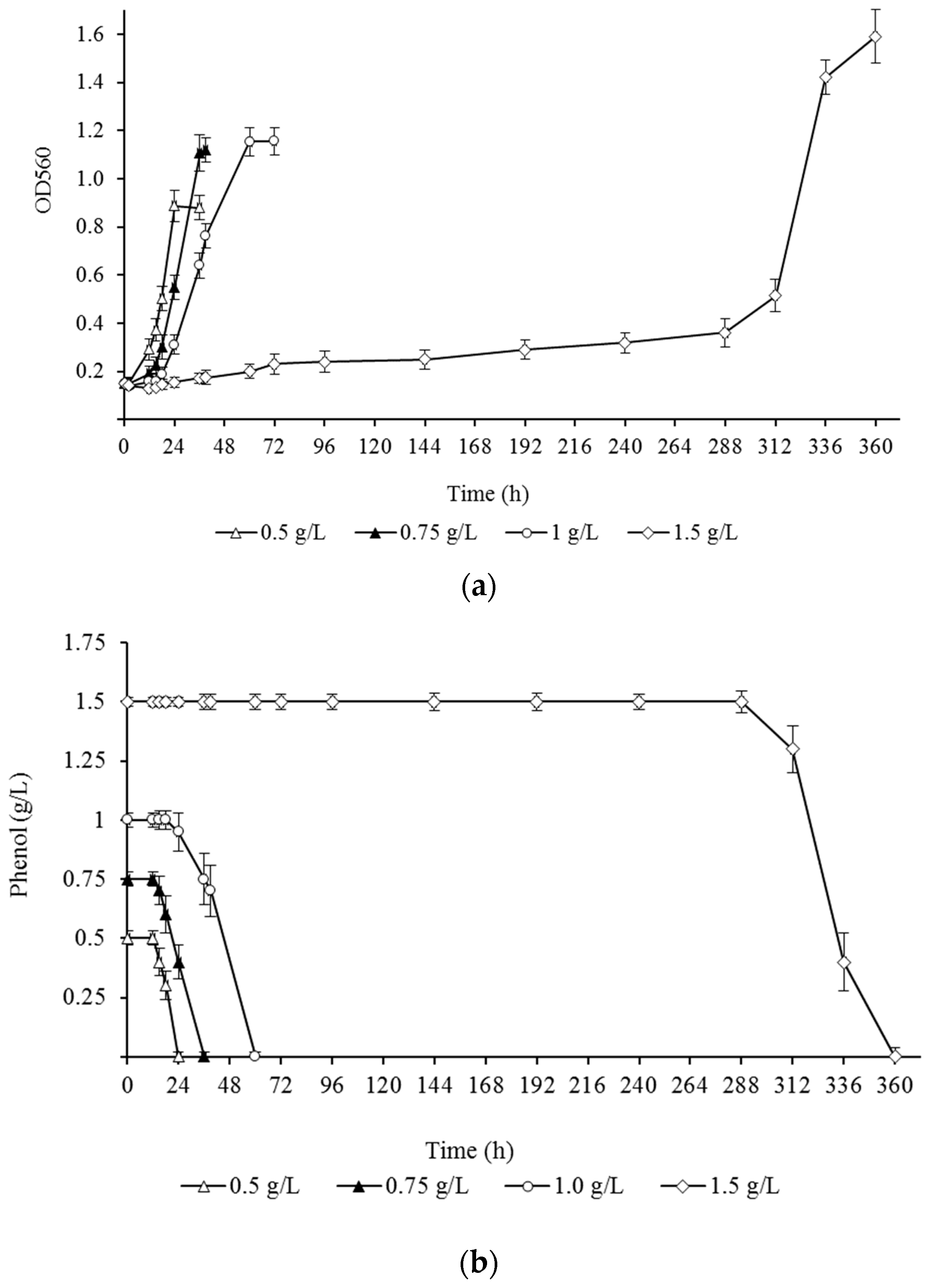
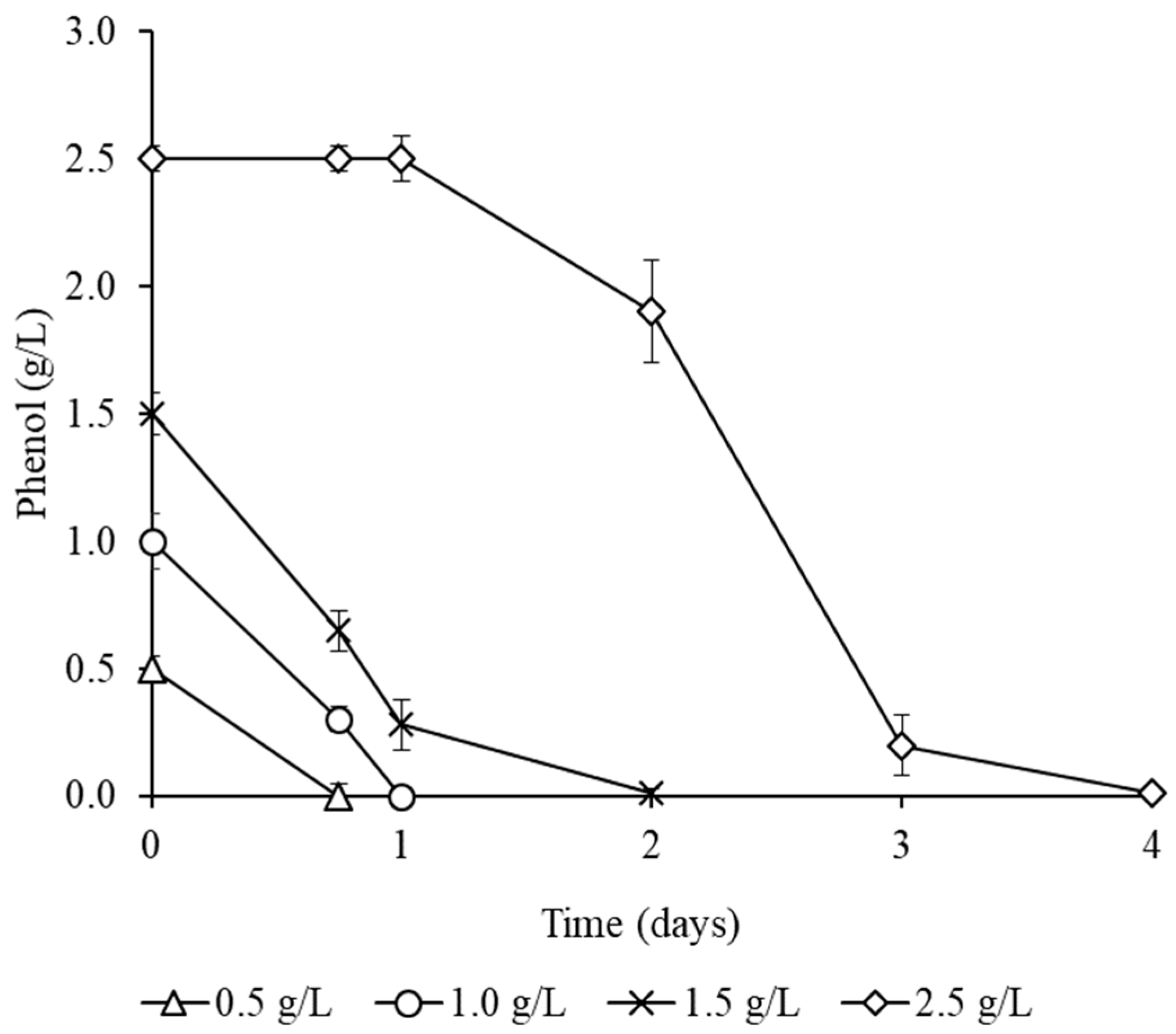
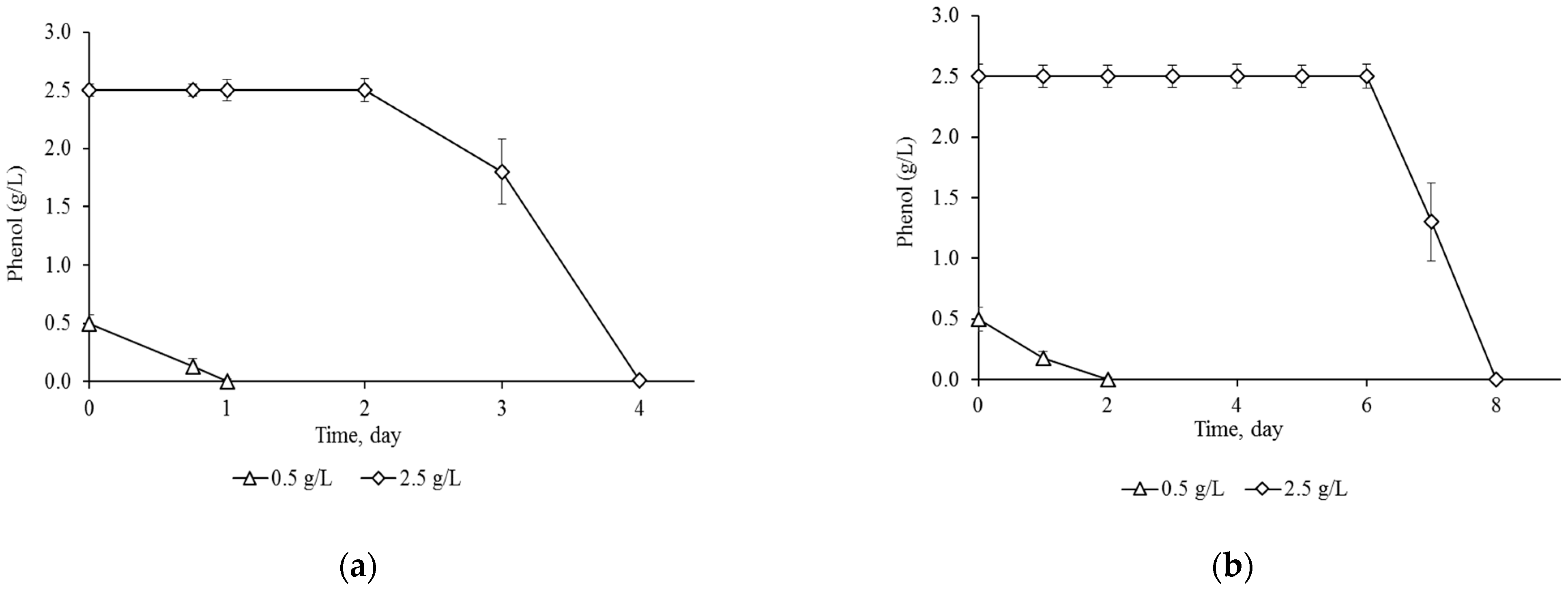
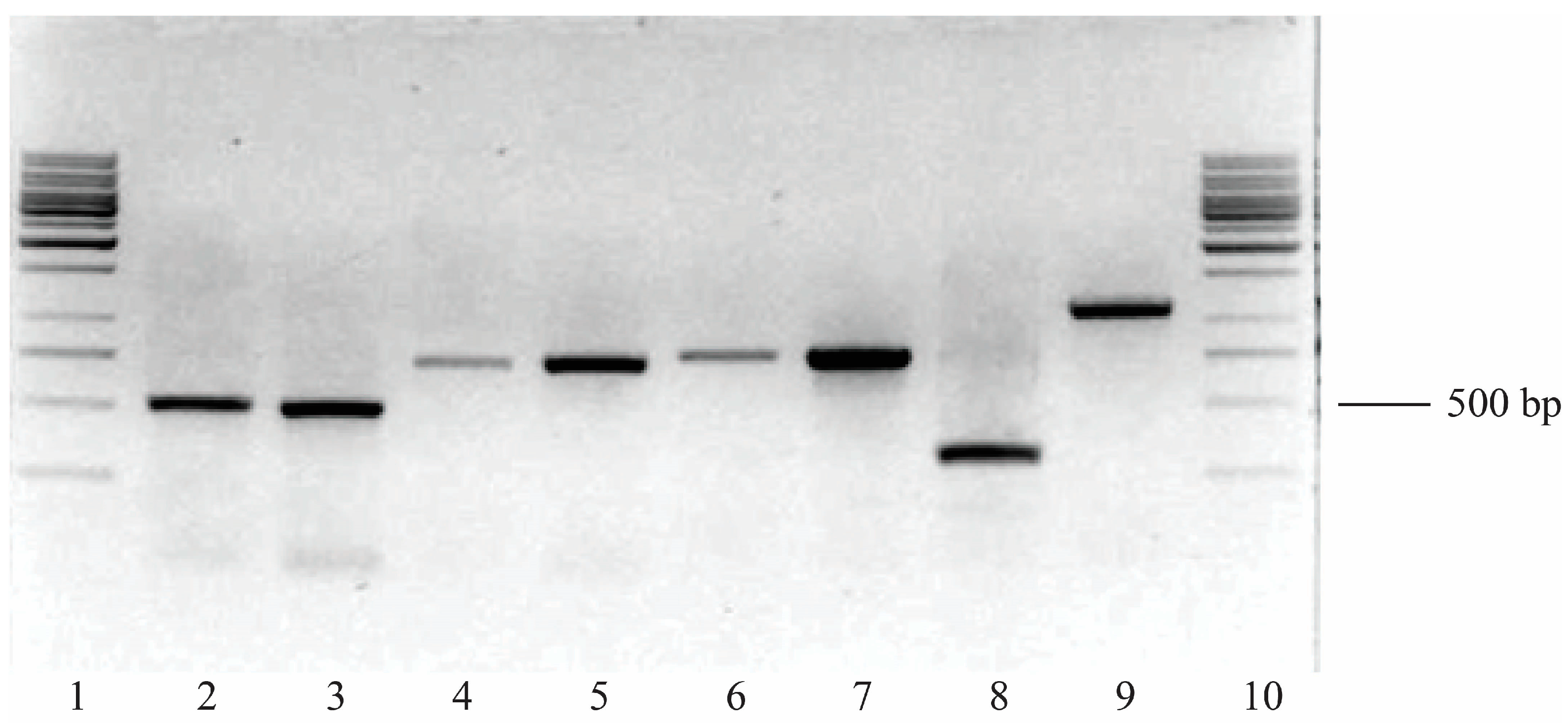
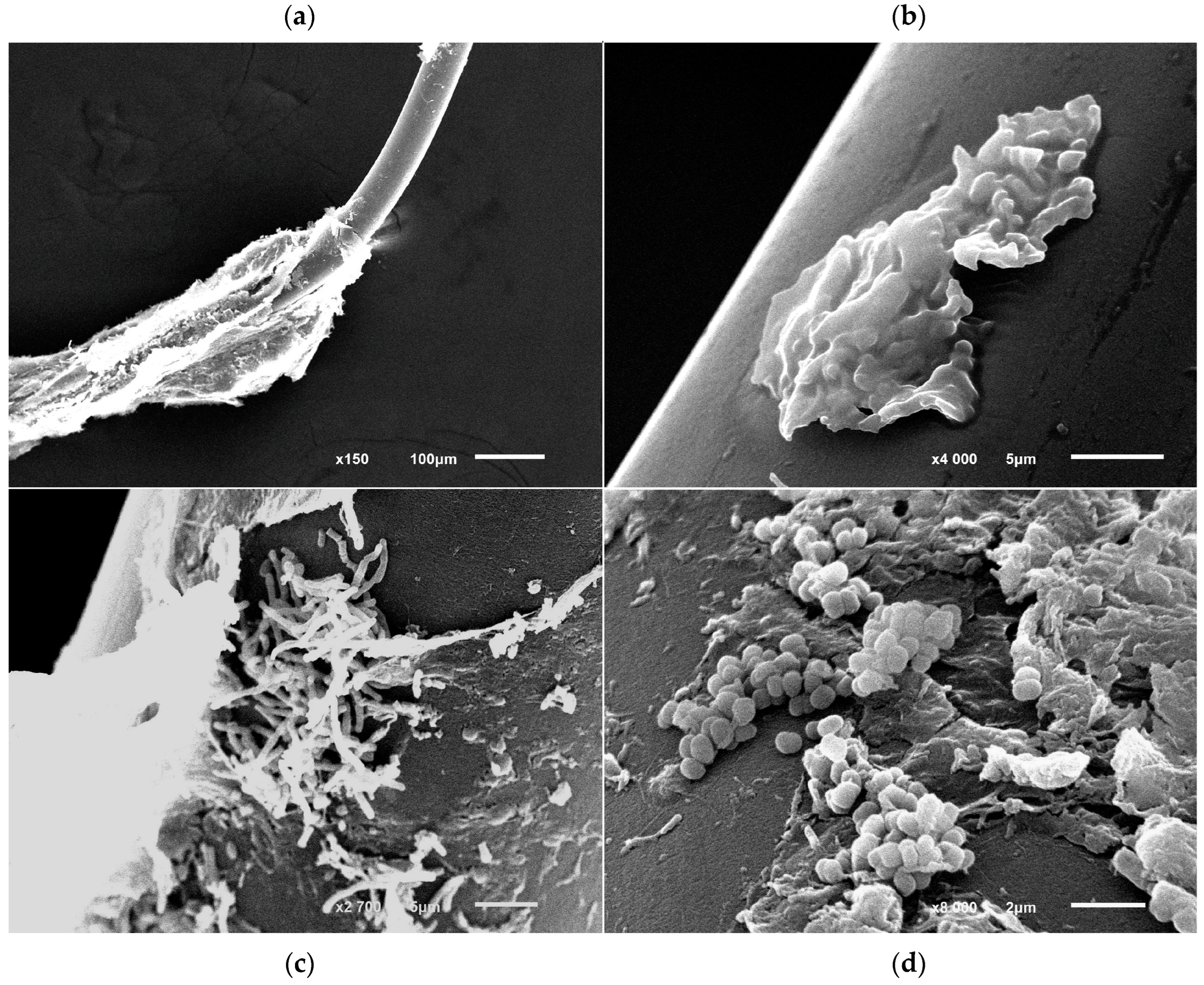
Phenolic compounds are an extensive group of natural and anthropogenic organic substances of the aromatic series containing one or more hydroxyl groups. The main sources of phenols entering the environment are waste from metallurgy and coke plants, enterprises of the leather, furniture, and pulp and paper industries, as well as wastewater from the production of phenol–formaldehyde resins, adhesives, plastics, and pesticides. Among this group of compounds, phenol is the most common environmental pollutant. One of the cheapest and most effective ways to combat phenol pollution is biological purification. However, the inability of bacteria to decompose high concentrations of phenol is a significant limitation. Due to the uncoupling of oxidative phosphorylation, phenol concentrations above 1 g/L are toxic and inhibit cell growth. This article presents data on the biodegradative potential of Rhodococcus opacus strain 3D. This strain is capable of decomposing a wide range of toxicants, including phenol. In the present study, cell growth with phenol, growth after rest, growth of immobilized cells before and after rest, phase contrast, and scanning microscopy of immobilized cells on fiber were studied in detail. The free-living and immobilized cells can decompose phenol concentrations up to 1.5 g/L and 2.5 g/L, respectively. The decomposition of the toxicant was catalyzed by the enzymes catechol 1,2-dioxygenase and cis,cis-muconate cycloisomerase. The role of protocatechuate 3,4-dioxygenase in biodegradative processes is discussed. In this work, it is shown that the immobilized cells can be stored for a long time (up to 2 years) without significant loss of their degradation activity. An assessment of the induction of genes potentially involved in this process was taken. Based on our investigation, we can conclude that this strain can be considered an effective destructor that is capable of degrading phenol at high concentrations, increases its biodegradative potential during immobilization, and retains this ability for a long storage time. Therefore, the strain can be used in biotechnology for the purification of aqueous samples at high concentrations from phenolic contamination.
Keywords: Rhodococcus opacus strain 3D; phenolic compounds; degradation; free-living cells; immobilized cells; biodegradation enzymes; biodegradation genes; biotechnology Rhodococcus opacus strain 3D; phenolic compounds; degradation; free-living cells; immobilized cells; biodegradation enzymes; biodegradation genes; biotechnology