Article

Seismic Performance of High-Rise Shear Walls with Hybrid Control: Sparse Isolation Bearings and Viscous Fluid Dampers


1
Yunnan Land and Resources Vocational College, Kunming 650500, China
2
School of Civil Engineering, Kashi University, Kashi 844008, China
3
Xinjiang Key Laboratory of Engineering Materials and Structural Safety, Kashi University, Kashi 844000, China
4
Faculty of Civil Engineering and Mechanics, Kunming University of Science and Technology, Kunming 650500, China
5
Zhonglu Construction (Yunnan) Company Limited, Kunming 650500, China
*
Author to whom correspondence should be addressed.
Buildings 2026, 16(1), 208; https://doi.org/10.3390/buildings16010208

Submission received: 30 October 2025 / Revised: 21 December 2025 / Accepted: 24 December 2025 / Published: 2 January 2026
(This article belongs to the Section Building Structures)

Abstract

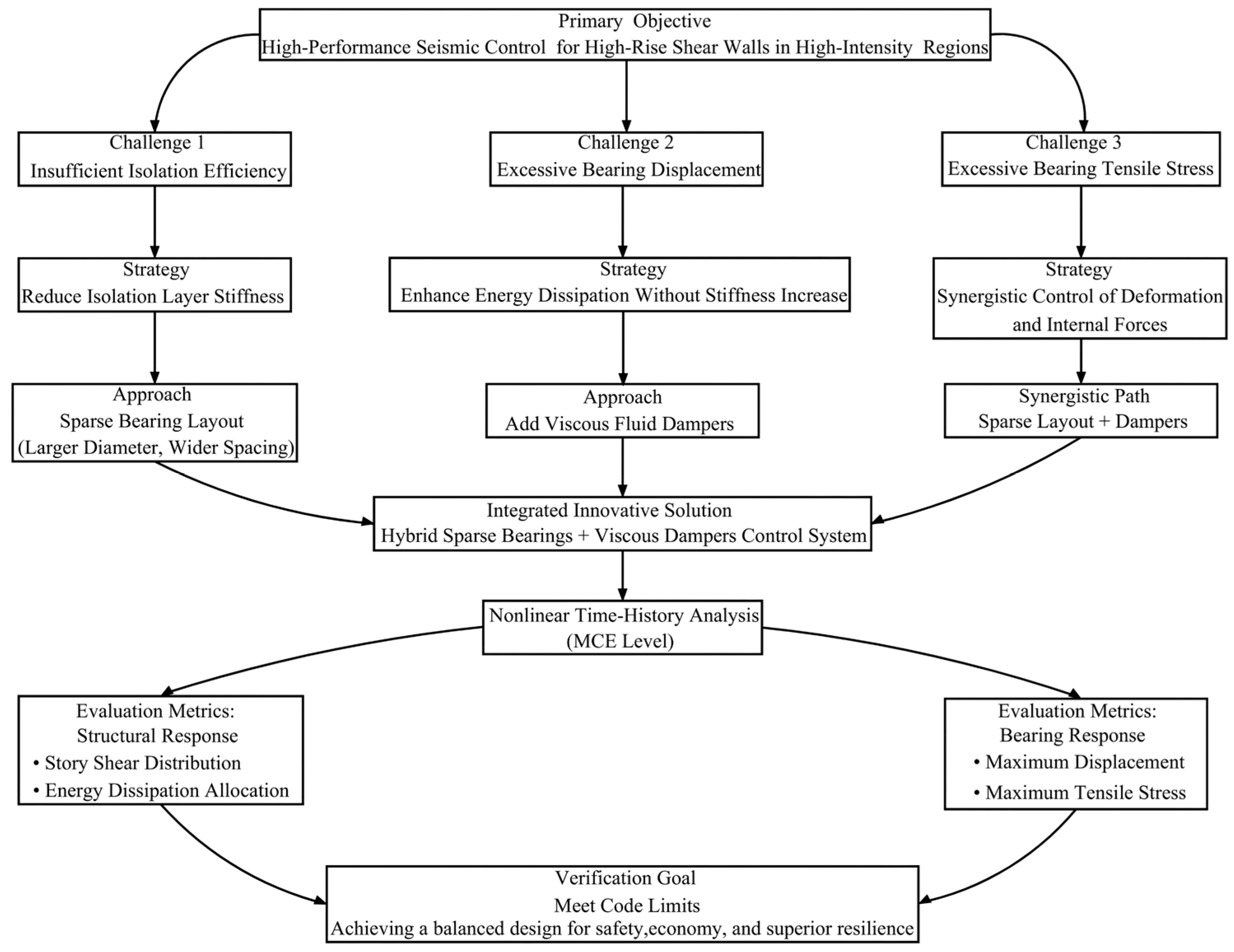
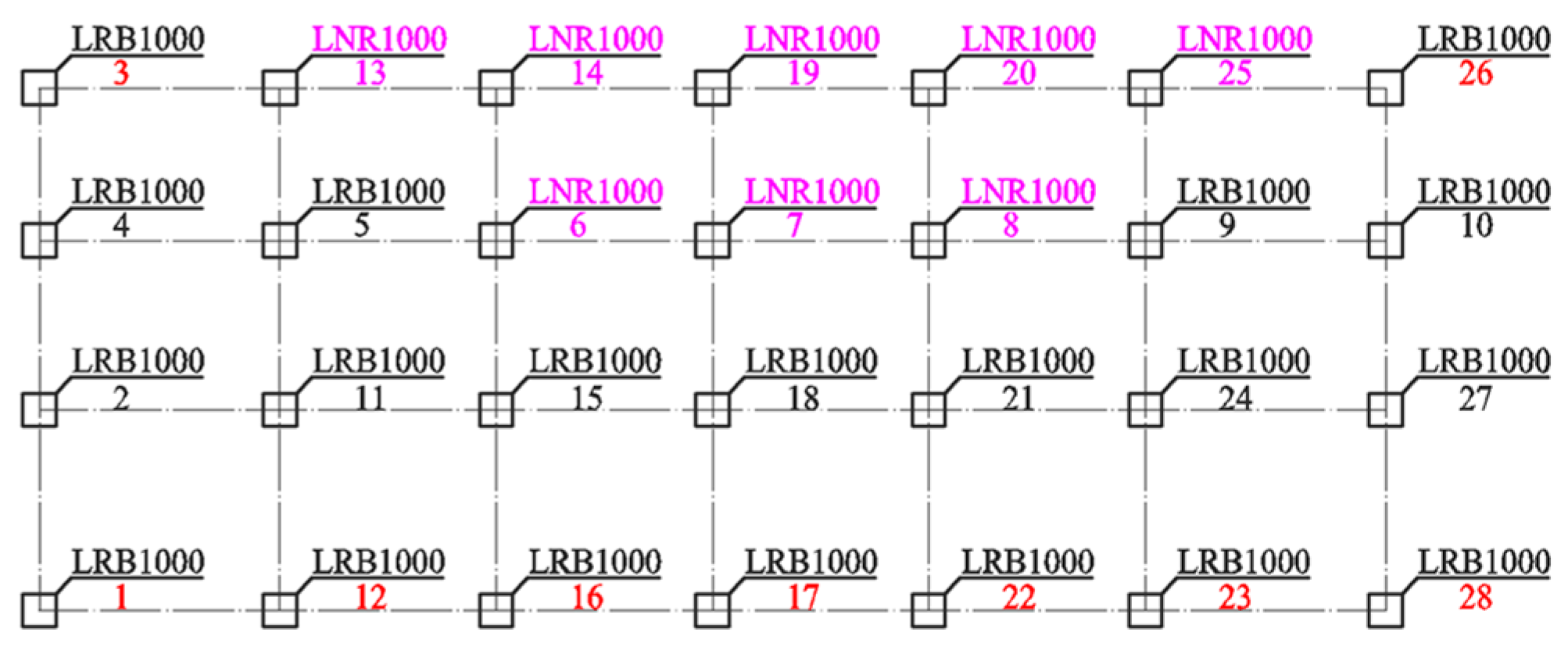
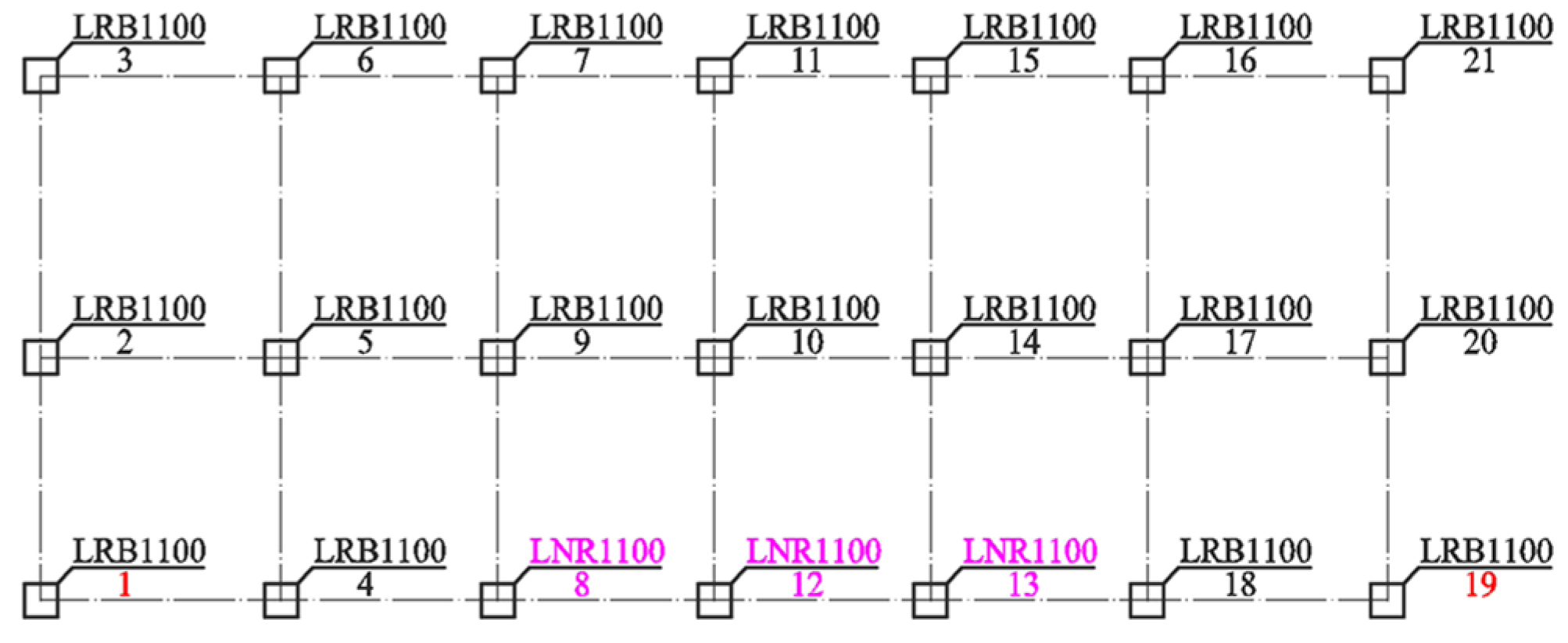
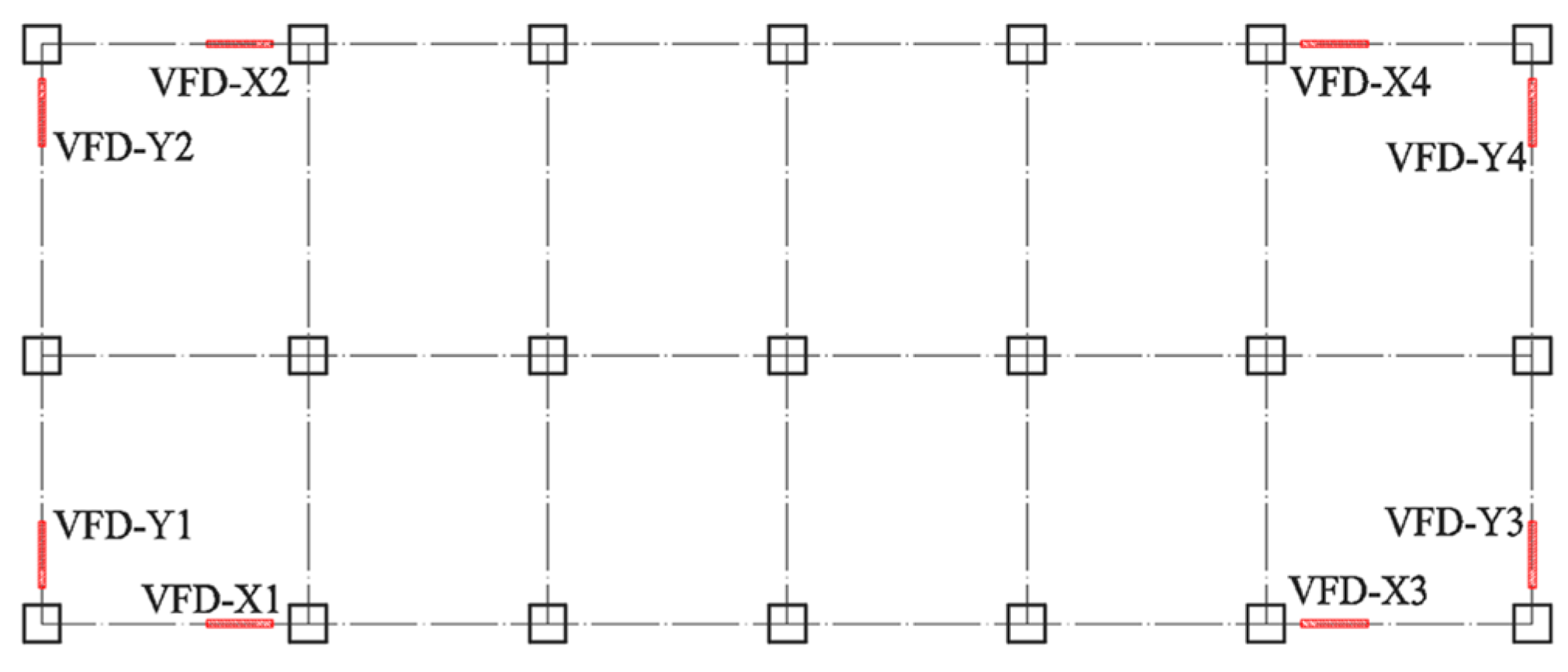
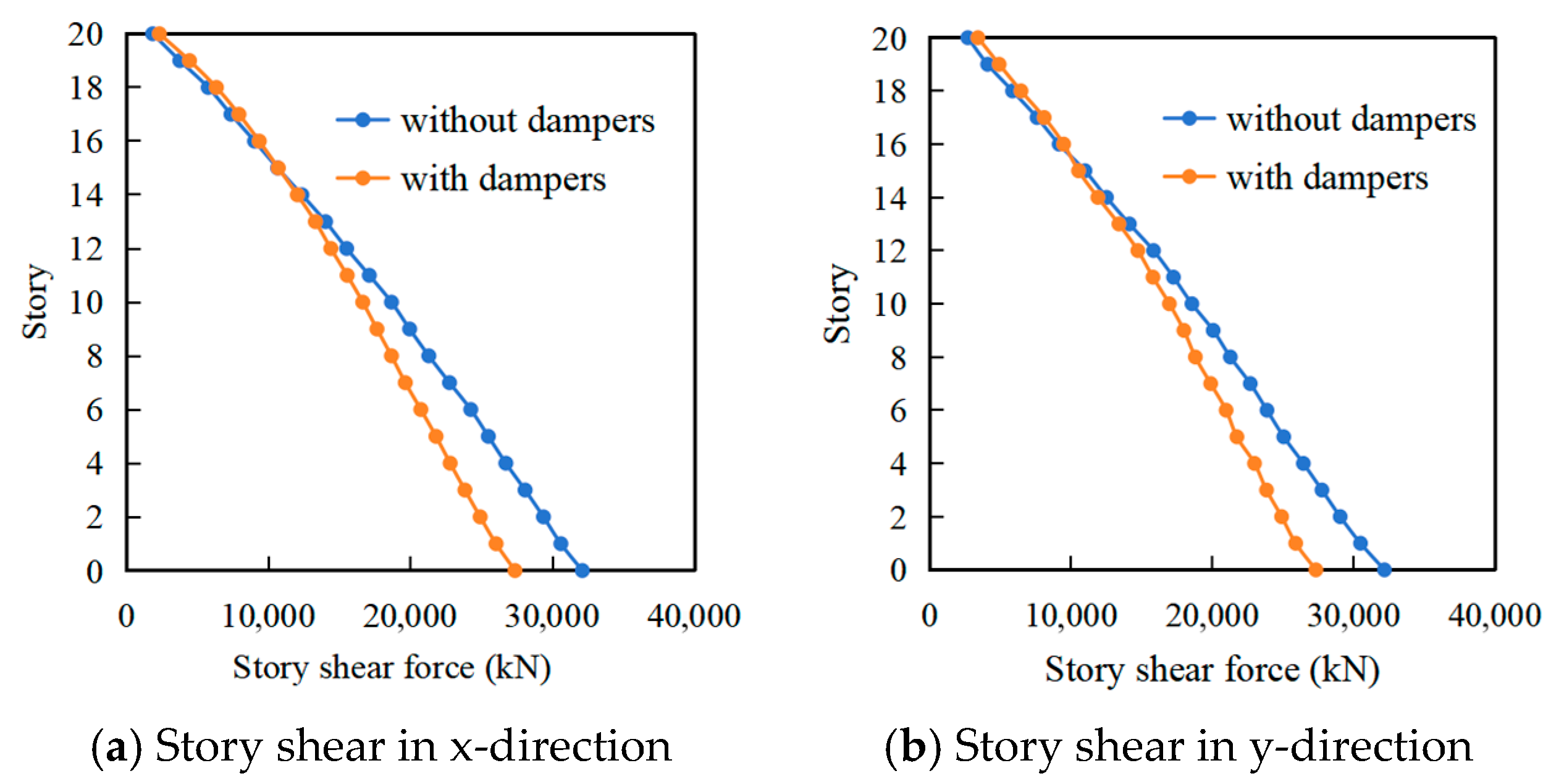
To tackle the limitations of conventional seismic design in high-intensity zones, as well as the challenges of inadequate isolation efficiency, excessive bearing displacement, and tensile stress in seismically isolated high-rise structures, this study presents a systematic solution for high-rise shear wall structures in seismic intensity 8 zones. The solution features a sparse isolator layout strategy, reducing isolator count by 40% to lower stiffness, while adding viscous dampers in the isolation layer for enhanced displacement control. Comparative nonlinear time history analyses were conducted to evaluate the inter-story shear distribution, energy dissipation allocation, and isolator responses. The results show that (1) the sparse layout achieves the best performance in controlling the bottom shear ratio and Maximum Considered Earthquake (MCE)-level responses (including displacement and tensile stress); (2) viscous dampers significantly reduce the shear forces in the lower stories and the energy dissipation of both isolators and the superstructure; (3) the combined strategy successfully resolves the issues of excessive isolator displacement and tensile stress under MCE. This research offers a standardized, economical, and highly resilient technical approach for seismically isolated high-rise projects in high-intensity seismic regions.
Keywords: seismic isolation; sparse isolator layout; viscous dampers; isolator displacement; isolator tensile stress seismic isolation; sparse isolator layout; viscous dampers; isolator displacement; isolator tensile stress