Article

Data-Driven Safety Evaluation Model for Small-Diameter Tunnel Construction Based on Physical Information


1
School of Architecture and Material Engineering, Hubei University of Education, Wuhan 430205, China
2
School of Civil Engineering and Architecture, Wuhan University of Technology, Wuhan 430070, China
3
School of Management, Wuhan University of Science and Technology, Wuhan 430070, China
*
Author to whom correspondence should be addressed.
Buildings 2025, 15(21), 3972; https://doi.org/10.3390/buildings15213972

Submission received: 29 June 2025 / Revised: 9 October 2025 / Accepted: 30 October 2025 / Published: 3 November 2025
(This article belongs to the Special Issue Advanced Research in Cement and Concrete)

Abstract

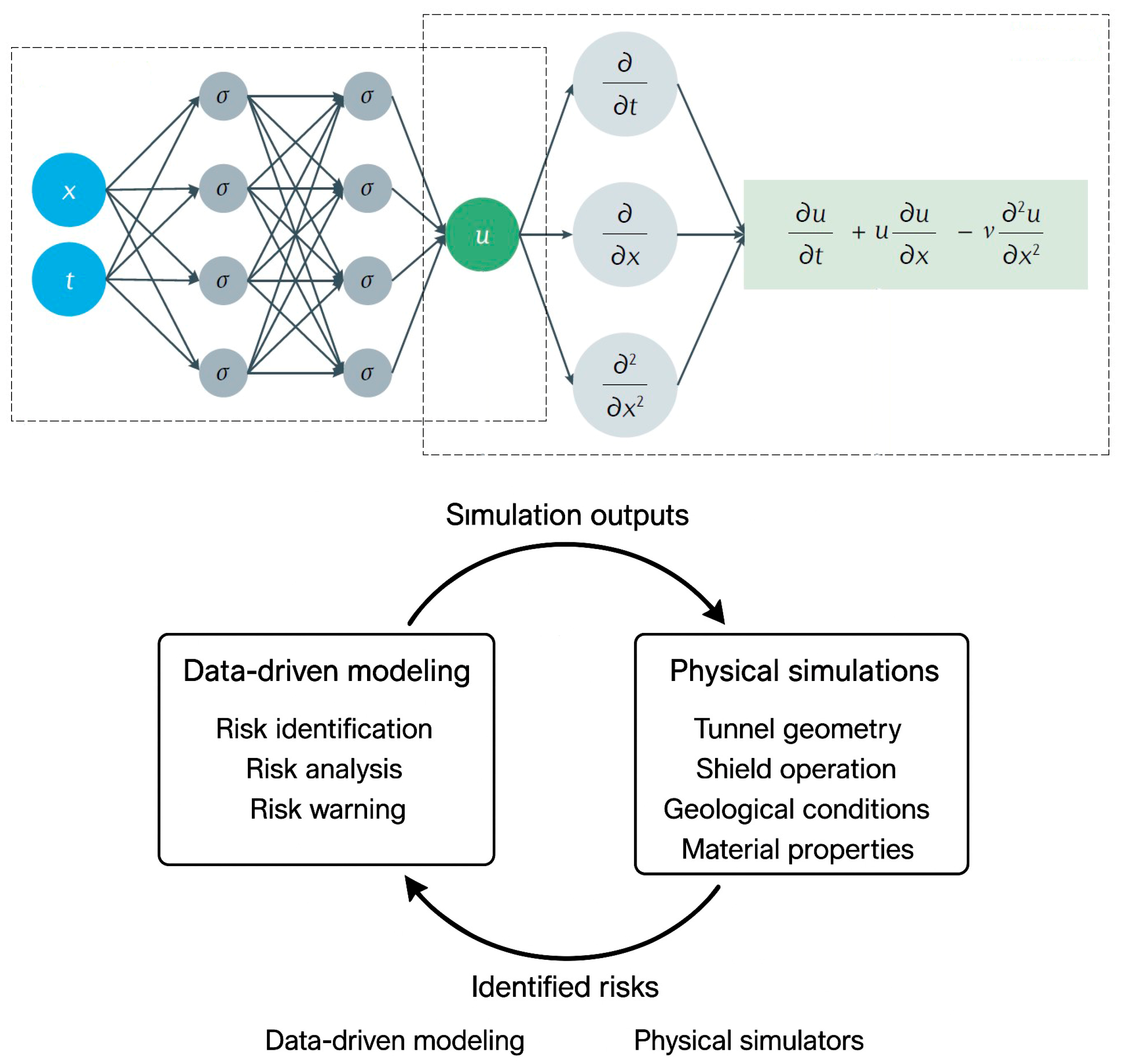
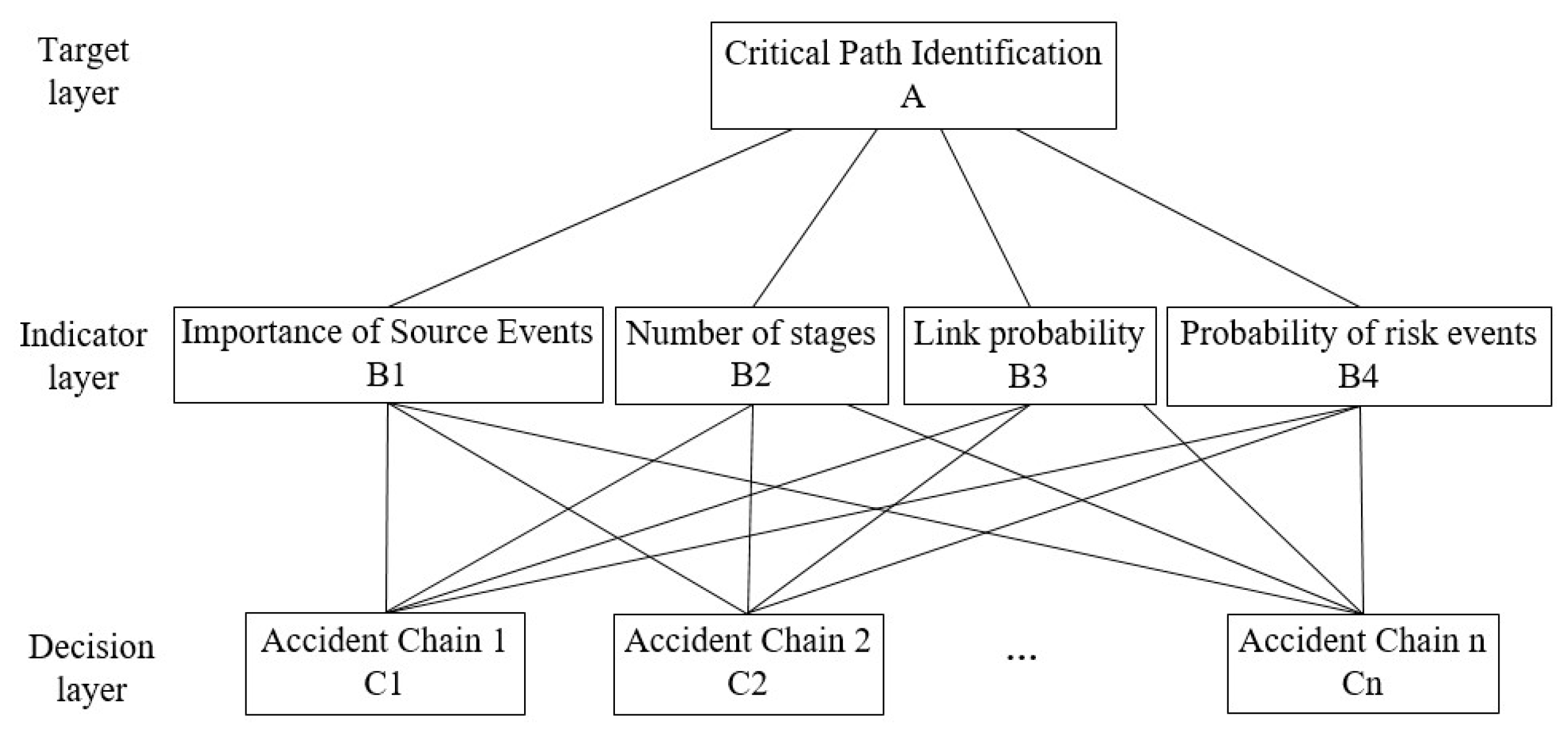
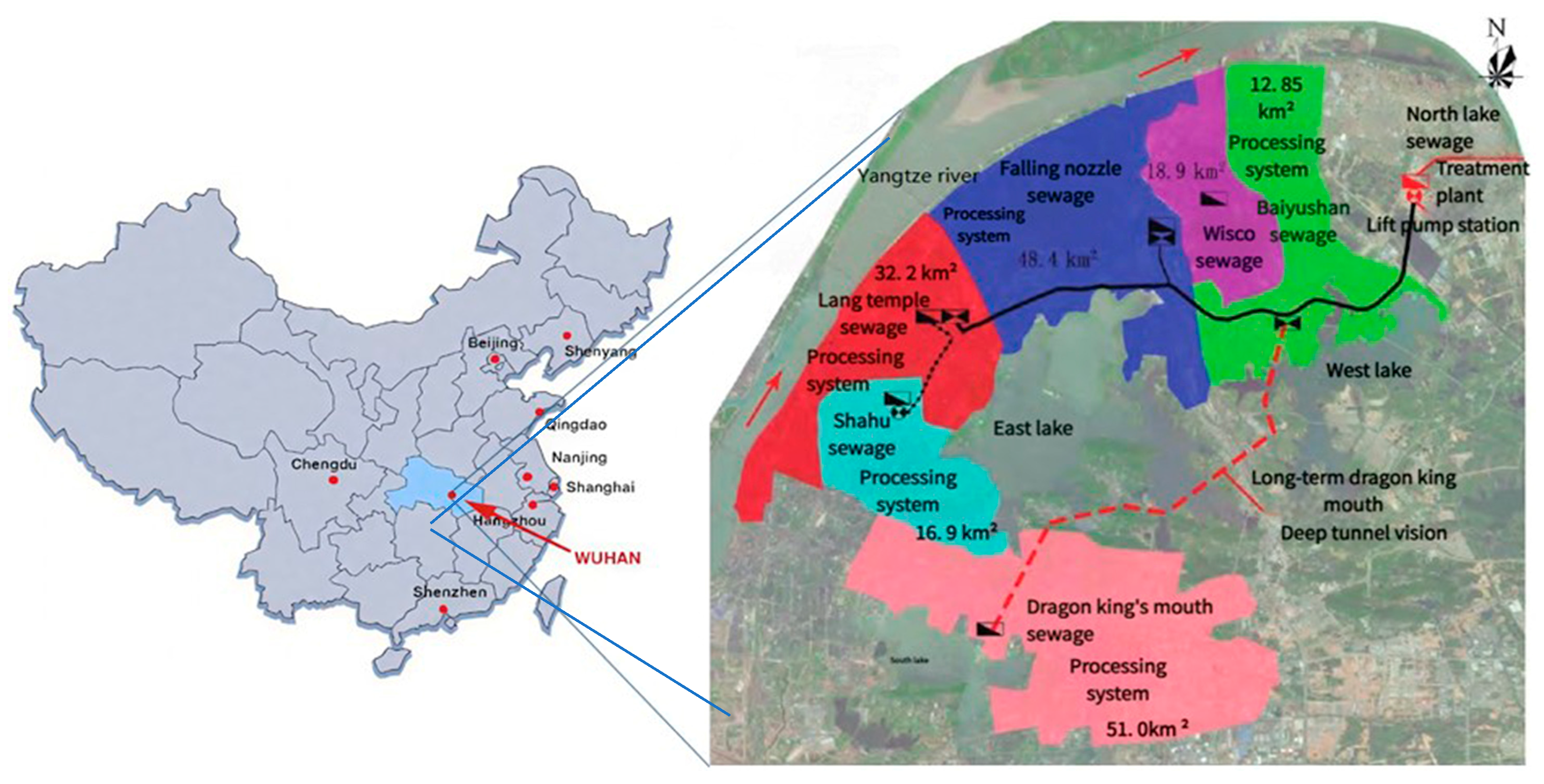
Small-diameter tunnels play a crucial role in urban infrastructure, managing functions such as sewage, rainwater, and electrical systems. However, the safety assessment of small-diameter tunnel shield construction faces difficulties due to unclear physical relationships and the limitations of traditional physical information models in predicting complex risks. To address this issue, the integration of physical information with data-driven analysis methods offers a promising approach. Combining these advantages, a hybrid model was proposed to establish a robust construction safety risk evaluation framework for small-diameter tunnels under geological conditions. The presently proposed method mainly consists of a clustering of risk factors, physical information stratification, and risk early warning. Specifically, the K-means clustering method optimized by the Harris Hawks algorithm was used for risk identification, the Analytic Hierarchy Process was used for risk analysis, and the physical information output from the risk analysis was used for risk warning. A case study was produced, utilizing the proposed hybrid model for the Wuhan East Lake Deep Tunnel project. The results show the risk transfer path through inadequate personnel safety awareness and protection, mechanical system failures and installation deviations, substandard material quality and improper stacking, outdated or immature construction technology, and environmental risks.
Keywords: small-diameter tunnel; safety risk; physical information; data-driven small-diameter tunnel; safety risk; physical information; data-driven