Article

Research on the Pile–Soil Interaction Mechanism of Micropile Groups in Transparent Soil Model Experiments

1
School of Civil Engineering, Dalian University of Technology, Dalian 116024, China
2
Institute of Civil and Architectural Engineering, Tongling University, Tongling 244000, China
3
School of Civil Engineering, Nanjing Tech University, Nanjing 211816, China
*
Author to whom correspondence should be addressed.
Buildings 2024, 14(9), 2753; https://doi.org/10.3390/buildings14092753

Submission received: 27 June 2024 / Revised: 9 August 2024 / Accepted: 22 August 2024 / Published: 2 September 2024
(This article belongs to the Section Building Energy, Physics, Environment, and Systems)

Abstract

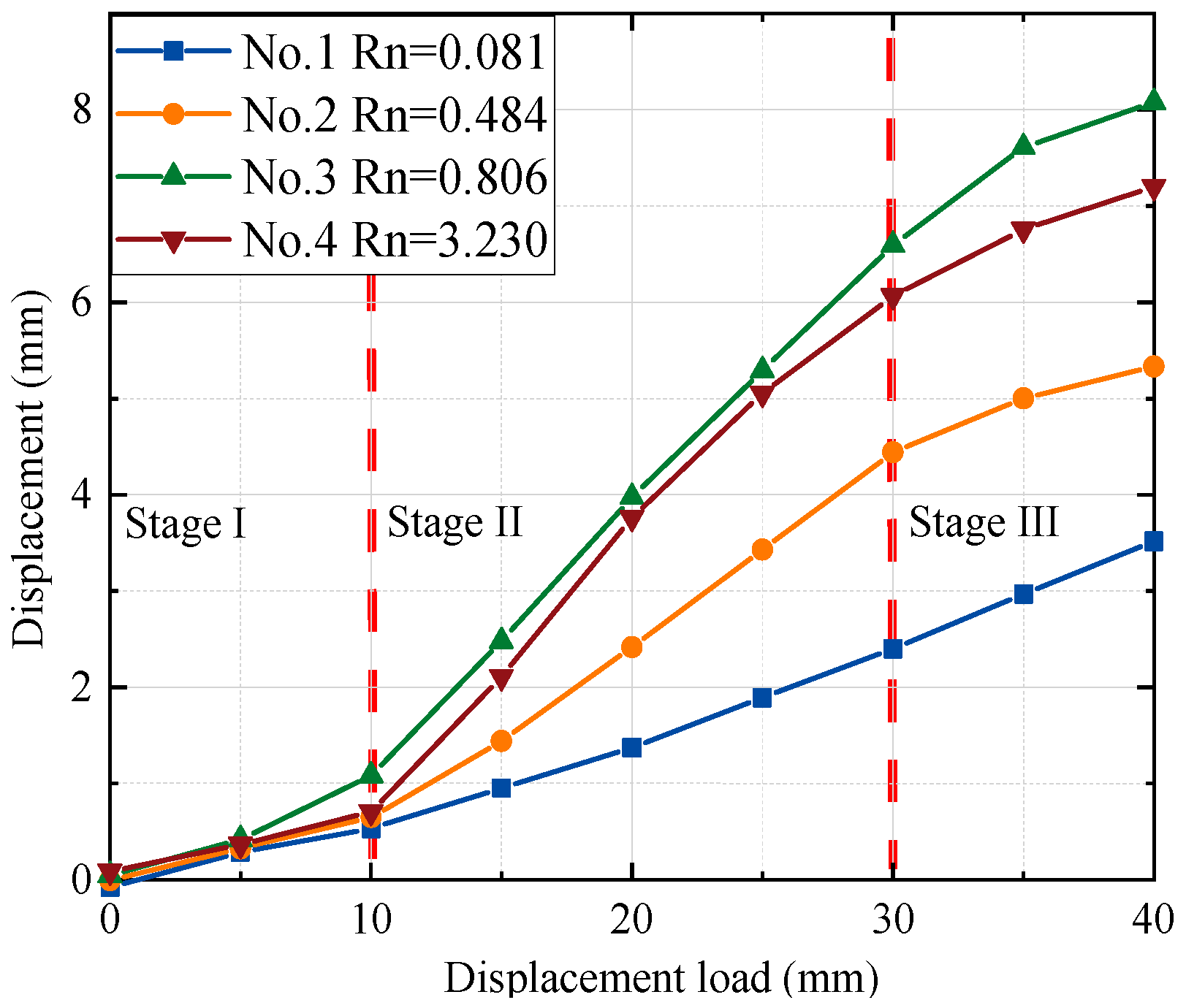
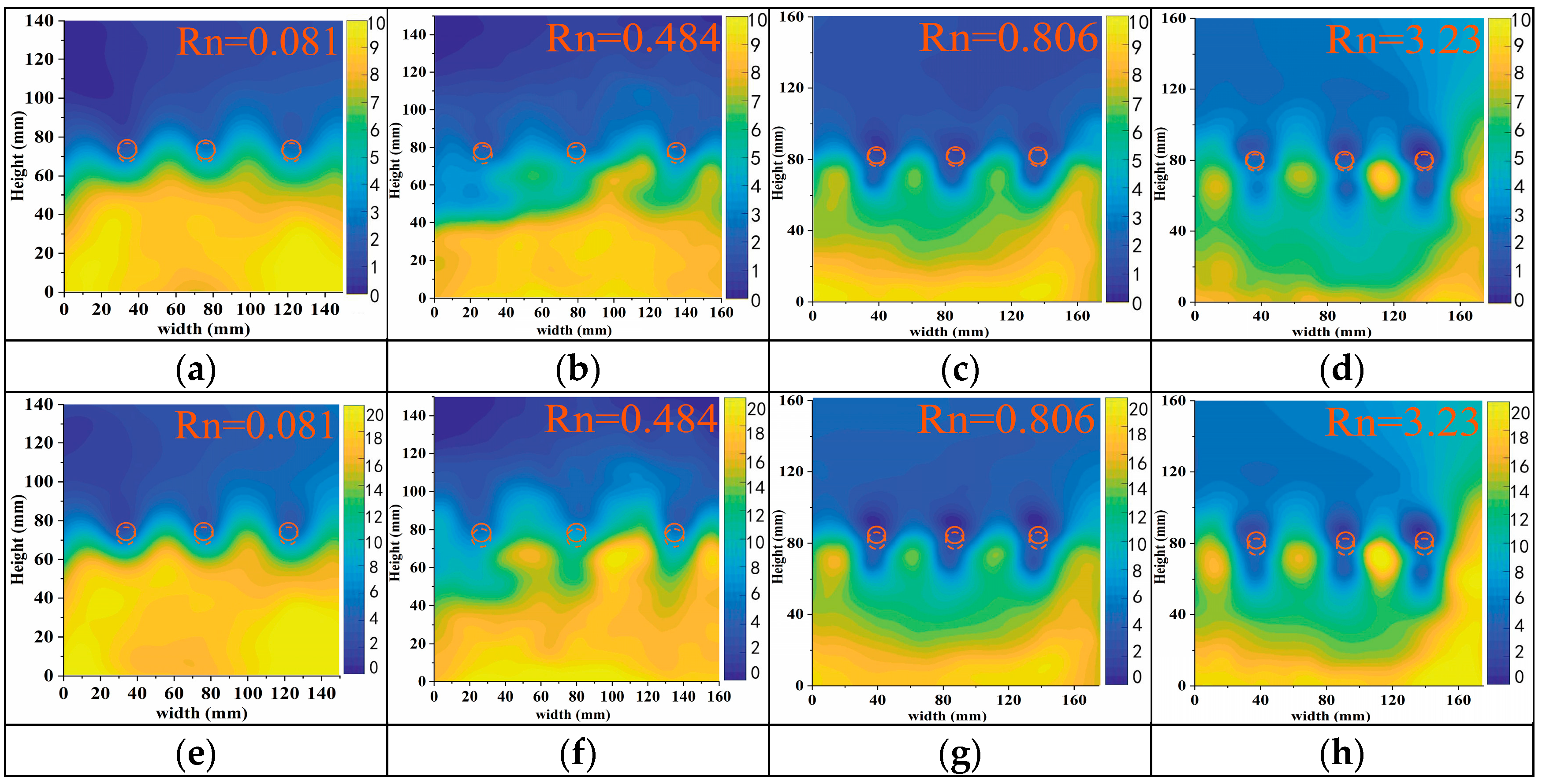
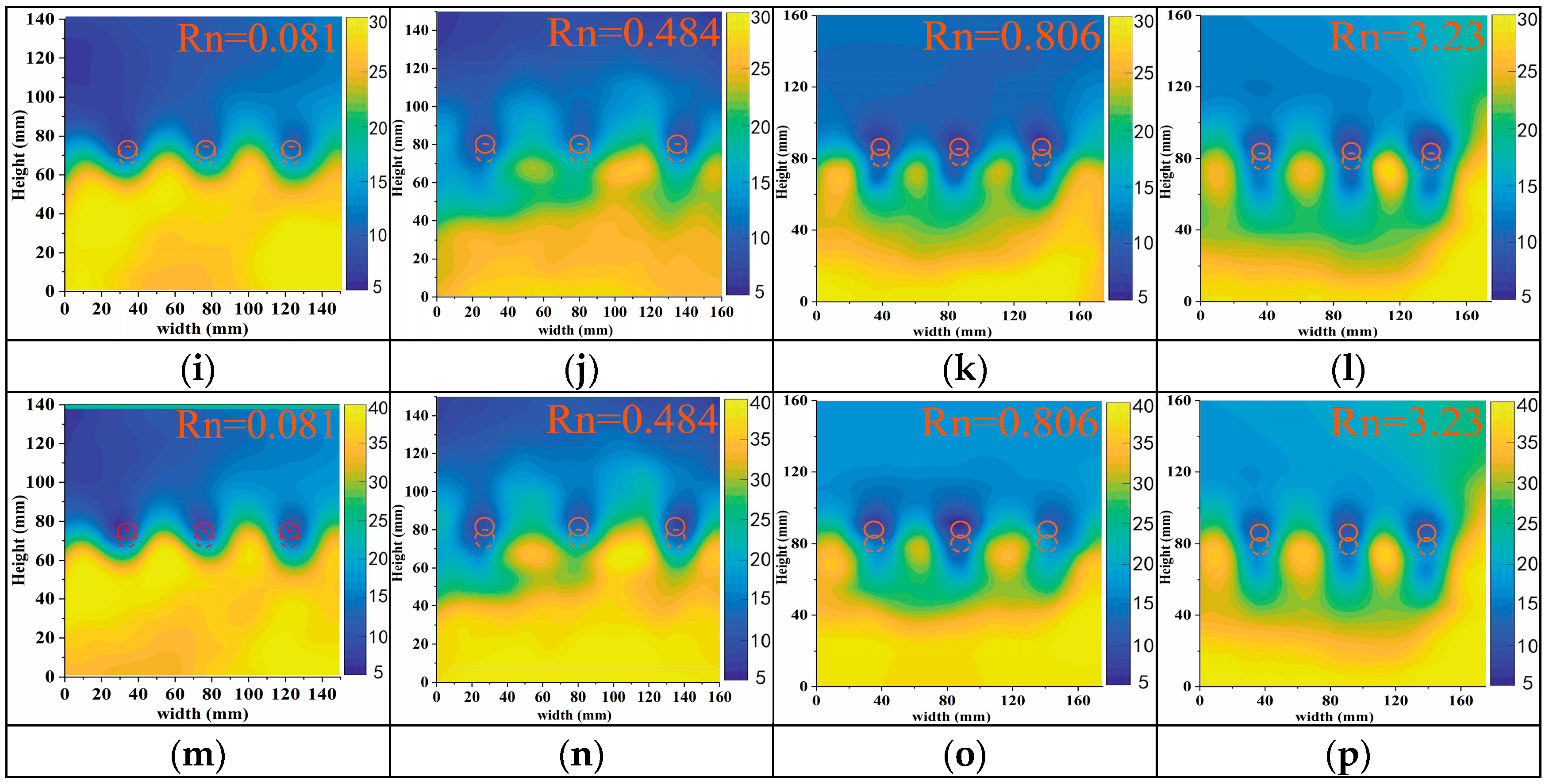
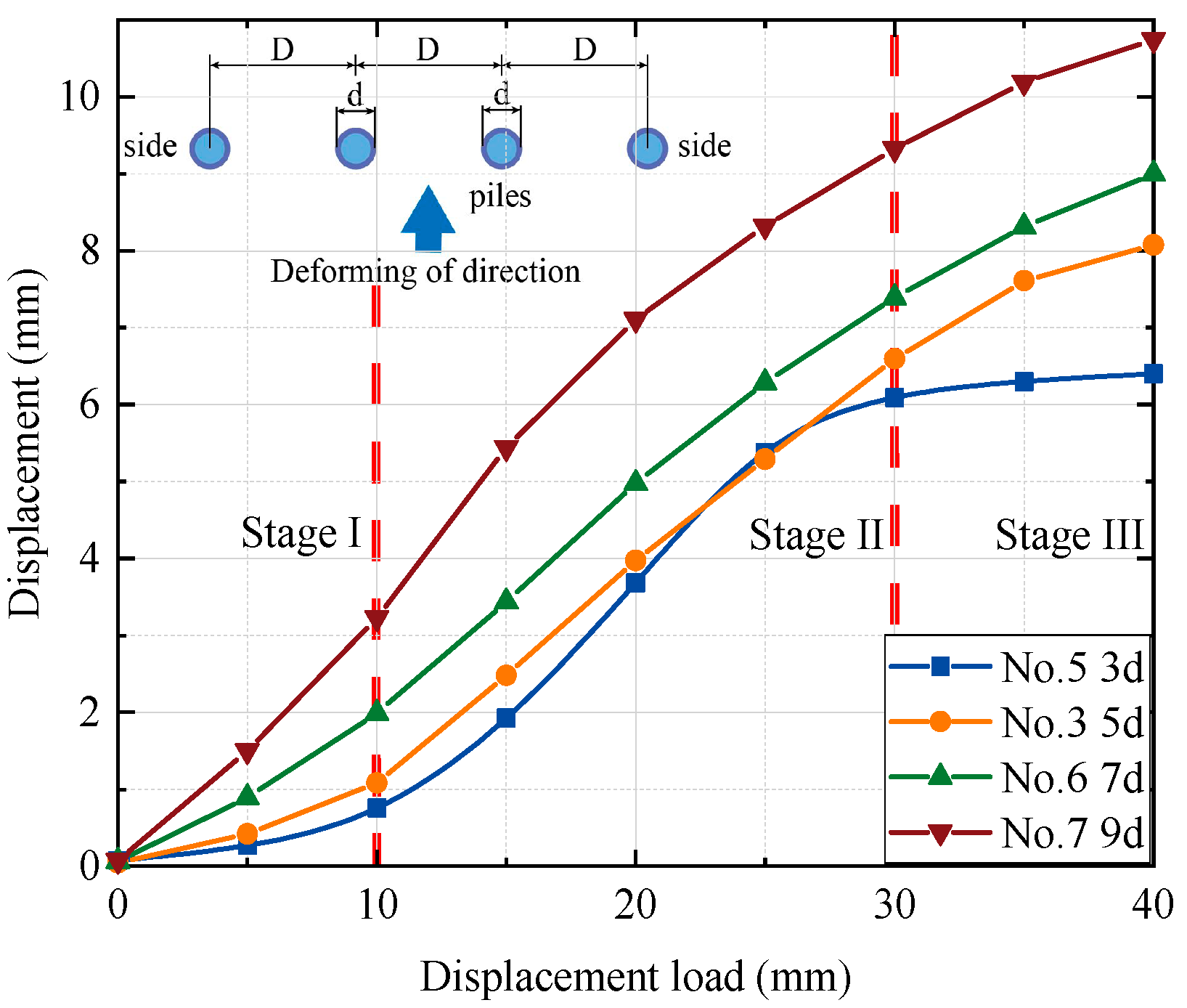
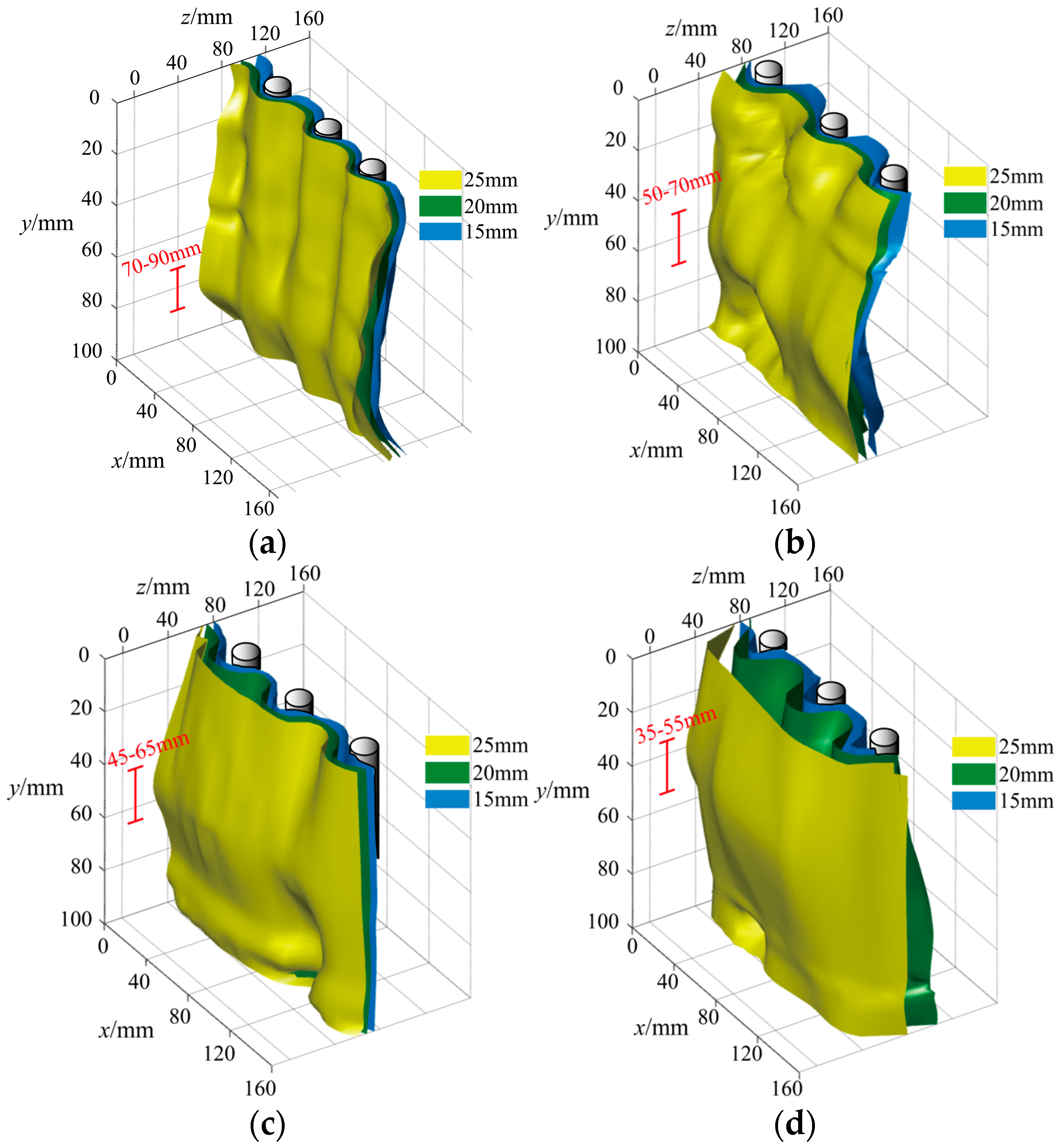
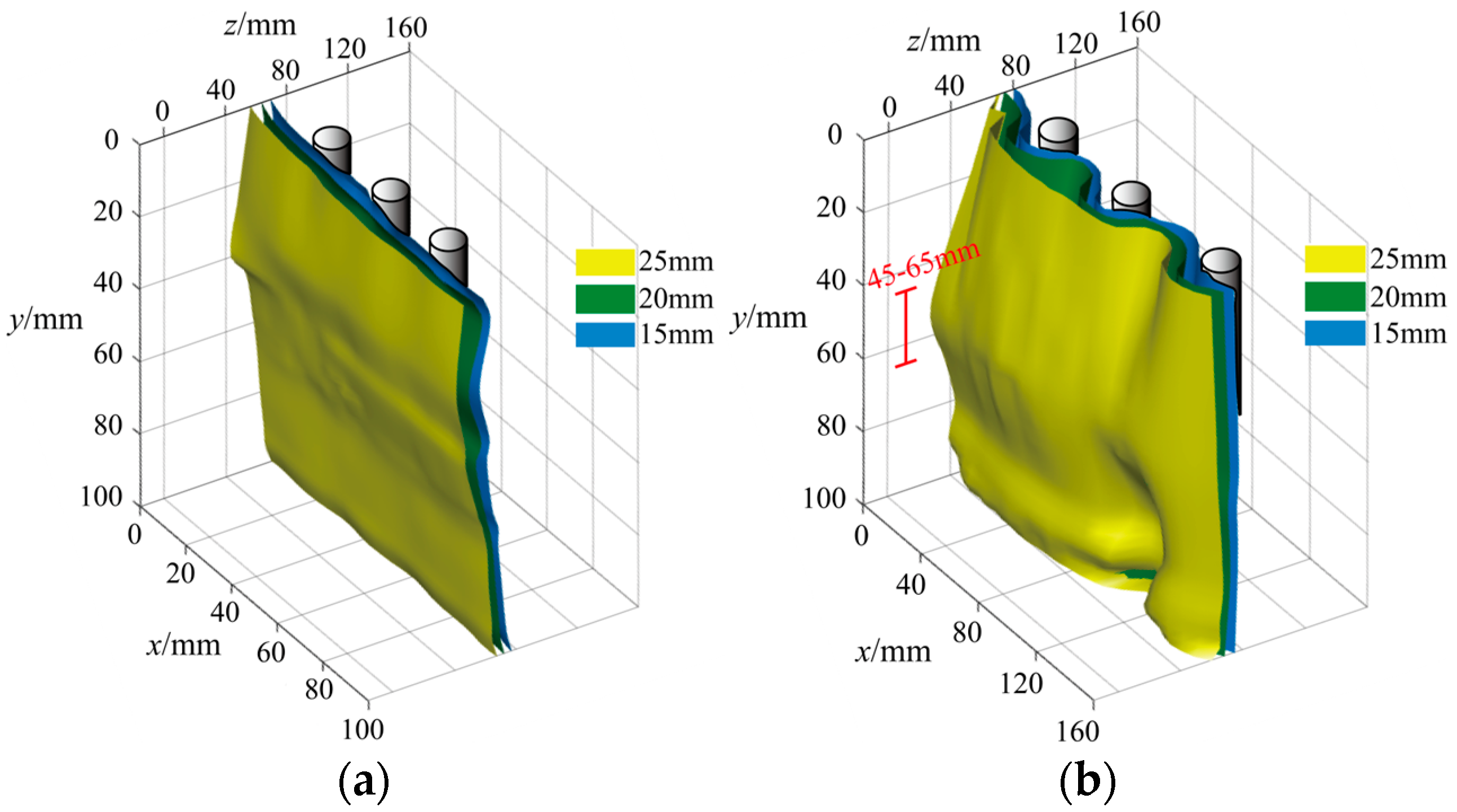
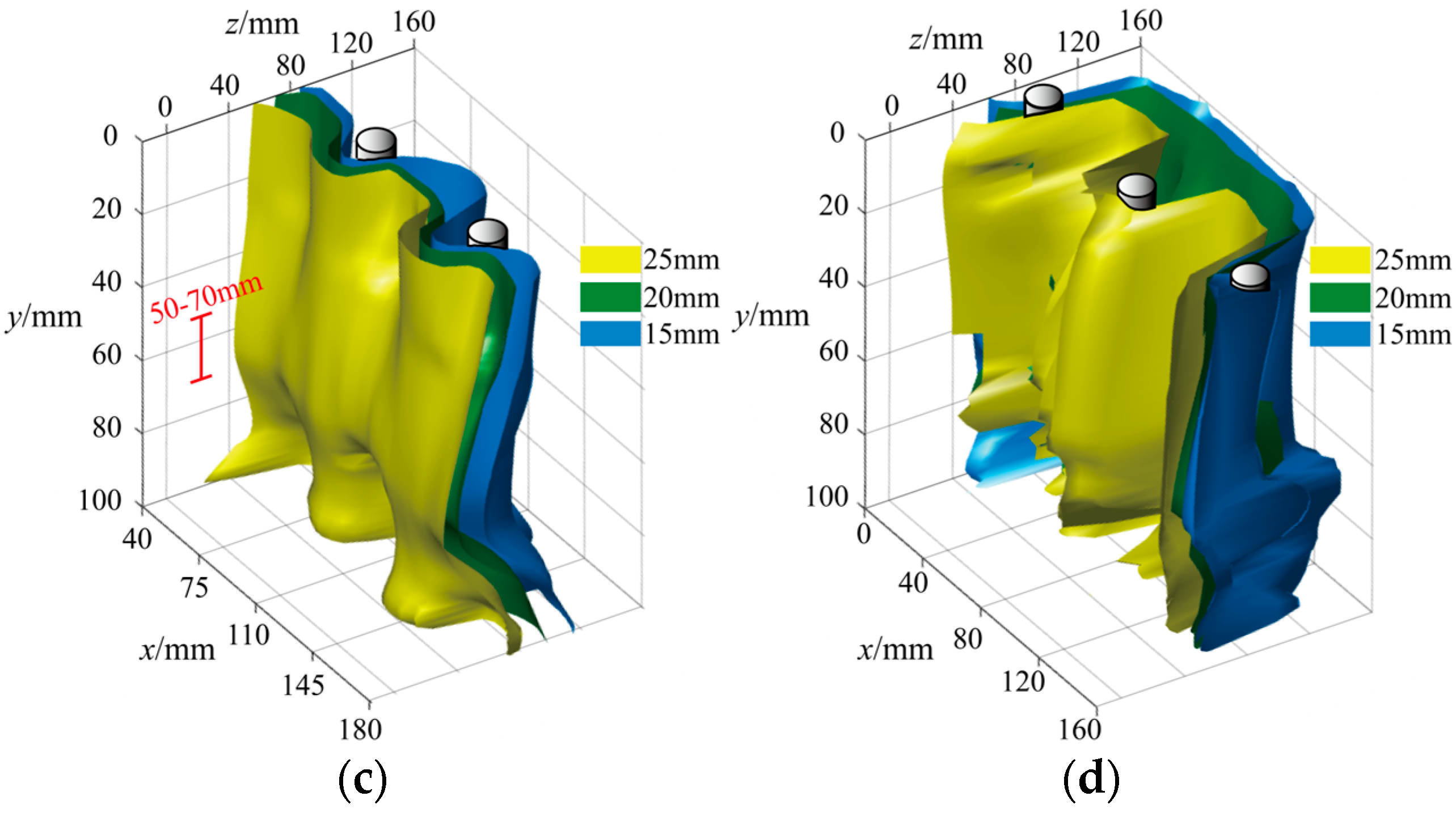
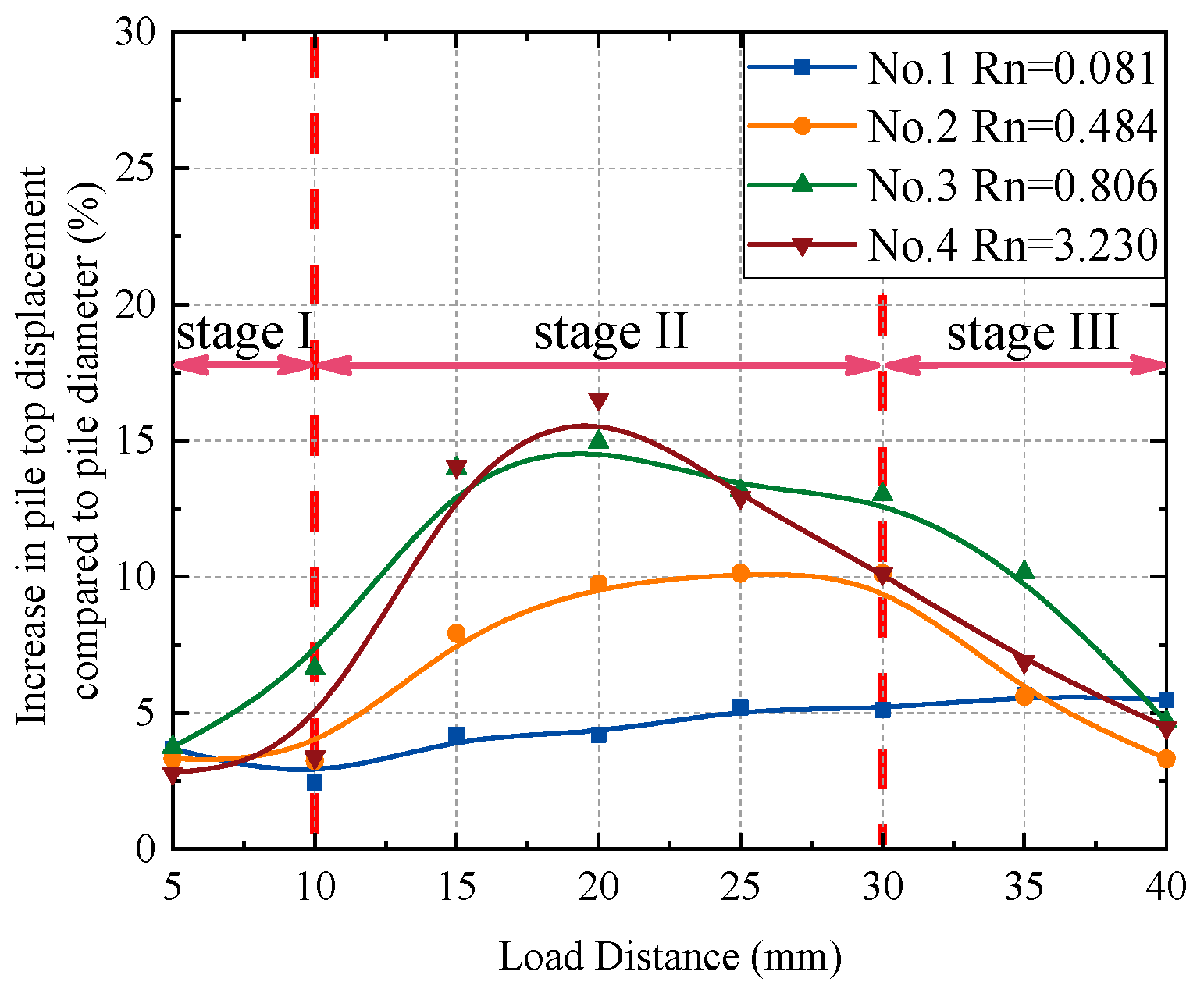
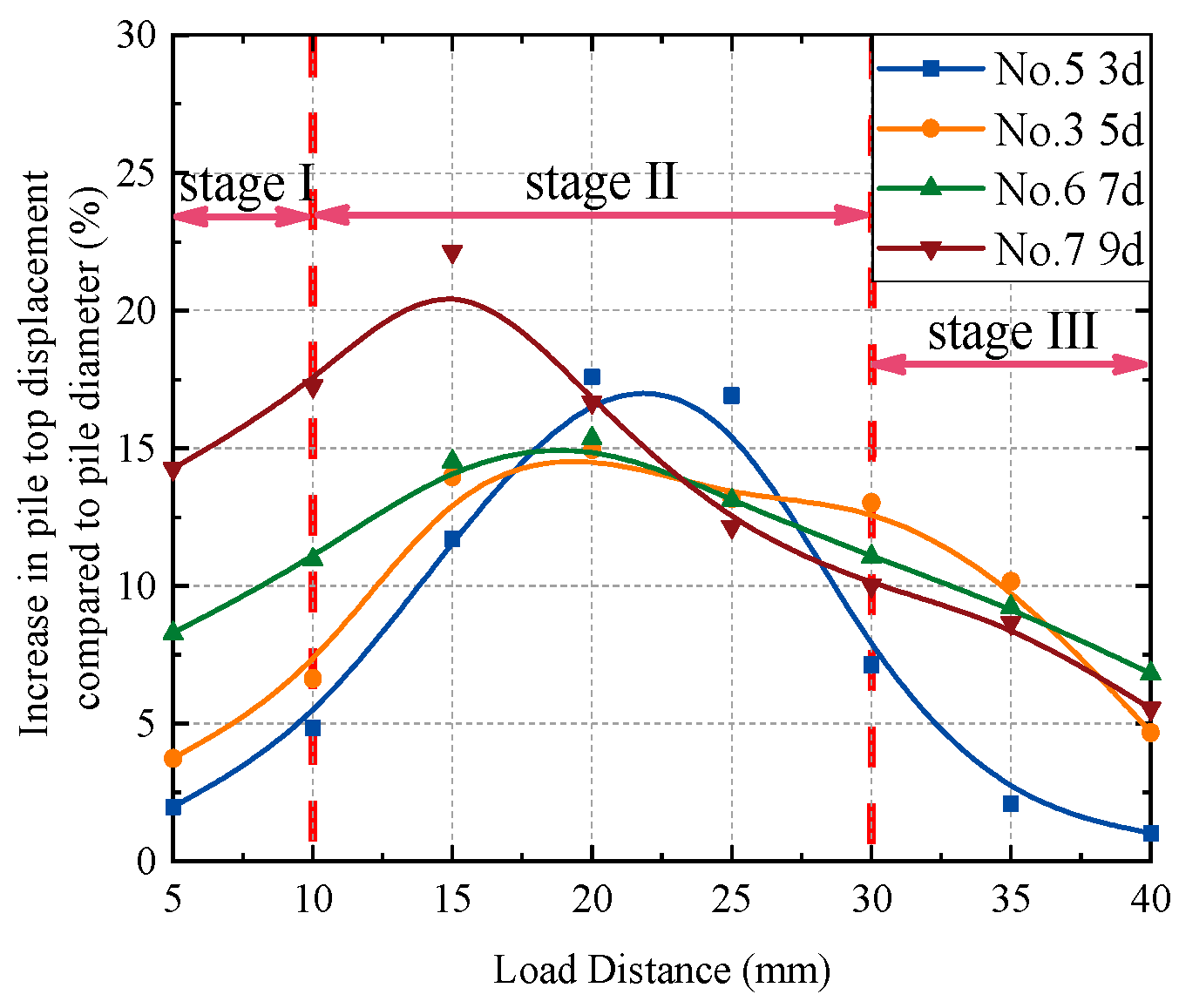
Micropile groups (MPGs) are typical landslide resistant structures. To investigate the effects of these two factors on the micropile–soil interaction mechanism, seven sets of transparent soil model experiments were conducted on miniature cluster piles. The soil was scanned and photographed, and the particle image velocimetry (PIV) technique was used to obtain the deformation characteristics of the pile and soil during lateral loading. The spatial distribution information of the soil behind the pile was obtained by a 3D reconstruction program. The results showed that a sufficient roughness of the pile surface was a necessary condition for the formation of a soil arch. If the surface of the pile was smooth, stable arch foundation formation was difficult. When the roughness of the pile surface increases, the soil arch range behind the pile and the load-sharing ratio of the pile and soil will increase. After the roughness reaches a certain level, the above indicators hardly change. Pile spacing within the range of 5–7 d (pile diameters) was suitable. The support effect was poor when the pile spacing was too large. No stable soil arch can be formed, and the soil slips out from between the piles.
Keywords: micropiles; soil arch; pile spacing; roughness; transparent soil; 3D reconstruction micropiles; soil arch; pile spacing; roughness; transparent soil; 3D reconstruction