


Abstract
This study investigates the institutional transformations within Indonesia’s research ecosystem, focusing on the impacts of the National Research and Innovation Agency (BRIN) establishment and the subsequent Work From Office (WFO) policy on the Association of Indonesian Researchers (PPI). The research aims to evaluate these impacts and propose an adaptive institutional revitalization model. Employing a mixed-methods approach, a total of 150 online questionnaires were distributed across 21 regional branches of PPI between February and March 2025. Of these, 87 were completed and valid for analysis, representing a 58% response rate. Findings reveal that the WFO policy has led to a significant decline in member participation, coordination difficulties across regions, and weakened collaboration with local partners such as regional governments and universities. A SWOT analysis of three revitalization options—full agglomeration, bounded agglomeration, and non-BRIN integration—identified a hybrid model as the most adaptive and widely supported alternative (41.5%). This hybrid model combines selective structural efficiency with inclusive membership expansion, aiming to preserve regional identity, enhance collaboration, and strengthen organizational legitimacy. The study offers key insights for developing adaptive governance frameworks rooted in epistemic justice, digital accountability, and cross-sectoral collaboration, applicable to professional organizations navigating decentralization and institutional disruption. The proposed hybrid model serves as a strategic reference for achieving organizational resilience and fostering a more inclusive national innovation ecosystem.
1. Introduction
The global landscape of research ecosystems is in a state of profound transformation, driven by an increasing demand for integrated, cross-disciplinary approaches to tackle complex scientific and societal challenges. Nations worldwide, including Germany, the Republic of Korea, and Finland, have recognized the strategic imperative of consolidating research bodies to bolster national capacity and accelerate innovation [1]. This global trend is mirrored in Indonesia’s recent initiative to establish the National Research and Innovation Agency (BRIN). BRIN’s formation, through the merger of the Ministry of Research and Technology with the Ministry of Education and Culture, and the integration of various research units, signifies a concerted effort towards more efficient research governance and alignment with international best practices in innovation ecosystems [2]. This overarching aim is to foster a more interoperable and responsive national innovation system.
However, as a nascent institution, BRIN faces significant hurdles in managing institutional risks, expediting the downstream application of research findings, and cultivating synergistic collaborations across diverse sectors, including academia, regional governments, and industry [3,4,5]. BRIN’s organizational design, inspired by Mintzberg’s models, endeavors to expand the operating core and enhance structural flexibility to bolster institutional capabilities [6]. The establishment of thematic research centers within BRIN aims to deepen specialized knowledge bases while concurrently fostering collaborative interactions among these units [7,8]. The successful consolidation of over ten thousand researchers into nearly a hundred research centers under BRIN represents a milestone in national institutional restructuring [9]. Nonetheless, the efficacy of this reform hinges not only on structural changes but also on the reinforcement of professionalism and ethics within the research community. Consequently, BRIN researchers are mandated to join the official professional organization, the Association of Indonesian Researchers (PPI), which serves as a strategic partner in developing competencies, advocating for researchers’ rights, and upholding the standards of scientific ethics and integrity [10,11,12].
The primary research problem investigated in this study revolves around the tangible impacts of institutional transformations and policy shifts on the operational effectiveness and resilience of professional organizations within the national research ecosystem. Specifically, the consolidation of research bodies under BRIN and the subsequent imposition of policies like the Work From Office (WFO) mandate on researchers have demonstrably affected the functioning of affiliated professional bodies, such as the Association of Indonesian Researchers (PPI). While the Work From Office (WFO) policy constitutes the immediate operational change, it also serves as a proxy for deeper structural transformations within BRIN, including centralization of authority and reconfiguration of decision-making hierarchies. Hence, the focus on WFO allows the study to capture how macro-level institutional consolidation manifests in micro-level organizational behavior and member participation.
Findings indicate a significant decline in member participation, increased coordination difficulties across geographically dispersed regional branches, and a weakening of collaborative ties with local stakeholders, including regional governments, universities, and industries. This disruption poses a direct threat to the organizational cohesion and adaptive capacity of PPI. The broad challenge, therefore, is to identify and implement a revitalization model for PPI that can navigate these disruptions, preserve its organizational identity, and enhance its collaborative networks in the face of evolving governance structures.
In response to these challenges, several general strategies for organizational revitalization have been explored. These include models of full agglomeration, bounded agglomeration, and integration with entities outside the BRIN framework. The study’s findings suggest that a pure full agglomeration model, aimed at maximizing administrative efficiency through complete centralization, poses significant risks to regional identity and member participation, leading to low overall support. While bounded agglomeration offers a more balanced approach by selectively consolidating underperforming units while preserving the autonomy of active ones, its implementation complexity presents a notable weakness. Similarly, integrating researchers outside the BRIN framework, while potentially diversifying membership and enhancing autonomy, risks cultural integration challenges and fragmentation of the unified professional identity.
Building upon the existing literature, specific solutions for revitalizing professional organizations operating within complex and evolving national research systems have begun to emerge. One such solution involves a bounded agglomeration strategy, which seeks to optimize administrative efficiency by consolidating resources and operations of less active regional branches. This approach aims to balance efficiency gains with the crucial preservation of regional identities and operational relevance, allowing for targeted interventions where most needed. Another avenue explored is non-BRIN integration, which proposes broadening the organization’s scope and legitimacy by including researchers from universities and local research and development bodies. This strategy aims to foster greater institutional autonomy and expand the organization’s reach through cross-sectoral collaborations. These models, while offering distinct pathways, highlight the need for nuanced, context-specific strategies that acknowledge the multi-faceted nature of organizational resilience in federated or decentralized structures.
The extant literature has established the importance of adaptive governance and collaborative frameworks in navigating institutional change and fostering robust research ecosystems. Studies have underscored the need for approaches that integrate localized knowledge with collaborative efforts between institutions to achieve effective policy outcomes [13,14]. Furthermore, the role of digital governance in enhancing accountability, transparency, and efficiency within public services is increasingly recognized [15]. Funding incentives and autonomy in decision-making have also been identified as critical factors in empowering local entities and promoting efficient crisis management [16]. The literature also emphasizes the value of inclusive practices in digital realms to ensure diverse perspectives are integrated into governance processes [17]. However, a gap persists in comprehensive analyses that propose and evaluate integrated models for revitalizing professional organizations within national research systems, particularly those that holistically address the impacts of policy shifts (like WFO) on participation, coordination, and external collaboration, while also considering the potential of diversifying membership and structural efficiencies.
This study addresses this gap by proposing and evaluating a hybrid model for the revitalization of the Association of Indonesian Researchers (PPI). This model synthesizes the selective efficiency of bounded agglomeration with the inclusivity and autonomy benefits derived from expanding membership to include non-BRIN-affiliated researchers. The novelty of this research lies in its comprehensive evaluation of different revitalization strategies through a SWOT analysis, its focus on the practical implications of institutional policy changes on professional organizations, and its proposal of a consensus-based hybrid model tailored to the unique Indonesian research context. The study aims to provide a strategic reference for achieving organizational resilience, fostering a more inclusive and sustainable national innovation ecosystem, and offering applicable insights for other professional organizations facing similar decentralization and institutional disruption. The scope of this study encompasses the analysis of the impacts of the WFO policy on PPI’s regional branches, a comparative evaluation of proposed revitalization models, and the delineation of the hybrid model’s strategic advantages.
2. Methods
This research employs a mixed-methods approach, integrating qualitative and quantitative data collection and analysis techniques to provide a comprehensive understanding of the institutional revitalization dynamics within the Association of Indonesian Researchers (PPI). This methodological choice is driven by the complexity of the research problem, which requires both measurable insights into the impacts of organizational policies and an in-depth exploration of the perceptions, narratives, and contextual factors influencing revitalization strategies. The mixed-methods design allows for triangulation of findings, enhancing the validity and reliability of the study’s conclusions. The qualitative component aims to explore the nuances of member experiences, organizational culture, and the perceived challenges and opportunities associated with different revitalization models, while the quantitative component seeks to quantify the extent of these impacts and the level of support for various proposed solutions across the national PPI network.
2.1. Research Design
The study adopts an exploratory and descriptive mixed-methods design. Initially, qualitative data gathered through in-depth interviews and Focus Group Discussions (FGDs) were utilized to explore the multifaceted challenges faced by PPI’s regional branches, particularly in the wake of the Work From Office (WFO) policy and BRIN’s institutional restructuring. This qualitative exploration helped in identifying key themes, perceptions, and potential revitalization strategies. Subsequently, quantitative data were collected through a nationwide online survey to measure the prevalence of these impacts, gauge member participation levels, assess coordination effectiveness, and evaluate the perceived viability and support for different revitalization models. This sequential, explanatory approach allowed for deeper insights into the phenomena identified in the initial qualitative phase, providing a robust empirical foundation for the subsequent analysis and discussion. The integration of both qualitative and quantitative findings enables a richer, more holistic understanding of the research questions and contributes to the development of actionable recommendations.
2.2. Data Sources and Subjects
The primary subjects of this research encompass the organizational structure and membership of the Association of Indonesian Researchers (PPI), with a specific focus on its twenty-one regional branches distributed across Indonesia. The study drew upon multiple sources of data to ensure a comprehensive perspective. Primary data were obtained through a national online survey. A total of 150 online questionnaires were distributed across 21 regional branches of PPI between February and March 2024. Of these, 87 were completed and valid for analysis, representing a 58% response rate. Additionally, in-depth interviews were conducted with key stakeholders, including the General Chairperson, Vice General Chairperson, Secretary General, and chairs of regional branches experiencing significant structural stagnation. Focus Group Discussions (FGDs) were facilitated online via Zoom Meeting, bringing together representatives from affected regional branches, central leadership, and the PPI Expert Council to foster a collective understanding of institutional challenges and potential revitalization pathways. Secondary data analysis involved the rigorous examination of official PPI documents, such as its Articles of Association (AD/ART), minutes from the Central Executive Board (DPP) meetings, and relevant policies issued by BRIN, including Head of BRIN Decision Number 236/I/HK/2024. This multi-source data collection strategy aimed to capture a wide spectrum of perspectives and information, thereby enhancing the depth and breadth of the research findings.
Respondents’ profiles are summarized in Table 1, including gender, position, and regional affiliation. A purposive sampling technique was applied to ensure balanced representation from active and inactive regional branches. To validate observed patterns, cross-tabulations and Chi-square tests were conducted to assess associations between participation, coordination, and collaboration indicators (p < 0.05).

Table 1.
Respondent Characteristics.
2.3. Data Collection Techniques
Data collection was executed through a systematic process involving four key techniques. Firstly, an online survey was administered to gather quantitative data on members’ perceptions regarding the impact of the WFO policy on their participation, their readiness for institutional revitalization, and their preferences for various revitalization models. The survey instrument comprised over 50 items, utilizing a combination of Likert scale, multiple-choice, and open-ended questions to capture both attitudinal and descriptive information. Secondly, online FGDs were conducted using Zoom Meeting, bringing together regional representatives, central management, and the Expert Council of PPI. These discussions were designed to elicit narrative insights into institutional challenges, explore the nuances of organizational dynamics, and collaboratively brainstorm potential revitalization strategies. Thirdly, in-depth interviews were conducted with key informants, including high-ranking officials and regional leaders, to gain a deeper understanding of their perspectives on adaptation strategies, the social dynamics within the organization, and any resistance encountered during periods of change. Finally, documentary analysis involved a thorough review of official PPI documents, BRIN policies, and other relevant organizational reports to contextualize the findings and provide a factual basis for the analysis. This multi-pronged approach ensured that the data collected were robust, diverse, and representative of the complex issues under investigation.
2.4. Analytical Framework
The analysis of the collected data was structured through a multi-level framework designed to integrate both quantitative and qualitative insights. Initially, descriptive statistical analysis was applied to the survey data. This involved calculating frequencies, percentages, and means to map the perceived impact of the WFO policy on regional branches, to assess members’ perceptions of the need for revitalization, and to understand their readiness to implement changes. This quantitative overview provided a baseline understanding of the widespread nature of the issues. Concurrently, a SWOT (Strengths, Weaknesses, Opportunities, Threats) analysis was conducted on three proposed institutional revitalization options: full agglomeration, bounded agglomeration, and non-BRIN integration. This analysis was informed by the qualitative data obtained from FGDs and interviews, as well as insights from documentary reviews, allowing for a thorough evaluation of each option’s potential benefits and drawbacks in terms of administrative efficiency, regional identity preservation, member participation, and stakeholder support. Finally, qualitative data from the FGDs and interviews underwent thematic synthesis. This process involved identifying recurring themes, patterns, and key narratives related to organizational dynamics, collaboration challenges, and the desire for adaptive governance structures. The synthesis of these qualitative themes, combined with the SWOT analysis outcomes, led to the formulation and nuanced articulation of a hybrid revitalization model that emerged as the most strategically viable and widely supported alternative, balancing structural efficiencies with inclusive membership expansion and the preservation of regional identities.
2.5. Research Ethics
This research adheres to the highest ethical standards throughout all phases of data collection and analysis. Participation in the survey, interviews, and FGDs was entirely voluntary, and all participants were fully informed about the purpose of the study, the procedures involved, and their right to withdraw at any time without any repercussions. To ensure confidentiality and privacy, all personal data collected was anonymized. Identifiers were removed or replaced with coded references to ensure that findings are reported in an aggregated or pseudonymized format, protecting the identity of individual participants and organizations. Prior to initiating data collection, formal organizational consent was obtained from the leadership of PPI, thereby guaranteeing institutional approval while fully upholding individual rights and maintaining confidentiality. This commitment to ethical conduct ensured the integrity of the research process and fostered trust among participants.
2.6. Limitations of the Study
This study acknowledges several limitations that warrant consideration when interpreting its findings. Firstly, the reliance on voluntary participation in the online survey may introduce a potential bias in terms of response representation, possibly leading to an uneven distribution of perceptions across different regions or member demographics. Secondly, challenges in accessing comprehensive digital data concerning active membership and contribution payments, due to incomplete online documentation, may have limited the scope of certain quantitative analyses. Lastly, the dynamic nature of organizational policies and strategic decisions means that some findings within this study might be subject to revision or re-evaluation as PPI continues to evolve and make new decisions post-publication. Despite these limitations, the study’s mixed-methods design and the triangulated use of various data sources provide a robust and insightful analysis of the critical issues addressed.
3. Results
3.1. Structural Impacts of the Work from Office (WFO) Policy
The implementation of the Work From Office (WFO) policy by BRIN, which mandates researchers to work from their designated home bases, has had a discernible impact on the operational activities of the Association of Indonesian Researchers (PPI), particularly its regional branches. This policy shift has influenced several key organizational dimensions: member participation, inter-regional coordination, and collaboration with local external partners.
3.1.1. Member Participation
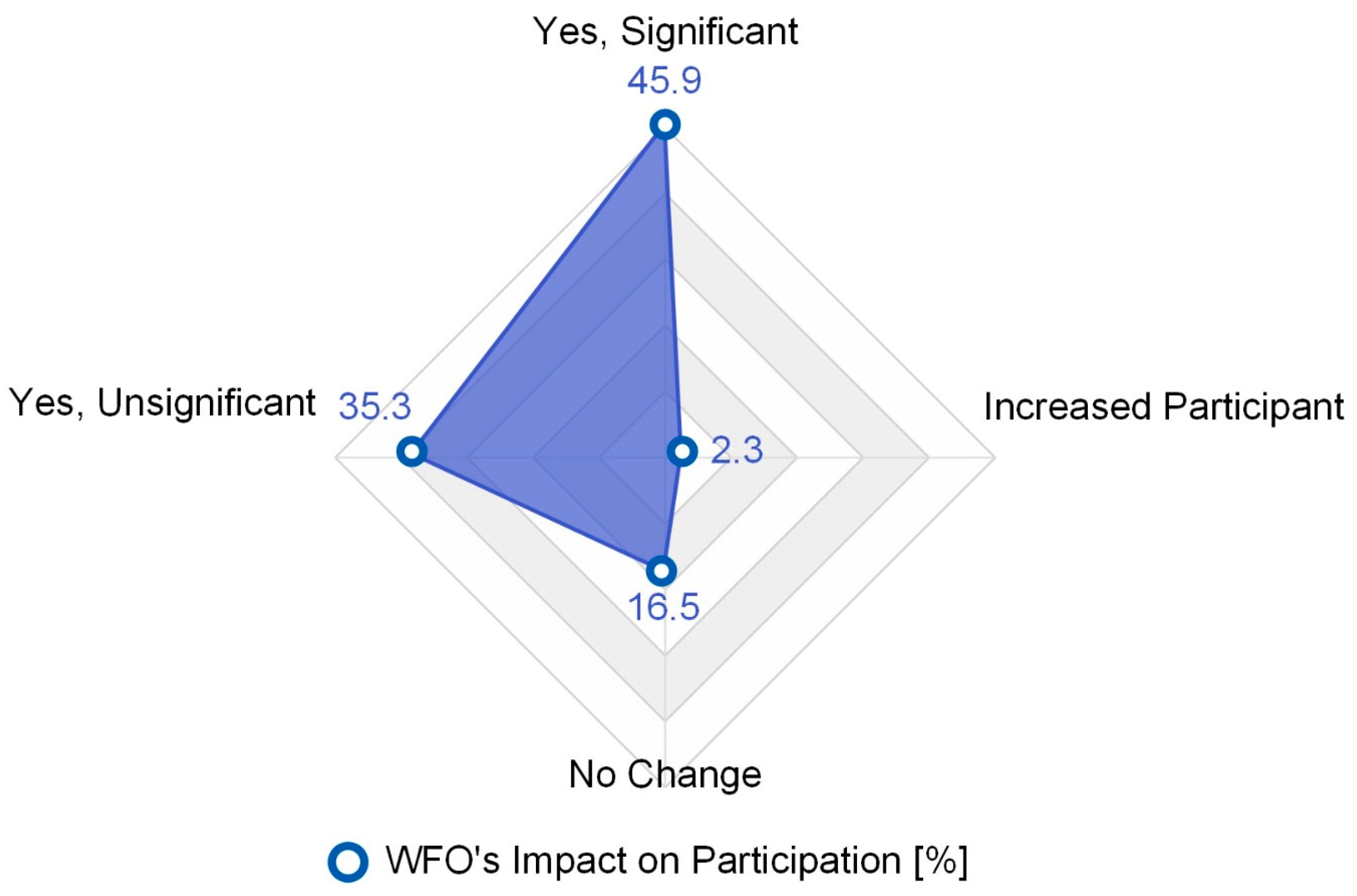
A total of 150 online questionnaires were distributed across 21 regional branches of PPI between February and March 2024. Of these, 87 were completed and valid for analysis, representing a 58% response rate. The analysis, therefore, focuses on this validated sample. As illustrated in Figure 1, a substantial majority of respondents reported a decline in their engagement with organizational activities. Specifically, 45.9% of participants indicated that their participation had decreased significantly, suggesting that the WFO policy has acted as a considerable impediment to active involvement. This pronounced effect might be attributable to factors such as increased commuting times, difficulties in balancing professional responsibilities with personal life, and a general reduction in flexibility compared to previous remote or hybrid work arrangements. Another significant portion of respondents, accounting for 35.3%, acknowledged a decrease in participation, though they characterized this decline as not significant. Cumulatively, these two categories represent over four-fifths of the sample, highlighting a widespread perception that the WFO policy has negatively influenced member engagement to varying degrees.
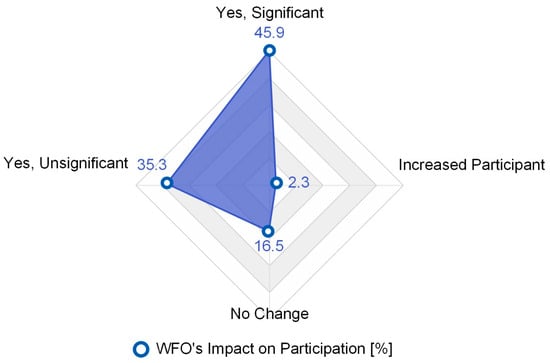
Figure 1.
The impact of the Work From Office (WFO) policy on PPI member participation.
In contrast, a smaller segment of respondents, 16.5%, reported no observable change in their participation levels. This suggests that for certain individuals, the transition back to an office-based work model did not substantially alter their routines or willingness to engage, possibly due to established work habits, supportive workplace environments, or roles less affected by location changes. Interestingly, a minuscule fraction of respondents, only 2.3%, reported an increase in their participation. For this group, the return to the office environment may have facilitated improved collaboration, enhanced communication, or provided better access to resources, thereby potentially fostering greater involvement. Overall, the findings clearly indicate a predominant negative impact of the WFO policy on member participation, although the intensity of this effect varied. This distribution underscores the importance for organizations like PPI to consider more flexible or hybrid work models that accommodate diverse member needs and minimize the risks of disengagement associated with rigid, location-bound policies.
3.1.2. Coordination
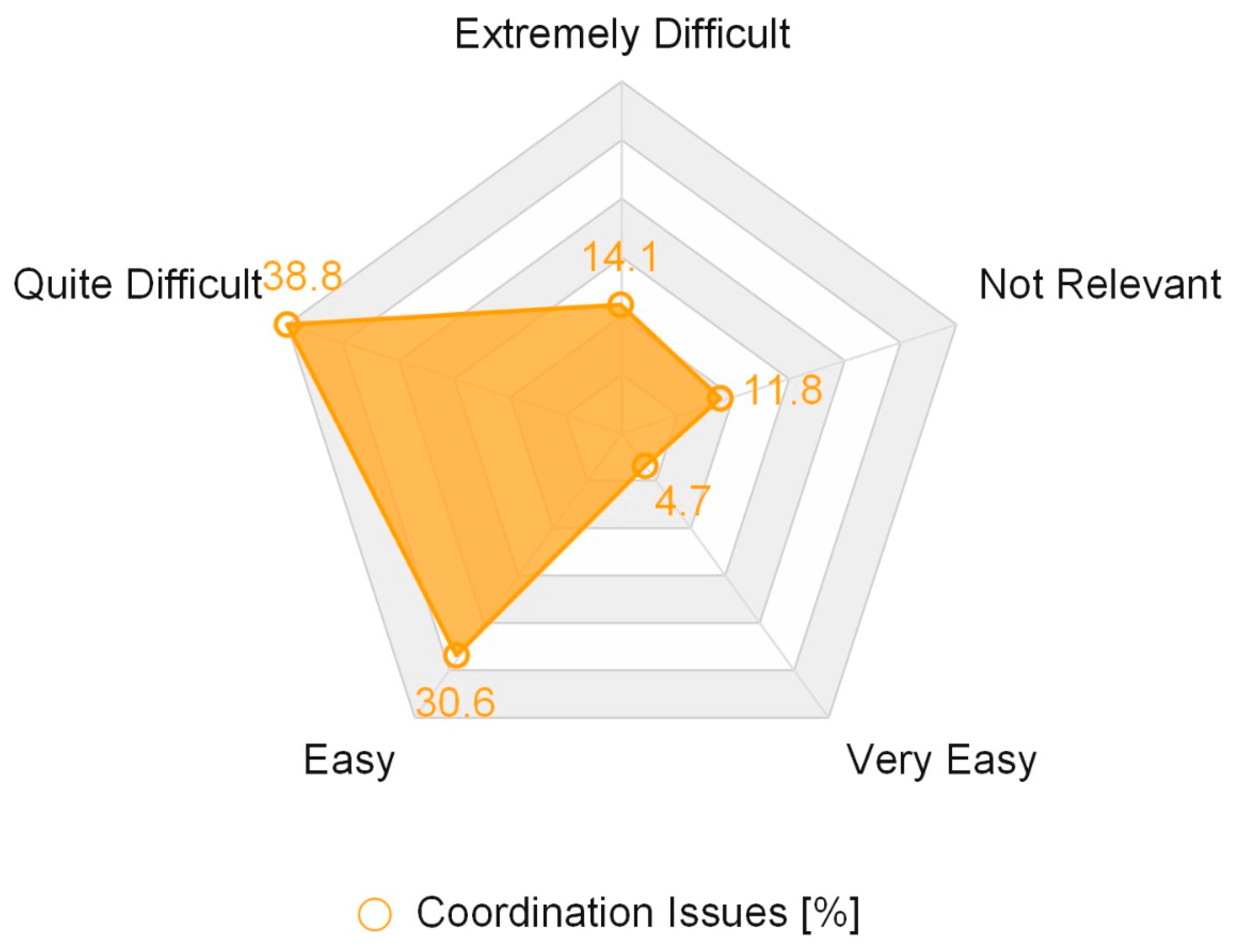
Following the implementation of the Work From Office (WFO) policy at each homebase, regional PPI coordinators have encountered increasing challenges in maintaining effective communication with members located in their original regions. The data indicate that:
- 38.8% indicated that coordination has become quite difficult.
- 14.1% reported that coordination is now very difficult.
- On the other hand, 30.6% still considered coordination to be easy, and 4.7% found it very easy.
- Meanwhile, 11.8% of respondents deemed the question not relevant to their situation.
These findings suggest that more than half of the respondents experience coordination barriers—ranging from moderate to severe—primarily due to reduced flexibility and increased physical distance resulting from WFO obligations. This underscores the need for enhanced digital coordination systems and adaptive communication strategies to sustain effective collaboration across regions.
Figure 2 presents the survey results regarding the perceived difficulty in coordination between the central leadership based at the headquarters and members located in their respective home regions. While a portion of respondents indicated that coordination remained relatively easy to manage, the findings suggest that communication and collaboration across different regions continue to be a significant issue, particularly for an organization with a geographically dispersed membership. The coordination challenges reported by regional branches extend beyond geographical dispersion. They reflect a deeper misalignment of institutional incentives and authority redistribution under BRIN’s centralized governance. Thus, coordination difficulties represent not merely logistical challenges but strategic misalignments between regional autonomy and centrally defined goals.
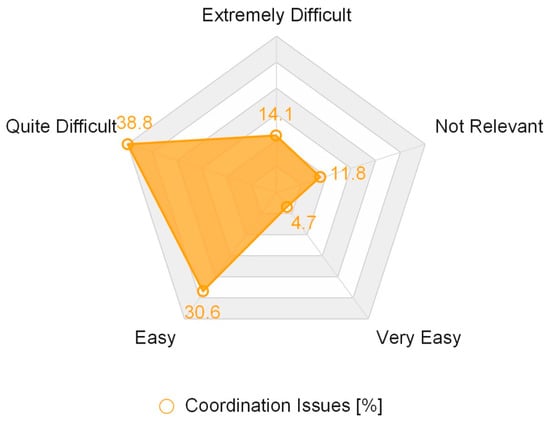
Figure 2.
The difficulty of coordination between the management at the homebase and the members in the home region.
This persistent challenge necessitates the development of adaptive strategies and the effective utilization of communication technologies to maintain seamless collaboration among regional entities. The data collected from 87 respondents (n = 87) on this matter indicate that while some participants found coordination manageable, a notable portion experienced difficulties, reinforcing the hypothesis that the WFO policy and the underlying organizational restructuring have indeed influenced the ease of communication and collaborative efforts across geographically dispersed entities. This finding aligns with research highlighting that centralized structures can expedite decision-making but may lead to ambiguity at lower levels if policies are not clearly communicated [18].
3.1.3. Collaboration with Local Partners, Universities, and Industries
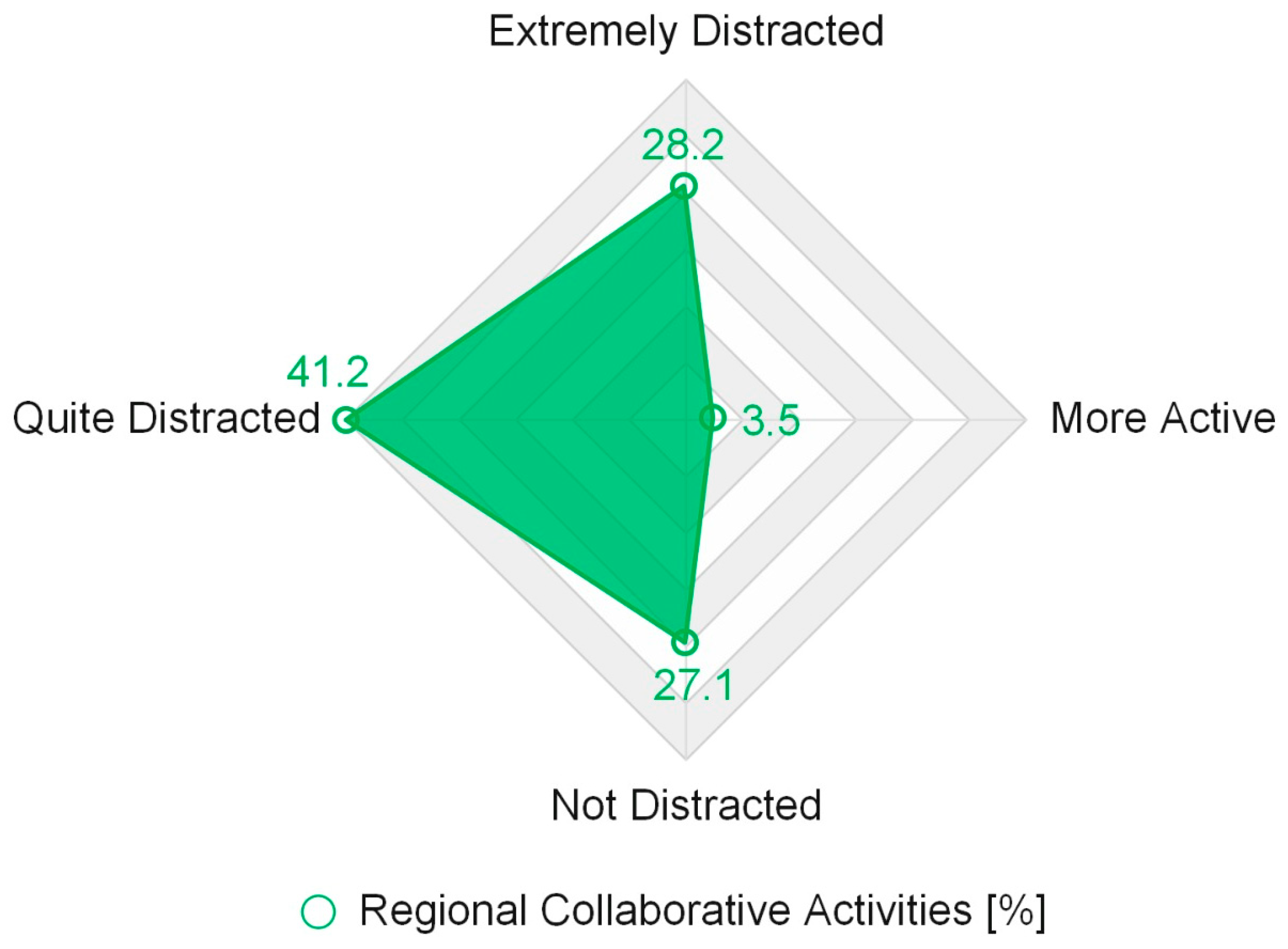
The implementation of the Work From Office (WFO) policy at each BRIN home base, particularly in Jakarta and its surrounding areas, has shown a tangible impact on the regional PPI’s ability to collaborate with key partners such as BRIDA, local governments, and universities. As illustrated in Figure 3, 41.2% of respondents stated that their collaboration was somewhat disrupted, while 28.2% reported it was severely disrupted. This means that nearly 70% of regional coordinators perceived a decline in collaboration quality or frequency due to limited mobility between the center and the regions.
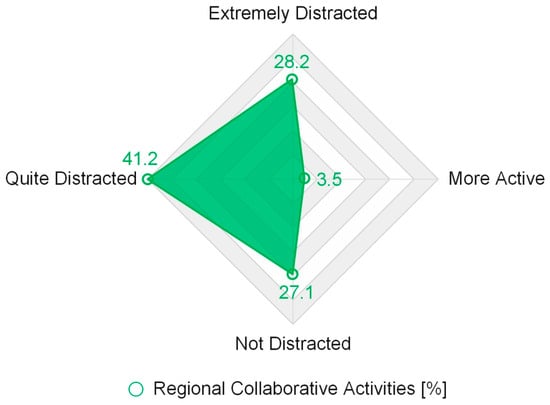
Figure 3.
The impact of the Work From Office (WFO) policy in the Homebase Unit on the ability of the PPI Region to collaborate with BRIDA, Regional Governments, and Universities in the regions.
On the other hand, 27.1% of respondents felt that the WFO policy had no impact on their collaboration, indicating that some regions have managed to maintain adaptive work and communication practices. Only 3.5% reported that collaboration had actually become more active, which could be attributed to better use of digital tools or more engaged local partners. Overall, these findings emphasize that WFO has the potential to hinder regional connectivity unless accompanied by robust coordination systems and mobility mechanisms.
3.2. SWOT-Based Evaluation of Revitalization Models
To provide a foundation for strategic decision-making regarding the revitalization of PPI, a SWOT (Strengths, Weaknesses, Opportunities, Threats) analysis was conducted. This analysis was informed by both quantitative survey data and qualitative insights derived from interviews, FGDs, and document reviews, focusing on three primary governance options and an emergent hybrid model.
The SWOT assessment employed a 1–5 Likert-scale scoring system, integrating FGD and interview insights to quantify perceived strengths, weaknesses, opportunities, and threats for each revitalization model. Scores were assigned based on qualitative data from regional representatives and key informants during the interviews and FGDs, with weights determined according to the perceived impact of each factor.
3.2.1. Option 1: Full Agglomeration
The analysis of Option 1, “Full Agglomeration,” revealed its primary strength to be maximized administrative efficiency and the potential for significant reduction in operational redundancies across the organization. However, these strengths were heavily outweighed by substantial weaknesses and threats. The model poses high risks for organizational cohesion due to the potential erasure of distinct regional identities and is perceived as undermining member participation and local autonomy. This has led to considerable resistance from regional stakeholders. Furthermore, this option garnered very low support, with only 18.5% of surveyed stakeholders, primarily from the central leadership, favoring it. The SWOT matrix for this option highlights these trade-offs:
- Strengths: Maximized administrative efficiency; Significant reduction in operational redundancies.
- Weaknesses: High potential for erasing distinct regional identities; Perceived as undermining member participation and local autonomy; Likely to generate considerable resistance from regional stakeholders.
- Opportunities: Chance to create new regions based on competence and geographic roximity; Opportunity to develop cross-regional digital systems; Potential to involve non-BRIN researchers more broadly
- Threats: Significant resistance and potential fragmentation; Undermining of organizational legitimacy due to loss of local relevance.
The SWOT analysis matrix for the full agglomeration option is presented in Table 2, highlighting the strategic considerations across organizational dimensions
Table 2.
SWOT Analysis Matrix—Option 1: Full Agglomeration.
3.2.2. Option 2: Bounded Agglomeration
Option 2, “Bounded Agglomeration,” which involves selective consolidation of underperforming units while preserving the autonomy of active ones, emerged as a more pragmatically balanced model. Its key strength lies in balancing administrative efficiency with the preservation of regional identities and operational relevance, allowing for targeted resource allocation and intervention. However, its primary weakness is the considerable complexity in implementation, requiring continuous performance monitoring and nuanced decision-making regarding consolidation criteria. This model received substantial support, with 39.2% of respondents, particularly regional chairs and members with direct experience in adaptive practices, favoring it. The SWOT analysis indicated:
- Strengths: Balances administrative efficiency with preservation of regional identities; Maintains operational relevance by keeping active units autonomous; Enables targeted allocation of resources.
- Weaknesses: Implementation complexity due to selective consolidation; Requires continuous monitoring and nuanced decision-making; Potential risk of inconsistency if consolidation criteria are not well-defined.
- Opportunities: Enhances organizational adaptability; Builds stakeholder trust through pragmatic reform; Increases legitimacy as a highly supported model.
- Threats: Resistance from units selected for consolidation; Potential disputes over fairness in consolidation decisions; Governance complexity may slow decision-making.
To evaluate the trade-offs involved in Bounded Agglomeration, a SWOT analysis was conducted, as shown in Table 3.
Table 3.
SWOT Analysis Matrix—Option 2: Bounded Agglomeration.
3.2.3. Option 3: Non-BRIN Integration
Option 3, “Non-BRIN Integration,” proposed diversifying PPI’s membership base to include researchers from universities and local R&D bodies, aiming to enhance organizational autonomy and reach. Its strength lies in the potential to broaden the membership base and foster wider collaboration. However, its weaknesses are centered on potential cultural integration challenges between BRIN-affiliated and non-BRIN researchers and the risk of fragmenting the unified professional identity. This option received moderate support (25.8% of respondents), notably from individuals with prior affiliations in universities and non-BRIN research institutions. The SWOT analysis highlighted:
- Strengths: Diversifies membership beyond BRIN; Expands organizational reach and networks; Enhances institutional autonomy.
- Weaknesses: Potential cultural integration challenges; Risk of fragmenting the unified professional identity; May require additional coordination mechanisms.
- Opportunities: Broader collaboration opportunities; Increases visibility and legitimacy in wider research ecosystems; Creates pathways for innovation.
- Threats: Possible resistance from BRIN leadership; Risk of internal divisions; Unclear governance structure.
The SWOT analysis for Option 3: Non-BRIN Integration is summarized in Table 4, highlighting its strategic strengths, weaknesses, opportunities, and threats
Table 4.
SWOT Analysis Matrix—Option 3: Non-BRIN Integration.
3.3. Hybrid Model (Combination of Options 2 and 3)
The Hybrid Model, which emerged as a consensus solution during the research process, represents a combination of elements from Bounded Agglomeration and Non-BRIN Integration. This model was designed to balance structural efficiencies with inclusive membership expansion and the preservation of regional identities. Its strengths primarily lie in its consensus-based nature, reflecting broad stakeholder agreement, and its ability to balance structural efficiency with the preservation of regional networks and the diversification of perspectives by including external, non-BRIN actors. This inclusivity is seen as strengthening overall organizational legitimacy and adaptability. Critically, this model garnered the highest level of support among all options, with 41.5% of stakeholders endorsing it. This is as presented in Table 5 about the combination of options 2 and 3. The SWOT analysis for the hybrid model indicated:
Table 5.
SWOT Analysis Matrix—Hybrid Model (Combination of Options 2 and 3).
- Strengths: Consensus-based model with broad stakeholder agreement; Balances structural efficiency with preservation of regional networks; Diversifies membership perspectives by including external actors; Strengthens organizational legitimacy through inclusivity and adaptability.
- Weaknesses: Requires significant multi-level governance reform; Demands strong, collaborative leadership capacity to manage complexity; Risk of over-bureaucratization if governance mechanisms are not streamlined; Implementation may be slower due to negotiation across diverse interests.
- Opportunities: Establishes PPI as a model for adaptive and inclusive governance; Enhances organizational legitimacy as the most widely supported model; Expands influence through both efficient structures and broader networks; Creates synergies between BRIN-affiliated and non-BRIN researchers.
- Threats: Potential leadership struggles if collaborative capacity is weak; Risk of fragmentation if integration fails; Governance complexity could undermine agility; External actors may shift the balance of power, causing internal tensions.
This hybrid model represents a strategic pathway forward, acknowledging the need for both operational efficiency and adaptive, inclusive governance in navigating the complexities of the evolving national research landscape.
4. Discussion
The findings of this study illuminate the intricate relationship between institutional transformations, policy shifts, and the operational resilience of professional research organizations, specifically focusing on the Indonesian Researchers Association (PPI) amidst the ongoing restructuring under the National Research and Innovation Agency (BRIN). The research underscores that organizational transformation, while necessary for enhancing national research capacity, presents significant challenges that necessitate adaptive governance strategies. The impact of the Work From Office (WFO) policy, initiated as part of BRIN’s centralized operational framework, has been particularly consequential, affecting member participation, inter-regional coordination, and external collaborations. This discussion will delve into these findings, contextualizing them within existing literature and elaborating on the implications of the proposed hybrid model for achieving organizational resilience.
4.1. Participation, Coordination, and Research Partnerships
The observed decline in member participation within PPI’s regional branches following the WFO policy is a critical finding that reverberates with broader literature on remote and hybrid work environments. The shift towards WFO, intended to reinforce centralized operations, inadvertently reduced member engagement by limiting the flexibility previously available under remote work. While remote arrangements had facilitated broader inclusion, the return to office-based systems constrained participation and increased administrative rigidity. The pressure stemming from a lack of clear support and instructions during such transitions can further exacerbate these challenges [19]. Consequently, fostering effective communication and collaboration mechanisms becomes paramount not only for maintaining member engagement but also for preserving the relevance and attractiveness of research groups within larger institutional structures like BRIN [20].
The challenges in coordination between PPI’s central leadership and its geographically dispersed regional branches, exacerbated by the WFO policy, highlight the inherent difficulties in managing decentralized organizations within a newly centralized framework. While centralization can expedite decision-making, a lack of clear communication and engagement strategies can lead to confusion and reduced effectiveness at the local level [18,21,22]. Effective organizational management, particularly in adapting to dynamic environments, requires fostering an adaptive and innovative organizational culture [23]. This includes ensuring that communication channels across all levels and regions are robust and responsive. The findings related to coordination difficulties are particularly pertinent in the context of BRIN’s structural integration, emphasizing the need to closely evaluate and potentially redesign communication processes to ensure efficacy throughout PPI’s network [24,25].
Furthermore, the reported disruption in collaborations between PPI regional branches and local partners—regional governments, universities, and industries—is a significant concern for fostering a vibrant national innovation ecosystem. These disruptions can be attributed to the reduced physical presence and potentially diminished capacity for spontaneous interaction that the WFO policy may have induced for PPI members. Overcoming such challenges requires exploring innovative collaborative approaches. Research by Lopes and Farias [26] emphasizes the crucial role of governance in driving collaborative innovation within the public sector. Similarly, Mariani et al. [27] highlight how collaboration can effectively address complex societal problems through resource and knowledge sharing among diverse stakeholders. The synergy between universities and industries, as stressed by Yu et al. [28], is vital for innovation performance, suggesting that maintaining and strengthening these linkages should be a priority. Therefore, strategic interventions focused on leveraging digital platforms and adaptive engagement strategies are essential to sustain and enhance these vital cross-sectoral partnerships [29].
4.2. The Proposed Hybrid Model
The findings strongly advocate for a departure from uniform restructuring strategies, supporting a more tailored approach that considers regional capacities and specific needs. The proposed hybrid model embodies this principle by integrating elements of bounded agglomeration with external membership expansion, thereby offering a flexible and adaptive solution. This approach resonates with frameworks that emphasize the emergence of resilient epistemic communities through the integration of localized knowledge and collaborative inter-institutional frameworks, which are vital for effective policy development [13]. The emphasis on context-specific solutions is crucial, as it allows regions to maintain a degree of autonomy and foster local ownership of governance practices, leading to more effective outcomes in addressing unique socio-economic and environmental challenges [30,31].
Digital governance emerges as a pivotal enabler for the successful implementation of this hybrid model. The literature consistently points to digitalization’s role in enhancing accountability and transparency in public services through clear metrics and evaluative frameworks [15]. By leveraging digital tools, data processing and sharing can be streamlined, improving real-time accountability among stakeholders involved in research projects [32]. Furthermore, digital governance can facilitate the harmonization of processes and the sharing of best practices, thereby building institutional capacities adaptable to future challenges [33,34]. The strategic use of digital platforms can not only support immediate governance needs but also foster greater trust and compliance among diverse stakeholders [35].
The hybrid model’s potential to inspire reforms in other decentralized professional bodies is significant. Its emphasis on inclusive practices, tailored solutions, and leveraging digital tools provides a transferable blueprint for organizations facing similar pressures to innovate within constrained governance structures. Research suggests that integrating diverse actors, including those outside traditional structures, can challenge established norms and lead to more pluralistic and equitable governance approaches [36]. This aligns with the principle of fostering systemic change in similar decentralized contexts by promoting collaboration among a wide array of stakeholders [34]. The model’s adaptability and focus on region-specific realities, coupled with digital governance, are key to reshaping how decentralized bodies approach governance, encouraging innovative practices that can be replicated across various sectors [37,38].
Crucially, the hybrid model addresses the imperative of epistemic justice. By incorporating diverse voices and knowledge systems, particularly from researchers outside the BRIN framework, the model seeks to ensure that decision-making processes are more inclusive and equitable. This is particularly important in environments where knowledge production might be concentrated, potentially leading to systemic inequities [39]. The integration of localized knowledge and the recognition of diverse epistemic backgrounds are fundamental for achieving more just and effective governance, especially in environmental discourse [40]. This approach enhances the inclusivity of research and governance, allowing for multiple perspectives and knowledge systems to inform strategic decisions, thereby contributing to a more robust and equitable innovation ecosystem.
4.3. Collaboration with Local Partners
The hybrid model operationalizes the complementarity between bounded agglomeration and non-BRIN integration. While the former enhances administrative efficiency by consolidating underperforming units, the latter broadens legitimacy and inclusivity by engaging external researchers. Together, they create a balanced framework that mitigates coordination failures while sustaining local relevance.
The strengthening of collaboration with local partners is a cornerstone of the proposed hybrid model, recognized as vital for advancing research and innovation, especially in developing countries where integrated approaches are often necessary to overcome research management challenges [41]. The model’s focus on fostering cooperation among local researchers, non-governmental entities, local governments, and communities directly addresses the structural barriers within the research system. By embracing collaboration between local and non-government researchers, the model aims to enhance epistemic diversity and resilience, while simultaneously integrating relevant local knowledge [41]. This aligns with findings illustrating that involving diverse researchers can enrich perspectives and accelerate solutions to community-specific issues, as seen in agricultural advancements through farmer-researcher collaborations [41].
Moreover, the hybrid model’s design emphasizes tailoring solutions to the specific capacities and needs of each region, moving beyond uniform restructuring. This adaptive approach is supported by research on e-government development in Southeast Asia, which indicates that adapting models to local contexts can accelerate policy implementation and success [42,43]. When solutions are contextually grounded, the achievement of sustainable development goals becomes more attainable. The integration of digital governance and funding incentives within this framework further bolsters collaborative objectives. Digital technologies enable real-time data processing and sharing, enhancing accountability among research project stakeholders [32,44]. Flexible funding incentives, in turn, promote regional autonomy in research programs and encourage broader community participation [43]. This integrated approach, therefore, not only tackles structural impediments but also serves as a strategic pathway towards sustainable regional development and improved community well-being [45,46]. Ultimately, building strong, effective partnerships among local stakeholders is presented not merely as a means to overcome structural obstacles but as a strategic imperative for fostering sustained regional progress and inclusivity.
In conclusion, the findings underscore the critical need for adaptive strategies in navigating the complexities of institutional reform within the research sector. The negative impacts of rigid policies like WFO on participation and collaboration necessitate a move towards more inclusive and flexible governance models. The proposed hybrid model, by integrating bounded agglomeration with expanded membership and leveraging digital governance, offers a promising pathway for PPI to enhance its resilience, strengthen its partnerships, and solidify its role as a key player in Indonesia’s national innovation ecosystem. The successful implementation of this model holds the potential to not only revitalize PPI but also to serve as a valuable case study for other professional organizations in developing countries striving for adaptive and effective governance.
4.4. Implementation Roadmap for the Hybrid Model
The hybrid model will be governed through a three-tier structure comprising the Central Executive Board, Regional Coordination Clusters, and Thematic Working Groups.
- Decision Rights: Regional clusters retain autonomy in project initiation and partnership formation, while the central board oversees funding allocation and policy alignment.
- Accountability Mechanisms: Annual performance reviews, open digital dashboards, and peer evaluations ensure transparency.
- Resource Estimate: Implementation requires approximately USD 35,000 annually for digital platform maintenance, coordination workshops, and monitoring activities.
- Timeline:
- Phase 1 (0–6 months): Institutional mapping.
- Phase 2 (6–12 months): Digital integration and pilot testing.
- Phase 3 (12–24 months): National rollout.
- Monitoring Indicators:
- Participation rate recovery (+20%).
- Number of cross-sectoral collaborations.
- Digital engagement metrics.
- Risk Mitigation: Establishment of a crisis committee to address governance conflicts and maintain operational continuity.
5. Conclusions
This study examined the institutional transformations within Indonesia’s research ecosystem, particularly the impacts of BRIN’s establishment and the WFO policy on the Association of Indonesian Researchers (PPI). Key findings indicate that the WFO policy has significantly curtailed member participation, hindered inter-regional coordination, and disrupted collaborations with local partners, underscoring the vulnerability of professional organizations during periods of systemic change. The comparative analysis of revitalization models—full agglomeration, bounded agglomeration, non-BRIN integration, and a hybrid model—revealed a strong preference for the hybrid approach, which combines selective efficiency with inclusive expansion. This model is posited as the most adaptive and widely supported strategy for bolstering organizational resilience and legitimacy. The primary implication is that successful institutional reform requires flexible, context-aware strategies that balance centralized efficiency with decentralized adaptability and inclusivity, integrating digital governance and fostering strong local partnerships. This research contributes to the body of knowledge by providing a novel framework for understanding organizational revitalization in national research systems, highlighting the strategic role of professional associations. Future research could explore the long-term impact of the hybrid model implementation, investigate the effectiveness of specific digital governance tools in enhancing collaboration, and examine the adaptability of this model in other decentralized professional organizations globally.
6. Disclosure of AI Use
The authors declare that Artificial Intelligence (AI) tools were employed in a limited capacity to support this manuscript, particularly for language refinement, paraphrasing, and structuring sentences in accordance with international academic standards. All analyses, data interpretations, and conclusions are entirely the responsibility of the authors. AI was not used to replace any part of the scientific process, including data collection, analysis, or validation.
Author Contributions
Conceptualization, S.I., B.S., A.F.S., R.S.Z., H.A. and A.A.; Methodology, S.I., B.S., A.F.S., A.W.S., D.C., S.D.S.M., D.S.K. and A.A.; Software, D.S.K.; Validation, D.C., R.S.Z., I.H.A. and A.T.S.; Formal analysis, S.I., A.W.S., D.C. and R.S.Z.; Investigation, I.H.A.; Resources, S.I.; Data curation, B.S., A.W.S., D.C., S.I.K., D.S.K. and I.H.A.; Writing—original draft, B.S., A.W.S., D.C. and D.S.K.; Writing—review & editing, S.I., B.S., A.F.S., S.D.S.M., H.A. and A.A.; Visualization, S.D.S.M., and A.T.S.; Supervision, S.I., S.I.K., A.A. and A.T.S.; Project administration, S.I.K. and A.T.S.; Funding acquisition, S.I. and S.I.K. All authors have read and agreed to the published version of the manuscript.
Funding
This research, including the Article Processing Charge (APC), was fully funded by the Association of Indonesian Researchers (Perhimpunan Periset Indonesia, PPI) under the Decree of the Association of Indonesian Researchers Number KEP-05/PP/PPI/IV/2025, dated 8 April 2025, concerning the Appointment of the Study Team on the Urgency of Revitalizing the Regional Leadership of the Association of Indonesian Researchers for the Year 2025.
Data Availability Statement
The data supporting the findings of this study are available from the authors upon reasonable request. Access to the data may be granted for academic and research purposes, subject to ethical considerations and data protection principles.
Acknowledgments
The authors would like to express their sincere appreciation to all individuals and institutions who contributed to the successful completion of this study. Special gratitude is extended to the Association of Indonesian Researchers (Perhimpunan Periset Indonesia, PPI) for its comprehensive support, including financial assistance for the research activities, procedural guidance, and the funding of the Article Processing Charge (APC) for this publication. The authors affirm that they have equal authorship status and contributed equally to the development of this manuscript.
Conflicts of Interest
The authors declare that there are no conflicts of interest regarding the research, authorship, and/or publication of this article.
References
- Fitria, N. Pembentukan badan riset dan inovasi nasional sebagai upaya menuju good governance dengan prinsip reformasi birokrasi. Wacana Publik 2021, 15, 105. [Google Scholar] [CrossRef]
- Pamungkas, O. Pelatihan strategi penulisan artikel ilmiah untuk publikasi di jurnal internasional bereputasi tinggi bagi periset brin. Abdibaraya 2022, 1, 45–53. [Google Scholar] [CrossRef]
- Hiskia, H.; Priswantoro, A.; Jauhari, R.; Jinan, R.; Herlambang, H. Pengelolaan resiko sebagai faktor kunci dalam peningkatan produktifitas dan komersialisasi inovasi di badan riset dan inovasi nasional. J. Ilm. Manaj. Bisnis (JIMBis) 2025, 3, 275–296. [Google Scholar] [CrossRef]
- Deru, H.; Sobri, K.; Alfitri, A.; Leonardo, A.; Prasetyo, E. Pentingnya perilaku pelaksana regulasi untuk pencapaian indeks inovasi daerah yang tinggi. Publ. Penelit. Terap. Kebijak. 2023, 6, 1–15. [Google Scholar] [CrossRef]
- Aidhi, A.; Harahap, M.; Rukmana, A.; Palembang, S.; Bakri, A. Peningkatan daya saing ekonomi melalui peranan inovasi. J. Multidisiplin West Sci. 2023, 2, 118–134. [Google Scholar] [CrossRef]
- Tong, T.; Iqbal, K.; Rahman, A. Core technological competence and competitive advantage: A study on chinese high-tech smes. Front. Psychol. 2022, 13, 959448. [Google Scholar] [CrossRef]
- Nahrkhalaji, S.; Shafiee, M.; Shafiee, S. Organization design in motion: Designing an organization for agility. Proc. Des. Soc. 2021, 1, 2349–2358. [Google Scholar] [CrossRef]
- Zhao, J.; Wu, X.; Chen, Y.; Li, T.; Han, Y.; Liu, T.; Liu, Y. What makes a hospital excellent? A qualitative study on the organization and management of five leading public hospitals in China. Risk Manag. Healthc. Policy 2023, 16, 1915–1927. [Google Scholar] [CrossRef]
- Adiawaty, S.; Moeins, A.; Sunaryo, W. Differences in commitment enhancement to the organization between generation x and generation y (analysis of empowerment and values). J. World Sci. 2024, 3, 309–316. [Google Scholar] [CrossRef]
- Kuchler, E.; Garner, L.; Whitten, L.; DeBlieck, C.; Farra, S.; Davis, R.; Eardley, D.; Stalter, A. A strengths, weaknesses, opportunities, and threats analysis—A study of association of community/public health nursing educators members. Public Health Nurs. 2020, 38, 449–458. [Google Scholar] [CrossRef] [PubMed]
- Apriliyanti, D. Enhancing teachers’ competencies through professional development program: Challenges and benefactions. Acuity J. Engl. Lang. Pedagog. Lit. Cult. 2020, 5, 28–38. [Google Scholar] [CrossRef]
- Abadi, S.; Davoudi, A.; Khani, K. Identifying the Factors Promoting the Professional Ethics of School Principals with Dematel Approach and Content Analysis. Iran. J. Educ. Sociol. 2020, 3, 70–80. [Google Scholar] [CrossRef]
- Mabon, L.; Machoň, M. Urban climatological research informing environmental policy and planning in fukuoka, japan: What makes an epistemic community successful locally? Environ. Policy Gov. 2024, 35, 246–261. [Google Scholar] [CrossRef]
- Yuda, T.K.; Setiawan, H.H.; Habibullah Susantyo, B.; Suyatna, H. Institutionalized Social Entrepreneurship in Indonesia: A report on the challenges of state-driven social entrepreneurship promotion within the Five Cities’ social assistance program. Asia Pac. J. Public Adm. 2023, 47, 50–66. [Google Scholar] [CrossRef]
- Agostino, D.; Saliterer, I.; Steccolini, I. Digitalization, accounting and accountability: A literature review and reflections on future research in public services. Financ. Account. Manag. 2021, 38, 152–176. [Google Scholar] [CrossRef]
- Jalonen, H. Epistemic governance in the context of crisis: A complexity-informed approach. Adm. Soc. 2024, 57, 218–253. [Google Scholar] [CrossRef]
- Sims, D.; Naidu, T. How to … do decolonial research. Clin. Teach. 2024, 21, e13806. [Google Scholar] [CrossRef] [PubMed]
- Fitria, N.; Chairy, A.; Nahdiyah, A. Mengurai kompleksitas budaya organisasi dalam konteks manajemen pendidikan pada lembaga pendidikan tinggi. J. Kepengawasan Supervisi Manajerial 2024, 1, 136–142. [Google Scholar] [CrossRef]
- Khasanah, B. Gambaran strategi hrd untuk menjaga kesehatan mental karyawan saat bekerja dari rumah. Bdg. Conf. Ser. Psychol. Sci. 2022, 2, 901–908. [Google Scholar] [CrossRef]
- Darmawan, E.; Atmojo, M. Kebijakan work from home bagi aparatur sipil negara di masa pandemi COVID-19. Thejournalish Soc. Gov. 2020, 1, 92–99. [Google Scholar] [CrossRef]
- Susantyo, B.; Habibullah, H.; Imrayani, N.R.; Erwinsyah, R.G.; Nainggolan, T. Social Cash Assistance for Food Security during a Disaster: Lesson Learned from Indonesia. IOP Conf. Ser. Earth Environ. Sci. 2023, 1180, 012047. [Google Scholar] [CrossRef]
- Reniati, R.; Susantyo, B.; Irmayani, N.R.; Sabri, F.; Widiastuti, W. The Influence of Leadership Strategies and Social Capital on the Business Performance and Resilience of Indonesian MSMEs. J. Knowl. Econ. 2025, 16, 9932–9971. [Google Scholar] [CrossRef]
- Hutahaean, B. Dampak modal insani dan perubahan budaya organisasi terhadap kinerja sumber daya manusia. J. Widyaiswara Indones. 2022, 3, 1–12. [Google Scholar] [CrossRef]
- Ramadhany, E.; Panuluh, M.; Afandi, K.; Arief, M. Dampak transformasi digital berdasarkan lensa teoritis socio-technical system: Kajian literatur. J. Minfo Polgan 2023, 12, 1653–1668. [Google Scholar] [CrossRef]
- Mahmud, M.; Tesniwati, R. Peningkatan kinerja melalui transformasi digital layanan publik kepabeanan yang diperkuat dengan budaya dan pola kerja adaptif. J. Ilm. Ekon. Bisnis 2023, 28, 161–182. [Google Scholar] [CrossRef]
- Lopes, A.; Farias, J. How can governance support collaborative innovation in the public sector? A systematic review of the literature. Int. Rev. Adm. Sci. 2020, 88, 114–130. [Google Scholar] [CrossRef]
- Mariani, L.; Trivellato, B.; Martini, M.; Marafioti, E. Achieving sustainable development goals through collaborative innovation: Evidence from four european initiatives. J. Bus. Ethics 2022, 180, 1075–1095. [Google Scholar] [CrossRef] [PubMed]
- Yu, X.; Paudel, K.; Li, D.; Xiong, X.; Gong, Y. Sustainable collaborative innovation between research institutions and seed enterprises in China. Sustainability 2020, 12, 624. [Google Scholar] [CrossRef]
- Noor, I.; Danar, O.; Wahyudi, L. Local government collaborative innovation policy. Public Policy Adm. 2023, 22, 332–343. [Google Scholar] [CrossRef]
- Chatterjee, R.; Roy, I. Role of absorptive capacity and science and technology parks in regional innovation: A triple helix perspective from india. J. Public Aff. 2025, 25, e70029. [Google Scholar] [CrossRef]
- Hassan, M.; Alsharef, O. Evaluating the cost-benefit analysis of climate adaptation strategies on coastal communities. Stallion J. Multidiscip. Assoc. Res. Stud. 2024, 3, 18–24. [Google Scholar] [CrossRef]
- Lahkar, P. Interlinkage between governance and economic development: A review of existing literature. Inf. Technol. Ind. 2021, 9, 556–561. [Google Scholar] [CrossRef]
- Eichholz, L. The implications of a co-created software solution for mobility in rural areas. Smart Cities 2023, 6, 2706–2721. [Google Scholar] [CrossRef]
- Salikhanov, I.; Katapodi, M.; Kunirova, G.; Crape, B. Improving palliative care outcomes in remote and rural areas of lmics through family caregivers: Lessons from kazakhstan. Front. Public Health 2023, 11, 1186107. [Google Scholar] [CrossRef] [PubMed]
- Gillis, C.; Coca-Martinez, M.; Mina, D. Tailoring prehabilitation to address the multifactorial nature of functional capacity for surgery. J. Hum. Nutr. Diet. 2022, 36, 395–405. [Google Scholar] [CrossRef] [PubMed]
- Elbe, S.; Vorlíček, D.; Brenner, D. Rebels, vigilantes and mavericks: Heterodox actors in global health governance. Eur. J. Int. Relat. 2023, 29, 903–928. [Google Scholar] [CrossRef]
- Bodkhe, G.; Kumar, V.; Li, X.; Pei, S.; Ma, L.; Kim, M. Biosensors in microbial ecology: Revolutionizing food safety and quality. Microorganisms 2025, 13, 1706. [Google Scholar] [CrossRef]
- Jacob, K. Acute psychiatric care: The need for contextual understanding and tailored solutions. World Psychiatry 2022, 21, 238–239. [Google Scholar] [CrossRef] [PubMed]
- Besson, E. How to identify epistemic injustice in global health research funding practices: A decolonial guide. BMJ Glob. Health 2022, 7, e008950. [Google Scholar] [CrossRef]
- Gosselin, L.; Gauquelin, M. Rethinking knowledge cumulation: Foregrounding epistemic justice in environmental governance research. Environ. Policy Gov. 2025, 35, 729–743. [Google Scholar] [CrossRef]
- Ndiege, J.; Backhouse, J. Knowledge management in local governments in developing countries: A systematic literature review. Vine J. Inf. Knowl. Manag. Syst. 2021, 53, 450–466. [Google Scholar] [CrossRef]
- Sukarno, M.; Nurmandi, A. E-government development index impact on world governance indicator index in southeast asian countries. J. Contemp. Gov. Public Policy 2023, 4, 97–114. [Google Scholar] [CrossRef]
- Juma, P.; Jones, C.; Mijumbi, R.; Wenham, C.; Masupe, T.; Sobngwi-Tambekou, J.; Biemba, G.; Mtombo, N.; Parkhurst, J. Governance of health research in four eastern and southern african countries. Health Res. Policy Syst. 2021, 19, 132. [Google Scholar] [CrossRef] [PubMed]
- Hodžić, S.; Ravšelj, D.; Alibegović, D. E-government effectiveness and efficiency in eu-28 and covid-19. Cent. Eur. Public Adm. Rev. 2021, 19, 159–180. [Google Scholar] [CrossRef]
- Roit, B.; Iannuzzi, F. One of many roads to industry 4.0? Technology, Policy, Organisational Adaptation and Worker Experience in ‘Third Italy’ SMES. New Technol. Work Employ. 2022, 38, 252–271. [Google Scholar] [CrossRef]
- Zeebaree, M.; Agoyi, M.; Aqel, M. Sustainable adoption of e-government from the utaut perspective. Sustainability 2022, 14, 5370. [Google Scholar] [CrossRef]
Disclaimer/Publisher’s Note: The statements, opinions and data contained in all publications are solely those of the individual author(s) and contributor(s) and not of MDPI and/or the editor(s). MDPI and/or the editor(s) disclaim responsibility for any injury to people or property resulting from any ideas, methods, instructions or products referred to in the content. |
© 2026 by the authors. Licensee MDPI, Basel, Switzerland. This article is an open access article distributed under the terms and conditions of the Creative Commons Attribution (CC BY) license.