
Article

Assessment of Oral Health-Related Quality of Life in Children with Leukemia and Gingival Inflammation

by
Alina Adumitroaie
1,
Vasilica Toma
1,*,
Minerva Codruta Badescu
1,
Daniel Cioloca
1,
Aurelia Spinei
2,
Nura Jdid
1,
Mioara Florentina Trandafirescu
1,
Carmen Ecaterina Leferman
1 and
Liliana Georgeta Foia
1
1
Grigore T. Popa University of Medicine and Pharmacy Iasi, 700115 Iasi, Romania
2
Nicolae Testemitanu State University of Medicine and Pharmacy, MD-2004 Chisinau, Moldova
*
Author to whom correspondence should be addressed.
J. Pers. Med. 2026, 16(2), 84; https://doi.org/10.3390/jpm16020084
Submission received: 5 December 2025 / Revised: 12 January 2026 / Accepted: 19 January 2026 / Published: 2 February 2026
(This article belongs to the Special Issue Personalized Medicine in Dental and Oral Health)

Abstract

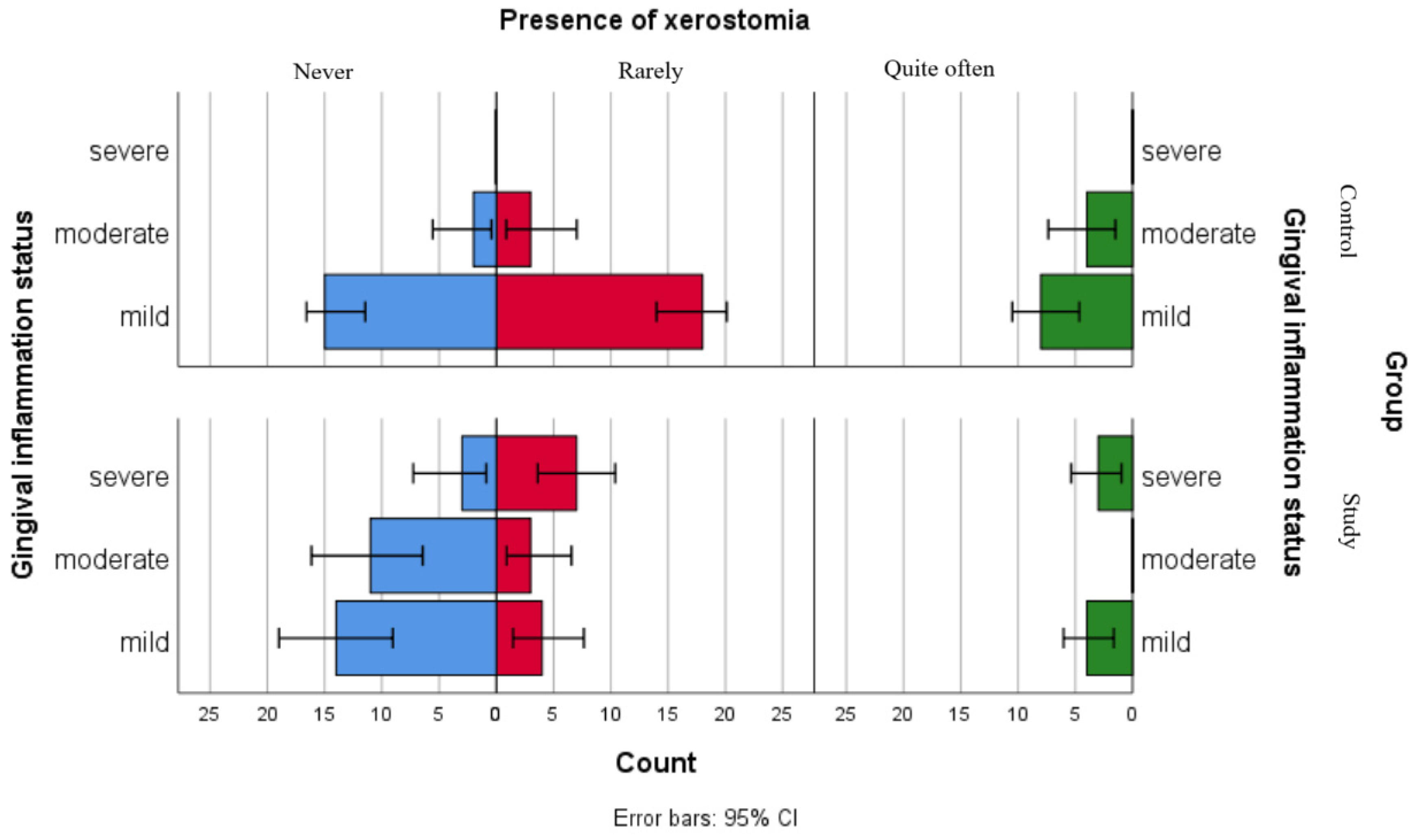
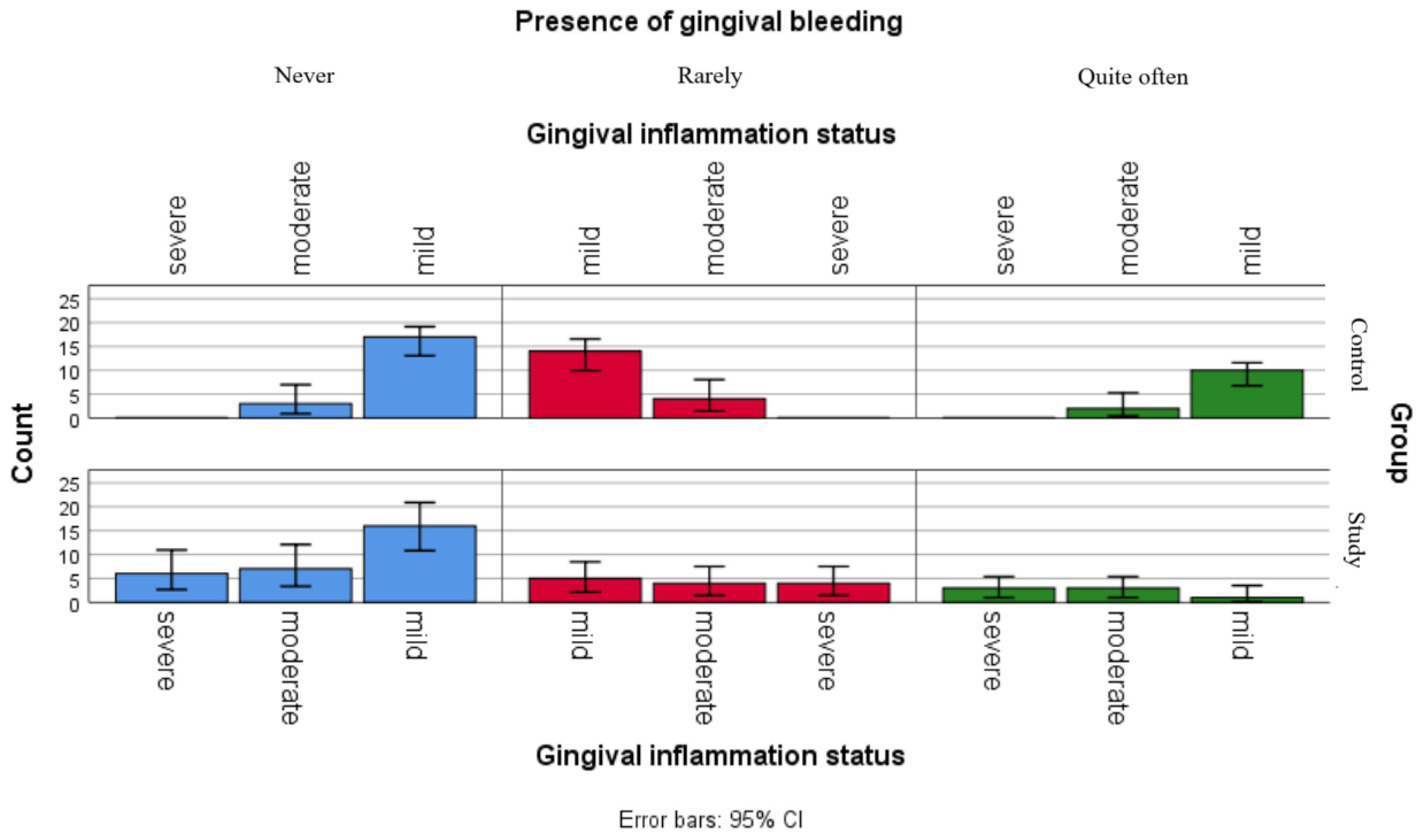
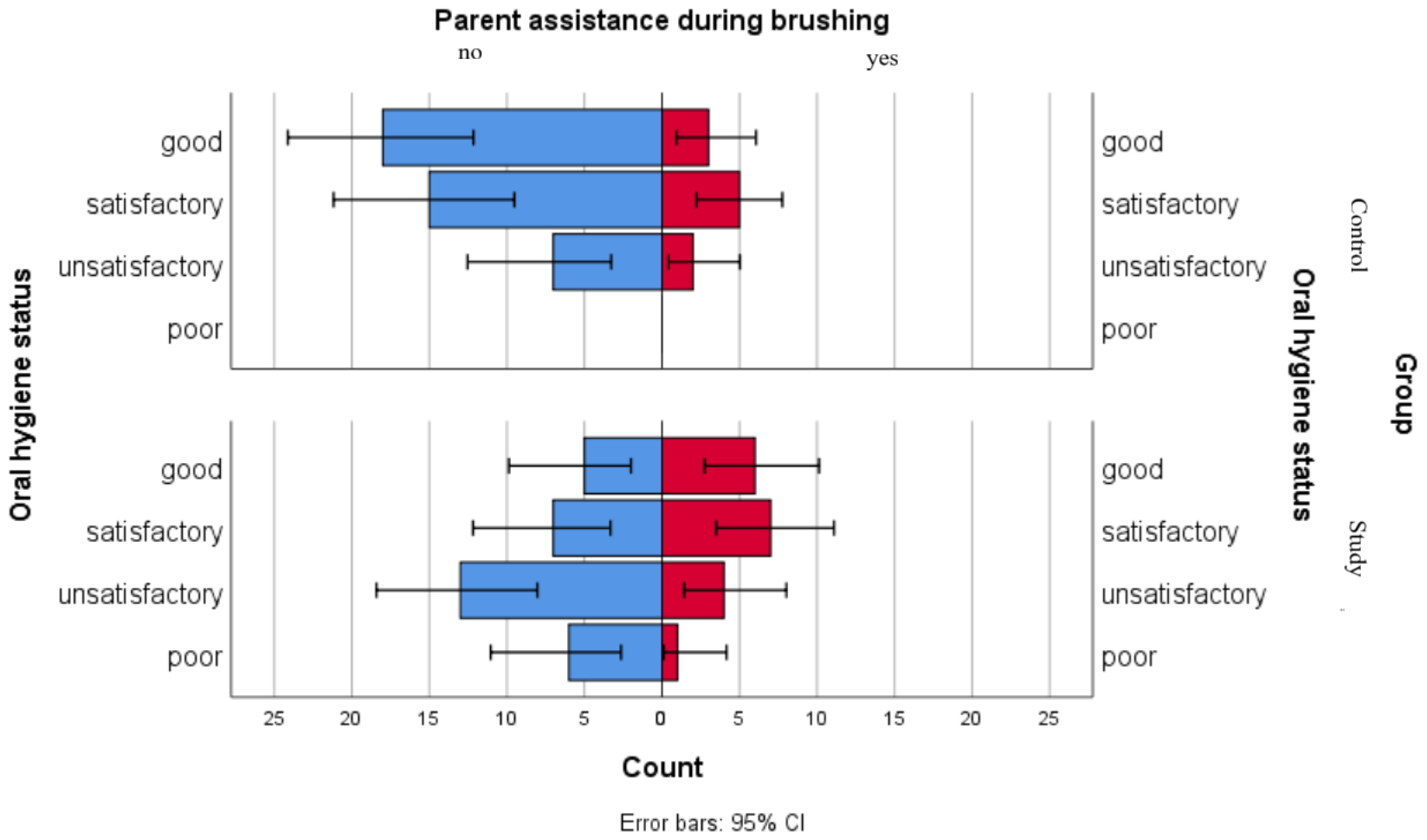
Background/Objectives: Oral health-related quality of life (OHRQoL) is a complex topic, encompassing the medical, functional and psychosocial aspects of well-being, especially in the context of systemic conditions that can trigger oral cavity impairment. While this subject has been extensively investigated in adults, evidence remains limited in pediatric populations, particularly in children with leukemia who are at high risk for oral complications related to the disease itself and its treatment. Moreover, children and parent perceptions of oral health are essential for guiding preventive and personalized therapeutic strategies, yet they are poorly explored in this clinical context. The objective of this study was to assess OHRQoL in children with leukemia and gingival inflammation, and compare it with that of children without this systemic condition. Methods: This observational, cross-sectional, case–control study was conducted on 99 subjects, divided into two groups: the study group n = 49 leukemia subjects and the control group n = 50 subjects without oncologic pathology. Clinical examination of all subjects was performed and oral health status was evaluated using Oral Health Index-Simplified (OHI-S) and Gingival Index (GI). Parents filled out a personalized exploratory questionnaire, adapted after established scales, designed to capture the child’s perceived impact of certain leukemia-related gingivo-periodontal alterations, including pain, ulcerations, gingival bleeding and xerostomia. Data were analyzed using descriptive statistics, Pearson’s Chi-square test and comparative graphical analyses (IBM SPSS Statistics 26). Results: Children with leukemia reported higher frequencies of xerostomia, ulcerations and gingival bleeding compared to children in the control group, with xerostomia showing a suggestive association to gingival inflammation. Oral hygiene status of children in the leukemia group was generally better among children receiving parental assistance during brushing or those practicing dental flossing. Comparative graphical analyses showed differences in symptom reporting and oral hygiene support between groups. Conclusions: The results suggest that xerostomia seemed to align with gingival inflammation in children with leukemia, while parental assistance and dental flossing seemed to be associated with better oral hygiene status. Our findings also support the need for developing standardized, disease-oriented scales of evaluating OHRQoL, as well as individualized oral care and continuous monitoring in order to improve oral health-related quality of life in this vulnerable pediatric population.
Keywords: oral health-related quality of life; children; leukemia; gingivo-periodontal alterations oral health-related quality of life; children; leukemia; gingivo-periodontal alterations