Article

The Heterogeneous Effects of Microscale-Built Environments on Land Surface Temperature Based on Machine Learning and Street View Images


1
School of Architecture, Tianjin University, Tianjin 300073, China
2
Huaxi Construction Co., Ltd., CCCC Second Highway Engineering Co., Ltd., Chengdu 610000, China
3
School of Civil Engineering, Tianjin University, Tianjin 300073, China
*
Authors to whom correspondence should be addressed.
Atmosphere 2024, 15(5), 549; https://doi.org/10.3390/atmos15050549
Submission received: 2 April 2024 / Revised: 21 April 2024 / Accepted: 23 April 2024 / Published: 29 April 2024

Abstract

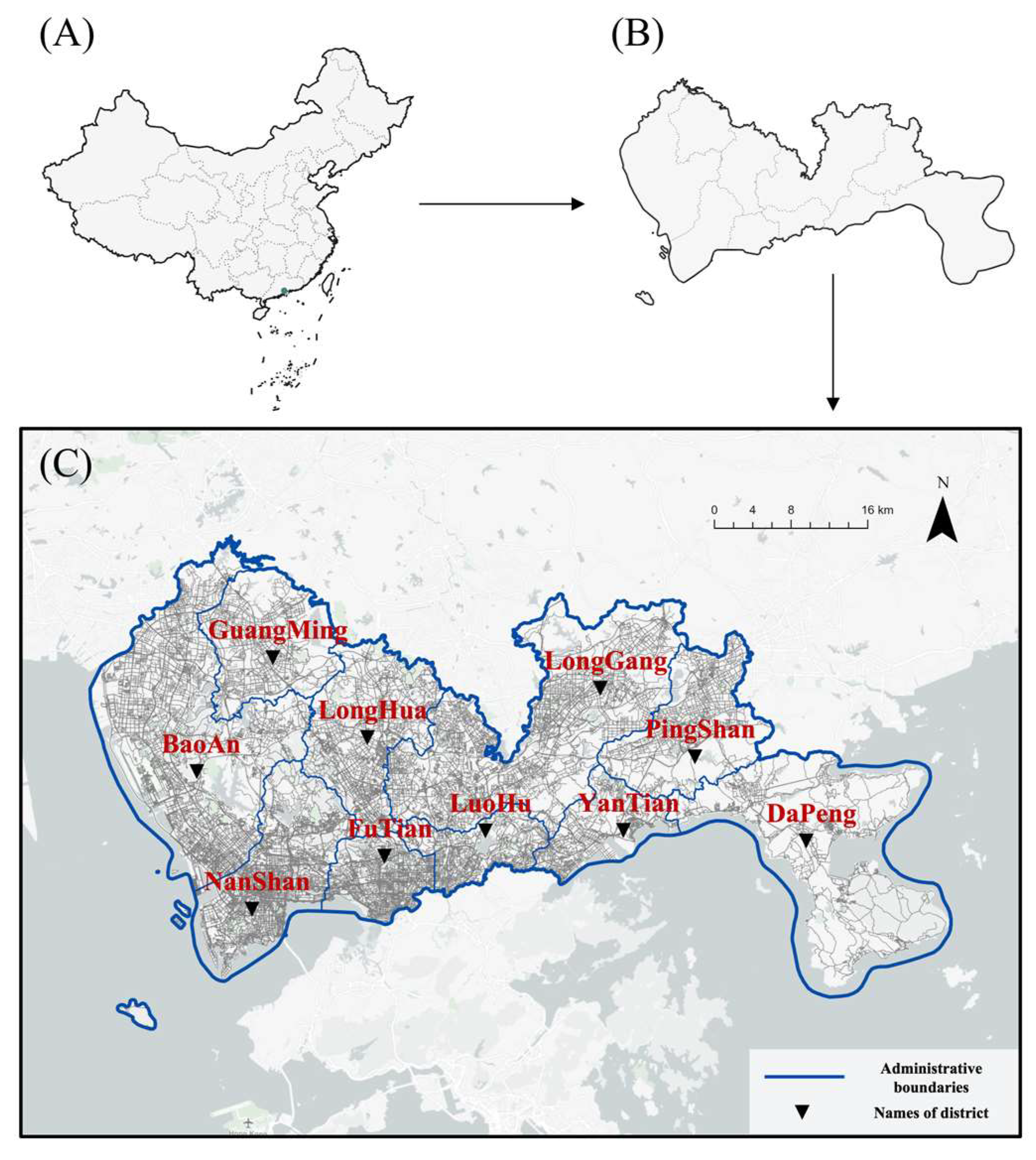
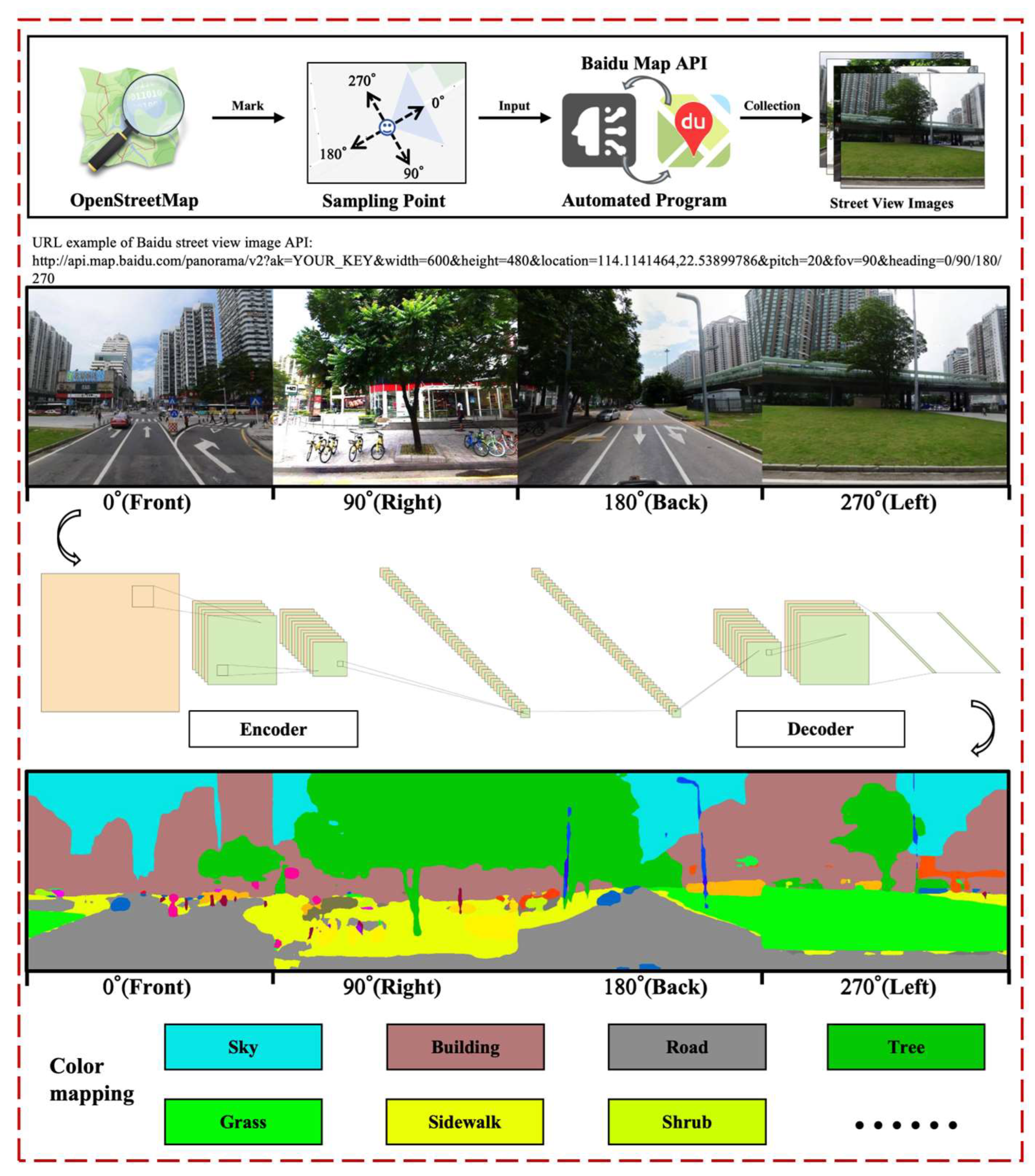
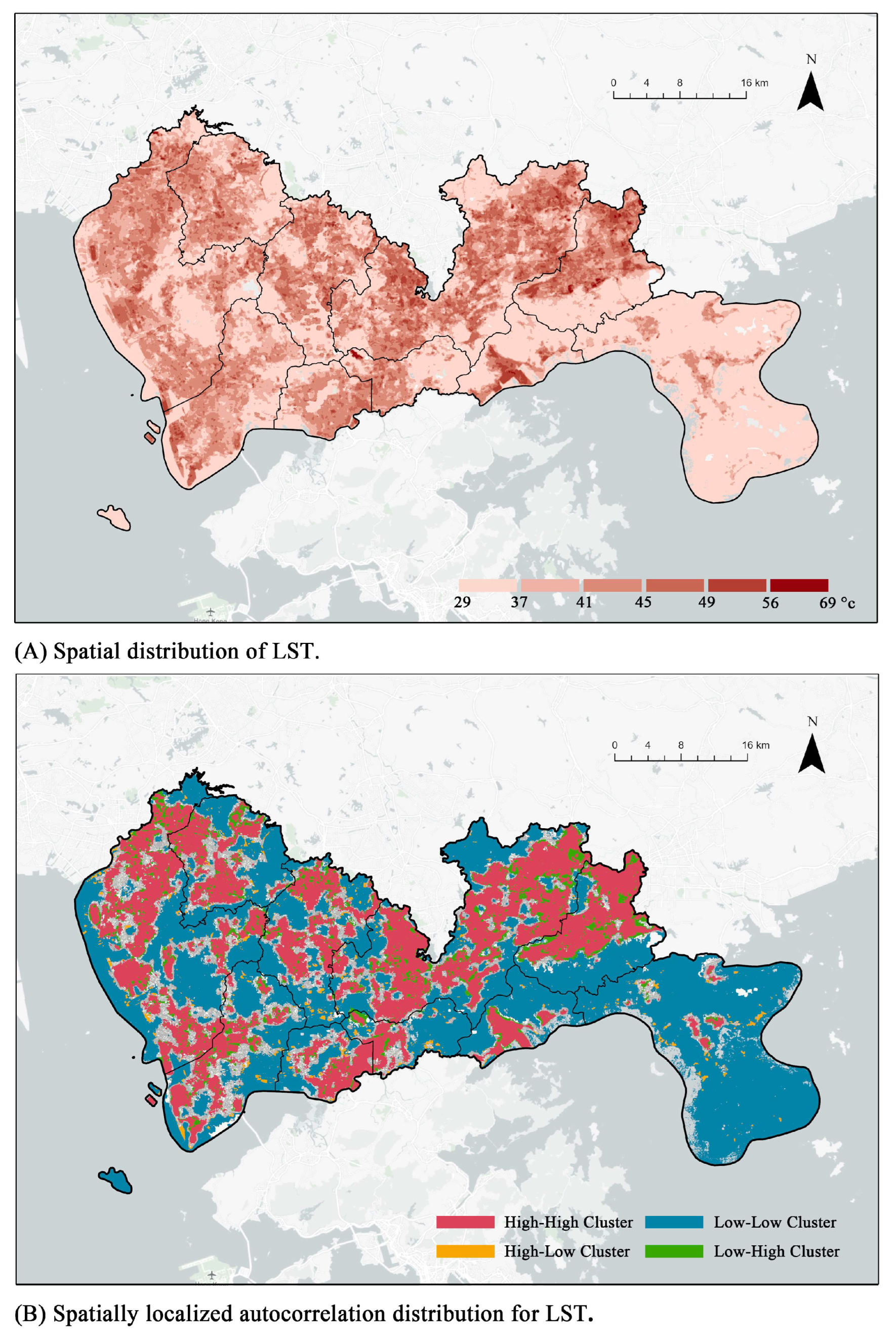
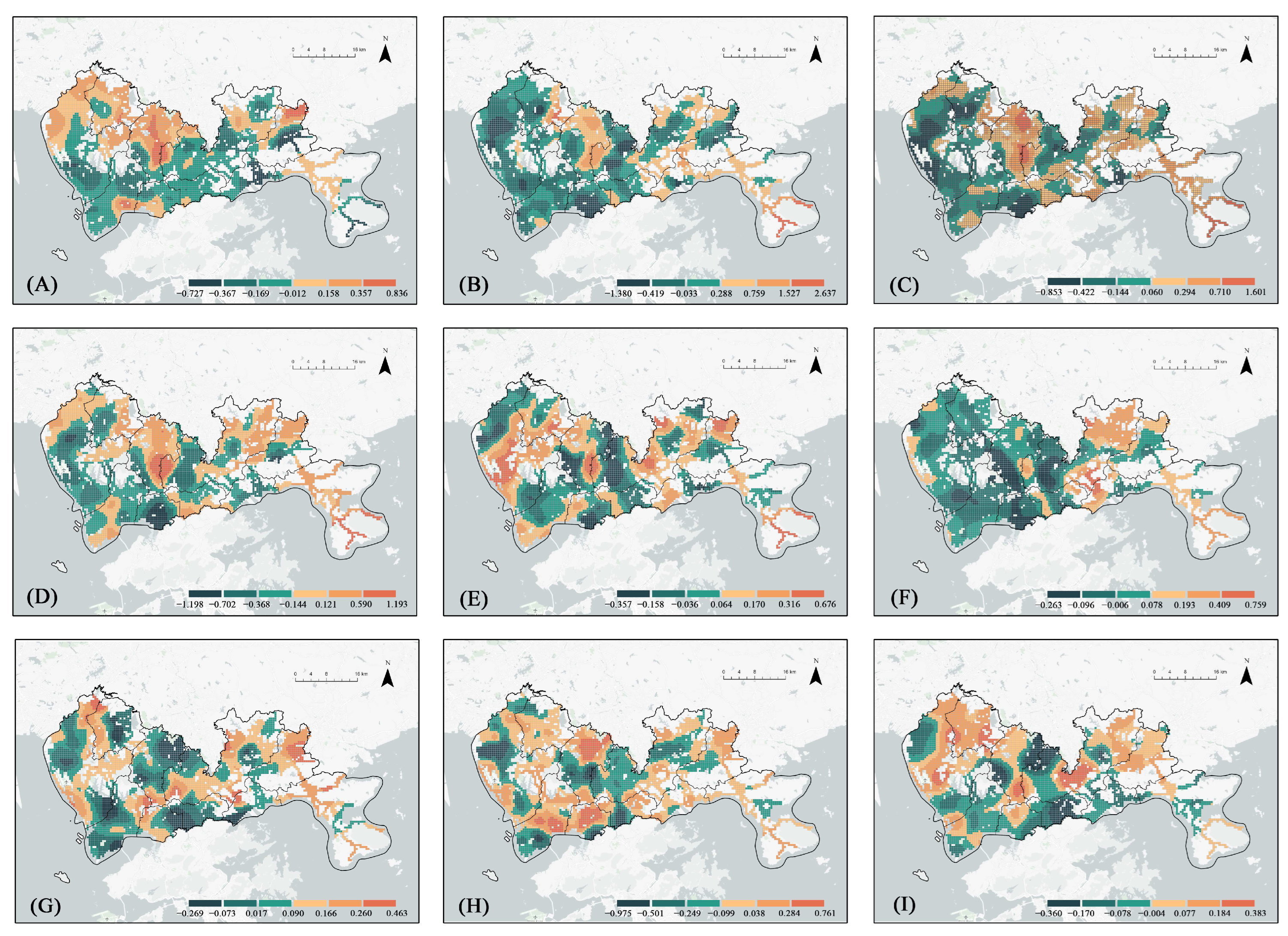
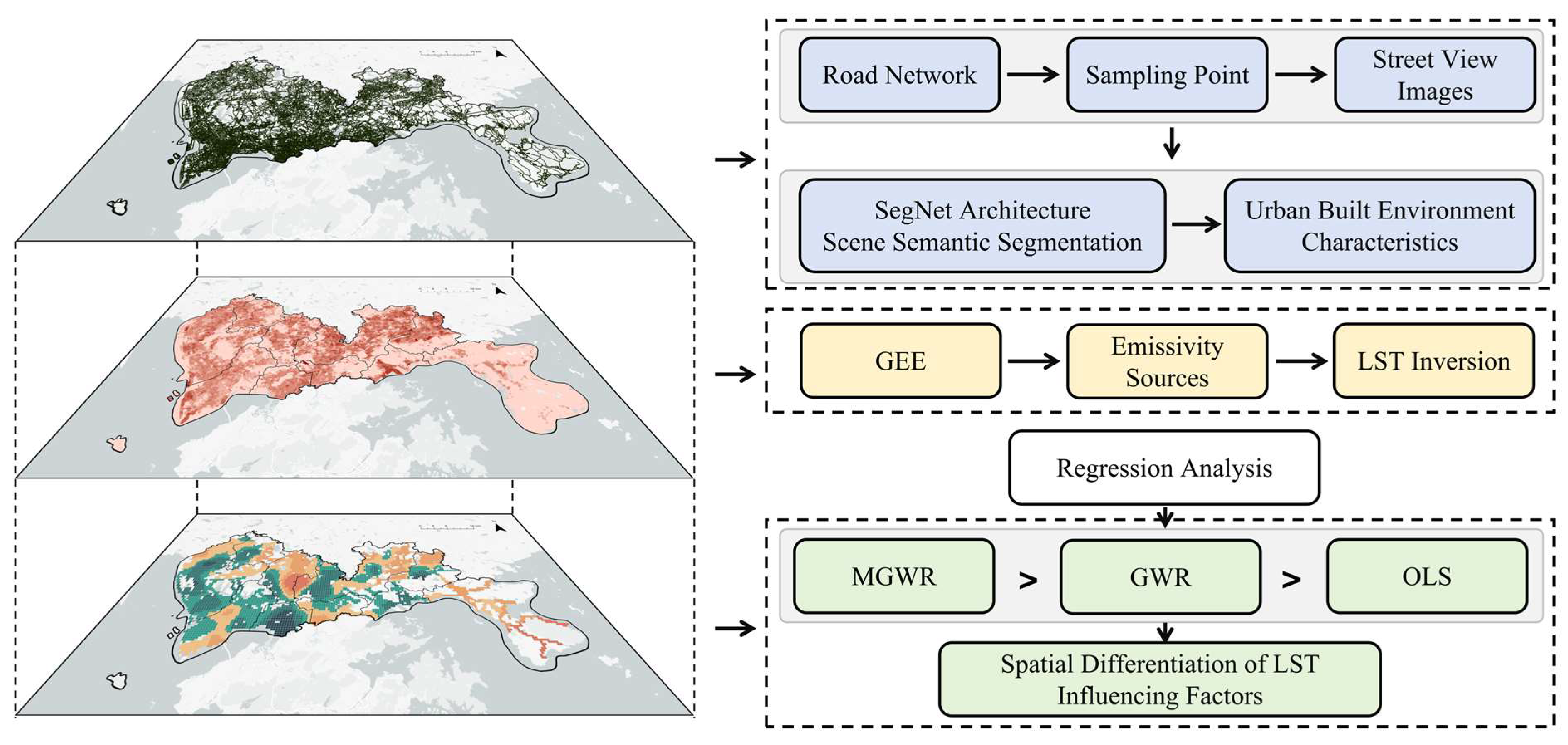
Global climate change has exacerbated alterations in urban thermal environments, significantly impacting the daily lives and health of city residents. Measuring and understanding urban land surface temperatures (LST) and their influencing factors is important in addressing global climate change and enhancing the well-being of residents. However, due to limitations in data precision and analytical methods, existing studies often overlook the microscale examination closely related to residents’ daily lives, and lack a deep exploration of the spatial heterogeneity of the influencing factors. This leads to these results being ineffective in guiding the planning and construction of cities. Taking Shenzhen as a case study, our study investigates the effects of various microscale build environment characteristics of LST using street view images and machine learning. A convolutional neural network model adopting the SegNet architecture is used to perform semantic segmentation on street view images, extracting features of the microscale urban-built environment. The LST is inverted through the Google Earth Engine (GEE) platform. By using Multiscale Geographically Weighted Regression (MGWR) models, our study reveals the comprehensive impact of the urban-built environment on LST and its significant spatial heterogeneity. The findings indicate that the proportions of sky, roads, and buildings are positively correlated with LST, while trees have a significant cooling effect. Although earth and water can reduce LST, their overall contribution is minimal due to limitations in their area and distribution patterns. This study not only reveals the key factors affecting urban LST at the microscale but also emphasizes the necessity of considering the spatial heterogeneity of these factors’ impacts. This suggests the need for targeted strategies for different areas to effectively improve the urban thermal environment and achieve sustainable urban development.
Keywords: global climate change; big data; urban thermal environment; human perspective; urban planning global climate change; big data; urban thermal environment; human perspective; urban planning