Article

Changing Emissions Results in Changed PM2.5 Composition and Health Impacts
1
Institute for a Sustainable Environment, Clarkson University, Potsdam, NY 13699, USA
2
Department of Public Health Sciences, University of Rochester School of Medicine and Dentistry, Rochster, NY 14642, USA
3
Envair/Aerochem, Placitas, NM 87043, USA
*
Author to whom correspondence should be addressed.
Atmosphere 2022, 13(2), 193; https://doi.org/10.3390/atmos13020193
Submission received: 3 January 2022 / Revised: 18 January 2022 / Accepted: 19 January 2022 / Published: 25 January 2022
(This article belongs to the Special Issue Urban Air Chemistry in Changing Times)

Abstract

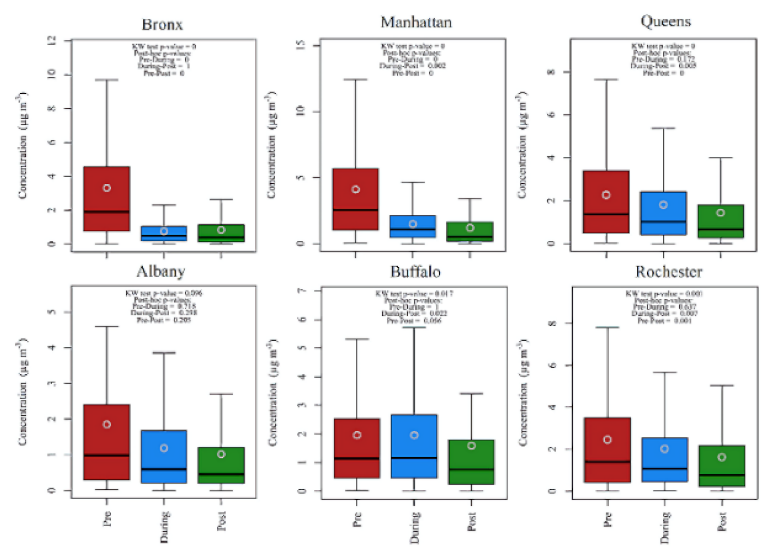
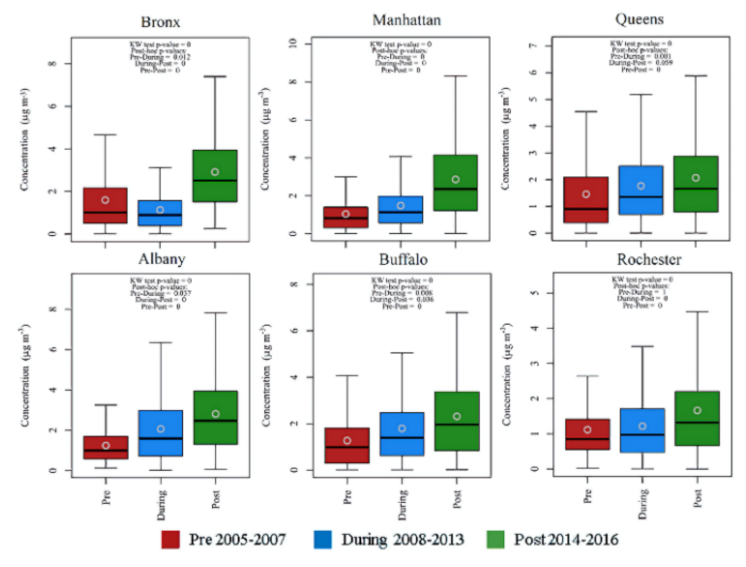
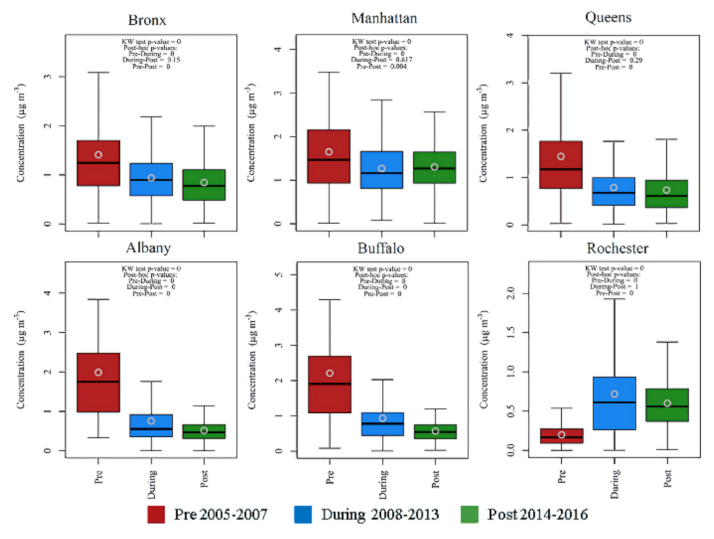
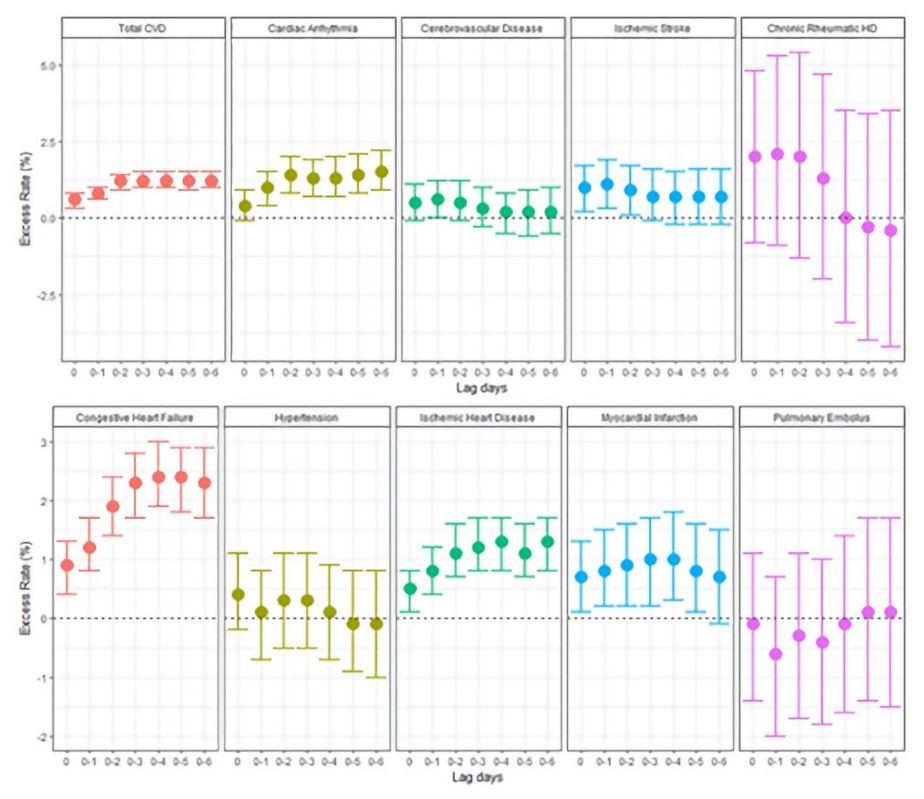
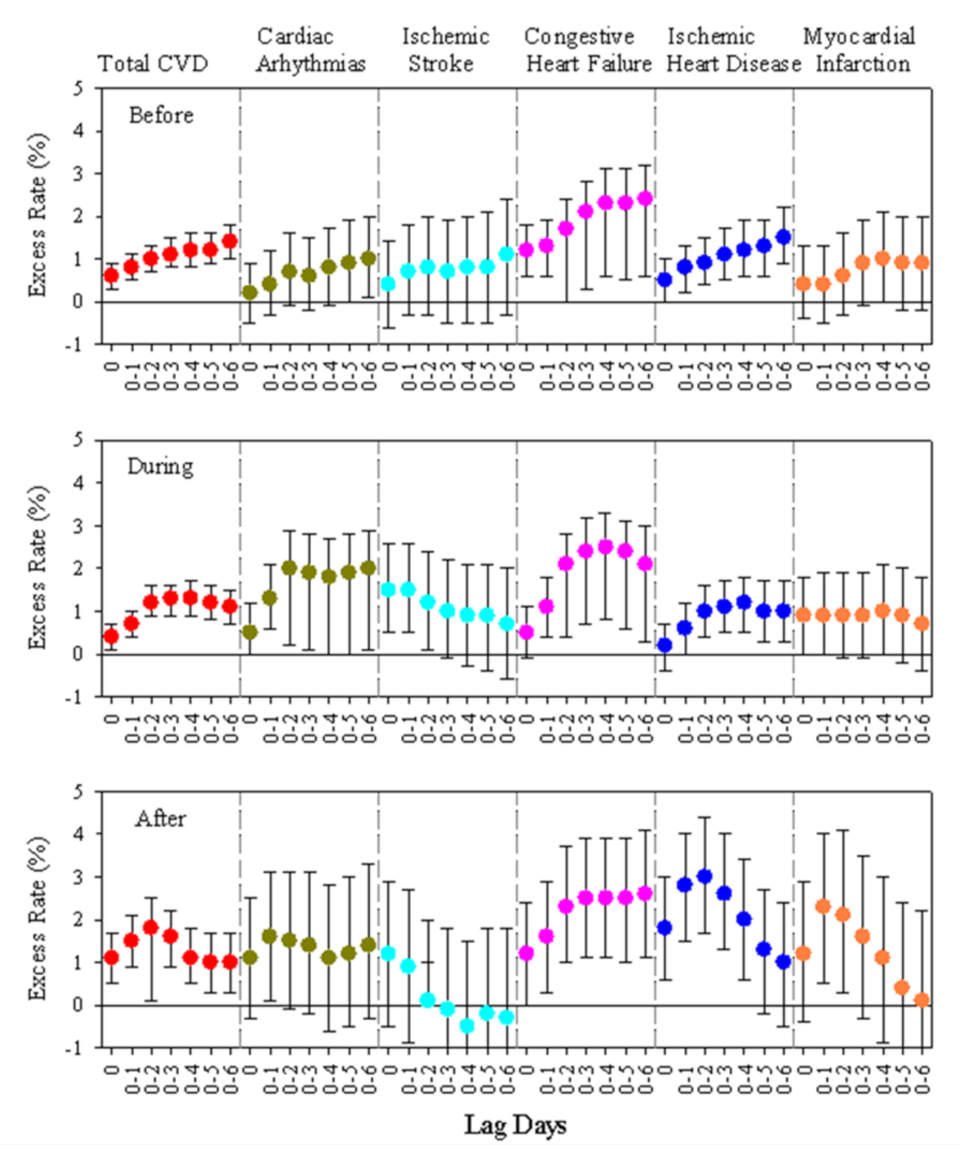
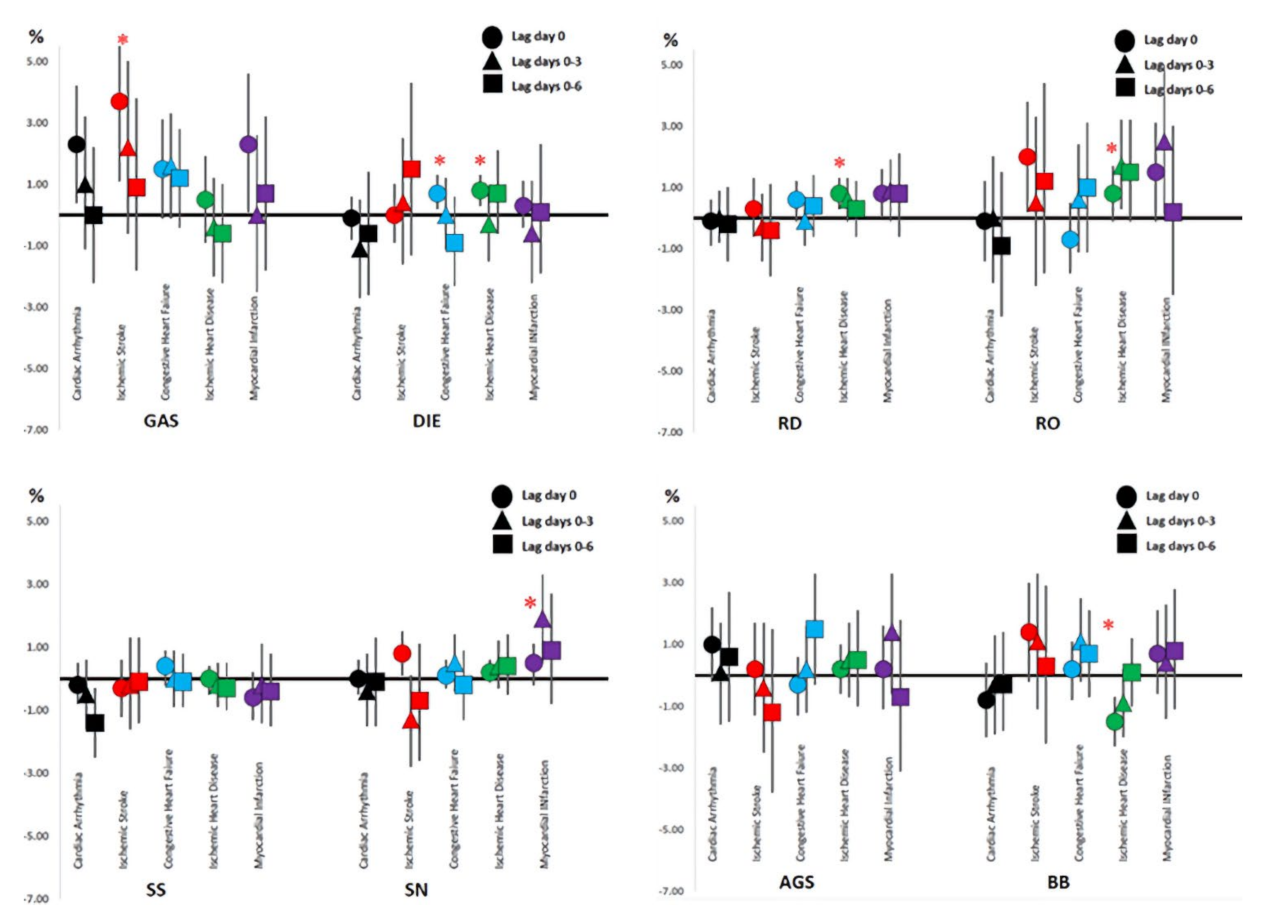
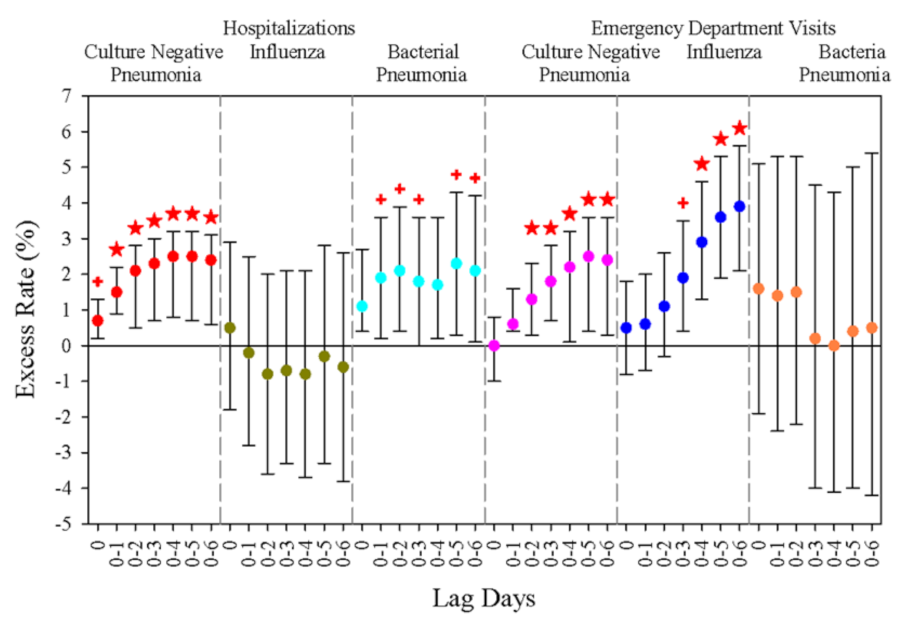
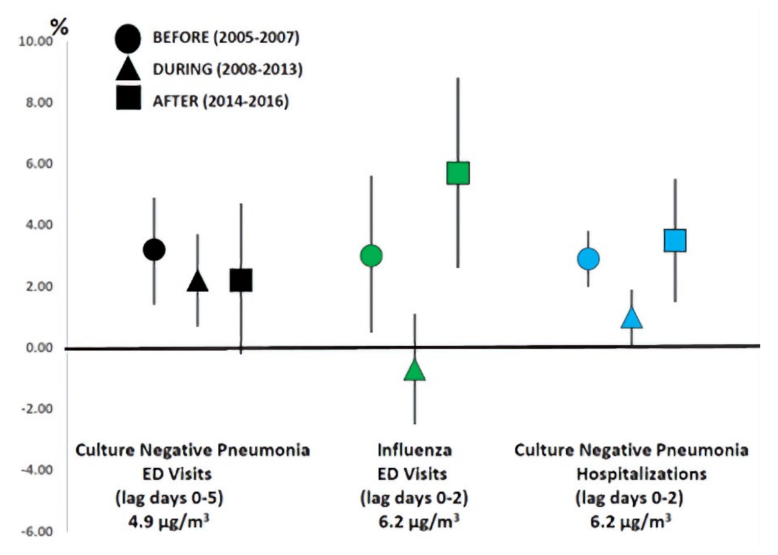
In the period of 2005 to 2016, multiple air pollution control regulations have entered into effect in the United States at both the Federal and state level. In addition, economic changes have also occurred primarily in the electricity generation sector that substantially changed the emissions from this sector. This combination of policy implementations and economics has led to substantial reductions in PM2.5, its major constituents, and source specific PM2.5 concentrations across the New York State, particularly those of sulfate, nitrate, and primary organic carbon. However, secondary organic carbon and spark-ignition vehicular emission contributions have increased. Related studies of changes in health outcomes, the excess rates of emergency department visits and hospitalizations for a variety of cardiovascular and respiratory diseases and respiratory infections have increased per unit mass of PM2.5. It appears that the increased toxicity per unit mass was due to the reduction in low toxicity constituents such that the remaining mass had greater impacts on public health.
Keywords: particulate matter; source contributions; trends; health outcomes particulate matter; source contributions; trends; health outcomes