Article

SHIP1 Is Present but Strongly Downregulated in T-ALL, and after Restoration Suppresses Leukemia Growth in a T-ALL Xenotransplantation Mouse Model


1
Institute of Biochemistry and Signal Transduction, Center for Experimental Medicine, University Medical Center Hamburg-Eppendorf, Martinistr. 52, 20246 Hamburg, Germany
2
Research Institute Children’s Cancer Center Hamburg, Hamburg and Department of Pediatric Oncology and Hematology, University Medical Center, 20246 Hamburg, Germany
3
Department of Otorhinolaryngology, University Medical Center Hamburg-Eppendorf, 20246 Hamburg, Germany
4
UCCH Kinomics Core Facility, University Cancer Center Hamburg (UCCH), University Medical Center Hamburg-Eppendorf, 20246 Hamburg, Germany
5
Center for Oncology, Clinic for Radiation Therapy and Radiation Oncology, University Medical Center Hamburg-Eppendorf, 20246 Hamburg, Germany
6
Research Department Cell and Gene Therapy, Department of Stem Cell Transplantation, University Medical Center Hamburg-Eppendorf, 20246 Hamburg, Germany
7
Institute for Clinical Chemistry, University Hospital Köln, 50937 Cologne, Germany
*
Author to whom correspondence should be addressed.
Cells 2023, 12(13), 1798; https://doi.org/10.3390/cells12131798
Submission received: 25 May 2023 / Revised: 23 June 2023 / Accepted: 3 July 2023 / Published: 6 July 2023
(This article belongs to the Section Cell Signaling)

Abstract

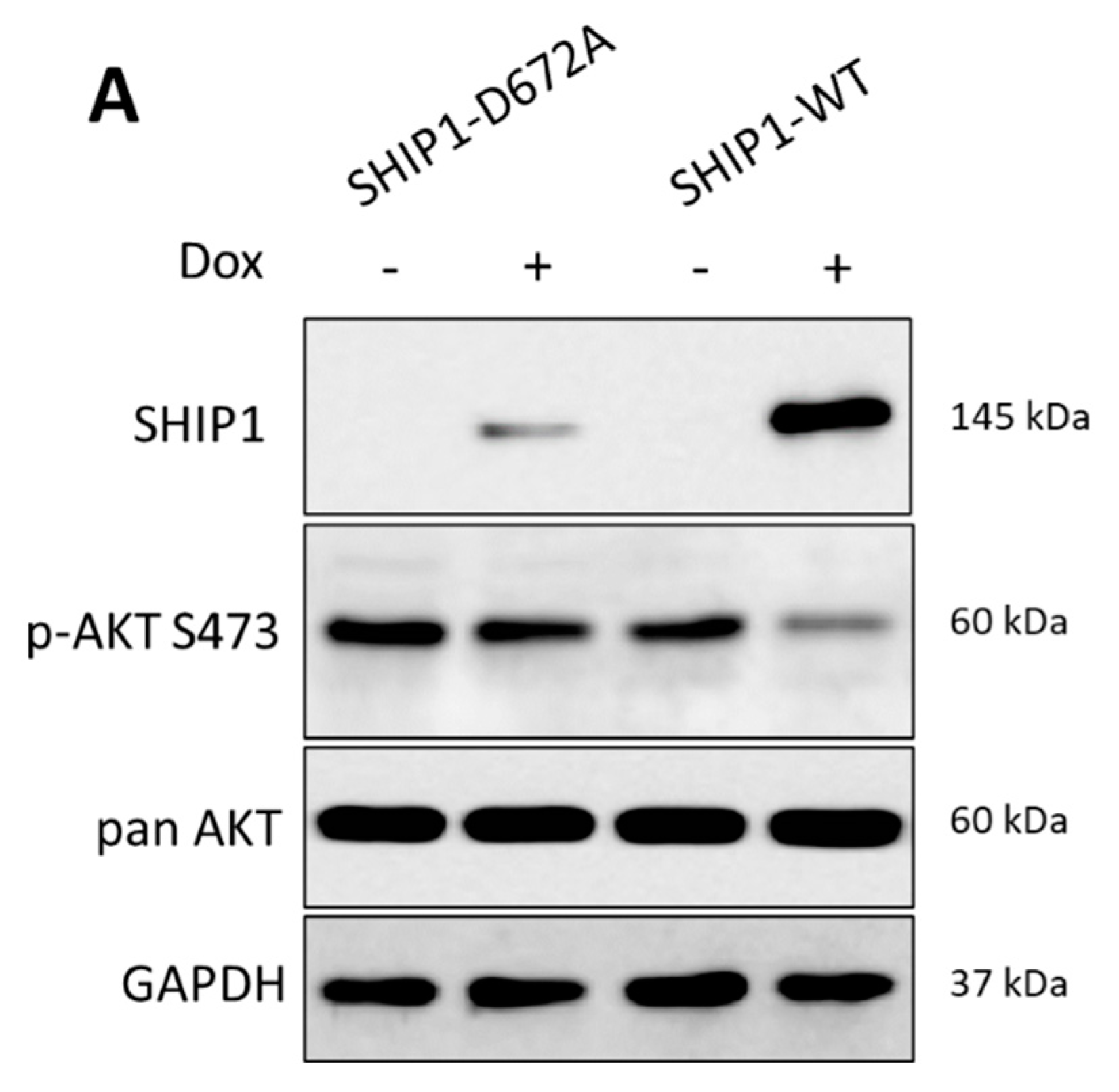
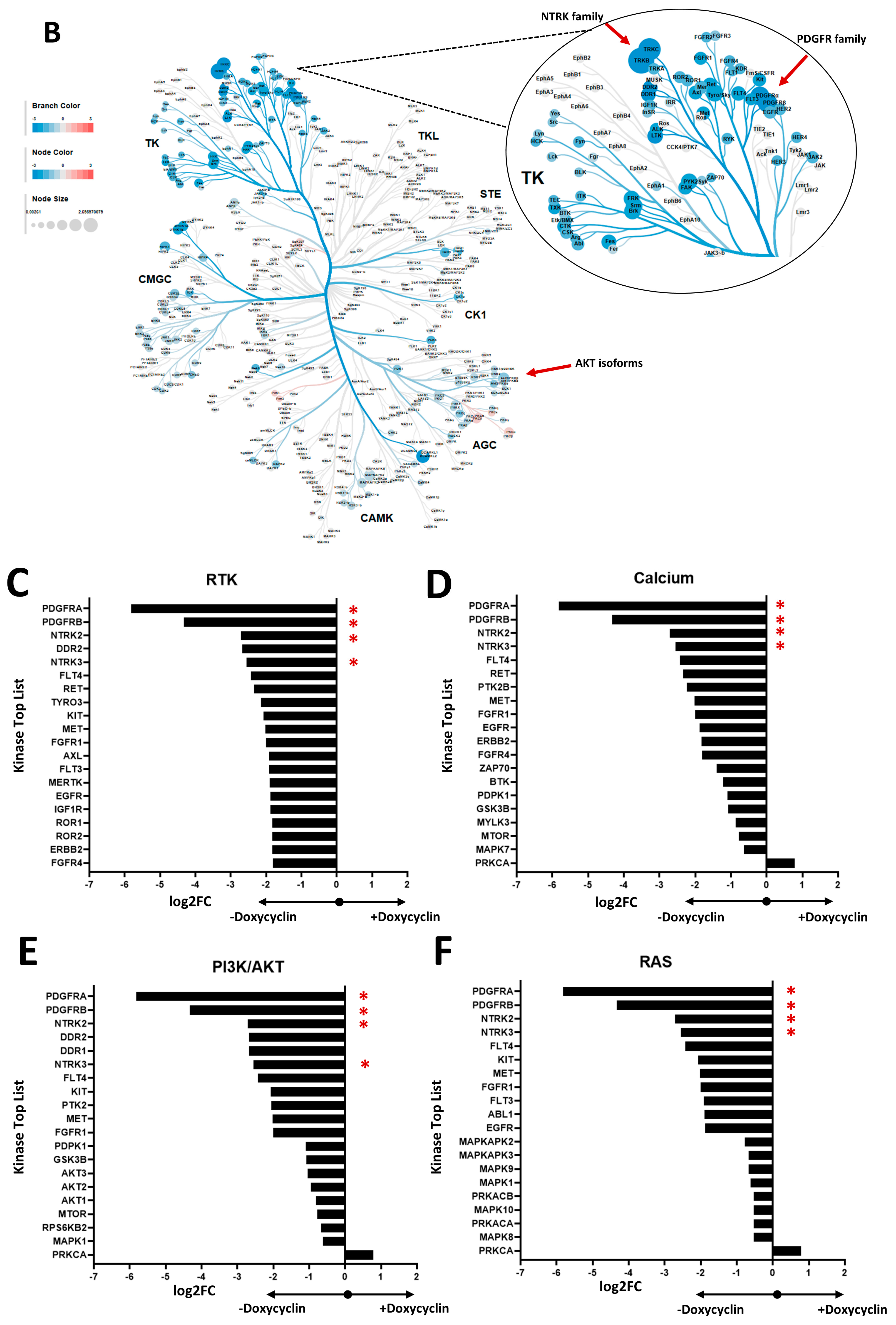
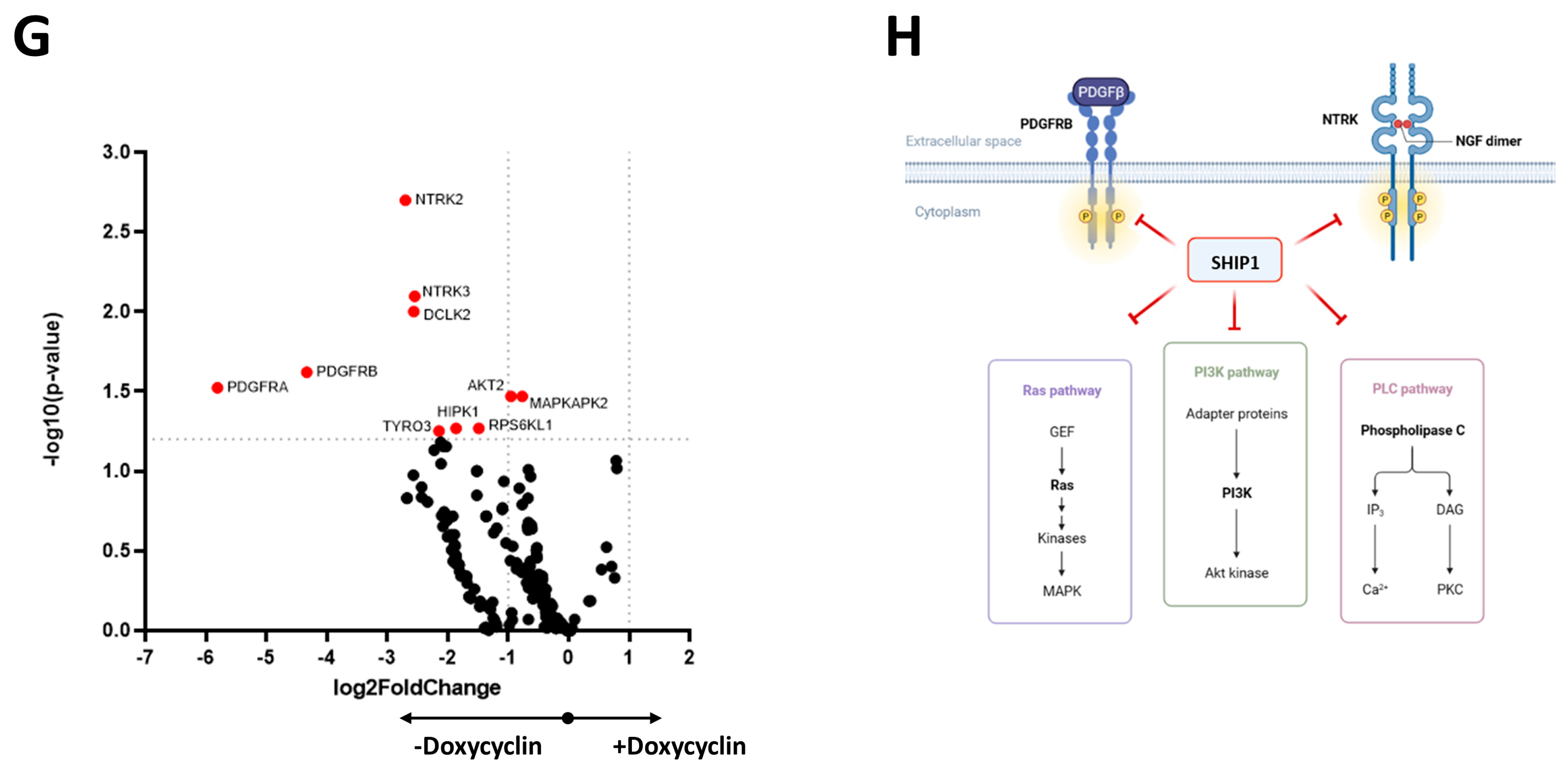
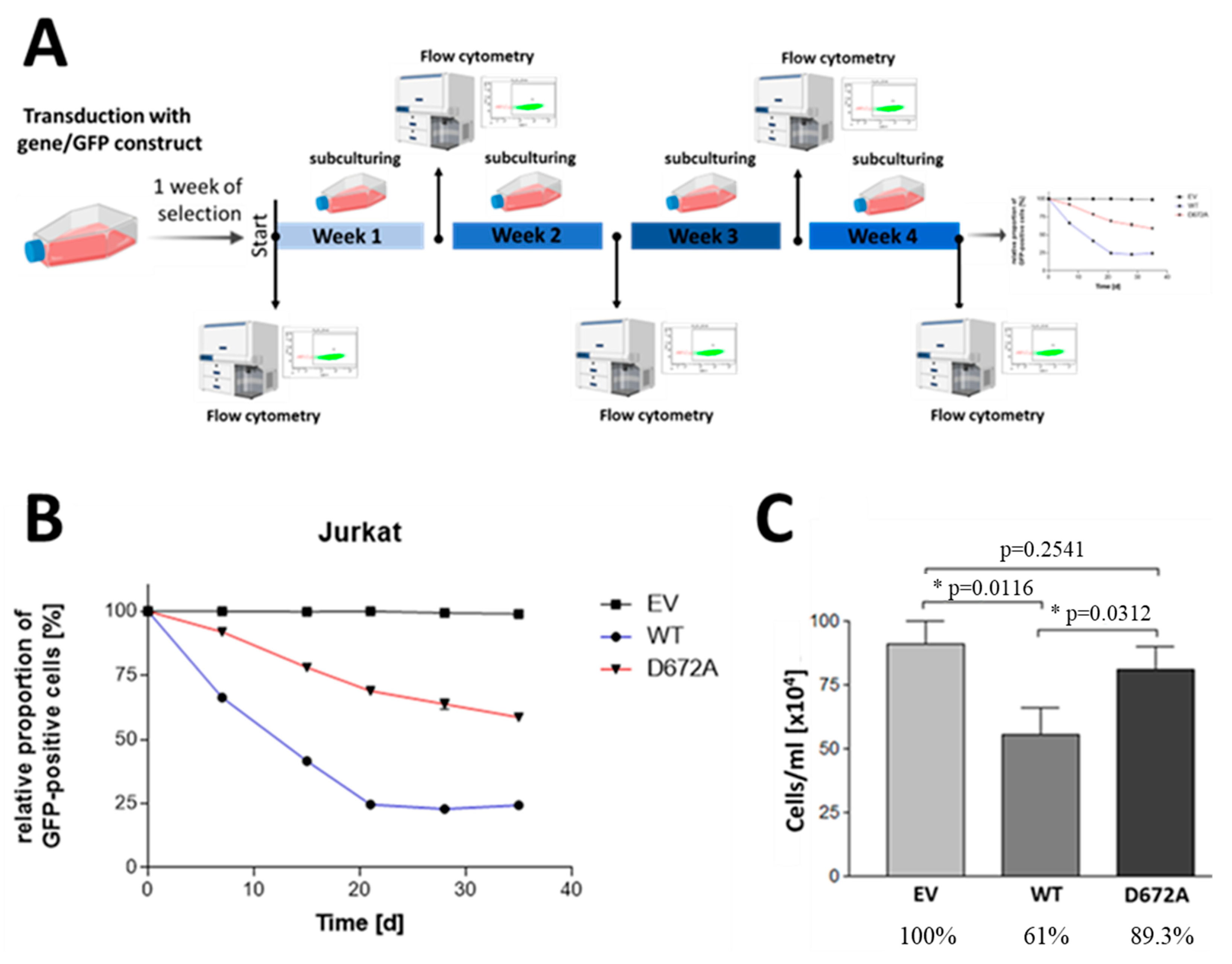
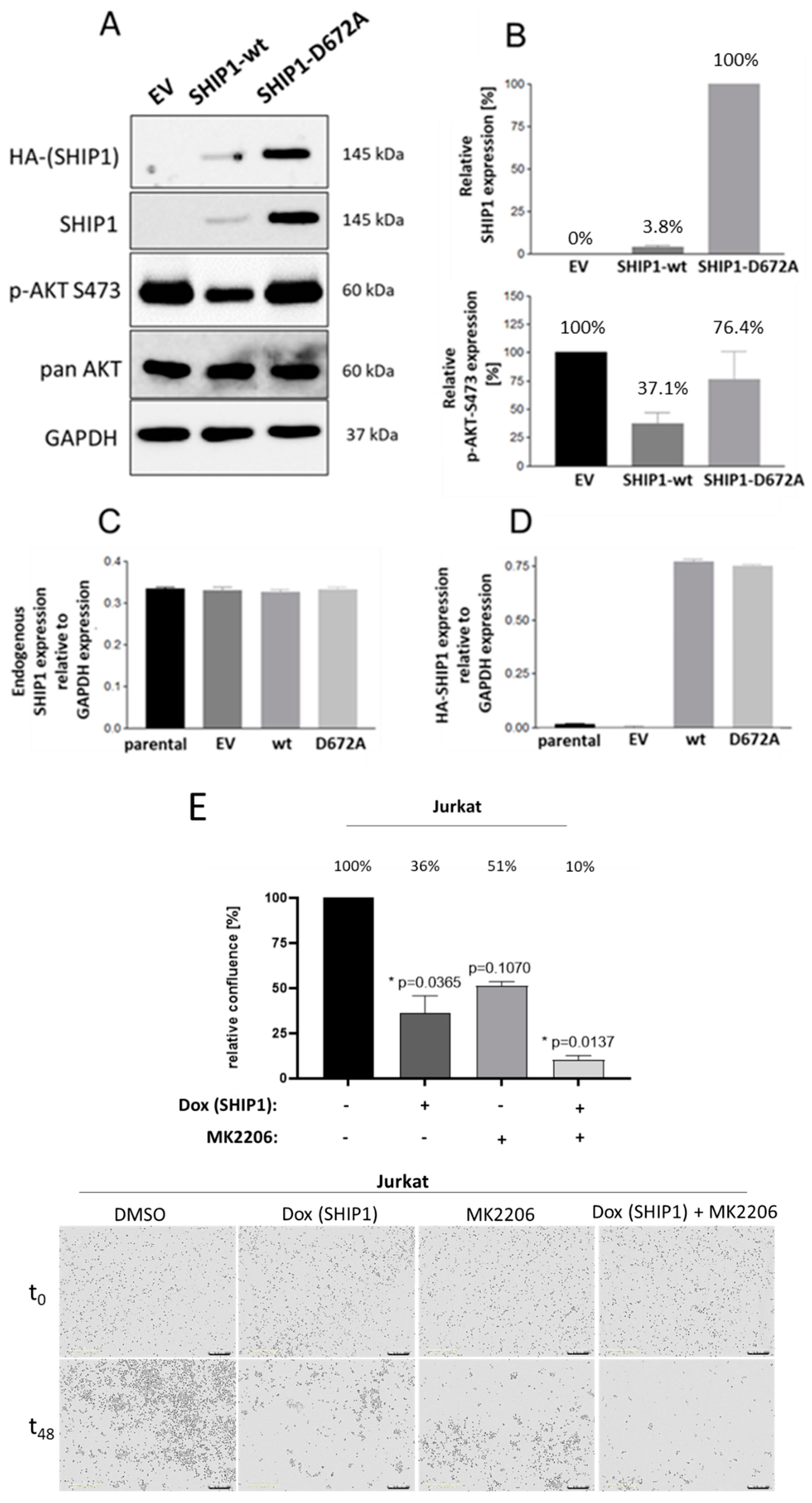
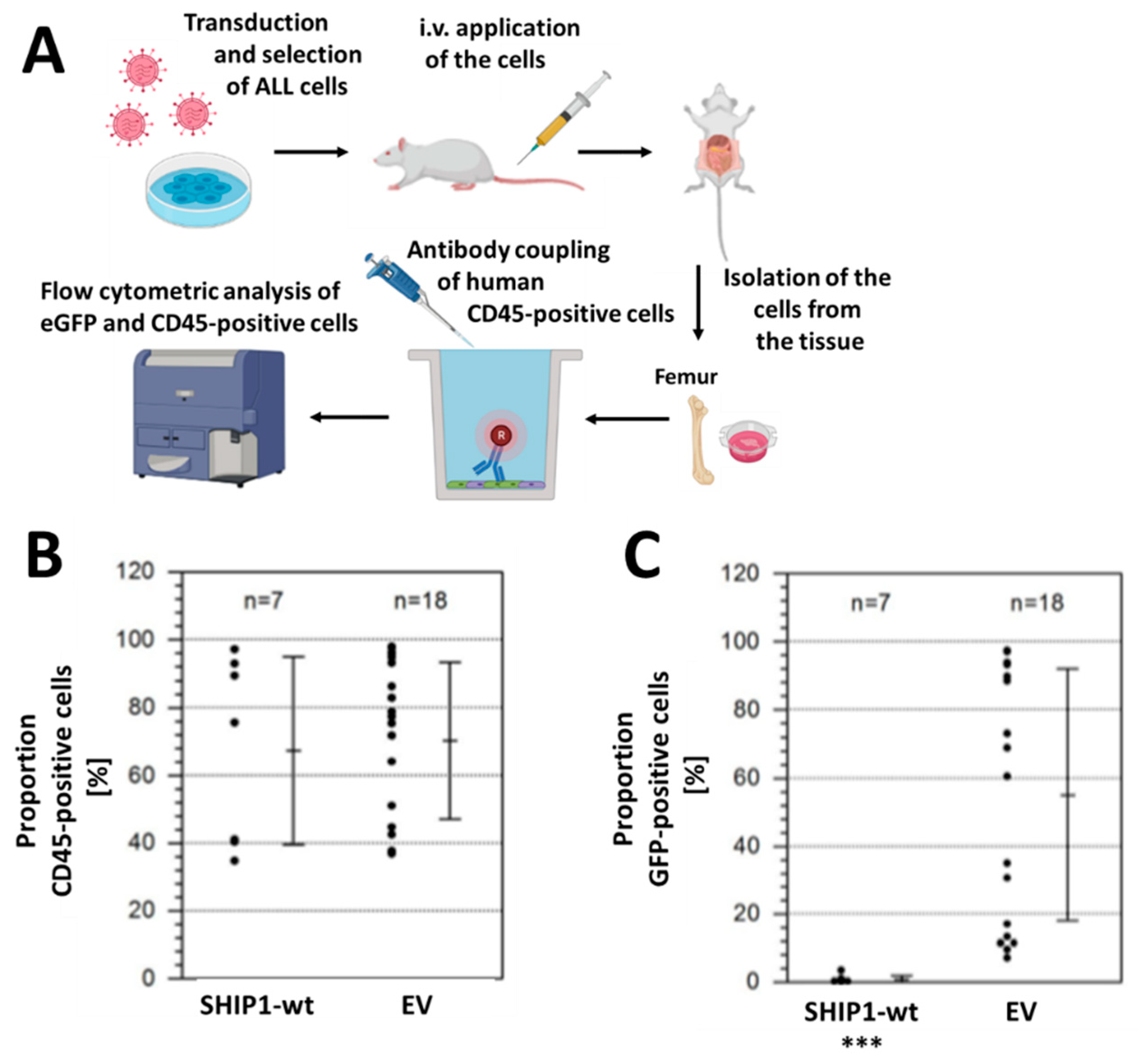
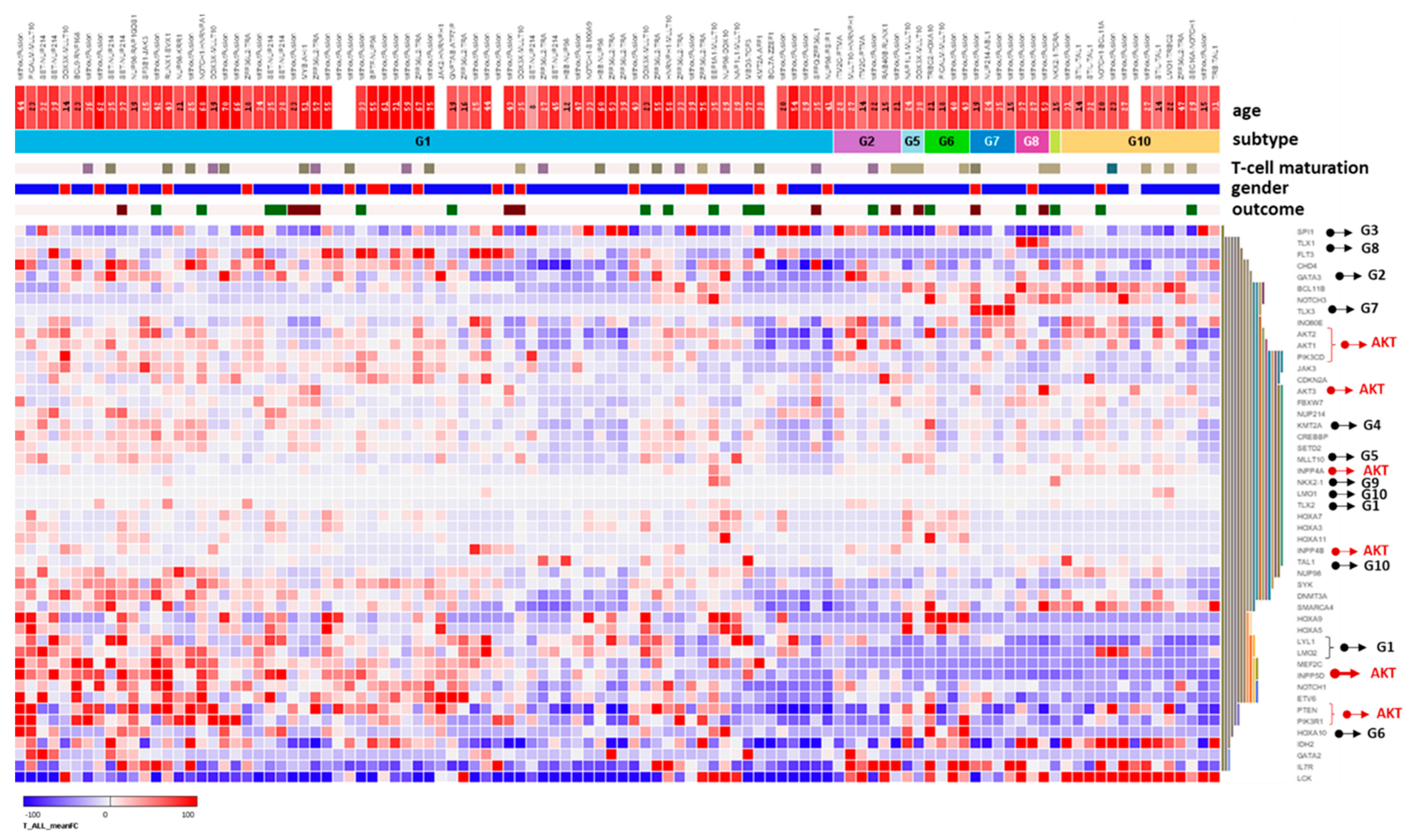
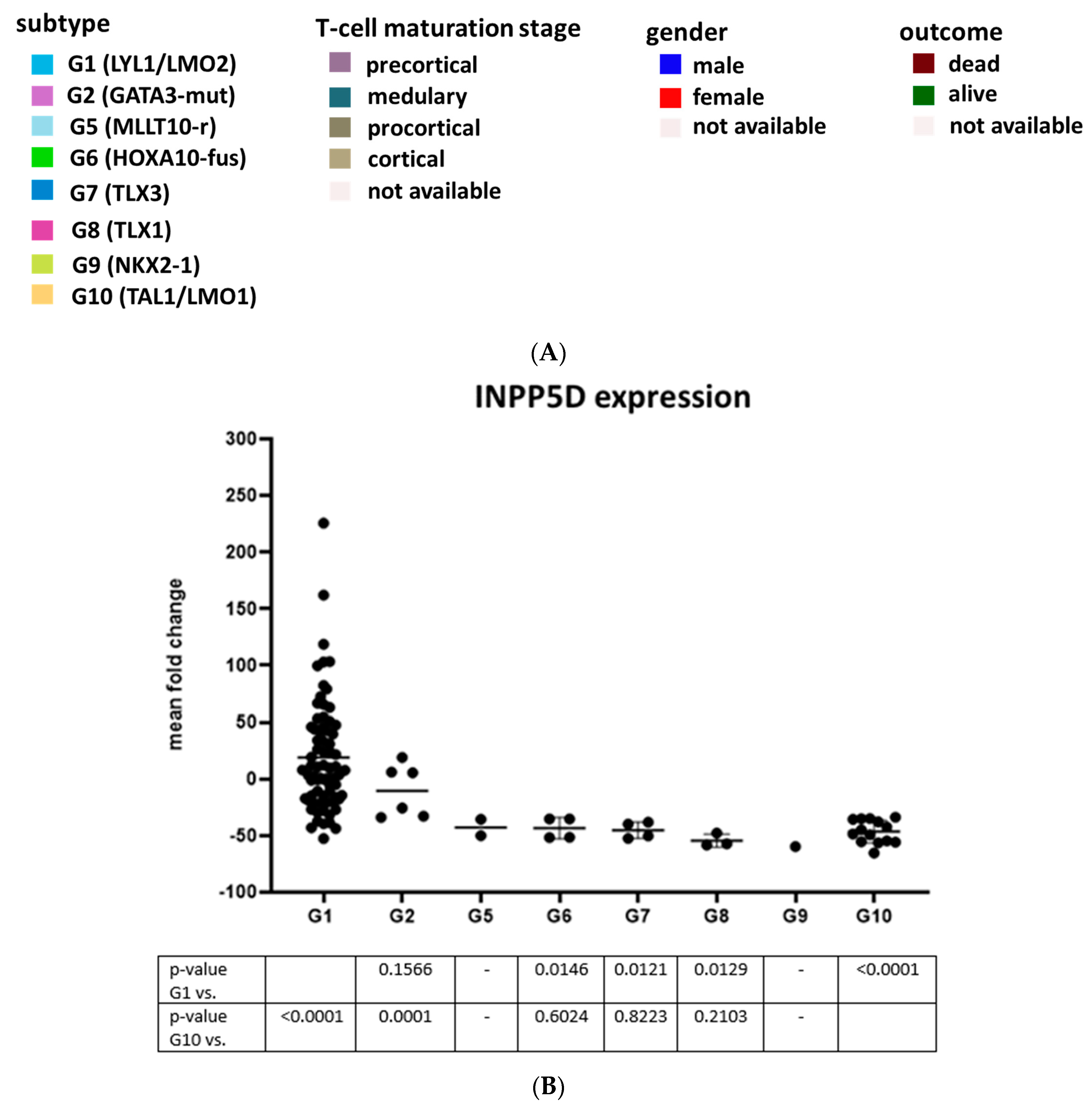
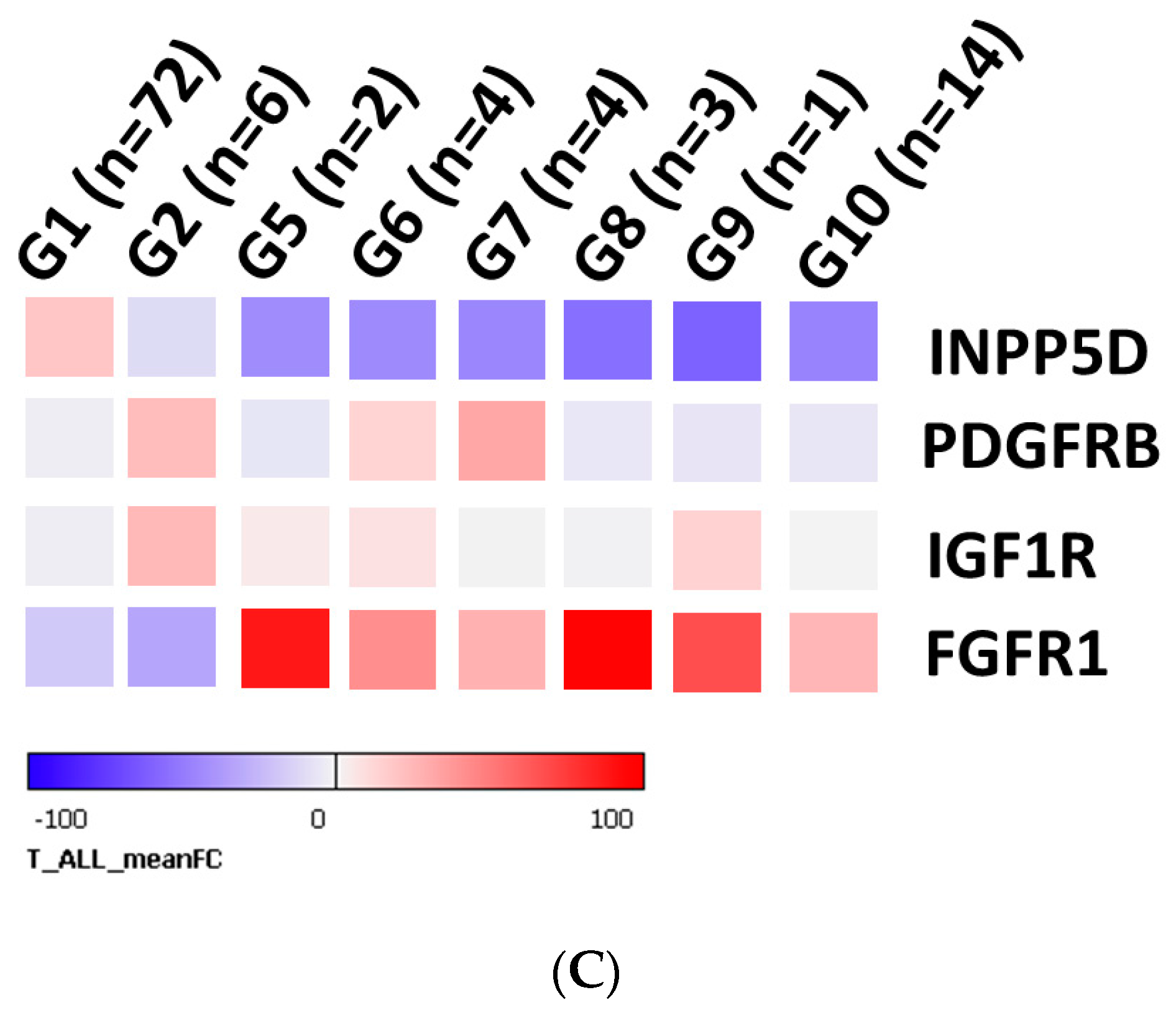
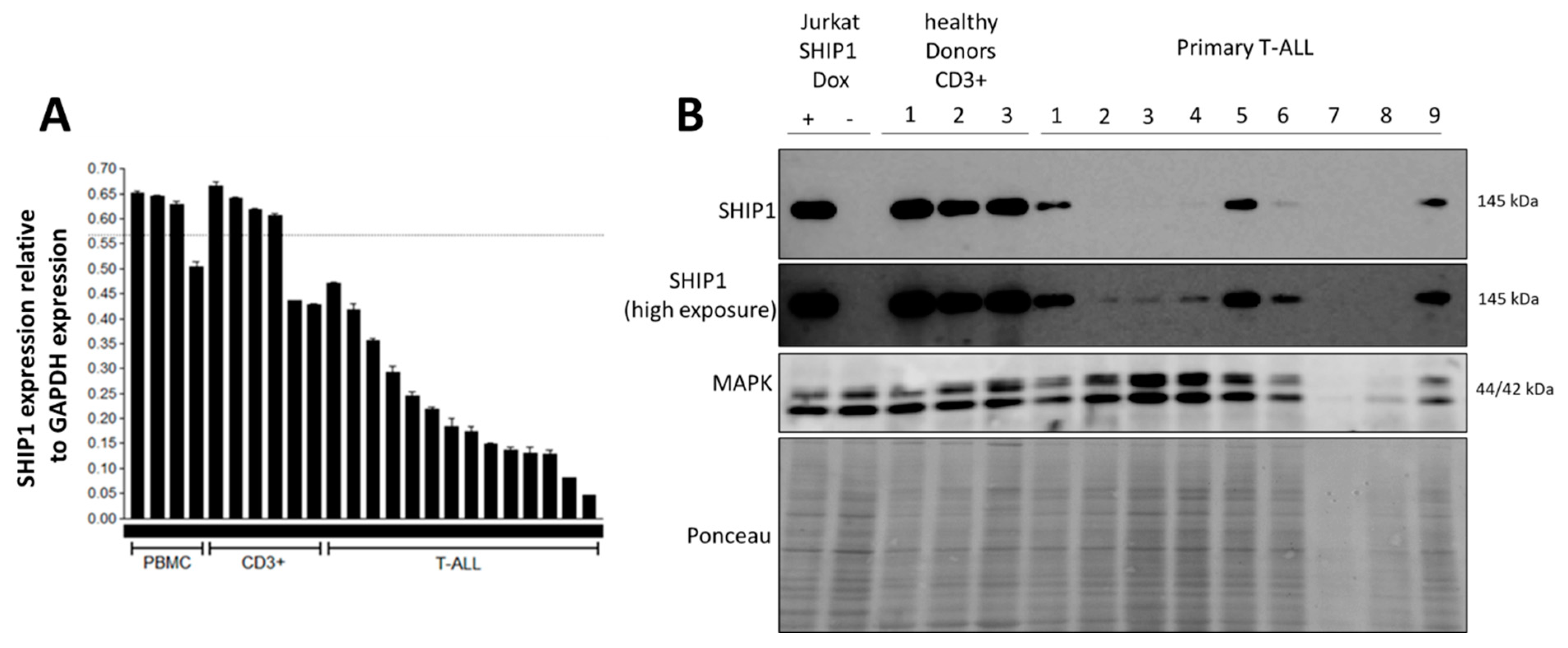
Acute lymphoblastic leukemia (ALL) is the most common cause of cancer-related death in children. Despite significantly increased chances of cure, especially for high-risk ALL patients, it still represents a poor prognosis for a substantial fraction of patients. Misregulated proteins in central switching points of the cellular signaling pathways represent potentially important therapeutic targets. Recently, the inositol phosphatase SHIP1 (SH2-containing inositol 5-phosphatase) has been considered as a tumor suppressor in leukemia. SHIP1 serves as an important negative regulator of the PI3K/AKT signaling pathway, which is frequently constitutively activated in primary T-ALL. In contrast to other reports, we show for the first time that SHIP1 has not been lost in T-ALL cells, but is strongly downregulated. Reduced expression of SHIP1 leads to an increased activation of the PI3K/AKT signaling pathway. SHIP1-mRNA expression is frequently reduced in primary T-ALL samples, which is recapitulated by the decrease in SHIP1 expression at the protein level in seven out of eight available T-ALL patient samples. In addition, we investigated the change in the activity profile of tyrosine and serine/threonine kinases after the restoration of SHIP1 expression in Jurkat T-ALL cells. The tyrosine kinase receptor subfamilies of NTRK and PDGFR, which are upregulated in T-ALL subgroups with low SHIP1 expression, are significantly disabled after SHIP1 reconstitution. Lentiviral-mediated reconstitution of SHIP1 expression in Jurkat cells points to a decreased cellular proliferation upon transplantation into NSG mice in comparison to the control cohort. Together, our findings will help to elucidate the complex network of cell signaling proteins, further support a functional role for SHIP1 as tumor suppressor in T-ALL and, much more importantly, show that full-length SHIP1 is expressed in T-ALL samples.
Keywords: SHIP1; T-ALL; PI3K/AKT/mTOR-signaling pathway; NTRK; PDGFR SHIP1; T-ALL; PI3K/AKT/mTOR-signaling pathway; NTRK; PDGFR