Article

Fine-Tuned RoBERTa Model for Bug Detection in Mobile Games: A Comprehensive Approach

1
Centro de Investigación en Computación, Instituto Politécnico Nacional (CIC-IPN), Mexico City 07738, Mexico
2
Department of Computer Science and Software Engineering, The Islamia University of Bahawalpur, Punjab 63100, Pakistan
*
Author to whom correspondence should be addressed.
These authors contributed equally to this work.
Computers 2025, 14(4), 113; https://doi.org/10.3390/computers14040113

Submission received: 19 December 2024 / Revised: 9 January 2025 / Accepted: 11 January 2025 / Published: 21 March 2025

Abstract

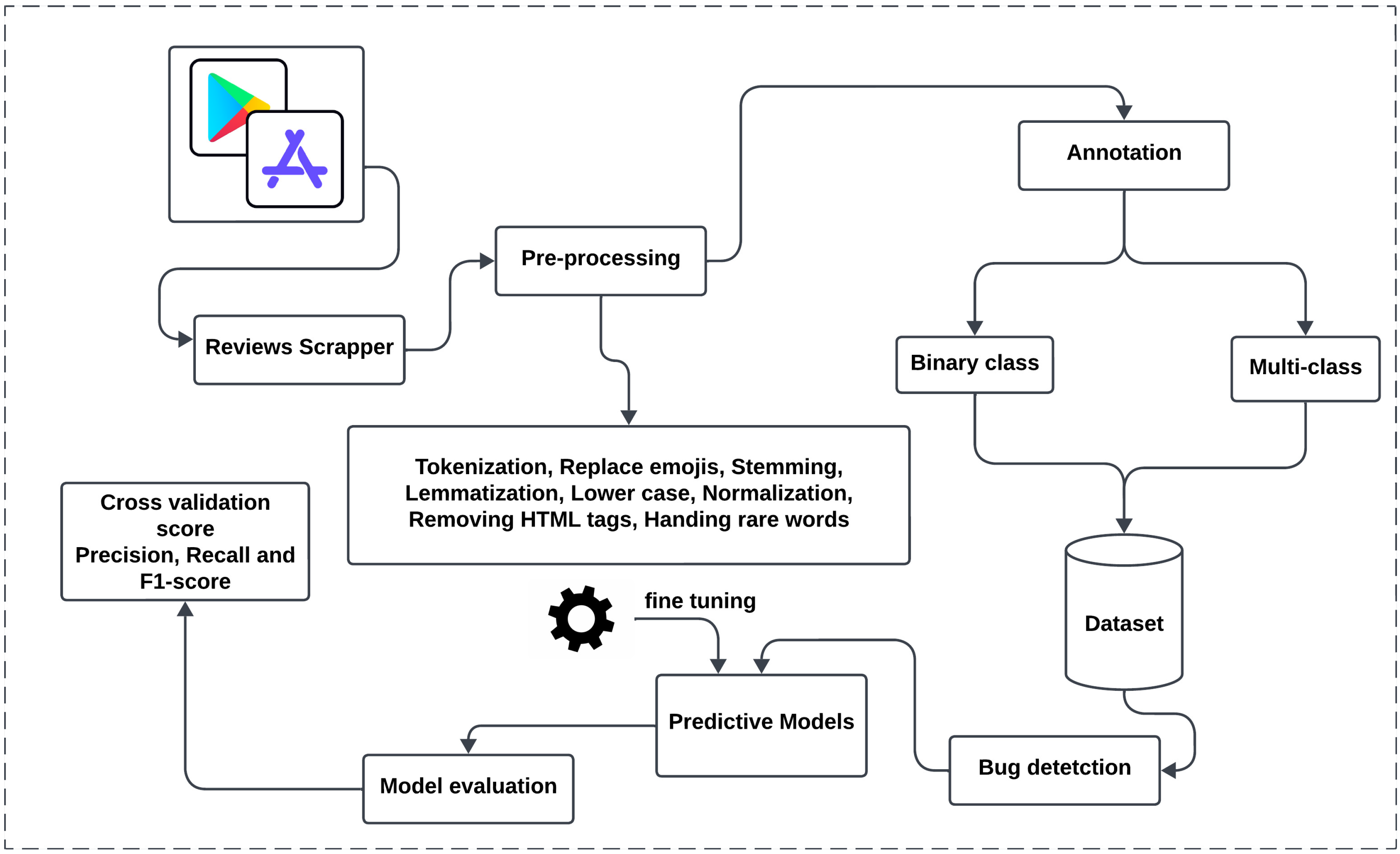
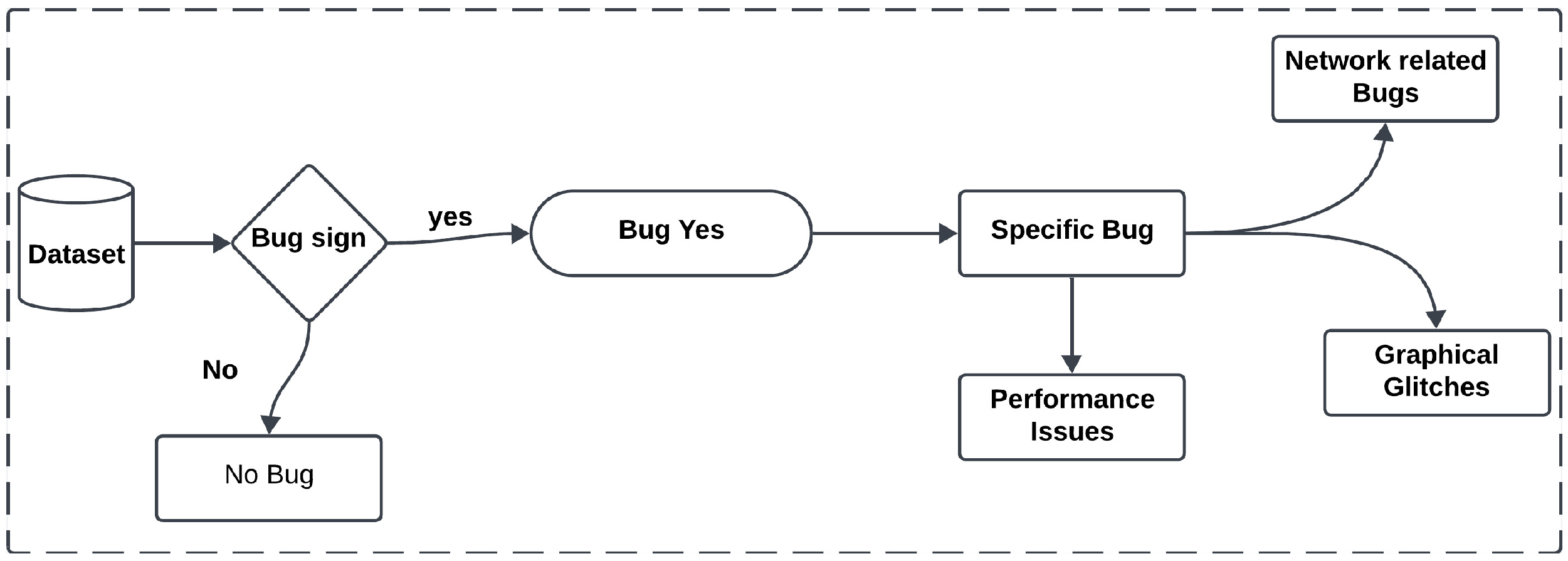
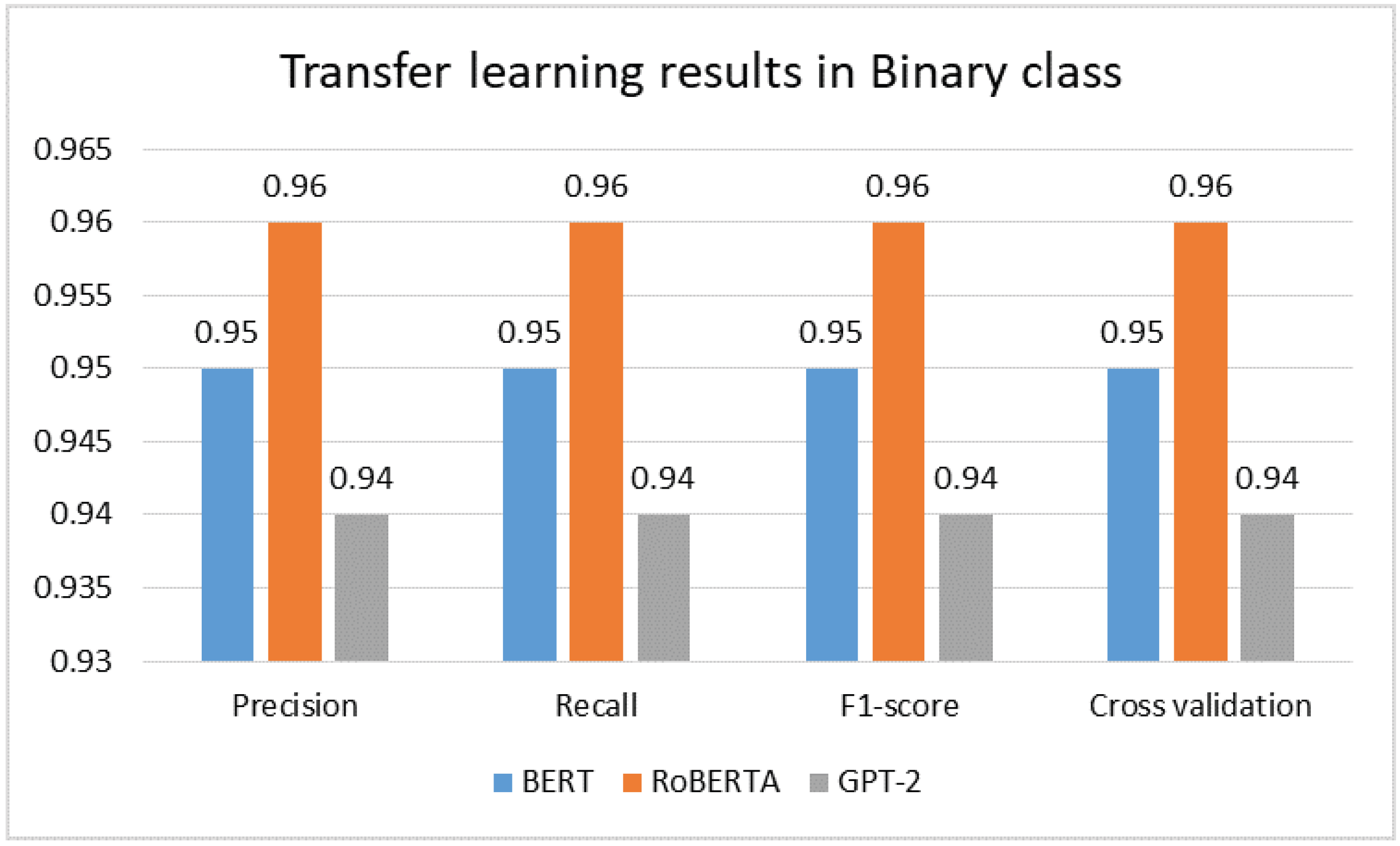
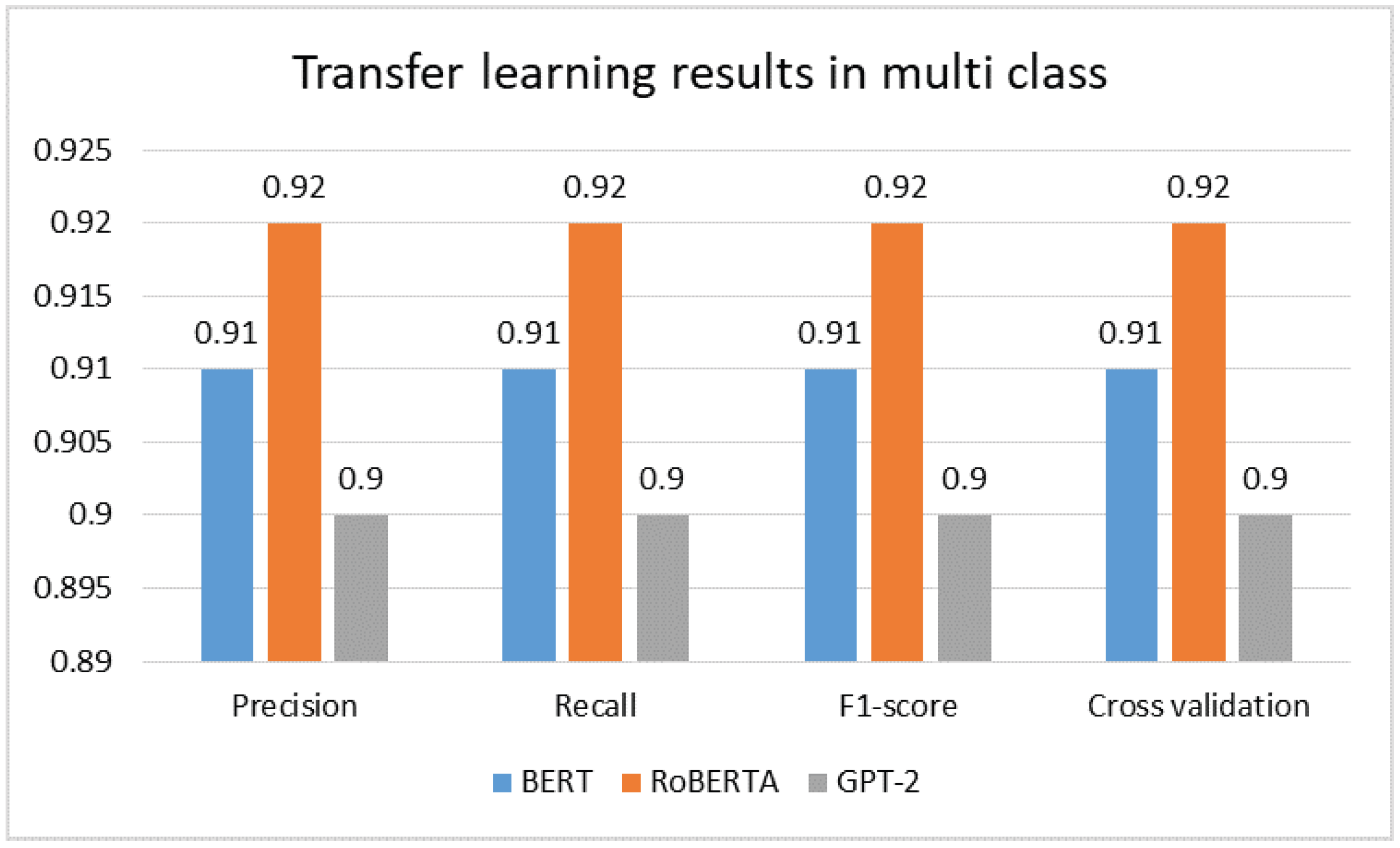
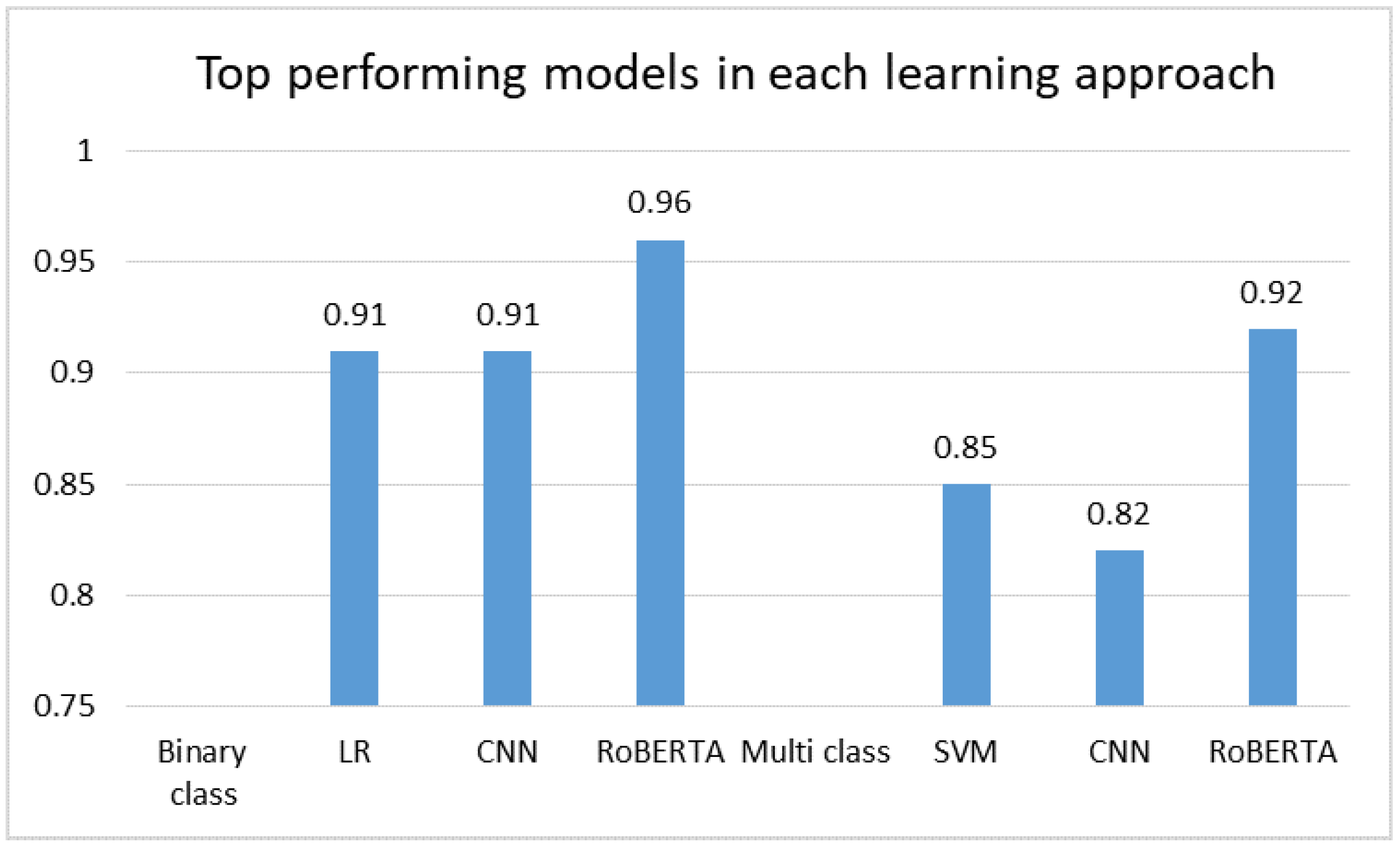
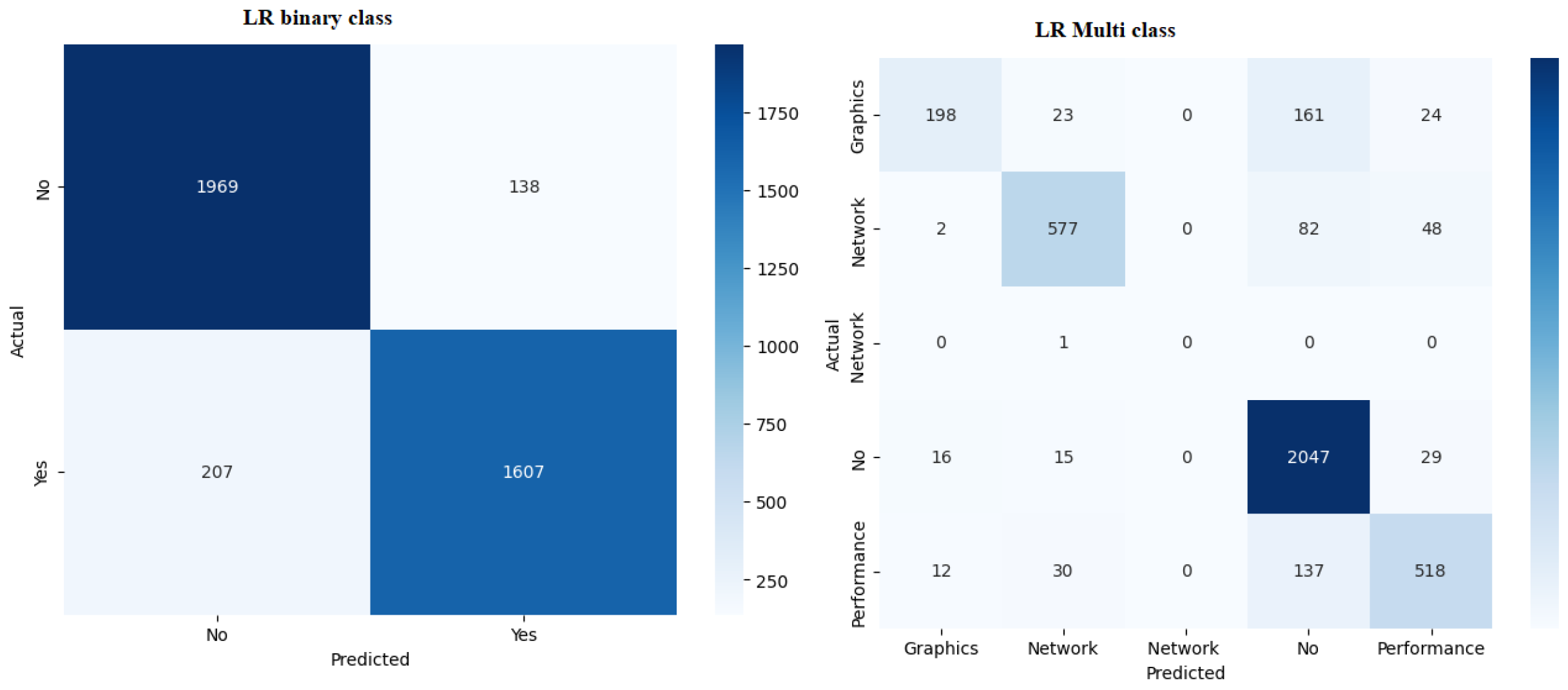
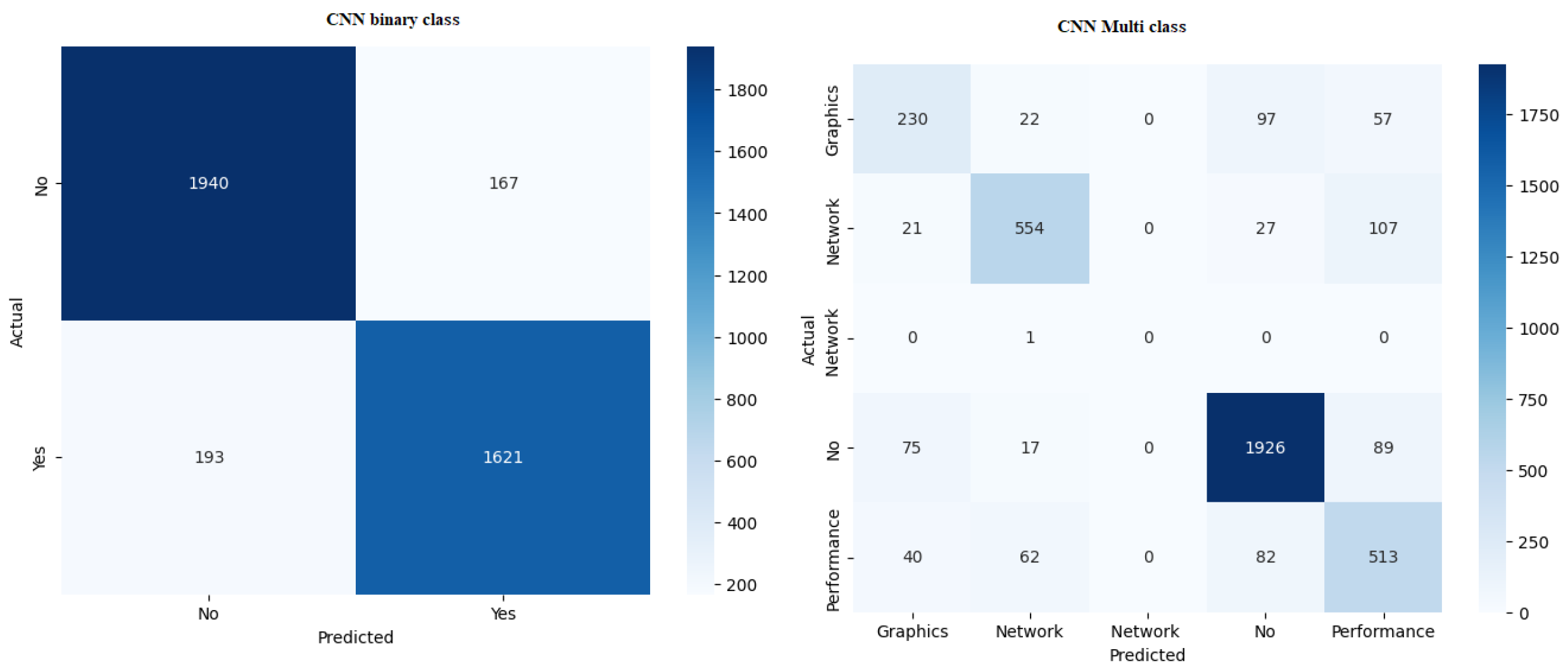
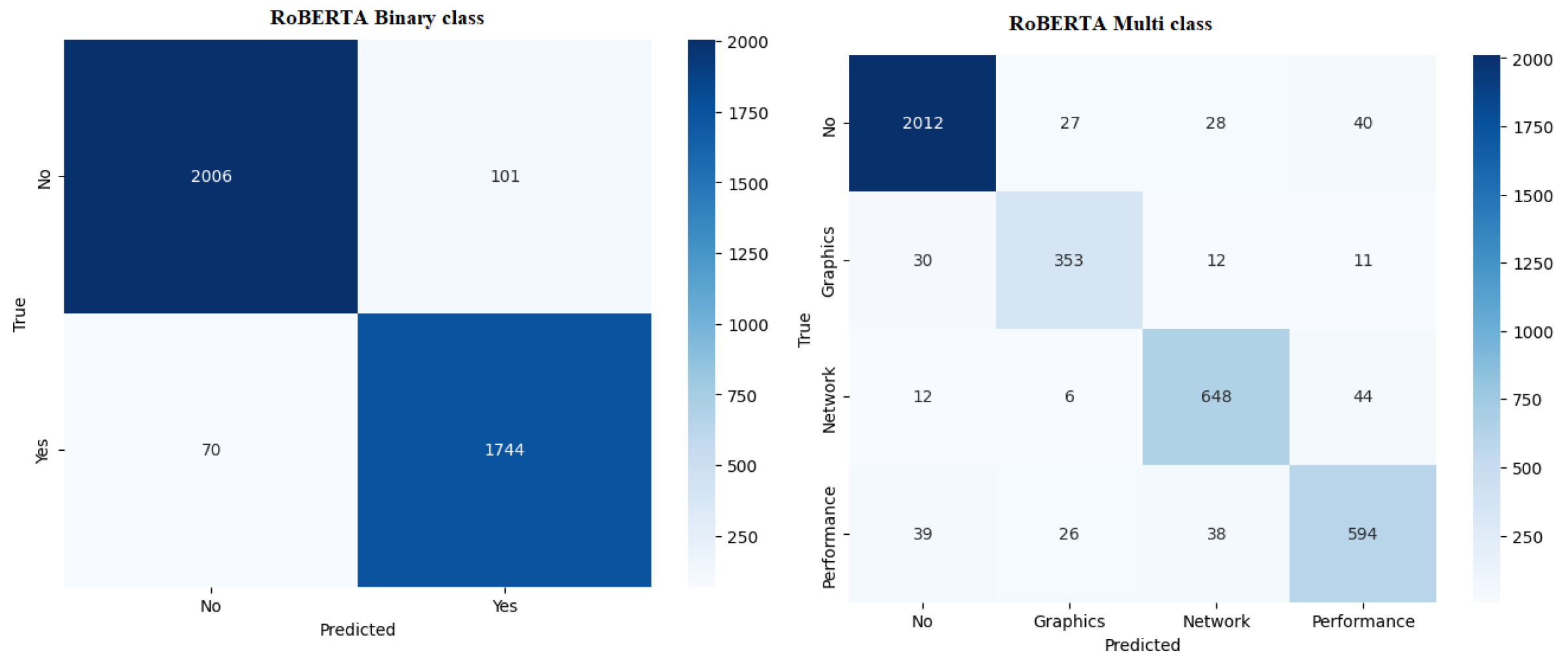
In the current digital era, the Google Play Store and the App Store are major platforms for the distribution of mobile applications and games. Billions of users regularly download mobile games and provide reviews, which serve as a valuable resource for game vendors and developers, offering insights into bug reports, feature suggestions, and documentation of existing functionalities. This study showcases an innovative application of fine-tuned RoBERTa for detecting bugs in mobile phone games, highlighting advanced classification capabilities. This approach will increase player satisfaction, lead to higher ratings, and improve brand reputation for game developers, while also reducing development costs and saving time in creating high-quality games. To achieve this goal, a new bug detection dataset was created. Initially, data were sourced from four top-rated mobile games from multiple domains on the Google Play Store and the App Store, focusing on bugs, using the Google Play API and App Store API. Subsequently, the data were categorized into two classes: binary and multi-class. The Logistic Regression, Convolutional Neural Network (CNN), and pre-trained Robustly Optimized BERT Approach (RoBERTa) algorithms were used to compare the results. We explored the strength of pre-trained RoBERTa, which demonstrated its ability to capture both semantic nuances and contextual information within textual content. The results showed that pre-trained RoBERTa significantly outperformed the baseline models (Logistic Regression), achieving superior performance with a 5.49% improvement in binary classification and an 8.24% improvement in multi-class classification, resulting in cross-validation scores of 96% and 92%, respectively.
Keywords: NLP; RoBERTa; SVM; machine learning; emerging issues; Google Play Store; App Store; mobile apps NLP; RoBERTa; SVM; machine learning; emerging issues; Google Play Store; App Store; mobile apps