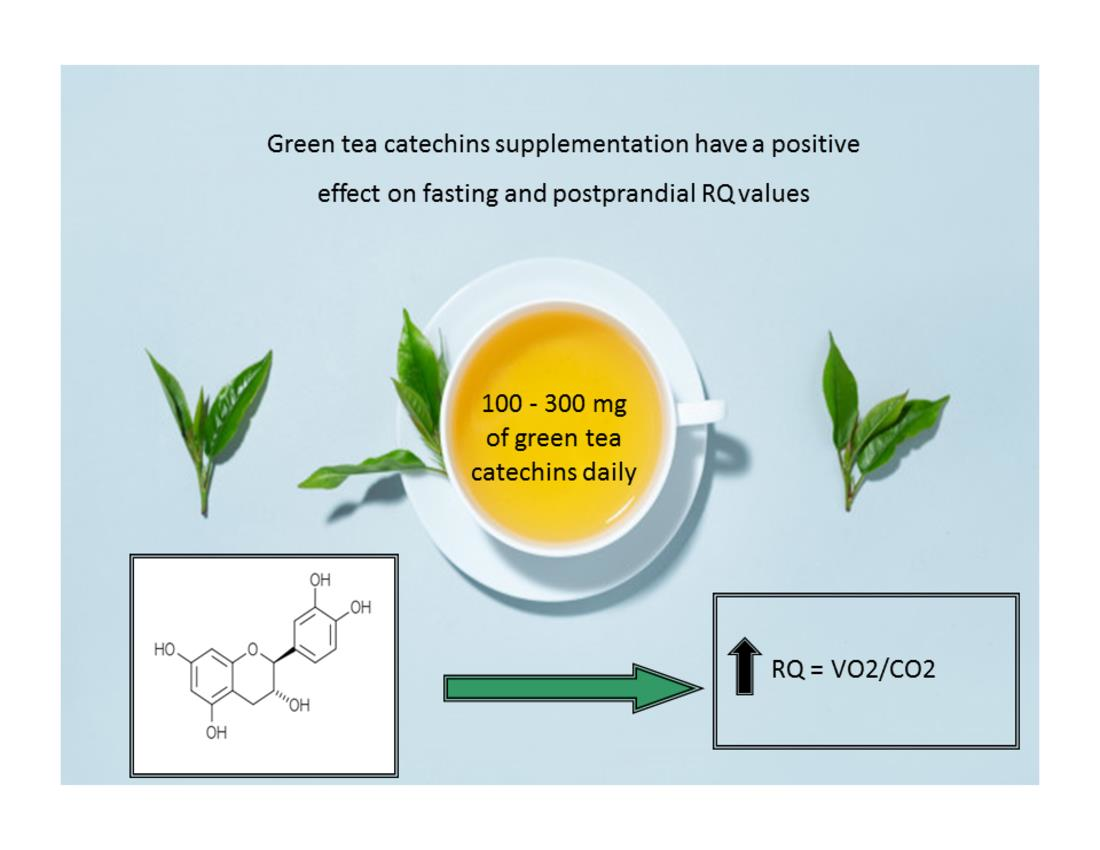
Effect of Acute and Chronic Dietary Supplementation with Green Tea Catechins on Resting Metabolic Rate, Energy Expenditure and Respiratory Quotient: A Systematic Review
 , , , , ,
Abstract
1. Introduction
2. Materials and Methods
Search Strategy
3. Results
3.1. Effects of Green Tea on Resting Metabolic Rate
3.1.1. Chronic Consumption
3.1.2. Acute Intake
3.2. Effects of Green Tea on Energy Expenditure
3.2.1. Chronic Intake
3.2.2. Acute Intake
3.3. Effects of Green Tea on Respiratory Quotient
3.3.1. Chronic Intake
3.3.2. Acute Intake
3.4. Sensitivity Analysis
4. Discussion
Author Contributions
Funding
Institutional Review Board Statement
Informed Consent Statement
Data Availability Statement
Conflicts of Interest
References
- Galic, S.; Oakhill, J.S.; Steinberg, G.R. Adipose tissue as an endocrine organ. Mol. Cell. Endocrinol. 2010, 316, 129–139. [Google Scholar] [CrossRef] [PubMed]
- Brown, J.C.; Meyerhardt, J.A. Obesity and energy balance in GI cancer. J. Clin. Oncol. 2016, 34, 4217–4224. [Google Scholar] [CrossRef]
- Frood, S.; Johnston, L.M.; Matteson, C.L.; Finegood, D.T. Obesity, complexity, and the role of the health system. Curr. Obes. Rep. 2013, 2, 320–326. [Google Scholar] [CrossRef]
- Ríos-Hoyo, A.; Gutiérrez-Salmeán, G. New dietary supplements for obesity: What we currently know. Curr. Obes. Rep. 2016, 5, 262–270. [Google Scholar] [CrossRef]
- Acheson, K.J.; Gremaud, G.; Meirim, I.; Montigon, F.; Krebs, Y.; Fay, L.B.; Gay, L.-J.; Schneiter, P.; Schindler, C.; Tappy, L. Metabolic effects of caffeine in humans: Lipid oxidation or futile cycling? Am. J. Clin. Nutr. 2004, 79, 40–46. [Google Scholar] [CrossRef]
- Khan, N.; Mukhtar, H. Tea polyphenols for health promotion. Life Sci. 2007, 81, 519–533. [Google Scholar] [CrossRef] [PubMed]
- Nomura, S.; Ichinose, T.; Jinde, M.; Kawashima, Y.; Tachiyashiki, K.; Imaizumi, K. Tea catechins enhance the mRNA ex-pression of uncoupling protein 1 in rat brown adipose tissue. J. Nutr. Biochem. 2008, 19, 840–847. [Google Scholar] [CrossRef]
- Yan, J.; Zhao, Y.; Zhao, B. Green tea catechins prevent obesity through modulation of peroxisome proliferator-activated receptors. Sci. China Life Sci. 2013, 56, 804–810. [Google Scholar] [CrossRef]
- Chen, N.; Bezzina, R.; Hinch, E.; Lewandowski, P.A.; Cameron-Smith, D.; Mathai, M.L.; Jois, M.; Sinclair, A.J.; Begg, D.P.; Wark, J.D.; et al. Green tea, black tea, and epigallocatechin modify body composition, improve glucose tolerance, and differentially alter metabolic gene expression in rats fed a high-fat diet. Nutr. Res. 2009, 29, 784–793. [Google Scholar] [CrossRef]
- Wang, H.; Wen, Y.; Du, Y.; Yan, X.; Guo, H.; Rycroft, J.A.; Boon, N.; Kovacs, E.M.; Mela, D.J. Effects of catechin enriched green tea on body composition. Obesity 2010, 18, 773–779. [Google Scholar] [CrossRef] [PubMed]
- Nagao, T.; Hase, T.; Tokimitsu, I. A green tea extract high in catechins reduces body fat and cardiovascular risks in humans*. Obesity 2007, 15, 1473–1483. [Google Scholar] [CrossRef] [PubMed]
- Kubota, K.; Sumi, S.; Tojo, H.; Sumi-Inoue, Y.; I-Chin, H.; Oi, Y.; Fujita, H.; Urata, H. Improvements of mean body mass index and body weight in preobese and overweight Japanese adults with black Chinese tea (Pu-Erh) water extract. Nutr. Res. 2011, 31, 421–428. [Google Scholar] [CrossRef]
- Chen, I.J.; Liu, C.Y.; Chiu, J.P.; Hsu, C.H. Therapeutic effect of high-dose green tea extract on weight reduction: A randomized, double-blind, placebo-controlled clinical trial. Clin. Nutr. 2016, 35, 592–599. [Google Scholar] [CrossRef]
- Mielgo-Ayuso, J.; Barrenechea, L.; Alcorta, P.; Larrarte, E.; Margareto, J.; Labayen, I. Effects of dietary supplementation with epigallocatechin-3-gallate on weight loss, energy homeostasis, cardiometabolic risk factors and liver function in obese women: Randomised, double-blind, placebo-controlled clinical trial. Br. J. Nutr. 2014, 111, 1263–1271. [Google Scholar] [CrossRef] [PubMed]
- Taghizadeh, M.; Farzin, N.; Taheri, S.; Mahlouji, M.; Akbari, H.; Karamali, F.; Asemi, Z. The effect of dietary supplements containing green tea, capsaicin and ginger extracts on weight loss and metabolic profiles in overweight women: A randomized double-blind placebo-controlled clinical trial. Ann. Nutr. Metab. 2017, 70, 277–285. [Google Scholar] [CrossRef]
- Jurgens, T.M.; Whelan, A.M.; Killian, L.; Doucette, S.; Kirk, S.; Foy, E. Green tea for weight loss and weight maintenance in overweight or obese adults. Cochrane Database Syst. Rev. 2012, 12, CD008650. [Google Scholar] [CrossRef]
- Vázquez Cisneros, L.C.; López-Uriarte, P.; López-Espinoza, A.; Navarro Meza, M.; Espinoza-Gallardo, A.C.; Guzmán Aburto, M.B. Effects of green tea and its epigallocatechin (EGCG) content on body weight and fat massin humans: A systematic review. Nutr. Hosp. 2017, 34, 731–737. [Google Scholar] [CrossRef]
- Li, X.; Wang, W.; Hou, L.; Wu, H.; Wu, Y.; Xu, R.; Xiao, Y.; Wang, X. Does tea extract supplementation benefit metabolic syndrome and obesity? A systematic review and meta-analysis. Clin. Nutr. 2010, 39, 1049–1058. [Google Scholar] [CrossRef]
- Rains, T.M.; Agarwal, S.; Maki, K.C. Antiobesity effects of green tea catechins: A mechanistic review. J. Nutr. Biochem. 2011, 22, 1–7. [Google Scholar] [CrossRef]
- Diepvens, K.; Kovacs, E.M.R.; Nijs, I.M.T.; Vogels, N.; Westerterp-Plantenga, M.S. Effect of green tea on resting energy expenditure and substrate oxidation during weight loss in overweight females. Br. J. Nutr. 2005, 94, 1026–1034. [Google Scholar] [CrossRef]
- Wang, X.; Song, K.-S.; Guo, Q.-X.; Tian, W.-X. The galloyl moiety of green tea catechins is the critical structural feature to inhibit fatty-acid synthase. Biochem. Pharmacol. 2003, 66, 2039–2047. [Google Scholar] [CrossRef]
- Wang, X.; Tian, W. Green tea epigallocatechin gallate: A natural inhibitor of fatty-acid synthase. Biochem. Biophys. Res. Commun. 2001, 288, 1200–1206. [Google Scholar] [CrossRef]
- Du, Y.-T.; Wang, X.; Wu, X.-D.; Tian, W.-X. Keemun black tea extract contains potent fatty acid synthase inhibitors and reduces food intake and body weight of rats via oral administration. J. Enzym. Inhib. Med. Chem. 2005, 20, 349–356. [Google Scholar] [CrossRef]
- Yang, F.; Oz, H.S.; Barve, S.; De Villiers, W.J.S.; McClain, C.J.; Varilek, G.W. The green tea polyphenol (-)-epigallocatechin-3-gallate blocks nuclear factor-κB activation by inhibiting IκB kinase activity in the intestinal epithelial cell line IEC-6. Mol. Pharmacol. 2001, 60, 528–533. [Google Scholar]
- Murase, T.; Nagasawa, A.; Suzuki, J.; Hase, T.; Tokimitsu, I. Beneficial effects of tea catechins on diet-induced obesity: Stimulation of lipid catabolism in the liver. Int. J. Obes. Relat. Metab. Disord. 2002, 26, 1459–1464. [Google Scholar] [CrossRef] [PubMed]
- Dulloo, A.G.; Duret, C.; Rohrer, D.; Girardier, L.; Mensi, N.; Fathi, M.; Chantre, P.; Vandermander, J. Efficacy of a green tea extract rich in catechin polyphenols and caffeine in increasing 24-h energy expenditure and fat oxidation in humans. Am. J. Clin. Nutr. 1999, 70, 1040–1045. [Google Scholar] [CrossRef]
- Ashida, H.; Furuyashiki, T.; Nagayasu, H.; Bessho, H.; Sakakibara, H.; Hashimoto, T.; Kanazawa, K. Anti-obesity actions of green tea: Possible involvements in modulation of the glucose uptake system and suppression of the adipogenesis-related transcription factors. BioFactors 2004, 22, 135–140. [Google Scholar] [CrossRef]
- Cao, H.; Hininger-Favier, I.; Kelly, M.A.; Benaraba, R.; Dawson, H.D.; Coves, S.; Roussel, A.A.M.; Anderson, R.A. Green tea polyphenol extract regulates the expression of genes involved in glucose uptake and insulin signaling in rats fed a high fructose diet. J. Agric. Food Chem. 2007, 55, 6372–6378. [Google Scholar] [CrossRef]
- Hossain, S.J.; Kato, H.; Aoshima, H.; Yokoyama, T.; Yamada, M.; Hara, Y. Polyphenol-induced inhibition of the response of Na+/glucose cotransporter expressed in Xenopus oocytes. J. Agric. Food Chem. 2002, 50, 5215–5219. [Google Scholar] [CrossRef]
- Shimizu, M.; Kobayashi, Y.; Suzuki, M.; Satsu, H.; Miyamoto, Y. Regulation of intestinal glucose transport by tea catechins. BioFactors 2000, 13, 61–65. [Google Scholar] [CrossRef] [PubMed]
- Bose, M.; Lambert, J.D.; Ju, J.; Reuhl, K.R.; Shapses, S.A.; Yang, C.S. The major green tea polyphenol, (-)-epigallocatechin-3-gallate, inhibits obesity, metabolic syndrome, and fatty liver disease in high-fat–fed mice. J. Nutr. 2008, 138, 1677–1683. [Google Scholar] [CrossRef] [PubMed]
- Wolfram, S.; Raederstorff, D.; Wang, Y.; Teixeira, S.R.; Elste, V.; Weber, P. TEAVIGO (epigallocatechin gallate) supplementation prevents obesity in rodents by reducing adipose tissue mass. Ann. Nutr. Metab. 2005, 49, 54–63. [Google Scholar] [CrossRef]
- Ito, Y.; Ichikawa, T.; Morohoshi, Y.; Nakamura, T.; Saegusa, Y.; Ishihara, K. Effect of tea catechins on body fat accumulation in rats fed a normal diet. Biomed. Res. 2008, 29, 27–32. [Google Scholar] [CrossRef] [PubMed][Green Version]
- Yang, M.-H.; Wang, C.-H.; Chen, H.-L. Green, oolong and black tea extracts modulate lipid metabolism in hyperlipidemia rats fed high-sucrose diet. J. Nutr. Biochem. 2001, 12, 14–20. [Google Scholar] [CrossRef]
- Kim, H.-J.; Jeon, S.-M.; Lee, M.-K.; Jung, U.J.; Shin, S.-K.; Choi, M.-S. Antilipogenic effect of green tea extract in C57BL/6J-Lep ob/ob mice. Phytother. Res. 2009, 23, 467–471. [Google Scholar] [CrossRef] [PubMed]
- Bruno, R.S.; Dugan, C.E.; Smyth, J.A.; DiNatale, D.A.; Koo, S.I. Green tea extract protects leptin-deficient, spontaneously obese mice from hepatic steatosis and injury. J. Nutr. 2008, 138, 323–331. [Google Scholar] [CrossRef]
- Westerterp-Plantenga, M.S.; Lejeune, M.P.; Kovacs, E.M.R. Body weight loss and weight maintenance in relation to habitual caffeine intake and green tea supplementation. Obes. Res. 2005, 13, 1195–1204. [Google Scholar] [CrossRef]
- Wu, C.-H.; Lu, F.-H.; Chang, C.-S.; Chang, T.-C.; Wang, R.-H.; Chang, C.-J. Relationship among habitual tea consumption, percent body fat, and body fat distribution. Obes. Res. 2003, 11, 1088–1095. [Google Scholar] [CrossRef]
- Hughes, L.A.E.; Arts, I.C.W.; Ambergen, T.; Brants, H.A.M.; Dagnelie, P.C.; Goldbohm, R.A.; van den Brandt, P.A.; Weijenberg, M.P.; Netherlands Cohort Study. Higher dietary flavone, flavonol, and catechin intakes are associated with less of an increase in BMI over time in women: A longitudinal analysis from the Netherlands Cohort Study. Am. J. Clin. Nutr. 2008, 88, 1341–1352. [Google Scholar]
- Nagao, T.; Komine, Y.; Soga, S.; Meguro, S.; Hase, T.; Tanaka, Y.; Tokimitsu, I. Ingestion of a tea rich in catechins leads to a reduction in body fat and malondialdehyde-modified LDL in men. Am. J. Clin. Nutr. 2005, 81, 122–129. [Google Scholar] [CrossRef]
- Nagao, T.; Meguro, S.; Hase, T.; Otsuka, K.; Komikado, M.; Tokimitsu, I.; Yamamoto, T.; Yamamoto, K. A Catechin-rich beverage improves obesity and blood glucose control in patients with type 2 diabetes. Obesity 2009, 17, 310–317. [Google Scholar] [CrossRef] [PubMed]
- Auvichayapat, P.; Prapochanung, M.; Tunkamnerdthai, O.; Sripanidkulchai, B.-O.; Auvichayapat, N.; Thinkhamrop, B.; Kunhasura, S.; Wongpratoom, S.; Sinawat, S.; Hongprapas, P. Effectiveness of green tea on weight reduction in obese Thais: A randomized, controlled trial. Physiol. Behav. 2008, 93, 486–491. [Google Scholar] [CrossRef] [PubMed]
- Hursel, R.; Viechtbauer, W.; Westerterp-Plantenga, M.S. The effects of green tea on weight loss and weight maintenance: A meta-analysis. Int. J. Obes. 2009, 33, 956–961. [Google Scholar] [CrossRef]
- Palmatier, M.A.; Kang, A.M.; Kidd, K.K. Global variation in the frequencies of functionally different catechol-O-methyltransferase alleles. Biol. Psychiatry 1999, 46, 557–567. [Google Scholar] [CrossRef]
- Borchardt, R.T.; Huber, J.A. Catechol O-methyltransferase. 5. Structure-activity relations for inhibition by flavonoids. J. Med. Chem. 1975, 18, 120–122. [Google Scholar] [CrossRef] [PubMed]
- Choo, J.J. Green tea reduces body fat accretion caused by high-fat diet in rats through β-adrenoceptor activation of thermogenesis in brown adipose tissue. J. Nutr. Biochem. 2003, 14, 671–676. [Google Scholar] [CrossRef]
- Kapoor, M.P.; Sugita, M.; Fukuzawa, Y.; Okubo, T. Physiological effects of epigallocatechin-3-gallate (EGCG) on energy expenditure for prospective fat oxidation in humans: A systematic review and meta-analysis. J. Nutr. Biochem. 2017, 43, 1–10. [Google Scholar] [CrossRef]
- Moher, D.; Liberati, A.; Tetzlaff, J.; Altman, D.G.; PRISMA Group. Preferred reporting items for systematic reviews and meta-analyses: The PRISMA statement. PLoS Med. 2009, 6, e1000097. [Google Scholar] [CrossRef]
- Cardoso, G.A.; Salgado, J.M.; Cesar, M.D.C.; Donado-Pestana, C.M. The effects of green tea consumption and resistance training on body composition and resting metabolic rate in overweight or obese women. J. Med. Food 2013, 16, 120–127. [Google Scholar] [CrossRef]
- Quinhoneiro, D.C.G.; Nicoletti, C.F.; Pinhel, M.A.S.; Noronha, N.Y.; Braga, C.B.M.; Oliveira, B.A.P.; Cortes-Oliveira, C.; Oliveira, W.P.; Salgado Junior, W.; Marchini, J.S.; et al. Green tea supplementation upregulates uncoupling protein 3 ex-pression in severe obese women adipose tissue but does not promote weight loss. Int. J. Food Sci. Nutr. 2018, 69, 995–1002. [Google Scholar] [CrossRef] [PubMed]
- Roberts, A.T.; De Jonge-Levitan, L.; Parker, C.C.; Greenway, F. The effect of an herbal supplement containing black tea and caffeine on metabolic parameters in humans. Caffeine Metab. 2005, 10, 321–325. [Google Scholar]
- Lonac, M.C.; Richards, J.C.; Schweder, M.M.; Johnson, T.K.; Bell, C. Influence of short-term consumption of the caffeine-free, epigallocatechin-3-gallate supplement, teavigo, on resting metabolism and the thermic effect of feeding. Obesity 2011, 19, 298–304. [Google Scholar] [CrossRef]
- Belza, A.; Toubro, S.; Astrup, A. The effect of caffeine, green tea and tyrosine on thermogenesis and energy intake. Eur. J. Clin. Nutr. 2009, 63, 57–64. [Google Scholar] [CrossRef] [PubMed]
- Mähler, A.; Steiniger, J.; Bock, M.; Klug, L.; Parreidt, N.; Lorenz, M.; Zimmermann, B.F.; Krannich, A.; Paul, F.; Boschmann, M. Metabolic response to epigallocatechin-3-gallate in relapsing-remitting multiple sclerosis: A randomized clinical trial. Am. J. Clin. Nutr. 2015, 101, 487–495. [Google Scholar] [CrossRef] [PubMed]
- Hill, A.M.; Coates, A.M.; Buckley, J.D.; Ross, R.; Thielecke, F.; Howe, P.R. Can EGCG reduce abdominal fat in obese subjects? J. Am. Coll. Nutr. 2007, 26, 396S–402S. [Google Scholar] [CrossRef]
- Brown, A.L.; Lane, J.; Coverly, J.; Stocks, J.; Jackson, S.; Stephen, A.; Bluck, L.; Coward, A.; Hendrickx, H. Effects of dietary supplementation with the green tea polyphenol epigallocatechin-3-gallate on insulin resistance and associated metabolic risk factors: Randomized controlled trial. Br. J. Nutr. 2009, 101, 886–894. [Google Scholar] [CrossRef] [PubMed]
- Chantre, P.; Lairon, D. Recent findings of green tea extract AR25 (Exolise) and its activity for the treatment of obesity. Phytomedicine 2002, 9, 3–8. [Google Scholar] [CrossRef]
- Thielecke, F.; Rahn, G.; Böhnke, J.; Adams, F.; Birkenfeld, A.L.; Jordan, J.; Boschmann, M. Epigallocatechin-3-gallate and postprandial fat oxidation in overweight/obese male volunteers: A pilot study. Eur. J. Clin. Nutr. 2010, 64, 704–713. [Google Scholar] [CrossRef] [PubMed]
- Gregersen, N.T.; Bitz, C.; Krog-Mikkelsen, I.; Hels, O.; Kovacs, E.M.R.; Rycroft, J.A.; Frandsen, E.; Mela, D.J.; Astrup, A. Effect of moderate intakes of different tea catechins and caffeine on acute measures of energy metabolism under sedentary conditions. Br. J. Nutr. 2009, 102, 1187–1194. [Google Scholar] [CrossRef] [PubMed]
- Boschmann, M.; Thielecke, F. The effects of epigallocatechin-3-gallate on thermogenesis and fat oxidation in obese men: A pilot study. J. Am. Coll. Nutr. 2007, 26, 389S–395S. [Google Scholar] [CrossRef]
- Chalmers, T.C.; Smith, H.; Blackburn, B.; Silverman, B.; Schroeder, B.; Reitman, D.; Ambroz, A. A method for assessing the quality of a randomized control trial. Control. Clin. Trials 1981, 2, 31–49. [Google Scholar] [CrossRef]
- Jadad, A.R.; Moore, R.A.; Carroll, D.; Jenkinson, C.; Reynolds, D.J.M.; Gavaghan, D.J.; McQuay, H.J. Assessing the quality of reports of randomized clinical trials: Is blinding necessary? Control. Clin. Trials 1996, 17, 1–12. [Google Scholar] [CrossRef]
- Ravussin, E.; Swinburn, B. Pathophysiology of obesity. Lancet 1992, 340, 404–408. [Google Scholar] [CrossRef]
- Lam, Y.Y.; Ravussin, E. Indirect calorimetry: An indispensable tool to understand and predict obesity. Eur. J. Clin. Nutr. 2017, 71, 318–322. [Google Scholar] [CrossRef]
- Shook, R.P.; Hand, G.A.; Paluch, A.E.; Wang, X.; Moran, R.G.; Hebert, J.R.; Jakicic, J.M.; Blair, S.N. High respiratory quotient is associated with increases in body weight and fat mass in young adults. Eur. J. Clin. Nutr. 2016, 70, 1197–1202. [Google Scholar] [CrossRef]
- Kelley, D.E. Skeletal muscle fat oxidation: Timing and flexibility are everything. J. Clin. Investig. 2005, 115, 1699–1702. [Google Scholar] [CrossRef] [PubMed]
- Loos, R.J.F.; Ruchat, S.; Rankinen, T.; Tremblay, A.; Pérusse, L.; Bouchard, C. Adiponectin and adiponectin receptor gene variants in relation to resting metabolic rate, respiratory quotient, and adiposity-related phenotypes in the Quebec Family Study. Am. J. Clin. Nutr. 2007, 85, 26–34. [Google Scholar] [CrossRef] [PubMed]
- Rondanelli, M.; Opizzi, A.; Perna, S.; Faliva, M.; Solerte, S.B.; Fioravanti, M.; Klersy, C.; Edda, C.; Maddalena, P.; Luciano, S.; et al. Improvement in insulin resistance and favourable changes in plasma inflammatory adipokines after weight loss asso-ciated with two months’ consumption of a combination of bioactive food ingredients in overweight subjects. Endocrine 2013, 44, 391–401. [Google Scholar] [CrossRef] [PubMed]
- Janssens, P.L.; Hursel, R.; Westerterp-Plantenga, M.S. Long-term green tea extract supplementation does not affect fat absorption, resting energy expenditure, and body composition in adults. J. Nutr. 2015, 145, 864–870. [Google Scholar] [CrossRef]
- Katada, S.; Yanagimoto, A.; Matsui, Y.; Hibi, M.; Osaki, N.; Kobayashi, S.; Katsuragi, Y. Effect of tea catechins with caffeine on energy expenditure in middle-aged men and women: A randomized, double-blind, placebo-controlled, crossover trial. Eur. J. Nutr. 2020, 59, 1163–1170. [Google Scholar] [CrossRef] [PubMed]
- Yoneshiro, T.; Matsushita, M.; Hibi, M.; Tone, H.; Takeshita, M.; Yasunaga, K.; Katsuragi, Y.; Kameya, T.; Sugie, H.; Saito, M. Tea catechin and caffeine activate brown adipose tissue and increase cold-induced thermogenic capacity in humans. Am. J. Clin. Nutr. 2017, 105, 873–881. [Google Scholar] [CrossRef] [PubMed]
- Hursel, R.; Viechtbauer, W.; Dulloo, A.G.; Tremblay, A.; Tappy, L.; Rumpler, W.; Westerterp-Plantenga, M.S. The effects of catechin rich teas and caffeine on energy expenditure and fat oxidation: A meta-analysis. Obes. Rev. 2011, 12, e573–e581. [Google Scholar] [CrossRef]

| First Author, Year | Study Design | Compound | Treatment and Daily Dose | Placebo or Other Treatments | Subjects | Duration | Parallel Prescriptions | Main Outcomes/Results | Method | Dietary Information |
|---|---|---|---|---|---|---|---|---|---|---|
| Chronic intake | ||||||||||
| Quinhoneiro, 2018 | Longitudinal prospective interventional Study. | Decaffeinated green tea extract capsules (Solaray®). | 2 capsules daily for a total of 1009 mg of green tea leaf extract, with 450 mg of epigallocatechin gallate (EGCG), 85.7 mg of epicatechin gallate (ECG), and 5.9 mg of caffeine per day. | / | 21 women with severe obesity (grade III). | 8 weeks | Not to change the dietary pattern or the level of physical activity. Fast and no physical exercise or caffeine-rich beverages (coffee, black tea, or energy drink) 24 h before the assessment. | Compared to baseline values, resting metabolic rate (RMR) and substrate oxidation did not change significantly after 8 weeks of supplementation with green tea. | Indirect calorimetry QUARK-RMR device (COSMED, Rome, Italy). The QUARK-RMR device was automatically calibrated with known gas concentrations before all the assessments. | Usual diet. Macronutrient composition not specified. |
| Mielgo-Ayuso, 2014 | Randomized, double-blind, and parallel Design. | TEAVIGOTM DSM Nutritional Products. | EGCG (300 mg EGCG/day) comprising >97% of pure EGCG. | Placebo: 300 mg of lactose/day. | 83 obese premenopausal women. | 12 weeks. | Not to consume any other beverage containing catechins or caffeine during the intervention program. 12-week energy-restricted diet. | There were no significant interaction effects between time and treatment group (EGCG or control) on energy and substrate metabolism outcomes. | Indirect calorimetry (Vmax; SensorMedics). | 55% carbohydrates, 30% lipids, and 15% proteins. |
| Cardoso, 2012 | Double-blinded and placebo-controlled. | Sanavita Industry. | Group 1: 20 g of green tea (with 40 mg of caffeine), daily diluted in 200 ml of ice water. Group 3: green tea plus resistance training. | Group 2: 20 g of placebo. Group 4: placebo plus resistance training. | 36 overweight or obese women. | 8 weeks. | A base diet started 4 weeks prior to the green tea protocol was continued for all the duration of the treatment. | The RMR decreased significantly in groups 1 and 2 but increased significantly in groups 3 and 4 (p < 0.05). In group 1, the RMR for body mass showed no change, while in group 2, there was a measurable but not significant decline. In groups 3 and 4, the RMR for body mass increased significantly, and it was highest in group 3. | Indirect calorimetry with a pneumotachograph connected to a gas analyzer (Aerosport VO2000; Medical Graphics Corporation). | Usual diet. Macronutrient composition not specified. |
| Auvichayapat, 2008 | Randomized controlled trial. | Herbal One®. | 3 capsules daily. Each capsules contained 250 mg of green tea leaf extract, 0.24 mg of gallic acid, 4.09 mg of catechin, 28.86 mg of caffeine, 33.58 mg of EGCG, and 9.28 mg of epicatechin gallate. | Placebo: cellulose capsule. | 60 obese subjects (42 females and 18 males). | 12 weeks. | Thai diet (65% carbohydrates, 15% protein, and 20% fat). | Green tea increased energy expenditure by the 8th week of the study; specifically, the RMR was 372 kJ/day higher than at baseline. The increase in RMR was approximately one-third of moderate exercise. The reduction in respiratory quotient (RQ) during treatment with the green tea extract suggests that fat oxidation was higher. | The bag technique of indirect calorimetry. | Thai diet containing 65% carbohydrates, 15% protein, and 20% fat. |
| Acute intake | ||||||||||
| Lonac, 2011 | Within-subjects and repeated-measures design. | TEAVIGOTM DSM Nutritional Products | 135 mg of EGCG/capsule 3 times daily, for a total of 405 mg of EGCG/day. 3 capsules/day with each meal. The final capsule was consumed 2 h before metabolic testing. | 135 mg of organic cornmeal/capsule, 3 times daily. | 16 healthy adults (9 males and 7 females) | 2 days of test. separated by a minimum of 7 days. | Test at 12-h fast, 2-h abstention from water, and 24-h abstention from exercise. | Short-term consumption did not increase RMR or the thermic effect of feeding. | Custom-built, ventilated-hood, indirect calorimetry system (Nighthawk Design, Boulder, CO). | At completion of test, liquid mixed meal (57% carbohydrate, 28% fat, and 15% protein). |
| Belza, 2009 | Crossover, randomized, placebo-controlled, and double-blind study. | Alpine Health Products. | Group 1: tablets of 500 mg of green tea extract (where of 125 mg of catechins). | Group 2: 400 mg of tyrosine. Group 3: 50 mg of caffeine. Group 4: placebo, microcrystalline cellulose. | 12 healthy, normal weight men. | 4 h measurement following ingestion. | Ad libitum energy intake. Each treatment was separated by a >3-day washout. | Caffeine induced a thermogenic response of 6% above baseline value (72 ± 25 kJ per 4 h) compared to placebo (p < 0.0001). The thermogenic responses to GTE and tyrosine were not significantly different from placebo. Tyrosine tended to increase 4-h respiratory quotient by 1% compared to placebo (0.01 ± 0.005, p < 0.05). | Indirect calorimetry using a ventilated hood system. | At completion of the respiratory measurements, the subjects were given an ad libitum brunch 4 h after the intake of one of the treatment compounds. The ad libitum meal was a 1329 g pasta salad brunch (610 kJ 100 g−1, protein: 15 energy (E)%, carbohydrates: 55 E% and fat: 30%). |
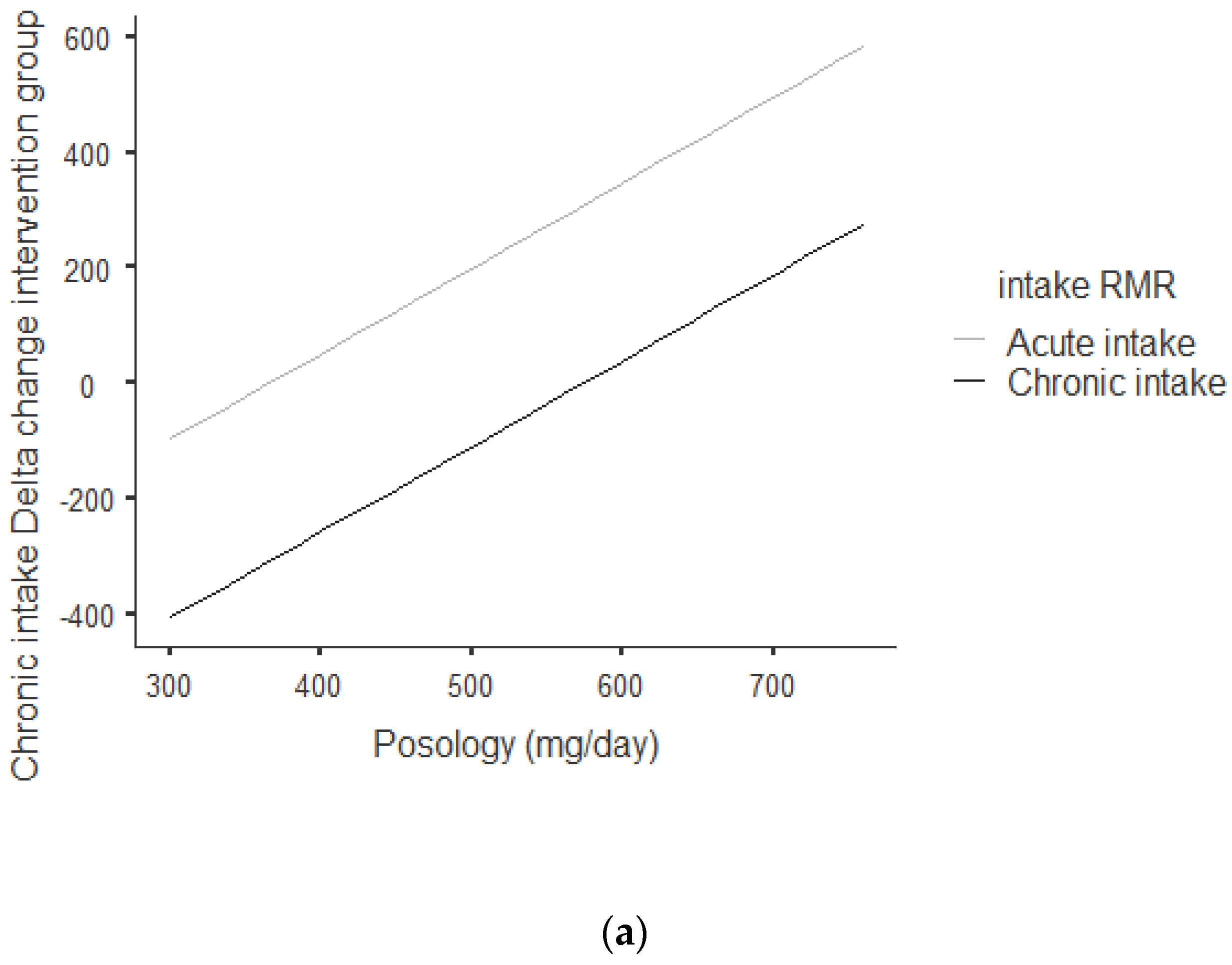
| Roberts, 2005 | Double-blind, placebo controlled, and crossover study. | Not specified. | The supplement contained water-soluble extracts, including 600 mg of black tea extract providing 60% polyphenols and 20% caffeine, 422 mg of guarana extract providing 36% caffeine, 100 mg of ginger extract providing 5% gingerols, 5 mg of dill weed extract, 150 mg of rutin (quercetin-3-O-glucose- rhamnose), and 50 mg of vitamin C. Each capsule contained 725 mg for a total of 1450 mg in two capsules. | 16 healthy subjects (7 males and 9 females). | Subjects had no caffeine for 48 h, no exercise for 24 h, and no food for 12 h before each visit. | The area under curve (AUC) for metabolic rate increased significantly after the herbal supplement by 77.19 ± 120.10 kcal/24 h (p < 0.02) compared to placebo (1 kcal is equivalent to 4.184 kJ) (Figure 1). The rise in metabolic rate peaked at one hour, with no statistical significance between active and placebo arms at two hours. | Indirect calorimetry using a ventilated hood system (DeltaTrac II metabolic monitor; Datex Inc.; Helsinki, Finland). | Usual diet. Macronutrient composition not specified. | ||
| First Author, Year | Study Design | Compound | Treatment and Daily Dose | Placebo or Other Treatments | Subjects | Duration | Parallel Prescription | Main Outcomes/Results | Method | Dietary Information |
|---|---|---|---|---|---|---|---|---|---|---|
| Chronic intake | ||||||||||
| Mahler, 2015 | Randomized, double-blind, placebo-controlled, and crossover study. | TeaCare; Limmer Nutraceuticals BV. | 600 mg of EGCG/day. EGCG (2 capsules × 150 mg) were taken twice daily. Metabolism was measured at rest (protocol 1) and during exercise (protocol 2). | Placebo: starch. | 18 subjects with multiple sclerosis (8 males and 10 females). | 12 and 4 week washout periods. | Not specified. Metabolic evaluations after a 12-h overnight fast and intake of 300 mg of EGCG in the morning. | PROTOCOL 1: Fasting energy expenditure (EE) did not differ between placebo and EGCG. PROTOCOL 2: Total increase in EE was lower in men (p = 0.01) and women (non-significant) receiving EGCG compared with placebo. | Canopy calorimeter (Deltatrac II; Datex Ohmeda). | 50%, 35%, and 15% of energy from carbohydrates, fats, and proteins. |
| Brown, 2009 | Double-blind, randomized, and parallel design study. | TEAVIGO™; DSM), comprising >97% pure EGCG. | 800 mg of EGCG/day 2 capsules/day daily with food, one 400 mg capsule in the morning and another in the evening. | Placebo: 800 mg of lactose/day. | 88 overweight or obese men. | 8 weeks. | To avoid exercise and alcohol consumption for the 24 h before each measurement. Test at fast from 21.00 h on the day before. To avoid, during the intervention phase, the consumption of green tea and the dietary supplements known to affect glucose and lipid metabolism. | No significant change in total estimated energy. | not specified | Macronutrient composition not specified. |
| Hill, 2007 | Intervention trial. | TEAVIGO. | 2 capsules/day containing 150 mg of EGCG (total EGCG intake 300 mg/day) | Placebo: lactose | 38 overweight or obese postmenopausal women. | 12 weeks. | To maintain the normal diet and physical activity patterns (in addition to completing the required exercise sessions) during the study. | Energy intake and background energy expenditure remained constant throughout the intervention for both treatment groups. | Not specified. | Usual diet. Macronutrient composition not specified. |
| Chantre, 2002 | Open study. | EXOLISE®. | 2 times/day (i.e., 2 capsules in morning and 2 capsules at midday) a green tea extract AR25®; ingestion of 4 capsules containing AR25 provided a daily total of 375 mg of catechins, of which 270 mg were epigallocatechin gallate. | 70 overweight and obese subjects (7 males and 63 females). | 12 weeks. | Not specified. | Administration of green tea extract stimulated thermogenesis and fat oxidation and this extract has the potential to influence body weight and body composition via changes in both energy expenditure and substrate utilization. | Not specified. | Not specified. | |
| Acute Intake | ||||||||||
| Thielecke, 2010 | Randomized, placebo controlled, and double-blind crossover trial. | TEAVIGO, a highly purified extract from green tea leaves (Camilla sinensis) containing minimum 94% EGCG and maximum 0.1% caffeine. | - Low EGCG (300 mg). - High EGCG (600 mg). | Placebo: lactose. | 10 overweight or obese men. | 3 days. | During the study, no caffeine and catechin-containing drinks and food were allowed. | In all the four groups, EE did not change significantly over the following 240 min before the intake of the test meal and showed an almost identical postprandial time course vs placebo. | Calorimetry, oxygen consumption (VO2, mL/min). and carbon dioxide production (VCO2, mL/min) were measured by a ventilated hood system (Deltatrac II, GE Healthcare, Freiburg, Germany). Fasting and postprandial EE. | The meal provided 5 kcal/kg body weight with 50, 35 and 15% of energy from carbohydrates, lipids and proteins, respectively. |
| Gregersen, 2009 | Cross-over, double-blinded, and placebo-controlled design. | Unilever Colworth. | Group 1: caffeine plus a catechin mixture (600 mg) enriched in either EGCG, epigallocatechin, or a mix of catechins. | Group 2: placebo. Group 3: caffeine alone (150 mg). | 15 healthy men. | 1 day. | To refrain from exercise and eliminate consumption of foods or beverages containing caffeine (coffee, tea, cola, etc.) and catechins (chocolate, red wine, apples and pears) for 24 h before each chamber stay. | The multivariate ANOVA showed no significant overall treatment effect on EE. | Ventilated hood system. | Standardized meals. Macronutrient composition not specified. |
| Boschmann, 2007 | Randomized double blind, placebo-controlled, and cross-over pilot study. | TEAVIGO™ containing at a minimum 94% EGCG and at a maximum 0.1% caffeine. | Two capsules of 150 mg of EGCG daily for 2 days prior to testing. | Not specified. | 6 overweight men. | 2 days. | Not specified. | After intake of the meal, EE changed in the same way with both treatments, i.e., a strong initial increase followed by a slow decrease towards the end of the measurement. | Indirect calorimetry with a canopy device. | Test meal containing 5 kcal/kg body weight with 50%, 35%, and 15% energy from carbohydrates, lipids, and proteins, respectively. |
| Dullo, 1999 | Randomized controlled trial. | Capsules containing the green tea extract AR25 provided daily a total of 150 mg of caffeine and 375 mg of catechins, of which 270 mg were epigallocatechin gallate. | 1) A green tea extract containing 50 mg of caffeine and 90 mg of epigallocatechin gallate, 2 capsules 3 times/day. | 2) 50 mg of caffeine. 3) A placebo that consisted of cellulose as inert filler. | 10 healthy men. | 3 separate occasions. | Not specified. | Relative to placebo, treatment with the green tea extract resulted in a significant increase in 24-h EE (4%; p < 0.01) and a significant decrease in 24-h RQ (from 0.88 to 0.85; p < 0.001). | Indirect calorimetry during the stay in the respiratory chamber. | 13% of energy as protein, <40% as fat, and <47% as carbohydrates. |
| First Author, Year | Study Design | Compound | Treatment and Daily Dose | Placebo or Other Treatments | Subjects | Duration | Parallel Prescriptions | Main Outcomes/Results |
|---|---|---|---|---|---|---|---|---|
| Chronic intake | ||||||||
| Mielgo-Ayuso, 2014 | Randomized, double-blind, and parallel design. | TEAVIGOTM DSM Nutritional Products. | EGCG (300 mg of EGCG/day) comprising >97% of pure EGCG. | Placebo: 300 mg of lactose/day. | 83 obese premenopausal women. | 12 weeks. | Not to consume any other beverage containing catechins or caffeine during the intervention program. 12-week energy-restricted diet. | The changes in NPRQ and whole-body fat oxidation did not significantly differ between the EGCG and control groups. |
| Auvichayapat, 2008 | Randomized, controlled trial. | Herbal One®. | 3 capsules daily. Each capsule contained 250 mg of green tea leaf extract, 0.24 mg of gallic acid, 4.09 mg of catechin, 28.86 mg of caffeine, 33.58 mg of EGCG, and 9.28 mg of epicatechin gallate. | Placebo: cellulose capsule. | 60 obese subjects (42 females and 18 males). | 12 weeks. | Thai diet (65% carbohydrates, 15% protein, and 20% fat). | The reduction in RQ during treatment with the green tea extract suggested that fat oxidation was higher. |
| Acute intake | ||||||||
| Belza, 2009 | Crossover, randomized, placebo-controlled, and double-blind study. | Alpine Health Products | Group 1: tablets of 500 mg of green tea extract (where 125 mg were catechins). | Group 2: 400 mg of tyrosine. Group 3: 50 mg of caffeine. Group 4: placebo, microcrystalline cellulose. | 12 healthy, normal weight men | 4 h measurement following ingestion | Ad libitum energy intake. Each treatment was separated by >3-day washout | There was no periodic effect on 4 h RQ or any interaction between treatments and the previous treatment (carry-over effect). |
| Gregersen, 2009 | Cross-over double-blinded placebo-controlled design. | Unilever Colworth. | Group 1: caffeine plus a catechin mixture (600 mg) enriched in either EGCG, epigallocatechin. or a mix of catechins. | Group 2: placebo. Group 3: caffeine alone (150 mg). | 15 healthy men. | 1 day. | To refrain from exercise and eliminate the consumption of foods or beverages containing caffeine (coffee, tea, cola, etc.) and catechins (chocolate, red wine, apples, and pears) for 24 h before each chamber stay. | No significant treatment effect on RQ. |
| Boschmann, 2007 | Randomized double blind, placebo-controlled, cross-over pilot study. | TEAVIGO™ Containing, at a minimum, 94% EGCG and, at a maximum, 0.1% caffeine. | Two capsules of 150 mg of EGCG daily for 2 days prior to testing. | Not specified. | 6 overweight men. | 2 days. | Not specified. | During the first postprandial monitoring phase, RQ values were significantly lower with EGCG compared to the placebo. |
| Roberts, 2005 | Double-blind, placebo controlled, and crossover study. | Not specified. | The supplement contained water-soluble extracts, including 600 mg of black tea extract providing 60% polyphenols and 20% caffeine, 422 mg of guarana extract providing 36% caffeine, 100 mg of ginger extract providing 5% gingerols, 5 mg of dill weed extract, 150 mg of rutin (quercetin-3-O-glucose- rhamnose), and 50 mg of vitamin C. Each capsule contained 725 mg for a total of 1450 mg in two capsules. | 16 healthy subjects (7 males and 9 females). | Subjects had no caffeine for 48 h, no exercise for 24 h, and no food for 12 h before each visit. | There were no statistically significant differences between the supplement and placebo groups in RQ. | ||
| Dullo, 1999 | Randomized controlled trial. | Capsules containing the green tea extract AR25 provided daily a total of 150 mg of caffeine and 375 mg of catechins, of which 270 mg were epigallocatechin gallate. | 1) a green tea extract containing 50 mg of caffeine and 90 mg of epigallocatechin gallate, 2 capsules 3 time/day. | 2) 50 mg of caffeine. 3) A placebo that consisted of cellulose as inert filler. | 10 healthy men. | 3 separate occasions. | Not specified. | Treatment with the green tea extract yielded significantly lower values than did the other 2 treatments during all 3 periods. |
| First author, Year | Quality Scale | Definition of High Quality | Quality |
|---|---|---|---|
| Quinhoneiro, 2018 | Chalmers [61] | Score >50 % of total possible score | High |
| Mielgo-Ayuso, 2014 | Jadad [62] | Score ≥3 out of 5 | High |
| Cardoso, 2012 | Jadad [62] | Score ≥3 out of 5 | High |
| Auvichayapat, 2008 | Jadad [62] | Score ≥3 out of 5 | High |
| Lonac, 2011 | Chalmers [61] | Score >50 % of total possible score | High |
| Belza, 2009 | Jadad [62] | Score ≥3 out of 5 | High |
| Roberts, 2005 | Chalmers [61] | Score >50 % of total possible score | High |
| Mahler, 2015 | Jadad [62] | Score ≥3 out of 5 | High |
| Brown, 2009 | Jadad [62] | Score ≥3 out of 5 | High |
| Hill, 2007 | Chalmers [61] | Score >50 % of total possible score | Low |
| Chantre, 2002 | Chalmers [61] | Score >50 % of total possible score | Low |
| Thielecke, 2010 | Jadad [62] | Score ≥3 out of 5 | High |
| Gregersen, 2009 | Jadad [62] | Score ≥3 out of 5 | High |
| Boschmann, 2007 | Jadad [62] | Score ≥3 out of 5 | High |
| Dullo, 1999 | Jadad [62] | Score ≥3 out of 5 | High |
Publisher’s Note: MDPI stays neutral with regard to jurisdictional claims in published maps and institutional affiliations. |
© 2021 by the authors. Licensee MDPI, Basel, Switzerland. This article is an open access article distributed under the terms and conditions of the Creative Commons Attribution (CC BY) license (http://creativecommons.org/licenses/by/4.0/).
Share and Cite
Rondanelli, M.; Riva, A.; Petrangolini, G.; Allegrini, P.; Perna, S.; Faliva, M.A.; Peroni, G.; Naso, M.; Nichetti, M.; Perdoni, F.; et al. Effect of Acute and Chronic Dietary Supplementation with Green Tea Catechins on Resting Metabolic Rate, Energy Expenditure and Respiratory Quotient: A Systematic Review. Nutrients 2021, 13, 644. https://doi.org/10.3390/nu13020644
Rondanelli M, Riva A, Petrangolini G, Allegrini P, Perna S, Faliva MA, Peroni G, Naso M, Nichetti M, Perdoni F, et al. Effect of Acute and Chronic Dietary Supplementation with Green Tea Catechins on Resting Metabolic Rate, Energy Expenditure and Respiratory Quotient: A Systematic Review. Nutrients. 2021; 13(2):644. https://doi.org/10.3390/nu13020644
Chicago/Turabian StyleRondanelli, Mariangela, Antonella Riva, Giovanna Petrangolini, Pietro Allegrini, Simone Perna, Milena Anna Faliva, Gabriella Peroni, Maurizio Naso, Mara Nichetti, Federica Perdoni, and et al. 2021. "Effect of Acute and Chronic Dietary Supplementation with Green Tea Catechins on Resting Metabolic Rate, Energy Expenditure and Respiratory Quotient: A Systematic Review" Nutrients 13, no. 2: 644. https://doi.org/10.3390/nu13020644
APA StyleRondanelli, M., Riva, A., Petrangolini, G., Allegrini, P., Perna, S., Faliva, M. A., Peroni, G., Naso, M., Nichetti, M., Perdoni, F., & Gasparri, C. (2021). Effect of Acute and Chronic Dietary Supplementation with Green Tea Catechins on Resting Metabolic Rate, Energy Expenditure and Respiratory Quotient: A Systematic Review. Nutrients, 13(2), 644. https://doi.org/10.3390/nu13020644