Article

Data Integration Based on UAV Multispectra and Proximal Hyperspectra Sensing for Maize Canopy Nitrogen Estimation

1
CAS Key Laboratory of Forest Ecology and Management, Institute of Applied Ecology, Chinese Academy of Sciences, Shenyang 110016, China
2
College of Resources and Environment, University of Chinese Academy of Sciences, Beijing 100049, China
*
Author to whom correspondence should be addressed.
These authors contributed equally to this work.
Remote Sens. 2025, 17(8), 1411; https://doi.org/10.3390/rs17081411
Submission received: 11 March 2025 / Revised: 9 April 2025 / Accepted: 14 April 2025 / Published: 16 April 2025

Abstract

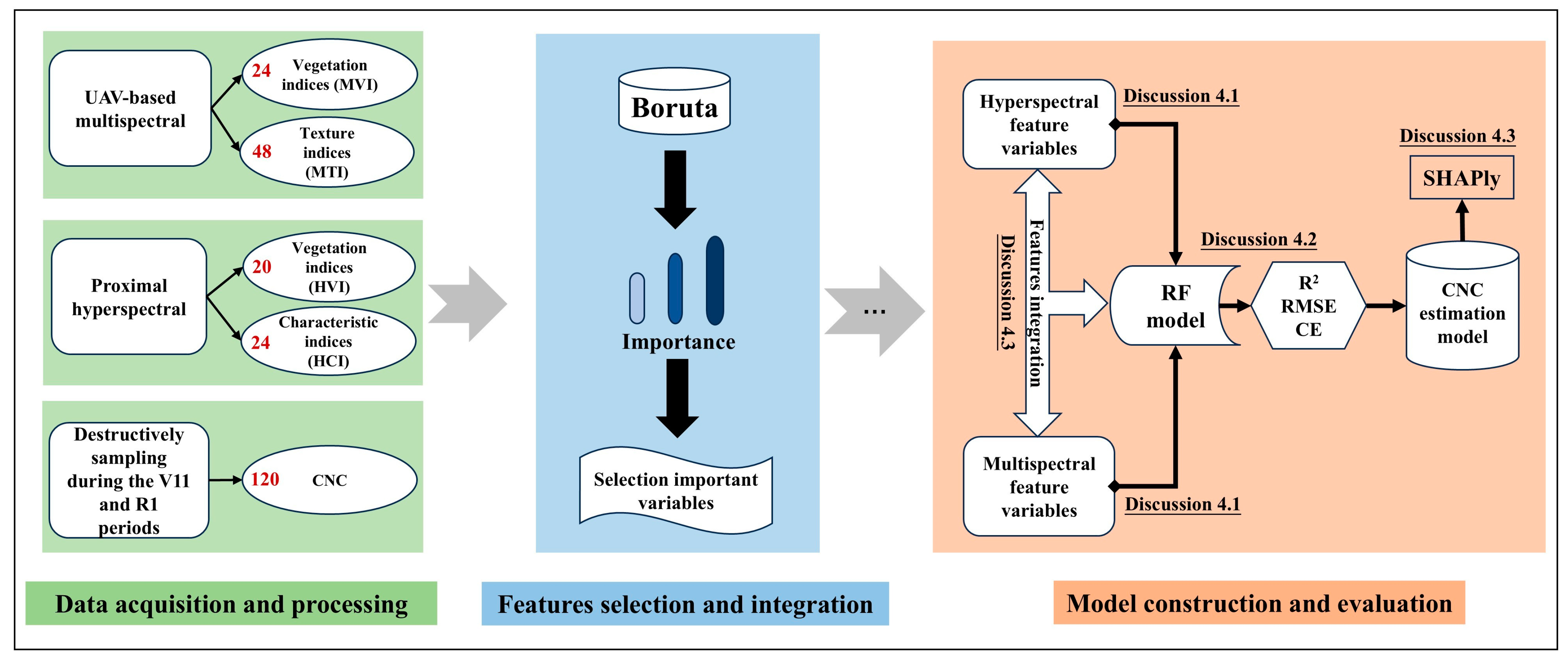
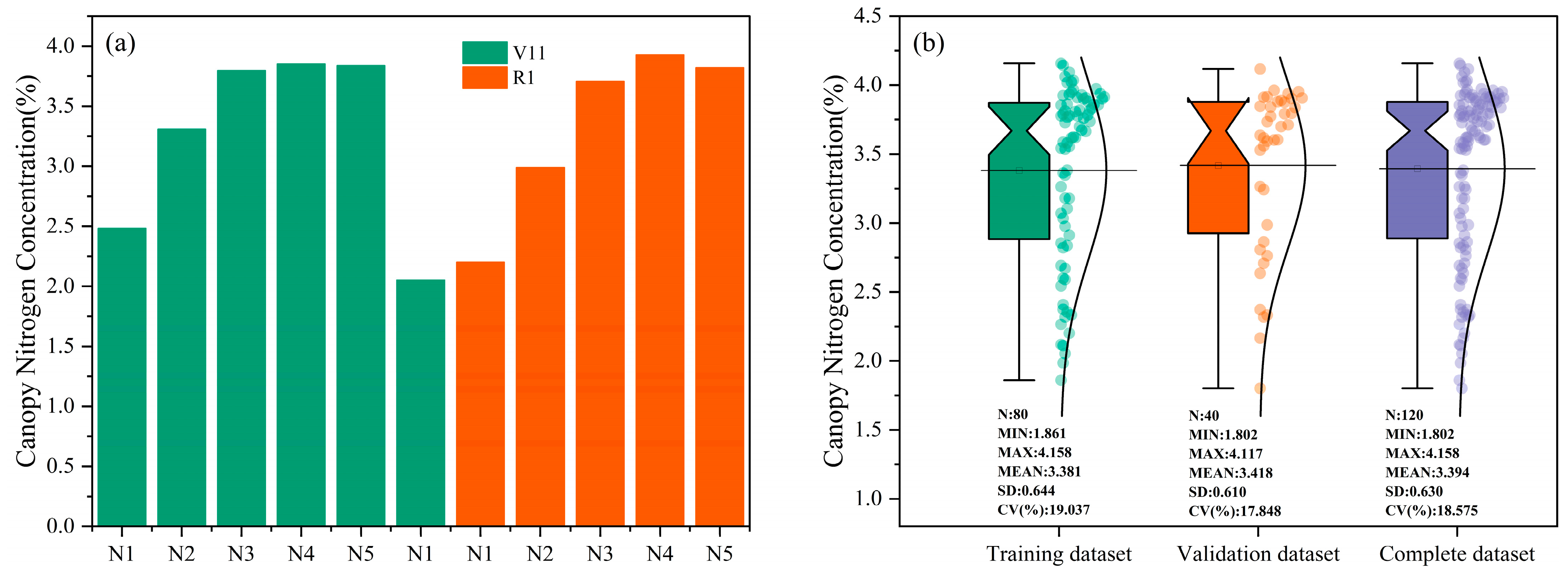
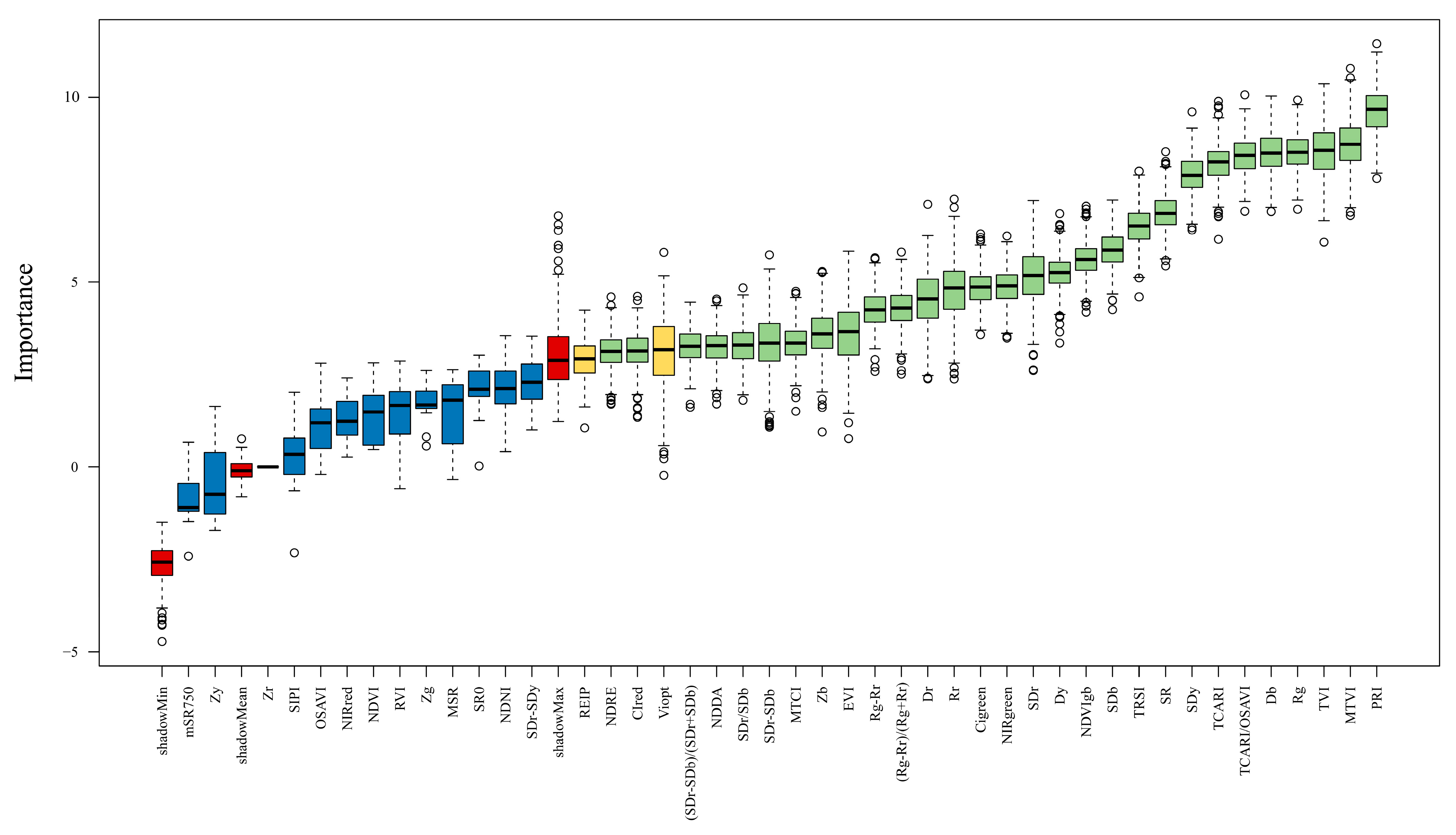
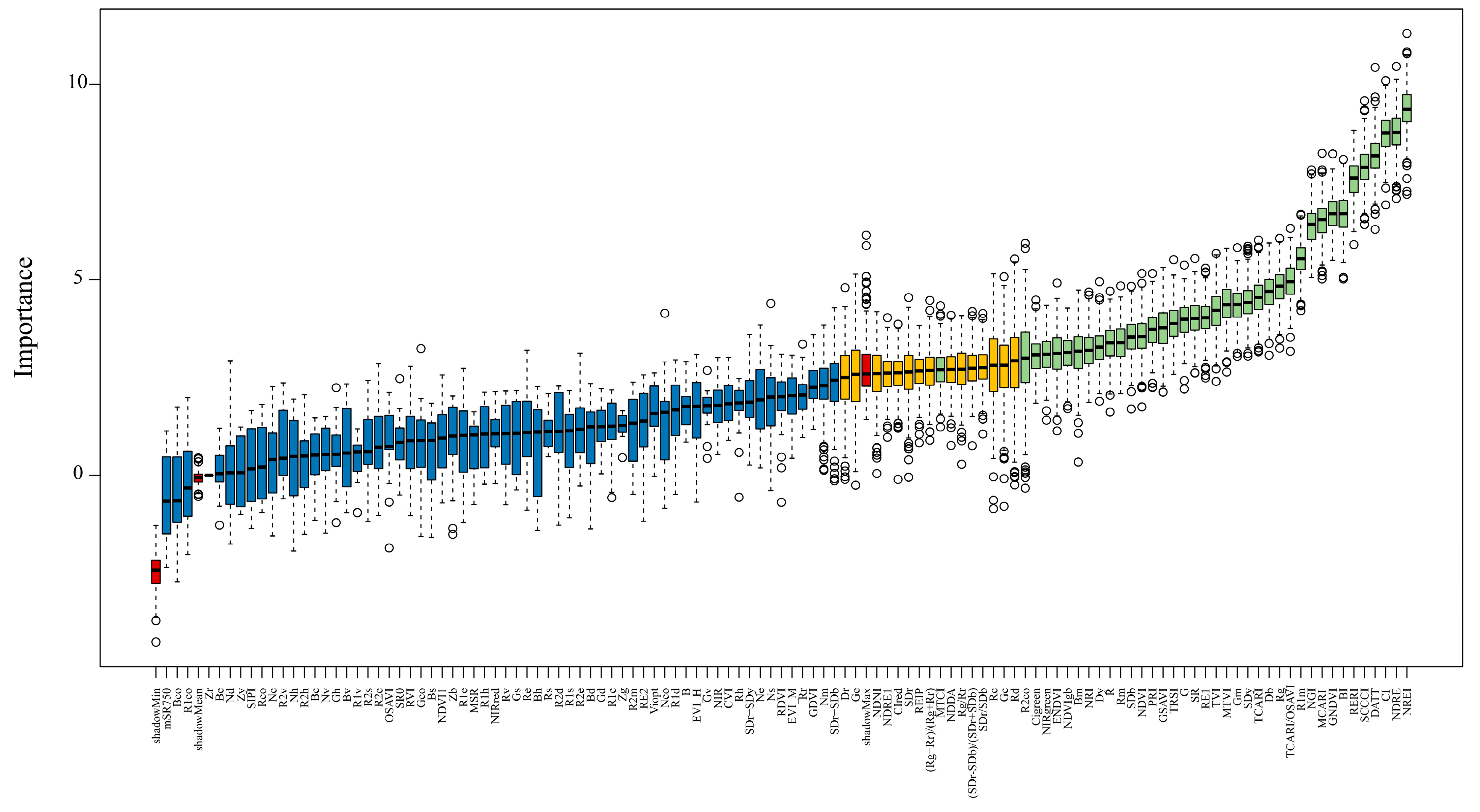
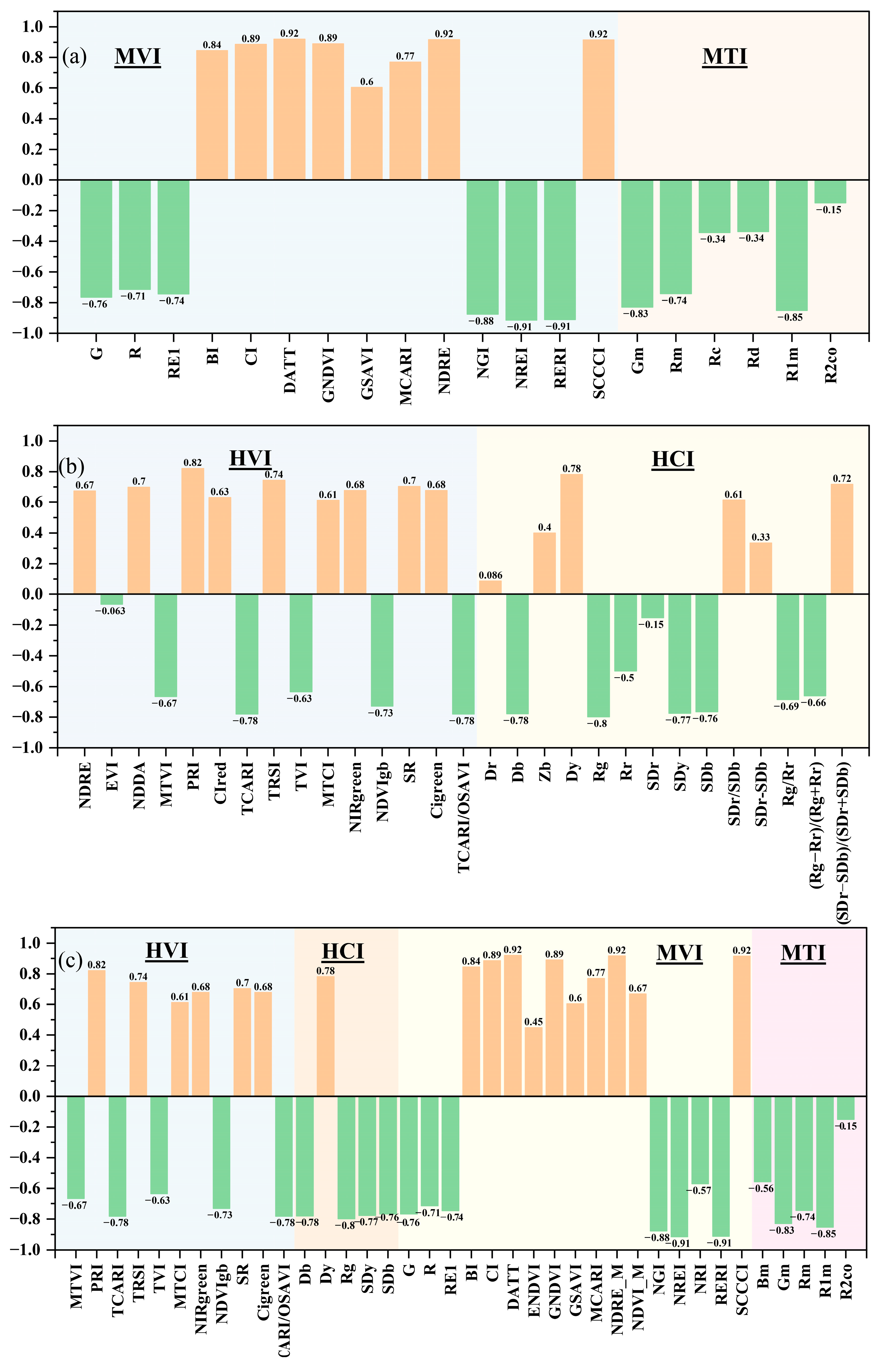
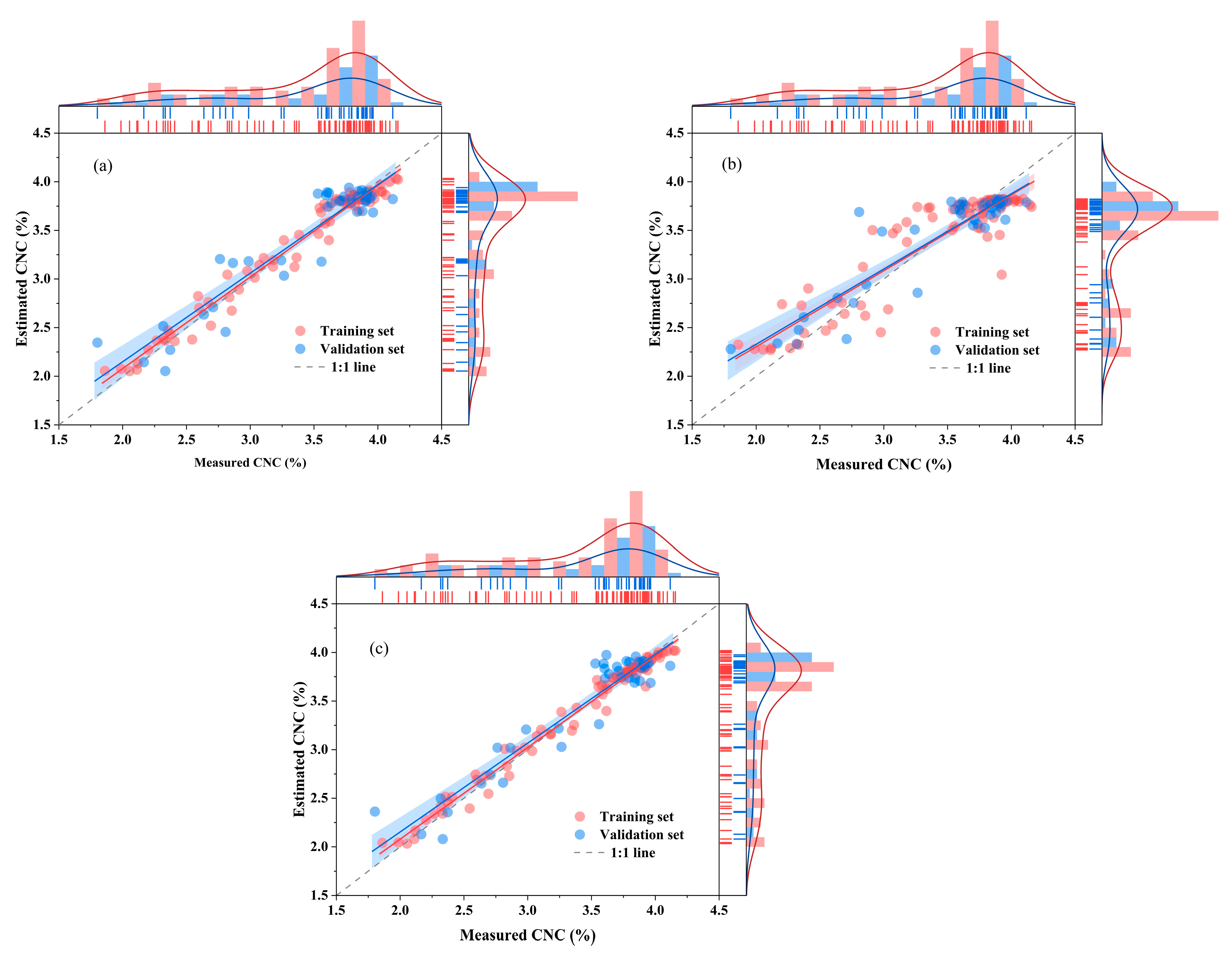
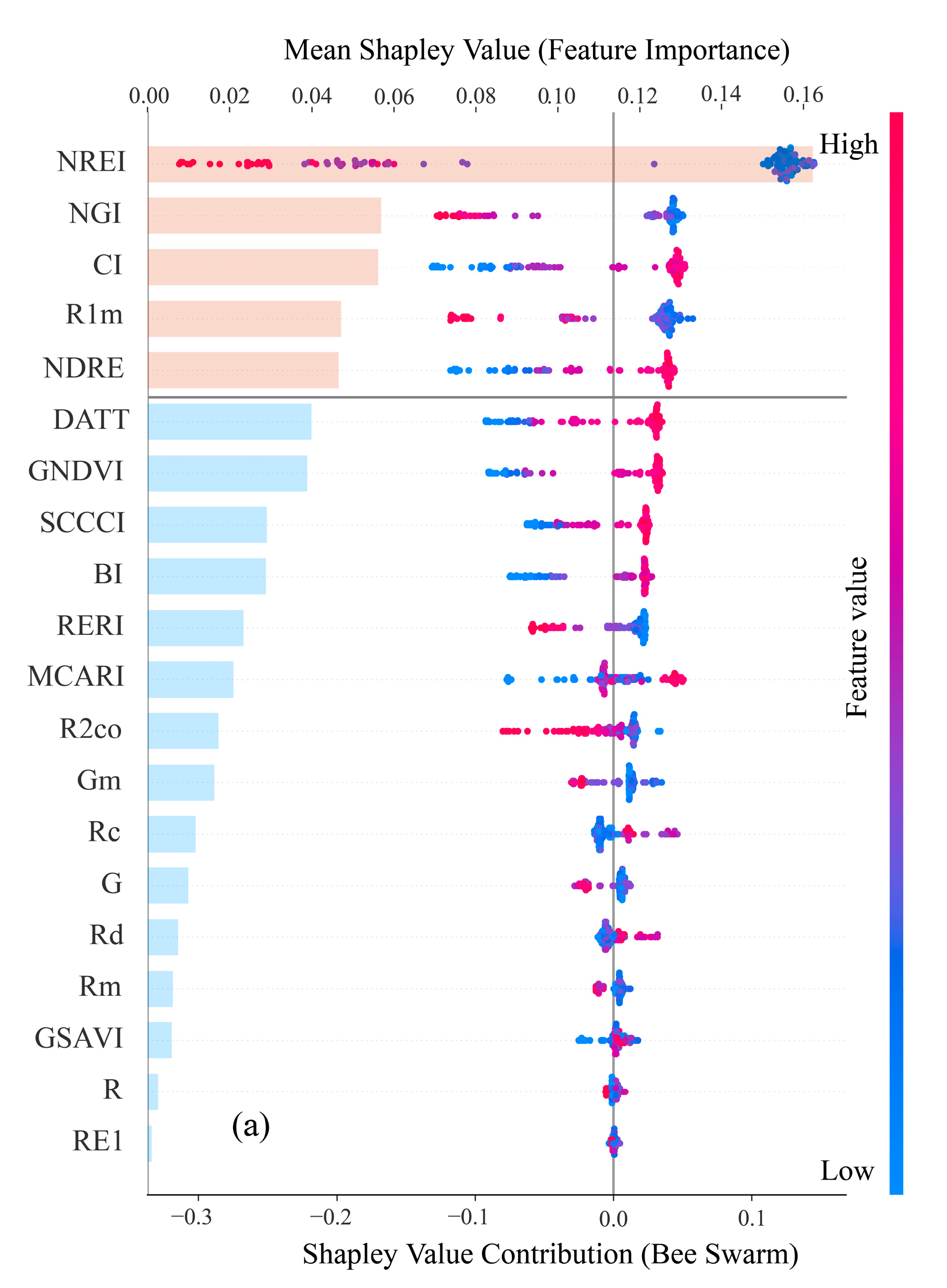
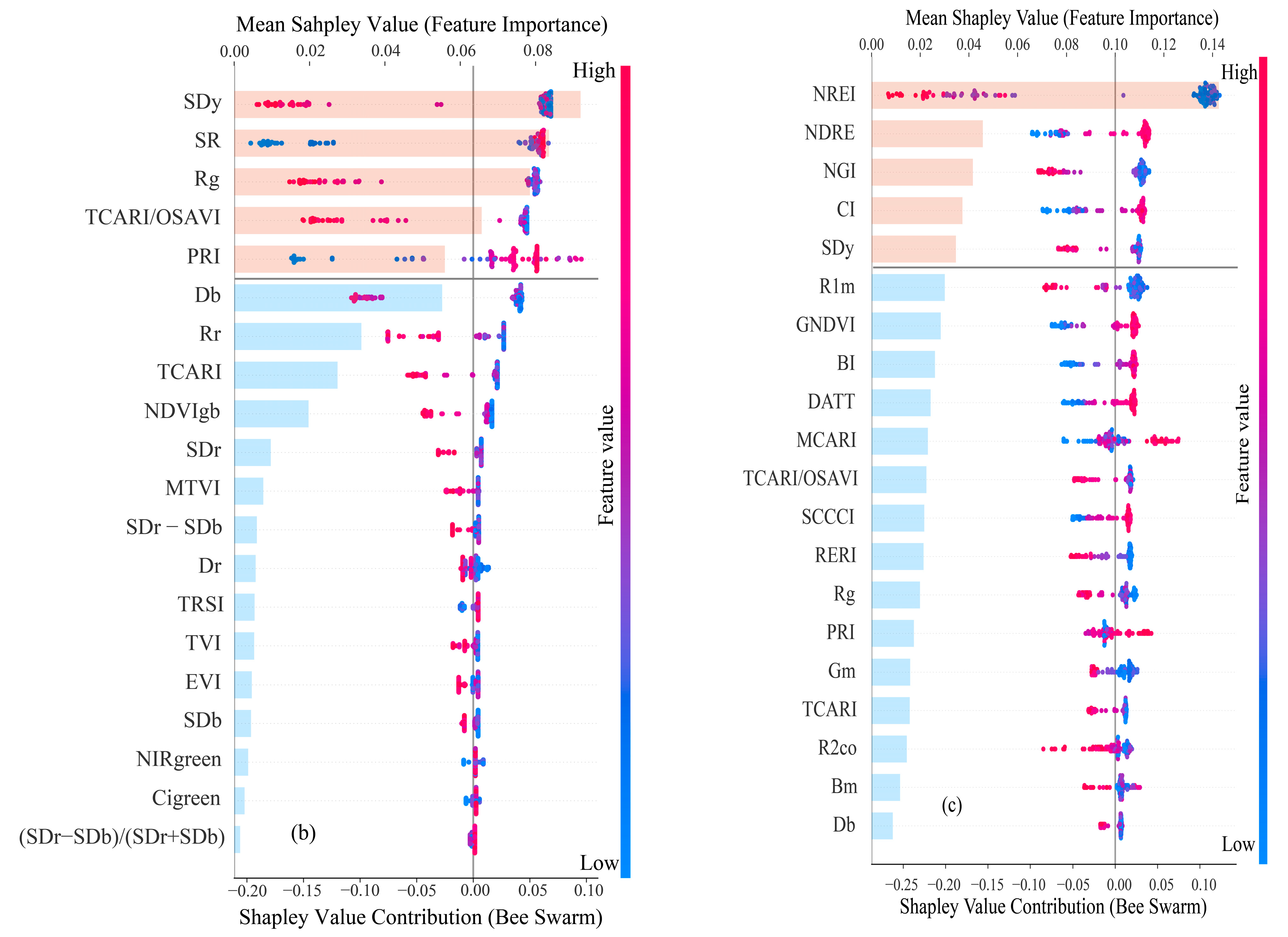
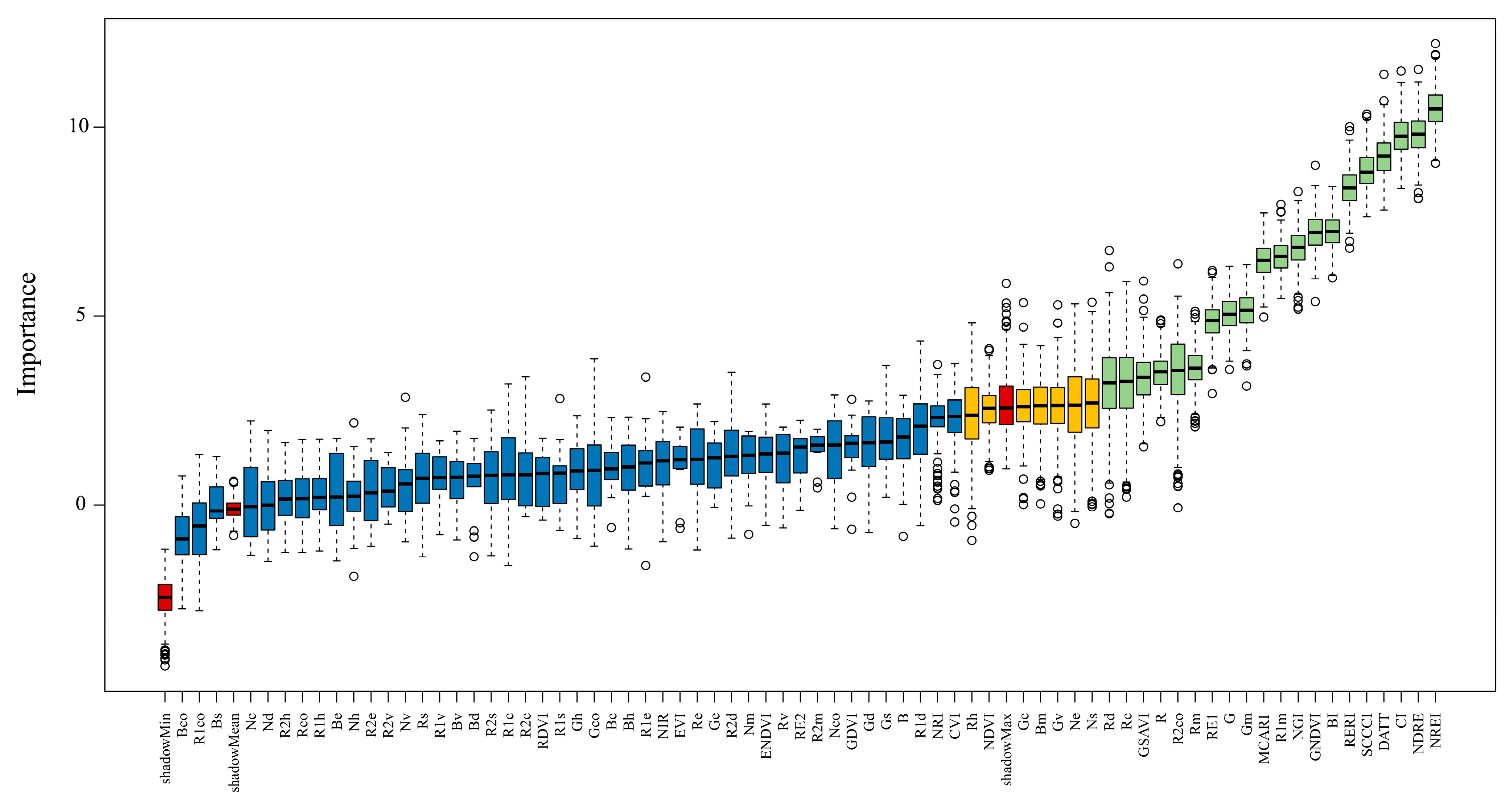
Nitrogen (N) is critical for maize (Zea mays L.) growth and yield, necessitating precise estimation of canopy nitrogen concentration (CNC) to optimize fertilization strategies. Remote sensing technologies, such as proximal hyperspectral sensors and unmanned aerial vehicle (UAV)-based multispectral imaging, offer promising solutions for non-destructive CNC monitoring. This study evaluates the effectiveness of proximal hyperspectral sensor and UAV-based multispectral data integration in estimating CNC for spring maize during key growth stages (from the 11th leaf stage, V11, to the Silking stage, R1). Field experiments were conducted to collect multispectral data (20 vegetation indices [MVI] and 24 texture indices [MTI]), hyperspectral data (24 vegetation indices [HVI] and 20 characteristic indices [HCI]), alongside laboratory analysis of 120 CNC samples. The Boruta algorithm identified important features from integrated datasets, followed by correlation analysis between these features and CNC and Random Forest (RF)-based modeling, with SHAP (SHapley Additive exPlanations) values interpreting feature contributions. Results demonstrated the UAV-based multispectral model achieved high accuracy and Computational Efficiency (CE) (R2 = 0.879, RMSE = 0.212, CE = 2.075), outperforming the hyperspectral HVI-HCI model (R2 = 0.832, RMSE = 0.250, CE =2.080). Integrating multispectral and hyperspectral features yields a high-precision model for CNC model estimation (R2 = 0.903, RMSE = 0.190), outperforming standalone multispectral and hyperspectral models by 2.73% and 8.53%, respectively. However, the CE of the integrated model decreased by 1.93% and 1.68%, respectively. Key features included multispectral red-edge indices (NREI, NDRE, CI) and texture parameters (R1m), alongside hyperspectral indices (SR, PRI) and spectral parameters (SDy, Rg) exhibited varying directional impacts on CNC estimation using RF. Together, these findings highlight that the Boruta–RF–SHAP strategy demonstrates the synergistic value of integrating multi-source data from UAV-based multispectral and proximal hyperspectral sensing data for enhancing precise nitrogen management in maize cultivation.
Keywords: canopy nitrogen concentration (CNC) estimation; UAV; Boruta algorithm; SHapley Additive exPlanations; texture indices; spectral bands canopy nitrogen concentration (CNC) estimation; UAV; Boruta algorithm; SHapley Additive exPlanations; texture indices; spectral bands