Article

Characteristics of Saline Soil in Extremely Arid Regions: A Case Study Using GF-3 and ALOS-2 Quad-Pol SAR Data in Qinghai, China


1
Department of Space Microwave Remote Sensing System, Aerospace Information Research Institute, Chinese Academy of Sciences, Beijing 100190, China
2
School of Electronics, Electrical and Communication Engineering, University of Chinese Academy of Sciences, Beijing 100049, China
*
Author to whom correspondence should be addressed.
Remote Sens. 2021, 13(3), 417; https://doi.org/10.3390/rs13030417
Submission received: 28 December 2020 / Revised: 15 January 2021 / Accepted: 19 January 2021 / Published: 26 January 2021

Abstract

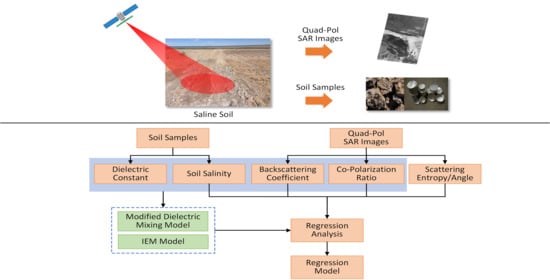
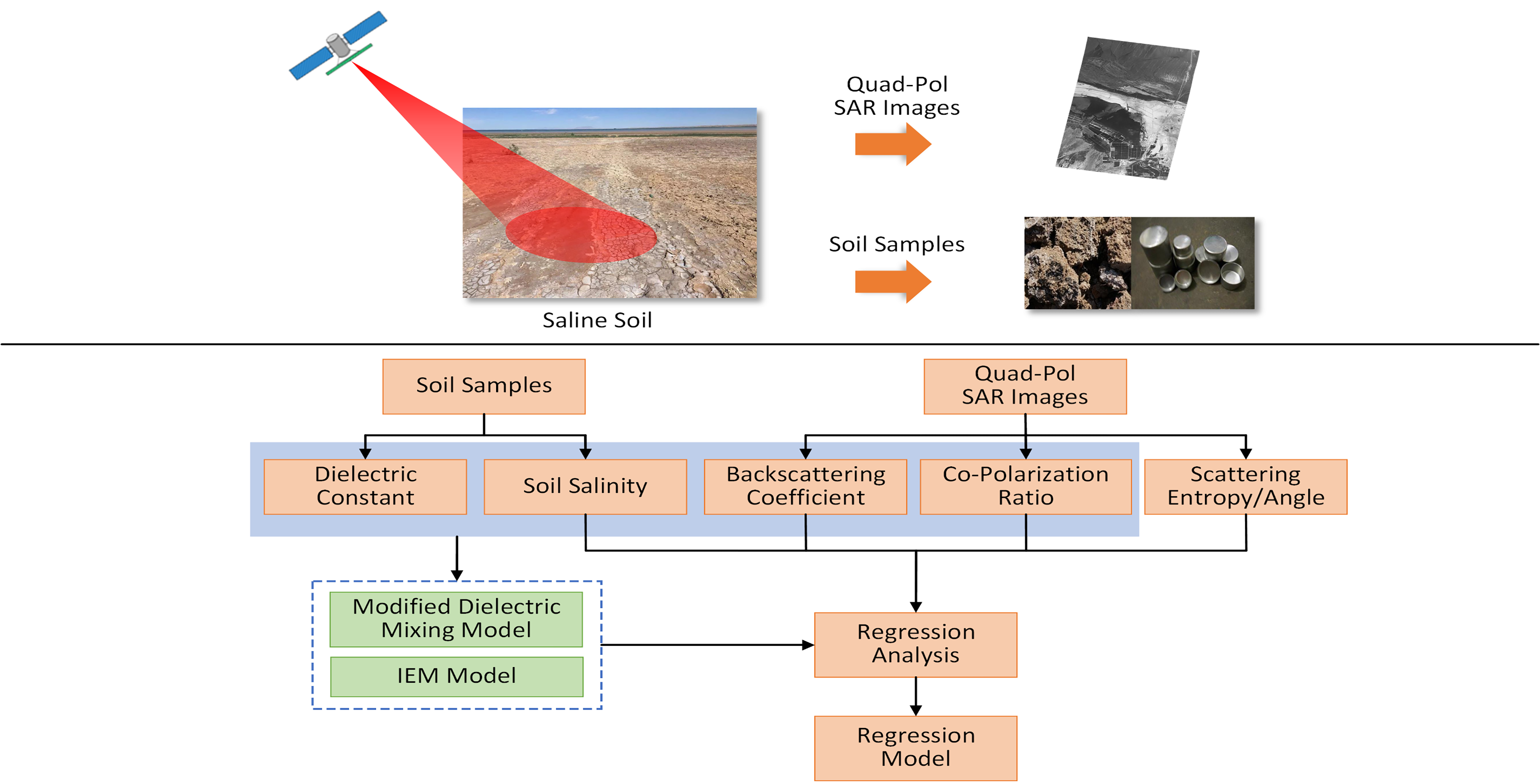
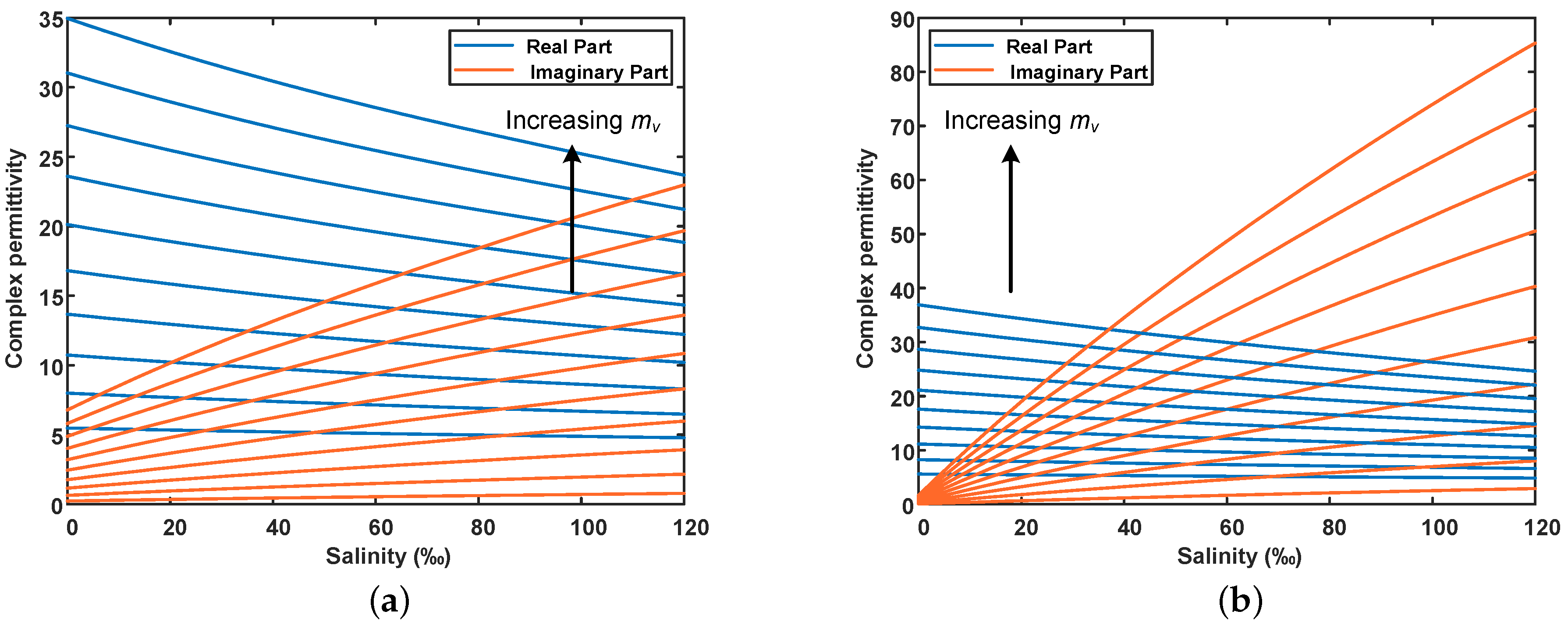
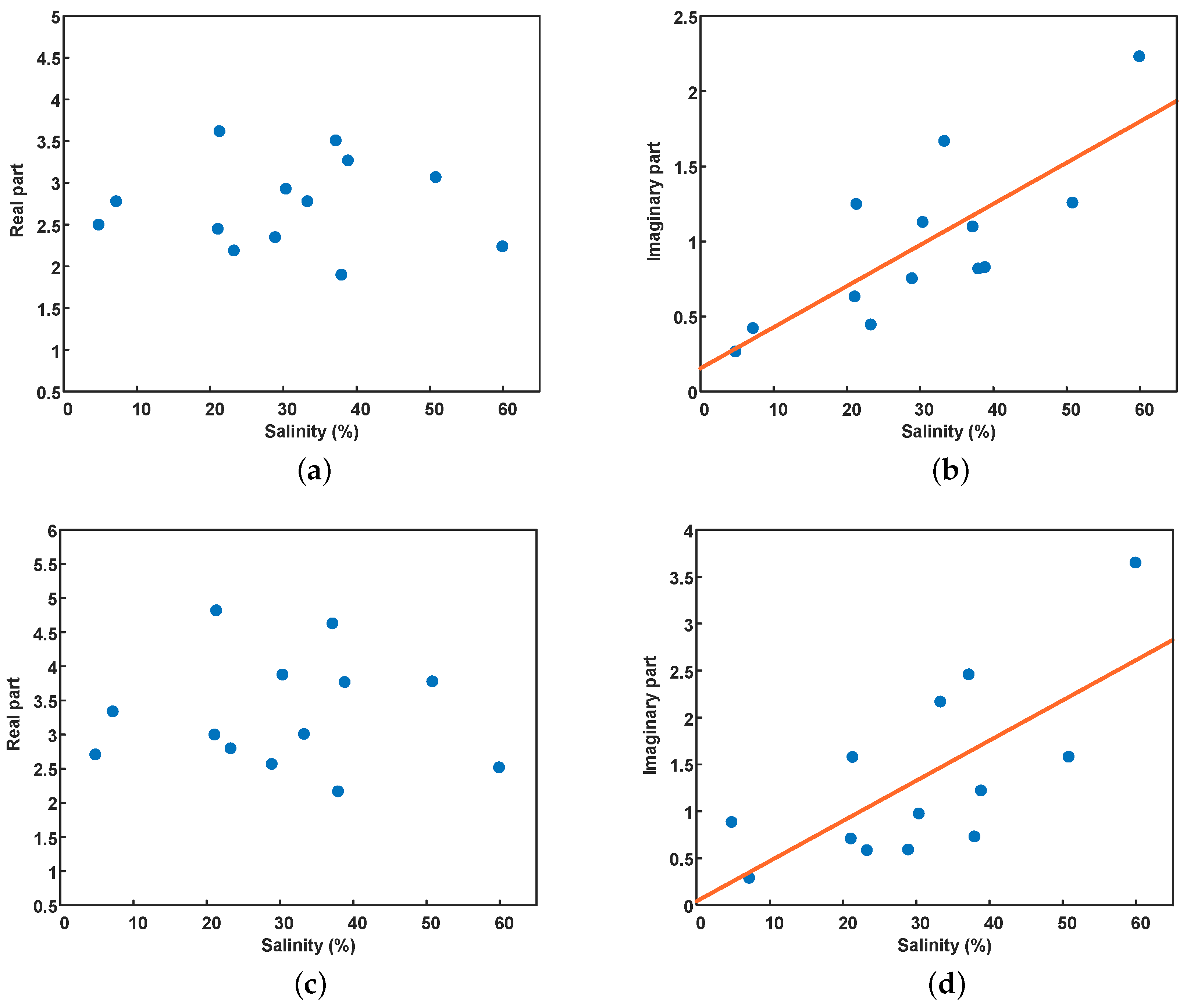
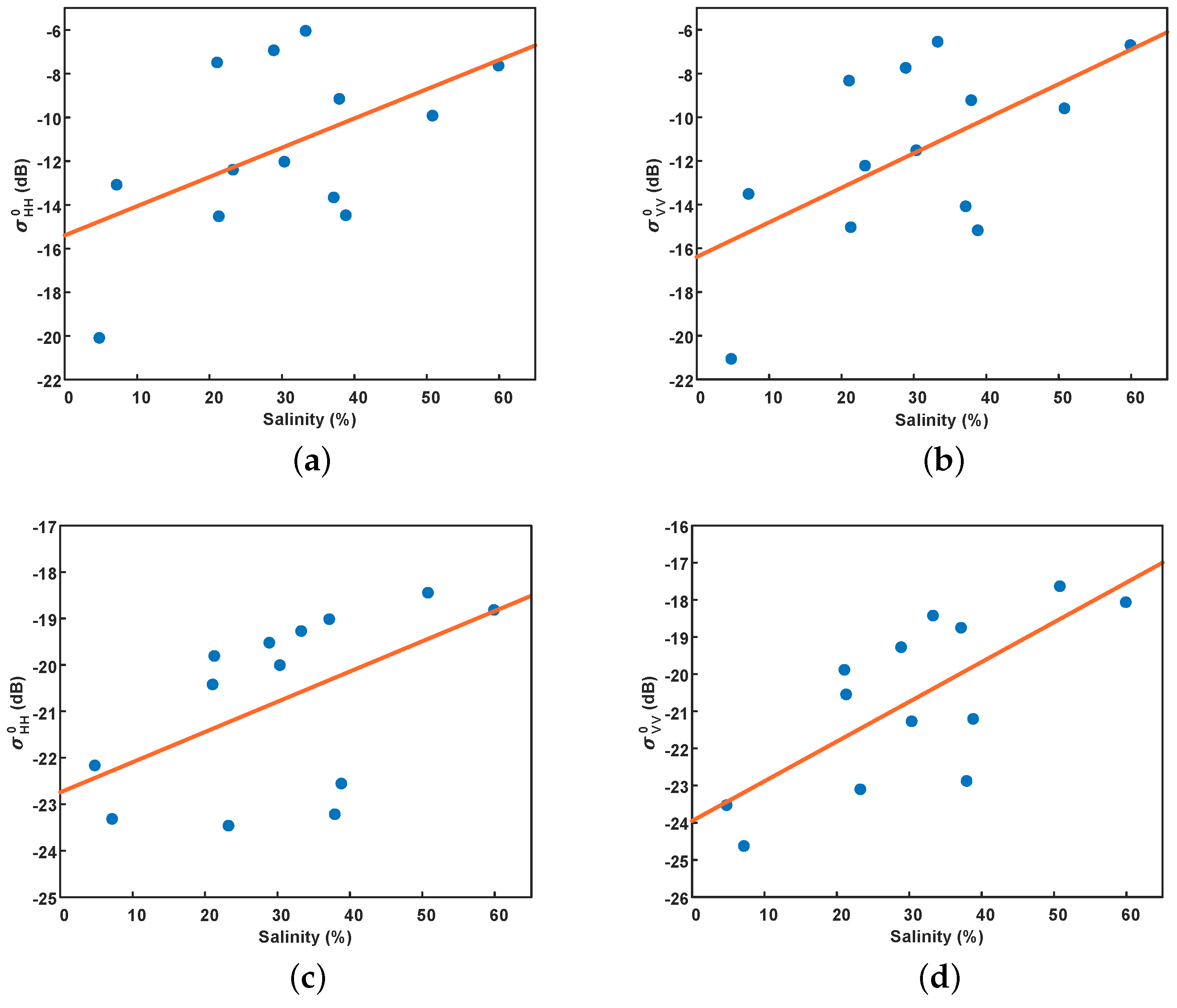
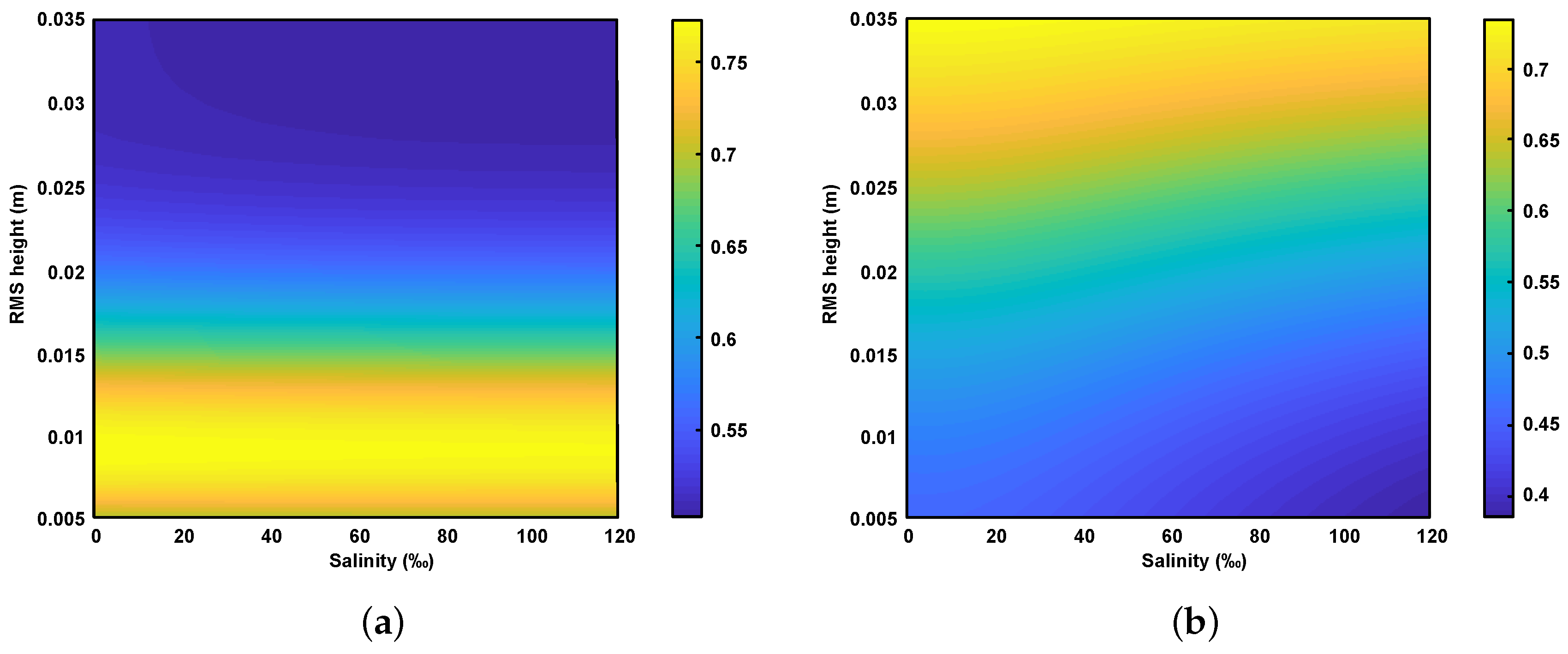
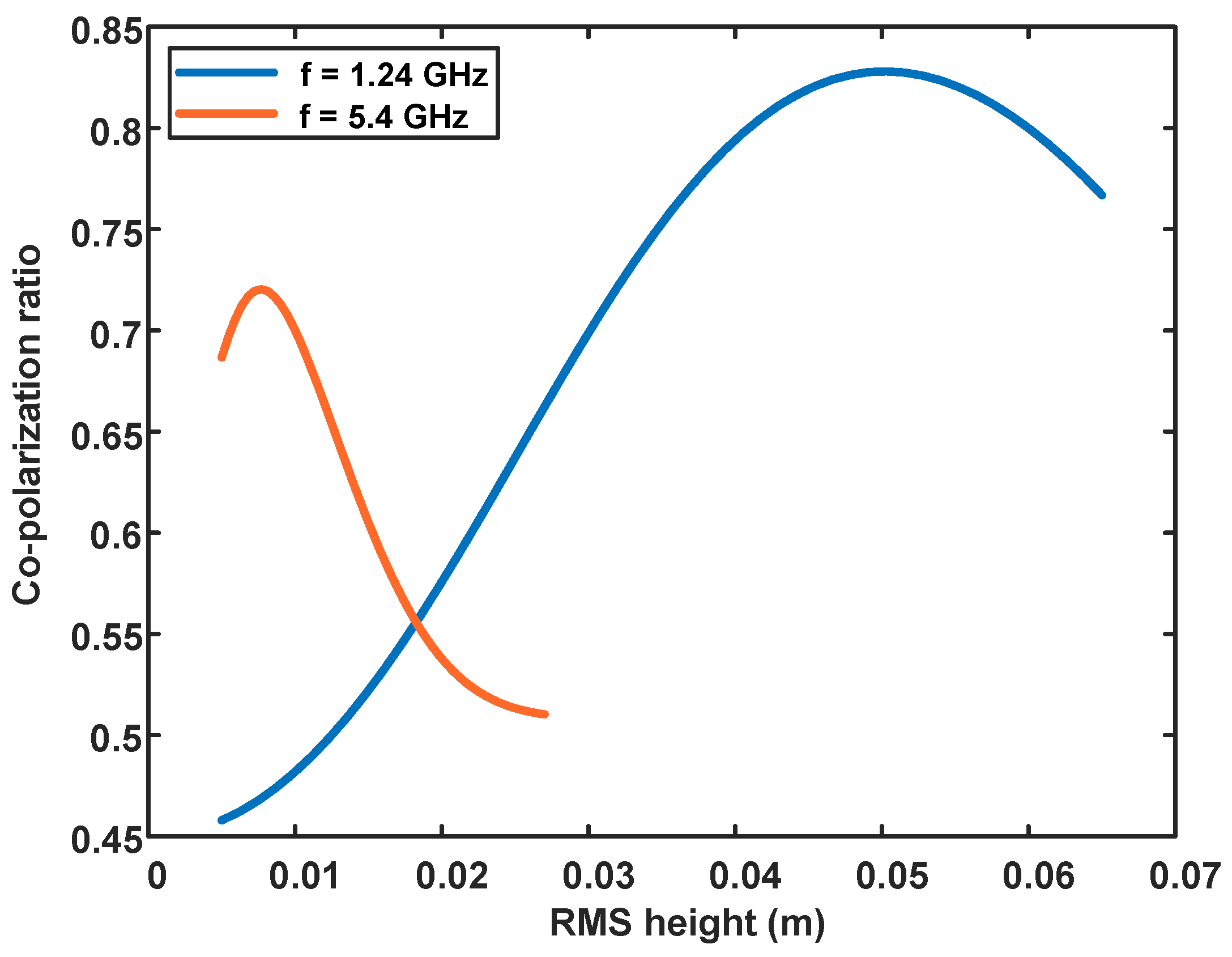
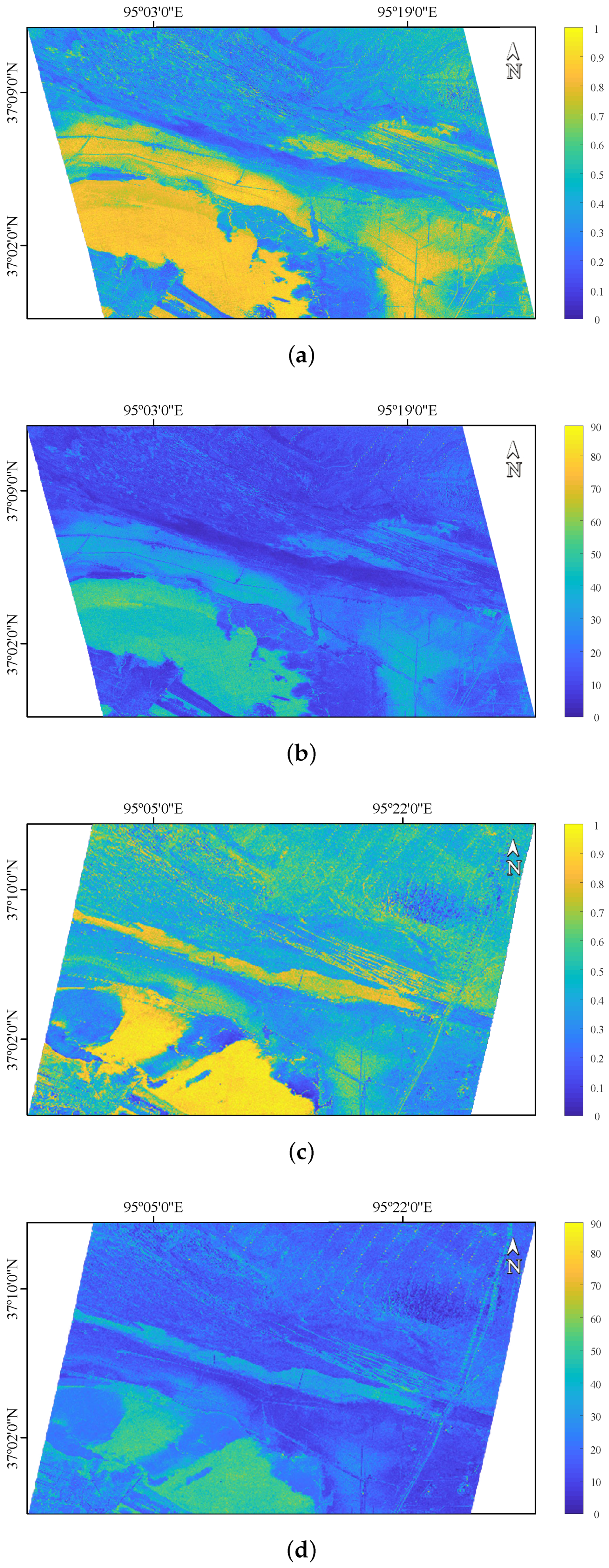
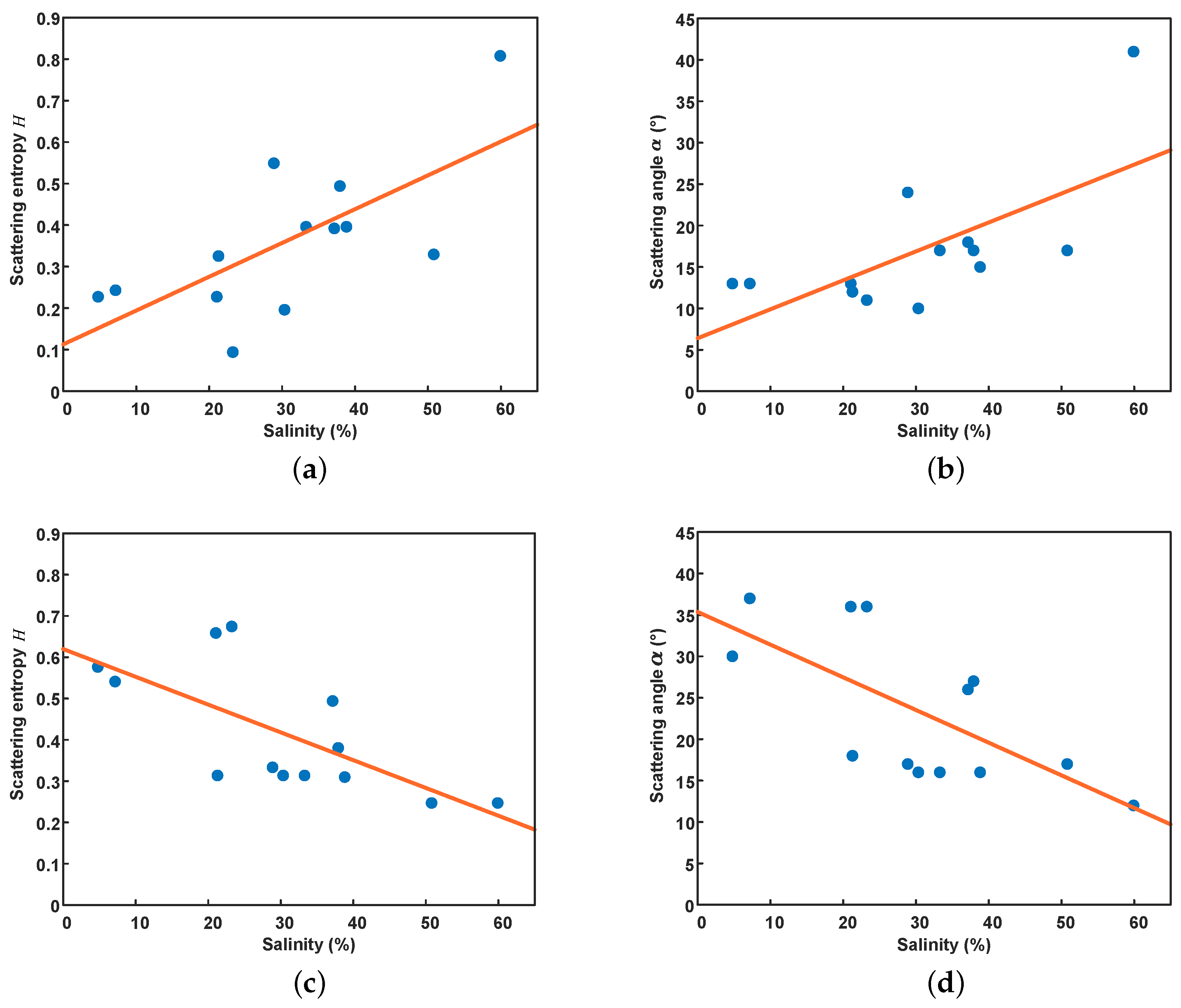
Soil salinization is a global problem, which seriously damages the ecological environment and considerably reduces agricultural productivity, especially in arid regions. Synthetic aperture radar (SAR) has been widely used in remote sensing due to its weather and sunlight independence. Polarimetric SAR has great potential for large-scale mapping and monitoring salt-affected soils. In this study, we investigate the characteristics of saline soil in extremely arid regions using dual-band quadrature-polarimetric (quad-pol) SAR images acquired by GF-3 (C-band) and ALOS-2 (L-band). Firstly, the effectiveness of the modified dielectric mixing model and integral equation model (IEM) in describing saline soil is evaluated. Secondly, the potential relationships between polarimetric parameters and salinity are discussed in both the C- and L-band, respectively, such as co-polarization ratio, scattering entropy H, and scattering angle α. Finally, a linear regression model for monitoring salt content is established. The main contributions of this article are as follows: (1) Simulation results suggest that the radar backscattering coefficient is a weak function of salinity at low water content, but our experimental data show that soil salinity significantly contributes to the radar backscattering coefficient, which indicates the modified dielectric mixing model and IEM model is not applicable in extremely arid areas. (2) A negative correlation between the co-polarization ratio and salinity is observed, and the correlation coefficients are 0.64 (C-band) and 0.71 (L-band). Besides, scattering entropy and scattering angle exhibit a positive correlation with salinity in the C-band with correlation coefficients 0.686 and 0.669, respectively, whereas a negative correlation is found in the L-band with correlation coefficients 0.682 and 0.680, respectively. This can be attributed to the different penetration depths and sensitivity to the surface roughness of the electromagnetic waves at two frequencies. (3) A regression model for salinity estimating based on radar backscattering coefficient, co-polarization ratio, and scattering entropy is established, with a determination coefficient (R2) of 0.79 and a root mean square error (RMSE) of 6.56%, allowing us to determine soil salinity from quad-pol SAR images without using backscattering models. Therefore, our results can be a reference for future soil salinity monitoring and inversion.
Keywords: soil salinity; synthetic aperture radar (SAR); polarimetric; dielectric constant; integral equation model (IEM) soil salinity; synthetic aperture radar (SAR); polarimetric; dielectric constant; integral equation model (IEM)
Graphical Abstract