Article

Consequences of the 2019 Greenland Ice Sheet Melt Episode on Albedo


1
School for the Environment, University of Massachusetts Boston, 100 William T. Morrissey Blvd, Boston, MA 02125, USA
2
Earth System Science Interdisciplinary Center, University of Maryland, College Park, MD 20470, USA
3
Earth Science Observation Center, Cooperative Institute for Research in Environmental Sciences, University of Colorado Boulder, Boulder, CO 80303, USA
4
Science Systems and Applications, Inc., Lanham, MD 20706, USA
*
Author to whom correspondence should be addressed.
Remote Sens. 2021, 13(2), 227; https://doi.org/10.3390/rs13020227
Submission received: 9 November 2020 / Revised: 4 January 2021 / Accepted: 6 January 2021 / Published: 11 January 2021
(This article belongs to the Section Environmental Remote Sensing)

Abstract

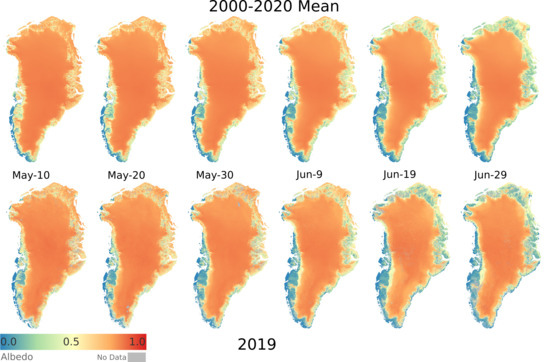
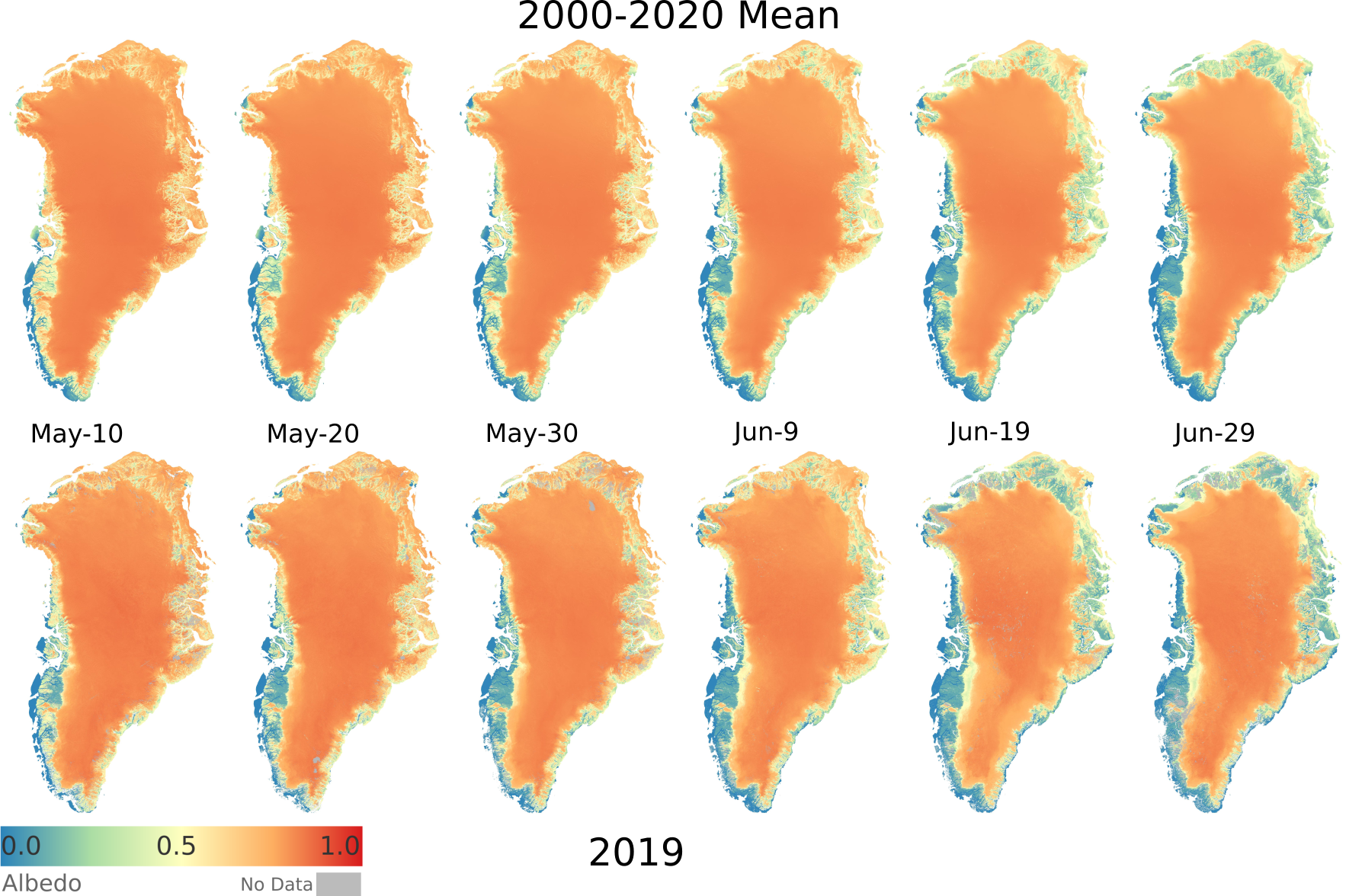
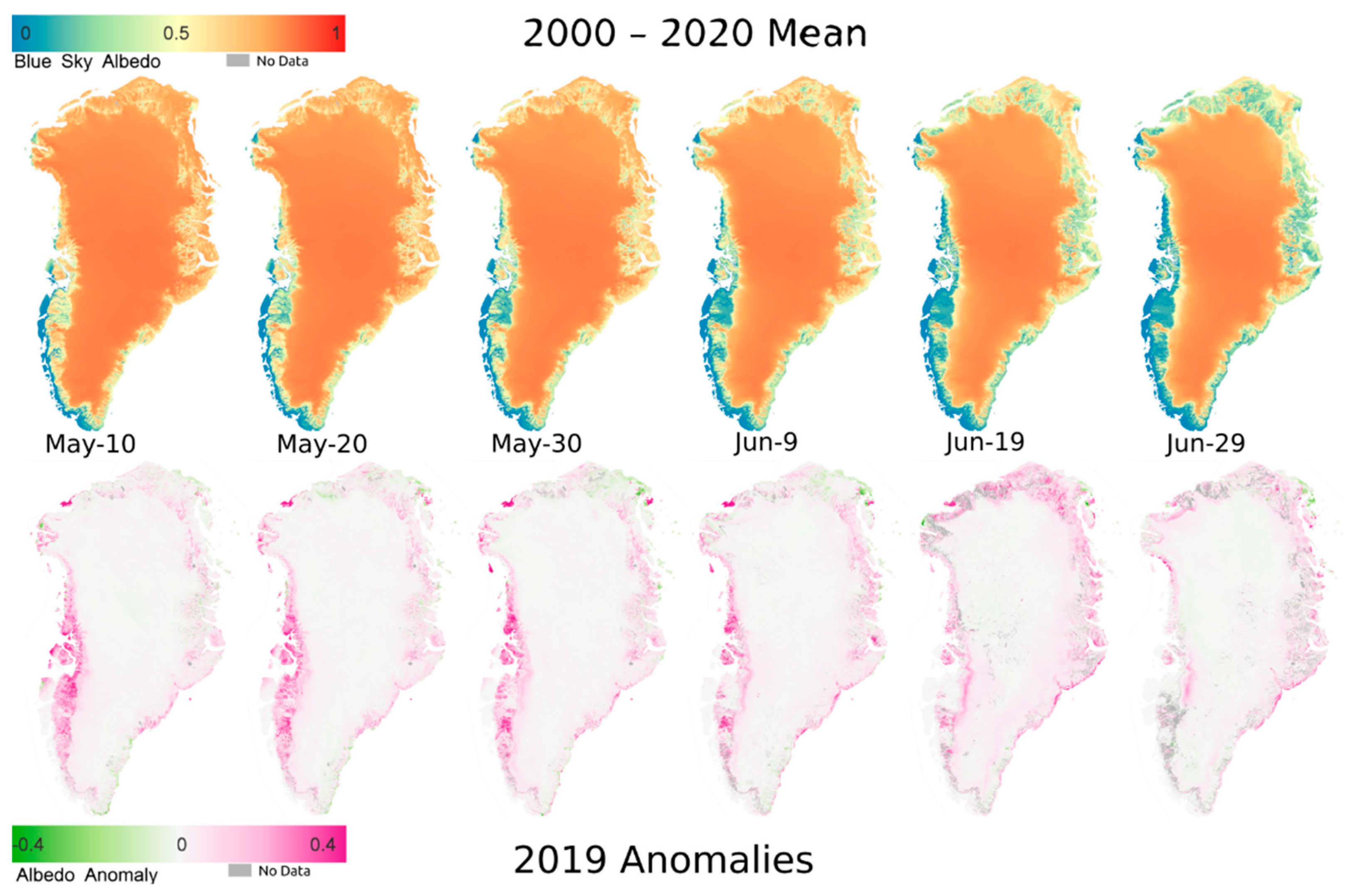
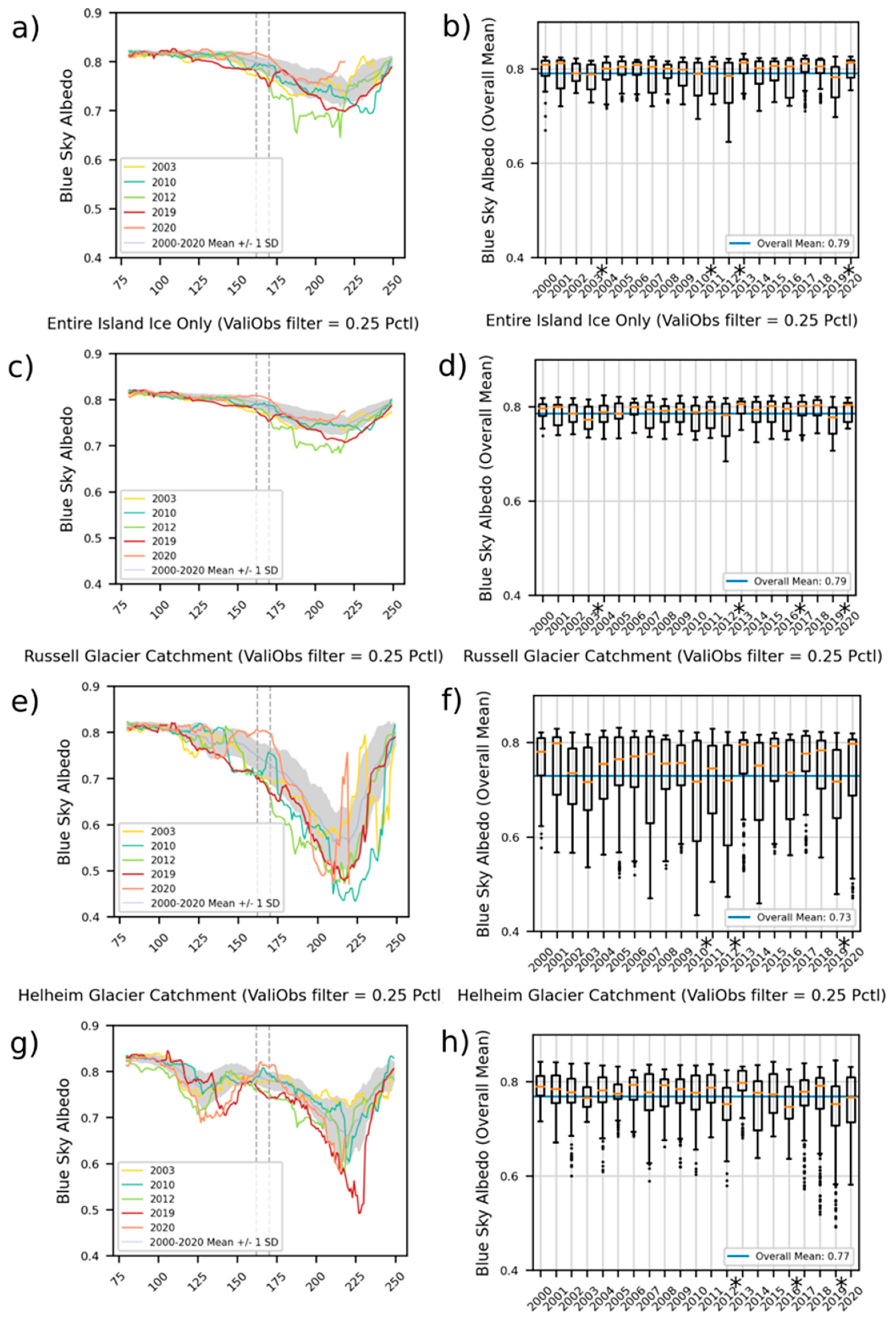
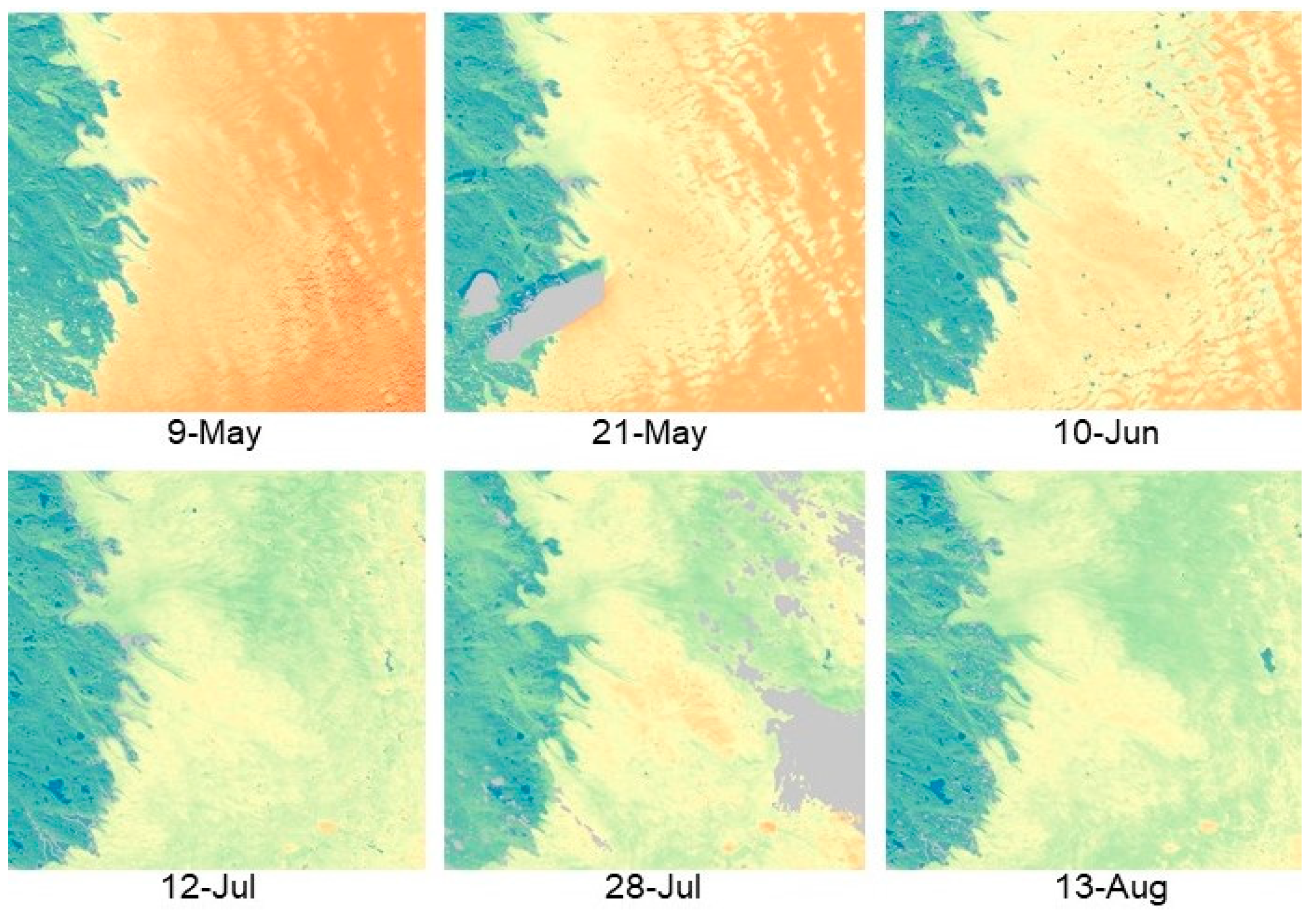
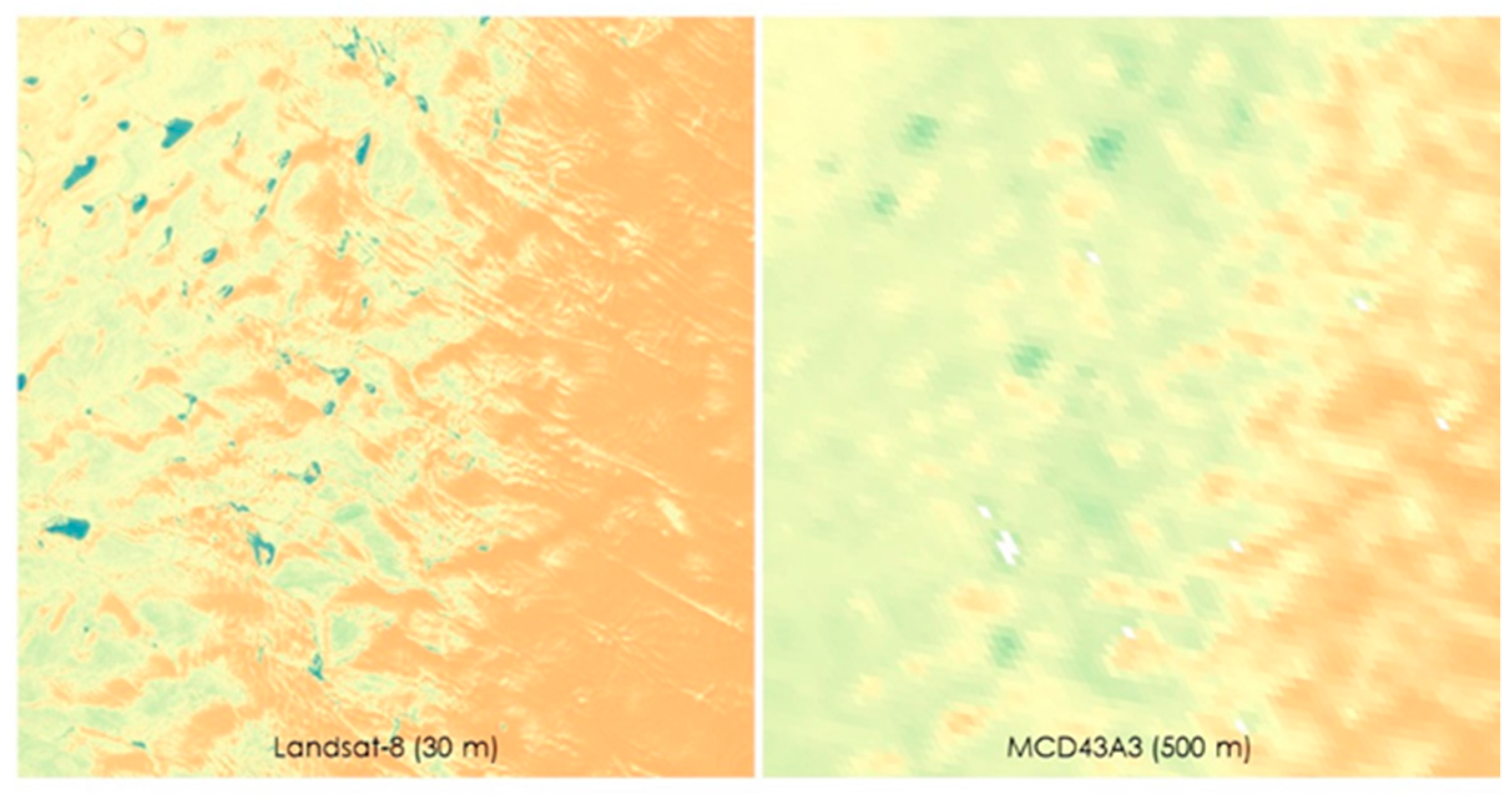
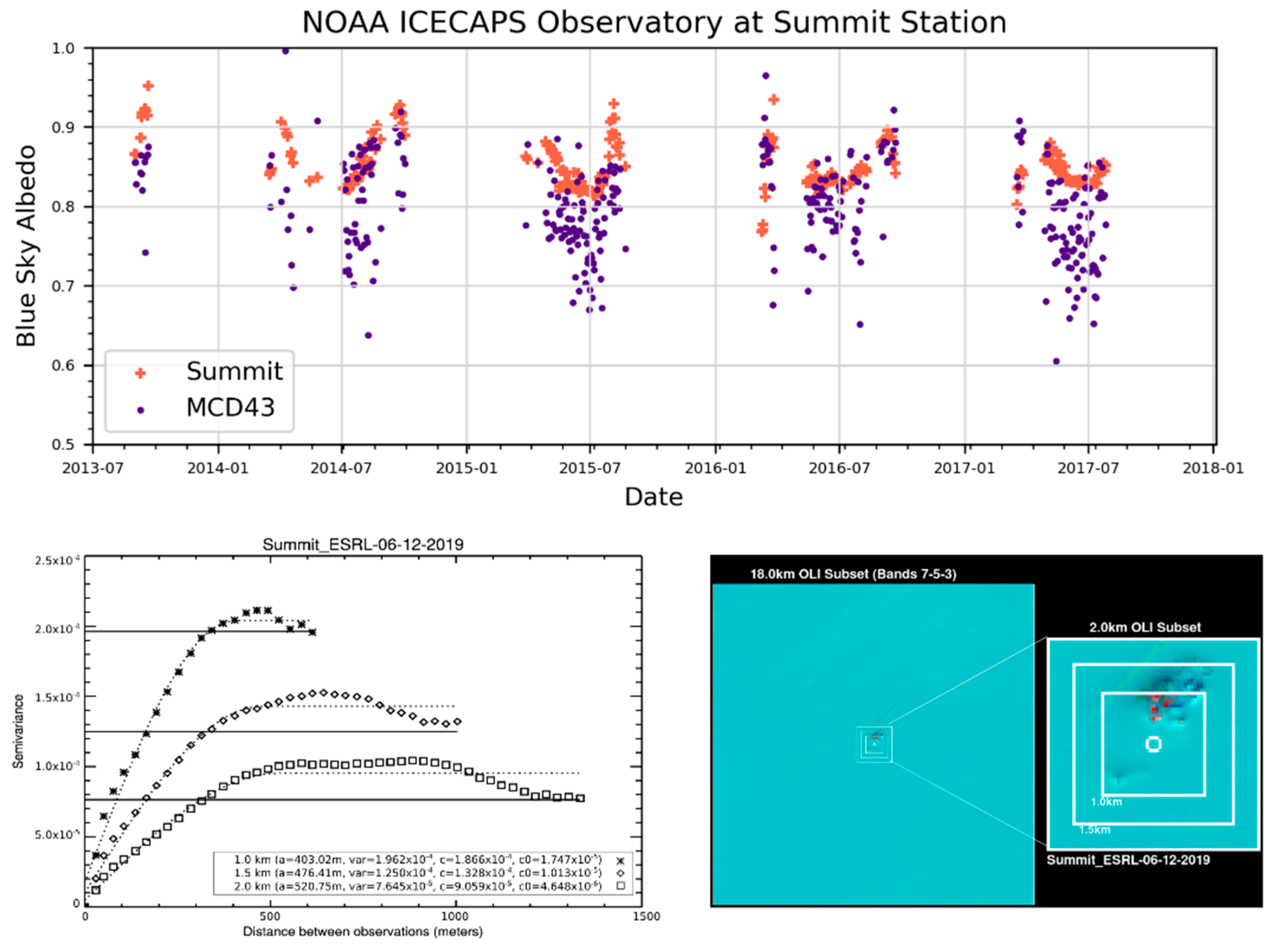
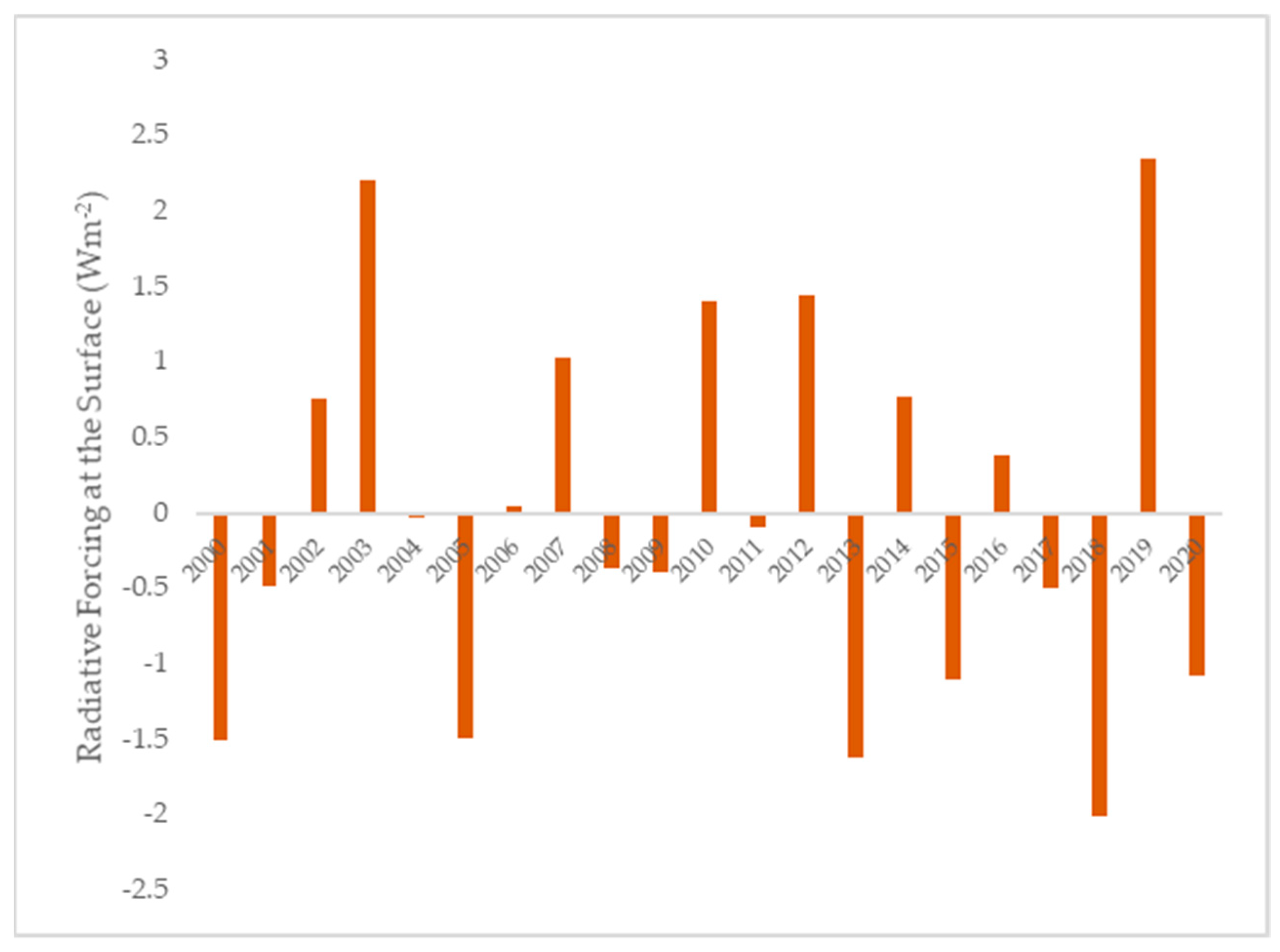
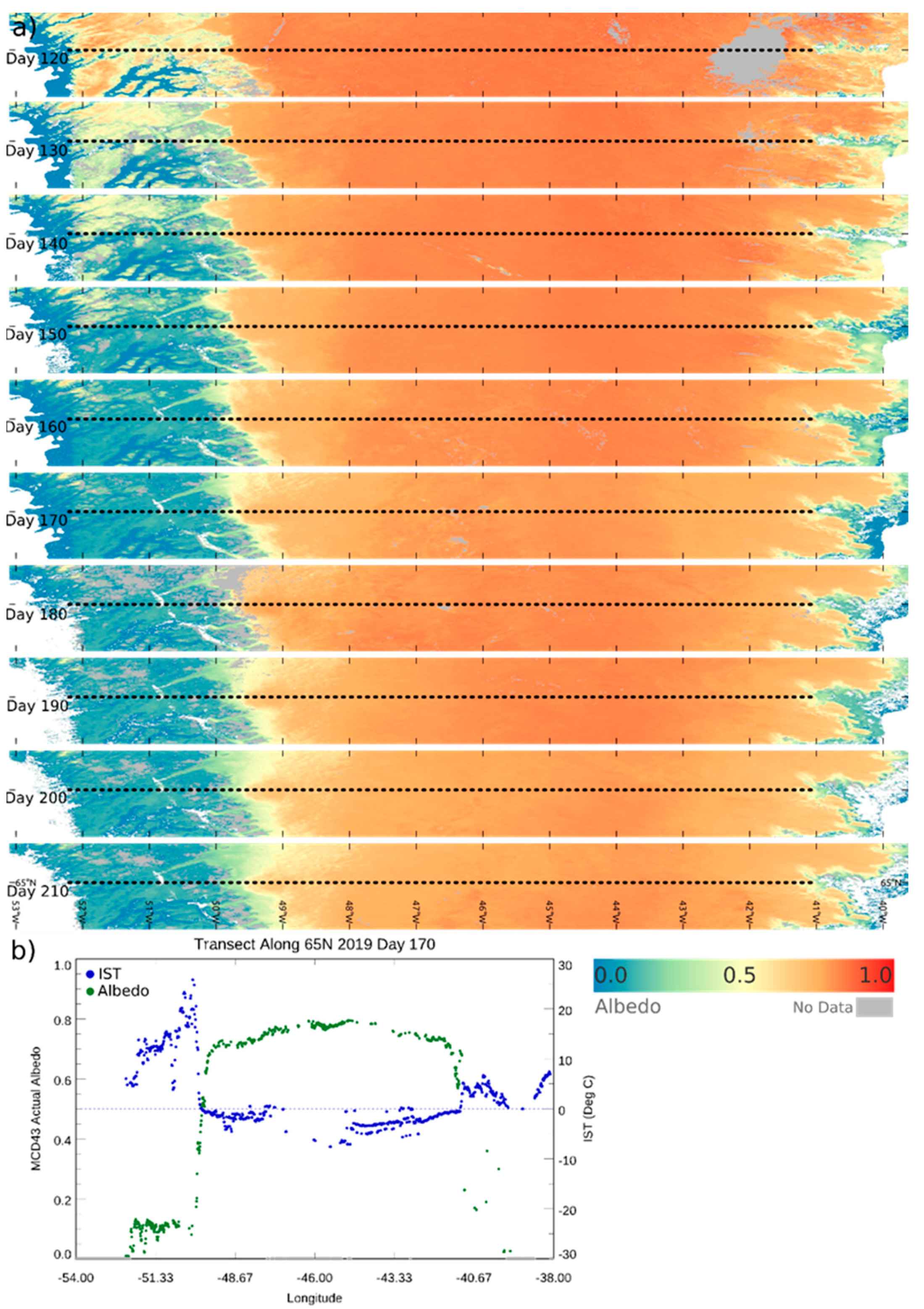
In mid-June 2019, the Greenland ice sheet (GrIS) experienced an extreme early-season melt event. This, coupled with an earlier-than-average melt onset and low prior winter snowfall over western Greenland, led to a rapid decrease in surface albedo and greater solar energy absorption over the melt season. The 2019 melt season resulted in significantly more melt than other recent years, even compared to exceptional melt years previously identified in the moderate-resolution imaging spectroradiometer (MODIS) record. The increased solar radiation absorbance in 2019 warmed the surface and increased the rate of meltwater production. We use two decades of satellite-derived albedo from the MODIS MCD43 record to show a significant and extended decrease in albedo in Greenland during 2019. This decrease, early in the melt season and continuing during peak summer insolation, caused increased radiative forcing of the ice sheet of 2.33 Wm−2 for 2019. Radiative forcing is strongly influenced by the dramatic seasonal differences in surface albedo experienced by any location experiencing persistent and seasonal snow-cover. We also illustrate the utility of the newly developed Landsat-8 albedo product for better capturing the detailed spatial heterogeneity of the landscape, leading to a more refined representation of the surface energy budget. While the MCD43 data accurately capture the albedo for a given 500 m pixel, the higher spatial resolution 30 m Landsat-8 albedos more fully represent the detailed landscape variations.
Keywords: cryosphere; Greenland ice sheet; albedo; radiative forcing cryosphere; Greenland ice sheet; albedo; radiative forcing
Graphical Abstract