Article

Novel 3D Imaging Systems for High-Throughput Phenotyping of Plants
1
Department of Computer Science and Engineering, University of Nebraska-Lincoln, Lincoln, NE 68588, USA
2
Department of Agronomy and Horticulture, University of Nebraska-Lincoln, Lincoln, NE 68583, USA
*
Author to whom correspondence should be addressed.
Remote Sens. 2021, 13(11), 2113; https://doi.org/10.3390/rs13112113
Submission received: 31 March 2021 / Revised: 13 May 2021 / Accepted: 24 May 2021 / Published: 27 May 2021

Abstract

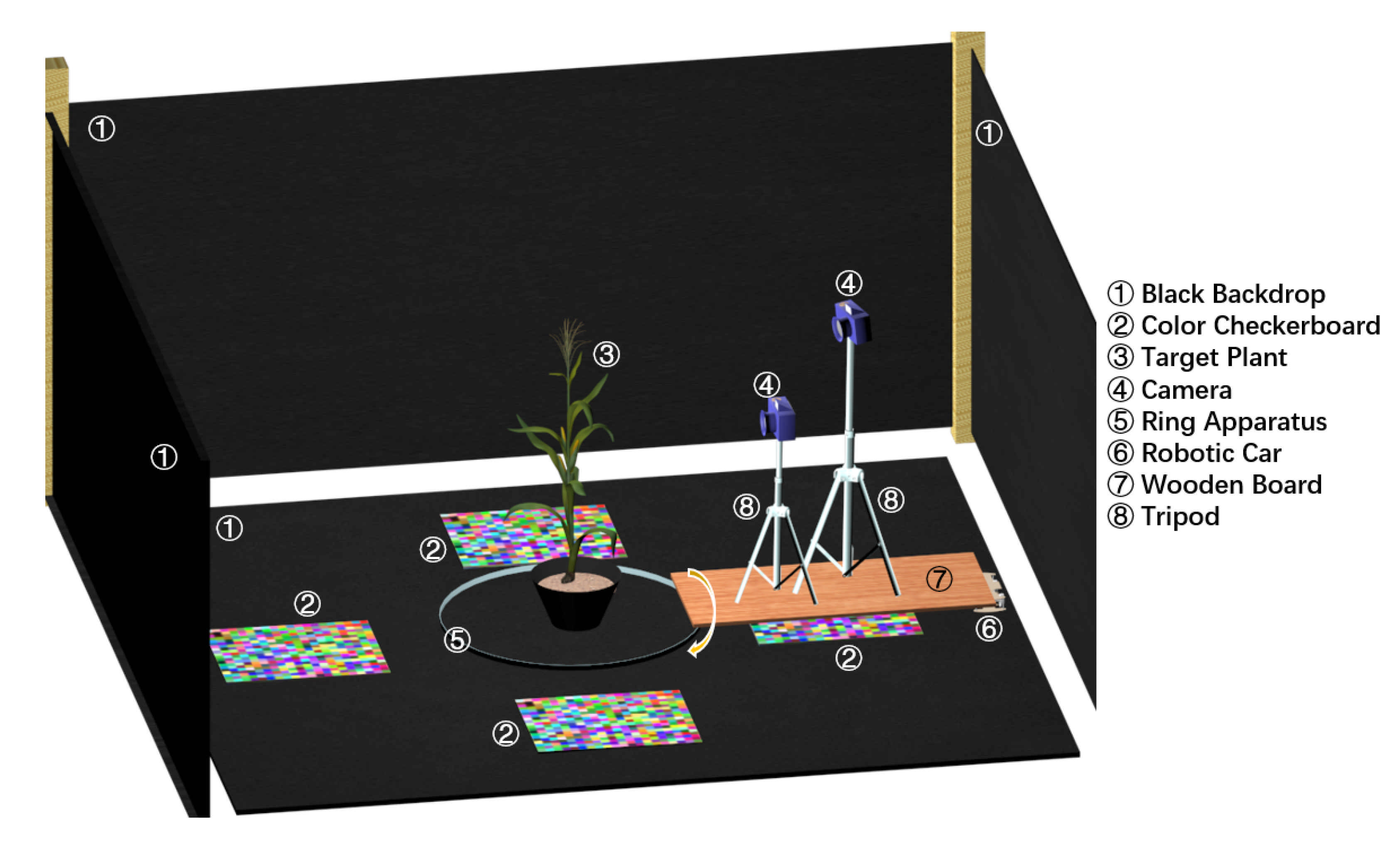
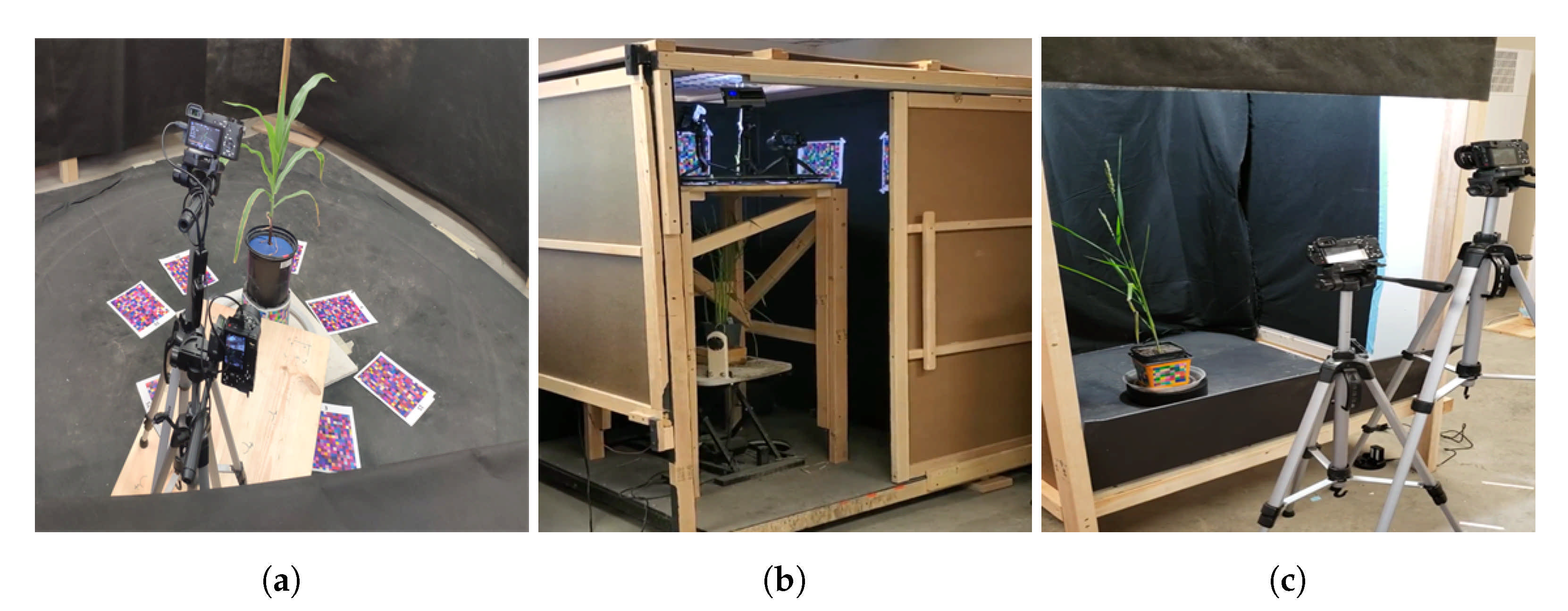
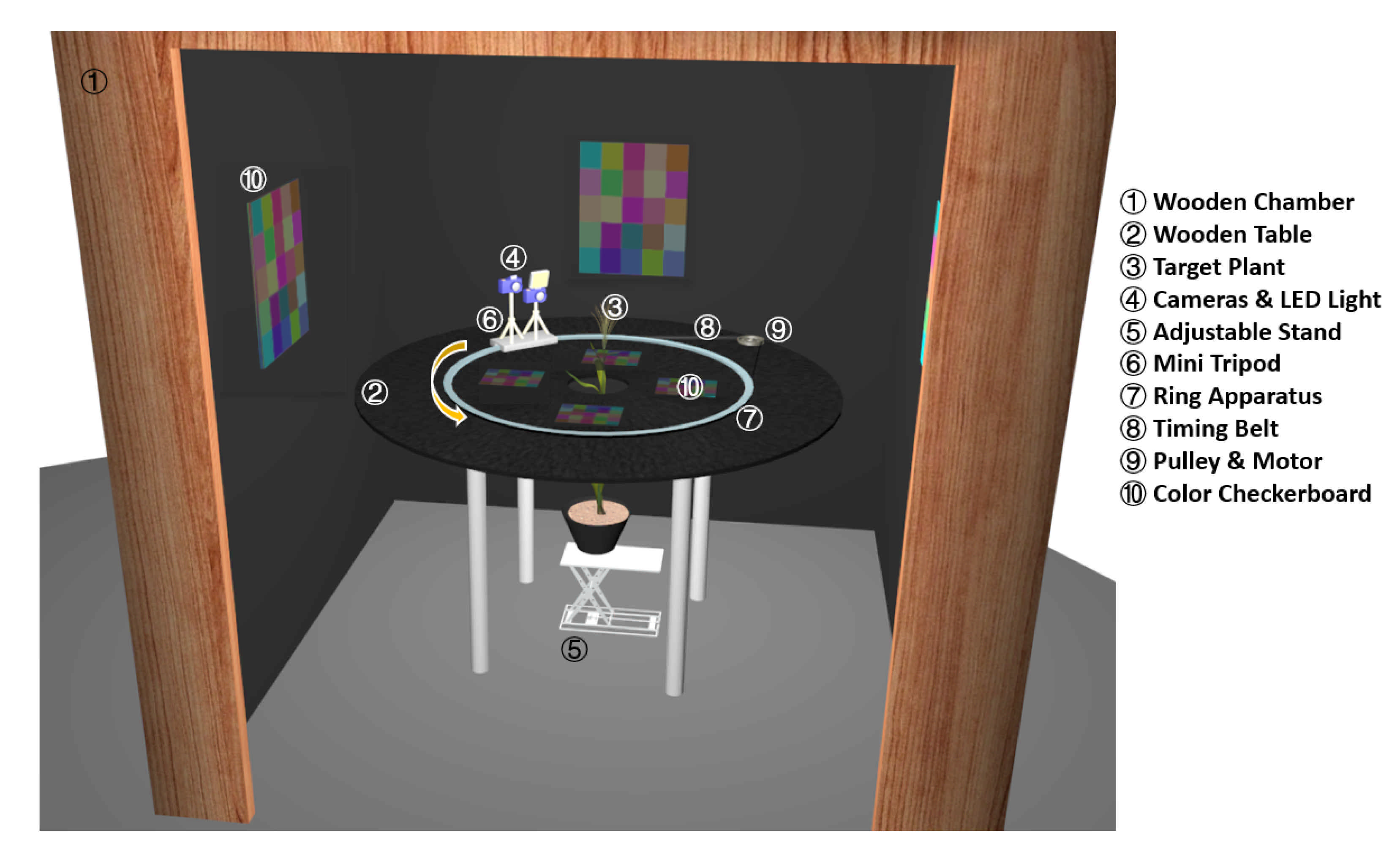
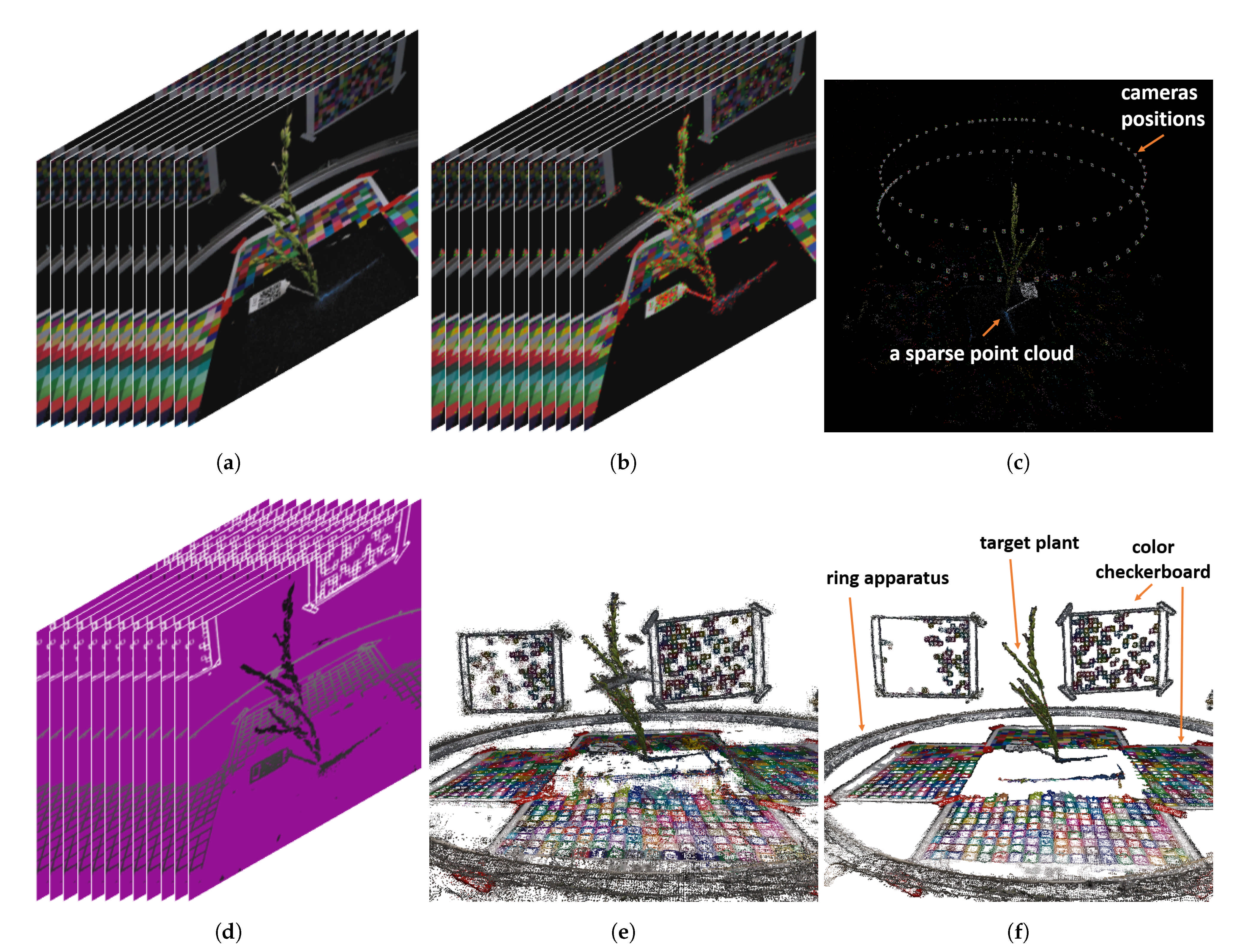
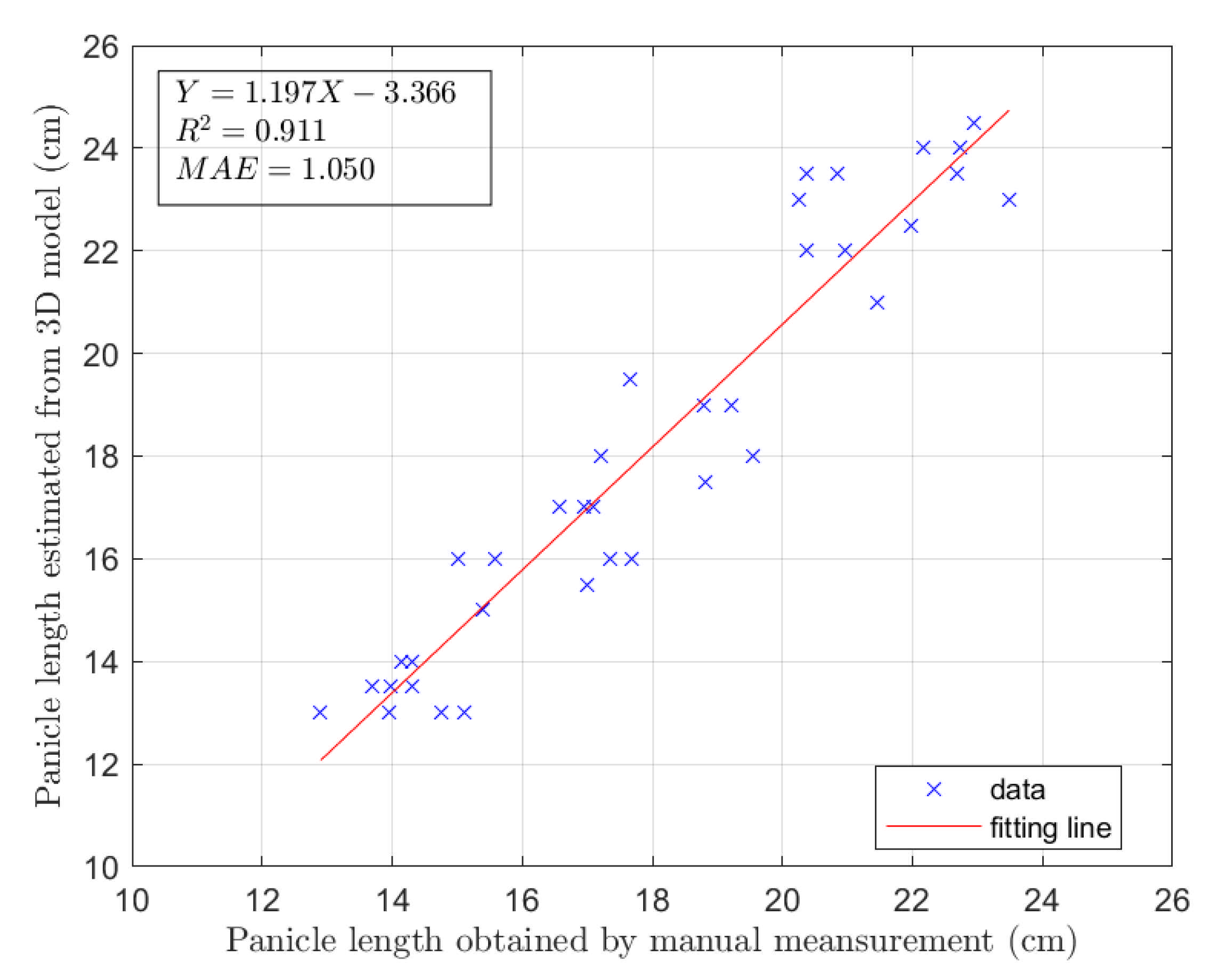
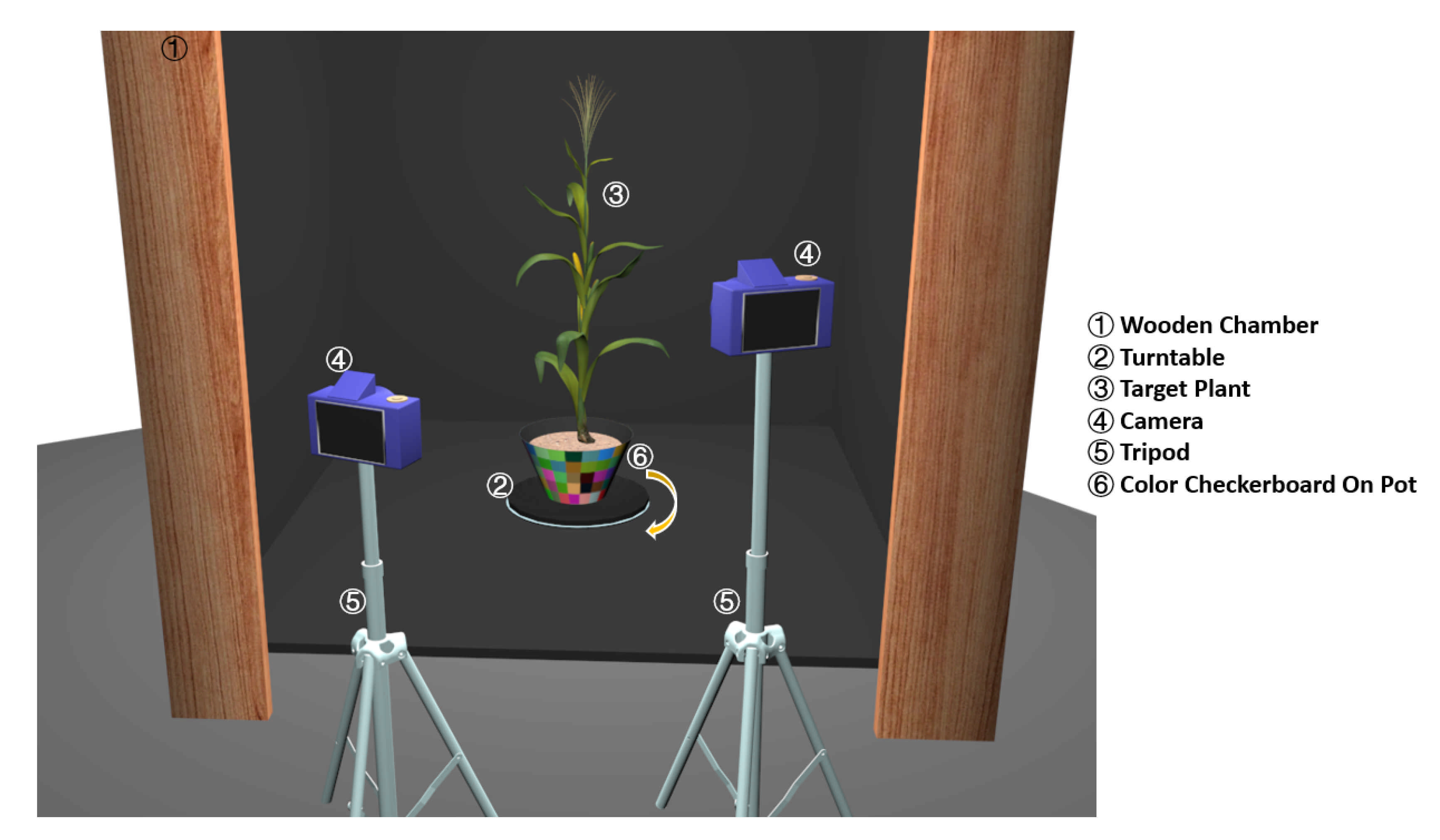
The use of 3D plant models for high-throughput phenotyping is increasingly becoming a preferred method for many plant science researchers. Numerous camera-based imaging systems and reconstruction algorithms have been developed for the 3D reconstruction of plants. However, it is still challenging to build an imaging system with high-quality results at a low cost. Useful comparative information for existing imaging systems and their improvements is also limited, making it challenging for researchers to make data-based selections. The objective of this study is to explore the possible solutions to address these issues. We introduce two novel systems for plants of various sizes, as well as a pipeline to generate high-quality 3D point clouds and meshes. The higher accuracy and efficiency of the proposed systems make it a potentially valuable tool for enhancing high-throughput phenotyping by integrating 3D traits for increased resolution and measuring traits that are not amenable to 2D imaging approaches. The study shows that the phenotype traits derived from the 3D models are highly correlated with manually measured phenotypic traits (R2 > 0.91). Moreover, we present a systematic analysis of different settings of the imaging systems and a comparison with the traditional system, which provide recommendations for plant scientists to improve the accuracy of 3D construction. In summary, our proposed imaging systems are suggested for 3D reconstruction of plants. Moreover, the analysis results of the different settings in this paper can be used for designing new customized imaging systems and improving their accuracy.
Keywords: 3D reconstruction; point cloud; imaging system; high-throughput phenotyping 3D reconstruction; point cloud; imaging system; high-throughput phenotyping