1. Introduction
Awareness of environmental issues among consumers, particularly with regard to environmental impact and the promotion of sustainable development, has a significant impact on market development, leading to noticeable changes in consumer preferences for eco-friendly products [
1]. This trend is driven by various external factors, including growing awareness of eco-friendly consumption, changing marketing, and social factors that influence consumer behavior and their commitment to choosing products that are considered to be safe for humans and environmentally friendly [
1,
2]. In the cosmetics industry, the growing demand for sustainable and eco-friendly solutions has prompted the appearance of new green trends that are being observed by both the science and manufacturing communities. In response to growing consumer expectations for natural and eco-friendly products, integrating natural ingredients into cosmetic formulations and adapting production processes to sustainable development requirements are playing an increased role [
3,
4,
5,
6]. A key challenge for the cosmetics industry is finding new, sustainable sources of bioactive natural compounds. In this context, using by-products from other industrial processes has become an important strategy for reducing the exploitation of primary natural resources and minimizing environmental impact [
7,
8]. In this approach, by-products generated in production processes are not considered as waste or residues with no added value, but have gained importance in the field of scientific research. Contemporary research demonstrates their potential, for example, as sources of bioactive compounds, which are crucial from technological and sustainable development perspectives. In the context of environmental protection and sustainable development, by-products play an important role, especially in sectors such as the cosmetics industry, due to their ecological value, the potential to reduce carbon footprints, and the possibility of utilizing waste generated in industrial processes [
9,
10]. The increased use of bioactive ingredients derived from by-products is seen as a key element in the goal of future sustainable industrial development, contributing to a reduction in the negative impact of industry on the environment.
Plant-based by-products from the agro-food industry are increasingly recognized for their potential applications in the cosmetic market due to their rich phytochemical content. In particular, the winemaking industry produces substantial quantities of residual biomass, such as grape pomace, seeds, and skins, which collectively represent approximately 30% of the weight of processed grapes [
11,
12]. The disposal of these by-products presents both economic and environmental challenges, prompting interest in valorization strategies that convert these residues into valuable cosmetic ingredients. These by-products are rich sources of bioactive compounds such as polyphenols, flavonoids, tannins, and resveratrol, which have demonstrated antioxidant, anti-inflammatory, and anti-aging properties, making them attractive candidates for natural cosmetic formulations. The sustainable utilization of wine industry by-products can contribute to waste reduction, promote the principles of the circular economy, and support the development of eco-friendly cosmetic products [
13,
14]. Numerous scientific articles have been published so far focusing on grape processing by-products, particularly pomace, seeds, stems, and grape skins [
15,
16,
17,
18]. However, only a limited number of studies have focused on the leaves and tendrils.
Vine tendrils are a material formed from lateral meristems, which are areas of active growth containing cells with a high capacity for proliferation. Throughout the plant’s development, these meristems can lead to various organogenesis, including the production of tendrils or inflorescences, depending on environmental factors and biological impulses [
19]. Directing the development of lateral meristems toward producing tendrils enables the plant to develop an organ used for climbing and attachment. However, an excess of tendrils can negatively affect the plant’s structure, weakening its mechanical strength and hindering the fruiting process. Therefore, their removal in grapevines is an important maintenance procedure aimed at optimizing plant development and crop quality.
Traditionally, waste generated from vine pruning has been burned or added to the soil as organic fertilizer, posing an economic and environmental challenge for the wine industry [
20]. The environmental impact of the winemaking industry’s waste disposal can be quantified using a life cycle assessment (LCA) approach to estimate its carbon footprint [
21]. When solid winery waste is landfilled, estimated CO
2 equivalents are about 900 kg CO
2 e per ton of waste [
22]. Furthermore, traditional practices, such as the open burning of vine pruning waste, contribute significantly to environmental pollution and greenhouse gas emissions [
23].
To reduce environmental pollution and greenhouse gas emissions, an alternative strategy is to valorize this inexpensive waste rather than dispose of it.
Vine tendrils, which are mainly composed of plant fibers, can be a valuable raw material for extracting bioactive substances. In terms of their use in the cosmetics industry, vine tendrils can be a source of amino acids, phenolic compounds, and other substances with antioxidant and nutritional properties. Some analyses of the tendrils’ chemical composition have revealed that their main components are flavonoids, polyphenols, and anthocyanins, which show promising anti-inflammatory activity in vitro [
24].
Commonly used methods for the extraction of phenolic compounds are traditional solvent methods [
24], which can be assisted by ultrasound [
25], microwaves [
26], and enzymes [
27]. Various combined methods are also frequently used [
28,
29]. Among these, traditional solvent extraction is the most commonly used technique for isolating polyphenols. It is classified into two main categories: water solvent extraction and organic solvent extraction. Although water is the most environmentally friendly solvent, its effectiveness is limited for some hydrophobic compounds. This is due to the fact that the presence of hydrogen and hydrophobic bonds allows the formation of stable molecular complexes between polyphenols and proteins or polysaccharides in biomass, which prevents their complete extraction.
Studies have shown that using a two-phase extraction system containing an organic solvent and water is the optimal solution for more effectively isolating polyphenolic compounds [
30]. Commonly used solvents include aqueous solutions of methanol, ethanol, and acetone. Using solvents with different polarities significantly affects the composition and content of the isolated phenolic compounds. This emphasizes the importance of selecting the appropriate extraction agent in order to optimize the yield and quality of the compounds obtained [
31,
32].
Although the solvent extraction method is widely used due to its simplicity, low cost, and high purity of the final product, its extraction rate remains relatively low. Despite the effectiveness of organic solvents and water in isolating phenolic compounds, a significant challenge is penetrating the complex, tangled structure of biomass cell walls, which limits extraction efficiency. In order to improve efficiency, various extraction techniques are used, which interact with different mechanisms, enabling the process to be made more efficient, faster, and more effective. Depending on the solvent used, it is possible to isolate larger amounts of both hydrophilic and hydrophobic compounds. Another challenge is the requirement to remove the solvent after the extraction process, which may affect the toxicity of the obtained extracts.
In our previous work, we conducted research on the development of extraction processes using grape pomace and grapevine buds for cosmetic applications, such as shower gels and face serums [
33,
34]. Particular attention was paid to the application of the idea of loan extraction, in which the extraction medium is borrowed from the final cosmetic formulation and, after the extraction process, is returned directly to the cosmetic. This approach eliminates the requirement for energy-intensive and time-consuming extract purification processes, further emphasizing the importance of sustainability in the cosmetics industry. Following the idea of loan extraction, this study explored the use of a by-product of grape cultivation, namely vine tendrils, as an interesting waste material for producing hair cosmetics.
This aligns with the aims of sustainable development, which emphasize adding value to what would otherwise be waste. While our previous studies have reported the presence and activity of bioactives in pomace, which are often linked to antioxidant, anti-inflammatory, or antimicrobial properties, the literature on tendrils remains limited. This gap is noteworthy given that grape tendrils may harbor distinct or complementary phytochemicals with potential cosmetic benefits.
The aim of this study was to evaluate the composition of extracts depending on the extraction medium borrowed from the designed hair conditioner formulation, and then to examine the effect of the extract additive on the properties of the obtained hair cosmetic. The importance of using loan extraction and sustainable development in cosmetic applications was emphasized.
2. Materials and Methods
2.1. Materials
The analytical standards of tartaric acid, DL-malic acid, fumaric acid, D-(−)-quinic acid, vanillic acid, rutin, L-phenyloalanine, L-aspartic acid, L-valine, L-lysine, L-leucine, L-yhreonine, L-histidine, D-(−)-fructose, and D-(+)-mannose were purchased from Merck (Darmstadt, Germany). D-(+)-glucose, sucrose, and D-sorbitol were purchased from Sulpeco (Pennsylvania, PA, USA). DPPH (2,2-diphenyl-1-picrylhydrazyl) was purchased from Sigma-Aldrich (St. Louis, MO, USA). All standards used were of analytical grade (≥99% purity).
The cosmetic products were made using certified, vegetable-based raw materials which are approved for the production of natural products according to ECOCERT and COSMOS standards. The products contained glycerin (Pure Chemical (Warka, Poland), 1,3-propanediol (Cosphaderm, Propanediol natural, Cosphatec, Hamburg, Germany), polyglyceryl-4 laurate/sebacate (and) polyglyceryl-6 caprylate/caprate (Natragem S140, Croda, Snaith, England), sodium benzoate and potassium sorbate (Euxyl K712, Ashland, OR, USA), and sodium cocoamidopropyl betaine (Rokamina K30, PCC Excol, Brzeg Dolny, Poland). Cetrimonium Chloride (Dehyquart A-CA,) Guar Hydroxypropyltrimonium Chloride (Dehyquart Guar TC) and Hydroxypropyltrimonium Hydrolyzed Wheat Protein (Gluadin WQT P) were purchased from BASF, Ludwigshafen, Germany. Parfum was purchased from Pollena Aroma (Nowy Dwór Mazowiecki, Poland); citric acid from Krakchemia (Krakow, Poland) and distilled water were used.
2.2. Plant Material
The waste material from vineyards used in this investigation was vine tendrils (Vitis labrusca L.) obtained from a private vineyard in Poland. Grapevines were subjected to green pruning during vegetative growth around fruit set to improve light interception by the clusters, reduce shoot length, and remove suckers. The vine tendrils were cut using manual scissors, at the end of June 2025, and the plant material was delivered to the laboratory three days after harvest. The vine tendrils were dried in the air at room temperature until they reached dry mass. Then, the dried vine tendrils were ground using a Cutter Mixer R5 Plus laboratory knife mill (Robot Coupe, Vincennes, France). The resulting material was sieved and the fraction with a particle size of 1–2 mm was collected for further analysis.
2.3. Preparation of Extracts from Vine Tendrils
As an extraction medium, portions of 98 g of preserved aqueous solutions were used containing water, 2% (w/w) glycerin, 2% (w/w) 1,3-propanediol, or 2% (w/w) mixture of surfactants polyglyceryl-4 laurate/sebacate and polyglyceryl-6 caprylate/caprate. A mixture of benzyl alcohol, benzoic acid, dehydroacetic acid, and tocopherol at a concentration of 0.5% (w/w) was used as a preservative.
To the previously prepared extraction medium, 2 g of ground grapevine shoots were added. The mixture was intensively stirred using a mechanical stirrer R50D (M. Ziperer GmbH, Ballrechten-Dottingen, Germany) at a speed of 380 rpm for 20 min at room temperature (approx. 22–23 °C). After the extraction process was completed, the mixture was filtered under vacuum using a Büchi V-700 vacuum pump (Büchi Labortechnik AG, Flawil, Switzerland) with sterile Nalgene® bottle filters equipped with 0.45 μm polyethersulfone membranes (Thermo Fisher Scientific Inc., Waltham, MA, USA). The filtrate obtained was used as material for further analytical studies.
2.4. Determination of Bioactive Compounds by UPLC–ESI–MS/MS
Analyses of the selected compounds were performed in independent replicates. The extract solutions, which were filtered through the 0.2 µm syringe filters, were separated using an ultra-performance liquid chromatography (UPLC) system, (Sciex ExionLC AD, AB Sciex, Concord, ON, Canada), equipped with a reverse-phase pre-column and column (Kinetex 3.5 µm XB-C18 100 Å; 100 × 4.6 mm, Phenomenex) maintained at 30 °C. The mobile phase consisted of 0.1% (v/v) aqueous formic acid as solvent A and methanol as solvent B. The gradient elution conditions for the analysis with positive-ion mode were set as follows: 0.0–20 min 15–50% B, 20–25 min 50% B, 25.0–25.1 min 50–15% B, 25.1–30 min 15–15% B, while for the method with negative-ion mode they were as follows: 0.0–10 min 5–5% B, 10–20 min 5–50% B, 20–25 min 50% B, 25.0–25.1 min 50–15% B, 25.1–30 min 15–15% B. The flow rate of the mobile phase was 0.5 mL/min and the dosing volume was 1 µL.
The MS detection was accomplished using a triple quadrupole mass spectrometer (4500 QTRAP, AB Sciex Concord, ON, Canada), which is equipped with an ionization source (electrospray type, ESI) operating in positive-ion mode and negative-ion mode scanning modes. The parameters of the ionization source were as follows: ion spray voltage, 4500 V (positive-ion mode) and −4500 V (negative-ion mode); source temperature, 600 °C; nebulizing gas, 50 psi; drying gas, 50 psi; curtain gas, 35 psi. The molecules (molecular ions) of the analyzed compounds formed in the ion source were isolated by the first quadrupole according to the mass-to-charge (m/z) ratio and then subjected to collision-induced dissociation (CID). Finally, in the third quadrupole, the resulting fragmentation ions were separated according to their mass-to-charge ratio. ANALYST 1.7.2 software was used to automatically optimize the data collection parameters obtained in MRM mode. Accordingly, standard solutions of the individual standards (concentration of 1 ng/mL) were infused directly using an infusion pump. After verifying that the correct parent ion was selected, the declustering potential (DP), entrance potential (EP), collision cell exit potential (CXP), and collision energy (CE) were optimized for each MRM transition. Identification of the selected polyphenolic compounds, amino acids, and sugars was carried out based on selected MRM pairs and the retention times of the standard substances, while keeping the chromatographic conditions constant. The obtained surface areas of the analyzed substances allowed for their quantification, using the appropriate calculations.
The calculations for the instrumental analysis were used with ANALYST 1.7.2 software, by creating a calibration curve based on linear regression. A 1/x weighted curve was used, the slope of which is more similar to most of the points used to construct it. Calibration curves were generated for all polyphenolic compounds using the peak area responses and concentrations of the calibration standards. The linearity of the detector response for quantified compounds was demonstrated by injection of calibration standards at seven concentration levels ranging from 0.1 to 100 μg/mL. Standard stock solutions were prepared by accurately weighing and dissolving 10 mg of each standard in 10 mL LC-MS grade methanol to give a concentration of 1000 µg/mL. All dilutions were made using LC-MS grade methanol. For analysis, 1000 µL was filled in a chromatographic amber vial, and the extracts were injected directly, without prior dilution.
2.5. Total Phenolic Content (TPC)
The total phenolic content (TPC) was determined spectrophotometrically using the Folin–Ciocalteu (FC) method, following the procedure described by Singleton et al. (1999) with slight modifications [
35]. For the analysis, 50 µL of the diluted extract (diluted 10 times with distilled water) was mixed with 200 µL of Folin–Ciocalteu reagent and 600 µL of a 20% sodium carbonate (Na
2CO
3) solution. The mixture was then adjusted to 4 mL with distilled water. Samples were incubated in the dark for 120 min at room temperature. Absorbance was measured at 765 nm using an HP-Hewlett Packard Spectrophotometer (model 8452A) against a blank. TPC was expressed as mg of gallic acid equivalents (GAE) per liter of extract, with measurements performed in triplicate.
2.6. Antioxidant Activity (DPPH Test)
The antioxidant activity of the extracts was evaluated using the DPPH (1,1-diphenyl-2-picrylhydrazyl) radical test, using a modified method based on Brand-Williams et al. (1995) [
36]. A measurement of 50 µL of extract was added to each sample, which was then mixed with 950 µL of methanol to ensure adequate dilution. A measurement of 3 mL of a 0.1 mM DPPH solution prepared in methanol was added to the mixture. The resulting solution was briefly centrifuged and then incubated in the dark at room temperature for 30 min to allow the antioxidants to react with the DPPH radical. After incubation, the decrease in absorbance at a wavelength of 517 nm was measured using a UV–Vis spectrophotometer, comparing it to the methanol content as a control liquid. Trolox was used as the reference standard, and the result was expressed as milligrams of trolox equivalent per liter of extract (mg TE/L), reflecting the antioxidant capacity of the sample. Each measurement was performed in triplicate, and the results presented are arithmetic means with standard deviation.
2.7. Turbidity
The turbidity of extracts from vine tendrils and hair conditioner samples was measured using a Waterproof TN-100 turbidimeter (Thermo Fisher Scientific Eutech Instruments Pte Ltd., Singapore). The measurement results were expressed in nephelometric units (NTU).
2.8. Color Parameters of Extracts and Hair Conditioner Samples
Samples of vine tendril extracts and the resulting hair conditioners were subjected to colorimetric analysis using a Konica Minolta CM-3600 spectrophotometer (Konica Minolta Sensing Americas, Inc. New York, NY, USA) with CM-S100w software, SpectraMagic NX version 1.07, using a standard D65 light source. Color measurements were expressed in the CIE LAB color space, where the L* parameter describes brightness of the object (ranging from 0, representing black, to 100, representing white), while a* and b* coordinates correspond to the red–green and yellow–blue axes, respectively. Coordinates of chromaticity (a*, b*) are converted to chroma (C*) using the following formula:
Calculation of color differences (ΔE) for extracts and hair conditioners is as follows:
where ΔL*, Δa*, and Δb* represent the respective color parameter differences between the extract and the corresponding extraction medium or between hair conditioners containing the extract and conditioners without the extract.
2.9. Viscosity
The viscosity of the extraction medium and hair conditioners was measured at 22 °C in triplicate with Ubbelohde glass capillary viscometer by timing the flow of a liquid through a capillary tube under gravity in accordance with ASTM D445 and ISO 3104 (K = 0.00273 mm2/s2).
2.10. Foaming Properties
Using a foaming nozzle, 20 doses of the preparation were placed in a weighed cylinder with a volume of 500 cm3. The initial foam volume (V0) and the weight of the cylinder containing the preparation were measured. After 10 min, the foam volume (V10) was read again, subtracting the volume of the condensed preparation. Based on the measurements, the foaming capacity (the volume of foam produced), the foam density, and the foam stability (the ratio of the foam volume after 10 min to the initial volume) were determined.
2.11. Determination of Irritant Potential—Zein Value
A 2 g sample of protein was dissolved in 40 g of hair conditioner samples to prepare the test solution. The concentration of solubilized protein was determined using Kjeldahl analysis. The results were expressed as milligrams of solubilized protein per 100 mL of the sample. To ensure accuracy and reproducibility, each measurement was performed in triplicate, and the final value was calculated as the arithmetic mean of the three independent measurements. This procedure follows the protocol originally described by Wasilewski et al. [
37].
2.12. Stability
The stability of the model cosmetics was assessed on the basis of a mechanical loading test. Twenty-four hours after preparation, the model cosmetic samples were subjected to centrifugal force using a Hettich Universal 320R centrifuge (Hettich, Kirchlengern, Germany). Each sample was centrifuged at 3000 rpm for 30 min at room temperature and then evaluated organoleptically.
2.13. Microbiological Stability
The microbiological stability of the extracts and hair conditioners was assessed using the Microcount® Duo microbiological testers (Schülke & Mayr GmbH, Norderstedt, Germany). Agar-coated slides were immersed in the samples to promote eventual microbial colony growth. The microbiological plates were then placed in the designated tester chamber and incubated at a controlled temperature of 28 °C. The incubation period was set to 3 days for the bacterial colony and fungal assays, while a longer incubation period of 5 days was allocated for the detection of molds and yeasts. Following the respective incubation periods, the plates were visually inspected for microbial growth. The enumeration of microorganisms was performed using a standardized template provided by the manufacturer, which ensured accurate quantification of the detected colonies.
2.14. Statistical Analysis
All data obtained by UPLC–ESI–MS/MS are presented as mean values with standard deviation (SD), calculated based on four replicates for each sample (n = 4). The comparison of mean values was performed using ANOVA test. Statistical analyses were performed using Statistica version 10 software (StatSoft, Tulsa, OK, USA). Statistically significant differences were considered at a significance level of p < 0.05.
3. Results and Discussion
3.1. Characterization of Extraction Process Applying the Idea of Loan Extraction
This study focused on developing hair care products containing bioactive compounds from vine tendril extract, with an emphasis on human health and minimizing environmental impact. The methodology is based on an innovative approach called ‘loan extraction’ (LE), which uses the ingredients contained in the final product during the extraction process. This strategy effectively utilizes cosmetic raw materials and eliminates the need for additional recovery and purification steps. Consequently, chemical residue emissions to the environment are reduced, and the safety profile of final products for consumers and ecosystems is improved [
32].
In terms of the research, a hair conditioner formula was developed using natural, commercially available ingredients, in line with current consumer trends favoring natural products. The formula contained a mixture of solvents and surfactants. The selected ingredients in the mixture served a dual function: (1) as an extraction medium to isolate bioactive compounds from plant material, and (2) as an ingredient in the final cosmetic formulation. The main objective was to develop an extraction agent that could effectively isolate bioactive compounds and allow them to be directly used in the formulation, ensuring beneficial properties after extraction. For this purpose, comparative studies were conducted to analyze the selectivity and extraction efficiency of various solvents and surfactant solutions in order to optimize the extraction process. The aim was to obtain high yields of the target bioactive compounds while complying with safety requirements and environmental standards. The analysis of selectivity and extraction efficiency profiles allowed the selection of formulations that maximize the content of bioactive components while meeting safety criteria. This approach supports the development of high-quality, sustainable cosmetic products and promotes environmentally friendly extraction technologies. It also contributes to the implementation of eco-friendly practices in the processing of cosmetic products.
The first step of the research involved developing a hair conditioner formulation in solution form with a foaming nozzle package. This product form allows for precise dosing, and the resulting foam provides a light texture. Part of the study involved ‘borrowing’ a selected aqueous solution (water, glycerol, 1,3-propanediol, or a mixture of surfactants: polyglyceryl-4 laurate/sebacate and polyglyceryl-6 caprylate/caprate) together with a preservative, to extract bioactive compounds from the plant material. The resulting extract was incorporated into the final cosmetic formulation, and part of the extraction medium was returned to the formulation, resulting in a total extract content of 20%. The hair care (HC) formulations containing the selected ‘borrowed’ ingredients were labeled HC_E_20p_Aqua, HC_E_20p_G, HC_E_20p_PD, and HC_E_20p_S, for the extraction medium of preserved water, and 2% aqueous solutions of glycerin, 1,3-propanediol, and a mixture of surfactants, respectively. The hair conditioner without extract addition was labeled HC_E_0p.
Table 1 presents the detailed composition of the initial and final preparations based on the extraction agents used. The hair conditioner was prepared by adding the ingredients listed in the table one by one, and ensuring a homogeneous mixture after each addition.
The research focused on analyzing the effect of mixtures of water and organic solvents on the extraction efficiency of bioactive compounds from vine tendrils, a waste material from grape cultivation. The study used organic solvents of natural origin that do not have toxic effects on the final products, thus eliminating the need to remove them after the extraction process. A mixture of surfactants known for their high efficiency in isolating and solubilizing hydrophobic compounds was also used for comparison. This allowed for an evaluation of the potential of alternative extraction methods to increase the efficiency of obtaining bioactive compounds from plant material for use in cosmetic products. These types of extracts are often formulated as solutions in solvents with a high boiling point, which allows for the effective extraction of bioactive compounds from plant raw materials. The study used 1,3-propanediol and glycerol which are obtained from renewable biomass sources. This fulfills a key role in promoting sustainable and environmentally friendly extraction methods, which are in line with current trends in the cosmetics industry.
This study examined the physicochemical properties of the aqueous solutions of these solvents and then applied them to extract bioactive compounds from vine tendrils. The extraction process used 2% aqueous solutions of these solvents, which allowed for an evaluation of their effectiveness in the context of sustainable ‘green’ technology solutions. The extraction process was also studied using 2% aqueous solutions of a mixture of non-ionic surfactants. The effectiveness of this micellar extract was compared with the results obtained using classic solvent extraction methods under the same conditions. This allowed us to assess the potential of surfactants to enhance the extraction process.
Water and aqueous mixtures of 1,3-propanediol or glycerol, which are delivered from plant raw materials, were used as ecological solvents for the extraction. The experimental results were then compared to the efficiency of micellar extraction using a mixture of the surfactants polyglyceryl-4 laurate/sebacate and polyglyceryl-6 caprylate/caprate. Using natural solvents, such as glycerol and 1,3-propanediol, or a mixture of natural non-ionic surfactants is a promising strategy for developing environmentally friendly methods to extract bioactive compounds from waste plant materials. This supports the sustainable development of the cosmetics industry.
Water, 2% aqueous solutions of glycerin, 1,3-propanediol, and surfactant mixtures were labeled as Aqua, G_2p, PD_2p, and S_2p, respectively.
Table 2 presents a comparison of the physicochemical properties of the applied extraction media.
The viscosity of the extraction agents may affect the solvent penetration into the plant material structure and the diffusion of biologically active substances from plants. The measured viscosities increased in the range from 0.899 to 1.011 mPa·s for water, glycerin solution, 1.3-propanediol solution, and surfactant solution, respectively. However, these differences are not significant. The measured pH values indicated the lowest value for the surfactant solution used as the extraction medium. The obtained solvent solutions were visually clear; only the aqueous surfactant solution showed an increased turbidity value. According to the literature, however, turbidity is visible to the naked eye above the critical range of 0–10 NTU [
37].
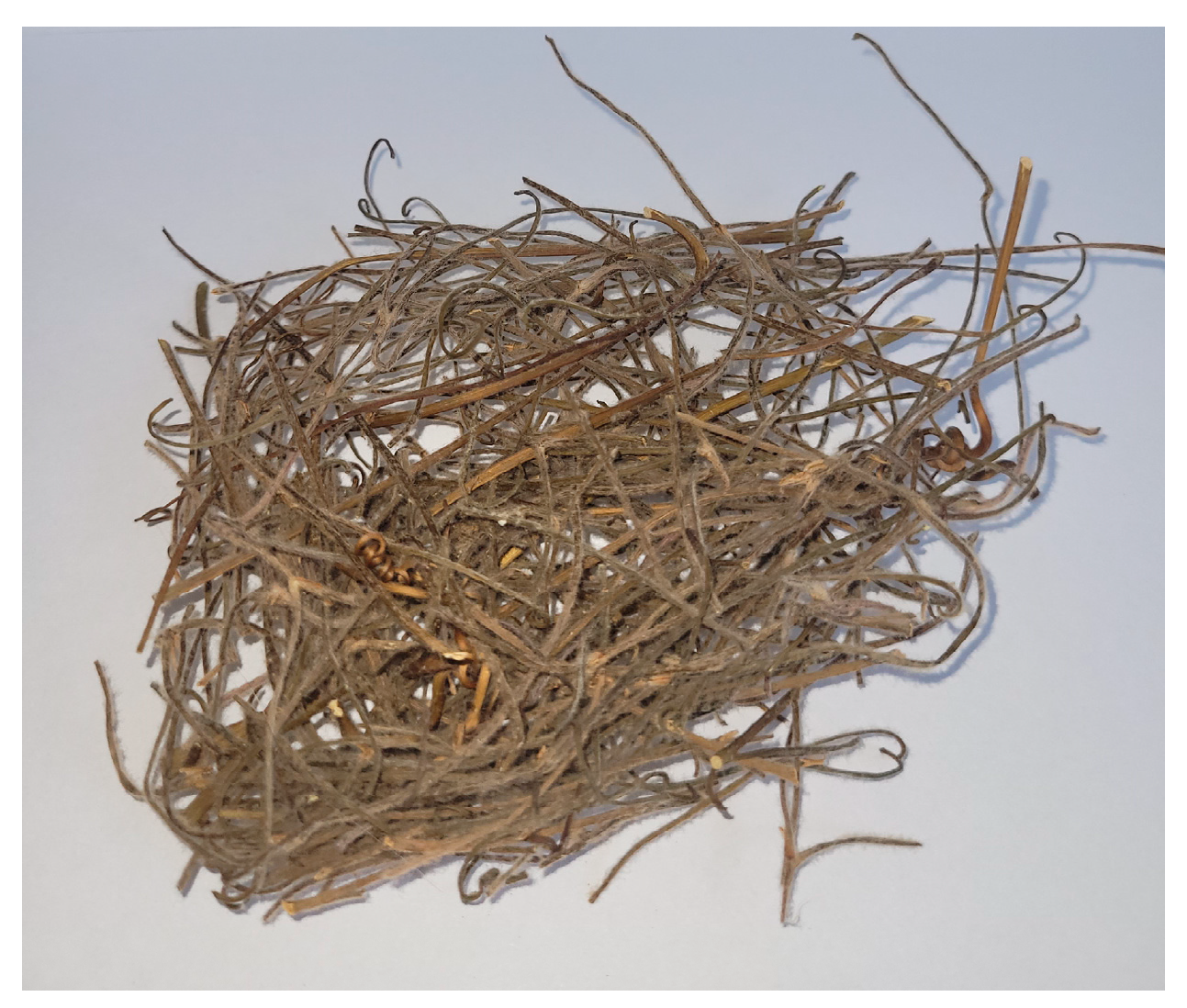
Vine tendrils were used as plant material, which resulted as a by-product of maintenance procedures during vine cultivation. The appearance of dried plant material is presented in
Figure 1.
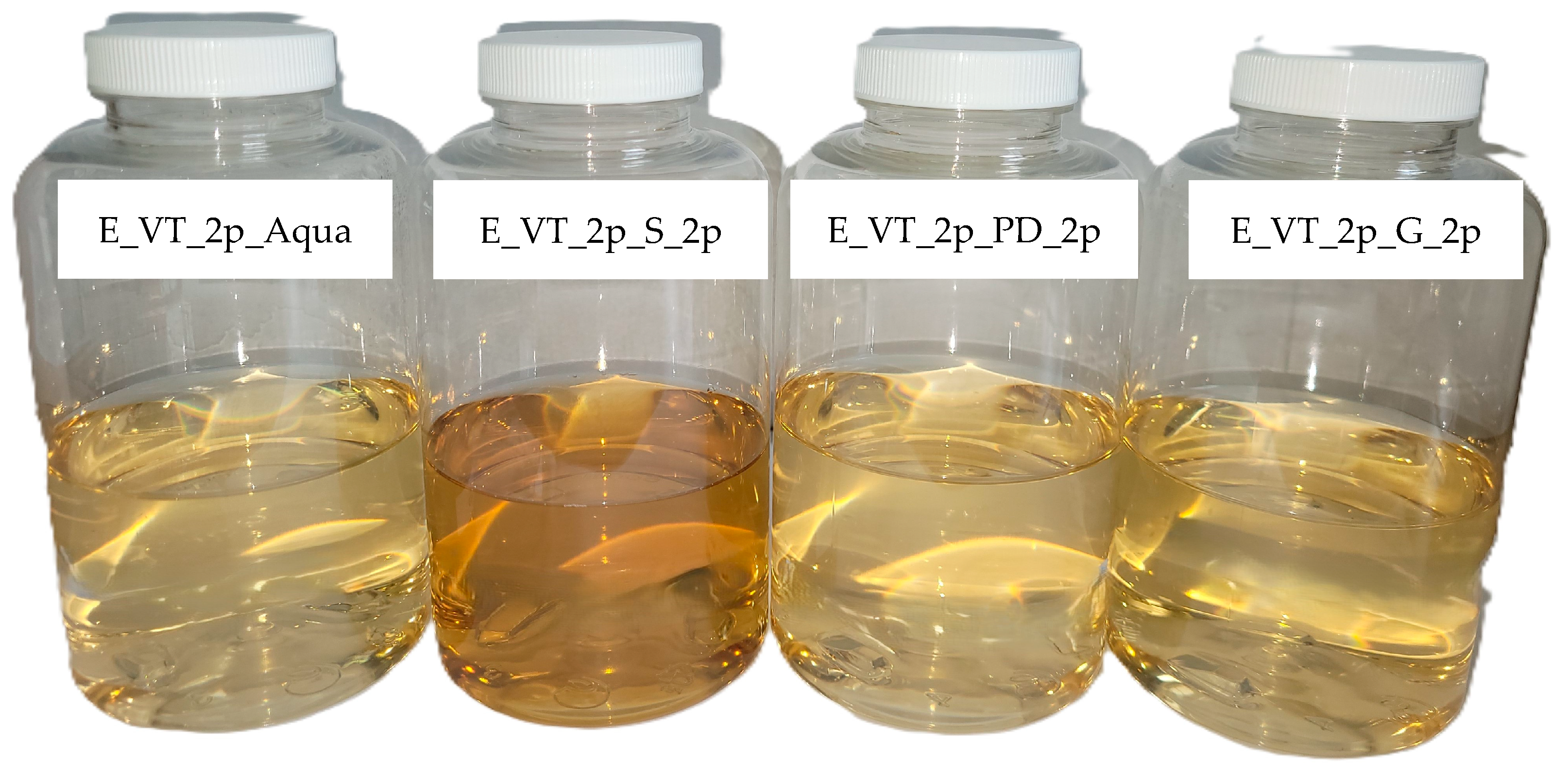
The extraction process was carried out by the dispersing of 2% pre-ground grapevine tendrils, sized 1–2 mm, in an extraction medium and mixing at room temperature for 20 min. Following filtration, the resulting sample was subjected to further testing. The extracts were characterized in terms of their physicochemical properties and chemical composition, with particular emphasis on phenolic compounds, amino acids, and sugars. The extracts obtained in aqueous solutions of water, glycerol, 1,3-propanediol, and a mixture of surfactants were denoted E_VT_2p_Aqua, E_VT_2p_G_2p, E_VT_2p_PD_2p, and E_VT_2p_S_2p, respectively.
Figure 2 shows the appearance of the obtained extracts. Color parameters were determined spectrophotometrically, and the obtained results, together with the physicochemical properties, are presented in
Table 3.
After the extraction process was completed, the obtained extracts—except for the one based on surfactants compounds—had higher viscosity values than the initial extraction medium. Turbidity values increased significantly for the extracts obtained from a solution of propanediol and surfactants. However, a value below 10 NTU is not perceived by the observer as turbidity, and the extract obtained is visually noticed as transparent. The extracts were characterized by a straw-yellow color. Colorimetric measurements were performed in order to determine the color differences between the samples, using the CIE L*a*b* system, where coordinate L* refers to lightness, +a* to red, −a* to green, b* to yellow, and −b* to blue color space. Color parameter analysis showed that sample E_2p_G_2p had the highest L* and b* values, suggesting the lightest color and dominant yellow coloration. The color difference between the extraction medium and the extract was calculated as the ΔE value. The resulting ΔE values for the extract samples when compared to the corresponding extraction medium were all greater than 3, indicating a noticeable difference in color perception due to the natural pigments present in the vine tendrils. According to the current criteria, a ΔE value above 3 is considered a color difference noticeable to the average observer [
38,
39]. The results of the color analysis in the CIE L*a*b* system confirmed that the extraction process induced color changes compared to the extraction medium. The highest ΔE value was obtained for sample E_VT_2p_S_2p, indicating the most significant color change compared to the reference medium.
3.2. Determination of Selected Compounds by UPLC–MS/MS
The content of bioactive compounds, such as organic acids, polyphenols, amino acids, and sugars, in extracts obtained from grapevine tendrils using selected extraction media (aqueous solution of water, glycerin, propanediol, and surfactant) was determined using the UHPLC–MS/MS technique. Extracted Ion Chromatograms in positive and negative ion modes are presented in
Figures S1–S8 in Supplementary Materials. For comparison purposes, the results obtained are summarized in
Table 4.
3.2.1. Organic Acids
Tartaric acid was found to be the dominant compound present in the extracts obtained, which is very reasonable given the specific nature of the plant material. Its highest concentration was determined in the E_VT_2p_PD_2p extract, reaching a value of 37300 mg/L. Propanediol, a solvent commonly used in cosmetic formulations, was the most effective solvent for extracting this compound. Water was a slightly less favorable medium, with the lowest concentration of tartaric acid obtained in the equivalent extract, amounting to 20,600 mg/L. A similar correlation was observed with malic acid. In the E_VT_2p_PD_2p extract, its content was 5310 mg/L, while in the water sample (E_VT_2p_Aqua), the concentration reached a significantly lower level, i.e., 2330 mg/L. These results clearly indicate that the type of extraction medium used is of key importance for the effective release of bioactive compounds from plant material, in addition to the appropriate conditions for extract preparation. Fumaric acid was also detected in the group of organic acids, but its concentration was significantly lower than those of tartaric or malic acid. Glycerol solution was the most favorable medium in this case; the concentration in the E_VT_2p_G_2p extract was 3.19 mg/L. Lower values were recorded in the aqueous propanediol extract (2.25 mg/L), and the E_VT_2p_S_2p (1.28 mg/L) sample. The lowest values were found in the water extract (1.26 mg/L). These results suggest that, for organic acids less abundant in plant material such as fumaric acid, cosmetic media other than water are more effective solvents.
3.2.2. Phenolic Compounds
Among the phenolic compounds, quinic acid showed the highest concentration in all tested extracts. The highest content was determined in sample E_VT_2p_G_2p, where it reached a value of 127 mg/L. A slightly lower concentration was obtained in extract E_VT_2p_PD_2p (82.2 mg/L). In contrast, the lowest value was obtained in the water-based medium: 56.7 mg/L. This result confirms the limited effectiveness of water as a solvent for extracting bioactive substances from plant material. In the case of rutin, the highest concentration was obtained for the E_VT_2p_S_2p sample. The surfactants used in cosmetic formulations proved to be the most beneficial extraction medium, allowing a concentration of 3.76 mg/L to be obtained. The other extracts had similar values fluctuating around 1 mg/L. The presence of rutin in grapevine tendrils has been previously confirmed in studies by Moldovan et al. [
40], but the available literature in this area remains very limited. Rutin, as a representative of flavonols, is known for its strong antioxidant properties and antibacterial activity [
41]. Additionally, vanillic acid content was determined; its concentrations remained stable ranging from 0.121 to 0.124 mg/L. These results suggest that vanillic acid is relatively resistant to extraction conditions and remains stable regardless of the medium used.
3.2.3. Amino Acids
Similarly to organic acids and phenolic compounds, solutions of glycerin and propanediol proved to be the most effective extraction media for amino acids. Analysis of the summary results for extracts prepared using these solvents revealed the highest total amino acid concentrations. The main compound in this group was L-lysine, which was present in all tested extracts. Its concentration was 59.0 mg/L in the E_VT_2p_G_2p sample, and 55.5 mg/L in the E_VT_2p_PD_2p. The surfactants solution exhibited the lowest L-lysine extraction efficiency with only 38.6 mg/L obtained in the extract. The second dominant amino acid was L-phenylalanine, which had a relatively stable concentration ranging from 18.4 to 22.4 mg/L regardless of the medium type. The highest value was recorded in the E_VT_2p_G_2p extract. Additionally, L-threonine, L-aspartic acid, L-valine, L-leucine, and L-histidine were identified in the extracts; however, their concentrations did not exceed 7.0 mg/L in any sample. In summary, the results obtained clearly indicate that the composition of amino acids in the extracts depends on the type of extraction medium used—organic solvent, surfactant, or water. This knowledge can be used to develop and improve extraction process conditions depending on the expected properties of the final cosmetic product. Amino acids play an important role in proper skin function, supporting regeneration, improving condition, and providing additional biological benefits. Direct application of preparations containing amino acids can therefore contribute to achieving significant skincare effects [
42].
3.2.4. Sugars
The analyzed extracts were tested for the presence of sugars including D-(+)-glucose, sucrose, D-(−)-fructose, D-(−)-mannose, and D-sorbitol, the latter of which is obtained synthetically from D-(+)-glucose. The highest total sugar content was found in the E_VT_2p_G_2p extract, which was dominated by glucose (90.8 mg/L). The summed sugar content in the other extracts was at a similar level, which may suggest that their concentration remains relatively stable regardless of the extraction medium used.
The available literature on vine tendrils is relatively limited, and little scientific data are available. Therefore, the results obtained may therefore provide an important basis for further research into the potential of grapevine tendrils in cosmetic applications. The analyses carried out indicated that grapevine tendril extracts contain valuable bioactive compounds that may have a number of beneficial effects.
3.3. Total Phenolic Content and Antioxidant Capacity (DPPH)
The TPC values obtained from the loan extraction of vine tendrils using different extraction media are summarized in
Table 5.
The highest phenolic content was observed in the E_VT_2p_S_2p extract sample (1148.6 ± 11.1 mg/100 g), indicating its superior efficiency in extracting phenolic compounds. The extracts obtained using aqueous and propanediol solutions exhibited similar TPC values of 600 mg/100 g, indicating that propanediol did not notably improve the extraction efficiency of phenolic compounds compared to water in this case. The extract with glycerin solution showed a slightly higher phenolic content (661.3 mg/L ± 8.3) compared to aqueous and propanediol solutions, likely due to glycerin’s solvent properties and its effect on the solubility of phenolic compounds.
In the study by Mirela L. Moldovan et al. [
40], tendril extracts of Vitis vinifera cv. Fetească neagră were obtained using a reflux method with 50% ethanol, resulting in a total phenolic content of 35.65 mg GAE/g dry weight, corresponding to 3565 mg/100 g. Compared to these values, the phenolic content of our extracts was lower, most likely due to the use of mild, cosmetic-grade solvents (aqueous solution of propanediol, glycerin, and surfactant mixture), which are less efficient than ethanol under reflux conditions. Nevertheless, the advantage of this approach lies in the possibility of direct incorporation of the obtained extracts into cosmetic formulations without the need for further purification.
The antioxidant capacity of vine tendril extracts obtained by loan extraction with different extraction media was assessed using the DPPH assay. The results, expressed in mg/L of DPPH radical scavenged, are summarized in
Table 4. The highest antioxidant activity was observed in the extract with glycerin, followed by the surfactant mixture and water. The extract obtained using propanediol solution showed the lowest radical scavenging activity (112 mg/L ± 1). These findings indicate that glycerin may enhance the extraction or stabilization of antioxidant compounds from vine tendrils more effectively than the other tested solutions in this system.
In a study by Mirela L. Moldovan et al. [
40], both tendril and leaf extracts of Vitis vinifera cv. Fetească neagră were prepared using the same extraction method, reflux with 50% ethanol. The tendril extract exhibited a lower IC
50 value (0.155 mg/mL) compared to the leaf extract (IC
50 = 0.248 mg/mL), indicating stronger antioxidant activity. Similarly, in a study by Daniele Fraternale et al. [
24], tendril extracts obtained by Soxhlet extraction with 70% ethanol demonstrated higher DPPH radical scavenging capacity than ascorbic acid at concentrations above 10 µg/mL. These findings consistently highlight vine tendrils as a valuable source of antioxidants with promising potential for cosmetic applications.
3.4. Characteristics of Model Cosmetics
The aim of this study was to evaluate the possibility of developing hair conditioners based on grapevine tendrils, which are a by-product of grapevine cultivation. As part of the study, a hair conditioner formulation was developed for use in packaging with a foaming nozzle.
The formulation was designed to incorporate 20% (w/w) grapevine tendril extract obtained by extraction based on the concept of loan extraction using a part of aqueous solutions borrowed from the formulation, with or without the addition of various natural organic solvents or a mixture of non-ionic surfactants. The developed samples were labeled according to the extraction medium used as HC_E_20p_Aqua, HC_E_20p_G_10p, HC_E_20p_PD_10p, and HC_E_20p_S_2p, which correspond to aqueous solutions of pure water, 2% glycerin, 2% propanediol, and a 2% mixture of surfactants, respectively.
The extraction solvents and surfactant mixture solution were borrowed from the cosmetic formula to ensure that no unnecessary or undesirable ingredients from the extraction process would be added. This contributes to the preparation’s effectiveness and compliance with applicable safety standards. The detailed formulation of the developed hair conditioners is presented in
Table 1. The model hair conditioner preparation has been developed in the form of a solution intended for application using a foaming nozzle, with the function of generating foam during application and dispensing a specific amount of the preparation. Foams and bubbles play an important role in cosmetic formulations due to their potential to provide functional, sensory, and emotional benefits. They are commonly found in skin and hair cleansing products, which contain complex mixtures of short-chain surfactants, polymers, and other technical ingredients such as salts and glycols. The scientific literature emphasizes that the foam structure and stability are crucial for cleaning effects and also influence the user experience during application [
43]. The formulation developed for use with a foaming nozzle ensures rapid foaming and generates a rich and creamy foam with fine bubbles and a delicate sensation. Foam properties can affect product distribution on the hair surface, increasing coverage and facilitating active ingredients’ penetration. Finally, consumer’s perception of lightness translates into the product’s perceived quality and comfort of use.
In addition to aspects related to foaming ability and foam stability, which are key to optimizing the functionality and applications of foam-based cosmetic products, selecting the right natural ingredients is also important. This allows us to better address the challenges of sustainable development and eco-friendly production. Accordingly, natural origin products were used in the study, and the utilization of by-products from viticulture to obtain valuable plant extracts further emphasizes the importance of sustainability in the cosmetics industry.
The individual ingredients of the cosmetic formulation were added sequentially in the order listed in the table, ensuring thorough mixing after each step. The finished solution was subjected to final mixing at low speed to ensure a uniform consistency. Then, the hair conditioner was transferred to sterile containers equipped with foaming nozzles for safe and hygienic application. The developed conditioner, containing extract prepared in different extraction environments, was evaluated for its physicochemical properties.
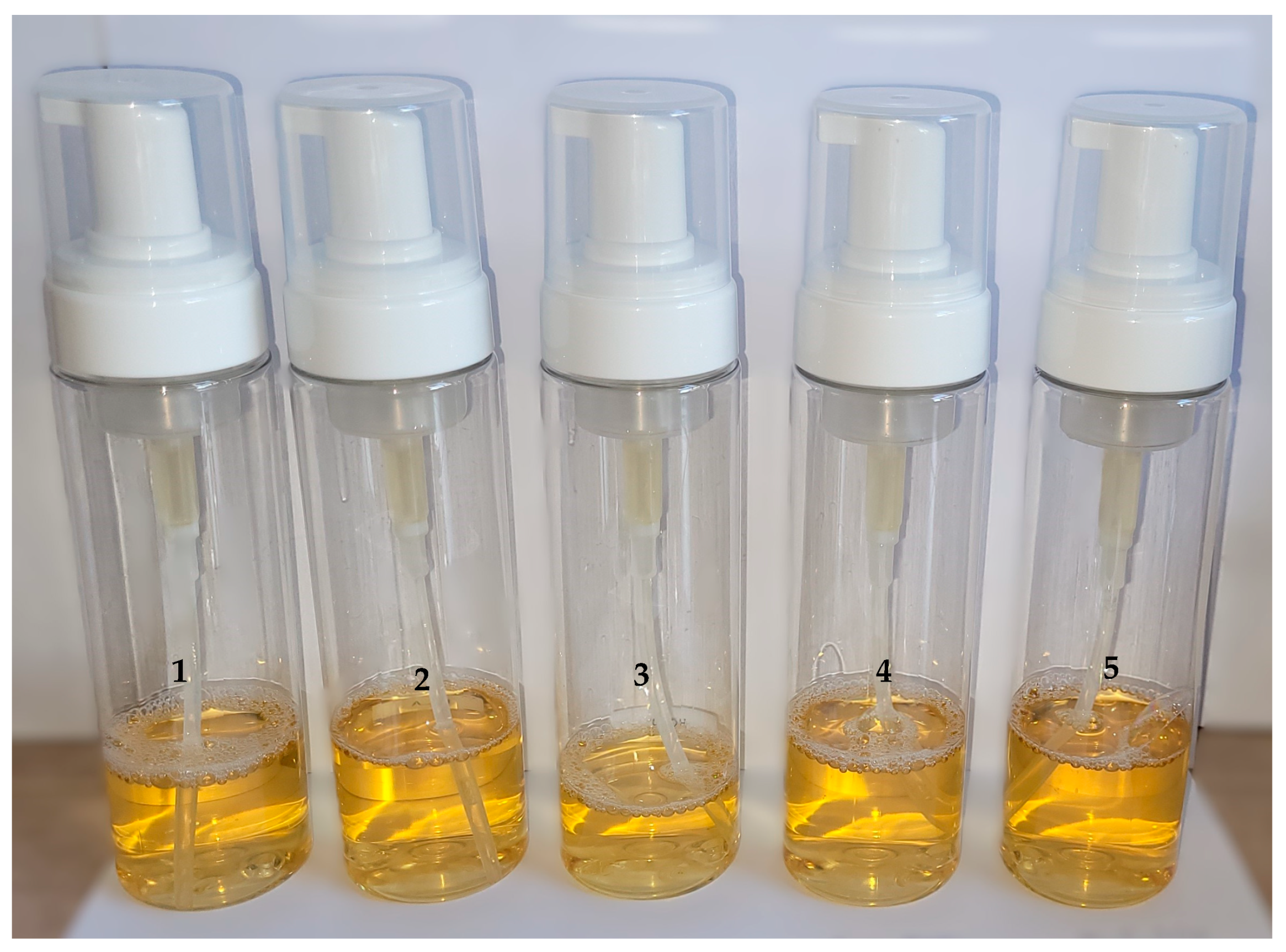
Table 6 summarizes the results of these analyses, and
Figure 3 shows the visual appearance of the final products.
Developed hair conditioners were subjected to detailed testing for mechanical and microbiological stability. The results showed that the preparations remained stable during centrifugation tests, showing no evidence of phase separation or sedimentation. Furthermore, no changes in odor or pH values were observed in the samples. The results confirmed the effective selection of ingredients and their proportions, which ensured adequate homogenization and maintained the integrity of the preparations under mechanical stress.
The microbiological stability assessment showed that the developed model hair conditioners were stable in terms of the presence of bacteria and fungi (yeast and mold). No changes were observed on the test dipslides after the specified incubation time under controlled temperature and humidity conditions.
The viscosity of all preparations was in the range of 1.651–1.789 mPa·s. The viscosity of all samples varied significantly. The model cosmetics differed in terms of the extraction agent used; therefore, the observed differences in viscosity were related to the presence of the active ingredient, i.e., an extract with varying content of bioactive compounds, which affected the viscosity of the preparations. In the case of the tested product prototypes, it was necessary to achieve appropriate viscosity values, reflecting a number of important properties, such as simplicity of dispensing the product from packaging with a foaming nozzle, simplicity of foaming, and appropriate distribution of the preparation on the surface of the scalp and hair. The viscosity values obtained allowed for the useful application of the designed preparations in packaging with a foaming nozzle.
Customers are used to associating a product’s abundant foaming with its good properties. During dispensing, the product generated stable, high-quality foam. The results obtained showed that the model hair conditioners yielded excellent foaming ability and foam stability, which affects the sensory experience of consumers. The addition of the extract and the type of medium used did not significantly affect the foaming ability and foam stability compared to the HC_E_0p sample without extract.
The measurement of the turbidity of the cosmetic sample showed different values obtained for different media used in the extraction process. The sample marked as HC_E_20p_S_2p, obtained on the basis of a borrowed surfactant system for the extraction process, had the highest turbidity value. In turn, the sample without extract had the lowest turbidity, indicating the highest clarity. Turbidity reflects the content of suspended particles and their size distribution, which has a direct impact on appearance and sensory perception. The turbidity values differed for the samples depending on the extraction medium used, but were within the critical range of 0–10 NTU, indicating a clear appearance of all samples to the observer [
37]. Turbidity control helped to positively assess the quality of all model cosmetics obtained and the homogeneity of the systems obtained. Appearance is an important attribute of cosmetic product quality for consumers [
1]. Therefore, conventional cosmetics are often formulated using selected colorants to achieve an attractive color that can influence purchasing decisions. Many colorants used in cosmetics are synthetic raw materials, which are becoming increasingly controversial due to growing evidence of potential safety risks [
44,
45]. Products labeled as natural usually avoid the use of colorants, and the color comes from the natural pigments of the ingredients used. Recent advances point to natural extracts with health-promoting properties that also have natural coloring, making them attractive as natural colorants. In the designed formulations no synthetic dyes were used, and the color comes from the natural ingredients. In the designed model cosmetics, the color parameters were evaluated, and the obtained values of L*, a*, b*, C*, and ΔE are characterized and presented in
Table 7.
The designed cosmetic sample without extract had the highest L* value. All products had a light green-yellow color, with the highest a* value and the lowest b* value obtained for the model hair conditioner without the addition of extract. This sample also showed the lowest C value, indicating the least color saturation. The test results showed that the HC_E_20p_G_2p cosmetic product had the lowest L value, indicating the darkest color, with the highest b* (yellow) and C (saturation) values compared to the other preparations. The color difference analysis (ΔE) in relation to the HC_E_0p hair conditioner sample without extract showed that the color shift caused by the addition of the extract may not be noticeable to the average observer (ΔE < 3) [
38,
39]. Thus, the color differences between the cosmetic products shown in
Figure 3 may not be noticeable to the average observer. The color of the samples was generated both by the addition of extracts in relation to the extraction medium and by the ingredients used in the formulation.
According to the composition of a cosmetic product, individual chemical compounds or mixtures thereof may exhibit an irritant effect on the skin. This effect of cleansing cosmetics is often attributed to the presence of surfactants. The literature indicates that adding, for example, plant extracts enriched with bioactive compounds to surfactant solutions may reduce a product’s irritant potential [
46]. In the case of the developed hair conditioner formulation, returning the borrowed extraction medium enriched with bioactive ingredients affected the irritant potential value. Among the evaluated products, the aqueous solution extraction medium with glycerin added was the most effective at extracting organic acids, phenolic compounds, and sugars. These extracts also showed the highest total phenolic content (TPC) and antioxidant potential. Consequently, the cosmetic product based on this extract exhibited the lowest irritation potential. The results of the studies indicate that selecting the extraction medium significantly affects the irritation properties of the cosmetics.





 ,
,