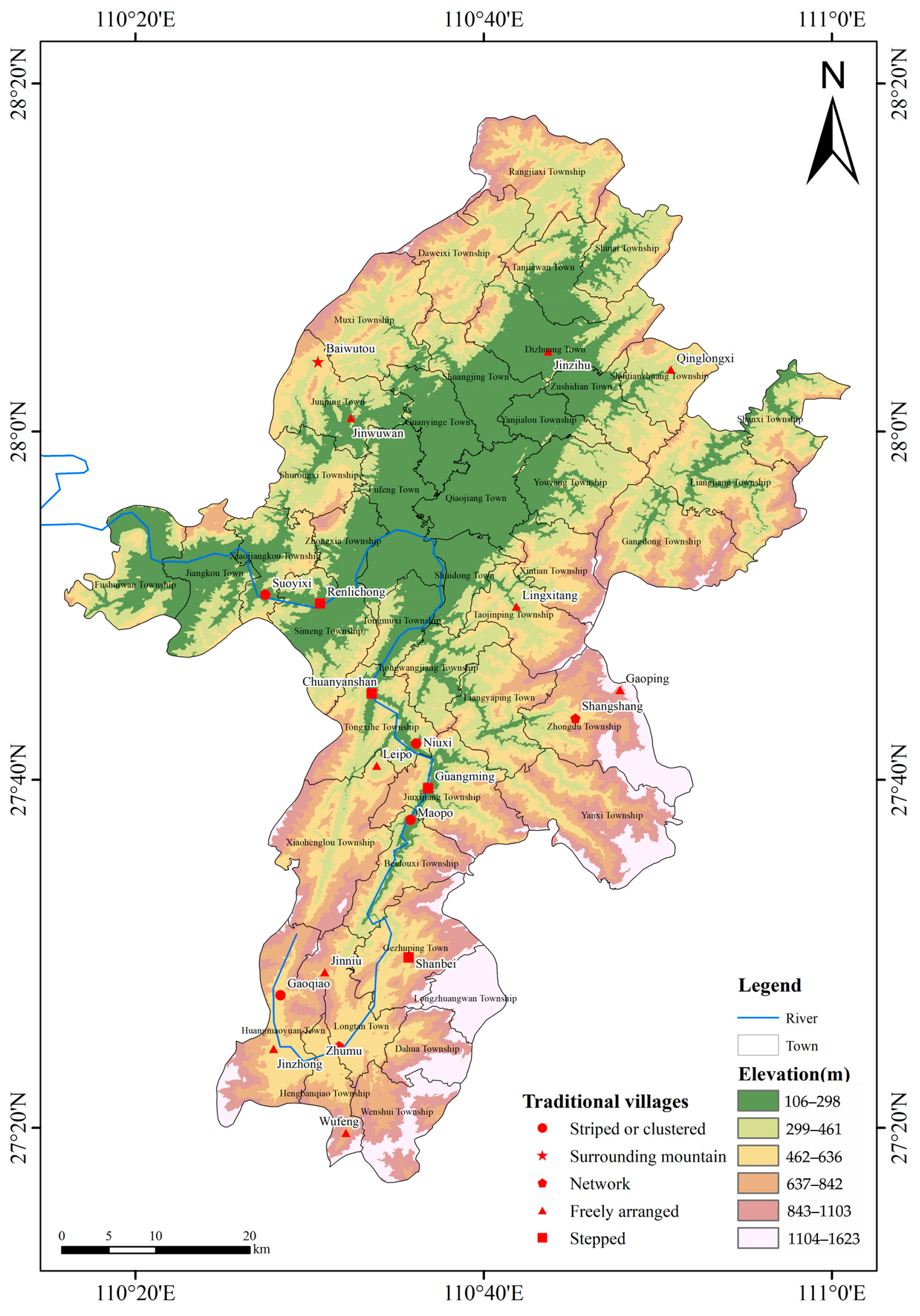
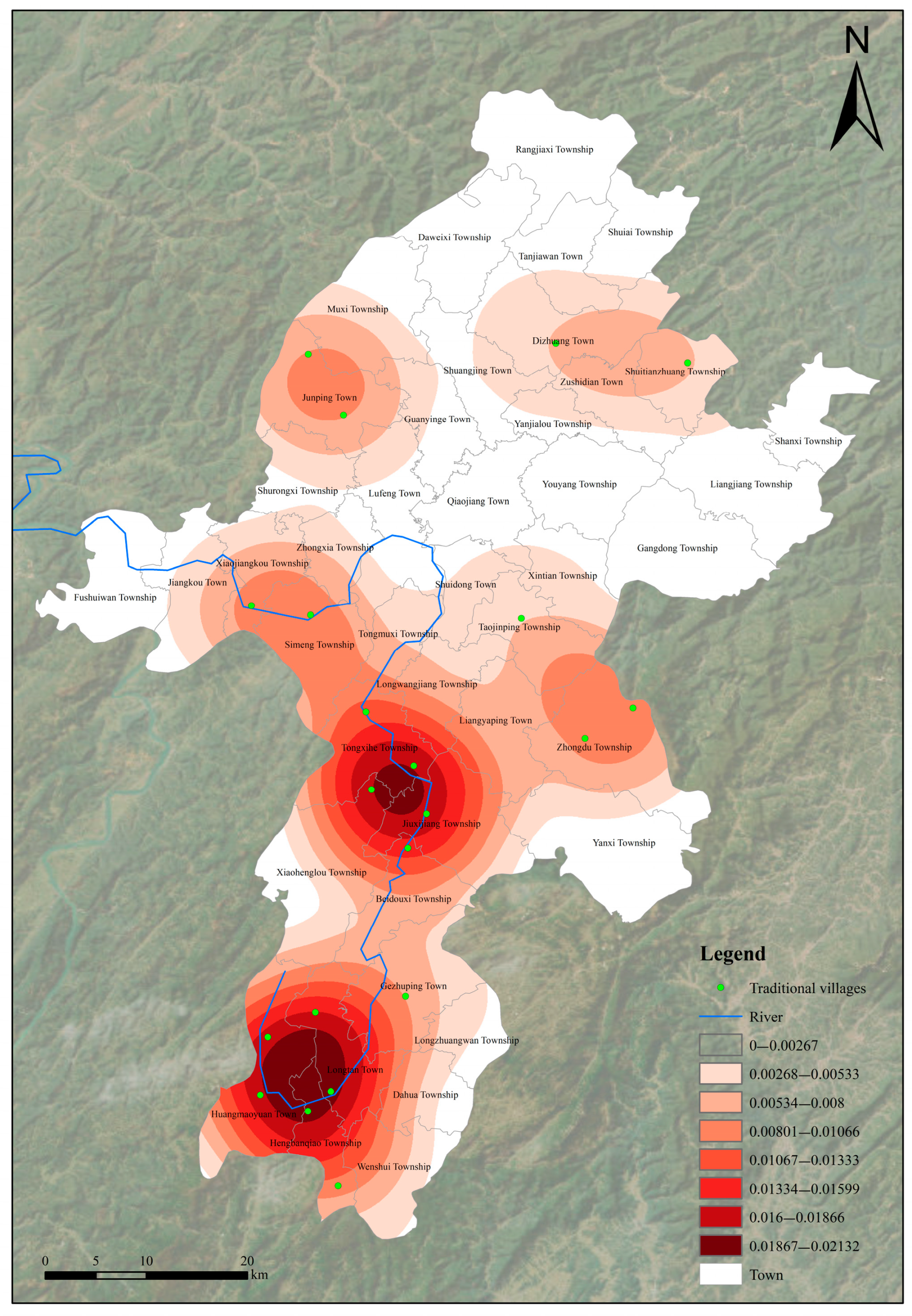
Construction and Characterization of Traditional Village Landscape Cultural Genome Atlases: A Case Study in Xupu County, Hunan, China


Abstract
Share and Cite
Wang, L.; Sun, C.; Wang, M.; Xiao, X. Construction and Characterization of Traditional Village Landscape Cultural Genome Atlases: A Case Study in Xupu County, Hunan, China. Sustainability 2024, 16, 9524. https://doi.org/10.3390/su16219524
Wang L, Sun C, Wang M, Xiao X. Construction and Characterization of Traditional Village Landscape Cultural Genome Atlases: A Case Study in Xupu County, Hunan, China. Sustainability. 2024; 16(21):9524. https://doi.org/10.3390/su16219524
Chicago/Turabian StyleWang, Lie, Chuanhao Sun, Mo Wang, and Xiaomei Xiao. 2024. "Construction and Characterization of Traditional Village Landscape Cultural Genome Atlases: A Case Study in Xupu County, Hunan, China" Sustainability 16, no. 21: 9524. https://doi.org/10.3390/su16219524
APA StyleWang, L., Sun, C., Wang, M., & Xiao, X. (2024). Construction and Characterization of Traditional Village Landscape Cultural Genome Atlases: A Case Study in Xupu County, Hunan, China. Sustainability, 16(21), 9524. https://doi.org/10.3390/su16219524