Article

Biodiversity Conservation of National Parks and Nature-Protected Areas in West Africa: The Case of Kainji National Park, Nigeria

by
Xiaolan Tang
1,2,* and
John Adekunle Adesina
1
1
College of Landscape Architecture, Nanjing Forestry University, Nanjing 210037, China
2
NFU Academy of Chinese Ecological Progress and Forestry Development Studies, Nanjing 210037, China
*
Author to whom correspondence should be addressed.
Sustainability 2022, 14(12), 7322; https://doi.org/10.3390/su14127322
Submission received: 15 May 2022 / Revised: 2 June 2022 / Accepted: 6 June 2022 / Published: 15 June 2022
(This article belongs to the Special Issue GIAHS and Community-Based Conservation in National Parks)

Abstract

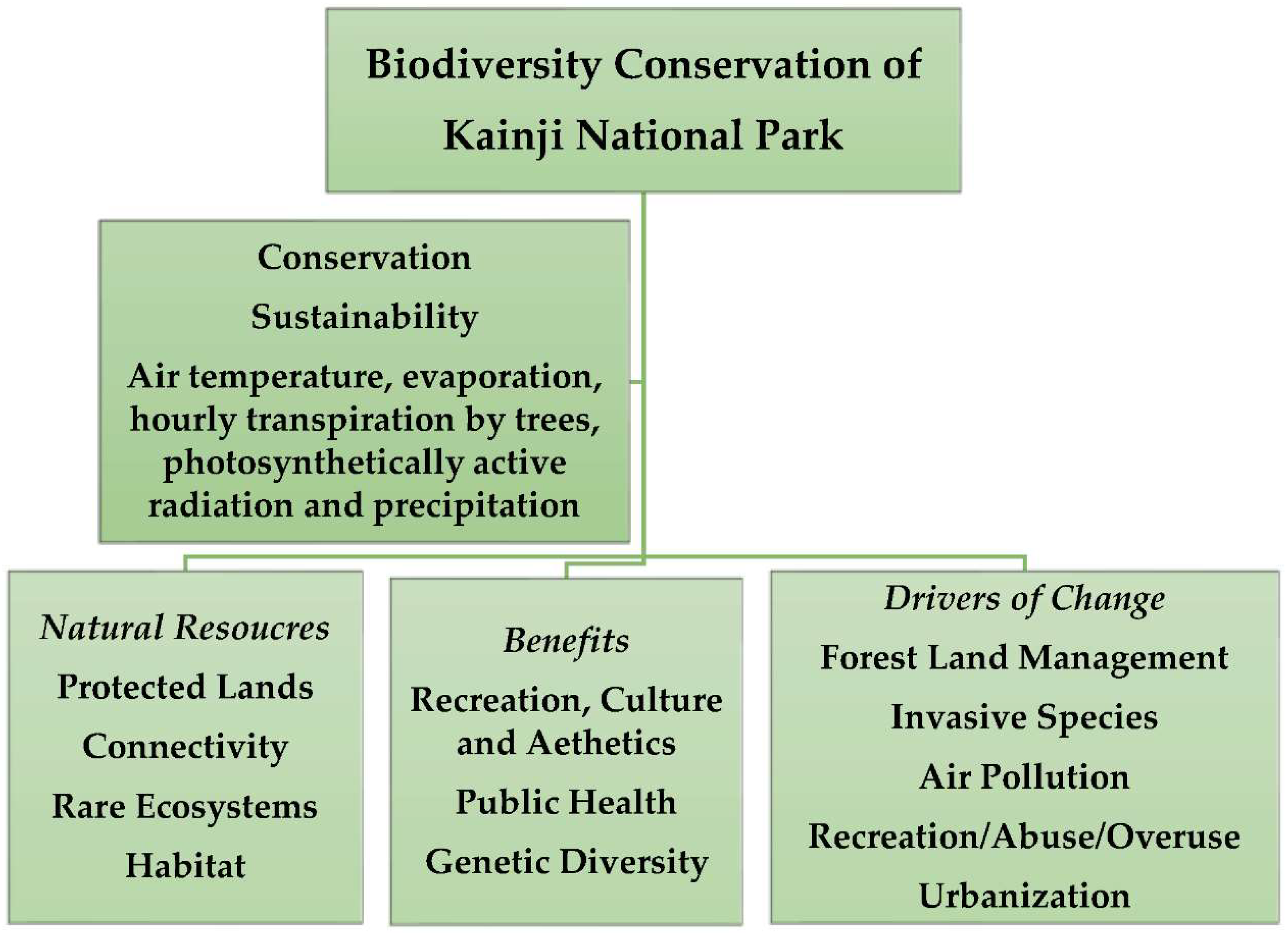
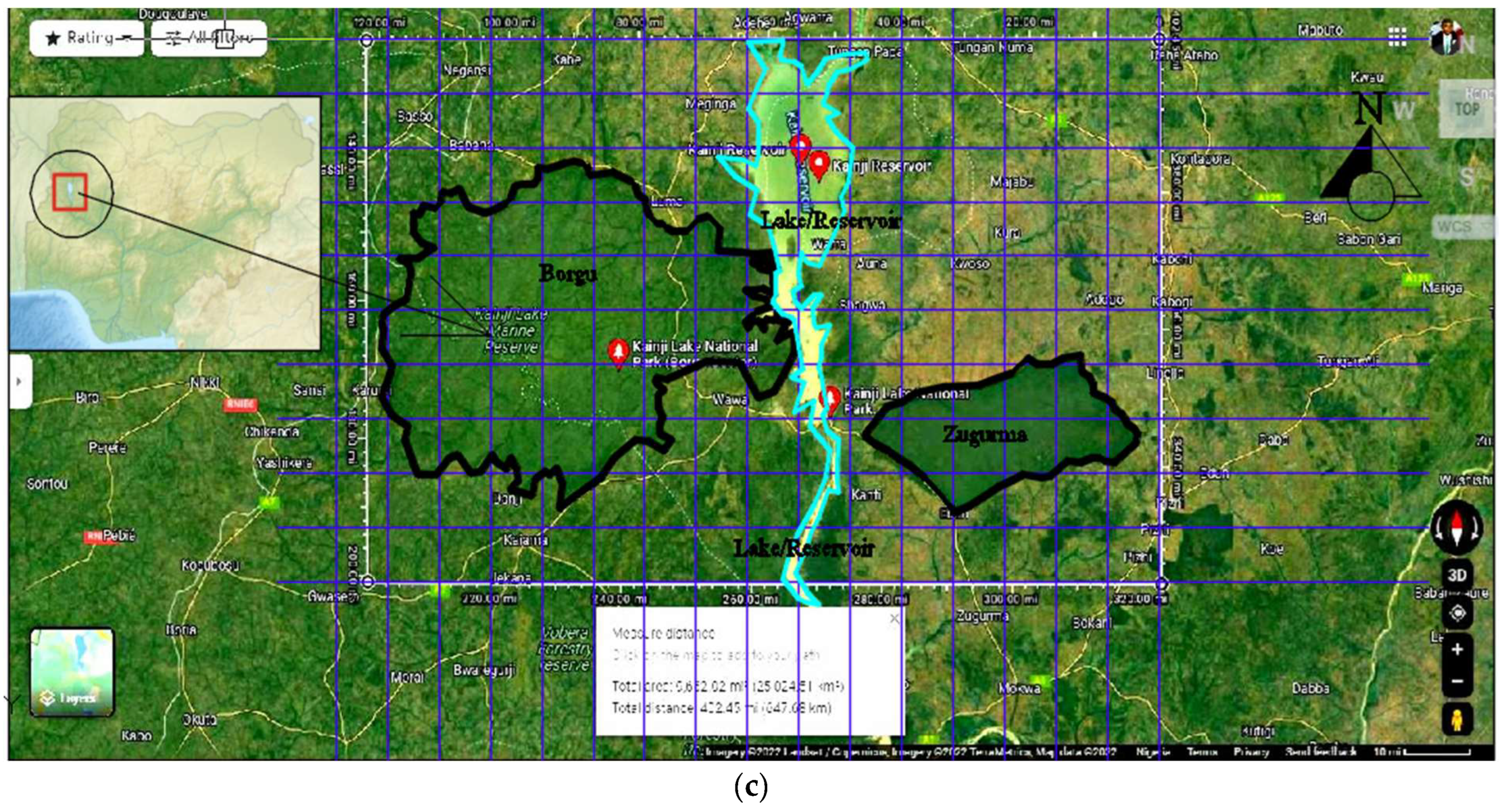
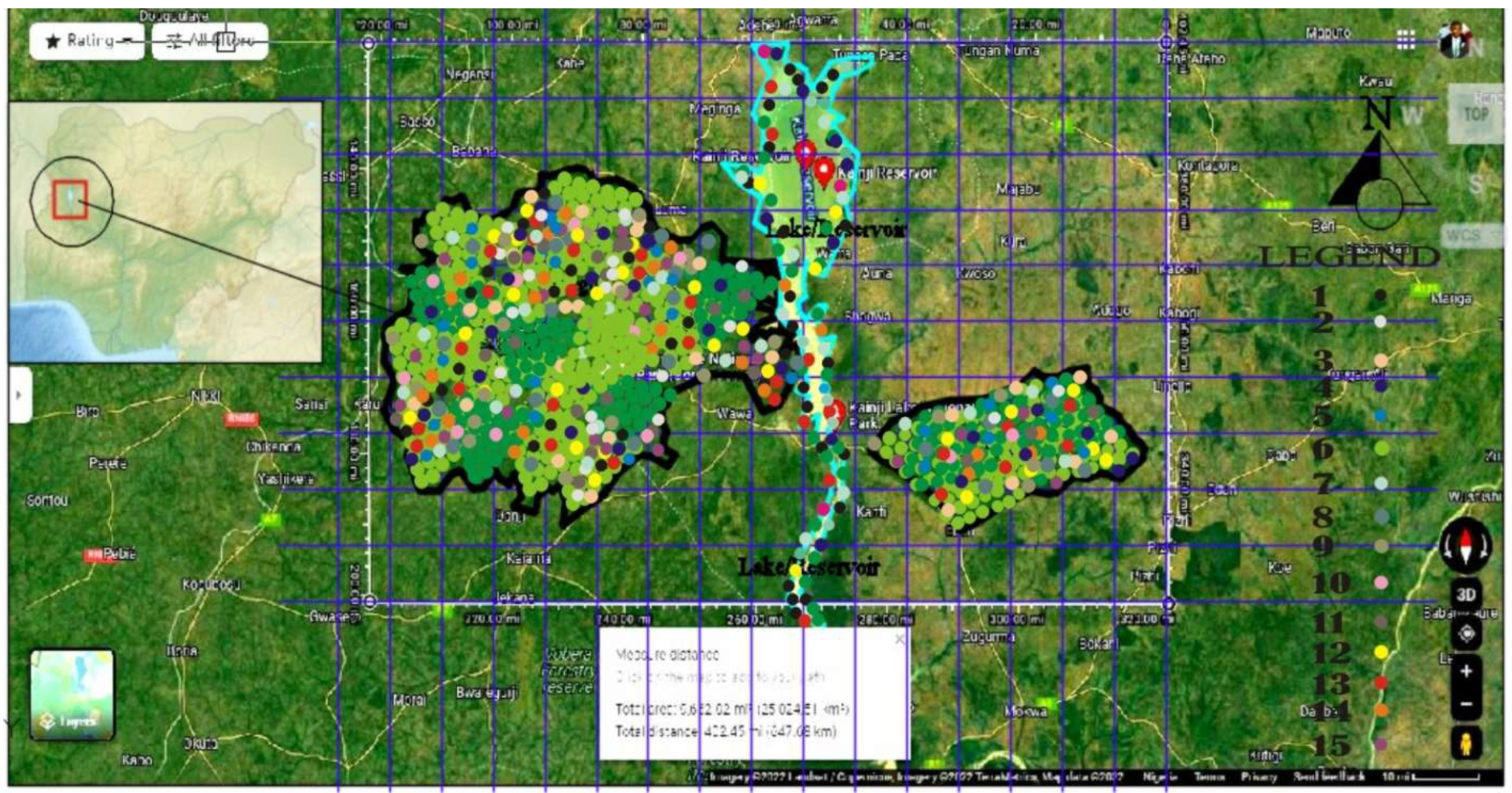
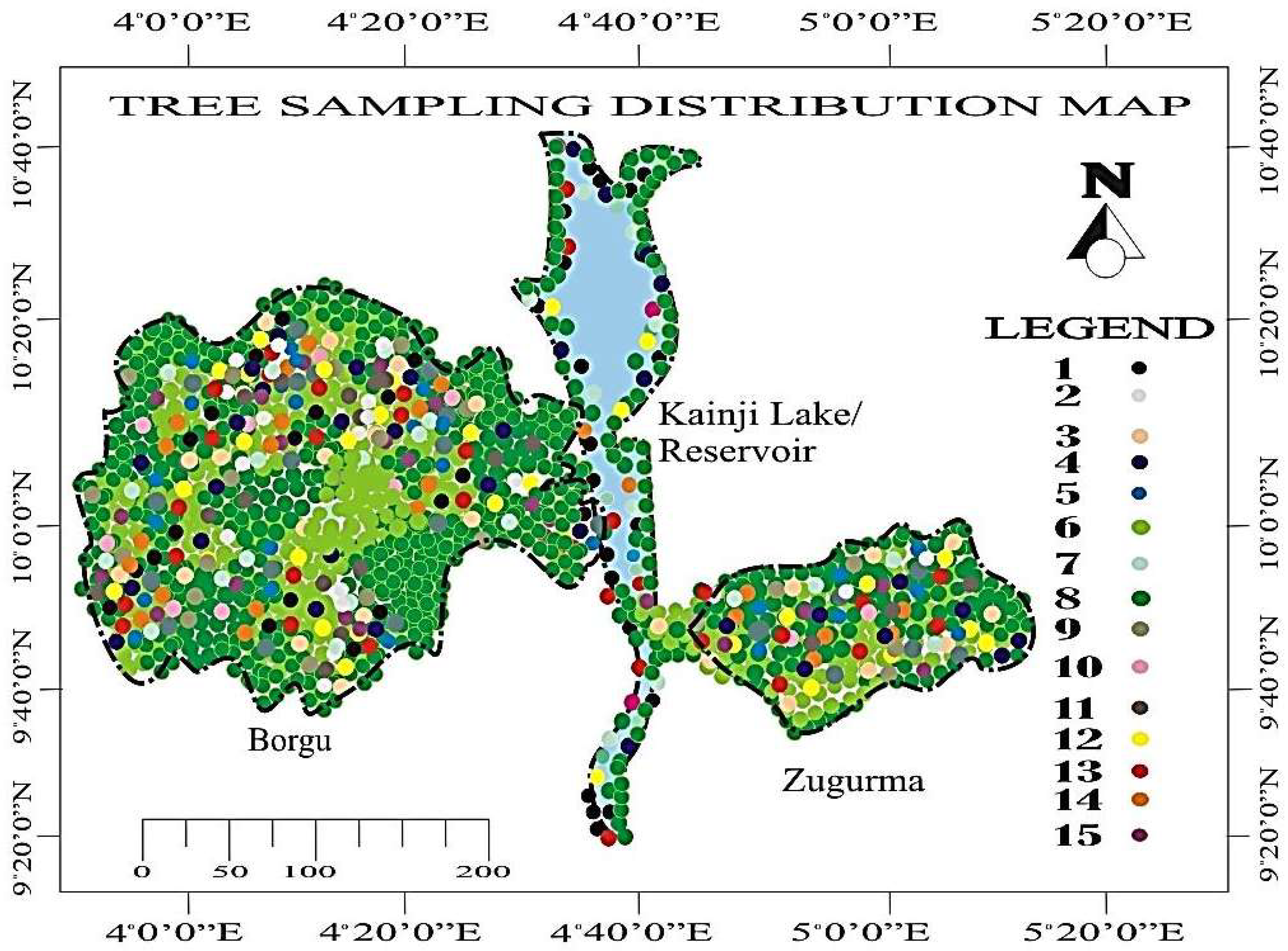
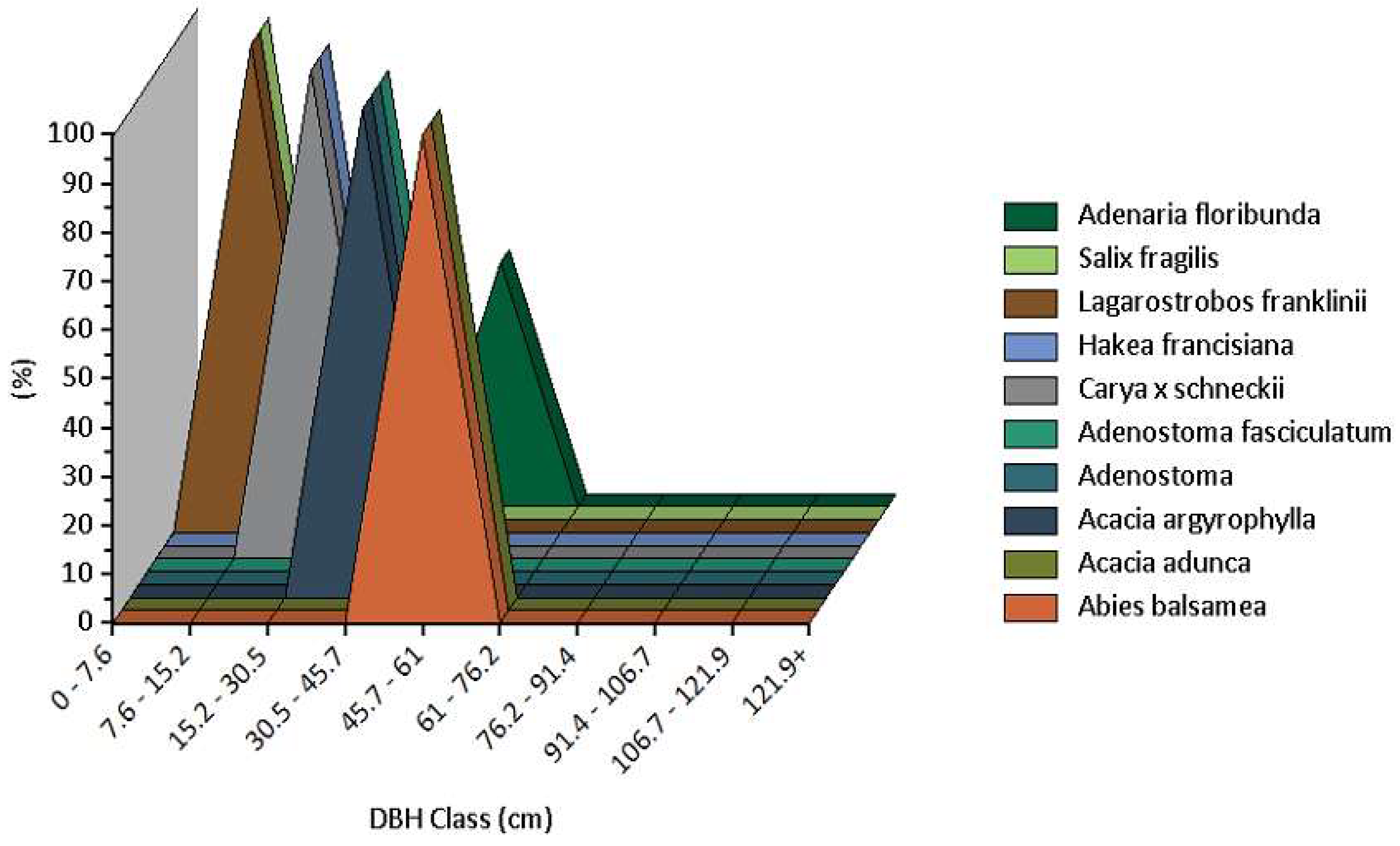
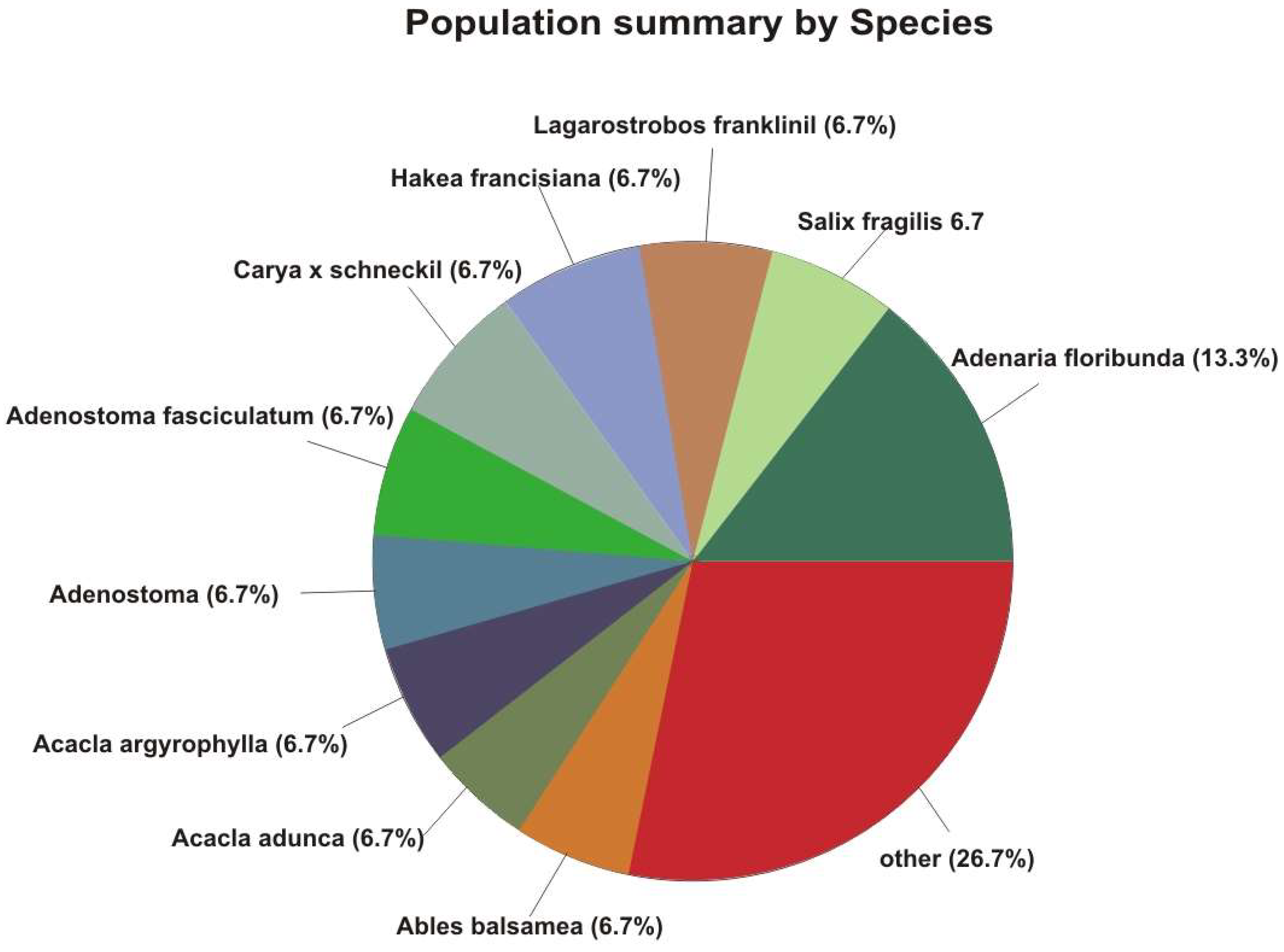
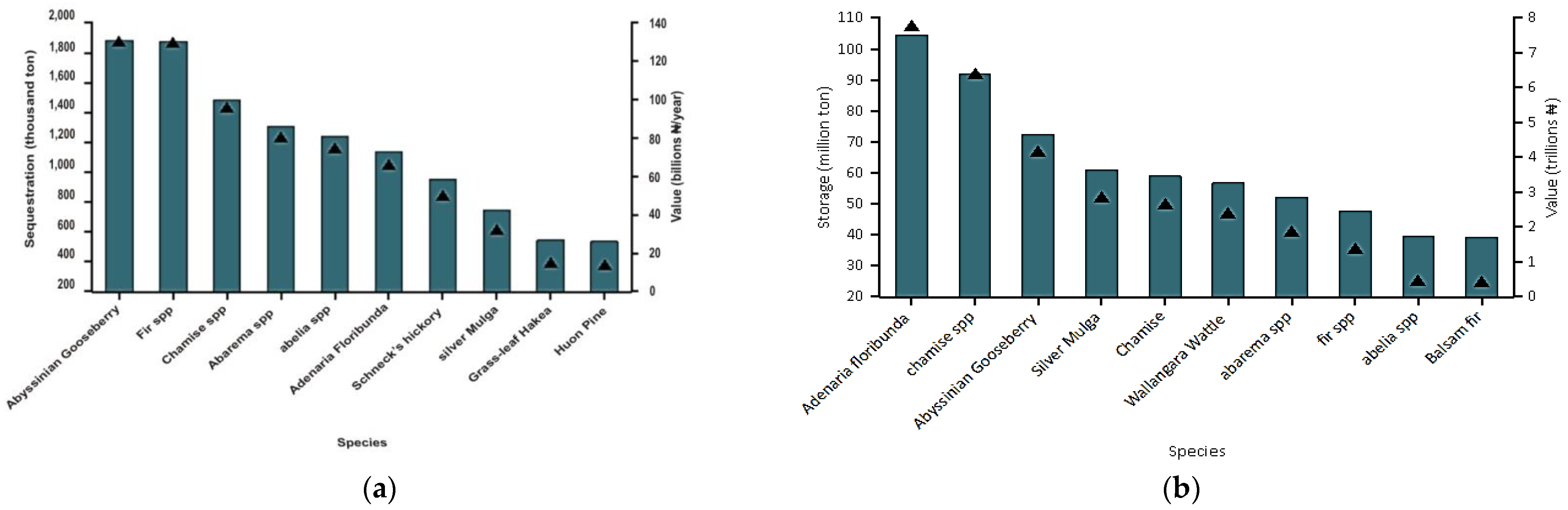
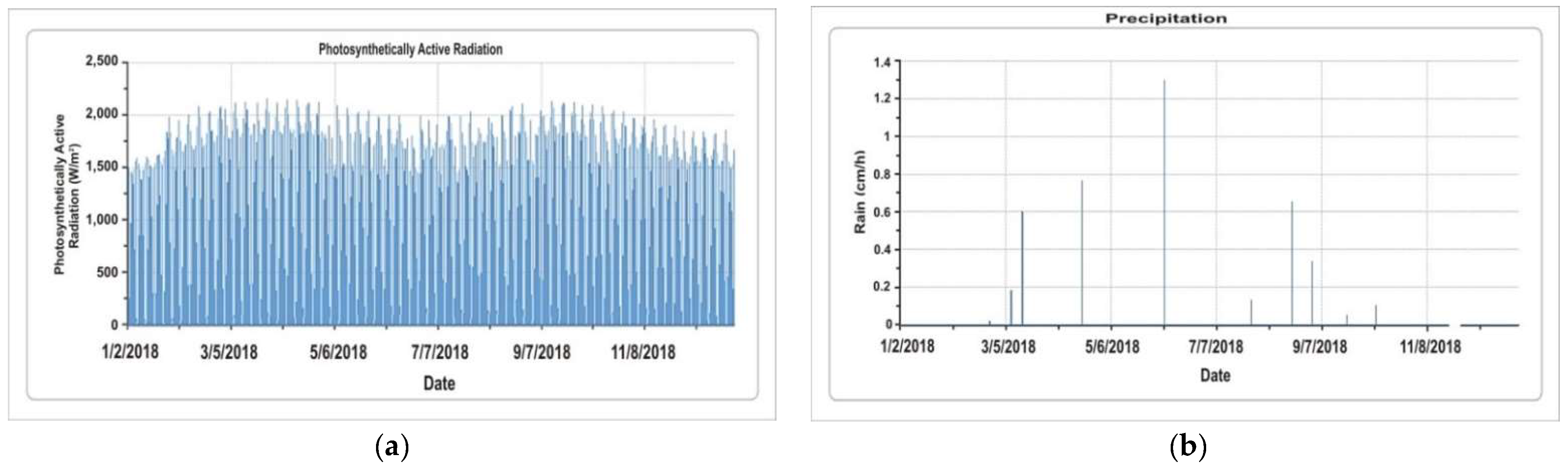
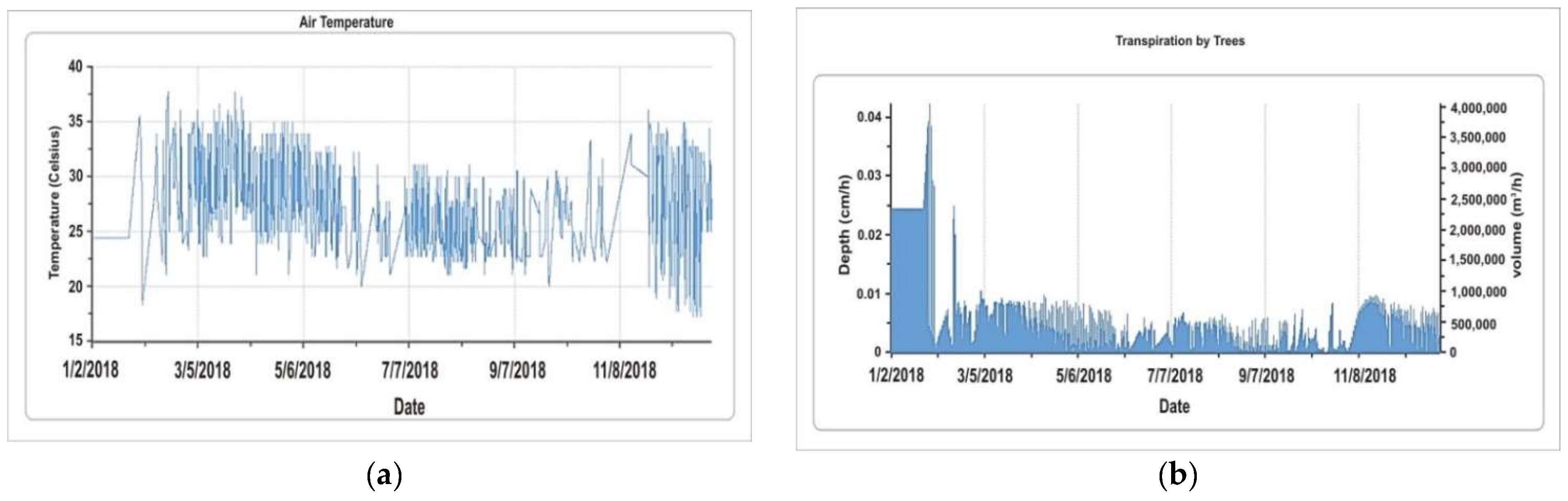
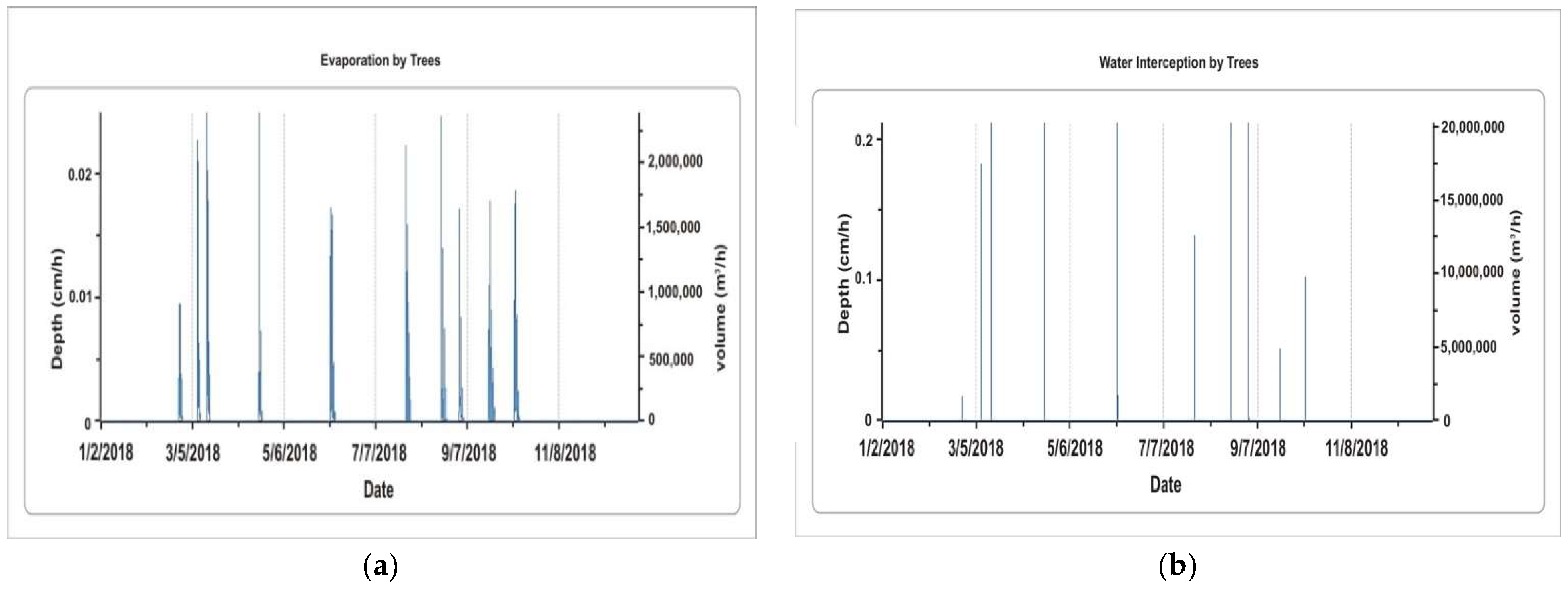
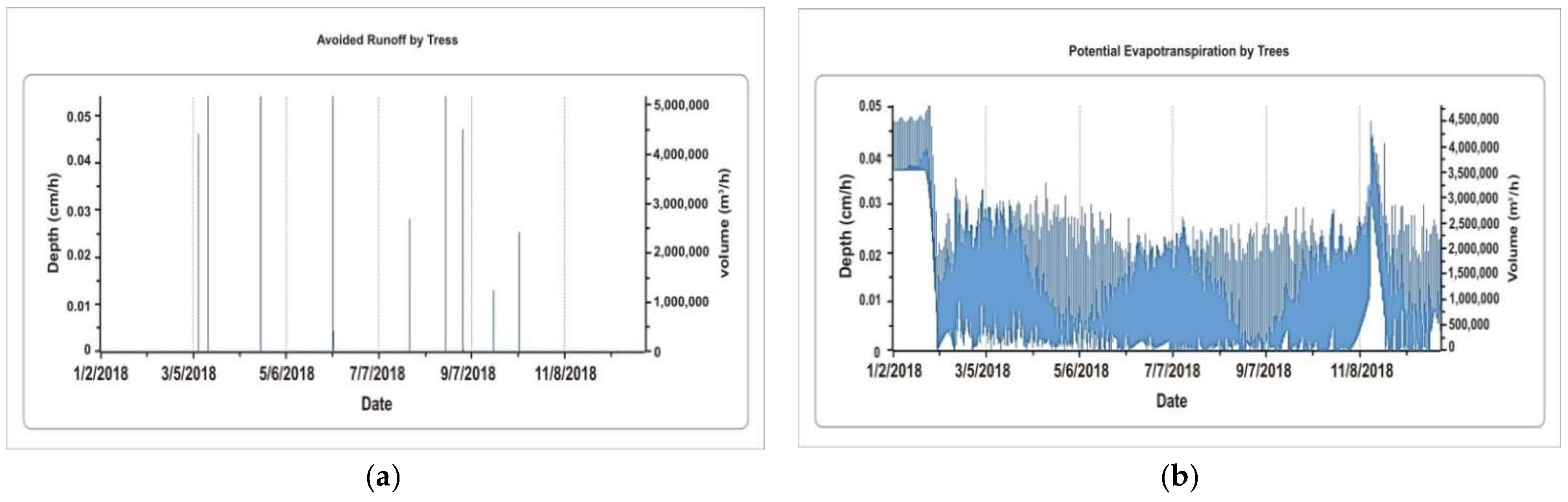
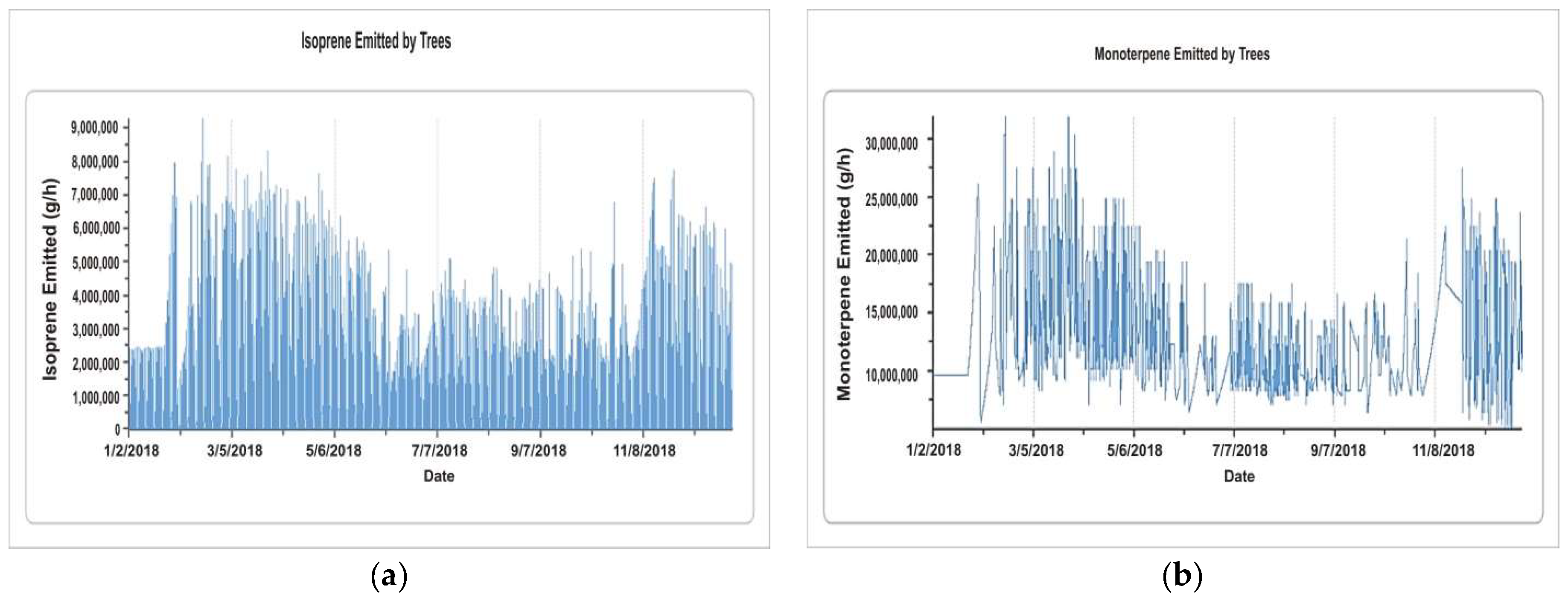
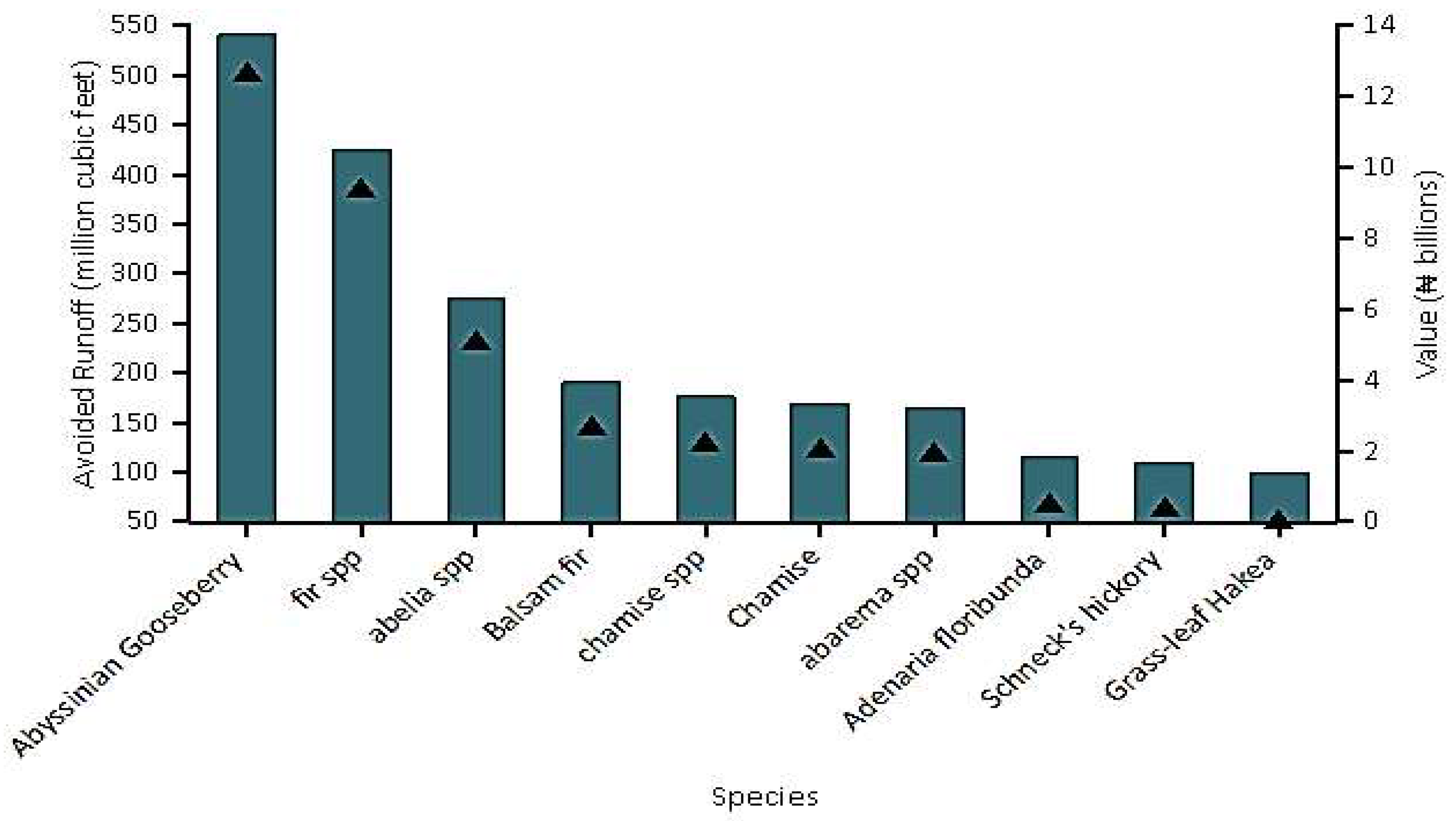
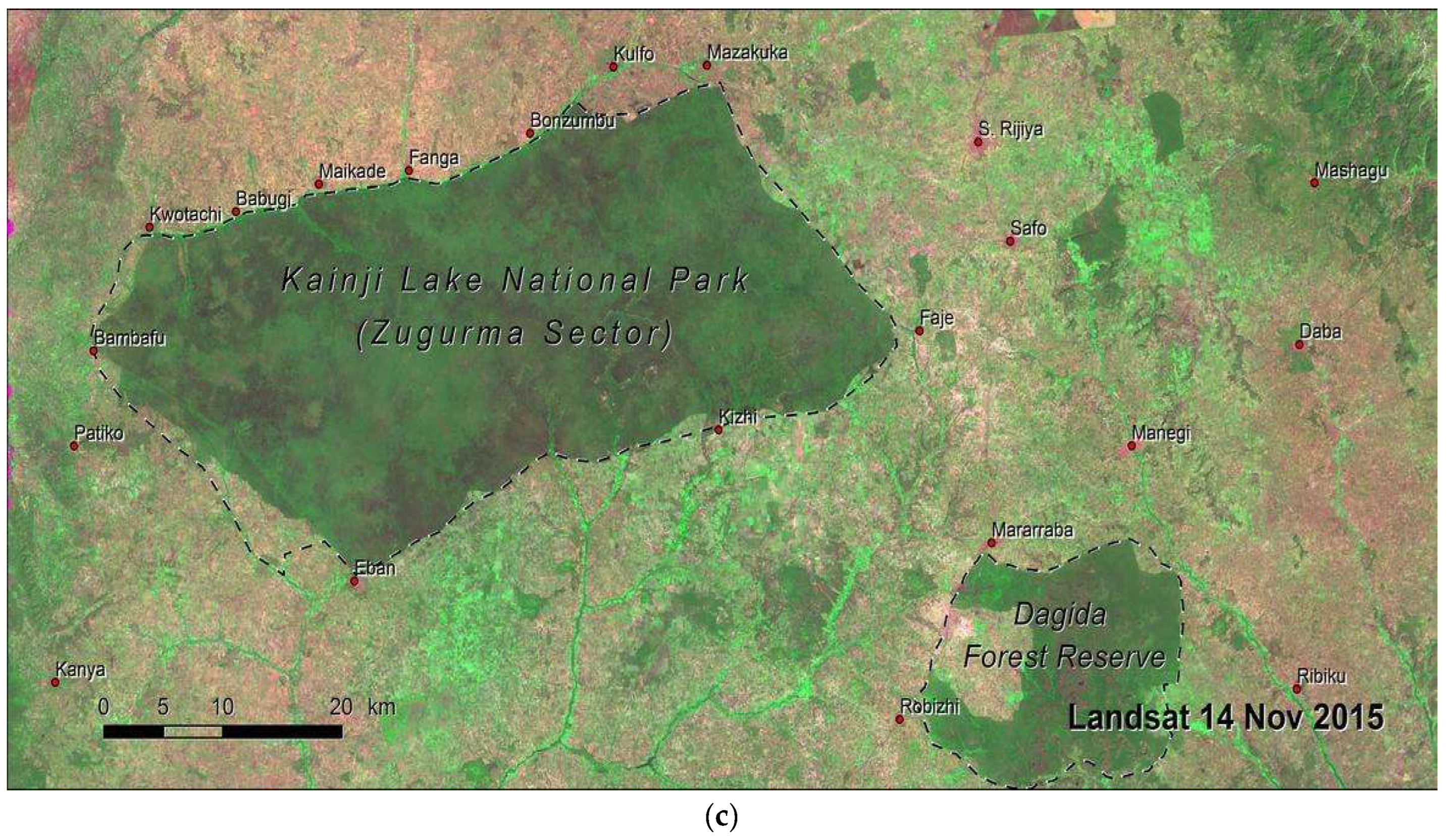
Due to rising global warming and climate change, biodiversity protection has become a critical ecological concern. Rich biodiversity zones are under threat and are deteriorating, necessitating national, regional, and provincial efforts to safeguard these natural areas. The effective conservation of national parks and nature-protected areas help to improve biodiversity conservation, forest, and urban air quality. The continuous encroachment and abuse of these protected areas have degraded the ecosystem over time. While exploring the geophysical ecology and biodiversity conservation of these areas in West Africa, Kainji National Park was selected for this study because of its notable location, naturalness, rich habitat diversity, topographic uniqueness, and landmass. The conservation of national parks and nature-protected areas is a cornerstone of biodiversity conservation globally. This study is aimed at the target United Nations’ Sustainable Development Goal 13, 2030—Climate Action targeted at taking urgent action towards combating climate change and its impacts. The study captures both flora and fauna that are dominant in the study area. The 15 identified tree species were selected from over 30 species with 563,500,000 (an average of 3,700,000 in each sample frame) trees for every tree species/type with a total of 63% tree green canopy cover. The study areas divided into three zones were randomly sampled within a stratum of 25 × 25 km frames divided into 150 sample frames for proper analyses using the i-Tree Eco v6.0.25. It is a United States Department of Agriculture (USDA) Forest Service peer-reviewed application (software) designed which includes tools for urban and rural forestry study and benefits evaluations. The following microclimatic data were captured and analyzed photosynthetically active radiation, rain/precipitation, temperature, transpiration, evaporation, water intercepted by trees, runoff avoided by trees, potential evaporation by trees, and isoprene and monoterpene by trees. This study also further discusses the tree benefits of a green, low carbon, and sustainable environment within the context of biodiversity conservation, considering carbon storage, carbon sequestration, hydrology effects, pollution removal, oxygen production, and volatile organic compounds (VOCs). There is a quick need for remotely-sensed information about the national parks, protected areas and nature reserves at regular intervals, and government policies must be strict against illegal poaching, logging activities, and other hazardous human impacts.
Keywords: carbon storage and sequestration; climate change; habitat diversity; Kainji National Park; protected areas; air quality carbon storage and sequestration; climate change; habitat diversity; Kainji National Park; protected areas; air quality