Article

An Infodemiology and Infoveillance Study on COVID-19: Analysis of Twitter and Google Trends
1
Department of Computer Science, Taif University, Taif 26571, Saudi Arabia
2
Department of Information Systems, King Abdulaziz University, Jeddah 21589, Saudi Arabia
*
Author to whom correspondence should be addressed.
Sustainability 2021, 13(15), 8528; https://doi.org/10.3390/su13158528
Submission received: 10 June 2021 / Revised: 26 July 2021 / Accepted: 27 July 2021 / Published: 30 July 2021

Abstract

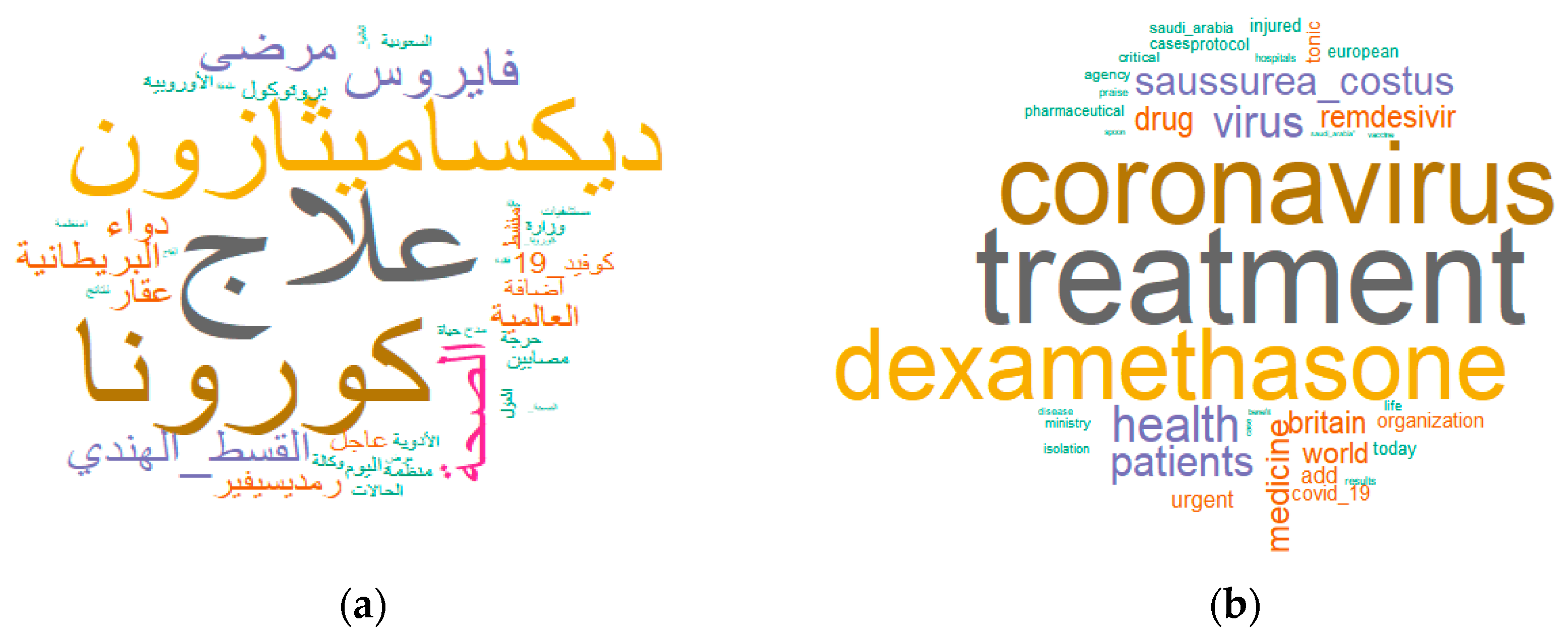
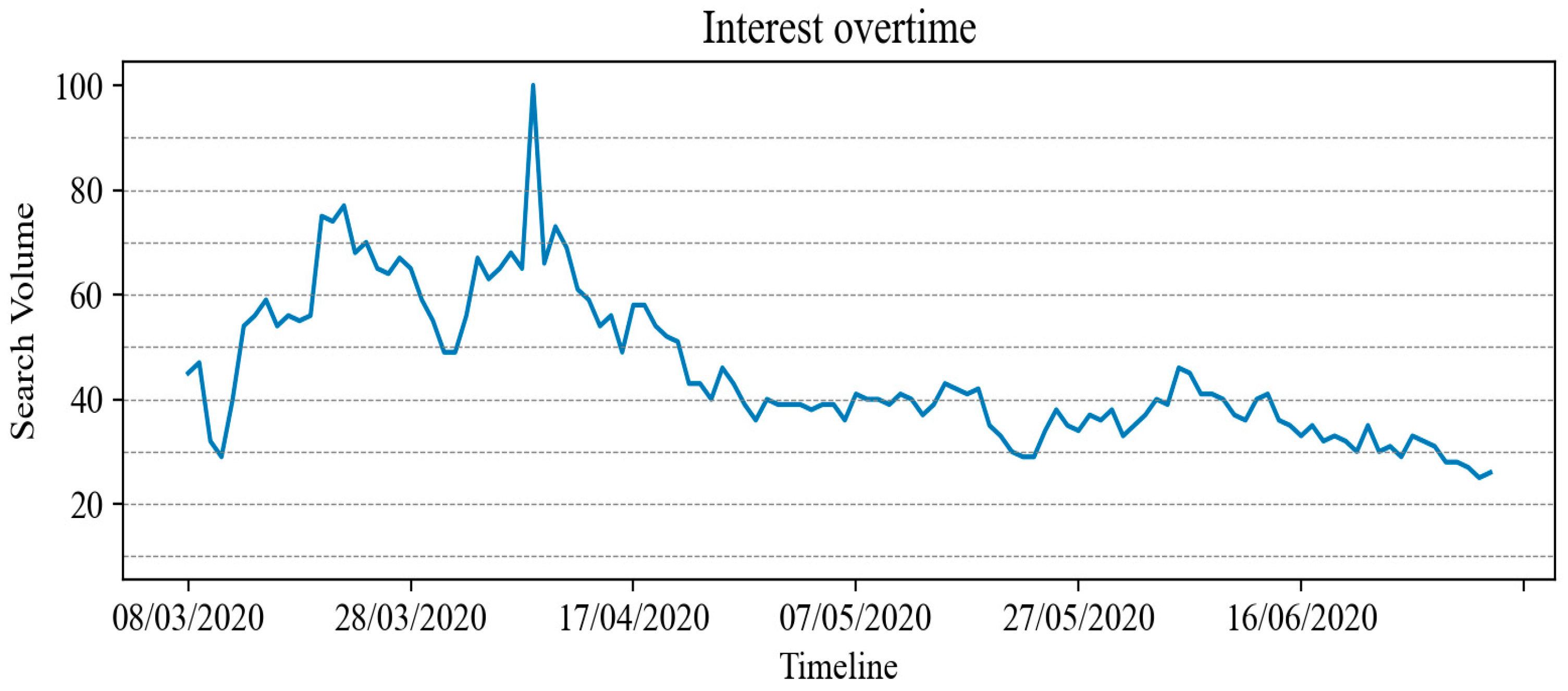
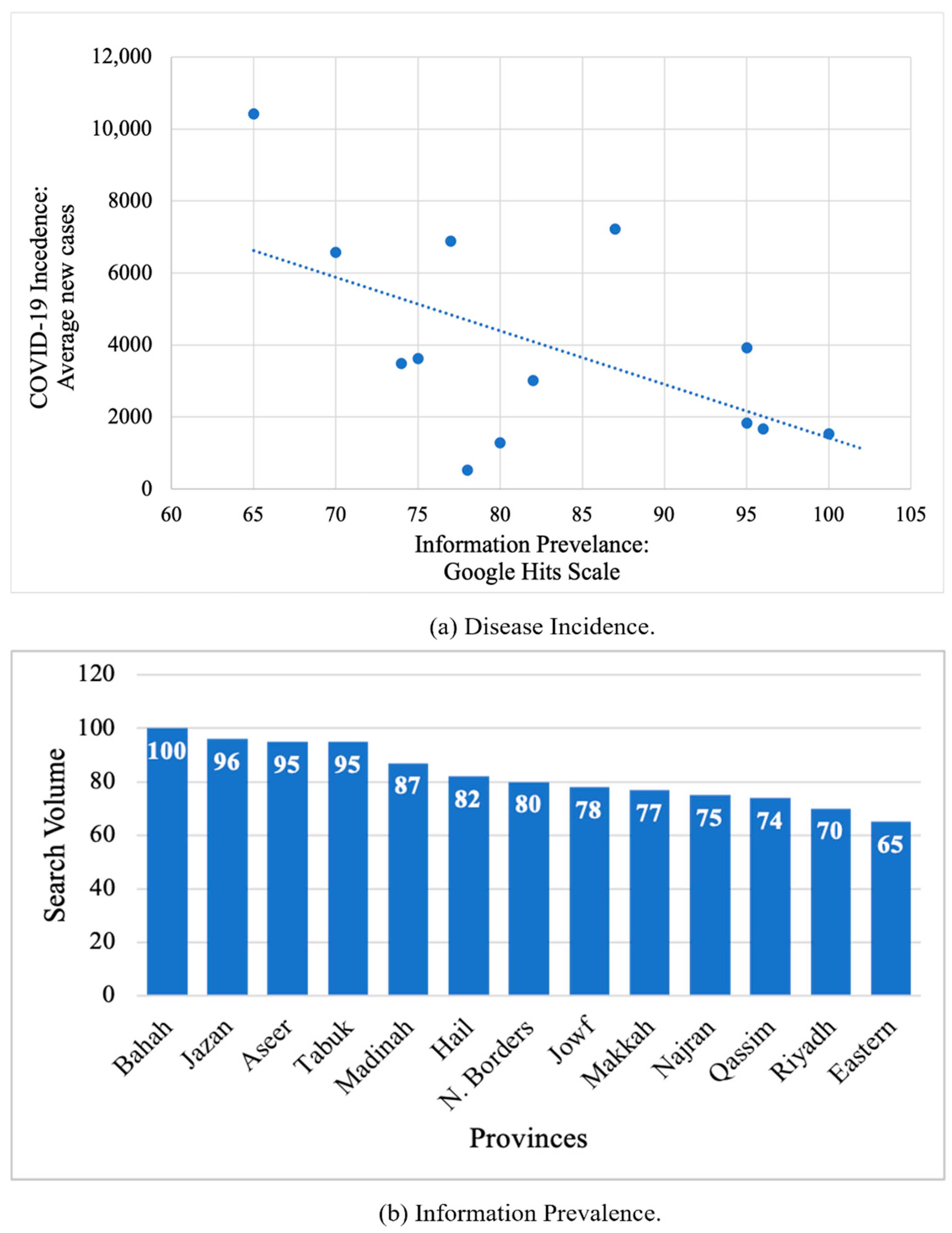
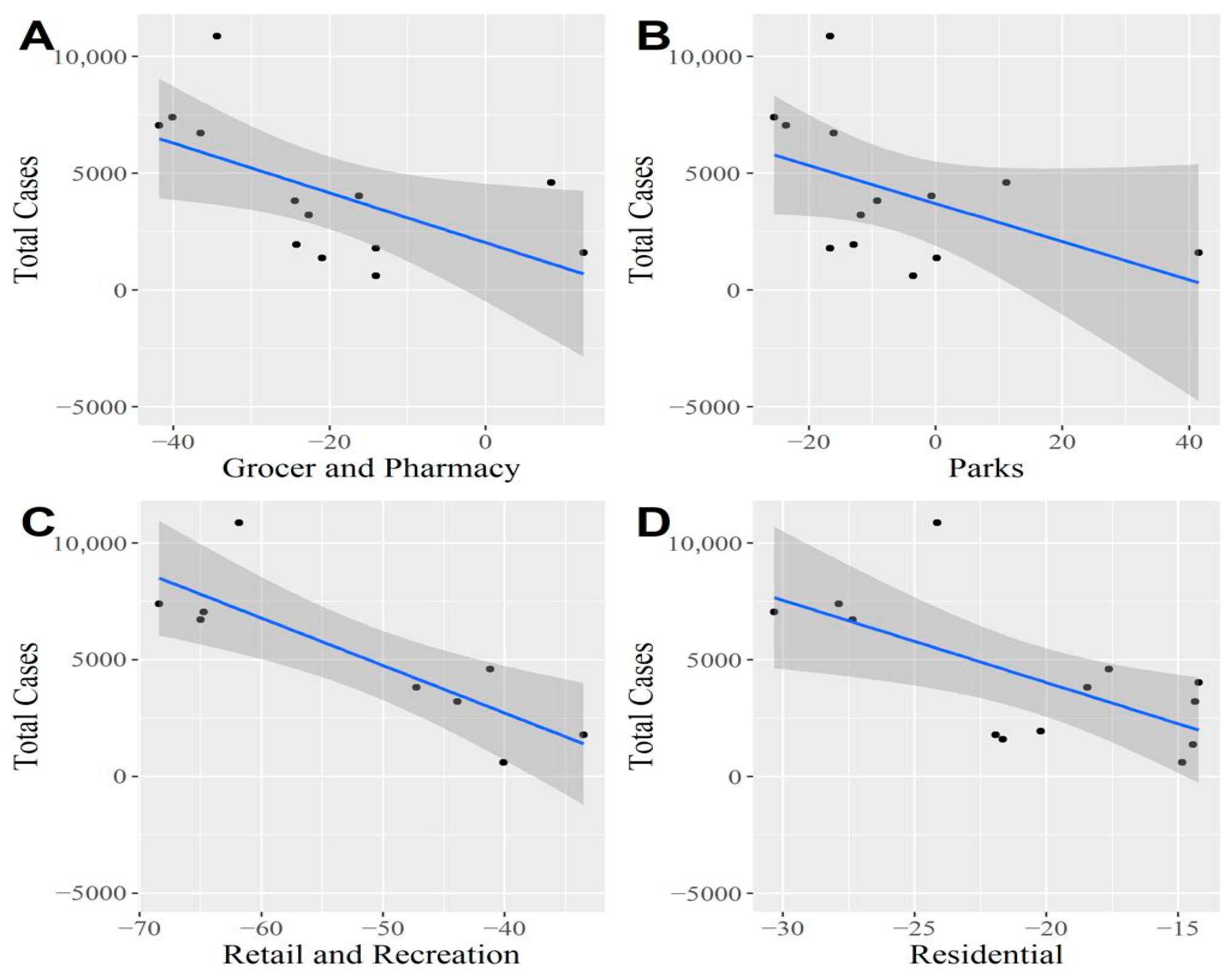
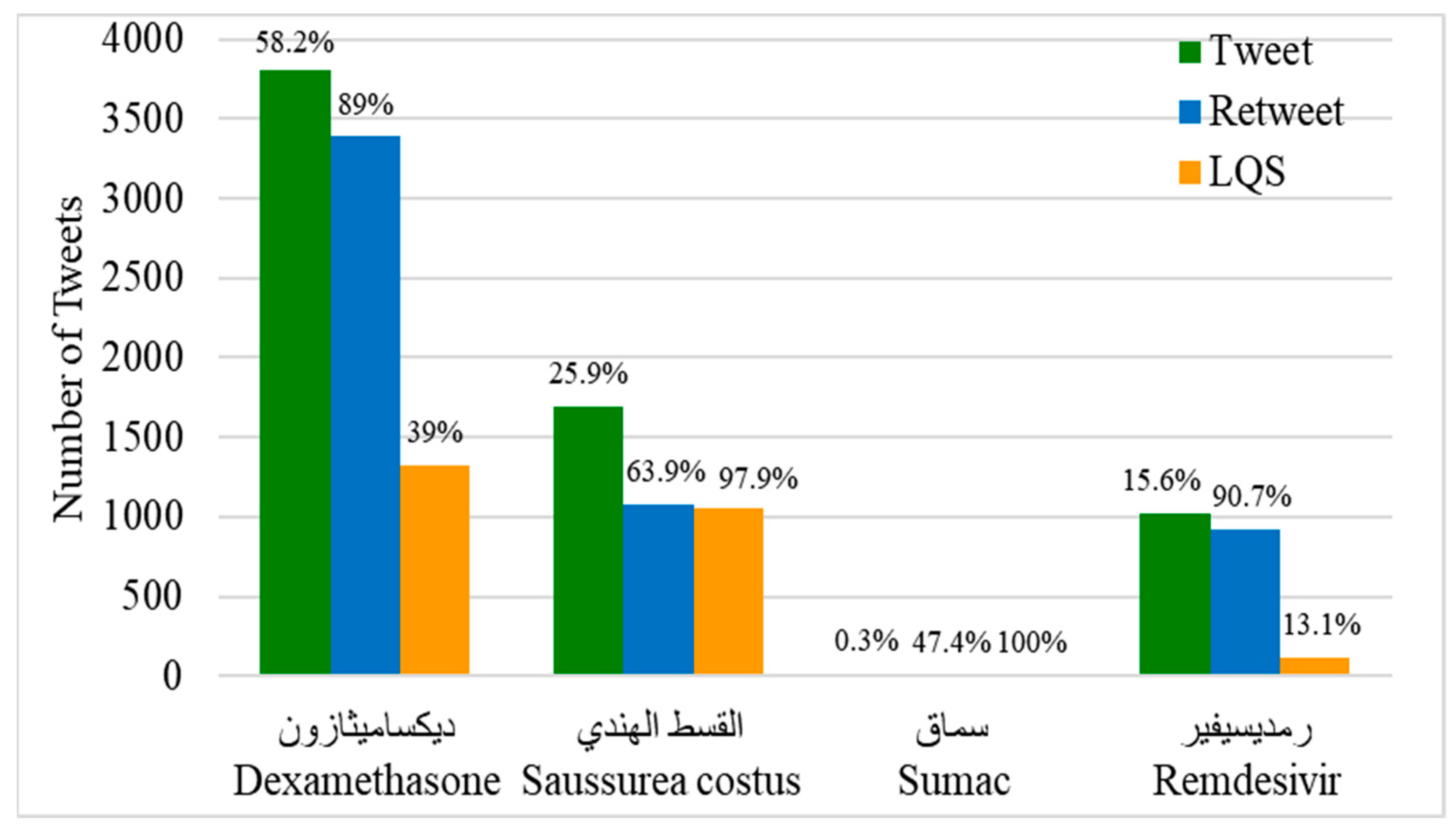
Infodemiology uses web-based data to inform public health policymakers. This study aimed to examine the diffusion of Arabic language discussions and analyze the nature of Internet search behaviors related to the global COVID-19 pandemic through two platforms (Twitter and Google Trends) in Saudi Arabia. A set of Twitter Arabic data related to COVID-19 was collected and analyzed. Using Google Trends, internet search behaviors related to the pandemic were explored. Health and risk perceptions and information related to the adoption of COVID-19 infodemic markers were investigated. Moreover, Google mobility data was used to assess the relationship between different community activities and the pandemic transmission rate. The same data was used to investigate how changes in mobility could predict new COVID-19 cases. The results show that the top COVID-19–related terms for misinformation on Twitter were folk remedies from low quality sources. The number of COVID-19 cases in different Saudi provinces has a strong negative correlation with COVID-19 search queries on Google Trends (Pearson r = −0.63) and a statistical significance (p < 0.05). The reduction of mobility is highly correlated with a decreased number of total cases in Saudi Arabia. Finally, the total cases are the most significant predictor of the new COVID-19 cases.
Keywords: coronavirus; COVID-19; Google Trends; infodemiology; infoveillance; social media; Twitter coronavirus; COVID-19; Google Trends; infodemiology; infoveillance; social media; Twitter