


Next Issue
Volume 15, December
Previous Issue
Volume 15, October


Nurs. Rep., Volume 15, Issue 11 (November 2025) – 38 articles
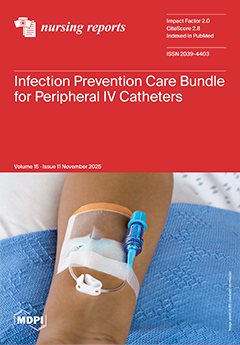
Cover Story (view full-size image): Peripheral intravenous catheters (PIVCs) are widely used for intravenous therapy in hospitalized patients; however, their use can result in complications such as infiltration, occlusion, dislocation, phlebitis, bloodstream infections, and catheter failure, leading to serious patient outcomes. This quality improvement study assessed the impact of a care bundle designed to enhance the insertion, maintenance, removal, and documentation of PIVCs with the goal of reducing complications.
Data collected from 1330 PIVCs using the validated PIVC-miniQ audit tool showed significant improvements in PIVC quality following implementation of the care bundle. Notably, the rate of phlebitis decreased from 15.1% to 9.4% after the intervention. Further high-quality studies are needed to determine which care bundles are most effective in preventing complications associated with PIVCs. View this paper
  • Issues are regarded as officially published after their release is announced to the table of contents alert mailing list.
  • You may sign up for e-mail alerts to receive table of contents of newly released issues.
  • PDF is the official format for papers published in both, html and pdf forms. To view the papers in pdf format, click on the "PDF Full-text" link, and use the free Adobe Reader to open them.
Order results
Result details
Section
Select all
Export citation of selected articles as:
23 pages, 1281 KB  
Article
Facilitators, Barriers, and Educational Preparedness of Early-Career Nursing Graduates Entering Practice in Rural and Remote Areas: A Mixed-Method Study
by Joanne Loughery, Sai Krishna Gudi, Tom Harrigan and Elsie Duff
Nurs. Rep. 2025, 15(11), 410; https://doi.org/10.3390/nursrep15110410 - 20 Nov 2025
Viewed by 349
Abstract
Background/Objective: A nurse staffing crisis is a high-profile issue in the healthcare system. The challenge accelerates when considering the status of the nursing workforce in rural and remote (R&R) areas, where recruitment and retention are mounting problems. The primary focus of this study [...] Read more.
Background/Objective: A nurse staffing crisis is a high-profile issue in the healthcare system. The challenge accelerates when considering the status of the nursing workforce in rural and remote (R&R) areas, where recruitment and retention are mounting problems. The primary focus of this study was to evaluate facilitators and barriers to entry into R&R nursing practice, alongside understanding educational preparedness to practice in these settings in Manitoba. Methods: A sequential explanatory mixed-methods survey and qualitative interviews were used as a study design to explore this emerging problem. Study participants include registered nurses (RNs) and Licensed Practical Nurses (LPNs) practicing in Manitoba’s R&R areas within three years of graduation from a nursing program. Results: A total of 77 nurses (56-RNs and 21-LPNs) participated in the survey, while 16 nurses were interviewed subsequently. Having a positive workplace culture (70%), being born or residing in an R&R area before practicing as a nurse (66%), and having a good clinical variety of patients (65%) were identified as key facilitators. Unmanageable workload with inadequate staffing (50%) and inadequate resources and infrastructure (46%) were identified as key barriers to entering R&R nursing practice in Manitoba. Through qualitative interpretive descriptions, the generalist role, autonomy, rural life, and organizational culture were identified as facilitators, while resources, staffing, geography, and expanded roles were identified as barriers. Conclusions: Preparing new nursing graduates for the realities they face in R&R areas is paramount. The current study findings help inform R&R curriculum in undergraduate nursing programs and consider strategies to enhance employment opportunities for new nurses in these dynamic settings. Full article
(This article belongs to the Special Issue Supporting New Graduate and Early Career Nurses)
Show Figures

Figure 1

16 pages, 345 KB  
Article
Readiness for Practice and Associated Factors Among Baccalaureate Nursing Students in Mongolia: A Mixed Methods Study
by Dulamsuren Damiran, Taewha Lee, Sue Kim, Wonhee Lee, Choi Jiyeon and Chang Gi Park
Nurs. Rep. 2025, 15(11), 409; https://doi.org/10.3390/nursrep15110409 - 20 Nov 2025
Viewed by 366
Abstract
Background/Objectives: Readiness for practice is an essential outcome of nursing education, yet the factors influencing it among baccalaureate nursing students in Mongolia remain underexplored. This study aimed to provide a holistic understanding of factors influencing readiness for practice among baccalaureate nursing students in [...] Read more.
Background/Objectives: Readiness for practice is an essential outcome of nursing education, yet the factors influencing it among baccalaureate nursing students in Mongolia remain underexplored. This study aimed to provide a holistic understanding of factors influencing readiness for practice among baccalaureate nursing students in Mongolia, employing both quantitative and qualitative approaches. Methods: A convergent mixed-methods design was used. The study included 150 final-year baccalaureate nursing students from 14 Mongolian universities. Quantitative data were collected via survey and analyzed using multiple regression analyses in SPSS 26.0. Concurrently, qualitative data were obtained through focus group interviews with 25 participants (nurses and faculty) and analyzed using content analysis. Results: Quantitative analyses revealed that the clinical learning environment, clinical competence, and critical thinking significantly influenced readiness for practice, explaining 40% of the variance. Qualitative findings—derived from nurses’ and faculty’s perspectives and findings—provided deeper insights: “maturity” was defined as students’ coping ability and adaptability; “competence” encompassed clinical, ethical, cultural, and communication skills; and “professional values” reflected passion, motivation, and readiness to engage in practice. These findings highlighted the essential interplay between personal, educational, and contextual factors in shaping readiness. Conclusions: Findings suggest strategies to enhance nursing students’ readiness, including fostering supportive clinical learning environments, structured mentorship, and integrating ethical and cultural training into curricula. These insights offer actionable recommendations for nursing schools and clinical institutions to strengthen collaboration, support professional development, and prepare competent, adaptable, and ethically grounded nursing graduates in Mongolia. Full article
(This article belongs to the Section Nursing Education and Leadership)
Show Figures

Figure 1

19 pages, 910 KB  
Article
Sociodemographic Factors, Physical Activity and Glycemic Control in Adults with Diabetes: A Pilot Study from a Croatian Reference Center
by Irena Canjuga, Dijana Vuković, Vilma Kolarić, Dario Rahelić, Goran Kozina, Vesna Mijoč, Melita Sajko, Natalija Uršulin-Trstenjak, Mihaela Kranjčević Ščurić and Iva Lončarić Kelečić
Nurs. Rep. 2025, 15(11), 408; https://doi.org/10.3390/nursrep15110408 - 19 Nov 2025
Viewed by 213
Abstract
Background/Objectives: Diabetes mellitus (DM) is a major global health concern, yet limited research has examined how sociodemographic factors and physical activity (PA) influence glycaemic control within specific national contexts. This pilot study explored associations between sociodemographic and behavioral factors and glycaemic regulation among [...] Read more.
Background/Objectives: Diabetes mellitus (DM) is a major global health concern, yet limited research has examined how sociodemographic factors and physical activity (PA) influence glycaemic control within specific national contexts. This pilot study explored associations between sociodemographic and behavioral factors and glycaemic regulation among adults with DM in Croatia. Methods: A cross-sectional study was conducted at a national reference center, including 95 adults with type 1 or type 2 diabetes. Data on demographics, clinical characteristics, and PA were obtained through questionnaires and medical records. Descriptive statistics, Welch’s t-tests, χ2 tests, correlations, and regression analyses were applied to identify predictors of HbA1c and diabetes-related complications. Glycaemic control was categorized as optimal (HbA1c ≤ 7.5%) or suboptimal (>7.5%) according to the pragmatic clinical threshold commonly used in DM management. Results: Mean HbA1c was 6.9% (SD = 1.3), with 33.7% of participants above 7.5%. Higher education (β = −0.48, p = 0.013) and participation in strength or balance exercises (β = −0.32, p = 0.041) were associated with lower HbA1c, whereas longer disease duration (β = 0.03, p = 0.004) and type 2 diabetes (β = 0.38, p = 0.030) predicted higher HbA1c. In logistic regression, age predicted cardiovascular comorbidities (OR = 1.12, 95% CI 1.02–1.23, p = 0.019). The interaction between PA and place of residence (urban vs. rural) showed a non-significant trend (p = 0.061). Conclusions: Glycaemic control in Croatian adults with diabetes was associated with educational level and engagement in strength and balance exercises, while longer disease duration, older age, and type 2 diabetes were linked to poorer regulation and more complications. These findings underscore the importance of structured exercise and patient education in diabetes management, although larger, prospective studies with standardized PA-intensity measures are required to confirm and extend these results. Full article
Show Figures

Figure 1

12 pages, 234 KB  
Article
Impact of Formal and Lifelong Education on Croatian Nurses’ Knowledge of Pressure Ulcers: A Cross-Sectional Study
by Ana Žepina Puzić, Mirna Žulec, Vesna Bušac, Želimir Bertić and Bojana Filej
Nurs. Rep. 2025, 15(11), 407; https://doi.org/10.3390/nursrep15110407 - 18 Nov 2025
Viewed by 251
Abstract
Background/Objectives: Formal and lifelong education on pressure injuries enables the acquisition and maintenance of relevant knowledge and represents a key link in ensuring quality and safe care. Critical planning and continuous implementation of education programs directly contributes to better management of these [...] Read more.
Background/Objectives: Formal and lifelong education on pressure injuries enables the acquisition and maintenance of relevant knowledge and represents a key link in ensuring quality and safe care. Critical planning and continuous implementation of education programs directly contributes to better management of these injuries and ensures consistent application of best practices in everyday nursing care. Methods: This study is based on a cross-sectional, quantitative methodology conducted in a state hospital in Croatia, on a sample of 268 participants. Results: Work experience did not show a significant correlation with test scores while the level of education, a master’s degree in nursing, had the highest mean percentages in prevention and overall score. Differences in test performance across department type showed a significant difference for the prevention subscale for neurological department staff. Activities such as reading the professional literature and attending lectures showed a positive correlation with higher scores in different areas of prevention, staging and the overall test. Internet use was positively associated with all subscales and the overall score. Conclusions: Despite the unsatisfactory level of knowledge of the respondents, the positive impact of formal and lifelong education on the existing level of information about pressure ulcers is evident. These findings highlight the need for improvement and better organization of educational programs, with an emphasis on their accessibility, continuity and focus on clearly defined learning outcomes. Full article
(This article belongs to the Section Nursing Education and Leadership)
22 pages, 391 KB  
Systematic Review
Open-Door ICU Model and Humanized Care: A Systematic Review
by Paula Andrea Duque and Sara Quintero Duque
Nurs. Rep. 2025, 15(11), 406; https://doi.org/10.3390/nursrep15110406 - 18 Nov 2025
Viewed by 436
Abstract
Background: Management of patients in closed-door intensive care units (ICUs) is often associated with limited family visits and a highly technological environment, which can lead to patient deconditioning through altered circadian rhythms and depersonalization, contributing to psychological distress in addition to physiological distress. [...] Read more.
Background: Management of patients in closed-door intensive care units (ICUs) is often associated with limited family visits and a highly technological environment, which can lead to patient deconditioning through altered circadian rhythms and depersonalization, contributing to psychological distress in addition to physiological distress. In recent years, there has been a shift in trends in the management of ICU patients with an emphasis on more social and psychological support, with the option of an open-door ICU. Objective: This study aims to evaluate the role of humanized care through social and psychological support in improving patients’ outcomes through the concept of open-door ICUs. Methods: This systematic review was conducted under the Preferred Reporting Items for Systematic Reviews and Meta-Analyses (PRISMA 2020) guidelines. Six databases were searched (LILACS, SciELO, PubMed, Scopus, ScienceDirect, and Dialnet) using a strategy based on MeSH and DeCS terms. Studies published between 2018 and 2025, in English, Spanish, and Portuguese, were included. Fifty studies were selected and analyzed using open, axial, and selective coding techniques. The review protocol was registered in PROSPERO (CRD420251080952). Results: Three main categories emerged: (1) Patient and Family Perceptions of ICU Care; (2) flexible visitation and technological mediation; and (3) humanization-centered care. These factors were linked to improved emotional well-being, reduced anxiety, enhanced communication, and stronger trust between families and healthcare professionals. Conclusions: Based on the results of our systematic review, we emphasize the importance of adopting humanized care practices in open-door ICUs. In particular, strategies like flexible visitation, emotional and spiritual support, respectful communication, and family involvement contribute to compassionate, patient-centered care. We recommend institutional policies that need to be designed that support humanization for patients and families. Full article
Show Figures

Figure 1

12 pages, 361 KB  
Article
Development and Validation of the Evaluating Attitudes, Training and Skills in Dysphagia Care (EATS) Questionnaire Among Nursing Home Nurses in Singapore
by Laurence Lean Chin Tan, Yujun Lim, Gerlie Contreras Magpantay and James Alvin Low
Nurs. Rep. 2025, 15(11), 405; https://doi.org/10.3390/nursrep15110405 - 17 Nov 2025
Viewed by 339
Abstract
Background: Dysphagia is prevalent among nursing-home residents and contributes to complications such as aspiration pneumonia, malnutrition, and diminished quality of life. Nurses’ knowledge and attitudes strongly influence care quality, yet few validated tools exist to assess these domains in long-term care. Objective: [...] Read more.
Background: Dysphagia is prevalent among nursing-home residents and contributes to complications such as aspiration pneumonia, malnutrition, and diminished quality of life. Nurses’ knowledge and attitudes strongly influence care quality, yet few validated tools exist to assess these domains in long-term care. Objective: This study aimed to develop and validate the Evaluating Attitudes, Training and Skills in Dysphagia Care (EATS) Questionnaire for nursing home nurses in Singapore. Methods: A cross-sectional study involving 111 nurses from three nursing homes was conducted. The EATS questionnaire was adapted from a hospice-based tool, refined through experts’ and users’ feedback, and subjected to psychometric testing. Analyses included item difficulty and discrimination for the knowledge component, exploratory factor analysis for the attitude component, and internal-consistency reliability. Construct validity was examined by comparing knowledge and attitude scores across nursing seniority and experience. Results: The final questionnaire comprised 22 knowledge and 18 attitude items that loaded onto three factors—Barriers to Dysphagia Care, Patients’ Preferences and Nurses’ Confidence, and Personal Choice. The attitude scale showed moderate internal consistency, and the knowledge items demonstrated acceptable performance for discrete factual content. Senior nurses scored higher in knowledge, confirming construct validity. The tool revealed persistent misconceptions and gaps in recognising subtle clinical signs of dysphagia. Conclusions: The EATS Questionnaire is a valid and pragmatic instrument for assessing dysphagia-related knowledge and attitudes among nursing home nurses. It provides actionable insights for designing targeted education and improving resident safety in long-term care settings. Full article
(This article belongs to the Special Issue Quality of Life in Care Homes)
Show Figures

Figure 1

14 pages, 246 KB  
Article
Communication with Mechanically Ventilated Patients: Nurses’ Perspectives and Practice
by Ruba F. Zeadnih, Ayman M. Al-Qaaneh, Heba N. Hudhud and Islam Bani Mohammad
Nurs. Rep. 2025, 15(11), 404; https://doi.org/10.3390/nursrep15110404 - 17 Nov 2025
Viewed by 570
Abstract
Background: Effective communication with mechanically ventilated patients is essential to delivering patient-centered care and ensuring psychological well-being. However, barriers such as limited verbal ability and lack of communication tools often challenge ICU nurses’ ability to interact with these patients. This study aimed [...] Read more.
Background: Effective communication with mechanically ventilated patients is essential to delivering patient-centered care and ensuring psychological well-being. However, barriers such as limited verbal ability and lack of communication tools often challenge ICU nurses’ ability to interact with these patients. This study aimed to assess the communication strategies used by ICU nurses in Jordan, with a focus on their knowledge, experience, and practice regarding augmentative and alternative communication (AAC) methods. Methods: A cross-sectional descriptive survey was conducted among ICU nurses from 11 hospitals in Jordan (governmental, private, and military). A validated 21-item questionnaire assessed communication strategies across four domains: traditional (unaided), aided (AAC), orientation, and assessment/planning. Responses were analyzed using descriptive statistics, Friedman and Kruskal–Wallis tests. Results: Out of 240 invited nurses, 237 participated (98.75% response rate). Traditional unaided strategies (e.g., gestures, yes/no questions, slow speech) and assessment/planning techniques were most frequently used (median = 3.83 and 4.00, respectively), while aided AAC strategies (e.g., boards, electronic tools) were least utilized (median = 3.25). Within-group comparisons showed significant differences in communication practices across subgroups, particularly in relation to years of experience and education level (p < 0.05). Despite having time to listen to patients, many nurses reported lacking reliable communication methods. Conclusions: Jordanian ICU nurses predominantly rely on traditional communication methods when interacting with conscious mechanically ventilated patients, with limited adoption of aided AAC strategies. These findings highlight a pressing need for targeted nurse training, policy support, and improved access to AAC tools to enhance communication and patient outcomes in critical care settings. Full article
(This article belongs to the Special Issue Advances in Critical Care Nursing)
12 pages, 418 KB  
Article
Sense of Coherence as a Moderator Between Social Isolation and the Risk of Care Dependency Among Older Adults in Japan
by Shimpei Hayashi and Keiko Matsumoto
Nurs. Rep. 2025, 15(11), 403; https://doi.org/10.3390/nursrep15110403 - 17 Nov 2025
Viewed by 329
Abstract
Background/Objectives: In Japan, the rapid aging of the population has increased the need for strategies to extend healthy life expectancy and prevent care dependency. Social isolation has been identified as a major risk factor for adverse physical and psychological outcomes, but its interaction [...] Read more.
Background/Objectives: In Japan, the rapid aging of the population has increased the need for strategies to extend healthy life expectancy and prevent care dependency. Social isolation has been identified as a major risk factor for adverse physical and psychological outcomes, but its interaction with psychological resilience factors remains unclear. This study aimed to examine the association between social isolation and the risk of care dependency among community-dwelling older adults, and to investigate whether the sense of coherence (SOC) moderates this relationship. Methods: A cross-sectional survey was conducted in City A, Kagawa Prefecture, involving 519 residents aged 65 years or older. Social isolation was assessed using the Japanese version of the Lubben Social Network Scale-6 (LSNS-6), and SOC was measured with a validated three-item scale from the University of Tokyo. The risk of care dependency was evaluated using a 15-item checklist developed by the Tokyo Metropolitan Institute of Gerontology. Nutritional status was measured using the Mini Nutritional Assessment–Short Form. Multiple imputation (m = 50) handled missing data. Standardized linear regression analyses estimated main and interaction effects, followed by robustness checks using robust, gamma, and bootstrap analyses. Results: Lower levels of social connectedness were associated with a higher risk of care dependency. A moderating trend of SOC was observed (β = 0.100, p = 0.004), suggesting that the adverse impact of social isolation may be greater among individuals with lower SOC. Conclusions: These findings suggest that SOC may play a potential buffering role mitigating the adverse effects of social isolation. Although the explanatory power of the model was moderate, the observed trends highlight the potential importance of psychosocial resources for preventive care among older adults. Full article
(This article belongs to the Special Issue Nursing Interventions to Improve Healthcare for Older Adults)
Show Figures

Figure 1

16 pages, 393 KB  
Project Report
Clinical Provider Perspectives on Remote Spirometry and mHealth for COPD
by Susan McCabe, Jessica Madiraca, Lianne Cole, Emily Morgan, Terri Fowler, Whitney Smith, Catherine O’Connor Durham, Kathleen Lindell and Sarah Miller
Nurs. Rep. 2025, 15(11), 402; https://doi.org/10.3390/nursrep15110402 - 15 Nov 2025
Viewed by 338
Abstract
Background/Objectives: COPD is a leading cause of death in the US, with higher morbidity and mortality in rural areas that lack specialized pulmonary care. Mobile health (mHealth) tools, including remote spirometry, may fill this gap, yet healthcare provider (HCP) perspectives on utility and [...] Read more.
Background/Objectives: COPD is a leading cause of death in the US, with higher morbidity and mortality in rural areas that lack specialized pulmonary care. Mobile health (mHealth) tools, including remote spirometry, may fill this gap, yet healthcare provider (HCP) perspectives on utility and implementation of remote spirometry and mHealth for COPD management in these settings remain unexplored. This study aimed to examine HCPs’ perspectives of mHealth with remote spirometry to inform future implementation in rural and low medical access settings. Methods: Five HCPs working in rural or medically limited settings in South Carolina participated in a deliberative discussion focus group. A semi-structured interview guide was used to explore insights into feasibility, clinical utility, and implementation needs. Transcripts were analyzed using thematic analysis to identify facilitators, barriers, and implementation considerations. Results: Participants reported that remote spirometry and mHealth had potential to support COPD treatment, increase healthcare access, and support self-management. Key facilitators identified were access to smartphones, potential for individualized COPD care, and visual tools for patient engagement. Barriers included risk of time and workload burden, data information overload, and technological limitations. Participants emphasized the need for team training, thoughtful integration into existing workflows, customizable data displays, and robust support for patient onboarding. Conclusions: Providers viewed mHealth applications with remote spirometry as a valuable tool with potential to improve COPD care but identified critical implementation needs. Participants emphasized that successful integration would require structured support, user-centered design, and attention to reimbursement and workflow alignment to enhance sustainability and patient/provider engagement. Full article
Show Figures

Figure 1

13 pages, 247 KB  
Article
Beyond Experience: How Doctoral and Pedagogical Training Shape Nurse Educators
by Raúl Quintana-Alonso, Lucía Carton Erlandsson and Elena Chamorro-Rebollo
Nurs. Rep. 2025, 15(11), 401; https://doi.org/10.3390/nursrep15110401 - 15 Nov 2025
Viewed by 243
Abstract
Background/Objective: Nurse educators are central to consolidating nursing as a discipline and shaping professional identity, yet their preparation is heterogeneous. This study aimed to identify profiles of nurse educators based on the value they assign to teaching competencies and to analyze factors influencing [...] Read more.
Background/Objective: Nurse educators are central to consolidating nursing as a discipline and shaping professional identity, yet their preparation is heterogeneous. This study aimed to identify profiles of nurse educators based on the value they assign to teaching competencies and to analyze factors influencing these profiles. Methods: A cross-sectional, descriptive research design was applied, using convenience sampling to recruit 326 nurse educators from Spanish universities. Data were collected through a self-administered online questionnaire distributed to nursing faculty from public, private, and affiliated (semi-private) universities across Spain. The instrument included sociodemographic and academic variables, along with nine teaching competencies. Descriptive statistics, cluster analysis, ANOVA, chi-square tests, and multinomial logistic regression were conducted using SPSS. Results: Three distinct profiles of nursing faculty were identified. The academic–pedagogical profile assigned the highest importance to all competencies (means 4.78–4.91), the clinical–pragmatic profile assigned the lowest (3.61–4.04), and the intermediate–researcher profile showed moderate values (4.26–4.50). Doctoral degree (χ2 = 65.36, p < 0.001) and pedagogical training (χ2 = 33.89, p < 0.001) were the strongest predictors of membership in the academic–pedagogical group, confirmed in multivariate regression (OR for doctorate = 0.07; OR for pedagogical training = 0.13, both p < 0.001). Conclusion: This study delineates three coherent and statistically robust profiles of nursing faculty based on their appraisal of teaching competencies. Academic qualifications and pedagogical training emerged as key determinants of these profiles. Tailored faculty development strategies that reinforce doctoral-level preparation and pedagogical expertise are critical to advancing the quality and consistency of nursing education. Full article
(This article belongs to the Section Nursing Education and Leadership)
15 pages, 261 KB  
Article
Associations Between Care Environments and Environmental Modifications in the Daily Living Settings of Children with Medical Complexity
by Yumi Mizuochi, Yukako Shigematsu and Yoshitomo Fukuura
Nurs. Rep. 2025, 15(11), 400; https://doi.org/10.3390/nursrep15110400 - 13 Nov 2025
Viewed by 338
Abstract
Background/Objectives: Children with medical complexity (CMC) living in community settings are increasingly prevalent, and appropriate care environments are essential to support their wellbeing. This study aimed to examine the relationship between care environments and environmental modifications in CMC’s daily living, as well as [...] Read more.
Background/Objectives: Children with medical complexity (CMC) living in community settings are increasingly prevalent, and appropriate care environments are essential to support their wellbeing. This study aimed to examine the relationship between care environments and environmental modifications in CMC’s daily living, as well as the factors influencing this relationship. Methods: A cross-sectional survey was conducted among families of CMC and professionals (including visiting nurses, consultation support specialists, and other professionals) across Japan. Mann–Whitney U tests were used to examine differences between families and professionals, as well as by the agent of modification. Wilcoxon signed-rank tests were performed to compare environmental scores before and after modifications. Spearman’s rank correlation coefficients were used to assess associations between environmental modification scores and post-modification environmental scores. Multiple regression analyses were conducted to identify predictors of post-modification environmental scores, including environmental modification subcategory scores and background characteristics. Results: Valid responses were obtained from 90 families (93.8%) and 221 professionals (76.2%). Significant differences in environmental modification scores were observed between families and professionals. Scores were significantly higher when modifications were conducted jointly by families and professionals and when led by professionals than when implemented solely by families. Pre- and post-modification environmental scores demonstrated significant improvements across all domains—physical, collaborative, service, and community—as well as in total score. Conclusions: Families may underappreciate professional psychological support as part of environmental modifications. Jointly planned, family-centred modifications integrating physical, service, collaborative, and community elements improve care environments and support the wellbeing of CMC and their families. Full article
16 pages, 284 KB  
Article
Influence of Transformational Leadership Competence on Nurses’ Intent to Stay: Cross-Sectional Study
by Norisk Mataganas Adalin, Theresa Guino-o, Bushra Jafer Al Hnaidi, Yousef Alshamlani, Hazel Folloso Adalin, John Paul Ben Silang, Raeed Alanazi and Regie Buenafe Tumala
Nurs. Rep. 2025, 15(11), 399; https://doi.org/10.3390/nursrep15110399 - 12 Nov 2025
Viewed by 1425
Abstract
Background/Objective: Transformational leadership (TL) by nurse managers is a modifiable organizational factor consistently linked to improved staff outcomes. However, evidence from the Arab Gulf region, particularly the Kingdom of Saudi Arabia (KSA), is limited. This study aimed to assess the relationship between nurse [...] Read more.
Background/Objective: Transformational leadership (TL) by nurse managers is a modifiable organizational factor consistently linked to improved staff outcomes. However, evidence from the Arab Gulf region, particularly the Kingdom of Saudi Arabia (KSA), is limited. This study aimed to assess the relationship between nurse managers’ TL and staff nurses’ intent to stay and determine which TL dimensions predict intent to stay. Methods: A cross-sectional online survey was conducted among staff nurses at a three-hospital academic medical city in Riyadh, KSA. A total of 523 eligible respondents successfully completed the survey, utilizing probabilistic cluster sampling to guarantee representation from various nursing units within the medical city. Nurse managers’ TL was assessed across five dimensions by using the multifactor leadership questionnaire, and staff nurses’ intention to stay was measured using intent to stay scale. Descriptive statistics summarized the respondents’ demographic profile, nurse managers’ TL and staff nurses’ intent to stay. Normality was evaluated using Shapiro–Wilk and Kolmogorov–Smirnov tests. Relationships were examined using Spearman’s rank correlation, and multivariable ridge regression modeled the predictive contributions of the overall TL and its five dimensions to intent to stay. Results were considered significant if p < 0.05. Results: Nurse managers’ TL exhibited a positive association with staff nurses’ intention to stay in their current positions (r = 0.22, p < 0.001). Moreover, every dimension of TL demonstrated a strong positive relationship with the intent to stay (all p-values < 0.001). Multivariable ridge regression analysis revealed that the overall TL was a significant predictor of the intent to stay (β = 0.13, p < 0.001). Conclusions: The findings corroborate prior evidence linking TL to retention intentions. This underscores the practical salience of leadership competencies and attributes of nursing leaders, particularly TL, which recognizes the individual needs of staff nurses. This recognition subsequently fosters retention intentions, cultivates supportive nursing work environment, and enhances overall organizational success. Full article
14 pages, 491 KB  
Article
The Impact of an Onboarding Plan for Newly Hired Nurses and Nursing Assistants: Results of a Quasi-Experimental Study
by Pilar Montes Muñoz, Pablo Cardinal-Fernández, Ángel Morales Rodríguez, Cayetana Ruiz-Zaldibar and Alicia de la Cuerda López
Nurs. Rep. 2025, 15(11), 398; https://doi.org/10.3390/nursrep15110398 - 12 Nov 2025
Viewed by 627
Abstract
Background/Objectives: High turnover and staff shortages in nursing pose challenges to professional integration and compromised patient safety. Structured onboarding programs are considered key strategies to enhance adaptation, reduce clinical errors, and promote retention. This study aimed to evaluate the impact of a structured [...] Read more.
Background/Objectives: High turnover and staff shortages in nursing pose challenges to professional integration and compromised patient safety. Structured onboarding programs are considered key strategies to enhance adaptation, reduce clinical errors, and promote retention. This study aimed to evaluate the impact of a structured onboarding program compared with the standard routine on early professional adaptation, safety culture, and satisfaction among newly hired nurses and nursing assistants. Methods: A prospective quasi-experimental study was conducted between 2022 and 2024 in three private hospitals in Madrid. A total of 200 newly hired health professionals (128 nurses and 72 assistants) were assigned alternately to either the intervention group (structured onboarding program) or the control group (usual routine). The intervention comprised three consecutive days of guided training with mentorship, simulation-based learning, and digital tool instruction. Adaptation was assessed with the validated GAML scale, and satisfaction was measured through a Likert survey one month later. Statistical analyses included Mann–Whitney U, Chi-squared tests, and linear regression. Results: The intervention group achieved significantly higher scores across all competency domains for both nurses and nursing assistants, with overall medians of 25 [22–27] and 22 [20–23.25], respectively, compared with notably lower values in the control groups (p < 0.001). The greatest improvements were observed in digital tool management, clinical protocol knowledge, problem-solving and decision-making, and patient safety practices, demonstrating the strong impact of the structured onboarding program. In terms of satisfaction, participants in the intervention group also reported higher ratings for the clarity and completeness of information, particularly regarding hospital structure, service-specific orientation, and occupational risk prevention. However, global satisfaction differences were more pronounced among nurses than nursing assistants. Conclusions: The structured onboarding program demonstrated substantial benefits in professional adaptation, safety culture, and perceived preparedness of newly hired staff. These findings support integrating standardized onboarding plans as part of hospital quality and safety strategies, requiring sustained leadership and resource investment for long-term success. Full article
Show Figures

Figure 1

19 pages, 282 KB  
Article
Fostering Healthcare Innovation: A Mixed-Methods Study of an Impact Entrepreneurship Course for Nurse Practitioner Students
by Zvika Orr, Beth G. Zalcman, Ronit Pinchas-Mizrachi and Anat Romem
Nurs. Rep. 2025, 15(11), 397; https://doi.org/10.3390/nursrep15110397 - 12 Nov 2025
Viewed by 530
Abstract
Background/Objectives: Despite its benefits for both nurses and patients, entrepreneurship among nurses remains uncommon. Specifically, impact entrepreneurship has rarely been applied in nursing. Impact entrepreneurship promotes solutions to health, social, and environmental challenges using business models committed to measurable social impact and return [...] Read more.
Background/Objectives: Despite its benefits for both nurses and patients, entrepreneurship among nurses remains uncommon. Specifically, impact entrepreneurship has rarely been applied in nursing. Impact entrepreneurship promotes solutions to health, social, and environmental challenges using business models committed to measurable social impact and return on investment. Beginning in 2020, an impact entrepreneurship course was introduced as a mandatory component of the master’s and nurse practitioner programs in geriatrics and palliative care at an Israeli college. This article examines the perceptions of the nurses who completed the course and explores how the course affected them and their professional practice. Methods: This mixed-methods study employed a convergent design and included self-administered questionnaires sent to all graduates of two cohorts, along with a qualitative thematic analysis of students’ reflective essays written during the course. Results: Students reported that the course empowered them to be innovators and contributed to their professional and personal development. They also explained that studying impact entrepreneurship could increase their earning potential and enable them to make a substantial difference for patients. Throughout the course, participants shifted their view of entrepreneurship and realized that, given nurses’ closeness with patients, they can and should be entrepreneurs. Before the course, students were reluctant to engage in entrepreneurship; afterward, students demonstrated marked interest in pursuing entrepreneurial pathways. Conclusions: Exposure to impact entrepreneurship can help nurses identify and implement creative and cost-effective solutions to workplace challenges. The professional characteristics of nurses position them as potential leaders of impact entrepreneurship in healthcare. Educational institutions worldwide should incorporate the subject of impact entrepreneurship into curricula and practice to realize that potential. Full article
(This article belongs to the Section Nursing Education and Leadership)
14 pages, 821 KB  
Article
Panorama of Two Decades of Maternal Deaths in Brazil: Retrospective Ecological Time Series
by Gustavo Gonçalves dos Santos, Giovana Aparecida Gonçalves Vidotti, Carolliny Rossi de Faria Ichikawa, Cindy Ferreira Lima, Leticia de Almeida Dionizio, Janize Silva Maia, Karina Franco Zihlmann, Joaquim Guerra de Oliveira Neto, Wágnar Silva Morais Nascimento, Alexandrina Maria Ramos Cardoso, Júlia Maria das Neves Carvalho, Patrícia Lima Ferreira Santa Rosa, Ricardo José Oliveira Mouta, Cesar Henrique Rodrigues Reis, Cláudia de Azevedo Aguiar, Débora de Souza Santos, Bruno Pereira da Silva, Anderson Lima Cordeiro da Silva, Edson Silva do Nascimento, Beatriz Maria Bermejo Gil and Leticia López Pedrazaadd Show full author list remove Hide full author list
Nurs. Rep. 2025, 15(11), 396; https://doi.org/10.3390/nursrep15110396 - 11 Nov 2025
Viewed by 695
Abstract
Background: Maternal mortality remains a significant public health challenge in Brazil, reflecting persistent social, racial, and regional inequalities. Objectives: This study aimed to analyze trends and characteristics of maternal deaths in Brazil from 2000 to 2020, identifying sociodemographic and clinical risk factors. Methods: [...] Read more.
Background: Maternal mortality remains a significant public health challenge in Brazil, reflecting persistent social, racial, and regional inequalities. Objectives: This study aimed to analyze trends and characteristics of maternal deaths in Brazil from 2000 to 2020, identifying sociodemographic and clinical risk factors. Methods: A retrospective, population-based study was conducted using secondary data from the Sistema de Informações sobre Mortalidade (SIM) of the Brazilian Ministry of Health. Descriptive and comparative statistical analyses were performed, including chi-square (χ2) goodness-of-fit tests and 95% confidence intervals calculated by the Wilson method. Variables were stratified by region, age, race, education, type and period of death, and investigation status. Results: A total of 40,907 maternal deaths were recorded. From 2000 to 2020, Brazil recorded 40,907 maternal deaths. The maternal mortality ratio decreased from approximately 74 deaths per 100,000 live births in 2000 to 57 per 100,000 in 2020, representing a 23% reduction over two decades. Most deaths occurred among young, Brown women with low education levels, particularly in the Southeast and Northeast regions. Direct obstetric causes accounted for two-thirds of cases, and most deaths occurred in hospital settings, mainly during the early puerperium. Conclusions: Despite progress, maternal mortality in Brazil remains above the WHO target and is strongly influenced by social inequities. Strengthening primary care, improving referral networks, expanding postpartum follow-up, and enhancing surveillance systems are essential for preventing avoidable deaths and achieving reproductive justice. Full article
Show Figures

Figure 1

25 pages, 587 KB  
Article
Construct Validity of the Staff Resource Adequacy Questionnaire for Healthcare Professionals (SRAQ-HP): An Exploratory and Confirmatory Factor Analysis from Latvia
by Olga Cerela-Boltunova, Inga Millere and Ingrida Trups-Kalne
Nurs. Rep. 2025, 15(11), 395; https://doi.org/10.3390/nursrep15110395 - 10 Nov 2025
Viewed by 573
Abstract
Background: An effective healthcare system relies on sufficient and competent human resources. However, many countries face staff shortages, burnout, and turnover, which threaten the quality and safety of care. To address the absence of validated tools assessing healthcare professionals’ perceptions of staff [...] Read more.
Background: An effective healthcare system relies on sufficient and competent human resources. However, many countries face staff shortages, burnout, and turnover, which threaten the quality and safety of care. To address the absence of validated tools assessing healthcare professionals’ perceptions of staff resource adequacy in Latvia, the Staff Resource Adequacy Questionnaire for Healthcare Professionals (SRAQ-HP) was developed. Methods: This study examined its construct validity through exploratory factor analysis (EFA) and confirmatory factor analysis (CFA) using a nationwide sample of 1369 healthcare professionals. EFA supported a three-factor structure comprising (1) adequacy of workload and staff resources, (2) quality of care, and (3) working conditions and support. Results: The instrument demonstrated high internal reliability (Cronbach’s α > 0.94) and moderate model fit indices (CFI/TLI > 0.90; RMSEA = 0.145; SRMR = 0.100). Although RMSEA values (0.145) were above conventional cutoffs, this was expected given the large sample and model complexity. Convergent validity was supported by correlations with established measures—the Measure of Moral Distress for Healthcare Professionals (MMD-HP), the Copenhagen Burnout Inventory (CBI), and the Anticipated Turnover Scale (ACT)—while criterion validity showed significant predictive value only for moral distress. Conclusions: Overall, the SRAQ-HP demonstrates promising psychometric properties and practical applicability for assessing staff resource adequacy in healthcare settings, although further refinement and re-validation (particularly of one reverse-worded item) are recommended before broader implementation. Full article
Show Figures

Figure 1

16 pages, 584 KB  
Review
Nursing Practice Environment in the Armed Forces: Scoping Review
by Mafalda Inácio, Maria Carvalho, Ana Paulino, Patrícia Costa, Ana Rita Figueiredo, Elisabete Nunes, Paulo Cruchinho and Pedro Lucas
Nurs. Rep. 2025, 15(11), 394; https://doi.org/10.3390/nursrep15110394 - 7 Nov 2025
Viewed by 505
Abstract
Background: The nursing practice environment is a critical determinant of healthcare quality, patient safety, and nurse well-being. Military healthcare settings present unique challenges, including rigid hierarchical structures, deployment rotations, and resource constraints, which may significantly affect the nursing practice. This scoping review mapped [...] Read more.
Background: The nursing practice environment is a critical determinant of healthcare quality, patient safety, and nurse well-being. Military healthcare settings present unique challenges, including rigid hierarchical structures, deployment rotations, and resource constraints, which may significantly affect the nursing practice. This scoping review mapped the available scientific evidence on the nursing practice environment in military healthcare institutions and identified its influencing factors. Methods: Following JBI methodology, a scoping review was conducted according to the PCC framework: nurses (Population), the nursing practice environment (Concept), and military healthcare settings (Context). Papers in English, Portuguese, or Spanish were included without date restrictions. Searches were performed in 4 databases (September 2025) and data selections were conducted independently by two reviewers. Results: Eleven studies (2010–2025), mainly from the United States, met the inclusion criteria. Thematic analysis revealed three main components influencing the nursing practice environment: structural (leadership, professional development, staffing), relational (collaboration, conflict management), and outcome-related (well-being, retention, patient safety). Favourable environments were associated with higher satisfaction, retention, and reduced burnout. Conversely, unfavorable environments, often influenced by rank hierarchy, deployment rotations, and organizational rigidity, were linked to turnover intention, moral distress, and compromised patient outcomes. Conclusions: Evidence from the included studies indicates that adaptive leadership, interprofessional collaboration, professional development and staffing adequacy are recurrent factors associated with nurses’ satisfaction, retention, and perceived quality of care. Hierarchy structures, deployments, and mobility also appear to influence the specific characteristics of military nursing practice environments. Full article
(This article belongs to the Special Issue Nursing Management in Clinical Settings)
Show Figures

Figure 1

12 pages, 944 KB  
Article
Nurses’ Attitudes and Clinical Judgment on Skin Disinfection Before Subcutaneous Injection: Impact of Setting, Experience, and Normative Beliefs
by Yuko Yoshida, Kohei Ikeno and Risa Takashima
Nurs. Rep. 2025, 15(11), 393; https://doi.org/10.3390/nursrep15110393 - 7 Nov 2025
Viewed by 495
Abstract
Background/Objectives: Skin disinfection before insulin administration is widely regarded as essential for preventing injection-site infection. However, the World Health Organization advises that while hand hygiene and washing with soap and water are crucial, alcohol-based disinfection before subcutaneous injection is not required. Thus, [...] Read more.
Background/Objectives: Skin disinfection before insulin administration is widely regarded as essential for preventing injection-site infection. However, the World Health Organization advises that while hand hygiene and washing with soap and water are crucial, alcohol-based disinfection before subcutaneous injection is not required. Thus, the necessity for pre-injection (subcutaneous) skin preparation remains controversial. Therefore, this study aimed to clarify the determinants of nurses’ attitudes toward the necessity of skin disinfection before subcutaneous injection. We simultaneously examined the effects of workplace setting, years of professional experience, and social norms to identify the most significant factors influencing clinical judgment. Methods: Nurses employed in wards, outpatient settings, and home care settings were surveyed between October 2021 and January 2022 in this cross-sectional study. A structured questionnaire assessed frequency of skin disinfection and attitudes regarding its necessity before subcutaneous injection. Ordinal logistic regression was performed to identify factors associated with the attitude of nurses. Results: Overall, 992 valid responses were analyzed. Ordinal logistic regression indicated that the attitude of nurses were significantly influenced by years of professional experience (Odds Ratio [OR] = 0.98, 95% Confidence Interval [CI] [0.96, 0.99]), normative expectations (OR = 2.88, 95% CI [2.32, 3.56]), and sanctions (OR = 1.36, 95% CI [1.15, 1.62]) (all p < 0.001). Conclusions: Nurses’ beliefs regarding skin disinfection before subcutaneous injections are primarily influenced by normative expectations and professional experience, rather than workplace environment and experiential expectations. Experienced nurses do not disregard norms: they practice greater critical and situational judgment and show understanding of the purpose of disinfection. Full article
14 pages, 418 KB  
Article
Positive Mental Health Questionnaire-Short Form (PMHQ-SF18): Psychometric Properties of the Spanish Version
by Maria Teresa Lluch-Canut, Montserrat Puig-Llobet, Maria Aurelia Sánchez-Ortega, Carmen Moreno-Arroyo, Antonio R. Moreno-Poyato, Juan F. Roldán-Merino, Miguel Ángel Hidalgo-Blanco, Carmen Ferre-Grau, Núria Albacar-Riobóo, Carlos Sequeira, Sara Sanchez-Balcells, Susana Mantas-Jiménez, Marta Prats-Arimon and Zaida Agüera
Nurs. Rep. 2025, 15(11), 392; https://doi.org/10.3390/nursrep15110392 - 7 Nov 2025
Viewed by 550
Abstract
Background: The construct of positive mental health (PMH) is defined as the basis of individuals’ psychological well-being and their ability to function effectively and cope with life’s challenges. The Positive Mental Health Questionnaire (PMHQ) is a reliable tool for assessing the PMH [...] Read more.
Background: The construct of positive mental health (PMH) is defined as the basis of individuals’ psychological well-being and their ability to function effectively and cope with life’s challenges. The Positive Mental Health Questionnaire (PMHQ) is a reliable tool for assessing the PMH factors, but its length (39 items) can pose challenges in certain contexts and populations. This highlights the need for an abridged version of the questionnaire that requires less time to administer. Therefore, the main aim was to validate the Spanish 18 item-shortened version of the PMHQ (PMHQ-SF18). Methods: The sample consisted of 574 nursing students. Psychometric analyses were carried out based on construct validity, criterion validity, and internal consistency. A confirmatory factor analysis was conducted to ascertain whether the internal structure was consistent with the model of the previously validated Portuguese brief version. Results: The results supported the good psychometric properties of the instrument, with adequate validity and reliability. Confirmatory factor analysis revealed optimal goodness-of-fit values, supporting the six-factor structure. The overall Cronbach’s alpha was 0.83. Conclusions: The findings suggest that the PMHQ-SF18 is a valid and reliable instrument, comparable to the original version, but with the added benefits of being shorter, quicker, and easier to administer. Consequently, it may be particularly useful for population-based screening studies and for monitoring change following positive mental health promotion interventions. Its abridged format makes it particularly suitable for assessing individuals with specific characteristics or in contexts where time is limited, and more concise instruments are required, for example, in primary care or critical care. Full article
(This article belongs to the Section Mental Health Nursing)
Show Figures

Figure 1

12 pages, 257 KB  
Article
Nurses’ Participation in the Psychiatric Recovery Process: A Qualitative Study in Psychiatric Intensive Care Units in Chile
by Daniela Fuentes-Olavarría
Nurs. Rep. 2025, 15(11), 391; https://doi.org/10.3390/nursrep15110391 - 6 Nov 2025
Viewed by 534
Abstract
Background: Recovery is an emerging approach. In Chile, attempts are being made to introduce the Recovery Model with specific guidelines for the care of people diagnosed with Severe Mental Disorders. The participation of nurses in this process is peripheral to the biomedical [...] Read more.
Background: Recovery is an emerging approach. In Chile, attempts are being made to introduce the Recovery Model with specific guidelines for the care of people diagnosed with Severe Mental Disorders. The participation of nurses in this process is peripheral to the biomedical model. Objectives: To explore the participation of nurses in the recovery process of people hospitalised in Psychiatric Intensive Care between 2023 and 2024. Methods: Qualitative research, collective-case multisite study design in four hospitals. With the approval of four ethics committees, 18 nurses who signed informed consent were interviewed. Rapid qualitative analysis was performed. Results: Nursing care is mainly related to the caregiving, educational, and management roles. Recovery is associated with clinical improvement, and different components are identified, such as family and social support, the ability to resume control of one’s life, the existence of a future life plan, and the ability to manage one’s own illness. Conclusions: The results are consistent with elements described in contemporary approaches to recovery, incorporating autonomy, confidence in the person’s abilities, and shared decision-making. However, they are still far from modern approaches to personal and non-clinical recovery. Nursing needs to redirect its efforts toward recovery with a paradigm shift toward a model in which the person affected by a mental health condition is the protagonist of their own health process. Full article
12 pages, 256 KB  
Article
Factors Related to Discharge-Oriented Dietary Support for Older Patients with Cancer at a Regional Core Cancer Hospital in Japan: A Cross-Sectional Study
by Yoko Kano, Mai Yoshimura and Naomi Sumi
Nurs. Rep. 2025, 15(11), 390; https://doi.org/10.3390/nursrep15110390 - 4 Nov 2025
Viewed by 341
Abstract
Background/Objectives: Older patients with cancer are predisposed to malnutrition, contributing to adverse postoperative outcomes, high complication rates, and poor prognosis, warranting dietary support from nurses. Practices and factors related to such support remain unexplored. We examined factors associated with discharge-oriented dietary support [...] Read more.
Background/Objectives: Older patients with cancer are predisposed to malnutrition, contributing to adverse postoperative outcomes, high complication rates, and poor prognosis, warranting dietary support from nurses. Practices and factors related to such support remain unexplored. We examined factors associated with discharge-oriented dietary support for older patients with cancer. Methods: This cross-sectional study involved registered nurses working in wards and was conducted using a self-report questionnaire between September 2024 and February 2025 at two regional core cancer Japanese hospitals. The survey included the Ward Nurses’ Discharge-Oriented Dietary Support Scale for Older Adult Patients (NDODSS), items assessing nurses’ perceived difficulty with cancer care, patient assessment, interprofessional collaboration, and their interest in, perceived importance of, and difficulty with dietary support. Data were analyzed using t-test, Pearson correlation, and multiple regression analysis. Results: Overall, 134 nurses, with an average of 6.8 years of cancer nursing experience, were included. The total mean scores for NDODSS, assessment of healthy eating behavior, adjustment of the living environment, and continual frailty assessment were 68.6 (11.8), 28.4 (4.9), 18.2 (4.7), and 22.0 (4.2), respectively. Multiple regression analysis showed that NDODSS was significantly associated with difficulty providing dietary support (β = −0.127, p = 0.043), physical assessment of cancer patients (β = 0.282, p < 0.001), social assessment (β = 0.207, p = 0.003), and consultation with other professionals (β = 0.205, p = 0.010). Conclusions: Dietary support for older patients with cancer requires a multidisciplinary approach, including cancer symptom assessment, social factor evaluation and sharing dietary support-related challenges. Full article
12 pages, 271 KB  
Article
Students’ Oral Histories on Family Environment and Alcohol Use: A Qualitative Study
by Bruno Pereira da Silva, Gabriel da Silva Brito, Marília Ignácio Espíndola, Clesyane Alves Figueiredo, Cristiano Gil Regis, Maria Giovana Borges Saidel, Débora de Souza Santos, Roberto Ariel Abeldaño Zuñiga, Marluce Mechelli de Siqueira, Manoel Antônio dos Santos and Sandra Cristina Pillon
Nurs. Rep. 2025, 15(11), 389; https://doi.org/10.3390/nursrep15110389 - 4 Nov 2025
Viewed by 530
Abstract
Objectives: To investigate family-related factors influencing alcohol use from the perspective of nursing students. Methods: A qualitative approach grounded in the Oral History method was employed. Data were collected through interviews with nursing students from a public higher education institution located [...] Read more.
Objectives: To investigate family-related factors influencing alcohol use from the perspective of nursing students. Methods: A qualitative approach grounded in the Oral History method was employed. Data were collected through interviews with nursing students from a public higher education institution located in the Amazon. Thematic analysis was conducted, supported by a theoretical framework relevant to alcohol consumption. Results: Four thematic categories emerged: (1) family inhibition toward alcohol use, (2) implicit prohibition of alcohol within the household, (3) financial dependence on family, and (4) responsibilities associated with adulthood. Conclusions: The study highlights the protective role of family structure in shaping young adults’ attitudes toward alcohol. These findings can inform university-level interventions, including: Awareness and education campaigns, Prevention programs, Psychological and psychiatric support services, and Partnerships with local communities. Full article
14 pages, 421 KB  
Article
The Face of Crisis: Examining Factors Affecting Nurses’ Professional Values During the COVID-19 Pandemic
by Withirong Sutthigoon, Manaporn Chatchumni, Ravinan Thatsiriniratkul, Nuchanard Kiennukul, Wanitcha Roungsri, Sasiwan Boonyatham and Pitchayapan Chantara
Nurs. Rep. 2025, 15(11), 388; https://doi.org/10.3390/nursrep15110388 - 31 Oct 2025
Viewed by 553
Abstract
Background/Objectives: Nurses’ professional values are closely linked to job satisfaction, organizational commitment, and establishing objectives at work. During the COVID-19 pandemic, these relationships became especially crucial, yet they remain underexplored in the context of Southeast Asia. This study aimed to examine how these [...] Read more.
Background/Objectives: Nurses’ professional values are closely linked to job satisfaction, organizational commitment, and establishing objectives at work. During the COVID-19 pandemic, these relationships became especially crucial, yet they remain underexplored in the context of Southeast Asia. This study aimed to examine how these organizational and motivational factors influence professional values among nurses in a large public hospital in Thailand. Methods: A cross-sectional survey was conducted with 336 registered nurses who had at least six months of experience caring for COVID-19 patients. Standardized instruments were employed to measure job satisfaction, organizational commitment, establishing objectives at work, and professional values, and correlation analyses were conducted to assess associations between variables. Results: Job satisfaction correlated positively with professional values (r = 0.505, β = 0.097), while organizational commitment showed the strongest association (r = 0.620, β = 0.528). Establishing objectives at work was also positively related, though to a lesser extent (r = 0.236, β = 0.086). Conclusions: These findings underscore the importance of supportive work environments that foster motivation, recognition, and career development in sustaining nurses’ professional values, especially in times of crisis. This study also serves as a reference for the development of the nursing workforce in post-pandemic healthcare systems, with implications for international health policy and workforce planning. Full article
(This article belongs to the Section Nursing Education and Leadership)
Show Figures

Figure 1

10 pages, 237 KB  
Protocol
Nurses’ Role in Nuclear Medicine Services: A Scoping Review Protocol (Part 1 of a Registered Report)
by Larissa Gleyciani Verdeli, Rosana Aparecida Pereira, Tatiana de Lourdes Gonzalez Sampedro, Leonardo Alexandre-Santos, Jennifer Machado de Oliveira, Michela Cristina Alves, Fernanda Raphael Escobar Gimenes and Lauro Wichert-Ana
Nurs. Rep. 2025, 15(11), 387; https://doi.org/10.3390/nursrep15110387 - 31 Oct 2025
Viewed by 422
Abstract
Background: Nuclear medicine is a highly specialized field that combines advanced technology and multidisciplinary collaboration. Despite its complexity, the role of nurses in this context remains underexplored, especially regarding their clinical and administrative activities. Methods: This is a scoping review protocol developed according [...] Read more.
Background: Nuclear medicine is a highly specialized field that combines advanced technology and multidisciplinary collaboration. Despite its complexity, the role of nurses in this context remains underexplored, especially regarding their clinical and administrative activities. Methods: This is a scoping review protocol developed according to the Joanna Briggs Institute (JBI) methodology and reported in accordance with the PRISMA-ScR guidelines, as recommended by the EQUATOR Network. The research question was structured using the PCC mnemonic (Population, Concept, and Context): What are the clinical and administrative activities performed by nurses in nuclear medicine services? A comprehensive search will be conducted in Web of Science, PubMed, Embase, Cochrane, SciELO, LILACS, Scopus, and CINAHL, complemented by grey literature sources such as Google Scholar and ProQuest Dissertations & Theses Global. No restrictions on language or publication date will be applied. Study selection and data extraction will be performed independently by two reviewers. This protocol is registered on the Open Science Framework (OSF) and is publicly accessible. The selection process will be detailed in a PRISMA-ScR flow diagram. A descriptive table will summarize the characteristics of the included studies, including the authors, year, country, study type, objectives, population, main nursing activities, and key findings. Expected Outcomes: The anticipated results are expected to clarify nurses’ contributions to patient safety and service quality in nuclear medicine. Conclusions: This review may also support the development of an assessment tool for nursing activities, guide professional training, and inform policies to strengthen nursing practice in this specialized field. Full article
17 pages, 629 KB  
Article
First Experiences with Last Aid Courses as Tool for Public Palliative Care Education in Brazil
by Karin Schmid, Patricia Maluf Cury, Marina Schmidt, Georg Bollig and Janaina Santos Nascimento
Nurs. Rep. 2025, 15(11), 386; https://doi.org/10.3390/nursrep15110386 - 31 Oct 2025
Viewed by 623
Abstract
Background/Objectives: Promoting access to palliative care education at all levels and in diverse contexts is essential. In Brazil, however, despite progress, awareness remains limited. The Last Aid approach provides accessible ways for the public to engage in discussions about serious illness, death, dying, [...] Read more.
Background/Objectives: Promoting access to palliative care education at all levels and in diverse contexts is essential. In Brazil, however, despite progress, awareness remains limited. The Last Aid approach provides accessible ways for the public to engage in discussions about serious illness, death, dying, and grief, while also suggesting practical actions to support. The present study aimed to investigate whether Last Aid Courses are accepted and contribute to increasing knowledge and awareness of Palliative Care to different settings in Brazil. Design/Methods: To obtain more in-depth views, a mixed methods approach was chosen, and participants from all Last Aid Courses offered in Brazil between March and November 2024 were invited to respond to a mixed qualitative–quantitative questionnaire provided after the course. Results: Thirty-two courses were offered, with 343 participants. Most of the Last Aid Courses participants came from the general public (53.2%), followed by health students (28.1%). 98.8% of all respondents indicated they had acquired new knowledge. Qualitative analysis identified four themes: death as part of life, communication about dying, dignity and respect for patients’ wishes, and the need for palliative care education. Participants highlighted autonomy, compassion, and dialogue as essential, reinforcing the urgency of expanding public education. Conclusions: The course implementation in Brazil showed positive results, indicating its potential to raise awareness about the topic, regardless of the context. Full article
Show Figures

Figure 1

23 pages, 980 KB  
Article
Development and Evaluation of a Self-Assessment Tool for Family Caregivers: A Step Toward Empowering Family Members
by Laura Schwedler, Jan P. Ehlers, Thomas Ostermann and Gregor Hohenberg
Nurs. Rep. 2025, 15(11), 385; https://doi.org/10.3390/nursrep15110385 - 29 Oct 2025
Viewed by 674
Abstract
Background/Objectives: Family members who provide care play a central but often underestimated role in the healthcare system and are frequently exposed to considerable physical, emotional, and social stress. To better understand and support their needs, a structured self-assessment tool (SSA-PA) was developed. This [...] Read more.
Background/Objectives: Family members who provide care play a central but often underestimated role in the healthcare system and are frequently exposed to considerable physical, emotional, and social stress. To better understand and support their needs, a structured self-assessment tool (SSA-PA) was developed. This development addresses the current lack of practical, validated instruments that enable caregivers to systematically reflect on their own stress levels and resources, which is becoming increasingly important in view of the growing demand for care and the risk of caregiver burnout. This tool aims to promote self-reflection, identify individual stresses and resources, and enable more targeted support for family caregivers. Methods: The development process (September–December 2024) followed a multi-phase design that integrated theoretical foundations from nursing, health, and psychology, in particular Orem’s theory of self-care deficit, Lazarus and Folkman’s stress and coping model, and Engel’s biopsychosocial model. Four core dimensions were defined: (1) health and self-care, (2) burden and stress, (3) support and resources, and (4) satisfaction and quality of life. The final tool comprises 37 items (mostly 5-point Likert scales), supplemented by multiple-choice and open-ended questions. Content validity was ensured through expert review and testing with nine family caregivers. Internal consistency was assessed using Cronbach’s alpha (α = 0.998), indicating very high reliability, although possible item redundancies were identified. The evaluation took place in January 2025 with 33 family caregivers to assess user-friendliness, relevance, and perceived usefulness. Results: The majority of participants rated the tool as user-friendly and clearly structured. Around 80% reported a high level of comprehensibility, and over half stated that the tool provided new insights into their own health and care burden. Qualitative feedback highlighted the value of the tool for self-reflection and motivation to seek external support. Suggestions for improvement included shorter item formulations, improved visual feedback (e.g., progress bars or charts), and expanded question areas on financial burdens and digital support options. Conclusions: The SSA-PA is a theoretically grounded and user-centered tool for assessing and reflecting on the situation of family caregivers. It not only enables systematic self-assessments but also promotes awareness and proactive coping strategies. Future research should focus on conducting factor analyses to further validate the construct, testing the tool in larger samples, and exploring its integration into structured care consultations to improve the quality of home care. Full article
Show Figures

Figure 1

19 pages, 331 KB  
Article
Healthcare Professionals’ Perceptions of Anhedonia in Major Depressive Disorder and the Possibilities of Episodic Future Thinking Training: A Qualitative Study in a Tertiary Care Hospital
by Minghao Pan, Huijing Zou, Dan Luo, Xiao Qin Wang, Qian Liu, Meiyu Shen, Xiaofen Li, Xuan Gong and Bing Xiang Yang
Nurs. Rep. 2025, 15(11), 384; https://doi.org/10.3390/nursrep15110384 - 28 Oct 2025
Viewed by 539
Abstract
Introduction: Major depressive disorder (MDD) is a mental disorder with a high prevalence rate and a high recurrence rate. Therefore, identifying and intervening in the core symptoms of MDD patients is of great significance. Anhedonia is manifested as an individual losing interest [...] Read more.
Introduction: Major depressive disorder (MDD) is a mental disorder with a high prevalence rate and a high recurrence rate. Therefore, identifying and intervening in the core symptoms of MDD patients is of great significance. Anhedonia is manifested as an individual losing interest in activities or experiencing a significant decrease in the sense of pleasure, which is one of the two core symptoms of MDD. Episodic Future Thinking (EFT) training refers to the process of stimulating individuals’ hope for positive future scenarios and encouraging them to take purposeful actions, which may have an effect in alleviating anhedonia. However, the perception of anhedonia of MDD patients among Chinese healthcare professionals is still unclear, and there has been no exploration of the views of healthcare professionals regarding the implementation of EFT training for MDD patients led by psychiatric nurses in a clinical setting. Aim: This study aimed to understand the attention paid by Chinese healthcare professionals to the symptom of anhedonia in patients with MDD, as well as their previous coping strategies. This study further explored the views of healthcare professionals regarding the implementation of EFT training for MDD patients led by psychiatric nurses with a psychological therapist certificate in China, as well as suggestions for future implementation. Methods: This qualitative descriptive study adopted a phenomenological approach. Using purposive sampling, 15 healthcare professionals (psychiatrists, psychiatric nurses and psychological counselors) were recruited from the psychiatry department of a public tertiary hospital in Wuhan, Hubei Province, China. Using the NVivo 12 Plus software, the semi-structured interviews and analyses were conducted by applying Colaizzi’s seven-step phenomenological method. Rigor was ensured through checks of credibility, dependability, and confirmability during data collection and analysis. Results: A thematic analysis revealed that, while psychia-trists and psychological counselors viewed anhedonia as a significant treatment target, nurses were more focused on immediate patient safety concerns. Participants recognized the potential of EFT training to alleviate anhedonia but identified several implementation challenges, including patient resistance, cognitive limitations, and the need for tailored interventions. Conclusions: The research results indicated that psychiatric nurses had relatively poor ability to identify anhedonia. Therefore, it is necessary to enhance the awareness of psychiatric nurses regarding the clinical significance of anhedonia, and incorporate knowledge related to anhedonia into routine nursing training. It is suggested that communication and collaboration among psychiatrists, psychiatric nurses and psychological counselors should be strengthened, and an assessment and feedback process for the lack of anhedonia in patients with MDD should be established, so as to assist these patients in achieving faster psychological recovery. Given the sufficient staffing conditions in the field of psychiatry nursing in China, the design concept and curriculum of EFT training for psychiatry nurses with a psychological therapist certificate should be promoted. Encourage psychiatry nurses with a psychological therapist certificate to conduct offline and online group EFT training intervention forms for MDD patients in the hospital wards during their hospitalization periods, as well as after discharge at home. Full article
Show Figures

Figure 1

19 pages, 410 KB  
Article
Comfort and Person-Centered Care: Adaptation and Validation of the Colcaba-32 Scale in the Context of Emergency Services
by Maria do Céu Marques, Margarida Goes, Ana João, Henrique Oliveira, Cláudia Mendes, Rute Pires and Nuno Bravo
Nurs. Rep. 2025, 15(11), 383; https://doi.org/10.3390/nursrep15110383 - 28 Oct 2025
Viewed by 816
Abstract
Introduction: Patient comfort is a central concept in nursing practice, and is particularly important in emergency contexts, where clinical complexity and care overload challenge the provision of humanized care. Katharine Kolcaba’s Theory of Comfort offers a robust theoretical framework for assessing and promoting [...] Read more.
Introduction: Patient comfort is a central concept in nursing practice, and is particularly important in emergency contexts, where clinical complexity and care overload challenge the provision of humanized care. Katharine Kolcaba’s Theory of Comfort offers a robust theoretical framework for assessing and promoting comfort in multiple domains. The main objective is to psychometrically validate the adapted version of Kolcaba’s Comfort Scale—COLCABA-32—in critically ill patients treated in a Portuguese hospital emergency department. Method: A quantitative, descriptive, cross-sectional study was conducted using a sample of 165 adult patients triaged with urgent clinical priority. Data collection was performed through individual interviews. The COLCABA-32 Scale and the Mini-Mental State Examination (MMSE) were used. Statistical analysis included descriptive statistics, principal component analysis (PCA), internal consistency (Cronbach’s alpha), and correlation with clinical priority according to the Manchester Triage. Results: PCA revealed six factors with eigenvalues greater than 1, explaining 59.01% of the total variance of the scale. The dimensions identified were psycho-emotional comfort and autonomy, physical and symptomatic comfort, relational comfort and information, spiritual comfort, environmental comfort and motivational comfort and hope. The overall Cronbach’s alpha was 0.897, indicating excellent internal consistency. Correlations with clinical priority confirmed partial convergent validity. Conclusions: The COLCABA-32 Scale demonstrated adequate psychometric properties for assessing the comfort of critically ill patients in an emergency setting and is a valid, reliable, and sensitive instrument for the multiple dimensions of comfort, as proposed by Kolcaba. Its application can contribute to more person-centered and evidence-based nursing practices. Full article
Show Figures

Figure 1

15 pages, 1195 KB  
Review
Emerging Trends in Mid-Range Nursing Theories: A Scoping Review
by David Sancho-Cantus, Dolores Escrivá-Peiró and Cristina Cunha-Pérez
Nurs. Rep. 2025, 15(11), 382; https://doi.org/10.3390/nursrep15110382 - 28 Oct 2025
Viewed by 1742
Abstract
Background: Nursing research has evolved through different historical stages, from the initial development of theoretical models to today’s challenges involving advanced practice and emerging technologies. Within this context, Middle-Range Nursing Theories (MRNTs) play a crucial role as a bridge between abstract conceptual [...] Read more.
Background: Nursing research has evolved through different historical stages, from the initial development of theoretical models to today’s challenges involving advanced practice and emerging technologies. Within this context, Middle-Range Nursing Theories (MRNTs) play a crucial role as a bridge between abstract conceptual frameworks and clinical practice. However, their recent production appears limited. Aims: To identify MRNTs published in the last five years, determine the main thematic fields addressed, and analyze current trends in their development. Methods: A scoping review was conducted in accordance with PRISMA-ScR guidelines. Databases searched included MEDLINE, CINAHL, PsycINFO, EMBASE, and Education Research Complete (August 2025). Eligible studies were published within the last five years in journals indexed in the Journal Citation Reports and explicitly proposed an MRNT. Exclusion criteria encompassed non-nursing theories, secondary applications of existing models, and purely methodological studies. Results: From 1230 initial records, 18 articles met the inclusion criteria. The Revista Brasileira de Enfermagem accounted for the highest number of publications. The identified MRNTs predominantly addressed clinical diagnoses and phenomena such as heart failure self-care, overweight, occupational stress, peripheral tissue perfusion, and social support networks. Most theories were derived from established nursing models (Orem, Roy, Levine, Neuman, Watson). Despite thematic diversity, few MRNTs had undergone methodological validation. Conclusions: Recent MRNT development remains limited and geographically concentrated, with Brazil emerging as a leading contributor. Strengthening methodological validation, clinical integration, and international dissemination is essential, as MRNTs continue to be pivotal tools for advancing nursing science, reinforcing disciplinary identity, and reducing the persistent gap between theory and practice. Full article
Show Figures

Figure 1

18 pages, 297 KB  
Article
Empathy, Burnout, and Attitudes Toward Patients with Mental Disorders Among Mental Health Nurse Residents in Spain: A Cross-Sectional Study
by Daniel Román-Sánchez, Anna Bocchino, José Luis Palazón-Fernández, Concepción Mata-Pérez, Alberto Cruz-Barrientos, José Manuel de la Fuente Rodríguez and Juan Carlos Paramio-Cuevas
Nurs. Rep. 2025, 15(11), 381; https://doi.org/10.3390/nursrep15110381 - 27 Oct 2025
Viewed by 829
Abstract
Background/Objectives: Mental health nurses are among the health professionals who show the highest levels of empathy and the most positive attitudes towards patients with mental disorders. Nevertheless, burnout is a prevalent issue among these professionals, as well as throughout their training as residents. [...] Read more.
Background/Objectives: Mental health nurses are among the health professionals who show the highest levels of empathy and the most positive attitudes towards patients with mental disorders. Nevertheless, burnout is a prevalent issue among these professionals, as well as throughout their training as residents. The objective of this study is to examine the relationship between empathy, burnout and attitudes towards patients with mental disorders among mental health nurse residents in Spain. Methods: A cross-sectional descriptive design was employed with a sample of 214 resident nurses engaged in specialty training in mental health teaching units in Spain. The sample was selected purposely. The Jefferson Empathy Scale, the Maslach Burnout Inventory and the Community Attitudes Towards Mental Illness Inventory were employed to quantify the study variables. Results: The study sample included 214 residents, composed of 46 males (21.5%) and 168 females (78.5%), with an overall median age of 27.00 years (IQR: 25.00–29.00). The internal reliability of the instruments was high (JSE α = 0.834, MBI α = 0.821, CAMI-CMH α = 0.851). Our findings indicate that empathy during residency is associated with an enhancement in positive attitudes towards patients with mental disorders, and a reduction in the associated stigma (JSE vs. CAMI-SR: ρ = −0.210, p < 0.01). However, empathy did not act as a protective factor against burnout in the study sample, showing a moderate positive correlation with emotional exhaustion (JSE vs. MBI-EE: ρ = 0.481, p < 0.01). Conclusions: Our findings suggest that although empathy does not necessarily act as a protective factor against burnout, it may favour more positive and less stigmatising attitudes towards people with mental disorders. Future research is needed to further investigate the complex interplay between emotional competencies and work-related stress in this context. Full article
Previous Issue
Next Issue
Back to TopTop
