


Abstract
This study involved a systematic literature review using bibliometric analysis to examine the evolution and current trends of Biological Remediation studies. The bibliometric analysis was used for the descriptive, intellectual, social, and conceptual network analyses, while systematic reviews were used to identify the application of the Biological Remediation. A total of 4835 papers were selected and extracted from Scopus between 2020 and 2025. The publication trends, most influential countries and articles, leading journals, collaboration networks, coupling networks, and application of the Biological Remediation in various disciplines were described. This study summarized the research agenda of the Biological Remediation field, which would be helpful for researchers and funding agencies. This article highlights four new research directions in Current Bioremediation Trends: (1) understanding the interactions between petroleum hydrocarbons and heavy metals in composite pollution systems; (2) exploring microbial community succession during bioremediation; (3) utilizing biosurfactants to enhance contaminant solubilization and biodegradation; and (4) developing integrative, multi-mechanistic remediation approaches.
1. Introduction
Heavy metal contamination in soils has become an increasing environmental issue worldwide, particularly in regions undergoing rapid industrialization, intensive agriculture, and extensive mining [1,2]. Activities such as improper disposal of industrial effluents, overuse of agrochemicals, and unregulated mining operations contribute significantly to the accumulation of toxic metals such as cadmium (Cd), lead (Pb), arsenic (As), chromium (Cr), and mercury (Hg) in terrestrial ecosystems [3,4,5,6]. These metals are non-biodegradable and can persist in the environment for extended periods, posing severe risks to human health and ecological stability [7]. Their presence in soil negatively affects microbial activity, plant growth, and soil physicochemical properties, thereby impairing overall soil quality and fertility [8]. In response to these threats, biological remediation leveraging the metabolic, sorptive, and transformative capacities of microorganisms, plants, or their consortia has emerged as a promising, sustainable alternative to conventional physicochemical cleanup methods. Microbes can immobilize, transform, or even detoxify metals via processes like biosorption, bioaccumulation, redox transformations, and by mediating plant–microbe interactions that enhance phytoextraction or phytostabilization [3,9,10].
Biological remediation, using microbes and plant–microbe systems, offers an eco-friendly and cost-effective alternative to chemical or physical cleanup methods. Bioremediation has emerged as a viable, environmentally sustainable alternative to conventional remediation techniques, such as soil excavation, washing, or chemical stabilization, which are often costly, energy-intensive, and potentially disruptive to soil structure and function [11,12,13,14]. Biological approaches harness the natural detoxification capabilities of microorganisms, including bacteria, fungi, and archaea, as well as plant–microbe consortia, to degrade, transform, or immobilize contaminants in situ [15]. These systems can be applied under a range of environmental conditions with minimal disturbance to native ecosystems. Their relatively low operational costs and ability to restore soil functionality make them particularly attractive for long-term remediation strategies, especially in resource-limited settings or in large-scale contaminated sites [16,17,18].
Microorganisms can detoxify or immobilize metals via biosorption, bioaccumulation, redox reactions, and by facilitating plant uptake or stabilization. Microorganisms employ a range of metabolic and physicochemical processes to interact with heavy metals and mitigate their toxicity in soils [19,20]. Biosorption involves the passive binding of metal ions to cell surface functional groups, while bioaccumulation entails the active uptake and intracellular storage of metals. In addition, many microbes possess enzymatic systems that mediate redox reactions, altering the valence state of metals to less toxic or less mobile forms. Some microorganisms also enhance phytoremediation by promoting plant growth, increasing metal uptake or root stabilization through the production of chelating agents (e.g., siderophores), organic acids, or phytohormones [21,22,23]. These mechanisms collectively contribute to the detoxification, immobilization, or transformation of metals in contaminated soils, thereby supporting biogeochemical cycling and ecological restoration [24,25,26].
Although the field of microbial remediation has seen substantial research activity in recent years, there is a lack of a comprehensive synthesis that integrates the key findings, methodological advancements, and emerging directions from 2020 to 2025. Most existing studies are case-specific or geographically localized, often focusing on individual microbial strains or remediation scenarios. This fragmentation hinders the development of generalized principles or scalable models for field application. Moreover, rapid developments in microbial ecology, genomics, and bioinformatics have created a dynamic research landscape, necessitating periodic reviews that can distill high-impact contributions and guide future investigations. Addressing this gap through systematic evidence synthesis is critical for evaluating the maturity of the field and identifying bottlenecks in knowledge or technology transfer. While multiple case studies and experimental findings have demonstrated the efficacy of microbe-assisted and plant–microbe joint remediation, the broader trends, knowledge gaps, and emerging frontiers in this field over the recent period (2020–2025) remain only partially synthesized [27,28,29,30,31]. Aspects such as which microbial taxa are most studied, which soil–metal contexts are best addressed, what scales (lab vs. field) are dominating, and how research collaborations, geographical focus, and methodological approaches are evolving have received fragmented attention.
Bibliometric analysis helps identify trends, key contributors, collaboration networks, and research gaps in the field. Bibliometric analysis has become a widely used method for quantitatively evaluating scientific research output and impact [32,33,34,35]. By analyzing publication metadata such as authorship, citations, keywords, institutional affiliations, and journal sources, bibliometrics can reveal temporal trends, thematic evolution, influential publications, and leading contributors in a given field. It also highlights patterns of international collaboration and cross-disciplinary integration, offering insights into how research communities are structured and how knowledge is disseminated. When applied to microbial bioremediation, bibliometric methods can help uncover underexplored subfields, emerging hotspots, and the degree of translation from laboratory research to practical application, thereby informing strategic planning for researchers, funding agencies, and policymakers [36,37,38].
A combined bibliometric and systematic review approach can provide a comprehensive picture of both the scientific landscape and the practical effectiveness of remediation strategies. Integrating bibliometric analysis with systematic review methodologies allows for a holistic assessment of a research domain, combining quantitative insights into publication trends with qualitative synthesis of experimental evidence. This dual approach offers a more nuanced understanding of both the intellectual structure and technological maturity of microbial bioremediation [37,39]. Over the past decade, a surge in research has focused on harnessing microbial processes to immobilize, transform, or remove heavy metals from contaminated soils. However, despite the expanding body of literature, there remains a need for a comprehensive synthesis that maps research trends, identifies influential contributions, and clarifies the evolution of key themes in the field. This study addresses this gap by integrating bibliometric analysis with systematic evidence to evaluate global research on microbial remediation of heavy metal-contaminated soils between 2020 and 2025.
This study aims to deliver a structured and evidence-based overview of biological remediation research between 2020 and 2025, with a focus on highlighting emerging themes, influential publications, and research hotspots through bibliometric mapping. These insights are intended to support future innovation, cross-sector collaboration, and more effective deployment of microbial bioremediation technologies at scale.
2. Materials and Methods
This section describes the details of the proposed methodology used for this study. The proposed methodology consists of three significant steps: data collection, integration, and analysis and synthesis of results. To analyze the research trends, keywords and content analysis, etc., of biological remediation research, VOSviewer 1.6.20 and Biblioshiny 4.5.1 software were used.
2.1. Research Data Collection Methodology on Biological Remediation Research
The research data were collected on Scopus as it is an appropriate search engine containing primary citation sources and publishes peer-reviewed journals and conferences. The data collection process was completed on 4 September 2025. The keywords utilized to collect information on biological remediation research are shown in Table 1. Search step 1 in Table 1 shows the keywords searched on the Scopus search engine, and search step 2 indicates that data collection was limited to 2020 to 2025. Search step 3 only displays articles in English. The final collection of most relevant documents on biological remediation research included 4835 articles.
Table 1.
Data collection steps in Scopus.
2.2. Data Integration
This study integrates datasets obtained from multiple search engines to provide a comprehensive and unified overview. The following section outlines the data integration procedure. Two main approaches can be used for combining bibliometric data: through the R package 4.5.1 or Microsoft Excel.
In this work, Excel was selected due to its several advantages, particularly its ability to retain non-standard data fields (unique column tags), which are essential for maintaining data completeness during bibliometric analysis. Conversely, the R package offers a more automated and efficient integration process for datasets that share identical structures; however, it omits uncommon columns and merges only those with matching tags. The R-based data integration method can be implemented using the following commands:
library (RefManageR)
> scopus = convert2df(file. choose(), dbsource = “scopus”, format = “bibtex”)
> > mergedSources = mergeDbSources(scopus,remove.duplicated = TRUE)
> writexlsx(Coverteddata, “Path..”)
In the present study, data from the Scopus database were integrated using both Biblioshiny and Excel. Biblioshiny is a web-based interface built within the Bibliometrix 5.0 package, combining the analytical functions of Bibliometrix with the user-friendly features of the Shiny environment. Its main advantage is accessibility for users without programming experience.
The datasets were first imported into Biblioshiny from each database and subsequently exported to Excel for merging. The integration process in Excel followed these steps:
- Open a new Excel workbook.
- Navigate to the Data tab → select Get Data → and then Launch Power Query Editor.
- In the Power Query window, choose New Source → File → Excel Workbook, and open the first file.
- Repeat the import process for all remaining files to compile the complete dataset.
2.3. Analysis and Synthesis of Results
After retrieving and extracting relevant publications from the Scopus database, bibliometric techniques were employed to obtain the information necessary to address the research objectives. Subsequently, analyses were conducted using Biblioshiny (an R-based interface) and VOSviewer to examine the key aspects identified in the research questions.
Biblioshiny, developed within the Bibliometrix R package by Aria and Cuccurullo [40] serves as a widely recognized quantitative tool for scientometric and bibliometric investigations. It is particularly advantageous for users without programming expertise, as it allows the generation of comprehensive statistical summaries directly from bibliographic datasets.
In contrast, VOSviewer, introduced by van Eck and Waltman [41], is a specialized software designed to construct and visualize bibliometric networks—such as co-occurrence maps of keywords, countries, authors, and journals. Although both tools contribute to bibliometric analysis, they serve complementary purposes: Biblioshiny is well-suited for general statistical exploration, while VOSviewer excels in creating visual network maps that illustrate relationships among selected elements, thereby facilitating easier interpretation of research patterns
3. Results
3.1. Descriptive Analysis
This subsection provides a comprehensive overview of publication and citation trends in the field of biological remediation, identifying the most productive countries, leading journals, and highly cited publications to reveal major research patterns and key sources shaping this domain.
The bibliometric data on biological remediation, retrieved from the Scopus database, are summarized in Table 2. The dataset comprises 4835 documents published between 2020 and 2025 across 854 different sources. These publications exhibit an average age of 2.38 years, an average of 15.81 citations per article, and an annual growth rate of 2.04%. Collectively, the sources in this field reference 6708 cited works.
Table 2.
Key evidence of the biological remediation review from the Scopus database.
The dataset includes 3264 research articles, 725 book chapters, 207 conference papers, five erratum papers, and 577 review papers. Moreover, the 268 biological remediation documents analyzed contain 17,602 indexed keywords (or Keywords Plus), 23,391 author keywords, 18,987 contributing authors, and 32,132 total references. Among the retrieved publications, 112 papers were authored by a single researcher, and 26.06% involved international coauthorship, indicating a moderate degree of global scientific collaboration in this research field.
3.2. Annual Scientific Publication, Citation Trends and Subject Areas
This section presents a detailed analysis of publication and citation trends related to research on Microbe–Metal–Soil interactions and biological remediation from 2020 to 2025. As illustrated in Figure 1a, both the number of publications and citations in this research domain show a generally increasing trend over the study period, with an average annual growth rate of 10.48%. According to Figure 1a, research output in 2020 was relatively modest, with 632 published articles. A notable increase occurred in subsequent years, peaking in 2022, before experiencing a significant decline to 74 publications in 2023. The highest number of articles within the five-year period was recorded in 2024, indicating a resurgence in research interest.
Figure 1.
(a) Subject area and (b) publications and citations trend related to Microbe–Metal–Soil interactions and biological remediation were generated using Microsoft Excel, based on data collected over the period 2020–2025.
The topic of bioremediation research has been discussed in 32 disciplines, with the top 10 displayed in Figure 1b. The highest number of publications was recorded in Environmental Science 29% (n = 2508), highlighting its dominant role in this research area. This was followed by Agricultural and Biological Sciences, 14% (n = 1196) and Immunology and Microbiology, 10% (n = 887), indicating significant contributions from disciplines focusing on biological and ecological processes. Biochemistry, Genetics and Molecular Biology (n = 812) and Engineering (n = 802) also showed substantial involvement, reflecting the growing integration of molecular and technological approaches in environmental research. Moderate contributions were observed from Medicine (n = 623), Earth and Planetary Sciences (n = 557), and Chemical Engineering (n = 484), while fewer publications were associated with Chemistry (n = 423) and Energy (n = 271). Overall, the data suggest that environmental and life sciences form the core foundation of research in this field, complemented by important interdisciplinary input from engineering and physical sciences.
The analysis indicates a growing academic interest in biological remediation research over the past several years, with a notable peak in 2024, during which a total of 1023 articles were published, the highest within the study period. Although there was a decline in the number of publications after 2024, the overall trend remained positive up to 2020. The noticeable drop in scientific output observed in 2025 is attributed to the limited data collection period, which only includes publications indexed up to September 2025. As a result, the number of articles published and indexed in Scopus for 2025 remains low and is not fully representative of the entire year.
Citation trends for biological remediation research varied throughout the observed period. The highest number of citations was recorded in 2020, reaching 20,182 citations, likely due to the continued reliance on foundational studies during the early phase of growth in this research domain. In contrast, 2025 saw the lowest citation count, which can be attributed to the shorter data collection window ending in April 2025. It is anticipated that citation counts for 2025 will increase over time as more articles accumulate citations.
Table 3 presents the annual number of published articles, the average total citations per article, the average total citations per year, and the corresponding citation years.
Table 3.
Annual Publication Metrics for Biological Remediation Research (2020–2025).
3.3. Most Productive Journals in Biological Remediation Research
Academic journals serve as essential platforms for disseminating innovative research and advancing knowledge. Identifying the most prolific journals in the field of biological remediation is therefore crucial for understanding where high-impact research is being published. These journals play a key role in shaping the field by rigorously peer-reviewing manuscripts and publishing high-quality studies that contribute to the latest scientific developments.
In this study, a total of 4835 journal articles related to biological remediation were published across 153 different journals. Figure 2 highlights the top 10 most influential journals in this domain, ranked by the number of publications. Together, these ten journals account for 1040 articles, representing 21.50% of all publications analyzed. Journal of Hazardous Materials emerged as the most productive journal, publishing 186 articles, followed by Science of the Total Environment with 172 articles, and Chemosphere with 135 articles.
Figure 2.
The top ten leading journals.
The citation counts for each journal are presented in Table 4, along with their average citations per article. For instance, the Journal of Hazardous Materials accumulated 5721 citations, ranking first overall, followed by Chemosphere with 4657 and Science of the Total Environment with 4533 citations. However, because citation counts varied widely across different journals, some journals achieved higher averages despite lower total citations. Notably, Frontiers in Microbiology, Ecotoxicology and Environmental Safety, and Chemosphere demonstrated the highest average citations, at 39.41, 34.49, and 34.48 citations per article, respectively.
Table 4.
Key metrics and impact indicators of the top 10 productive journals.
In terms of impact factor, the Journal of Hazardous Materials reported the highest value at 13.6 for the 2023–2024 period. It is followed by the Journal of Environmental Management with an impact factor of 9.84, and Environmental Pollution with an impact factor of 8.88. These metrics underscore the significant influence of these journals in the field of biological remediation.
The h-index, which quantifies both the productivity and citation impact of a journal’s publications, provides further insight into its influence. The h-index for the Journal of Hazardous Materials is 375, indicating that 375 of its articles have each been cited at least 375 times. Other notable journals include Science of the Total Environment with an h-index of 317, Scientific Reports with an h-index of 347, and Environmental Pollution with an h-index of 328. These values reflect the sustained impact and relevance of these journals in advancing research on biological remediation, sustainable environmental management, microbiology, soil science, ecology, engineering and environmental biotechnology.
3.4. Most Influential Articles in Biological Remediation Research
Analyzing the highly cited works offers valuable insights into prevailing trends and guiding directions in biological remediation. Table 5 lists the top ten most cited articles published in the domain during the period studied. Total citation counts provide one measure of impact, as articles with higher citation numbers tend to be more recognized in the field. Among the 4835 articles surveyed, the review “Polycyclic Aromatic Hydrocarbons: Sources, Toxicity, and Remediation Approaches” by Patel [42] stands out with the highest number of citations—921. The second most cited article is “Metal Contamination and Bioremediation of Agricultural Soils for Food Safety and Sustainability” by Hou [43], which garnered 861 citations and an average citation rate of 172.2. The third is “Current Status of Pesticide Effects on Environment, Human Health and its Eco-Friendly Management as Bioremediation: A Comprehensive Review” with 681 citations by Pathak [44].
Table 5.
The leading ten most referenced articles.
3.5. Influential Authors, Their Affiliations, and Countries
Understanding who the key researchers are—and where they are based—is especially valuable for early-career scientists. There are multiple ways to stay current on their work: for instance, Google Scholar offers email alerts when these authors publish new articles, and social platforms such as ResearchGate or LinkedIn provide further engagement opportunities.
Figure 3 highlights the most influential authors in the field of biological remediation. It displays both their total publication counts and their fractional authorship contributions. Fractional authorship is used to assess an author’s proportional contribution to coauthored papers, under the assumption that all coauthors contributed equally. It is calculated as:
where TNA is the number of articles coauthored by that individual, and h is the number of coauthors per article.
Frac Freq = TNA/h
Figure 3.
Total publications and fractional authorship contribution of the top 10 influential authors.
The analysis of author productivity and impact (Figure 4) indicates that publication counts among the top ten contributors range from 15 to 20 articles. Tang C.S. and Kawasaki S. lead with 20 publications each, while Bhatt P. demonstrates the highest citation impact (1365 citations) despite a slightly lower output (19 articles). Citation counts vary substantially, from 166 to 1365, reflecting differences in research influence and visibility. Authors such as Chu J. (936 citations) and Tang C.S. (1319 citations) show high citation rates per publication, indicating strong research impact, whereas others (e.g., Montoya B.M.) exhibit lower citation frequencies, potentially due to recent publications or narrower research scope. Finally, Cheng Liang produced 15 articles with a total of 382 citations, rounding out the top ten authors.
Figure 4.
Top 10 authors’ production over time.
Regarding the institutions most frequently represented among corresponding authors, the Ministry of Education of the People`s Republic of China occupies the leading position, followed by the Chinese Academy of Sciences, as illustrated in Figure 5.
Figure 5.
Most relevant institutional affiliations.
Figure 6 displays the number of publications attributed to each country, which is determined by the affiliation of the corresponding authors. In this analysis, the total article count per country reflects the frequency of publications. Additionally, we evaluate International Authorship (IA), defined as the proportion of publications in which at least one coauthor is affiliated with a country different from the corresponding author’s country.
Figure 6.
Number of articles based on Corresponding author, International- Multiple Countries Publications, Same country—Single Country Publications.
Country scientific production measures how often a country appears in authors’ affiliations across all articles. For instance, if a paper lists authors from the United States, China, and India, then each of those countries gets one “count” for that article. Hence, each article contributes as many counts as there are countries represented. As a result, the summed values of country production typically exceed the number of articles in the dataset. In our analysis, China leads in the number of published articles, followed by India and the United States.
3.6. Most Productive Countries
A total of 113 countries contributed to research in biological remediation. Figure 7 lists the top 10 most prolific nations. China leads with 1499 publications, followed by India with 1313, and the United States with 384. In terms of citations, China also ranks first (33,923 total citations), with India in second place (14,803), and Pakistan third (2625).
Figure 7.
Leading countries by the number of publications, total citations received, and average citations per paper. Note: TP—Total Publication; TC—Total Citations; AC—Average Citations.
In assessing citation impact, citations are frequently used as a proxy for research quality. As illustrated in Figure 7, China leads with 33,923 total citations and an average of 22.63 citations per article. Notably, the United Kingdom also performs well, placing second in total citations (2625) and with an average of 14.11 citations per article, despite having fewer publications than India and the United States.
Furthermore, there is a clear correlation between national scientific production and changes in country-level output over time. Figure 8 charts the publishing trends of the ten most productive countries. Between approximately 2020–2021, the average annual output per country remained under 300 articles; after 2021, however, there was a marked increase—especially in China, India, and the United States
Figure 8.
Network analysis of countries’ coauthorships, weighted by the number of documents.
3.7. Network Visualization
Network visualization provides a graphical representation of relationships in bibliometric data—such as country-level coauthorships, keyword co-occurrences (co-words), and bibliographic coupling. It enables researchers to see how collaboration, concept co-occurrence, and shared citation patterns shape the structure of a field. Nodes typically represent entities (authors, countries, or keywords), while node size reflects quantity (such as number of publications or keyword frequency). The colors of nodes often denote different clusters or communities, and the thickness of edges (lines connecting nodes) indicates the strength of the relationships.
3.7.1. Coauthorship Among Countries
Analysis of country coauthorship examines the strength of collaborations among nations, offering researchers insight into how countries contribute collectively to the biological remediation field. In this study, countries were included in the network analysis only if they had contributed at least ten publications. Out of 61 countries initially identified, 35 were excluded because they had no coauthorship ties with other countries under this threshold. The top ten most collaborative countries, ranked by total link strength, are shown in Table 6. Here, total link strength refers to the number of articles coauthored by researchers from different countries—in other words, countries that collaborate more widely will tend to display higher link strengths.
Table 6.
Countries Coauthorship.
Since China leads in publication output in the field of bioremediation, it is unsurprising that it also exhibits the highest total link strength (722) in international coauthorship networks. India follows, with a total link strength of 562 corresponding to its second-highest publication count (1313). In general, the coauthorship analysis suggests that more developed countries (e.g., China, the USA) tend to engage more actively in cross-national collaborations than developing nations such as Egypt. Figure 8 provides a number of publications, collaboration clusters and strength of links of country coauthorship in bioremediation research.
These countries were grouped into eight primary clusters, each represented by a distinct color: red, green, blue, dark yellow, violet, light blue, orange, and brown. Below are the details for the top five clusters that have the greatest number of constituent countries.
Based on node size in Figure 9, the most central or influential country in each cluster (in terms of publication output in bioremediation research) are: Iran (Cluster 1), Spain (Cluster 2), United Kingdom (Cluster 3), Singapore (Cluster 4), India (Cluster 5), China (Cluster 6), Germany (Cluster 7), and Israel (Cluster 8).
Figure 9.
A network analysis of keyword co-occurrence.
3.7.2. Keywords Co-Occurrence Analysis
Keyword co-occurrence analysis is a widely used technique in bibliometric studies, as it helps uncover central research topics and thematic structures [40]. In this study, we analyzed a pool of 23,434 keywords to map the prevailing research hotspots in bioremediation. To focus on the most significant terms, we imposed a minimum occurrence threshold of ten, reducing the set to 50 keywords for visualization.
Keywords that lacked any connections to others were excluded from the network. Table 7 lists the top 10 author keywords, ranked by total link strength. “Bioremediation” led with a total link strength of 21,272, followed by “Nonhuman” (16,914) and “Soil pollution” (15,712). These three terms also emerged as the most frequent in the descriptive analysis (Table 8), reinforcing their centrality in the research field.
Table 7.
Keyword Co-Occurrence Analysis.
Table 8.
Primary Clusters of Keywords Co-Occurrence.
Simultaneously, the co-occurrence of author keywords was visualized via a network map (Figure 9). In this visualization, node size corresponds to the frequency of each keyword in the bioremediation literature, while node color reflects cluster membership.
The keywords were grouped into four principal clusters, with links drawn between terms that co-occur in the same publications—terms sharing the same color appear in the same cluster. In our analysis, many keywords were associated with biotechnology and environmental pollution. Detailed compositions of the four clusters are provided in Table 8.
Of all the keywords, “Bioremediation” exhibits the highest node frequency and thus appears as the largest node in the network. The connection (edge) between nodes represents the likelihood that two keywords co-occur in an article. Notably, “Bioremediation” has the highest number of links, being associated with 49 other keywords.
3.8. Bibliographic Coupling
Originally introduced by [43] bibliographic coupling is a method for identifying the similarity between documents based on shared references [42]. It serves as an important tool in bibliometric analysis to assess the relatedness of entities such as countries or publications. In this study, bibliographic coupling was applied to both countries and articles within the bioremediation research domain.
3.8.1. Countries
Bibliographic coupling among countries occurs when publications from two or more countries cite the same references. This analysis reveals the degree of similarity in research focus or intellectual foundations between nations. The visualization of bibliographic coupling is shown in Figure 10, where node size represents a country’s publication volume and color denotes cluster membership.
Figure 10.
Bibliographic coupling of countries.
Out of 67 countries, 37 met the minimum threshold of 10 documents for inclusion. As in Table 2, the coupling analysis identified China, India, and the United States as the top three contributors to bioremediation research. Six clusters were identified, each represented by a distinct color (red, green, blue, yellow, violet, and light blue). India leads the largest cluster (red), showing strong coupling with the USA and China. China heads the green cluster and is closely coupled with Singapore and Japan. The blue cluster is led by Malaysia, coupled with Indonesia and South Africa. Thailand anchors the yellow cluster, forming strong ties with France and Vietnam. Chile leads the fifth cluster, actively coupled with South Korea.
In the bibliographic coupling network, India occupies a central position, demonstrating significant influence in the bioremediation research field by virtue of its strong coupling links with many other countries.
3.8.2. Articles
Bibliographic coupling between publications occurs when two papers cite one or more of the same references, thereby revealing thematic similarity in their content. In this analysis, nodes in the visualization are colored to reflect clusters of related research topics, while node size corresponds to the total number of citations each paper has received. Figure 11 illustrates the bibliographic coupling network for bioremediation studies, restricted to papers that have attained at least ten citations. A total of 1837 articles met this threshold and are interconnected in the network, indicating substantial thematic overlap among them.
Figure 11.
Bibliographic coupling of publications. Date from [15,26,52,53,54,55,56,57,58,59,60,61,62,63,64,65,66].
The bioremediation research publications were divided into three clusters, each represented by a different node color: red, green, and blue. The blue cluster is positioned significantly apart from the red and green clusters. Because articles that share similar references are grouped by the same node color, the articles in the blue cluster are distinct from those in the other two clusters.
The red cluster is the largest, containing 19 publications with a total of 1357 citations, averaging 71.4 citations per article. Most publications in this cluster focus on environmental earth sciences, geotechnical and geoenvironmental engineering, and rock mechanics. The most highly cited paper in the red cluster is by Tang [48], which examines factors influencing the performance of microbial-induced carbonate precipitation-treated soil and has received 336 citations.
The green cluster is the second largest, consisting of 16 articles. Publications in this cluster have garnered a total of 714 citations, averaging 44.6 citations per article. Research in this cluster mainly centers around biomimetics, nanobiomaterials, engineering geology, environmental research, geomechanics related to energy and the environment, and biotechnology. A smaller portion of the publications also addresses earth science and civil engineering topics. The most cited article here, by Nafisi [53], focuses on the shear strength envelopes of biocemented sands with varying particle sizes and cementation levels, with 134 citations.
The blue cluster, representing the third-largest group, comprises 15 publications that have collectively received 959 citations, with an average of 64 citations per article. Research within this cluster predominantly addresses topics such as water, air, and soil pollution, biogeotechnics, ecological engineering, microbiology, biotechnology, and biodegradation. Notably, the most-cited publication in this cluster, authored by Jalilvand [62], investigates the removal of heavy metals through bacterial mineralization and has accrued 165 citations.
Overall, while the three clusters share overlapping research domains, the focus of individual publications varies across specific thematic areas. This convergence of diverse yet related topics underscores the multidisciplinary nature of bioremediation research and highlights its strong relevance and applicability within the fields of biotechnology and environmental engineering.
4. Hot Issues
Phytoremediation has gained significant attention from researchers both domestically and internationally in the early stages of bioremediation development due to its advantages, such as operational safety, cost-effectiveness, sustainability, and eco-friendliness [27,28]. This technology represents a group of environmental approaches that utilize plant root systems, stems, or leaves to absorb, accumulate, degrade, or immobilize pollutants present in contaminated soil, water, and air [67,68]. Phytoremediation methods are generally classified into phytostabilization, phytostimulation, phytotransformation, phytofiltration, and phytoextraction [69]. The mechanisms underlying phytoremediation mainly include direct uptake and metabolic degradation of pollutants by plants, as well as rhizosphere-based processes, with the latter being the primary mechanism for the remediation of organic contaminants [70,71].
Aboud examined how phytoremediation systems enhance hydrocarbon degradation in soils, finding that such systems increase the catabolic capacity of rhizosphere soils by modifying the functional composition of microbial communities [72]. The success of phytoremediation largely depends on selecting naturally oil-tolerant plant species and enhancing their growth potential in petroleum-contaminated soils (PCS) [73].
Although phytoremediation aligns with the principles of sustainable development, it is limited by long plant growth cycles, slow remediation rates, and dependency on environmental factors, making it less ideal as a standalone restoration method [74,75,76]. Consequently, research focus has gradually shifted toward the application of broader bioremediation technologies for actual soil contamination [28]. Over time, investigations into petroleum pollution have evolved from single-compound studies to comprehensive analyses involving total petroleum hydrocarbons (TPHs) and polycyclic aromatic hydrocarbons (PAHs) [77,78]. PAHs—designated as priority environmental pollutants by the U.S. Environmental Protection Agency—are key constituents of petroleum hydrocarbons and pose carcinogenic, teratogenic, and mutagenic risks to humans and other organisms [79,80]. Due to their chemical stability, low degradability, and tendency to persist in soils, PAHs represent a serious environmental and public health concern, necessitating focused remediation studies [81].
An experimental mesocosm was developed by Ambaye [82] in a biosuspension reactor for the biodegradation of PHs and the decontamination of soils. The degradation of PHs and the decontamination of contaminated soil were achieved by adding external stimulants such as nutrients, activated clay, synthetic surfactants, and long-chain rhamnolipids [82].
Biostimulation involves optimizing environmental conditions (such as temperature, pH, and nutrient levels) to promote the growth and activity of indigenous degrading microorganisms, thereby enhancing pollutant removal efficiency [83]. In contrast, bioaugmentation entails the introduction of exogenous microorganisms with high degradation capacity to achieve rapid and effective pollutant breakdown [84,85]. Another research result showed that inoculation of sorghum with the heavy metal-resistant, plant-beneficial bacterial strains consortium enhanced microbial activity, such as increasing dehydrogenase activity (DHA), reducing heavy metal bioaccumulation in roots and plants, and upregulating heavy metal bioaccumulation factor (BAF) in the rhizosphere and plant [10]. Similarly, in a study conducted by Sharma (2025), the potential of a novel Bacillus sp. SSAU-2 microbe to remove Cr (VI) by up to 83% was investigated in the presence of heavy metal contamination in various combinations Pb(II) > Fe(III) > Cu(II) > Cr(VI) > Zn(II) > Cd(II) > Hg(II) [86]. Sahlaoui found that combining bioaugmentation with microbial consortia and biostimulation via nutrient amendment resulted in the most effective treatment of heavy metal contaminated sites [87].
Microbial remediation is widely adopted due to its short processing cycle, simplicity, affordability, and absence of secondary pollution [88,89]. However, its efficiency is influenced by environmental fluctuations, and the natural degradation capability of indigenous microorganisms is often limited [90]. Moreover, introduced microbial strains may face competition with native populations, reducing their effectiveness [2]. Hence, single-method microbial remediation is not considered optimal. With continuous advancements in this field, future research on bioremediation of heavy metal-contaminated soils is expected to mature further, particularly across four main directions of development.
4.1. Research on the Composite Pollution System of Oil and Heavy Metals
Petroleum naturally contains trace amounts of heavy metals such as cadmium (Cd), lead (Pb), and mercury (Hg); therefore, hydrocarbon contamination is often accompanied by heavy metal pollution [73,79]. Numerous studies have confirmed the presence of heavy metals in oilfield and industrial soils [91]. Crude oil is particularly rich in vanadium (V) and nickel (Ni), while drilling fluids are known to contain substantial levels of Pb, chromium (Cr), zinc (Zn), Cd, and copper (Cu) [92,93].
The co-occurrence of petroleum hydrocarbons and heavy metals in soils alters the composition and stability of soil ecosystems, disrupts biodiversity, and negatively impacts ecological functions. Moreover, these contaminants can bioaccumulate through the food chain, posing severe risks to animal and human health [94,95,96]. The interaction between hydrocarbons and heavy metals affects the chemical form and bioavailability of pollutants, suppresses the activity of hydrocarbon-degrading microorganisms, and complicates remediation strategies [97,98].
Despite growing awareness of this issue, research on the bioremediation of mixed petroleum–heavy metal contamination remains limited. Further investigation is required to clarify the interaction mechanisms between these pollutants and to elucidate how heavy metal stress influences hydrocarbon biodegradation processes.
4.2. Research on the Succession of Soil Microbial Communities During Bioremediation
The degradation of petroleum hydrocarbons is typically mediated by complex microbial consortia [99,100]. Understanding changes in soil microbial diversity and activity during bioremediation is crucial for evaluating microbial function and ensuring treatment efficiency [101]. Various biotechnological approaches have been employed to analyze microbial community dynamics throughout the remediation process.
Navarro-Torre et al. [102] applied aeration and organic amendments to remediate semi-arid soils contaminated with oily sludge. Using real-time PCR, BIOLOG, and DGGE analyses, they observed that bioremediation increased bacterial abundance but reduced overall microbial diversity, leading to alterations in community composition and function. Similarly, Sun utilized 16S rRNA high-throughput sequencing to examine microbial communities in petroleum-contaminated soils (PCS) from Turkey. The dominant genera identified were closely related to known hydrocarbon-degrading taxa [103].
With the advancement of molecular biology tools, more sophisticated techniques—such as degradative enzyme activity assays, metagenomic and nucleic acid-based analyses, and phospholipid fatty acid profiling—are expected to enhance the monitoring and understanding of microbial dynamics in bioremediation systems.
4.3. Application of Biosurfactants (BS) in Bioremediation
Biosurfactants (BS) are surface-active compounds produced as secondary metabolites by various microorganisms [70,104]. These amphiphilic molecules can significantly reduce surface and interfacial tension, lower the critical micelle concentration, and enhance the surface area of hydrophobic pollutants such as hydrocarbons. Consequently, they increase pollutant solubility and bioavailability, thereby stimulating microbial growth and accelerating contaminant degradation [105].
BS possess desirable characteristics, including low toxicity, biodegradability, and high activity under extreme environmental conditions, which make them highly promising agents for the bioremediation of petroleum-contaminated soils (PCS) [106]. For instance, Książek-Trela [107] investigates when eight strains of bacteria belonging to the genus Bacillus, B. coagulans, B. amyloliquefaciens, B. laterosporus, B. licheniformis, B. mucilaginosus, B. megaterium, B. polymyxa, and B. pumilus, were exposed to a mixture of polycyclic aromatic hydrocarbons (PAHs), PAH levels were reduced by 75.5–95.5% on day 35 of the experiment.
Although numerous laboratory studies have demonstrated the beneficial effects of BS on hydrocarbon removal, some field investigations have shown inconsistent or even negative outcomes [108]. This may result from BS accumulation at the oil–water interface, which reduces contact between microorganisms and pollutants, thus inhibiting biodegradation [109]. Future studies should focus on elucidating the complex interactions among BS, microorganisms, and pollutants to optimize their application in large-scale bioremediation systems.
4.4. Application of Combined Biological Remediation Technologies
Combined remediation technology integrates two or more remediation methods to exploit their synergistic advantages and enhance overall treatment efficiency. Currently, major approaches include bio-chemical remediation and inter-organismal remediation involving plants, animals, and microorganisms [110,111]. Among these, phyto–microbial remediation and chemical oxidation–microbial remediation are the most widely used techniques for restoring heavy metal-contaminated soils [112,113].
Soil amendments can immobilize toxic elements in contaminated soils, thus contributing to remediation [91]. Using activated/engineered biochars designed to enhance sorption capacity for both heavy metals and hydrocarbons is a valuable strategy targeting mixed contamination scenarios common in brownfields. Integrating biochar application with site-specific hydrocarbon pollution is an area where evidence suggests trade-offs between strong sorption and maintaining bioavailability for biodegradation [114,115,116].
Phyto–microbial remediation leverages the cooperative interactions between plants and microorganisms to immobilize, absorb, and degrade pollutants [117]. Plant roots offer a suitable habitat for microorganisms, while root exudates enhance the bioavailability of petroleum hydrocarbons and heavy metals, promoting microbial metabolism and degradation [68,118]. In return, microorganisms stimulate root biomass production and facilitate co-metabolic processes, improving pollutant utilization efficiency [119]. For example, Xun demonstrated that inoculation with plant growth-promoting rhizobacteria (PGPR) and arbuscular mycorrhizal fungi (AMF) enhanced the tolerance of oat plants to petroleum hydrocarbons in saline–alkali soils [120].
Chemical oxidation–microbial remediation, on the other hand, employs chemical oxidation as a pretreatment step to decrease the water solubility, mobility of heavy metals and convert nontoxic form. Important enzymes in microbial metabolism often contain sulfhydryl (SH) groups, and heavy metals such as Cd2+, Ag2+, and Hg2+ can bind to these groups, which inhibits the activity of metals [23].
Biological remediation has emerged as a research hotspot in the field of metal detoxification. However, discrepancies between laboratory conditions and actual field environments necessitate further in situ studies to verify its effectiveness. Overall, keyword visualization analyses in the field of metal-contaminated soil bioremediation indicate that recent research trends focus on understanding composite pollution involving heavy metals and developing strategies to enhance bioremediation efficiency. As research progresses, these studies are expected to become increasingly comprehensive and mechanistic.
5. Conclusions
This study addressed the evolution and research trend of the Biological Remediation literature between 2020 and 2025 using the bibliometric and systematic literature review. The bibliometric analysis showed significant research in the Biological Remediation research as a continuous upward trend recently.
A total of 4835 publications and over 32,000 citations over five years is a key strength of the field, while demonstrating vigorous global engagement. China and India have established themselves as leading contributors both in volume and influence, dominating not only publication counts but also citation impact and collaboration networks. However, the overwhelming concentration of publications in a handful of countries reveals a persistent geographical imbalance. Many developing and highly polluted regions where bioremediation research is urgently needed remain underrepresented in both authorship and collaboration networks. This imbalance limits the global applicability of research findings and underscores the need for more inclusive international research frameworks.
Journal analysis confirms that high-impact work is concentrated in a relatively small number of influential journals, notably Journal of Hazardous Materials, Science of the Total Environment, and Chemosphere. These journals were ranked as the top and most probable journals that can overtake bioremediation research in the near future. While these journals provide robust platforms for dissemination, the dominance of a few outlets suggests potential biases in research visibility and access, especially for early-career researchers and scientists from low-resource institutions. Similarly, the top-cited articles reveal a strong emphasis on heavy metals, pesticides, microplastics, and microbial technologies, indicating clear thematic priorities but also highlighting gaps in areas such as emerging contaminants, climate–soil–microbe interactions, nanoremediation risks, and socio-environmental impacts of bioremediation technologies.
The top three most influential articles on microbiology and environment were written by Patel, Hou and Pathak [42,43,44].
From the collaboration network, countries were divided into eight clusters: Iran, Spain, United Kingdom, Singapore, India, China, Germany, and Israel are the leading countries of every cluster in terms of published volumes. Although international coauthorship is moderate (26%), network structures show that collaboration remains highly regionalized, with China, India, and the United States forming the core of most clusters. Countries with high pollution burdens (e.g., African, Central Asian, and Latin American nations) exhibit weak linkage strengths, partly due to resource constraints, limited research funding, and lack of access to high-impact publication channels. Strengthening global research equity will require intentional capacity-building initiatives, cross-border funding schemes, and more accessible publication models.
Concurrently, “Bioremediation” is the most popular keyword used with the highest usage and link numbers. From the coupling of articles, all publications have been categorized into three clusters, while most of the clusters presented the environmental earth sciences and rock mechanics. While these foundational themes are essential, the relatively low presence of keywords related to system-level environmental assessments, sustainability metrics, or advanced computational approaches (e.g., AI-driven site modeling, metagenomic prediction tools) suggests a need for broader integration of emerging technologies and interdisciplinary frameworks. The limited appearance of terms associated with policy, regulation, or technology transfer further reflects a gap between research output and practical environmental management strategies.
This study faced some limitations, the first being the accuracy of the datasets extracted from Scopus. The datasets retrieved might be slightly different when conducting the search query on different dates, even though the exact search keywords and steps were used, as Scopus updates its list of published articles daily. For example, the search query of this study was retrieved on 24 September 2025; therefore, the search result obtained may be different, as there is a stream of Biological Remediation studies published after that time.
Second, the accuracy of results also depends on the types of sources used to extract datasets. In this study, the datasets were extracted from the Scopus database via the search process. However, using a single scientific database, the high-quality Bioremediation studies not indexed by Scopus might not have been included. Therefore, other well-known databases, such as WoS, should be used and incorporated with Scopus to obtain a vast amount of Bioremediation literature, which is expected to increase the reliability of the findings.
Future research directions should focus on addressing these structural gaps. Interdisciplinary integration connecting microbiology, soil chemistry, data science, environmental engineering, climate modeling, and policy studies are essential for advancing holistic remediation strategies. Moreover, emerging contaminants such as pharmaceuticals, nanoplastics, and heavy metal microplastic interactions require urgent attention. The adoption of machine learning, genome editing tools, synthetic biology, and multi-omics approaches can significantly accelerate the discovery of robust microbial strains and optimize remediation efficiency under variable environmental conditions. Finally, bioremediation research should expand beyond laboratory-scale experiments toward large-scale field applications, socio-environmental evaluations, and sustainable transition pathways.
Author Contributions
Data curation, I.K., A.U., and N.K.; formal analysis, M.J. and N.T.; conceptualization, A.U.; funding acquisition, M.P.; investigation, O.J. and W.L.; methodology, M.J. and F.K.; project administration, R.K.; resources, M.J.; software, A.U.; supervision, I.K. and N.T.; validation, N.K. and F.K.; visualization, W.L. and R.K.; writing—original draft, A.U.; writing—review and editing, M.J. and M.P. All authors have read and agreed to the published version of the manuscript.
Funding
This work received funding from the European Union’s Horizon Europe research and innovation programme through the FERTICOVERY project (Grant Agreement No. 101181936) and the APC was funded by University of Torino (M.P.).
Institutional Review Board Statement
Not applicable.
Informed Consent Statement
Not applicable.
Data Availability Statement
The original contributions presented in the study are included in the article; further inquiries can be directed to the corresponding author.
Acknowledgments
The authors extend their appreciation to all collaborators and institutions whose contributions facilitated the successful completion of this study.
Conflicts of Interest
The authors declare no conflicts of interest.
References
- Abu-Tahon, M.A.; Housseiny, M.M.; Aboelmagd, H.I.; Daifalla, N.S.; Khalili, M.; Isichei, A.C.; Ramadan, A.; Abu El-Saad, A.M.; Seddek, N.H.; Ebrahim, D. A Holistic Perspective on the Efficiency of Microbial Enzymes in Bioremediation Process: Mechanism and Challenges: A Review. Int. J. Biol. Macromol. 2025, 308, 142278. [Google Scholar] [CrossRef] [Scilit] [PubMed]
- Kuanar, A.; Kabi, S.K.; Rath, M.; Dhal, N.K.; Bhuyan, R.; Das, S.; Kar, D. A Comparative Review on Bioremediation of Chromium by Bacterial, Fungal, Algal and Microbial Consortia. Geomicrobiol. J. 2022, 39, 515–530. [Google Scholar] [CrossRef] [Scilit]
- Albert, Q.; Baraud, F.; Leleyter, L.; Lemoine, M.; Heutte, N.; Rioult, J.P.; Sage, L.; Garon, D. Use of Soil Fungi in the Biosorption of Three Trace Metals (Cd, Cu, Pb): Promising Candidates for Treatment Technology? Environ. Technol. 2020, 41, 3166–3177. [Google Scholar] [CrossRef] [Scilit] [PubMed]
- Ambardini, S.; Yanti, N.A.; Dehe, K.; Hasidu, L.O.A.F. Lab-Scale Experimental Investigation Concerning Ex-Situ Bioremediation of Mercury (Hg) Contaminated Soil by Local Bacterial Isolated from Bombana Mining Area. J. Phys. Conf. Ser. 2021, 1899, 012010. [Google Scholar] [CrossRef] [Scilit]
- Asare, M.O.; Száková, J.; Tlustoš, P. The Fate of Secondary Metabolites in Plants Growing on Cd-, As-, and Pb-Contaminated Soils—A Comprehensive Review. Environ. Sci. Pollut. Res. 2023, 30, 11378–11398. [Google Scholar] [CrossRef] [Scilit]
- Khusanov, E.S.; Bobozhonov, Z.S.; Shukurov, Z.S.; Togasharov, A.S.; Akhmedov, B.B.; Khudoyberdiyev, B.S. Solubility of Components in Magnesium Chlorate–Ureamonoethanolammonium Acetate–Water System. Russ. J. Inorg. Chem. 2025, 70, 1359–1363. [Google Scholar] [CrossRef] [Scilit]
- Acharya, S. Heavy Metal Contamination in Food: Sources, Impact, and Remedy; Springer: Singapore, 2024; pp. 233–261. [Google Scholar]
- Ahmad, S.; Chaudhary, H.J.; Damalas, C.A. Microbial Detoxification of Dimethoate through Mediated Hydrolysis by Brucella Sp. PS4: Molecular Profiling and Plant Growth-Promoting Traits. Environ. Sci. Pollut. Res. 2022, 29, 2420–2431. [Google Scholar] [CrossRef] [Scilit]
- Lebrun, M.; Michel, C.; Joulian, C.; Morabito, D.; Bourgerie, S.J. Rehabilitation of Mine Soils by Phytostabilization: Does Soil Inoculation with Microbial Consortia Stimulate Agrostis Growth and Metal(Loid) Immobilization? Sci. Total Environ. 2021, 791, 148400. [Google Scholar] [CrossRef] [Scilit]
- Abou-Aly, H.E.; Youssef, A.M.; Tewfike, T.A.; El-Alkshar, E.A.; El-Meihy, R.M. Reduction of Heavy Metals Bioaccumulation in Sorghum and Its Rhizosphere by Heavy Metals-Tolerant Bacterial Consortium. Biocatal. Agric. Biotechnol. 2021, 31, 101911. [Google Scholar] [CrossRef] [Scilit]
- Abaci Gunyar, O.; Uztan, A.H. Environmental Mycobiotechnology in Special Reference to Fungal Bioremediation. In Nanotechnology Applications in Health and Environmental Sciences; Springer: Berlin/Heidelberg, Germany, 2021; pp. 361–383. [Google Scholar]
- Abbas, R.I.; Flayeh, H.M. Enhanced Bioremediation of Diesel Oil Contaminants in Soil; Biorremediação Aprimorada de Contaminantes de Óleo Diesel No Solo. Nativa 2024, 12, 359–369. [Google Scholar]
- Abbas, S.; Zulfiqar, S.; Arshad, M.S.; Khalid, N.; Hussain, A.; Ahmed, I. Molecular Characterization of Heavy Metal-Tolerant Bacteria and Their Potential for Bioremediation and Plant Growth Promotion. Front. Microbiol. 2025, 16, 1644466. [Google Scholar] [CrossRef] [Scilit] [PubMed]
- Abdullahi, S.; Haris, H.; Zarkasi, K.Z.; Ghazali, A.H.A. Beneficial Bacteria Associated with Mimosa Pudica and Potential to Sustain Plant Growth-Promoting Traits under Heavy Metals Stress. Bioremediation J. 2020, 25, 1–21. [Google Scholar] [CrossRef] [Scilit]
- Chen, X.; Shan, G.; Shen, J.; Zhang, F.; Liu, Y.; Cui, C. In Situ Bioremediation of Petroleum Hydrocarbon–Contaminated Soil: Isolation and Application of a Rhodococcus Strain. Int. Microbiol. 2023, 26, 411–421. [Google Scholar] [CrossRef] [Scilit] [PubMed]
- Kumari, G.; Srivastava, R.K. Microbial Biomass: A Sustainable Approach to Restore Degraded Soil. In Strategies to Achieve Sustainable Development Goals; Nova Science Publishers, Inc.: Hauppauge, NY, USA, 2022; pp. 119–140. [Google Scholar]
- Nimbrana, S.; Ranga, P.; Malik, A. Bioremediation of Mining Sites: Sustainable Approach to Restore a Healthy Ecosystem. In Heavy Metal Toxicity: Environmental Concerns, Remediation and Opportunities; Springer: Singapore, 2023; pp. 341–362. [Google Scholar]
- Wahla, A.Q.; Anwar, S.; Müller, J.A.; Arslan, M.; Iqbal, S. Immobilization of Metribuzin Degrading Bacterial Consortium MB3R on Biochar Enhances Bioremediation of Potato Vegetated Soil and Restores Bacterial Community Structure. J. Hazard. Mater. 2020, 390, 121493. [Google Scholar] [CrossRef] [Scilit]
- Adetunji, C.O.; Anani, O.A. Recent Advances in the Application of Genetically Engineered Microorganisms for Microbial Rejuvenation of Contaminated Environment. Microorg. Sustain. 2021, 27, 303–324. [Google Scholar]
- Afordoanyi, D.M.; Akosah, Y.A.; Shnakhova, L.M.; Saparmyradov, K.; Diabankana, R.G.C.; Validov, S.Z. Biotechnological Key Genes of the Rhodococcus Erythropolis MGMM8 Genome: Genes for Bioremediation, Antibiotics, Plant Protection, and Growth Stimulation. Microorganisms 2024, 12, 88. [Google Scholar] [CrossRef] [Scilit]
- Liu, M.; Hu, Z.; Fan, Y.; Hua, B.; Yang, W.; Pang, S.; Mao, R.; Zhang, Y.; Bai, K.; Fadda, C.; et al. Effects of Leguminous Green Manure–Crop Rotation on Soil Enzyme Activity and Stoichiometry. J. Plant Ecol. 2024, 17, rtae065. [Google Scholar] [CrossRef] [Scilit]
- Usmonkulova, A.A. Determination of local bacteria synthesizing acc deaminase on plant growth indicators under nickel and cadmium stress conditions. Sabrao J. Breed. Genet. 2024, 56, 2033–2044. [Google Scholar] [CrossRef] [Scilit]
- Usmonkulova, A.; Malusa, E.; Kadirova, G.; Khalilov, I.; Canfora, L.; Abdulmyanova, L. Ni2+ and Cd2+ Biosorption Capacity and Redox-Mediated Toxicity Reduction in Bacterial Strains from Highly Contaminated Soils of Uzbekistan. Microorganisms 2025, 13, 1485. [Google Scholar] [CrossRef] [Scilit]
- Cheng, G.; Lin, H.T.; Chaichi, A.; Ranjan Gartia, M.; Park, J.; Sheikh, E. Mechanical Behavior and Biogeochemical Reactions of a Fine-Grained Soil Treated by Microbially Induced Carbonate Precipitation. J. Mater. Civ. Eng. 2023, 35, 04023023. [Google Scholar] [CrossRef] [Scilit]
- Elizabeth George, S.; Wan, Y.S. Microbial Functionalities and Immobilization of Environmental Lead: Biogeochemical and Molecular Mechanisms and Implications for Bioremediation. J. Hazard. Mater. 2023, 457, 131738. [Google Scholar] [CrossRef] [Scilit] [PubMed]
- Sharma, M.; Satyam, N.D.; Tiwari, N.S.; Sahu, S.; Reddy, K.R. Simplified Biogeochemical Numerical Model to Predict Pore Fluid Chemistry and Calcite Precipitation during Biocementation of Soil. Arab. J. Geosci. 2021, 14, 807. [Google Scholar] [CrossRef] [Scilit]
- Agarwal, P.; Giri, B.S.; Rani, R.M. Unravelling the Role of Rhizospheric Plant-Microbe Synergy in Phytoremediation: A Genomic Perspective. Curr. Genom. 2020, 21, 334–342. [Google Scholar] [CrossRef] [Scilit] [PubMed]
- Arantza, S.J.; Hiram, M.R.; Erika, K.; Chávez-Avilés, M.N.; Valiente-Banuet, J.I.; Fierros Romero, G. Bio- and Phytoremediation: Plants and Microbes to the Rescue of Heavy Metal Polluted Soils. SN Appl. Sci. 2022, 4, 59. [Google Scholar] [CrossRef] [Scilit]
- Bansal, K.; Raturi, A.; Katiyar, U.; Mishra, A.; Tewari, S. Microbial Rhizoremediation as a Strategy for Decontaminating Polluted Sites and Augmenting Plant Growth. In Microbiome Drivers of Ecosystem Function; Academic Press: Cambridge, MA, USA, 2023; pp. 181–227. [Google Scholar]
- He, J.; Zhang, Q.; Achal, V. Heavy Metals Immobilization in Soil with Plant-Growth-Promoting Rhizobacteria and Microbial Carbonate Precipitation in Support of Radish Growth. Microbiol. Biotechnol. Lett. 2020, 48, 223–229. [Google Scholar] [CrossRef] [Scilit]
- Herrera-Quiterio, A.; Toledo-Hernández, E.; Aguirre-Noyola, J.L.; Romero-Ramírez, Y.; Ramos, J.; Palemón, F.A.; Toribio-Jimenez, J. Antagonic and Plant Growth-Promoting Effects of Bacteria Isolated from Mine Tailings at El Fraile, Mexico; Efecto Antagónico y Promotor Del Crecimiento Vegetal de Bacterias Aisladas de Los Jales Mineros de El Fraile, México. Rev. Argent. Microbiol. 2020, 52, 231–239. [Google Scholar]
- Jarwar, M.A.; Dumontet, S.; Anna Nastro, R.A.; Sanz-Montero, M.E.; Pasquale, V. Global Scientific Research and Trends Regarding Microbial Induced Calcite Precipitation: A Bibliometric Network Analysis. Sustainability 2022, 14, 16114. [Google Scholar] [CrossRef] [Scilit]
- Li, Y.; Lu, X.; Liu, S.; Li, L.; Bu, C.; Magombana, B.; Li, J. The Progress and Trend of Microbially Induced Carbonate Precipitation (MICP) Research: A Bibliometric Analysis. Environ. Earth Sci. 2023, 82, 567. [Google Scholar] [CrossRef] [Scilit]
- Omoregie, A.I.; Ouahbi, T.; Kan, F.K.; Sirat, Q.A.; Raheem, H.O.; Rajasekar, A. Advancing Slope Stability and Hydrological Solutions Through Biocementation: A Bibliometric Review. Hydrology 2025, 12, 14. [Google Scholar] [CrossRef] [Scilit]
- Omoregie, A.I.; Ong, D.E.L.; Alhassan, M.; Basri, H.F.; Muda, K.B.; Ojuri, O.O.; Ouahbi, T. Two Decades of Research Trends in Microbial-Induced Carbonate Precipitation for Heavy Metal Removal: A Bibliometric Review and Literature Review. Environ. Sci. Pollut. Res. 2024, 31, 52658–52687. [Google Scholar] [CrossRef] [Scilit]
- Virú-Vásquez, P.H.; Badillo-Rivera, E.; Barreto-Pio, C.; Pilco-Nuñez, A.W.; Hinostroza-Antonio, E.; López, J.A.; Mary Flor Césare, C.F. Bibliometric Analysis and Research Trends on Microplastic Pollution in the Soil and Terrestrial Ecosystems. Environ. Res. Eng. Manag. 2024, 80, 70–85. [Google Scholar] [CrossRef] [Scilit]
- Yap, H.S.; Zakaria, N.N.; Zulkharnain, A.B.; Sabri, S.; Gomez-Fuentes, C.; Ahmad, S.A. Bibliometric Analysis of Hydrocarbon Bioremediation in Cold Regions and a Review on Enhanced Soil Bioremediation. Biology 2021, 10, 354. [Google Scholar] [CrossRef] [Scilit] [PubMed]
- Zhang, T.; Cai, H.; Tang, Y.; Gao, W.; Lee, X.; Li, H.; Li, C.; Cheng, J. Visualising the Trends of Biochar Influencing Soil Physicochemical Properties Using Bibliometric Analysis 2010–2022. Environ. Dev. Sustain. 2025, 27, 2815–2839. [Google Scholar] [CrossRef] [Scilit]
- Song, Y.; Li, R.; Chen, G.; Yan, B.; Zhong, L.; Wang, Y.; Li, Y.; Li, J.; Zhang, Y. Bibliometric Analysis of Current Status on Bioremediation of Petroleum Contaminated Soils during 2000–2019. Int. J. Environ. Res. Public Health 2021, 18, 8859. [Google Scholar] [CrossRef] [Scilit]
- Aria, M.; Cuccurullo, C. Bibliometrix: An R-Tool for Comprehensive Science Mapping Analysis. J. Informetr. 2017, 11, 959–975. [Google Scholar] [CrossRef] [Scilit]
- Waltman, L.; Van Eck, N.J.; Noyons, E.C.M. A Unified Approach to Mapping and Clustering of Bibliometric Networks. J. Informetr. 2010, 4, 629–635. [Google Scholar] [CrossRef] [Scilit]
- Patel, A.B.; Shaikh, S.; Jain, K.R.; Desai, C.R.; Madamwar, D.B. Polycyclic Aromatic Hydrocarbons: Sources, Toxicity, and Remediation Approaches. Front. Microbiol. 2020, 11, 562813. [Google Scholar] [CrossRef] [Scilit]
- Hou, D.; O’Connor, D.; Igalavithana, A.D.; Alessi, D.S.; Luo, J.; Tsang, D.C.W.; Sparks, D.L.; Yamauchi, Y.; Rinklebe, J.; Ok, Y.S. Metal Contamination and Bioremediation of Agricultural Soils for Food Safety and Sustainability. Nat. Rev. Earth Environ. 2020, 1, 366–381. [Google Scholar] [CrossRef] [Scilit]
- Pathak, V.M.; Verma, V.K.; Rawat, B.S.; Kaur, B.; Babu, N.; Sharma, A.; Dewali, S.; Yadav, M.; Kumari, R.; Singh, S.B. Current Status of Pesticide Effects on Environment, Human Health and It’s Eco-Friendly Management as Bioremediation: A Comprehensive Review. Front. Microbiol. 2022, 13, 962619. [Google Scholar] [CrossRef] [Scilit]
- Rashid, A.; Schutte, B.J.; Ulery, A.L.; Deyholos, M.K.; Sanogo, S.; Lehnhoff, E.A.; Beck, L.L. Heavy Metal Contamination in Agricultural Soil: Environmental Pollutants Affecting Crop Health. Agronomy 2023, 13, 1521. [Google Scholar] [CrossRef] [Scilit]
- Saeed, Q.; Wang, X.; Haider, F.U.; Kucerik, J.; Mumtaz, M.Z.; Holátko, J.; Naseem, M.; Kintl, A.; Ejaz, M.; Naveed, M.T. Rhizosphere Bacteria in Plant Growth Promotion, Biocontrol, and Bioremediation of Contaminated Sites: A Comprehensive Review of Effects and Mechanisms. Int. J. Mol. Sci. 2021, 22, 10529. [Google Scholar] [CrossRef] [Scilit] [PubMed]
- Song, P.; Xu, D.; Yue, J.; Ma, Y.; Dong, S.; Feng, J. Recent Advances in Soil Remediation Technology for Heavy Metal Contaminated Sites: A Critical Review. Sci. Total Environ. 2022, 838, 156417. [Google Scholar] [CrossRef] [Scilit] [PubMed]
- Tang, C.-S.; Yin, L.; Jiang, N.; Zhu, C.; Zeng, H.; Li, H.; Shi, B. Factors Affecting the Performance of Microbial-Induced Carbonate Precipitation (MICP) Treated Soil: A Review. Environ. Earth Sci. 2020, 79, 94. [Google Scholar] [CrossRef] [Scilit]
- Miri, S.; Saini, R.; Davoodi, S.M.; Pulicharla, R.; Brar, S.K.; Magdouli, S. Biodegradation of Microplastics: Better Late than Never. Chemosphere 2022, 286, 131670. [Google Scholar] [CrossRef] [Scilit]
- Liu, B.; Zhu, C.; Tang, C.-S.; Xie, Y.-H.; Yin, L.-Y.; Cheng, Q.; Shi, B. Bio-Remediation of Desiccation Cracking in Clayey Soils through Microbially Induced Calcite Precipitation (MICP). Eng. Geol. 2020, 264, 105389. [Google Scholar] [CrossRef] [Scilit]
- Wang, Q.; Adams, C.A.; Wang, F.; Sun, Y.; Zhang, S. Interactions between Microplastics and Soil Fauna: A Critical Review. Crit. Rev. Environ. Sci. Technol. 2022, 52, 3211–3243. [Google Scholar] [CrossRef] [Scilit]
- Cheng, F.; Guo, S.; Wang, S.; Guo, P.; Lu, W. Transportation and Augmentation of the Deposited Soil Bacteria in the Electrokinetic Process: Interactions between Soil Particles and Bacteria. Geoderma 2021, 404, 115260. [Google Scholar] [CrossRef] [Scilit]
- Nafisi, A.; Montoya, B.M.; Evans, T.M. Shear Strength Envelopes of Biocemented Sands with Varying Particle Size and Cementation Level. J. Geotech. Geoenviron. Eng.-ASCE 2020, 146, 04020002. [Google Scholar] [CrossRef] [Scilit]
- Lee, S. Artificial Induction and Isolation of Cadmium-Tolerant Soil Bacteria. J. Appl. Biol. Chem. 2020, 63, 125–129. [Google Scholar] [CrossRef] [Scilit]
- Gu, Z.; Chen, Q.; Wang, L.; Niu, S.; Zheng, J.; Yang, M.; Yan, Y. Morphological Changes of Calcium Carbonate and Mechanical Properties of Samples during Microbially Induced Carbonate Precipitation (MICP). Materials 2022, 15, 7754. [Google Scholar] [CrossRef] [Scilit]
- Xiao, Y.; Wang, Y.; Wang, S.; Evans, T.M.; Stuedlein, A.W.; Chu, J.; Zhao, C.; Wu, H.; Liu, H. Homogeneity and Mechanical Behaviors of Sands Improved by a Temperature-Controlled One-Phase MICP Method. Acta Geotech. 2021, 16, 1417–1427. [Google Scholar] [CrossRef] [Scilit]
- Cui, M.; Lai, H.; Hoang, T.; Chu, J. One-Phase-Low-pH Enzyme Induced Carbonate Precipitation (EICP) Method for Soil Improvement. Acta Geotech. 2021, 16, 481–489. [Google Scholar] [CrossRef] [Scilit]
- Cui, M.; Lai, H.; Hoang, T.; Chu, J. Modified One-Phase-Low-pH Method for Bacteria or Enzyme-Induced Carbonate Precipitation for Soil Improvement. Acta Geotech. 2022, 17, 2931–2941. [Google Scholar] [CrossRef] [Scilit]
- Lin, H.T.; O’Donnell, S.T.; Suleiman, M.T.; Kavazanjian, E.; Brown, D.G. Effects of Enzyme and Microbially Induced Carbonate Precipitation Treatments on the Response of Axially Loaded Pervious Concrete Piles. J. Geotech. Geoenviron. Eng.-ASCE 2021, 147, 04021057. [Google Scholar] [CrossRef] [Scilit]
- Tang, J.; Hu, Q.; Lei, D.; Wu, M.; Zeng, C.; Zhang, Q. Characterization of Deltamethrin Degradation and Metabolic Pathway by Co-Culture of Acinetobacter Junii LH-1-1 and Klebsiella Pneumoniae BPBA052. AMB Express 2020, 10, 106. [Google Scholar] [CrossRef] [Scilit]
- Naveed, M.A.; Duan, J.; Uddin, S.; Suleman, M.; Yang, H.; Li, H. Application of Microbially Induced Calcium Carbonate Precipitation with Urea Hydrolysis to Improve the Mechanical Properties of Soil. Ecol. Eng. 2020, 153, 105885. [Google Scholar] [CrossRef] [Scilit]
- Jalilvand, N.; Akhgar, A.R.; Alikhani, H.A.; Asadi Rahmani, H.; Rejali, F. Removal of Heavy Metals Zinc, Lead, and Cadmium by Biomineralization of Urease-Producing Bacteria Isolated from Iranian Mine Calcareous Soils. J. Soil Sci. Plant Nutr. 2020, 20, 206–219. [Google Scholar] [CrossRef] [Scilit]
- Wang, Y.; Konstantinou, C.; Tang, S.; Chen, H. Applications of Microbial-Induced Carbonate Precipitation: A State-of-the-Art Review. Biogeotechnics 2023, 1, 100008. [Google Scholar] [CrossRef] [Scilit]
- Wang, S.; Fang, L.; Dapaah, M.F.; Niu, Q.; Cheng, L. Bio-Remediation of Heavy Metal-Contaminated Soil by Microbial-Induced Carbonate Precipitation (MICP)—A Critical Review. Sustainability 2023, 15, 7622. [Google Scholar] [CrossRef] [Scilit]
- Wang, Y.; Feng, G.; Li, H.; Du, L.; Zeng, D. Biodegradation of 4-Chloro-2-Methylphenoxyacetic Acid by Endophytic Fungus Phomopsis Sp In Liquid Medium and Soil. Appl. Ecol. Environ. Res. 2021, 19, 1295–1307. [Google Scholar] [CrossRef] [Scilit]
- Xiao, C.; Guo, S.; Wang, Q.; Chi, R. Enhanced Reduction of Lead Bioavailability in Phosphate Mining Wasteland Soil by a Phosphate-Solubilizing Strain of Pseudomonas Sp., LA, Coupled with Ryegrass (Lolium perenne L.) and Sonchus (Sonchus oleraceus L.). Environ. Pollut. 2021, 274. [Google Scholar] [CrossRef] [Scilit] [PubMed]
- Abbas, S.; Javed, M.T.; Shahid, M.S.; Tanwir, K.; Saleem, M.H.; Niazi, N.K. Deciphering the Impact of Acinetobacter Sp. SG-5 Strain on Two Contrasting Zea Mays L. Cultivars for Root Exudations and Distinct Physio-Biochemical Attributes Under Cadmium Stress. J. Plant Growth Regul. 2023, 42, 6951–6968. [Google Scholar] [CrossRef] [Scilit]
- Basak, N.; Chowdhury, A.A.; Roy, T.; Islam, E. Evaluation of Root Plaque Associated Plant Growth Promoting Burkholderia Sp. EIKU24 in Metal(Loid)s Removal, Minerals Solubilization and Arsenic Uptake Inhibition in Rice Seedlings. Biocatal. Agric. Biotechnol. 2024, 58, 103236. [Google Scholar] [CrossRef] [Scilit]
- Bruno, L.B.; Anbuganesan, V.; Karthik, C.; Tripti, T.; Kumar, A.; Rajesh Banu, J.; Freitas, H.M.D.O.; Rajkumar, M. Enhanced Phytoextraction of Multi-Metal Contaminated Soils under Increased Atmospheric Temperature by Bioaugmentation with Plant Growth Promoting Bacillus Cereus. J. Environ. Manag. 2021, 289, 103236. [Google Scholar] [CrossRef] [Scilit] [PubMed]
- Bose, S.; Senthil Kumar, P.; Gayathri, R. Exploring the Role of Biosurfactants in the Remediation of Organic Contaminants with a Focus on the Mechanism—A Review. J. Mol. Liq. 2024, 393, 123585. [Google Scholar] [CrossRef] [Scilit]
- Kassout, J.; El Issaoui, K.; Oulbi, S.; Chokrane, B.; Chraka, A.; Souali, H.; Azenzem, R. Mitigation of Organic Chemicals/Contaminants Stress in Plants by Biochar Application. In Biochar in Mitigating Abiotic Stress in Plants; Academic Press: Cambridge, MA, USA, 2024; pp. 281–304. [Google Scholar]
- Tang, E.M.; Burghal, A.A.; Laftah, A.H. Genetic Identification of Hydrocarbons Degrading Bacteria Isolated from Oily Sludge and Petroleum-Contaminated Soil in Basrah City, Iraq. Biodiversitas 2021, 22, 1934–1939. [Google Scholar]
- Gilan, R.S.; Parvizi, Y.; Pazira, E.; Rejali, F. Bioremediation of Petroleum-Contaminated Soil in Arid Region Using Different Arid-Tolerant Tree, Shrub, and Grass Plant Species with Bacteria. Int. J. Environ. Sci. Technol. 2022, 19, 11879–11890. [Google Scholar] [CrossRef] [Scilit]
- Khan, S.; Masoodi, T.H.; Pala, N.A.; Murtaza, S.; Mugloo, J.A.; Sofi, P.A.; Zaman, M.U.; Kumar, R.; Kumar, A. Phytoremediation Prospects for Restoration of Contamination in the Natural Ecosystems. Water 2023, 15, 1498. [Google Scholar] [CrossRef] [Scilit]
- Kowalska, A.; Pawlewicz, A.; Dusza, M.; Jaskulak, M.; Grobelak, A. Plant–Soil Interactions in Soil Organic Carbon Sequestration as a Restoration Tool. In Climate Change and Soil Interactions; Elsevier: Amsterdam, The Netherlands, 2020; pp. 663–688. [Google Scholar]
- Li, J.; Ma, N.; Hao, B.; Qin, F.; Zhang, X. Coupling Biostimulation and Phytoremediation for the Restoration of Petroleum Hydrocarbon-Contaminated Soil. Int. J. Phytoremediation 2023, 25, 706–716. [Google Scholar] [CrossRef] [Scilit]
- Li, Y.; Li, C.; Xin, Y.; Huang, T.; Liu, J. Petroleum Pollution Affects Soil Chemistry and Reshapes the Diversity and Networks of Microbial Communities. Ecotoxicol. Environ. Saf. 2022, 246, 114129. [Google Scholar] [CrossRef] [Scilit]
- Ambaye, T.G.; Vaccari, M.; Franzetti, A.; Prasad, S.M.; Formicola, F.; Rosatelli, A.; Hassani, A.; Aminabhavi, T.M.; Rtimi, S. Microbial Electrochemical Bioremediation of Petroleum Hydrocarbons (PHCs) Pollution: Recent Advances and Outlook. Chem. Eng. J. 2023, 452, 139372. [Google Scholar] [CrossRef] [Scilit]
- Adetunji, C.O.; Anani, O.A.; Panpatte, D.G. Mechanism of Actions Involved in Sustainable Ecorestoration of Petroleum Hydrocarbons Polluted Soil by the Beneficial Microorganism. Microorg. Sustain. 2021, 26, 189–206. [Google Scholar]
- Afkar, E.; Hafez, A.M.; Ibrahim, R.I.H.; Aldayel, M.F. Effective removal of alkanes and polycyclic aromatic hydrocarbons by bacteria from soil chronically exposed to crude petroleum oil. Appl. Ecol. Environ. Res. 2023, 21, 725–733. [Google Scholar] [CrossRef] [Scilit]
- Ahmed, S.; Kumari, K.; Singh, D. Different Strategies and Bio-Removal Mechanisms of Petroleum Hydrocarbons from Contaminated Sites. Arab Gulf J. Sci. Res. 2024, 42, 342–358. [Google Scholar] [CrossRef] [Scilit]
- Ambaye, T.G.; Chebbi, A.; Formicola, F.; Rosatelli, A.; Prasad, S.M.; Gomez, F.H.; Sbaffoni, S.; Franzetti, A.; Vaccari, M. Ex-Situ Bioremediation of Petroleum Hydrocarbon Contaminated Soil Using Mixed Stimulants: Response and Dynamics of Bacterial Community and Phytotoxicity. J. Environ. Chem. Eng. 2022, 10, 108814. [Google Scholar] [CrossRef] [Scilit]
- Ali, M.; Song, X.; Wang, Q.; Zhang, Z.; Che, J.; Chen, X.; Tang, Z.; Liu, X. Mechanisms of Biostimulant-Enhanced Biodegradation of PAHs and BTEX Mixed Contaminants in Soil by Native Microbial Consortium. Environ. Pollut. 2023, 318, 120831. [Google Scholar] [CrossRef] [Scilit]
- Abou-Shanab, R.A.I.; Santelli, C.M.; Sadowsky, M.J. Bioaugmentation with As-Transforming Bacteria Improves Arsenic Availability and Uptake by the Hyperaccumulator Plant Pteris Vittata (L). Int. J. Phytoremediation 2022, 24, 420–428. [Google Scholar] [CrossRef] [Scilit]
- Ajisha, M.; Shaima, T.C.; Menon, S.V.; Kunhi, A.A.M. Bioaugmentation of Soil with Pseudomonas Monteilii Strain Eliminates Inhibition of Okra (Abelmoschus Esculentus) Seed Germination by m-Cresol. Curr. Microbiol. 2021, 78, 1892–1902. [Google Scholar] [CrossRef] [Scilit]
- Sharma, A.; Agrawal, M.; Singh, A.; Sundaram, S.; Jaiswal, S. A Mechanistic Insight in Cr (VI) Bioremediation by Bacillus spp. SSAU-2 Under Multi-Heavy Metal Contamination. Curr. Microbiol. 2025, 82, 293. [Google Scholar] [CrossRef] [Scilit]
- Sahlaoui, T.; Raklami, A.; Heinze, S.; Marschner, B.; Bargaz, A.; Oufdou, K. Nature-Based Remediation of Mine Tailings: Synergistic Effects of Narrow-Leafed Lupine and Organo-Mineral Amendments on Soil Nutrient-Acquiring Enzymes and Microbial Activity. J. Environ. Manag. 2024, 371, 123035. [Google Scholar] [CrossRef] [Scilit]
- Begum, S.; Rath, S.K.; Rath, C.C. Applications of Microbial Communities for the Remediation of Industrial and Mining Toxic Metal Waste: A Review. Geomicrobiol. J. 2022, 39, 282–293. [Google Scholar] [CrossRef] [Scilit]
- Behera, S.; Panda, M. Microbial Bioremediation of Pesticide Pollution in Agricultural Soils: A Review. In Recent Advances in Bioremediation and Phytoremediation; Springer: Berlin/Heidelberg, Germany, 2025; pp. 285–305. [Google Scholar]
- Li, C.; Cui, C.; Zhang, J.; Shen, J.; He, B.; Long, Y.; Ye, J. Biodegradation of Petroleum Hydrocarbons Based Pollutants in Contaminated Soil by Exogenous Effective Microorganisms and Indigenous Microbiome. Ecotoxicol. Environ. Saf. 2023, 253, 114673. [Google Scholar] [CrossRef] [Scilit] [PubMed]
- Radziemska, M.; Gusiatin, M.Z.; Cydzik-Kwiatkowska, A.; Majewski, G.; Blazejczyk, A.; Brtnický, M. New Approach Strategy for Heavy Metals Immobilization and Microbiome Structure Long-Term Industrially Contaminated Soils. Chemosphere 2022, 308, 136332. [Google Scholar] [CrossRef] [Scilit] [PubMed]
- Abubakar, A.; Abioye, O.P.; Aransiola, S.A.; Maddela, N.R.; Prasad, R. Crude Oil Biodegradation Potential of Lipase Produced by Bacillus Subtilis and Pseudomonas Aeruginosa Isolated from Hydrocarbon Contaminated Soil. Environ. Chem. Ecotoxicol. 2024, 6, 26–32. [Google Scholar] [CrossRef] [Scilit]
- Al-Sayegh, A.; Al-Wahaibi, Y.M.; Joshi, S.J.; Al-Bahry, S.N.; Elshafie, A.E.; Al-Bimani, A.S. Bacterial Diversity of Heavy Crude Oil Based Mud Samples near Omani Oil Wells. Pet. Sci. Technol. 2021, 39, 1082–1097. [Google Scholar] [CrossRef] [Scilit]
- Mohanty, M.; Mohanty, J.; Priyadarsini, S.; Rodríguez-Díaz, J.M.; Yadav, S.; Cabral-Pinto, M.M.d.S.; Nath, H.; Ram, D.K.; Koteswara Reddy, G.; Das, A.P. Environmental Hydrocarbon Pollutants: Sources, Transport, and Effect on Human Health. In Environmental Hydrocarbon Pollution and Zero Waste Approach Towards a Sustainable Waste Management; Springer: Berlin/Heidelberg, Germany, 2025; pp. 21–44. [Google Scholar]
- Popoola, O.J.P.; Ogundele, O.D.; Ladapo, E.A.; Senbore, S.S. The Impact of Heavy Metal Contamination in Soils on Soil Microbial Communities and Its Potential Health Risks for Humans. In Soil Microbiome in Green Technology Sustainability; Springer: Berlin/Heidelberg, Germany, 2024; pp. 351–375. [Google Scholar]
- Zhou, W.; Li, M.; Achal, V. A Comprehensive Review on Environmental and Human Health Impacts of Chemical Pesticide Usage. Emerg. Contam. 2025, 11, 100410. [Google Scholar] [CrossRef] [Scilit]
- Al Disi, Z.A.; Al-Ghouti, M.A.; Zouari, N. Investigating the Simultaneous Removal of Hydrocarbons and Heavy Metals by Highly Adapted Bacillus and Pseudomonas Strains. Environ. Technol. Innov. 2022, 27, 102513. [Google Scholar] [CrossRef] [Scilit]
- Altammar, F.A.; El Semary, N.A.; Aldayel, M.F. The Use of Some Species of Bacteria and Algae in the Bioremediation of Pollution Caused by Hydrocarbons and Some Heavy Metals in Al Asfar Lake Water. Sustainability 2024, 16, 7896. [Google Scholar] [CrossRef] [Scilit]
- Ajona, M.; Vasanthi, P. Identification of Native Microbial Strain from Petroleum Contaminated Soil and Degradation Potential Study for Bioremediation. J. Green Eng. 2020, 10, 11727–11742. [Google Scholar]
- Bakri, M.M. Assessing Some Cladosporium Species in the Biodegradation of Petroleum Hydrocarbon for Treating Oil Contamination. J. Appl. Microbiol. 2022, 133, 3296–3306. [Google Scholar] [CrossRef] [Scilit]
- Zhang, Z.; Shi, Z.; Yang, J.; Hao, B.; Hao, L.; Diao, F.; Wang, L.; Bao, Z.; Guo, W. A New Strategy for Evaluating the Improvement Effectiveness of Degraded Soil Based on the Synergy and Diversity of Microbial Ecological Function. Ecol. Indic. 2021, 120, 106917. [Google Scholar] [CrossRef] [Scilit]
- Navarro-Torre, S.; García-Caparrós, P.; Nogales, A.; Abreu, M.M.; Santos, E.S.; Cortinhas, A.; Caperta, A.D. Sustainable Agricultural Management of Saline Soils in Arid and Semi-Arid Mediterranean Regions through Halophytes, Microbial and Soil-Based Technologies. Environ. Exp. Bot. 2023, 212, 105397. [Google Scholar] [CrossRef] [Scilit]
- Eren, A.; Güven, K. Isolation and Characterization of Alkane Hydrocarbons-Degrading Delftia Tsuruhatensis Strain D9 from Petroleum-Contaminated Soils. Biotech Stud. 2022, 31, 36–44. [Google Scholar] [CrossRef] [Scilit]
- Datta, D.; Ghosh, S.; Kumar, S.; Gangola, S.; Majumdar, B.; Saha, R.; Mazumdar, S.P.; Singh, S.V.; Kar, G. Microbial Biosurfactants: Multifarious Applications in Sustainable Agriculture. Microbiol. Res. 2024, 279, 127551. [Google Scholar] [CrossRef] [Scilit]
- Anani, O.A.; Jeevanandam, J.; Adetunji, C.O.; Inobeme, A.; Oloke, J.K.; Yerima, M.B.; Thangadurai, D.; Islam, S.; Oyawoye, O.M.; Olaniyan, O.T. Application of Biosurfactant as a Noninvasive Stimulant to Enhance the Degradation Activities of Indigenous Hydrocarbon Degraders in the Soil. In Green Sustainable Process for Chemical and Environmental Engineering and Science; Elsevier: Amsterdam, The Netherlands, 2021; pp. 69–87. [Google Scholar]
- Sah, D.; Rai, J.N.; Ghosh, A.; Chakraborty, M. A Review on Biosurfactant Producing Bacteria for Remediation of Petroleum Contaminated Soils. 3 Biotech 2022, 12, 218. [Google Scholar] [CrossRef] [Scilit]
- Książek-Trela, P.; Figura, D.; Węzka, D.; Szpyrka, E. Degradation of a Mixture of 13 Polycyclic Aromatic Hydrocarbons by Commercial Effective Microorganisms. Open Life Sci. 2024, 19, 20220831. [Google Scholar] [CrossRef] [Scilit]
- Uddin, N.; Sarwan, J.; Dhiman, S.; Kshitij; Mittal, K.; Sood, V.; Siddique, M.A.B.; Bose, J.C.K. A Review on Biosurfactants with Their Broad Spectrum Applications in Various Fields. Nat. Environ. Pollut. Technol. 2025, 24, B4217. [Google Scholar] [CrossRef] [Scilit]
- Ławniczak, Ł.; Marecik, R.; Chrzanowski, Ł. Contributions of Biosurfactants to Natural or Induced Bioremediation. Appl. Microbiol. Biotechnol. 2013, 97, 2327–2339. [Google Scholar] [CrossRef] [Scilit]
- Alves, D.; Villar, I.; Mato, S. Joint Application of Biological Techniques for the Remediation of Waste Contaminated with Hydrocarbons. Waste Biomass Valorization 2023, 14, 977–987. [Google Scholar] [CrossRef] [Scilit]
- Fatima, K.; Mohsin, H.; Afzal, M. Revisiting Biochemical Pathways for Lead and Cadmium Tolerance by Domain Bacteria, Eukarya, and Their Joint Action in Bioremediation. Folia Microbiol. 2025, 70, 41–54. [Google Scholar] [CrossRef] [Scilit]
- Dong, W.; Song, Y.; Wang, L.; Jian, W.; Zhou, Q. Phyto- and Microbial-Based Remediation of Rare-Earth-Element-Polluted Soil. Microorganisms 2025, 13, 1282. [Google Scholar] [CrossRef] [Scilit]
- Bhatt, P.; Chaudhary, P.; Ahmad, S.; Bhatt, K.; Chandra, D.; Chen, S. Recent Advances in the Application of Microbial Inoculants in the Phytoremediation of Xenobiotic Compounds. In Unravelling Plant-Microbe Synergy; Academic Press: Cambridge, MA, USA, 2022; pp. 37–48. [Google Scholar]
- Wei, Z.; Wei, Y.; Liu, Y.; Niu, S.; Xu, Y.; Park, J.-H.; Wang, J.J. Biochar-Based Materials as Remediation Strategy in Petroleum Hydrocarbon-Contaminated Soil and Water: Performances, Mechanisms, and Environmental Impact. J. Environ. Sci. 2024, 138, 350–372. [Google Scholar] [CrossRef] [Scilit]
- Palansooriya, K.N.; Shaheen, S.M.; Chen, S.S.; Tsang, D.C.W.; Hashimoto, Y.; Hou, D.; Bolan, N.S.; Rinklebe, J.; Ok, Y.S. Soil Amendments for Immobilization of Potentially Toxic Elements in Contaminated Soils: A Critical Review. Environ. Int. 2020, 134, 105046. [Google Scholar] [CrossRef] [Scilit]
- Yuan, C.; Gao, B.; Peng, Y.; Gao, X.; Fan, B.; Chen, Q. A Meta-Analysis of Heavy Metal Bioavailability Response to Biochar Aging: Importance of Soil and Biochar Properties. Sci. Total Environ. 2021, 756, 144058. [Google Scholar] [CrossRef] [Scilit]
- Barra Caracciolo, A.; Grenni, P.; Garbini, G.L.; Rolando, L.; Campanale, C.; Aimola, G.; Fernández-López, M.; Fernández-González, A.J.; Villadas, P.J.; Ancona, V. Characterization of the Belowground Microbial Community in a Poplar-Phytoremediation Strategy of a Multi-Contaminated Soil. Front. Microbiol. 2020, 11, 2073. [Google Scholar] [CrossRef] [Scilit]
- Fu, S.; Iqbal, B.; Li, G.; Alabbosh, K.F.S.; Khan, K.A.; Zhao, X.; Raheem, A.; Du, D.L. The Role of Microbial Partners in Heavy Metal Metabolism in Plants: A Review. Plant Cell Rep. 2024, 43, 111. [Google Scholar] [CrossRef] [Scilit]
- Deepika; Tyagi, A.; Haritash, A.K. Unveiling the Role of PGPRs (Plant Growth-Promoting Rhizobacteria) in Phytoremediation of Chemical Pollutants and Heavy Metals. In Phytoremediation: Biological Treatment of Environmental Pollution; Springer: Berlin/Heidelberg, Germany, 2024; pp. 265–289. [Google Scholar]
- Xun, F.; Xie, B.; Liu, S.; Guo, C. Effect of Plant Growth-Promoting Bacteria (PGPR) and Arbuscular Mycorrhizal Fungi (AMF) Inoculation on Oats in Saline-Alkali Soil Contaminated by Petroleum to Enhance Phytoremediation. Environ. Sci. Pollut. Res. 2015, 22, 598–608. [Google Scholar] [CrossRef] [Scilit]
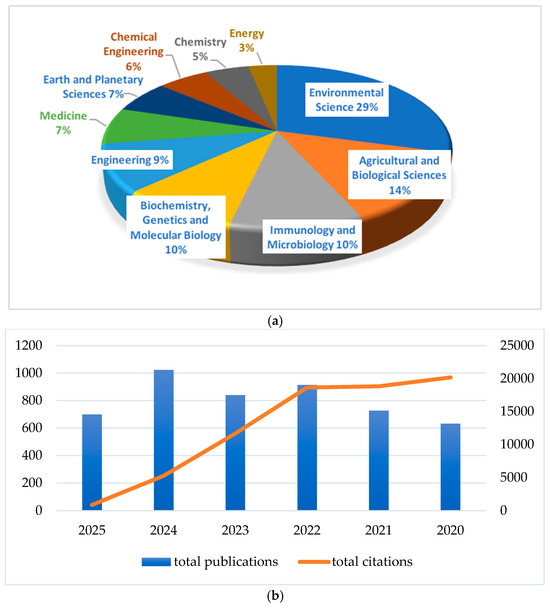
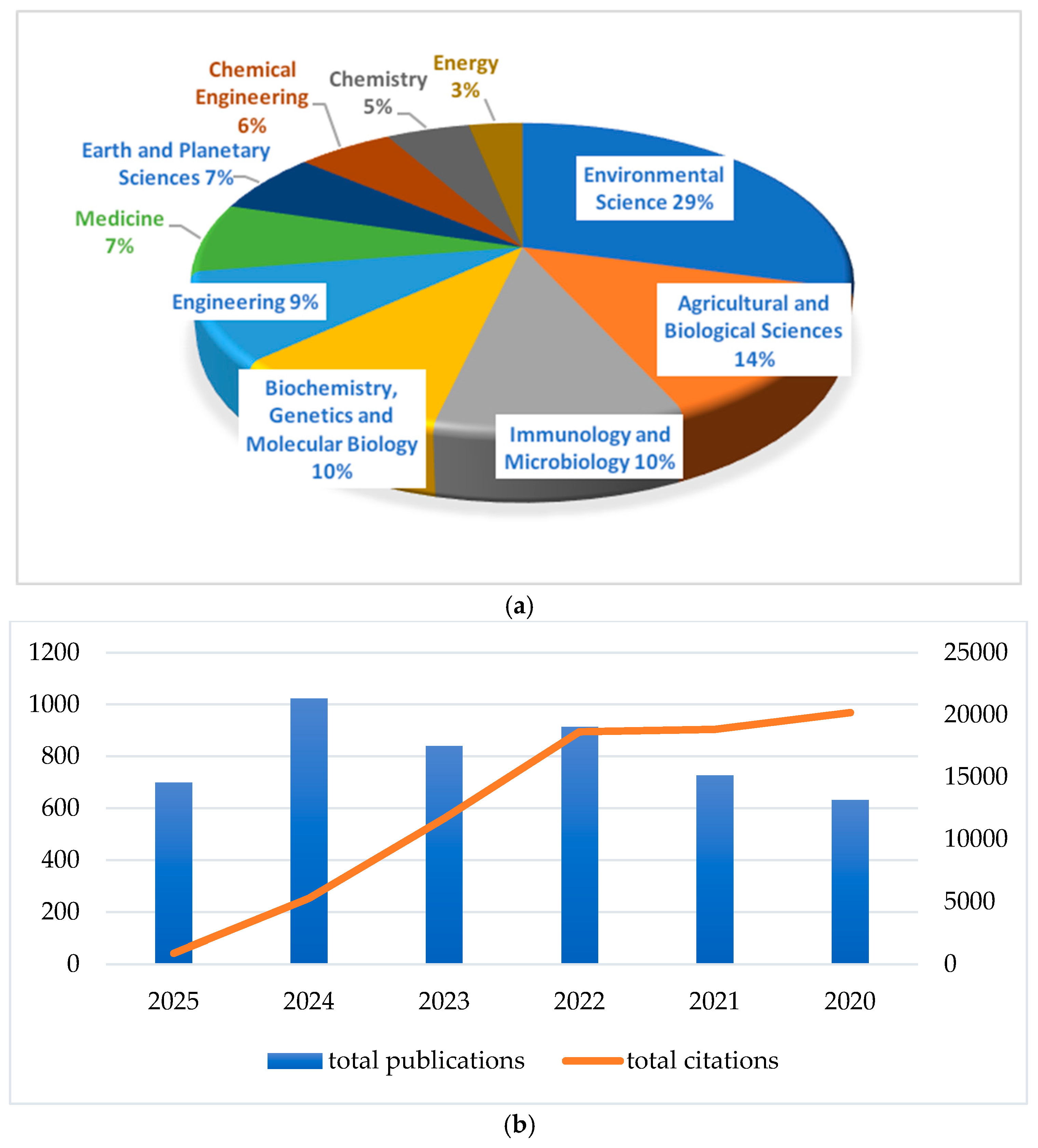
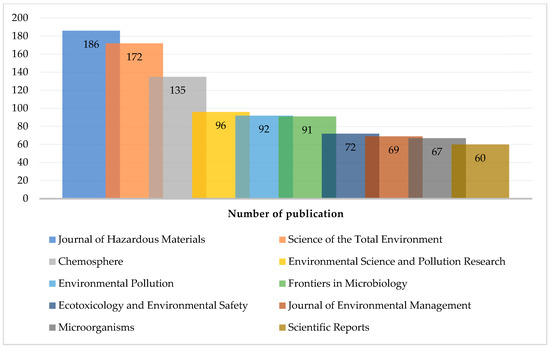
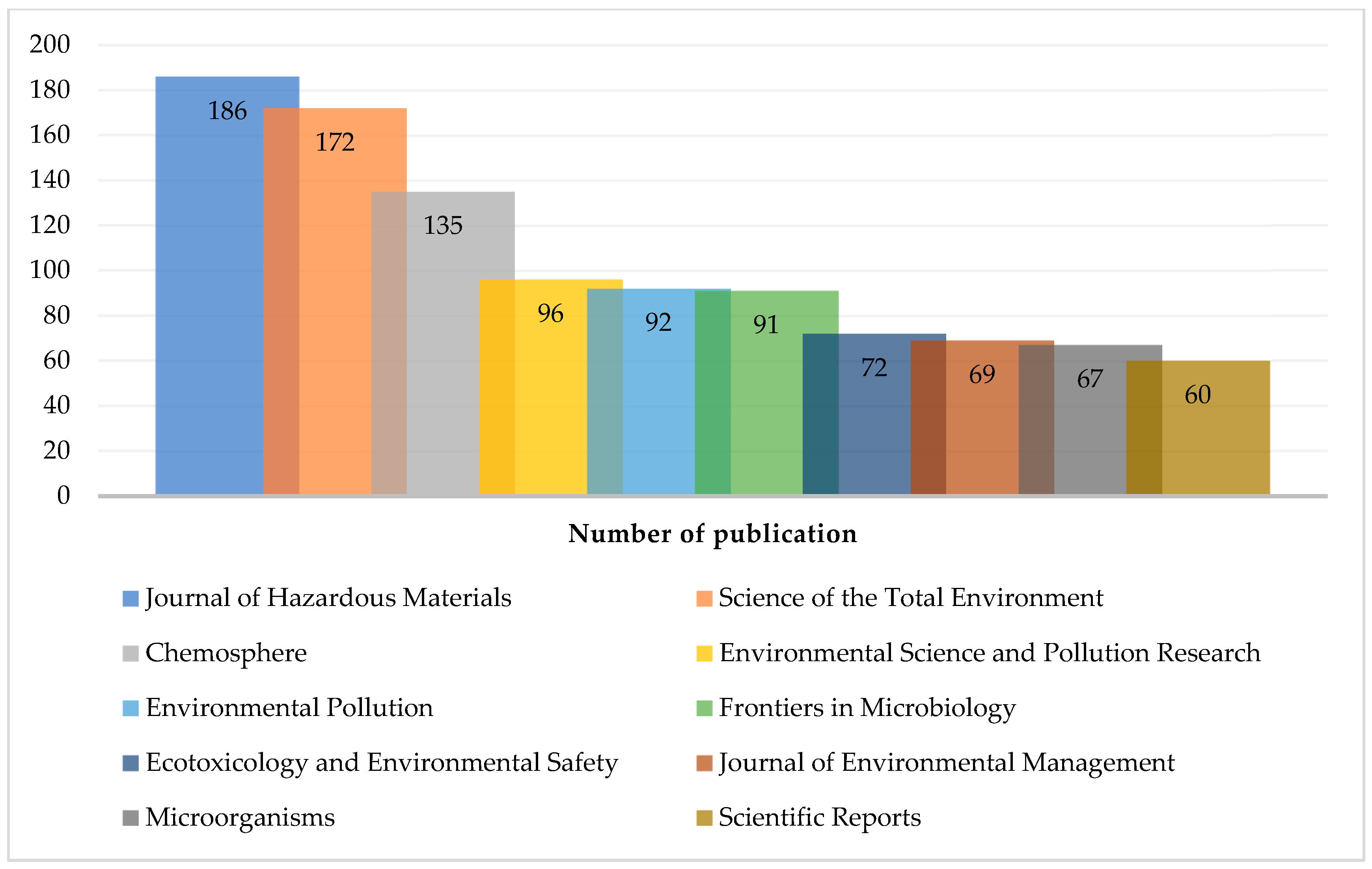
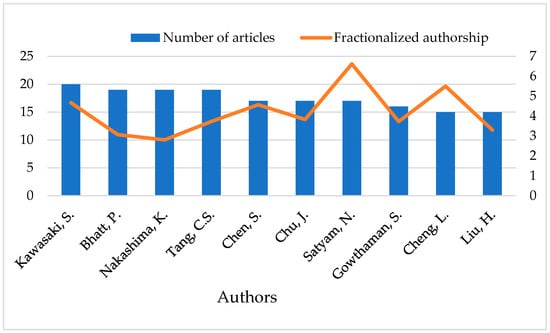
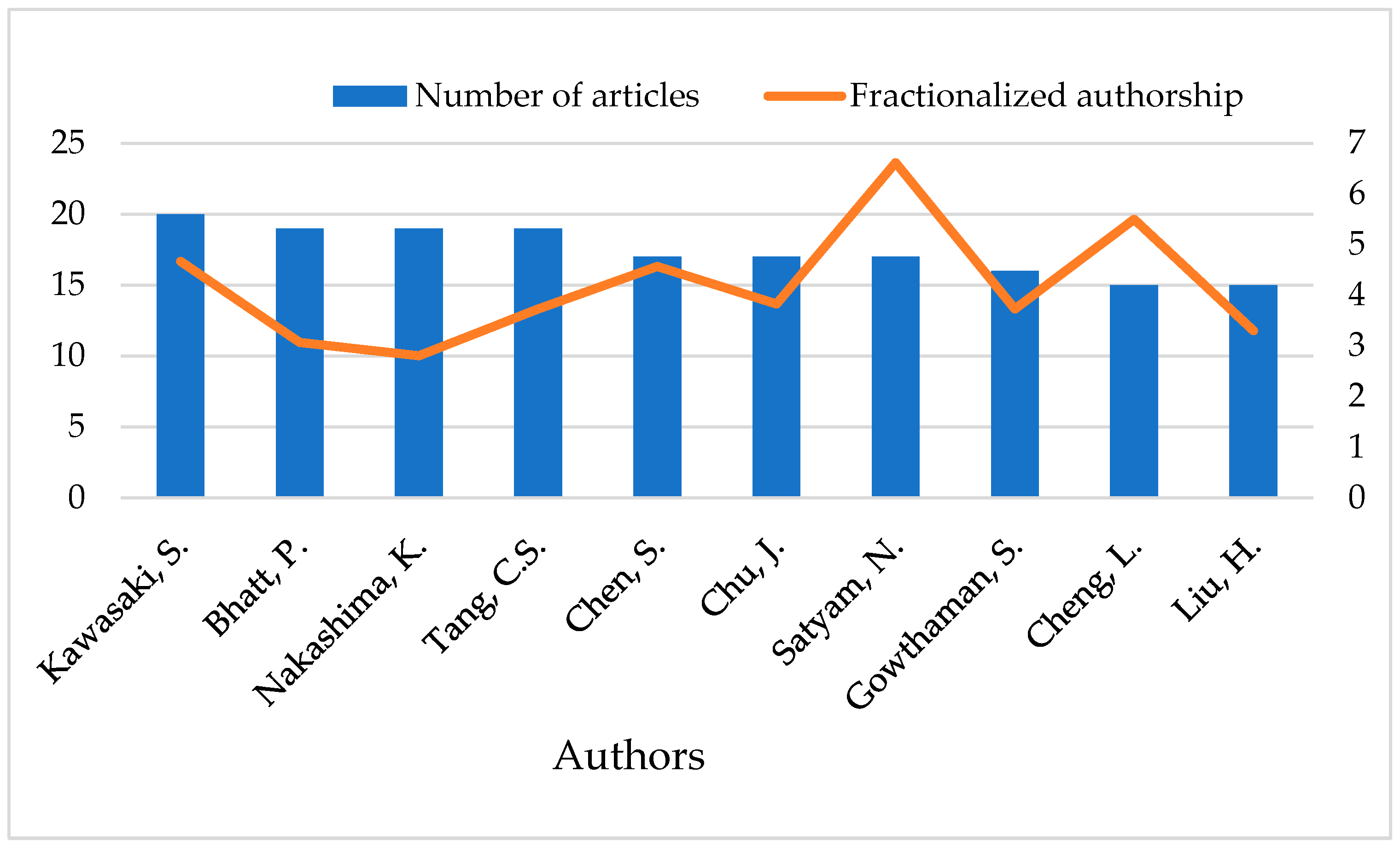
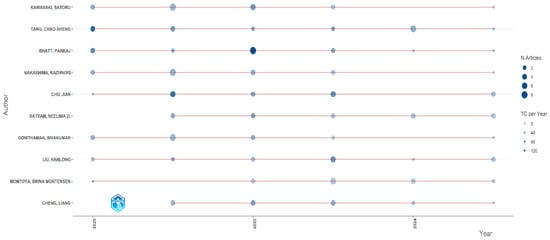
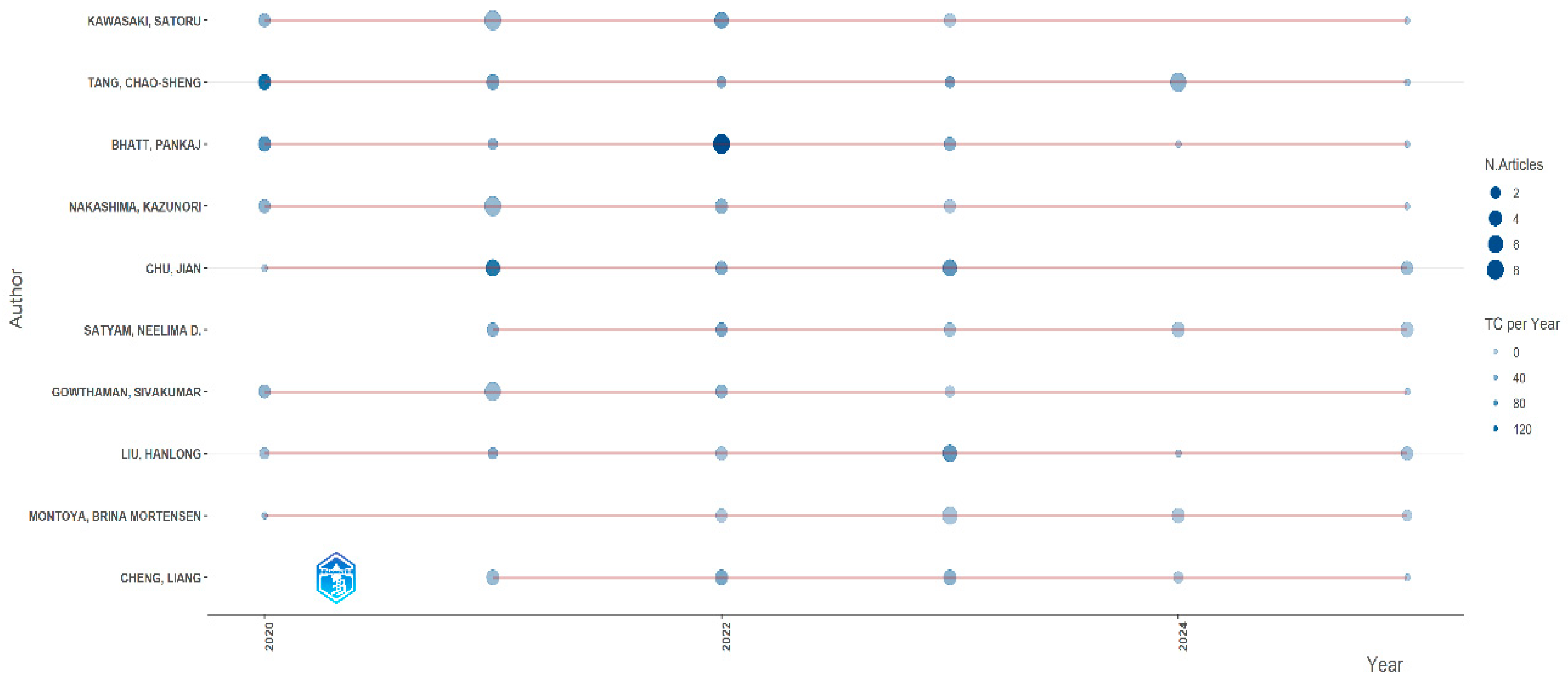
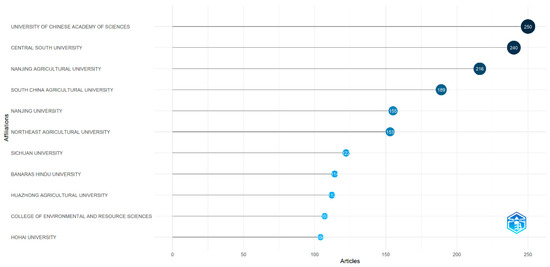
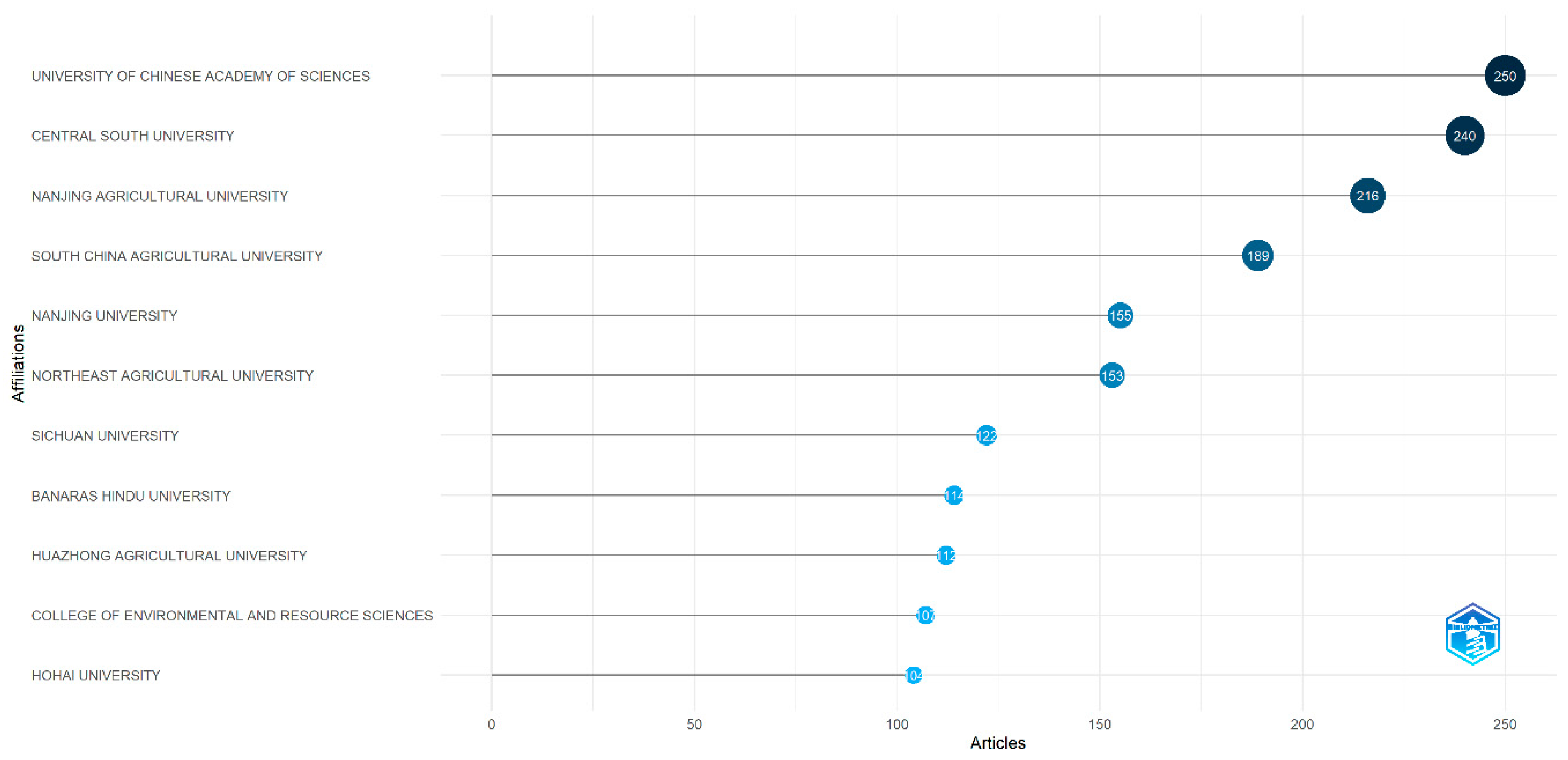
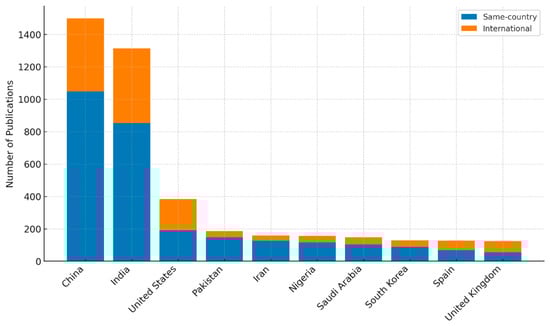
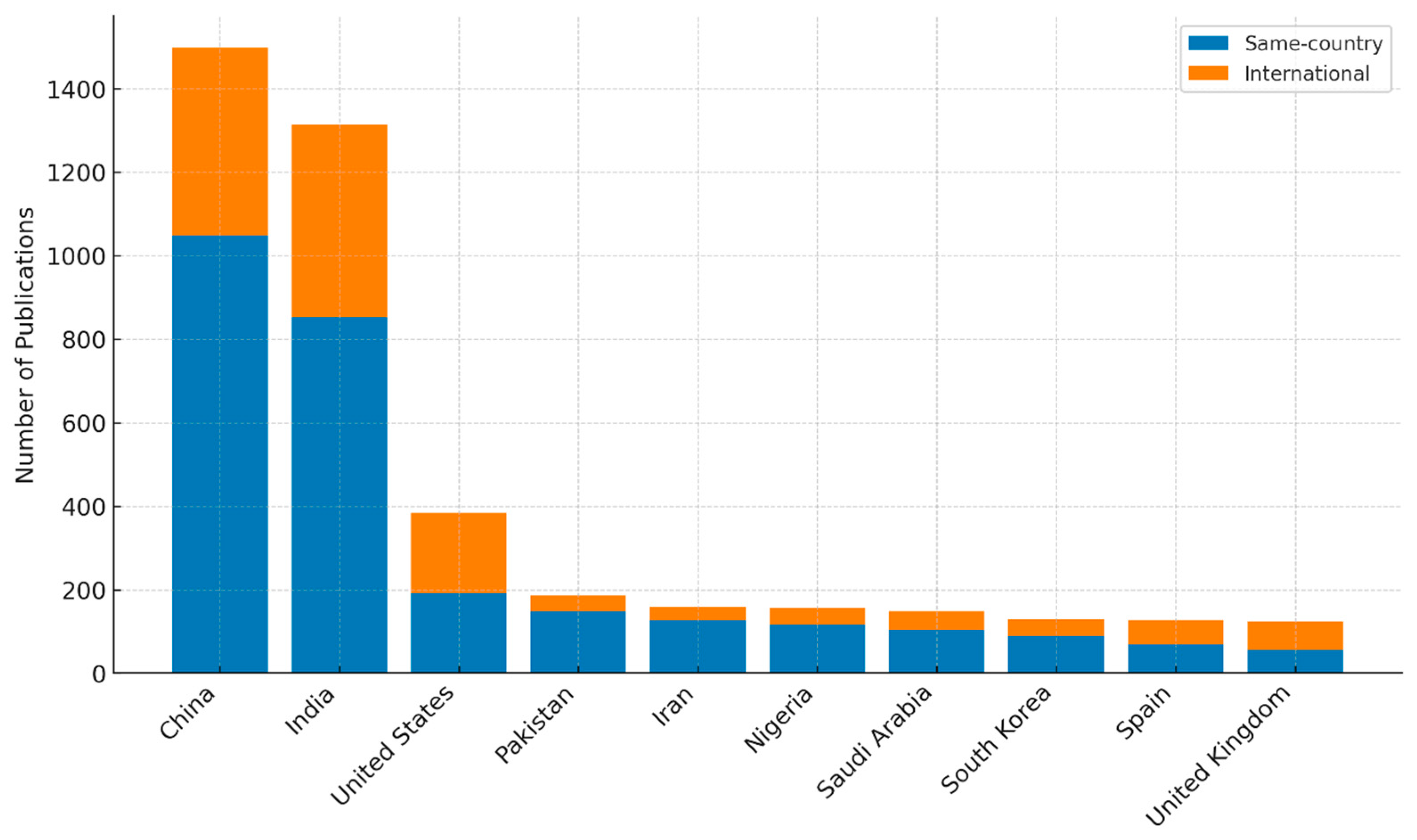
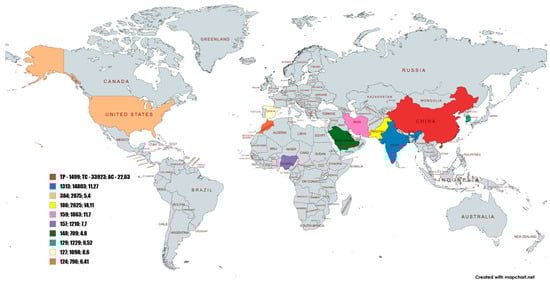
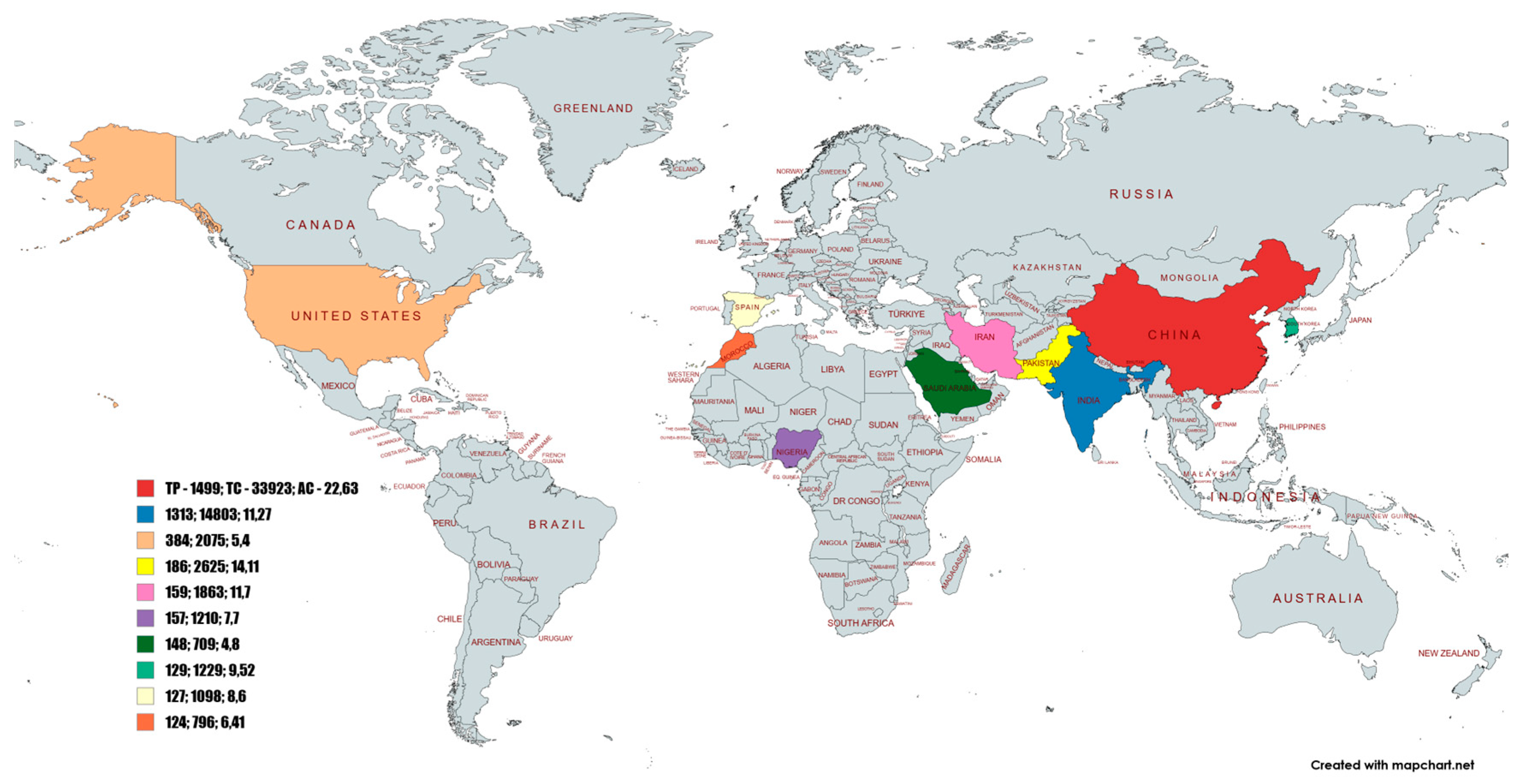
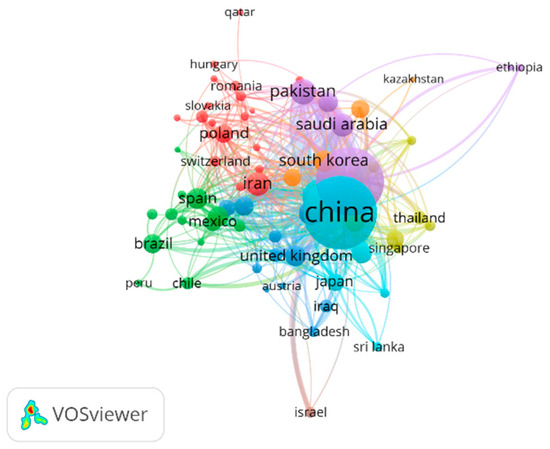
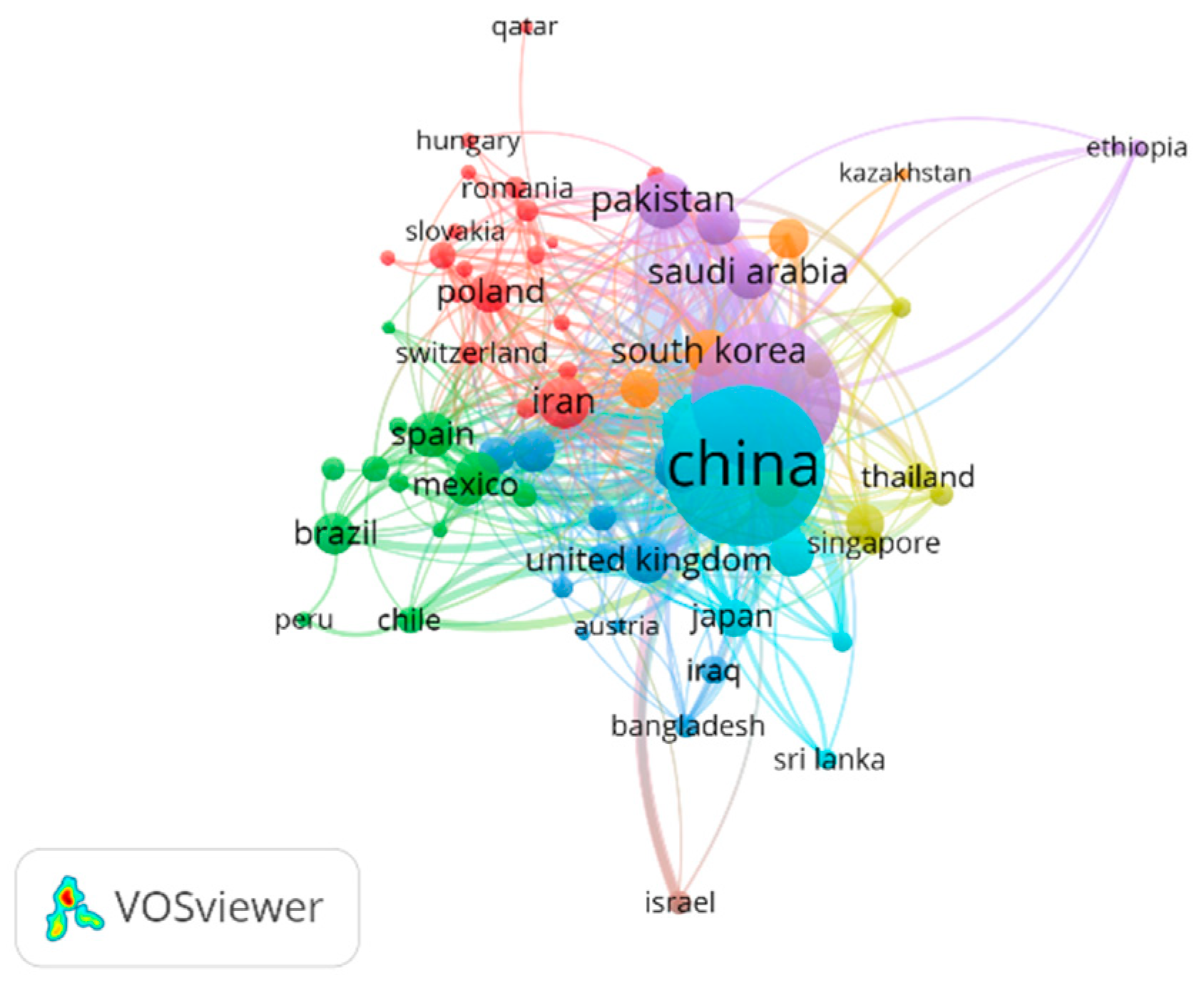
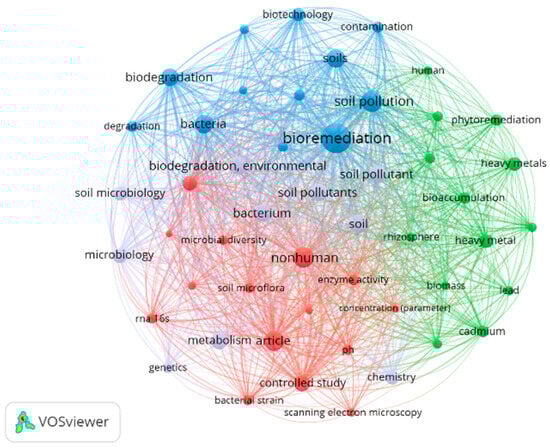
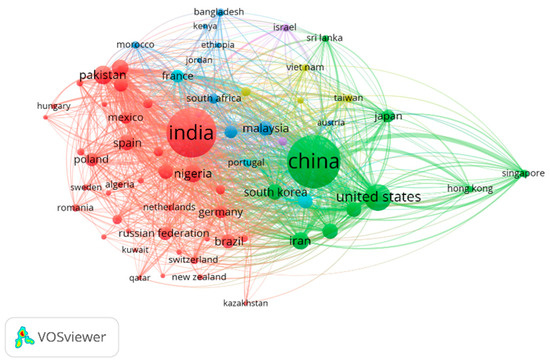
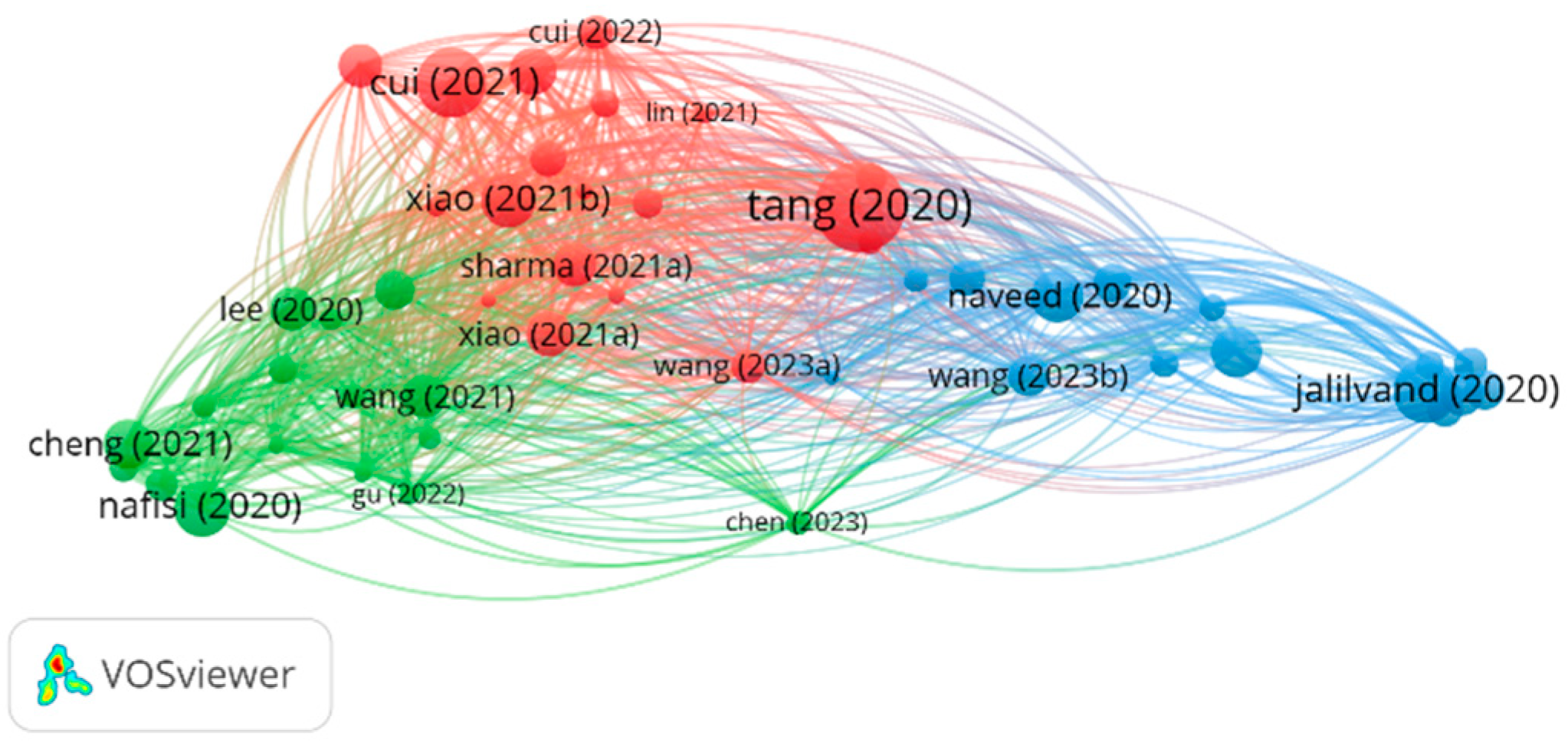

Disclaimer/Publisher’s Note: The statements, opinions and data contained in all publications are solely those of the individual author(s) and contributor(s) and not of MDPI and/or the editor(s). MDPI and/or the editor(s) disclaim responsibility for any injury to people or property resulting from any ideas, methods, instructions or products referred to in the content. |
© 2026 by the authors. Licensee MDPI, Basel, Switzerland. This article is an open access article distributed under the terms and conditions of the Creative Commons Attribution (CC BY) license.