Article

Study on the Shear Strength of Root-Soil Composite and Root Reinforcement Mechanism
1
School of Environment and Civil Engineering, Chengdu University of Technology, Chengdu 610059, China
2
Sichuan Highway Planning, Survey, Design and Research Institute Ltd., Chengdu 610041, China
3
State Key Laboratory of Mountain Bridge and Tunnel Engineering, Chongqing Jiaotong University, Chongqing 400074, China
4
Key Laboratory of Urban Underground Engineering, Ministry of Education, Beijing Jiaotong University, Beijing 100044, China
*
Authors to whom correspondence should be addressed.
Forests 2022, 13(6), 898; https://doi.org/10.3390/f13060898
Submission received: 8 May 2022 / Revised: 5 June 2022 / Accepted: 6 June 2022 / Published: 9 June 2022
(This article belongs to the Special Issue Landslides in Forests around the World: Causes and Mitigation)

Abstract

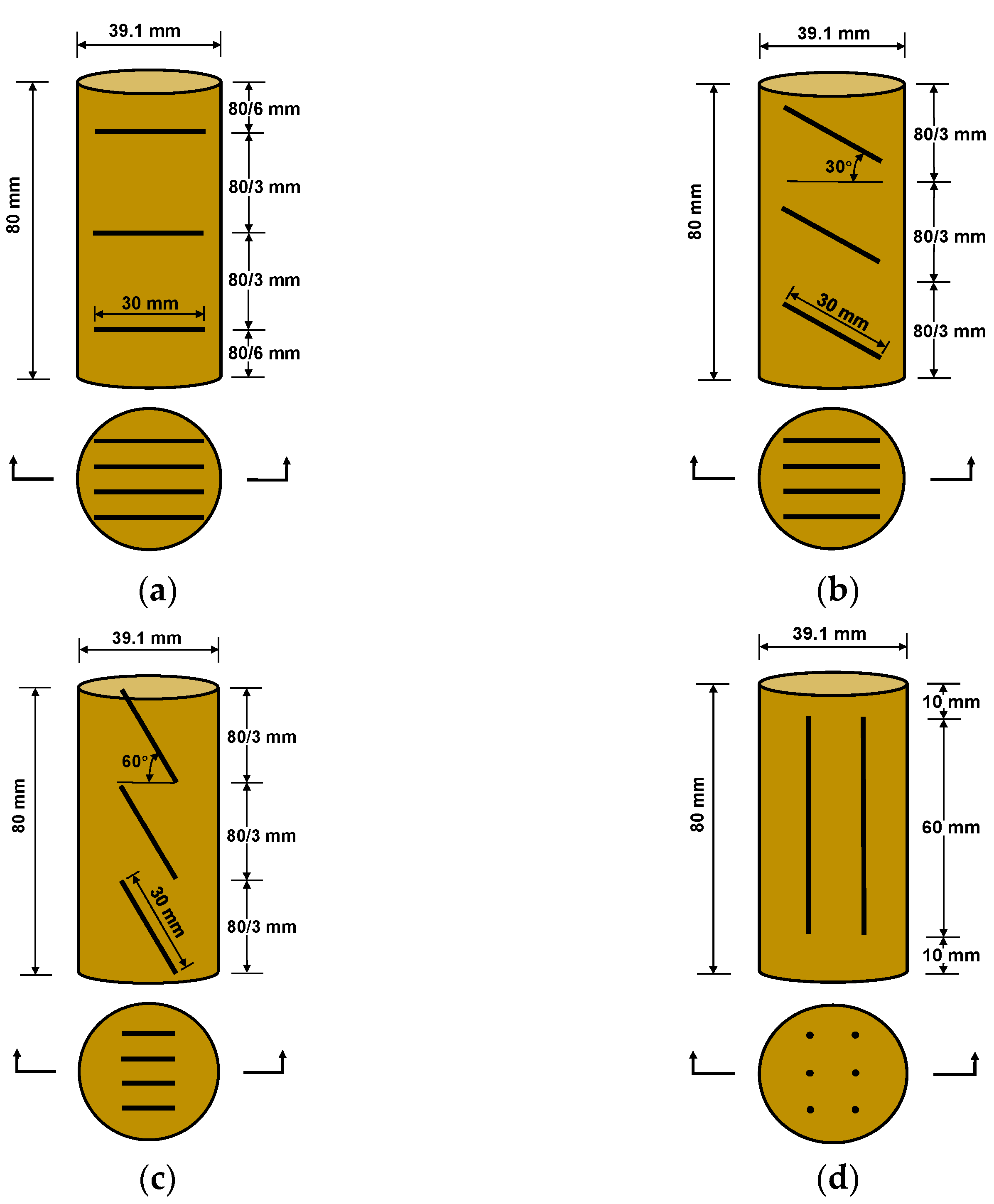
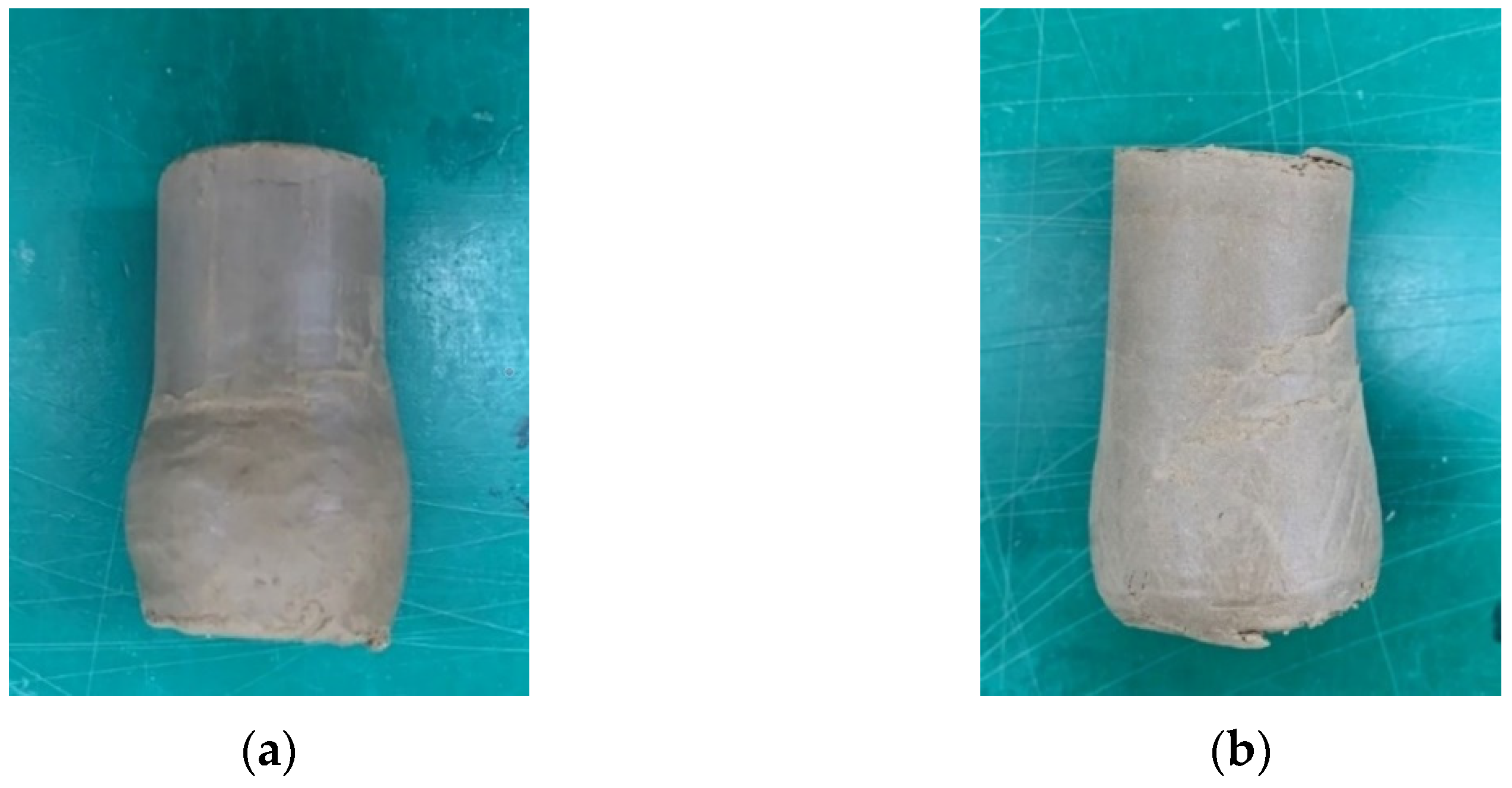
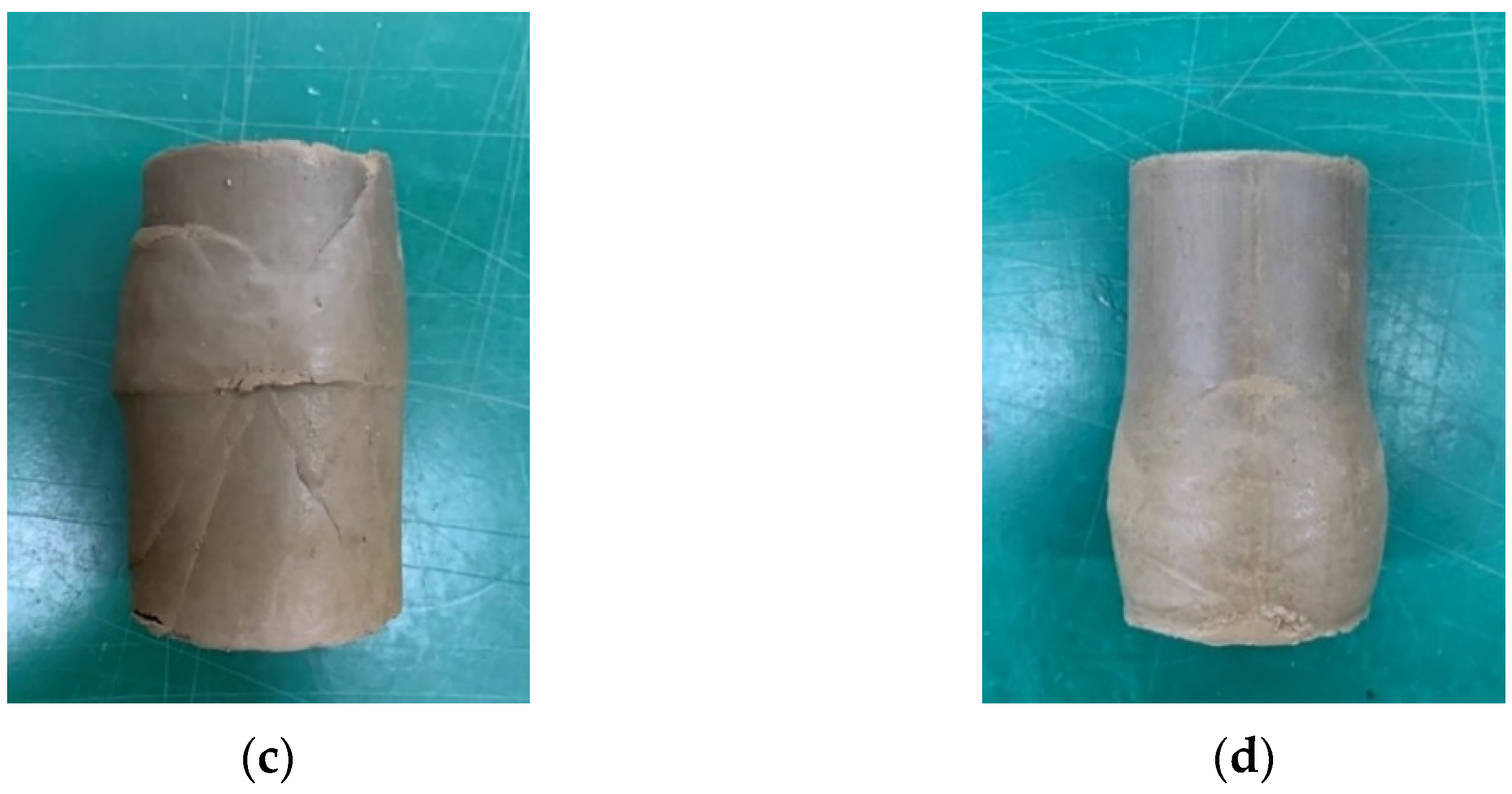
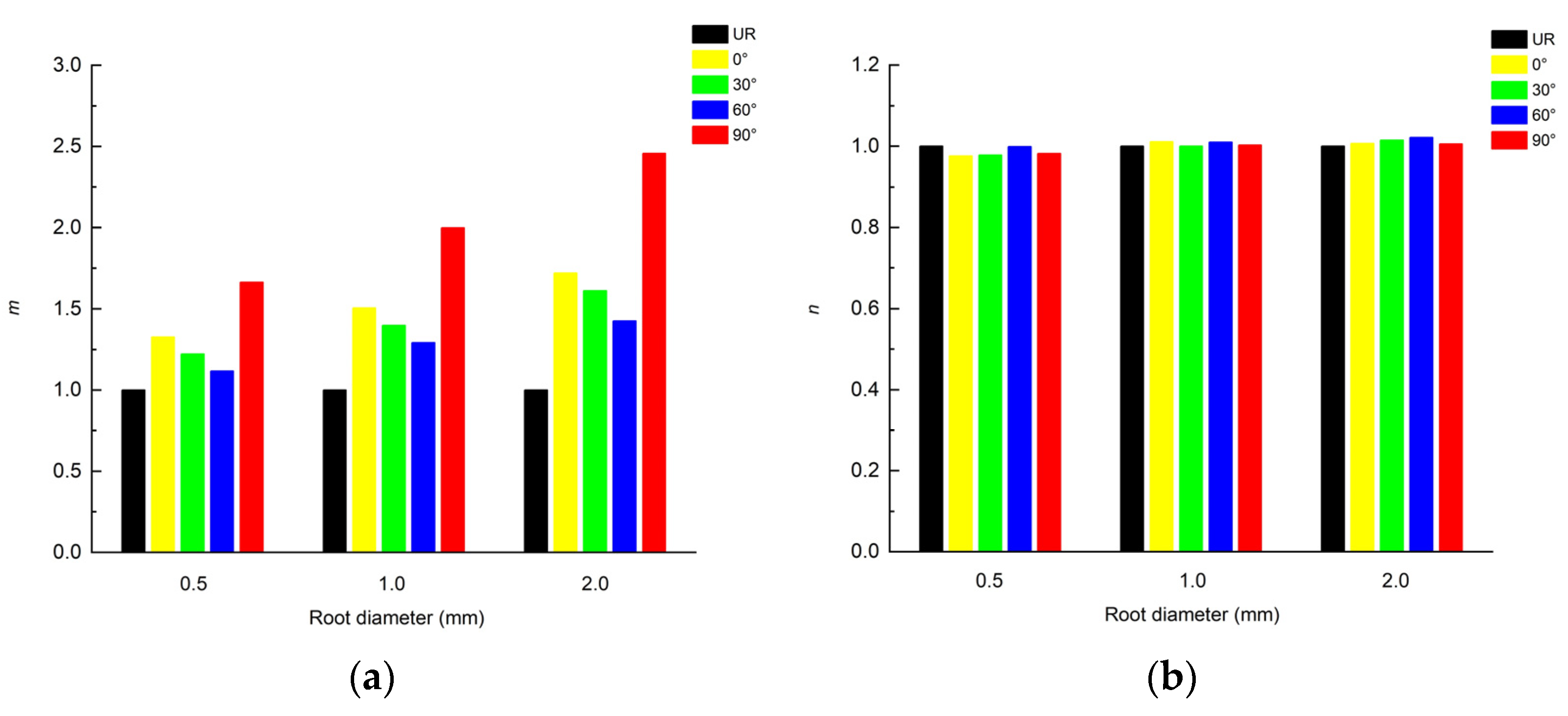
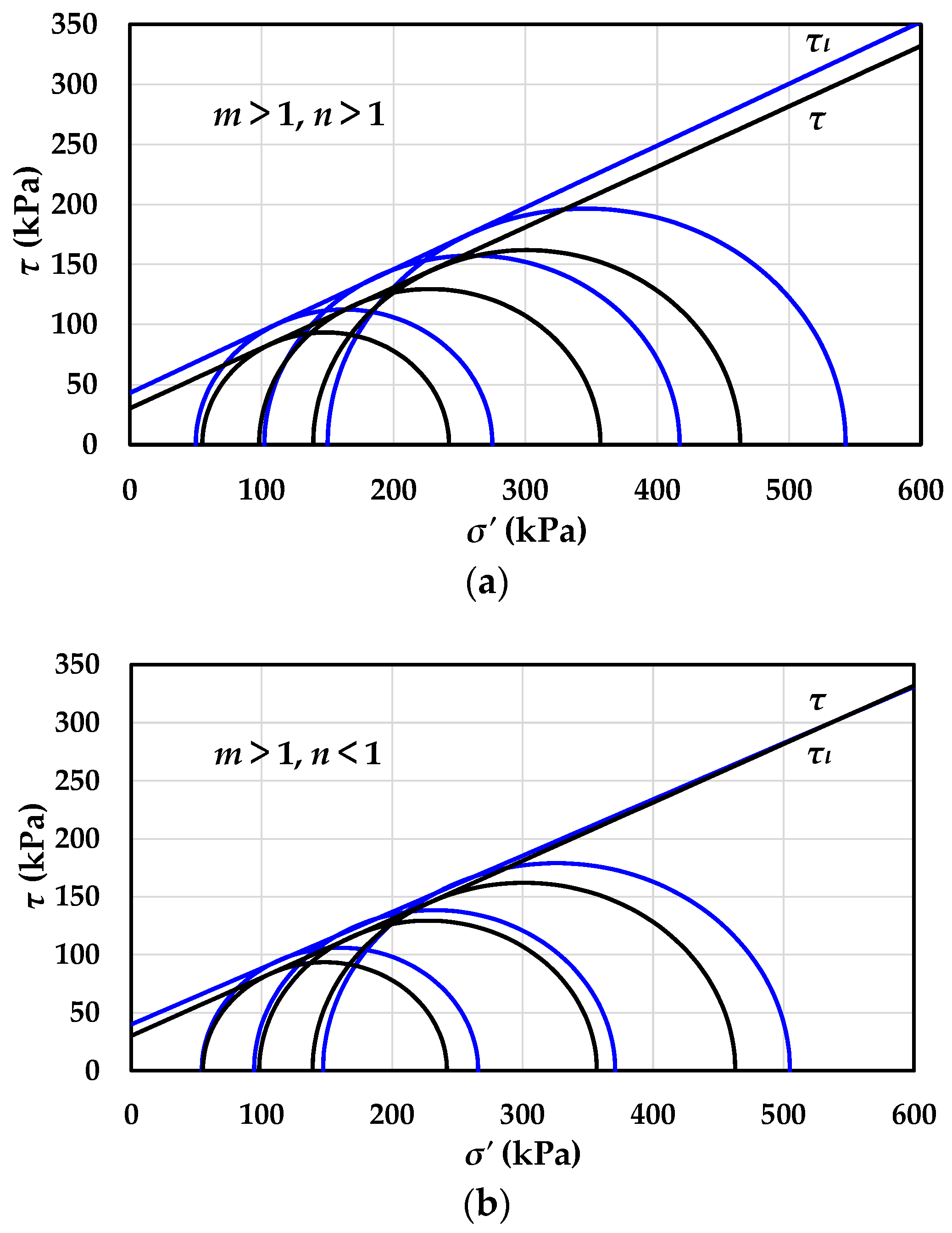
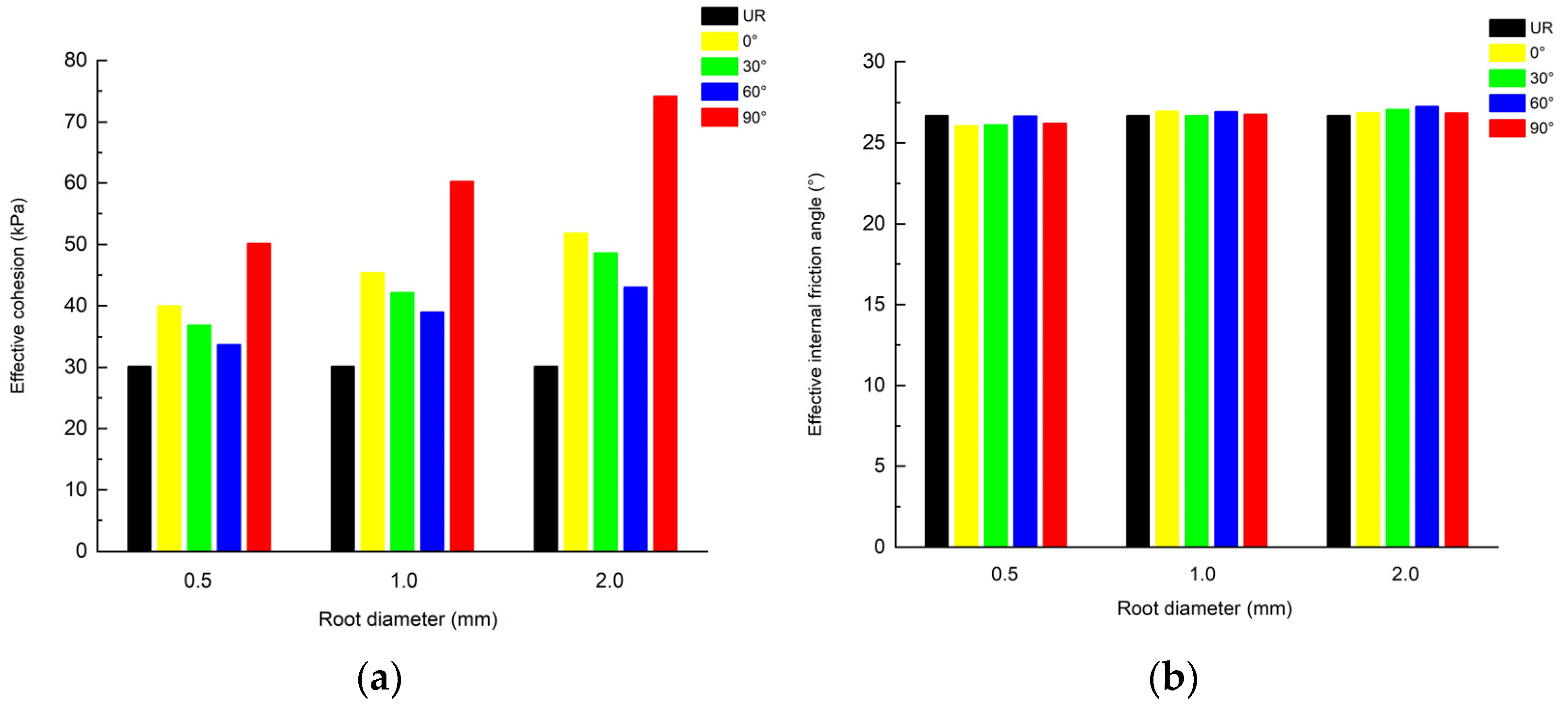
This study investigates the effects of root distributions and stress paths on the shear strength of root-soil composites using a consolidated-undrained (CU) triaxial test. On the basis of the limit equilibrium, two root reinforcement coefficients (n and m) are proposed for characterizing the effects of shear strength parameters on the principal stress considering different root distribution angles and root diameters. Then, n and m are introduced into the conventional limit equilibrium equation to develop a new limit equilibrium equation for root-soil composites. The results demonstrate that the root distribution angles (α) and root diameters (d) affect the shear strength of the root-soil composites. Under a consolidated-undrained condition, the effective cohesion (crs) of the rooted soil is high and decreases in the order of 90°, 0°, 30° and 60°. For the same root distribution angle, crs increases with the increasing root diameter. Meanwhile, the effective internal friction angle (φrs) changes slightly. The failure principal stress of the root-soil composites is positively correlated with n and m. Furthermore, the deformation of the samples indicates that the run-through rate of α = 90° and α = 0° are both 0. Meanwhile, the lateral deformation rate declines from 17.0% for α = 60° to 10.9% for α = 90°.
Keywords: root-soil composite; root reinforcement coefficient; shear strength parameters; root distribution angle; root diameter root-soil composite; root reinforcement coefficient; shear strength parameters; root distribution angle; root diameter