Article

Effective Carbon Dioxide Mitigation and Improvement of Compost Nutrients with the Use of Composts’ Biochar


1
Department of Applied Bioeconomy, Wrocław University of Environmental and Life Sciences, Chełmońskiego Street 37a, 51-630 Wrocław, Poland
2
Institute of Soil Science, Plant Nutrition and Environmental Protection, Wrocław University of Environmental and Life Sciences, Grunwaldzka Street 53, 50-375 Wrocław, Poland
*
Author to whom correspondence should be addressed.
Materials 2024, 17(3), 563; https://doi.org/10.3390/ma17030563
Submission received: 8 December 2023 / Revised: 18 January 2024 / Accepted: 22 January 2024 / Published: 25 January 2024
(This article belongs to the Special Issue Sustainable Materials for Engineering Applications)

Abstract

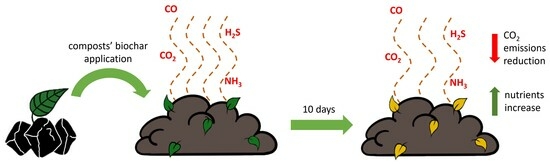
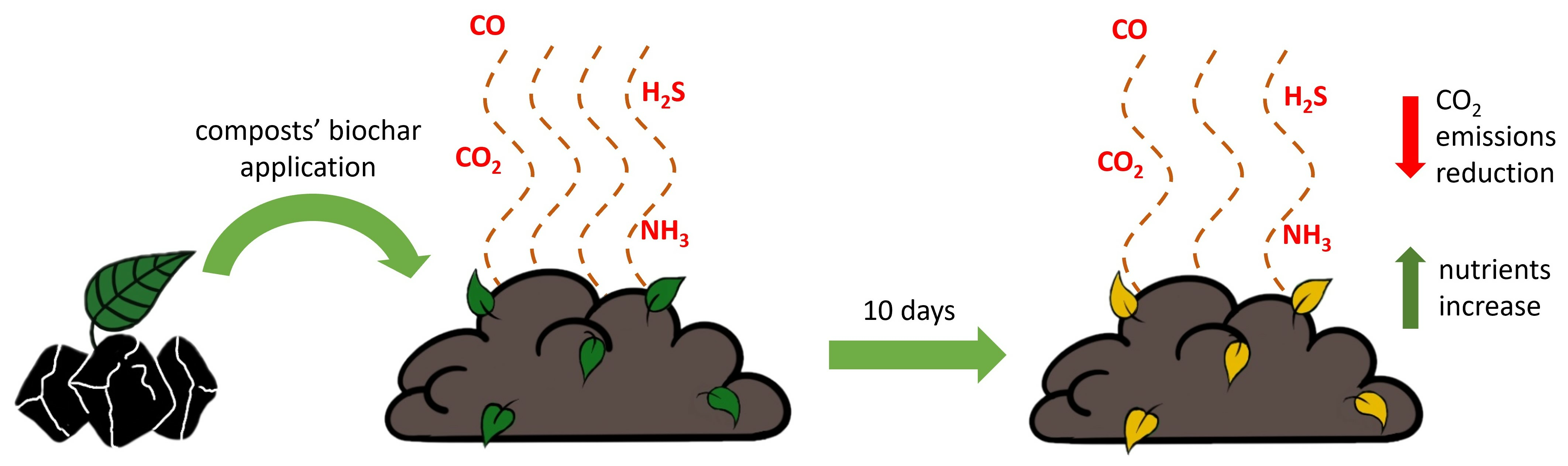
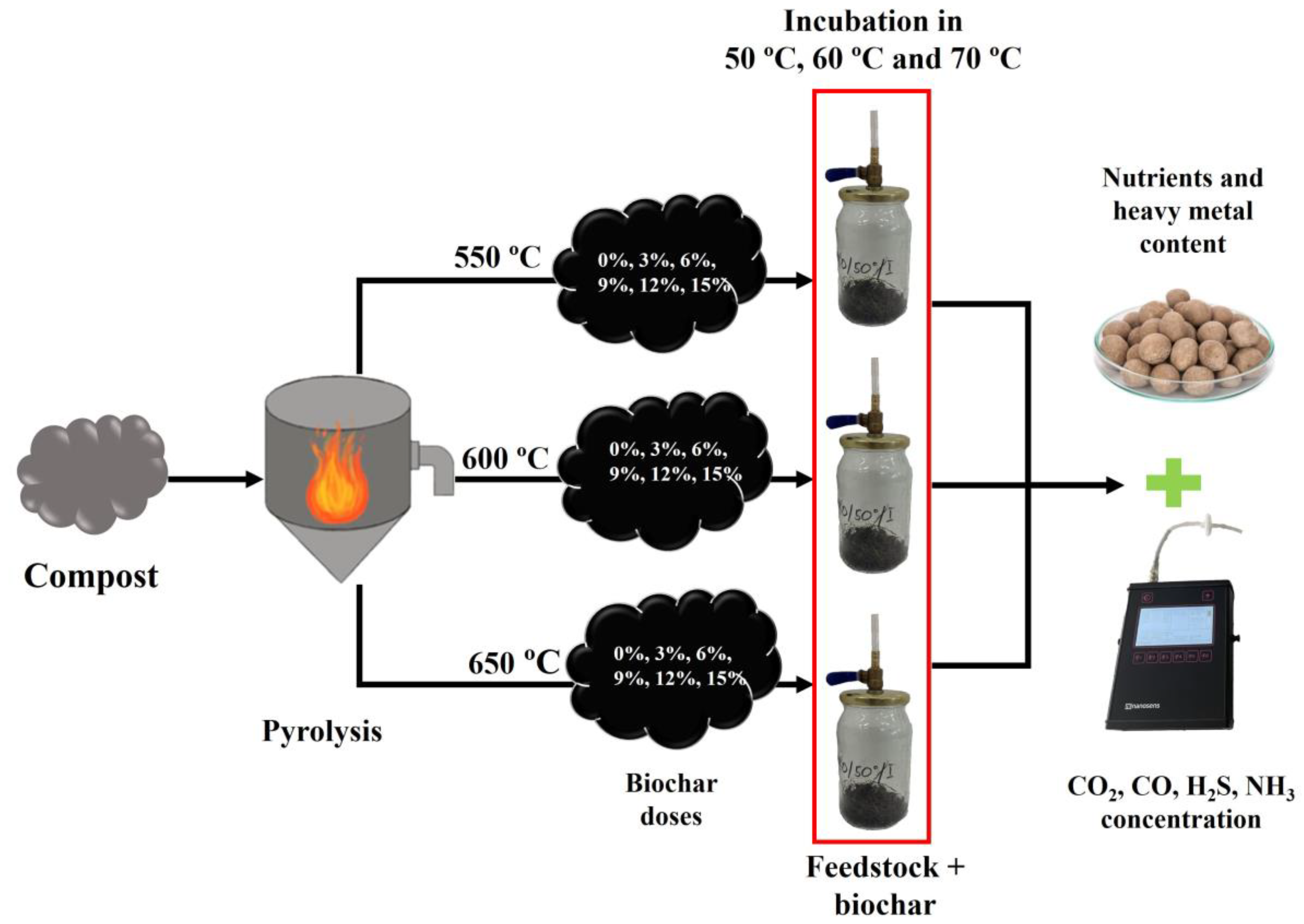
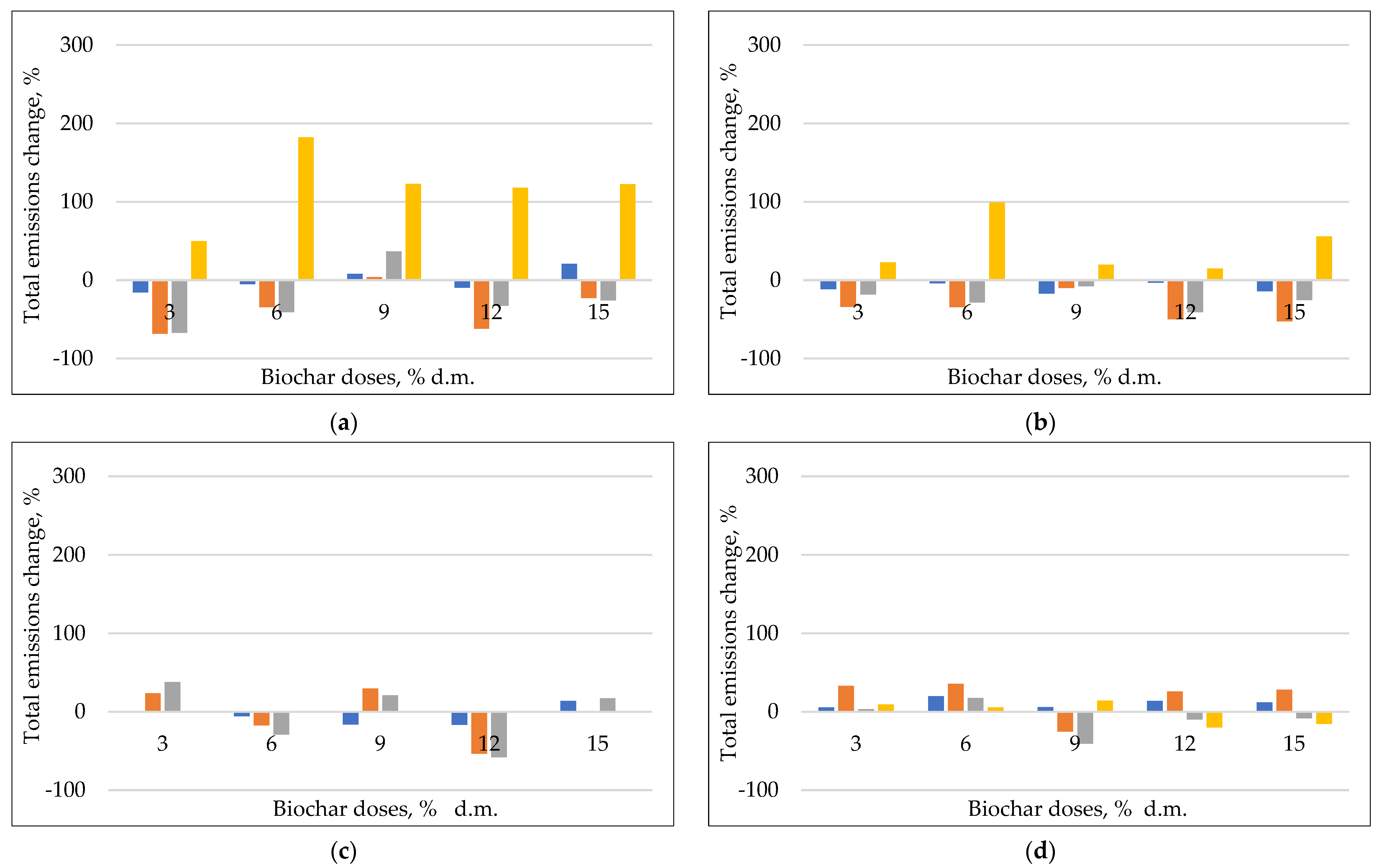
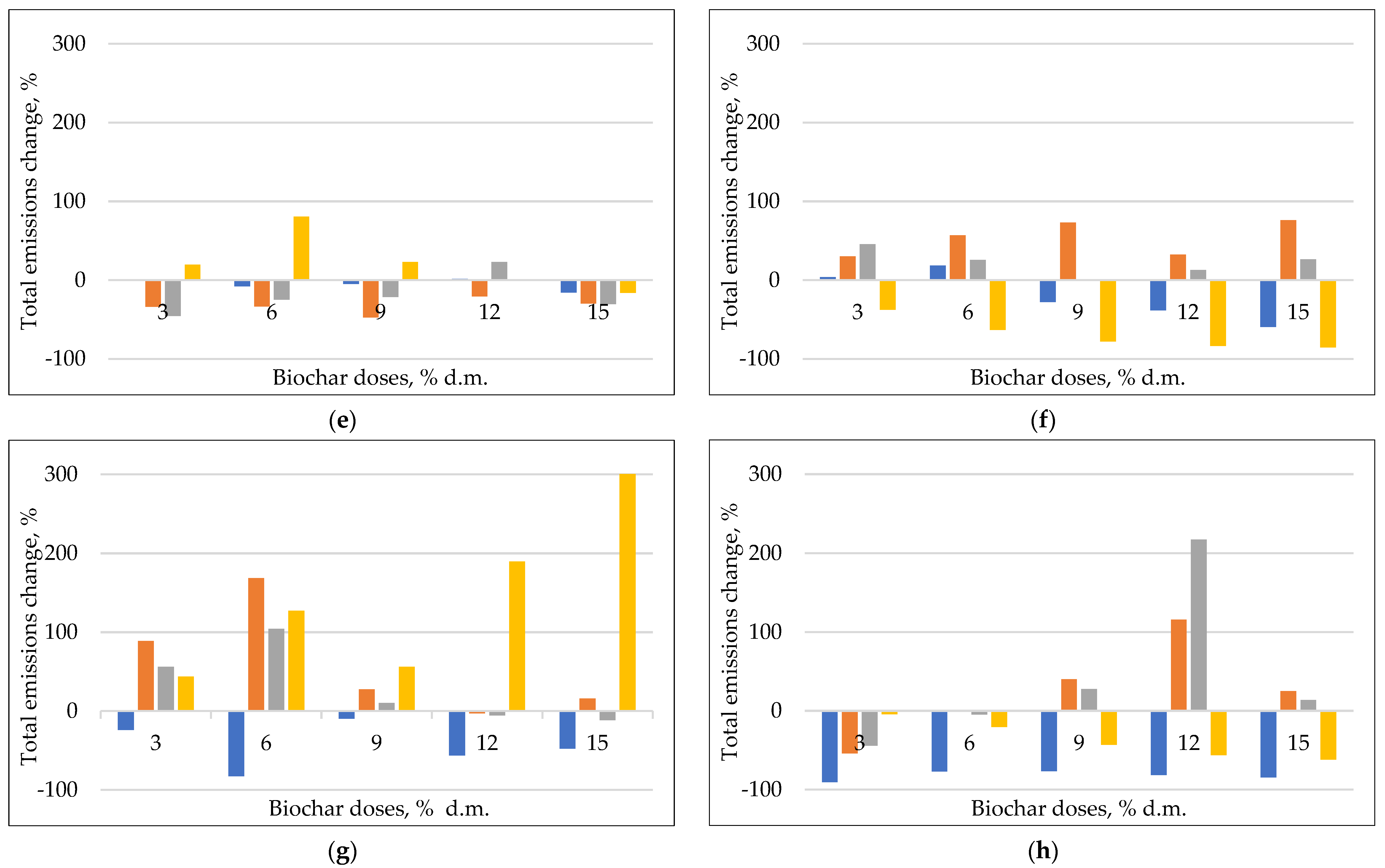
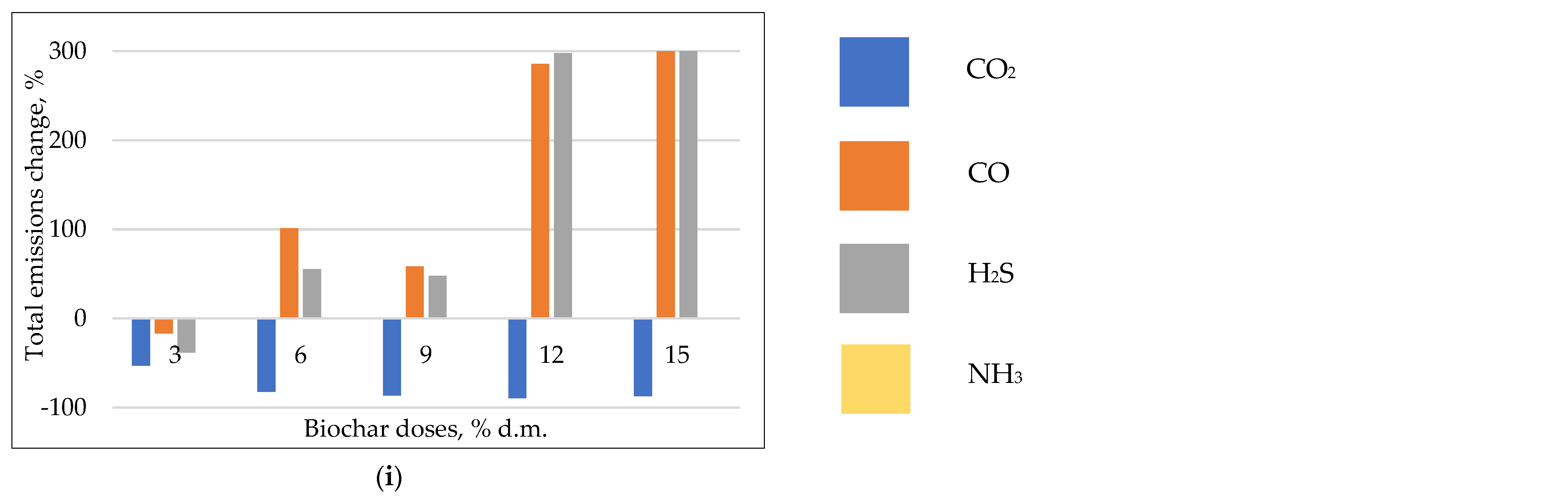
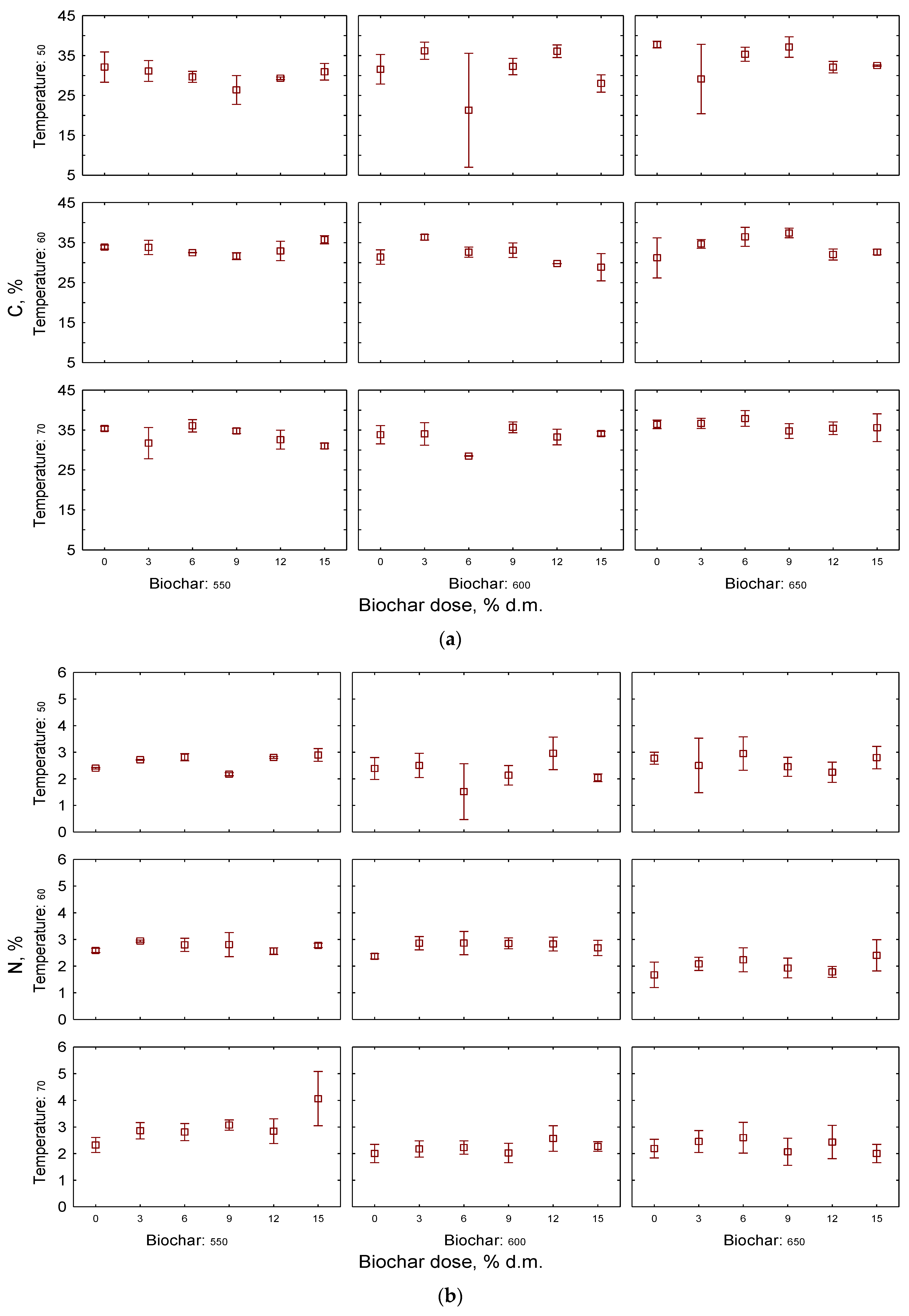
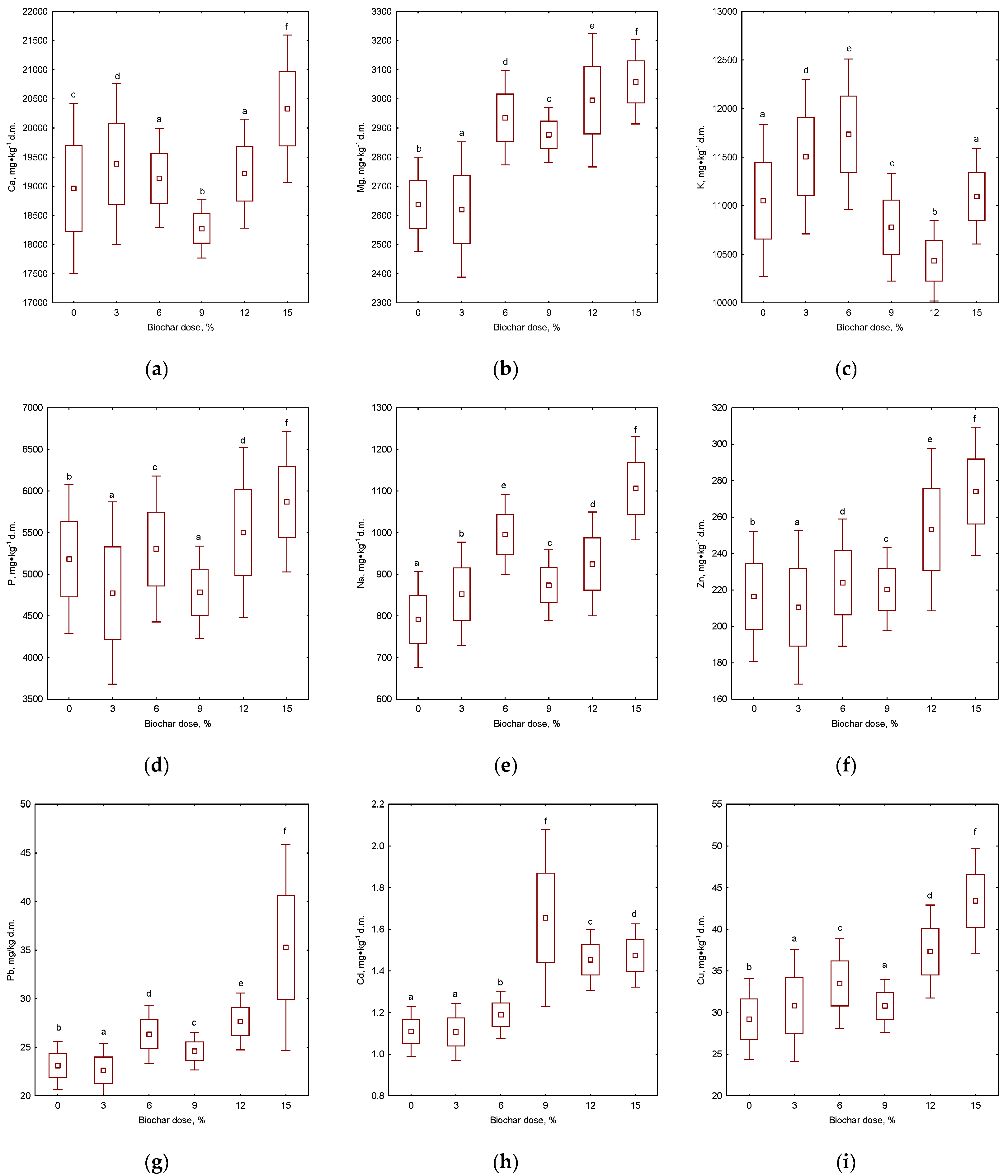
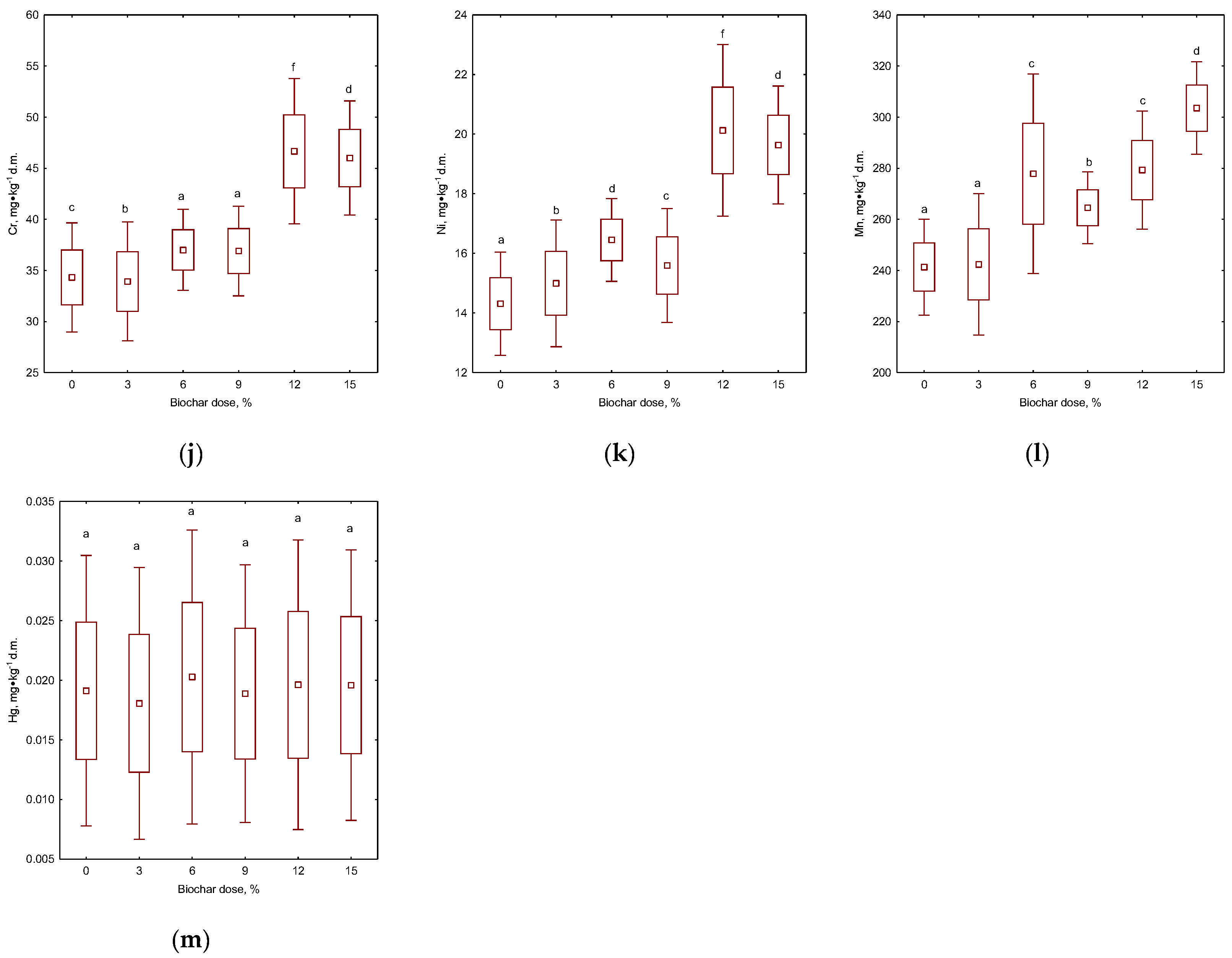
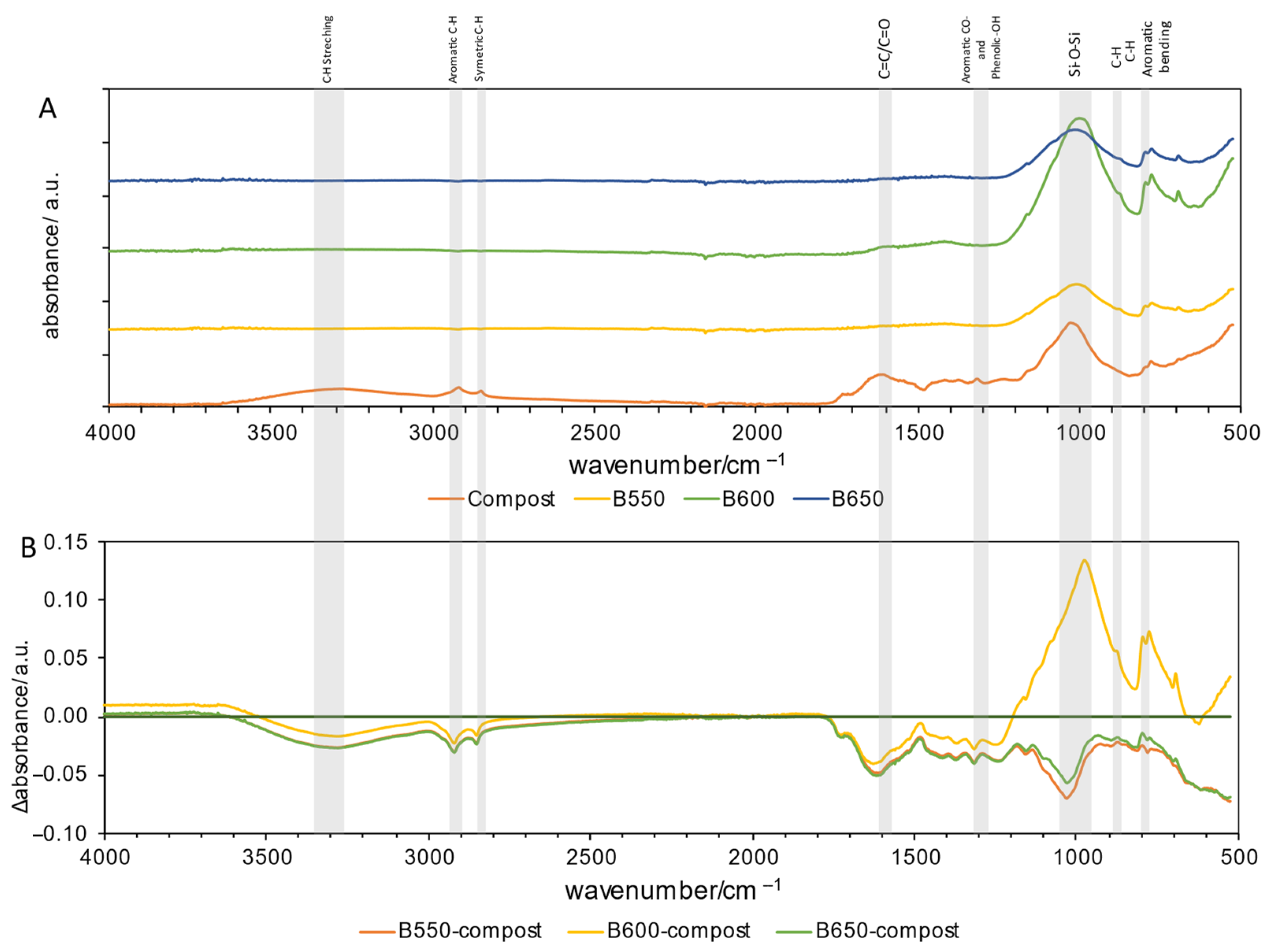
Composting is a process that emits environmentally harmful gases: CO2, CO, H2S, and NH3, negatively affecting the quality of mature compost. The addition of biochar to the compost can significantly reduce emissions. For effective CO2 removal, high doses of biochar (up to 20%) are often recommended. Nevertheless, as the production efficiency of biochar is low—up to 90% mass loss—there is a need for research into the effectiveness of lower doses. In this study, laboratory experiments were conducted to observe the gaseous emissions during the first 10 days of composting with biochars obtained from mature composts. Biochars were produced at 550, 600, and 650 °C, and tested with different doses of 0, 3, 6, 9, 12, and 15% per dry matter (d.m.) in composting mixtures, at three incubation temperatures (50, 60, and 70 °C). CO2, CO, H2S, and NH3 emissions were measured daily. The results showed that the biochars effectively mitigate CO2 emissions during the intensive phase of composting. Even 3–6% d.m. of compost biochars can reduce up to 50% of the total measured gas emissions (the best treatment was B650 at 60 °C) and significantly increase the content of macronutrients. This study confirmed that even low doses of compost biochars have the potential for enhancing the composting process and improving the quality of the material quality.
Keywords: composting; biochar; GHG emissions; process intensification; carbon monoxide composting; biochar; GHG emissions; process intensification; carbon monoxide
Graphical Abstract