Article

Fracture Toughness of Ordinary Plain Concrete Under Three-Point Bending Based on Double-K and Boundary Effect Fracture Models


by
Huating Chen
1,*,
Yifan Zhuo
2,
Dewang Li
3 and
Yan Huang
2,*
1
State Key Laboratory of Bridge Safety and Resilience, Beijing University of Technology, Beijing 100124, China
2
Department of Civil Engineering, Beijing University of Technology, Beijing 100124, China
3
Guangzhou Expressway Co., Ltd., Guangzhou 510555, China
*
Authors to whom correspondence should be addressed.
Materials 2024, 17(21), 5387; https://doi.org/10.3390/ma17215387
Submission received: 9 October 2024 / Revised: 1 November 2024 / Accepted: 1 November 2024 / Published: 4 November 2024
(This article belongs to the Special Issue Mechanical Research of Reinforced Concrete Materials (2nd Edition))

Abstract

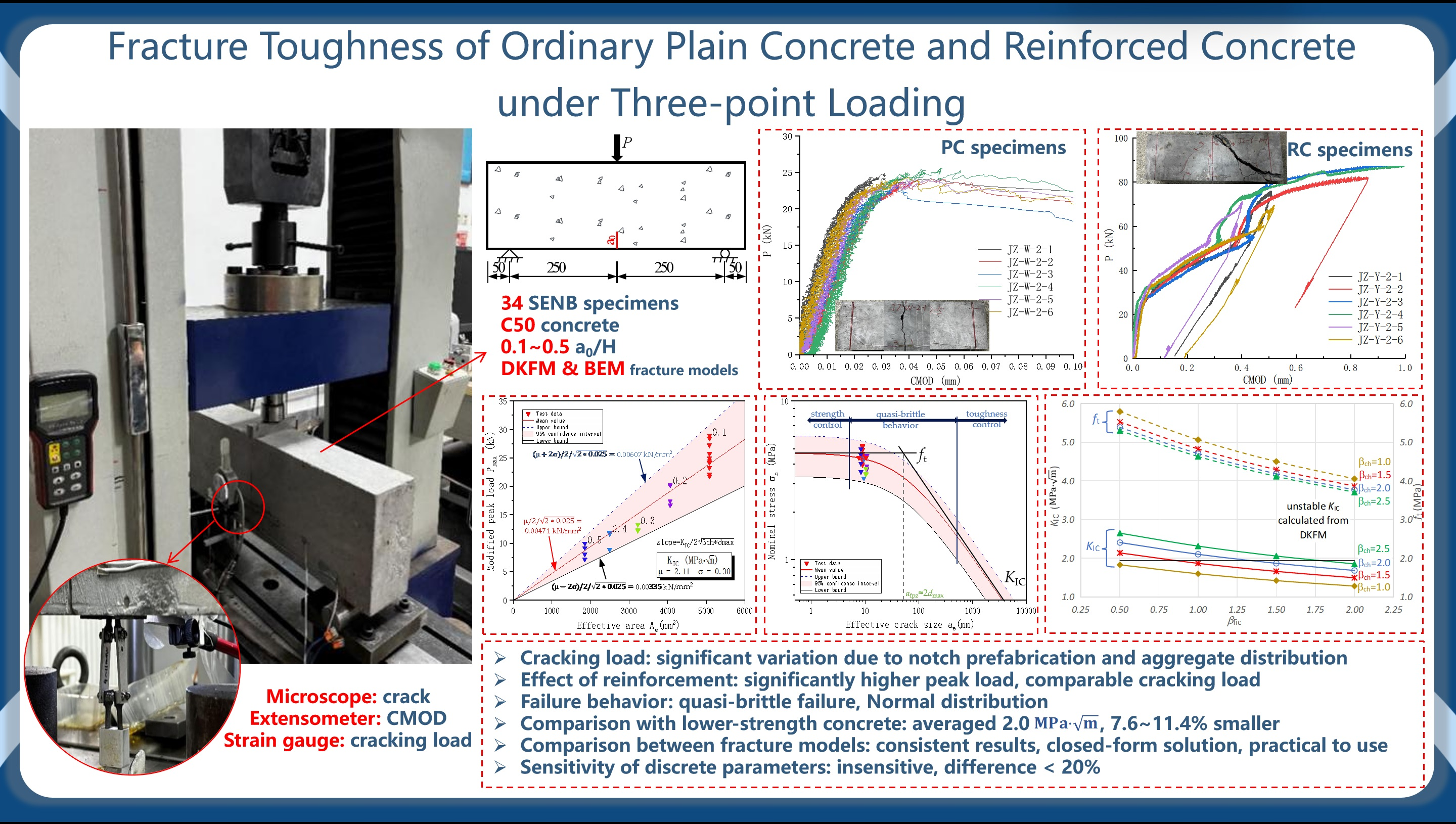
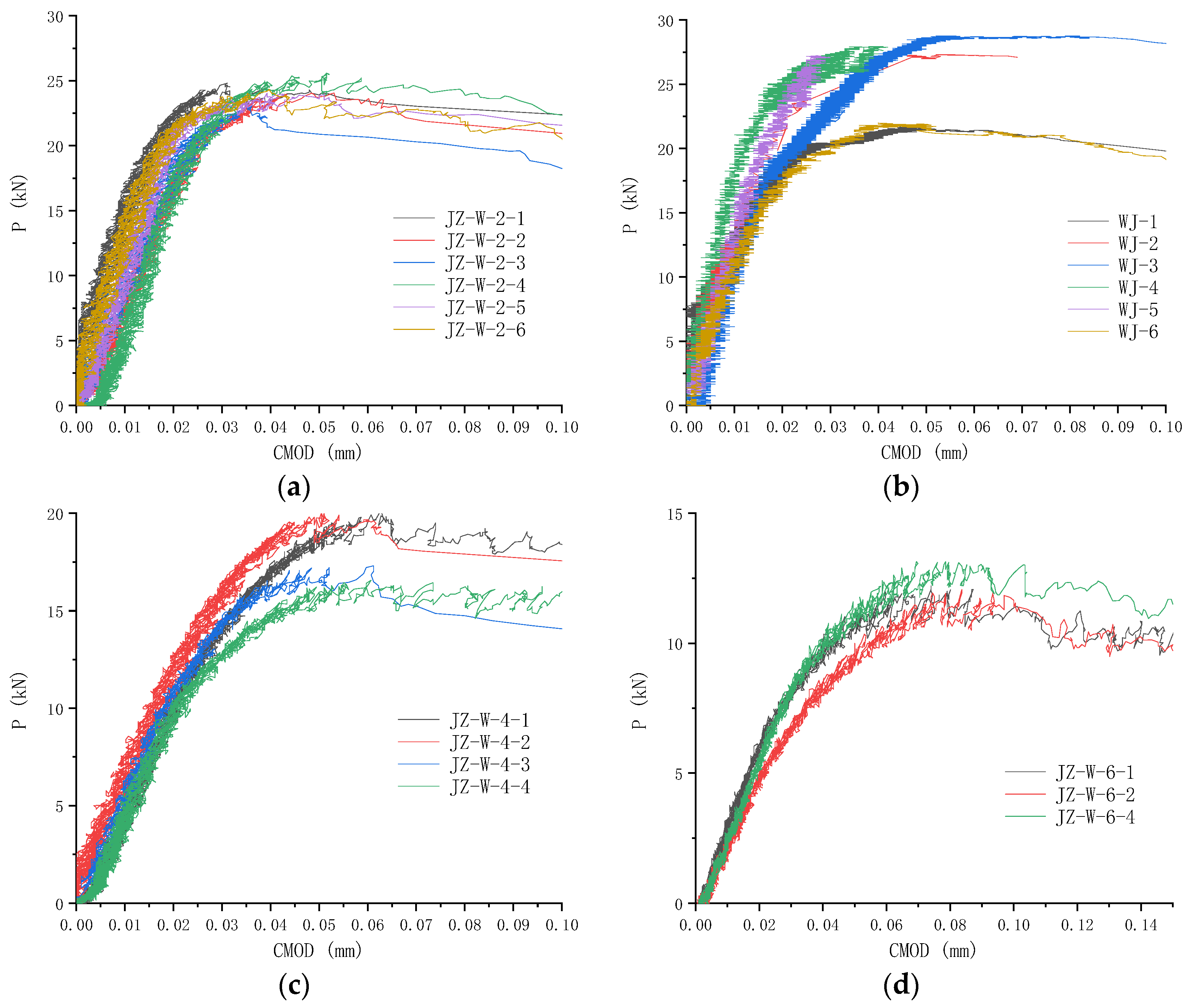
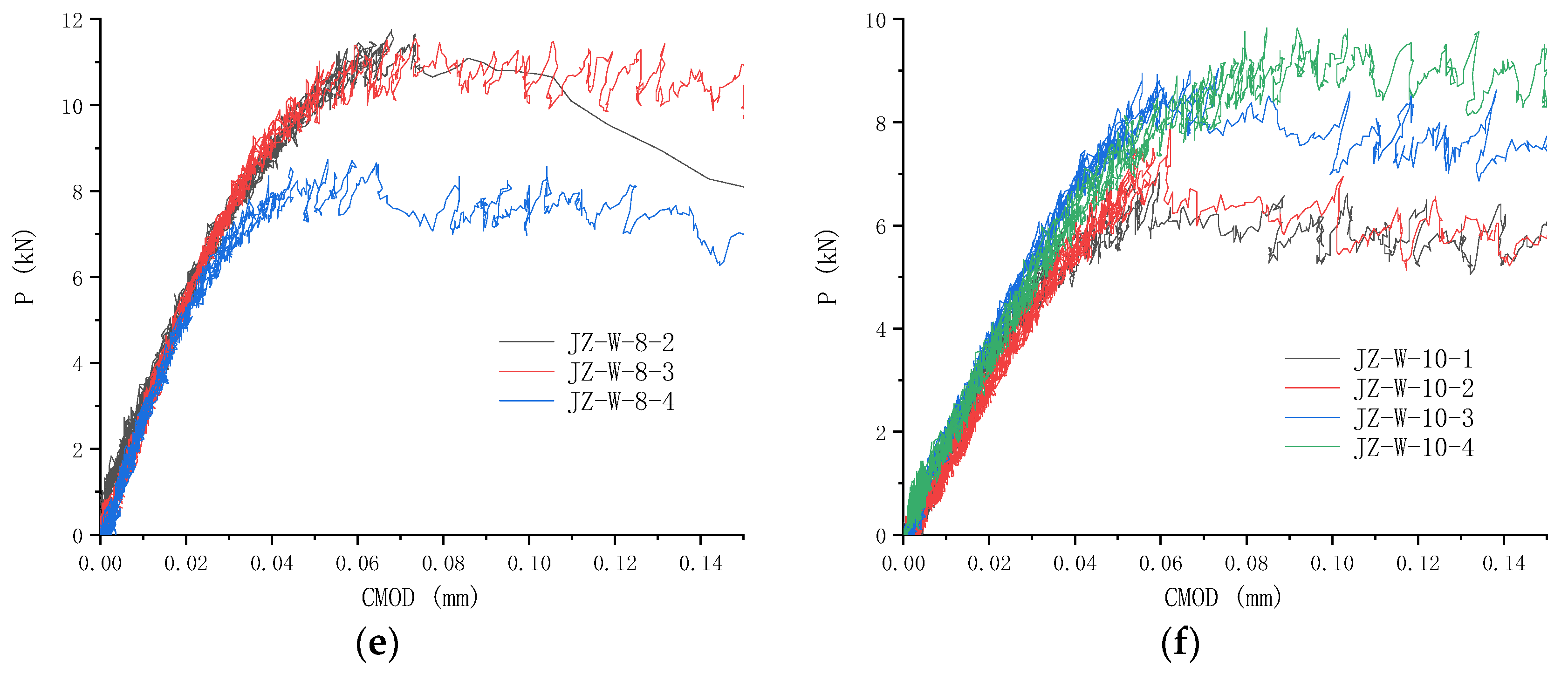
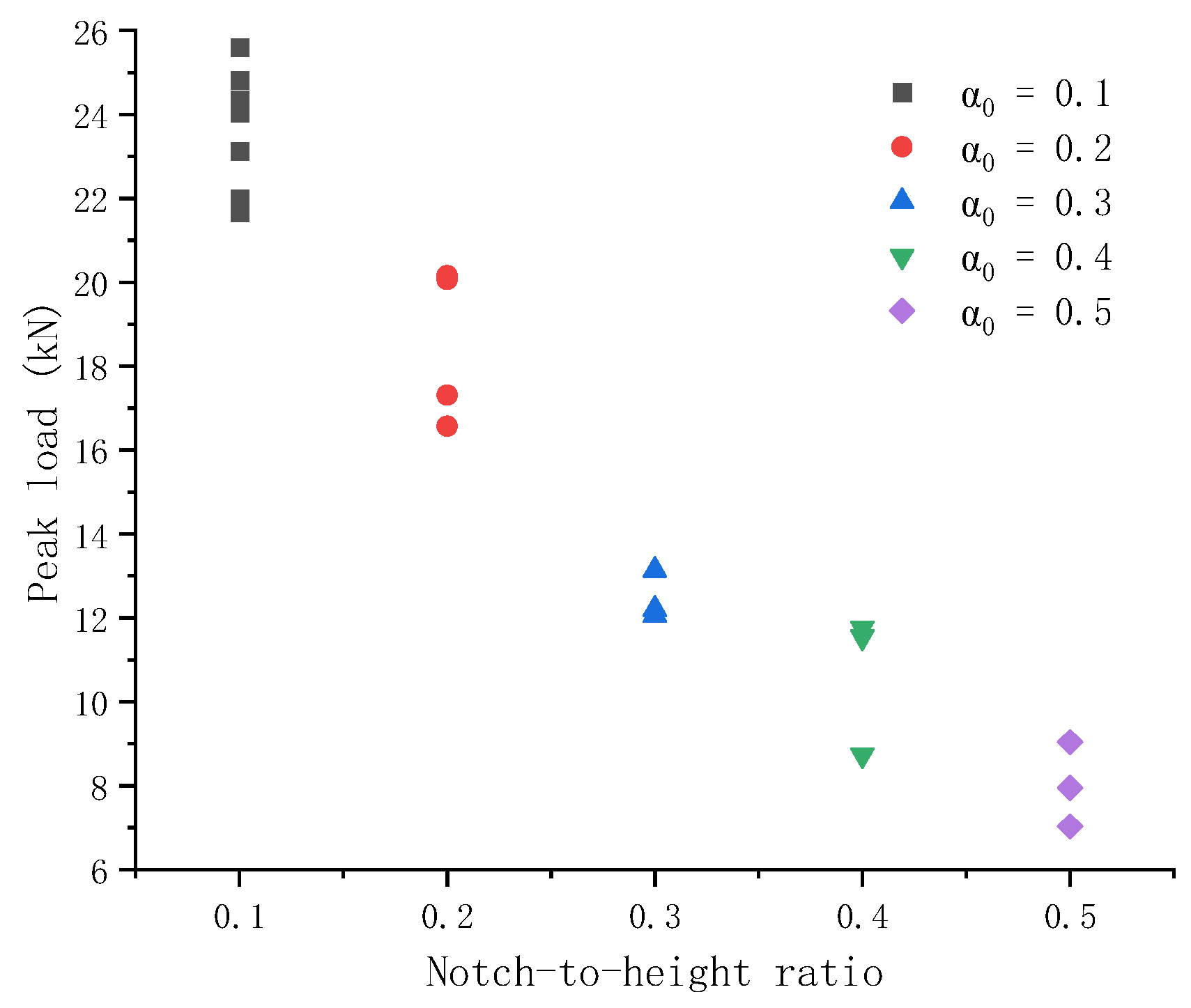
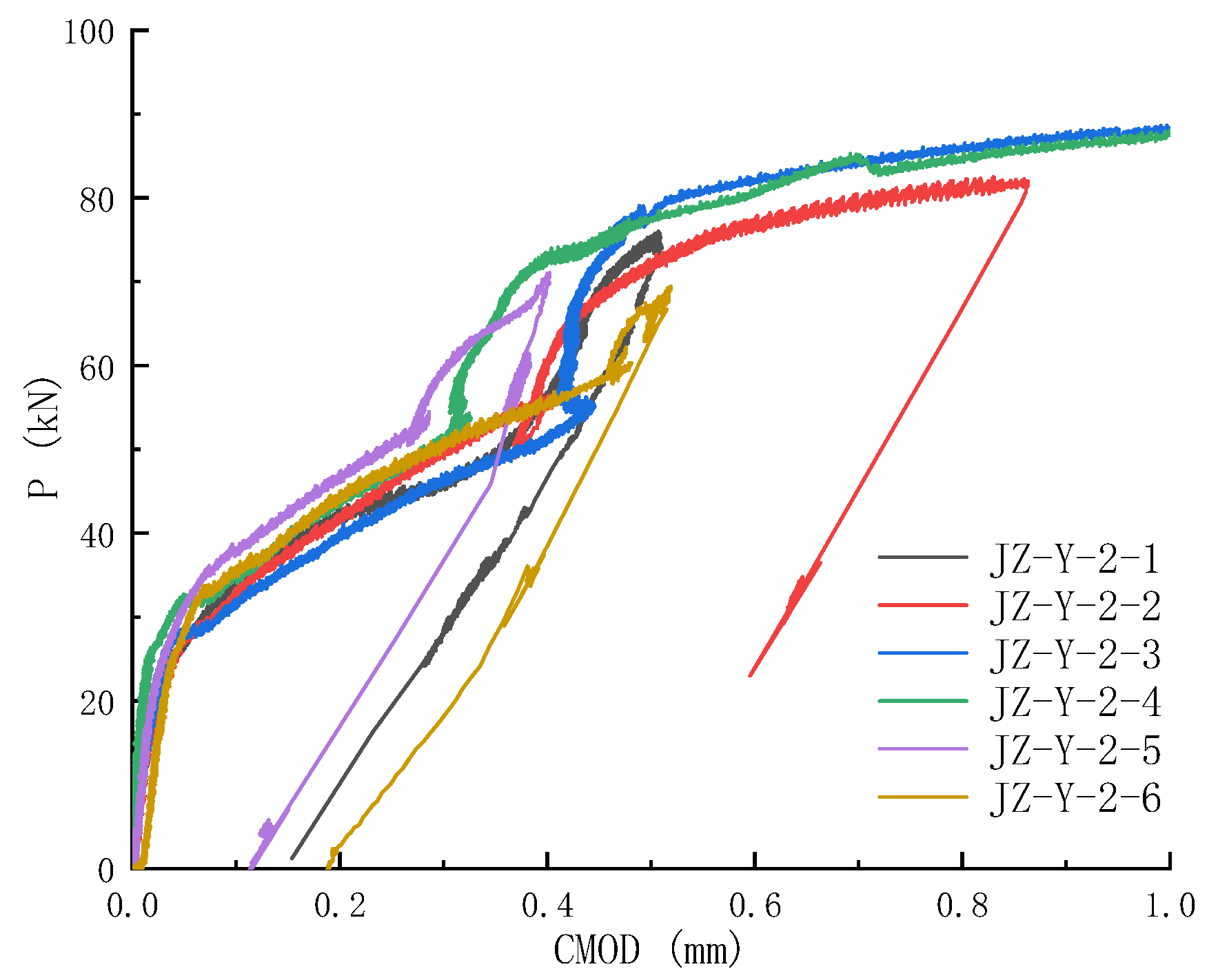
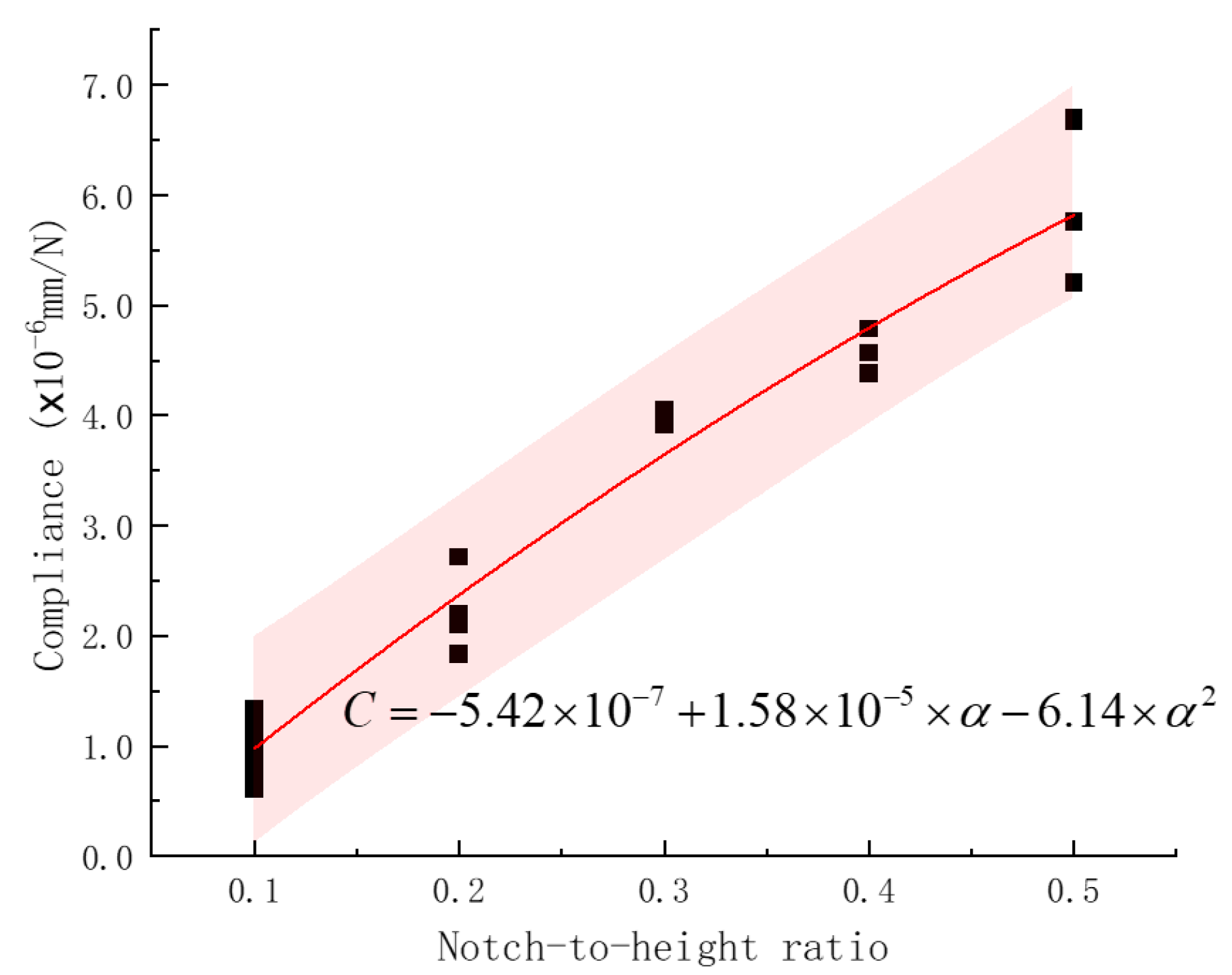
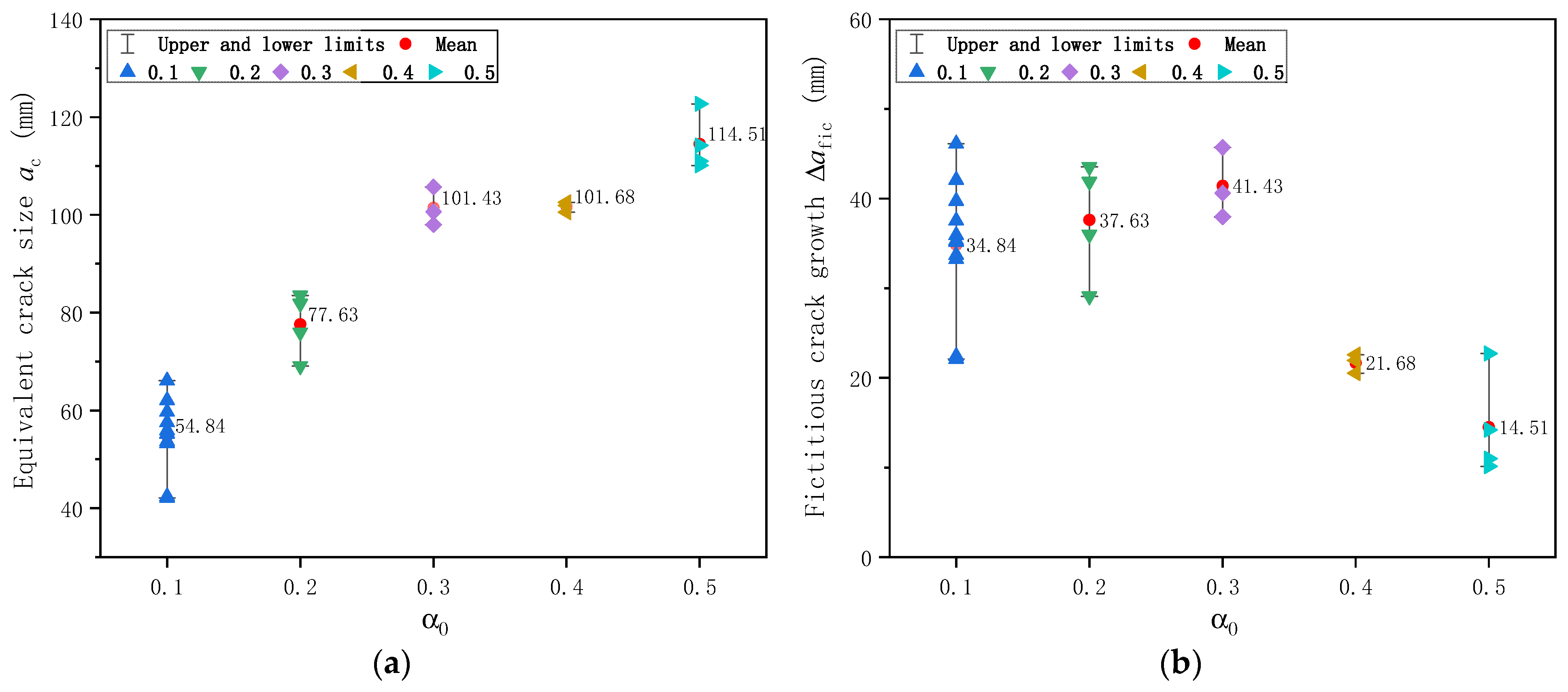
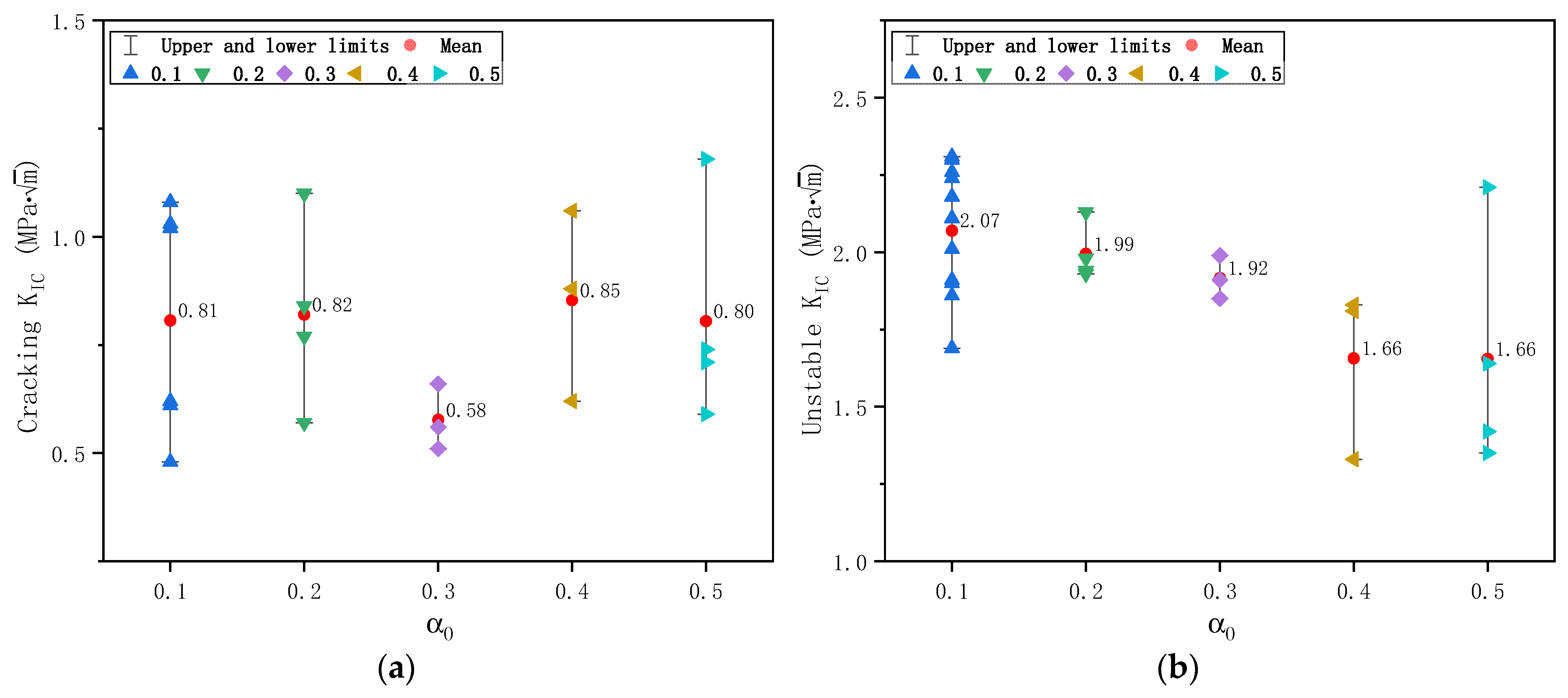
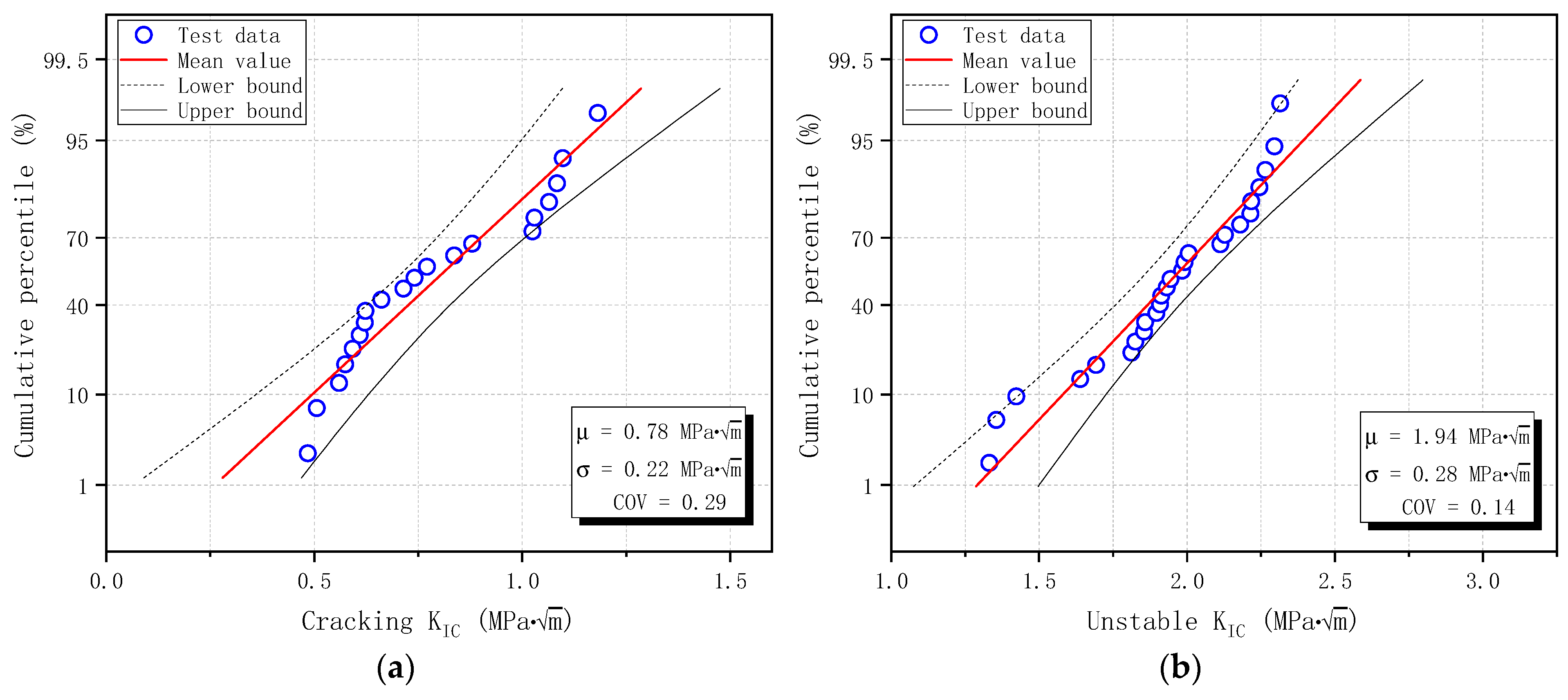
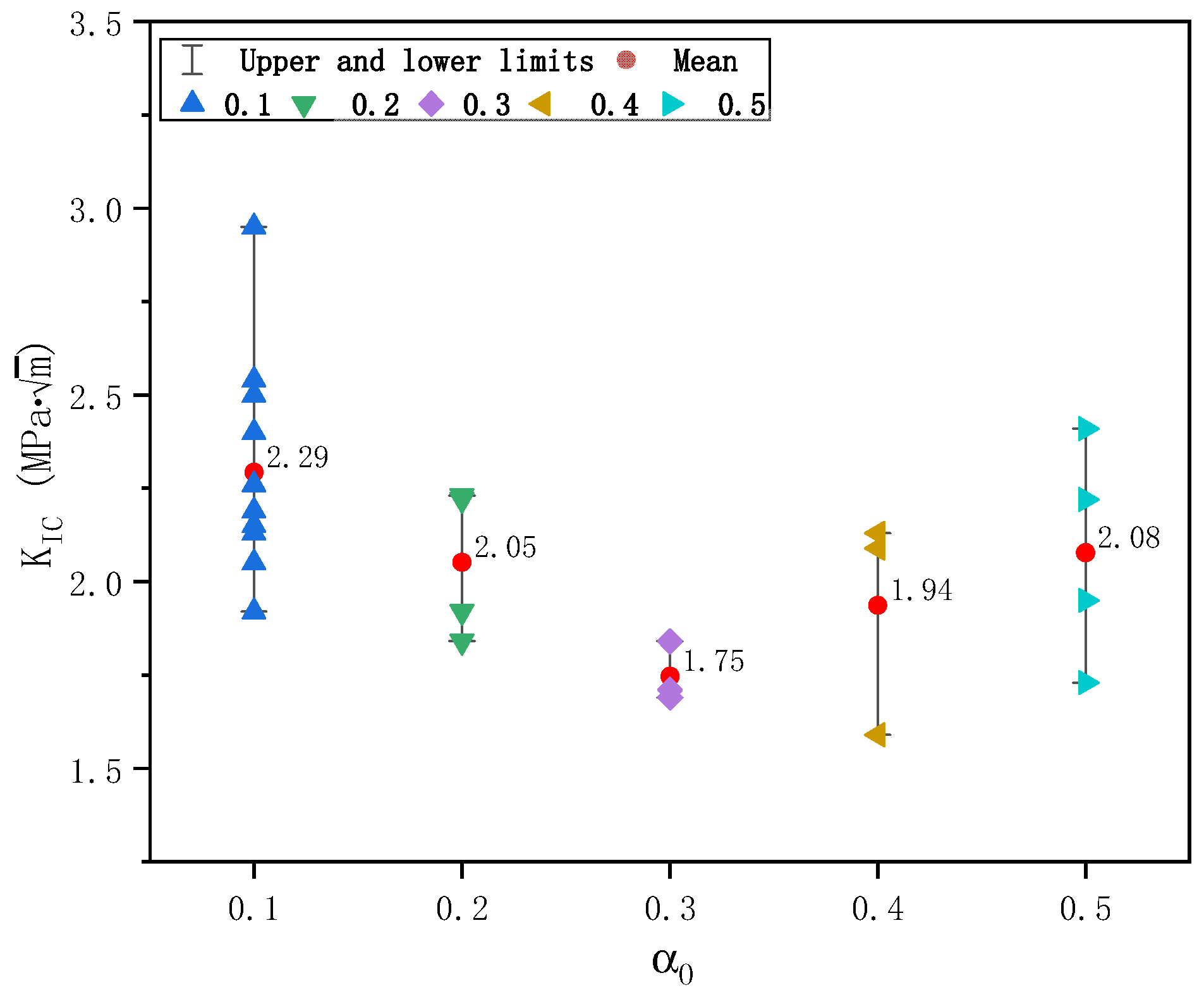
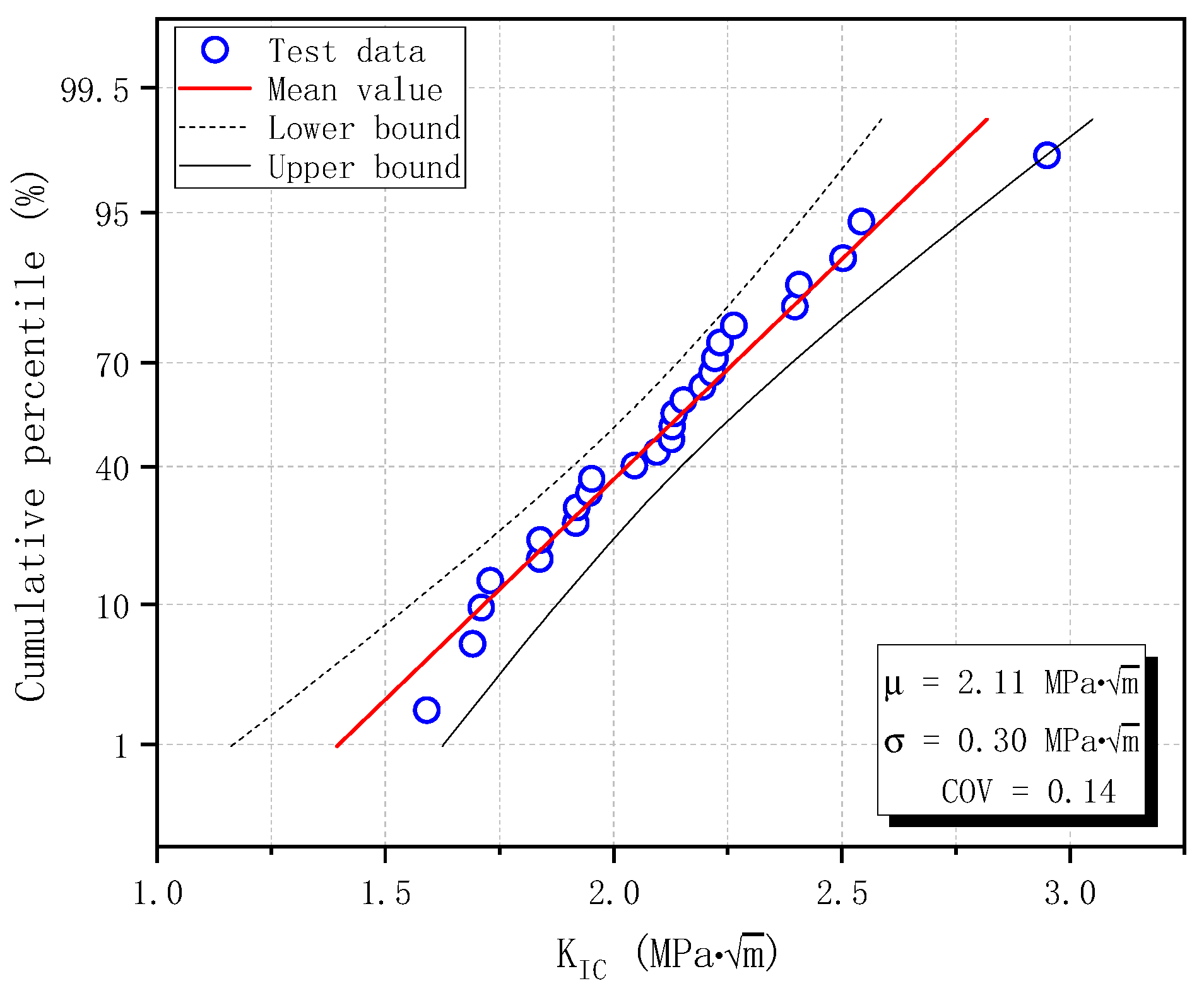
Fracture tests are a necessary means to obtain the fracture properties of concrete, which are crucial material parameters for the fracture analysis of concrete structures. This study aims to fill the gap of insufficient test results on the fracture toughness of widely used ordinary C40~C60 concrete. A three-point bending fracture test was conducted on 28 plain concrete and 6 reinforced concrete single-edge notched beam specimens with various depths of prefabricated notches. The results are reported, including the failure pattern, crack initiation load, peak load, and complete load versus crack mouth opening displacement curves. The cracking load showed significant variation due to differences in notch prefabrication and aggregate distribution, while the peak load decreased nonlinearly with an increase in the notch-to-height ratio. The reinforced concrete beams showed a significantly higher peak load than the plain concrete beams, attributed to the restraint of steel reinforcement, but the measured cracking load was comparable. A compliance versus notch-to-height ratio curve was derived for future applications, such as estimating crack length in crack growth rate tests. Finally, fracture toughness was determined based on the double-K fracture model and the boundary effect model. The average fracture toughness value for C50 concrete from this study was 2.0 MPa·m, slightly smaller than that of lower-strength concrete, indicating the strength and ductility dependency of concrete fracture toughness. The fracture toughness calculated from the two models is consistent, and both methods employ a closed-form solution and are practical to use. The derived fracture toughness was insensitive to the discrete parameters in the boundary effect model. The insights gained from this study significantly contribute to our understanding of the fracture toughness properties of ordinary structural concrete, highlighting its potential to shape future studies and applications in the field.
Keywords: fracture test; single-edge notched beam; ordinary concrete; fracture toughness; double-K fracture model; boundary effect model fracture test; single-edge notched beam; ordinary concrete; fracture toughness; double-K fracture model; boundary effect model
Graphical Abstract