


Abstract
The energy sector is counted among the environmentally unfriendly branches in many global economies, including in Poland. However, it has been pivoting towards alternatives to traditional, high-emission energy generation from non-renewable sources for years. Renewable energy sources, or renewables, are a responsible response to today’s expectations concerning country-level sustainable development, driving the global green energy transition. However, the success of increasing the share of renewables in energy mixes hinges to a large extent on the public perceptions of the changes. In the broadest perspective, research today focuses on global energy transition policy and its funding, problems with the availability of energy carriers, and the adequacy of specific energy production and transfer systems from a technical and technological point of view. Academics tend to concentrate slightly less on investigating the public opinion regarding the challenges of energy transition. This aligns with a relevant research gap for Poland, particularly in rural areas. Therefore, the present article aims to analyse public opinion on environmental protection challenges and the ensuing need to improve energy sourcing to promote the growth of renewable energy in rural Poland, with a case study of five districts in Małopolskie Voivodeship, to contribute to the body of knowledge on these issues. The goal was pursued through a survey of 300 randomly selected inhabitants of the five districts in Malopolska, conducted using Computer-Assisted Personal Interviewing (CAPI) in 2024. The results were analysed with quantitative techniques and qualitative instruments. The detailed investigation involved descriptive statistics and tests proposed by Fisher, Shapiro–Wilk, and Kruskal–Wallis, using IBM SPSS v.25. The use of the indicated methodological approach to achieve the adopted goal distinguishes the study from the approach of other authors. The primary findings reveal acceptance of the ongoing transition processes among the rural population. It is relatively well aware of the role of renewables, but there is still room for improvement, therefore it is necessary to disseminate knowledge in this area and monitor changes in sustainable awareness. We have also established that, overall, educational background is not a significant discriminative feature in rural perceptions of the energy transition. The conclusions can inform policy models to promote green transformation processes, enabling their adaptation to the current challenges and needs of rural residents.
1. Introduction
Climate change defines the ultimate framework for public policies, economies, and social life today. Recent scientific findings report widespread, quantifiable, and diverse repercussions of global warming, including more frequent and intense extreme weather events (heat waves, droughts, and intense storms) and long-term losses to the natural environment and public health [1]. Furthermore, the literature suggests a small and dwindling window of opportunity to mitigate the issue and adapt if the global community is to reduce the risk of breaching climate tipping points and prevent cascading effects [2]. This makes the energy system the primary target for intervention. Although it accounts for the largest share of anthropogenic greenhouse gas (GHG) emissions, it also offers the fastest reduction path through electrification of final energy consumption, dynamic growth of renewables, and improved performance [2].
From the societal perspective, climate change is not merely an environmental issue but a problem of social justice and resilience. Research shows that the consequences of global warming and the costs of adaptation are distributed unevenly: they affect households—particularly lower-income areas [3] and workers in declining sectors and regions with poorer soft infrastructure [1,4]. Hence, climate policy is increasingly addressed through the framework of just transition today. It combines reduction targets with protection of vulnerable groups, support for the labour market, and citizen-influenced transformation [2,4]. In terms of economy and technology, the focus is on low- and zero-emission systems. Global energy analyses demonstrate an unprecedented increase in renewable energy capacity in recent years, specifically photovoltaics and wind power, coupled with increased spending on power networks, energy storage, and system digitalisation [2,5,6]. This growth has a meaningful social dimension: diversified and decentralised generation improves energy resilience and security, lowering household exposure to volatile fuel prices and geopolitical risks. Note also the growing importance of energy efficiency, which the International Energy Agency dubbed the first fuel because it can limit energy use at the load side, reducing costs, improving quality of life, and supporting public health [2].
The decarbonisation trajectory has been empirically confirmed at the European scale; the latest estimates indicate a substantial decline in GHG emissions relative to 1990 levels. This demonstrates the feasibility of the transformation track even under high macroeconomic uncertainty and despite sectoral and territorial diversification [4]. At the same time, a growing share of renewable electrical energy in the EU is evident in statistics. This normalises the use of renewable technologies in the everyday practice of both citizens and institutions for the overall benefit [7]. Notably, the ‘normalisation’ is not a solely technical process. Public trust capital, quality of public communication, and resident participation in designing local systems are all critical for the pace and acceptability of the transformation [1,4].
This leads to a redefinition of the concept of energy security [8,9]. In a system with a substantial share of weather-dependent sources, security is no longer only about the availability of fuels. Instead, what matters are uninterrupted supply at a cost acceptable to society, system balanceability through flexible supply and demand, and resilience of the infrastructure and technology supply chains [10]. This redefinition amplifies the social argument for fast-tracking distribution network upgrades, introducing flexibility services, and building local competencies from local governments to energy collectives. Moreover, global scenarios demonstrate that actions aimed at reducing emissions in line with the Paris Agreement remain feasible as long as efforts are coordinated and expedited while accessibility, justice, and participation are adequately prioritised [2].
This background justifies the research efforts found in the literature to investigate the global energy transition policy and how effectively it is implemented. It also clarifies the necessity of continuing to analyse various aspects of funding the efforts, the availability of energy resources, and the directions of technical and technological advancements in this domain. Still, the context does not preclude the need to examine public opinion on the challenges posed by various energy transition processes. Regrettably, this perspective on the problem is much less popular among researchers. The research gap concerns mainly Poland, specifically its rural areas. We assume that the energy transition is not only a necessary technological response to climate goals, but also a process of redefining energy consumption, production, and management in society. This premise legitimises the main lines of investigation founded on the belief that climate change implies the necessity to transform energy systems, also in Poland, particularly in rural areas, and that the rural population of southeastern Poland is growing more aware of the need for changes, which should be translated into actual engagement in the transition processes. In light of the above, we aim to analyse public opinion on environmental protection challenges and the ensuing need to improve energy sourcing to promote the growth of renewable energy in rural Poland, with a case study of five districts in Małopolskie Voivodeship, to contribute to the body of knowledge on these issues. The study area is five districts in Małopolskie Voivodeship. The research is qualitative and quantitative, with support of statistical analyses. The findings will provide the latest insights useful for modelling the policy to promote green transformation processes in southeastern Poland.
2. Literature Review
2.1. The European Way and Energy Transition Instruments
The energy transition in the EU is a multi-level political project combining climate, economic, and social goals. Starting with the 2008 20-20-20 climate and energy package, through the European Green Deal, to Fit for 55, the evolution of the European energy policy demonstrates a continuous increase in reduction targets and expansion of the economy decarbonisation toolbox [11]. The process is defined by legal acts that build the legal framework for member states to follow. The primary one is Directive (EU) 2018/2001 on the promotion of the use of energy from renewable sources (RED II) and its 2023 revision (Recast Renewable Energy Directive) [12,13]. The two documents introduce the notions of citizen energy community and renewable energy community, which pave the formal way for citizen and local government participation in energy generation, distribution, and management.
This concept, further developed in the BRIDGE Task Force on Energy Communities and the Handbook on Cross-border Energy Communities, is a manifestation of a trend towards shifting the transformation effort from the central level to local settings [14,15]. According to the European Commission, energy communities have the potential to amplify public legitimisation of climate policy by bringing together technology (energy production and distribution), economics (financial returns for participants), and society (relationship building, joint responsibility, and local trust capital) [16]. Therefore, the EU no longer considers the transition solely through a macroeconomic lens. Instead, it is a socio-institutional process in which partnerships among citizens, the public sector, and the private sector are critical.
In terms of finance, the EU has deployed several mechanisms to incentivise clean energy projects, network redevelopment, and energy efficiency improvements. The key instruments are the Modernisation Fund, Innovation Fund, Just Transition Fund, and the Recovery and Resilience Facility (RRF) [17,18,19]. The Modernisation Fund is financed by revenues from the auctioning of emission allowances under the EU ETS. It is particularly important for Eastern and Central Europe, including Poland, because it provides funds for projects that combine innovation with social development, such as local heating plants, prosumer renewable energy plants, and improvements in the energy efficiency of public buildings [17]. The Just Transition Fund concentrates on ensuring retraining and new green economy jobs in mining areas [18].
The processes’ dynamics are reflected in Eurostat data. The share of renewable energy in gross final energy consumption in EU-27 exceeded 23% in 2023, with Nordic countries achieving more than 40%, and Central and Eastern European member states, such as Poland, showing steady growth, particularly in wind and solar [7]. The statistics show that the EU policy founded on directives, funds, and market mechanisms bears fruit, even though the pace varies across the community.
According to the literature, coordination across tiers of management—from local communities to EU institutions— is critical to ensuring effective EU climate policy [20,21]. Empirical research shows that multi-level governance promotes both the attainment of climate goals and public acceptance of modernisation efforts. Therefore, such new instruments as the Energy Poverty Observatory and Covenant of Mayors for Climate and Energy serve a dual purpose. On the one hand, they monitor progress in reductions, and on the other hand, they amplify citizen participation and intersectoral cooperation [22].
Another important matter, gaining more attention in the EU discourse, is interregional justice. Analyses published by the OECD and the EEA emphasise that the pace of decarbonisation and investment opportunities hinge on the region’s socioeconomic structure, resident income levels, and the quality of local institutions [23,24]. For the energy transition to be permanent, it has to take into account cultural, demographic, and social constraints, including differences between large agglomerations and rural areas. This is where the central role of the social aspect of the transformation is revealed, as it determines whether the change becomes a joint endeavour or another dividing line in society. This context anchors the research perspective of the present study, linked to the perceptions of the grounds for energy transition in the study area, with an analysis of public awareness of the changes aimed at contributing the latest insights into the problem to the body of knowledge.
2.2. Systemic and Social Constraints of Poland’s Energy Transition
The characteristic feature of the energy system transformation in Poland is the deeply rooted structural asymmetry. Significant fossil fuel dependence undermines the ability to meet EU climate targets [25]. For decades, Poland’s energy security model has been based on its coal deposits, which have generated powerful institutional, technological, and cultural conditions that have hindered rapid abandonment of the fuel [20,26]. Nevertheless, recent years saw a systematic increase in the change’s momentum not only in the energy generation structure, but also in its public perceptions.
In 2023, the share of renewable energy in Poland’s gross final energy consumption was approximately 22%. The main source was wind (over 10 GW of installed capacity). Photovoltaics grew fast to become the most accessible household technology [5,27]. The spread of microgeneration prosumer systems rendered a new player in the energy market, a citizen-producer, which is in line with the EU concept of energy community [28]. Apparently, Poland’s energy transition is multi-layered: technical, regulatory, economic, and cultural aspects interweave, with the latter defined by the change in public attitudes towards energy and the environment.
From a political and legal standpoint, strategic documents such as the 2040 Energy Policy of Poland (2040 EPP) and the National Energy and Climate Plan (NECP) are central, as they define decarbonisation and energy efficiency targets [29,30]. They set the renewables target in the final electricity consumption at over 32% by 2030 and nearly half of the generation mix by 2040. Particular focus is on local energy sources and greater agency for local governments, which should stimulate transformation processes at the municipal and district levels, in line with EU policy [21,31].
Still, the pace of adoption of new energy technologies varies increasingly across the country. Research shows that metropolitan areas are quicker to deploy low-emission solutions thanks to access to capital, human resources, and infrastructure, while rural areas, especially in southeastern Poland, need dedicated instruments and investments in social capital [32]. The LIFE-IP Małopolska report points out that the effectiveness of smog countermeasures and environmental efforts depends primarily on local engagement and awareness rather than on public policies alone [33]. This indicates a significant paradigm shift from a regulation-based policy to one in which local community involvement is a sine qua non for a permanent transition.
There are many structural obstacles to Poland’s transition, such as limited capacity of power networks, regulatory instability, low energy efficiency of buildings, and a high level of energy poverty [34,35]. The problems affect primarily rural households, where most people use obsolete heating systems and solid fuels [36]. The literature suggests an integrated approach as a method to address energy poverty. It would combine technical interventions (thermal performance improvement, heat pumps) and educational and institutional efforts (energy consulting, municipal schemes) [22].
In societal terms, Poland’s energy transition involves a negotiation between tradition and modernity, central planning and grassroots initiatives. Sociological studies indicate a growing public awareness of environmental and energy issues, but with significant geographical variation [37,38]. Acceptance of renewable energy sources in rural areas often depends on relationships and economic factors: confidence in local authorities, access to information, stability of incentives, and perception of financial benefits [39,40]. Therefore, the Polish transformation is not a mere response to the EU’s requirements, but a laboratory of social change, where new models of state, market, and citizen collaboration are tested. This interrelation between systemic reform and social adaptation merits in-depth investigation. It drives the case study of rural southeastern Poland, according to the hypothesis:
Hypothesis 1.
Climate change implies the need to transform Poland’s energy system, including in rural southeastern Poland.
2.3. Societal Aspects of the Transition and the Rural Population’s Awareness
Just as in other European countries, the energy transition in Poland is not a solely technical process but, first and foremost, a social endeavour. At its heart lie new models of public participation and new forms of collective responsibility rather than new technologies. Authors increasingly emphasise that successful transition depends on acceptance, understanding, and co-participation of citizens, including rural populations, who become the beneficiaries and co-authors of modernisation processes [26].
The impact of social factors on transformation has been confirmed in numerous international studies. The analyses indicate that public acceptance of renewables hinges on their landscape and environmental impact as well as the local community’s engagement in decision-making [41,42,43]. The problem is complex and merits further in-depth investigation.
The literature links resilience to social capital, demonstrating that local knowledge, trust, and cooperation are critical to energy transition [44,45]. Research shows that regions with higher public trust and greater local cooperation adopt new energy technologies more quickly, while areas marked by distrust and conflicts of interest resist transformation [25,46]. This means that social factors are more than just a soft background for energy policies; they are the key determinants of their effectiveness.
Another relevant problem in rural areas is the perception of risks and location conflicts associated with renewable energy projects, particularly wind turbines and biogas plants [47,48]. Research shows that a lack of transparency in communication and a lack of trust in developers lead to low public acceptance, even when projects offer tangible economic benefits [34]. This is why today’s spatial planning and energy management models increasingly invite local communities into the early stages of projects, which improves the sense of shared responsibility and minimises conflicts [49].
From a societal perspective, the energy transition is considered a process of enhancing local community resilience. Community inclusion in design and energy management, the emergence of collectives, clusters, and municipal prosumer schemes pave the way for a new kind of energy citizenship based on joint responsibility, knowledge, and benefits [50]. It is a foundation for a lasting cultural change, where energy security is not a mere technicality but a common public good that citizens build together. Therefore, it is reasonable to investigate public awareness and openness to energy transition processes, which makes the research challenge of the present article highly relevant, especially in the rural study area of southeastern Poland, where an insight gap has been identified. In light of the above, we specified the following research directions:
Hypothesis 2.
The Polish rural population, especially in southeastern Poland, is aware of the need for energy transition.
Hypothesis 3.
The rural population in Małopolskie Voivodeship is increasingly open to renewable energy sources, but the awareness still has to be improved.
It is also interesting to investigate the impact of educational background in rural areas on opinions about the energy transition and openness to renewable energy sources, a topic that is not widely studied in the literature. As a rule, the study addresses the following aspects:
- -
- general diagnosis of public opinion without taking into account distinctive features in the population [42,44],
- -
- general public awareness in the area of renewable energy sources [8],
- -
- age-determined awareness [20].
Therefore, for the purposes of examining this distinguishing research topic, the following research hypothesis was established:
Hypothesis 4.
The Małopolskie Voivodeship population’s opinion on the energy transition and its openness to renewable energy sources is determined by educational background.
3. Materials and Methods
Research Concept and Hypotheses
The article is structured around the objective of diagnosing and assessing public opinion on the challenges of environmental protection and the reasons for improving energy systems in everyday practice in the Polish countryside towards renewable energy. The study involved a random sample of 300 respondents from five districts in Małopolskie Voivodeship, with educational background as the discriminative feature. This discriminative feature is intended to yield precise conclusions and improve the novelty of the present contribution to the body of knowledge. The adopted differentiating feature, although of a complementary nature, ensures the development of precise conclusions and distinguishes the presented study from alternative findings in this area.
The introduction offers a background and the study objective. The subsequent literature review adds to the backdrop, identifies the research gap, and specifies the lines of investigation to align the study precisely with the diagnosed needs. The Section 3 offers the research design, describes the sample, and characterises the research techniques. It is followed by the results, divided into individual problem areas aligned with the hypotheses and methodology. This section contains report and literature analyses, survey results analysis, and statistics-based conclusions.
The results of the present study are presented in the context of the existing body of knowledge in the Section 5. The Section 6 summarises the relevance and primary observations from the work.
The literature review is based mainly on sources from databases of indexed journals, specifically Web of Science, Scopus, Google Scholar, etc., searched using the keywords assigned to the present article. The empirical part was driven by the 2024 Computer Assisted Personal Interviewing (CAPI) survey results. We used snowball sampling. Survey participation was completely voluntary and anonymous (informed consent).
The participants represented the selected districts of Małopolskie Voivodeship: Limanowski, Krakowski, Tarnowski, Wadowicki, and Miechowski. The study area constitutes a limitation of the in-depth study in and of itself; its results can be applied solely to this area, and any generalisations are conditional.
The sample consisted of 60 people from each district. Participants were recruited through snowball sampling and informed that their participation was voluntary and anonymous (informed consent). The sample age range is rather wide, 15–86 years. It is dominated by women (58.3%, M = 42.30; SD = 17.59). The educational background of the respondents is highly relevant as a potential discriminative feature. According to the survey results, vocational and higher education levels were reported by 25% of the population each. Secondary education was declared by 44% of the sample. Sixty-three per cent of the sample completed vocational education. The χ2 test revealed no significant differences in education levels across the population of the investigated districts: χ2(12) = 9.79; p = 0.635, or regarding reported vocational education: χ2(4) = 7.03; p = 0.134.
The study focuses on sustainable development challenges in the context of climate change progress, corresponding in this regard with the EIB Climate Survey report [51]. Note that the survey scope has been adapted to the investigative needs and constraints of the research, particularly related to the Polish countryside. From the 27 issues covered by the study, the sections relating to the issues of Poland’s energy transformation and renewable energy sources were isolated, which constitute the subject of reference of this article in the adopted research context.
We employed both qualitative and quantitative methods. The quality of the conclusions was ensured by using principles and techniques of economic analysis and statistical inference. In light of the above, the in-depth analysis employs descriptive statistics and such testing instruments as Fisher’s test, the Shapiro–Wilk test, and the Kruskal–Wallis test. Other techniques we used include one-way analysis of variance (between groups) and χ2 tests for α = 0.05 (significance level). The in-depth study was aided by IBM SPSS v.25. The instruments used (including software) are appropriate for the nature of the study and the sample selected—they enabled analysis of the adequacy of the sample and assessment of the reliability of the data to ensure the correctness of the research process.
The results are presented and discussed in the context of other literature reports.
These research techniques were selected to determine the distribution of survey results across groups (districts). Importantly, when the chi-squared test assumptions were not met, we used alternative instruments from the portfolio (Fisher’s test). It was the case when the cell size threshold was greater than 1 and no more than 20% of cells had an assumed size of <5. Note that this concept has been successfully employed in our related research [52,53].
The research concept is presented in Figure 1.

Figure 1.
Research concept.
The research design is intended to ensure fact-based conclusions and to offer new insights into the attitudes of the Polish countryside towards the energy transition and renewable energy sources. The former may be relevant to how Poland’s energy transition is designed, particularly in the rural Małopolskie voivodeship. The following mechanism of social acceptance for energy transition based on renewable energy sources is assumed:
- appropriate regulations,
- support programmes (financial and technical),
- education,
Mechanism of social acceptance for energy transformation presented in Figure 2.

Figure 2.
Mechanism of social acceptance for energy transformation.
4. Results
4.1. Characteristics of Southeastern Poland as a Study Area
Southeastern Poland is a unique study area in the context of the public perceptions of energy transition. The region covers Podkarpackie and Małopolskie Voivodeships as well as parts of Świętokrzyskie and Lubelskie Voivodeships. Of relevance are its diversified socioeconomic structure, low level of urbanisation, and strong community and religious traditions [53]. Energy transition is confronted with traditional lifestyles, strong local identities, and limited access to new infrastructure there.
On the one hand, southeastern Poland’s CO2 per capita is relatively low compared to other regions with more developed industries, due to the dominant agricultural sector and the small number of production facilities [54]. On the other hand, it is prone to energy poverty due to a large number of old buildings, low income levels, and reliance on coal- and biomass-based heating [55]. In some municipalities of Małopolskie and Podkarpackie Voivodeships, energy is estimated to take up a significant portion of the budget in more than 40% of households, which positions the region among the most energy-sensitive in Poland [56], making it relevant to the study.
Still, southeastern Poland’s role in energy transition processes is growing. Thanks to EU-funded projects such as LIFE-IP Małopolska and Energia dla Wsi [Energy for the Countryside], local energy partnerships are possible, integrating local governments, public organisations, and residents [33,57]. These initiatives do not focus solely on technology. Their primary concerns are education and society; they impart knowledge on how to build local energy strategies, manage shared resources, and engage residents in making decisions. Local leaders, such as heads of villages, mayors, teachers, or businesspersons, often broker knowledge and explain the complexity of modernisation projects to local populations, helping them with investment decisions [25,26,32].
There is one more important social dimension of the transformation in southeastern Poland: social resilience and community capital. Despite lower income levels, the region has strong neighbourhood relationships and a high degree of local collaboration, which can be useful when deploying grassroots energy projects [39]. The literature suggests that this very type of capital, founded on reciprocity, trust, and mutual aid, can be the most significant growth asset for rural transformation [46].
Still, some barriers have to be overcome. Those most commonly reported include low levels of public spending on network infrastructure, limited availability of technical information, a shortage of experts in local administration, and an ambiguous state policy towards local expansion of renewables [23,58]. This leads to irregular transformation dependent on the efforts of individuals, local NGOs, or public opinion leaders.
However, some believe that peripheral regions such as southeastern Poland can serve as test sites for green public innovation. Their potential lies in the community’s ability to cooperate and adapt rather than financial capital [17]. Successful local initiatives, from energy collectives to municipal thermal performance schemes, prove that climate change can drive a new development model based on solidarity, autarky, and local leadership.
A look into the processes in the region provides better insight into how local communities become actors of the global climate change, contributing to a new energy identity of Poland.
4.2. Energy Transitions in the EU, Poland, and Małopolskie Voivodeship According to Expert Reports and Literature
The energy transition has become a critical civilizational and economic challenge of the twenty-first century, serving as a means to curb climate change [59,60]. Growth in mean temperatures, extreme weather events, and environmental degradation forced EU member states to devise strategies to achieve climate neutrality by 2050 [61]. According to Eurostat data, the share of renewable energy in gross final energy consumption in the EU was 24.5% in 2023, which reflects a gradual increase compared to previous years (Eurostat, 2024). The share was even higher for electricity: in 2024, renewables accounted for over 46% of total electricity generated, an all-time high for the EU [62]. The data confirm that the European energy transition is gaining momentum, and renewables are emerging as the backbone of the new energy system, specifically wind and photovoltaics.
The highest share of renewable electricity was found in Denmark (88.4%), due to its wind power potential. It is followed by Portugal, which combines wind and hydropower (87.5%), and Croatia (73.7%), which is dominated by hydropower. However, some other countries produce only minuscule amounts of electricity from renewables. Luxembourg reached only 5.1%, while Malta and Czechia had 15.1% and 15.9%, respectively, highlighting the uneven pace of the energy transition in the EU [63]. According to European Electricity Review 2024, ‘Wind and solar drove renewable electricity past the 40% mark for the first year in the EU’s history, reaching 44% of EU electricity generation in 2023.’ Moreover, a note by Eurelectric/Clean Energy Wire asserts that over 50% of the EU’s electricity came from renewables in the first half of 2024 [63].
Despite the growing share of renewables, EU member states face numerous challenges, including the need to upgrade transmission and distribution networks, improve the power system’s flexibility, and integrate large capacities of weather-dependent renewables. Social and regional factors are also important: public acceptance of new projects, the emergence of local energy communities, and the transformation of areas affected by structural changes in the energy sector [64].
Compared to the overall processes in the EU, the energy transition in Poland is a complex and asymmetrical issue. It entails rapid expansion of renewable energy but also requires a long-term modernisation of the energy system and public support. From this perspective, Poland demonstrates how a system based on clean and renewable sources can be gradually built in an area highly dependent on fossil fuels [65,66,67,68].
Burdened by one of the most emissions-intensive energy systems in Europe, Poland faces a particular challenge: reconciling energy security with the imperative to reduce GHG emissions. In 2020, the power industry generated over 40% of Poland’s CO2 emissions, with hard and brown coal dominating its energy mix [69]. Therefore, Poland’s energy transition is not confined to technology; economic, social, and environmental aspects are highly relevant as well [70]. Authors emphasise that the process is inherently linked to the global paradigm of sustainable development and to EU climate policy, whose targets extend beyond the energy sector [71,72,73,74].
Poland’s energy policy is defined in the 2040 Energy Policy of Poland [29]. It involves reducing GHG emissions, increasing the renewable energy share in the final energy consumption to about 31% by 2030, and investing in nuclear power [75]. The strategy has three main pillars: just transition, zero-emission energy system, and air quality improvement. EPP 2040 is driven by EU funds, such as REPowerEU and the National Recovery and Resilience Plan, which provide funding for transmission networks, energy storage, and heating industry transition projects [76].
According to Eurostat data, the share of renewable energy in Poland’s gross final energy consumption was 17% in 2023, below the EU average [7]. The situation of the electricity industry is more dynamic. In 2024, the share of renewable energy in electricity production reached 28.8% in Poland and 46.9% in the EU [77]. Although Poland still has one of the highest shares of fossil fuels in its energy mix, the pace of increase in renewables has been among the fastest in Central and Eastern Europe. In 2023, the share of coal dropped to a historical low of 60.5%, down 10 pp. YOY, while renewable energy production reached 27% for the first time. Simultaneously, Poland’s energy generation from natural gas grew more than 40%. Over the course of Poland’s 20 years of EU membership, energy and fuel consumption in the Polish economy have been growing, particularly in transport (Figure 3).

Figure 3.
Energy transition since 2004 (when Poland joined the EU). Source: original work based on data from EMA, Statistics Poland, EEA, ARP, ENTSOG, NCEM, and Eurostat.
Data from Energy Forum (2024) indicate that coal accounted for about 60% of Poland’s electricity production in 2023, but its share declined to 56% in 2024. At the same time, renewable capacity, particularly photovoltaics, increased more than twice from 2019, reaching 18 GW. Today, Poland is a European leader in terms of the prosumer population and the increase in photovoltaic capacity [69,78]. The growing impact of renewable energy contributes to national goals, especially those set in the 2040 Energy Policy of Poland [29], which aims to reduce the share of coal in electricity generation to about 11–28% in 2040 and increase the share of renewables to over 50%.
Poland’s power industry has been evolving towards greater reliance on renewables since 2010. The first stage (from 2010 to 2015) involved adjustments to EU regulations, specifically Directive 2009/28/EC, while maintaining a high share of coal in the mix. Investments in renewables accelerated after 2015, especially regarding photovoltaics and wind [79]. In 2024, the photovoltaics capacity exceeded 21 GW, one of the highest results in the EU [80]. The socioeconomic context of the energy mix change also warrants mention. In regions heavily dependent on mining, the transition brings social challenges and a demand for new jobs. Just transition, a pillar of the 2040 EPP, involves mitigating the social costs of phasing out coal through investment schemes and retraining [71].
The energy transition of Małopolskie Voivodeship is an important part of the national and EU climate and energy policy [29,75] and an example of a region where efforts towards a low-emission economy are directly linked to the response to climate change impacts [76,81]. Having considered the increasing frequency of extreme weather events, droughts, heat waves, and floods and deteriorating air quality [82,83]. Małopolskie Voivodeship appreciates the need to remodel its energy system towards improved resilience and environmental sustainability [84]. Climate change forces stakeholders to reduce GHG emissions, but it also shapes a new energy, security, and quality-of-life mindset in the region [80]. The 2022 efforts towards preventing the repercussions of climate change and climate adaptation have led to a 17.93% decline in GHG emissions compared to 1990 and a 9.08% decline compared to 2018. Relative to 1990, Małopolskie Voivodeship has seen substantial downturns in GHG emissions in the energy sector (43.48%), the economy (39.81%), and agriculture (32.55%) [85]—Figure 4.

Figure 4.
Shares of GHG emissions in Małopolskie Voivodeship in 1990, 2018, and 2021 [kt CO2 equation] [84,86].
Małopolskie Voivodeship is estimated to have nearly 550,000 renewable energy systems, totalling 10,380 MW (December 2022). The renewable energy market is dominated by biomass boilers (47%, 256,801 systems), photovoltaic panels (40% 217,636 systems), solar heating systems (8.7%), and heat pumps (4.5%) [84,86]. The total potential photovoltaic capacity has been estimated at 7929 MWp, and the potential energy yield is 8,588,311 MWh. The highest potential capacity was found in the City of Kraków (1011 MWp), which could generate 1,103,119 MWh a year. The city is followed by Krakowski District (841 MWp, 914,688 MWh) and Tarnowski District (570 MWp, 625,640 MWh). The total potential energy estimate for photovoltaics is 838,572 MWh a year. The heat pump potential for Małopolskie Voivodeship is 48,416 TJ a year. The most promising areas for heat pumps are Krakowski, Tarnowski, Nowotarski, and Nowosądecki Districts. Małopolskie Voivodeship can accommodate 360 wind turbines (assuming one turbine per 500 m2), totalling 1567.60 GWh a year. The highest wind potential in the voivodeship was identified in Dąbrowski, Miechowski, Proszowicki, and Oświęcimski Districts. The highest geothermal energy potential was found in Nowotarski and Tatrzański Districts (902,912.54 MWh a year and 195,270.93 MWh a year, respectively), while Suski District (273 MWh a year), Nowosądecki District, and Nowy Sącz (788 MWh a year) have the worst conditions [86].
In years to come, Małopolskie Voivodeship will transition towards greater decentralisation of the energy system and more intensive use of renewable energy sources, particularly microgeneration systems and energy communities. Authors emphasise that Poland and other Central and Eastern European countries are entering the phase of development of distributed energy infrastructure founded on local prosumer initiatives and energy clusters [87,88,89]. Małopolskie Voivodeship plans to use the 2021–2027 EU funds to elevate investments in photovoltaics, heat pumps, and energy storage. It will also promote energy clusters and collectives to balance energy demand locally. As noted by Kostecka-Jurczyk [90], the expansion of energy collectives in Poland is critical to supporting local just transformation, as it combines economic goals with grassroots activity. This effort receives substantial support from regional policy, including European Funds for Małopolskie Voivodeship, which covers energy transition projects in western Małopolskie Voivodeship [34]. Research shows that a dynamic increase in photovoltaic microgeneration systems in regions such as Małopolskie Voivodeship is driven by public policies and by improving public awareness [91]. Additionally, expansion of energy communities promotes the democratisation of energy access and curbs energy exclusion [92]. The analysis of expert reports and literature findings presented here provides evidence supporting the first hypothesis that climate change necessitates transforming Poland’s energy system, including in rural southeastern Poland.
4.3. Analysis of Attitudes Towards Renewables in Rural Households in the Małopolskie Voivodeship: Survey Results and In-Depth Interviews
It was important for the research to identify the actual attitudes of rural households towards the available household energy systems, which was the survey’s first focal area. It will help diagnose opinions on challenges linked to the energy transition in Poland, particularly in rural areas, as exemplified by the investigated districts of Małopolskie Voivodeship.
Regarding the public perceptions of the impact of the type of heating system on climate change, the sample representative of Małopolskie Voivodeship, Poland (Krakowski, Wadowicki, Tarnowski, Limanowski, and Miechowski Districts) revealed that 75.9% of the population considers using green energy sources relevant to climate change prevention (‘strongly agree’ and ‘agree’). Negative position was reported by a significant 16% (‘strongly disagree’ and ‘disagree’). Detailed distribution of answers is presented in Table 1 (qualitative aspect) and Table 2 (quantitative aspect).

Table 1.
Opinion on whether using energy from alternative sources (solar, water, wind) prevents climate change. Qualitative approach.
Table 2.
Opinion on whether using energy from alternative sources (solar, water, wind) prevents climate change. Quantitative approach.
The largest groups of ‘strongly agree’ were identified in Krakowski and Wadowicki Districts (51.7% and 47.5%, respectively), while the lowest values were found in Miechowski District (21.7%), with the regional arithmetic mean of 36.3%. Answers ‘agree’ were the most popular in Limanowski District (50%) and the least common in Krakowski District (28.3%), with an arithmetic mean of 39.7%. The aggregate threshold level for ‘agree’ and ‘strongly agree’ reached 41.7% in Wadowicki District. The Kruskal–Wallis test revealed statistical significance, H(4) = 10.90; p = 0.028. Therefore, we performed post hoc analyses. Three statistically significant differences were found. Respondents from Miechowski District exhibited less agreement with the claim compared to the Limanowski District (p = 0.044), Wadowicki District (p = 0.036), and Krakowski District (p = 0.001) populations. The other differences were not statistically significant. The results for this question provide grounds for concluding that the survey population generally appreciates the impact of climate change and the need to transform Poland’s energy system (Hypothesis 1). Our findings indicate a relatively significant level of public awareness (Hypothesis 2).
The diagnosis of public opinion in the study area is supported by results for the question about which energy sources should be the core of Poland’s energy system over the next two to three decades (Table 3).
Table 3.
Opinion regarding the core energy source for Poland in 20–30 years.
The results provide unambiguous proof that most of the local population supports phasing out conventional energy generation in the coal-dominated Polish system in favour of alternative energy sources. The strongest opinion was expressed by rural residents of Krakowski District (70%), and the population of Miechowski District was the least inclined towards the change (45%). The average result for the aggregate answers in this category is 56.5%. This seems to confirm the hypotheses (1–3). The differences across the districts were not statistically significant, as indicated by a statistically insignificant (although by a small margin) result of the χ2 test: χ2(8) = 15.24; p = 0.055.
The correlation between answers and education offers an interesting insight into this domain. The strongest support for renewable energy was found for respondents with vocational education (68.72%), followed by those with higher education (62.88%), primary education (60.2%), and secondary education (53.66%). The distribution of the education-determined support regarding traditional energy production is shown in Figure 5.

Figure 5.
Analysis of the impact of education level on support for green energy compared to traditional coal-based generation. Aggregated answers.
The aggregated analysis did not reveal any significant impact of the ‘education’ discriminative feature on the answers. Therefore, the fourth hypothesis that the Małopolskie Voivodeship population’s opinion on energy transition and its openness to renewable energy sources is determined by educational background cannot be confirmed at this stage.
The next line of investigation is to diagnose the energy source that Poland should focus on to address the climate crisis. The survey results unambiguously indicate renewable energy sources as the energy transition target for Poland to facilitate an effective response to the climate crisis (50% of answers in the sample). Specific results are presented in Table 4.
Table 4.
Opinion regarding the core energy source that Poland should focus on to address the climate crisis.
A detailed analysis of this domain reveals that 60% of the rural population of Krakowski District supports renewables as the target of Poland’s energy transition if it is to be environmentally conscious. The lowest level of appreciation for green energy sources in this context was found among the rural population of Wadowicki District (42.10%). These results, combined with the average of 50%, suggest that the rural population of Małopolskie Voivodeship is becoming increasingly open to renewable energy, but awareness still needs improvement (Hypothesis 3). The differences across the districts were not statistically significant, as indicated by a statistically insignificant result of Fisher’s exact test, p = 0.161.
The aggregate impact of respondent education on the answers is shown in Figure 6.

Figure 6.
Analysis of the impact of respondent education on the preferred energy sources (aggregated).
In aggregate, the most popular choice is renewable energy sources regardless of the level of education. The second-most popular answer is nuclear energy, chosen most commonly by respondents with secondary, higher, and vocational education (29.42%, 22.46%, and 21.5%, respectively). No significant impact of the discriminative feature was identified based on the results. This outcome further confirms that the fourth hypothesis, that the Małopolskie Voivodeship rural population’s opinion on energy transition and its openness to renewable energy sources is determined by educational background, cannot be confirmed. This suggests that awareness of the energy transition and renewable energy needs to be built and sustained continuously, regardless of the target’s educational background.
5. Discussion
The literature review on the societal aspects of energy transition on a country level shows that the topic is addressed relatively rarely. Researchers tend to focus on policy, economics, and technical dimensions. Still, the societal perspective complements efforts regarding technological, environmental, and economic challenges. Therefore, selected insights into the societal aspects of the energy transition merit mention.
Sikora and Zimiewicz [93] investigated the relevance of renewable energy sources to climate change as perceived by various circles and citizens. Their starting point was a public discussion held by Polish academics, economic experts, and the government. They also used results from nationwide empirical studies for various institutions, including a report by the Public Opinion Research Centre [94] from February 2023 and the Social Changes report [95]. These reports concern climate warming and the role of renewable energy sources in controlling it. Although renewable energy sources are generally considered an important factor in curbing global warming, public discourse contains diverse positions regarding the underlying causes of climate change. The authors reported a popular support for renewable energy among 85% of Poland’s population [94]. In southeastern Poland, 76% of respondents believe that renewables help address climate change. Slightly fewer of them, approximately half of the sample, consider the growth of renewable energy as part of Poland’s energy transition in the coming decades an opportunity.
A. Piwowar and M. Dzikuć [96] pointed out an interesting and highly relevant context of Poland’s energy transition. The authors reported analytical results for 2012–2022. This interval is relevant to depicting the pace of Poland’s energy transition. They also offer results from a past review, providing important historical context. The fossil fuel energy system in Poland has been growing for decades, driven by substantial hard and brown coal resources. Another important factor is the rich technological traditions related to coal mining and processing, as well as mining culture traditions, such as the mining industry ethos. Furthermore, the authors noted that although Poland’s transition is primarily linked to technical and technological efforts, it hinges to a large extent on societal aspects. A transition to a low-emission economy may delay critical projects or contribute to energy poverty if it fails to account for societal impacts. Our results show that respondents should be encouraged by the affordability of energy that renewable energy sources can provide. The respondents exhibited acceptance of solutions that ensure access to low-cost energy, which is a significant economic dimension. Other researchers make similar observations: rural populations are increasingly interested in renewable energy sources. Their motives vary from environmental concerns to dominant economic aims to reduce household upkeep costs [38]. The strongest opinion in the present study was expressed by rural residents of Krakowski District (70%), and the population of Miechowski District was the least inclined towards change (45%). The average category result for the entire population was 56.5%.
L. Karpińska and S. Śmiech [97] pointed out a substantial issue of the unavailability of affordable energy in Poland, leading to energy poverty. The authors proposed a remarkable take on assessing latent energy poverty in Poland. A household is at risk of latent energy poverty ‘if its entire available income minus housing costs is below a certain threshold’. Total anticipated housing expenditure is estimated from EU-SILC data, which covers apartment characteristics and parameters, household attributes, and regional differences across Poland. These analyses are relevant considering the scale of exposure to income poverty—linked to energy poverty—in Poland, which was about 23% in 2023. For comparison, the Polish Economic Institute’s 2023 data [98] (PEI, 2023) indicate that 3–30% of households in Poland are affected by energy poverty, depending on the methodology. It identified four primary dimensions of energy poverty. Fuel poverty affected 16–30% of households in 2022. A substantial part of their income was spent on energy. About 8 to 12% of households in Poland suffered from structural poverty or relative poverty when energy costs are relatively high compared to income. Infrastructural poverty affected 3 to 5% of households, which were unable to meet their energy needs due to the lack of infrastructure. The problem of extreme reduction in energy consumption caused by insufficient funds, that is, latent energy poverty, affected 13 to 16% of households in 2022, according to PEI. Note that growing energy prices and heating costs stimulate energy awareness, which increasingly affects consumer decisions and citizen attitudes [37]. Therefore, energy transition becomes an educational and cultural process, as it teaches new ways of thinking about energy, resource management, and responsibility for the common good, shaping a new value dimension, which is our conclusion. This phenomenon is the focus of studies on energy literacy, or the energy competencies of the public. Analyses of areas with poor infrastructure and socioeconomic development outside Poland’s main urban areas indicate that residents become more knowledgeable about energy sources and use, although significant spatial disparities remain [39]. High awareness is found in municipalities with active support schemes, local associations, or energy communities, while the ‘wait-and-see’ attitude prevails in municipalities with lower social capital. Model examples come from Polish municipalities that invest in local energy communities, collectives, or clusters, which drives trust in public institutions and a sense of joint responsibility for local development [40,99]. Importantly, the present study complements the body of knowledge by verifying the impact of educational background on rural attitudes towards the energy transition and openness to renewable energy sources. Our results have not confirmed any significant effect of the variable on the opinion of the surveyed community. This suggests that differences in views across the districts are determined by local initiatives and the authority’s efforts to promote knowledge and desirable behaviours conducive to investment, which is a highly relevant finding not reported in other publications (Hypothesis 4).
Studies across various European regions indicate diverse levels of awareness of the need for an energy transition and for investments in renewables. One such study was a 2022 CAWI survey of over 17,000 respondents from six countries: the Czech Republic, Slovenia, France, Spain, Austria, and Germany. The results indicate that the respondents possessed some basic knowledge of renewable energy, but their awareness was relatively limited. It is evident from the respondents’ declarations that they recognised environmental protection issues but opposed renewable energy projects near their homes (such as wind turbines). At the same time, most respondents were eager to use renewable energy sources [100]. These findings can be juxtaposed with our results. The surveyed population in rural Małopolskie Voivodeship was convinced of the need to phase out conventional energy production based mostly on coal in favour of alternative energy sources. This answer was selected by nearly 56% of the respondents. In addition, 76% admitted that green energy sources help curb climate change.
The concept of public acceptance also concerns the social aspects of energy transition. Wüstenhagen et al. [42]. proposed a framework of public acceptance of renewable energy technology. Our results align with this publication. Renewable energy acceptance among the respondents in our survey is very high. For half of them, renewable energy sources should be the primary energy source in Poland to address the climate crisis.
The social representation theories offer a broader perspective on the matter. According to J. Conde and H. Takano-Rojas [101]. ‘It is crucial to understand how society perceives the current scenario of energy production and the ongoing energy transition.’ Social representation theories facilitate studies aimed at identifying how scientific information is reinterpreted after publication. Social representations are considered ‘systems of thought held by groups that share values, ideas and beliefs’ [42]. They can emerge from both information found in public space and knowledge derived from individual and collective experience, in favour of a new, sustainable value [102]. They are critical to decision-making and everyday behaviour. Analyses by J. Conde and H. Takano-Rojas [101] of social representations of energy reveal the dominance of renewable energy sources, which were the most popular topic in the sample (37%). The present results on societal aspects of the transition should be assumed to align with the social representations theories. The assumption is confirmed by a relatively significant level of public awareness of the problem. The diagnosis of public perceptions of the influence of heating type on climate change revealed that nearly 76% of respondents believe green energy sources help curb climate change [103].
More on the societal aspect of energy transitions can be found in a work by B. Lennon et al. [104]. Based on a literature review, they claim that ‘the transition to more sustainable energy systems has set about redefining the social roles and responsibilities of citizens.’ Therefore, the transition cannot be approached solely from a technical perspective. Instead, it concerns socio-technical systems. The authors believe that the societal context should be considered from the standpoint of improving education and social security, including welfare, family benefits, and social services. Normative context is also relevant to energy transition, emerging from cultural symbolism and facilitating the concept of ‘energy citizen’.
These authors confirm that public awareness of the energy transition and the need to use renewable energy sources is gaining footing in the study area. Yet it is hard to argue with the results of Herudziński et al., which show that it is often grounded in pragmatic rather than ideological beliefs [26]. Residents appreciate the benefits of renewable energy sources, but greater acceptance of the technology can only come from local authorities promoting it through reliable support schemes. This conclusion aligns with the opinion of Kud et al. [32] found in the literature.
6. Conclusions
Energy transition is among the central global and local challenges. At the heart of the challenges lie actions to curb the energy industry’s adverse environmental impacts. They are found in many global economies, also in Poland. Therefore, the priority is to transition to more sustainable and environmentally friendly energy sources. For Poland, this means its power and heating systems must be almost completely redesigned. Recent years saw an increase in the role of energy generation technologies alternative to the traditional non-renewable processes in Poland. These are renewable energy sources set to meet today’s expectations of sustainable development.
Still, the success of enhancing the share of renewables in energy mixes hinges to a significant extent on the public perceptions of the changes. The energy transition in many countries, including Poland, tended to involve technology, economics, and legislation. It all but disregarded the public perception and acceptance. Therefore, we decided to address the research gap of comprehensive social research in the context of energy transition. The article aims to analyse public opinion on environmental protection challenges and the ensuing need to improve energy sourcing to promote the growth of renewable energy in rural Poland, with a case study of five districts in Małopolskie Voivodeship. The study verified the hypotheses, including that rural populations in southeastern Poland are aware of the need for an energy transition. It is confirmed by the high share of respondents who believe that renewable energy sources contribute to controlling climate change (76%).
Furthermore, the results confirm Hypothesis 3, namely that the rural population in Małopolskie Voivodeship is increasingly open to renewable energy sources, but awareness still needs to be improved. It is because only approximately half of the sample considers the growth of renewable energy as part of Poland’s energy transition in the coming decades as an opportunity. The results have not confirmed that the Małopolskie Voivodeship population’s opinion on energy transition and its openness to renewable energy sources is determined by educational background (Hypothesis 4). This insight is consequential for modelling schemes for promoting this aspect of socioeconomic development.
The share of renewable energy in Poland’s energy mix is expected to grow steadily. The energy transition will become more entwined with climate change adaptation, the expansion of renewable energy sources, and the modernisation of network infrastructure. The societal aspects of the transformations will be more pronounced, including public sentiments and knowledge. Therefore, it is necessary to continue research on the societal aspects of Poland’s energy transition and to monitor changes in public awareness in this regard. Education is also highly relevant for disseminating knowledge about the potential and effects of the energy transition. The appropriate educational programmes, targeted at various social groups, will enable the effective dissemination of knowledge about the challenges of energy transition in Poland. Such activities should be undertaken by local communities, e.g., in the form of meetings with experts and users of renewable energy sources in municipalities. In addition, it is worth pointing to social campaigns conducted in public spaces, the media and on the Internet, as well as the dissemination of the results of cyclical social diagnoses in accessible, condensed forms.
The results of the presented quantitative and qualitative study confirm the adopted research concept in terms of strengthening social acceptance for the energy transition based on renewable energy sources among the inhabitants of the surveyed areas of the Polish countryside. The priority action is the need to strengthen legal regulations in a direction that is more favourable to rural residents, as well as to strengthen education in the field of RES in order to emphasise the perceived benefits of this change. The above will contribute to an increase in the level of acceptance of RES and will contribute to interest in investments in RES. The above recommendations apply to the entire rural population. The level of education of residents does not necessitate a different approach in order to fully reach individual groups within the rural community. Similar studies need to be strengthened. It will be interesting to identify and compare the determinants of social acceptance of RES in other regions of Poland, with particular emphasis on the impact of the respondents’ level of education.
Author Contributions
Conceptualization, M.K. (Magdalena Kowalska), E.C.-P., M.K. (Maciej Kuboń) and M.B.; methodology, M.K. (Magdalena Kowalska) and E.C.-P.; validation, M.K. (Maciej Kuboń) and M.B.; formal analysis, M.K. (Magdalena Kowalska), E.C.-P., M.K. (Maciej Kuboń) and M.B.; resources, M.K. (Magdalena Kowalska), E.C.-P., M.K. (Maciej Kuboń) and M.B.; data curation, M.K. (Maciej Kuboń) and M.B.; writing—original draft preparation, M.K. (Magdalena Kowalska) and E.C.-P.; writing—review and editing, M.K. (Magdalena Kowalska), E.C.-P. and M.B.; supervision, M.K. (Maciej Kuboń) and M.B. All authors have read and agreed to the published version of the manuscript.
Funding
This research has been co-financed by the Minister of Science under the ‘Regional Initiative of Excellence’ programme. Agreement No. RID/SP/0039/2024/01. Subsidised amount PLN 6,187,000.00. Project period 2024–2027.
Data Availability Statement
The original contributions presented in this study are included in the article.
Conflicts of Interest
The authors declare no conflicts of interest.
References
- IPCC. AR6 WGIII: Summary for Policymakers; Intergovernmental Panel on Climate Change: Geneva, Switzerland, 2022. [Google Scholar]
- IEA. World Energy Outlook 2024; International Energy Agency: Paris, France, 2024.
- Abo Elassal, D.; Jabareen, Y. Understanding Urban Adaptation Policy and Social Justice: A New Conceptual Framework for Just-Oriented Adaptation Policies. Sustainability 2025, 17, 4614. [Google Scholar] [CrossRef]
- EEA. Trends and Projections in Europe 2024; European Environment Agency: Copenhagen, Denmark, 2024. [Google Scholar]
- IRENA. Renewable Energy Capacity Statistics 2024; International Renewable Energy Agency: Abu Dhabi, United Arab Emirates, 2024. [Google Scholar]
- Zupok, S.; Chomać-Pierzecka, E.; Dmowski, A.; Dyrka, S.; Hordyj, A. A Review of Key Factors Shaping the Development of the U.S. Wind Energy Market in the Context of Contemporary Challenges. Energies 2025, 18, 4224. [Google Scholar] [CrossRef]
- Eurostat. Renewable Energy Statistics—Statistics Explained (EU-27); European Commission: Luxembourg, 2024; Available online: https://ec.europa.eu/eurostat/statistics-explained/index.php?title=Renewable_energy_statistics (accessed on 14 November 2025).
- Kęsy, I.; Godawa, S.; Błaszczak, B.; Chomać-Pierzecka, E. Human Safety in Light of the Economic, Social and Environmental Aspects of Sustainable Development—Determination of the Awareness of the Young Generation in Poland. Sustainability 2025, 17, 6190. [Google Scholar] [CrossRef]
- Chomać-Pierzecka, E. Economic, Environmental and Social Security in accordance with the Concept of Sustainable Development. Stud. Adm. i Bezpieczeństwa 2025, 18, 257–272. [Google Scholar] [CrossRef]
- IEA. Energy Security: Overview; International Energy Agency: Paris, France, 2024.
- European Commission. Directive (EU) 2018/2001 on the Promotion of the Use of Energy from Renewable Sources (RED II); European Commission: Brussels, Belgium, 2019. [Google Scholar]
- European Commission. Recast Renewable Energy Directive (RED III); European Commission: Brussels, Belgium, 2023. [Google Scholar]
- European Commission. Directive (EU) 2019/944 on Common Rules for the Internal Market for Electricity; European Commission: Brussels, Belgium, 2019. [Google Scholar]
- European Commission. BRIDGE Task Force on Energy Communities Report 2020–2021; European Commission: Brussels, Belgium, 2021. [Google Scholar]
- European Commission. Handbook on Cross-Border Energy Communities; European Commission: Brussels, Belgium, 2022. [Google Scholar]
- European Parliament & Council. Regulation (EU) 2018/1999 on the Governance of the Energy Union and Climate Action; European Parliament & Council: Brussels, Belgium, 2018. [Google Scholar]
- European Commission. Modernisation Fund—EU Instrument Under the EU ETS; European Commission: Brussels, Belgium, 2024. [Google Scholar]
- European Commission. Just Transition Mechanism—Ensuring No One Is Left Behind; European Commission: Brussels, Belgium, 2020. [Google Scholar]
- European Investment Bank. EIB Climate Survey: Attitudes Towards the Green Transition; European Investment Bank: Luxembourg, 2023. [Google Scholar]
- Drożdż, W.; Mróz-Malik, O.; Kopiczko, M. The Future of the Polish Energy Mix in the Context of Social Expectations. Energies 2021, 14, 5341. [Google Scholar] [CrossRef]
- Drożdż, W.; Kinelski, G.; Czarnecka, M.; Wójcik-Jurkiewicz, M.; Maroušková, A.; Zych, G. Determinants of Decarbonization—How to Realize Sustainable and Low Carbon Cities? Energies 2021, 14, 2640. [Google Scholar] [CrossRef]
- European Commission. EU Energy Poverty Observatory—2022 Annual Report; European Commission: Brussels, Belgium, 2022. [Google Scholar]
- OECD. Economic Survey of Poland 2023; OECD: Paris, France, 2023. [Google Scholar]
- EEA. Europe’s Climate and Energy Profile: Regional Perspectives; European Environment Agency: Copenhagen, Denmark, 2023. [Google Scholar]
- Frankowski, J. Transformacja Energetyczna w Polskiej Gminie. Skutki Polityki Lokalnej Opartej o Odnawialne Źródła Energii na Przykładzie Kisielic; Fundacja Friedrich Ebert Stiftung: Warszawa, Poland, 2017. [Google Scholar]
- Herudziński, T.; Swacha, P. Poles Towards Energy Transformation and Energy Sources—Sociological Perspective. Przegląd Politol. 2022, 4, 81–93. [Google Scholar] [CrossRef]
- GUS. Energia ze Źródeł Odnawialnych w 2023 r.; Główny Urząd Statystyczny: Warszawa, Poland, 2024. [Google Scholar]
- European Commission. Energy Communities—Transposition Guidance; European Commission: Brussels, Belgium, 2022. [Google Scholar]
- Ministry of Climate and Environment (MKiŚ). Energy Policy of Poland Until 2040 (PEP 2040); MKiŚ: Warszawa, Poland, 2021.
- Ministerstwo Klimatu i Środowiska. Krajowy Plan na Rzecz Energii i Klimatu na Lata 2021–2030 (KPEiK); MKiŚ: Warszawa, Poland, 2019.
- Jędrych, E.; Klimek, D.; Rzepka, A. Social Capital in Energy Enterprises: Poland’s Case. Energies 2022, 15, 546. [Google Scholar] [CrossRef]
- Kud, K.; Woźniak, M.; Badora, A. Impact of the Energy Sector on the Quality of the Environment in the Opinion of Energy Consumers from Southeastern Poland. Energies 2021, 14, 5551. [Google Scholar] [CrossRef]
- LIFE-IP Małopolska. Implementation of Air Quality Plan for the Małopolska Region—Małopolska in a Healthy Atmosphere; Małopolska Region: Kraków, Poland, 2023. [Google Scholar]
- Żak-Skwierczyńska, M. Energy Transition of the Coal Region and Challenges for Local and Regional Authorities: The Case of the Bełchatów Basin Area in Poland. Energies 2022, 15, 9621. [Google Scholar] [CrossRef]
- Szpor, A.; Ziółkowska, K. Energy Poverty in Poland: Drivers, Measurement and Policy Responses; IBS: Warszawa, Poland, 2020. [Google Scholar]
- Wójcik-Jurkiewicz, M.; Kinelski, G.; Drożdż, W. Energy Poverty Alleviation in the Era of Energy Transition—Case Study of Poland. Energies 2022, 15, 5481. [Google Scholar]
- Żuk, P. The Sense of Socio-Economic Threat and the Perception of Climate Challenges and Attitudes Towards Energy Transition Among Residents of Coal Basins: The Case of the Turoszów Basin in Poland; SSRN: Rochester, NY, USA, 2023. [Google Scholar]
- Latosińska, J.; Miłek, D. The State of Knowledge and Attitudes of the Inhabitants of the Polish Świętokrzyskie Province about Renewable Energy Sources. Energies 2023, 16, 7445. [Google Scholar] [CrossRef]
- Chodkowska-Miszczuk, J.; Kola-Bezka, M.; Lewandowska, A.; Martinát, S. Local Communities’ Energy Literacy as a Way to Rural Resilience—An Insight from Inner Peripheries. Energies 2021, 14, 2575. [Google Scholar] [CrossRef]
- Kozera, A.; Standar, A.; Stanisławska, J.; Rosa, A. Low-Carbon Rural Areas: How Are Polish Municipalities Financing the Green Future? Energies 2024, 17, 5316. [Google Scholar] [CrossRef]
- Kaya, Ö.; Klepacka, A.; Florkowski, W. Achieving Renewable Energy, Climate, and Air Quality Policy Goals: Rural Residential Investment in Solar Panels. J. Environ. Manag. 2019, 248, 109309. [Google Scholar] [CrossRef]
- Wüstenhagen, R.; Wolsink, M.; Bürer, M.J. Social Acceptance of Renewable Energy Innovation: An Introduction to the Cconcept. Energy Policy 2007, 35, 2683–2691. [Google Scholar] [CrossRef]
- Chomać-Pierzecka, E. Innovation as an Attribute of the Sustainable Development of Pharmaceutical Companies. Sustainability 2025, 17, 2417. [Google Scholar] [CrossRef]
- Dóci, G.; Vasileiadou, E. “Let’s Do It Ourselves”: Individual Motivations for Investing in Renewables at Community Level. Renew. Sustain. Energy Rev. 2015, 49, 41–50. [Google Scholar] [CrossRef]
- Simcoc, N.; Thomson, H.; Petrova, S.; Bouzarovski, S. Energy Poverty and Vulnerability: A Global Perspective; Routledge: London, UK, 2018; ISBN 978-1-138-66838-8. [Google Scholar]
- Giacovelli, G. Social Capital and Energy Transition: A Conceptual Review. Sustainability 2022, 14, 9253. [Google Scholar] [CrossRef]
- Świdyńska, N.; Witkowska-Dąbrowska, M.; Jakubowska, D. Influence of Wind Turbines as Dominants in the Landscape on the Acceptance of the Development of Renewable Energy Sources in Poland. Energies 2024, 17, 3268. [Google Scholar] [CrossRef]
- Zarębski, P.M.; Katarzyński, D.; Godlewska-Majkowska, H.; Komor, A.; Gawryluk, A. Wind Farms’ Location and Geographical Proximity as a Key Factor in Sustainable City Development: Evidence from Poland. Energies 2024, 17, 3447. [Google Scholar] [CrossRef]
- Mikuła, B.; Lorens, P.; Ciesielski, M.; Nowak, M.J. Współczesne Wyzwania Związane z Kształtowaniem Systemu Planowania Miejscowego; Policy Brief 2021/3 Komitetu Przestrzennego Zagospodarowania Kraju Polskiej Akademii Nauk; Committee on Space and Satellite Research: Warszawa, Poland, 2021; ISBN 978-83-66847-22-4. [Google Scholar]
- Diestelmeier, L. Citizen Energy Communities as a Vehicle for a Just Energy Transition in the EU—Challenges for the Transposition. Oil Gas Energy Law Intell. 2021, 19, 1–14. Available online: https://pure.rug.nl/ws/portalfiles/portal/157207159/ov19_1_article03.pdf (accessed on 16 December 2025).
- European Investment Bank. The EIB Climate Survey. Citizens Call for Green Recovery; European Investment Bank: Luxembourg, 2022; Available online: https://www.eib.org/files/publications/the_eib_climate_survey_2021_2022_en.pdf (accessed on 16 September 2025).
- Kowalska, M.; Chomać-Pierzecka, E. Sustainable Development Through the Lens of Climate Change: A Diagnosis of Attitudes in Southeastern Rural Poland. Sustainability 2025, 17, 5568. [Google Scholar] [CrossRef]
- Sawicka, B.; Barbaś, P.; Pszczółkowski, P.; Skiba, D.; Yeganehpoor, F.; Krochmal-Marczak, B. Climate Changes in Southeastern Poland and Food Security. Climate 2022, 10, 57. [Google Scholar] [CrossRef]
- EEA Trends and Projections: EU Greenhouse Gas Emissions See Significant Drop in 2023. Available online: https://www.eea.europa.eu/en/newsroom/news/eea-trends-and-projections (accessed on 16 October 2025).
- EEA. EU Greenhouse Gas Emissions Decreased to 37% Below 1990 Levels in 2023 (Preliminary); European Environment Agency: Copenhagen, Denmark, 2024. [Google Scholar]
- Janikowska, O.; Generowicz-Caba, N.; Kulczycka, J. Energy Poverty Alleviation in the Era of Energy Transition—Case Study of Poland and Sweden. Energies 2024, 17, 5481. [Google Scholar] [CrossRef]
- Kowalczyk-Juśko, A. Program ”Energia dla Wsi” Wsparcie Rozwoju Odnawialnych Źródeł Energii na Obszarach Wiejskich; Centrum Doradztwa Rolniczego w Brwinowie: Radom, Poland, 2023. Available online: https://cdr.gov.pl/images/Radom/pliki/oze/CDR2_ks_v2.pdf (accessed on 24 November 2025).
- National Energy Regulatory Office. National Report of the President of URE; National Energy Regulatory Office: Warszawa, Poland, 2023. [Google Scholar]
- Kilinc-Ata, N. The Evaluation of Renewable Energy Policies across EU Countries and US States: An Econometric Approach. Energy Sustain. Dev. 2016, 31, 83–90. [Google Scholar] [CrossRef]
- Haas, R.; Resch, G.; Panzer, C.; Busch, S.; Ragwitz, M.; Held, A. Efficiency and Effectiveness of Promotion Systems for Electricity Generation from Renewable Energy Sources—Lessons from EU Countries. Energy 2011, 36, 2186–2193. [Google Scholar] [CrossRef]
- Bäckstrand, K. Towards a Climate-Neutral Union by 2050? The European Green Deal, Climate Law, and Green Recovery. In Routes to a Resilient European Union; Bakardjieva Engelbrekt, A., Ekman, P., Michalski, A., Oxelheim, L., Eds.; Palgrave Macmillan: Cham, Switzerland, 2022. [Google Scholar] [CrossRef]
- Shedding Light on Energy in Europe—2025 Edition, Eurostat, Interactive Publication, 2025. Available online: https://ec.europa.eu/eurostat/web/interactive-publications/energy-2025 (accessed on 2 November 2025).
- Clean Energy Wire. EU Surpasses 50% Renewable Power Share for the First Time in the First Half of 2024. Available online: https://www.cleanenergywire.org/news/eu-surpasses-50-renewable-power-share-first-time-first-half-2024 (accessed on 2 November 2025).
- Eurelectric Power Barometer 2025. In Shape for the Future. Available online: https://powerbarometer.eurelectric.org/ (accessed on 2 November 2025).
- Pietrzak, M.B.; Igliński, B.; Kujawski, W.; Iwański, P. Energy Transition in Poland—Assessment of the Renewable Energy Sector. Energies 2021, 14, 2046. [Google Scholar] [CrossRef]
- Kochanek, E. Poland’s Energy Transformation in the Context of the Challenges of the European Green Deal. Yearb. Inst. Cent. East. Eur. 2022, 20, 79–101. [Google Scholar] [CrossRef]
- Stanuch, M.; Firlej, K.A. Forecasting the Development of Electricity from Renewable Energy Sources in Poland Compared to EU Countries. Econ. Environ. 2023, 84, 30–50. [Google Scholar] [CrossRef]
- Pepłowska, M. Climate Neutrality in Poland: The Role of the Coal Sector in Achieving the 2050 Goal. Polityka Energetyczna–Energy Policy J. 2025, 28, 113–126. [Google Scholar] [CrossRef]
- International Energy Agency (IEA). World Energy Investment 2025; IEA: Paris, France, 2025; Available online: https://www.iea.org/reports/world-energy-investment-2025 (accessed on 2 November 2025).
- Chomać-Pierzecka, E.; Kowalska, M.; Czyrka, K. The Problem of Transforming the Energy System Towards Renewable Energy Sources as Perceived by Inhabitants of Rural Areas in South-Eastern Poland. Energies 2025, 18, 5548. [Google Scholar] [CrossRef]
- Brożyński, B.W. Just Transition—The First Pillar of Poland’s Energy Policy until 2040: Legal, Economic and Social Aspects. Polityka Energetyczna–Energy Policy J. 2022, 25, 5–24. [Google Scholar] [CrossRef]
- Cameron, A.; Claeys, G.; Midões, C.; Tagliapietra, S. Just Transition Fund—How the EU Budget Can Best Help the Shift from Fossil Fuels to Sustainable Energy; European Parliament: Brussels, Belgium, 2020; Available online: https://www.europarl.europa.eu/ (accessed on 2 November 2025).
- Nyga-Łukaszewska, H.; Aruga, K.; Stala-Szlugaj, K. Energy Security of Poland and Coal Supply: Price Analysis. Sustainability 2020, 12, 2541. [Google Scholar] [CrossRef]
- Marciniuk-Kluska, A.; Ojdana-Kościuszko, M. Energy Transition—Challenges for Poland and Experiences of EU Member States. Manag. Adm. 2024, 62, 84–94. [Google Scholar] [CrossRef]
- European Commission. The European Green Deal; COM(2019) 640 Final; European Commission: Brussels, Belgium, 2019. [Google Scholar]
- European Environment Agency (EEA). Environmental Statement Report 2022. Available online: https://www.eea.europa.eu/en/analysis/publications/environmental-statement-report-2022. (accessed on 25 November 2025).
- Ember Climate. European Electricity Review 2024; Ember Climate: London, UK, 2024; Available online: https://ember-energy.org/app/uploads/2024/10/European-Electricity-Review-2024.pdf (accessed on 2 November 2025).
- Energy Regulatory Office (URE). Report on the Operation of the Electricity System in Poland 2023/2024; URE: Warsaw, Poland, 2024. Available online: https://www.ure.gov.pl (accessed on 2 November 2025).
- Maćkowiak-Pandera, J. Understanding EU’s and Poland’s Renewable Energy Goals; Forum Energii: Warszawa, Poland, 2023. [Google Scholar]
- Forum Energii. Energy Transition in Poland. Edition 2025. Available online: https://www.forum-energii.eu/en/transformacja-energetyczna-polski-edycja-2025 (accessed on 2 November 2025).
- Intergovernmental Panel on Climate Change (IPCC). Climate Change 2023: Synthesis Report; World Meteorological Organization: Geneva, Switzerland, 2023. [Google Scholar]
- Institute of Meteorology and Water Management (IMGW). Climate of Poland 2023: Annual Report; IMGW: Warsaw, Poland, 2023; Available online: https://imgw.pl/raport-imgw-pib-klimat-polski-2023/ (accessed on 12 November 2025).
- Malopolska Air. Summary of the Implementation of the Air Protection Program in the Malopolska Region 2023; Marshal’s Office of the Malopolska Region: Kraków, Poland, 2024; Available online: https://powietrze.malopolska.pl/ (accessed on 2 November 2025).
- Life Malopolska. Available online: https://klimat.ekomalopolska.pl/podsumowanie-wdrazania-rpddkie-w-malopolsce-w-roku-2022/ (accessed on 2 November 2025).
- Niemiec, M.; Komorowska, M.; Atilgan, A.; Abduvasikov, A. Labelling the Carbon Footprint as a Strategic Element of Environmental Assessment of Agricultural Systems. Agric. Eng. 2024, 28, 235–250. [Google Scholar] [CrossRef]
- Sowiżdżał, A.; Tomaszewska, B.; Pająk, L.; Kaczmarczyk, M.; Luboń, W.; Pełka, G.; Hałaj, E.; Hajto, M.; Brawiak, K.; Chmielowska, A.; et al. Analysis of Renewable Energy Potential for the Malopolska Region; AGH University of Science and Technology/LIFE-Ekomałopolska: Kraków, Poland, 2024; Available online: https://klimat.ekomalopolska.pl/wp-content/uploads/2024/09/AGH_potencjal-OZE-w-Malopolsce.pdf (accessed on 2 November 2025).
- Polak, R.; Dziki, D.; Krzykowski, A.; Rudy, S.; Biernacka, B. RenewGeo: An Innovative Geothermal Technology Augmented by Solar Energy. Agric. Eng. 2025, 29, 49–62. [Google Scholar] [CrossRef]
- Kuchmacz, J.; Mika, Ł. Description of the Development of the Prosumer Energy Sector in Poland. Polityka Energetyczna–Energy Policy J. 2018, 21, 5–20. [Google Scholar] [CrossRef]
- Gancarczyk, M.; Tomczyk, D.; Gancarczyk, J. Sustainable industrial transformation through entrepreneurial ecosystem governance: The case of Polish energy clusters. Przegląd Przedsiębiorczości i Ekon. 2025, 13, 95–118. [Google Scholar] [CrossRef]
- Kostecka-Jurczyk, D. Economic Conditions for the Development of Energy Cooperatives in Poland. Energies 2022, 15, 6831. [Google Scholar] [CrossRef]
- Wicki, L. Factors Determining the Development of Prosumer Photovoltaic Installations in Polish Regions. Energies 2022, 15, 5897. [Google Scholar] [CrossRef]
- Śleszyński, P. How to Recognize the Threat of Social Energy Exclusion? Demographic and Settlement Determinants of Distributed Energy Development in Polish Towns and Cities. Energy Res. Soc. Sci. 2023, 98, 104780. [Google Scholar] [CrossRef]
- Sikora, J.; Zimniewicz, K. Renewable energy sources as a way to prevent climate warming in Poland. Econ. Environ. 2023, 85, 456–474. [Google Scholar] [CrossRef]
- Public Opinion Research Centre. Report: Opinions on Wind Energy 2023. Available online: https://www.cbos.pl/SPISKOM.POL/2023/K_027_23.PDF (accessed on 7 October 2025).
- PSEW. Polacy Zdecydowanie Popierają Wprowadzane Zmiany, Które Uwolnią Wiatr na Lądzie. 14 July 2022. Available online: http://psew.pl/polacy-zdecydowanie-popieraja-wprowadzane-zmiany-ktore-uwolnia-wiatr-na-ladzie (accessed on 10 October 2025).
- Piwowar, A.; Dzikuć, A. The Economic and Social Dimension of Energy Transformation in the Face of the Energy Crisis: The Case of Poland. Energies 2024, 17, 403. [Google Scholar] [CrossRef]
- Karpińska, L.; Śmiech, S. Conceptualising housing costs: The hidden face of energy poverty in Poland. Energy Policy 2020, 147, 111819. [Google Scholar] [CrossRef]
- Leszczyński, P.; Markiewicz, J.; Mądry, T.; Mierzejewski, M.; Ogórek, S.; Rybacki, J. Wpływ zmian klimatu na gospodarkę Polski na przykładzie wybranych miast wojewódzkich. In Working Paper; nr 4.; Polski Instytut Ekonomiczny: Warszawa, Poland, 2023. [Google Scholar]
- Kozera, A.; Standar, A.; Stanisławska, J.; Rosa, A. Investments in Renewable Energy in Rural Communes: An Analysis of Regional Disparities in Poland. Energies 2024, 17, 6185. [Google Scholar] [CrossRef]
- Roszak-Szyrocka, J.; Allahham, A.; Żywiołek, J.; Ali Turi, J.; Das, A. Expectations for renewable energy, and its impacts on quality of life in European Union countries. Manag. Syst. Prod. Eng. 2023, 31, 128–137. [Google Scholar] [CrossRef]
- Conde, J.; Takano-Rojas, H. Rethinking energy transition: Approaches from social representations theory. Energy Res. Soc. Sci. 2025, 122, 104001. [Google Scholar] [CrossRef]
- Höijer, B. Social representations theory: A new theory for media research. Nord. Rev. 2011, 32, 3–16. [Google Scholar] [CrossRef]
- Chomać-Pierzecka, E. Value as an economic category in the light of the multidimensionality of the concept ‘value’. Lang. Relig. Identity 2021, 24, 155–166. [Google Scholar] [CrossRef]
- Lennon, B.; Dunphy, N.; Gaffney, C.; Revez, A.; Mullally, G.; O’Connor, P. Citizen or consumer? Reconsidering energy citizenship. J. Environ. Policy Plan. 2020, 22, 184–197. [Google Scholar] [CrossRef]
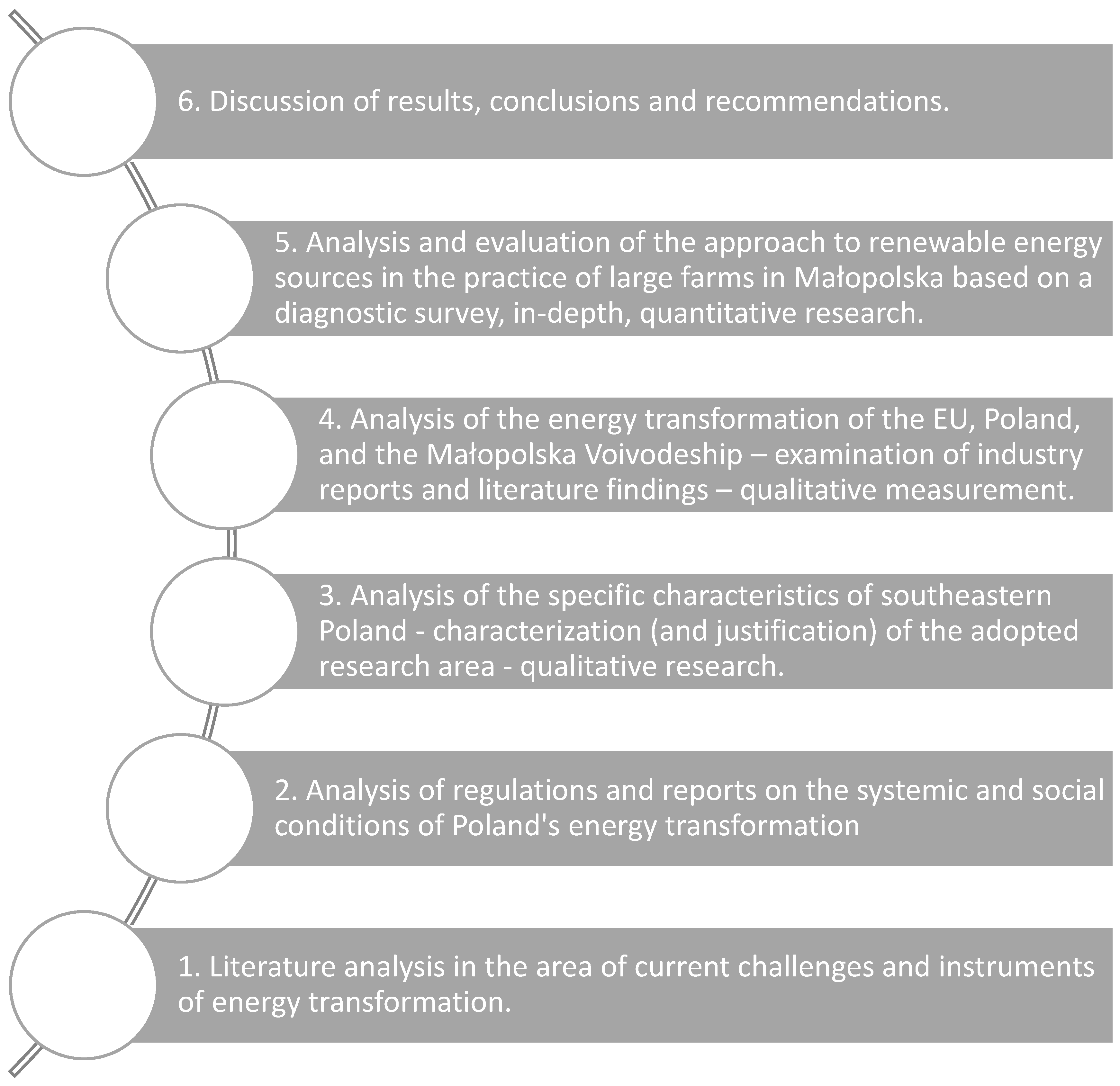
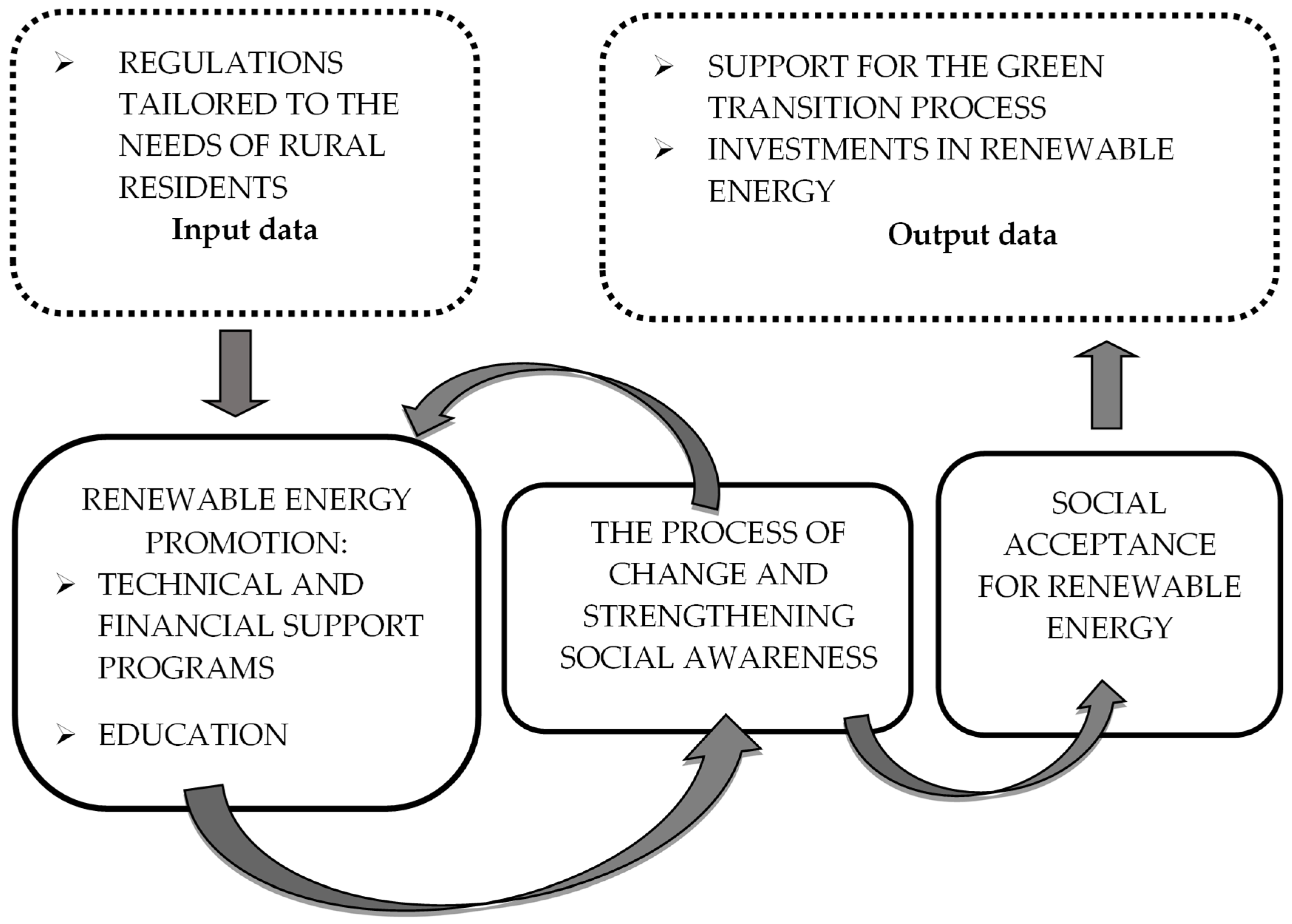
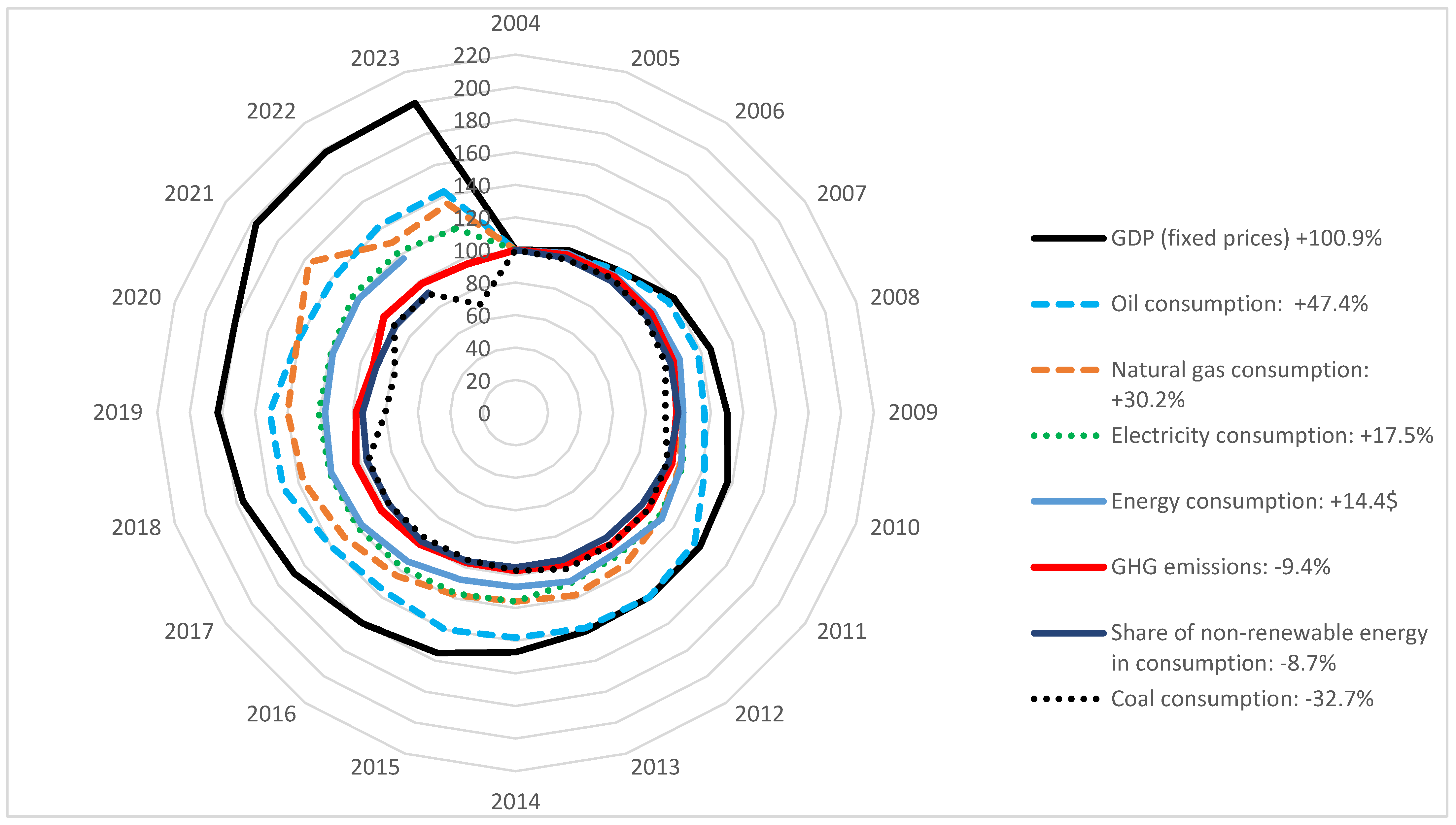
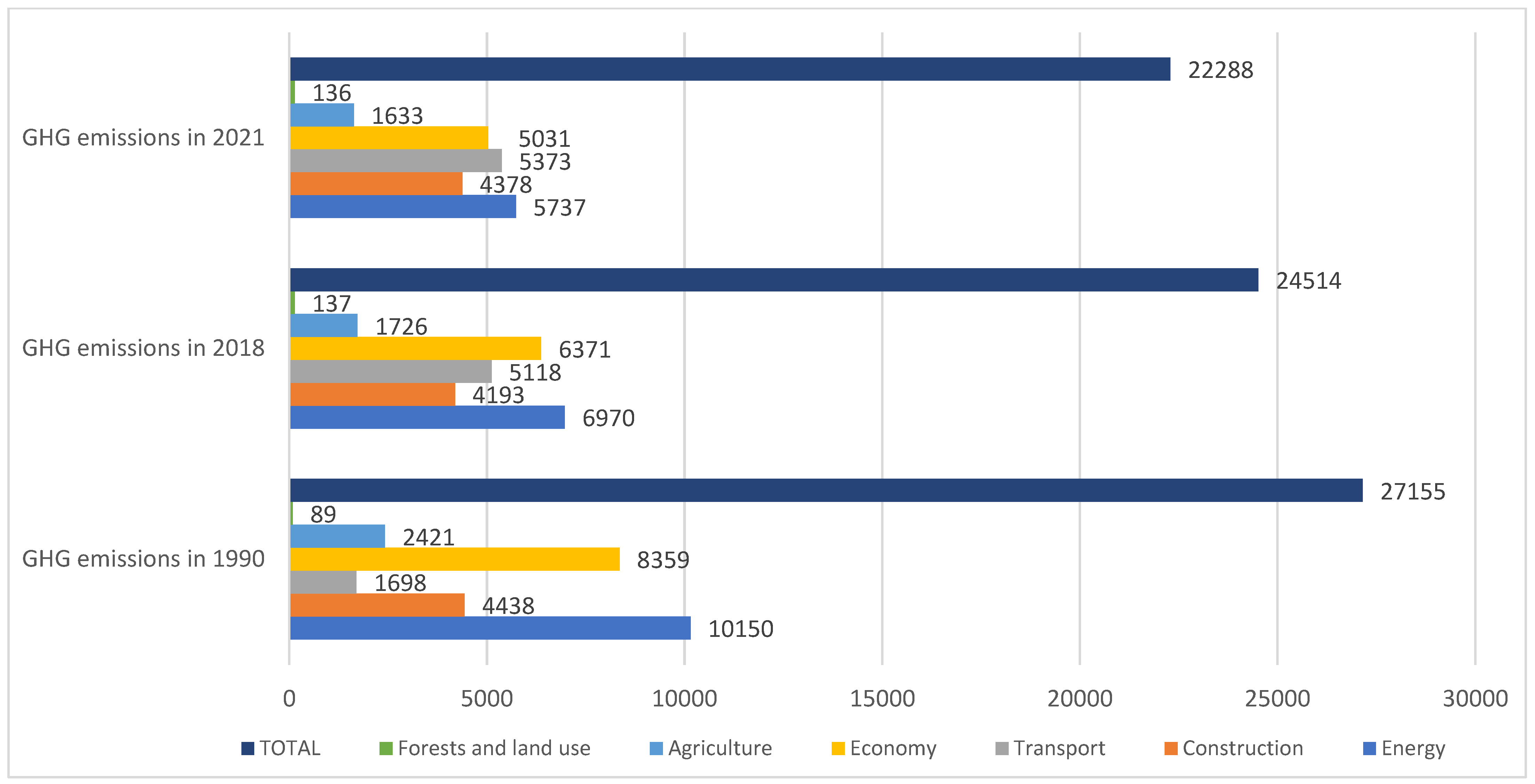


Disclaimer/Publisher’s Note: The statements, opinions and data contained in all publications are solely those of the individual author(s) and contributor(s) and not of MDPI and/or the editor(s). MDPI and/or the editor(s) disclaim responsibility for any injury to people or property resulting from any ideas, methods, instructions or products referred to in the content. |
© 2026 by the authors. Licensee MDPI, Basel, Switzerland. This article is an open access article distributed under the terms and conditions of the Creative Commons Attribution (CC BY) license.