Article

Model-Free Cooperative Control for Volt-Var Optimization in Power Distribution Systems

Department of Electrical and Computer Engineering, University of Kentucky, Lexington, KY 40506, USA
*
Author to whom correspondence should be addressed.
Energies 2025, 18(15), 4061; https://doi.org/10.3390/en18154061
Submission received: 18 June 2025 / Revised: 24 July 2025 / Accepted: 29 July 2025 / Published: 31 July 2025

Abstract

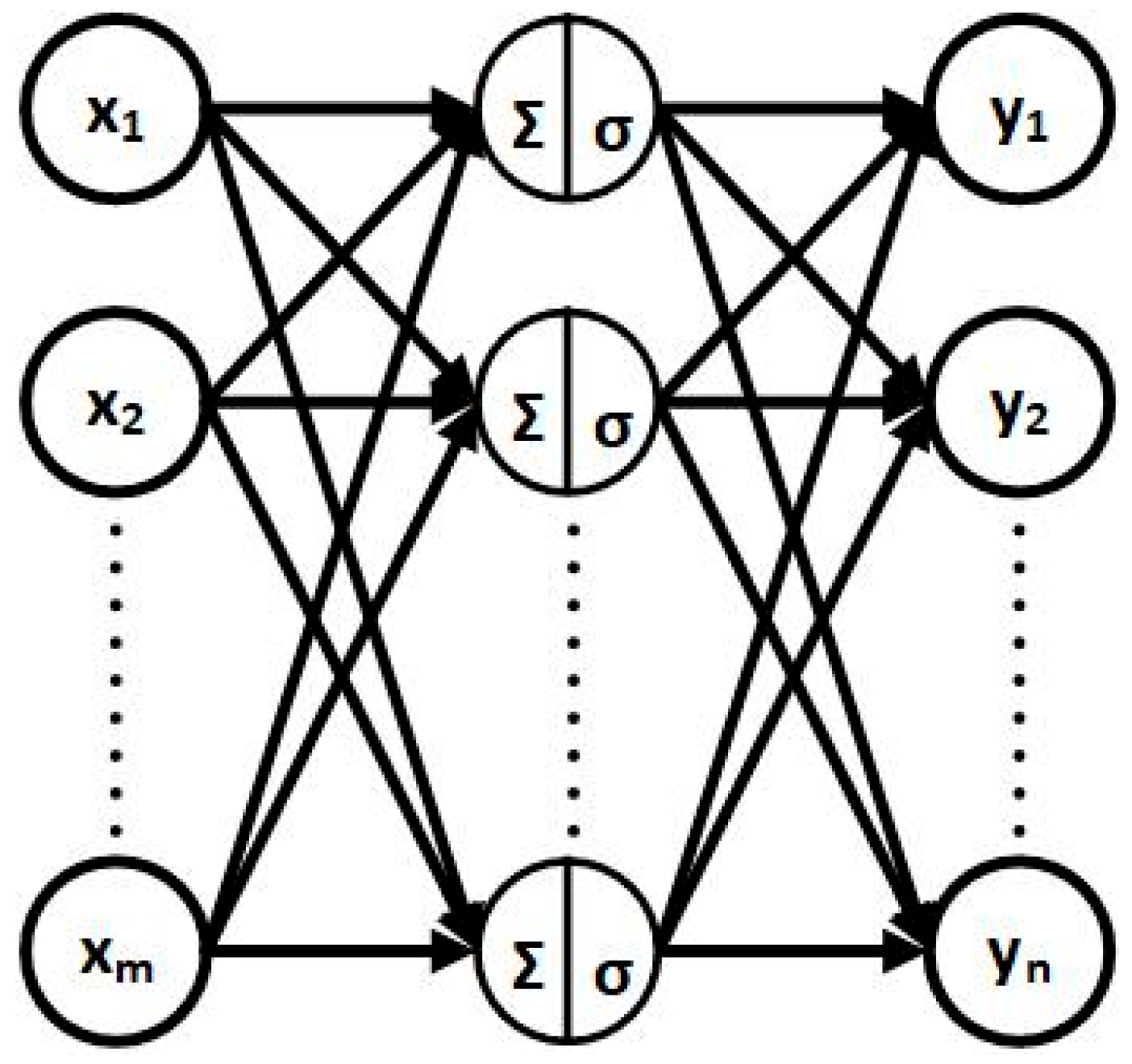
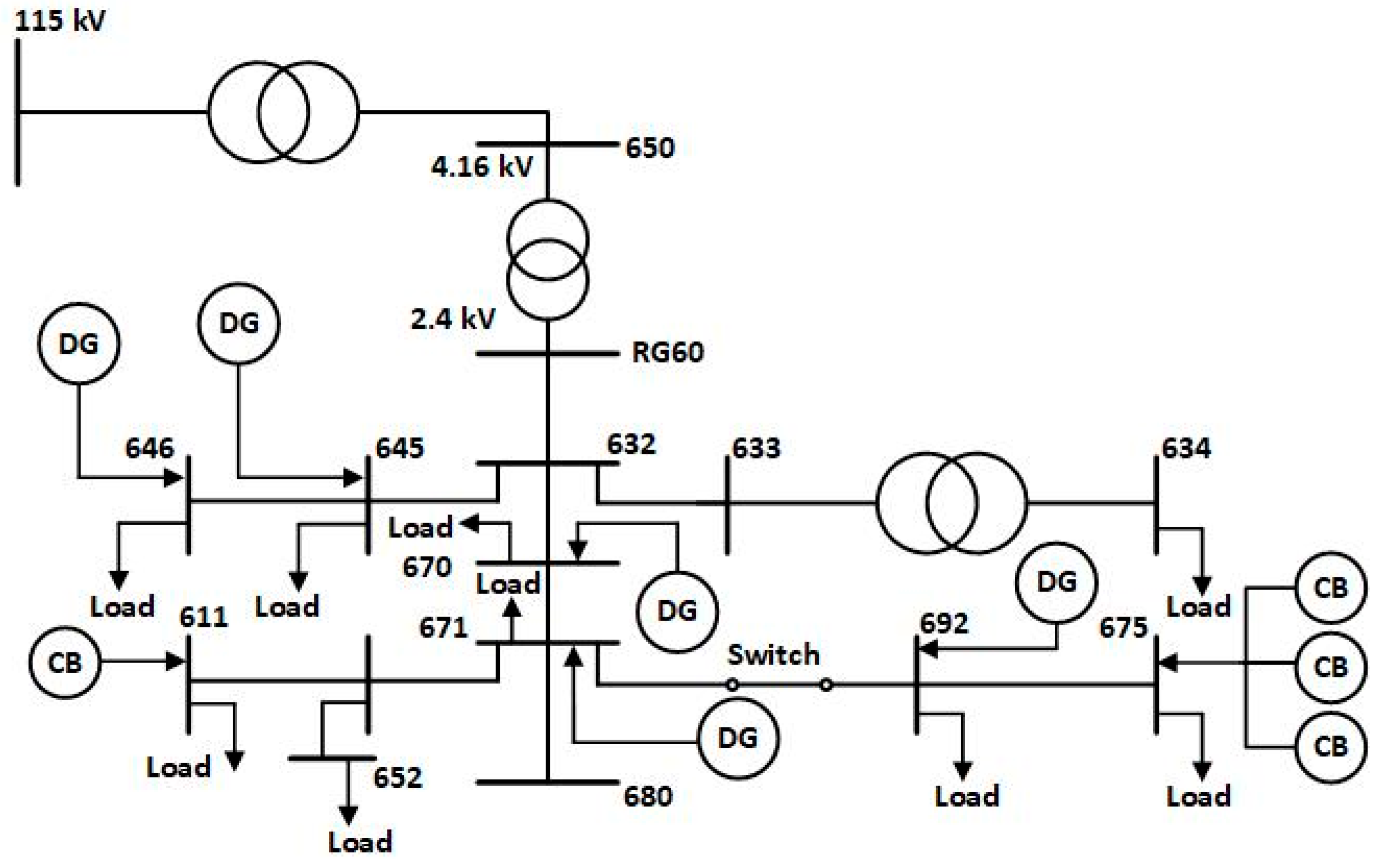
Power distribution systems are witnessing a growing deployment of distributed, inverter-based renewable resources such as solar generation. This poses certain challenges such as rapid voltage fluctuations due to the intermittent nature of renewables. Volt-Var control (VVC) methods have been proposed to utilize the ability of inverters to supply or consume reactive power to mitigate fast voltage fluctuations. These methods usually require a detailed power network model including topology and impedance data. However, network models may be difficult to obtain. Thus, it is desirable to develop a model-free method that obviates the need for the network model. This paper proposes a novel model-free cooperative control method to perform voltage regulation and reduce inverter aging in power distribution systems. This method assumes the existence of time-series voltage and load data, from which the relationship between voltage and nodal power injection is derived using a feedforward artificial neural network (ANN). The node voltage sensitivity versus reactive power injection can then be calculated, based on which a cooperative control approach is proposed for mitigating voltage fluctuation. The results obtained for a modified IEEE 13-bus system using the proposed method have shown its effectiveness in mitigating fast voltage variation due to PV intermittency. Moreover, a comparative analysis between model-free and model-based methods is provided to demonstrate the feasibility of the proposed method.
Keywords: artificial neural network; cooperative control; inverter-based resources; distributed generators; irradiance; solar PVs; voltage and var control artificial neural network; cooperative control; inverter-based resources; distributed generators; irradiance; solar PVs; voltage and var control