Article

Enzymatic Conversion of Hydrolysis Lignin—A Potential Biorefinery Approach

1
Chair of Biosystems Engineering, Institute of Forestry and Engineering, Estonian University of Life Sciences, Friedrich Reinhold Kreutzwaldi 1a, 51014 Tartu, Estonia
2
The Core Laboratory for Wood Chemistry and Bioprocessing, University of Tartu, Ravila 14a, 50411 Tartu, Estonia
3
Laboratory of Lignin Biochemistry, Department of Chemistry and Biotechnology, Tallinn University of Technology, 12618 Tallinn, Estonia
4
Institute of Technology, University of Tartu, Nooruse 1, 50411 Tartu, Estonia
5
Institute of Chemistry, University of Tartu, Ravila 14a, 50411 Tartu, Estonia
*
Authors to whom correspondence should be addressed.
Energies 2023, 16(1), 370; https://doi.org/10.3390/en16010370
Submission received: 29 November 2022 / Revised: 24 December 2022 / Accepted: 26 December 2022 / Published: 28 December 2022
(This article belongs to the Special Issue Biopower Technologies)

Abstract

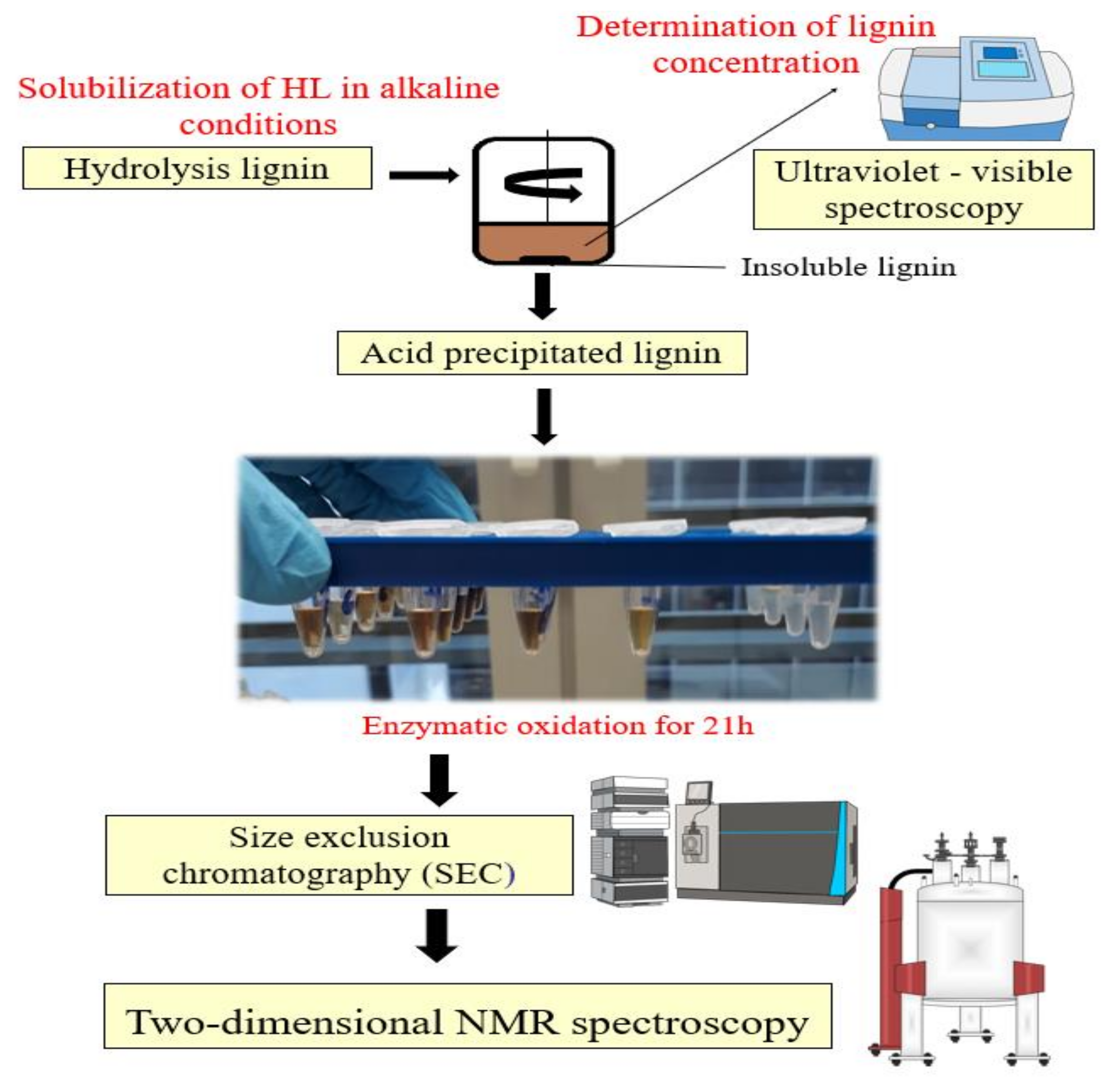
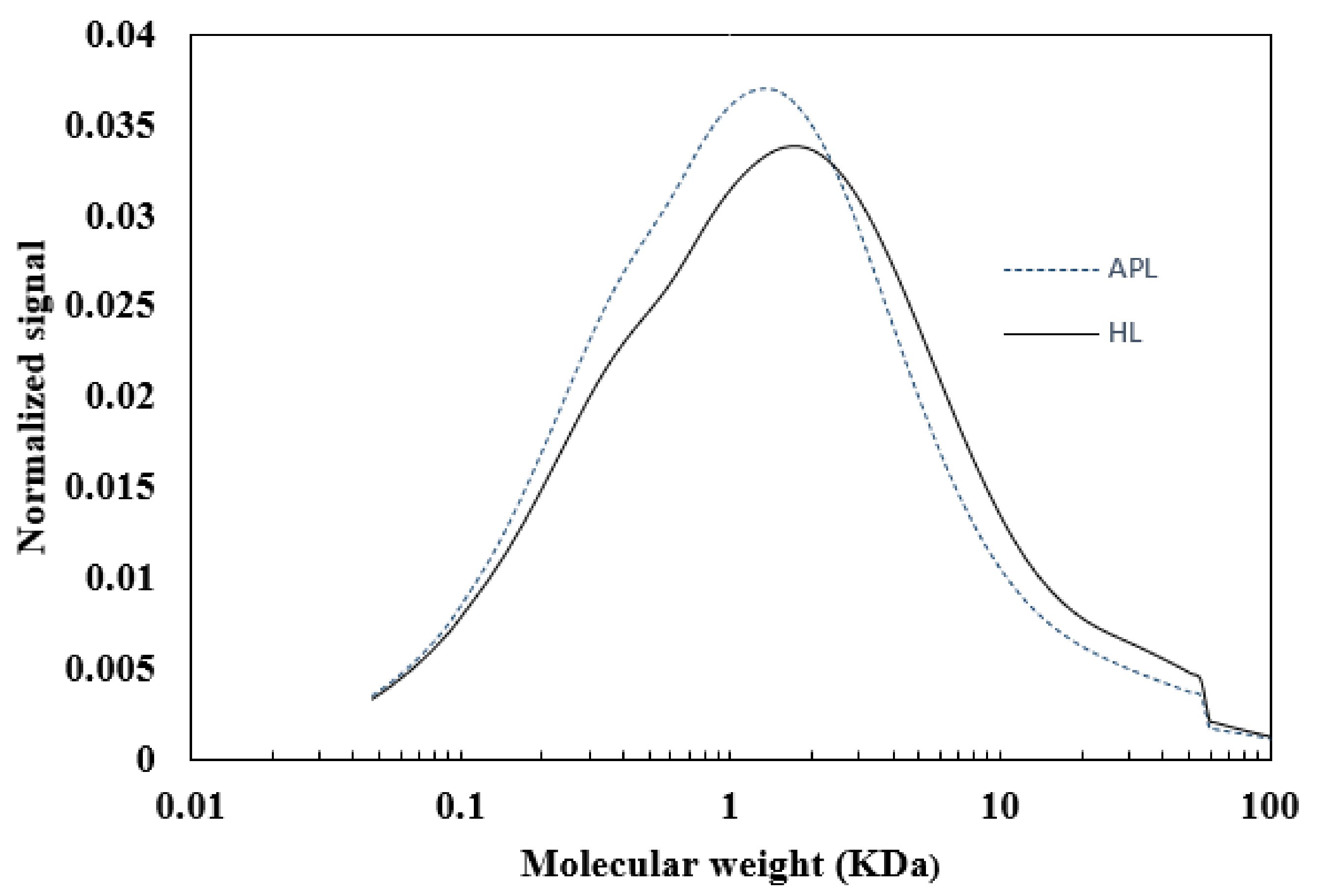
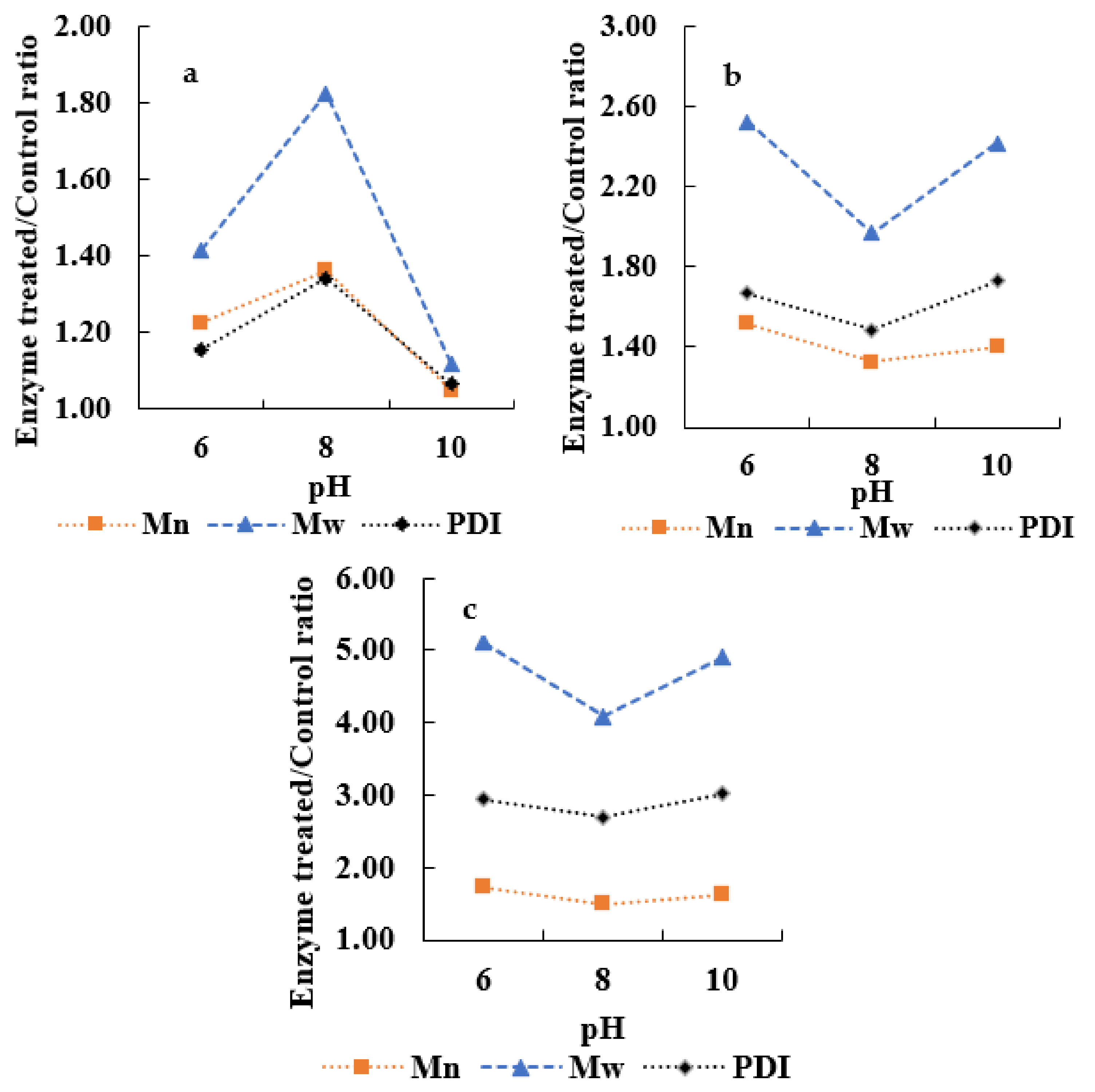
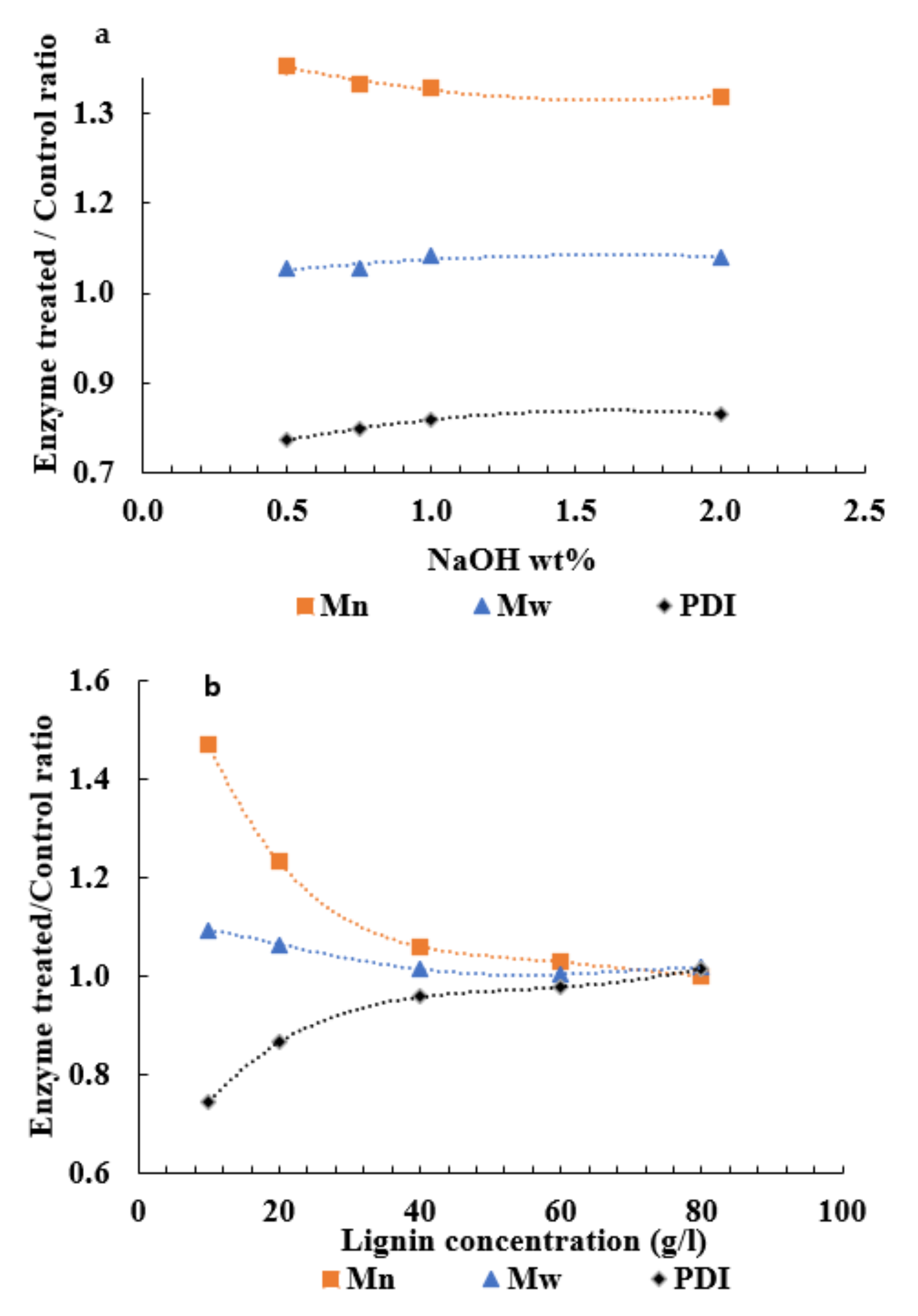
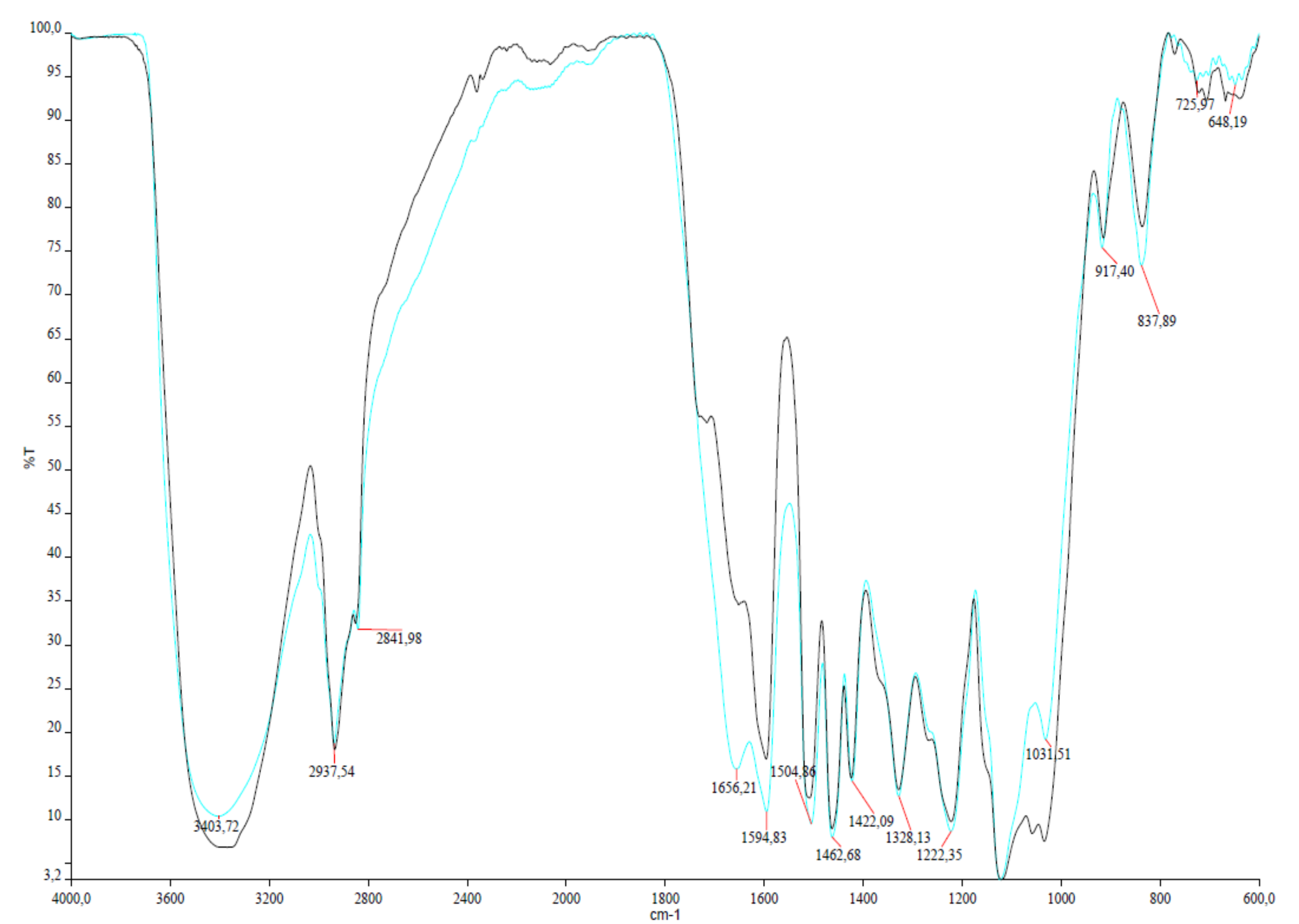
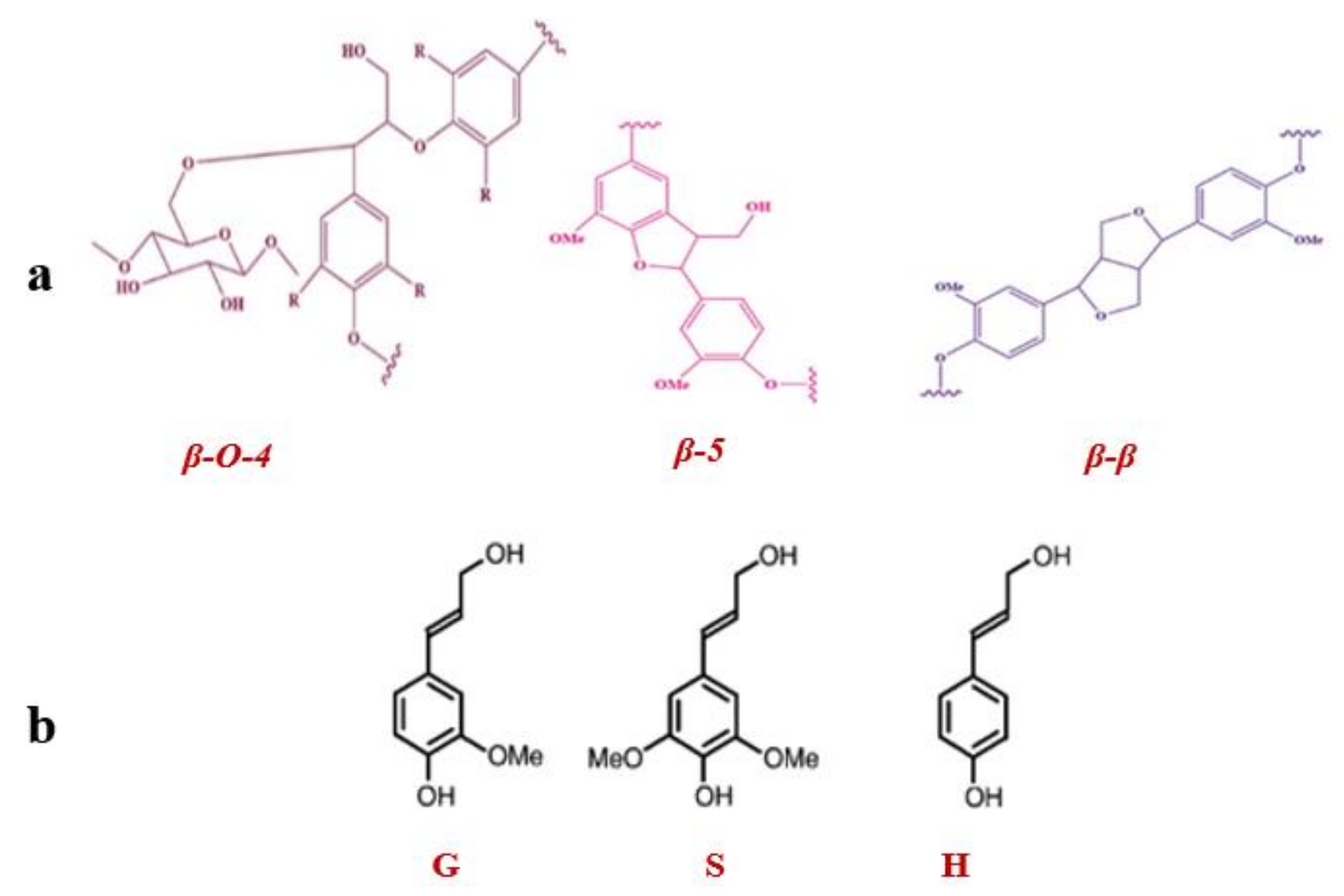
Lignin is an abundant and renewable source capable of replacing different raw materials in the chemical industry. It can be obtained from lignocellulosic biomass (LCB) via different pretreatment methods. In the present study, hydrolysis lignin (HL) from the SunburstTM pretreatment technology was utilized to investigate its enzymatic conversion. At first, soluble HL fractions were obtained via alkali solubilization followed by acid precipitation, referred to as acid precipitated lignin (APL). Furthermore, the APL was tested with three different bacterial laccases to identify the optimal conditions for its conversion into small molecular weight fractions. Among the tested laccases, Streptomyces coelicolor A3(2) (ScLac) displayed the highest rate of APL conversion with a high lignin dosage and under extremely alkaline conditions, i.e., 50 g/L in 0.25 M NaOH solution, resulting in higher molecular weight fractions. The increase in the molecular weight and quantitative linkages before and after the enzymatic oxidation of the APL were characterized by size exclusion chromatography (SEC), Fourier-transform infrared spectroscopy (FT-IR), and two-dimensional heteronuclear single quantum correlation nuclear magnetic resonance (2D HSQC NMR) methods.
Keywords: biorefinery; lignocellulosic biomass; hydrolysis lignin; acid precipitated lignin; bacterial laccases biorefinery; lignocellulosic biomass; hydrolysis lignin; acid precipitated lignin; bacterial laccases