


Journal Description
Journal of the American Podiatric Medical Association
(JAPMA) is an international, peer-reviewed, open access journal in the profession of foot and ankle medicine. It is the official journal of the American Podiatric Medical Association (APMA) and is published bimonthly online by MDPI (since Volume 116, Issue 1 - 2026). Association members receive discounts on the article processing charges.
- Open Access— free for readers, with article processing charges (APC) paid by authors or their institutions.
- High Visibility: indexed within Scopus, SCIE (Web of Science), PubMed, MEDLINE, and other databases.
- Rapid Publication: first decisions in 19 days; acceptance to publication in 8 days (median values for MDPI journals in the second half of 2025).
- Recognition of Reviewers: APC discount vouchers, optional signed peer review, and reviewer names published annually in the journal.
Impact Factor:
0.6 (2024)
subject
Imprint Information
Open Access
ISSN: 1930-8264
Latest Articles
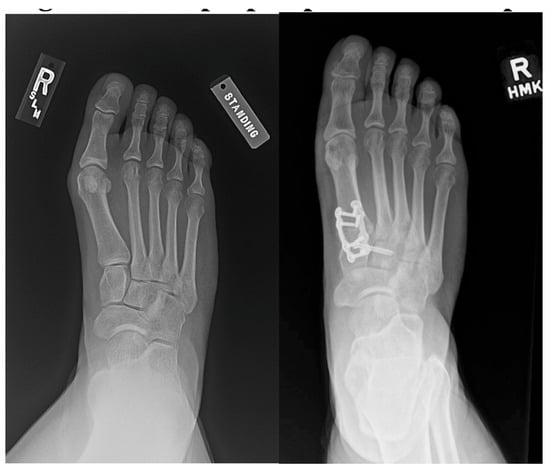
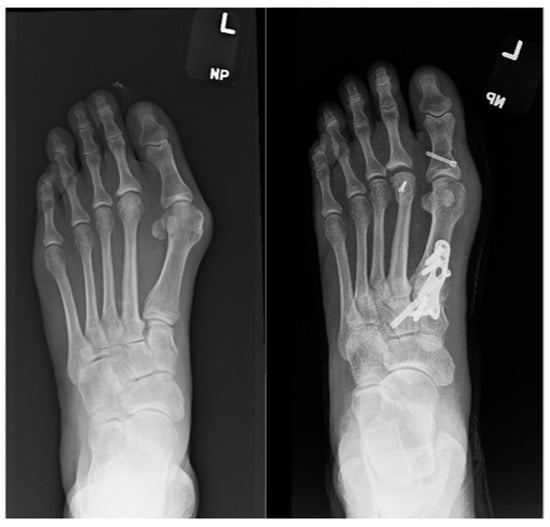
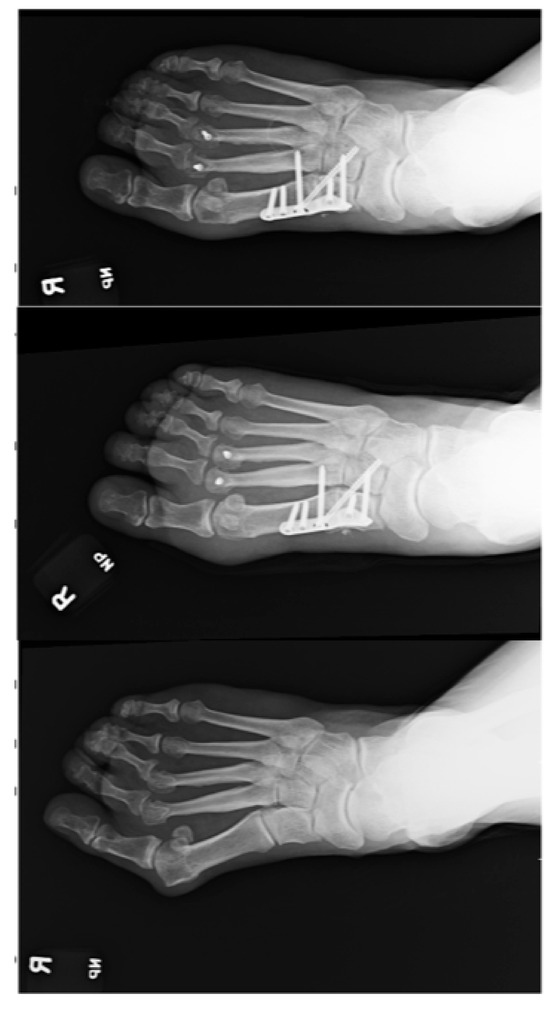
Radiologic Evaluation and Comparative Analysis of First Metatarsal–Cuneiform Fusion Constructs Assessing Outcomes and Stability Across Varied Fusion Techniques
J. Am. Podiatr. Med. Assoc. 2026, 116(2), 15; https://doi.org/10.3390/japma116020015 - 3 Apr 2026
Abstract
►
Show Figures
Background: The Lapidus procedure has become a cornerstone in the surgical management of hallux valgus, especially in cases with associated tarsometatarsal instability. This study investigated and compared the radiographic outcomes of three distinct Lapidus constructs, aiming to provide valuable insights into the optimal
[...] Read more.
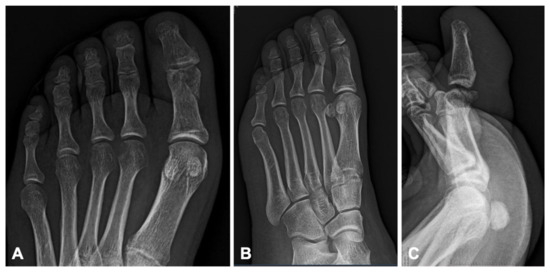
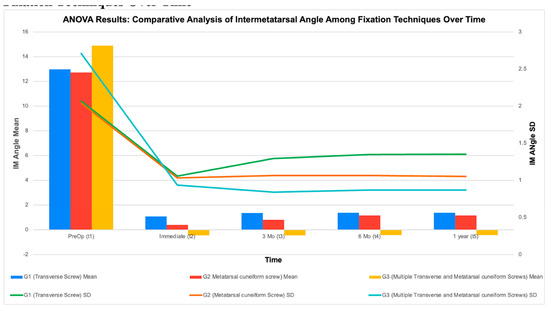
Background: The Lapidus procedure has become a cornerstone in the surgical management of hallux valgus, especially in cases with associated tarsometatarsal instability. This study investigated and compared the radiographic outcomes of three distinct Lapidus constructs, aiming to provide valuable insights into the optimal fusion configurations for achieving long-term stability improvement and maintaining the intermetatarsal angle (IMA) postoperatively. Methods: In this retrospective study, the objective was to assess and compare the outcomes of three different fusion constructs used in the Lapidus procedure: group 1, transverse screw fixation; group 2, metatarsal cuneiform screw fixation; and group 3, combined transverse and metatarsal cuneiform screw fixation. The study encompassed 32 feet: 11 in group 1, 8 in group 2, and 13 in group 3. The primary focus was to evaluate postoperative stability through radiographic imaging complemented by clinical assessments and an examination of complications. Statistical analyses were used to compare outcomes across the three fixation groups immediately, 3 months, 6 months, and 1 year postoperatively. Results: Radiographic assessments demonstrated successful fusion, and patients reported improvements in pain and function and overall satisfaction with the procedure. Complication rates were within an acceptable range. The IMA in all three groups exhibited a significant reduction postoperatively compared with preoperative measurements. Group 3 demonstrated a notably stronger initial reduction in the IMA compared with groups 1 and 2, and they maintained a statistically significantly more stable IMA value and exhibited a lower recurrence rate compared with the other two groups 1 year postoperatively. Conclusions: These findings endorse the use of Lapidus fusion with these three constructs, particularly with combined transverse and metatarsal cuneiform screw fixation, as a dependable and efficacious surgical approach in addressing hallux valgus with concomitant tarsometatarsal instability.
Full article
Open AccessArticle
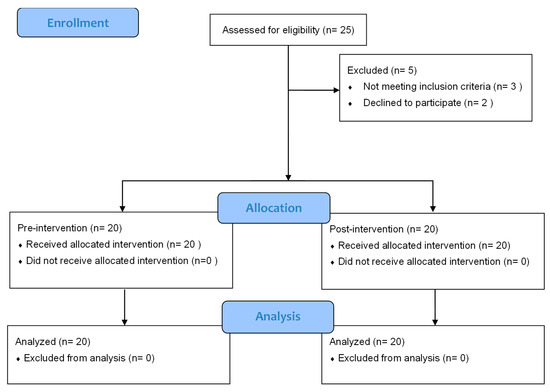
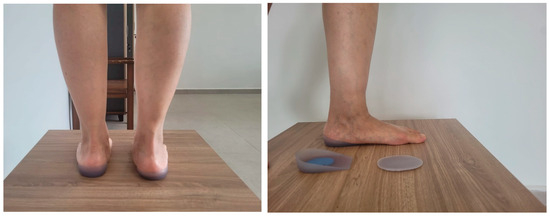
The Immediate Effect of KINESIO TAPE® on Static Plantar Foot Pressure and Force in Young Females with Flexible Flatfoot: A Pilot Study
by
Mariam Ameer, Ammar Al Abbad, Atheer Alruwaili, Ghufran Alruwaili, Wafa Alshammari, Farah Alruwaili, Shahad Alhabbad and Mohamed Kamel
J. Am. Podiatr. Med. Assoc. 2026, 116(2), 14; https://doi.org/10.3390/japma116020014 - 31 Mar 2026
Abstract
►▼
Show Figures
Background: Flatfoot is a condition brought on by trauma, persistent foot stress, obesity, and poor biomechanics. These factors result in the development of a flat foot, collapse of the foot arch, and malfunction of the posterior tibial tendon. This study aimed to assess
[...] Read more.
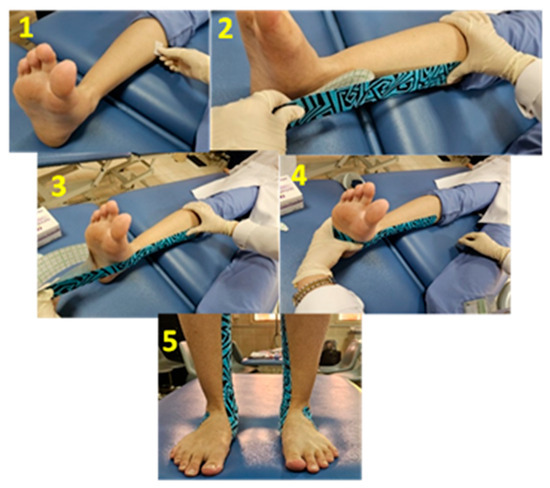
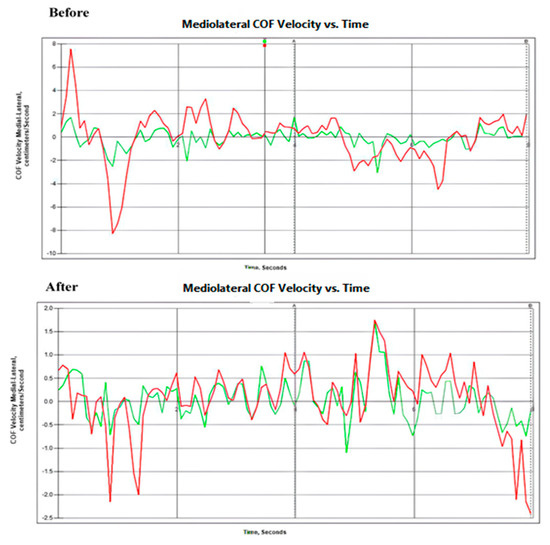
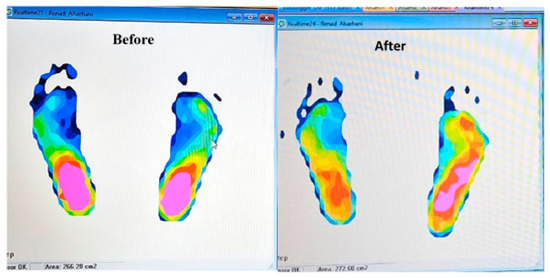
Background: Flatfoot is a condition brought on by trauma, persistent foot stress, obesity, and poor biomechanics. These factors result in the development of a flat foot, collapse of the foot arch, and malfunction of the posterior tibial tendon. This study aimed to assess the immediate effects of Kinesio Tape on static plantar foot pressure and force in young females with flexible flatfoot. Methods: A pilot study (pre-experimental study design) with a convenience sample of 20 female subjects from a university with flexible flatfoot (age = 20.1 ± 1.3 years, weight = 91.8 ± 14.4 kg, height = 162.2 ± 6.3 cm, BMI = 34.9 ± 5, foot posture index (FPI) = 8.8 ± 2.1) was selected. The TekScan MatScan® system was used to measure the static plantar forces and pressures, foot contact area, and the mediolateral displacement of COF over time while standing (Boston, MA, USA) before and immediately after the application of Kinesio Tape (KT). Results: While there were no statistically significant changes in the foot peak or total pressure, paired-sample t-tests showed a statistically significant reduction in foot contact area (p < 0.05) and a statistically significant increase in midfoot maximum force (p < 0.05) following the application of KT. Furthermore, after applying KT, there was a statistically significant decrease in the mediolateral COF velocity, indicating greater lateral displacement of COF (p < 0.05). Conclusions: The results of this study concluded that Kinesio Tape was a useful intervention method for immediately redistributing pressure and forces in young females with flexible flat feet.
Full article

Figure 1
Open AccessCase Report
Intersection of Diabetic Foot Infection and Pyoderma Gangrenosum: A Conflicting Treatment Approach
by
Perry Tan, Kyle D. Huntsman, Andrew G. Puckett and Joseph M. Nasca
J. Am. Podiatr. Med. Assoc. 2026, 116(2), 13; https://doi.org/10.3390/japma116020013 - 12 Mar 2026
Abstract
►▼
Show Figures
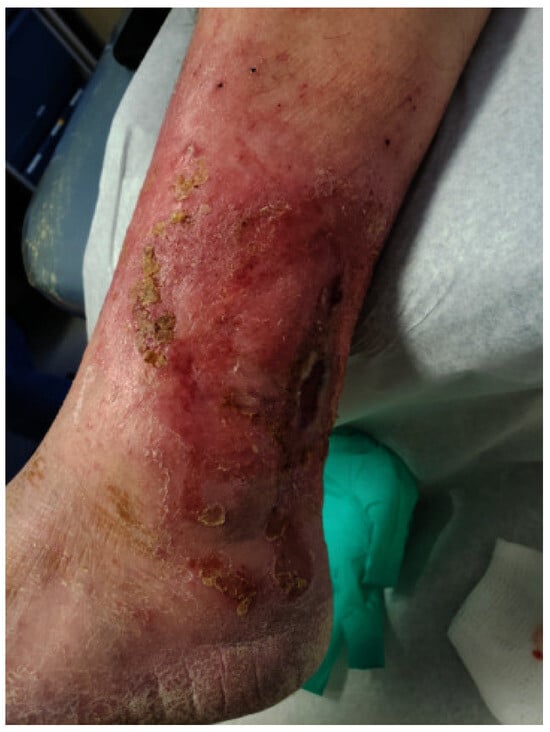
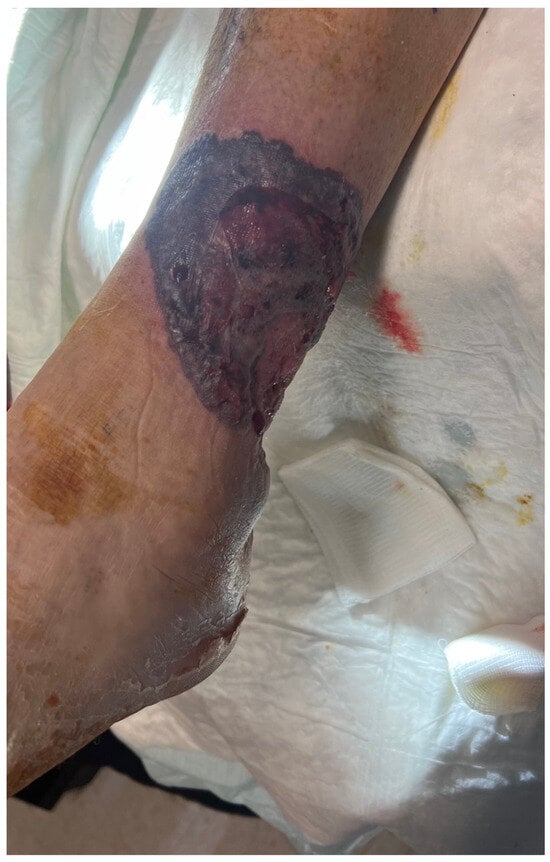
This article discusses the treatment course of an aggressive diabetic foot infection (DFI) complicated by the emergence of pyoderma gangrenosum (PG). A 67-year-old man with long-standing diabetes presented with a nonhealing DFI that prompted antibiotic treatment and surgical debridement. However, the coexistence of
[...] Read more.
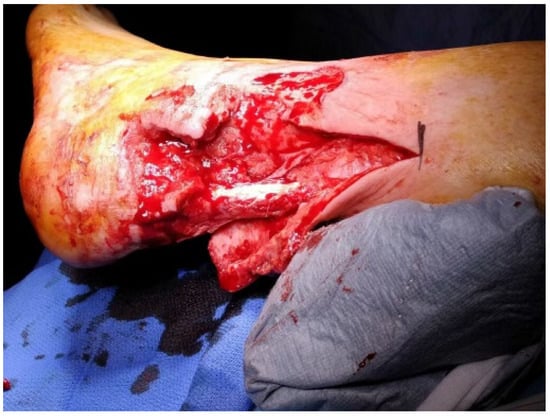
This article discusses the treatment course of an aggressive diabetic foot infection (DFI) complicated by the emergence of pyoderma gangrenosum (PG). A 67-year-old man with long-standing diabetes presented with a nonhealing DFI that prompted antibiotic treatment and surgical debridement. However, the coexistence of DFI and PG may create a conflict in the treatment approach, as treating one condition may exacerbate the other. The patient responded positively to systemic corticosteroids and infliximab, and, despite conflicting recommendations on debridement, surgical intervention proved necessary. This report advocates for early PG diagnosis using the Delphi model and stresses the need for ongoing research regarding surgical debridement in these complex scenarios.
Full article

Figure 1

Open AccessCase Report
Saddle Pulmonary Embolism and Deep Vein Thrombosis Following Foot and Ankle Surgery While on Prophylactic Lovenox: A Case Report
by
Sara J. Judickas, Joseph R. Brown and Robert W. Mendicino
J. Am. Podiatr. Med. Assoc. 2026, 116(2), 12; https://doi.org/10.3390/japma116020012 - 11 Mar 2026
Abstract
►▼
Show Figures
Venothromboembolic (VTE) events are considered rare complications following foot and ankle surgery. Most instances of VTE following surgical procedures occur in particularly high-risk patient populations; therefore, VTE prophylactic anticoagulation is initiated based on risk/benefit stratification for each individual patient undergoing foot and ankle
[...] Read more.
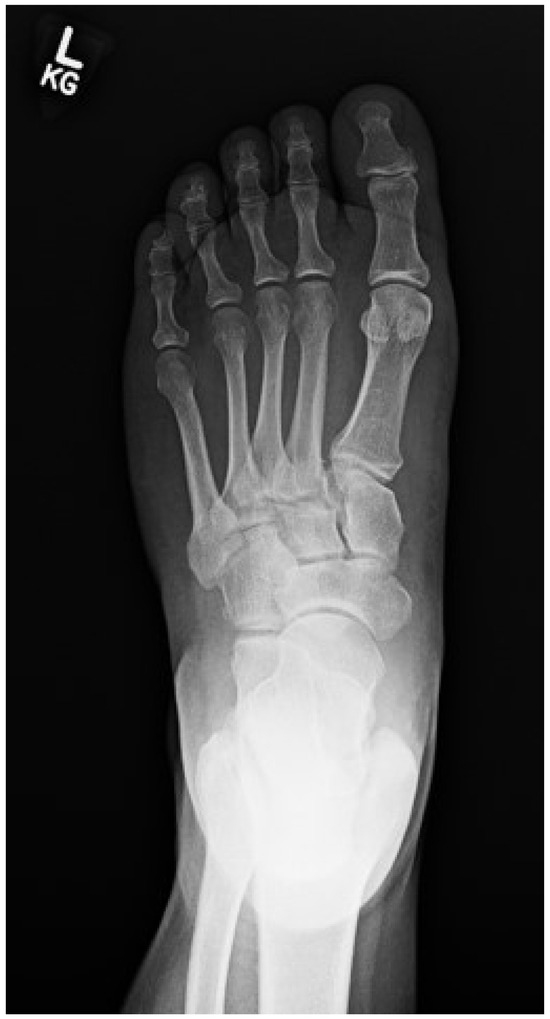
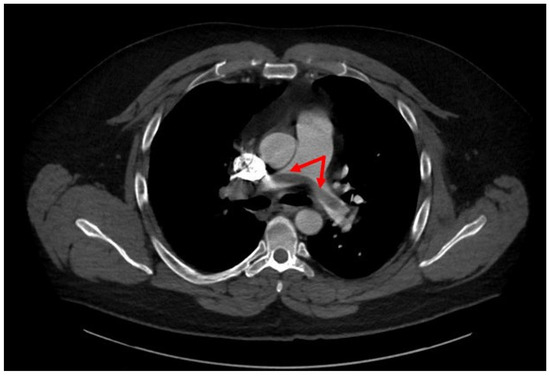
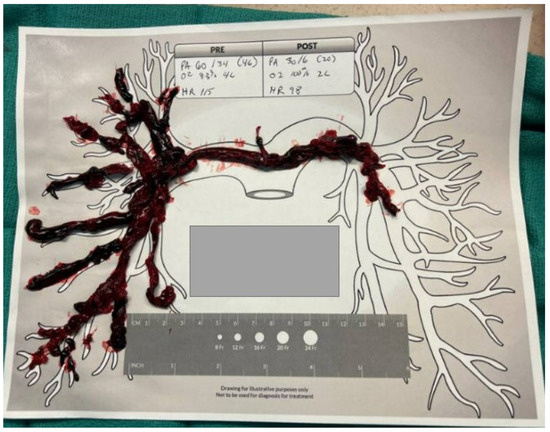
Venothromboembolic (VTE) events are considered rare complications following foot and ankle surgery. Most instances of VTE following surgical procedures occur in particularly high-risk patient populations; therefore, VTE prophylactic anticoagulation is initiated based on risk/benefit stratification for each individual patient undergoing foot and ankle surgery. We present a case report on a 40-year-old male who underwent isolated Lisfranc ligament repair and subsequently developed an acute saddle pulmonary embolism and deep vein thrombosis 1 month postoperatively. The patient was on prophylactic Lovenox, yet still developed a life-threatening complication. The patient was found to be on a selective estrogen receptor modulator for the off-label treatment of male infertility. This medication, surgical intervention, and a period of non-weight bearing are believed to be contributory to the patient’s relatively increased hypercoagulable state. This case depicts a rare complication of foot and ankle surgery and highlights the importance of VTE prophylaxis during the postoperative period.
Full article

Figure 1
Open AccessArticle
Podiatric Care Associated with Reduced Mortality and Enhanced Amputation-Free Survival
by
Wen Zhe Leo, Lixia Ge, Chelsea Law, Tiffany Chew, Jo Ann Lim, Elaine Tan, Huiling Liew, Jeremy Hoe, Jaime Lin and Zhiwen Joseph Lo
J. Am. Podiatr. Med. Assoc. 2026, 116(1), 11; https://doi.org/10.3390/japma116010011 - 23 Feb 2026
Abstract
►▼
Show Figures
Background: Diabetic foot ulcers (DFUs) and lower-extremity amputations (LEAs) complicating diabetes mellitus are significant contributors to morbidity, mortality, and disease burden. There is insufficient evidence, however, linking podiatric care to mortality and healthcare resource use. There is, concurrently, inadequate access to podiatric
[...] Read more.
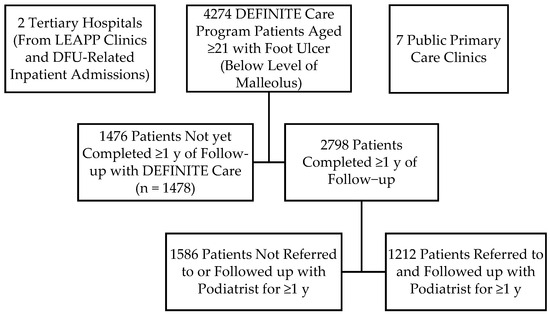
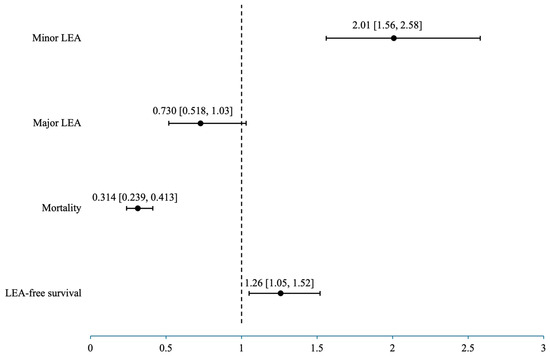
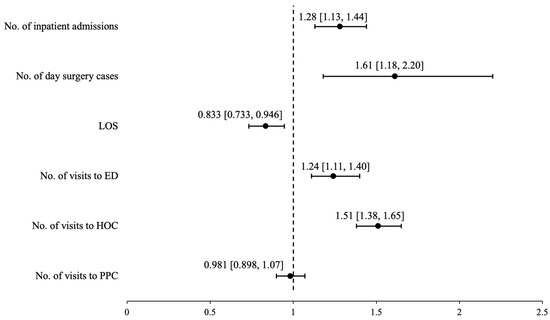
Background: Diabetic foot ulcers (DFUs) and lower-extremity amputations (LEAs) complicating diabetes mellitus are significant contributors to morbidity, mortality, and disease burden. There is insufficient evidence, however, linking podiatric care to mortality and healthcare resource use. There is, concurrently, inadequate access to podiatric care, particularly in Asia. This study evaluated the clinical and healthcare use outcomes of patients with DFUs who received podiatric care. Methods: A longitudinal study involving patients in Diabetic Foot in Primary and Tertiary (DEFINITE) Care followed over a period of 2 years reviewed the effectiveness of podiatric care with regard to 1-year outcomes using multiple logistic and zero-inflated negative binomial regressions, adjusting for covariates. Clinical outcomes were minor and major LEA, mortality, and LEA-free survival rates; healthcare use outcomes were the number of admissions, number of visits to clinics and emergency departments, and length of stay. Results: Eligible patients (n = 2798 [65.5%]) completed at least 12 months of follow-up. Comparisons were made with patients without access to podiatric care. The overall mean ± SD patient age was 65.7 ± 12.7 years. Most patients receiving podiatric follow-up were of Malay or Indian ethnicities and had poor diabetic control and chronic kidney disease. There were more admissions (p < 0.01) and visits to the emergency department (p < 0.01) and hospital outpatient clinics (p < 0.01), but a shorter length of stay (incidence rate ratio, 0.833; p < 0.01), without any reported differences regarding visits to public primary care clinics (p = 0.68). There were more minor LEAs (p < 0.01) but fewer deaths (p < 0.01) and greater LEA-free survival (odds ratio, 1.26; p = 0.02). Conclusions: Podiatric care improved clinical outcomes for patients with DFU, particularly in terms of LEA-free survival, with a positive impact on healthcare utilization. This is a crucial contribution to the limited evidence on podiatric care in diabetic limb salvage in Asian populations.
Full article

Figure 1
Open AccessArticle
The Effects of Protective Sensation on Functional Capacity, Peripheral Muscle Strength, and Balance in Patients with Type 2 Diabetes Mellitus
by
Melis Usul, Semiramis Ozyilmaz, Muhammed Tunc and Ozlem Toluk
J. Am. Podiatr. Med. Assoc. 2026, 116(1), 10; https://doi.org/10.3390/japma116010010 - 23 Feb 2026
Abstract
Background: Diabetes-related foot complications are among the most common complications in individuals with type 2 diabetes mellitus. The prevention of foot problems that are at risk of developing because of type 2 diabetes mellitus should be addressed within the framework of preventive approaches
[...] Read more.
Background: Diabetes-related foot complications are among the most common complications in individuals with type 2 diabetes mellitus. The prevention of foot problems that are at risk of developing because of type 2 diabetes mellitus should be addressed within the framework of preventive approaches prior to treatment. The aim of this study was to evaluate protective sensation in people with type 2 diabetes mellitus who have not been diagnosed with early diabetes-related foot complications and to investigate the effects of protective sensation on peripheral muscle strength, balance, and functional capacity. Methods: This study included 42 volunteer patients (56.71 ± 7.59 years) who were followed up with a diagnosis of type 2 diabetes mellitus and met the inclusion criteria. Individuals were evaluated prospectively and via face-to-face interviews. Light-touch, vibration, and discrimination sense was evaluated to determine protective sensation. Peripheral muscle strength (quadriceps femoris, biceps brachii, and hand grip) was measured and a 6 min walking test for functional capacity and balance evaluation were performed. Spearman correlation analysis was conducted using SPSS Statistics 21.0 for data analysis. Results: At least one of the components of protective sensation was moderately correlated with peripheral muscle strength, functional capacity, and balance scores. Reduced protective sensation was also observed in individuals with type 2 diabetes mellitus without neuropathy. Conclusions: In type 2 diabetes mellitus patients, decreases in light-touch, vibration, and discrimination sense are moderately associated with parameters of peripheral muscle strength, functional capacity, and balance. In patients with type 2 diabetes mellitus, early foot sole sensory examination may prevent the development of neuropathy and support clinicians in early diagnosis.
Full article
Open AccessArticle
Prevalence of Common Foot Conditions in Children—A Cross-Sectional Study in Danish Children Aged 6 to 16 Years
by
Camilla Hedegaard Larsen, Soeren Boedtker, Lisa Bomark, Ales Jurca, Mostafa Benyahia, Michael Mørk Petersen, Andreas Balslev-Clausen, Steen Harsted and Christian Nai En Tierp-Wong
J. Am. Podiatr. Med. Assoc. 2026, 116(1), 9; https://doi.org/10.3390/japma116010009 - 21 Feb 2026
Abstract
►▼
Show Figures
Background: Caregivers often seek medical assistance when their child experiences podiatric medical ailments. Podiatric medical diseases such as ingrown toenails, callosities, warts, metatarsus varus, and hallux valgus frequently occur in children and adolescents. However, treatment, prevention, and rehabilitation are often based on empirical
[...] Read more.
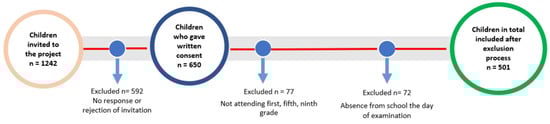
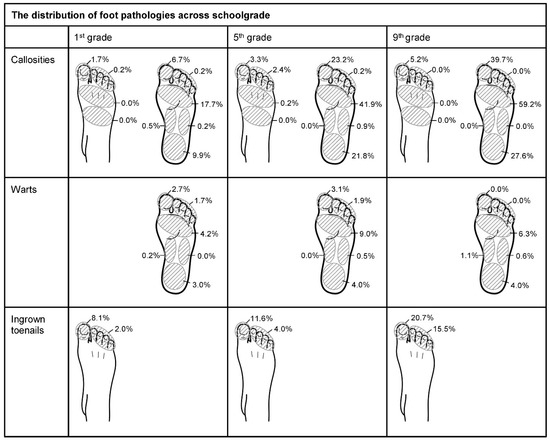
Background: Caregivers often seek medical assistance when their child experiences podiatric medical ailments. Podiatric medical diseases such as ingrown toenails, callosities, warts, metatarsus varus, and hallux valgus frequently occur in children and adolescents. However, treatment, prevention, and rehabilitation are often based on empirical experiences; thus, as a first endeavor, clinical and epidemiologic mapping of podiatric medical diseases in children is warranted. We describe the prevalence of common foot conditions—callosities, ingrown toenails, hallux valgus, metatarsus varus, and warts—among Danish schoolchildren aged 6 to 16 years. Methods: In this cross-sectional study, we evaluated foot conditions in children in first (aged 6–8 years), fifth (aged 10–12 years), and ninth (aged 14–16 years) grades. The clinical status of the feet was examined by teams of two podiatric physicians each. Specifically, we evaluated deformities of the foot, foot pathologies, and their anatomical localization. Results: Of 501 children (1002 extremities) evaluated, 417 had one or more of the investigated foot deformities or pathologies. We found 266 various foot pathologies among Danish schoolchildren. Metatarsus varus (53%) and callosities (46%) were the most frequently occurring foot conditions. The prevalence of foot pathologies of ingrown toenails and warts was 14% and 12%, respectively. The prevalence of ingrown toenails, metatarsus varus, and hallux valgus increased with age. Conclusions: This study found that foot pathologies such as warts and ingrown toenails and conditions such as metatarsus varus and callosities are common in Danish primary school students. These findings of high prevalences of foot pathologies and conditions motivate future research projects to clarify how this affects general health and subsequently the relation to pain, health challenges, socioeconomics, and quality of life.
Full article

Figure 1
Open AccessReview
Effects of Strengthening the Intrinsic Muscles of the Foot in Adults with Flatfoot: A Scoping Review
by
Marta María Moreno-Fresco, Pedro V. Munuera-Martínez, Laura Regife-Fernández, Jose M. Cuevas-Sánchez and Priscila Távara-Vidalón
J. Am. Podiatr. Med. Assoc. 2026, 116(1), 8; https://doi.org/10.3390/japma116010008 - 20 Feb 2026
Abstract
►▼
Show Figures
Background: Flatfoot is an alteration of the normal structure of the foot, characterized by a partial or total reduction of the medial longitudinal plantar arch, valgus deformity of the heel, and abduction of the forefoot. While treatments often include strengthening of the intrinsic
[...] Read more.
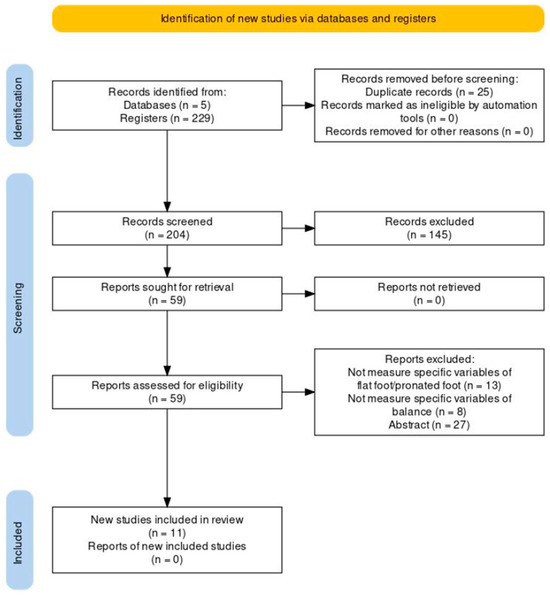
Background: Flatfoot is an alteration of the normal structure of the foot, characterized by a partial or total reduction of the medial longitudinal plantar arch, valgus deformity of the heel, and abduction of the forefoot. While treatments often include strengthening of the intrinsic foot muscles, evidence of its efficacy in adults with flatfoot remains limited. Objectives: The main objective of this review was to evaluate the effects of strengthening the plantar intrinsic muscles in adults with flatfoot. Methods: Searches were conducted in PubMed, Embase, Cochrane, PEDro, and Web of Science databases up to October 2023. The review protocol was developed and followed according to the PRISMA Extension for Scoping Reviews (PRISMA-ScR) guidelines. Studies included were those published on intrinsic muscle strengthening in adult populations. A qualitative synthesis of all included articles was performed, along with a quantitative sub-analysis of randomized controlled trials and a critical methodological assessment. Results: Eleven studies involving a total of 374 participants were selected. Most studies identified the “short foot exercise” as the optimal exercise for isolating and training the plantar intrinsic foot muscles. The most commonly analyzed variables were the Foot Posture Index and the Navicular Drop Test. Conclusions: Strengthening the plantar intrinsic muscles enhances the height of the medial longitudinal arch, improves hindfoot posture and balance, and increases hallux abductor muscle activity. This strengthening, whether achieved through short foot exercises alone or in combination with other techniques, is effective in treating adult flatfoot. Current literature suggests that a duration of 4–6 weeks may be sufficient to achieve beneficial outcomes.
Full article

Figure 1
Open AccessCase Report
Surgical Technique of Endoscopic-Assisted Flexor Hallucis Longus Tendon Transfer in Foot Drop
by
Ali Yüce, Nazım Erkurt and Mustafa Yerli
J. Am. Podiatr. Med. Assoc. 2026, 116(1), 7; https://doi.org/10.3390/japma116010007 - 20 Feb 2026
Abstract
►▼
Show Figures
The term “foot drop” is defined as the loss of active dorsiflexion at the tibiotalar joint. Surgical procedures such as tendon transfer may be considered in patients who have had foot drop for more than a year. The most commonly reported tendon transfer
[...] Read more.
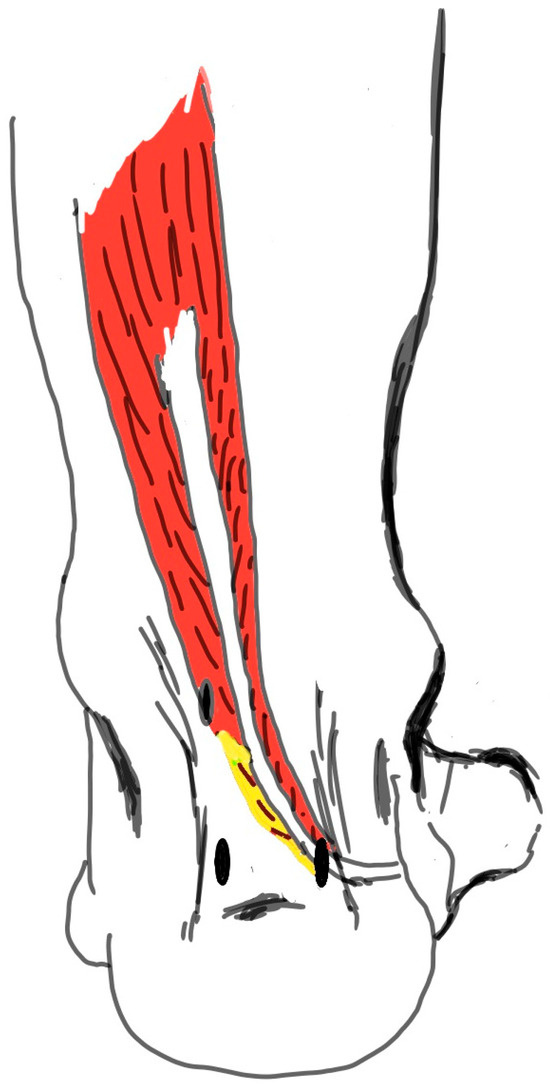
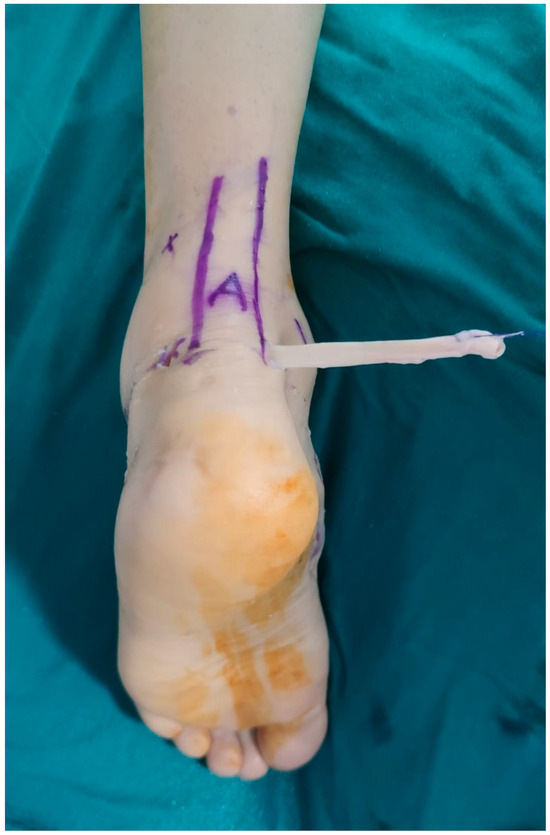
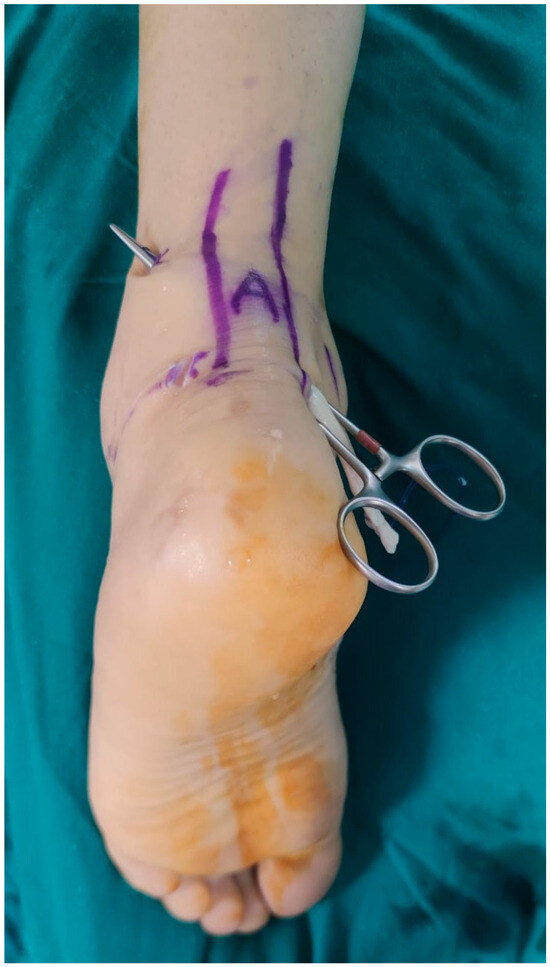
The term “foot drop” is defined as the loss of active dorsiflexion at the tibiotalar joint. Surgical procedures such as tendon transfer may be considered in patients who have had foot drop for more than a year. The most commonly reported tendon transfer in the treatment of drop foot is the tibialis posterior tendon. In cases where the tibialis posterior tendon is non-functional, transfer of one of the non-standard tendons such as FHL tendon to the dorsum of the foot is performed. In the presented case, the surgical technique of endoscopic transfer of the FHL tendon was illustrated. The patient’s AOFAS score was 50 points preoperatively and 78 points at the sixth postoperative month. The active dorsiflexion angle of the foot was increased to 0 degree from −30 degree.
Full article

Figure 1
Open AccessArticle
Evaluating Foot Care Knowledge, Attitudes and Practices Among Diabetics in Dubai’s Primary Health Care Sector
by
Anne Matter, Derek Santos, Ayesha Al Olama, Mai Haidar AwadAllah and Abir Fahmy Mohamed
J. Am. Podiatr. Med. Assoc. 2026, 116(1), 6; https://doi.org/10.3390/japma116010006 - 20 Feb 2026
Abstract
Background/Objectives: This cross-sectional study examined factors associated with diabetic foot complications and identified areas for targeted interventions. Methods: Participants were selected from Dubai Health Authority (DHA) primary health care centers (PHCCs) and divided into two groups: those with diabetic foot complications
[...] Read more.
Background/Objectives: This cross-sectional study examined factors associated with diabetic foot complications and identified areas for targeted interventions. Methods: Participants were selected from Dubai Health Authority (DHA) primary health care centers (PHCCs) and divided into two groups: those with diabetic foot complications (DFC) and those without (non-DFC). Data were collected through demographic surveys and a structured questionnaire assessing knowledge, attitudes, and practices (KAP) related to foot care. Results: A significant age disparity was observed within the study population, with 70.6% of individuals in the DFC group being over 60 years. In contrast, only 41.8% of the non-DFC group fell within the same age range, underscoring the potential role of age as a critical risk factor. Analysis of KAP towards diabetic foot care did not reveal any notable differences when stratified by sex, employment status, or overall educational attainment. However, a higher proportion of individuals within the DFC group reported having received no formal education. Furthermore, participation in foot care education programmes was significantly correlated with enhanced knowledge (p < 0.001) and improved practices (p = 0.013). Overall, individuals within the DFC group exhibited significantly poorer self-care practices regarding foot health (p < 0.001). Conclusions: This finding indicates a pressing need for targeted educational interventions aimed at improving outcomes and reducing complications among patients with diabetes.
Full article
Open AccessArticle
Retrospective Analysis of the Heifetz and Winograd Methods in the Surgical Treatment of Ingrown Toenails
by
Ümit Gök and Özgür Selek
J. Am. Podiatr. Med. Assoc. 2026, 116(1), 5; https://doi.org/10.3390/japma116010005 - 20 Feb 2026
Abstract
►▼
Show Figures
Background: We sought to compare the results of the Heifetz and Winograd methods, used in the surgical treatment of ingrown toenails, and their efficacy in different age groups. Methods: A total of 160 toes of 143 patients surgically treated with the diagnosis of
[...] Read more.
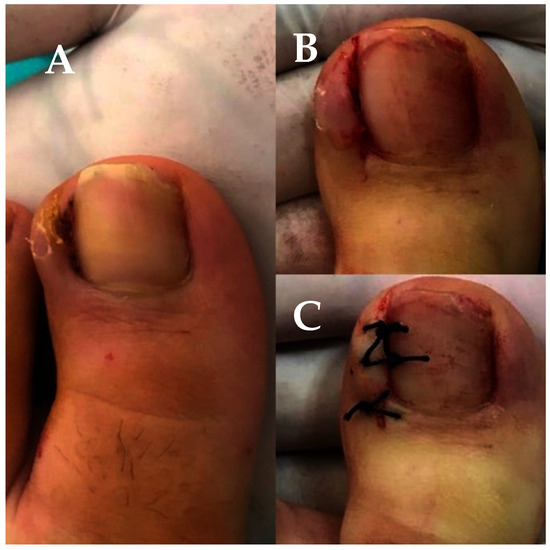
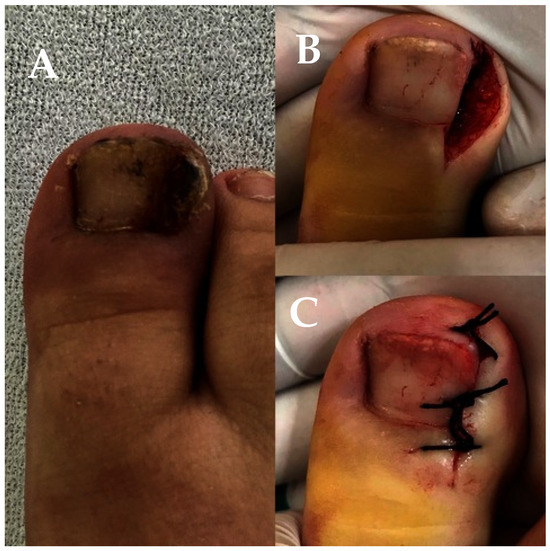
Background: We sought to compare the results of the Heifetz and Winograd methods, used in the surgical treatment of ingrown toenails, and their efficacy in different age groups. Methods: A total of 160 toes of 143 patients surgically treated with the diagnosis of toes growing into the skin between 1 June 2012, and 31 July 2019 were evaluated retrospectively. The age, sex, involved foot, involved toe, and relevant Heifetz stages of the patients were assessed. The patients underwent either the Winograd or Heifetz surgical treatment method. The groups were further divided by age (<18 years and ≥18 years) and were re-evaluated in terms of recurrence. Results: No statistically significant difference was detected between the groups in terms of age, sex, side, early infection, and recurrence rates. However, when the groups were divided according to age, a significantly lower recurrence rate was found in patients younger than 18 years who underwent the Heifetz method compared with patients 18 years and older who underwent the Winograd method. Conclusions: Aligned with the literature, these two surgical methods may be regarded as considerably successful, easily applied, and safe, with fewer complications in ingrown toenail cases. Although it is appropriate to select a surgical treatment method depending on the experience of the surgeon, we believe that the Heifetz method should be given priority due to better outcomes in terms of recurrence in patients younger than 18 years.
Full article

Figure 1
Open AccessCase Report
A Novel Minimally Invasive Technique for Hallux Fracture-Dislocation Fixation Using Hypodermic Needles: An Effective Solution for Disaster and Catastrophic Settings
by
Muhammed Yusuf Afacan, Ahmet Burak Demirdas, Bedri Karaismailoglu and Goker Utku Deger
J. Am. Podiatr. Med. Assoc. 2026, 116(1), 4; https://doi.org/10.3390/japma116010004 - 19 Feb 2026
Abstract
►▼
Show Figures
Hallux fractures, particularly those involving the proximal phalanx, can lead to significant functional impairments if not promptly managed. This report introduces a novel, minimally invasive technique for hallux fracture fixation using hypodermic needles. This technique is specifically designed for resource-limited settings such as
[...] Read more.
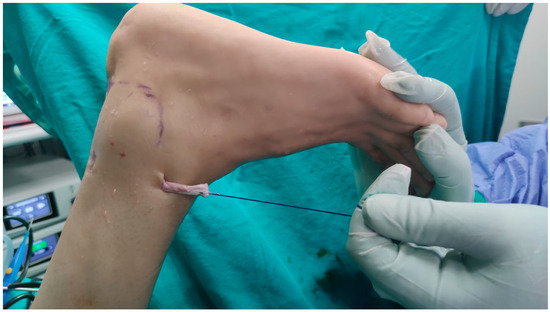
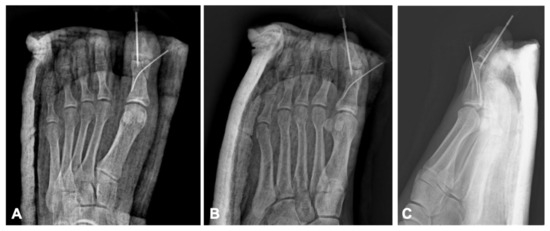
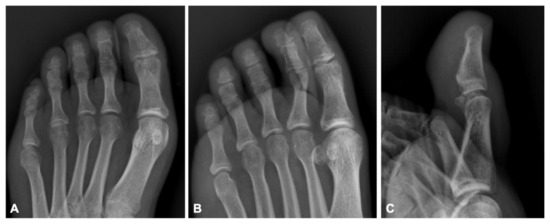
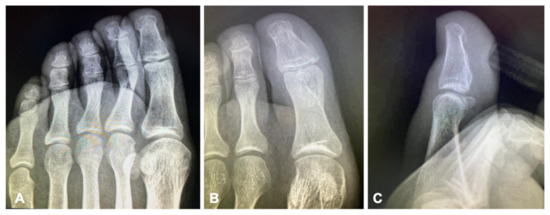
Hallux fractures, particularly those involving the proximal phalanx, can lead to significant functional impairments if not promptly managed. This report introduces a novel, minimally invasive technique for hallux fracture fixation using hypodermic needles. This technique is specifically designed for resource-limited settings such as disasters or emergencies. A 30-year-old female sustained an open proximal phalanx fracture of the left hallux with interphalangeal joint dislocation following a motor vehicle accident. Under local anesthesia in the emergency service settings, fracture reduction and stabilization were achieved using two hypodermic needles. A 21-gauge needle was inserted intramedullary through the medial aspect of the hallux to stabilize the fracture, while an 18-gauge needle was placed distally to secure alignment. Postoperative radiographs confirmed proper alignment, and the needles were removed after four weeks. The patient achieved pain-free ambulation with a full range of motion within six months, with no complications noted. This technique offers a cost-effective, rapid, and practical alternative to traditional methods, eliminating the need for fluoroscopy or specialized surgical tools. It is particularly valuable in emergency and resource-constrained environments, providing favorable clinical and radiological outcomes. This approach demonstrates significant potential for managing hallux fractures in challenging settings and warrants further validation in broader orthopedic practice.
Full article

Figure 1
Open AccessCase Report
Effects of Gastrocnemius Stretching Exercise and Insole Combination in a Patient with Heel Pain
by
Fatma Erdeo and Serdar Arslan
J. Am. Podiatr. Med. Assoc. 2026, 116(1), 3; https://doi.org/10.3390/japma116010003 - 19 Feb 2026
Abstract
►▼
Show Figures
Heel pain is a very common foot condition. Mechanical factors are the most common cause of heel pain. The main causes of heel pain include plantar fasciitis, heel spurs, Achilles tendinopathy, heel neuritis, and heel bursitis. This case study aimed to manage pain
[...] Read more.
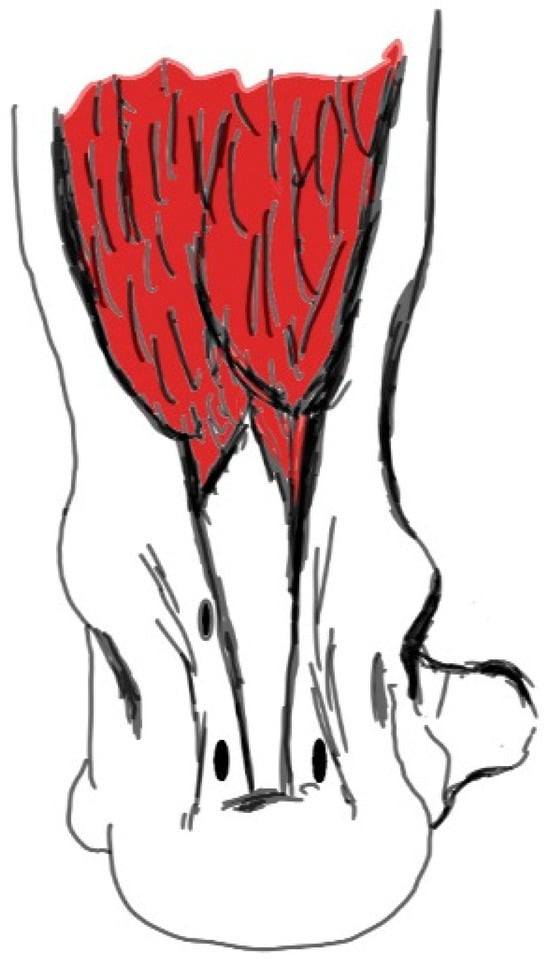
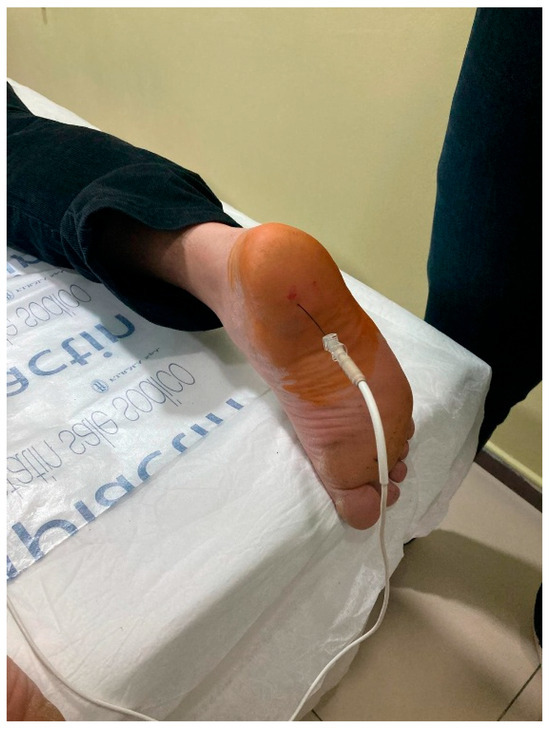
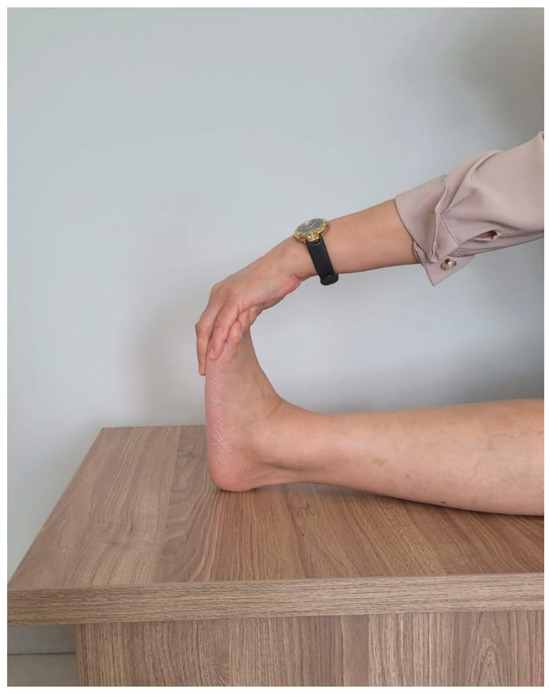
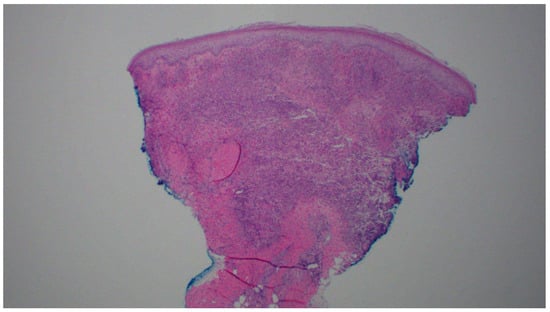
Heel pain is a very common foot condition. Mechanical factors are the most common cause of heel pain. The main causes of heel pain include plantar fasciitis, heel spurs, Achilles tendinopathy, heel neuritis, and heel bursitis. This case study aimed to manage pain in a patient with heel pain accompanied by pronounced pes planus. A 42-year-old woman presented with heel pain and pes planus. The pain was present in the normal standing position and at rest. After examination, a spur, plantar fasciitis, and Morton’s neuroma were diagnosed. The patient, who had not responded to medical and rehabilitative treatments, was evaluated using the visual analog scale and the 36-Item Short Form Survey quality of life questionnaire to assess pain during rest and walking using a newly developed combined exercise method. Significant improvements were observed in the final measurements. This study contributes significantly to our knowledge of the best physiotherapy treatments for patients with heel pain associated with spurs and plantar fasciitis.
Full article

Figure 1
Open AccessEditorial
Editor-in-Chief’s Editorial: A New Chapter for the Journal of the American Podiatric Medical Association
by
Warren Joseph
J. Am. Podiatr. Med. Assoc. 2026, 116(1), 2; https://doi.org/10.3390/japma116010002 - 13 Feb 2026
Abstract
I would like to share an important update about the future of the Journal of the American Podiatric Medical Association (JAPMA) [...]
Full article
Open AccessEditorial
Publisher’s Note: Welcome to the Journal of the American Podiatric Medical Association
by
Carla Aloè
J. Am. Podiatr. Med. Assoc. 2026, 116(1), 1; https://doi.org/10.3390/japma116010001 - 5 Feb 2026
Abstract
We are delighted to announce our established partnership with the American Podiatric Medical Association (APMA) to publish the Journal of the American Podiatric Medical Association (JAPMA) on its behalf [...]
Full article
Open AccessArticle
Biomechanical Comparison of Newly Defined Distal Osteotomy and Distal Chevron Osteotomy in Hallux Valgus Surgery
by
Alper Dünki, Mehmet Ümit Çetin, Abdulkadir Sarı, Melih Güney, Ergun Bozdağ and Orçun Keskin
J. Am. Podiatr. Med. Assoc. 2025, 115(6), 25003; https://doi.org/10.7547/25-003 - 1 Nov 2025
Abstract
Background: Distal metatarsal chevron osteotomy is widely used in hallux valgus surgery, and many different osteotomy methods have been described in the literature because of its complications, such as nonunion, loss of reduction, and osteolysis. This study aimed to biomechanically compare the
[...] Read more.
Background: Distal metatarsal chevron osteotomy is widely used in hallux valgus surgery, and many different osteotomy methods have been described in the literature because of its complications, such as nonunion, loss of reduction, and osteolysis. This study aimed to biomechanically compare the newly defined Parmaksızoğlu osteotomy and the distal chevron osteotomy. Methods: A total of 14 sawbone models were divided into two groups, and Parmaksızoglu and distal chevron osteotomies were performed with the created incision guides. For biomechanical tests, fatigue testing was performed on the samples with 1,000 cycles of axial loading up to 10 N at a 15° angle. Rigidity, dorsal angulation, and deforming force values were recorded. Results: In the chevron osteotomy group, the average rigidity value of the 1,000th cycle was measured as 3.69 N/mm, the dorsal angulation value was 1.95°, and the average deforming force value was 20.14 N. In the Parmaksızoglu osteotomy group, the average rigidity value of the 1,000th cycle was measured as 2.28 N/mm, the dorsal angulation value was 2.12°, and the average deforming force value was 26.72 N. Conclusions: In this study, Parmaksızoglu osteotomy and chevron osteotomy were compared in terms of rigidity, dorsal angulation, and deforming force, and no statistically significant superiority of one technique over the other was observed. It has been statistically shown that the Parmaksızoglu osteotomy, which has demonstrated a lower complication rate and a higher American Orthopaedic Foot & Ankle Society score in previous studies, has biomechanically similar features to the distal chevron osteotomy.
Full article
Open AccessArticle
An Investigation of Common Anatomical Sites of Tibial Nerve Compression in Persons With Clinical Findings of Tarsal Tunnel Syndrome
by
Michael S. Nirenberg and Roberto P. Segura
J. Am. Podiatr. Med. Assoc. 2025, 115(6), 24146; https://doi.org/10.7547/24-146 - 1 Nov 2025
Abstract
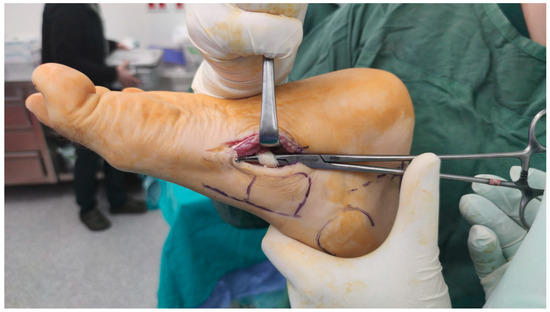
Background: The symptoms of tarsal tunnel syndrome (TTS) have traditionally been considered the result of entrapment of the tibial nerve due to the laciniate ligament or compression of the nerve’s distal branches as they course beneath the abductor hallucis (AH) muscle. Recent
[...] Read more.
Background: The symptoms of tarsal tunnel syndrome (TTS) have traditionally been considered the result of entrapment of the tibial nerve due to the laciniate ligament or compression of the nerve’s distal branches as they course beneath the abductor hallucis (AH) muscle. Recent research shows that TTS may be due to compression of the tibial nerve proximal to these structures, at the level of the high ankle (termed high TTS). This study appears to be among the first to investigate the incidence of compression at either or both of these sites in persons with clinical findings of TTS. Methods: The medical records of 91 adult patients (56 women and 35 men) who presented to a podiatric medicine practice with clinical findings of TTS and underwent electrodiagnostic (EDX) testing were retrospectively reviewed for the prevalence of nerve compression at the level of the high ankle (ie, high TTS) or the laciniate ligament/AH muscle in the foot. Results: Of the 91 patients with clinical findings of TTS, EDX testing found that 59 had nerve compression at the laciniate ligament/AH muscle, 69 had nerve compression at the level of the high ankle, 51 had compression in both areas, and 13 did not have any entrapment. Of the 69 patients found to have an entrapment at the high ankle, 41 were women and 28 were men, with the compression occurring bilaterally in 44 of the 69 patients. Conclusions: In patients presenting with clinical findings of TTS, EDX testing found that compression most often occurred at the level of the high ankle, beneath the fascia of the leg, followed by entrapment at the traditionally recognized site, beneath the laciniate ligament/AH muscle, with a significant number of patients having compression at both sites. A small number of patients had no EDX evidence of nerve compression.
Full article
Open AccessArticle
Correlation Between Plantar Fascia Thickness and Other Variables in Women Diagnosed With Plantar Fasciopathy
by
Ruben Montes-Salas, Ramon Mahillo-Durán, Alvaro Gomez-Carrion, Estela Gomez-Aguilar, Gabriel Camunas-Nieves and Jose Manuel Castillo-Lopez
J. Am. Podiatr. Med. Assoc. 2025, 115(6), 24099; https://doi.org/10.7547/24-099 - 1 Nov 2025
Abstract
Background: The objective of this study was to explore the relationship between plantar fascia (PF) thickness and various factors, including pain, function, and anthropometric parameters, in women diagnosed with plantar fasciopathy. Methods: A total of 37 female patients were randomly selected
[...] Read more.
Background: The objective of this study was to explore the relationship between plantar fascia (PF) thickness and various factors, including pain, function, and anthropometric parameters, in women diagnosed with plantar fasciopathy. Methods: A total of 37 female patients were randomly selected for this investigation. Using ultrasound, the thickness of the PF was meticulously measured. Subsequently, the correlation between PF thickness and several factors, such as pain intensity, functional impairment, height, age, weight, PF biconvexity, duration of disease, recurrence of plantar fasciopathy, and daily activity level, was analyzed. Results: The findings of this study unveiled a significant positive correlation between PF thickness and several parameters. Specifically, there was a notable correlation with pain intensity in which increased thickness corresponded to heightened pain levels. Additionally, PF thickness exhibited positive associations with height, age, and weight, indicating that these anthropometric factors may influence PF thickness. Moreover, the biconvexity of the PF, disease duration, and recurrence of plantar fasciopathy showed correlations with PF thickness, suggesting potential implications for disease progression and management. Furthermore, the study identified a relationship between PF thickness and daily activity level, underscoring the impact of physical exertion on PF health. Notably, the presence of hyperemia in the PF, as determined by power Doppler ultrasound, also showed a correlation with PF thickness, highlighting potential vascular implications in plantar fasciopathy. Conclusions: This study provides valuable insights into the multifaceted relationship between PF thickness and various clinical parameters in women with plantar fasciopathy. Understanding these correlations may aid in the development of more targeted and effective management strategies for this debilitating condition.
Full article
Open AccessArticle
Canines Masticating on the Lower Extremity. Case Studies
by
David W. Jenkins, Samantha W Berggren and Kyleigh Pierson
J. Am. Podiatr. Med. Assoc. 2025, 115(6), 24071; https://doi.org/10.7547/24-071 - 1 Nov 2025
Abstract
Clinicians caring for feet may be hearing stories of canines masticating the foot/digits on unsuspecting persons with diabetes and neuropathy. For the most part, these reports are anecdotal. Actual publications on this topic are scarce. The following discussion and case reports depict a
[...] Read more.
Clinicians caring for feet may be hearing stories of canines masticating the foot/digits on unsuspecting persons with diabetes and neuropathy. For the most part, these reports are anecdotal. Actual publications on this topic are scarce. The following discussion and case reports depict a typical presentation with a sleeping person with diabetic polyneuropathy and infection, which attracts the canine and results in tissue mastication. The workup and care for such clinical presentations appear straightforward and effective; however, the authors highly recommend that providers that care for persons with diabetes who own pets take precautions, especially during sleep.
Full article
Open AccessArticle
Evidencing Superior Efficacy. Suture Technique Outperforms Electrocoagulation in Reducing Recurrence in Ingrown Toenail Surgery
by
Muhammed Kazez, Mustafa Yalin, Orhan Ayas, Ömer Esmez and Sefa Key
J. Am. Podiatr. Med. Assoc. 2025, 115(6), 24046; https://doi.org/10.7547/24-046 - 1 Nov 2025
Abstract
Background: This study aimed to compare the rates of recurrence, complications, and patient satisfaction among individuals undergoing different variations of the Winograd method (WM) for the treatment of ingrown toenail, including the addition of electrocoagulation (EC) and a novel suture technique. Methods
[...] Read more.
Background: This study aimed to compare the rates of recurrence, complications, and patient satisfaction among individuals undergoing different variations of the Winograd method (WM) for the treatment of ingrown toenail, including the addition of electrocoagulation (EC) and a novel suture technique. Methods: A retrospective analysis was conducted of 605 patients who underwent surgery for ingrown toenail using the WM at two institutions. Patients were divided into four groups based on the surgical technique used: group 1 (WM + EC + new suture), group 2 (WM + EC + traditional suture), group 3 (WM + non-EC + traditional suture), and group 4 (WM + non-EC + new suture). Recurrence rates, complications, and patient satisfaction levels were assessed. Results: Group 1 demonstrated the lowest recurrence rates, whereas group 3 had the highest. Group 1 exhibited the highest satisfaction rate, whereas group 3 had the lowest. Notably, the suture technique appeared to have a greater impact on reducing recurrence rates than EC. Conclusions: Incorporating germinal matrixectomy with EC and a new suture method with the WM may improve patient satisfaction and reduce recurrence rates in ingrown toenail treatment. The suture technique appears to play a significant role in decreasing recurrence rates compared with EC.
Full article
Journal Menu
► ▼ Journal MenuJournal Browser
► ▼ Journal Browser-
arrow_forward_ios
Forthcoming issue
arrow_forward_ios Current issue - Volumes not published by MDPI
- Vol. 115 (2025)
- Vol. 114 (2024)
- Vol. 113 (2023)
- Vol. 112 (2022)
- Vol. 111 (2021)
- Vol. 110 (2020)
- Vol. 109 (2019)
- Vol. 108 (2018)
- Vol. 107 (2017)
- Vol. 106 (2016)
- Vol. 105 (2015)
- Vol. 104 (2014)
- Vol. 103 (2013)
- Vol. 102 (2012)
- Vol. 101 (2011)
- Vol. 100 (2010)
- Vol. 99 (2009)
- Vol. 98 (2008)
- Vol. 97 (2007)
- Vol. 96 (2006)
- Vol. 95 (2005)
- Vol. 94 (2004)
- Vol. 93 (2003)
- Vol. 92 (2002)
- Vol. 91 (2001)
- Vol. 90 (2000)
- Vol. 89 (1999)
- Vol. 88 (1998)
- Vol. 87 (1997)
- Vol. 86 (1996)
Highly Accessed Articles
Latest Books
E-Mail Alert
News
Topics
Topic in
Antibiotics, Diabetology, JAPMA, JCM, Medicina
Diabetic Foot Disease: Current Challenges, Emerging Concepts and Future Directions
Topic Editors: José Luis Lázaro-Martínez, Marco Meloni, Prashanth VasDeadline: 31 March 2028