Article

SAM-Based Approach for Automated Fabric Anisotropy Quantification in Concrete Aggregates

1
State Key Laboratory of Hydraulics and Mountain River Engineering, College of Water Resources & Hydro-Power, Sichuan University, Chengdu 610065, China
2
Yalong River Valley Hydropower Development Co., Ltd., Chengdu 610051, China
*
Author to whom correspondence should be addressed.
Sensors 2025, 25(21), 6661; https://doi.org/10.3390/s25216661
Submission received: 26 August 2025 / Revised: 3 October 2025 / Accepted: 15 October 2025 / Published: 1 November 2025
(This article belongs to the Section Intelligent Sensors)

Abstract

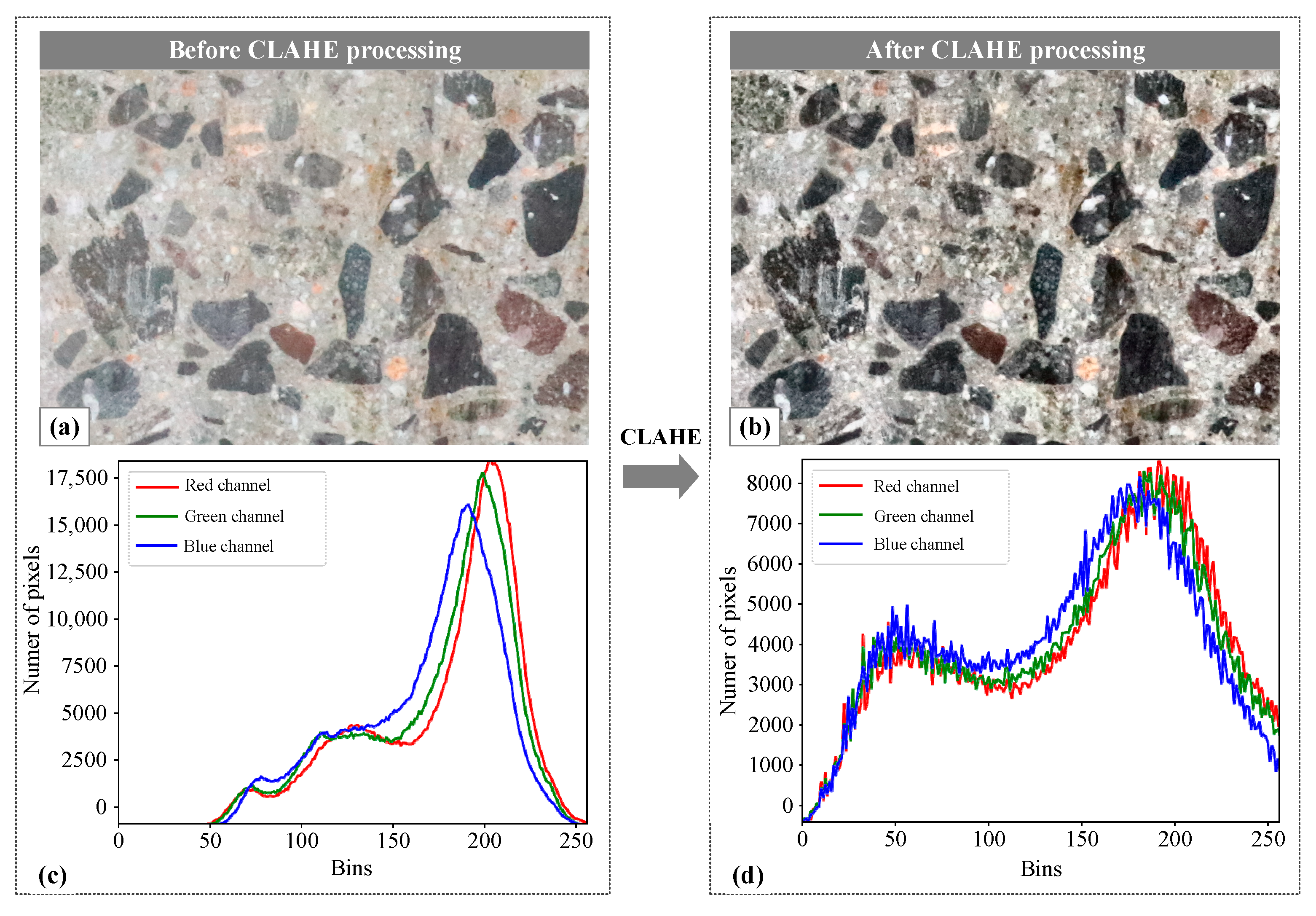
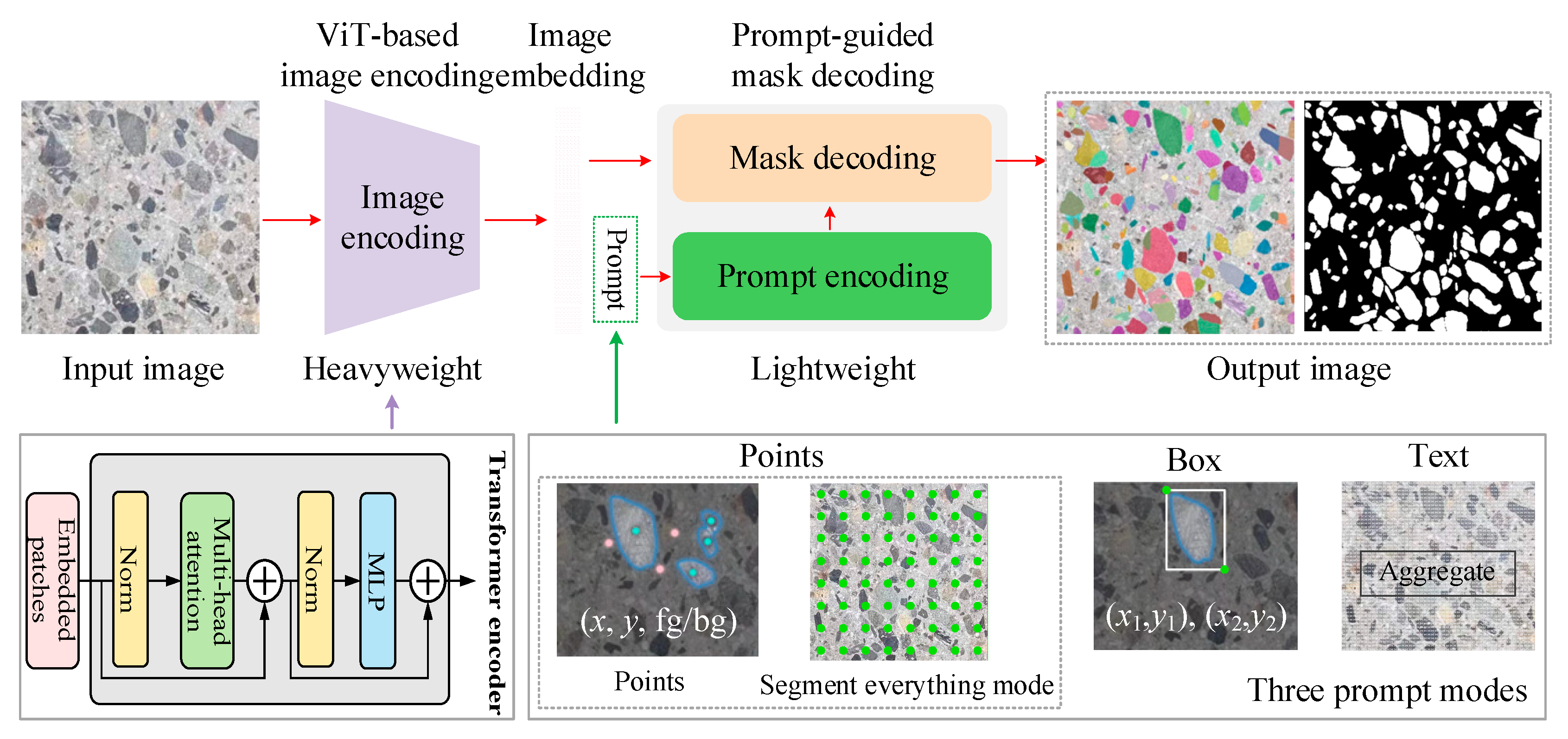
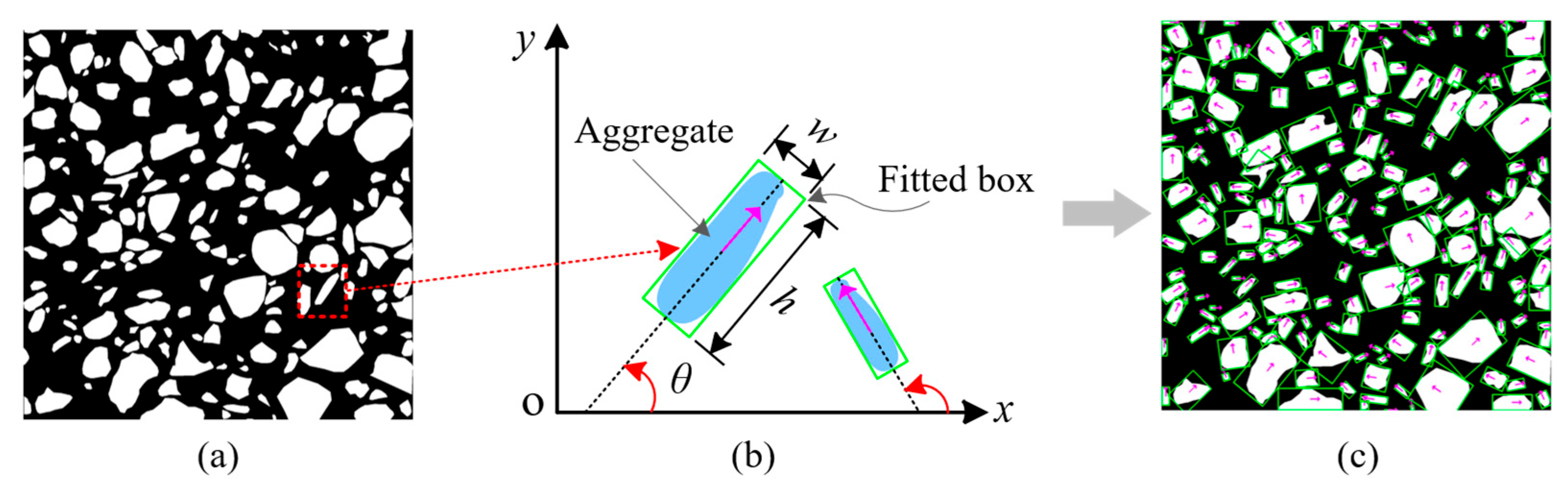
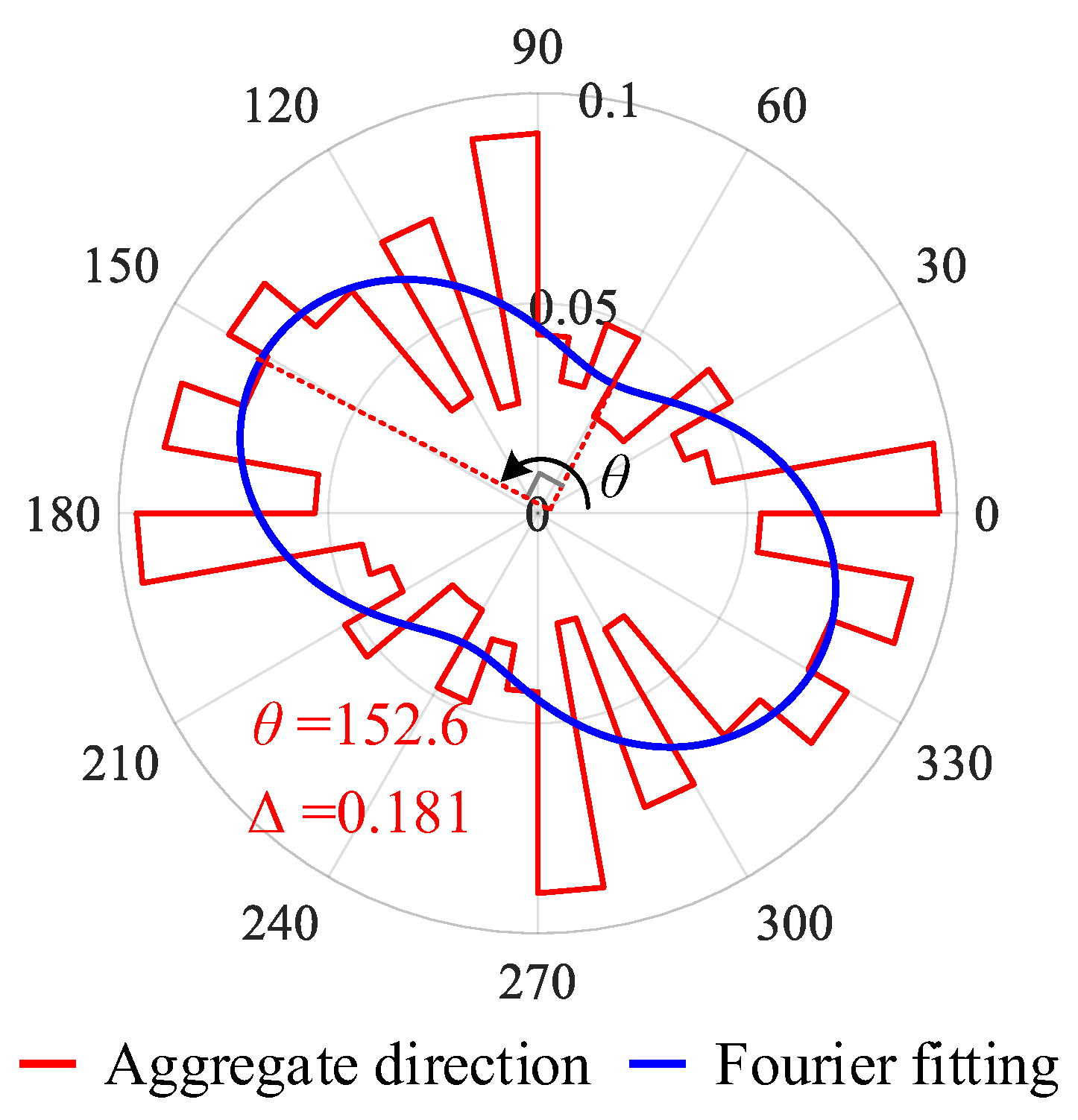
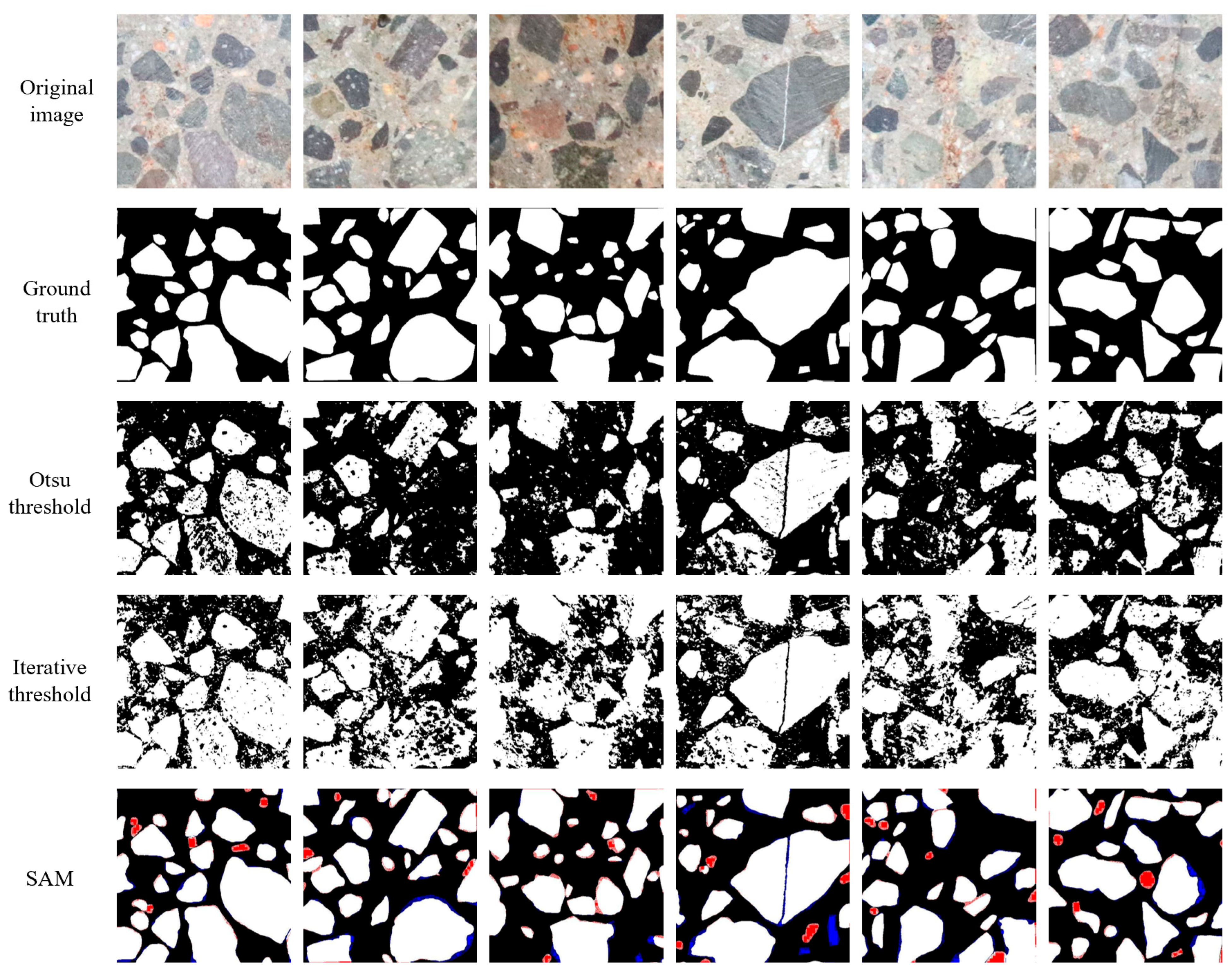
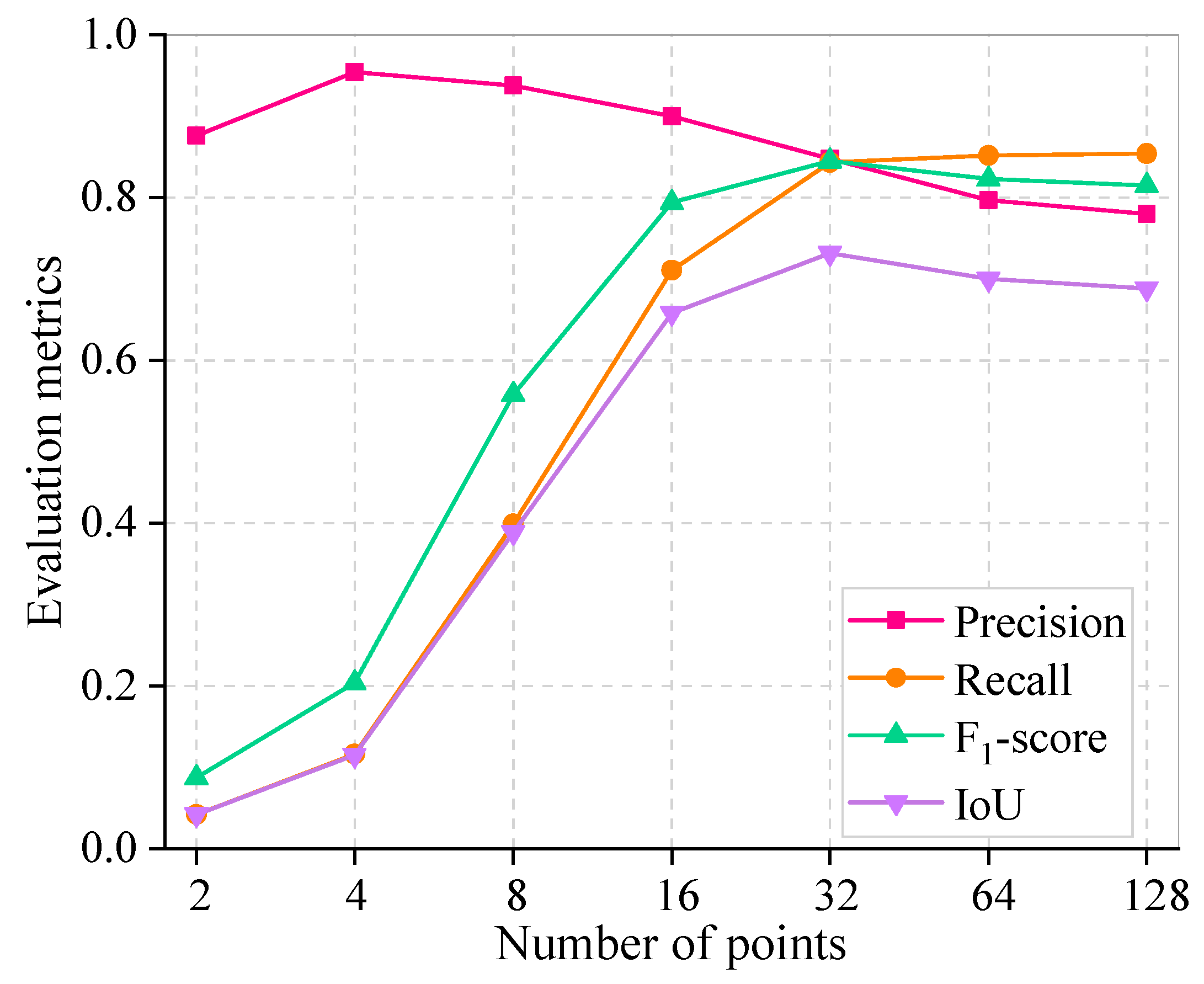
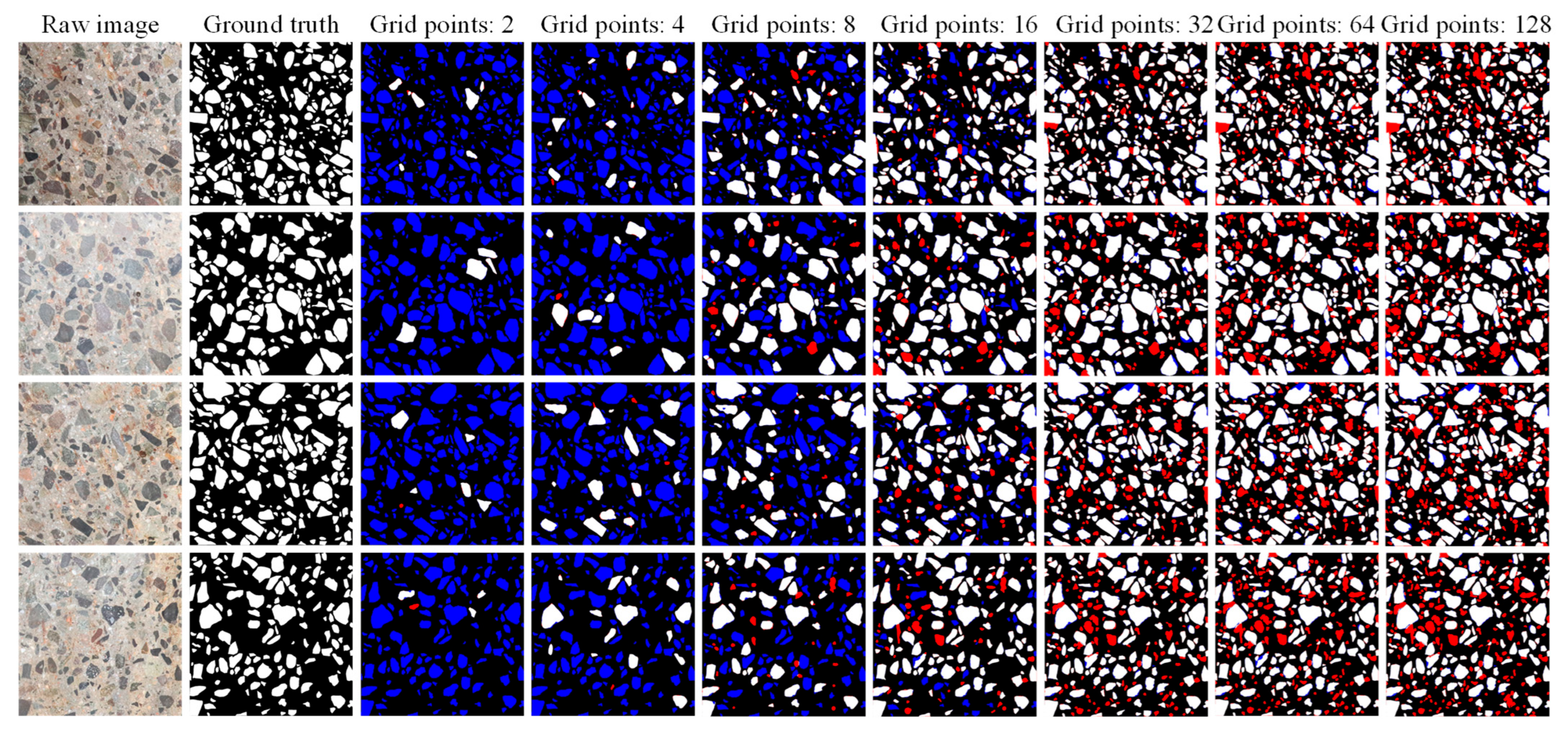
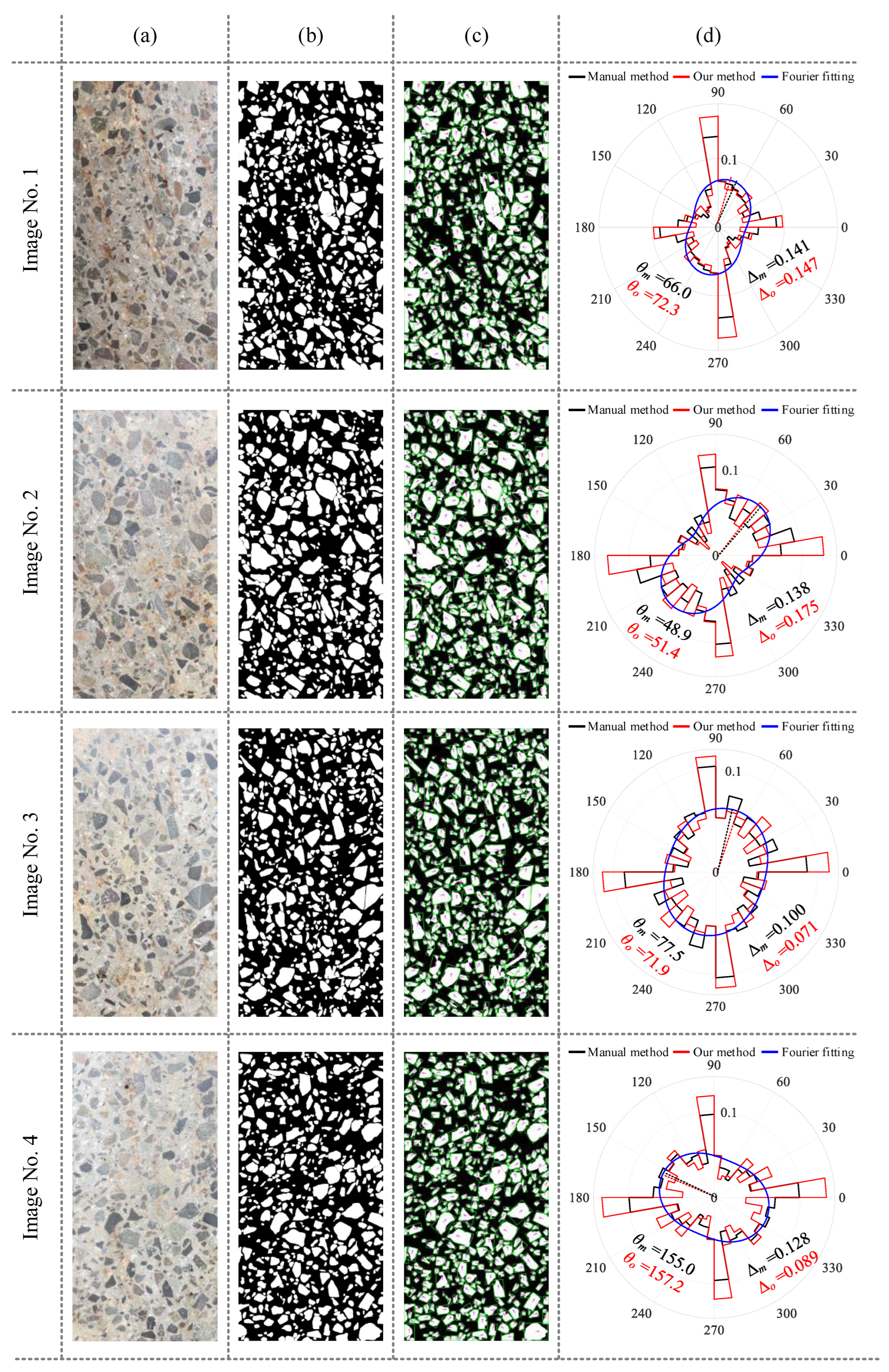
The reliable characterization of fabric anisotropy in concrete aggregates is critical for understanding the mechanical behavior and durability of concrete. The accurate segmentation of aggregates is essential for anisotropy assessment. However, conventional threshold-based segmentation methods exhibit high sensitivity to noise, while deep learning approaches are often constrained by the scarcity of annotated data. To address these challenges, this study introduces the Segment Anything Model (SAM) for automated aggregate segmentation, leveraging its remarkable zero-shot generalization capabilities. In addition, a novel quantification technique integrating computational geometry with second-order Fourier series is proposed to evaluate both the magnitude and orientation of fabric anisotropy. Extensive experiments conducted on a self-constructed concrete aggregate dataset demonstrated the effectiveness and accuracy of the proposed method. The process incorporates domain-specific image preprocessing using Contrast Limited Adaptive Histogram Equalization (CLAHE) to enhance the input quality for the SAM. The SAM achieves an F1-score of 0.842 and an intersection over union (IoU) of 0.739, with mean absolute errors of 4.15° for the orientation and 0.025 for the fabric anisotropy. Notably, optimal segmentation performance is observed when the SAM’s grid point parameter is set to 32. These results validate the proposed method as a robust, accurate, and automated solution for quantifying concrete aggregate anisotropy, providing a powerful tool for microstructure analysis and performance prediction.
Keywords: concrete aggregate; segment anything model (SAM); fabric anisotropy; image process; segmentation concrete aggregate; segment anything model (SAM); fabric anisotropy; image process; segmentation