Communication

Hyperparameter Optimization for COVID-19 Pneumonia Diagnosis Based on Chest CT

Institute of Computing, Fluminense Federal University, Niteroi, RJ 24.310-346, Brazil
*
Author to whom correspondence should be addressed.
Sensors 2021, 21(6), 2174; https://doi.org/10.3390/s21062174
Submission received: 1 March 2021 / Revised: 13 March 2021 / Accepted: 16 March 2021 / Published: 20 March 2021
(This article belongs to the Special Issue Biomedical Signal Processing for Disease Diagnosis)

Abstract

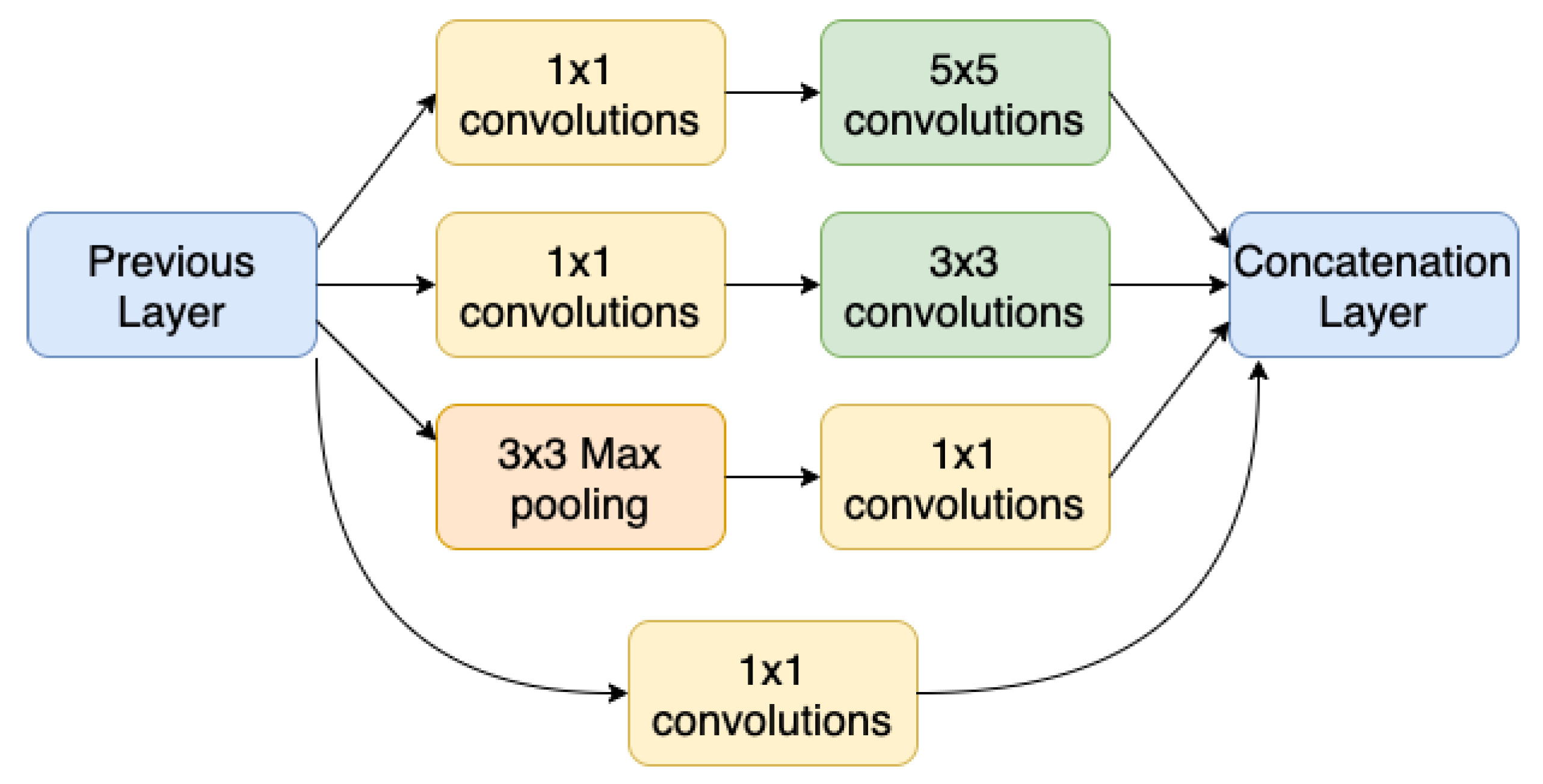
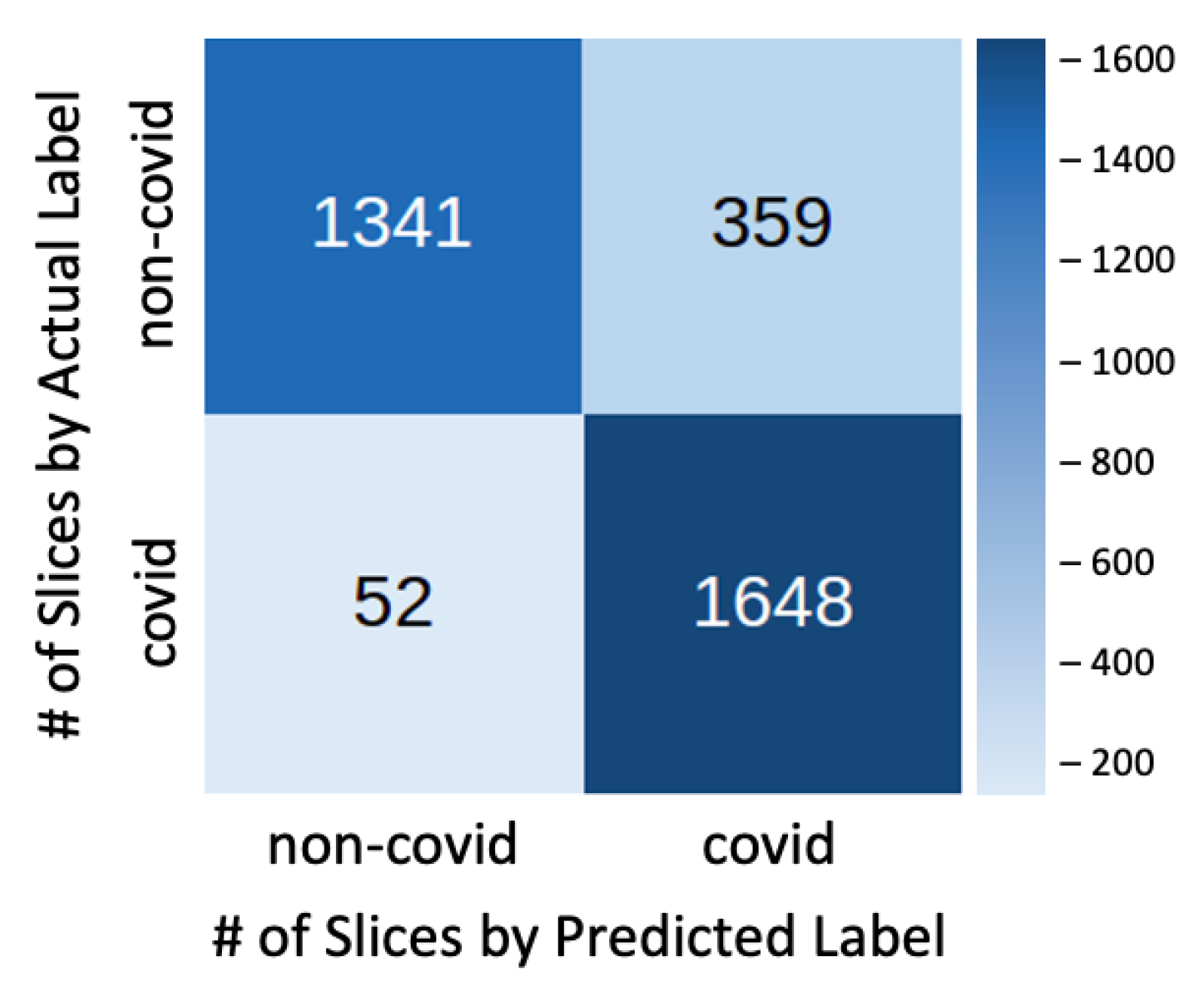
Convolutional Neural Networks (CNNs) have been successfully applied in the medical diagnosis of different types of diseases. However, selecting the architecture and the best set of hyperparameters among the possible combinations can be a significant challenge. The purpose of this work is to investigate the use of the Hyperband optimization algorithm in the process of optimizing a CNN applied to the diagnosis of SARS-Cov2 disease (COVID-19). The test was performed with the Optuna framework, and the optimization process aimed to optimize four hyperparameters: (1) backbone architecture, (2) the number of inception modules, (3) the number of neurons in the fully connected layers, and (4) the learning rate. CNNs were trained on 2175 computed tomography (CT) images. The CNN that was proposed by the optimization process was a VGG16 with five inception modules, 128 neurons in the two fully connected layers, and a learning rate of 0.0027. The proposed method achieved a sensitivity, precision, and accuracy of 97%, 82%, and 88%, outperforming the sensitivity of the Real-Time Polymerase Chain Reaction (RT-PCR) tests (53–88%) and the accuracy of the diagnosis performed by human experts (72%).
Keywords: computer-aided diagnosis; COVID-19; deep learning; hyperparameter optimization computer-aided diagnosis; COVID-19; deep learning; hyperparameter optimization