Article

Reproducibility of an Intraoperative Pressure Sensor in Total Knee Replacement
1
Department of Surgery, Epworth Helathcare, The University of Melbourne, Parkville 3010, Australia
2
Department of Orthopaedics, Western Hospital, Melbourne 3011, Australia
3
Research Development & Governance, Epworth Health Care and Department of Health Sciences and Biostatistics, Swinburne University of Technology, Hawthorn 3122, Australia
*
Author to whom correspondence should be addressed.
Sensors 2021, 21(22), 7679; https://doi.org/10.3390/s21227679
Submission received: 1 September 2021 / Revised: 9 November 2021 / Accepted: 12 November 2021 / Published: 18 November 2021

Abstract

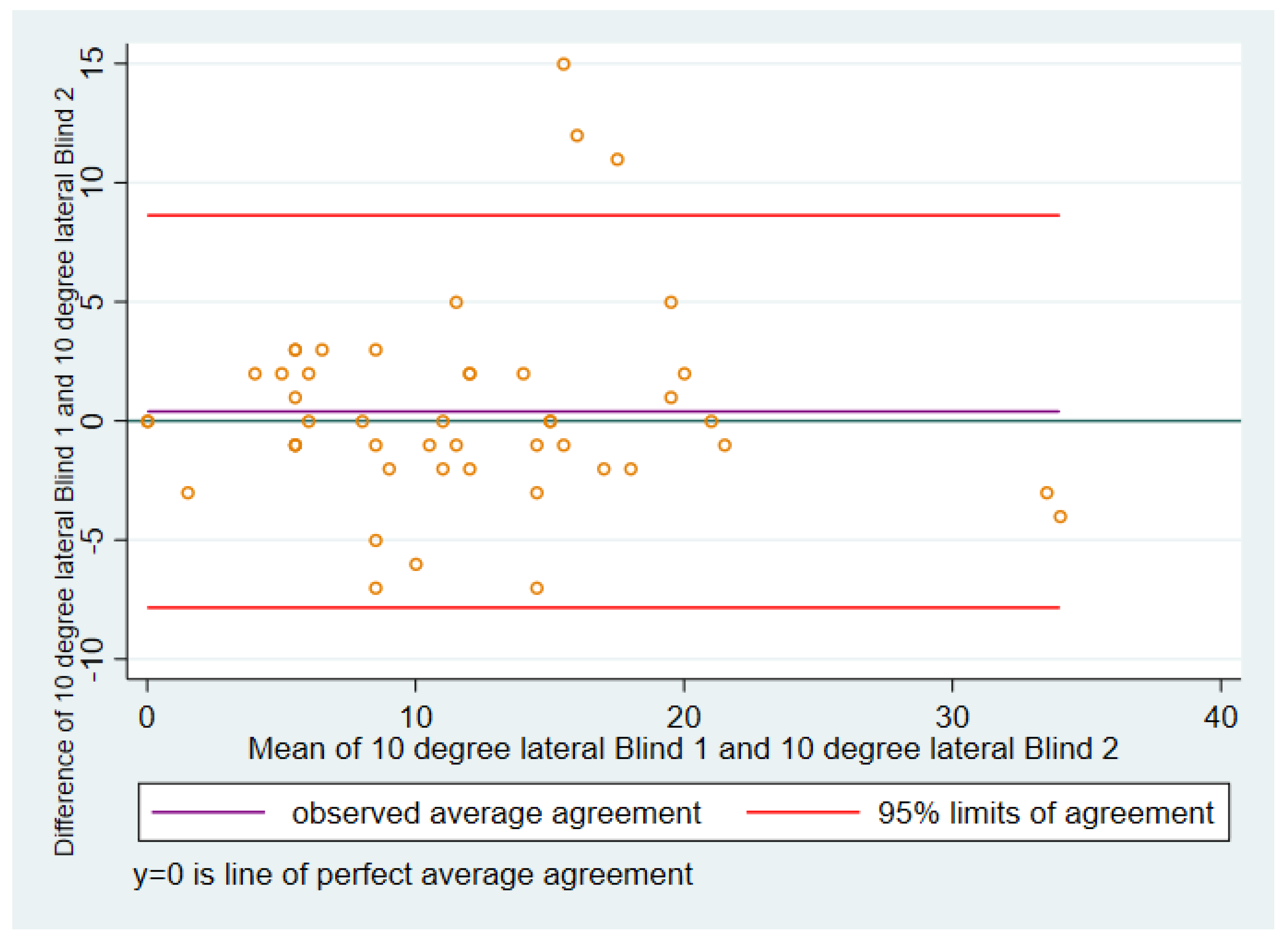
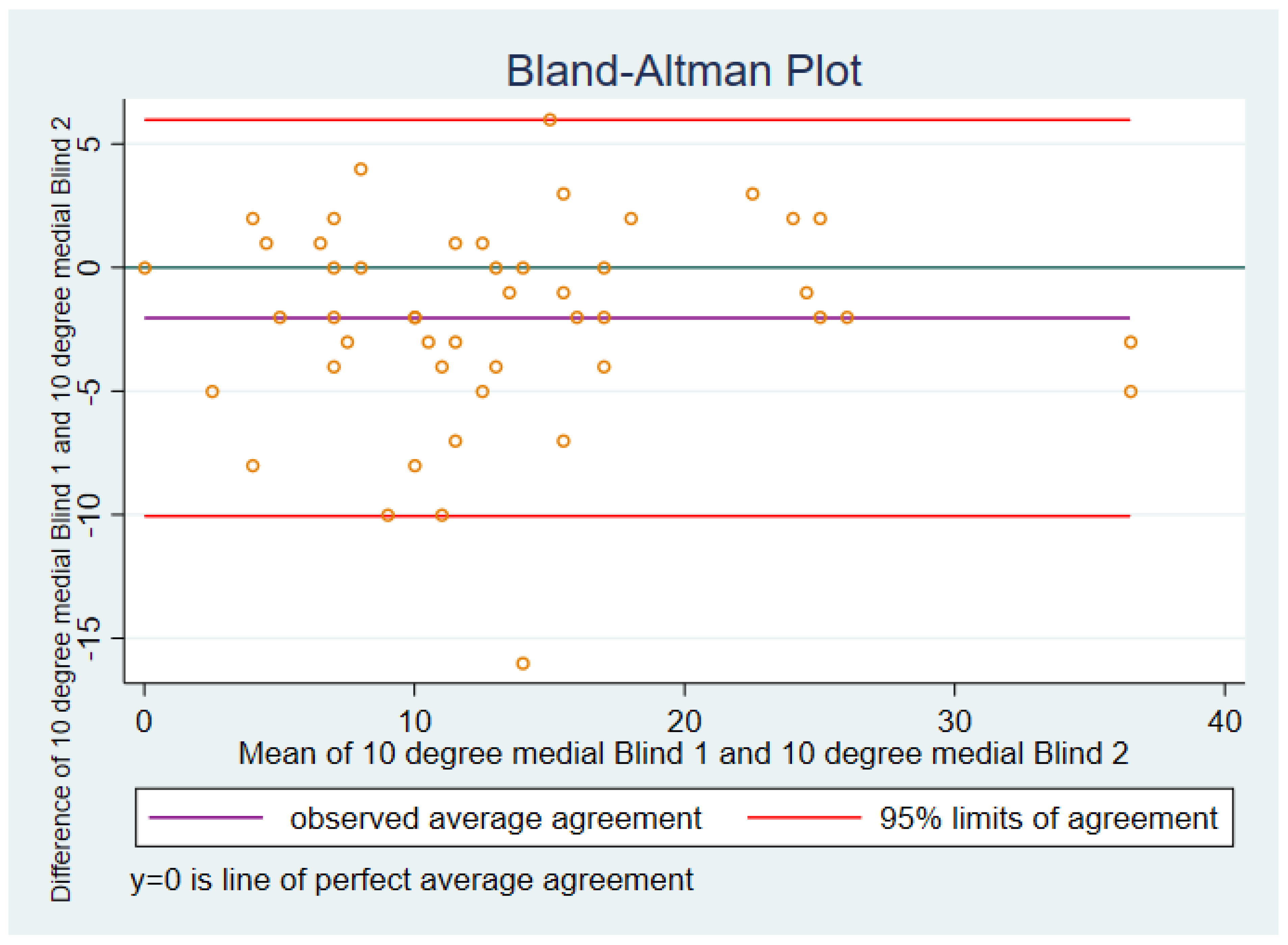
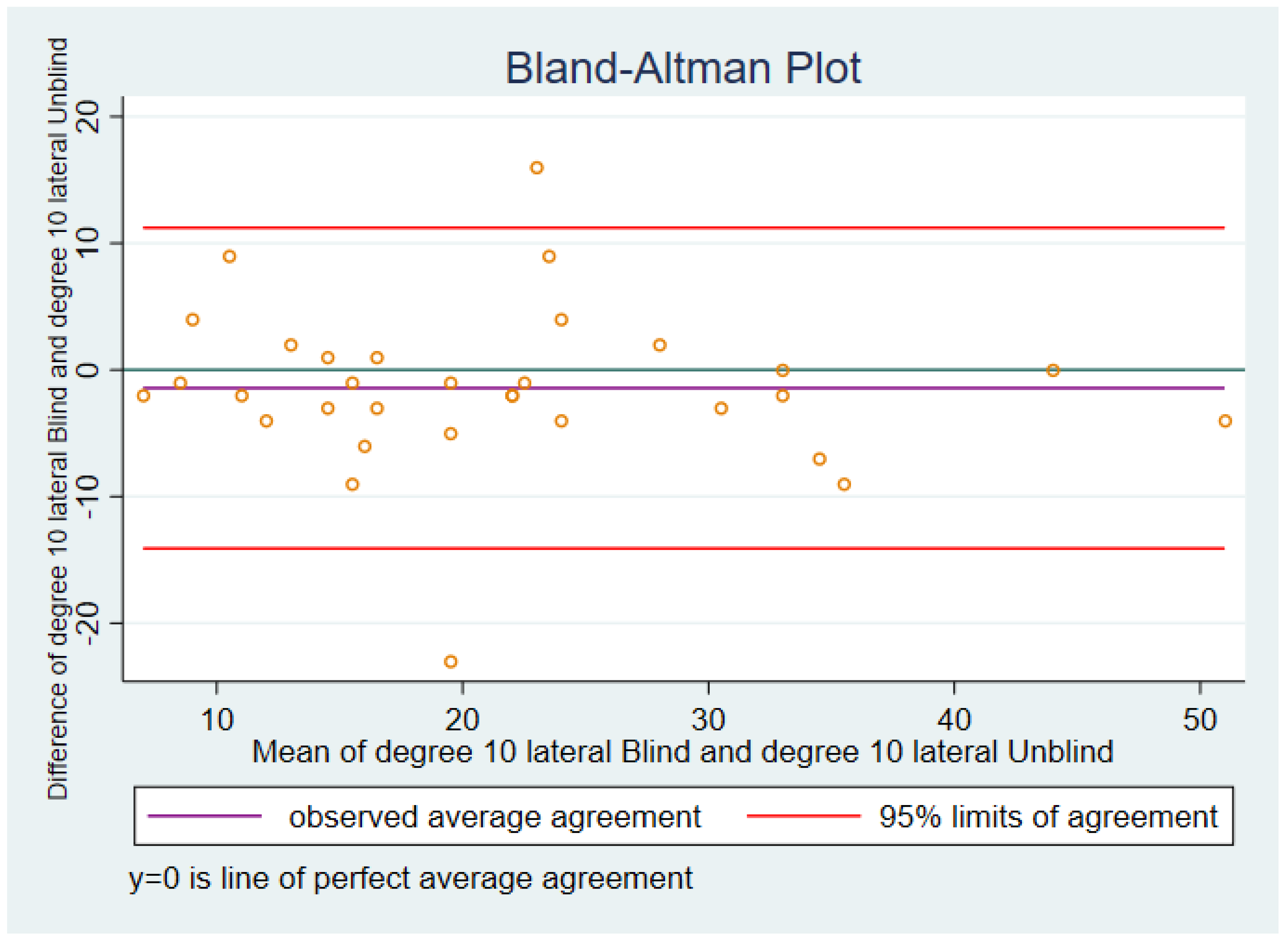
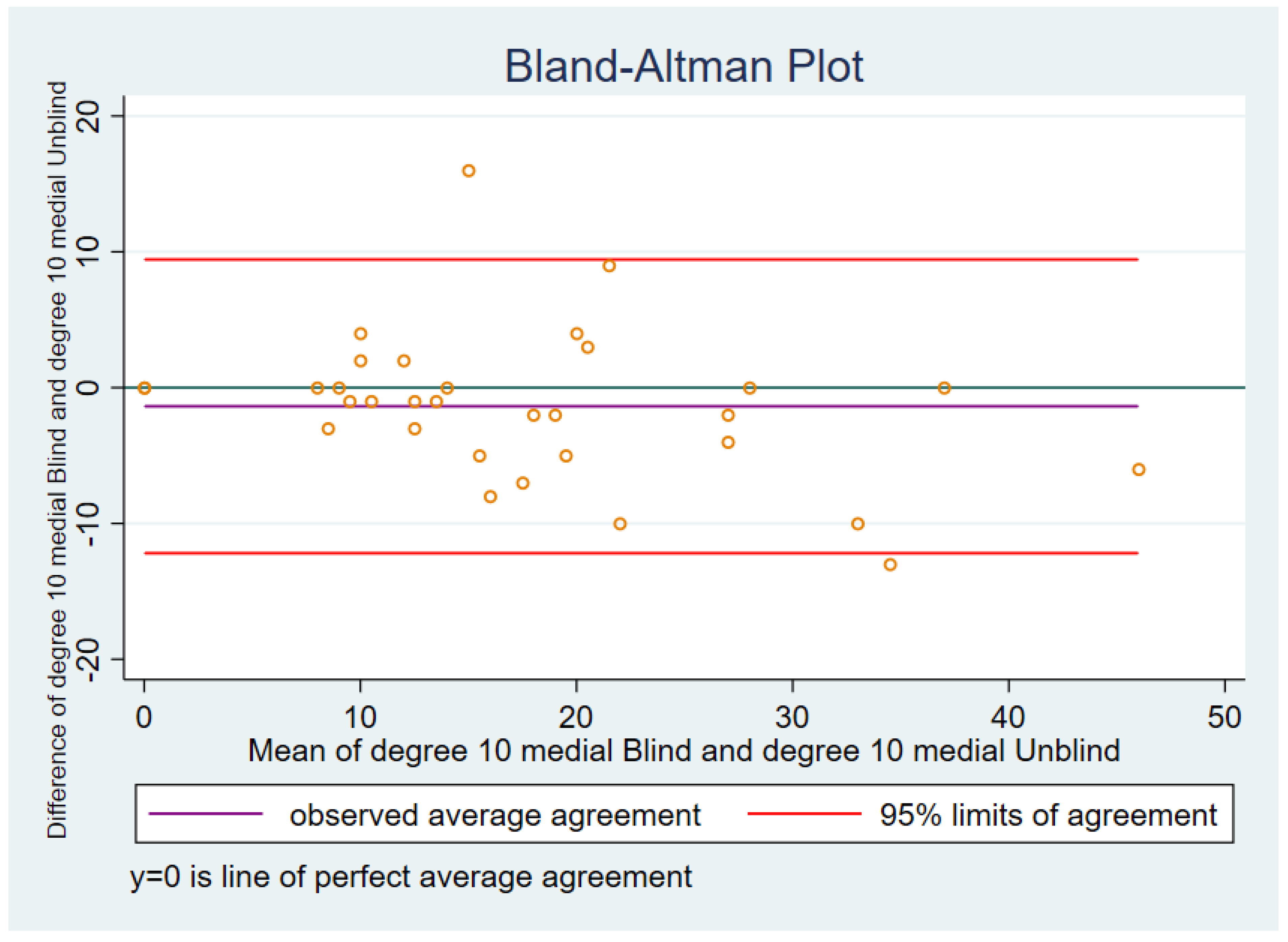
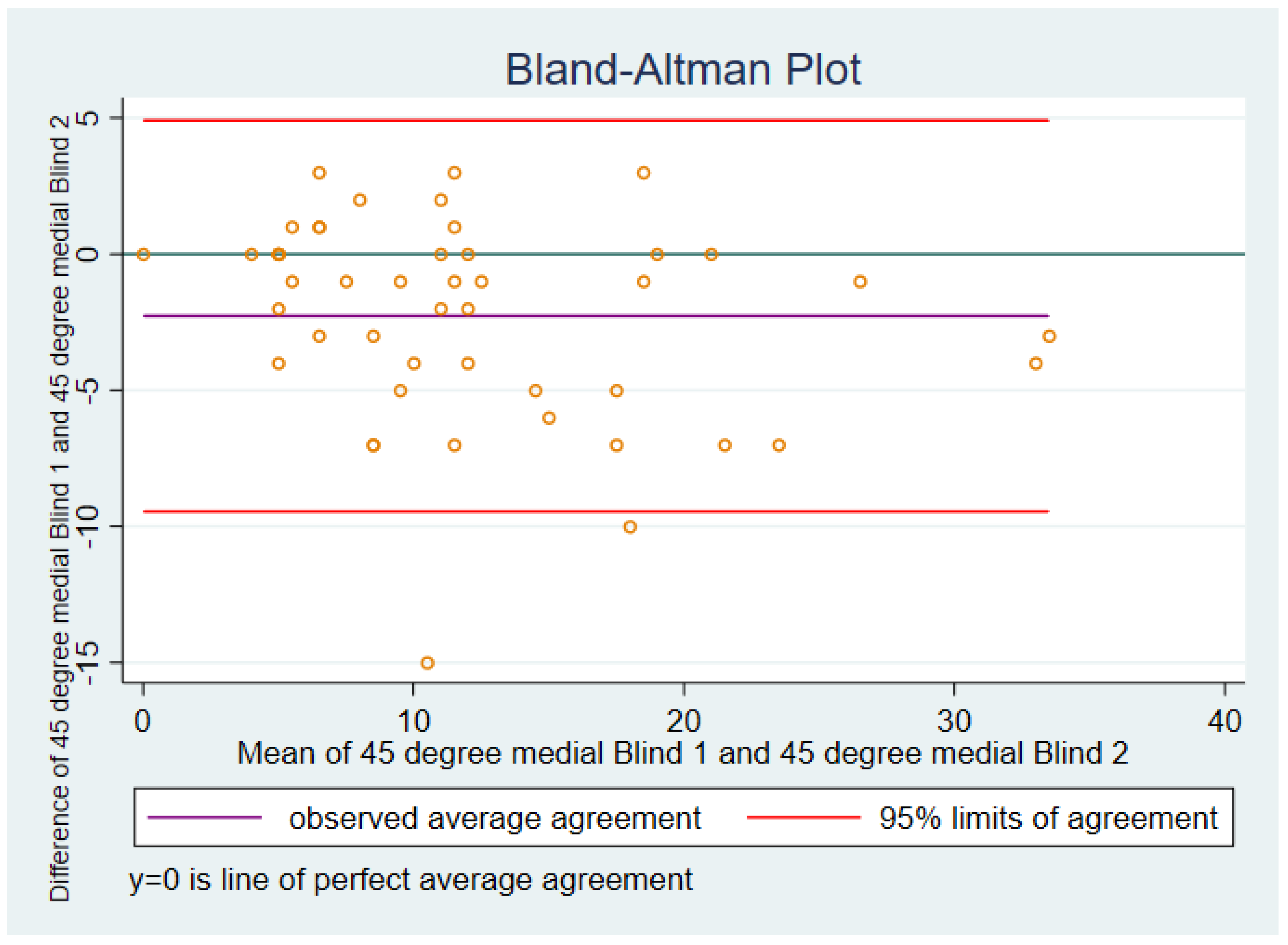
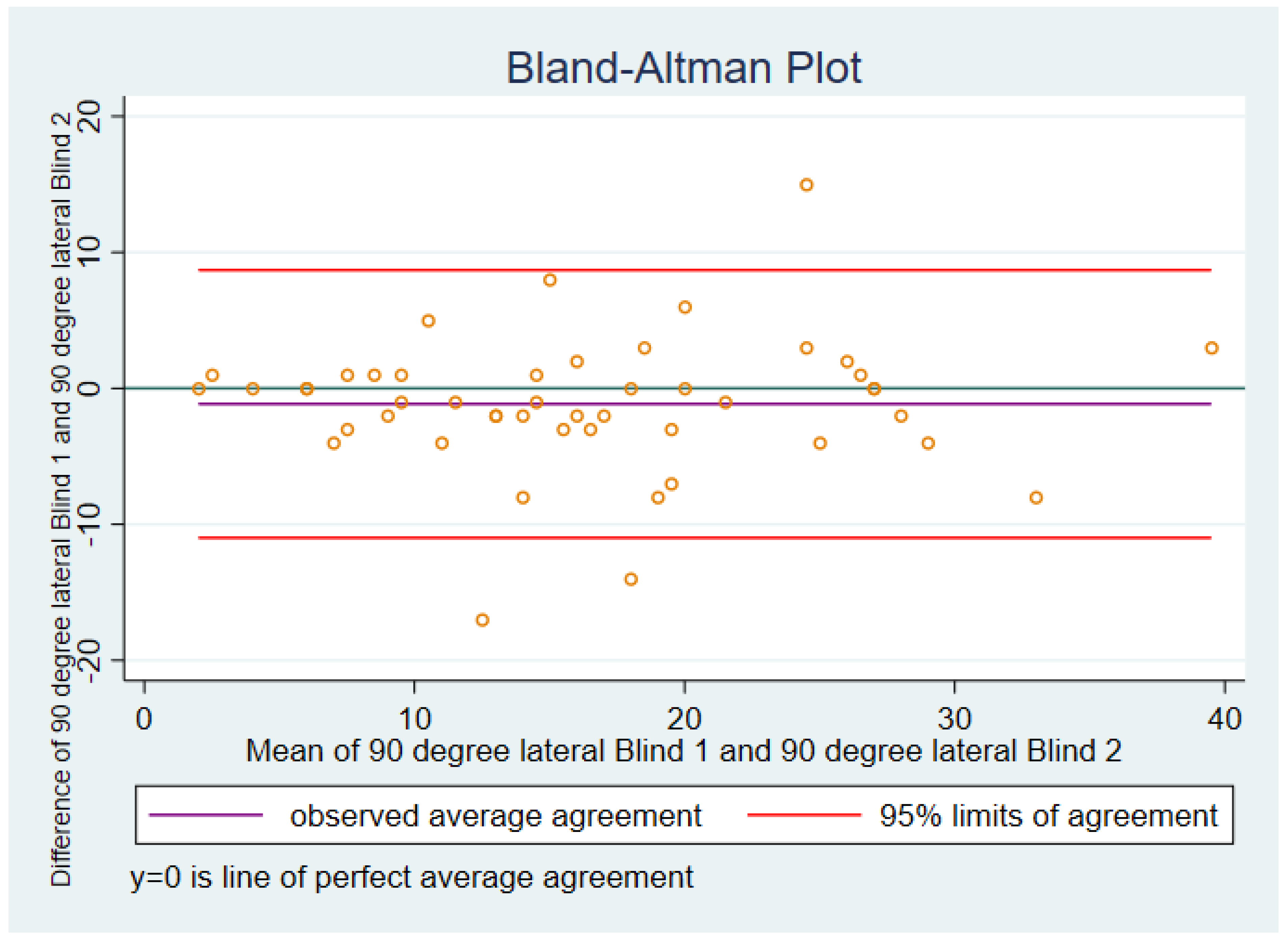
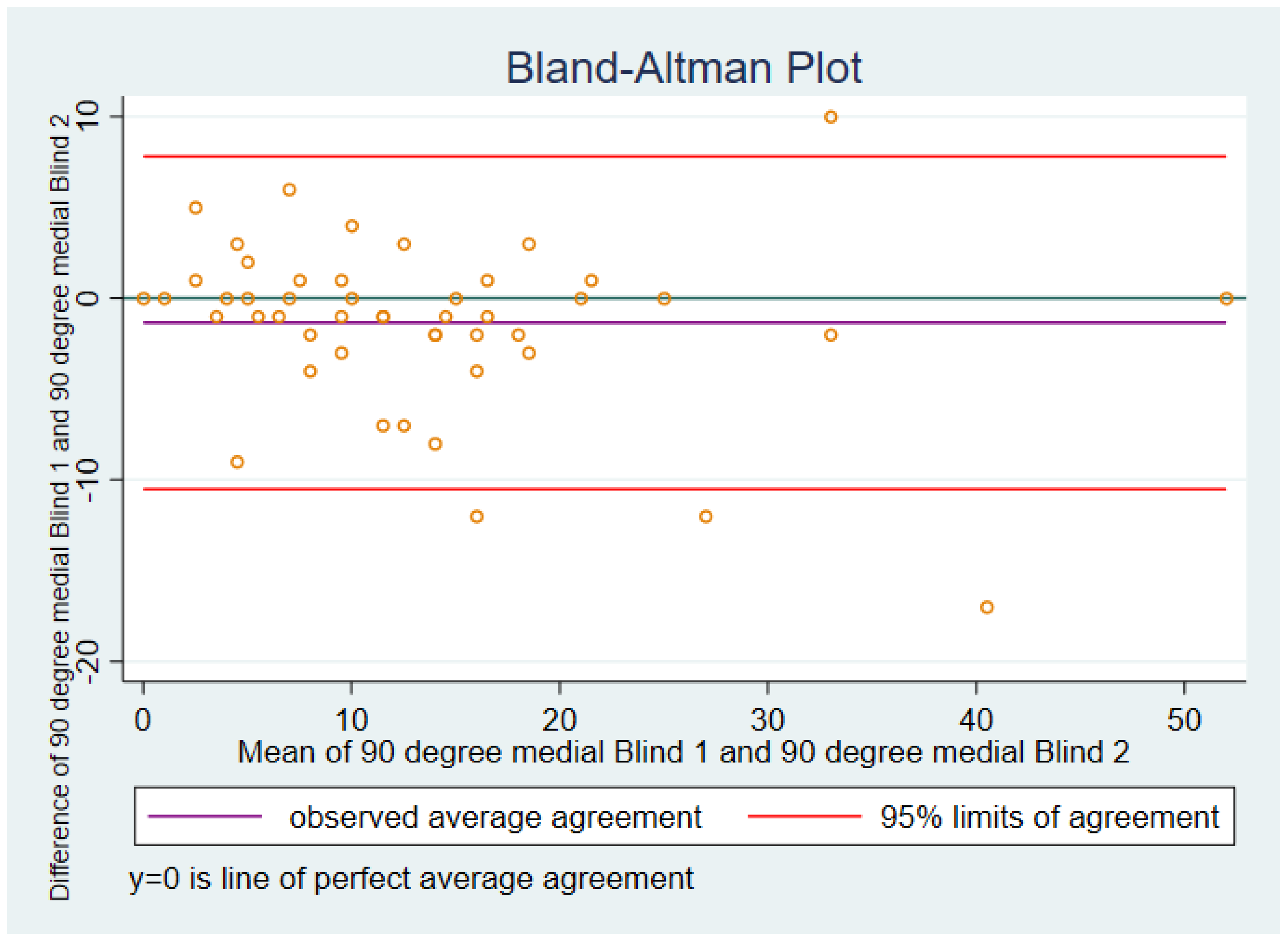
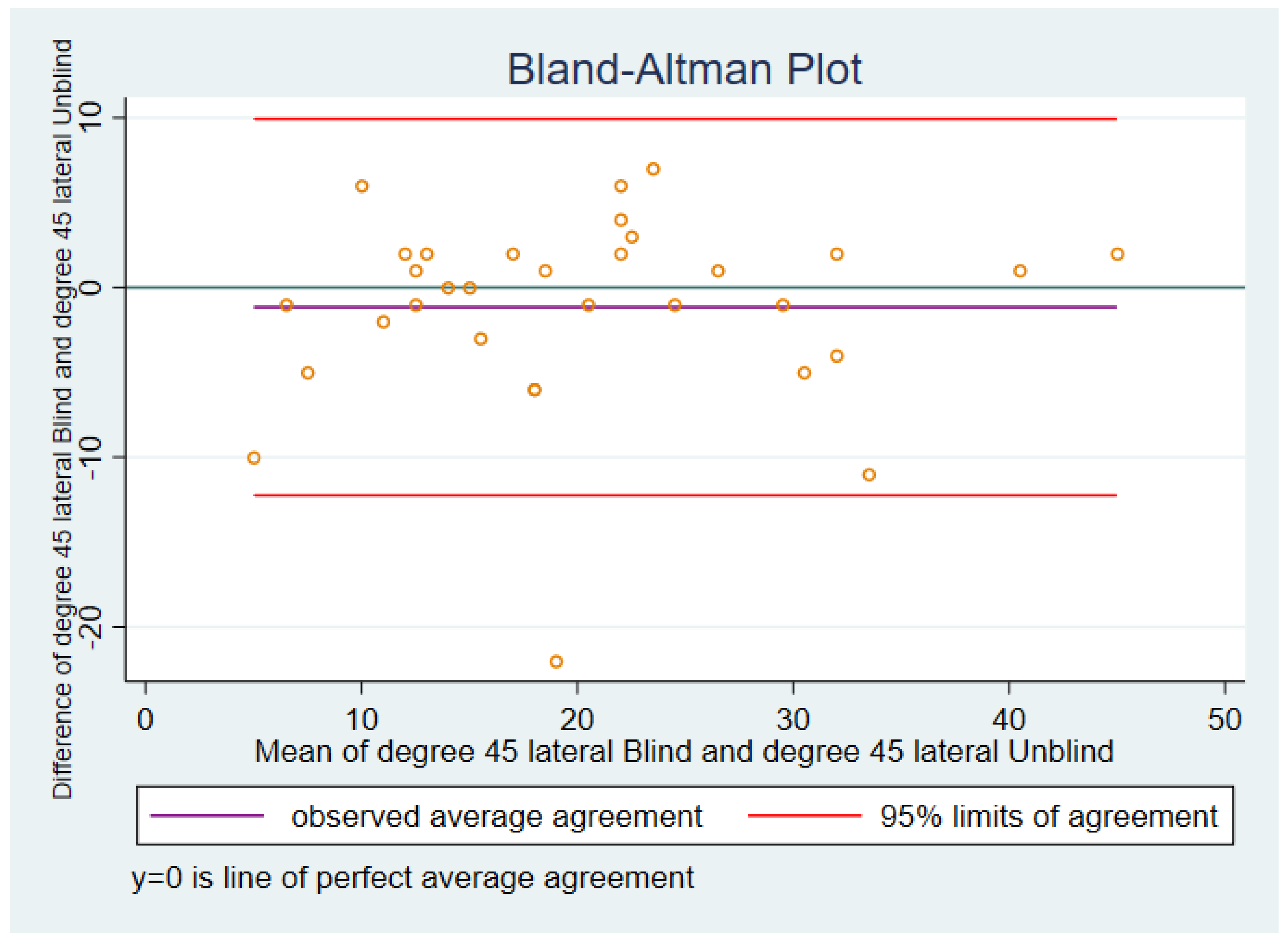
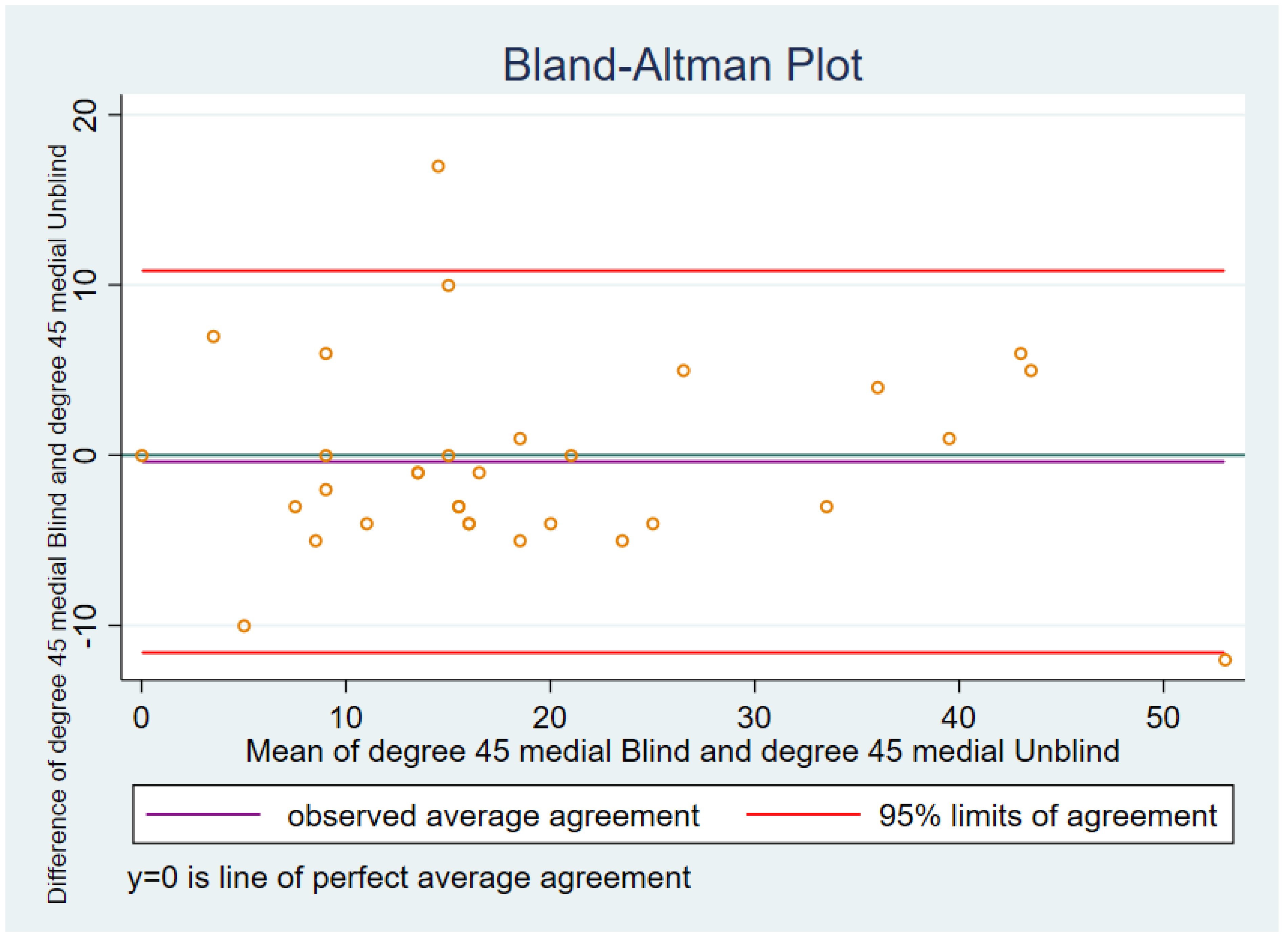
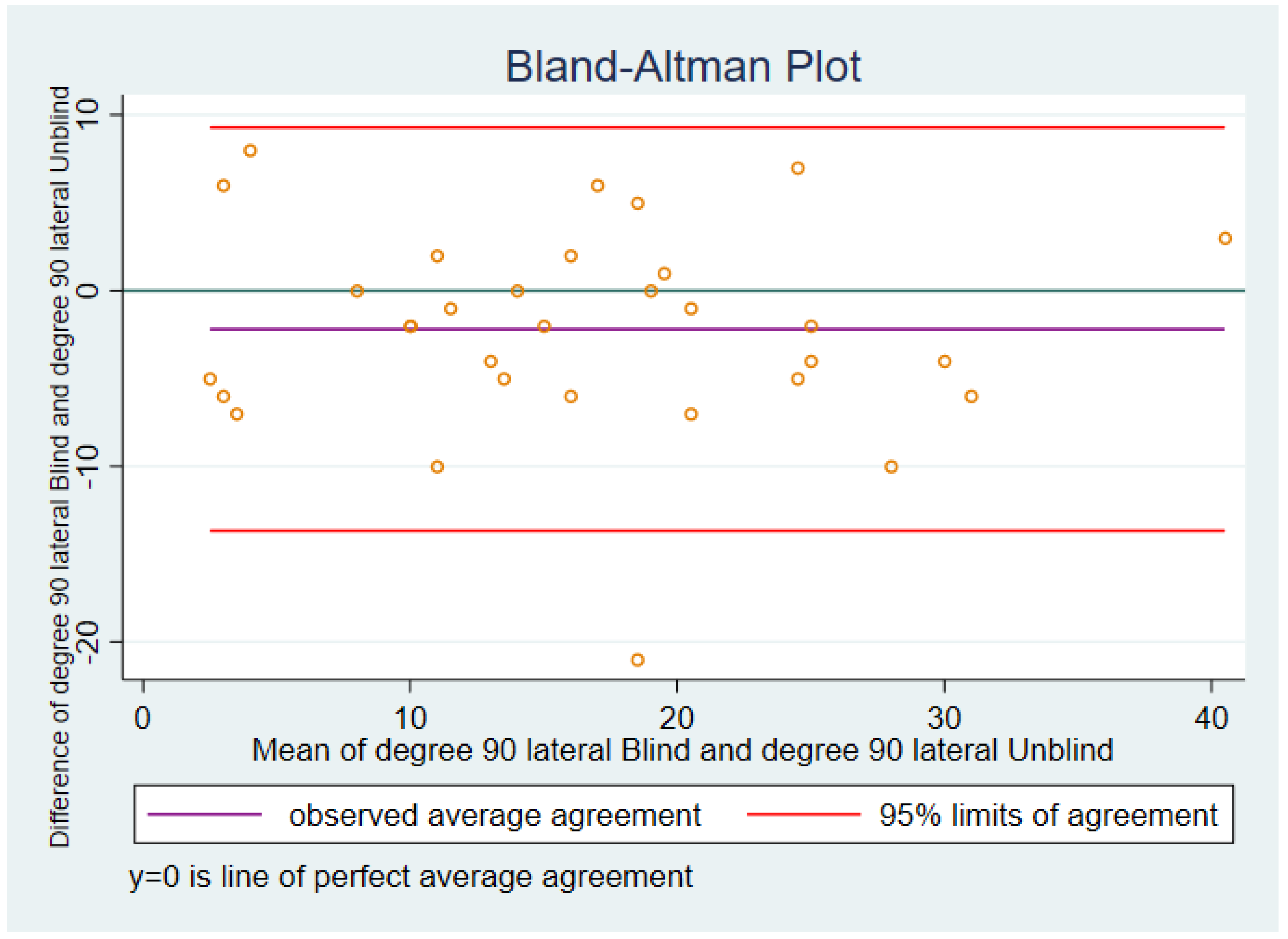
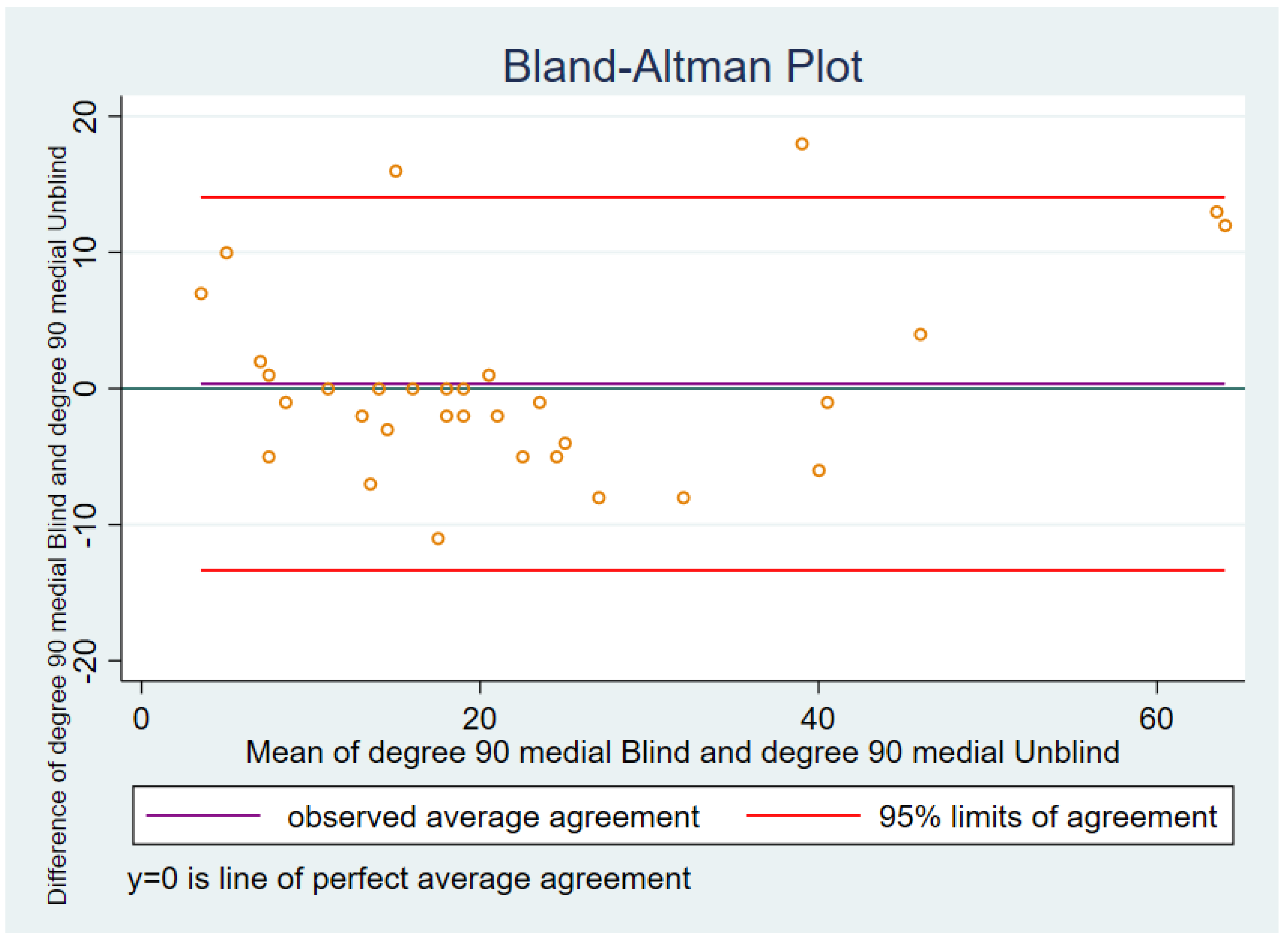
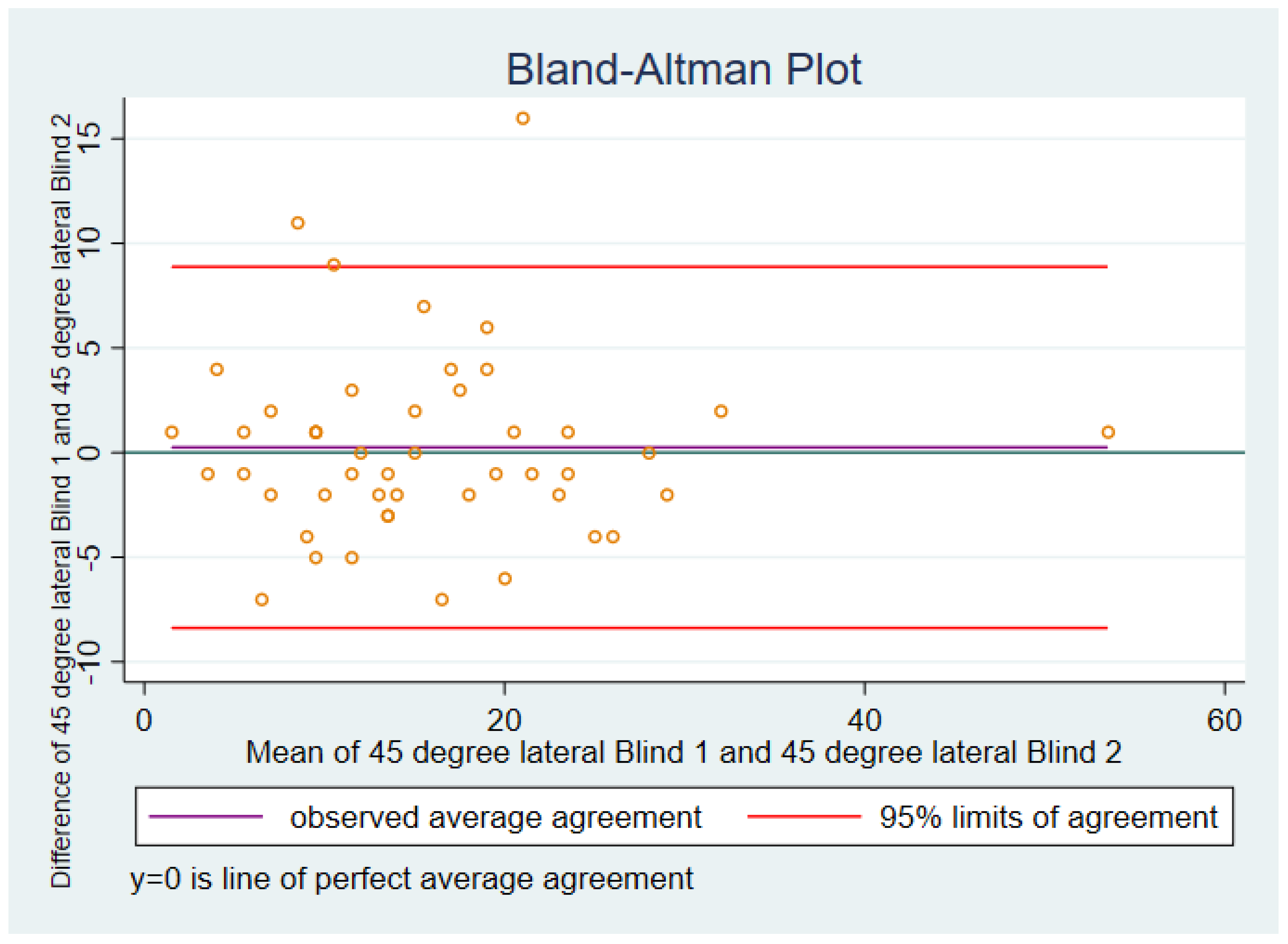
Appropriate soft tissue tension in total knee replacement (TKR) is an important factor for a successful outcome. The purpose of our study was to assess both the reproducibility of a modern intraoperative pressure sensor (IOP) and if a surgeon could unconsciously influence measurement. A consecutive series of 80 TKRs were assessed with an IOP between January 2018 and December 2020. In the first scenario, two blinded sequential measurements in 48 patients were taken; in a second scenario, an initial blinded measurement and a subsequent unblinded measurement in 32 patients were taken while looking at the sensor monitor screen. Reproducibility was assessed by intraclass correlation coefficients (ICCs). In the first scenario, the ICC ranged from 0.83 to 0.90, and in the second scenario it ranged from 0.80 to 0.90. All ICCs were 0.80 or higher, indicating reproducibility using a IOP and that a surgeon may not unconsciously influence the measurement. The use of a modern IOP to measure soft tissue tension in TKRs is a reproducible technique. A surgeon observing the measurements while performing IOP may not significantly influence the result. An IOP gives additional information that the surgeon can use to optimize outcomes in TKR.
Keywords: intraoperative pressure sensor; total knee replacement; ligament balancing; soft tissue tension; outcomes intraoperative pressure sensor; total knee replacement; ligament balancing; soft tissue tension; outcomes