Article

Risk Assessment for the Use of Drones in Warehouse Operations in the First Phase of Introducing the Service to the Market


by
Agnieszka A. Tubis
1,*,
Jacek Ryczyński
2 and
Arkadiusz Żurek
3
1
Department of Technical Systems Operation and Maintenance, Faculty of Mechanical Engineering, Wroclaw University of Science and Technology, Wyspianskiego Street 27, 50-370 Wroclaw, Poland
2
Faculty of Security Sciences, Institute of Safety Engineering, Tadeusz Kosciuszko Military University of Land Forces (MULF), Czajkowskiego Street 109, 51-147 Wroclaw, Poland
3
Faculty of Technical and Economic Science, Witelon State University of Applied Sciences in Legnica, Sejmowa Street 5A, 59-220 Legnica, Poland
*
Author to whom correspondence should be addressed.
Sensors 2021, 21(20), 6713; https://doi.org/10.3390/s21206713
Submission received: 20 August 2021 / Revised: 4 October 2021 / Accepted: 6 October 2021 / Published: 9 October 2021

Abstract

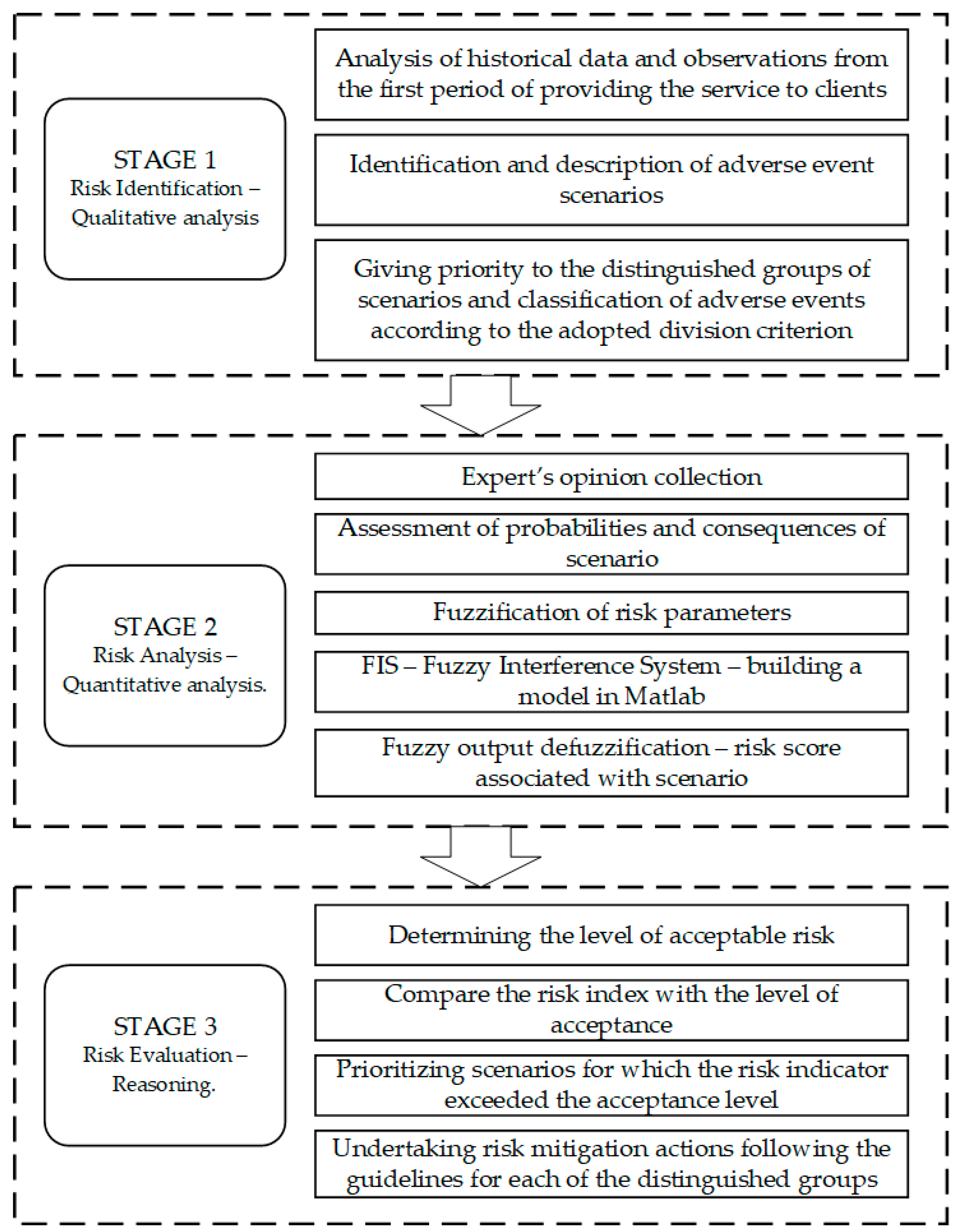
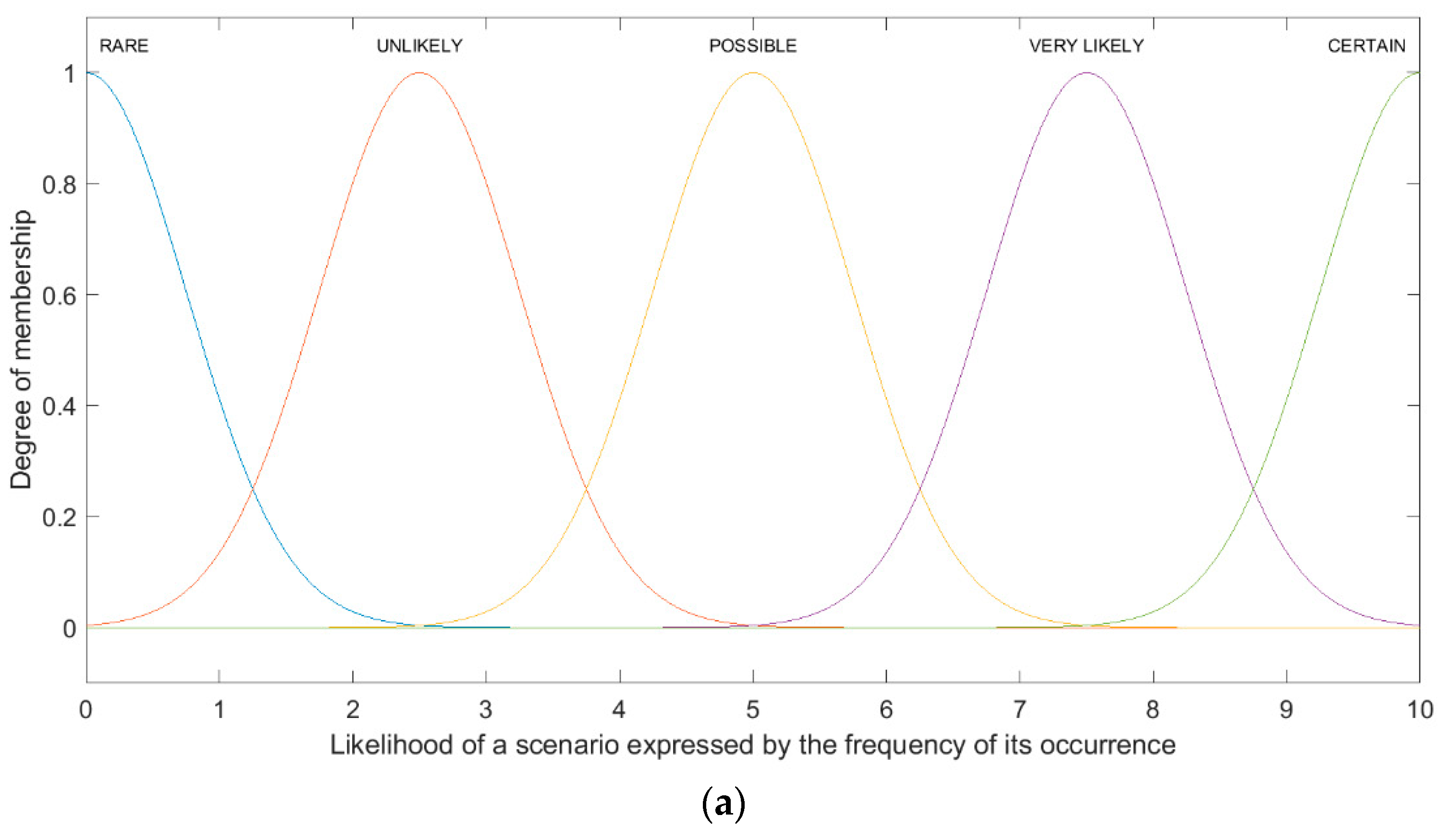
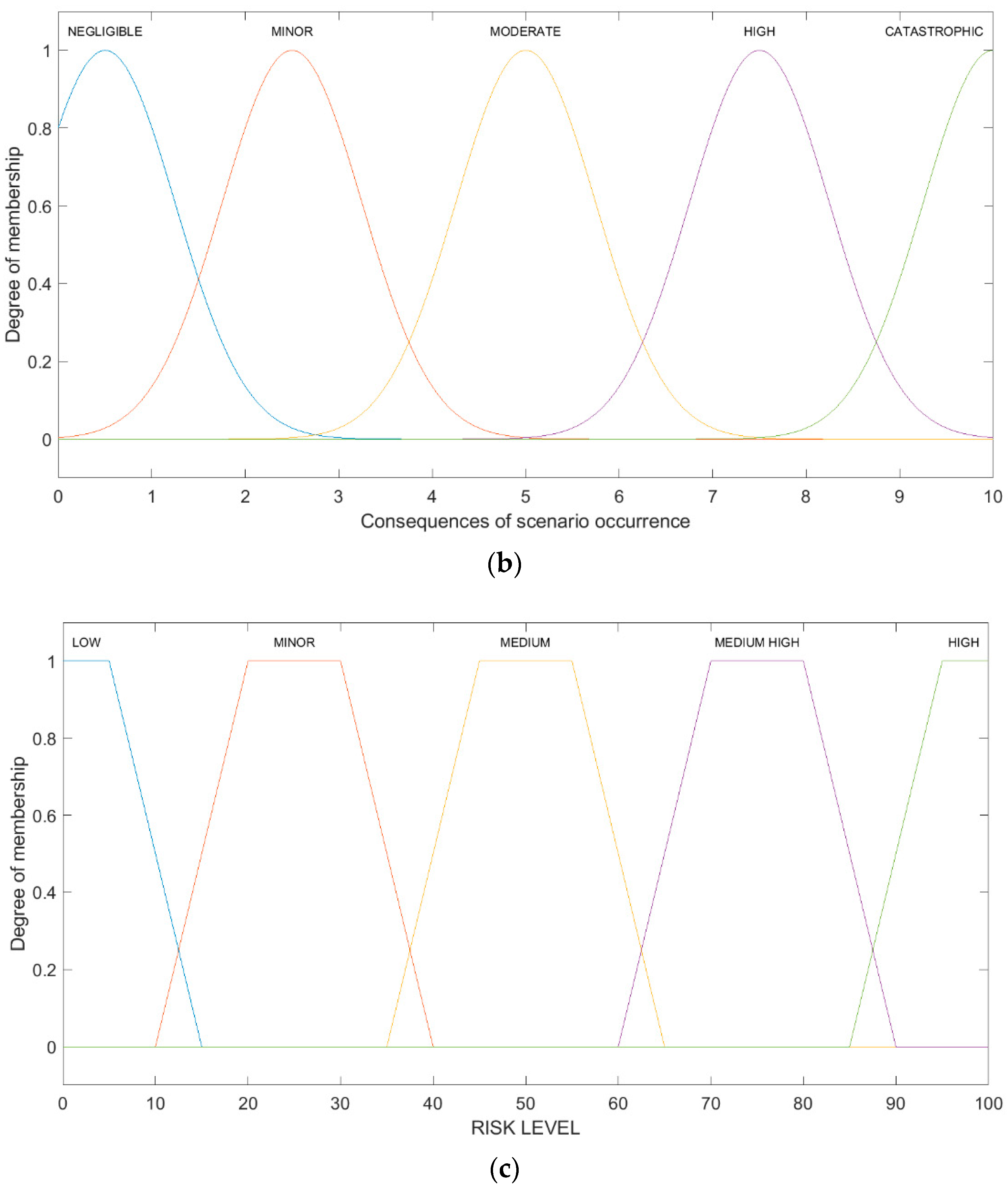
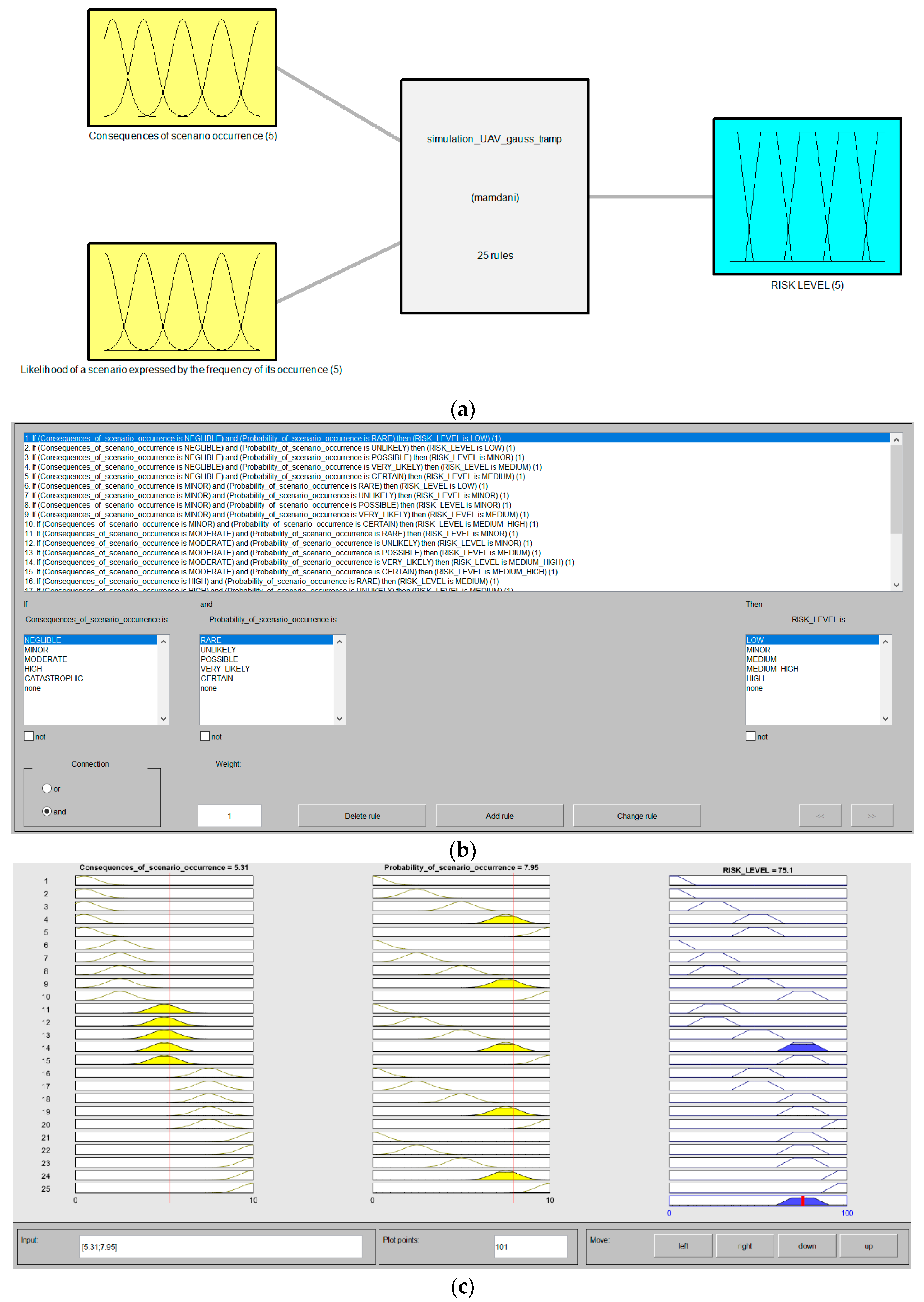
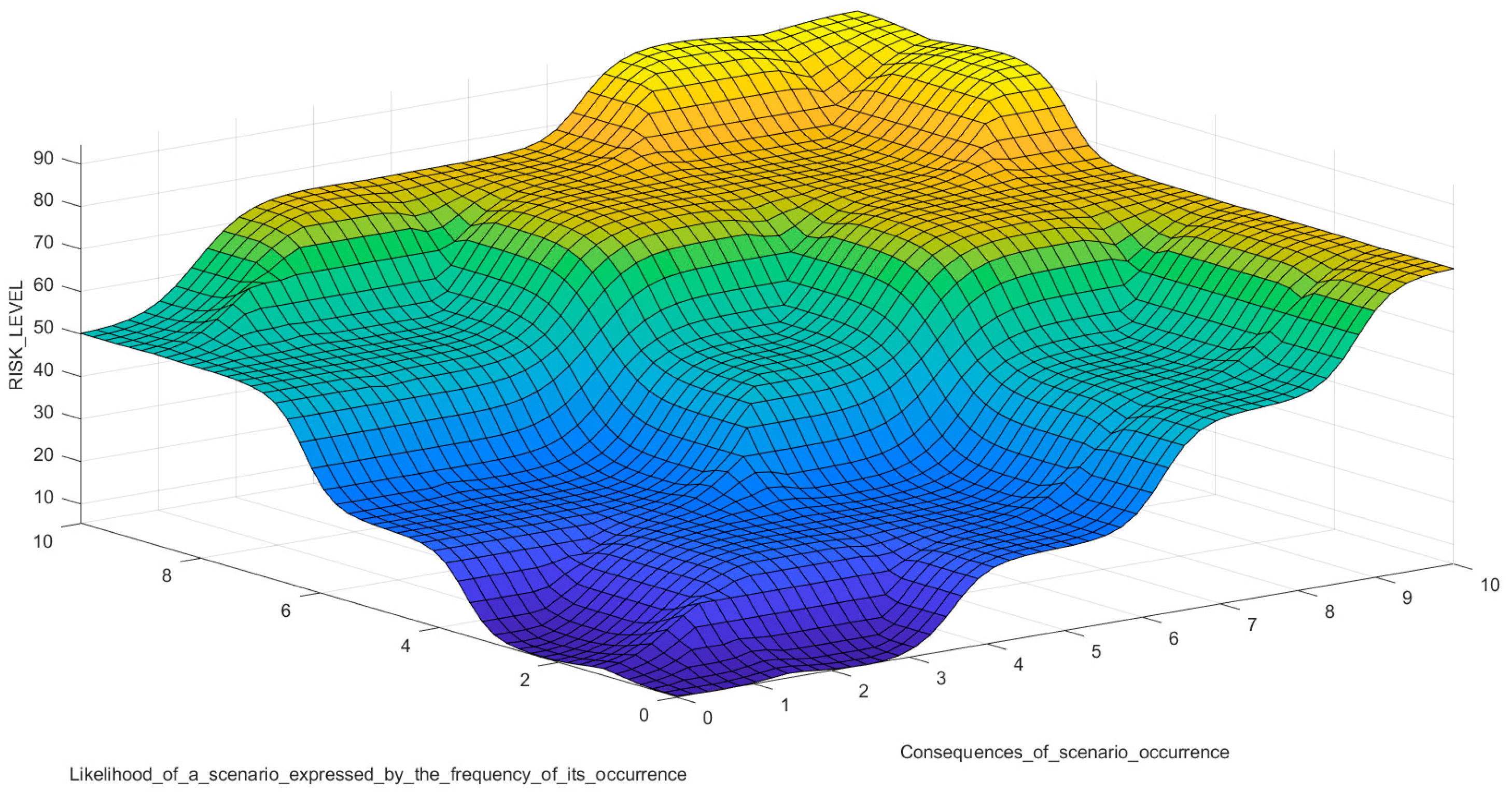
Services, unlike products, are intangible, and their production and consumption take place simultaneously. The latter feature plays a crucial role in mitigating the identified risk. This article presents the new approach to risk assessment, which considers the first phase of introducing the service to the market and the specificity of UAV systems in warehouse operations. The fuzzy logic concept was used in the risk analysis model. The described risk assessment method was developed based on a literature review, historical data of a service company, observations of development team members, and the knowledge and experience of experts’ teams. Thanks to this, the proposed approach considers the current knowledge in studies and practical experiences related to the implementation of drones in warehouse operations. The proposed methodology was verified on the example of the selected service for drones in the magazine inventory. The conducted risk analysis allowed us to identify ten scenarios of adverse events registered in the drone service in warehouse operations. Thanks to the proposed classification of events, priorities were assigned to activities requiring risk mitigation. The proposed method is universal. It can be implemented to analyze logistics services and support the decision-making process in the first service life phase.
Keywords: New Service Development; unmanned aerial system; risk assessment; warehouse operations; Logistics 4.0 New Service Development; unmanned aerial system; risk assessment; warehouse operations; Logistics 4.0