
Review

The Terebelliformia-Recent Developments and Future Directions
by
Pat Hutchings
1,2,*,
Orlemir Carrerette
3,
João M. M. Nogueira
4,
Stephane Hourdez
5 and
Nicolas Lavesque
6
1
Australian Museum Research Institute, Australian Museum, Sydney, NSW 2010, Australia
2
Biological Sciences, Macquarie University, North Ryde, NSW 2109, Australia
3
Laboratório de Ecologia e Evolução de Mar Profundo, Instituto Oceanográfico, Universidade de São Paulo, Cidade Universitária, São Paulo 05508-090, Brazil
4
Laboratório de Poliquetologia, Departamento de Zoologia, Instituto de Biociências, Universidade de São Paulo, Rua do Matão, Travessa 14, n. 101, São Paulo 05508-090, Brazil
5
CNRS, Sorbonne Université, LECOB, UMR 8222, Observatoire Océanologique de Banyuls, 1 Avenue Pierre Fabre, 66650 Banyuls-sur-Mer, France
6
CNRS, Université Bordeaux, EPOC, UMR 5805, Station Marine d’Arcachon, 33120 Arcachon, France
*
Author to whom correspondence should be addressed.
Diversity 2021, 13(2), 60; https://doi.org/10.3390/d13020060
Submission received: 31 December 2020 / Revised: 28 January 2021 / Accepted: 28 January 2021 / Published: 3 February 2021
(This article belongs to the Special Issue Systematics and Diversity of Annelids)

Abstract

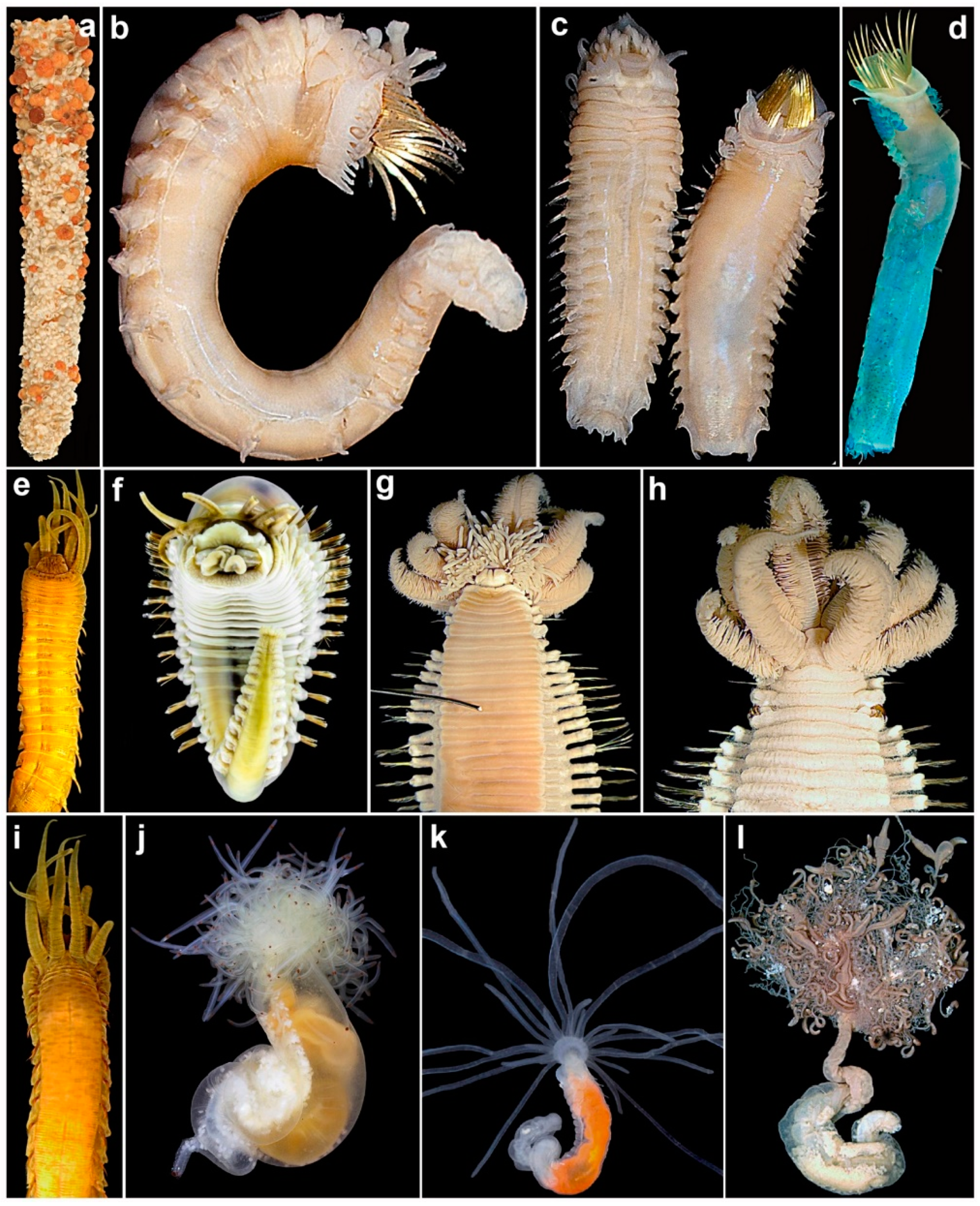
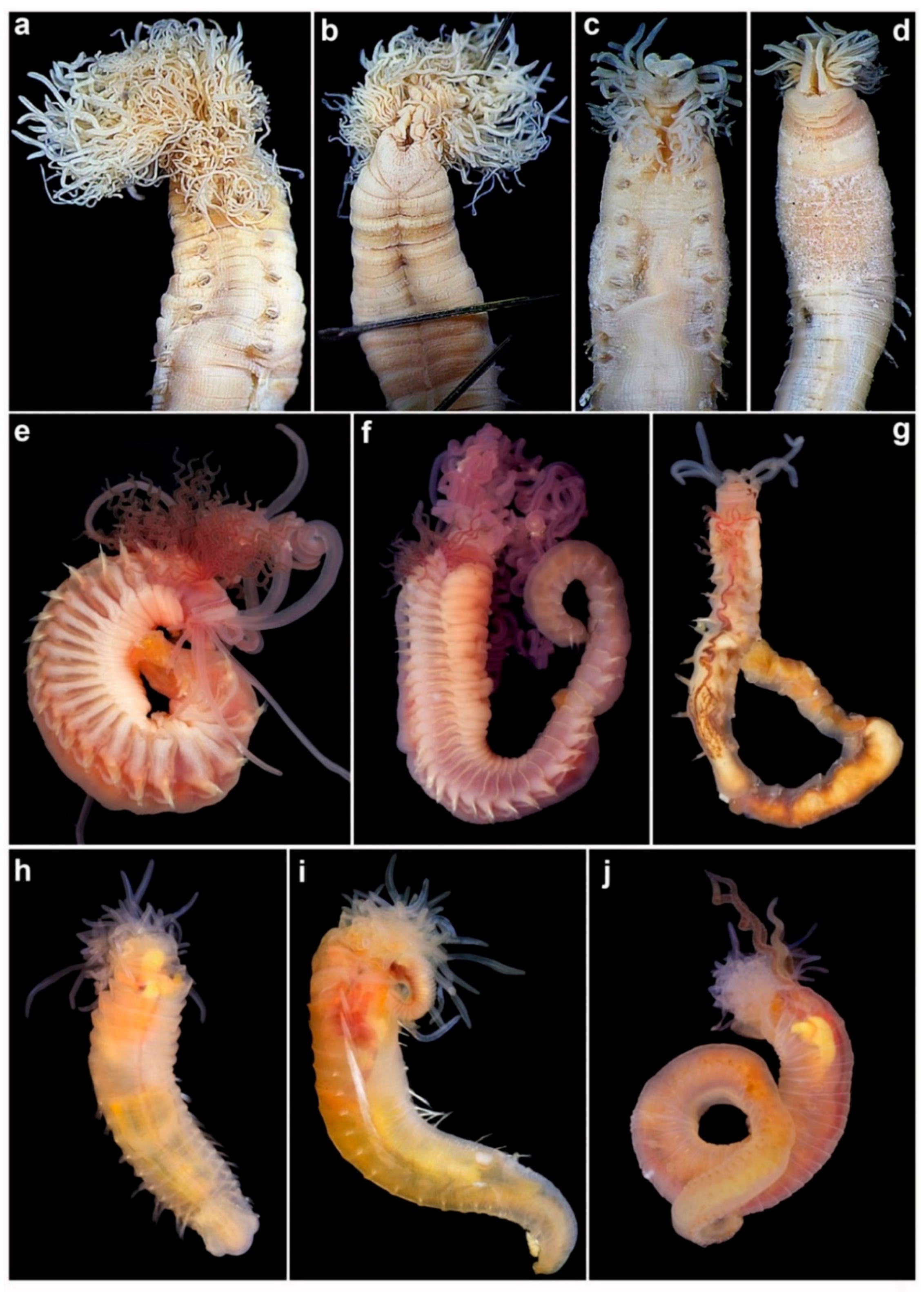
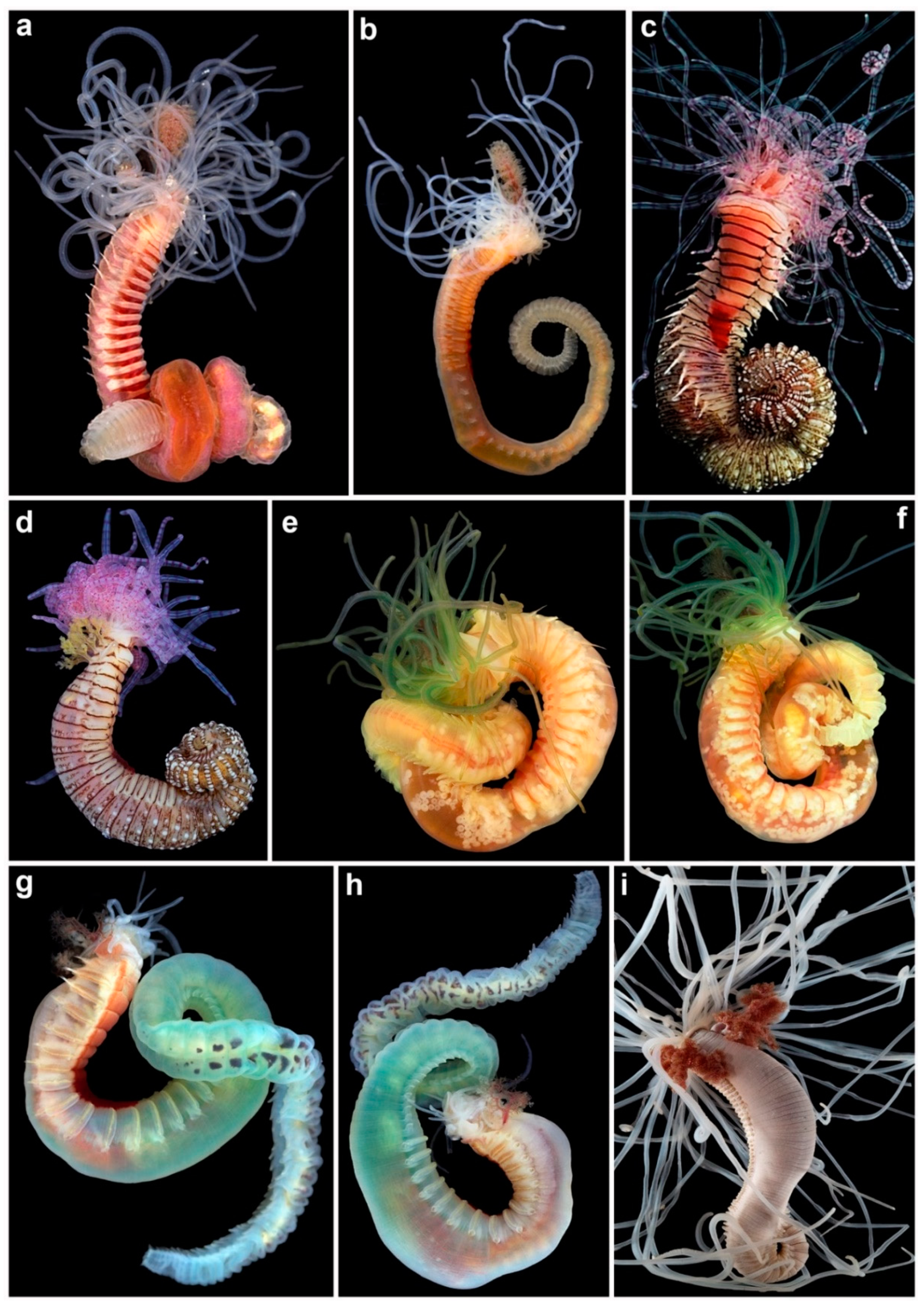
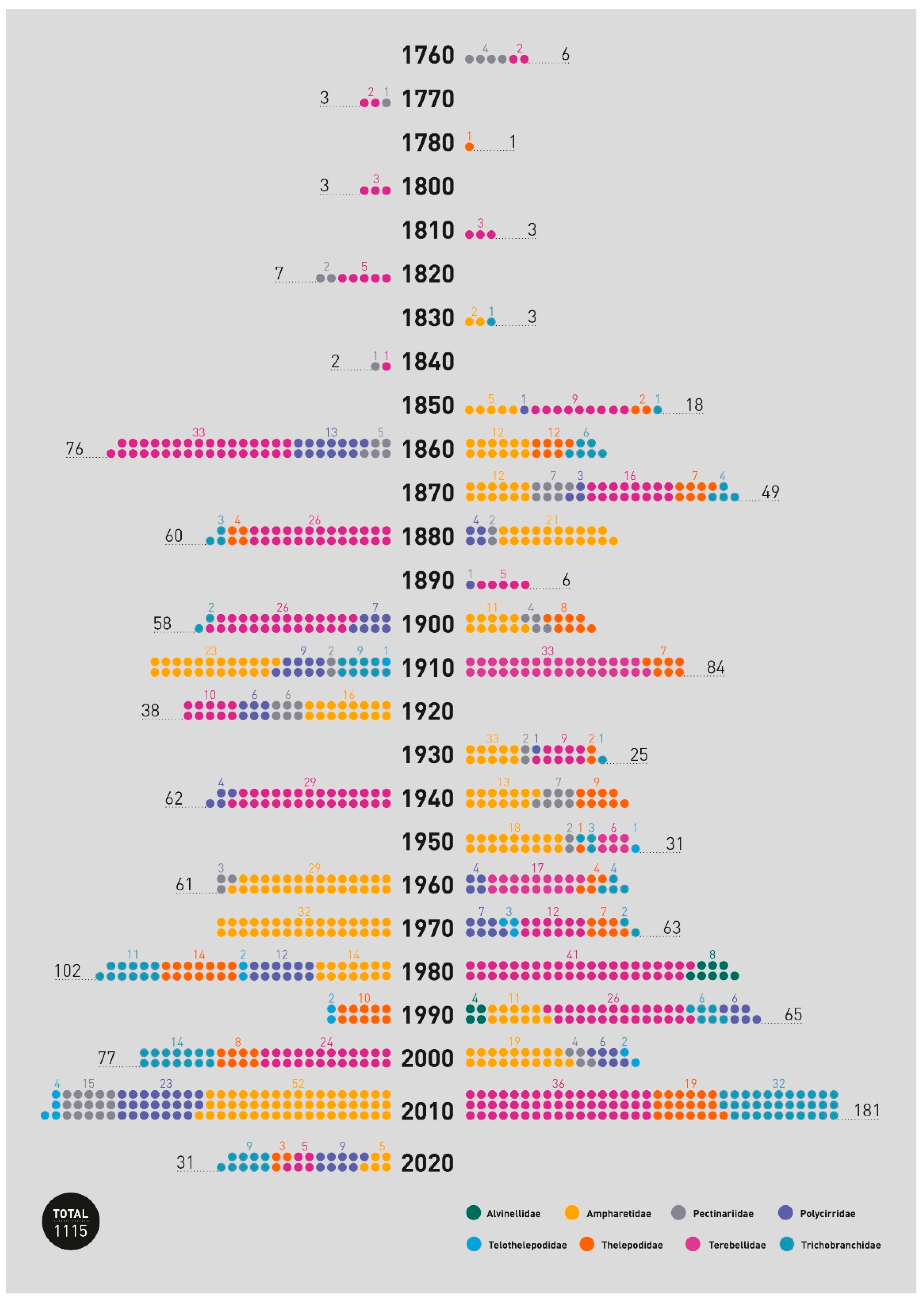
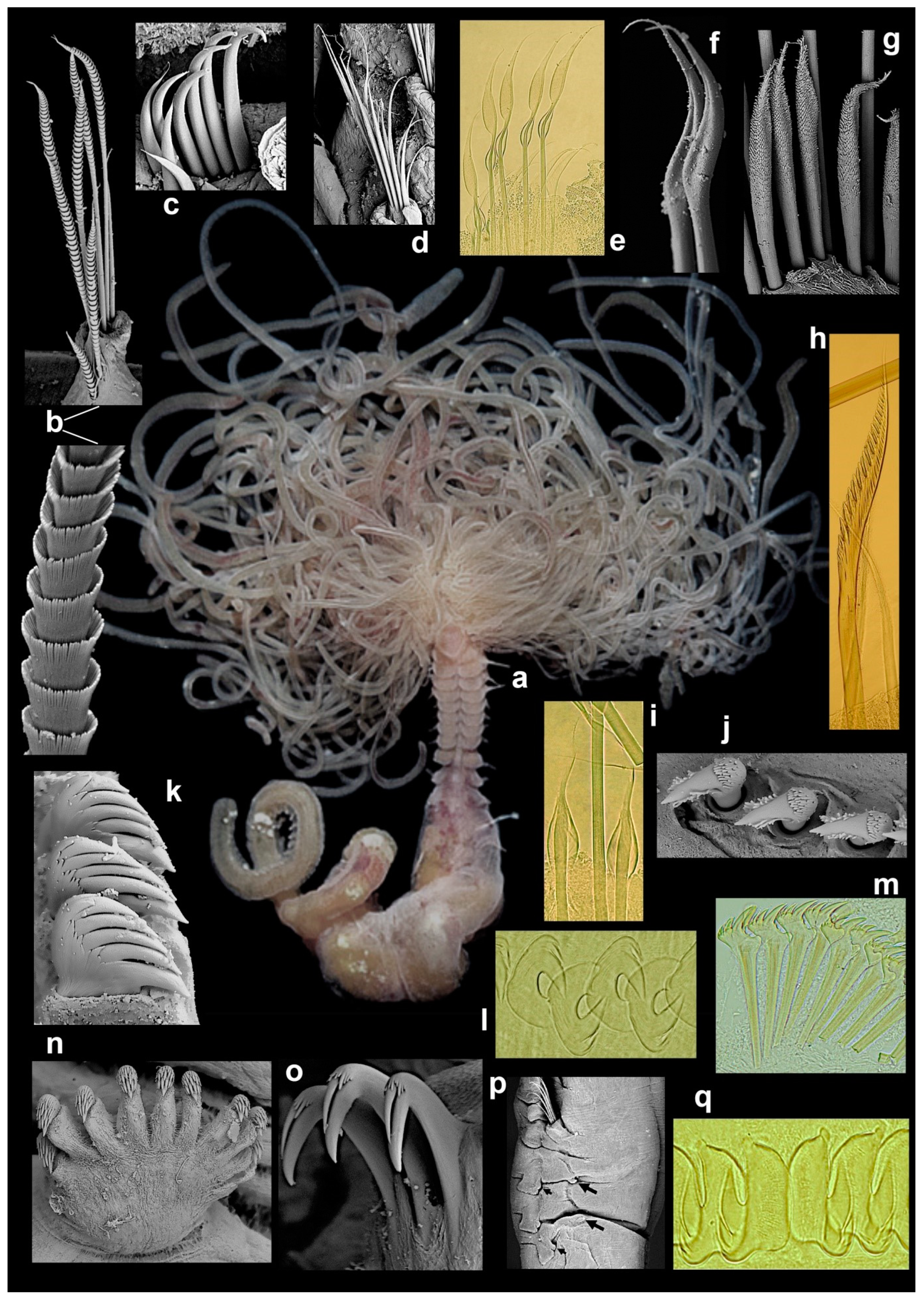
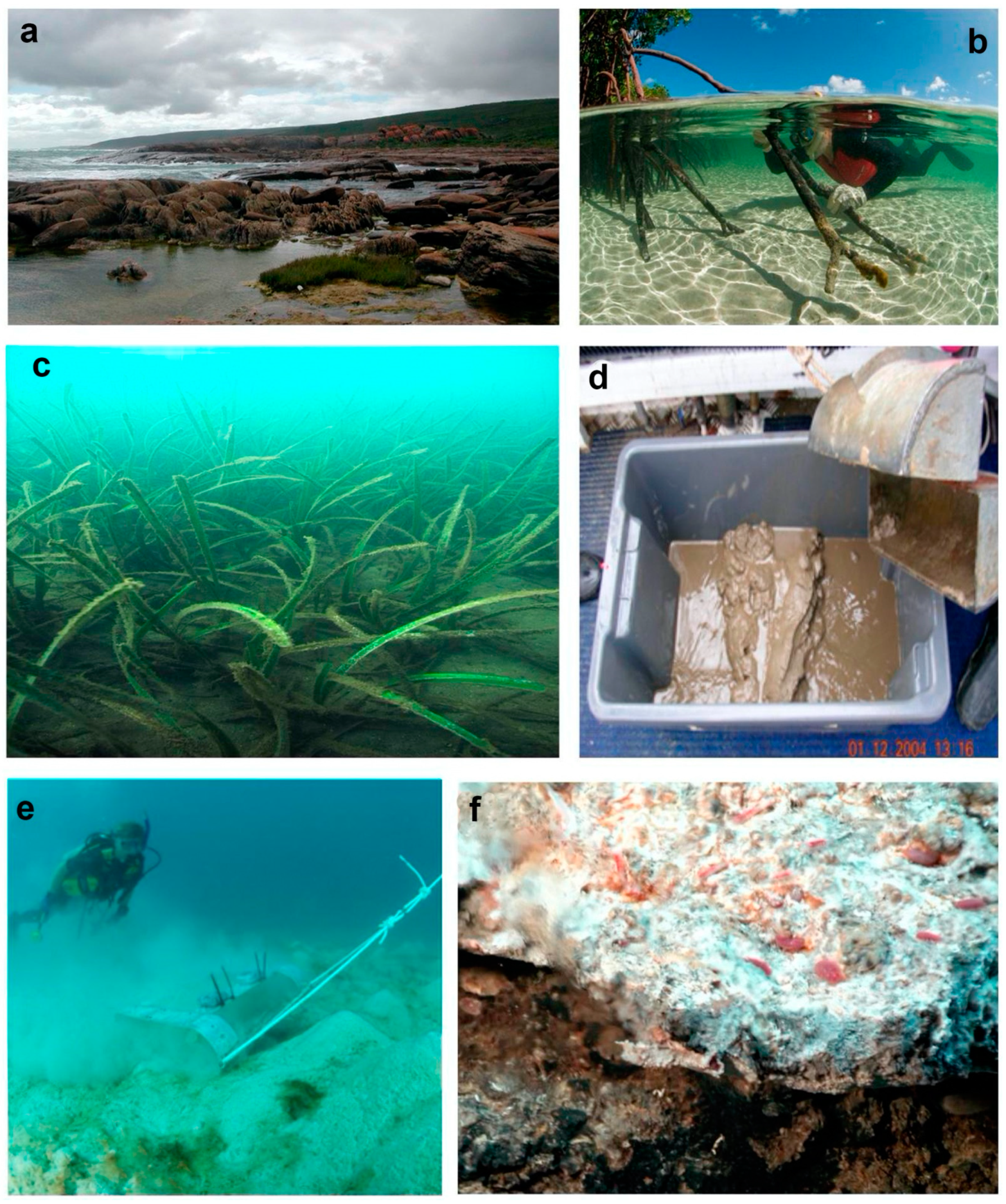
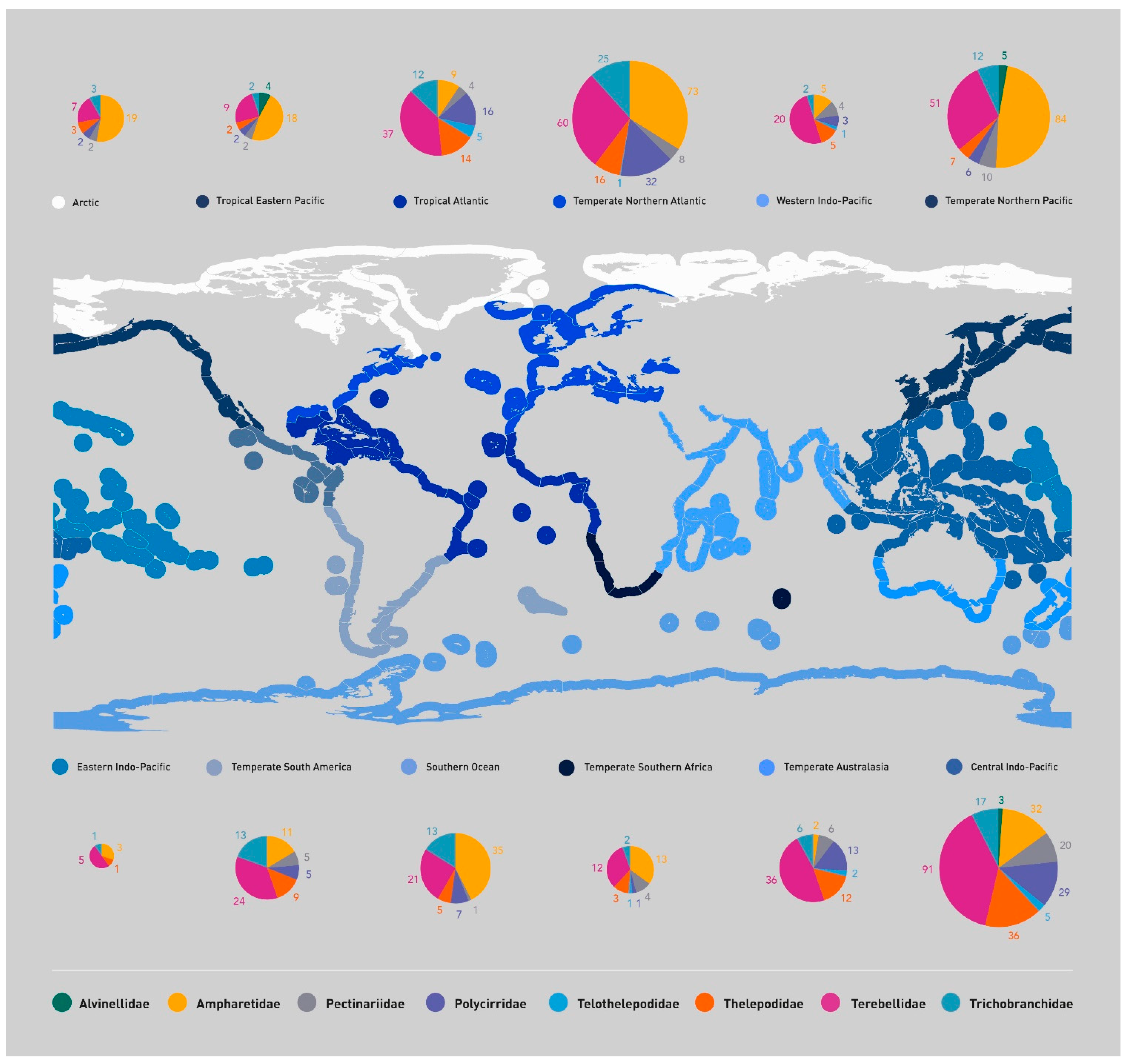
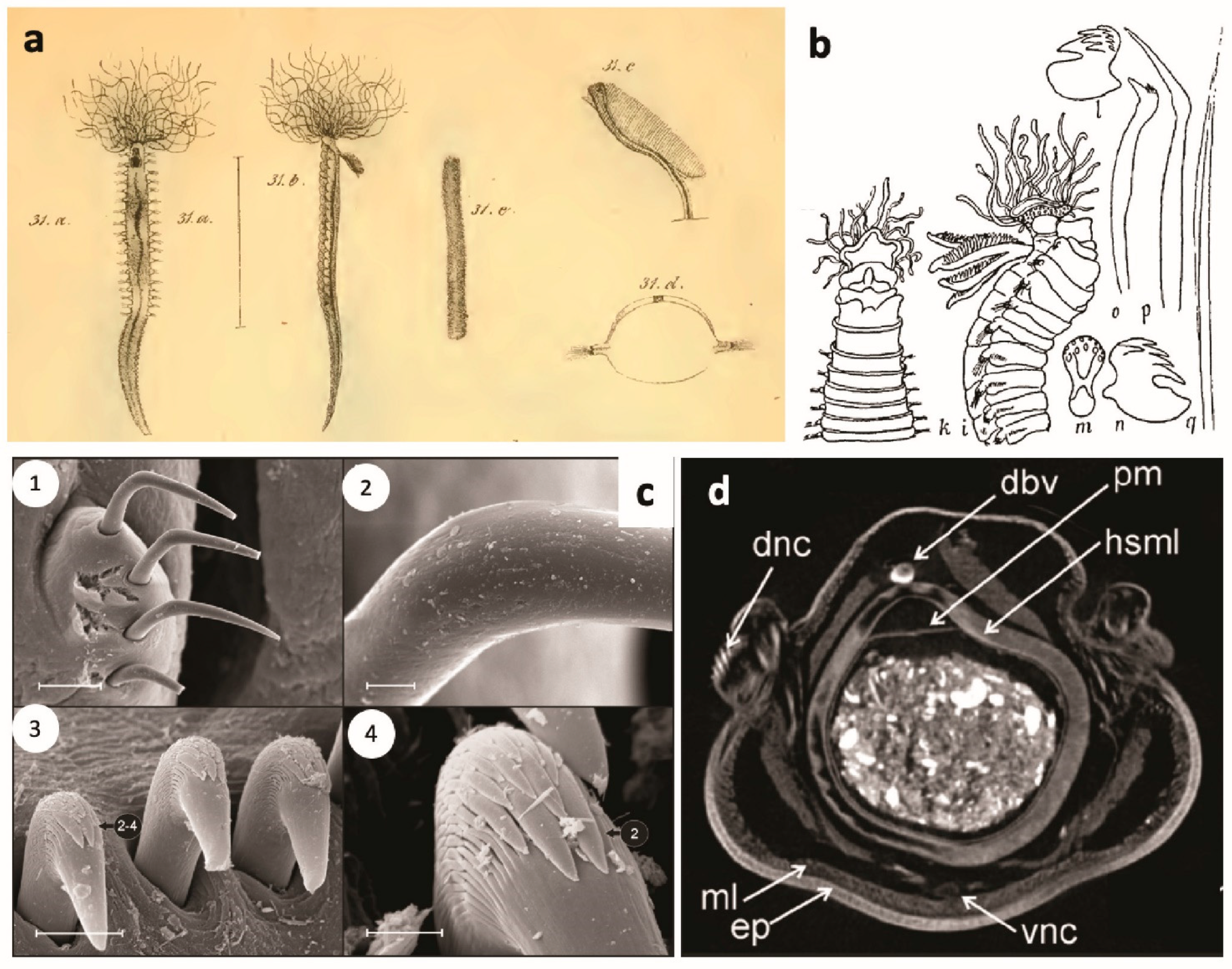
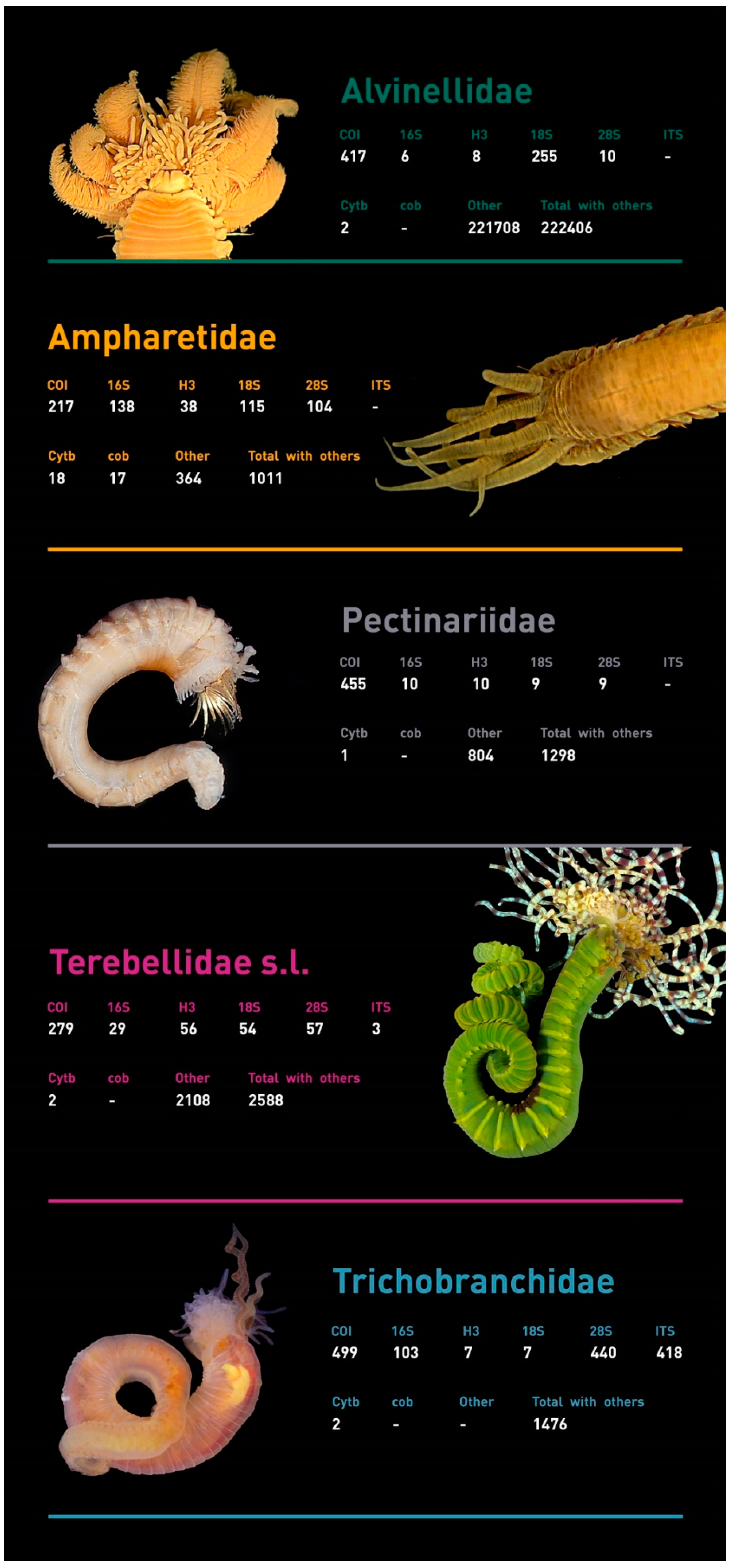
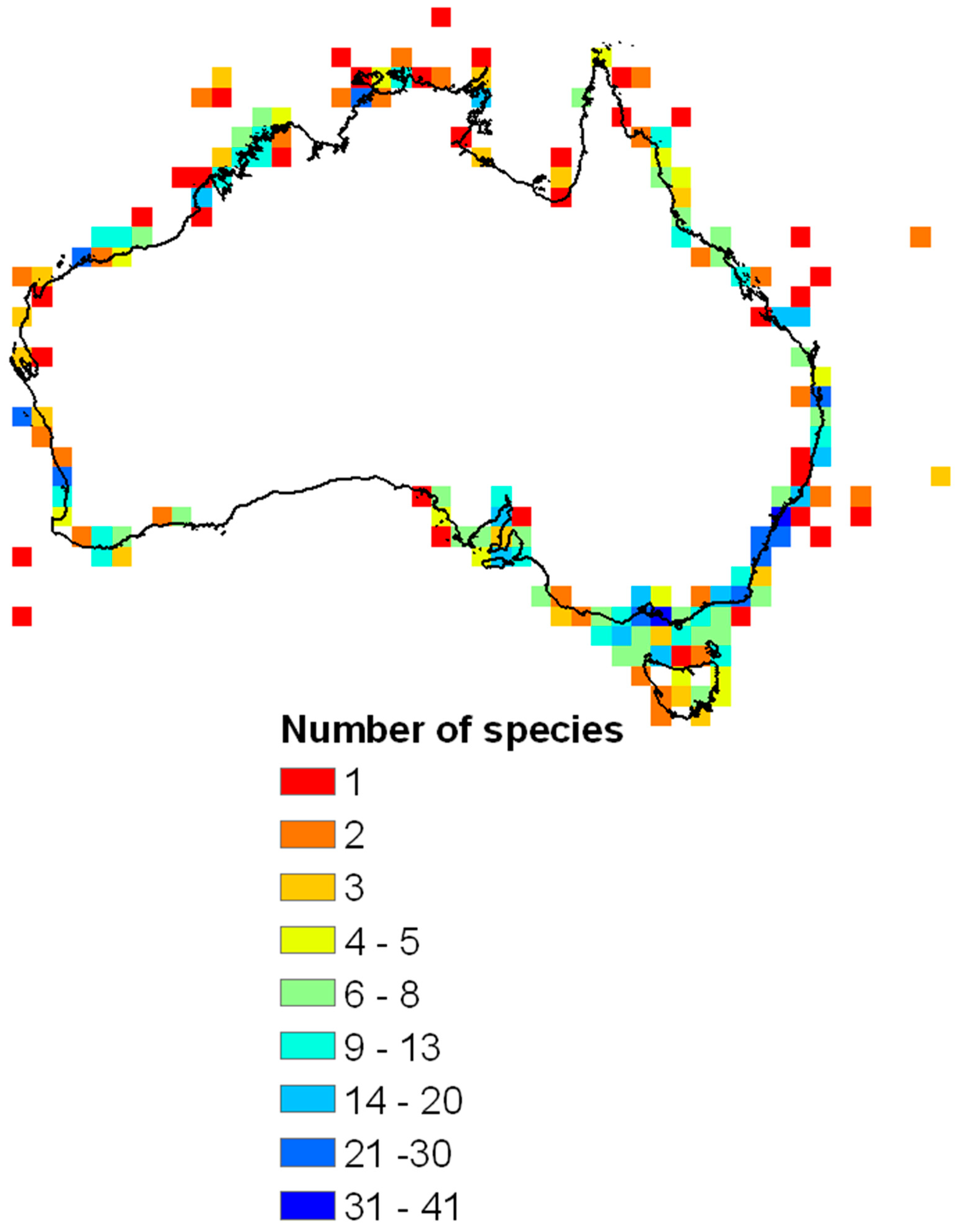
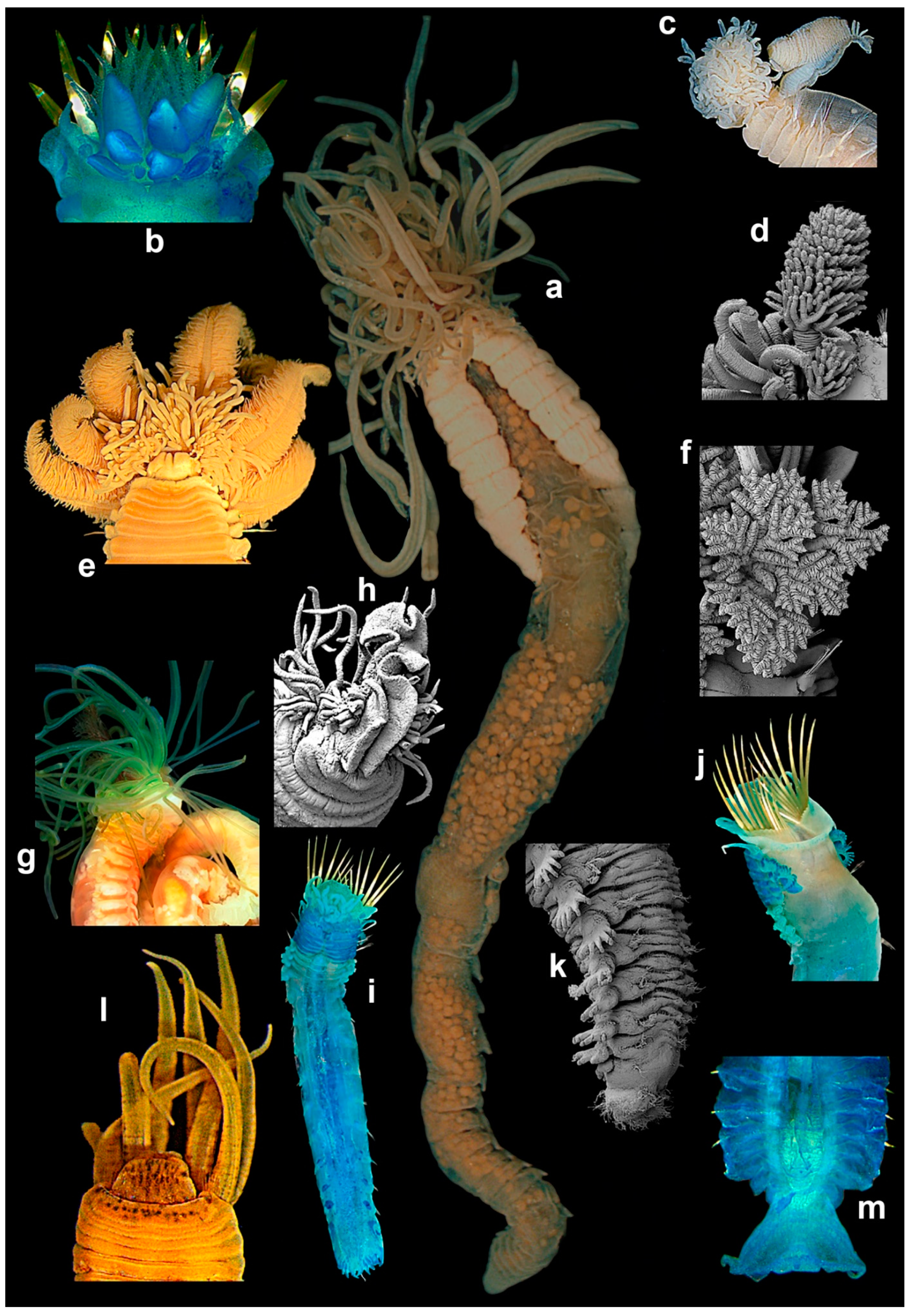
Terebelliformia comprises a large group of sedentary polychaetes which live from the intertidal to the deep sea. The majority live in tubes and are selective deposit feeders. This study synthesises the current knowledge of this group, including their distribution, in the different biogeographic regions. We highlight the new methodologies being used to describe them and the resolution of species complexes occurring in the group. The main aim of this review is to highlight the knowledge gaps and to stimulate research in those directions, which will allow for knowledge of their distribution and abundances to be used by ecologists and managers.
Keywords: Annelida; polychaetes; biodiversity assessment; geographical distribution; methods; knowledge gaps Annelida; polychaetes; biodiversity assessment; geographical distribution; methods; knowledge gaps