Effects of Common Fig (Ficus carica L.) and Its Extracts on Certain Cancer Types: Focusing on the Mechanism of Action

 , ,
, ,  , , and
Abstract
1. Introduction
2. Bioactive Compounds of F. Carica
3. Effects of F. carica on Cancer and Its Mechanism of Action
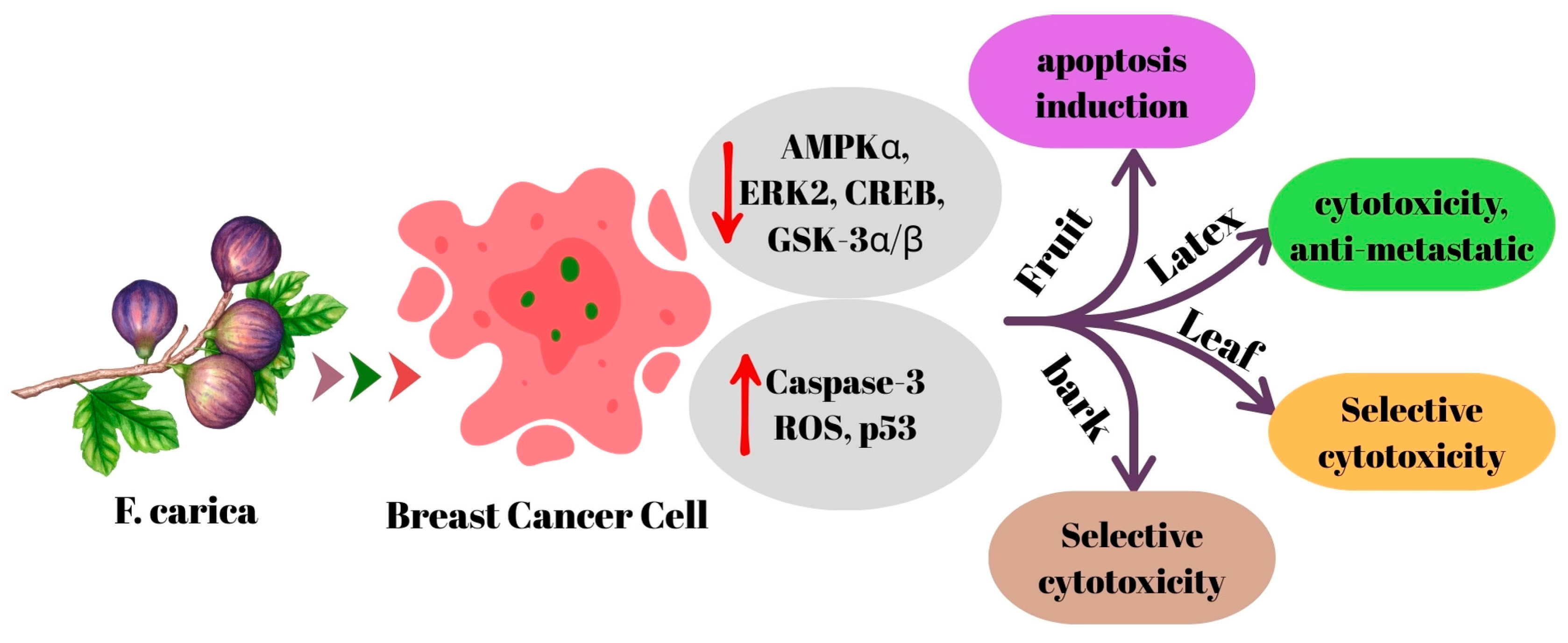
3.1. Breast Cancer
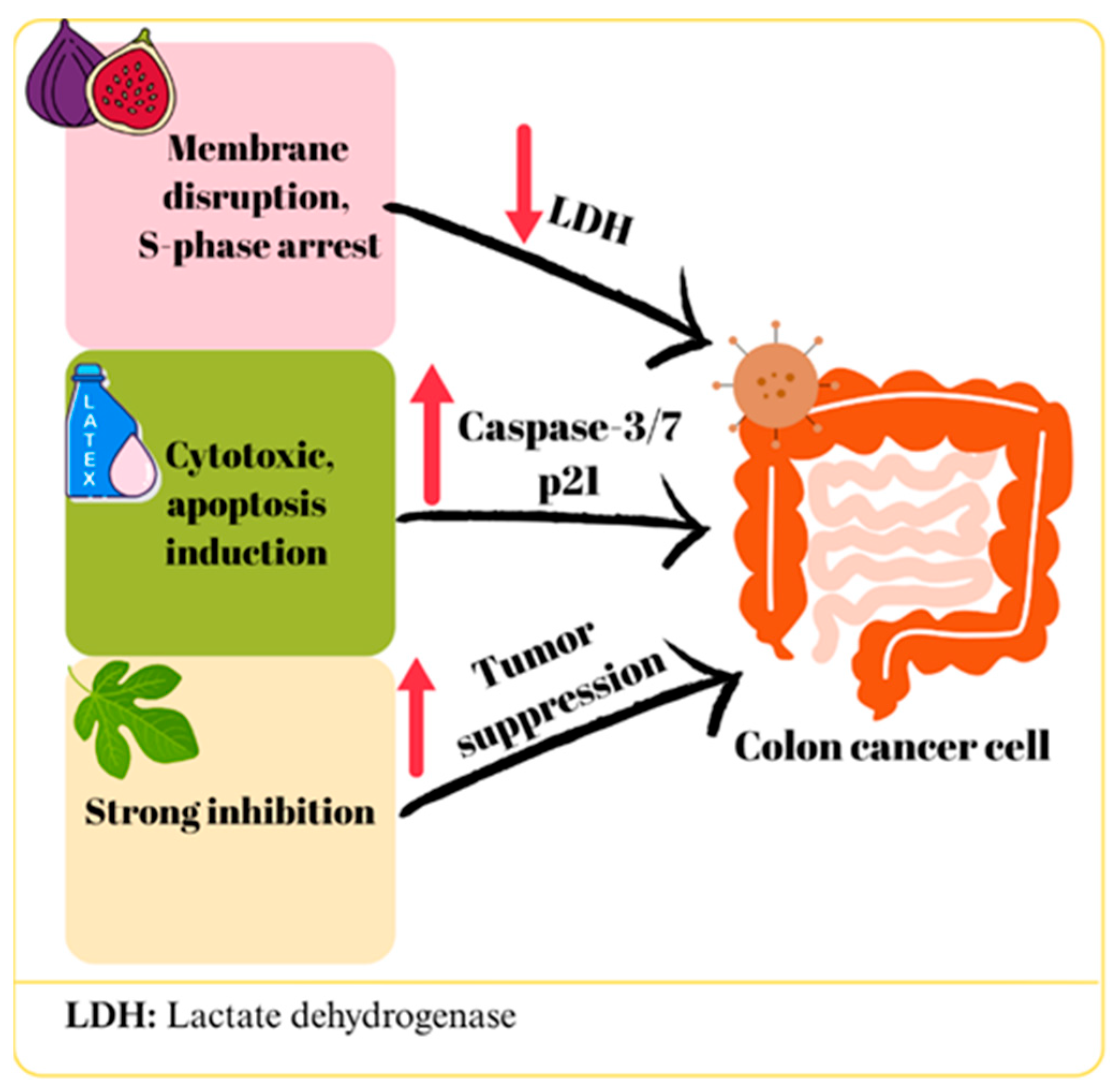
3.2. Colon Cancer
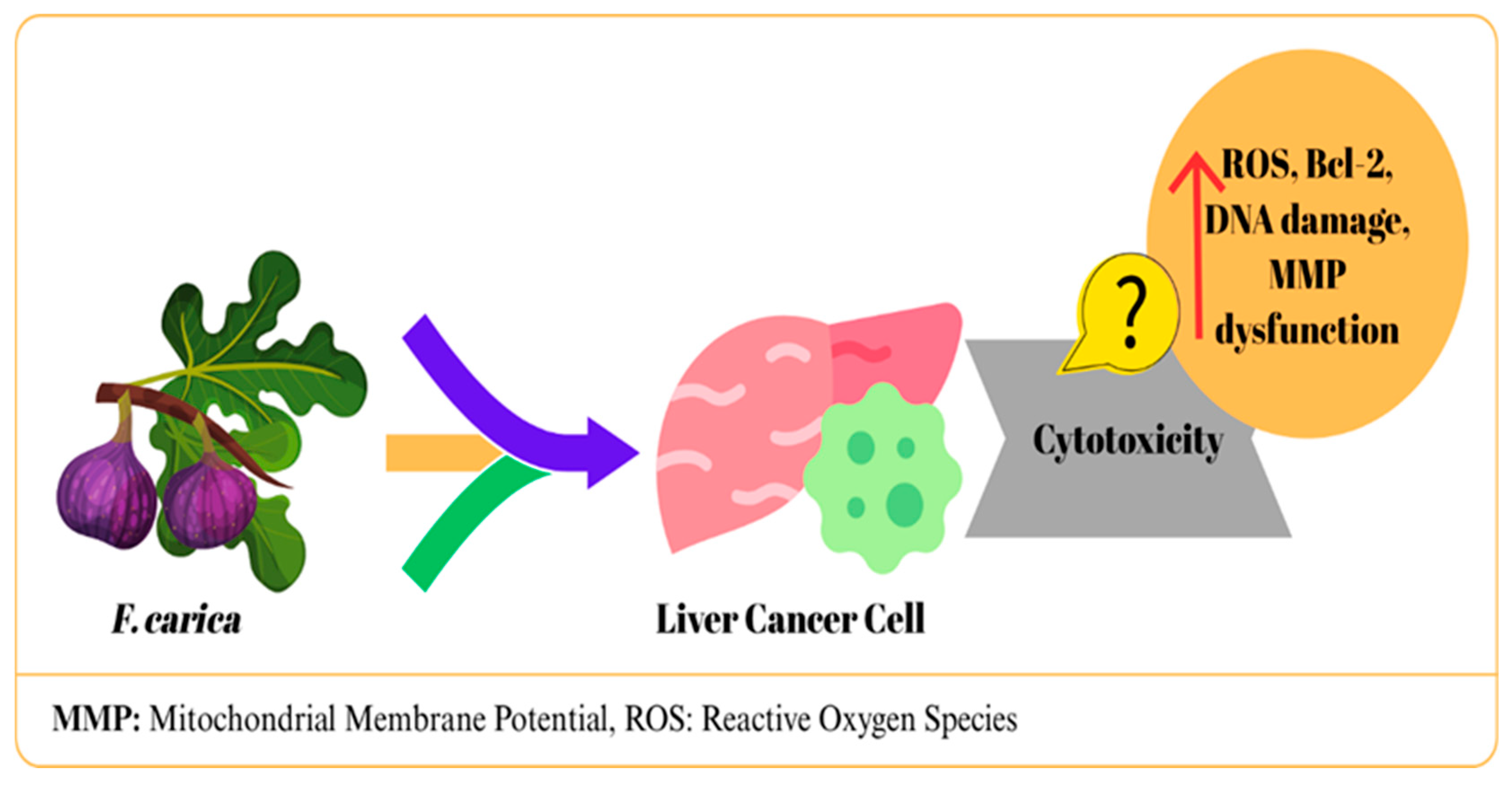
3.3. Liver Cancer
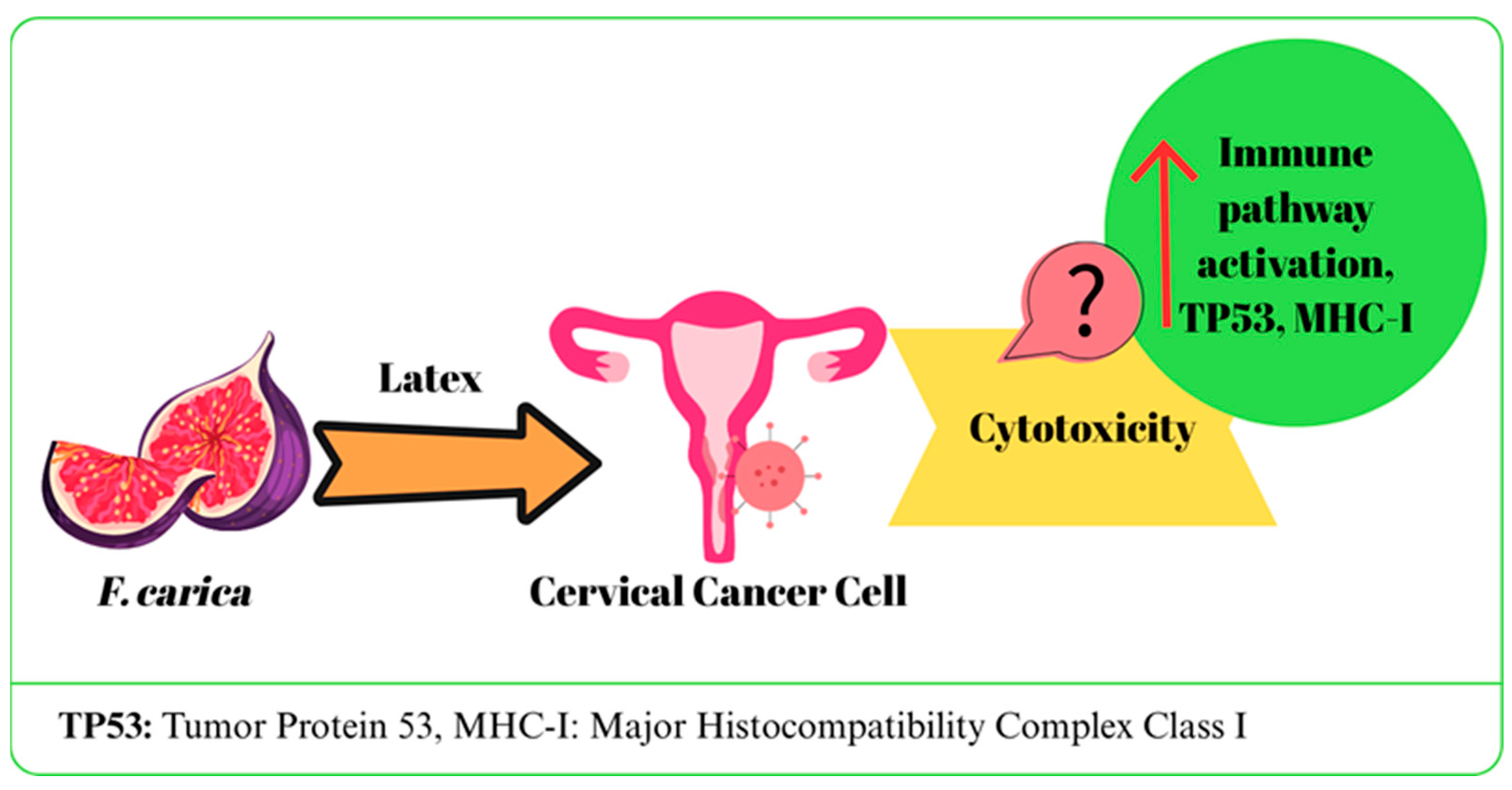
3.4. Cervical Cancer
3.5. Other Types of Cancer
3.6. Comparative Summary Across Cancer Types
3.7. Contradictions and Gaps
4. Safety
5. Discussion
6. Conclusions
Author Contributions
Funding
Institutional Review Board Statement
Informed Consent Statement
Data Availability Statement
Conflicts of Interest
References
- WHO. Cancer Fact Sheet. 2022. Available online: https://www.who.int/news-room/fact-sheets/detail/cancer (accessed on 4 December 2025).
- WHO. World Cancer Day. 2024. Available online: https://www.emro.who.int/media/news/world-cancer-day-2024.html (accessed on 4 December 2025).
- Zhou, R.; Tang, X.; Wang, Y. Emerging strategies to investigate the biology of early cancer. Nat. Rev. Cancer 2024, 24, 850–866. [Google Scholar] [CrossRef] [Scilit] [PubMed]
- Kiri, S.; Ryba, T. Cancer, metastasis, and the epigenome. Mol. Cancer 2024, 23, 154. [Google Scholar] [CrossRef] [Scilit] [PubMed]
- Ranjan, A.; Ramachandran, S.; Gupta, N.; Kaushik, I.; Wright, S.; Srivastava, S.; Das, H.; Srivastava, S.; Prasad, S.; Srivastava, S.K. Role of Phytochemicals in Cancer Prevention. Int. J. Mol. Sci. 2019, 20, 4981. [Google Scholar] [CrossRef] [Scilit]
- Liu, S.; Li, L.; Ren, D. Anti-Cancer Potential of Phytochemicals: The Regulation of the Epithelial-Mesenchymal Transition. Molecules 2023, 28, 5069. [Google Scholar] [CrossRef] [Scilit]
- Alzahrani, M.Y.; Alshaikhi, A.I.; Hazzazi, J.S.; Kurdi, J.R.; Ramadan, M.F. Recent insight on nutritional value, active phytochemicals, and health-enhancing characteristics of fig (Ficus craica). Food Saf. Health 2024, 2, 179–195. [Google Scholar] [CrossRef] [Scilit]
- Holic, R.; Xu, Y.; Caldo, K.M.P.; Singer, S.D.; Field, C.J.; Weselake, R.J.; Chen, G. Bioactivity and biotechnological production of punicic acid. Appl. Microbiol. Biotechnol. 2018, 102, 3537–3549. [Google Scholar] [CrossRef] [Scilit]
- Bohlooli, S.; Mohebipoor, A.; Mohammadi, S.; Kouhnavard, M.; Pashapoor, S. Comparative study of fig tree efficacy in the treatment of common warts (Verruca vulgaris) vs. cryotherapy. Int. J. Dermatol. 2007, 46, 524–526. [Google Scholar] [CrossRef] [Scilit]
- Stephen Irudayaraj, S.; Christudas, S.; Antony, S.; Duraipandiyan, V.; Naif Abdullah, A.D.; Ignacimuthu, S. Protective effects of Ficus carica leaves on glucose and lipids levels, carbohydrate metabolism enzymes and β-cells in type 2 diabetic rats. Pharm. Biol. 2017, 55, 1074–1081. [Google Scholar] [CrossRef] [Scilit]
- Mon, A.M.; Shi, Y.; Yang, X.; Hein, P.P.; Oo, T.N.; Whitney, C.W.; Yang, Y. The uses of fig (Ficus) by five ethnic minority communities in Southern Shan State, Myanmar. J. Ethnobiol. Ethnomed. 2020, 16, 55. [Google Scholar] [CrossRef] [Scilit]
- Ayuso, M.; Carpena, M.; Taofiq, O.; Albuquerque, T.G.; Simal-Gandara, J.; Oliveira, M.B.P.; Prieto, M.A.; Ferreira, I.C.; Barros, L. Fig “Ficus carica L.” and its by-products: A decade evidence of their health-promoting benefits towards the development of novel food formulations. Trends Food Sci. Technol. 2022, 127, 1–13. [Google Scholar] [CrossRef] [Scilit]
- Bayrak, Ç.; Birinci, C.; Kemal, M.; Kolayli, S. The Phenolic Composition and Antioxidant Properties of Figs (Ficus carica L.) Grown in the Black Sea Region. Plant Foods Hum. Nutr. 2023, 78, 539–545. [Google Scholar] [CrossRef] [Scilit]
- Madrigal-Santillán, E.; Portillo-Reyes, J.; Morales-González, J.A.; Sánchez-Gutiérrez, M.; Izquierdo-Vega, J.A.; Valadez-Vega, C.; Álvarez-González, I.; Chamorro-Cevallos, G.; Morales-González, Á.; Garcia-Melo, L.F.; et al. A review of Ficus L. genus (Moraceae): A source of bioactive compounds for health and disease. Part 1. Am. J. Transl. Res. 2024, 16, 6236–6273. [Google Scholar] [CrossRef] [Scilit]
- Zhao, C.; Li, S.; Li, C.; Wang, T.; Tian, Y.; Li, X. Flavonoids from Fig (Ficus carica Linn.) Leaves: The Development of a New Extraction Method and Identification by UPLC-QTOF-MS/MS. Appl. Sci. 2021, 11, 7718. [Google Scholar] [CrossRef] [Scilit]
- Hajam, T.A.; Saleem, H. Phytochemistry, biological activities, industrial and traditional uses of fig (Ficus carica): A review. Chem.-Biol. Interact. 2022, 368, 110237. [Google Scholar] [CrossRef] [Scilit]
- El Fawal, G.; Sobhy, S.E.; Hafez, E.E. Biological activities of fig latex -loaded cellulose acetate/poly(ethylene oxide) nanofiber for potential therapeutics: Anticancer and antioxidant material. Int. J. Biol. Macromol. 2024, 270, 132176. [Google Scholar] [CrossRef] [Scilit] [PubMed]
- Metin Guler, E.; Nur Ozkan, B.; Bozali, K.; Dundar, T.; Kocyigit, A. Ficus carica L. extract: A glimmer of hope on AGS human gastric adenocarcinoma. World Cancer Res. J. 2024, 11, e2746. [Google Scholar] [CrossRef]
- Yahiaoui, S.; Kati, D.E.; Ali, L.M.A.; El Cheikh, K.; Morére, A.; Menut, C.; Bachir-bey, M.; Bettache, N. Assessment of antioxidant, antiproliferative, anti-inflammatory, and enzyme inhibition activities and UPLC-MS phenolic determination of Ficus carica latex. Ind. Crops Prod. 2022, 178, 114629. [Google Scholar] [CrossRef] [Scilit]
- Zhang, X.Y.; Song, X.Y.; Hu, X.S.; Chen, F.; Ma, C. Health benefits of proanthocyanidins linking with gastrointestinal modulation: An updated review. Food Chem. 2023, 404, 134596. [Google Scholar] [CrossRef] [Scilit] [PubMed]
- Vivarelli, S.; Costa, C.; Teodoro, M.; Giambo, F.; Tsatsakis, A.M.; Fenga, C. Polyphenols: A route from bioavailability to bioactivity addressing potential health benefits to tackle human chronic diseases. Arch. Toxicol. 2023, 97, 3–38. [Google Scholar] [CrossRef] [Scilit]
- Nakilcioglu-Tas, E.; Otles, S. Influence of extraction solvents on the polyphenol contents, compositions, and antioxidant capacities of fig (Ficus carica L.) seeds. An. Acad. Bras. Cienc. 2021, 93, e20190526. [Google Scholar] [CrossRef] [Scilit]
- Badgujar, S.B.; Patel, V.V.; Bandivdekar, A.H.; Mahajan, R.T. Traditional uses, phytochemistry and pharmacology of Ficus carica: A review. Pharm. Biol. 2014, 52, 1487–1503. [Google Scholar] [CrossRef] [Scilit]
- Al-Salman, H.N.K.; Ali, E.T.; Jabir, M.; Sulaiman, G.M.; Al-Jadaan, S.A.S. 2-Benzhydrylsulfinyl-N-hydroxyacetamide-Na extracted from fig as a novel cytotoxic and apoptosis inducer in SKOV-3 and AMJ-13 cell lines via P53 and caspase-8 pathway. Eur. Food Res. Technol. 2020, 246, 1591–1608. [Google Scholar] [CrossRef] [Scilit]
- Abdel-Rahman, R.; Ghoneimy, E.; Abdel-Wahab, A.; Eldeeb, N.; Salem, M.; Salama, E.; Ahmed, T. The therapeutic effects of Ficus carica extract as antioxidant and anticancer agent. South Afr. J. Bot. 2021, 141, 273–277. [Google Scholar] [CrossRef] [Scilit]
- Jeivad, F.; Yassa, N.; Ostad, S.N.; Hassannejad, Z.; Gheshlaghi, G.H.; Sabzevari, O. Ficus carica l. Latex: Possible chemo-preventive, apoptotic activity and safety assessment. Iran. J. Pharm. Res. 2020, 19, 231–240. [Google Scholar] [CrossRef] [Scilit]
- Widyaningrum, N.; Hussaana, A.; Puspitasari, N.A. Invitro Antioxidant and Cytotoxic Potential of Ficus carica L. and Olea europeae L. Against Cervical Cancer. Sains Med. 2020, 11, 6. [Google Scholar] [CrossRef] [Scilit]
- AlGhalban, F.M.; Khan, A.A.; Khattak, M.N.K. Comparative anticancer activities of Ficus carica and Ficus salicifolia latex in MDA-MB-231 cells. Saudi J. Biol. Sci. 2021, 28, 3225–3234. [Google Scholar] [CrossRef] [Scilit]
- Farooq, I.; Noor, S.; Sajjad, S.; Ashraf, S.; Sadaf, S. Functionalization of Biosynthesized CQDs Capped AgO/ZnO Ternary Composite Against Microbes and Targeted Drug Delivery to Tumor Cells. J. Clust. Sci. 2023, 34, 2681–2693. [Google Scholar] [CrossRef] [Scilit]
- Sangsopha, J.; Moongngarm, A.; Pornchaiyaphum, S.; Bandorn, A.; Khaejonlarp, R.; Pluemjia, B. Chemical compositions, phytochemicals, and biological activity of dried edible wild fruits. Pak. J. Agric. Sci. 2023, 60, 299–306. [Google Scholar] [CrossRef] [Scilit]
- Shiraishi, C.S.H.; Zbiss, Y.; Roriz, C.L.; Dias, M.I.; Prieto, M.A.; Calhelha, R.C.; Alves, M.J.; Heleno, S.A.; da Cunha Mendes, V.; Carocho, M.; et al. Fig Leaves (Ficus carica L.): Source of Bioactive Ingredients for Industrial Valorization. Processes 2023, 11, 1179. [Google Scholar] [CrossRef] [Scilit]
- Tikent, A.; Laaraj, S.; Bouddine, T.; Chebaibi, M.; Bouhrim, M.; Elfazazi, K.; Alqahtani, A.S.; Noman, O.M.; Hajji, L.; Rhazi, L.; et al. Antioxidant potential, antimicrobial activity, polyphenol profile analysis, and cytotoxicity against breast cancer cell lines of hydro-ethanolic extracts of leaves of (Ficus carica L.) from Eastern Morocco. Front. Chem. 2024, 12, 1505473. [Google Scholar] [CrossRef] [Scilit]
- Yahiaoui, S.; Kati, D.E.; Chaalal, M.; Ali, L.M.A.; El Cheikh, K.; Depaepe, G.; Morère, A.; Menut, C.; Bettache, N.; Bachir-Bey, M. Antioxidant, antiproliferative, anti-inflammatory, and enzyme inhibition potentials of Ficus carica wood bark and related bioactive phenolic metabolites. Wood Sci. Technol. 2024, 58, 1051–1075. [Google Scholar] [CrossRef] [Scilit]
- Aysin, F.; Şimşek Özek, N.; Acet, N.; Koc, K. The Anti-Proliferative Effects of Ficus carica Latex on Cancer and Normal Cells [Ficus carica Sütünün Kanser ve Normal Hücre Üzerindeki Anti-proliferatif Etkileri]. J. Anatol. Environ. Anim. Sci. 2024, 9, 145–151. [Google Scholar] [CrossRef] [Scilit]
- Boyacıoğlu, O.; Kara, B.; Tecimen, S.; Kılıç, M.; Delibaş, M.; Erdoğan, R.; Özdemir, E.; Bahadır, A.; Örenay-Boyacıoğlu, S. Antiproliferative effect of Ficus carica latex on cancer cell lines is not solely linked to peroxidase-like activity of ficin. Eur. J. Integr. Med. 2021, 45, 101348. [Google Scholar] [CrossRef] [Scilit]
- Abdou, R.; Mojally, M.; Attia, H.G.; Dawoud, M. Cubic nanoparticles as potential carriers for a natural anticancer drug: Development, in vitro and in vivo characterization. Drug Deliv. Transl. Res. 2023, 13, 2463–2474. [Google Scholar] [CrossRef] [Scilit]
- Yalçınkaya, T.; Kozacı, L.D.; Çarhan, A. Ficus carica extract causes cell cycle arrest and induces apoptosis in MG-63 and HT-29 cancer cell lines. Turk. Hij. Den. Biyol. Derg. 2023, 80, 73–88. [Google Scholar] [CrossRef] [Scilit]
- Yeniocak, S.; Karaduman-Yesildal, T.; Arslan, M.E.; Toraman, G.C.; Yücetepe, A. Effect of In Vitro Digestion on Anticancer and Antioxidant Activity of Phenolic Extracts From Latex of Fig Fruit (Ficus carica L.). Chem. Biodivers. 2024, 22, e202401624. [Google Scholar] [CrossRef] [Scilit]
- Mustafa, K.; Yu, S.X.; Zhang, W.; Mohamed, H.; Naz, T.; Xiao, H.F.; Liu, Y.X.; Nazir, Y.; Fazili, A.A.; Nosheen, S.; et al. Screening, characterization, and in vitro-ROS dependent cytotoxic potential of extract from Ficus carica against hepatocellular (HepG2) carcinoma cells. South. Afr. J. Bot. 2021, 138, 217–226. [Google Scholar] [CrossRef] [Scilit]
- Kalefa, N.K.; Al-Shawi, A.A.A. The essential oils isolated from the fruit of Ficus carica induced reactive oxygen species and apoptosis of human liver cancer cells. Egypt. J. Chem. 2023, 66, 257–265. [Google Scholar] [CrossRef] [Scilit]
- Cakir, M.O.; Bilge, U.; Ghanbari, A.; Ashrafi, G.H. Regulatory Effect of Ficus carica Latex on Cell Cycle Progression in Human Papillomavirus-Positive Cervical Cancer Cell Lines: Insights from Gene Expression Analysis. Pharmaceuticals 2023, 16, 1723. [Google Scholar] [CrossRef] [Scilit] [PubMed]
- Cakir, M.O.; Bilge, U.; Naughton, D.; Ashrafi, G.H. Ficus carica Latex Modulates Immunity-Linked Gene Expression in Human Papillomavirus Positive Cervical Cancer Cell Lines: Evidence from RNA Seq Transcriptome Analysis. Int. J. Mol. Sci. 2023, 24, 13646. [Google Scholar] [CrossRef] [Scilit]
- Ou, A.X.; Zhao, X.X.; Lu, Z.M. Autophagy is involved in Ficus carica fruit extract-induced anti-tumor effects on pancreatic cancer. Biomed. Pharmacother. 2022, 150, 112966. [Google Scholar] [CrossRef] [Scilit]
- Dekdouk, N.; Ameddah, S.; Bensouici, C.; Ibtissem, M.; Ahmed, M.; Martel, F. Antioxidant properties and anticancer activity of Olea europaea L. olive and Ficus carica fruit extracts against pancreatic cancer cell lines. Trends Phytochem. Res. 2024, 8, 80–92. [Google Scholar] [CrossRef]
- Ali, E.T.; Al-Salman, H.N.K.; Rasool, K.H.; Jabir, M.S.; Ghimire, T.R.; Shari, F.H.; Hussein, H.H.; Al-Fregi, A.A.; Sulaiman, G.M.; Khalil, K.A.A.; et al. 2-(Benzhydryl sulfinyl)-N-sec-butylacetamide) isolated from fig augmented trastuzumab-triggered phagocytic killing of cancer cells through interface with Fcγ receptor. Nat. Prod. Res. 2023, 37, 4112–4120. [Google Scholar] [CrossRef] [Scilit]
- Sadeghizade, M.; Baharara, J.; Salek, F.; Amini, E. Assessment the Effect of Ficus carica Leaf Extract on B16F10 Melanoma Cancer Cells: The Roles of p53, Caspase-3 & Caspase-9 on Induction of Intrinsic Apoptosis Cascade. Jundishapur J. Nat. Pharm. Prod. 2022, 17, e117429. [Google Scholar] [CrossRef] [Scilit]
- Ghandehari, F.; Fatemi, M. The effect of Ficus carica latex on 7 2018, 12-dimethylbenz (a) anthracene-induced breast cancer in rats. Avicenna J. Phytomed 2018, 8, 286–295. [Google Scholar]
- Sharma, S.H.; Kumar, J.S.; Chellappan, D.R.; Nagarajan, S. Molecular chemoprevention by morin—A plant flavonoid that targets nuclear factor kappa B in experimental colon cancer. Biomed. Pharmacother. 2018, 100, 367–373. [Google Scholar] [CrossRef] [Scilit] [PubMed]
- Minekus, M.; Alminger, M.; Alvito, P.; Ballance, S.; Bohn, T.; Bourlieu, C.; Carrière, F.; Boutrou, R.; Corredig, M.; Dupont, D.; et al. A standardised static in vitro digestion method suitable for food—An international consensus. Food Funct. 2014, 5, 1113–1124. [Google Scholar] [CrossRef] [Scilit]
- Gor, R.; Saha, L.; Agarwal, S.; Karri, U.; Sohani, A.; Madhavan, T.; Pachaiappan, R.; Ramalingam, S. Morin inhibits colon cancer stem cells by inhibiting PUM1 expression in vitro. Med. Oncol. 2022, 39, 251. [Google Scholar] [CrossRef] [Scilit] [PubMed]
- Baohong, L.; Zhongyuan, L.; Ying, T.; Beibei, Y.; Wenting, N.; Yiming, Y.; Qinghua, C.; Qingjun, Z. Latex derived from Ficus carica L. inhibited the growth of NSCLC by regulating the caspase/gasdermin/AKT signaling pathway. Food Funct. 2023, 14, 2239–2248. [Google Scholar] [CrossRef] [Scilit] [PubMed]
- Morovati, M.R.; Ghanbari-Movahed, M.; Barton, E.M.; Farzaei, M.H.; Bishayee, A. A systematic review on potential anticancer activities of Ficus carica L. with focus on cellular and molecular mechanisms. Phytomedicine 2022, 105, 154333. [Google Scholar] [CrossRef] [Scilit]
- Fazel, M.F.; Abu, I.F.; Mohamad, M.H.N.; Mat Daud, N.A.; Hasan, A.N.; Aboo Bakkar, Z.; Md Khir, M.A.N.; Juliana, N.; Das, S.; Mohd Razali, M.R.; et al. Physicochemistry, Nutritional, and Therapeutic Potential of Ficus carica—A Promising Nutraceutical. Drug Des. Dev. Ther. 2024, 18, 1947–1968. [Google Scholar] [CrossRef] [Scilit]
- Gaur, R.; Chauhan, A.; Kanta, C. A critical review of antioxidant potential and pharmacological applications of important Ficus species. J. HerbMed Pharmacol. 2024, 13, 537–549. [Google Scholar] [CrossRef] [Scilit]
- Dechamp, C.; Bessot, J.C.; Pauli, G.; Deviller, P. First report of anaphylactic reaction after fig (Ficus carica) ingestion. Allergy 1995, 50, 514–516. [Google Scholar] [CrossRef] [Scilit] [PubMed]
- Cruz, N.V.; Bahna, S.L.; Knight, A.K. Fig Allergy: Not Just Oral Allergy Syndrome (OAS). J. Allergy Clin. Immunol. 2007, 119, S110. [Google Scholar] [CrossRef] [Scilit]
- Urbani, S.; Aruanno, A.; Nucera, E. Adverse reaction to Ficus Carica: Reported case of a possible cross-reactivity with Der p1. Clin. Mol. Allergy 2020, 18, 9. [Google Scholar] [CrossRef] [Scilit] [PubMed]
- Richter, G.; Schwarz, H.P.; Dorner, F.; Turecek, P.L. Activation and inactivation of human factor X by proteases derived from Ficus carica. Br. J. Haematol. 2002, 119, 1042–1051. [Google Scholar] [CrossRef] [Scilit]
- Hakima, B.; Sara, H. Anticoagulant Activity of Some Ficus carica Varieties Extracts Grown in Algeria. Acta Sci. Nat. 2019, 6, 73–78. [Google Scholar] [CrossRef] [Scilit]
- Canga, I.; Vita, P.; Oliveira, A.I.; Castro, M.; Pinho, C. In Vitro Cytotoxic Activity of African Plants: A Review. Molecules 2022, 27, 4989. [Google Scholar] [CrossRef] [Scilit]
- Belete, T.M.; Beyna, A.T. Review on the Ethnopharmacological Use of Medicinal Plants and Their Anticancer Activity from Preclinical to Clinical Trial. Nat. Prod. Commun. 2025, 20, 1934578X251333027. [Google Scholar] [CrossRef] [Scilit]




| Compound Type | Fruits | Leaves | Latex |
|---|---|---|---|
| Flavanols | Quercetin, catechin, rutin, epicatechin, gallocatechin, kaempferol | Epicatechin, catechin, taxifolin, kaempferol, rutin, quercetin | - |
| Flavones | Chrysin, apigenin, galangin | Isoorientin, orientin, apigenin, luteolin, vitexin, biochanin A/B, | - |
| Flavanones | Pinostrobin, pineocembrin | Hesperidin, naringenin | - |
| Anthocyanins | (Epi)catechin-(4 → 8) cyanidin-3,5-diglucoside, cyanidin-3 glucoside/rutinoside | - | - |
| Coumarins | Scopoletin, bergapten, psoralen, umbelliferone | Psoralen, umbelliferone | - |
| Monoterpenes | Menthol, α-pinene, β-pinene, limonene, inasole | Menthol, limonene | Limonene, α-thujene, α-pinene, β-pinene |
| Sesquiterpenes | α-Caryophyllene, β-copaene, α-zingiberene, β-caryophyllene, (E)-β-bergamotene, β-thujone | α-Cubebene, α-zingiberene, β-caryophyllene, α-humulene, β-eudesmol, α-bourbonene | - |
| Triterpenes/Tetraterpenes | β-carotene, zeaxanthin, α-carotene, β-cryptoxanthin, lutein | α-Taraxasterol acetate, bauerenol, lupeol acetate | Lupeol, β-amyrin, α-amyrin, lanosterol |
| Hydroxybenzoic Acids | Gallic acid | Gallic acid, syringic acid, protocatechuic acid | - |
| Hydroxycinnamic Acids | p-Coumaric, ferulic, chlorogenic, cinnamic | p-Coumaric, ferulic, chlorogenic | - |
| Compound Type | Fruits | Leaves | Latex |
|---|---|---|---|
| Phytosterols | β-Sitosterol, stigmasterol, campesterol | β-Sitosterol | β-Sitosterol |
| Organic Acids | - | Citric, oxalic, fumaric, malic, and quinic acid | - |
| Type of Cancer | Cell Line | Part of F. carica | Dosage and Exposure Time | (+) Effects | No Effect/ (−) Effects | Mechanisms | References |
|---|---|---|---|---|---|---|---|
| Breast | AMJ13 | Fruit extract (n-hexane) 2-benzhydrylsulfinyl-N-hydroxyacetamide-Na isolation (methanol solvent) | 100, 50, 25, 12,5, 6,25 μg/mL 72 h. | ↓ cell proliferation, ↓ cell viability, ↑ apoptosis | Not specified | ↓ MMP, ↓ BCL-2, ↑ BAX, ↑ P53, ↑ caspase-8 ↑ caspase-9 | [24] |
| Breast | MCF7 | Leaf extract (ethanol solvent) | 5000, 2500, 1250, 625, 312.5, and 156 µg/mL 48 h. | ↓ cell viability, ↑ peripheral blood mononuclear cells | Not specified | ↑ ROS | [25] |
| Breast | MDA-MB-231 | Latex extract (no specified) | %0.1, %0.25, %0.5 ve %1 24, 48, and 72 h | ↑ apoptosis, ↓ cell proliferation, ↓ cell viability, ↓ cell migration, ↑ cytotoxicity and genotoxicity | Not specified | ↓ ERK, ↓ CREB, ↓ AKT, ↓ GSK-3α/β, ↓ AMPK ↑ DNA damage | [28] |
| Breast | MCF7 | Latex extract (ethanol solvent) | 5 -400 µg/mL 4 h. | ↑ cytotoxicity ↓ cell viability | healthy CCD45-SK cells cytotoxicity ↑ | Not specified | [19] |
| Breast | MDA-MB-231 | Leaf extract nanoparticles | 50 µ M 24 h. | ↑ cytotoxicity ↑ anti-tumor activity | Not specified | Not specified | [29] |
| Breast | MCF7 | Fruit extract (methanol solvent) | 500 µg mL−1 24–72 h. | ↑ cytotoxicity ↑ apoptosis | Not specified | Not specified | [30] |
| Breast | MCF7 | Leaf extract (ethanol solvent) | 8 mg/mL Not specified | ↑ cytotoxicity | Not specified | Not specified | [31] |
| Breast | MCF7 MDA-MB231 MDA-MB436 | Leaf extract (ethanol solvent) | From 6.25 to 300 μg/mL 72 h. | ↑ cytotoxicity ↓ cell viability | Not specified | ↑ Caspase-3 | [32] |
| Breast | MCF7 | Wood bark extract (asetone solvent) | From 5 to 100 µg/mL 4 h. | ↑ cytotoxicity ↓ cell viability | >100 µg/mL healthy CCD45-SK cells viability ↓ | Not specified | [33] |
| Breast | MCF7 MDA-MB231 | Latex extract (Not specified) | 1/1500–1/12 48 h. | ↑ cytotoxicity ↓ cell viability | Not specified | Not specified | [34] |
| Colon | CaCo2 | Leaf extract (ethanol solvent) | 5000, 2500, 1250, 625, 312.5, and 156 µg/mL 48 h. | ↓ cell viability ↑ peripheral blood mononuclear cells | Not specified | ↑ ROS | [25] |
| Colon | HT29 | Latex extract (pure water phosphate-buffered saline solvent) | 10, 20, 25, 30, 40, 50, 75, 100 μg/mL 24, 48, and 72 h | ↑ cytotoxicity ↑ apoptosis | ↔ cytotoxicity (10 μg/mL) ↔ apoptosis (40 μg/mL 24 h.) | ↑ Caspase-3/7 | [35] |
| Colon | HCT116 | Latex extract (ethanol solvent) | 5 -400 µg/mL 4 h. | ↑ cytotoxicity ↓ cell viability | healthy CCD45-SK cells cytotoxicity ↑ | Not specified | [19] |
| Colon | C26 | Leaf extract (petroleum ether solvent) Bergapten isolation Cubic nanoparticles | 10 µM and 100 µM 48 snd 72 h. 22 days. | ↑ cytotoxicity ↓ cell viability ↓ tumor growth | Not specified | Inhibit P-glycoprotein | [36] |
| Colon | CaCo2 | Leaf extract (ethanol solvent) | 8 mg/mL Not specified | Not found | ↔ cytotoxicity | Not specified | [31] |
| Colon | HT29 | Fruit extract (n-hexane, dichloromethane, methanol, ethanol, Water) | 1/10–1/100,000 (3330 mg/mL stock solution) 24–72 h. | ↑ cytotoxicity ↑ apoptosis ↑ Cell Cycle Arrest ↓ cell viability ↓ cell proliferation | Not specified | Not specified | [37] |
| Colon | CaCo2 | Latex (Cellulose acetate/polyethylene oxide nanofiber) | 1, 5, 10, 15, 30, 60 ve 120 μg/mL 24 h. | ↑ cytotoxicity ↑ apoptosis | ↓ TP53, ↓ TNF-α, ↑ Bcl2 ↓ P21(10 μg/mL) | ↑ P21 | [17] |
| Colon | HT116 | Wood bark extract (asetone solvent) | From 5 to 100 µg/mL 4 h. | ↑ cytotoxicity ↓ cell viability | >100 µg/mL healthy CCD45-SK cells viability ↓ | Not specified | [33] |
| Colon | HT29 | Latex extract (methanol solvent) | 0,5–2,5 mg/mL 48 h. | ↓ cell viability ↑ anti-colonization | Not specified | Not specified | [38] |
| Liver | HepG2 NIH3T3 | Latex extract (ethyl acetate,n-hexane, chloroform, and methanol solvents) | 0.6, 1.25, 2.5, 5 and 10 mg/mL 24, 48, and 72 h. | ↑ cytotoxic effect ((n-hexane, chloroform, ethyl acetate form) ↑ apoptosis (chloroform) | ↑ growth stimulation activity(methanol form) ↔ cell death | Not specified | [26] |
| Liver | HepG2 | Leaf extract (ethanol solvent) | 5000, 2500, 1250, 625, 312.5, and 156 µg/mL 48 h. | ↓ cell viability ↑ peripheral blood mononuclear cells | ↔ cell viability (156 µg/mL) | ↑ ROS | [25] |
| Liver | HepG2 | Leaf extract (asetone solvent) | 0.125, 0.25, 0.5, 1, 2, and 4 mg/mL 24, 48, and 72 h | ↑ cytotoxicity ↑ apoptosis ↓ cell proliferation ↑ cell cycle arrest ↑ anti-colonization | ↑ CDK-10, ↓ TP53 | ↑ ROS, ↓ MMP, ↓ Bcl-2, ↓ CDK1/5/9, ↓ DNA synthesis | [39] |
| Liver | HepG2 | Latex extract (ethanol solvent) | 5 −400 µg/mL 4 h. | ↑ cytotoxicity ↓ cell viability | healthy CCD45-SK cells cytotoxicity ↑ | Not specified | [19] |
| Liver | HepG2 | Fruit extract essential oils isolation Water and n-hexane solvent) | Not specified | ↑ Cell Cycle Arrest (water form) ↑ apoptosis ↓ cell viability | ↔Cell Cycle Arrest (n-hexane form) ↓ ROS | Not specified | [40] |
| Liver | HepG2 | Fruit extract (methanol solvent) | 500 µg mL−1 24–72 h. | ↑ cytotoxicity ↑ apoptosis | Not specified | Not specified | [30] |
| Liver | HepG2 | Latex (Cellulose acetate/polyethylene oxide nanofiber) | 1, 5, 10, 15, 30, 60 ve 120 μg/mL 24 h. | ↑ cytotoxicity ↑ apoptosis | ↓ TP53, ↓ TNF-α, ↑ Bcl2 ↓ P21(10 μg/mL) | ↑ P21 | [17] |
| Liver | HepG2 | Wood bark extract (asetone solvent) | From 5 to 100 µg/mL 4 h. | ↔ cell viability | >100 µg/mL healthy CCD45-SK cells viability ↓ | Not specified | [33] |
| Cervical | HeLa | Fruit extract (ethanol solvent) | Not specified | Not found | ↔ cytotoxic effect | Not specified | [27] |
| Cervical | HeLa HPV18+ CaSki HPV16+ | Latex extract (DMSO solvent) | 5, 10, 50, 100, and 200 μg/mL 72 h. | ↑ apoptosis ↑ cytotoxicity ↓ Cell growth ↑ Cell Cycle Arrest | Not specified | Nonsense-Mediated Decay pathway (↑ RPS27A, RNF111, and RPS6) Cell Cycle pathway (↓ PCNA, POLD3, PRIM1, and ORC2) ↑ TP53, ↓ E6 and E7 oncoproteins ↓ CDK4, CDK1 and MAPK1 | [41] |
| Cervical | HeLa(HPV18+) CaSki(HPV16+) C33A(HPV−) | Latex extract (DMSO solvent) | 5, 10, 50, 100, and 200 μg/mL 72 h. | ↑ cytotoxicity ↑ Cell Cycle Arrest ↓ Cell growth ↑ apoptosis | Not specified | Degradation and Antigen Presentation via the Ubiquitin-Proteasome and MHC-I Pathways (↑ RPS27A, RNF111, CUL5, FBXO4, FBXL4, and CALR) ↓ E5 oncoprotein | [42] |
| Cervical | HeLa | Latex extract (methanol solvent) | 0.5–2.5 mg/mL 48 h. | ↓ cell viability ↑ anti-colonization | Not specified | Not specified | [38] |
| Pancreas | Panc1 QGP1 | Fruit extract (ethanol solvent) | 150, 300, 600 μg/mL and 1.2 mg/mL | ↑ cytotoxicity ↑ apoptosis ↑ cell death ↓ cell viability ↓ cell migration, ↓ metastasis and invasion ↑ anti-colonization ↑ cell senescence and autophagy | ↔ Caspase 3, 7, 8 and 9 | ↓ PARP-1, ↓ N –kadherin, ↑ E-kadherin, ↑ ROS, ↓ Atg-5, ↓ Beclin-1 ve ↓ p62, ↑ LC3A/B, ↓ MMP, ↑ lipid peroxidation | [43] |
| Pancreas | Panc1 AsPC1 | Fruit extract (ethyl acetate solvent) | 0.1, 0.5, and 1 mg/mL 24 h. | ↑ cytotoxicity | ↔ cell proliferation ↑ cell migration | Not specified | [44] |
| Ovarian | SKOV3 | Fruit extract (n-hexane) 2-benzhydrylsulfinyl-N-hydroxyacetamide-Na isolation (methanol solvent) | 100, 50, 25, 12.5, 6.25 μg/mL 72 h. | ↓ cell proliferation ↓ cell viability ↑ apoptosis | Not specified | ↓ MMP, ↓ BCL-2, ↑ BAX, ↑ P53, ↑ caspase-8 ↑ caspase-9 | [24] |
| Ovarian | SKOV3 | Fruit extract (n-hexane) 2-(Benzhydryl sulfinyl)-N-sec-butylacetamide) isolation (methanol solvent) | 25 µg/mL 60 min. 500 µg/kg | ↑ bone marrow-derived macrophages phagocytic activity ↑ anti-tumor activity | Not specified | ↑ Fcγ receptor expression ↑ ROS | [45] |
| Gastric | AGS | Fruit extract (methanol solvent) | 20, 40, 60, 80, 100 mg/mL 24 h. | ↑ cytotoxicity ↓ cell viability ↑ apoptosis | Not specified | ↑ ROS, ↓ Glutathione, ↓ MMP, ↑ DNA damage | [18] |
| Gastric | AGS | Leaf extract (ethanol solvent) | 8 mg/mL Not specified | ↑ cytotoxicity | Not specified | Not specified | [31] |
| Osteosarcoma | MG63 | Fruit extract (n-hexane, dichloromethane, methanol, ethanol, Water) | 1/10–1/100,000 (3330 mg/mL stock solution) 24–72 h. | ↑ cytotoxicity ↑ apoptosis ↓ cell viability ↓ cell proliferation | ↔ Cell Cycle Arrest | Not specified | [37] |
| Lung | A549 | Latex extract (Not specified) | 1/1500–1/12 48 h. | ↑ cytotoxicity ↓ cell viability | Not specified | Not specified | [34] |
| Prostate | PC3 | Latex extract (pure water phosphate-buffered saline solvent) | 10, 20, 25, 30, 40, 50, 75, 100 μg/mL 24, 48, and 72 h | ↑ cytotoxicity | Not specified | ↑ Caspase-3/7 | [35] |
| Skin | B16F10 | Leaf extract (methanol solvent) | 150, 250, 350, 450, 550, 650, 750 ve 850 μg / mL 24 and 48 h. | ↑ cytotoxicity ↑ apoptosis | Not specified | ↑ p53, ↑ Bax, ↑ Caspase 3 and 9 | [46] |
| Laryngeal | Hep2 | Leaf extract (ethanol solvent) | 5000, 2500, 1250, 625, 312.5, and 156 µg/mL 48 h. | ↓ cell viability ↑ peripheral blood mononuclear cells | ↔ cell viability (156 µg/mL) | ↑ ROS | [25] |
| Animal Model | Plant Part/Extract | Dose & Duration | Evaluated Toxicity Parameters | Main Findings | References |
|---|---|---|---|---|---|
| Balb/c mice | Fruit extract (n-hexane) 2-benzhydrylsulfi-nyl-N-hydroxyacetamide-Na isolation | 1 mg/kg (intraperitoneal) 4 weeks | The liver, kidney, lung, spleen histopathology and liver enzymes GOT, GPT, and ALP. | No significant changes and toxicity. | [24] |
| Syrian mice | Latex extract (chloroform, and methanol solvents) | 1, 2 and 3 g/kg (intraperitoneal) 14 days | abdominal organs and liver enzymes AST, ALT, and ALP | 3 deaths in 3 g/kg; no death in 1 and 2 g/kg. No significant changes and toxicity in 1 and 2 g/kg; significant changes and toxicity in 3 g/kg. | [26] |
| BALB/c mice | Fruit extract (ethanol sol-vent) | 200 mg/kg) once a day (gavage) 7 days. | tumor growth and cytotoxicity on normal pancreatic cells | Tumor volume and tumor weight significantly lower than in the control group. No significant toxicity in normal pancreatic cells. | [43] |
| Mice | Leaf extract (Bergapten isolation Cubic nanoparticles) | 10 µM–100 µM (intravenous) 22 days. | Anti-tumor activity | Inhibited tumor growth. | [36] |
| C57/BL6 mice | Fruit extract (n-hexane) 2-(Benzhydryl sulfi-nyl)-N-sec-butylacetamide) isolation | 500 µg/kg (intraperitoneal) | Tumoricidal activity | Enhanced the functional activities of bone marrow-derived macrophages against tumor cells. | [45] |
| Wistar rats | Latex extract | 0.5 mL (intratumorally injected) 4 weeks | tumor growth | Significant reduction in the tumor volume. | [47] |
| Albino Wistar rats | Morin | 50 mg/kg/day (intragastric intubation) 30 days. | tumor multiplicity BAX/BCL2 ratio anti-inflammatory effects | Significantly reduced tumor multiplicity. Modulating BAX/BCL2 ratio. Regulating cytokines and eicosanoid. Attenuated NF-κB signaling in colon tumors | [48] |
| Extract Type | Typical Mechanisms | Efficacy | Toxicity Profile | References |
|---|---|---|---|---|
| Latex | ROS ↑, Caspase ↑, p53 ↑ | Strong | Moderate–High | [19,26,28,41] |
| Leaf | ROS ↑/↓, Bcl-2 ↓, Caspase ↑ | Strong | Low | [25,32,39] |
| Fruit | Moderate apoptosis, variable ROS | Moderate | Low–Moderate | [18,24,43] |
| Bark | Limited data | Weak | Low | [33] |
Disclaimer/Publisher’s Note: The statements, opinions and data contained in all publications are solely those of the individual author(s) and contributor(s) and not of MDPI and/or the editor(s). MDPI and/or the editor(s) disclaim responsibility for any injury to people or property resulting from any ideas, methods, instructions or products referred to in the content. |
© 2025 by the authors. Licensee MDPI, Basel, Switzerland. This article is an open access article distributed under the terms and conditions of the Creative Commons Attribution (CC BY) license.
Share and Cite
Gökçen, E.N.; Gezici, S.; Raposa, B.L.; Szép, D.; Budán, F.; Ağagündüz, D. Effects of Common Fig (Ficus carica L.) and Its Extracts on Certain Cancer Types: Focusing on the Mechanism of Action. Int. J. Mol. Sci. 2026, 27, 56. https://doi.org/10.3390/ijms27010056
Gökçen EN, Gezici S, Raposa BL, Szép D, Budán F, Ağagündüz D. Effects of Common Fig (Ficus carica L.) and Its Extracts on Certain Cancer Types: Focusing on the Mechanism of Action. International Journal of Molecular Sciences. 2026; 27(1):56. https://doi.org/10.3390/ijms27010056
Chicago/Turabian StyleGökçen, Elif Nisa, Sevgi Gezici, Bence L. Raposa, Dávid Szép, Ferenc Budán, and Duygu Ağagündüz. 2026. "Effects of Common Fig (Ficus carica L.) and Its Extracts on Certain Cancer Types: Focusing on the Mechanism of Action" International Journal of Molecular Sciences 27, no. 1: 56. https://doi.org/10.3390/ijms27010056
APA StyleGökçen, E. N., Gezici, S., Raposa, B. L., Szép, D., Budán, F., & Ağagündüz, D. (2026). Effects of Common Fig (Ficus carica L.) and Its Extracts on Certain Cancer Types: Focusing on the Mechanism of Action. International Journal of Molecular Sciences, 27(1), 56. https://doi.org/10.3390/ijms27010056