Review

The Regulation of Astrocytic Glutamate Transporters in Health and Neurodegenerative Diseases


by
Alison C. Todd
1,2 and
Giles E. Hardingham
1,2,*
1
UK Dementia Research Institute at the University of Edinburgh, Chancellor’s Building, Edinburgh Medical School, Edinburgh EH16 4SB, UK
2
Centre for Discovery Brain Sciences, University of Edinburgh, Hugh Robson Building, George Square, Edinburgh EH8 9XD, UK
*
Author to whom correspondence should be addressed.
Int. J. Mol. Sci. 2020, 21(24), 9607; https://doi.org/10.3390/ijms21249607
Submission received: 24 October 2020 / Revised: 4 December 2020 / Accepted: 11 December 2020 / Published: 17 December 2020
(This article belongs to the Special Issue Glial Ion Channels and Transporters in Health and Disease)

Abstract

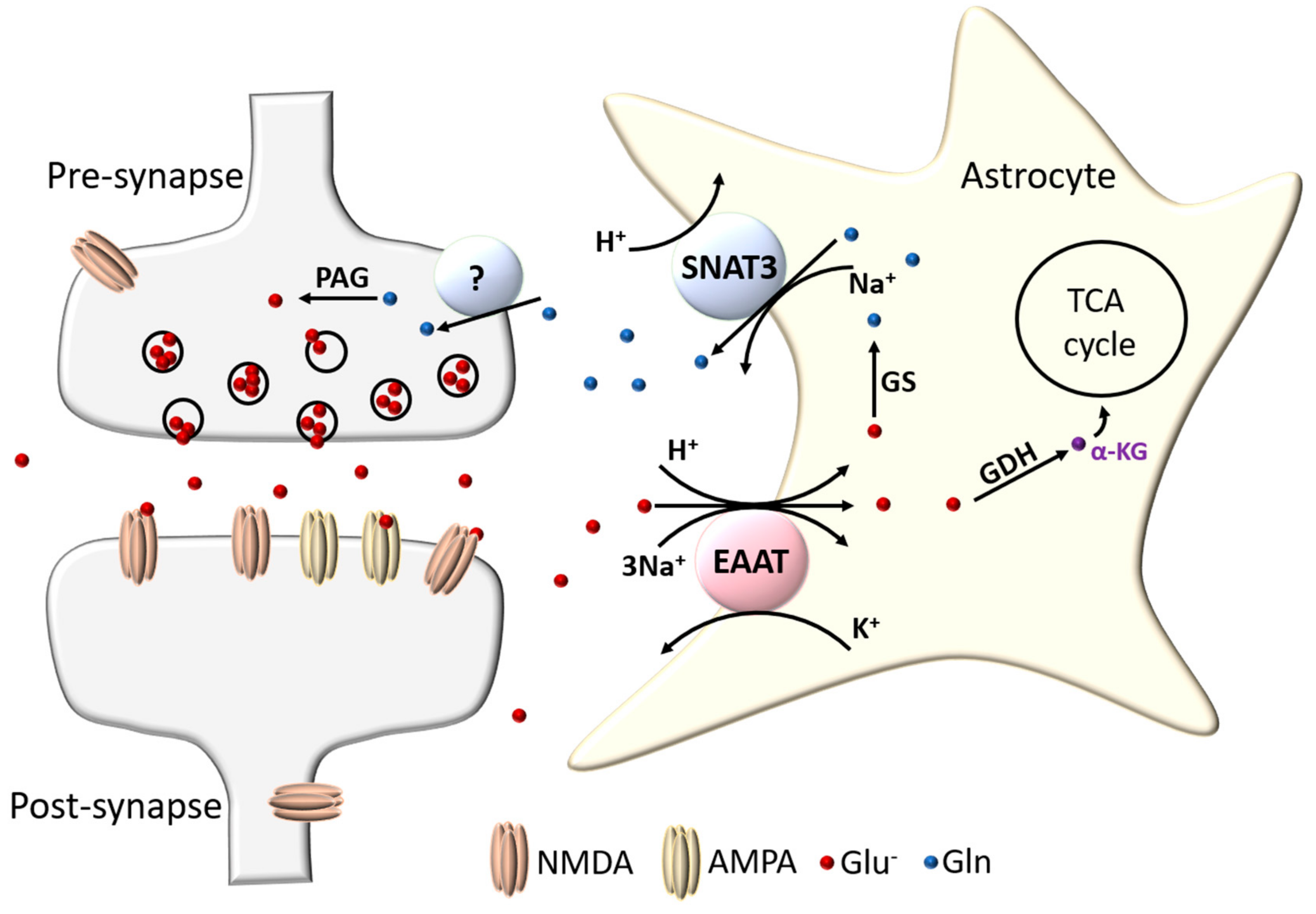
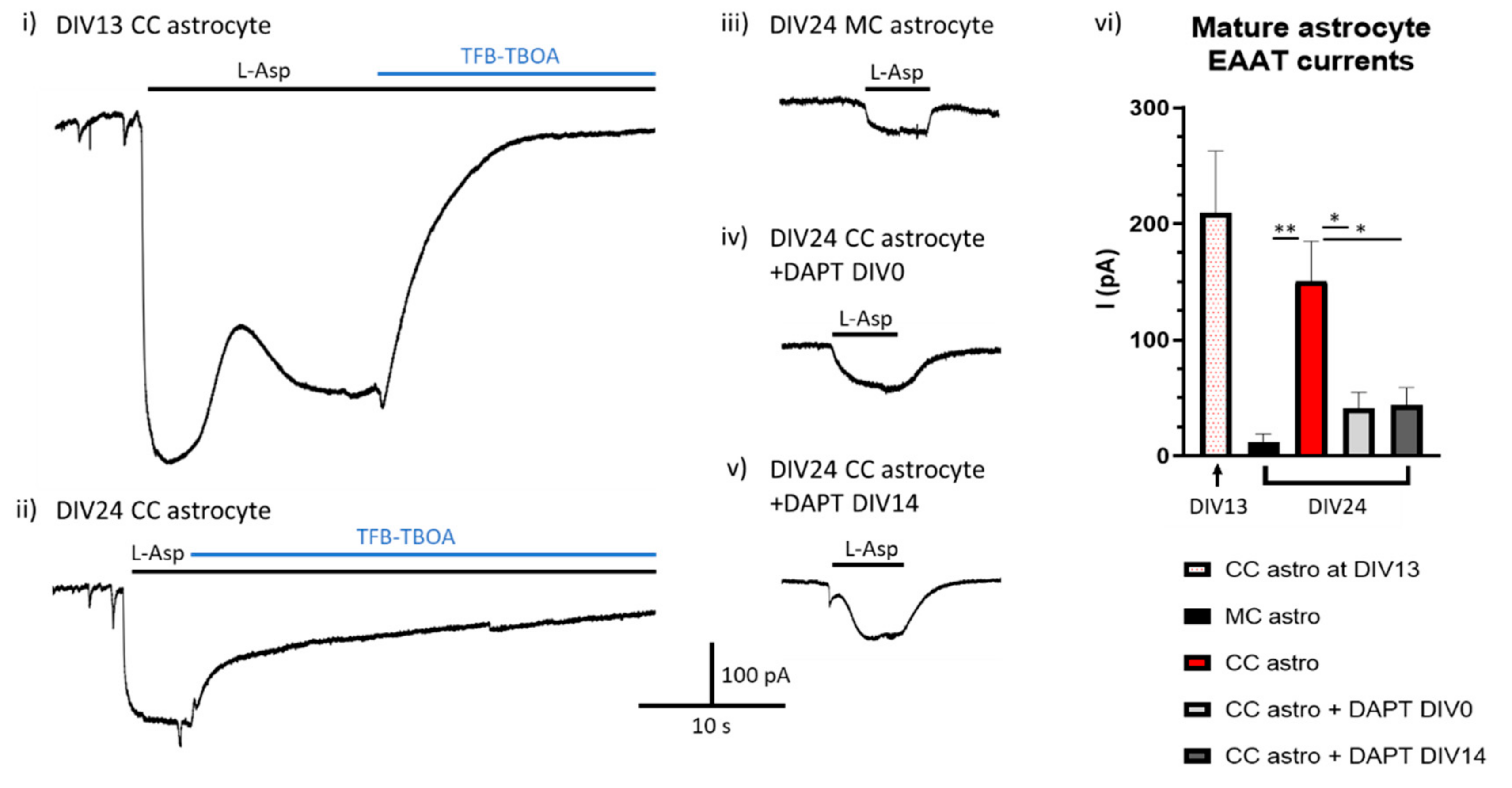
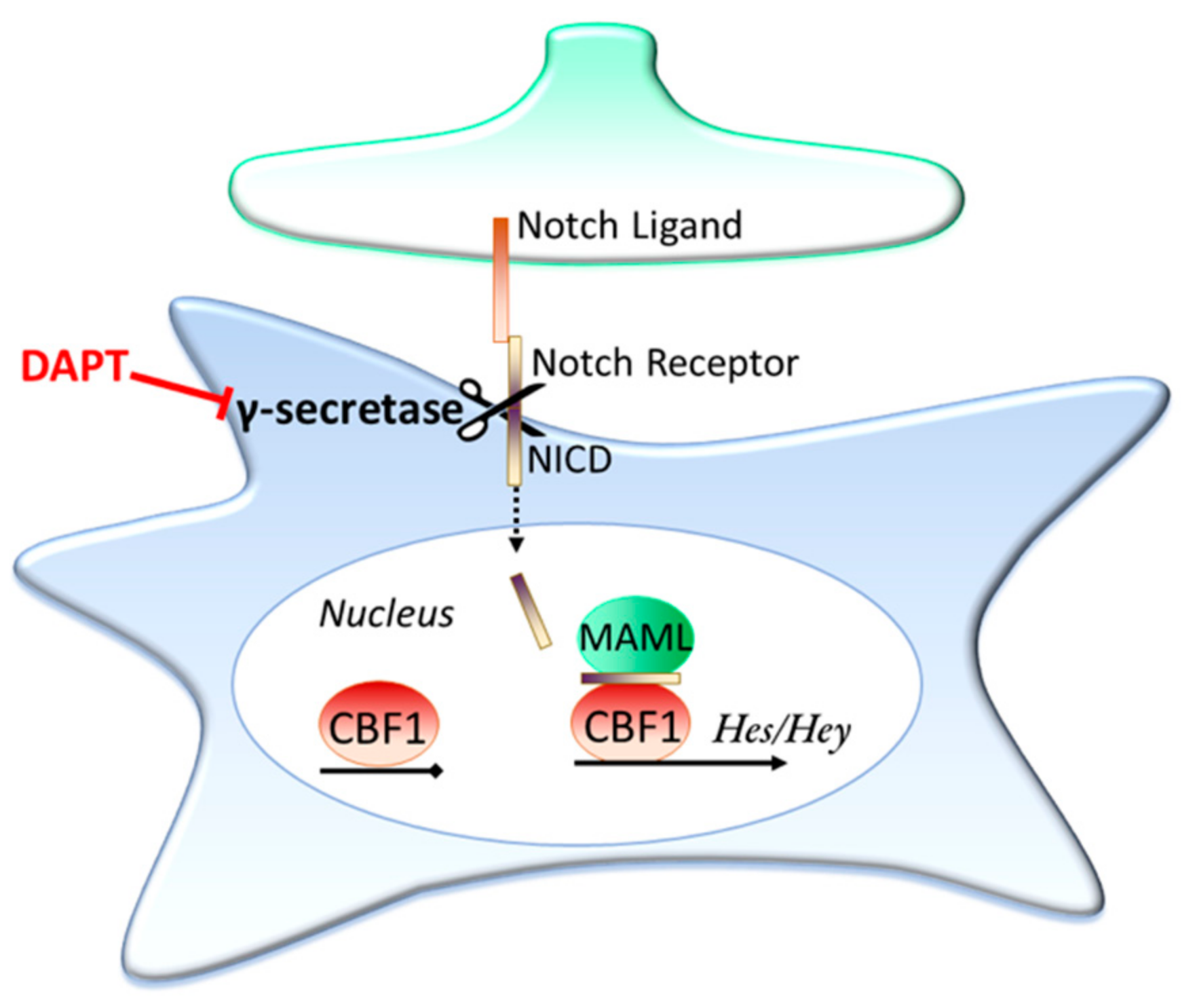
The astrocytic glutamate transporters excitatory amino acid transporters 1 and 2 (EAAT1 and EAAT2) play a key role in nervous system function to maintain extracellular glutamate levels at low levels. In physiology, this is essential for the rapid uptake of synaptically released glutamate, maintaining the temporal fidelity of synaptic transmission. However, EAAT1/2 hypo-expression or hypo-function are implicated in several disorders, including epilepsy and neurodegenerative diseases, as well as being observed naturally with aging. This not only disrupts synaptic information transmission, but in extremis leads to extracellular glutamate accumulation and excitotoxicity. A key facet of EAAT1/2 expression in astrocytes is a requirement for signals from other brain cell types in order to maintain their expression. Recent evidence has shown a prominent role for contact-dependent neuron-to-astrocyte and/or endothelial cell-to-astrocyte Notch signalling for inducing and maintaining the expression of these astrocytic glutamate transporters. The relevance of this non-cell-autonomous dependence to age- and neurodegenerative disease-associated decline in astrocytic EAAT expression is discussed, plus the implications for disease progression and putative therapeutic strategies.
Keywords: astrocyte; glutamate; excitotoxicity; neurodegenerative disease; EAAT1; EAAT2 astrocyte; glutamate; excitotoxicity; neurodegenerative disease; EAAT1; EAAT2