Article

Formation of Peptide Bound Pyrraline in the Maillard Model Systems with Different Lys-Containing Dipeptides and Tripeptides
1
School of Food Science and Engineering, South China University of Technology, Guangzhou 510640, China
2
Guangdong Province Key Laboratory for Green Processing of Natural Products and Product Safety, South China University of Technology, Guangzhou 510640, China
3
University Affairs Committee, Dongguan University of Technology, Dongguan 523808, China
4
Department of Microbial Pathogenesis, Dental School, University of Maryland, Baltimore, MD 21201, USA
*
Authors to whom correspondence should be addressed.
Molecules 2016, 21(4), 463; https://doi.org/10.3390/molecules21040463

Submission received: 6 March 2016 / Revised: 24 March 2016 / Accepted: 31 March 2016 / Published: 7 April 2016
(This article belongs to the Section Molecular Diversity)

Abstract

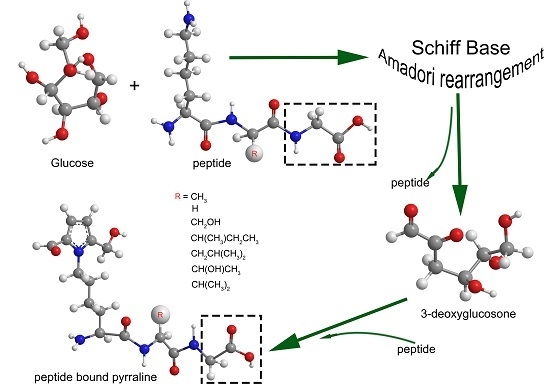
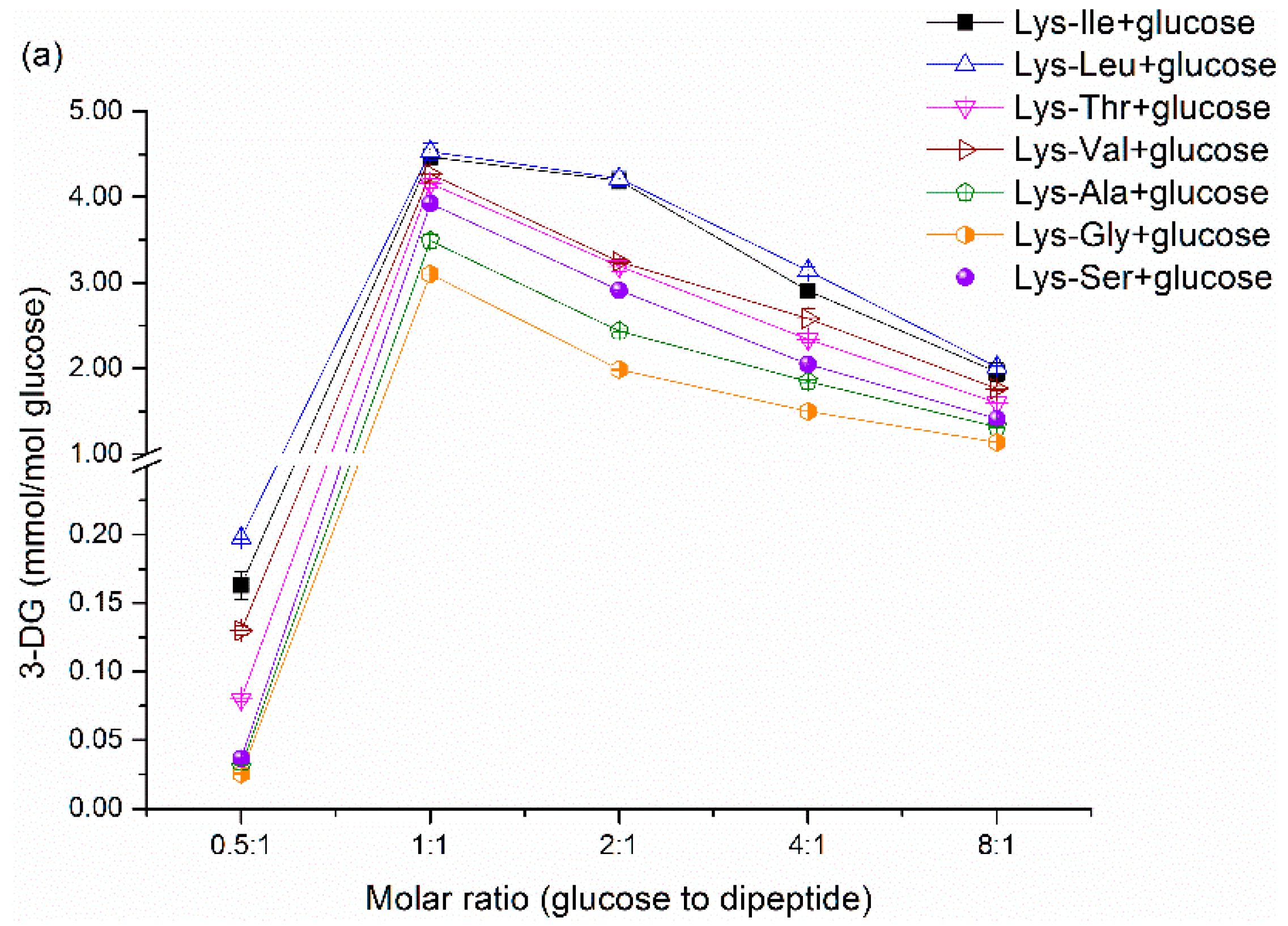
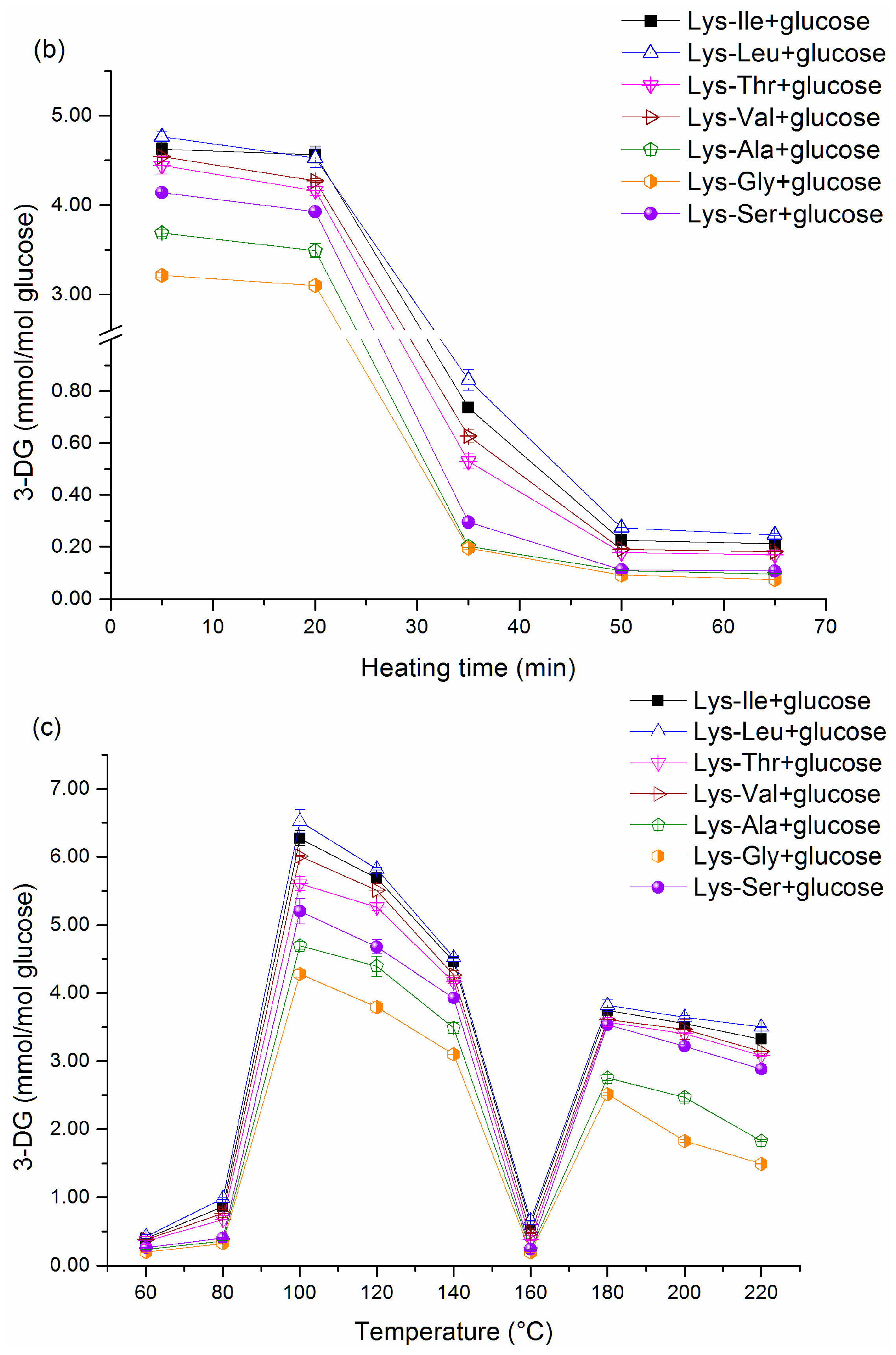
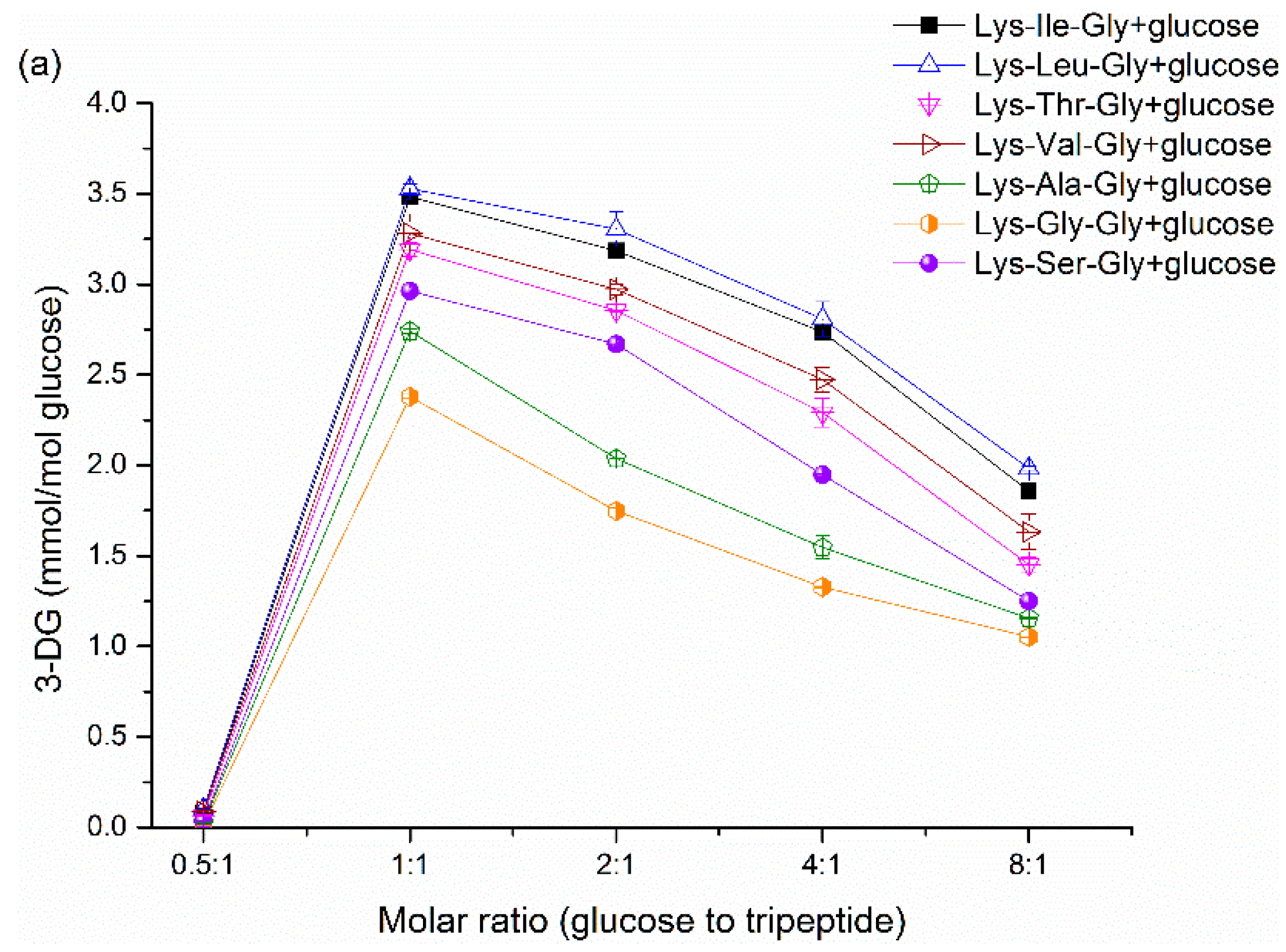
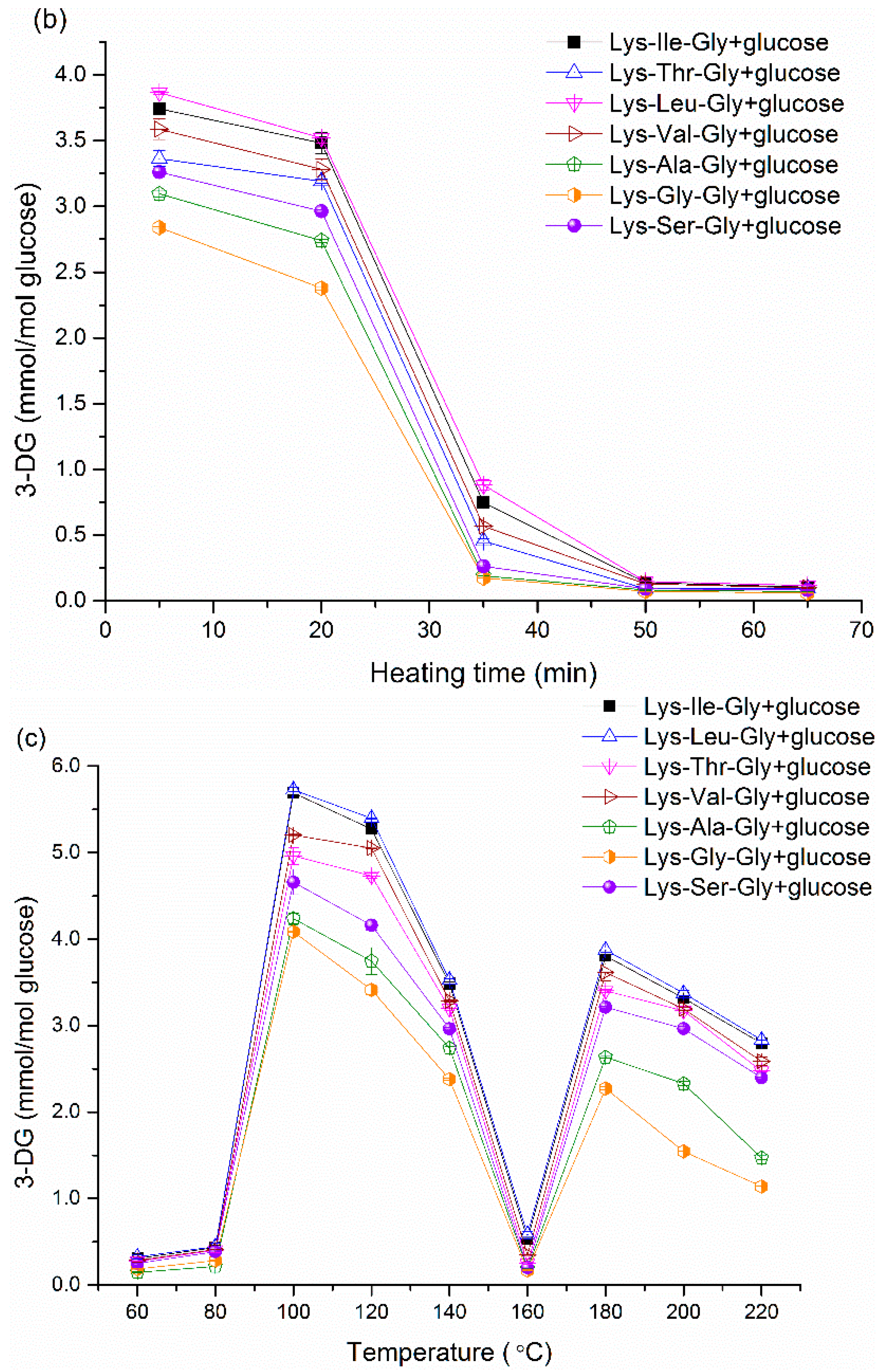
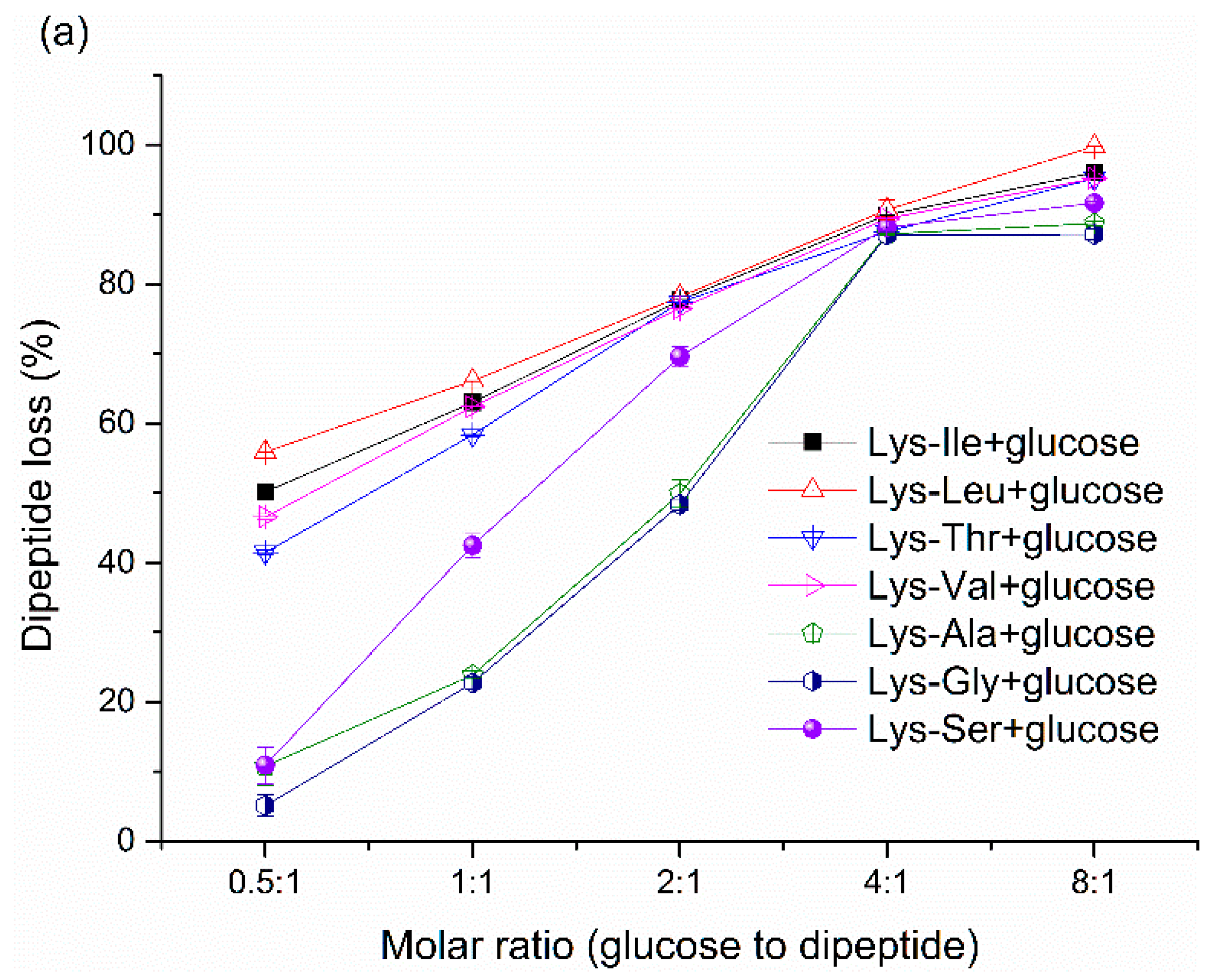
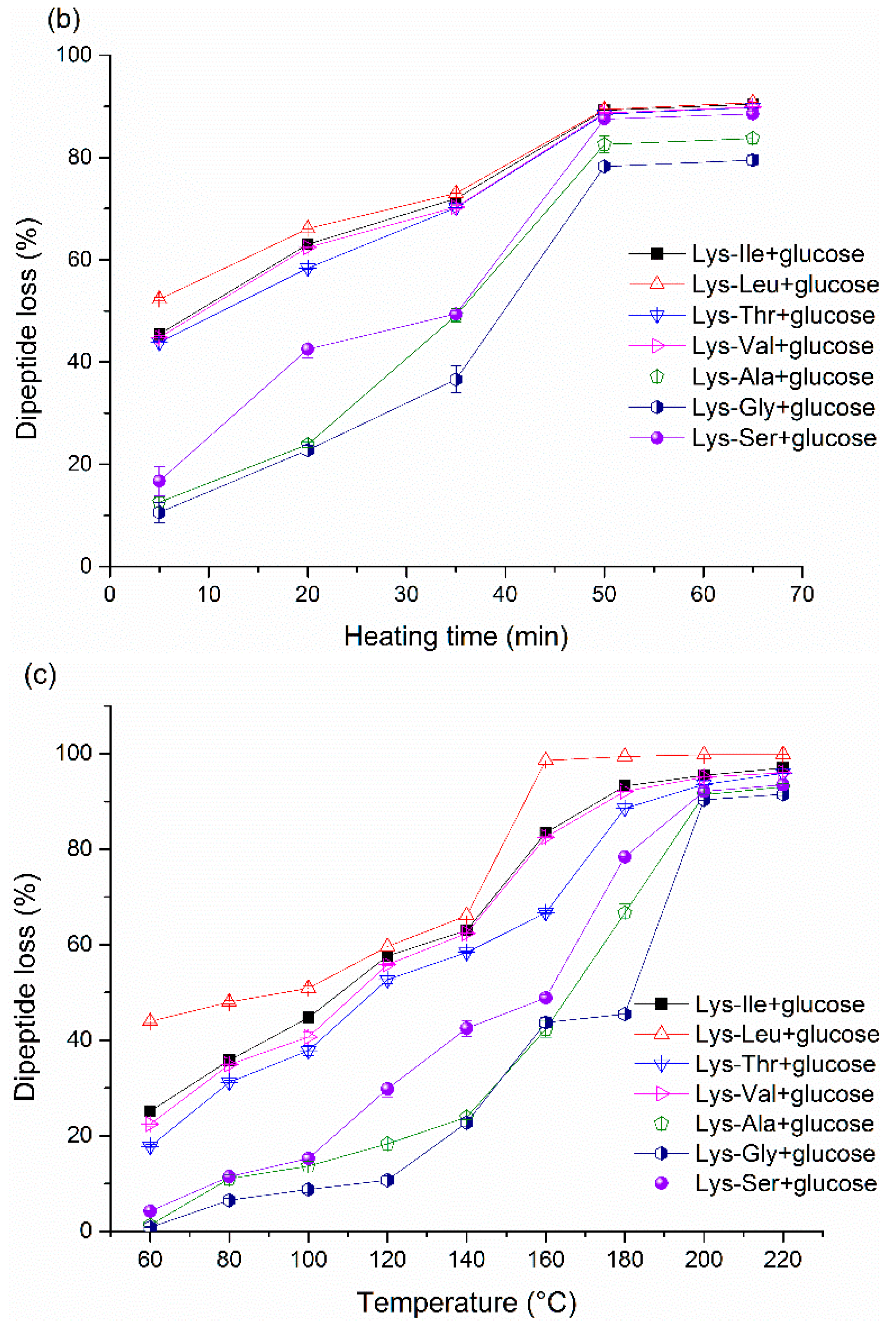
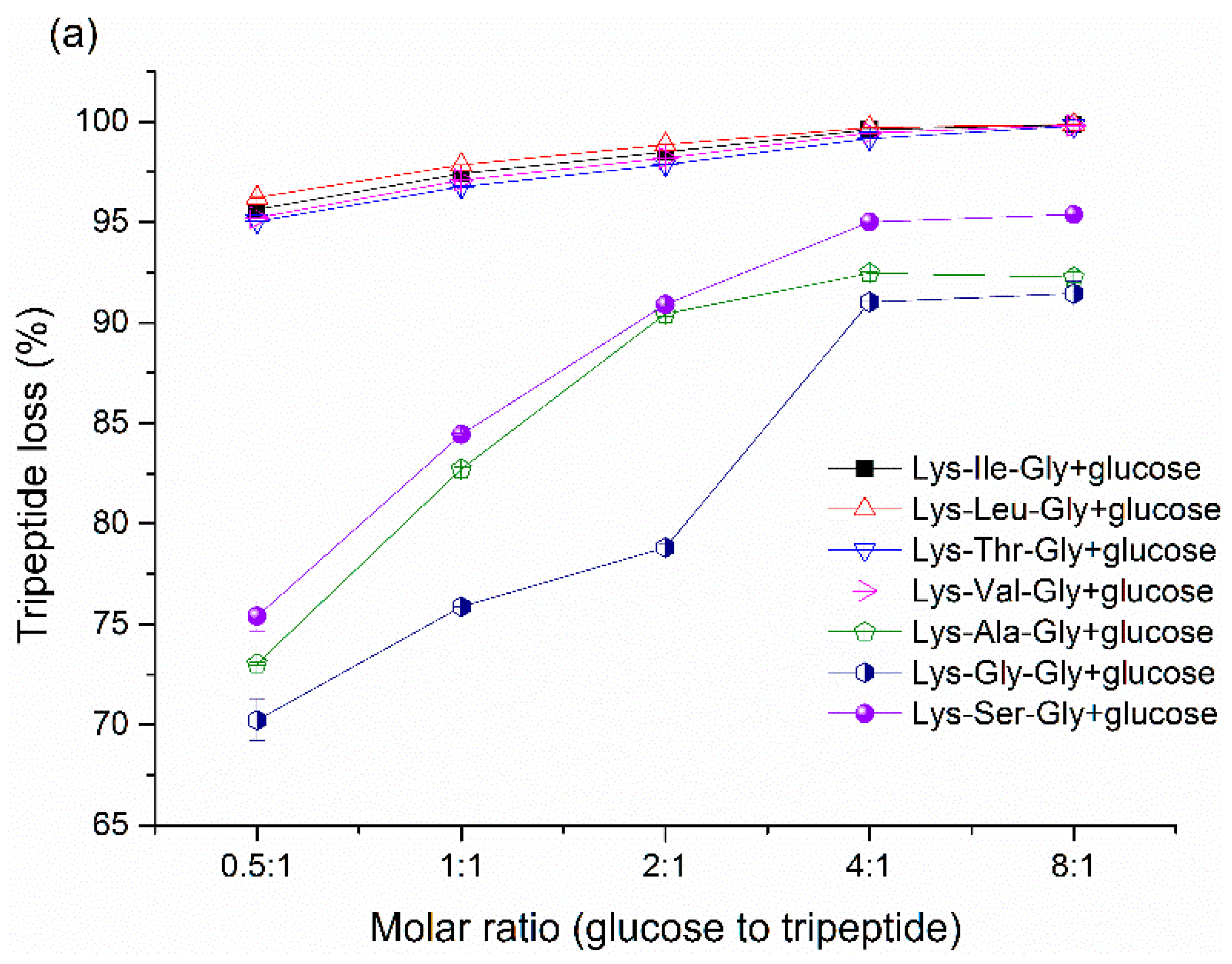
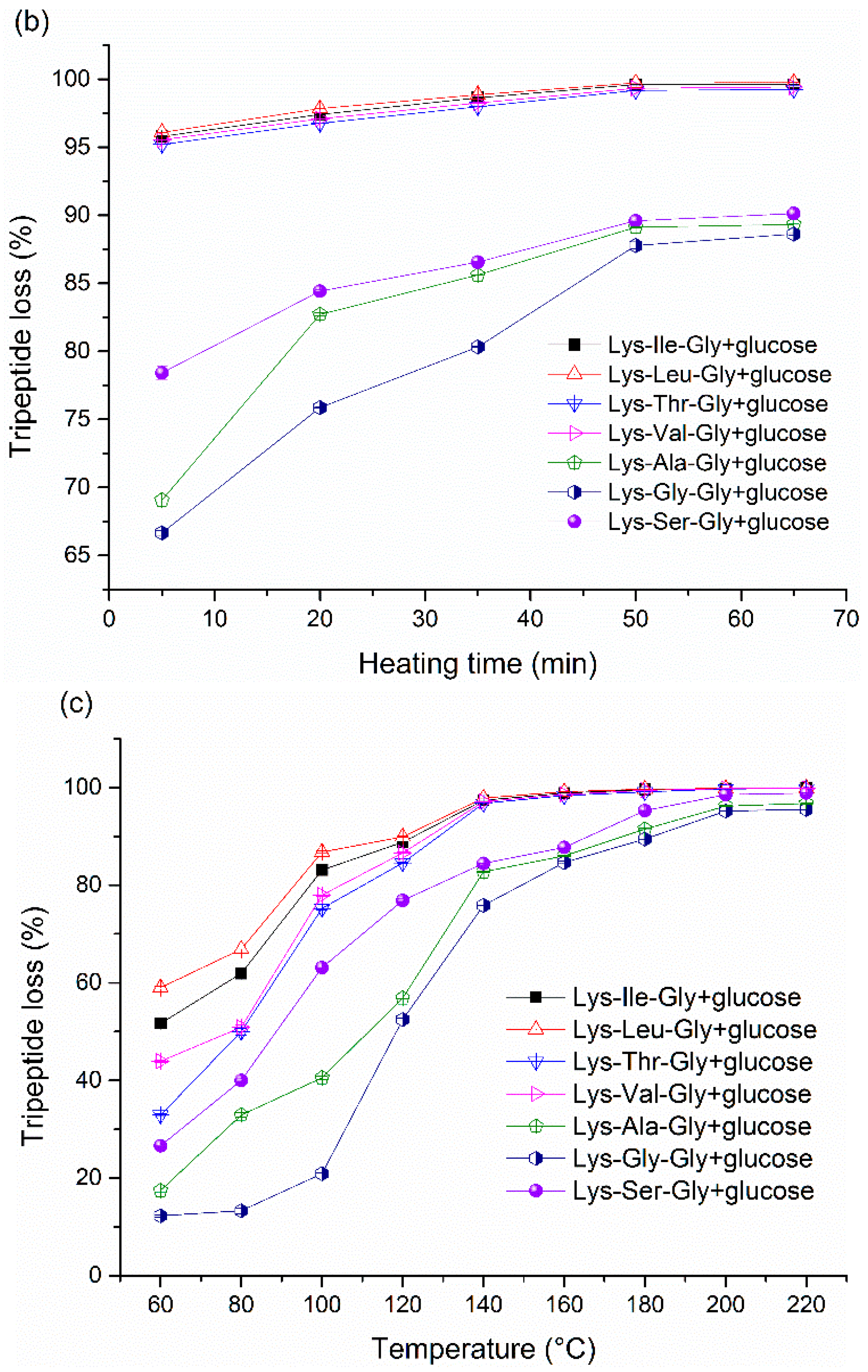
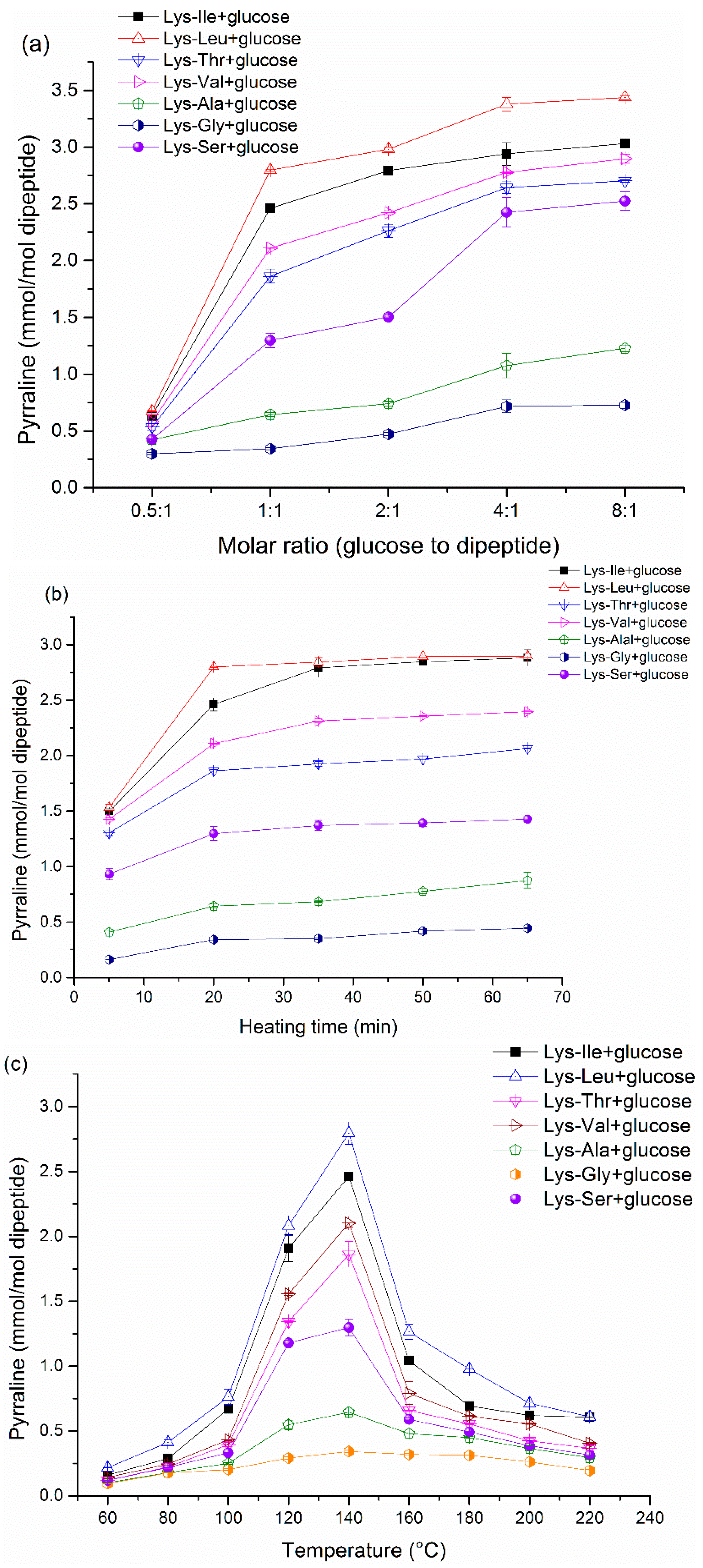
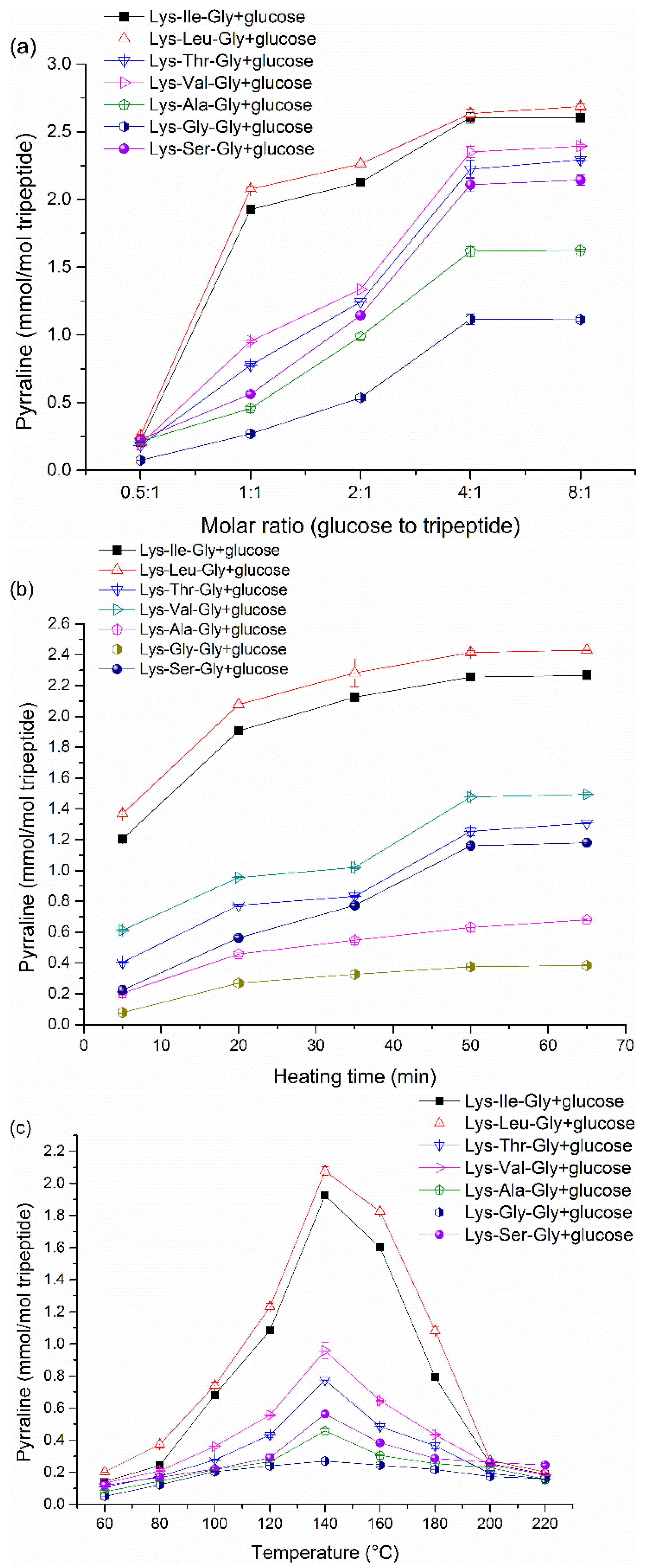
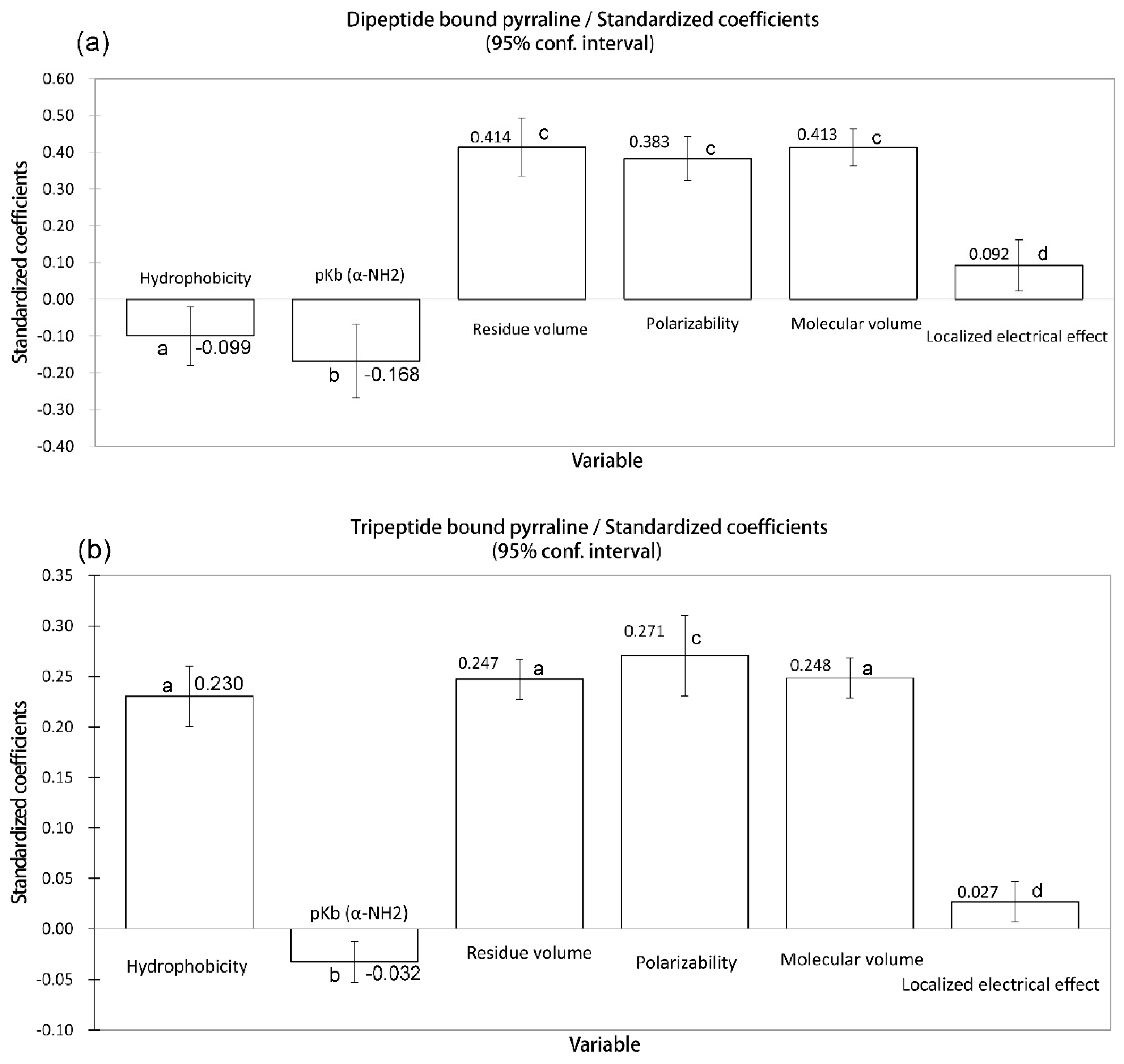
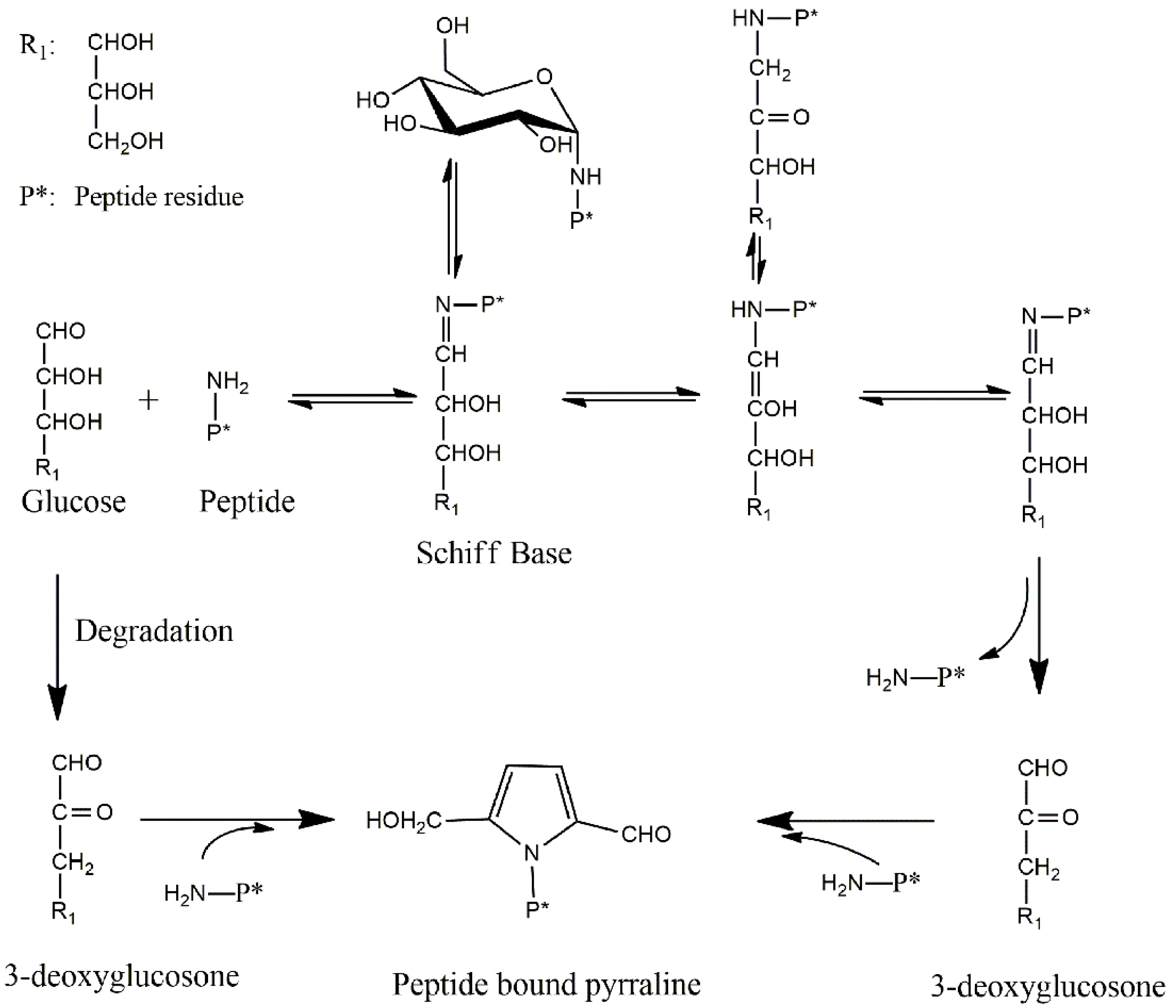
Peptide-bound advanced glycation end-products (peptide-bound AGEs) can be formed when peptides are heated with reducing saccharides. Pyrraline is the one of most commonly studied AGEs in foods, but the relative importance of the precursor peptide structure is uncertain. In the present study, model systems were prepared by heating peptides with glucose from 60 °C to 220 °C for up to 65 min, and the amounts of peptide-bound pyrraline formed were monitored to evaluate the effect of the neighboring amino acids on the peptide-bound pyrraline formation. The physico-chemical properties were introduced to explore the quantitative structure-reactivity relationships between physicochemical properties and peptide bound formation. 3-DG content in dipeptide-glucose model system was higher than that in the corresponding tripeptide-glucose model systems. Dipeptides produced higher amounts of peptide-bound pyrraline than the corresponding tripeptides. The peptide-bound pyrraline and 3-DG production were influenced by the physico-chemical properties of the side chain of amino acids adjacent to Lys in the following order: Lys-Leu/glucose > Lys-Ile/glucose > Lys-Val/ glucose > Lys-Thr/glucose > Lys-Ser/glucose > Lys-Ala/ glucose > Lys-Gly/glucose; Lys-Leu-Gly/glucose > Lys-Ile-Gly/glucose > Lys-Val-Gly/glucose > Lys-Thr-Gly/glucose > Lys-Ser-Gly/glucose > Lys-Ala-Gly/glucose > Lys-Gly-Gly/glucose. For the side chain of amino acids adjacent to Lys in dipeptides, residue volume, polarizability, molecular volume and localized electrical effect were positively related to the yield of peptide bound pyrraline, while hydrophobicity and pKb were negatively related to the yield of peptide bound pyrraline. In terms of side chain of amino acid adjacent to Lys in tripeptides, a similar result was observed, except hydrophobicity was positively related to the yield of peptide bound pyrraline.
Keywords: peptide bound AGEs; pyrraline; peptide; the Maillard reaction; physicochemical properties peptide bound AGEs; pyrraline; peptide; the Maillard reaction; physicochemical properties
Graphical Abstract