All articles published by MDPI are made immediately available worldwide under an open access license. No special
permission is required to reuse all or part of the article published by MDPI, including figures and tables. For
articles published under an open access Creative Common CC BY license, any part of the article may be reused without
permission provided that the original article is clearly cited. For more information, please refer to
https://www.mdpi.com/openaccess.
Feature papers represent the most advanced research with significant potential for high impact in the field. A Feature
Paper should be a substantial original Article that involves several techniques or approaches, provides an outlook for
future research directions and describes possible research applications.
Feature papers are submitted upon individual invitation or recommendation by the scientific editors and must receive
positive feedback from the reviewers.
Editor’s Choice articles are based on recommendations by the scientific editors of MDPI journals from around the world.
Editors select a small number of articles recently published in the journal that they believe will be particularly
interesting to readers, or important in the respective research area. The aim is to provide a snapshot of some of the
most exciting work published in the various research areas of the journal.
Triticale (×Triticosecale Wittmack), a synthetic hybrid of wheat (Triticum spp.) and rye (Secale cereale), is a valuable dual-purpose crop for its high yield and stress tolerance. Introducing beneficial alien chromatin is crucial for expanding genetic diversity and improving cultivars.
[...] Read more.
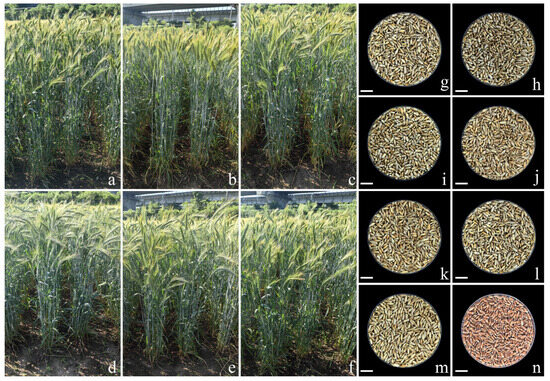
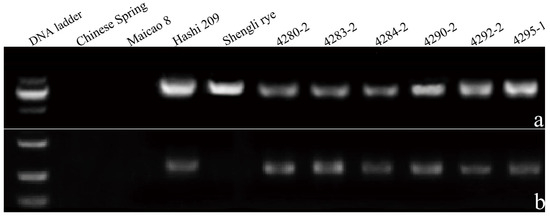
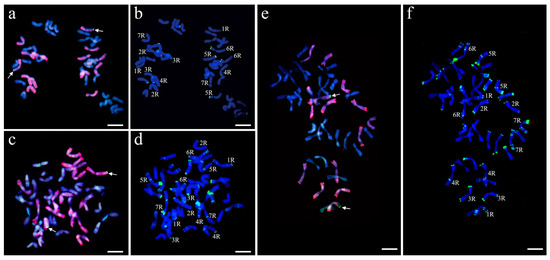
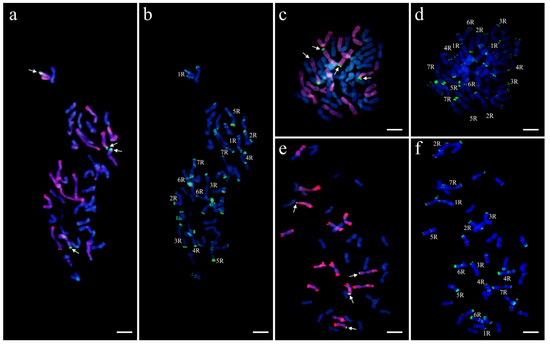
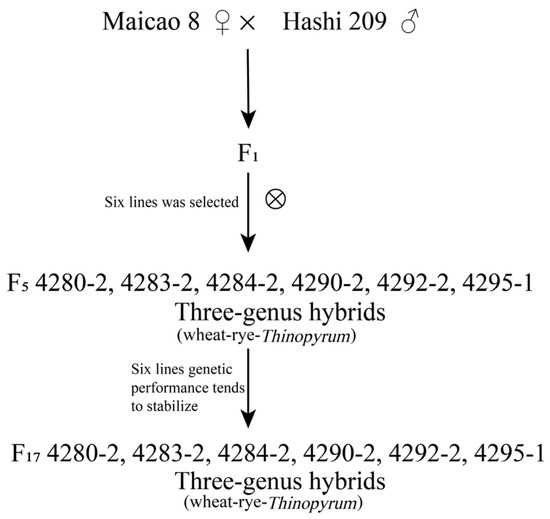
Triticale (×Triticosecale Wittmack), a synthetic hybrid of wheat (Triticum spp.) and rye (Secale cereale), is a valuable dual-purpose crop for its high yield and stress tolerance. Introducing beneficial alien chromatin is crucial for expanding genetic diversity and improving cultivars. This study aimed to introduce Thinopyrum intermedium St genome chromatin into hexaploid triticale via trigeneric hybridization to develop novel germplasm. Six stable lines were selected from crosses between an octoploid wheat-Th. intermedium partial amphiploid line Maicao 8 and a hexaploid triticale cultivar Hashi 209. Agronomic traits were evaluated over two cropping seasons, revealing that the translocation lines exhibited superior agronomic performance compared to the parental triticales. These lines showed longer spikes, higher tiller numbers, and increased grain protein content, without compromising thousand-kernel weight. Cytogenetic analysis using sequential multicolor genomic in situ hybridization (smGISH), fluorescence in situ hybridization (FISH), and oligonucleotide probes, alongside validation with species-specific molecular markers, identified all six lines as St-R terminal translocation lines containing 14 rye chromosomes. Three lines carried a small terminal St segment on chromosome 1R, while the other three carried St segments on both 1RL and 4RS chromosomes. This work demonstrates that trigeneric hybridization is an effective strategy for inducing intergeneric recombination between Thinopyrum intermedium and rye chromosomes, leading to stable, small-segment terminal translocations. The developed St-R translocation lines represent a novel and valuable germplasm resource for enriching genetic diversity and breeding improved triticale cultivars with enhanced yield and quality traits.
Full article
This study provides a detailed technical and sustainability comparison of the conventional CNC machining and additive manufacturing routes for an aerospace bearing bracket. The work integrates material selection, process parameterization, build simulation, and environmental–economic assessment within a single framework. For the CNC route,
[...] Read more.
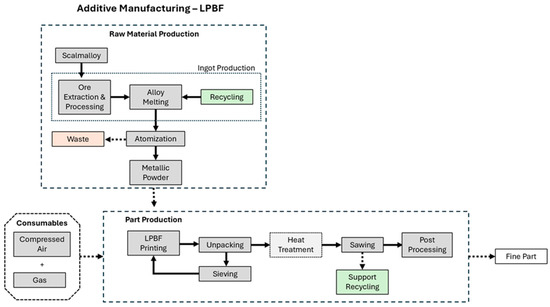
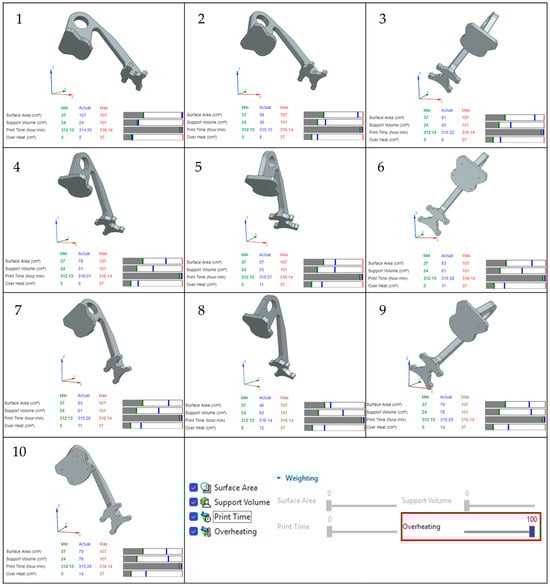
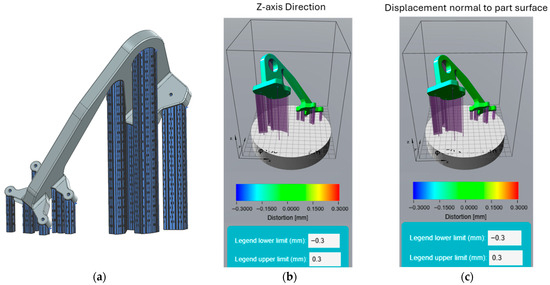
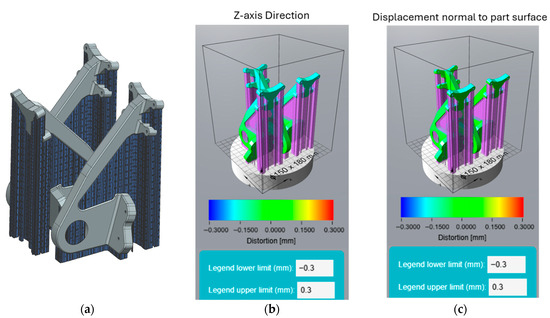
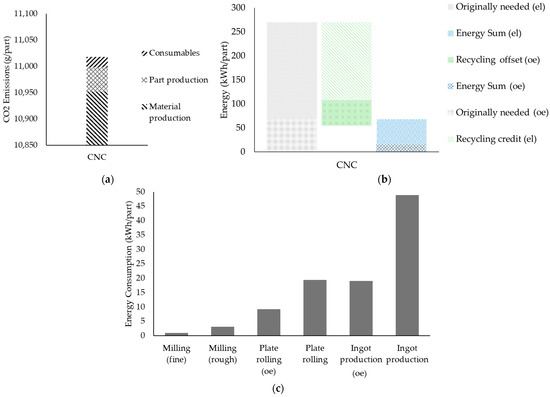
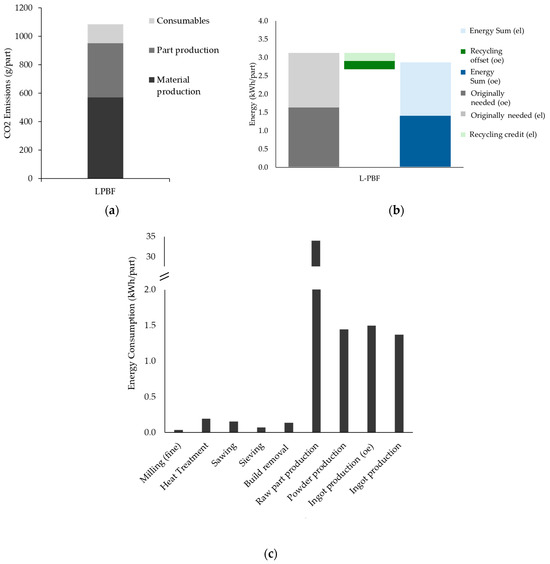
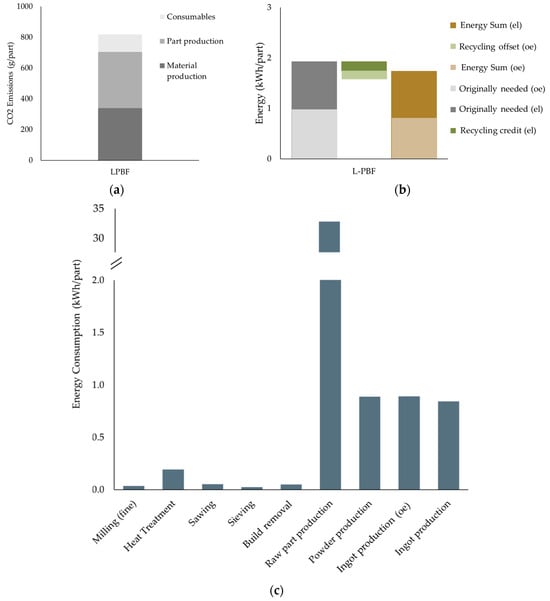
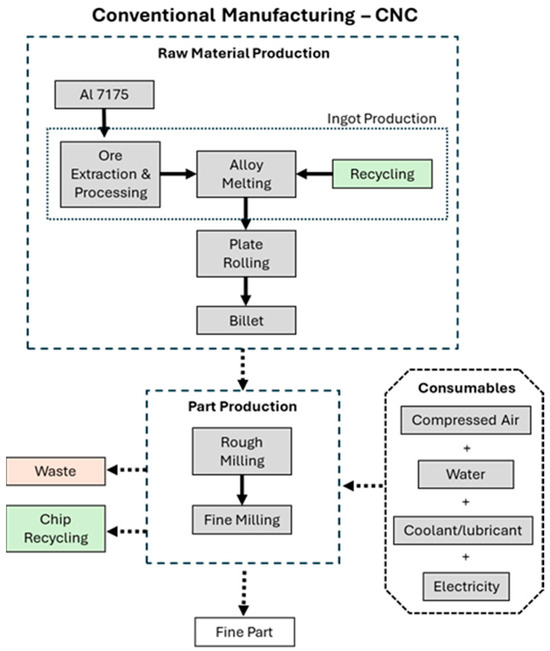
This study provides a detailed technical and sustainability comparison of the conventional CNC machining and additive manufacturing routes for an aerospace bearing bracket. The work integrates material selection, process parameterization, build simulation, and environmental–economic assessment within a single framework. For the CNC route, machining of Al 7175-T7351 is characterized through process sequencing, tooling requirements, and waste generation. For the Laser Powder Bed Fusion (LPBF) route, two build strategies, single-part distortion-minimized and multi-part volume-optimized, are developed using Siemens NX for orientation optimization and Atlas3D for thermal and recoater collision simulations. The mechanical properties of Al 7175-T7351 and Scalmalloy® are compared to justify material selection for aerospace applications. Both the experimental and simulation-derived process metrics are reported, including the build time, support mass, energy consumption, distortion tolerances, and buy-to-fly (B2F) ratio. CNC machining exhibited a B2F ratio of 1:7, with cradle-to-gate CO2 emissions of ~11,000 g and an energy consumption exceeding 100 kWh per component. In contrast, both LPBF strategies achieved a B2F ratio of 1:1.2, reducing CO2 emissions by over 90% and energy consumption by up to 63%. Build volume optimization further reduced the LPBF unit cost by over 50% relative to the CNC machining. Use-phase analysis in an aviation context indicated estimated lifetime fuel savings of 776,640 L and the avoidance of 2328 tons of CO2 emissions. The study demonstrates how simulation-guided build preparation enables informed sustainability-driven decision-making for manufacturing route selection in aerospace applications.
Full article
Excessive fluoride exposure induces developmental neurotoxicity, but effective preventive strategies are currently scarce. Melatonin (Mel), a lipophilic hormone secreted by the pineal gland, exerts antioxidant, anti-inflammatory, and neuroprotective properties. This study aimed to explore Mel’s protective effect and mechanism against fluoride-induced developmental brain
[...] Read more.
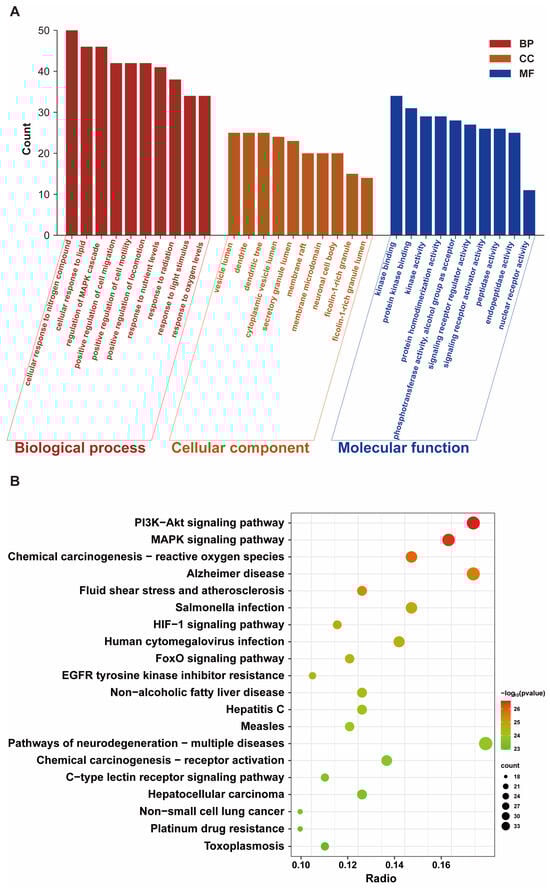
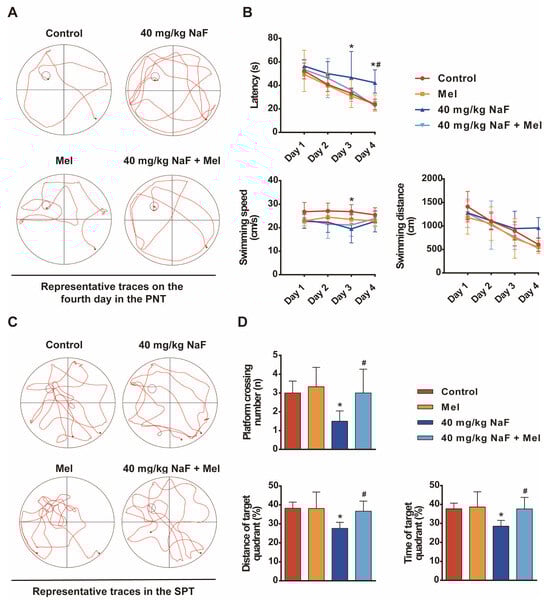
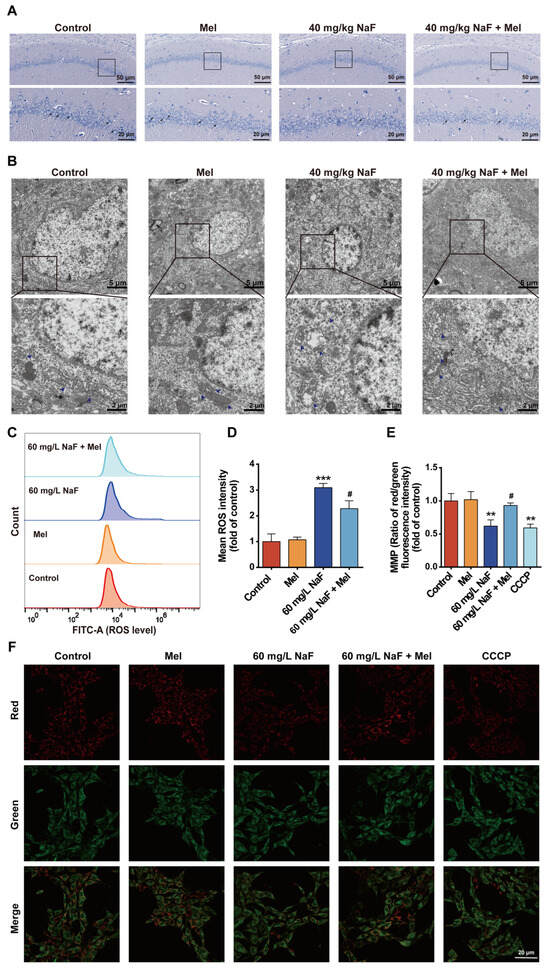
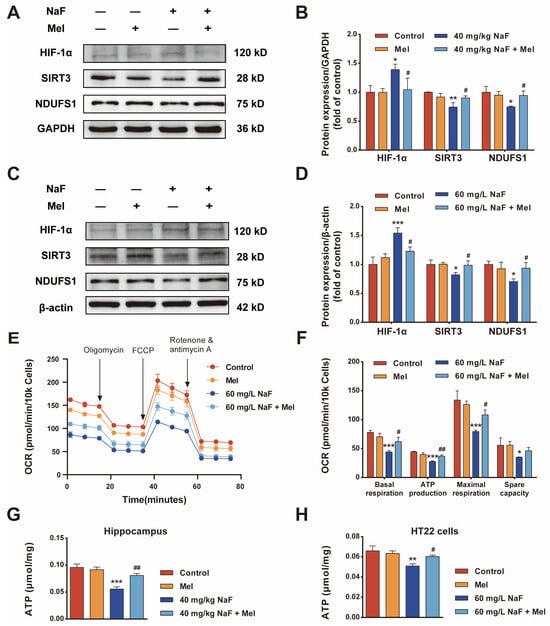
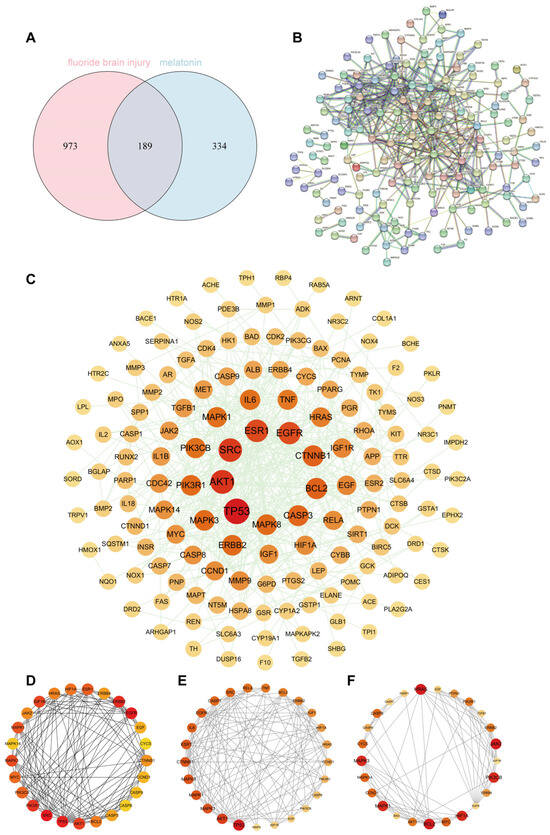
Excessive fluoride exposure induces developmental neurotoxicity, but effective preventive strategies are currently scarce. Melatonin (Mel), a lipophilic hormone secreted by the pineal gland, exerts antioxidant, anti-inflammatory, and neuroprotective properties. This study aimed to explore Mel’s protective effect and mechanism against fluoride-induced developmental brain injury. We employed a network pharmacology approach to screen the common targets of Mel and fluoride-induced brain injury and performed enrichment analysis. A total of 189 common targets were identified, and these targets were mainly enriched in the HIF-1 signaling pathway and oxidative stress-related pathways. In vivo, Sprague Dawley rats were subjected to perinatal sodium fluoride (NaF) exposure with/without Mel; in vitro, HT22 cells were subjected to NaF and/or Mel. The results showed that Mel improved cognitive impairments and alleviated structural damage to hippocampal neurons and mitochondria. Furthermore, Mel upregulated SIRT3 and downregulated HIF-1α, thereby restoring mitochondrial oxidative phosphorylation and ATP content. This study demonstrates that Mel alleviates fluoride-induced developmental neurotoxicity by improving mitochondrial function through regulating the SIRT3/HIF-1α signaling pathway. This not only offers a novel perspective for elucidating the underlying molecular mechanisms of fluoride-induced developmental neurotoxicity but also provides a theoretical foundation for Mel as a potential protective candidate against fluoride exposure.
Full article
Background: The optimal management of comminuted proximal humerus fractures in the elderly remains controversial. Although hemiarthroplasty is widely used for complex fracture patterns, its functional superiority over reconstruction is not consistently demonstrated. The aim of this study was to compare early functional outcomes
[...] Read more.
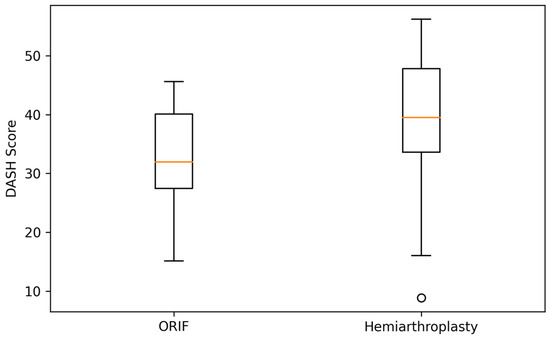
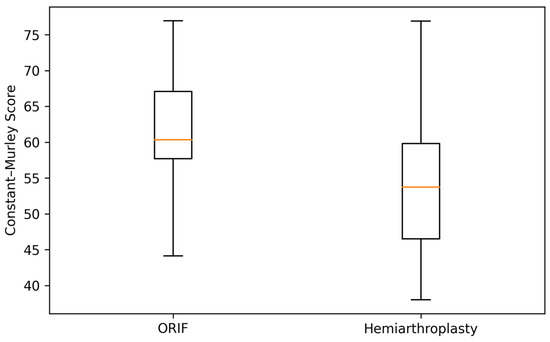
Background: The optimal management of comminuted proximal humerus fractures in the elderly remains controversial. Although hemiarthroplasty is widely used for complex fracture patterns, its functional superiority over reconstruction is not consistently demonstrated. The aim of this study was to compare early functional outcomes following open reduction and internal fixation (ORIF) versus hemiarthroplasty in elderly patients with three- and four-part proximal humerus fractures. Methods: This retrospective single-center study included elderly patients with comminuted proximal humerus fractures treated between 2020 and 2024 by either ORIF or hemiarthroplasty. Functional outcomes were assessed at 6 months using the Constant–Murley and DASH scores. Secondary outcomes included complication rates, range of motion, and early reintervention. Results: At 6 months, the ORIF group showed a mean Constant–Murley score of 62.1 ± 9.4 compared with 58.0 ± 10.2 in the hemiarthroplasty group. DASH scores were 34.2 ± 10.8 for ORIF and 38.5 ± 11.3 for hemiarthroplasty. Pain levels were similarly low in both groups (VAS 2.6 ± 1.1 vs. 2.9 ± 1.2). Complication rates were comparable, with fixation-related issues occurring in 17% of ORIF cases and tuberosity-related complications in 11% of hemiarthroplasty cases. Conclusions: Hemiarthroplasty should not be regarded as the default treatment strategy for comminuted proximal humerus fractures in elderly patients. When stable anatomic reduction is achievable, ORIF can yield comparable early functional results, emphasizing that patient selection and tuberosity management remain more important than the choice of implant.
Full article
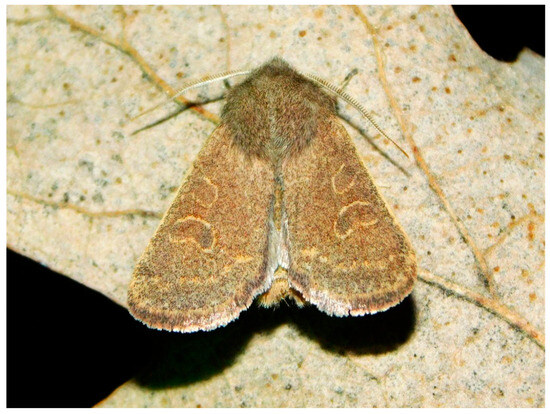
The noctuid moth Dioszeghyana schmidtii (Dioszeghy, 1935) is a geographically restricted and poorly known species associated with xerothermic oak ecosystems of Central, Eastern, and Southeastern Europe and Asia Minor. Despite its inclusion in European conservation frameworks, information on its distribution, biology, and ecological
[...] Read more.
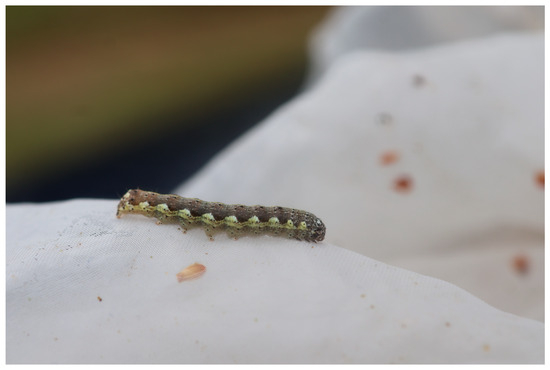
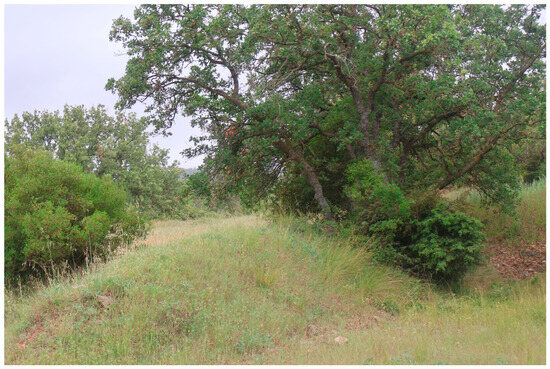
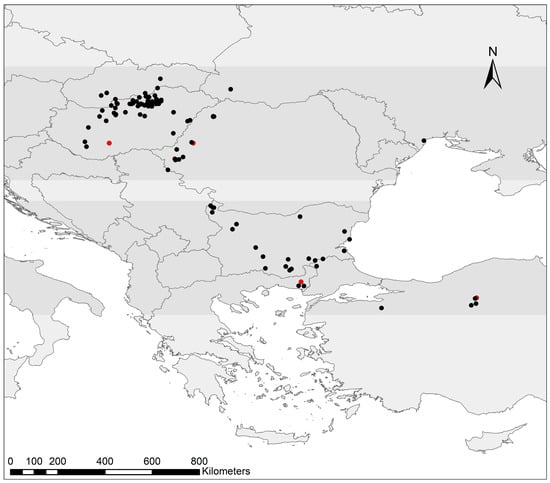
The noctuid moth Dioszeghyana schmidtii (Dioszeghy, 1935) is a geographically restricted and poorly known species associated with xerothermic oak ecosystems of Central, Eastern, and Southeastern Europe and Asia Minor. Despite its inclusion in European conservation frameworks, information on its distribution, biology, and ecological requirements remains fragmented, regionally uneven, and scattered across the faunistic literature in multiple languages. This review synthesizes published records, taxonomic sources, ecological observations, and curated occurrence data to provide an updated and critically assessed overview of the species’ biology, habitat associations, and biogeographic pattern. Distributional information was compiled exclusively from the literature and vetted public databases, with mapped occurrences representing confirmed regional presence rather than fine-scale occupancy. The species exhibits a patchy but ecologically coherent distribution closely linked to open, thermophilous Quercus woodlands, particularly those dominated by Q. cerris and related oak species. Major threats include habitat loss, forest densification, fragmentation, and phenological mismatches associated with climate change. By identifying persistent knowledge gaps and sources of uncertainty, this review highlights priorities for future research, monitoring, and habitat-based conservation of D. schmidtii and similar early-spring, oak-associated Lepidoptera.
Full article
Industrialised construction (IC) represents a foundational strategy for overcoming entrenched productivity constraints and supply shortfalls in the housing sector. By enabling the mass production and mass customisation of advanced kit-of-parts systems, IC supports more efficient, predictable, scalable, and sustainable building delivery through integrated,
[...] Read more.
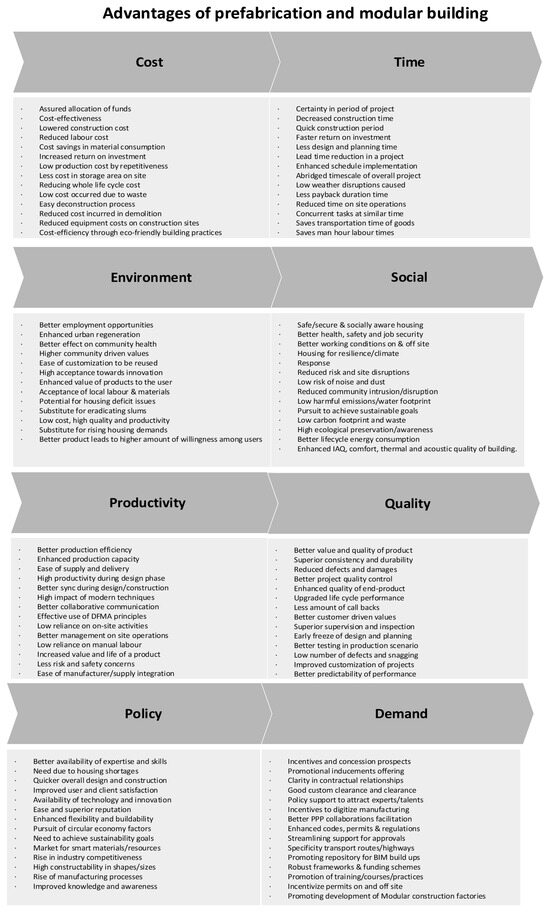
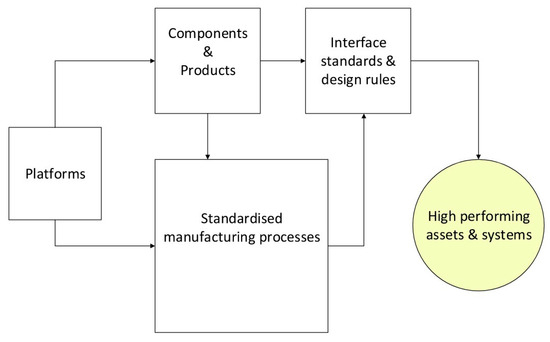
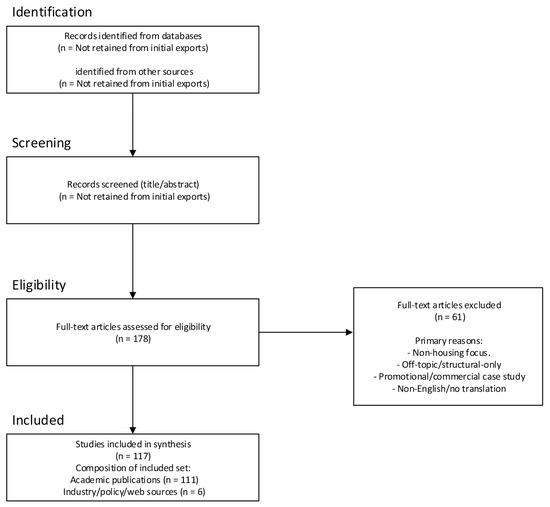
Industrialised construction (IC) represents a foundational strategy for overcoming entrenched productivity constraints and supply shortfalls in the housing sector. By enabling the mass production and mass customisation of advanced kit-of-parts systems, IC supports more efficient, predictable, scalable, and sustainable building delivery through integrated, standardised, and digitally enabled processes. However, adoption remains uneven due to fragmentation across regulatory, organisational, and technological systems. This paper presents a systematic literature review and thematic synthesis of the literature published between 2000 and 2025 to examine performance outcomes, adoption trends, digital integration maturity, and emerging platform-based design for manufacture and assembly (P-DfMA) approaches, and the main drivers. The review shows that significant performance gains are achievable, including notable reductions in construction time and cost variability, along with substantial reductions in material waste, together with measurable improvements in quality, safety, and delivery predictability. However, widespread uptake of IC remains constrained. This is largely driven by regulatory misalignment, rigid and bespoke procurement and delivery models, inconsistent and unstable supply chain capacity, and the lack of standardised components and integrated digital workflows. Building on these insights, this paper examines the key enablers required for sector-wide transformation toward an ecosystem that supports standardised kit-of-parts solutions, digitally driven design-to-production workflows, and aligned policy and procurement frameworks that are capable of delivering scalable and repeatable industrialised housing. The findings provide a consolidated evidence base and identify the key enablers for policymakers, industry stakeholders, and researchers working to move from project-centred delivery models to platform-based, digitally integrated, and industrialised construction systems. We searched Scopus, Web of Science, ScienceDirect, and Google Scholar, complemented by targeted industry and policy repositories; the searches were last updated on 1 December 2025. After screening, 117 sources were included. The review was not registered, and no review protocol was prepared.
Full article
This study explores parents’ perspectives on self-determination for individuals with intellectual disabilities in the Saudi Arabian context. Using a qualitative approach, semi-structured interviews were conducted with six parents of individuals aged 15 to 34 years, and data were analyzed thematically. Findings reveal a
[...] Read more.
This study explores parents’ perspectives on self-determination for individuals with intellectual disabilities in the Saudi Arabian context. Using a qualitative approach, semi-structured interviews were conducted with six parents of individuals aged 15 to 34 years, and data were analyzed thematically. Findings reveal a clear tension between parents’ endorsement of self-determination as a valued goal and their emphasis on protection, safety, and family responsibility. Parents supported autonomy through structured choices, gradual skill-building, and daily routines, while restricting higher-stakes decisions due to concerns related to vulnerability and limited institutional and community support. These practices reflect culturally grounded caregiving responsibilities rather than resistance to self-determination. This study highlights the central role of families in shaping self-determination opportunities and underscores the influence of sociocultural values and systemic constraints. Implications emphasize the need for culturally responsive parent training, stronger school–family collaboration, and expanded community-based opportunities that support autonomy within safe environments.
Full article
The increasing penetration of renewable energy leads to a continuous reduction in system inertia, for which conventional synchronization criteria based solely on frequency consistency can no longer accurately capture the coupled dynamics of frequency and voltage during transients. To address this issue, this
[...] Read more.
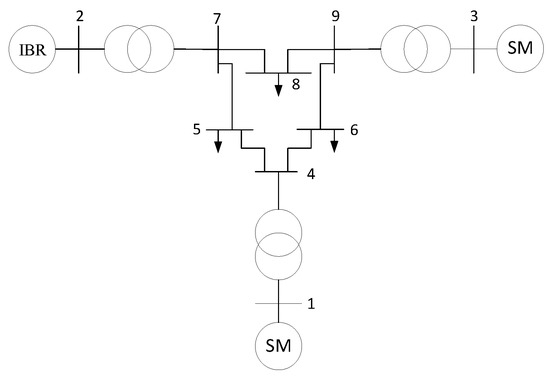
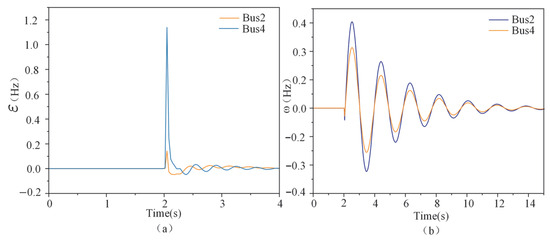
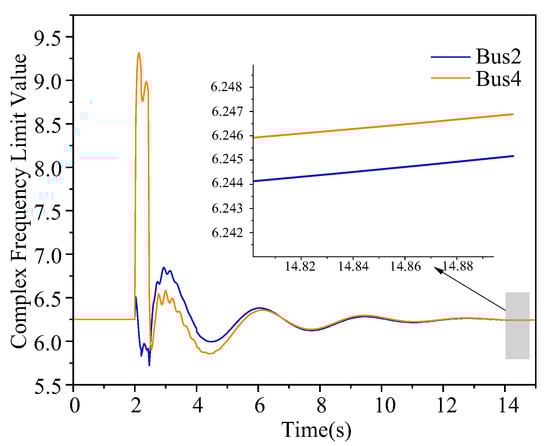
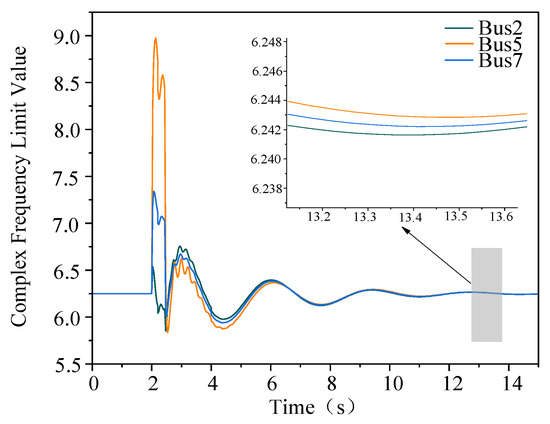
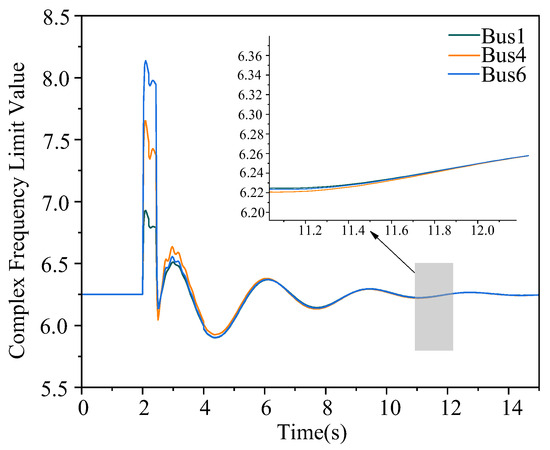
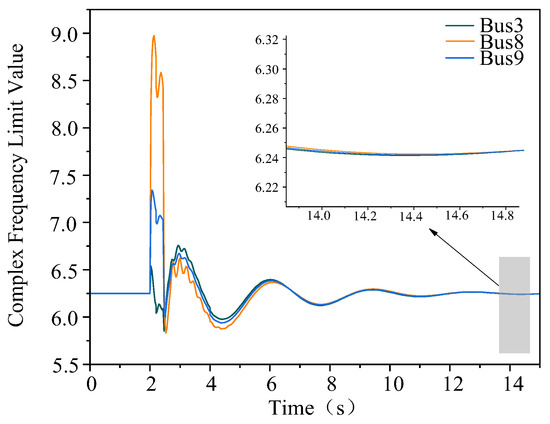
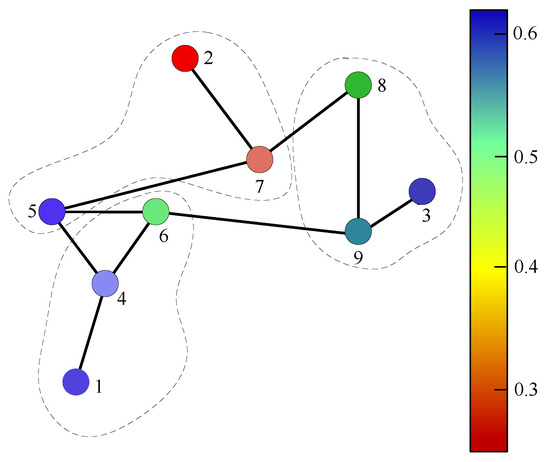
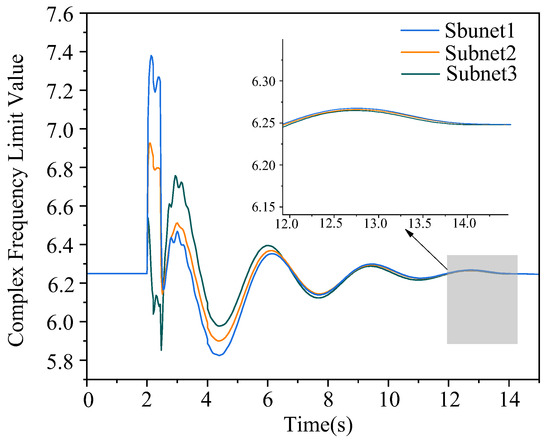
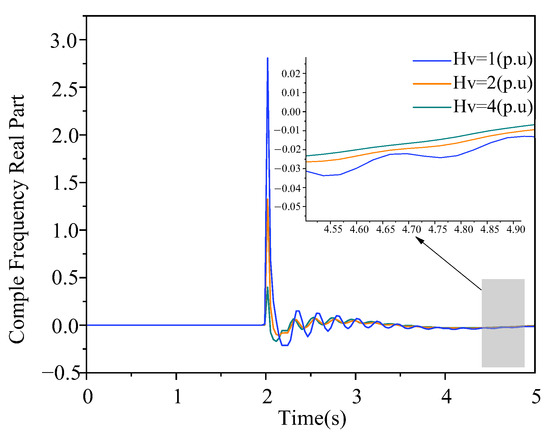
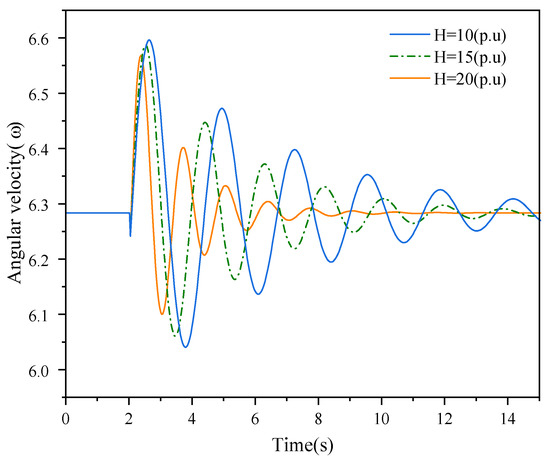
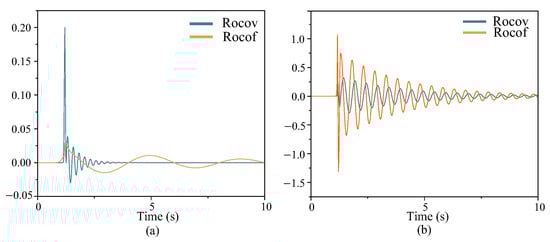
The increasing penetration of renewable energy leads to a continuous reduction in system inertia, for which conventional synchronization criteria based solely on frequency consistency can no longer accurately capture the coupled dynamics of frequency and voltage during transients. To address this issue, this paper employs the concept of complex frequency and develops an analysis framework that integrates theory, indices, and simulation for assessing synchronization stability in low-inertia power systems. Firstly, the basic concepts and mathematical formulation of complex frequency and complex frequency synchronization are introduced. Then, dynamic criteria for local and global complex synchronization are established, upon which a complex inertia index is proposed. This index unifies the supporting role of traditional frequency inertia and the voltage support capability associated with voltage inertia, enabling the quantitative evaluation of the strength of coordinated frequency–voltage support and disturbance rejection within a region. Finally, transient simulations on a modified WSCC nine-bus system are carried out to validate the proposed method. The results show that the method can clearly reveal the synchronization relationships between subnetworks and the overall system, providing a useful theoretical reference for stability analysis and control strategy design in low-inertia power systems.
Full article
Under deep mining conditions, coal and rock masses are subjected to high in situ stress and strong mining-induced disturbances, leading to intensified stress unloading, concentration, and redistribution processes. The stability of surrounding rock is therefore closely related to mine safety. Direct, real-time, and
[...] Read more.
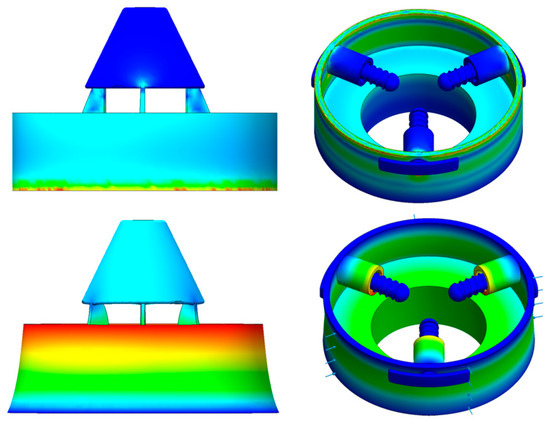
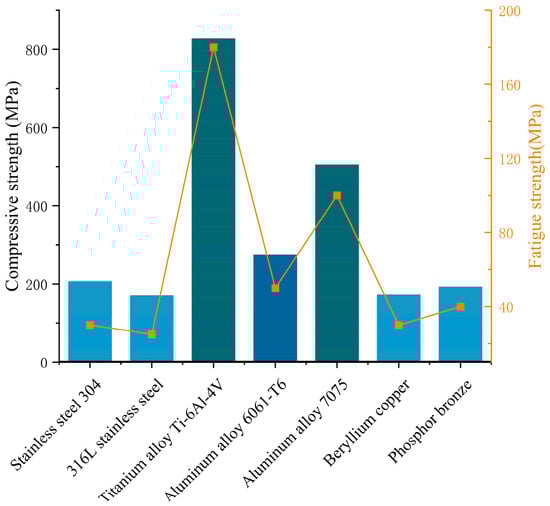
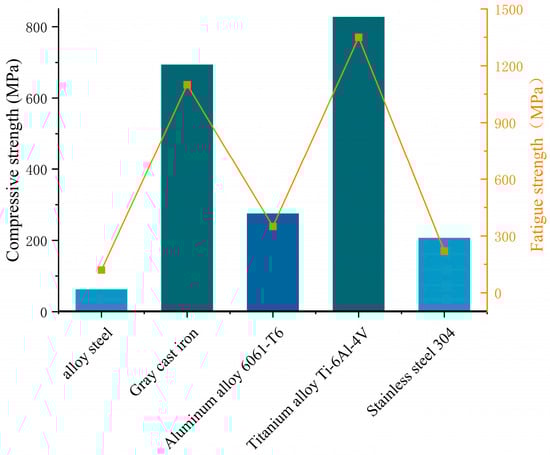
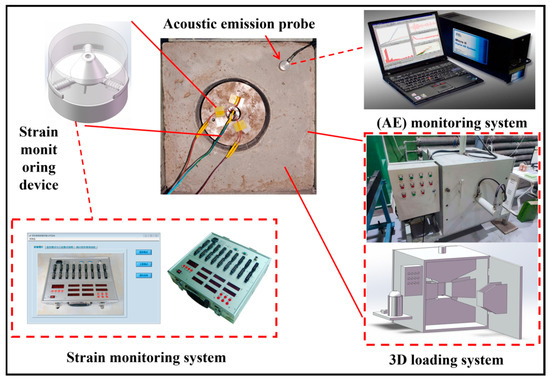
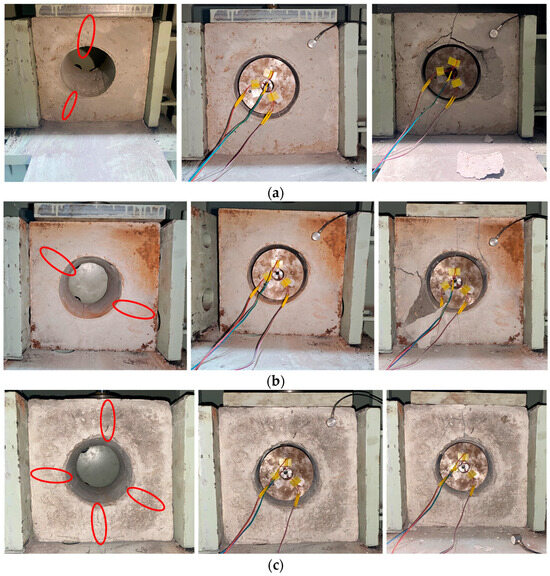
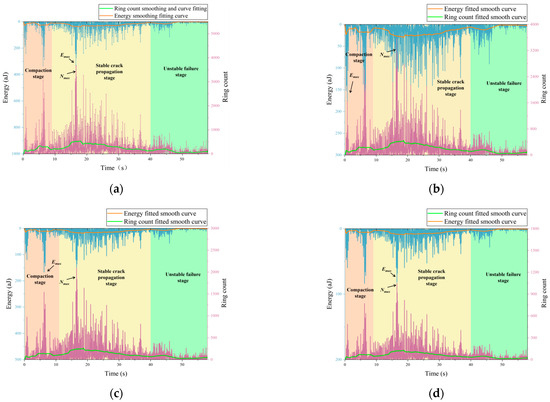
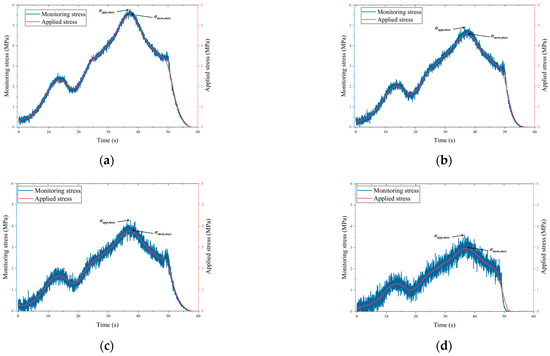
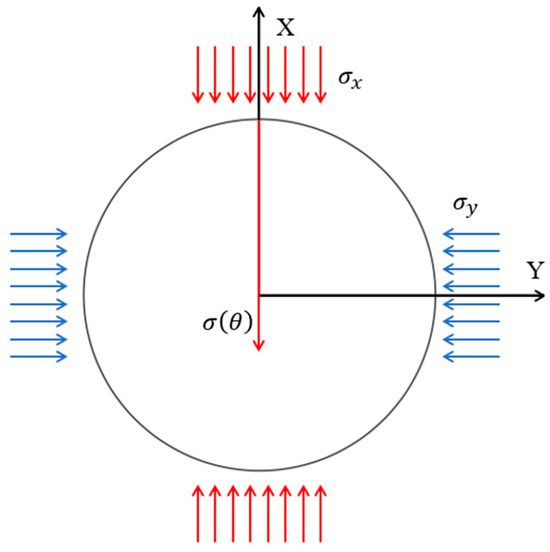
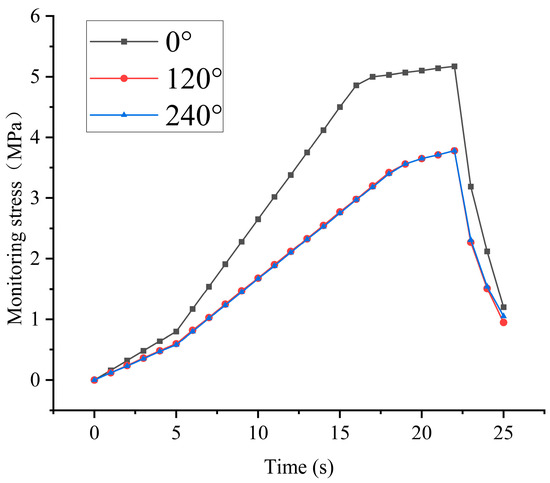
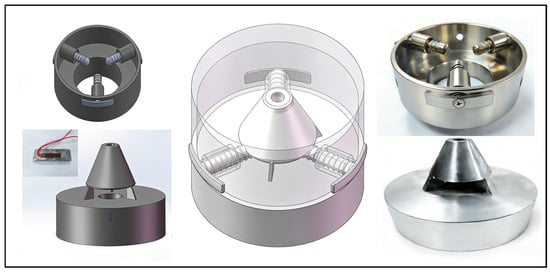
Under deep mining conditions, coal and rock masses are subjected to high in situ stress and strong mining-induced disturbances, leading to intensified stress unloading, concentration, and redistribution processes. The stability of surrounding rock is therefore closely related to mine safety. Direct, real-time, and continuous monitoring of in situ stress magnitude, orientation, and evolution is a critical requirement for deep underground engineering. To overcome the limitations of conventional stress monitoring methods under high-stress and strong-disturbance conditions, a novel in situ stress monitoring device was developed, and its performance was systematically verified through laboratory experiments. Typical unloading–reloading and biaxial unequal stress paths of deep surrounding rock were adopted. Tests were conducted on intact specimens and specimens with initial damage levels of 30%, 50%, and 70% to evaluate monitoring performance under different degradation conditions. The results show that the device can stably acquire strain signals throughout the entire loading–unloading process. The inverted monitoring stress exhibits high consistency with the loading system in terms of evolution trends and peak stress positions, with peak stress errors below 5% and correlation coefficients (R2) exceeding 0.95. Although more serious initial damage increases high-frequency fluctuations in the monitoring curves, the overall evolution pattern and unloading response remain stable. Combined acoustic emission results further confirm the reliability of the monitoring outcomes. These findings demonstrate that the proposed device enables accurate and dynamic in situ stress monitoring under deep mining conditions, providing a practical technical approach for surrounding rock stability analysis and disaster prevention.
Full article
Validated biomarkers for clinical decision-making in spondyloarthritis (SpA) remain limited, and exploratory experimental studies may help prioritize candidate immune and bone-related readouts for future validation. In this pilot study, cytokine and bone-related biomarker profiles were analyzed in a proteoglycan-induced SpA model using Th1-prone
[...] Read more.
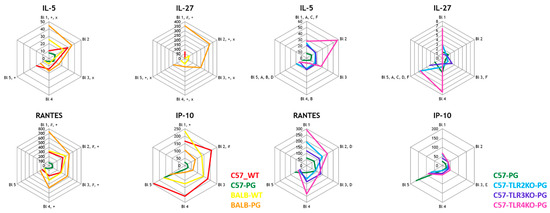
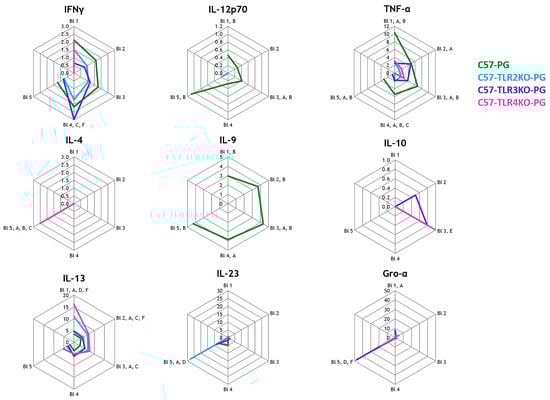
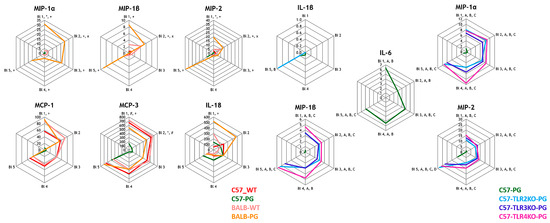
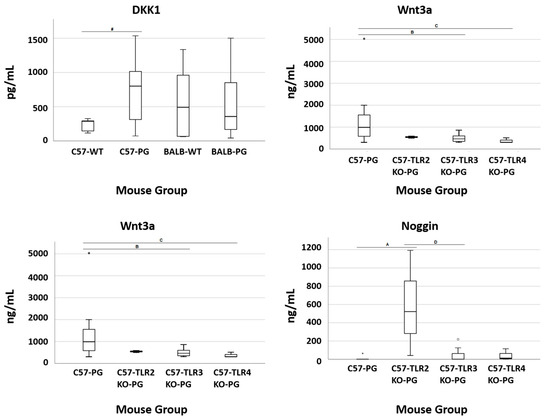
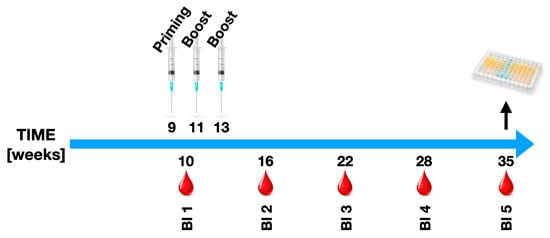
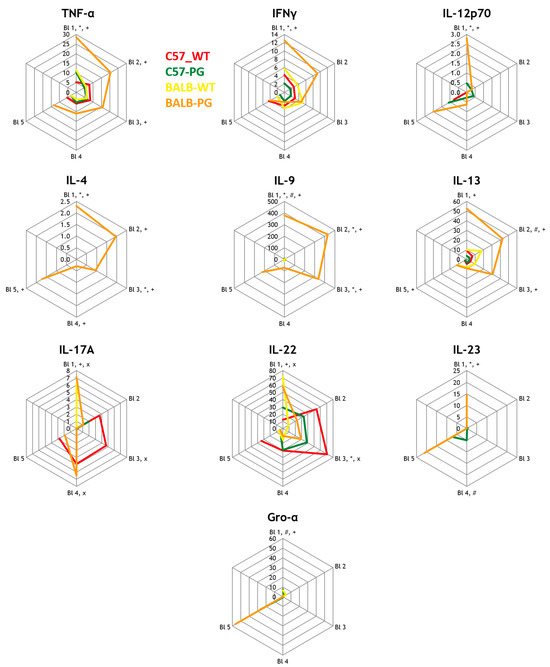
Validated biomarkers for clinical decision-making in spondyloarthritis (SpA) remain limited, and exploratory experimental studies may help prioritize candidate immune and bone-related readouts for future validation. In this pilot study, cytokine and bone-related biomarker profiles were analyzed in a proteoglycan-induced SpA model using Th1-prone C57BL/6J wild-type (WT) mice (non-immunized n = 8; immunized n = 16) and Th2-prone BALB/c WT mice (non-immunized n = 7; immunized n = 9), as well as immunized TLR2-knockout (KO) (n = 7), TLR3-KO (n = 8), and TLR4-KO (n = 3) strains on the C57BL/6J background. Serum cytokines were quantified longitudinally with a 26-plex immunoassay, and ELISA measured bone metabolism markers (DKK1, Wnt3a, Noggin). Cytokine analysis revealed distinct Th1/Th2 polarization: immunized Th1-prone C57BL/6J WT mice exhibited high Th1- and Th17-type cytokines (TNF-α, IFNγ, IL-12p70, IL-17A, and IL-22), whereas immunized Th2-prone BALB/c WT mice showed elevated Th2- and eosinophil-related cytokines (IL-4, IL-9, IL-13, IL-5, and RANTES). In TLR2-KO and TLR3-KO, Th1- and Th17-associated cytokines were markedly reduced, while Th2 cytokines were increased, confirming that TLR2 is essential for maintaining pro-inflammatory signaling. DKK-1 and Noggin levels were significantly higher in TLR2-KO mice, indicating altered terminal serum bone-marker profiles under immunized conditions. These findings indicate that Th1/Th2 immune backgrounds and TLR-associated contexts are associated with distinct cytokine patterns and differences in terminal bone markers in this experimental SpA model. Given the pilot design, small and imbalanced groups, missing non-immunized TLR-KO controls, and exploratory statistics without multiplicity adjustment, the results should be interpreted as hypothesis-generating and require confirmation in appropriately controlled, statistically powered studies incorporating longitudinal and structural endpoints, as the present findings are exploratory and not directly translatable to clinical biomarker use or therapeutic decision-making.
Full article
Sub-internal limiting membrane (sub-ILM) hemorrhage is a distinct preretinal bleeding entity in which blood accumulates between the ILM and the retinal nerve fiber layer (RNFL), forming a sharply confined compartment. The ILM’s low permeability and lack of immune cell access create a stagnant
[...] Read more.
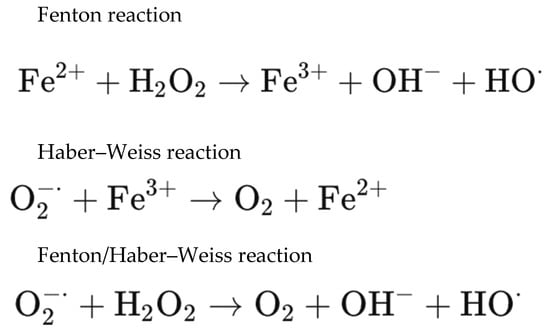
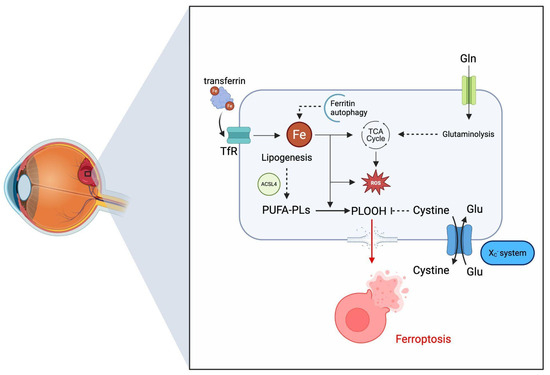
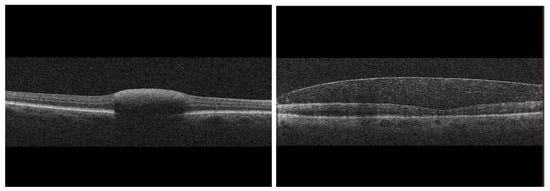
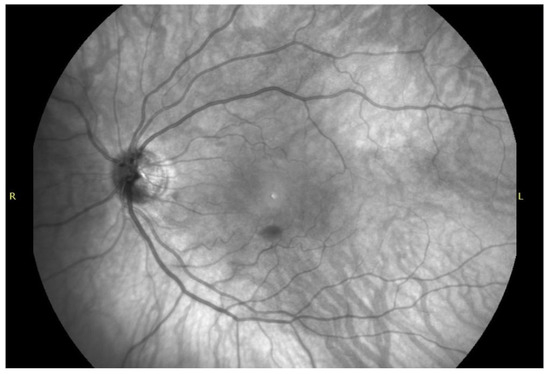
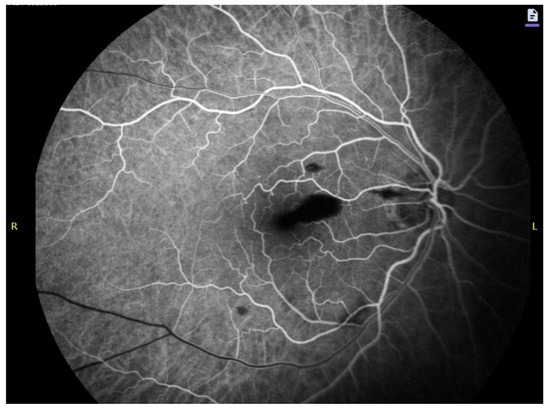
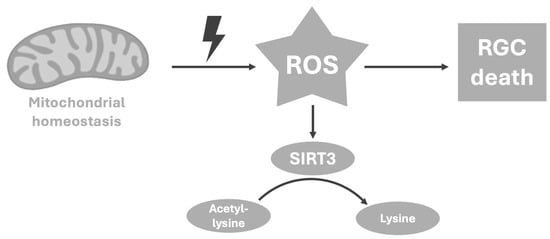
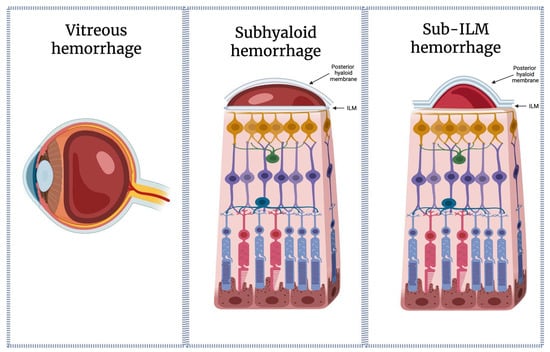
Sub-internal limiting membrane (sub-ILM) hemorrhage is a distinct preretinal bleeding entity in which blood accumulates between the ILM and the retinal nerve fiber layer (RNFL), forming a sharply confined compartment. The ILM’s low permeability and lack of immune cell access create a stagnant microenvironment in which erythrocyte lysis leads to the accumulation of hemoglobin, heme, and iron, promoting the generation of reactive oxygen species. This oxidative burden poses a direct risk to retinal ganglion cells and Müller cell endfeet. Spectral-domain optical coherence tomography (SD-OCT) enables precise identification of sub-ILM blood through its characteristic dome-shaped elevation and hyperreflective contents, distinguishing it from subhyaloid and vitreous hemorrhage. Management options include observation, neodymium-doped yttrium–aluminum–garnet (Nd: YAG) laser membranotomy, pneumatic displacement, and pars plana vitrectomy (PPV). While small, extrafoveal hemorrhages may resolve spontaneously, prolonged blood entrapment is associated with increased retinal toxicity, tractional changes, and proliferative vitreoretinopathy (PVR). Early intervention generally results in faster clearance and improved visual outcomes, particularly for dense or foveal bleeding. Major gaps remain regarding cellular stress responses, biomarkers that predict irreversible damage, and the optimal timing of intervention. Standardized imaging criteria and evidence-based management algorithms are needed to guide individualized treatment.
Full article
In this study, which focuses on animal symbolism in Alevi–Bektashi menakıpnames (hagiographies), the objective was to investigate animal symbolism, which is not unfamiliar but not fully understood. In this context, the study examined Abdal Musa Velayetnamesi, Menakıbu’l Kudsiyye, Demir Baba Velayetname, Hacı Bektaş
[...] Read more.
In this study, which focuses on animal symbolism in Alevi–Bektashi menakıpnames (hagiographies), the objective was to investigate animal symbolism, which is not unfamiliar but not fully understood. In this context, the study examined Abdal Musa Velayetnamesi, Menakıbu’l Kudsiyye, Demir Baba Velayetname, Hacı Bektaş Veli Velayetname, Hacım Sultan Menakıpname, Koyun Baba Velayetname, Otman Baba Velayetname, Saltıkname, Seyyid Ali Sultan Velayetname, Şuaceddin Veli Velayetname, and Veli Baba Menakıpname. This study, which aims to reveal the animals featured in Alevi–Bektashi menakıpnames and the symbolic perceptions attributed to them, uses phenomenology (the study of phenomena) from qualitative research designs. Within the scope of the research, data was collected through secondary sources, and elements considered meaningful and thought to contain animal symbolism were identified and presented in the findings section through direct and indirect transfers. The analysis revealed that the following animals are used as symbolic animals in the aforementioned menakıpnames and menkıbes: horse, deer, sheep, ram, lion, wolf, dog, pig, crane, pigeon, rooster, snake/dragon, salamander, crocodile, fish, and ox. Although animals such as wolves and sheep have taken on different functions and symbolic meanings under the influence of Islamic tradition, all other animals have retained their symbolic meanings in Turkish mythology in Alevi–Bektashi legends.
Full article
Fibre reinforced cementitious matrix (FRCM) systems are composite materials that are increasingly used for retrofitting masonry and reinforced concrete structures. Their behaviour does not depend only on the mechanical properties of the fibres and the matrix. Therefore, it is essential to perform tensile
[...] Read more.
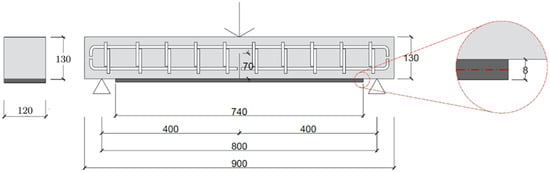
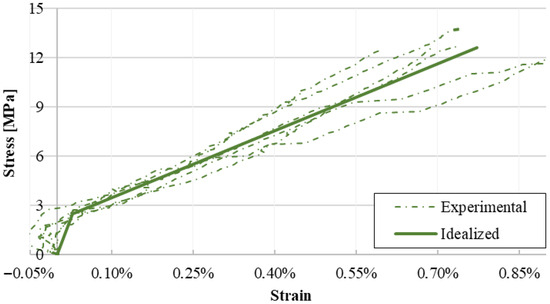
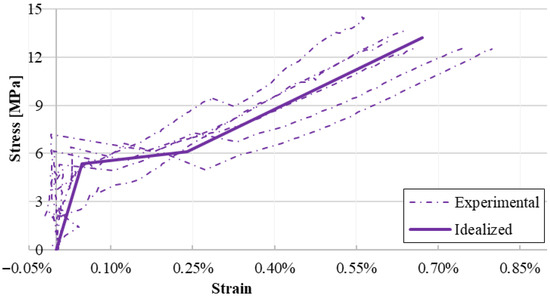
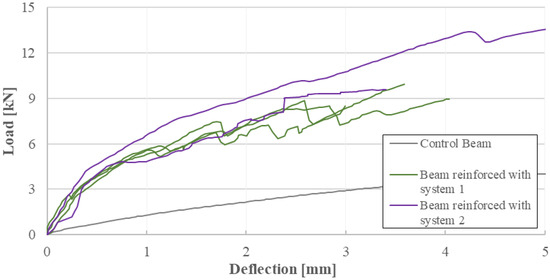
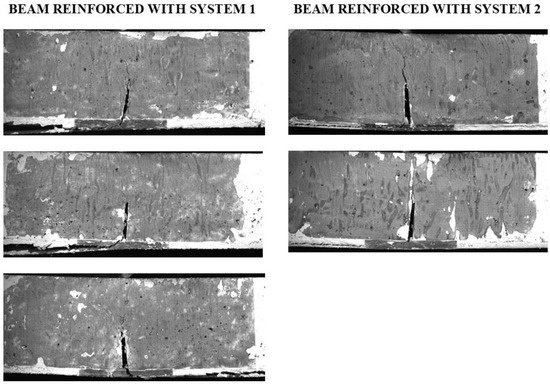
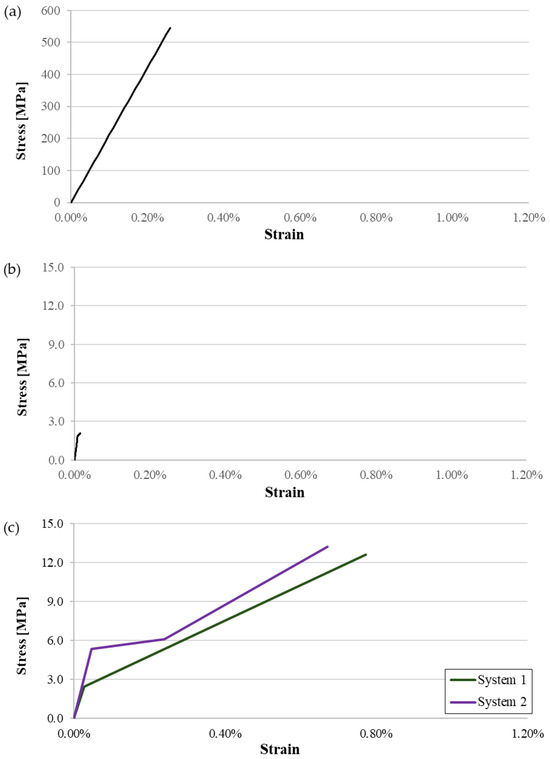
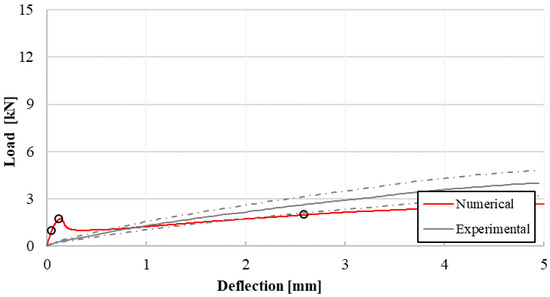
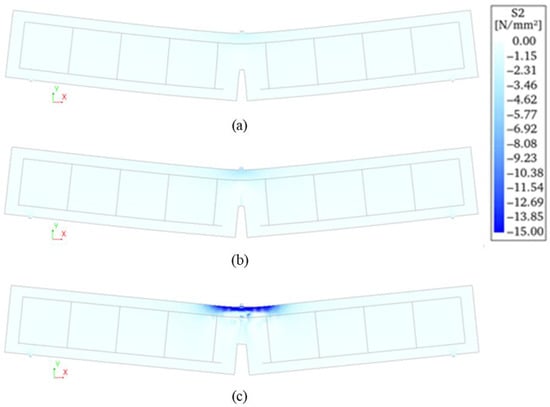
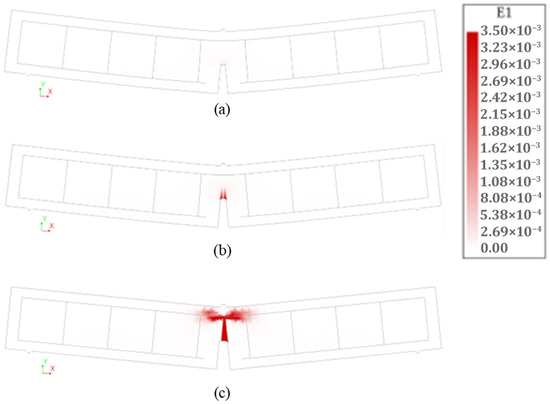
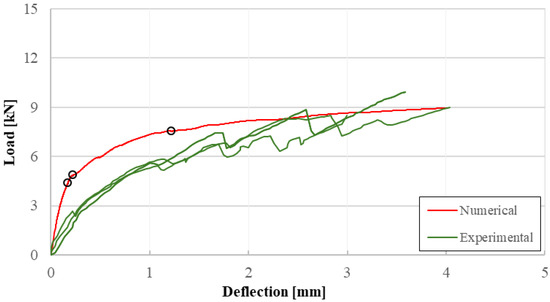
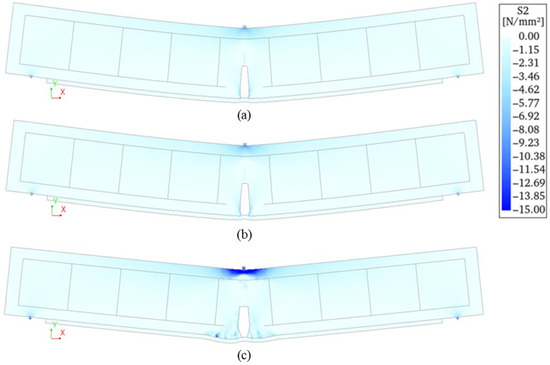
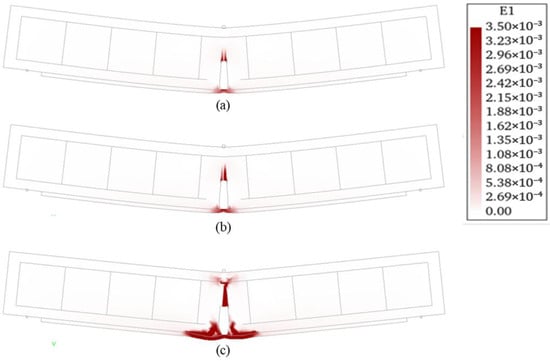
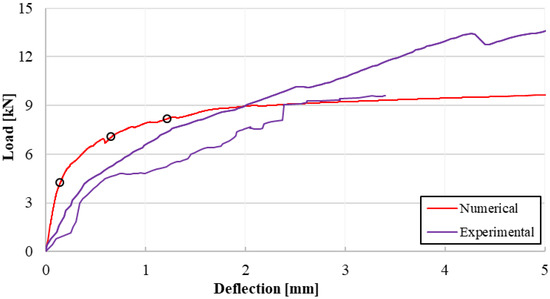
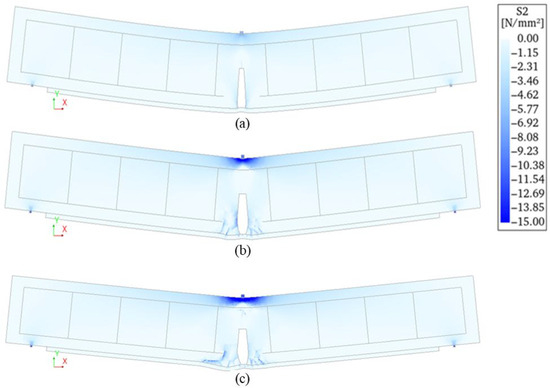
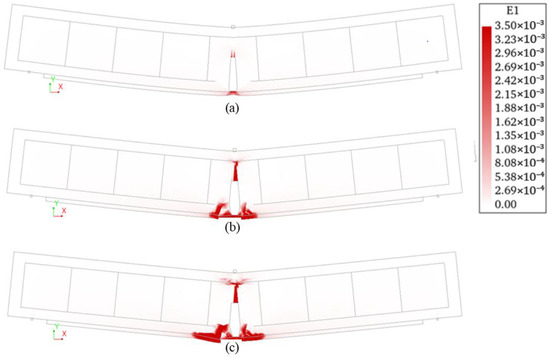
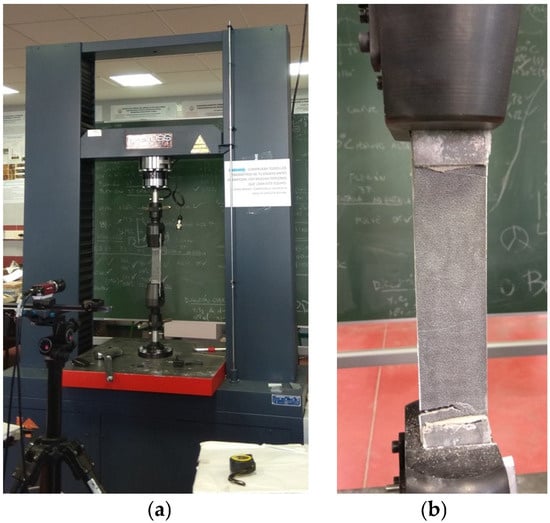
Fibre reinforced cementitious matrix (FRCM) systems are composite materials that are increasingly used for retrofitting masonry and reinforced concrete structures. Their behaviour does not depend only on the mechanical properties of the fibres and the matrix. Therefore, it is essential to perform tensile tests on FRCM coupons, as well as additional tests to investigate whether the interaction between the FRCM system and the substrate can be considered a perfect bond. The aim of this paper is to numerically simulate the behaviour of concrete beams retrofitted with two FRCM composite systems assuming perfect bond. The results of the numerical simulations were compared with experimental data, and it was observed that the adopted models successfully capture the cracking behaviour of both the concrete and the FRCM, as well as overall structural response of the specimens. The main finding was that the behaviour of concrete beams retrofitted with FRCM can be effectively estimated using a macro-modelling approach in numerical simulations. The ultimate load obtained experimentally is between 2% and 20% higher than the numerical value. This is safe and accurate enough for engineering purposes.
Full article
Generative artificial intelligence (GenAI) is increasingly transforming creative industries through its ability to generate high-quality content, raising critical questions about authorship, ownership, and the future of creative labor. This paper addresses these challenges by conducting a systematic bibliometric review of 119 peer-reviewed articles
[...] Read more.
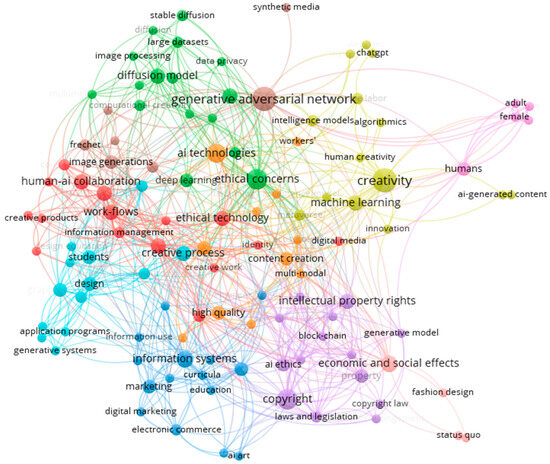
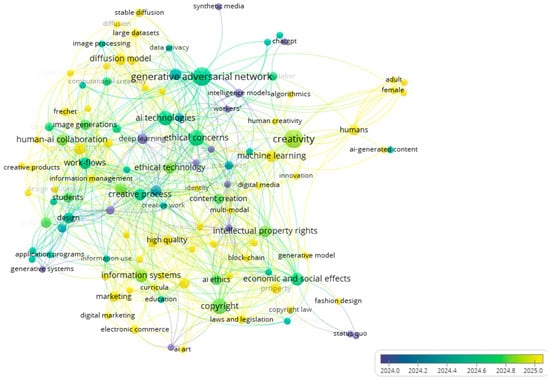
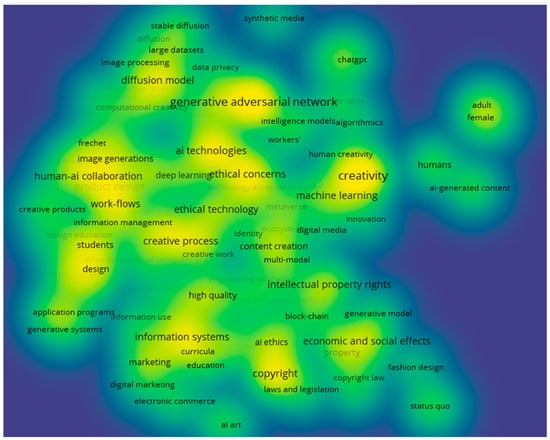
Generative artificial intelligence (GenAI) is increasingly transforming creative industries through its ability to generate high-quality content, raising critical questions about authorship, ownership, and the future of creative labor. This paper addresses these challenges by conducting a systematic bibliometric review of 119 peer-reviewed articles on GenAI in the creative sectors, published between 2023 and 2025. The study applies PRISMA 2020 guidelines and keyword co-occurrence analysis using VOSviewer to identify thematic clusters and map research trends. The central research question is how the academic literature conceptualizes the role and impact of GenAI within creative industries and how this has evolved over time. Findings reveal nine major thematic areas, ranging from technical implementations to ethical, economic, and institutional perspectives. The analysis shows that recent research emphasizes not only the technological capacities of GenAI, but also its implications for value creation, creative agency, and industry structures. The main contribution of the paper lies in offering a structured overview of current research trajectories, clarifying conceptual ambiguities, and highlighting understudied areas—particularly regarding the intersection of GenAI, platform economies, and labor dynamics. The review also identifies a methodological gap in comparative empirical studies and proposes directions for future research. By mapping the evolving discourse on GenAI in creative industries, this study contributes to both scholarly understanding and policy development. It provides a foundation for interdisciplinary inquiry and a forward-looking agenda for critically assessing GenAI’s role in reshaping creative work.
Full article
We explore how easy it is to enforce the advent of exceptional points starting from random matrices of non-Hermitian nature. We use the Petermann factor, whose mathematical version is called “overlap”, for guidance, as well as simple pseudo-spectral tools. We attempt to proceed
[...] Read more.
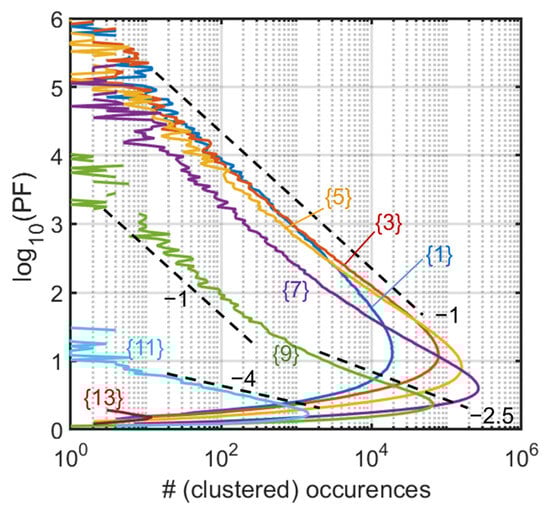
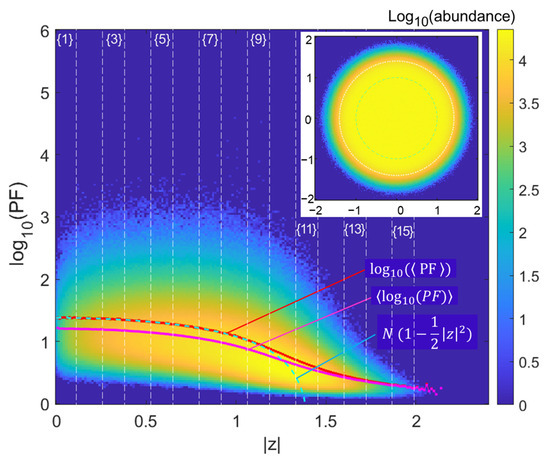
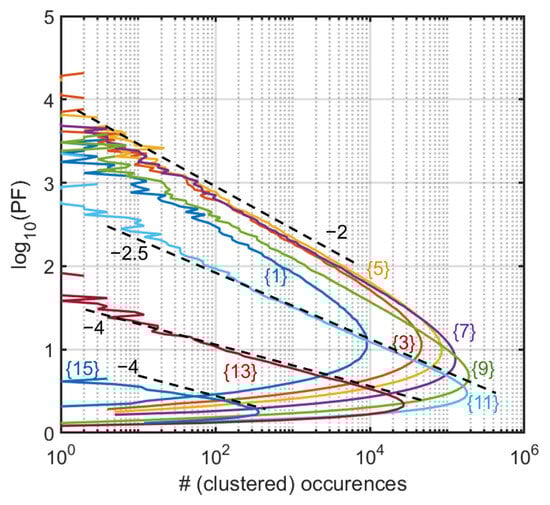
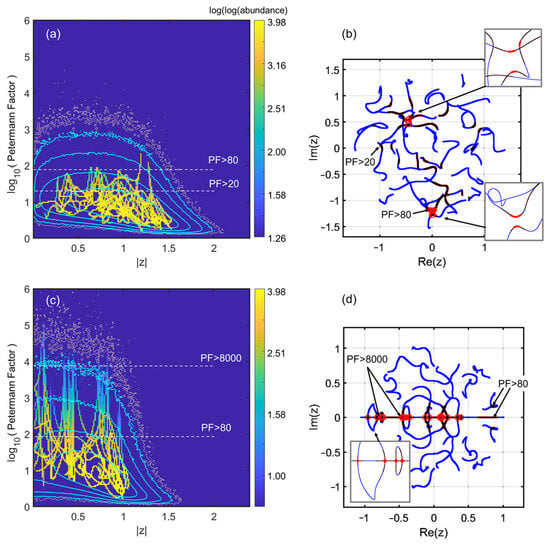
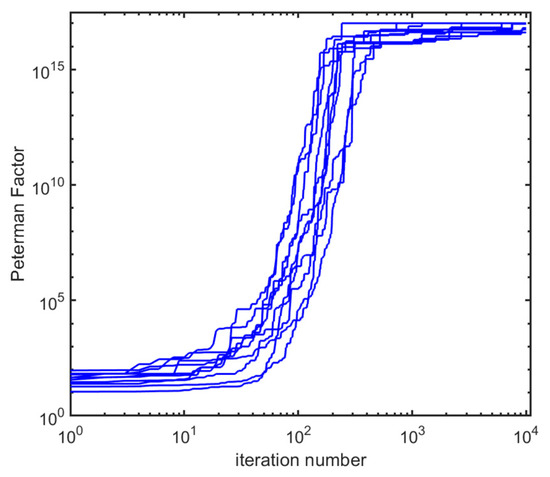
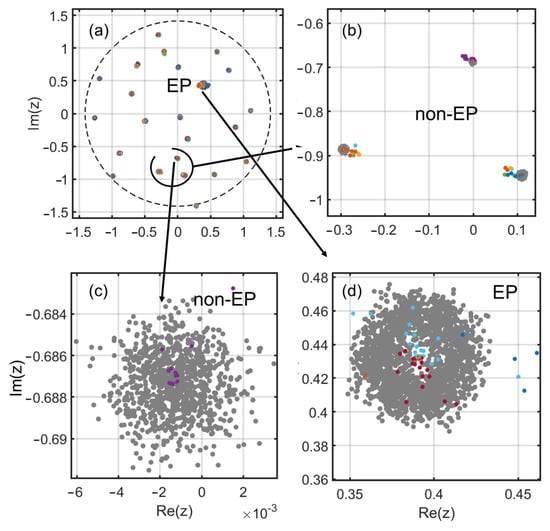
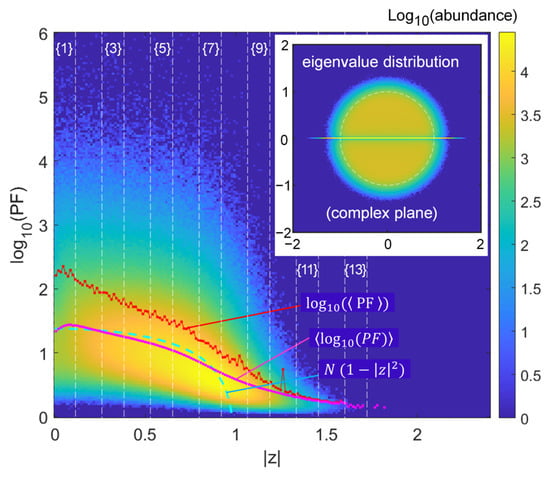
We explore how easy it is to enforce the advent of exceptional points starting from random matrices of non-Hermitian nature. We use the Petermann factor, whose mathematical version is called “overlap”, for guidance, as well as simple pseudo-spectral tools. We attempt to proceed in the most agnostic way, by adding random perturbation and checking basic metrics such as the sum of all vectors’ Petermann factors, equivalently the sum of diagonal overlaps. Issues such as the location of high Petermann factors vs. the modulus of eigenvalue are addressed. We contrast the fate of exploratory approaches in the Ginibre set (real matrices) and complex matrices, noting the special role of exceptional points on the real axis for the Ginibre matrices, completely absent in complex matrices.
Full article
Dyslipidemia, characterized by elevated triglyceride (TG), total cholesterol (TC), and low-density lipoprotein cholesterol (LDL-C) levels, is a major cardiovascular risk factor. However, evidence regarding the lipid-modulating efficacy of Lactobacillus rhamnosus and Lactobacillus casei remains limited. This systematic review and meta-analysis (PROSPERO: CRD420251153531) evaluated
[...] Read more.
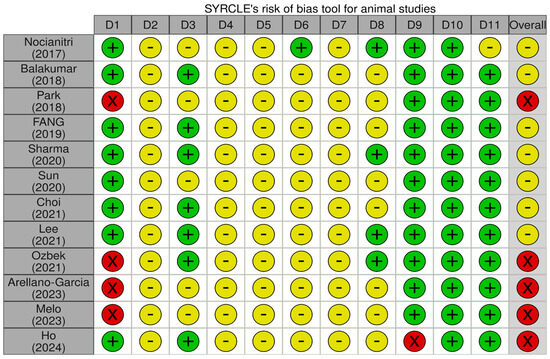
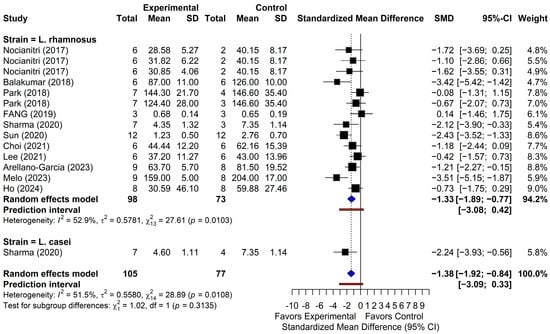
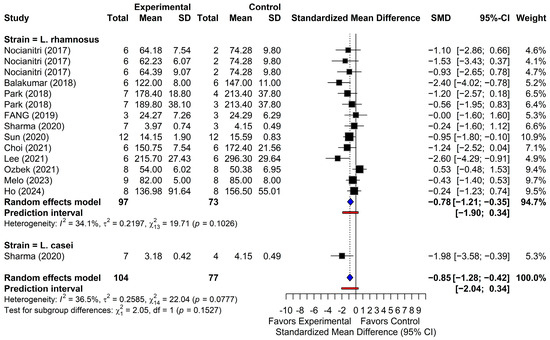
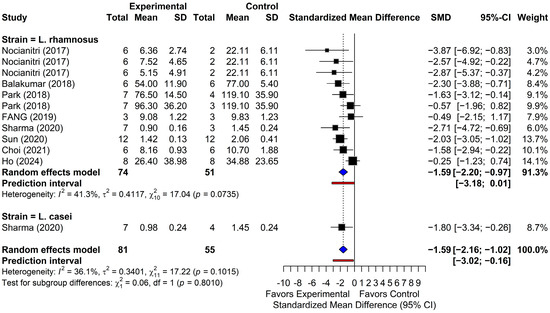
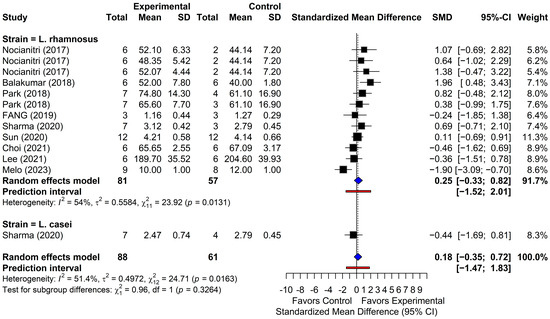
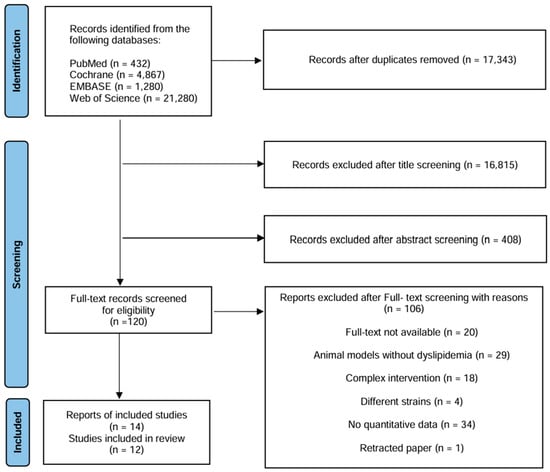
Dyslipidemia, characterized by elevated triglyceride (TG), total cholesterol (TC), and low-density lipoprotein cholesterol (LDL-C) levels, is a major cardiovascular risk factor. However, evidence regarding the lipid-modulating efficacy of Lactobacillus rhamnosus and Lactobacillus casei remains limited. This systematic review and meta-analysis (PROSPERO: CRD420251153531) evaluated their lipid-modulating effects in preclinical dyslipidemia models. A comprehensive search of four databases up to July 2025 identified 12 studies. Risk of bias was assessed using the SYRCLE tool. Random-effects meta-analyses were conducted to estimate standardized mean differences (SMDs) and 95% confidence intervals (CIs): probiotics significantly reduced TG (SMD: −1.38; 95% CI: from −1.92 to −0.84), TC (SMD: −0.85; 95% CI: from −1.20 to −0.42), and LDL-C levels (SMD: −1.59; 95% CI: from −2.16 to −1.02; all p < 0.001). In contrast, no significant effect was observed on high-density lipoprotein cholesterol levels (SMD: 0.18; 95% CI: from −0.35 to 0.72; p = 0.5044). Heterogeneity was moderate to substantial (I2 = 36–51%), although publication bias for TC and LDL-C suggests cautious interpretation of results. The lipid-lowering effects are likely mediated by bile salt hydrolase activity and short-chain fatty acid production along the gut–liver axis. These findings support L. rhamnosus as a potential adjunctive nutritional strategy for dyslipidemia management.
Full article
Glaucoma progression differs markedly between individuals despite comparable intraocular pressure control, implying additional modifiable contributors to neurodegeneration. We evaluated the joint impact of sleep deficit and inflammatory cytokine trajectories on retinal nerve fiber layer (RNFL) loss. In this 24-month prospective longitudinal observational cohort,
[...] Read more.
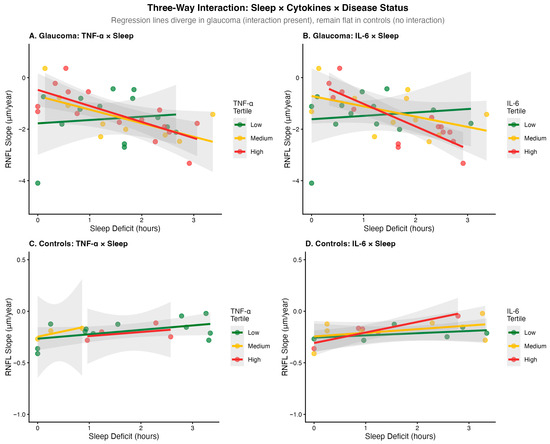
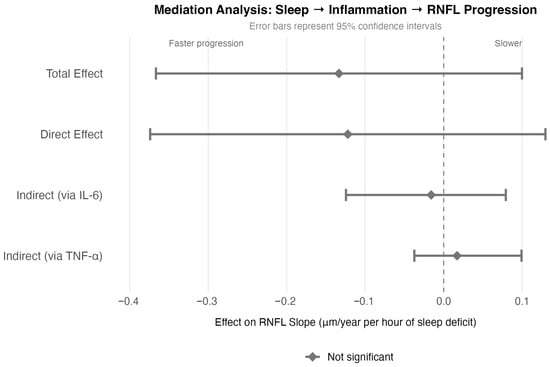
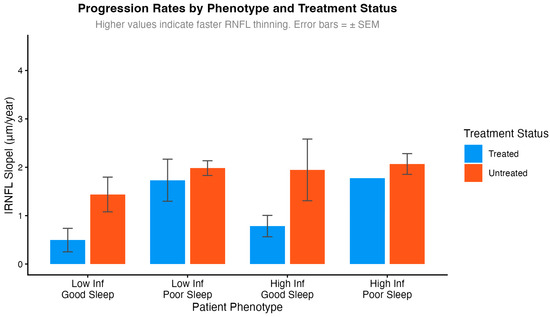
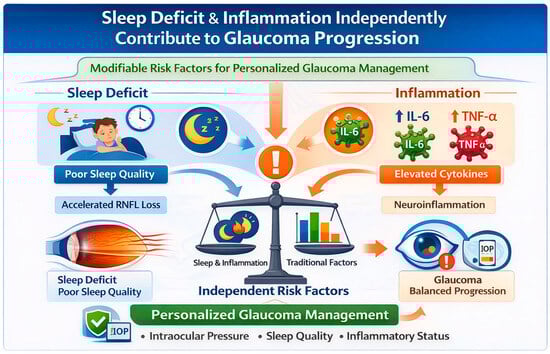
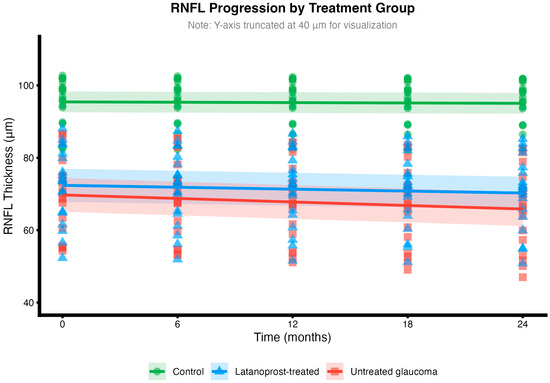
Glaucoma progression differs markedly between individuals despite comparable intraocular pressure control, implying additional modifiable contributors to neurodegeneration. We evaluated the joint impact of sleep deficit and inflammatory cytokine trajectories on retinal nerve fiber layer (RNFL) loss. In this 24-month prospective longitudinal observational cohort, 57 participants (19 controls, 19 prostaglandin-treated glaucoma, 19 untreated glaucoma) underwent spectral-domain OCT, validated sleep assessment, and serial IL-6 and TNF-α profiling. Longitudinal models tested independent and interactive effects of sleep deficit and inflammation on RNFL change, and mediation analyses assessed whether inflammation explains the sleep–progression association. RNFL loss rates were −0.20 ± 0.10 μm/year (controls), −1.06 ± 0.89 μm/year (treated), and −1.94 ± 0.78 μm/year (untreated; p < 0.001). Sleep deficit correlated with RNFL loss in glaucoma (r = −0.41, p = 0.010) but not controls, with stronger effects in untreated disease (p = 0.034). Each hour of sleep deficit was associated with 0.09–0.11 μm/year faster RNFL loss (p < 0.05). A combined sleep–inflammation model improved risk stratification (C-statistic = 0.68). Mediation was not supported. Sleep deficit and inflammatory cytokines act as parallel, independent risk factors for glaucoma progression. Integrating sleep and inflammatory profiling may enhance personalized risk assessment beyond pressure-based management.
Full article
by
Alessandro Vittori, Cecilia Di Fabio, Marco Cascella, Franco Marinangeli, Elisa Francia, Ilaria Mascilini, Cecilia Maria Pizzo, Corrado Cecchetti, Valentina Di Conza, Teresa Grimaldi Capitello, Giuliano Marchetti, Giuseppe Servillo and Pasquale Buonanno
Children2026, 13(2), 188; https://doi.org/10.3390/children13020188 (registering DOI) - 29 Jan 2026
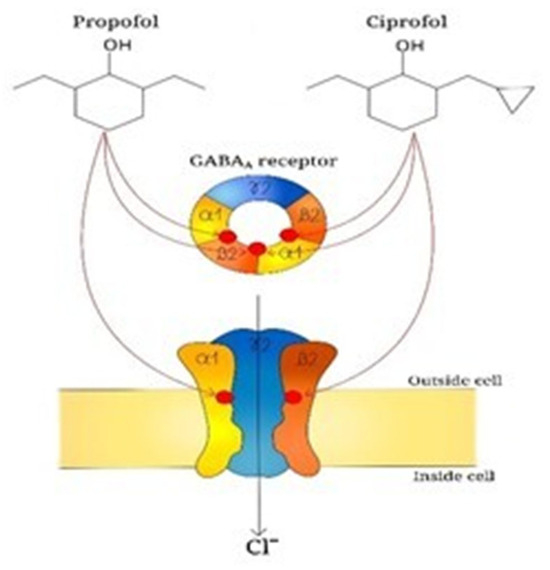
The search for an ideal anesthetic has always been a major goal in anesthesiology. In recent years, the introduction of ciprofol has marked a major breakthrough in the pharmacological field, following the introduction of dexmedetomidine. Ciprofol has similar characteristics to propofol but with
[...] Read more.
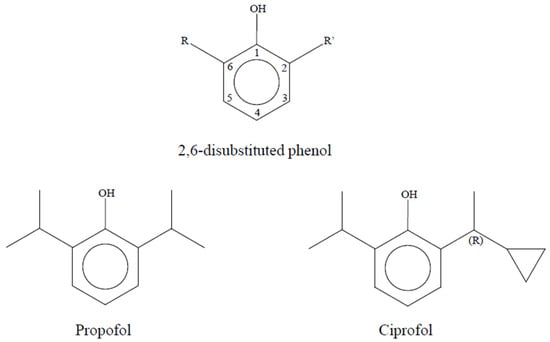
The search for an ideal anesthetic has always been a major goal in anesthesiology. In recent years, the introduction of ciprofol has marked a major breakthrough in the pharmacological field, following the introduction of dexmedetomidine. Ciprofol has similar characteristics to propofol but with greater hemodynamic stability. Furthermore, it overcomes one of the most common discomforts associated with propofol: pain at the injection site. These characteristics make it a suitable hypnotic for pediatric use. Although studies on children are still limited, the literature on adults is now substantial and of high quality. The potential advantages of using ciprofol in pediatric anesthesia include pain-free induction, hemodynamic stability, less respiratory depression, and a lower incidence of emergence delirium.
Full article
by
Alexis Ruimy, Thibault Agripnidis, Julien Panneau, Johanna Nguyen, Farouk Tradi, Thierry Marx, Raphaël Haumont, Pauline Brige, Benjamin Guillet and Vincent Vidal
J. Pers. Med.2026, 16(2), 64; https://doi.org/10.3390/jpm16020064 (registering DOI) - 29 Jan 2026
Background: Embolization is a key therapeutic option in interventional radiology for the management of acute arterial bleeding and solid organ injuries. While various embolic agents exist, there is a persistent clinical need for materials that are not only highly effective but also biocompatible,
[...] Read more.
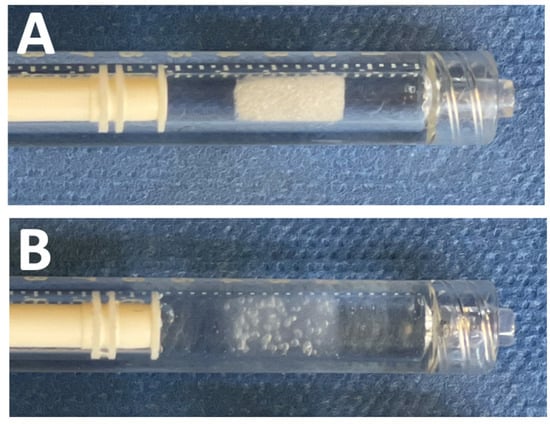
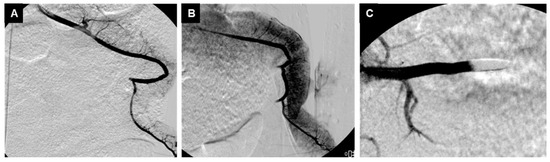
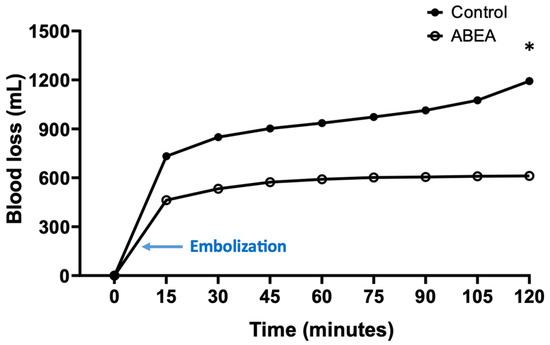
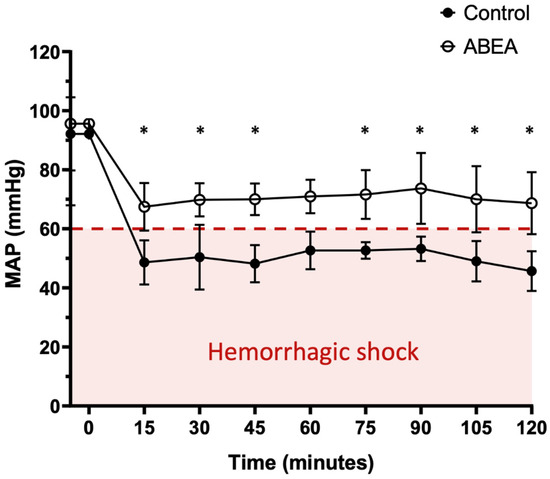
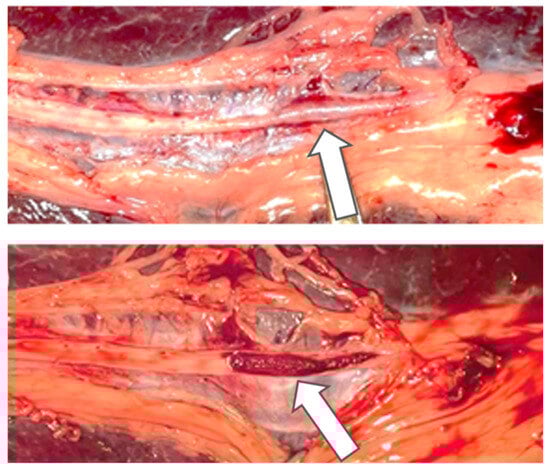
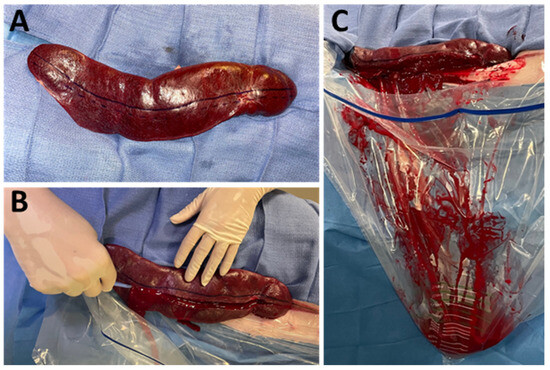
Background: Embolization is a key therapeutic option in interventional radiology for the management of acute arterial bleeding and solid organ injuries. While various embolic agents exist, there is a persistent clinical need for materials that are not only highly effective but also biocompatible, easy to deliver, and cost-effective. We aim to evaluate a new eco-friendly dry foam agar-based embolization agent (ABEA) in an uncontrolled solid organ hemorrhage model. Material and Methods: Ten pigs underwent a controlled splenic injury. After a 5 min free-bleeding period, five pigs were treated with splenic artery ABEA embolization, while the remaining five received no treatment and served as the control group. Follow-up angiography was performed immediately after embolization and at 5 and 15 min in the treated pigs. Mean arterial pressures and average blood loss volumes were evaluated for 120 min. Results: The control group showed continuous blood loss, leading to a significantly higher total blood loss than the ABEA-treated group (1451 mL vs. 611 mL at 120 min, p < 0.05). Mean arterial pressure (MAP) remained below the hemorrhagic shock threshold throughout the procedure in the control group, validating the model of uncontrolled hemorrhage. In addition, a significant stabilization of MAP was observed in treated pigs, remaining above the critical level of hemorrhagic shock and differed significantly from control group values. Conclusions: Embolization with ABEA maintained MAP above critical levels and significantly reduced blood loss volume in a hemorrhagic model. These results support the technical feasibility and short-term hemostatic performance of ABEA in an acute setting. While preliminary, this proof-of-concept has provided the basis for a validated clinical study currently underway to evaluate its effectiveness and safety in human patients.
Full article
The root system provides the interface between the plant and the soil that is responsible for water and nutrient uptake and transport. We hypothesized that almond trees in the commercial production environment could adjust their root acquisitive traits with distance vertically and horizontally
[...] Read more.
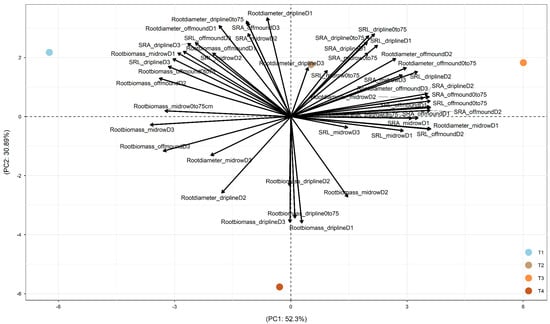
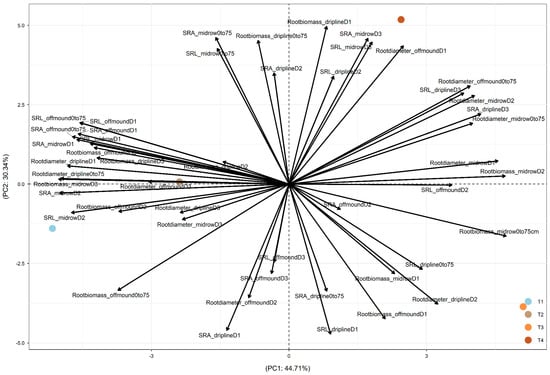
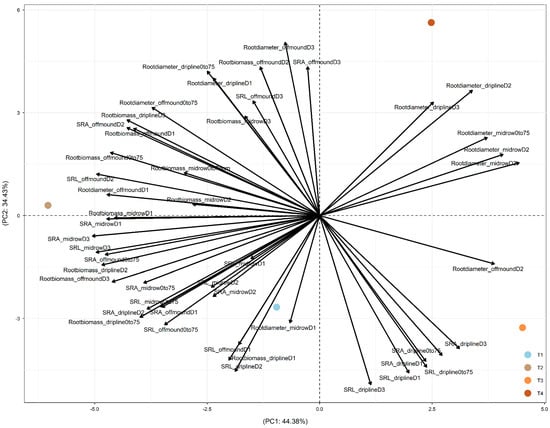
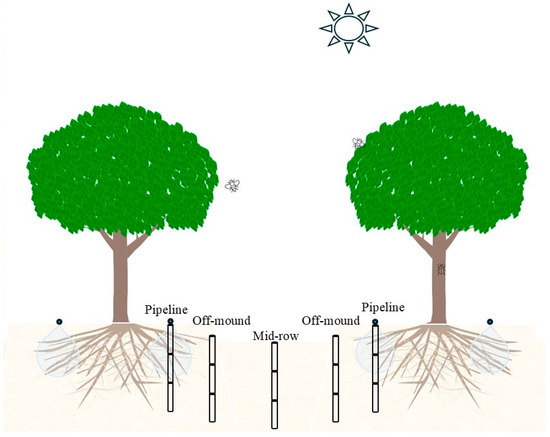
The root system provides the interface between the plant and the soil that is responsible for water and nutrient uptake and transport. We hypothesized that almond trees in the commercial production environment could adjust their root acquisitive traits with distance vertically and horizontally from driplines as adaptive responses to within-orchard reductions in irrigation and nitrogen inputs. We compared the responses of root acquisitive traits under four years of treatments ranging from +W+N (15 ML ha−1 water and 300 kg ha−1 nitrogen per season) to −W−N (10.5 ML ha−1 water and 160 kg ha−1 nitrogen per season, with −W involving a 30% reduction in irrigation and −N involving a 46% reduction in nitrogen). Roots (<3 mm) were sampled through soil coring in the winters of 2017, 2018, and 2019. Root sampling was conducted along the vertical gradient and along the horizonal gradient (0 cm, 80 cm, and 240 cm from the dripline). Four years of treatments highlighted that the data variation was driven mainly by the difference between the +W and −W treatments (along PC1). Further, the difference between −W−N (combined resource reduction) and the other three treatments (+W+N, +W−N, and −W+N) contributed to the data variation (along PC2). Also, the temporal dynamics of treatment effects over 2017, 2018, and 2019 suggested a temporally strengthened +W−N effect to increase root biomass, average root diameter, specific root surface area (SRA), and specific root length (SRL) at deeper soil depths and at greater soil distances from driplines. These findings on the spatial and temporal plasticity of traits representing root resource acquisition capabilities highlighted the important role of root systems in maintaining crop productivity under reduced irrigation and nitrogen inputs.
Full article
The efficient oxidation of glucose to formic acid (FA) has emerged as a sustainable method for biomass utilization. Herein, we developed a new approach to fulfill oxidation of glucose to formic acid using a polyoxometalate (POM) K10SiW9Mn3II [...] Read more.
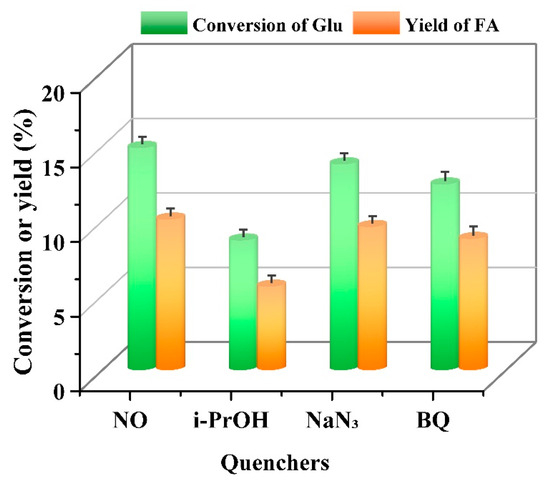
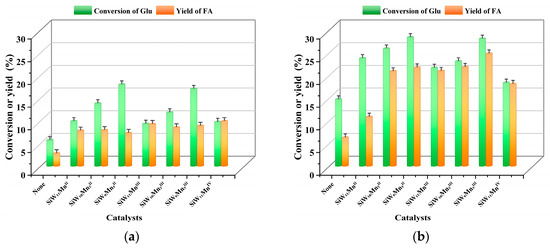
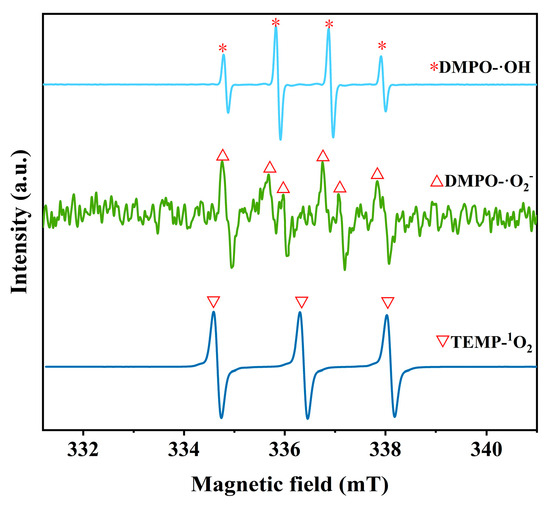
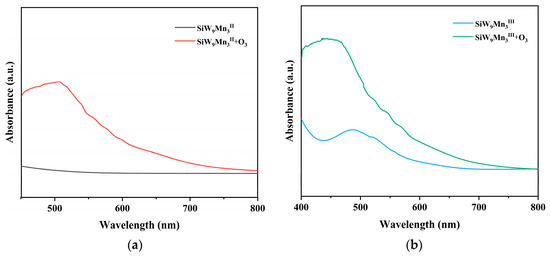
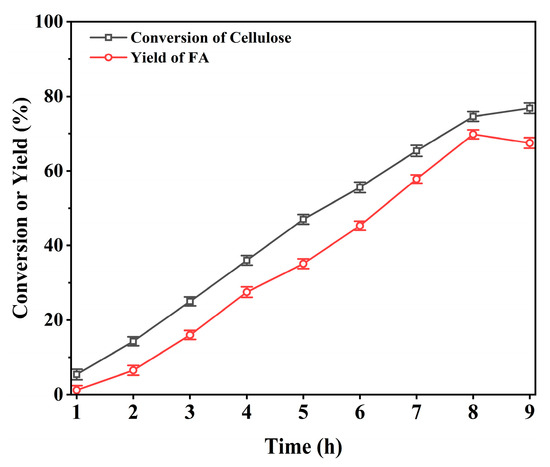
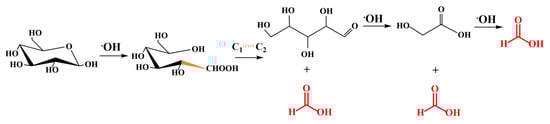
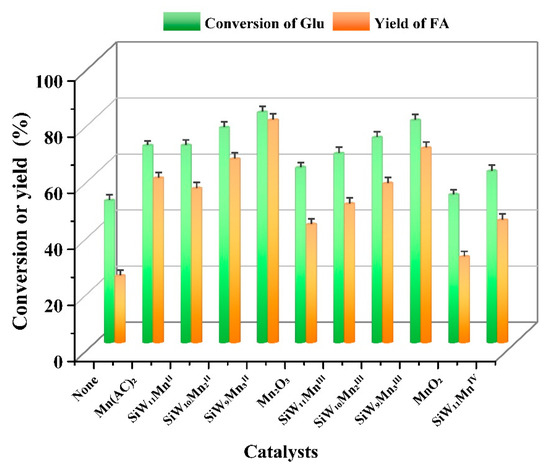
The efficient oxidation of glucose to formic acid (FA) has emerged as a sustainable method for biomass utilization. Herein, we developed a new approach to fulfill oxidation of glucose to formic acid using a polyoxometalate (POM) K10SiW9Mn3IIO37/O3 system, and its high efficiency was presented with 79.3% yield of FA at 82.1% conversion at room temperature for 3 h. As evidenced by experiments, the components in Mn-POMs significantly influenced glucose conversion due to their effect on generating reactive oxygen species (ROSs) from O3, which was essential for FA production.
Full article
Accurate indoor localization is essential for navigation, monitoring, and industrial applications, especially in environments with Non-line of sight (NLOS) conditions. An indoor positioning system consists of fixed physical nodes, referred to as anchors, which serve as reference nodes with known locations, and entities
[...] Read more.
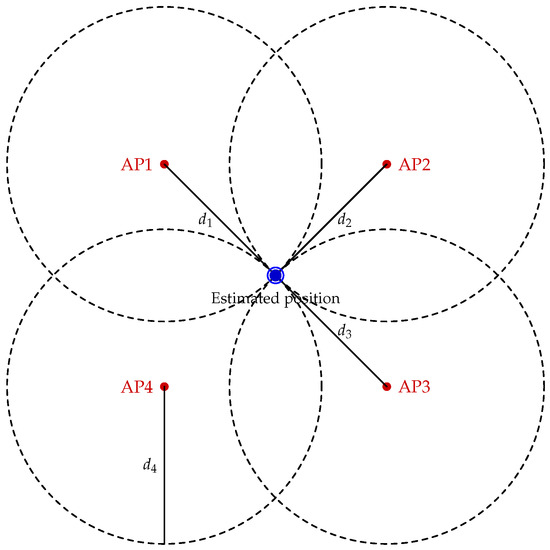
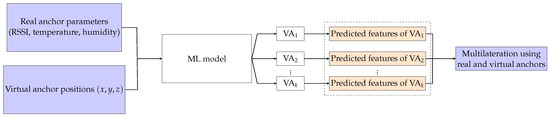
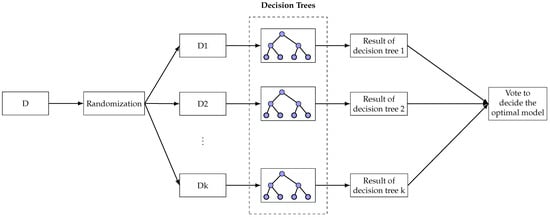
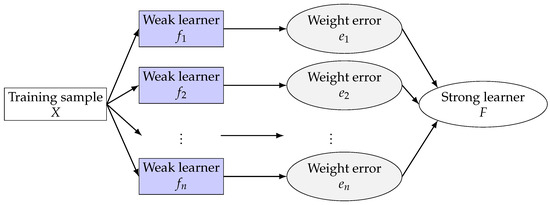
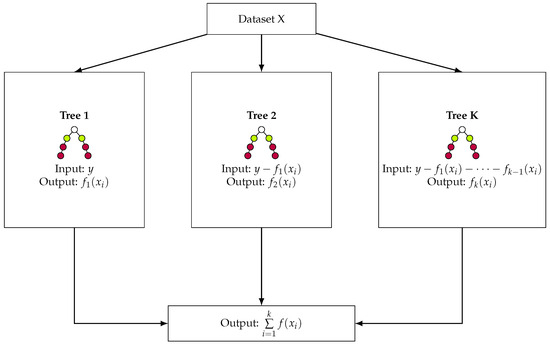
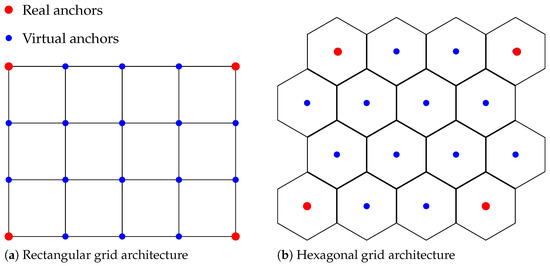
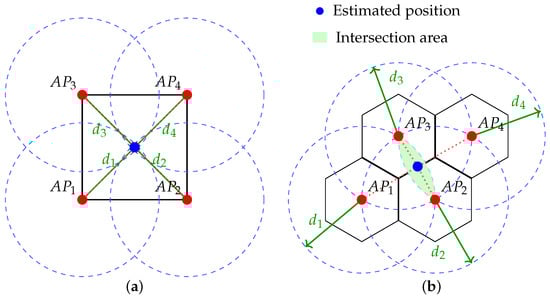
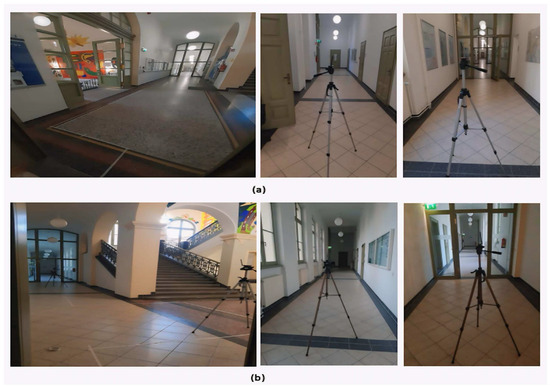
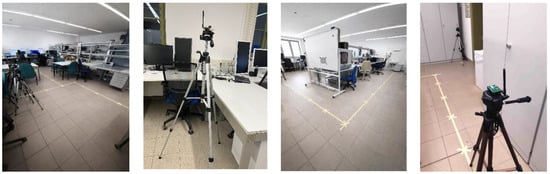
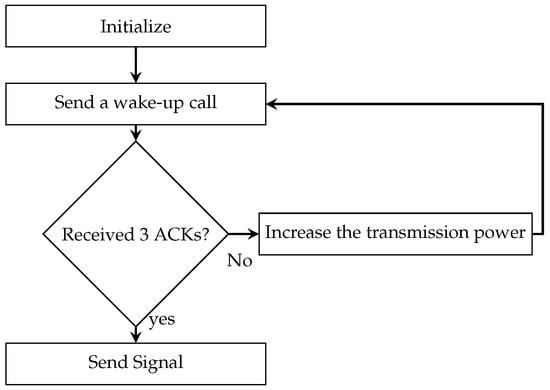
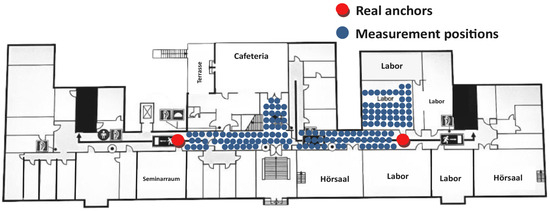
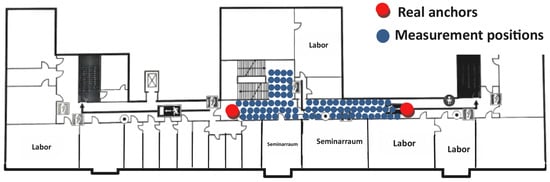
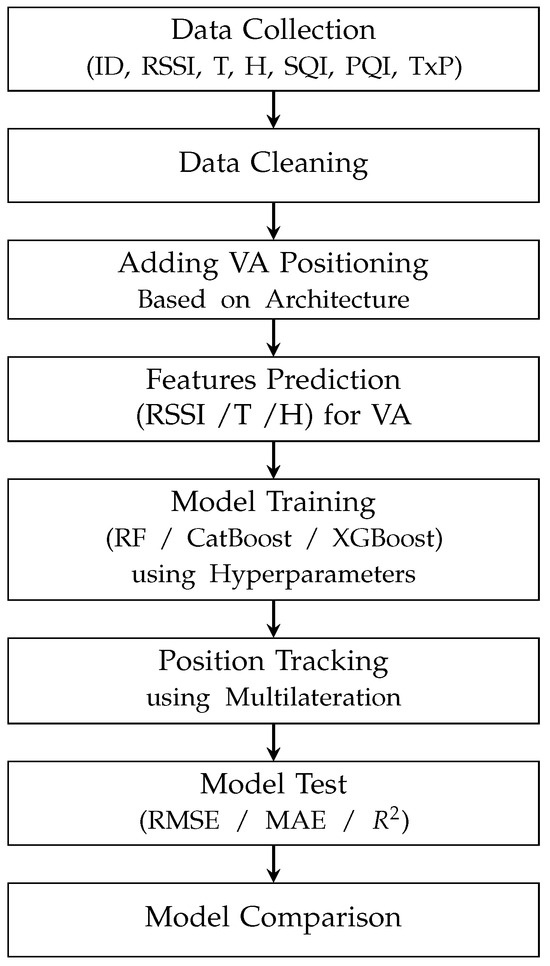
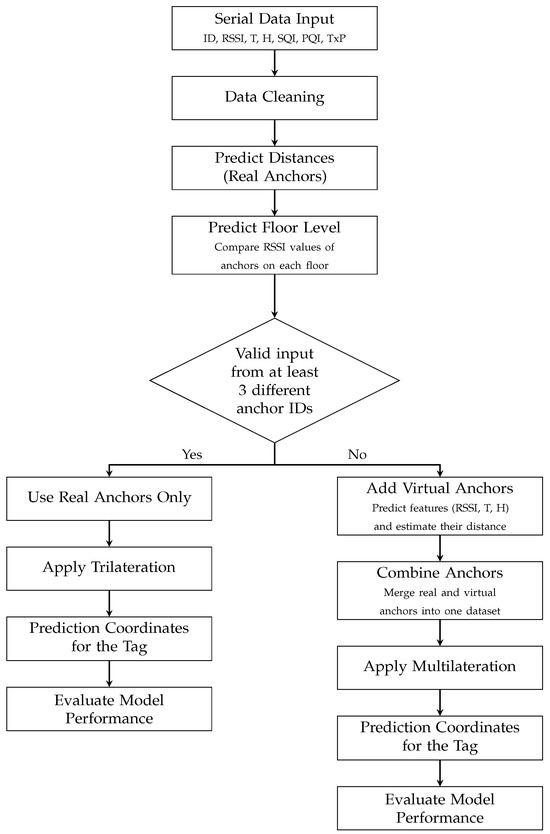
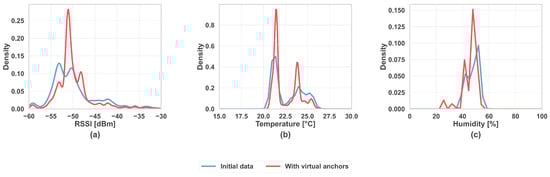
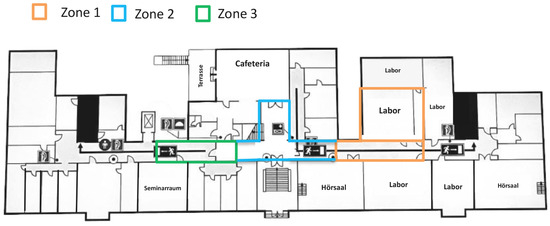
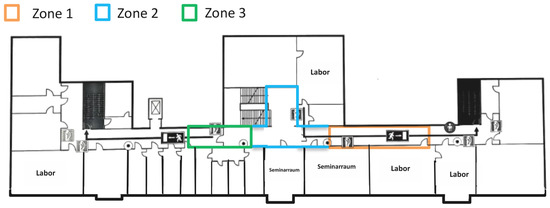
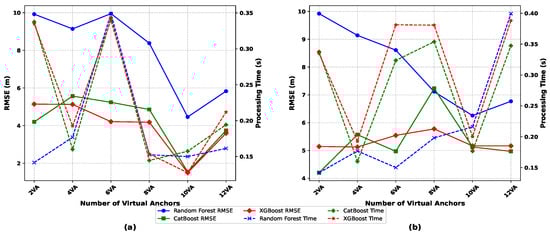
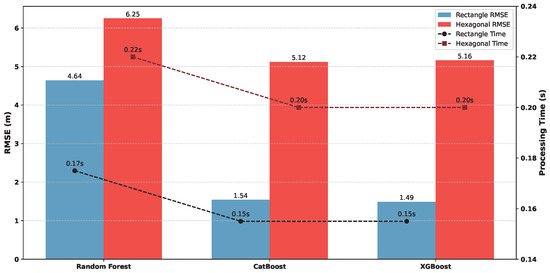
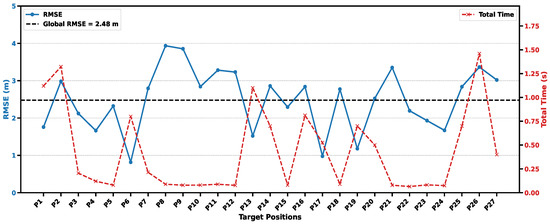
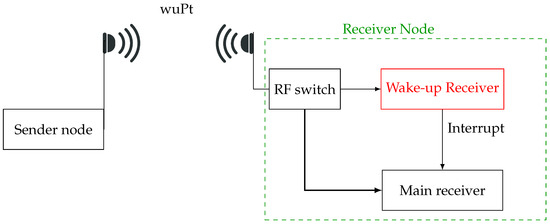
Accurate indoor localization is essential for navigation, monitoring, and industrial applications, especially in environments with Non-line of sight (NLOS) conditions. An indoor positioning system consists of fixed physical nodes, referred to as anchors, which serve as reference nodes with known locations, and entities that could be persons or objects that are also equipped with a node, referred to as targets, whose positions are estimated based on signal measurements exchanged with the surrounding anchors. Although RSSI is widely used due to hardware simplicity, its performance is often affected by signal degradation, multipath propagation, and environmental interference. To address this limitation, this work aims to develop an indoor positioning system, especially in wide areas with a minimal number of physical anchors, while maintaining high positioning accuracy and low latency. The proposed approach integrates VA, RSSI-based multilateration, and ML as a tool to refine and improve positioning accuracy, where ML models are used to predict the VA features and subsequently predict the corresponding distances. In addition, the system relies on energy-efficient WuRx nodes, which ensure a low power consumption and support on-demand communication. The study area covers two distinct floors with a total area of 366.9 m2, covered using only four physical anchors. Two studies were performed, the offline and the online, in order to evaluate the proposed system under both the theoretical performance and real implementation conditions. In the offline phase, hexagonal and rectangular grid architectures were compared using multiple machine learning models under varying numbers of virtual anchors. By comparing different architectures and machine learning models, the rectangular grid with 10 virtual anchors combined with the XGBoost model achieved the best performance, resulting in an RMSE of with a processing time of approximately . The online evaluation confirmed the performance of the proposed system, achieving an RMSE of .
Full article
Background: Chikungunya virus (CHIKV) has historically been regarded as a low-fatality infection; however, growing evidence from diverse study designs demonstrated a substantial mortality burden during large-scale epidemics. In 2025, Réunion Island experienced a major CHIKV outbreak, raising renewed concerns about its fatal impact.
[...] Read more.
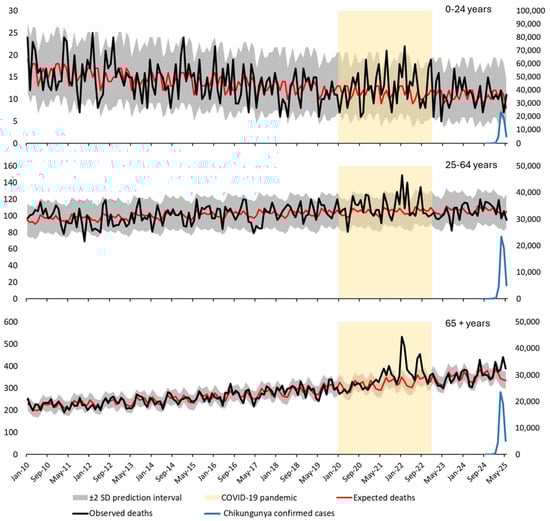
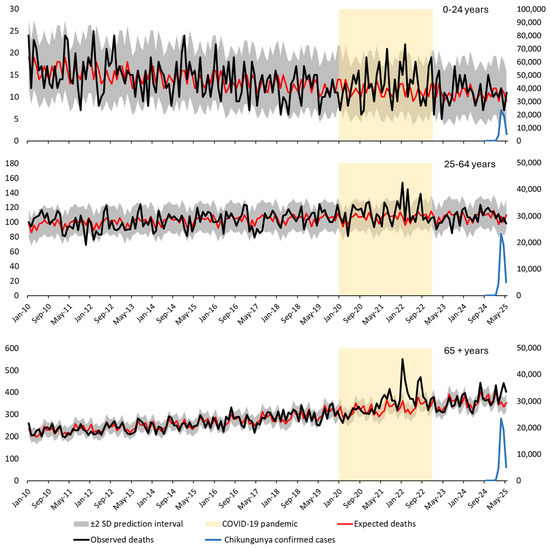
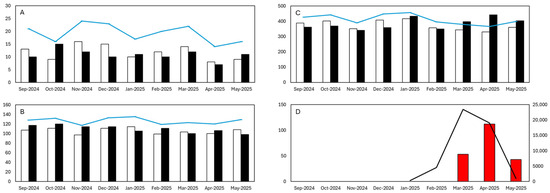
Background: Chikungunya virus (CHIKV) has historically been regarded as a low-fatality infection; however, growing evidence from diverse study designs demonstrated a substantial mortality burden during large-scale epidemics. In 2025, Réunion Island experienced a major CHIKV outbreak, raising renewed concerns about its fatal impact. Methods: We conducted an ecological time-series analysis of all-cause mortality during the 2025 chikungunya epidemic. Expected deaths were estimated using two complementary approaches: (i) a baseline based on age-specific mean mortality rates from the same calendar months in the post-pandemic period and (ii) long-term Poisson regression models using a log-link function and population offset, excluding the COVID-19 pandemic period. Excess mortality was calculated as the difference between observed and expected deaths during periods when observed mortality significantly exceeded the upper bound of the 95% confidence interval. Results: Observed mortality exceeded the upper 95% confidence interval (CI) limit for three consecutive months, coinciding with the epidemic curve and resulting in an estimated 208 excess deaths. These deaths were concentrated among older adults, peaking in April 2025 with a mortality rate ratio of 1.34 (95% CI: 1.22–1.47; p < 0.001). Among older adults, the age-specific excess mortality rate reached 145.3 per 100,000 (95% CI: 125.5–165.0) with a case fatality rate (CFR) of 2.4%, resulting in an overall population excess mortality rate of 23.2 per 100,000 and a total CFR of 0.4%. The number of deaths identified through routine surveillance was substantially lower than our estimates, highlighting a significant discrepancy between reported and excess chikungunya-associated mortality. Conclusions: Chikungunya epidemics are consistently associated with substantial underrecognized mortality worldwide. Routine surveillance relying solely on laboratory confirmation underestimates the true burden of the disease. Integrating excess mortality analysis, strengthening diagnostic and postmortem investigations, and implementing timely mitigation measures are essential to accurately assess and reduce preventable deaths during future CHIKV outbreaks.
Full article
Kaolin is an abundant, low-cost filler for elastomeric compounds. The kaolin used here is primarily kaolinite, chemically clean, and contains a fine particle population. Although agglomeration is evident, it can be mitigated by appropriate physical processing and, when desired, by chemical coupling. This
[...] Read more.
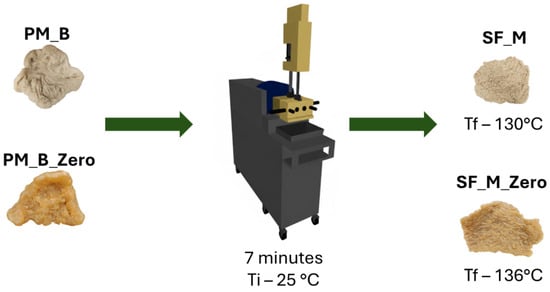
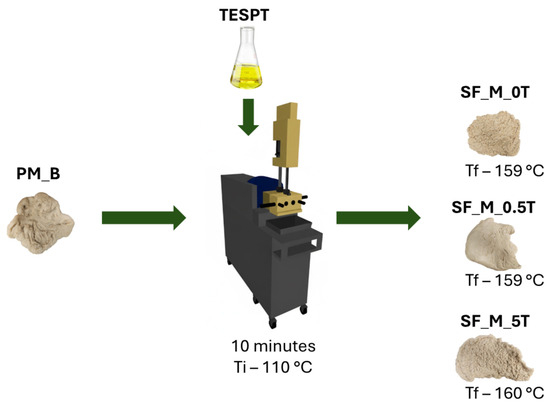
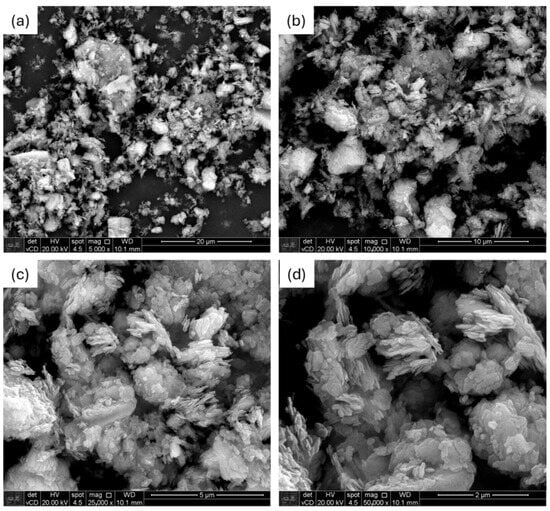
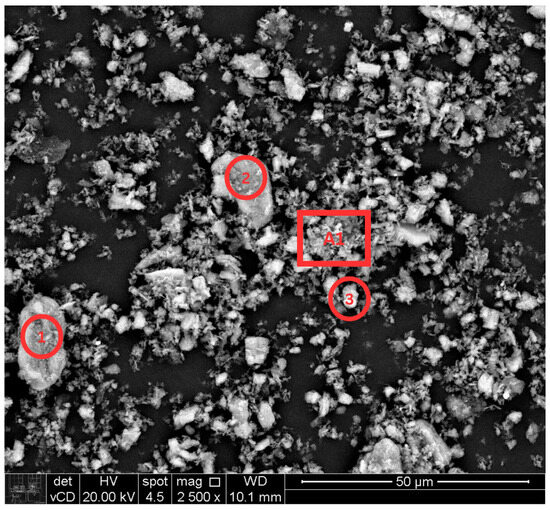
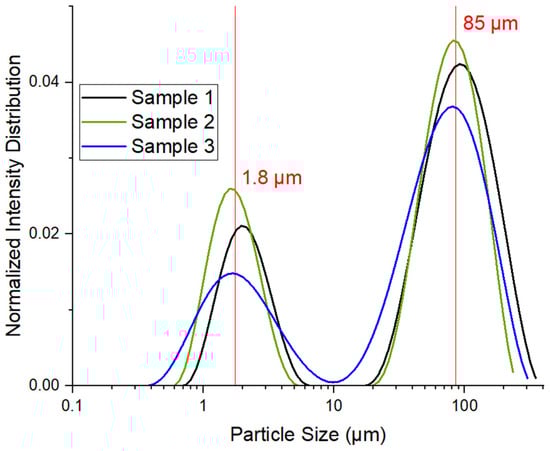
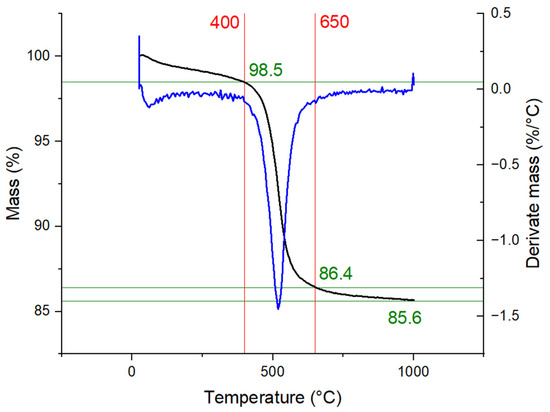
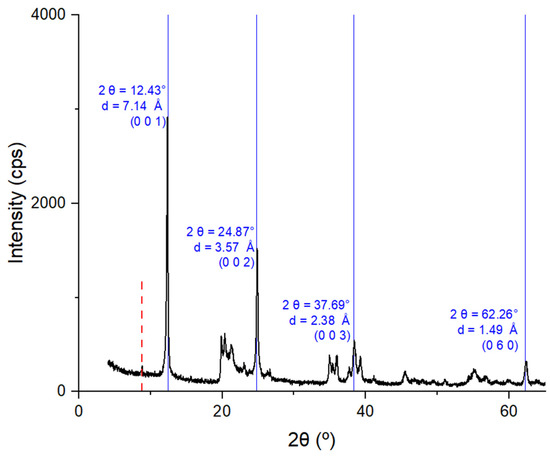
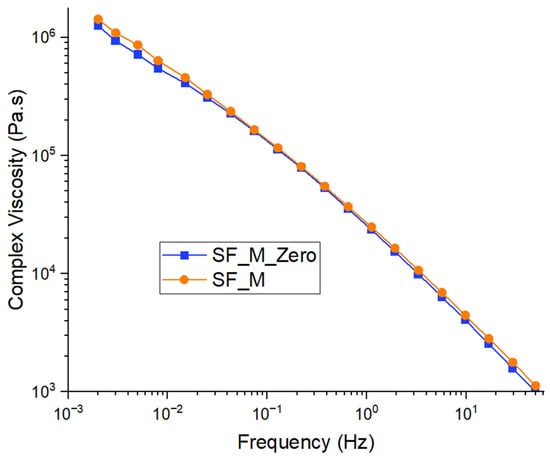
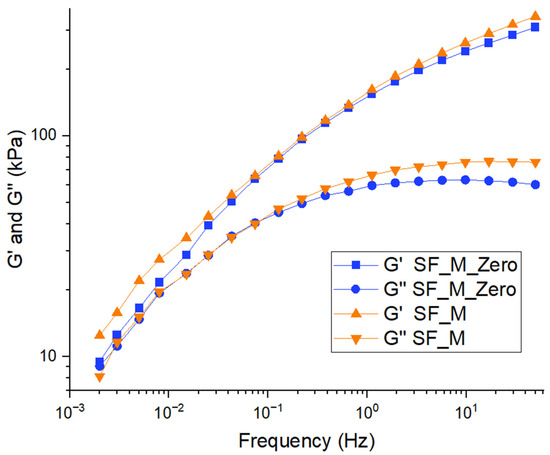
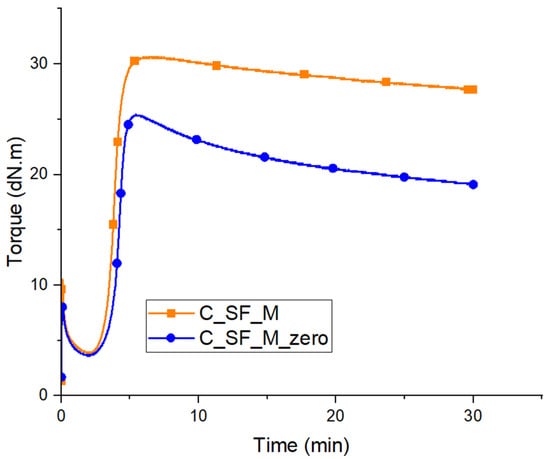
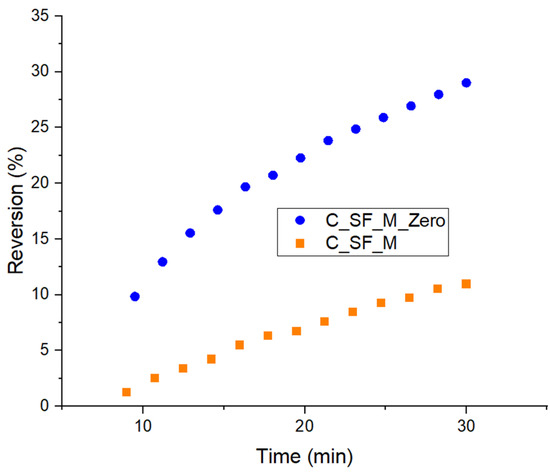
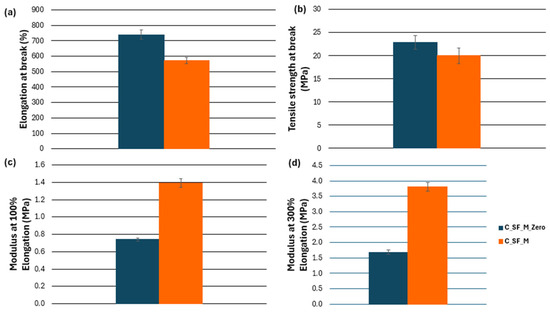
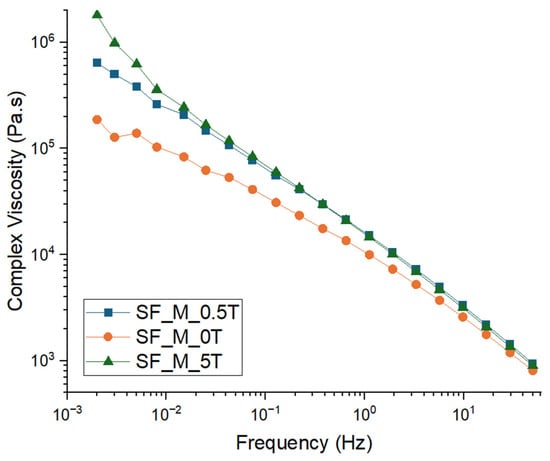
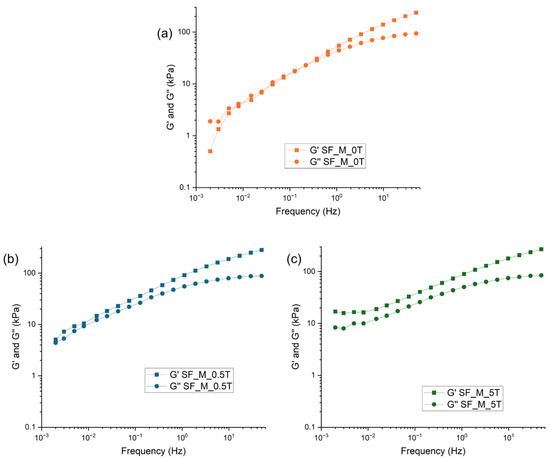
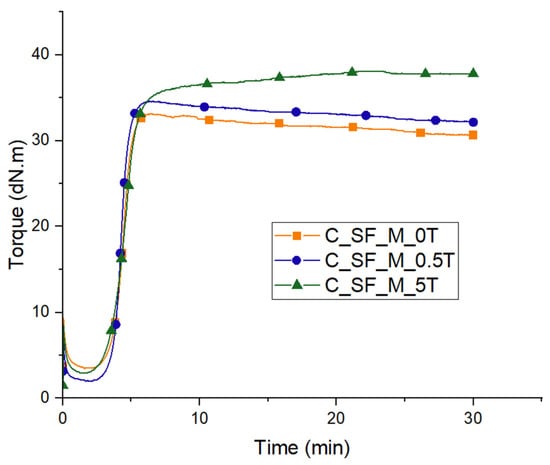
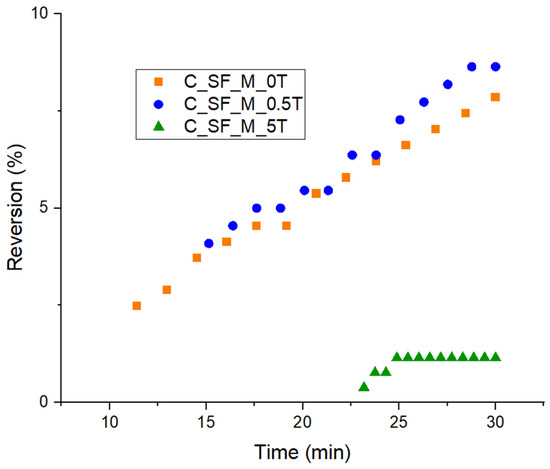
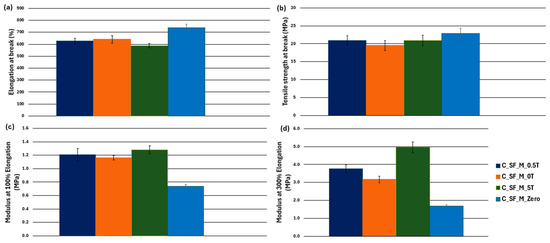
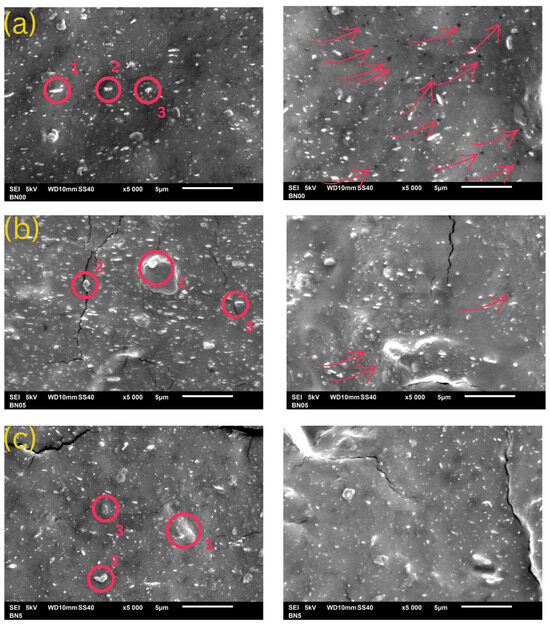
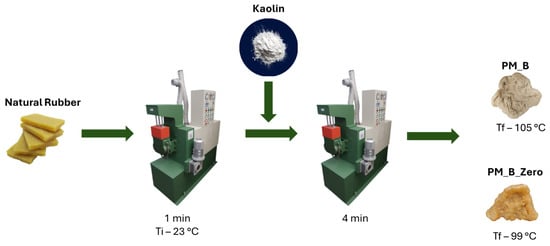
Kaolin is an abundant, low-cost filler for elastomeric compounds. The kaolin used here is primarily kaolinite, chemically clean, and contains a fine particle population. Although agglomeration is evident, it can be mitigated by appropriate physical processing and, when desired, by chemical coupling. This study evaluates kaolin in natural rubber (NR) and examines how adding bis(triethoxysilylpropyl) tetrasulfide (TESPT) during mixing affects filler–matrix compatibility, viscoelastic response, cure stability, and mechanical performance. Kaolin was structurally and morphologically characterized, and the compounds were prepared in a closed mixer coupled to a torque rheometer under controlled dispersion conditions. Part 1 assessed NR with kaolin without a coupling agent, and Part 2 assessed the NR–kaolin with TESPT added during mixing (0.5 and 5 phr). Small-amplitude oscillatory shear (SAOS) was used to probe viscoelastic behavior, while oscillating disk rheometry (ODR) and tensile tests quantified cure and mechanical properties. In Part 1, kaolin increased NR stiffness in SAOS and raised the 100% and 300% moduli by about 40% and 50%, respectively, relative to the unfilled NR compound, while reducing cure reversion from 30% to 10% at 150 °C. In Part 2, TESPT produced a threshold-like response: 0.5 phr caused only minor changes, whereas 5 phr led to pronounced stiffening and cure stabilization. At 5 phr, a low-frequency plateau in G′ below 0.1 Hz with no G′–G″ crossover was observed, accompanied by higher MH and ΔM in ODR and reversion suppressed to 1% after 30 min. These trends indicate the formation of a more connected filler-rubber network, promoted by TESPT-assisted interfacial coupling/adhesion, while also reflecting the ability of TESPT (tetrasulfide) to contribute sulfur and modify the curing chemistry. Mechanically, kaolin produced marked stiffness increases, with the 100% and 300% moduli increasing by an additional 9% and 36%, respectively, at 5 phr TESPT. At the same time, ultimate tensile strength remained lower than that of neat NR, and elongation at break decreased slightly. Overall, adding TESPT during mixing enhances interfacial coupling and network connectivity and, at higher loading, also influences cure chemistry, yielding higher modulus and strongly improved reversion resistance without increasing ultimate tensile strength relative to neat NR.
Full article
Background/Objectives: Although advances in understanding glaucoma have been made, early detection remains challenging due to the asymptomatic nature of the disease. The Metabolomics In Surgical Ophthalmological Patients (MISO) study previously demonstrated that aqueous humor (AH) metabolomics can distinguish glaucoma patients from controls. We
[...] Read more.
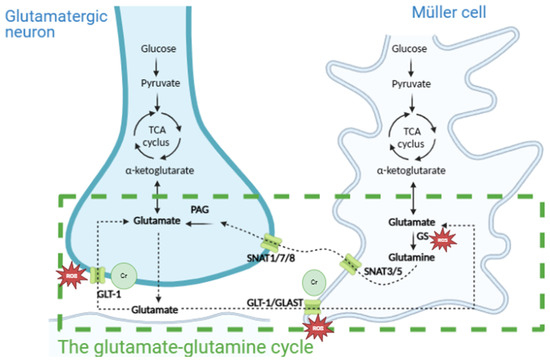
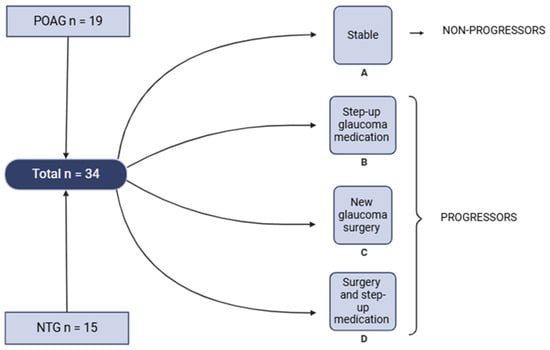
Background/Objectives: Although advances in understanding glaucoma have been made, early detection remains challenging due to the asymptomatic nature of the disease. The Metabolomics In Surgical Ophthalmological Patients (MISO) study previously demonstrated that aqueous humor (AH) metabolomics can distinguish glaucoma patients from controls. We aimed to determine if the metabolic profile of AH has predictive power for overall survival and glaucoma progression after surgery. Methods: Glaucoma patients (n = 34) were retrospectively analyzed and classified into progression categories based on surgical and medical interventions and assessed for survival. Results: Glutamine and α-ketoglutarate were significantly associated with glaucoma progression, while N-acetylglutamate, lysine, and creatine correlated with mortality. These metabolites are linked to excitotoxicity, mitochondrial dysfunction, and oxidative stress, highlighting their potential role in glaucoma pathophysiology. Conclusions: These results suggest that metabolomic profiling of AH could provide valuable biomarkers for predicting surgical outcomes and overall survival, paving the way for individualized therapeutic approaches. Further studies are required to confirm these findings before they can be integrated into clinical practice.
Full article
Background: Electronic health records (EHR) have long held promise for sharing information efficiently, but this remains challenging. This quality improvement initiative sought to improve the accurate documentation of anthracycline and radiation therapy exposures in pediatric oncology patients who were treated at different
[...] Read more.
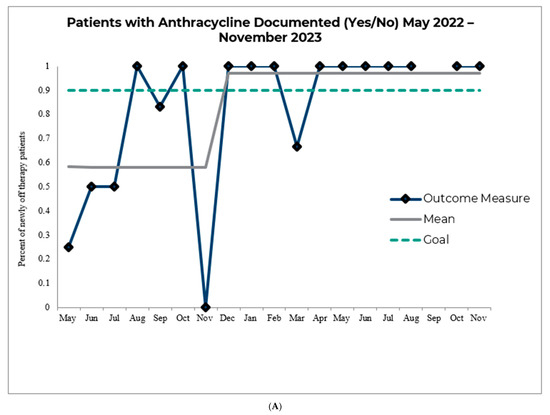
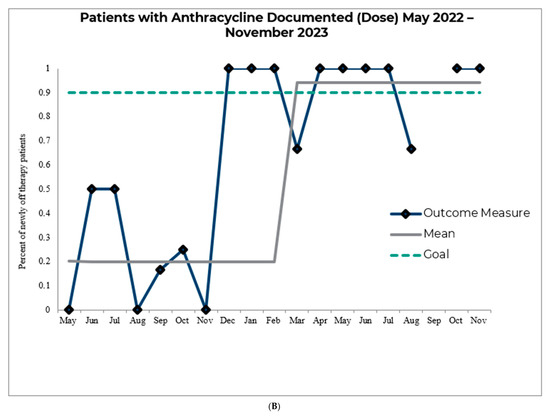
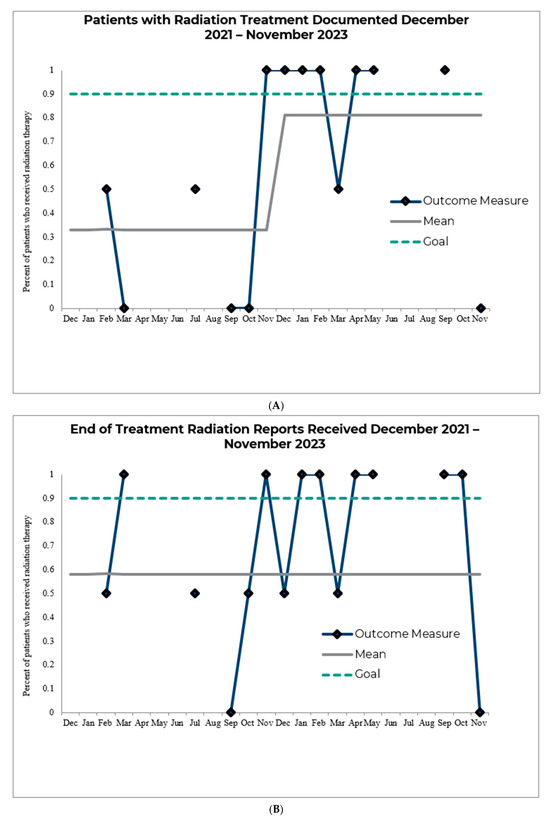
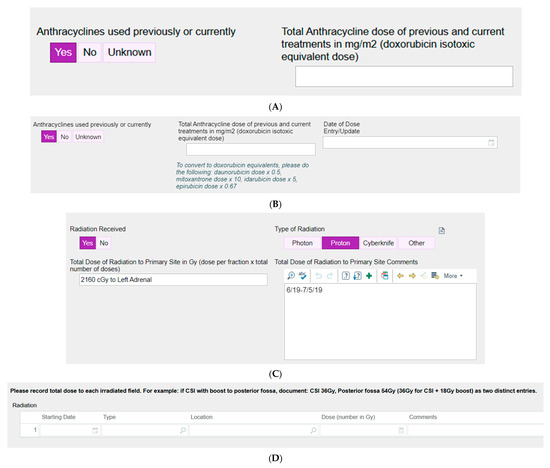
Background: Electronic health records (EHR) have long held promise for sharing information efficiently, but this remains challenging. This quality improvement initiative sought to improve the accurate documentation of anthracycline and radiation therapy exposures in pediatric oncology patients who were treated at different institutions through a quality improvement methodology and EHR tools. Methods: A custom-built EHR smartform was previously created. Modifications were made to the smartform, and quality improvement methods were utilized to improve receipt of radiation summaries from other institutions and documentation of chemotherapeutic doses. Results: Three months after interventions, including clinician education and smartform updates, accurate anthracycline documentation improved from ≤60% to 100%. At 12 months post-intervention, accurate anthracycline documentation remained > 90%. Documentation of radiation therapy improved similarly at 3 months post-intervention, with sustained improvement to 81% at 12 months post-intervention. Conclusions: Accurate documentation of radiation and chemotherapeutic exposures for pediatric oncology patients improved with education and changes to an EHR smartform. A central data location with quality assurance tools to ensure accuracy is one solution enabling accurate tracking of exposures and care plans for children with chronic illnesses.
Full article






 Sustainability
 Applied Sciences
 IJMS
IJMS
 JCM
JCM
 Sensors
 Energies
 Electronics
 Materials
 Buildings
 Processes
 Foods
Foods
 Mathematics
 Molecules
 Cancers
 Nutrients
 Plants
 Animals
 Healthcare
 Remote Sensing
 Diagnostics
 Water
Water
 Polymers
 Biomedicines
 Agronomy
 Microorganisms
 Agriculture
 Symmetry
 JMSE
JMSE
 Cells
Cells
 Medicina
 Biology
 Land
Land
 Pharmaceuticals
 Behavioral Sciences
 Life
Life
 Children
 Education Sciences
 Nanomaterials
 Biomolecules
 Horticulturae
 Coatings
 IJERPH
 Genes
Genes
 Forests
 Pharmaceutics
 Viruses
 Antioxidants
 Religions
 Micromachines
 Bioengineering
 Pathogens
 Antibiotics
 Metals
 Brain Sciences
 Insects
 CIMB
CIMB
 Minerals
 Atmosphere
 Veterinary Sciences
 Entropy
 Photonics
 Systems
 Information
 Machines