

Advancing Open Science
Supporting academic communities
since 1996
 
26 pages, 4851 KB  
Article
Spatiotemporal Dynamics of Vegetation Carbon Storage in the Kubuqi Desert and Dominant Drivers: The Coupling Effect of Topography and Climate
by Weifeng Wang, Haoran Zhao, Chunfeng Qi, Zongqi Liu, Ke Sai, Xiuxian Yue, Yuan Liu, Zhuojin Wu and Guangpeng Fan
Sustainability 2026, 18(1), 23; https://doi.org/10.3390/su18010023 (registering DOI) - 19 Dec 2025
Abstract
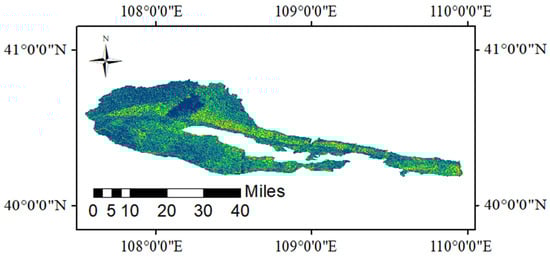
The Kubuqi Desert represents a key ecologically fragile region in northern China, primarily functioning as a windbreak and sand-fixation barrier while also contributing to regional ecological balance. However, the area’s ecological vulnerability is pronounced, and investigating the spatiotemporal dynamics of vegetation carbon storage [...] Read more.
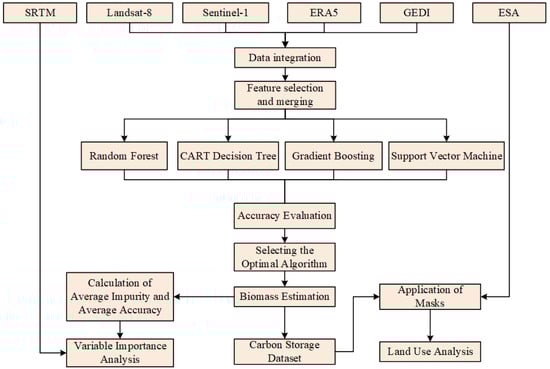
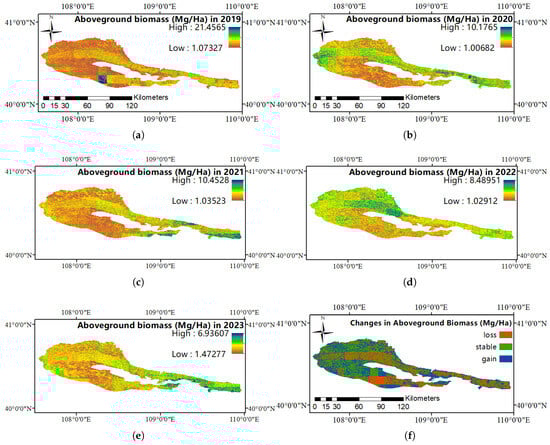
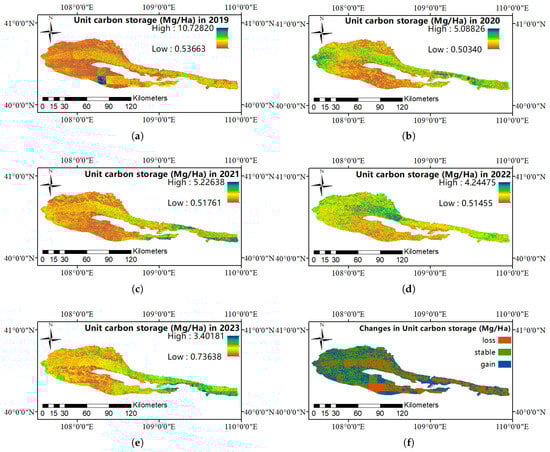
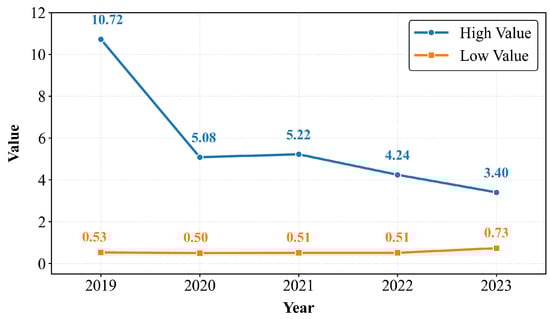
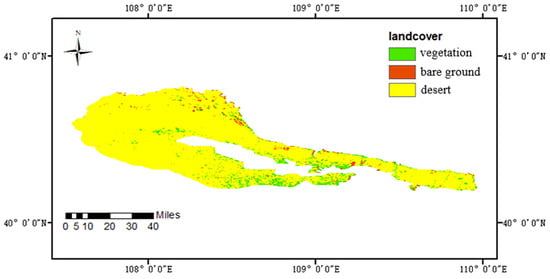
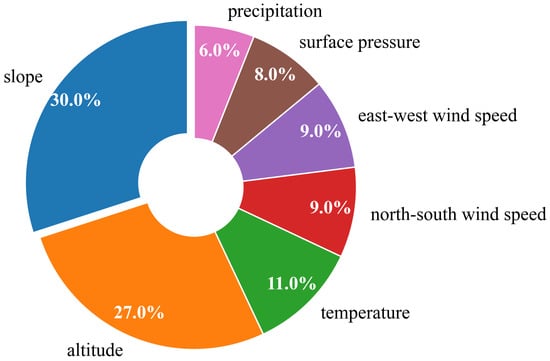
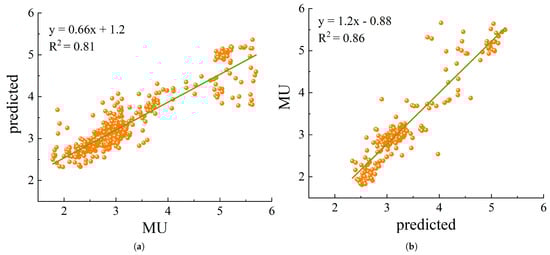
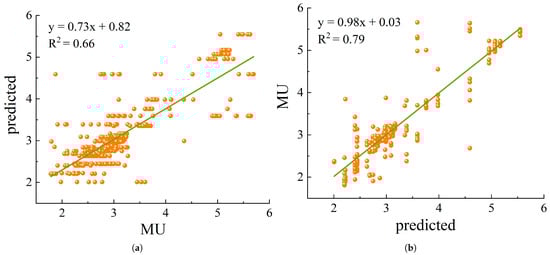
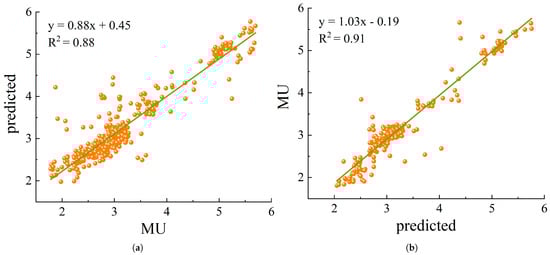
The Kubuqi Desert represents a key ecologically fragile region in northern China, primarily functioning as a windbreak and sand-fixation barrier while also contributing to regional ecological balance. However, the area’s ecological vulnerability is pronounced, and investigating the spatiotemporal dynamics of vegetation carbon storage and associated driving mechanisms is essential for the scientific formulation of ecological restoration strategies. This research incorporates multi-source remote-sensing datasets (including Landsat 8 OLI/TIRS Level 2, Sentinel-1 Synthetic Aperture Radar (SAR), ERA5 daily meteorological data, GEDI Level 4B, SRTM GL1 v003, and ESA WorldCover v100) based on the Google Earth Engine (GEE) platform, and employs multiple machine-learning algorithms (validation metrics of the machine learning model: R2 = 0.917, RMSE = 0.251) to develop a dynamic monitoring model of vegetation carbon storage in the Kubuqi Desert during the period 2019–2023. The analysis systematically evaluates the influence of climatic variables and anthropogenic activities on the spatiotemporal differentiation of carbon storage. The results indicate a slight upward trend in overall carbon storage across the study area (average annual increase of 0.4%), with high values predominantly concentrated in vegetated regions (up to 5.22 Mg/Ha) and low values distributed in bare lands and desert zones (0.5–0.7 Mg/Ha). Altitude, temperature, and slope serve as the primary driving factors governing carbon-storage variability. The findings suggest that scientifically guided vegetation restoration and optimized water-resource management can enhance the carbon-sink capacity of the Kubuqi Desert, offering a robust scientific basis for ecological governance and carbon budget assessment in arid and semi-arid desert ecosystems. Full article
Show Figures

Figure 1
25 pages, 595 KB  
Article
Dutch Disease and the Structural Sustainability of the Manufacturing Sector: Empirical Evidence from Peru
by Antonio Rafael Rodríguez Abraham, Hugo Daniel García Juárez, Ingrid Estefani Sánchez García and Guillermo Paris Arias Pereyra
Sustainability 2026, 18(1), 32; https://doi.org/10.3390/su18010032 (registering DOI) - 19 Dec 2025
Abstract
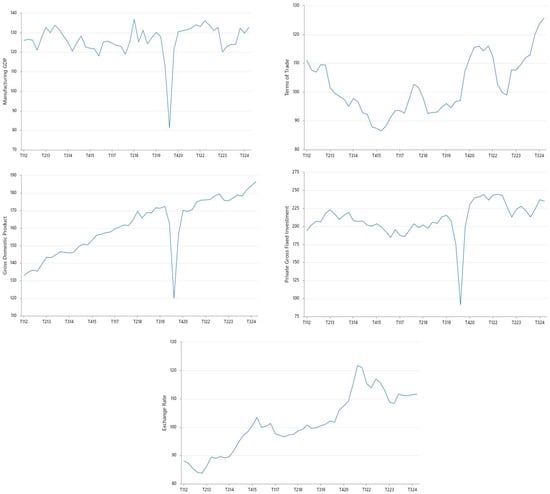
In recent decades, Peru’s manufacturing sector has steadily declined in its share of gross domestic product, despite sustained economic growth and repeated improvements in the terms of trade. This study investigates whether this divergence between external bonanza and industrial stagnation reflects a manifestation [...] Read more.
In recent decades, Peru’s manufacturing sector has steadily declined in its share of gross domestic product, despite sustained economic growth and repeated improvements in the terms of trade. This study investigates whether this divergence between external bonanza and industrial stagnation reflects a manifestation of Dutch disease, with long-term implications for the structural sustainability of the country’s manufacturing base. A quantitative approach is applied through a multiple linear regression model estimated by Ordinary Least Squares, using quarterly data from 2012 to 2024. The analysis includes control variables such as real gross domestic product, private gross fixed investment, the real exchange rate, and the domestic interest rate. The results reveal a negative and statistically significant relationship between terms of trade and manufacturing performance, suggesting that favorable external shocks may undermine productive capacities by exacerbating structural vulnerabilities. Beyond quantifying this effect, the study offers a structural interpretation of how external shocks can erode industrial resilience in economies dependent on commodity exports. These findings underscore that structural sustainability depends not only on external conditions, but also on internal factors such as investment dynamics, institutional governance, and technological innovation capacity. In addressing a gap in the literature on Dutch disease and sectoral sustainability in the Peruvian context, the study concludes by calling for a strategic reorientation of industrial policy toward a more diversified, inclusive, and innovation-driven growth model, capable of absorbing external rents productively and ensuring the long-term resilience of the manufacturing sector amid persistent global volatility. Full article
Show Figures

Figure 1
31 pages, 3625 KB  
Review
A Review of Two Decades of Academic Research on Electric Vehicle Battery Supply Chains: A Bibliometric Approach
by Abderahman Rejeb, Karim Rejeb, Edit Süle, Maissa Lahbib and Steve Simske
Vehicles 2026, 8(1), 1; https://doi.org/10.3390/vehicles8010001 (registering DOI) - 19 Dec 2025
Abstract
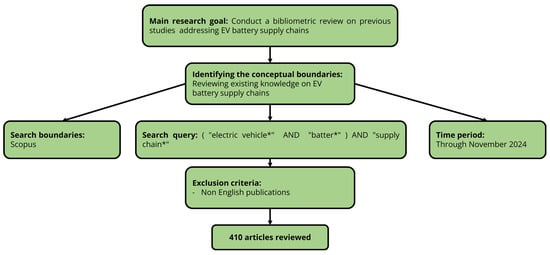
The electric vehicle (EV) battery supply chain plays a critical role in promoting sustainable transportation and tackling scarce resources, environmental costs, and supply chain vulnerabilities. The current study aims to conduct an extensive literature review of the EV battery supply chain given its [...] Read more.
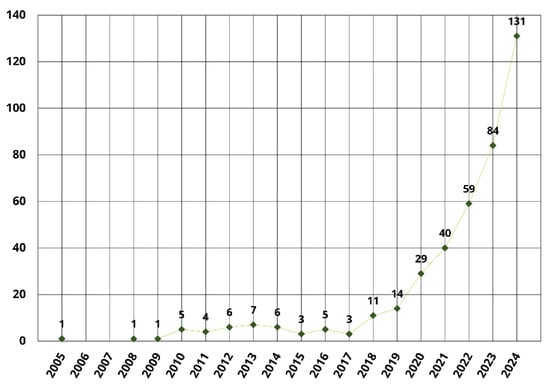
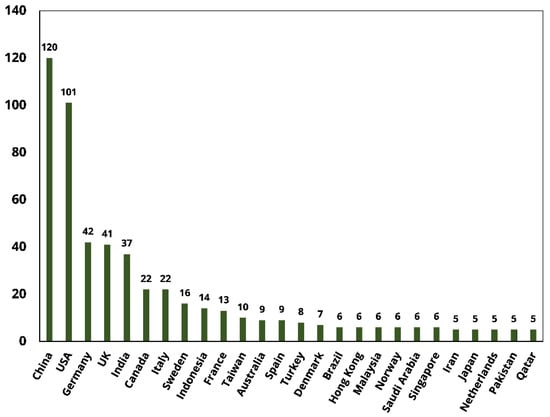
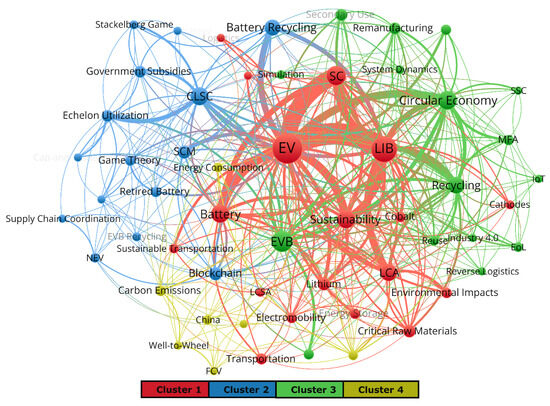
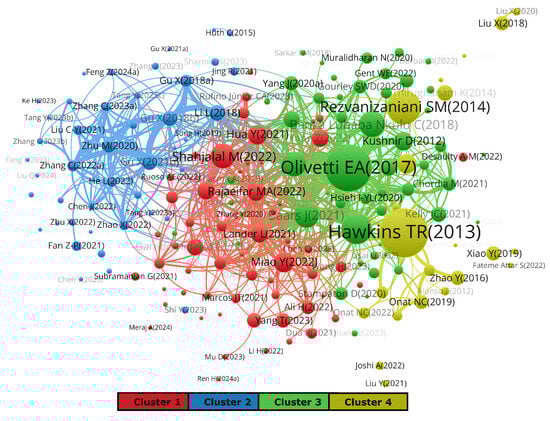
The electric vehicle (EV) battery supply chain plays a critical role in promoting sustainable transportation and tackling scarce resources, environmental costs, and supply chain vulnerabilities. The current study aims to conduct an extensive literature review of the EV battery supply chain given its importance for developing sustainable and efficient EVs. Using keyword co-occurrence and article co-citation analyses, this study analyses more than 681 publications from 2005 to 2024 and sourced from the Scopus database. Findings show that the number of articles increased considerably after 2020, which can be attributed to the global focus on decarbonization, electromobility, and circular economy practices. The review identifies important themes such as sustainability challenges, critical materials management, reverse logistics, and policy-driven frameworks for closed-loop supply chains. The findings from this study highlight a multidimensional approach where the integration of technologies, innovative policies, and collaborative actions can contribute to the resilience and sustainability of EV battery supply chains. It offers practical insights for stakeholders, strategic directions to maximize EV battery lifecycle management, and outlines the pathways to reach carbon neutrality in the transportation sector. By identifying the intellectual structure of this emerging field, the study contributes to academic discourse and informs the formulation of practical strategies to advance sustainable mobility. Full article
Show Figures

Figure 1
18 pages, 1523 KB  
Article
Factors Influencing Reproductive Performance in Austrian Sow Farms Challenged by Reproductive Disorders
by Gertrude Baumgartner, Alexander Grahofer, Andrea Buzanich-Ladinig and Christine Unterweger
Vet. Sci. 2026, 13(1), 3; https://doi.org/10.3390/vetsci13010003 (registering DOI) - 19 Dec 2025
Abstract
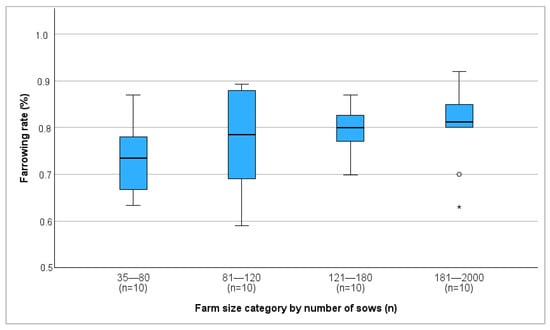
Many piglet-producing farms are facing poor reproductive performance, yet their characteristics remain poorly understood. This study aimed to identify factors contributing to reproductive disorders based on information easily identifiable through an oral survey. Therefore, forty Austrian piglet producing farms (35–2000 sows) were surveyed [...] Read more.
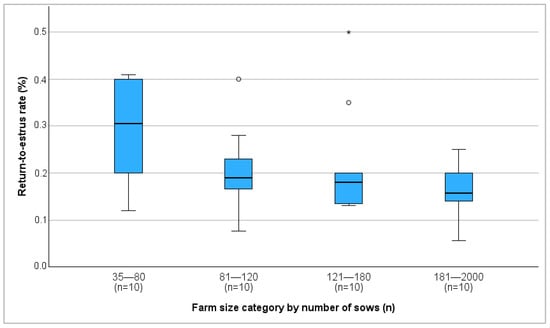
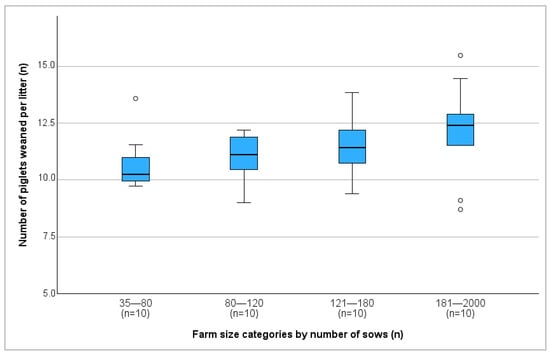
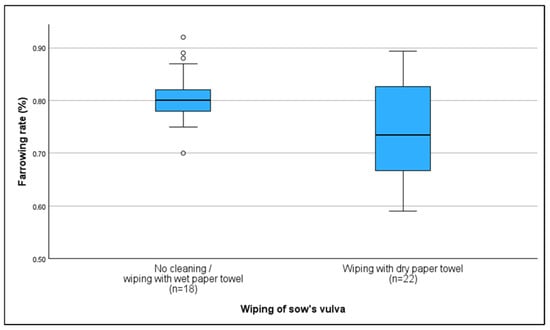
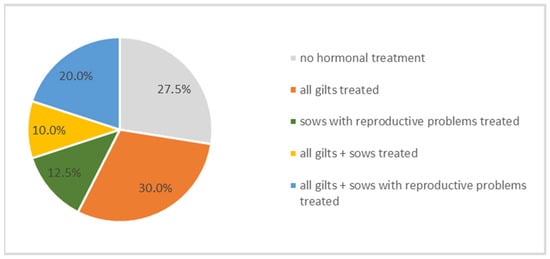
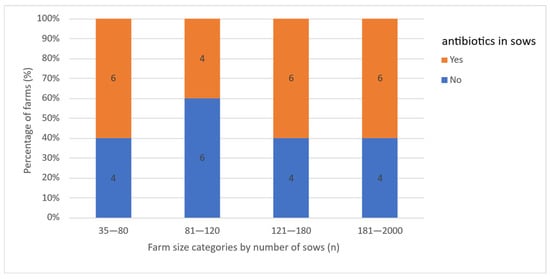
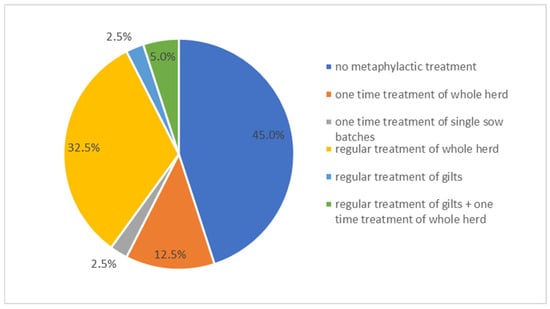
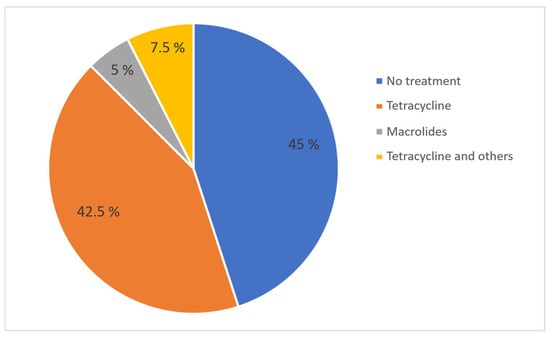
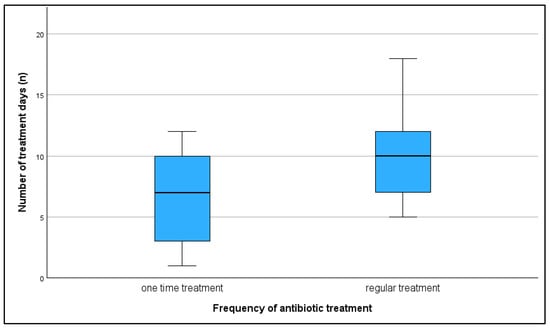
Many piglet-producing farms are facing poor reproductive performance, yet their characteristics remain poorly understood. This study aimed to identify factors contributing to reproductive disorders based on information easily identifiable through an oral survey. Therefore, forty Austrian piglet producing farms (35–2000 sows) were surveyed using a questionnaire mainly addressing management, treatment and prophylaxis. Five key performance indicators (KPIs) were defined to assess farm productivity: farrowing rate, return-to-estrus rate, abortion rate, total piglets born per litter, and piglets weaned per litter. Farrowing rates were significantly higher in larger farms (r = 0.368; p = 0.019), PRRS-negative farms (r = 0.415; p = 0.008), and farms that did not clean the vulva before artificial insemination (r = 0.357; p = 0.024). Return-to-estrus rates were significantly higher in smaller farms (r = −0.431; p = 0.006), farms with more vaginal discharge after farrowing (r = 0.397; p = 0.011), those not using hormonal farrowing induction (r = 0.339; p = 0.033), and farms with older teaser boars (r = 0.385; p = 0.039). Larger farms had more piglets born per litter (r = 0.342; p = 0.031) and weaned more piglets (r = 0.391; p = 0.013). Weaned piglet numbers were also higher in farms with all-in/all-out implementation in farrowing pens (r = 0.353; p = 0.026), with restricted access of other animal species to the barn (r = 0.366; p = 0.028) and hormonal farrowing induction (r = 0.348; p = 0.028). Common well-established strategies for improving fertility performance like evaluation of body temperature after farrowing, antimicrobial, and hormonal treatments showed limited relevance. Further research is needed to confirm these findings and to identify additional factors influencing reproductive performance of sows. Full article
(This article belongs to the Special Issue Swine Management: Reproduction and Breeding)
Show Figures

Figure 1
37 pages, 3930 KB  
Review
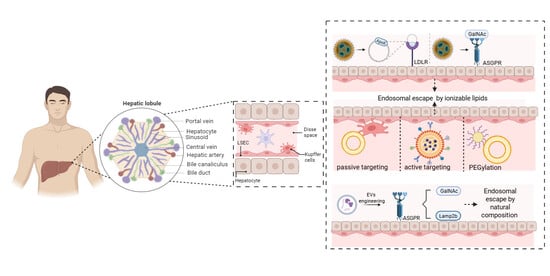
Targeted Hepatic Delivery of Bioactive Molecules via Nanovesicles: Recent Developments and Emerging Directions
by Alessia Rita Canestrale, Sharad Kholia, Veronica Dimuccio and Maria Beatriz Herrera Sanchez
J. Pers. Med. 2026, 16(1), 1; https://doi.org/10.3390/jpm16010001 (registering DOI) - 19 Dec 2025
Abstract
Liver diseases, including fibrosis, viral hepatitis, hepatocellular carcinoma, and monogenic genetic disorders, represent a major global health burden with limited therapeutic options and frequent systemic toxicity from conventional treatments. Nanovesicle-based drug and gene delivery systems offer targeted approaches that may improve therapeutic precision [...] Read more.
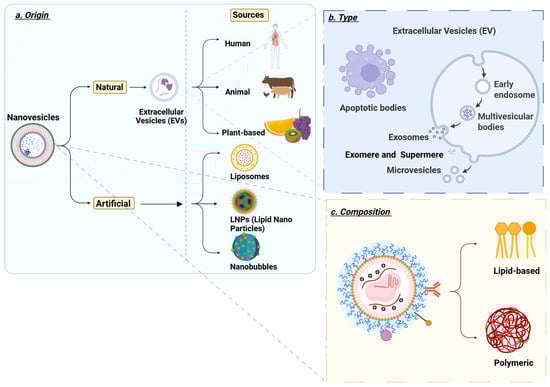
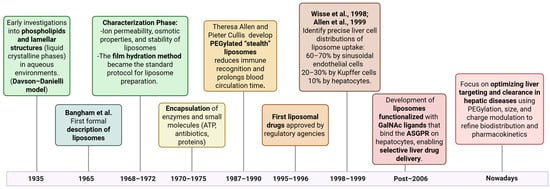
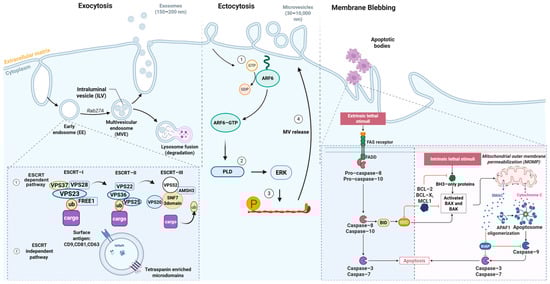
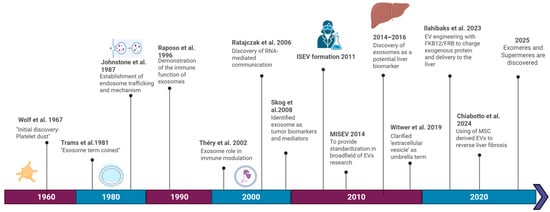
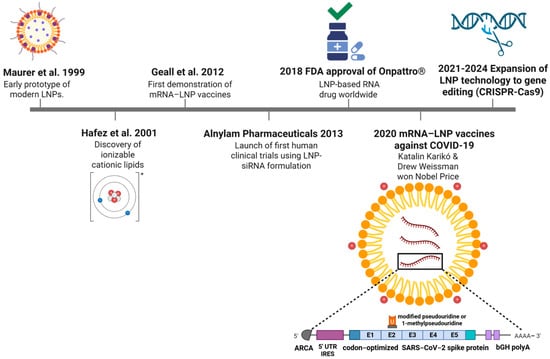
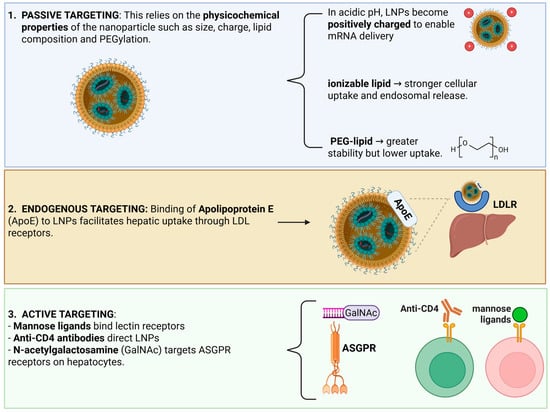
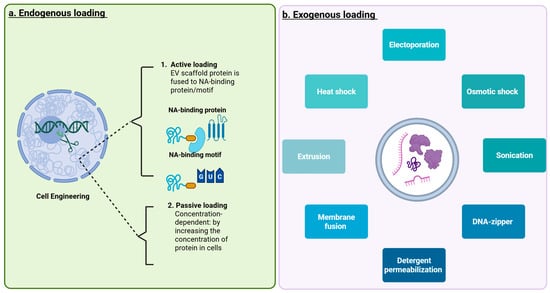
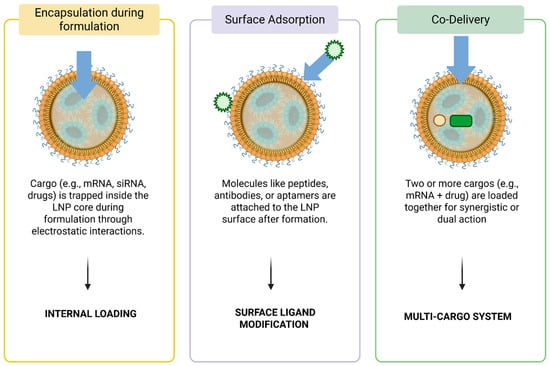
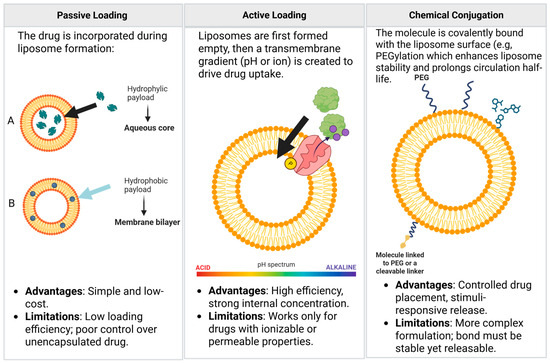
Liver diseases, including fibrosis, viral hepatitis, hepatocellular carcinoma, and monogenic genetic disorders, represent a major global health burden with limited therapeutic options and frequent systemic toxicity from conventional treatments. Nanovesicle-based drug and gene delivery systems offer targeted approaches that may improve therapeutic precision and reduce off-target effects. This review aims to evaluate the promise and comparative potential of three key nanovesicle platforms—lipid nanoparticles (LNPs), extracellular vesicles (EVs) and liposomes—for drug and gene delivery in liver disease therapy. A systematic search of peer-reviewed studies published in electronic databases was performed, focusing on preclinical and clinical research investigating the use of LNPs, EVs and liposomes for hepatic drug or gene delivery. Studies were analyzed for vesicle composition, targeting efficiency, payload capacity, therapeutic outcomes, and reported limitations. The analysis indicates that LNPs demonstrate strong efficiency in nucleic acid encapsulation and delivery, supported by growing clinical translation. EVs show promising biocompatibility and innate targeting to hepatic cells but face challenges in large-scale production and standardization. Liposomes remain versatile and well-characterized platforms capable of carrying diverse therapeutic molecules, though rapid clearance can limit their efficacy. Together, these nanovesicle systems hold considerable potential for advancing targeted drug and gene therapies in liver disease. Future work should focus on improving stability, manufacturing scalability, and cell-specific targeting to support clinical translation. Full article
(This article belongs to the Section Omics/Informatics)
Show Figures

Graphical abstract

18 pages, 3861 KB  
Article
Cardiovascular Risk Factors Among Younger and Older C-AYA Cancer Survivors Treated with Anthracyclines: A Single-Center Analysis
by Matthew Dean, Ben Bane, OreOluwa Aluko, Yiwei Hang, Ericka Miller, Sherin Menachery, David Chuquin, Adam Aston, Xiaoyan Deng, Dipankar Bandyopadhyay, Jennifer Jordan, Uyen Truong, Madhu Gowda and Wendy Bottinor
Cancers 2026, 18(1), 12; https://doi.org/10.3390/cancers18010012 (registering DOI) - 19 Dec 2025
Abstract
Background/Objectives: Among survivors of cancer diagnosed in childhood, adolescence, or young adulthood (C-AYAs), cardiotoxic therapies combined with acquired cardiovascular risk factors (CVRFs) increase the risk for cardiovascular events. To our knowledge, no prior analysis has examined CVRFs among C-AYAs < 20 years [...] Read more.
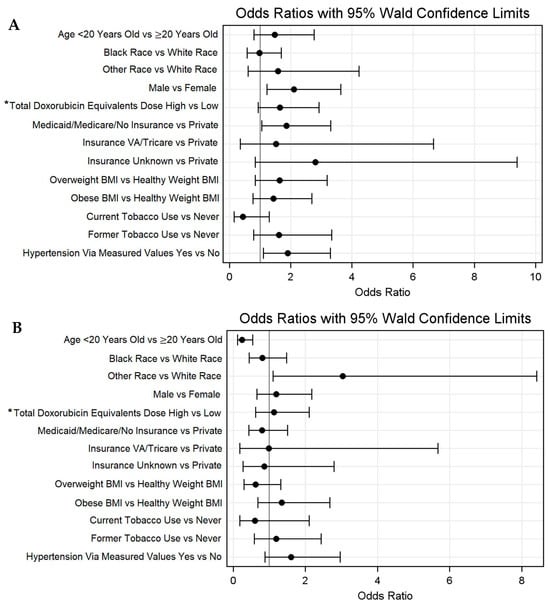
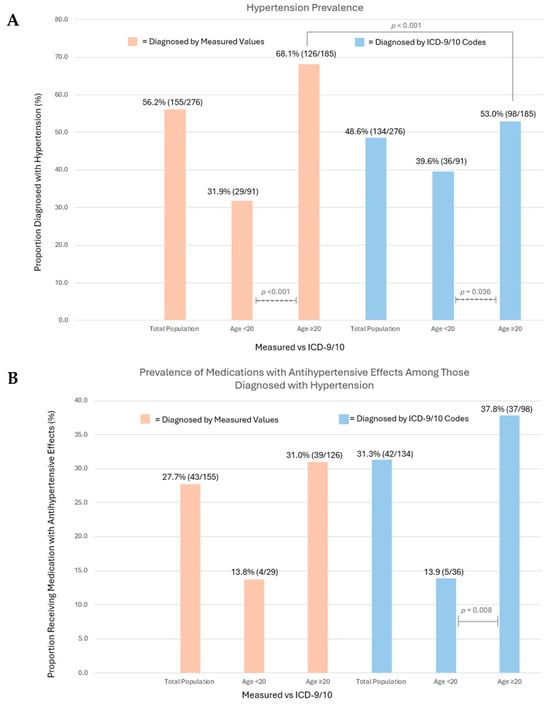
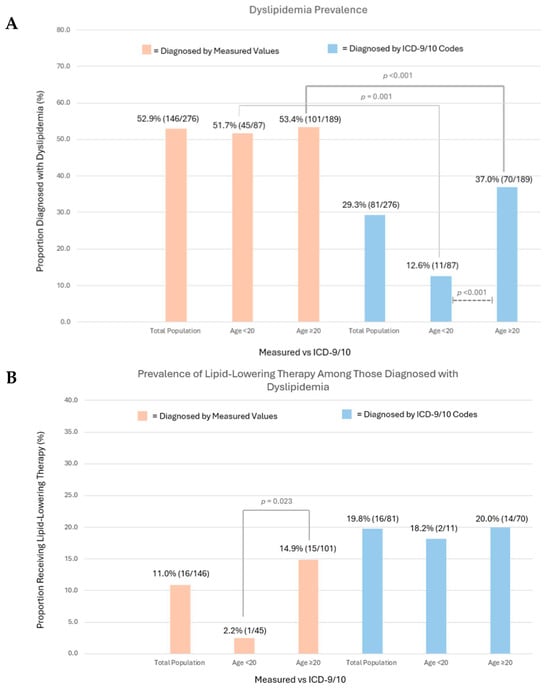
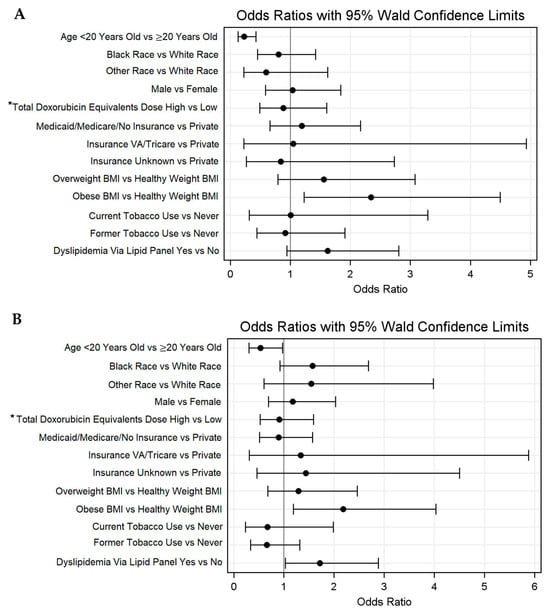
Background/Objectives: Among survivors of cancer diagnosed in childhood, adolescence, or young adulthood (C-AYAs), cardiotoxic therapies combined with acquired cardiovascular risk factors (CVRFs) increase the risk for cardiovascular events. To our knowledge, no prior analysis has examined CVRFs among C-AYAs < 20 years old or compared CVRFs among younger and older C-AYAs. Methods: In this single-center study, individuals diagnosed with cancer at ≤39 years, treated with anthracycline-based chemotherapy (2010–2023), and with a post-treatment lipid panel and ≥2 post-treatment ambulatory blood pressure measurements were included. The CVRF prevalence was assessed among C-AYAs < 20 and ≥20 years old, using age-appropriate AAP and ACC/AHA guidelines. These prevalences were compared with the ICD-9/10 code prevalence. The prescription of medications with antihypertensive effects (MAHEs) and lipid-lowering therapy was assessed. Results: Among 276 C-AYAs, the median age was 28.1 years (IQR 18.1–38.3) at dyslipidemia screening and 29.3 (IQR 20.0–38.7) at hypertension screening. Dyslipidemia was present in 52.9% (146/276) and hypertension in 56.2% (155/276) of C-AYAs. C-AYAs < 20 years old had a high prevalence of dyslipidemia, 51.7% (45/87), and hypertension, 31.9% (29/91). CVRFs were frequently underdiagnosed, particularly dyslipidemia, among C-AYAs < 20 years old, with only 12.6% (11/87) having a diagnosis via the ICD code. C-AYAs < 20 years old with diagnoses of dyslipidemia and hypertension were significantly less likely to receive lipid-lowering therapy (2.2% vs. 14.9%) and trended toward less MAHEs (13.8% vs. 31.0%) compared to C-AYAs ≥ 20. Conclusions: Among C-AYAs treated with anthracyclines, dyslipidemia and hypertension were highly prevalent even at a young age (<20 years). Younger survivors with dyslipidemia and hypertension were less frequently prescribed lipid-lowering therapy or MAHEs. Full article
(This article belongs to the Section Cancer Survivorship and Quality of Life)
Show Figures

Figure 1
31 pages, 6313 KB  
Article
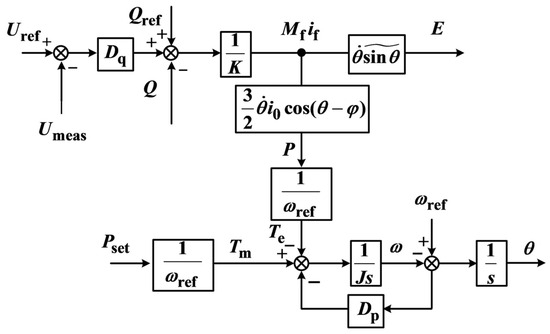
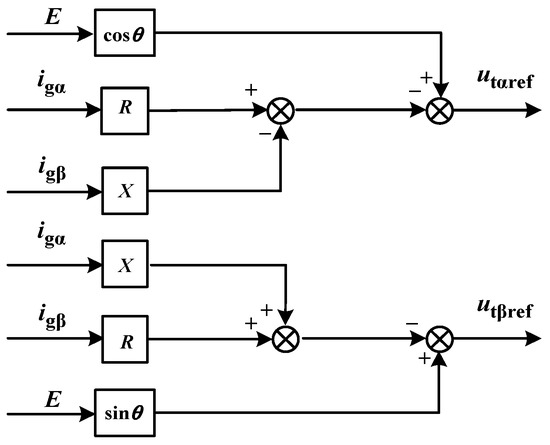
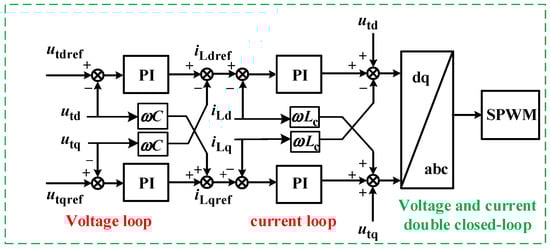
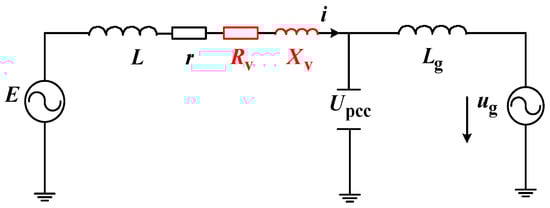
Adaptive Virtual Impedance Fault Overcurrent Suppression Method and Reactive Power Support Method with Frozen Reactive Power–Voltage Droop Control for Grid-Forming Converters
by Chengshuai Li, Zirui Dong, Shuolin Zhang, Longfei Mu, Jiahao Liu, Jiafei Liu and Qian Kai
Processes 2026, 14(1), 9; https://doi.org/10.3390/pr14010009 (registering DOI) - 19 Dec 2025
Abstract
With the rapid development of new energy, high-proportion new energy power systems have significantly reduced inertia and voltage support capacity, facing severe stability challenges. Virtual Synchronous Generator (VSG) control, which simulates the inertia and voltage source characteristics of traditional synchronous generators, enables friendly [...] Read more.
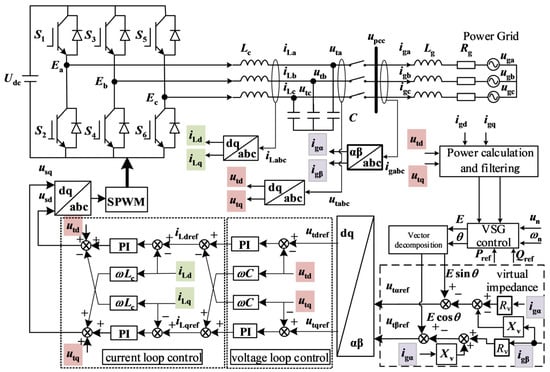
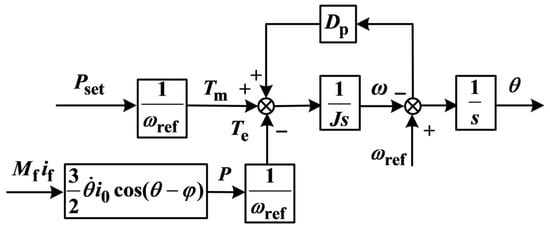
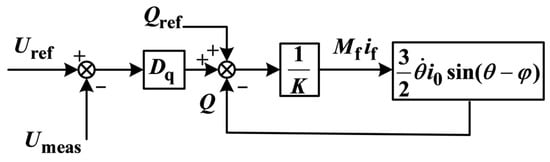
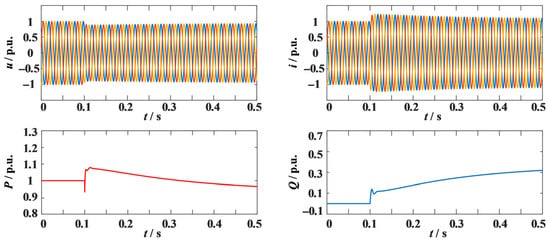
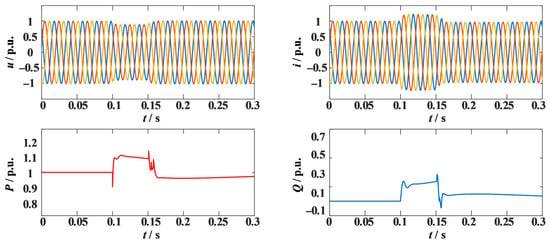
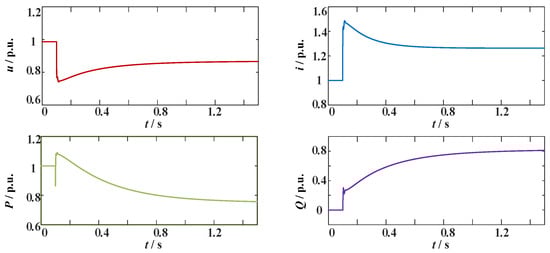
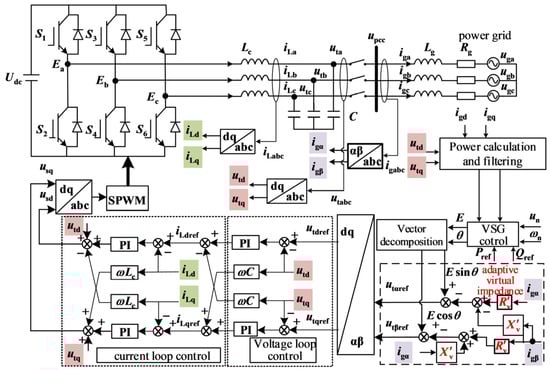
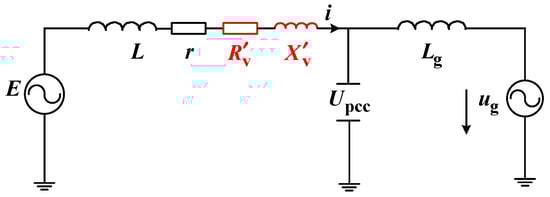
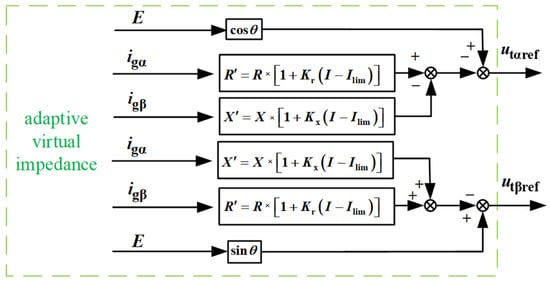
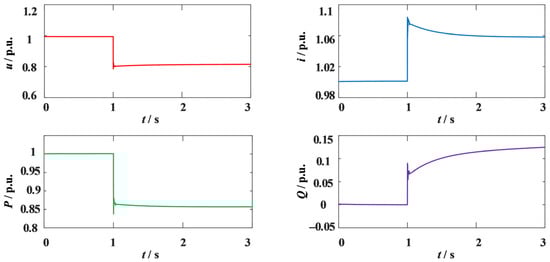
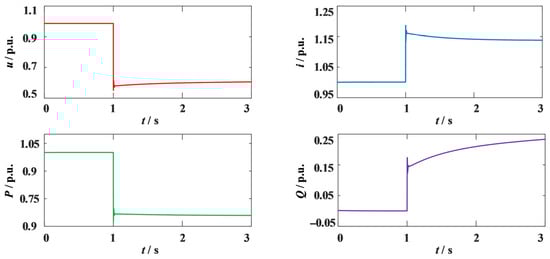
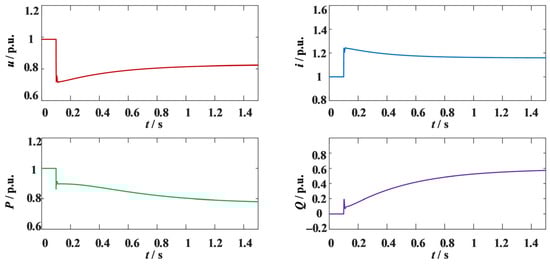
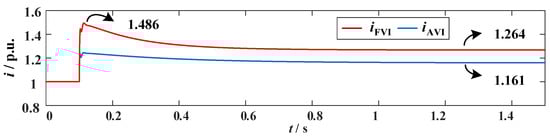
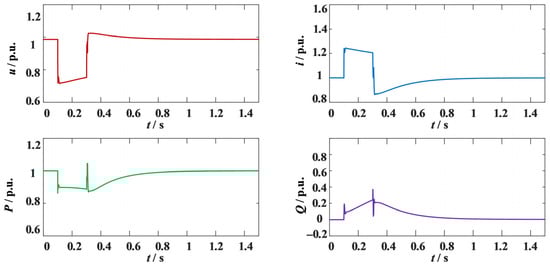
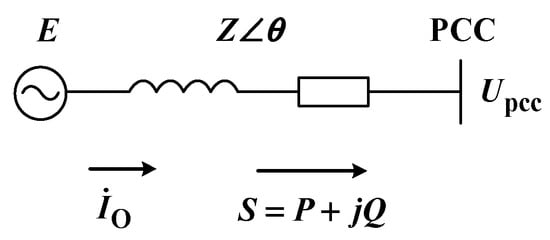
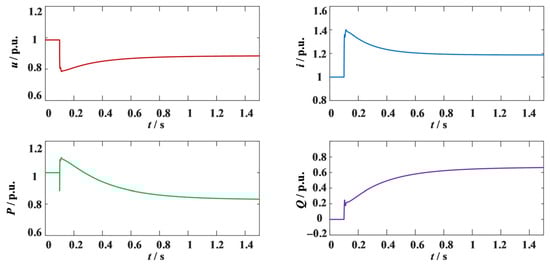
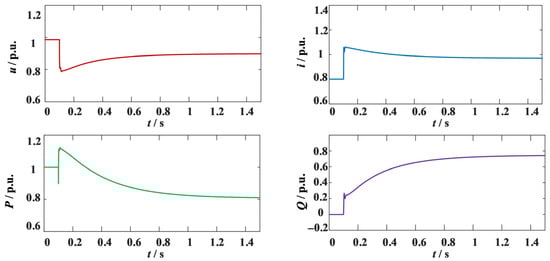
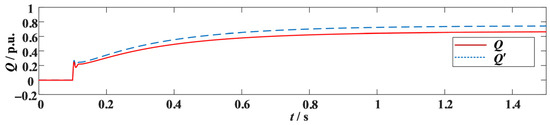
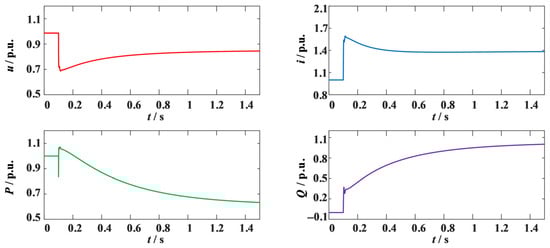
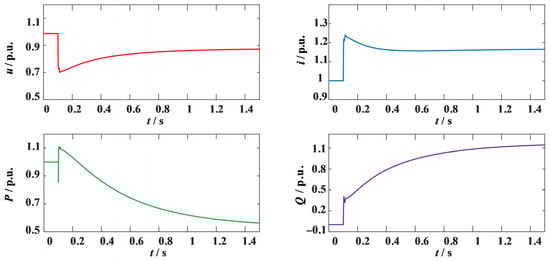
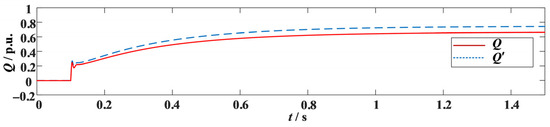
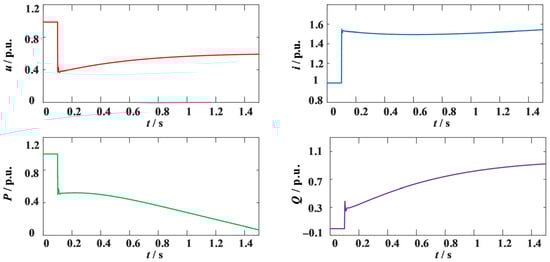
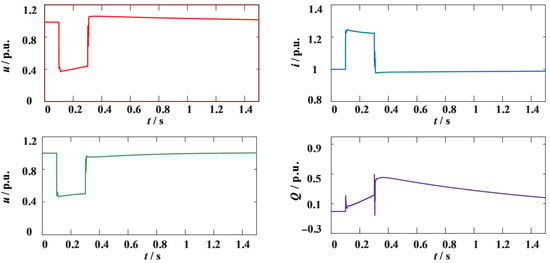
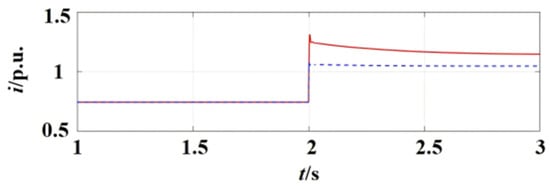
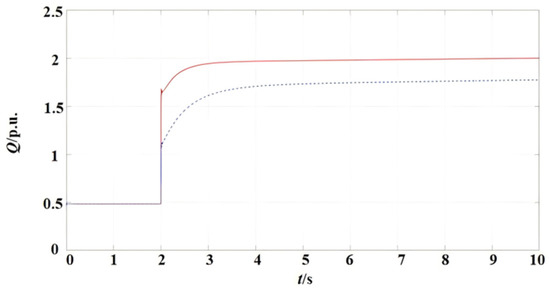
With the rapid development of new energy, high-proportion new energy power systems have significantly reduced inertia and voltage support capacity, facing severe stability challenges. Virtual Synchronous Generator (VSG) control, which simulates the inertia and voltage source characteristics of traditional synchronous generators, enables friendly grid connection of new energy converters and has become a key technology for large-scale new energy applications. This paper addresses two key issues in low-voltage ride through (LVRT) of grid-forming converters under VSG control: (1) converter overcurrent suppression during LVRT; (2) reduced reactive power support due to retaining voltage-reactive power droop control during faults. It proposes an adaptive virtual impedance-based overcurrent suppression method and a frozen reactive power–voltage droop-based reactive support method. Based on the converter’s mathematical model, a DIgSILENT/PowerFactory simulation model is built. Time-domain simulations verify the converter’s operating characteristics and the improved LVRT strategy’s effect, providing theoretical and technical support for large-scale applications of grid-forming converters. Full article
(This article belongs to the Topic Power System Dynamics and Stability, 2nd Edition)
Show Figures

Figure 1
24 pages, 1841 KB  
Review
Impacts of Micro/Nanoplastics on Crop Physiology and Soil Ecosystems: A Review
by Aaron Ohene Boanor, Rose Nimoh Serwaa, Jin Hee Park and Jwakyung Sung
Soil Syst. 2026, 10(1), 2; https://doi.org/10.3390/soilsystems10010002 (registering DOI) - 19 Dec 2025
Abstract
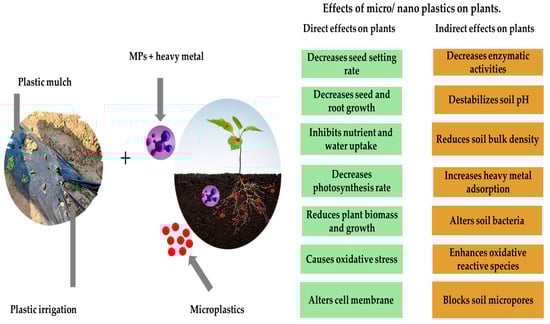
Long-term exposure of plastics to the environment causes them to disintegrate, resulting in the formation of micro/nanoplastics as well as the release of additives and chemicals into the soil. The micro/nanoplastics are able to readily migrate into the soil, destabilize the soil microbiota, [...] Read more.
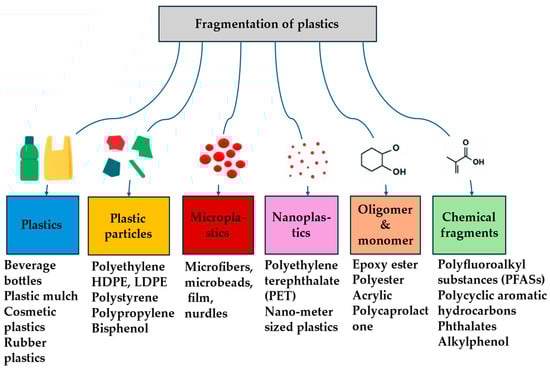
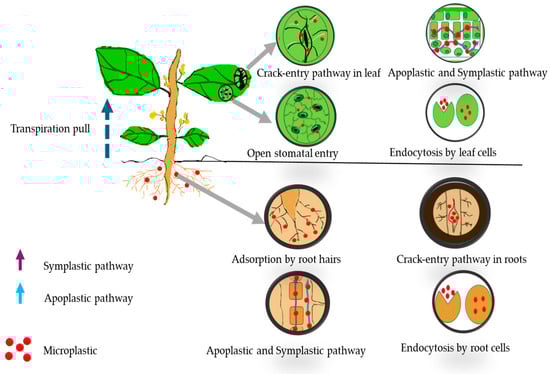
Long-term exposure of plastics to the environment causes them to disintegrate, resulting in the formation of micro/nanoplastics as well as the release of additives and chemicals into the soil. The micro/nanoplastics are able to readily migrate into the soil, destabilize the soil microbiota, and finally enter crop plants. Endocytosis, apoplastic transport, root adsorption, transpiration pull, stomatal entry, and crack-entry mode are well-known pathways by which microplastics enter into plants. Roots of vegetable crops were able to transfer 0.2 µm–1.0 µm of microplastics through root adsorption and by transpiration pull to the xylem and then further transported them to the plant tissues through apoplastic pathways. Beads of 1000 nm size were also engulfed by BY-2 protoplast cells through endocytosis. Micro and nanoplastics that enter crops affected the physiological and biochemical activities of the plants. Aquaporins were needed to aid the symplastic pathway which made the symplastic pathway difficult for MPs/NPs transport. Microplastics block seed capsules and roots of seedlings, thereby negatively affecting the uptake and efficient use of nutrients supplied. Photosynthesis of plants was affected due to the reduction in chlorophyll contents. Exposing soils to MPs/NPs drastically affected the pH, EC, and bulk density of the soil. This review focused on bridging the knowledge gap with understanding how microplastics prevent nutrient uptake and nutrient use efficiency in plants. This understanding is essential for assessing the broader ecological impacts of plastic contamination and for developing effective mitigation strategies. Further research is needed on microorganisms capable of degrading plastics, as well as on developing analytical methods for detecting plastics in soil and plant tissues. Also, further research on how to replace plastic mulching and still provide the same benefits as plastic mulch is needed. Full article
Show Figures

Figure 1
19 pages, 1184 KB  
Article
Comparative Evaluation of Postbiotic Preparation Methods for Antibacterial Activity in Fresh Cheese Applications
by Joanna Gajewska, Arkadiusz Zakrzewski, Zuzanna Byczkowska-Rostkowska and Sylwester Czaplicki
Foods 2026, 15(1), 6; https://doi.org/10.3390/foods15010006 (registering DOI) - 19 Dec 2025
Abstract
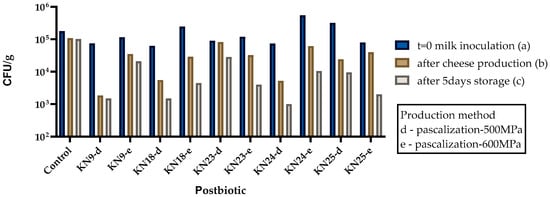
Dairy products from unpasteurized milk produced using traditional production methods may contain many groups of microorganisms, including Staphylococcus aureus and Listeria monocytogenes. Therefore, the use of postbiotics as an alternative preservation method may be important for improving the safety of these products. [...] Read more.
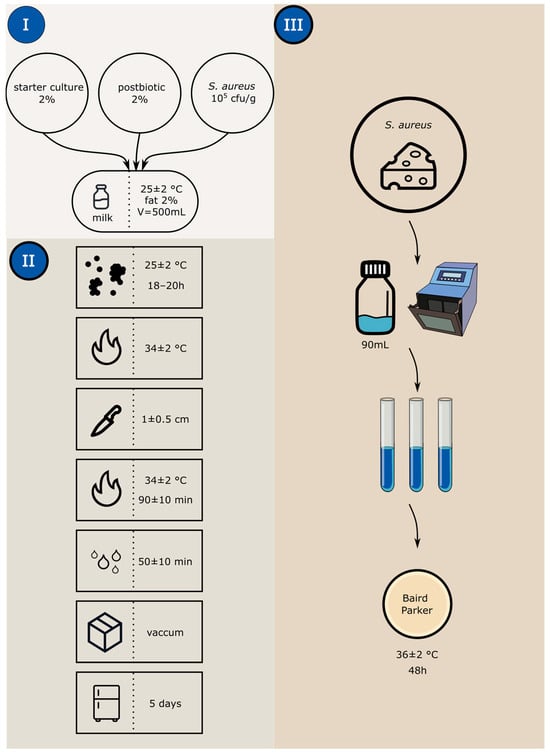
Dairy products from unpasteurized milk produced using traditional production methods may contain many groups of microorganisms, including Staphylococcus aureus and Listeria monocytogenes. Therefore, the use of postbiotics as an alternative preservation method may be important for improving the safety of these products. Therefore, the main aim of the research conducted was to isolate and identify lactic acid bacteria and prepare postbiotics from selected strains using four different methods, sterilization, pasteurization, sonication and pascalization, to determine their antibacterial properties. The antilisterial and antistaphylococcal activities of the prepared postbiotics were investigated in vitro and in a fresh cheese model. The obtained results showed that the most effective method of postbiotic preparation was pascalization. Both, the results of the MRS medium and the challenge test confirmed that postbiotics produced through pascalization exhibited antistaphylococcal activity. This study may help identify more effective biopreservation compounds to combat pathogens in food products, particularly in dairy products. Full article
(This article belongs to the Special Issue Application of Probiotics in Foods and Human Health)
Show Figures

Figure 1

23 pages, 7391 KB  
Article
TSE-YOLO: A Model for Tomato Ripeness Segmentation
by Liangquan Jia, Xinhui Yuan, Ze Chen, Tao Wang, Lu Gao, Guosong Gu, Xuechun Wang and Yang Wang
Agriculture 2026, 16(1), 8; https://doi.org/10.3390/agriculture16010008 (registering DOI) - 19 Dec 2025
Abstract
Accurate and efficient tomato ripeness estimation is crucial for robotic harvesting and supply chain grading in smart agriculture. However, manual visual inspection is subjective, slow and difficult to scale, while existing vision models often struggle with cluttered field backgrounds, small targets and limited [...] Read more.
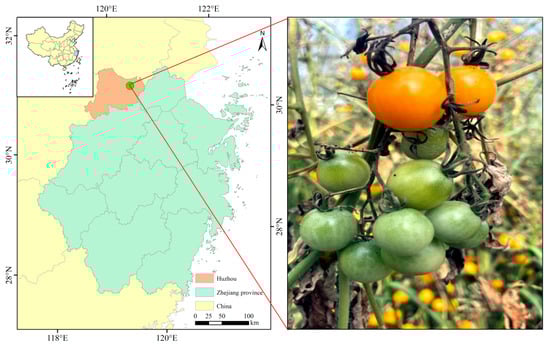
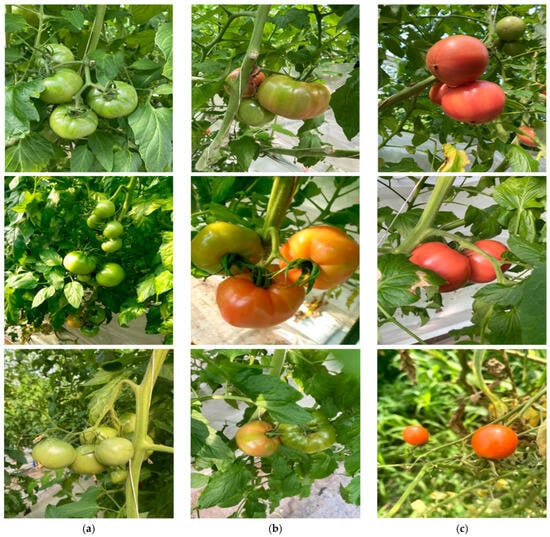
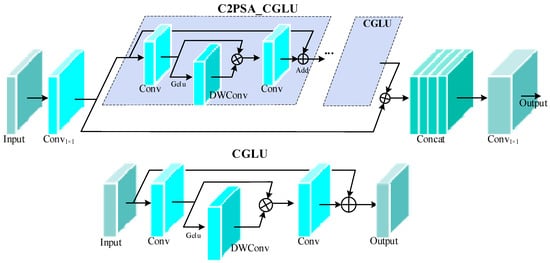
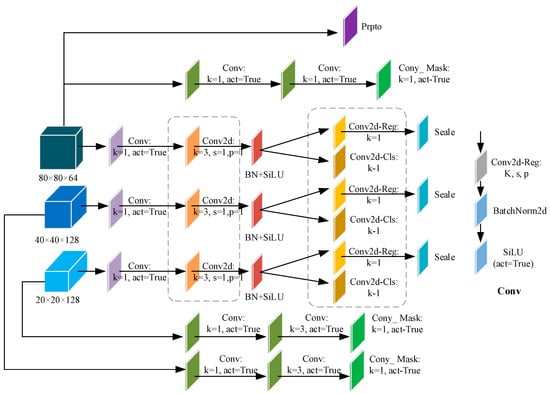
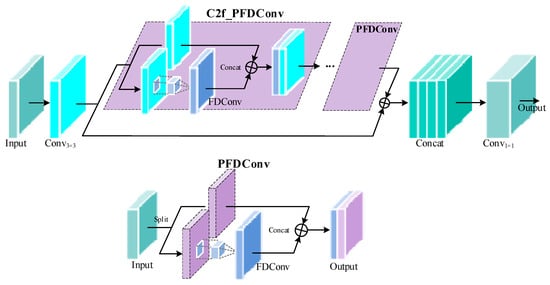
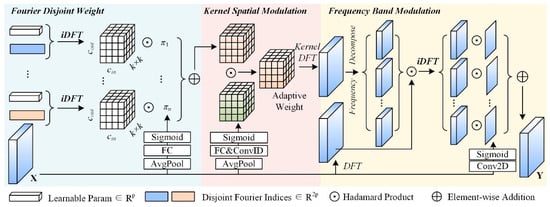
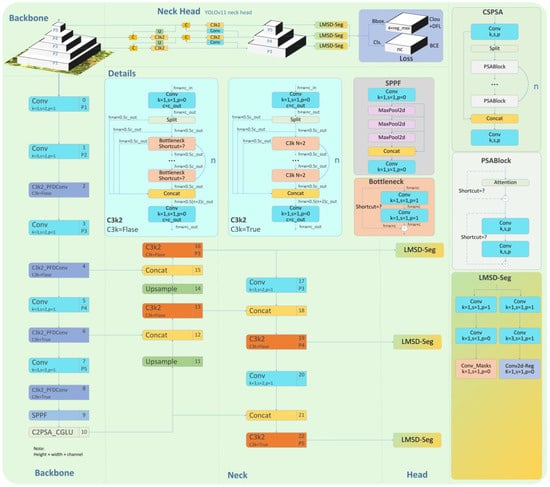
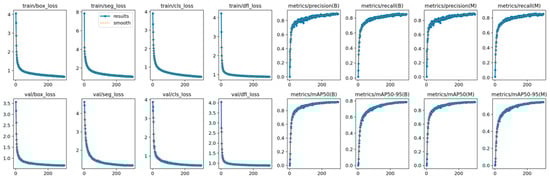
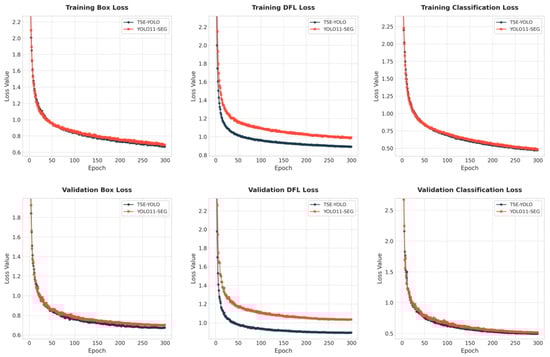
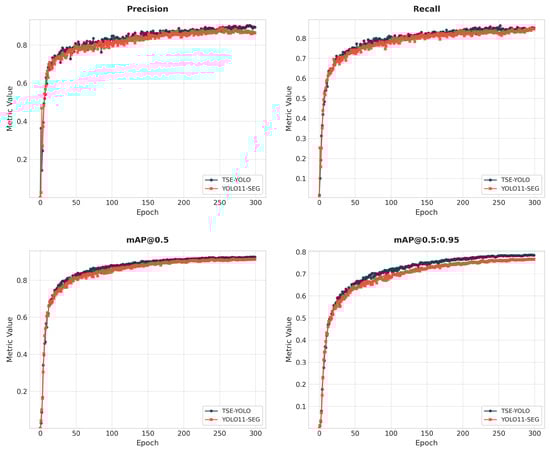
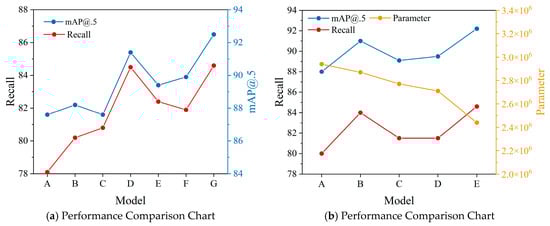
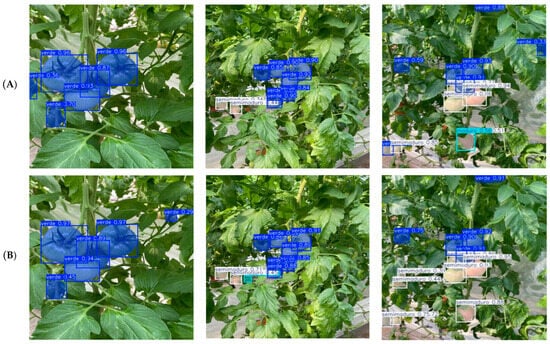
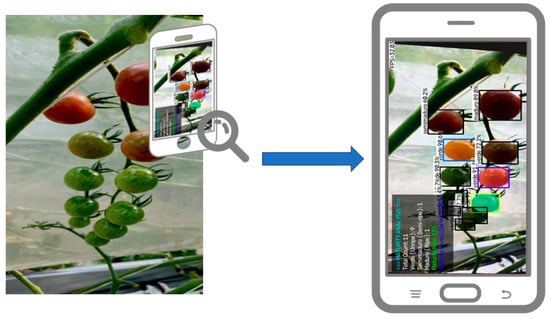
Accurate and efficient tomato ripeness estimation is crucial for robotic harvesting and supply chain grading in smart agriculture. However, manual visual inspection is subjective, slow and difficult to scale, while existing vision models often struggle with cluttered field backgrounds, small targets and limited throughput. To overcome these limitations, we introduce TSE-YOLO, an improved real-time detector tailored for tomato ripeness estimation with joint detection and segmentation. In the TSE-YOLO model, three key enhancements are introduced. The C2PSA module is improved with ConvGLU, adapted from TransNeXt, to strengthen feature extraction within tomato regions. A novel segmentation head is designed to accelerate ripeness-aware segmentation and improve recall. Additionally, the C3k2 module is augmented with partial and frequency-dynamic convolutions, enhancing feature representation under complex planting conditions. These components enable precise instance-level localization and pixel-wise segmentation of tomatoes at three ripeness stages: verde, semi-ripe (semi-maduro), and ripe. Experiments on a self-constructed tomato ripeness dataset demonstrate that TSE-YOLO achieves 92.5% mAP@0.5 for detection and 92.2% mAP@0.5 for segmentation with only 9.8 GFLOPs. Deployed on Android via Ncnn Convolutional Neural Network (NCNN), the model runs at 30 fps on Dimensity 9300, offering a practical solution for automated tomato harvesting and grading that accelerates smart agriculture’s industrial adoption. Full article
(This article belongs to the Section Artificial Intelligence and Digital Agriculture)
Show Figures

Figure 1

17 pages, 4692 KB  
Article
Preparation of ESAT6-Fc Fusion Protein and Its Therapeutic Efficacy and Immune Mechanisms in Allergic Asthma Mice via Intranasal Immunization
by Jing Wang, Maiyan Hai, Yuxin Yang, Tiansong Wang, Wei Zhang, Rui Ma, Miao Sun, Yanyan Qin, Yuan Yang, Zihan Dong, Maosheng Yang and Qiaofeng Wan
Molecules 2026, 31(1), 7; https://doi.org/10.3390/molecules31010007 (registering DOI) - 19 Dec 2025
Abstract
The respiratory mucosal system plays a critical role in the pathogenesis of allergic asthma (AA). Currently, therapeutic Fc fusion proteins are as a promising strategy for mucosal vaccine delivery systems. In this work, a plasmid encoding the Mycobacterium tuberculosis ESAT6-Fc fusion protein was [...] Read more.
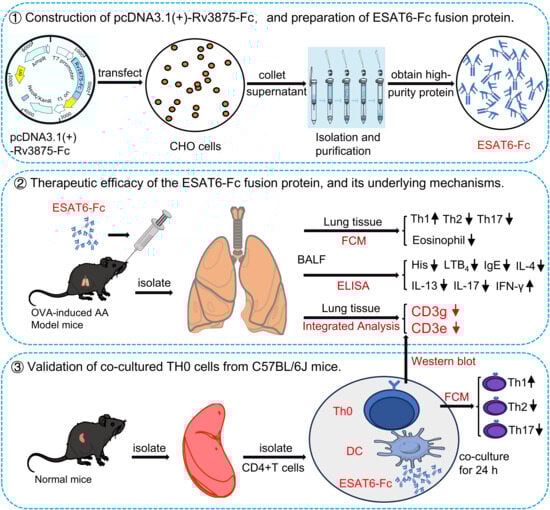
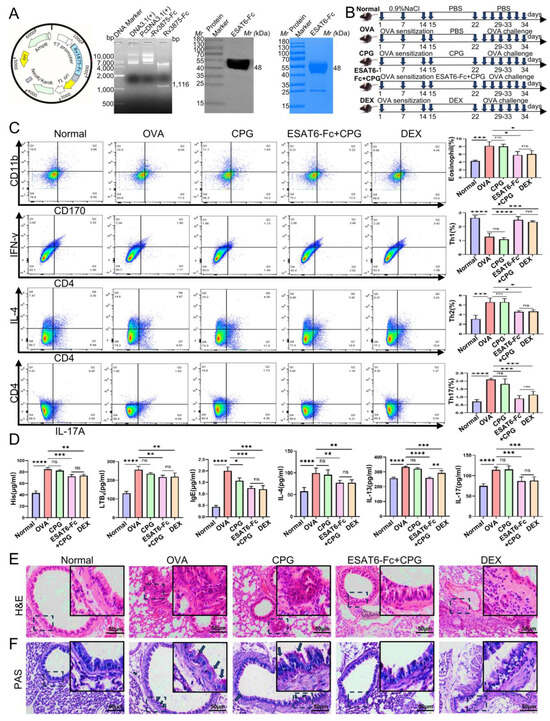
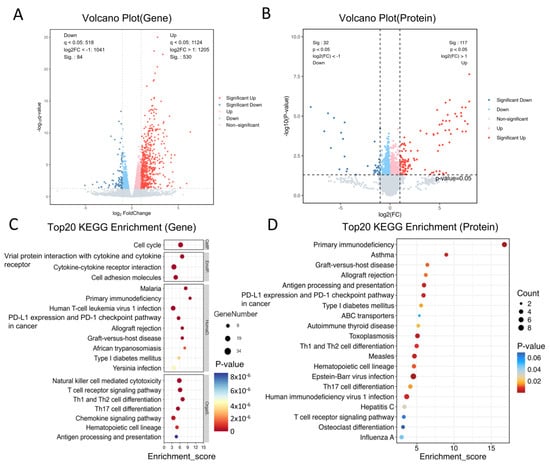
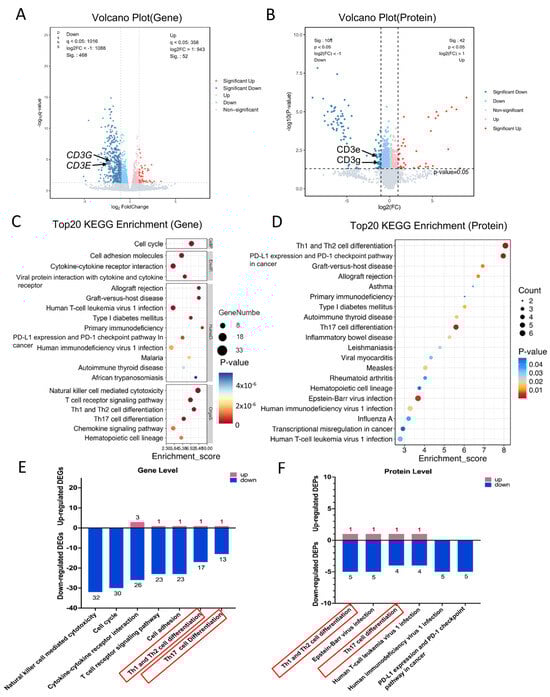
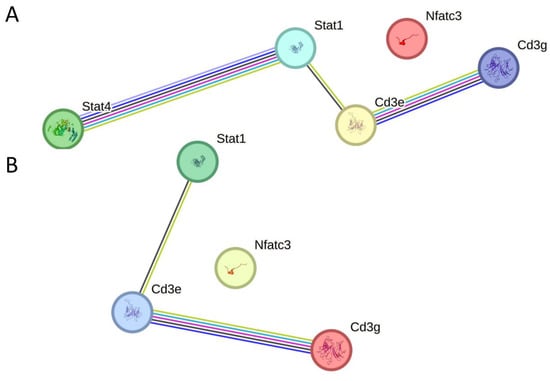
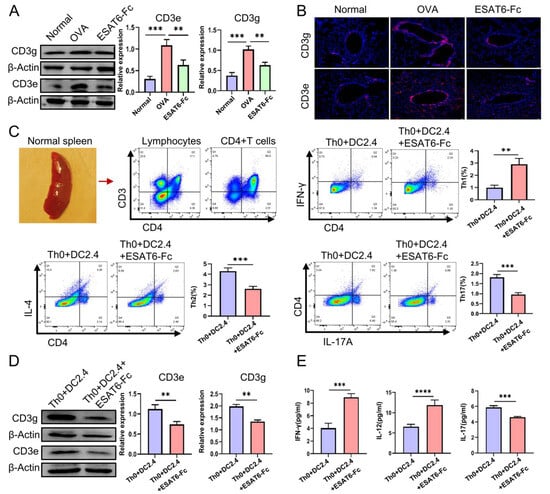
The respiratory mucosal system plays a critical role in the pathogenesis of allergic asthma (AA). Currently, therapeutic Fc fusion proteins are as a promising strategy for mucosal vaccine delivery systems. In this work, a plasmid encoding the Mycobacterium tuberculosis ESAT6-Fc fusion protein was successfully constructed, and high-purity ESAT6-Fc fusion protein was subsequently obtained. Administered via intranasal immunization in OVA-induced allergic asthma model mice, ESAT6-Fc fusion protein significantly alleviated airway inflammation and mucus production, and reduced the proportions of Th2 cells, Th17 cells, and eosinophils, while increasing the proportions of Th1 cells with no histopathological changes to major organs. To elucidate the underlying immune regulatory mechanisms of ESAT6, integrated transcriptomic and proteomic analyses were performed, revealing Th1/Th2 cell differentiation and Th17 cell differentiation as the two most significantly enriched pathways at both the gene and protein levels. CD3e (CD3E) and CD3g (CD3G), two essential subunits of the TCR–CD3 complex, were identified as core target factors. The validations from the ESAT6-Fc-treated AA lung tissues, as well as co-cultured TH0 cells from C57BL/6J mice and CD2.4 dendritic cells exposed to the ESAT6-Fc protein, were consistent with the aforementioned findings. ESAT6-Fc exhibits a safe profile with favorable efficacy against OVA-induced AA via intranasal immunization, and ESAT6 ameliorates AA by regulating the differentiation of Th0 cells into Th1 cells, which were closely associated with the down-regulation of CD3e and CD3g expression, presumably leading to the impairment of TCR–CD3 complex assembly. ESAT6-Fc fusion protein demonstrates promise as a potential safe intranasal immunotherapy agent for the treatment of AA. Full article
Show Figures

Graphical abstract

19 pages, 13872 KB  
Article
Geochronology and Geochemistry of the Late Mesozoic Volcanism in the Central Great Xing’an Range (NE China): Implications for the Dynamic Setting
by Wenpo Ma, Kai Xing, Fan Yu, Hailong Zhang, Jingxiong Wang, Chao Tan, Kai Li and Delong Hui
Minerals 2026, 16(1), 1; https://doi.org/10.3390/min16010001 (registering DOI) - 19 Dec 2025
Abstract
The voluminous Mesozoic volcanic rocks developed in the Great Xing’an Range, northeastern China, have received extensive attention in recent decades. However, the timing and petrogenesis, as well as the related geodynamic processes of the Late Mesozoic volcanism, are still controversial. In this paper, [...] Read more.
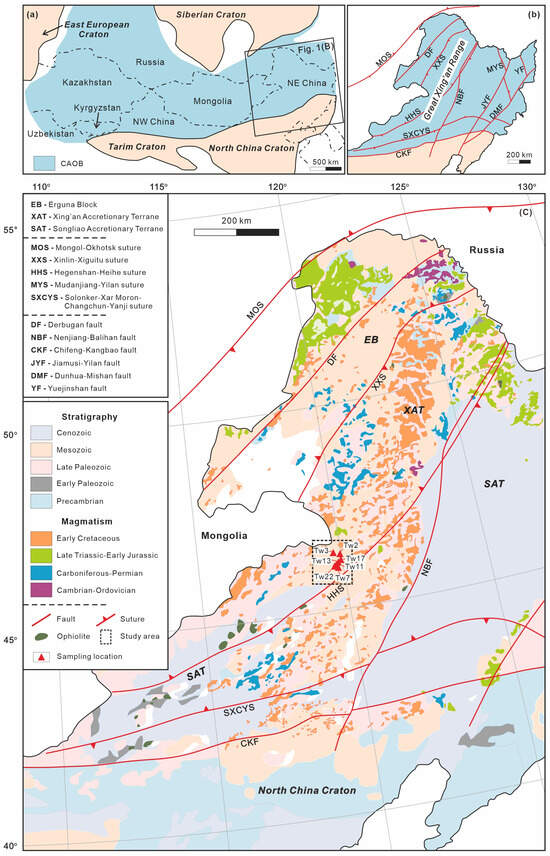
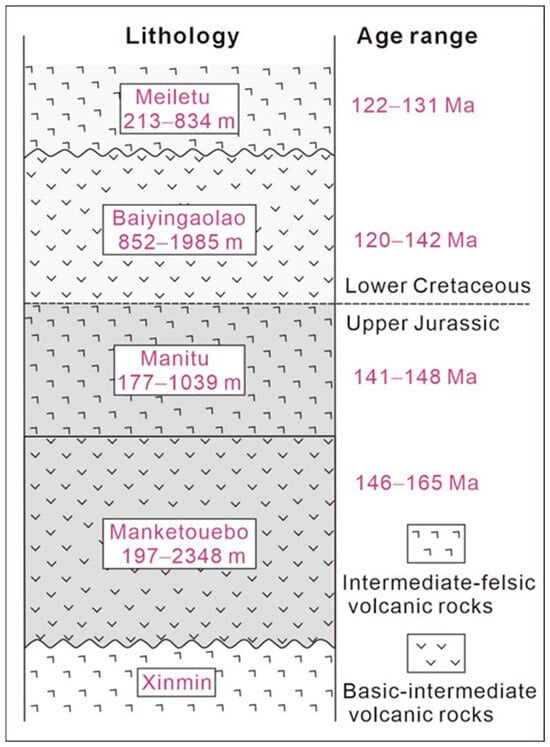
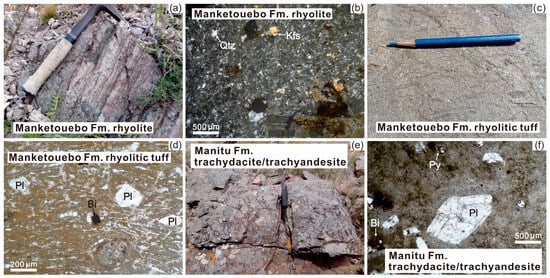
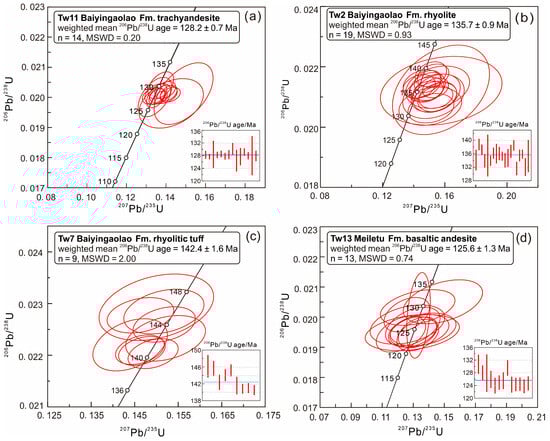
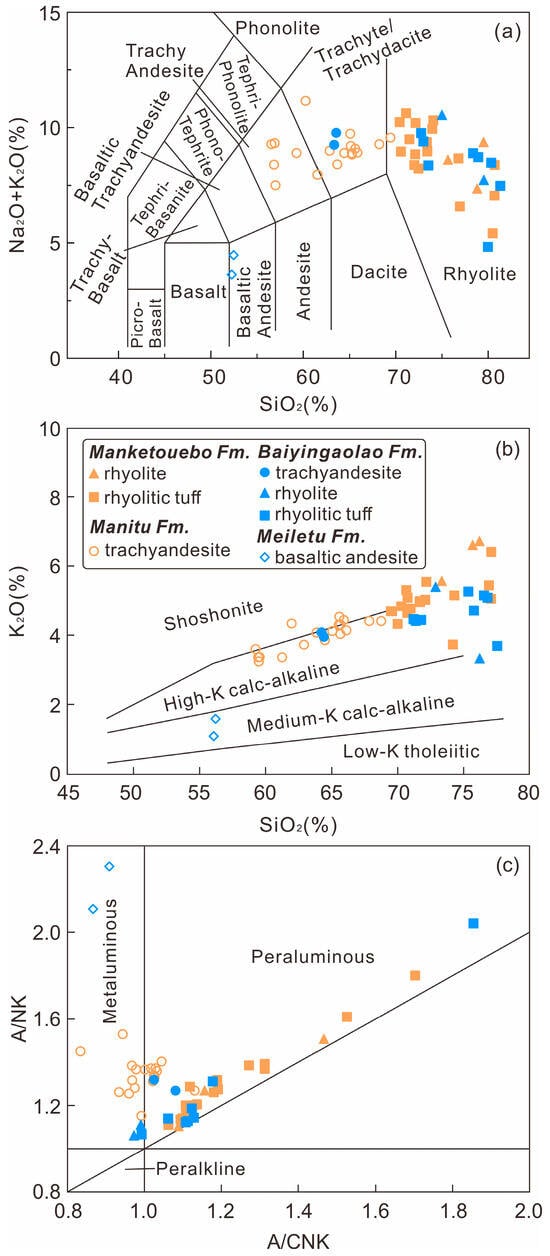
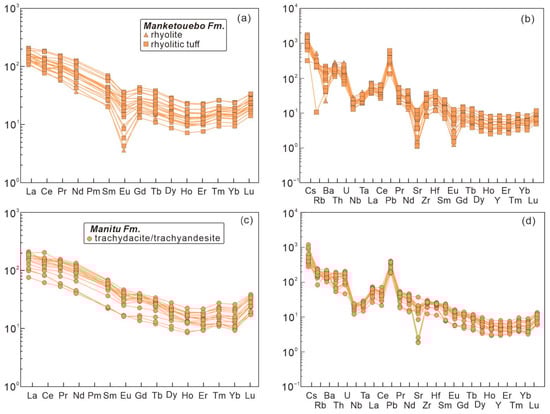
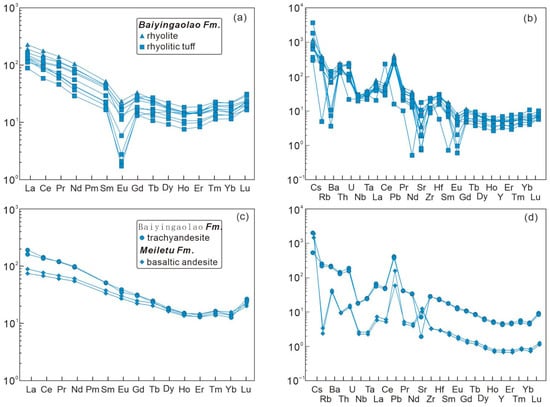
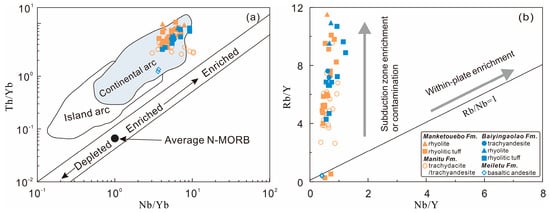
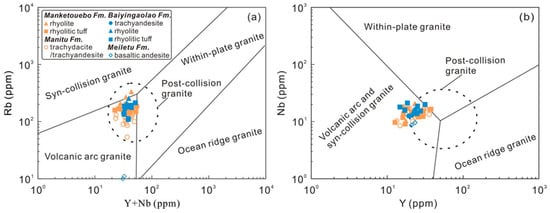
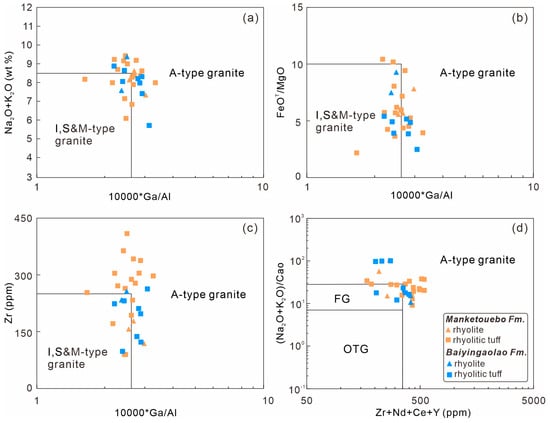
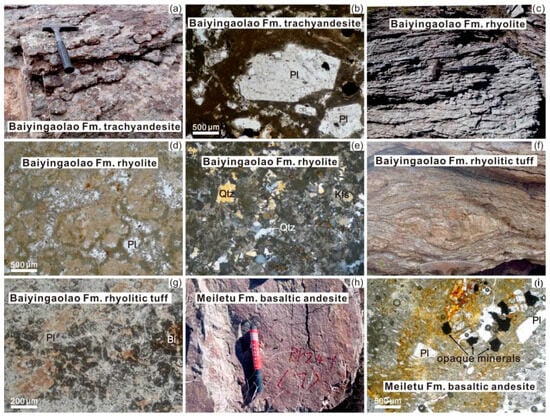
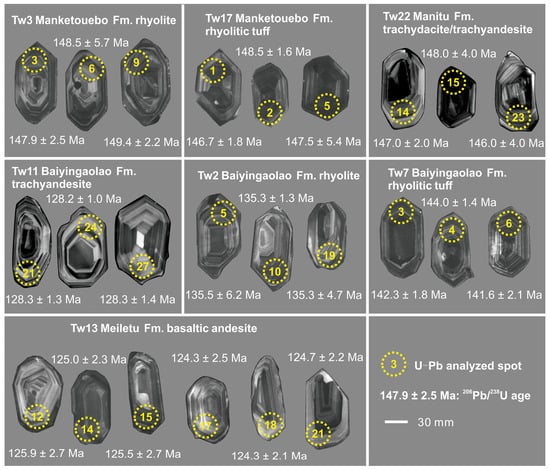
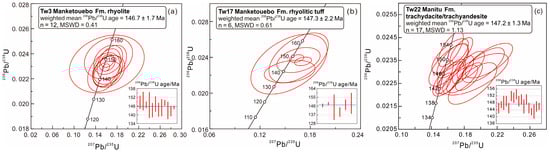
The voluminous Mesozoic volcanic rocks developed in the Great Xing’an Range, northeastern China, have received extensive attention in recent decades. However, the timing and petrogenesis, as well as the related geodynamic processes of the Late Mesozoic volcanism, are still controversial. In this paper, we present the whole-rock geochemistry and zircon U–Pb ages for the Late Mesozoic volcanic rocks from the western part of the central Great Xing’an Range, which provide considerable insights into the geodynamic setting of the region. The zircon U-Pb dating results indicate that two main episodes of volcanism occurred in the central Great Xing’an Range, including in the Late Jurassic (ca. 147 Ma) and Early Cretaceous (ca. 142–125 Ma). These Late Mesozoic volcanic rocks display similar geochemical compositions, which are mainly intermediate–felsic, alkaline, peraluminous to metaluminous, enriched in large ion lithophile elements and light rare earth elements, and depleted in high-field-strength elements, indicating arc affinities in the subduction zone. The trace element compositions suggest that the magmatism was related to a post-collisional extensional environment. Combined with the spatial distribution and temporal migration of the Mesozoic magmatic events in the whole northeastern China region, we propose that these Late Jurassic–Early Cretaceous volcanic rocks formed in a continental arc setting, which was mainly related to the rollback of the subducted Paleo-Pacific oceanic plate. Full article
(This article belongs to the Special Issue Selected Papers from the 7th National Youth Geological Congress)
Show Figures

Figure 1

13 pages, 234 KB  
Article
Choosing Public or Private Action: Evidence from a Student-Based Experiment in 2017
by Julia Valdes
Soc. Sci. 2026, 15(1), 3; https://doi.org/10.3390/socsci15010003 (registering DOI) - 19 Dec 2025
Abstract
Citizens increasingly engage in private politics—market-based actions such as boycotts and buycotts—alongside or instead of public politics aimed at government institutions. This study examines how perceptions of efficacy and institutional trust, shaped by digital media environments, influence individuals’ choice between these modes of [...] Read more.
Citizens increasingly engage in private politics—market-based actions such as boycotts and buycotts—alongside or instead of public politics aimed at government institutions. This study examines how perceptions of efficacy and institutional trust, shaped by digital media environments, influence individuals’ choice between these modes of participation. A laboratory experiment tested how efficacy cues and governance frames affect engagement preferences in the United States (N = 395). Participants were asked to sign an e-petition directed at either a government agency (NOAA) or a private corporation (BP). Experimental treatments varied by portraying government as either pluralist or business-like and by emphasizing governmental versus corporate efficacy. Results show that efficacy cues, rather than ideological beliefs about how government should operate, primarily drive behavior. Messages enhancing perceived governmental efficacy increased public political action, while messages emphasizing business efficacy shifted respondents toward private politics. These findings indicate that perceptions of efficacy, as filtered through digital and algorithmic environments, shape how citizens direct their participation. Understanding how these cues operate is essential for anticipating whether civic engagement will gravitate toward public institutions or market channels in an increasingly mediated political landscape. Full article
(This article belongs to the Special Issue Technology, Digital Media and Politics)
13 pages, 991 KB  
Systematic Review
Liver Transplantation Versus Resection for Hepatocellular Carcinoma: An Umbrella and Meta-Meta-Analysis of Published Evidence, 2000–2025
by Seoung Hoon Kim, Byeong Ho An, Jin A Lee and Go Woon Jeong
Cancers 2026, 18(1), 11; https://doi.org/10.3390/cancers18010011 (registering DOI) - 19 Dec 2025
Abstract
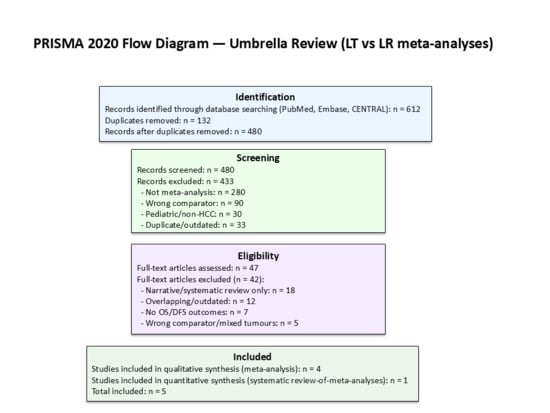
Background: Multiple meta-analyses have compared liver resection (LR) with liver transplantation (LT) for hepatocellular carcinoma (HCC), but overlapping primary studies and heterogeneous outcome definitions have complicated interpretation. Methods: A PRISMA/PRIOR-compliant umbrella review (PROSPERO CRD420251069248) was conducted. PubMed, Embase, and CENTRAL were searched for [...] Read more.
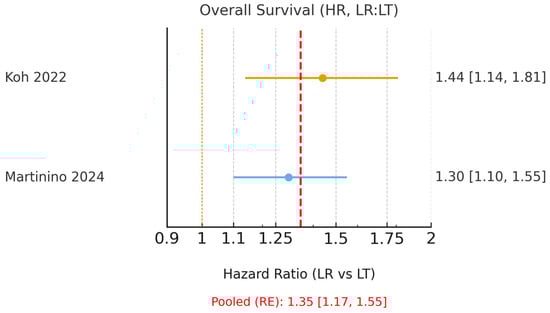
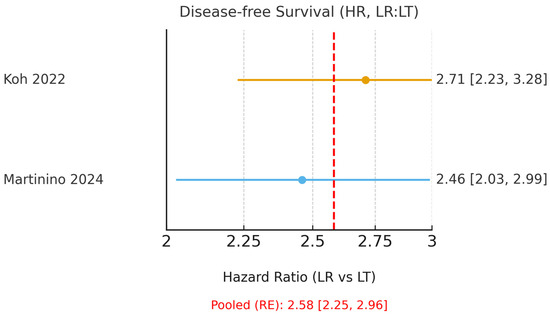
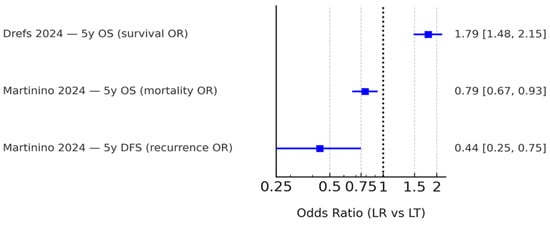
Background: Multiple meta-analyses have compared liver resection (LR) with liver transplantation (LT) for hepatocellular carcinoma (HCC), but overlapping primary studies and heterogeneous outcome definitions have complicated interpretation. Methods: A PRISMA/PRIOR-compliant umbrella review (PROSPERO CRD420251069248) was conducted. PubMed, Embase, and CENTRAL were searched for meta-analyses published between 1 January 2000 and 30 September 2025. Quantitative meta-analyses comparing LT and LR were included, while one systematic review of meta-analyses was synthesised narratively. Effect directions were standardised; hazard ratio (HR)-based summaries (LR:LT; values > 1 favour LT) were pooled using random-effects models, whereas odds ratio (OR)-based summaries were described qualitatively because of heterogeneity in endpoint definitions. Results: Four quantitative meta-analyses and one systematic review of meta-analyses met the inclusion criteria. Pooled HRs confirmed LT superiority: overall survival (OS) HR 1.35 (95% CI 1.17–1.55) and disease-free survival (DFS) HR 2.58 (95% CI 2.25–2.96). OR-based summaries from recent meta-analyses were directionally consistent but were not pooled. Conclusions: This umbrella synthesis demonstrates that LT provides superior long-term OS and DFS compared with LR for HCC, with consistent robustness across both Milan and extended selection criteria. Methodological safeguards against study overlap and subgroup insights—including intention-to-treat analyses, viral etiology (hepatitis B virus/hepatitis C virus), era, and geographic region—reinforce LT as the preferred strategy for eligible patients, while LR remains a critical option where graft availability is limited. Full article
(This article belongs to the Section Systematic Review or Meta-Analysis in Cancer Research)
Show Figures

Figure 1

10 pages, 815 KB  
Article
Decline in Renal Function, Measured by Annual Estimated Glomerular Filtration Rate Based on Cystatin C in Patients with Rheumatoid Arthritis, Is Linked to Disease Activity Level and Duration: Small Retrospective Cohort Study
by Ichiro Yoshii, Naoya Sawada and Tatsumi Chijiwa
Rheumato 2026, 6(1), 1; https://doi.org/10.3390/rheumato6010001 (registering DOI) - 19 Dec 2025
Abstract
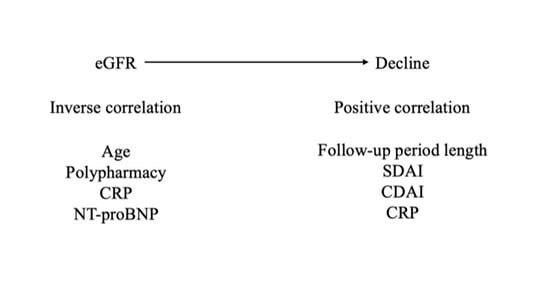
Background/Objectives: Associations between renal function, as measured by the estimated glomerular filtration rate (eGFR) or its decline (dGFR), and clinical parameters in patients with rheumatoid arthritis (RA) were evaluated using a retrospective case–control series dataset. Methods: Patients with RA who followed up for [...] Read more.
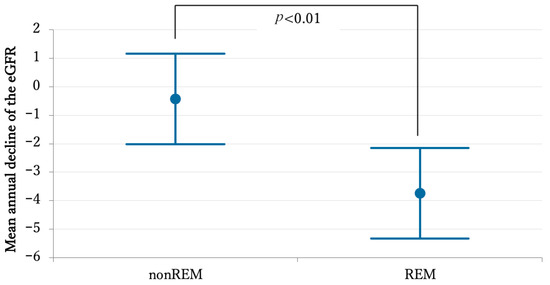
Background/Objectives: Associations between renal function, as measured by the estimated glomerular filtration rate (eGFR) or its decline (dGFR), and clinical parameters in patients with rheumatoid arthritis (RA) were evaluated using a retrospective case–control series dataset. Methods: Patients with RA who followed up for one or more consecutive years were recruited for the study. For calculating the eGFR, cystatin C (CysC) was adopted. The moment when CysC was measured was set as the baseline. The association between the eGFR and baseline clinical parameters, including disease activity in RA as measured by the simplified disease activity index (SDAI), was statistically evaluated. The association between the mean annual decline in the eGFR from the baseline and clinical parameters was also statistically assessed. Results: A total of 513 patients were enrolled; with a mean age of 70.9; a mean follow-up length of 52.5 months; a mean BMI of 22.9; a 68.7 eGFR; and a mean annual dGFR of 2.74. Significant parameters that correlated with the eGFR were age; rheumatoid factor titer; C-reactive protein; the presence of hypertension; chronic heart failure; chronic obstructive pulmonary disease; type 2 diabetes mellitus; methotrexate administration; and polypharmacy at baseline. An annual dGFR was correlated with the follow-up length, and the mean SDAI score multiplied by the yearly length of the follow-up was significantly correlated. Conclusions: Many factors confound the determination of the eGFR in RA patients. The disease activity score and length of time are the key factors for declining eGFRs. Full article
Show Figures

Graphical abstract

12 pages, 887 KB  
Article
A Pilot Study of Opportunistic Chronic Kidney Disease Screening in Primary Care Using a Clinical Decision Support System
by Maite López-Garrigós, Estanislao Puig, Selene Sánchez, Irene Gutiérrez, Maria Salinas, Alberto Ortiz and Emilio Flores
Diagnostics 2026, 16(1), 8; https://doi.org/10.3390/diagnostics16010008 (registering DOI) - 19 Dec 2025
Abstract
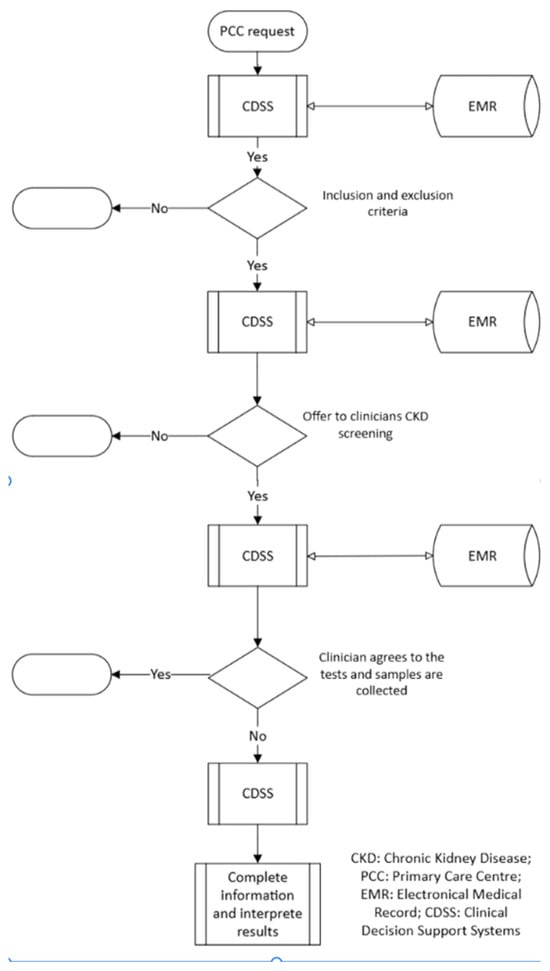
Background/Objectives: CKD affects over 10% of adults and is often silent, delaying diagnosis. Opportunistic primary care screening supported by clinical decision support systems (CDSSs) may improve detection with minimal burden. We evaluated the feasibility, diagnostic yield, clinical actions, and reagent costs of [...] Read more.
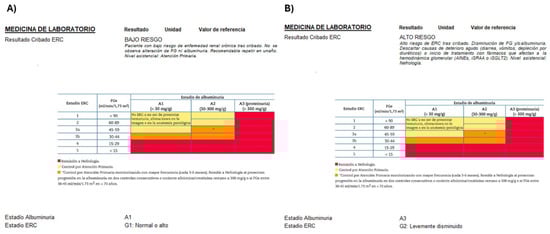
Background/Objectives: CKD affects over 10% of adults and is often silent, delaying diagnosis. Opportunistic primary care screening supported by clinical decision support systems (CDSSs) may improve detection with minimal burden. We evaluated the feasibility, diagnostic yield, clinical actions, and reagent costs of a CDSS-enabled, albuminuria-first program using eGFR. Methods: This one-year cross-sectional intervention screened all patients receiving routine laboratory tests at a primary care center using a CDSS integrating prior labs, medical records, and guideline rules. Eligibility required patients age 60–85 (Group 1) or 18–59 with hypertension, diabetes, or cardiovascular disease (Group 2). Eligible patients received urine albumin and eGFR testing with standard phlebotomy; abnormal findings triggered confirmatory tests. Outcomes were diagnostic yield, KDIGO risk stratification, referral patterns, and reagent costs. The CDSS surfaced prompts and pre-populated orders in the laboratory interface. Results: Of 7722 targets, 1892 (24.5%) were flagged (34.2% of Group 2, 7.9% of Group 1), and 1774 (93.8%) completed screening. We identified 104 new CKD cases (5.9%): 75% KDIGO moderate risk, 19% high, and 6% very high. Twenty patients (1.1%) met criteria for nephrology referral. Guideline-directed therapy was started or optimized in 90%, and 62.5% received a new CKD diagnosis code. Reagent costs averaged EUR 0.51 per person screened and EUR 11.14 per CKD case detected. Most cases were early-stage and manageable in primary care. Conclusions: CDSS-enabled opportunistic screening in primary care is feasible, acceptable, and low-cost. It identifies previously unrecognized CKD at modest expense, enabling early interventions that may slow progression and reduce cardiovascular events. Scaling with follow-up should assess long-term outcomes. Full article
(This article belongs to the Special Issue Nephrology: Diagnosis and Management)
Show Figures

Figure 1

13 pages, 1935 KB  
Article
Cytotoxicity of Cannabinoids in Combination with Traditional Lymphoma Chemotherapeutic Drugs Against Non-Hodgkin’s Lymphoma
by Saba Omer, Mahmoud Mansour, Satyanarayana R Pondugula, Muralikrishnan Dhanasekaran, Brad Matz, Omer Khan and Dawn Boothe
Biomedicines 2026, 14(1), 3; https://doi.org/10.3390/biomedicines14010003 (registering DOI) - 19 Dec 2025
Abstract
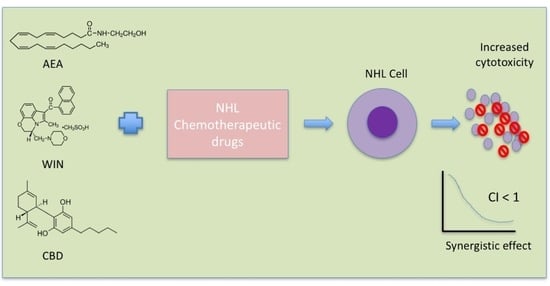
Background: Cannabinoids (CBs) are FDA-approved for mitigating chemotherapy-induced side effects such as pain, nausea, and loss of appetite. Beyond palliative care, CBs exhibit anti-tumor properties in various cancers, including non-Hodgkin’s lymphoma (NHL). Previously, we demonstrated the cytotoxic effect of endogenous and exogenous [...] Read more.
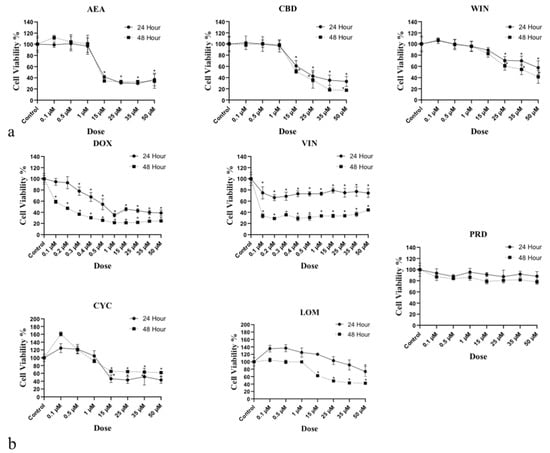
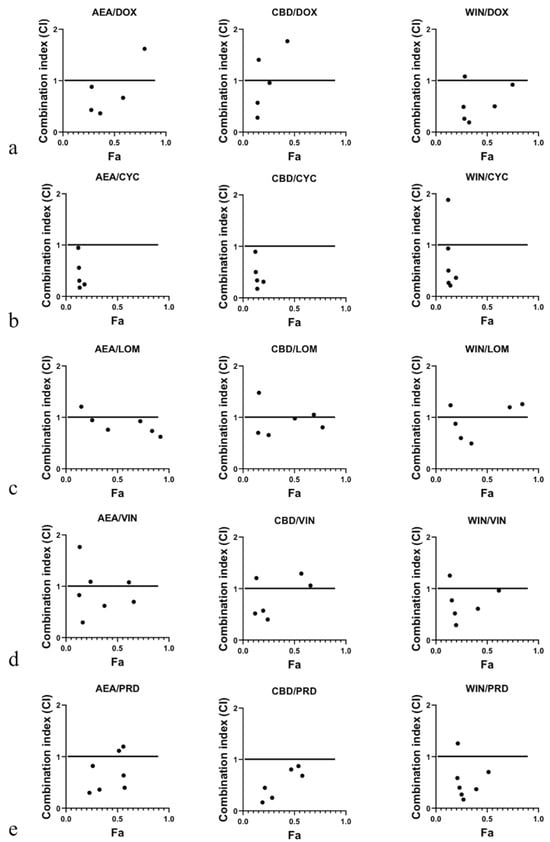
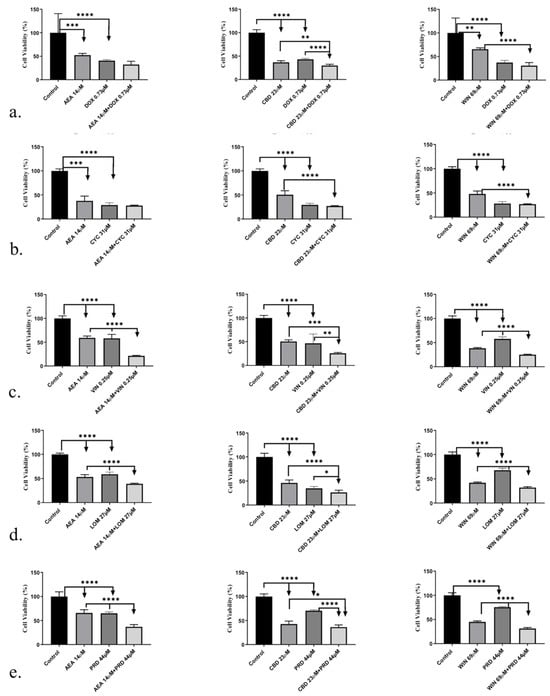
Background: Cannabinoids (CBs) are FDA-approved for mitigating chemotherapy-induced side effects such as pain, nausea, and loss of appetite. Beyond palliative care, CBs exhibit anti-tumor properties in various cancers, including non-Hodgkin’s lymphoma (NHL). Previously, we demonstrated the cytotoxic effect of endogenous and exogenous cannabinoids on human and canine B- and T-cell-type NHL cell lines. The purpose of this study was to establish the cytotoxic effect of cannabinoids in combination with the components of CHOP and lomustine. This traditional NHL chemotherapy regimen comprises cyclophosphamide, doxorubicin, vincristine, and prednisolone. Methods: In this study, we studied three cannabinoids, one from each of the three major categories of cannabinoids (endocannabinoid AEA, phytocannabinoid CBD, and synthetic cannabinoid WIN-55 212 22). Each cannabinoid was selected based on potency, as determined in our previous experiments. For the combination, we used five NHL chemotherapy drugs. We analyzed the cytotoxicity of each drug alone and in combinations using canine malignant B-type NHL cell line 1771 and a colorimetric MTT (3-(4,5-dimethylthiazol-2-yl)-2,5 diphenyl tetrazolium bromide) cell proliferation assay and combination index (CI) based on the Chou–Talalay method. Results: Our results demonstrate that the cytotoxic effects of all traditional NHL chemotherapy drugs are synergistically enhanced (interaction with CI < 1) by each of the three cannabinoids at sub-IC50 concentrations. Conclusions: This work provides a proof of concept for using cannabinoids and traditional NHL drugs in combination to reduce the dose, and thereby potentially reducing the toxicity, of chemotherapeutic drugs and increasing the survival benefit in lymphoma clinical translation studies, offering a significant advancement in cancer treatment. Full article
Show Figures

Graphical abstract

27 pages, 6079 KB  
Article
Development of an Online Automatic Water–Fertilizer Mixing Device Considering Direct Mixing of Raw Water
by Jianian Li, Jun Wu, Jian Zhang, Zeyang Su, Xiaohui Chen and Jiaoli Fang
Agriculture 2026, 16(1), 3; https://doi.org/10.3390/agriculture16010003 (registering DOI) - 19 Dec 2025
Abstract
To address the issue of low fertilizer proportioning accuracy in irrigation and fertilization systems due to neglecting the influence of target ions in raw water, this study designed a high-precision online automatic water–fertilizer mixing device that can directly mix raw water (without water [...] Read more.
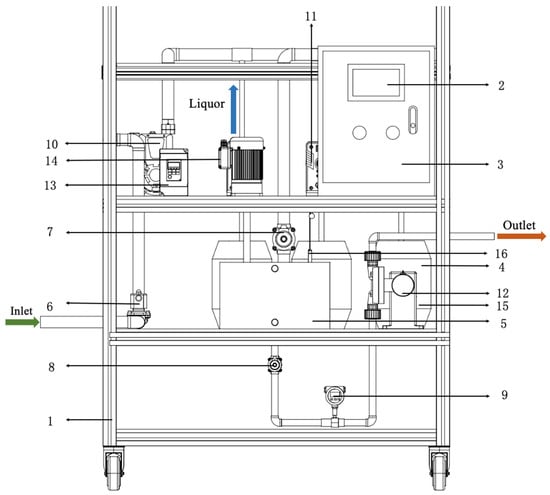
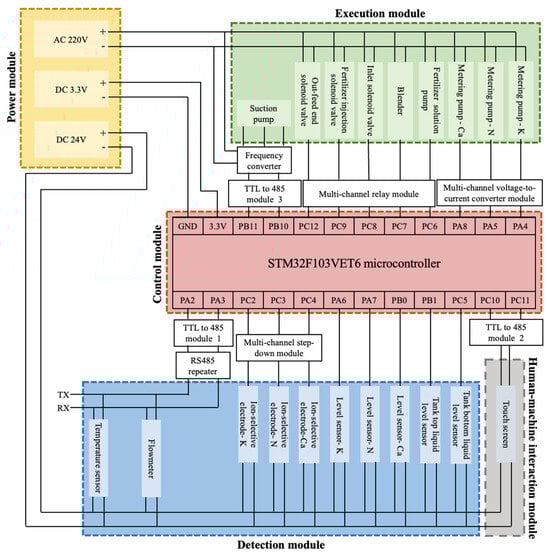
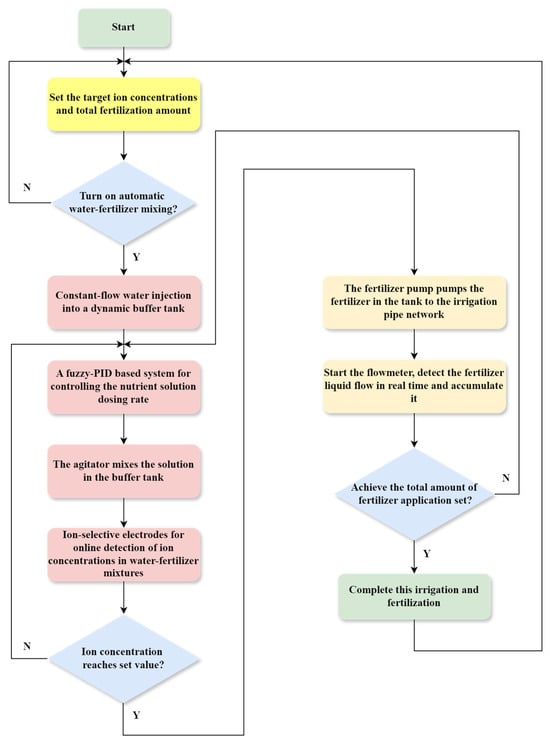
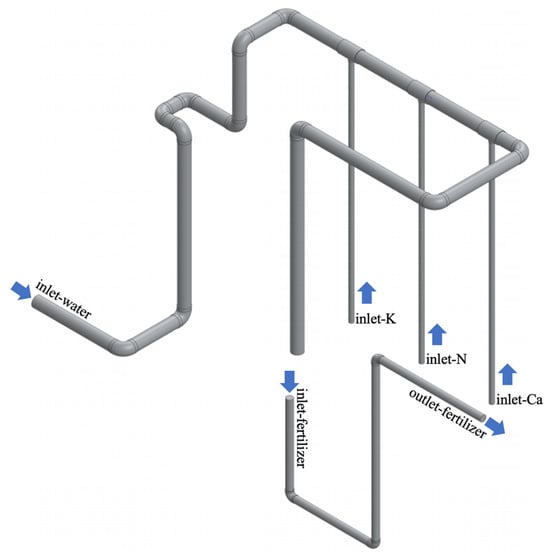
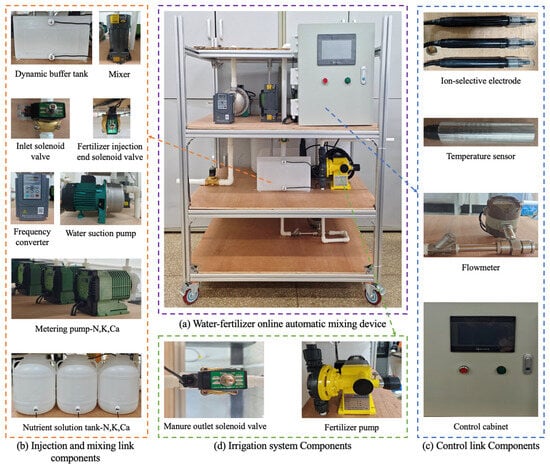
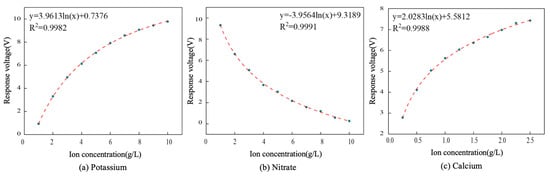
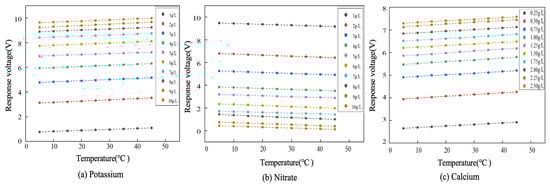
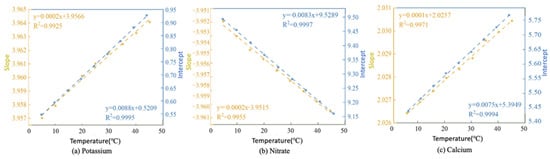
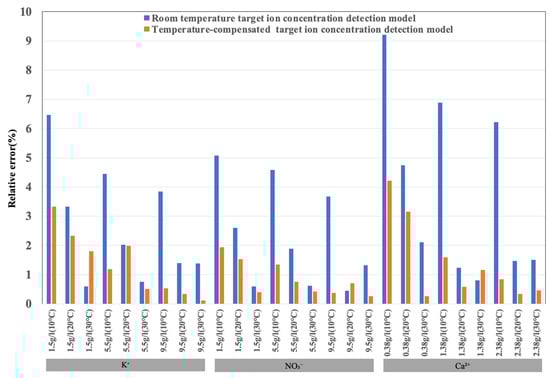
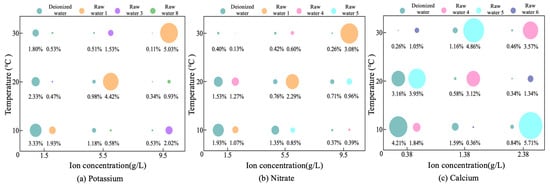
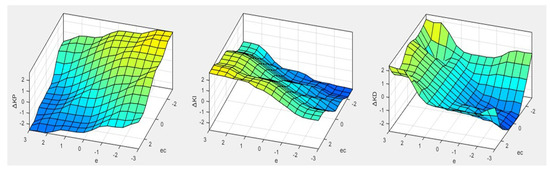
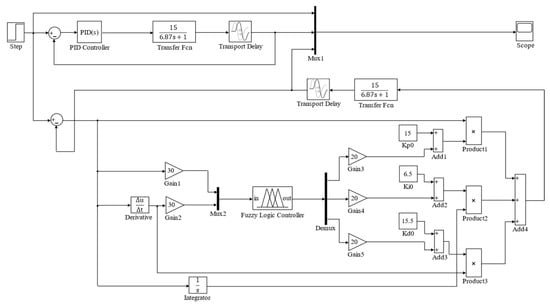
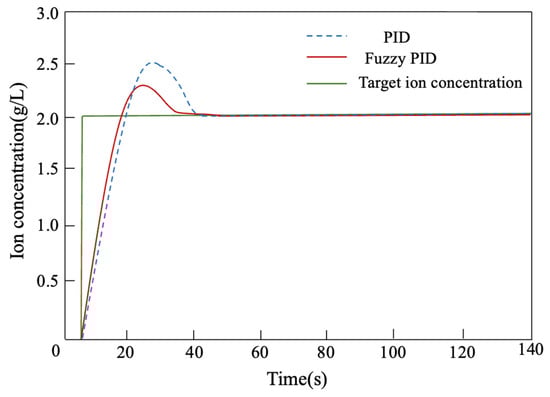
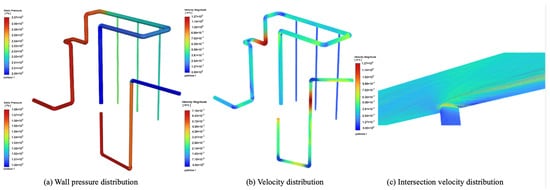
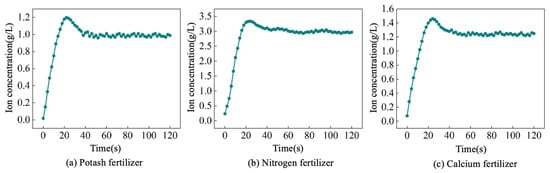
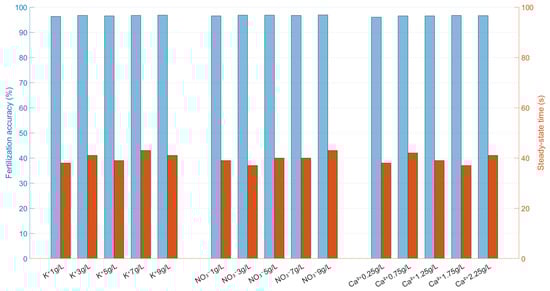
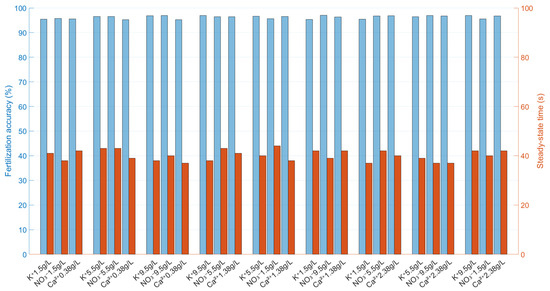
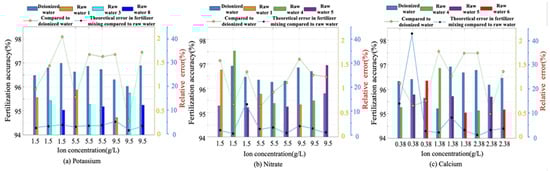
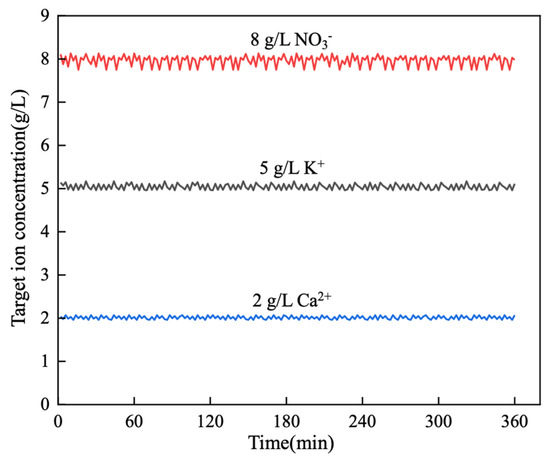
To address the issue of low fertilizer proportioning accuracy in irrigation and fertilization systems due to neglecting the influence of target ions in raw water, this study designed a high-precision online automatic water–fertilizer mixing device that can directly mix raw water (without water purification treatment) with fertilizer stock solution. This device is capable of preparing mixed fertilizer solutions containing N, K, and Ca elements. It employs ion-selective electrodes and flow meters for online detection and feedback of target ion concentrations in the fertilizer solution and flow rate information, and adopts an online fertilizer mixing control strategy that uses a constant raw water flow rate and a fuzzy PID control method to dynamically adjust the pulse frequency of metering pumps, thereby changing the injection volume of nutrient solution. Simulation and experimental analyses show that the piping system of the device is reasonably designed, ensuring stable and smooth fertilizer injection. The temperature-compensated concentration detection models for the three target ions in the fertilizer solution, constructed using a stepwise fitting method, achieve average relative detection errors of 1.94%, 1.18%, and 2.87% for K+, NO3, and Ca2+, respectively. When preparing single-element or mixed fertilizer solutions, the device achieves an average steady-state error of no more than 4% and an average steady-state time of approximately 40 s. Compared with deionized water, the average relative errors for potassium ions, nitrate ions, and calcium ions when preparing fertilizer solutions with raw water are 1.33%, 1.12%, and 1.19%, respectively. Compared with the theoretical errors of fertilizer preparation with raw water, the fertilizer proportioning errors of this device for potassium ions, nitrate ions, and calcium ions can be reduced by a maximum of 10.55%, 66.84%, and 62.71%, respectively, which is superior to the performance requirements for water–fertilizer integration equipment specified in the national industry standard DG/T 274-2024. Additionally, the device achieves accurate and stable fertilizer proportioning with safe and reliable operation during 6 h of continuous operation. This device significantly reduces the impact of raw water on fertilizer proportioning accuracy, improves the adaptability of the device to irrigation water sources, and provides theoretical basis and technical support for water-fertilizer integration systems in cost-sensitive agriculture. Full article
(This article belongs to the Special Issue Agricultural Machinery and Technology for Fruit Orchard Management)
Show Figures

Figure 1

9 pages, 901 KB  
Case Report
Case Report of Wound Treatment with Hyiodine Gel in an Occasional KID Syndrome Patient
by Marianna Hajská, Silvia Bittner Fialová, Martin Dubovský and Arpád Panyko
J. Clin. Med. 2026, 15(1), 11; https://doi.org/10.3390/jcm15010011 (registering DOI) - 19 Dec 2025
Abstract
Background/Objectives: Keratitis–ichthyosis–deafness (KID) syndrome is an exceptionally rare congenital multisystem disorder, with an estimated prevalence below 1:1,000,000 and fewer than 100 reported cases worldwide. It is characterized by hyperkeratosis, alopecia, nail dystrophy, hearing loss, and ocular involvement. While dermatological management is well [...] Read more.
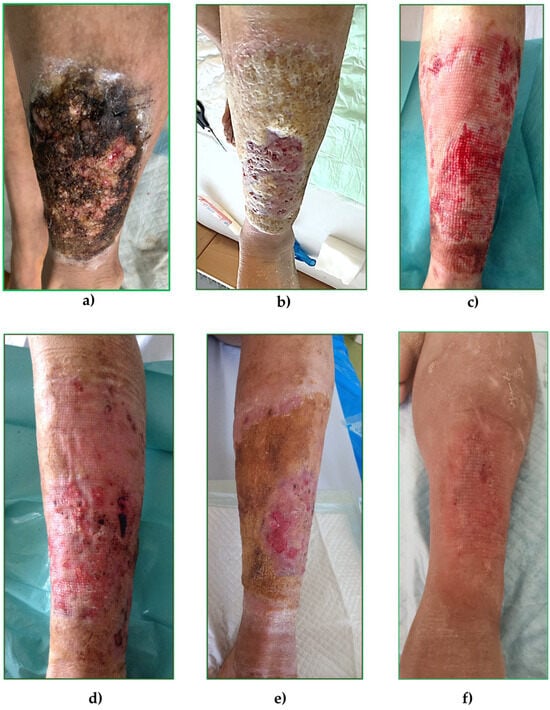
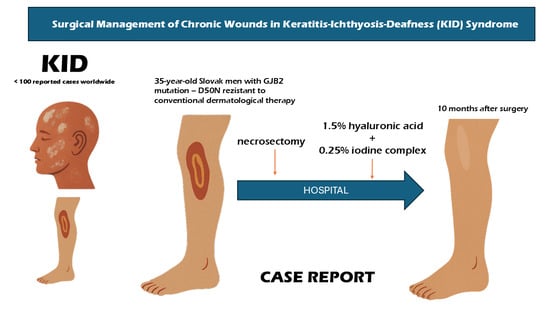
Background/Objectives: Keratitis–ichthyosis–deafness (KID) syndrome is an exceptionally rare congenital multisystem disorder, with an estimated prevalence below 1:1,000,000 and fewer than 100 reported cases worldwide. It is characterized by hyperkeratosis, alopecia, nail dystrophy, hearing loss, and ocular involvement. While dermatological management is well described, surgical experience with wound treatment in KID syndrome remains extremely limited. The objective of this report is to describe the surgical management and outcomes of a patient with chronic lower-limb wounds associated with KID syndrome. Methods: A 35-year-old male with KID syndrome was referred to the surgical outpatient clinic for chronic traumatic wounds of both lower limbs resistant to conservative dermatological therapy. Initial outpatient treatment included serial sharp surgical debridement under local anesthesia, combined with topical keratolytics and silver sulfadiazine with hyaluronic acid. Due to minimal improvement after three months, an inpatient surgical approach was initiated, involving complete excision of hyperkeratotic tissue, creation of a wide ulcer bed, and adjunct systemic and topical therapies. Results: The inpatient management enabled thorough removal of pathological tissue and better control of local infection and inflammation. Combined systemic antibiotic and antipsoriatic therapy, together with topical sodium hyaluronate and iodine, was associated with gradual wound healing and improved skin condition. The patient tolerated the procedures well, without major complications. Conclusions: Surgical debridement and excision, when combined with targeted dermatological and antimicrobial therapy, can be an effective and safe strategy for managing chronic wounds in KID syndrome. This case highlights the importance of multidisciplinary collaboration and individualized surgical planning in this extremely rare disorder. Full article
(This article belongs to the Special Issue New Advances in Wound Healing and Skin Wound Treatment)
Show Figures

Graphical abstract

22 pages, 1358 KB  
Article
Proteomic, Fatty Acid and Mineral Profiles of PDO Arouquesa and Commercial Crossbred Beefs: A Tool for Certification
by Laura Sacarrão-Birrento, Sarah Schlosser, Karin Hummel, Ebrahim Razzazi-Fazeli, Cátia F. Martins, Miguel P. Mourato, José A. Silva, Severiano R. Silva, Susana P. Alves, Carlos A. Venâncio, Ingrid Miller and André M. de Almeida
Animals 2026, 16(1), 5; https://doi.org/10.3390/ani16010005 (registering DOI) - 19 Dec 2025
Abstract
Protected Designation of Origin (PDO) beef products are recognized for their higher quality, although the native breeds used often show lower productivity compared to commercial crosses. This study aimed to compare the proteome profiles of Arouquesa and crossbred beef using 2D-DIGE, and evaluating [...] Read more.
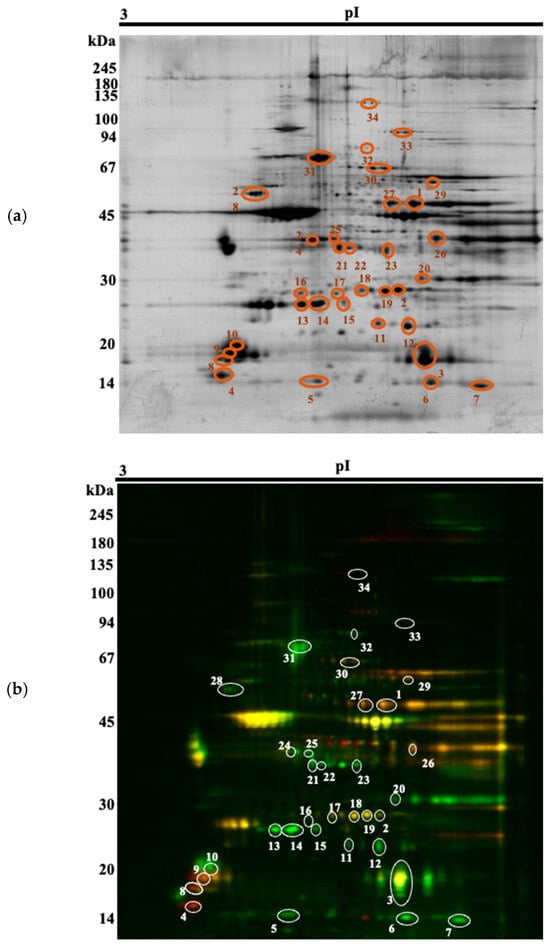
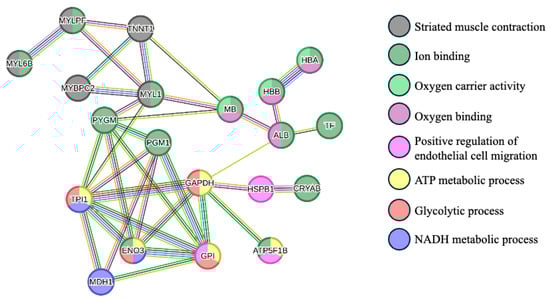
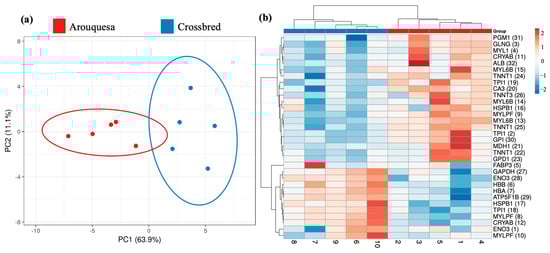
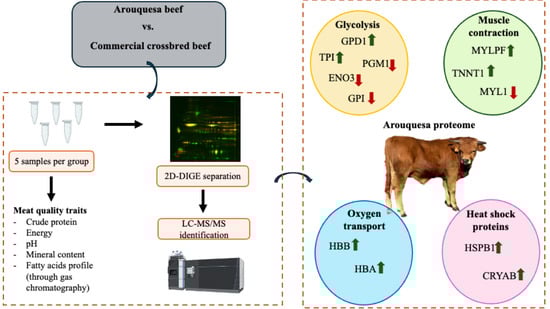
Protected Designation of Origin (PDO) beef products are recognized for their higher quality, although the native breeds used often show lower productivity compared to commercial crosses. This study aimed to compare the proteome profiles of Arouquesa and crossbred beef using 2D-DIGE, and evaluating crude protein, energy, and fatty acid composition. Arouquesa beef had higher energy values (p < 0.05), whereas crossbred samples showed greater protein content (p < 0.05). Moreover, Arouquesa beef had higher proportions of microminerals, namely zinc, iron, and manganese (p < 0.05). The Arouquesa breed also presented higher proportions of most fatty acids, including saturated, monounsaturated, and polyunsaturated. Proteomic analysis identified 34 differentially abundant proteoforms from 23 proteins. In Arouquesa, proteins associated with muscle contraction (MYLPF, TNNT1), glycolysis/gluconeogenesis (TPI1, GPD1), oxygen transport (HBB, HBA), and heat shock response (CRYAB, HSPB1) were more abundant or had altered spot patterns, suggesting their roles in meat tenderness, color, and fat-related characteristics. Conversely, crossbred beef showed elevated levels of glycolytic enzymes (PGM1, ENO3, and some proteoforms of TPI1 and GPI) and structural proteins (MYL1), related with higher muscle growth and different fiber composition. The identified proteins provide possible molecular markers that distinguish Arouquesa from commercial breeds. These validated proteins in the future can support breed characterization and verification of PDO certification specifications. Full article
Show Figures

Graphical abstract

35 pages, 14987 KB  
Article
High-Resolution Modeling of Storm Surge Response to Typhoon Doksuri (2023) in Fujian, China: Impacts of Wind Field Fusion, Parameter Sensitivity, and Sea-Level Rise
by Ziyi Xiao and Yimin Lu
J. Mar. Sci. Eng. 2026, 14(1), 5; https://doi.org/10.3390/jmse14010005 (registering DOI) - 19 Dec 2025
Abstract
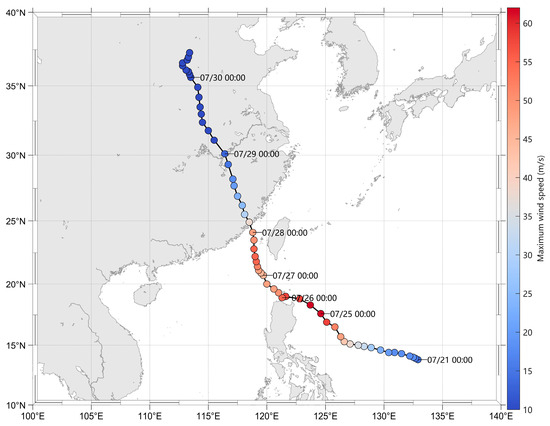
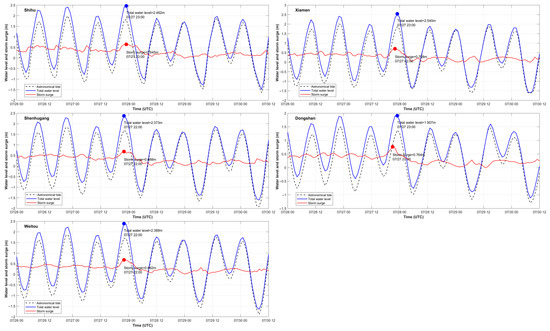
To quantitatively assess the storm surge induced by Super Typhoon Doksuri (2023) along the complex coastline of Fujian Province, a high-resolution Finite-Volume Coastal Ocean Model (FVCOM) was developed, driven by a refined Holland–ERA5 hybrid wind field with integrated physical corrections. The hybrid approach [...] Read more.
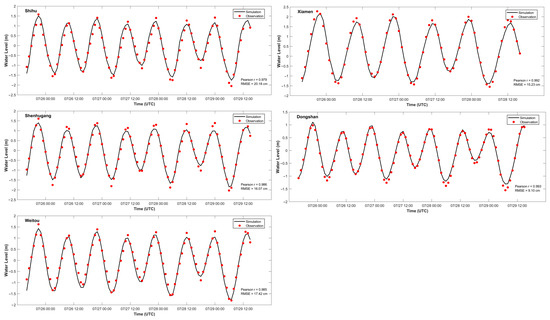
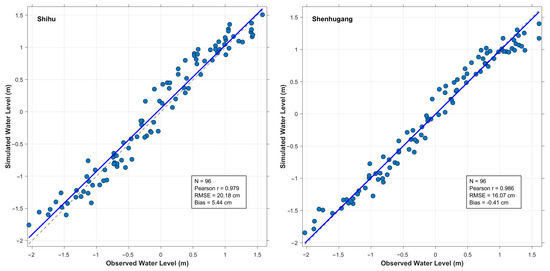
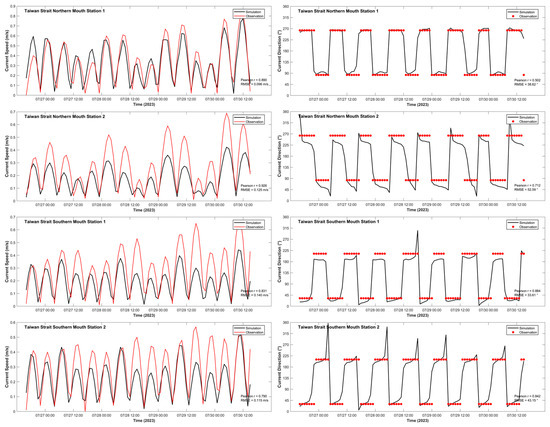
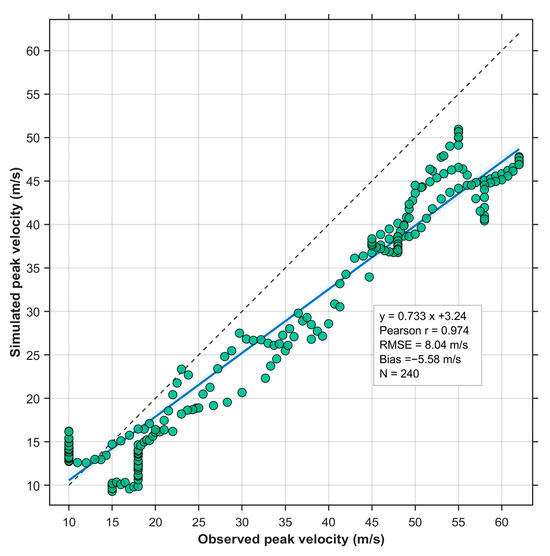
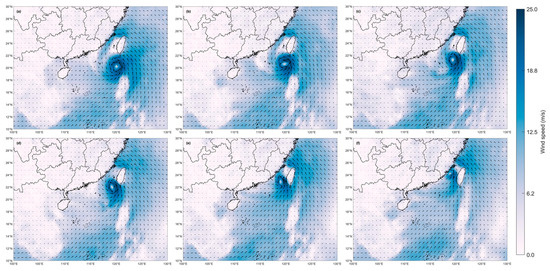
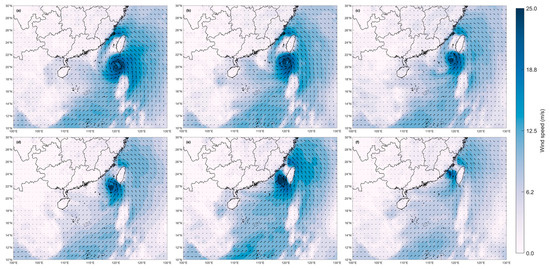
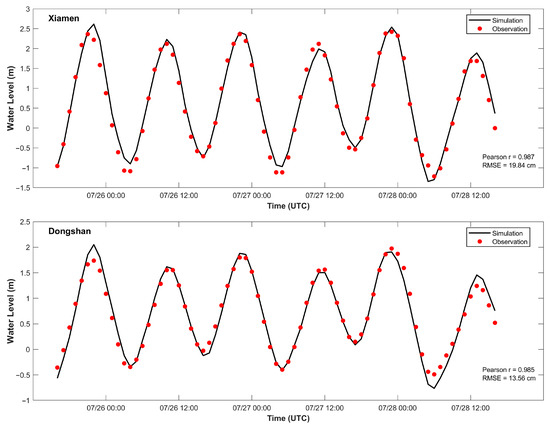
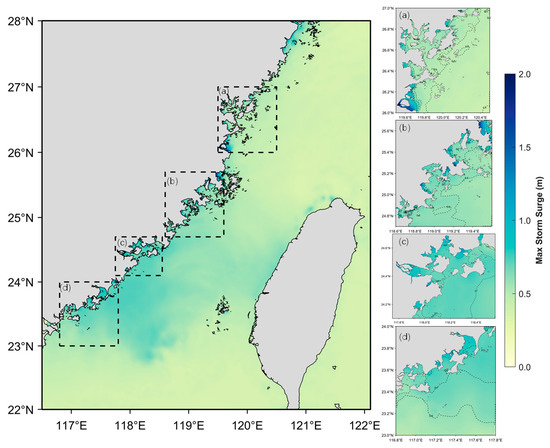
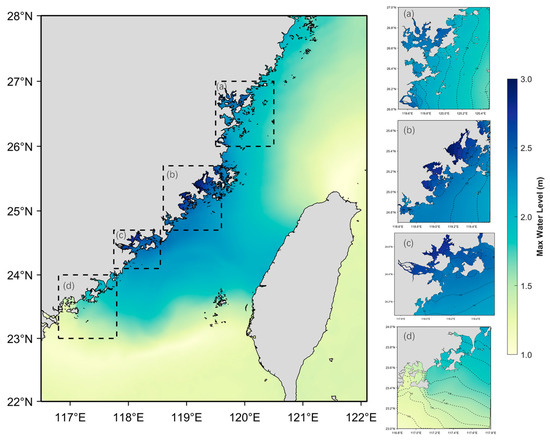
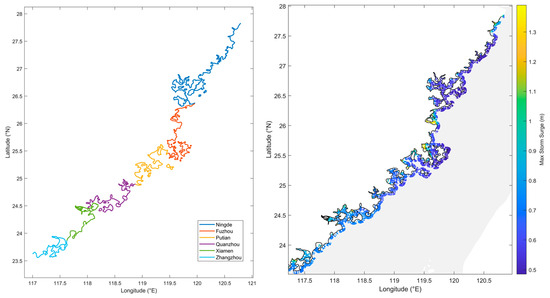
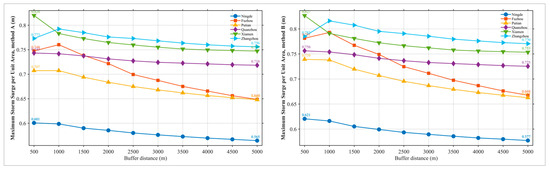
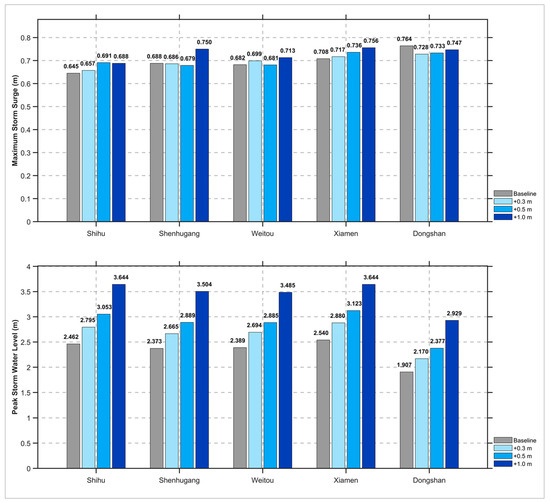
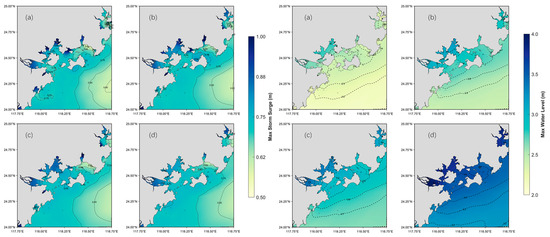
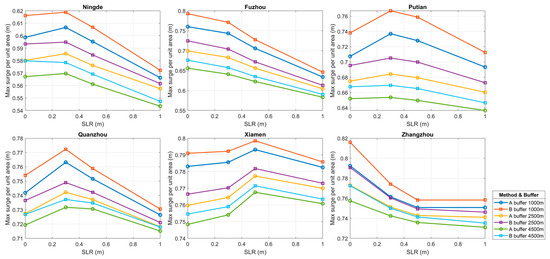
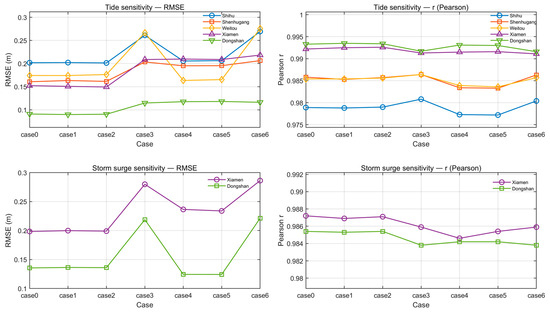
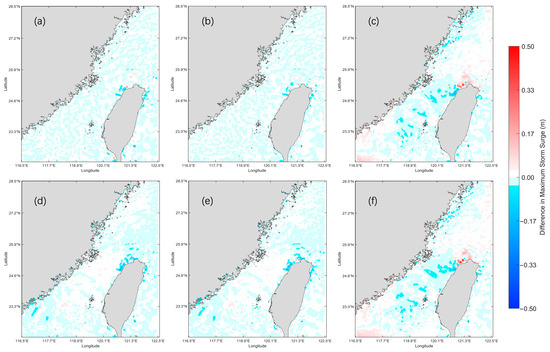
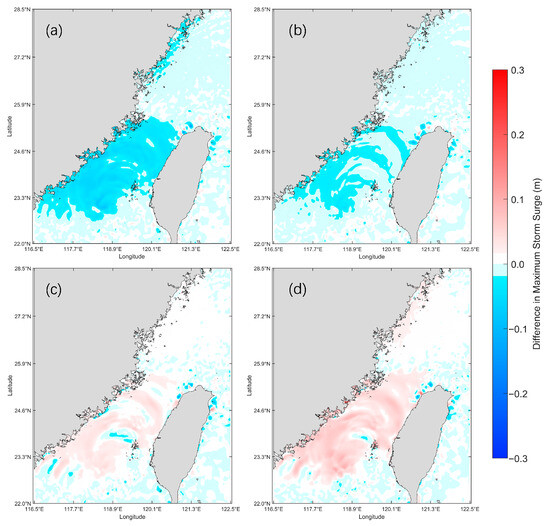
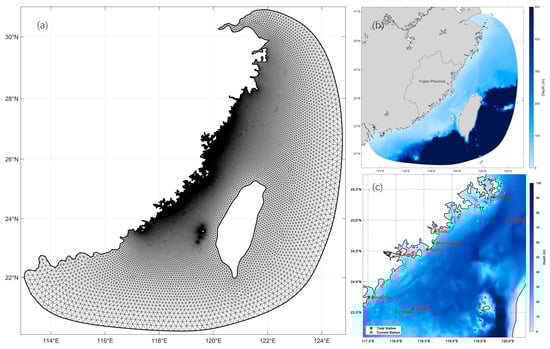
To quantitatively assess the storm surge induced by Super Typhoon Doksuri (2023) along the complex coastline of Fujian Province, a high-resolution Finite-Volume Coastal Ocean Model (FVCOM) was developed, driven by a refined Holland–ERA5 hybrid wind field with integrated physical corrections. The hybrid approach retains the spatiotemporal coherence of the European Centre for Medium-Range Weather Forecasts (ECMWF) ERA5 reanalysis in the far field, while incorporating explicit inner-core adjustments for quadrant asymmetry, sea-surface-temperature dependency, and bounded decay after landfall. A series of numerical experiments were conducted, including paired tidal-only and full storm-forcing simulations, along with a systematic sensitivity ensemble in which bottom-friction parameters were perturbed and the anomalous (typhoon-related) wind component was scaled by factors ranging from 0.8 to 1.2. Static sea-level rise (SLR) scenarios (+0.3 m, +0.5 m, +1.0 m) were imposed to evaluate their influence on extreme water levels. Storm surge extremes were analyzed using a multi-scale coastal buffer framework, comparing two extreme extraction methods: element-mean followed by time-maximum, and node-maximum then assigned to elements. The model demonstrates high skill in reproducing astronomical tides (Pearson r = 0.979–0.993) and hourly water level series (Pearson r > 0.98) at key validation stations. Results indicate strong spatial heterogeneity in the sensitivity of surge levels to both bottom friction and wind intensity. While total peak water levels rise nearly linearly with SLR, the storm surge component itself exhibits a nonlinear response. The choice of extreme-extraction method significantly influences design values, with the node-based approach yielding peak values 0.8% to 4.5% higher than the cell-averaged method. These findings highlight the importance of using physically motivated adjustments to wind fields, extreme-value analysis across multiple coastal buffer scales, and uncertainty quantification in future SLR-informed coastal risk assessments. By integrating analytical, physics-based inner-core corrections with sensitivity experiments and multi-scale analysis, this study provides an enhanced framework for storm surge modeling suited to engineering and coastal management applications. Full article
(This article belongs to the Section Physical Oceanography)
Show Figures

Figure 1

14 pages, 277 KB  
Review
Diet After Acute Coronary Artery Syndrome
by Vasiliki Katsi, Marilena Giannoudi, Vasilios G. Kordalis and Konstantinos Tsioufis
Nutrients 2026, 18(1), 5; https://doi.org/10.3390/nu18010005 (registering DOI) - 19 Dec 2025
Abstract
Background: Acute coronary syndrome (ACS) encompasses ST-elevation myocardial infarction, non-ST-elevation myocardial infarction, and unstable angina. While optimal medical therapy (OMT) is central to secondary prevention, lifestyle interventions—particularly dietary modification—remain underutilised despite their potential impact on long-term outcomes. Objective: To review the current evidence [...] Read more.
Background: Acute coronary syndrome (ACS) encompasses ST-elevation myocardial infarction, non-ST-elevation myocardial infarction, and unstable angina. While optimal medical therapy (OMT) is central to secondary prevention, lifestyle interventions—particularly dietary modification—remain underutilised despite their potential impact on long-term outcomes. Objective: To review the current evidence regarding dietary interventions post-ACS, their implementation, adherence, and effects on cardiovascular risk factors and clinical outcomes. Methods: A narrative literature review was performed using PubMed, including studies published in English from 2000 onwards. Keywords included “acute coronary syndrome,” “diet,” “cardiovascular disease,” “outcomes,” “adherence,” “wine,” and “intermittent fasting,” combined with Boolean operators AND/OR. Animal studies were excluded. The latest search was conducted in October 2025. Results: Mediterranean-style diets, when combined with OMT and lifestyle interventions (exercise, smoking cessation, alcohol moderation), consistently improve cardiovascular risk factors and reduce recurrent ischemic events and mortality. Clinical trials and cohort studies demonstrate long-term benefits, including reductions in all-cause mortality and major adverse cardiovascular events, particularly in patients adhering to structured dietary programmes within cardiac rehabilitation. Evidence for other dietary modifications, including low-fat diets, increased fibre, antioxidant supplementation, and intermittent fasting, was more limited, often derived from small or short-term studies focusing on surrogate endpoints. Real-world adherence to dietary guidelines remains suboptimal, especially in high-risk and obese populations. Preliminary studies suggest intermittent fasting and moderate red wine consumption may confer additional cardiovascular benefits, though larger, long-term trials are needed. Conclusions: Dietary modification is a key, yet underutilised component of secondary prevention post-ACS. A Mediterranean-style, whole-food diet integrated with OMT and supported by structured cardiac rehabilitation programmes offers the most evidence-based strategy to improve risk factor control and long-term outcomes. Future research should focus on pragmatic, long-term trials assessing hard cardiovascular endpoints and implementation strategies to enhance adherence across diverse populations. Full article
21 pages, 3097 KB  
Article
Lethal Effect of Pulsed Electric Fields on Tribolium castaneum: Optimization and Mechanistic Insight into Electro-Neurotoxicity
by Shuo Jin, Quansheng Zhang, Binyang Tang, Xiangwei Zhu, Longfei Liu and Xiaoxing Zhang
Agriculture 2026, 16(1), 4; https://doi.org/10.3390/agriculture16010004 (registering DOI) - 19 Dec 2025
Abstract
To address the issues of resistance and food safety stemming from the overuse of chemical fumigants in stored-grain pest control, this study aimed to systematically optimize the insecticidal process of pulsed electric field (PEF) treatment on Tribolium castaneum (T. castaneum) and [...] Read more.
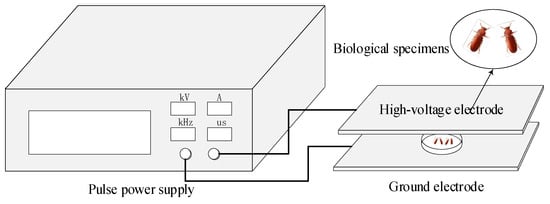
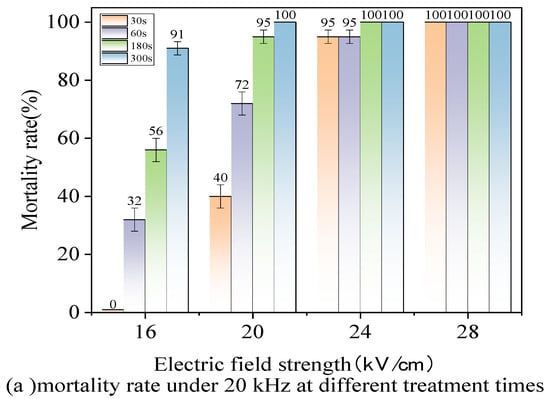
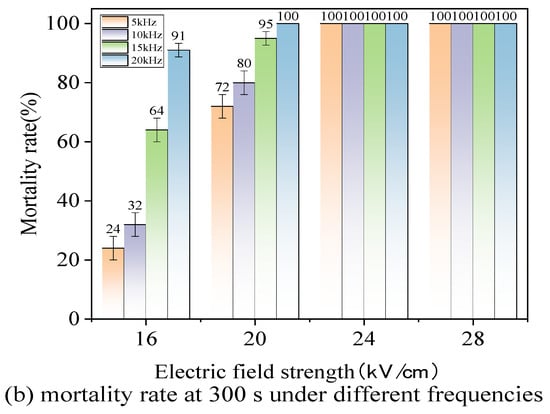
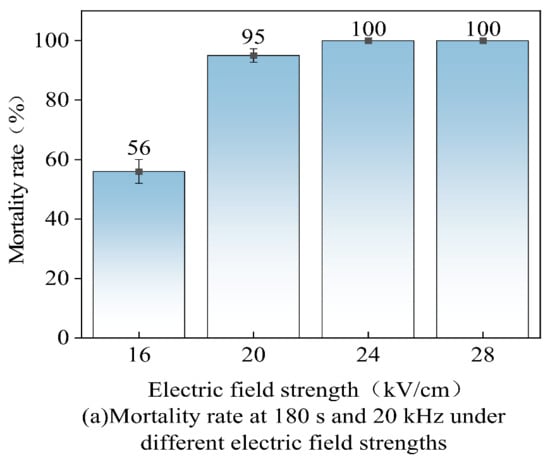
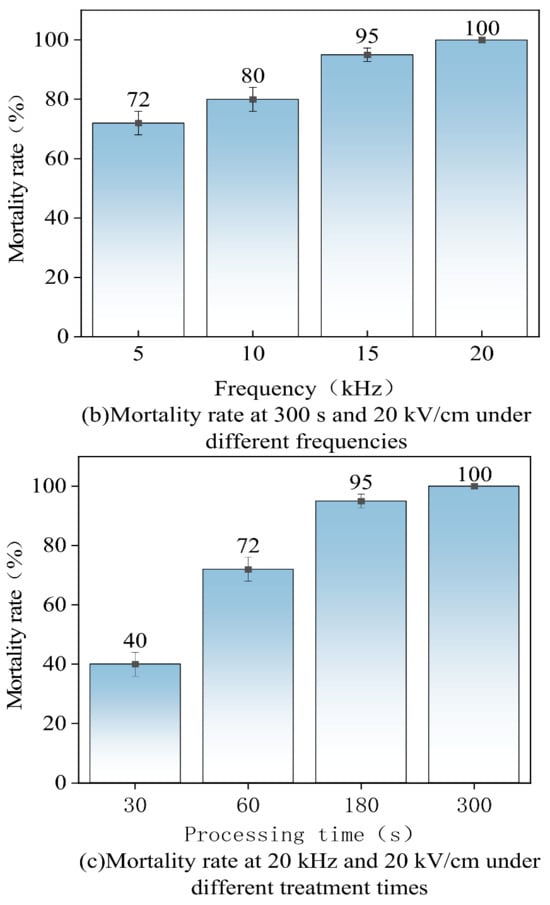
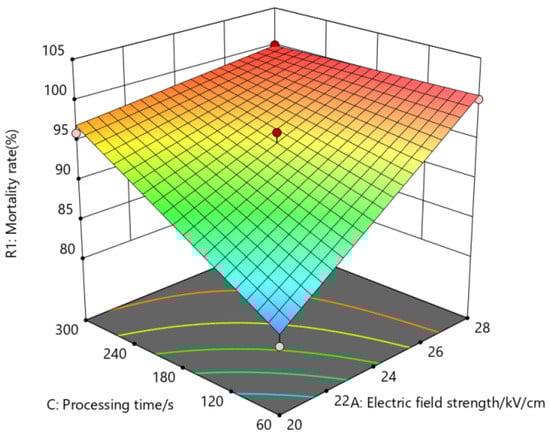
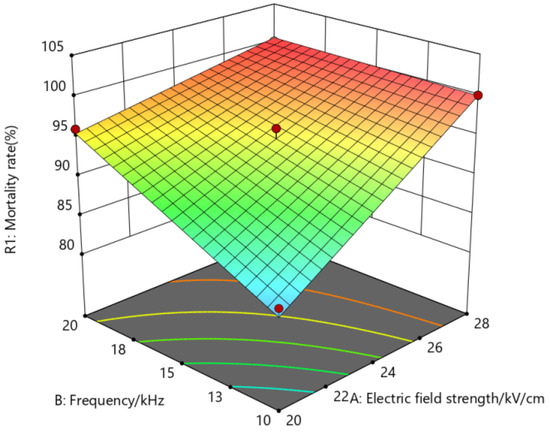
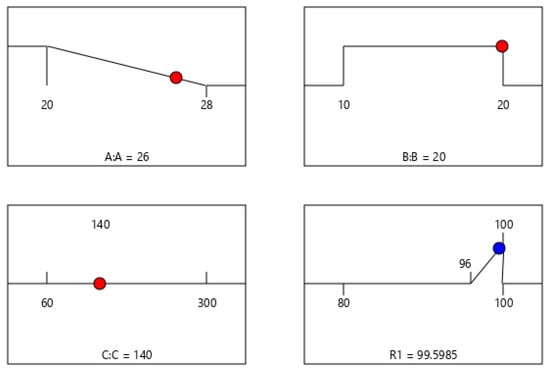
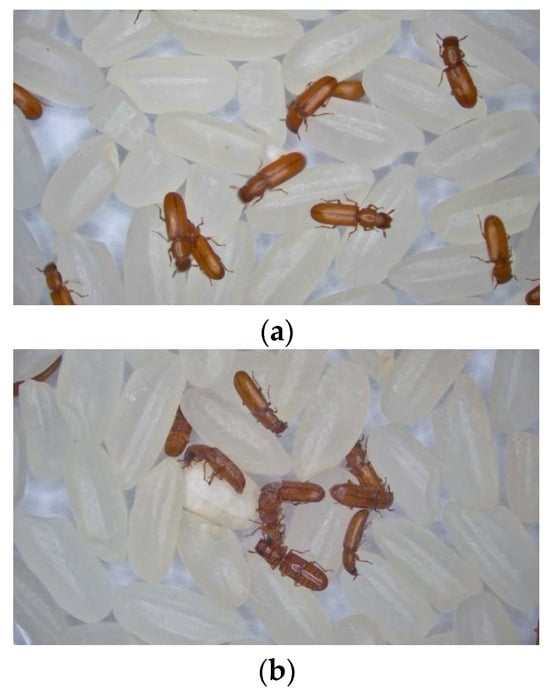
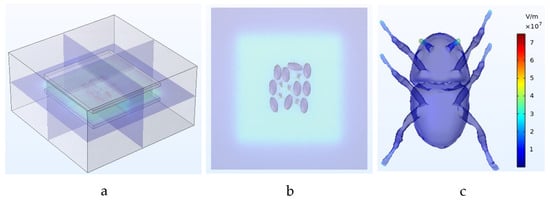
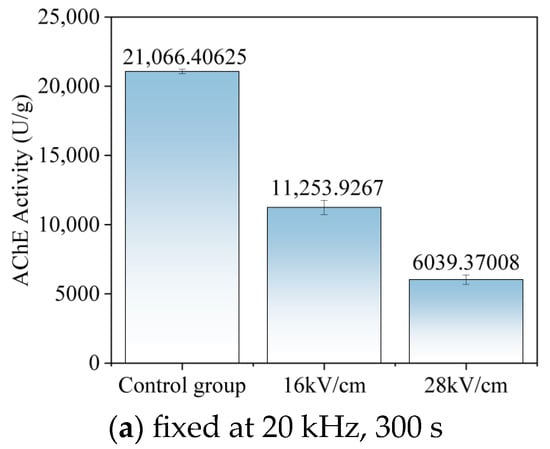
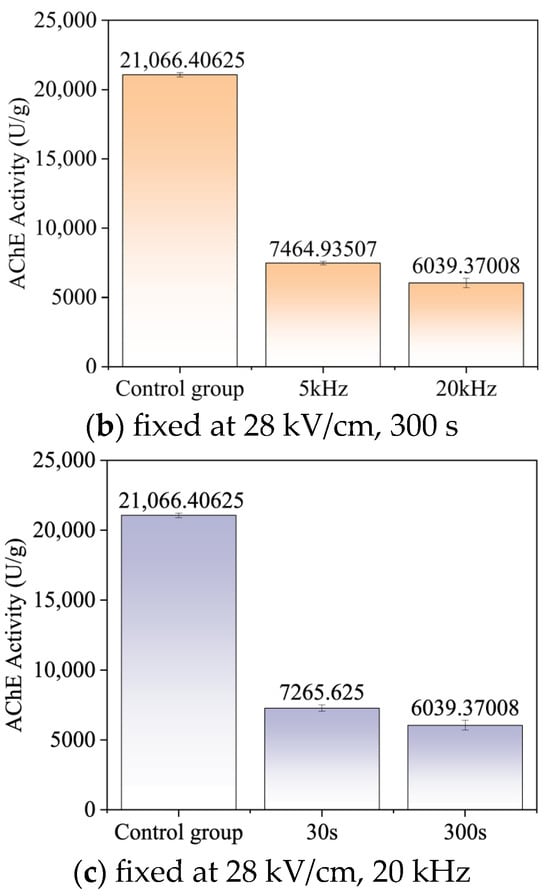
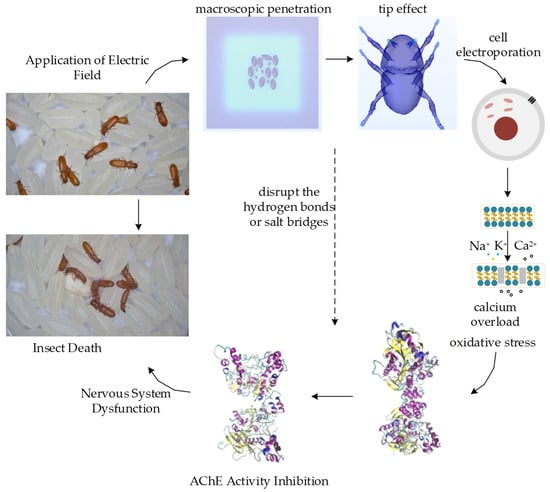
To address the issues of resistance and food safety stemming from the overuse of chemical fumigants in stored-grain pest control, this study aimed to systematically optimize the insecticidal process of pulsed electric field (PEF) treatment on Tribolium castaneum (T. castaneum) and to investigate its electro-neurotoxicity mechanism. Single-factor experiments were used to determine parameter ranges, and response surface methodology (RSM) was employed to analyze the effects of electric field strength, pulse frequency, and treatment time. The finite element method (FEM) was used to simulate the physical field distribution, and acetylcholinesterase (AChE) activity was measured to explore neurotoxicity. The results indicated that electric field strength, pulse frequency, and treatment time all had highly significant effects (p < 0.0001), with electric field strength being the primary factor. The optimal process parameters were determined to be: electric field strength of 26 kV/cm, pulse frequency of 20 kHz, and treatment time of 140 s. Under these conditions, the predicted and actual mortality rates were both 100%, and this efficacy was validated in rice samples. Simulation confirmed that PEF achieves physical targeting through a “tip effect” on the insect’s nerve endings; mechanism tests demonstrated that PEF treatment significantly inhibited AChE activity (p < 0.01). This study confirms the “electro-neurotoxicity” mechanism of PEF, providing theoretical support for this green physical control technology. Full article
(This article belongs to the Section Agricultural Product Quality and Safety)
Show Figures

Figure 1

17 pages, 3009 KB  
Article
Study on Calculation of Nonpoint Source Pollution Load into Taipu River Based on InVEST Model
by Hongyu Yu, Feng Liu, Weiwei Wu, Xiangpeng Mu, Hui Liu and Baiyinbaoligao
Sustainability 2026, 18(1), 31; https://doi.org/10.3390/su18010031 (registering DOI) - 19 Dec 2025
Abstract
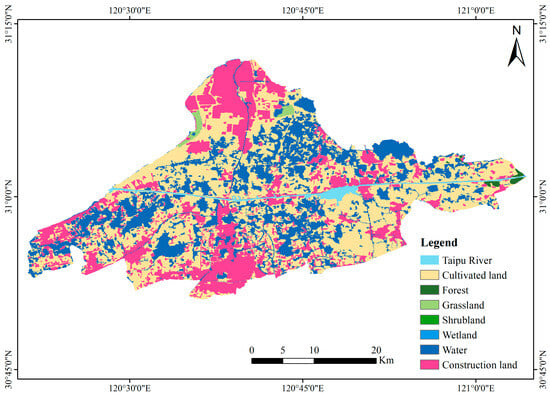
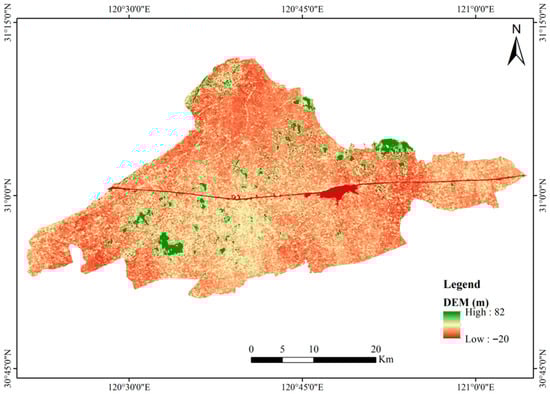
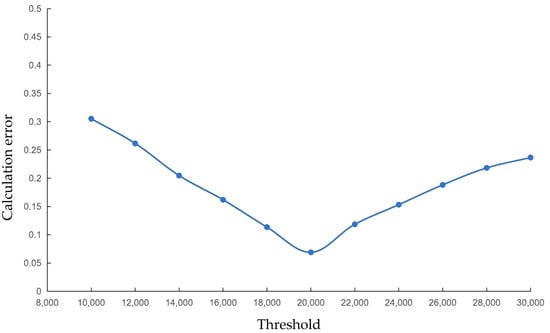
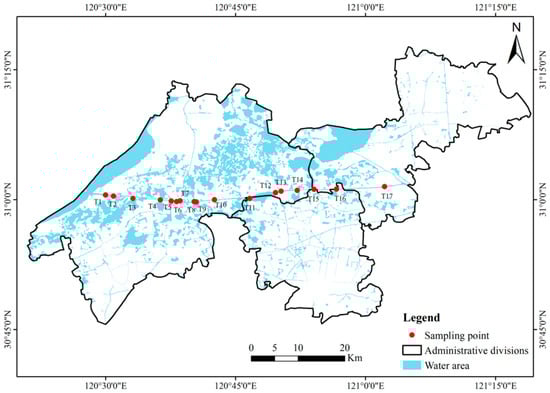
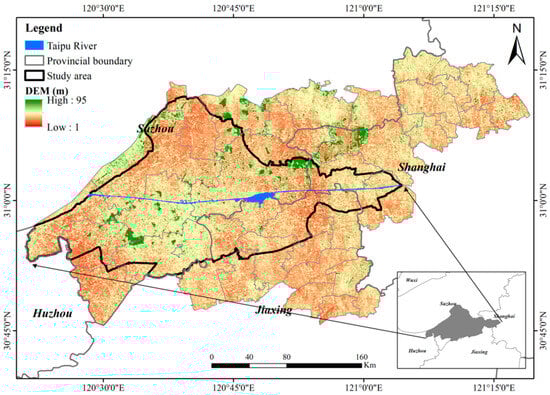
To address the challenges in simulating nonpoint source pollution inflow, pollutant source distribution, and migration pathways in plain river network regions, this study innovatively proposes an optimized technical framework based on the NDR module of the InVEST model. Through land use data reconstruction, [...] Read more.
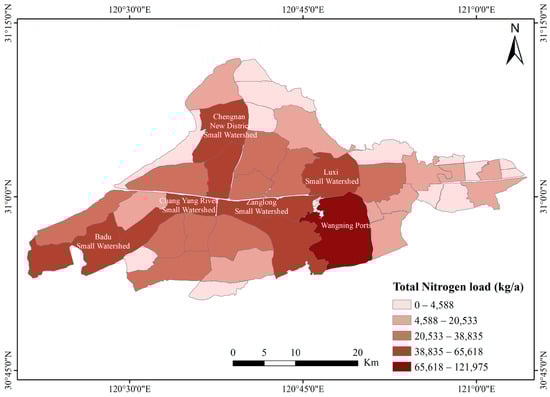
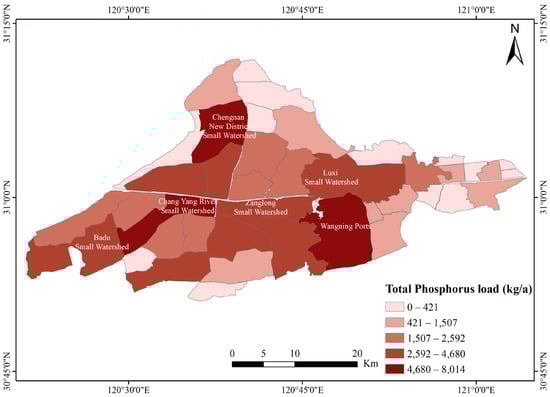
To address the challenges in simulating nonpoint source pollution inflow, pollutant source distribution, and migration pathways in plain river network regions, this study innovatively proposes an optimized technical framework based on the NDR module of the InVEST model. Through land use data reconstruction, DEM negative value correction, and flow accumulation threshold optimization, the framework effectively resolves key issues including pollutant receiving water identification, runoff path simulation, and pollutant migration termination determination, significantly enhancing the model’s applicability to complex river systems. Using the Taipu River as a case study, this research investigates the spatial distribution characteristics of nonpoint source pollution load inflow and its sources in major rivers within plain river network regions. Results show that in 2023, total nitrogen and total phosphorus inflows into the Taipu River were 1004.11 t/a and 83.80 t/a, respectively, with pollution loads primarily originating from the Wangning Polders in the midstream, Chengnan New District Small Watersheds and Chang Yang River Small Watersheds, mainly entering the Taipu River through tributaries such as the Beijing-Hangzhou Grand Canal and Nanzha Port. Calculations based on measured data indicate total nitrogen and total phosphorus inflows into the Taipu River were approximately 1300 t/a and 90 t/a, respectively, consistent with model predictions. Building on environmental capacity assessment results, this study proposes targeted recommendations for precision-based nonpoint source pollution control in the Taipu River basin. The findings provide scientific evidence and technical paradigms for nonpoint source pollution management and sustainable management in plain river network regions. Full article
Show Figures

Figure 1

18 pages, 1464 KB  
Review
Advancing Our Understanding of Transboundary Plastic Waste Management
by Domenico Vito, Carol Maione, Gabriela Fernandez, Paolo Trucco, Catia Algeri and Sudip Chakraborty
Sustainability 2026, 18(1), 28; https://doi.org/10.3390/su18010028 (registering DOI) - 19 Dec 2025
Abstract
Transboundary plastic waste management is poorly understood due to the limited availability of comprehensive approaches to monitor plastic waste and pollution flows. To address this issue, this paper provides a detailed review of the existing monitoring methodologies and challenges associated with the acquisition [...] Read more.
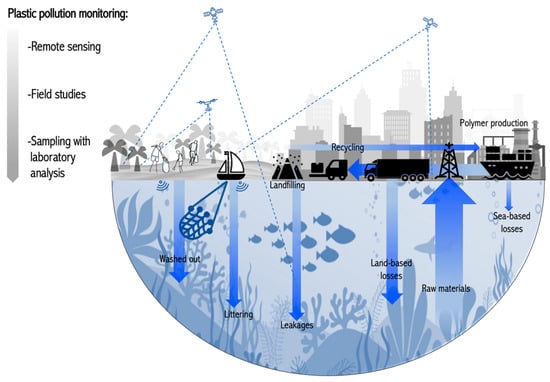
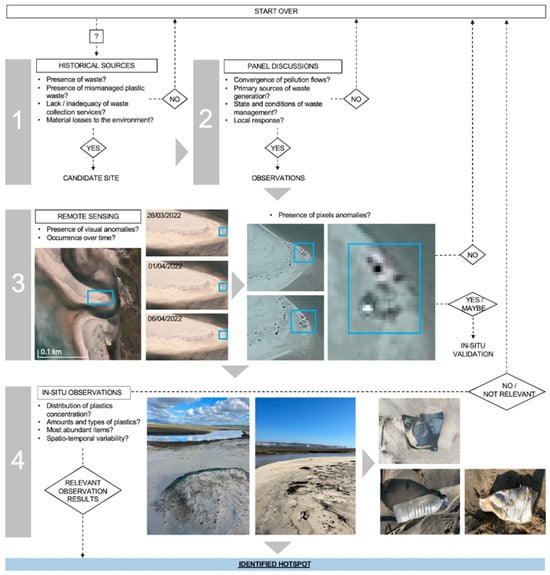
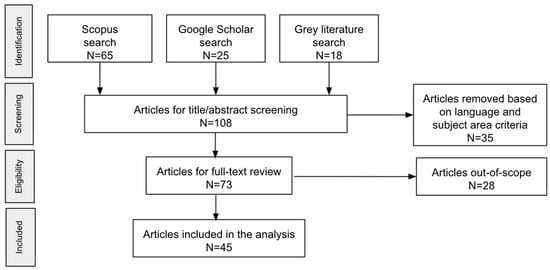
Transboundary plastic waste management is poorly understood due to the limited availability of comprehensive approaches to monitor plastic waste and pollution flows. To address this issue, this paper provides a detailed review of the existing monitoring methodologies and challenges associated with the acquisition of data on transboundary plastics. Data were extracted from 108 articles sourced from Scopus and Google Scholar using a systematic literature search, and from grey literature using a snowball search. Overall, 45 studies were included in the analysis and classified based on the monitoring methodologies employed, ranging from sampling with a laboratory analysis, to field studies, remote sensing studies, and oceanographic models. Based on the literature review, this paper supports the need to employ an integrated monitoring approach for the study of transboundary plastics that can overcome the limitations of individual technologies, while leveraging the strengths and opportunities of a technological mix. The paper also calls for understanding the value of monitoring technologies in supporting more effective decision-making on plastic waste reduction. Full article
Show Figures

Figure 1

9 pages, 2816 KB  
Case Report
Takotsubo Syndrome After Surgical Treatment of Liver Abscess: A Case Report and Literature Review
by Aigerim Tanyrbergenova, Zhandos Burkitbayev, Asel Zhumabekova, Daulet Marat, Damesh Orazbayeva, Bekkozha Yeskendirov and Dinara Zharlyganova
Int. J. Transl. Med. 2026, 6(1), 1; https://doi.org/10.3390/ijtm6010001 (registering DOI) - 19 Dec 2025
Abstract
Background: Takotsubo cardiomyopathy (TTC), also known as stress-induced cardiomyopathy, is an acute but reversible form of left ventricular dysfunction, most commonly triggered by physical or emotional stress. Although well documented in cardiology practice, its occurrence following hepatobiliary surgery is rarely reported. Case presentation: [...] Read more.
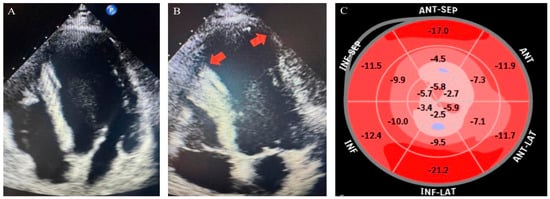
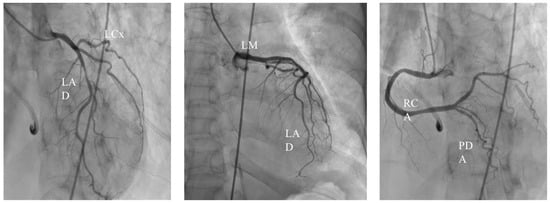
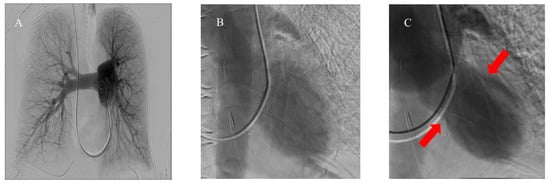
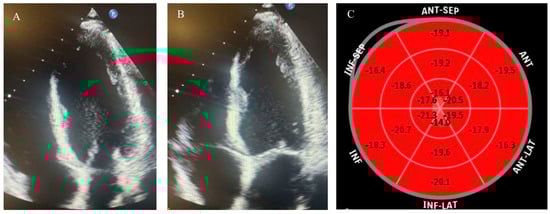
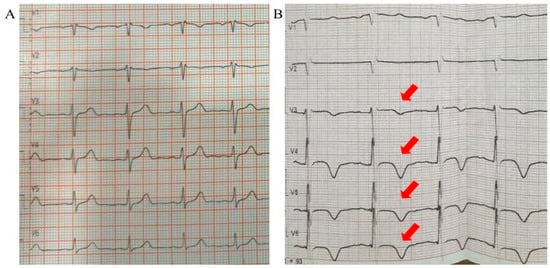
Background: Takotsubo cardiomyopathy (TTC), also known as stress-induced cardiomyopathy, is an acute but reversible form of left ventricular dysfunction, most commonly triggered by physical or emotional stress. Although well documented in cardiology practice, its occurrence following hepatobiliary surgery is rarely reported. Case presentation: We describe the case of a 67-year-old woman with a history of arterial hypertension and prior cholecystectomy who was admitted for elective hepatobiliary surgery due to choledocholithiasis complicated by a liver abscess. She underwent laparotomy with choledocholithotomy, hepaticojejunostomy, and abdominal drainage. The postoperative course was complicated by intra-abdominal bleeding, requiring reoperation, and subsequent intestinal leakage, necessitating a second re-laparotomy. On the tenth postoperative day after the second surgery, she developed chest discomfort and dyspnea upon minimal exertion. Electrocardiography revealed T-wave inversions in leads V3–V6, while echocardiography demonstrated a reduced ejection fraction of 45% with apical akinesis. Plasma levels of N-terminal pro-B-type natriuretic peptide (NT–proBNP) were elevated, whereas troponin remained within normal limits. Coronary angiography excluded obstructive coronary artery disease, and ventriculography confirmed apical ballooning consistent with Takotsubo cardiomyopathy. Conclusions: This case highlights Takotsubo cardiomyopathy as a rare but important postoperative complication of major hepatobiliary surgery. Awareness of this condition in surgical patients presenting with acute chest symptoms is essential, as timely recognition and differentiation from acute coronary syndrome directly influence management and prognosis. Full article
Show Figures

Figure 1

Open Access Journals

Browse by Indexing Browse by Subject Selected Journals
Back to TopTop