All articles published by MDPI are made immediately available worldwide under an open access license. No special
permission is required to reuse all or part of the article published by MDPI, including figures and tables. For
articles published under an open access Creative Common CC BY license, any part of the article may be reused without
permission provided that the original article is clearly cited. For more information, please refer to
https://www.mdpi.com/openaccess.
Feature papers represent the most advanced research with significant potential for high impact in the field. A Feature
Paper should be a substantial original Article that involves several techniques or approaches, provides an outlook for
future research directions and describes possible research applications.
Feature papers are submitted upon individual invitation or recommendation by the scientific editors and must receive
positive feedback from the reviewers.
Editor’s Choice articles are based on recommendations by the scientific editors of MDPI journals from around the world.
Editors select a small number of articles recently published in the journal that they believe will be particularly
interesting to readers, or important in the respective research area. The aim is to provide a snapshot of some of the
most exciting work published in the various research areas of the journal.
This study investigates ceramic bricks produced by partially replacing clay with Pb–Zn metallurgical residues (lead furnace dust and cyclone dust), fly ash, and carbonaceous additives. The novelty lies in the integrated multi-waste formulation and the combined FTIR–TGA–XRD analytical approach used to elucidate phase-formation
[...] Read more.
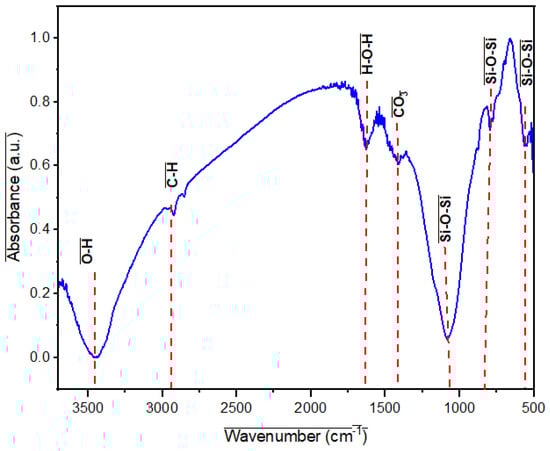
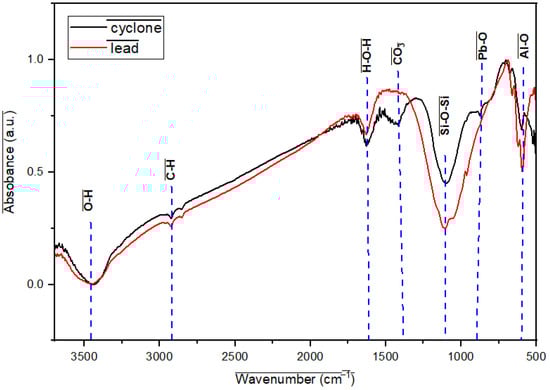
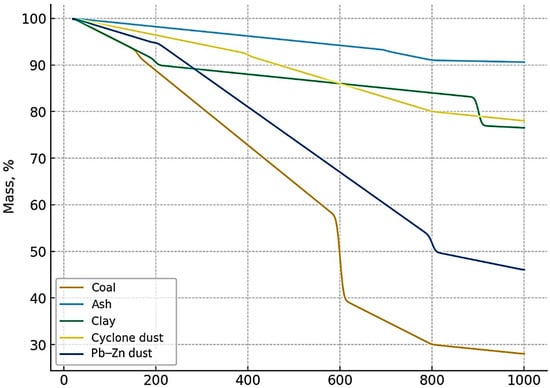
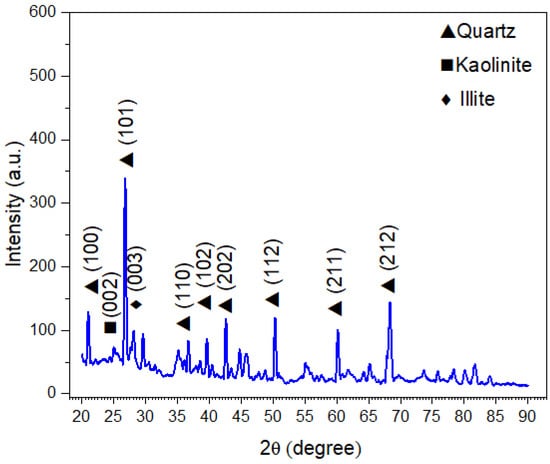
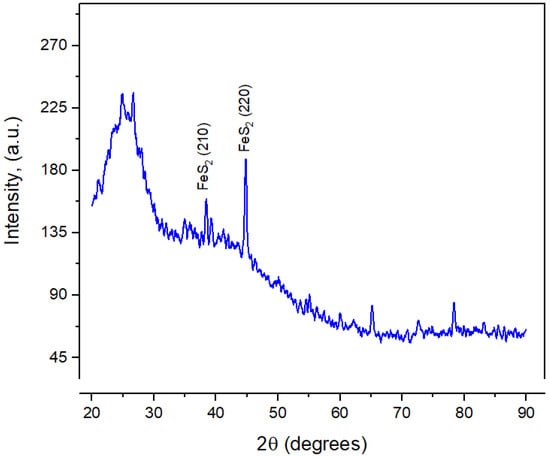
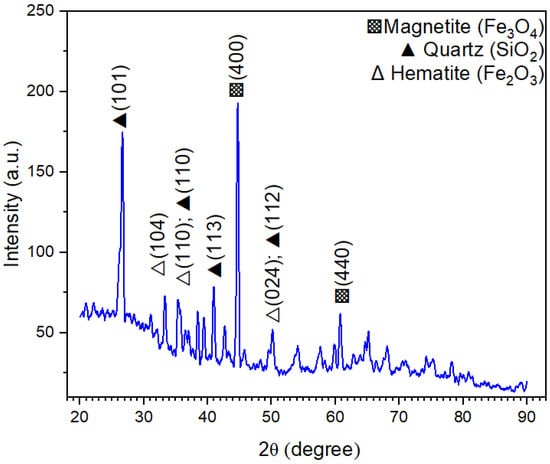
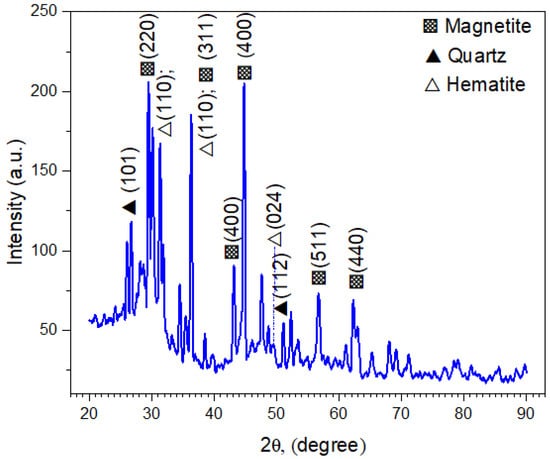
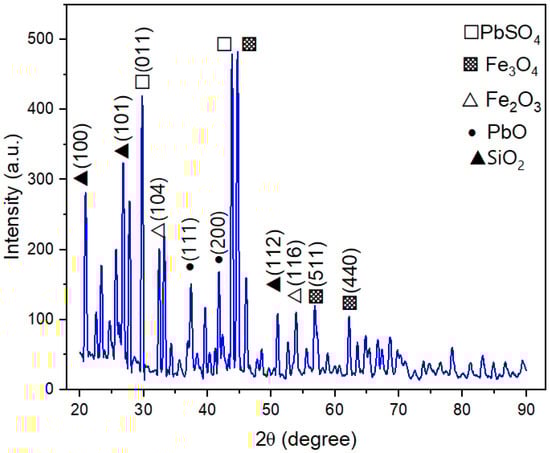
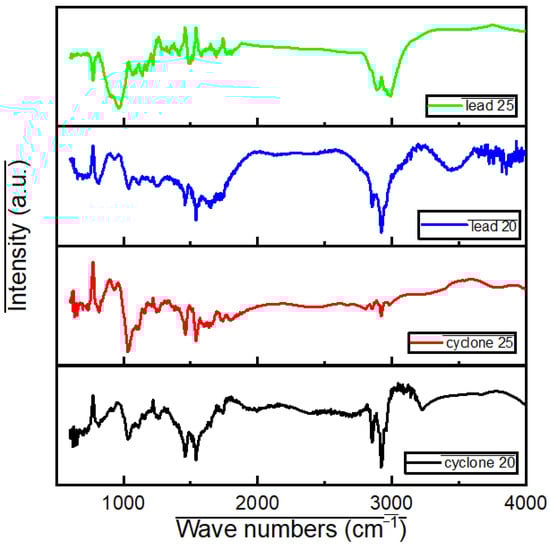
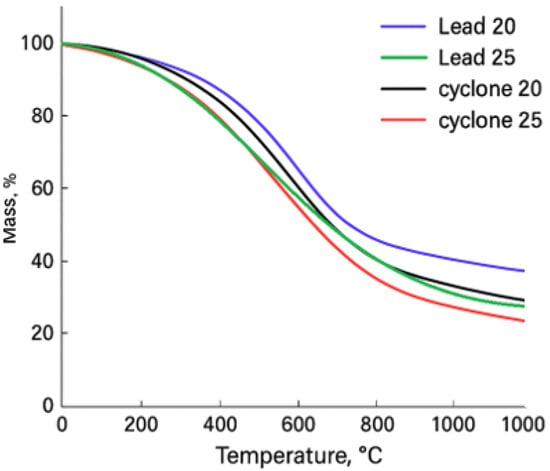
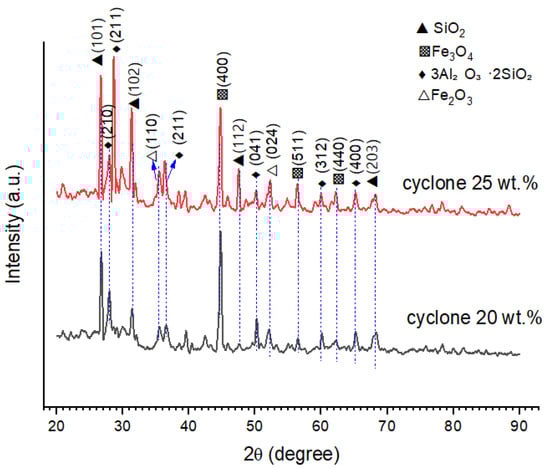
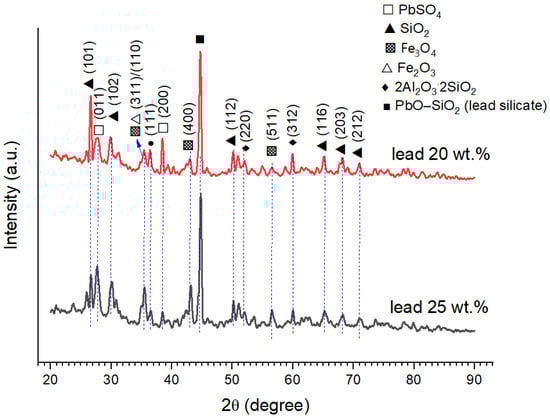
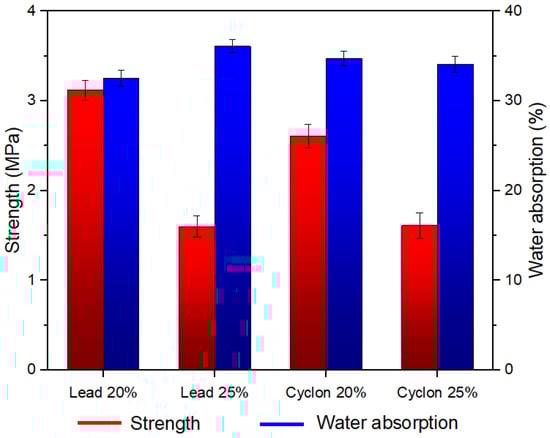
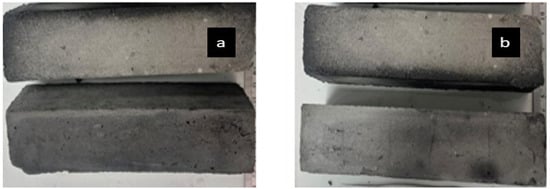
This study investigates ceramic bricks produced by partially replacing clay with Pb–Zn metallurgical residues (lead furnace dust and cyclone dust), fly ash, and carbonaceous additives. The novelty lies in the integrated multi-waste formulation and the combined FTIR–TGA–XRD analytical approach used to elucidate phase-formation mechanisms. The results show that firing promotes the development of quartz, mullite, iron oxides, and an extensive Fe–Pb–Zn–Si–O amorphous network, while higher residue contents enhance amorphization and suppress mullite crystallization. These microstructural changes correlate with reduced compressive strength (1.6–3.1 MPa) and high water absorption (32–36%), although all samples completed 15 freeze–thaw cycles. Heavy-metal leaching assessed by atomic absorption spectroscopy (AAS) revealed very low Pb (0.08–0.20 mg/L) and Zn (0.25–0.45 mg/L) release, well below international safety limits, demonstrating effective immobilization of hazardous ions within the glassy matrix. Overall, the study provides new insight into multi-waste interactions during sintering and confirms that controlled residue incorporation enables environmentally safe, non-load-bearing ceramic materials with reduced clay consumption.
Full article
Background and Clinical Significance: Inflammatory fibroid polyp (IFP), also known as Vanek’s tumor, is a rare, benign mesenchymal lesion of the gastrointestinal (GI) tract that frequently mimics neoplastic conditions due to its submucosal location and radiologic appearance. Although most commonly found in
[...] Read more.
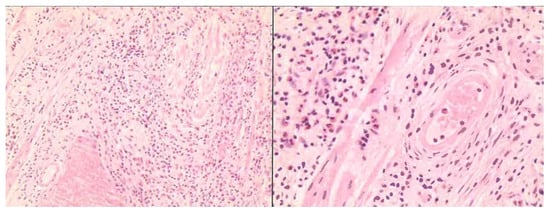
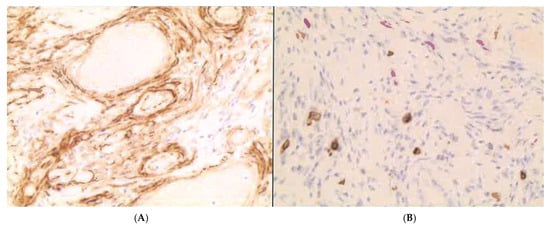
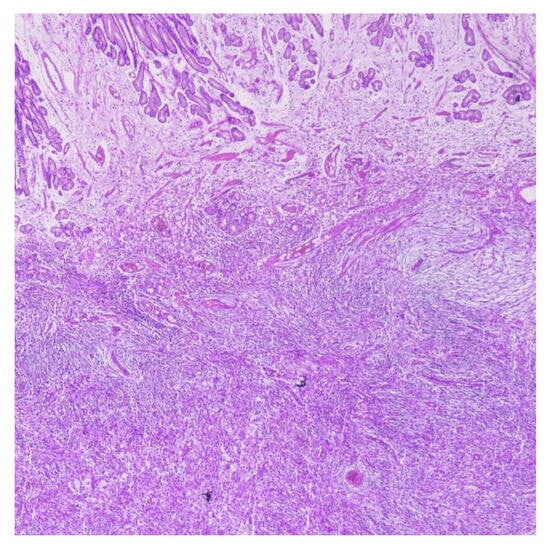
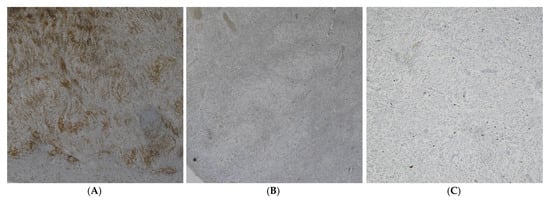
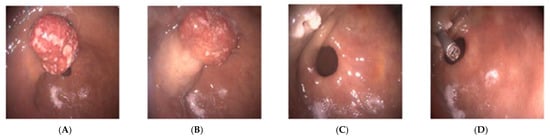
Background and Clinical Significance: Inflammatory fibroid polyp (IFP), also known as Vanek’s tumor, is a rare, benign mesenchymal lesion of the gastrointestinal (GI) tract that frequently mimics neoplastic conditions due to its submucosal location and radiologic appearance. Although most commonly found in the gastric antrum, IFPs may occur throughout the GI tract and present with a range of symptoms, from incidental findings to obstruction or bleeding, depending on size and location. Case Presentation: This article presents two distinct cases of gastric IFP managed at the University Hospital of Messina: one endoscopically resected polyp in a 70-year-old man and one surgically excised infiltrative lesion in a 64-year-old woman with high-grade obstruction. Histological analysis in both cases confirmed the diagnosis of IFP, demonstrating spindle cell proliferation with eosinophilic infiltrates and a characteristic perivascular “onion-skin” pattern. Immunohistochemical staining showed strong CD34 positivity and absence of CD117 and DOG1, aiding in differentiation from gastrointestinal stromal tumors (GISTs). Conclusions: Recent evidence suggests a neoplastic origin for IFPs, supported by the presence of PDGFRA mutations and telocyte involvement, prompting a reevaluation of their pathogenesis. These cases underscore the diagnostic challenges posed by IFPs and highlight the importance of histological and immunohistochemical analysis in guiding appropriate treatment. While endoscopic resection is preferred for localized lesions, surgical intervention remains necessary in complex or obstructive cases. Understanding IFPs’ molecular profile and cellular origin may refine future diagnostic and therapeutic approaches.
Full article
This study focuses on the post-disaster reconstruction scenario, integrates the relational coordination theory and the resource dependence theory, and analyses the impact mechanism of responsible leadership (RL) on project social responsibility performance (PSRP). The study adopts the questionnaire survey method and statistical analysis
[...] Read more.
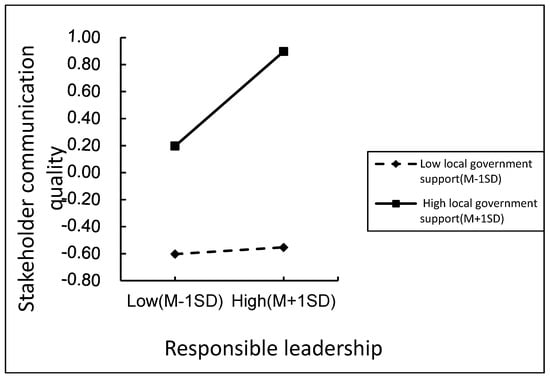
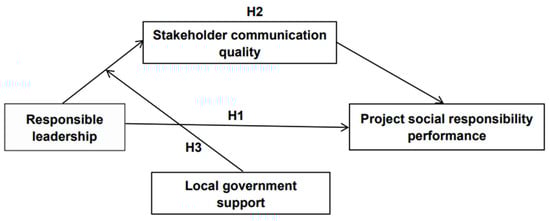
This study focuses on the post-disaster reconstruction scenario, integrates the relational coordination theory and the resource dependence theory, and analyses the impact mechanism of responsible leadership (RL) on project social responsibility performance (PSRP). The study adopts the questionnaire survey method and statistical analysis method to collect 198 questionnaires from managers involved in post-disaster reconstruction projects, and 159 valid questionnaires were obtained after screening. The data were empirically examined through SmartPLS4 software using partial least squares (PLS) and the Bootstrap method. The findings show that (1) RL has a significant positive effect on PSRP; (2) stakeholder communication quality (SCQ) has a mediating effect between RL and PSRP; (3) local government support (LGS) has a positive moderating effect in the relationship between RL and SCQ. This study reveals the internal mechanism of the relationship between RL and PSRP in post-disaster reconstruction scenarios. It provides the theoretical basis and practical guidance for post-disaster reconstruction enterprises in the selection and appointment of leaders, as well as in helping leaders to improve SCQ and obtain LGS.
Full article
The molecular fatty acid (FA) profiles of seven certified thermophilic Lactobacillus strains, including the influence of an extracellular source of oleic acid (as Tween 80TM), were characterised using advanced chromatographic and spectrometric methods. Cyclic and conjugated fatty acids were identified by
[...] Read more.
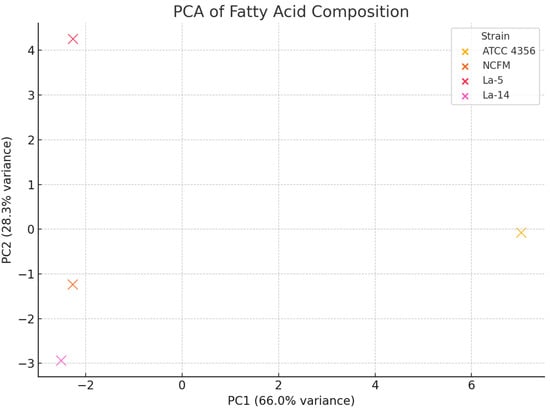
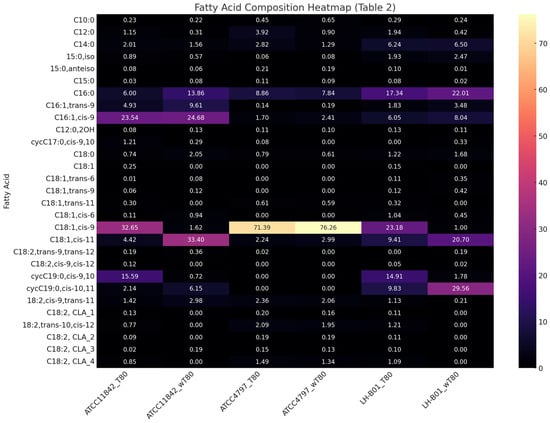
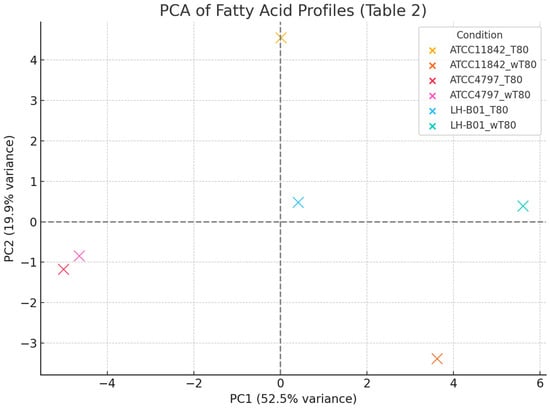
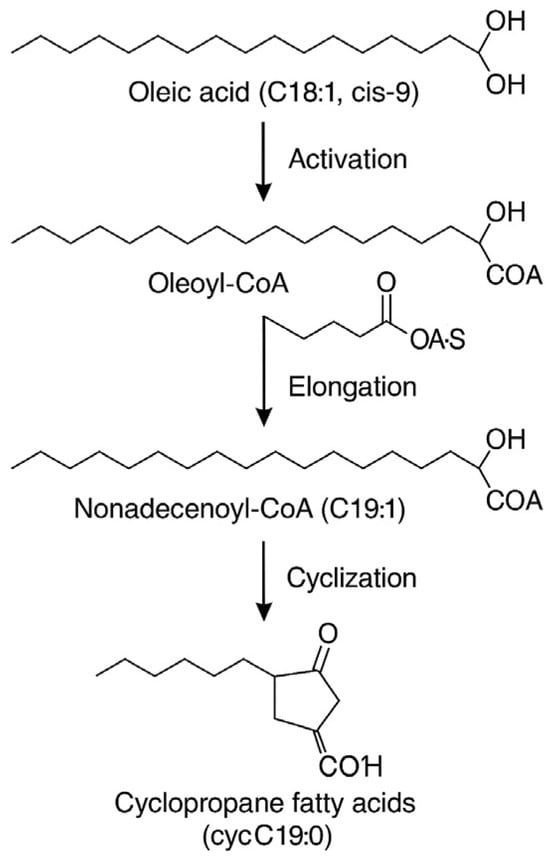
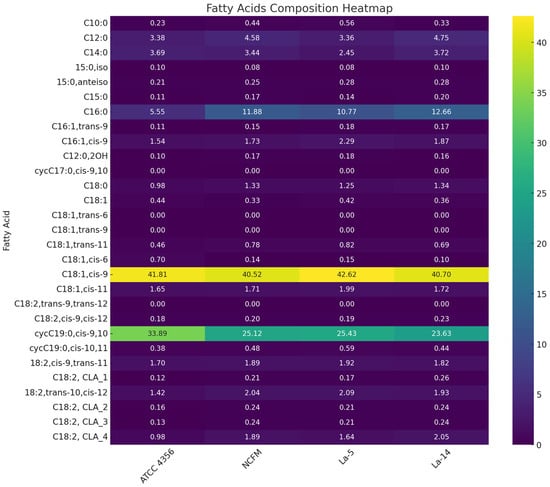
The molecular fatty acid (FA) profiles of seven certified thermophilic Lactobacillus strains, including the influence of an extracellular source of oleic acid (as Tween 80TM), were characterised using advanced chromatographic and spectrometric methods. Cyclic and conjugated fatty acids were identified by GC-MS using co-injections with authentic standards, ECL, and diagnostic EI ions, with a secondary confirmation using literature data. Additionally, the molecular-level characterisation of fatty acid profiles of bacterial cells was summarised using the latest analytical approaches, highlighting inconsistencies and differences reported in previous studies. Six saturated fatty acids, two single-branched fatty acids with iso and anteiso structures, one hydroxy fatty acid, nine unsaturated fatty acids with one double bond, two fatty acids with unsaturated double bonds, six fatty acids with conjugated bonds, and three fatty acids with a cyclic part in the carbon chain were identified. Within these fatty acids, we also demonstrated the limitations of molecular chromatographic resolution and structural discrimination, which impacted the effective identification of fatty acids in our research. We confirmed the significant differences in terms of the identification of C18:1,cis-9 and C18:1,cis-11 acids, as well as cycC19:0,cis-10,11, and cycC19:0,cis-9,10 acids. The observations at the molecular–physiological interface related to the lack of growth of L. acidophilus strains and the visibly reduced growth of L. delbrueckii subsp. lactis ATCC 4797 in the MRS without the addition of Tween 80TM allowed us to confirm that the exclusion of this medium is useful in differentiating the lactobacilli.
Full article
Background: Bacterial keratitis, a major cause of corneal blindness, is frequently associated with biofilm-forming pathogens such as Klebsiella pneumoniae. Cyclic-di-GMP (c-di-GMP) controls biofilm development, which increases antibiotic resistance and makes treatment more difficult, highlighting the need for innovative therapeutic approaches. Methods:
[...] Read more.
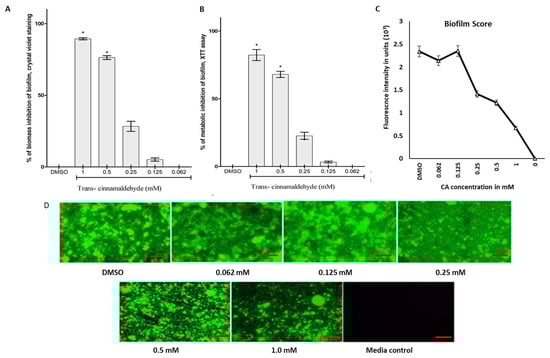
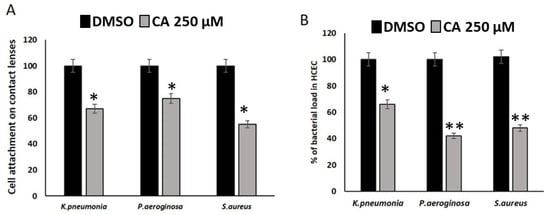
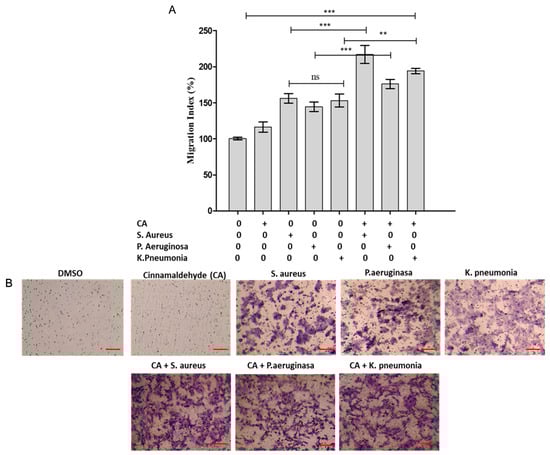
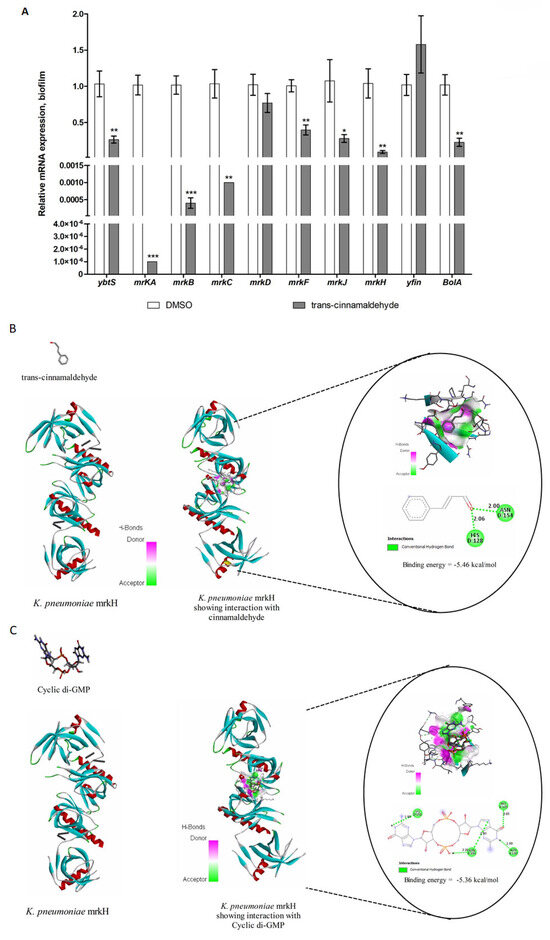
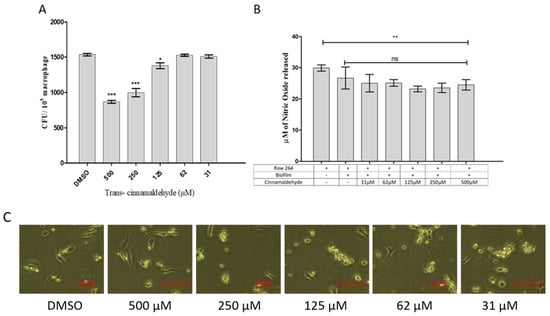
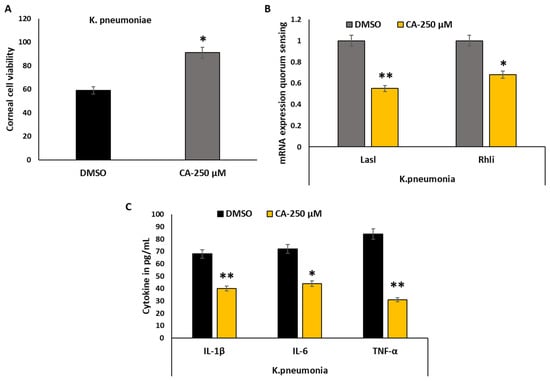
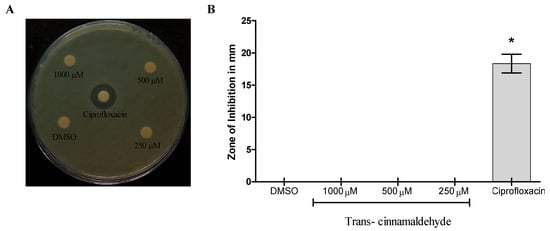
Background: Bacterial keratitis, a major cause of corneal blindness, is frequently associated with biofilm-forming pathogens such as Klebsiella pneumoniae. Cyclic-di-GMP (c-di-GMP) controls biofilm development, which increases antibiotic resistance and makes treatment more difficult, highlighting the need for innovative therapeutic approaches. Methods: This study investigated cinnamaldehyde as a potential ocular therapeutic using combined computational and experimental approaches. Molecular docking and in vitro assays (XTT, resazurin reduction, crystal violet staining, qRT-PCR, and fluorescence microscopy) were used to evaluate the anti-biofilm and immunomodulatory activities of cinnamaldehyde (CA) against Klebsiella pneumoniae. Results: CA inhibited biofilm formation in a dose-dependent manner (≈89% at 1000 µM; >50% at 250 µM), reduced bacterial attachment to contact lenses, and downregulated key biofilm genes (mrkA, mrkC, ybtS, bolA). Docking analysis revealed strong binding affinity to the mrkH regulator (−5.46 kcal/mol. CA maintained more than 80% corneal cell viability by increasing IL-10, suppressing inflammatory mediators (IL-1β, IL-6, and TNF-α), and improving bacterial clearance. Conclusions: This study combines computational docking, biofilm quantification, immune cell assays, and functional gene expression analyses to reveal the ability of cinnamaldehyde not only to suppress biofilm formation but also to enhance macrophage-mediated clearance and modulate corneal immune responses, a multi-target approach not previously described in the context of bacterial keratitis. Such effects highlight its potential as a novel ocular drug candidate for protecting corneal integrity in infectious keratitis.
Full article
The rising global prevalence of obesity and metabolic disorders calls for innovative dietary strategies that can modulate key enzymatic pathways involved in lipid and carbohydrate metabolism. This study uncovers the effects of sulforaphane (SFN)-rich broccoli-derived formulations—including liquid and lyophilised forms, as well as
[...] Read more.
The rising global prevalence of obesity and metabolic disorders calls for innovative dietary strategies that can modulate key enzymatic pathways involved in lipid and carbohydrate metabolism. This study uncovers the effects of sulforaphane (SFN)-rich broccoli-derived formulations—including liquid and lyophilised forms, as well as two commercial prototypes, Sulforaphan® BASIC and Sulforaphan® SMART, the latter being characterised by the inclusion of an enteric-coated myrosinase enzyme designed to enhance the in situ conversion of glucosinolates (GSL) into bioactive isothiocyanates (ITC)—on lipid and carbohydrate metabolism in 3T3-L1 adipocytes. Across the formulations, total GSL content ranged widely, with GS0 showing the highest levels. Functionally, all SFN-rich formulations significantly reduced intracellular triglyceride content, with the SMART formulation achieving the strongest reduction (11% compared with untreated controls). Across enzymatic assays, we recorded that every formulation inhibited lipoprotein lipase and α-glucosidase activities, with Sulforaphan® BASIC and Sulforaphan® SMART leading to moderate inhibition (40–50%). The potent effect of SMART formulation may be associated with the presence of enteric-coated myrosinase, which enhances the conversion of GSL into bioactive ITC. The gathered evidence provides further insights into the potential of bioactive compounds in cruciferous foods to modulate metabolic health, underscoring their potential role in complementary therapeutic strategies for obesity and its comorbidities.
Full article
A novel intelligent wet feed system was designed to accurately match the dynamic nutritional requirements of lactating sows. An experimental study was conducted to compare the performance of this novel feeding system with the traditional manual feeding method. Twenty-two first-parity sows selected through
[...] Read more.
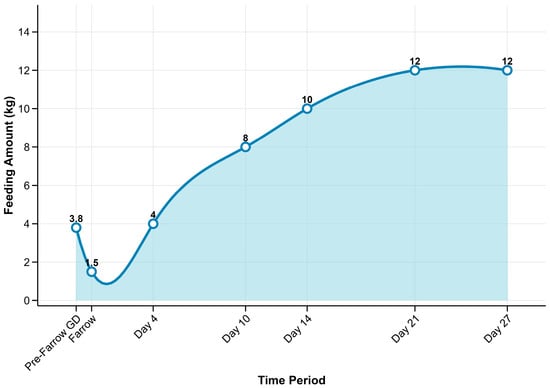
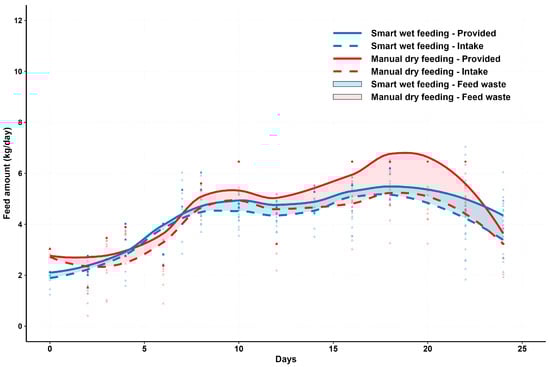
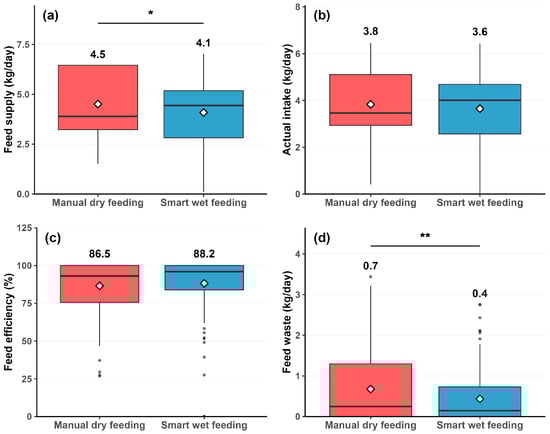
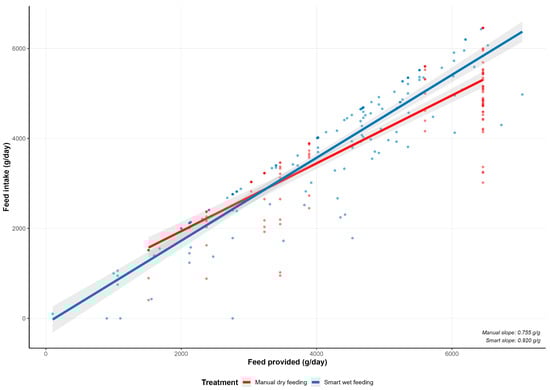
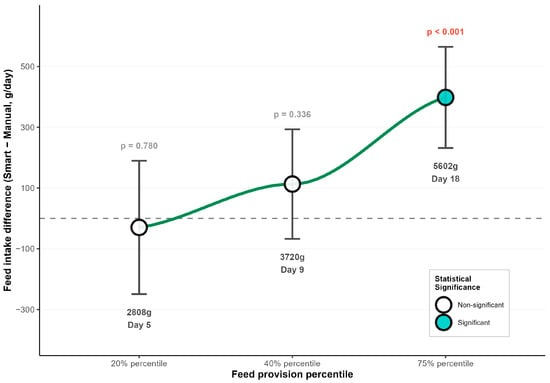
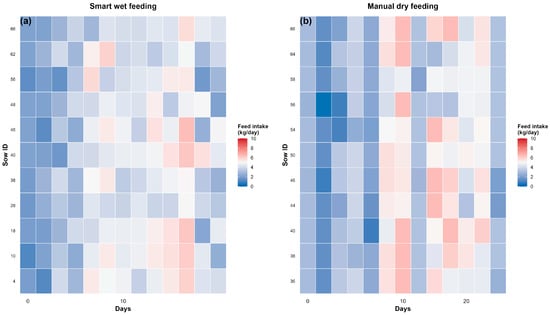
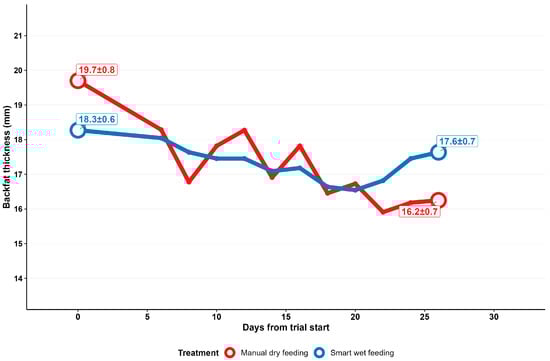
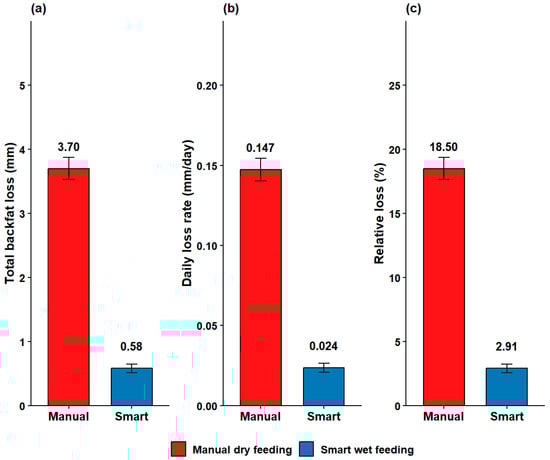
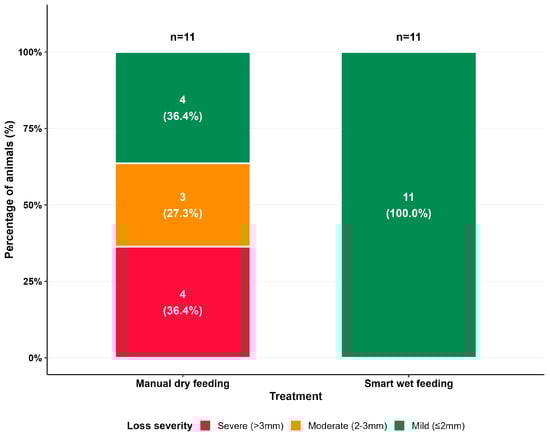
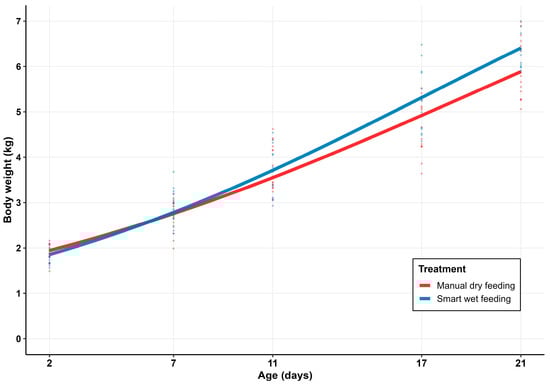
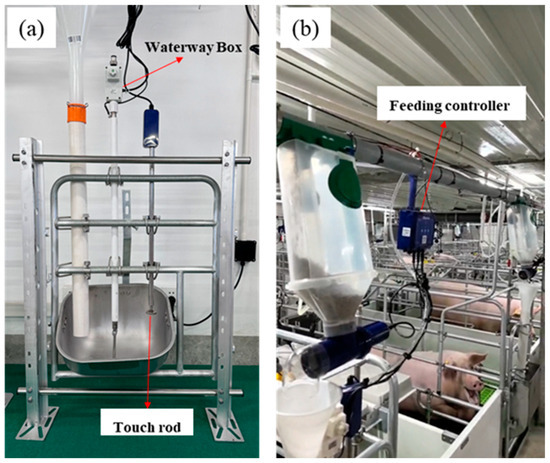
A novel intelligent wet feed system was designed to accurately match the dynamic nutritional requirements of lactating sows. An experimental study was conducted to compare the performance of this novel feeding system with the traditional manual feeding method. Twenty-two first-parity sows selected through screening were randomly divided into intelligent feeding and manual feeding groups. Feed intake and backfat thickness changes during lactation were monitored, and the growth performance of 30 piglets was assessed. The effects of feeding methods on feed intake, backfat thickness, and piglet growth were evaluated. Results showed that the intelligent group increased the feed intake under high feeding conditions, with feed conversion efficiency improved by 21.8%. A backfat conservation effect was observed, with backfat loss reduced by 82.5% and the daily loss rate being only 16.6% of that in the manual group. Piglet growth performance was improved, with the peak growth rate increased by 14.2% and the growth inflection point brought forward by 10.6%, both reaching medium to large effect sizes. The results indicate that the intelligent wet feeding system improved feed conversion efficiency in sows under high feeding conditions, reduced backfat loss, and enhanced piglet growth rates. These findings provide references for the application of intelligent feeding technology and offer technical pathways for intelligent and efficient pig farming.
Full article
This paper argues that the challenge managers face today when trying to justify investments in sustainability is reminiscent of the challenge of investing in quality management in the 1980s. Quality managers relied on evidence rather than ideology to select investment projects in quality
[...] Read more.
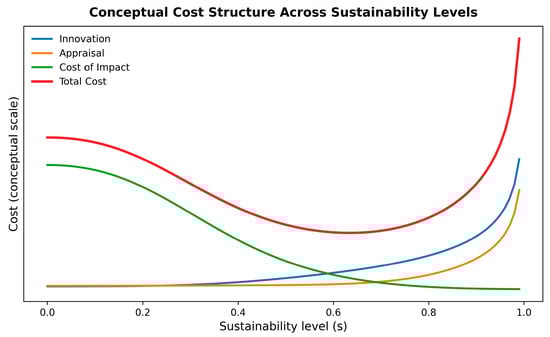
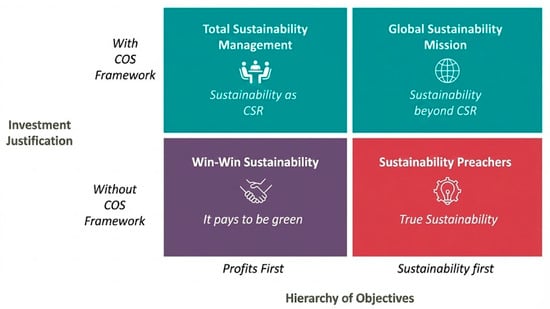
This paper argues that the challenge managers face today when trying to justify investments in sustainability is reminiscent of the challenge of investing in quality management in the 1980s. Quality managers relied on evidence rather than ideology to select investment projects in quality and defined optimal investment budgets with cost of quality reports. In the first part of the paper, a quality–sustainability analogy is used to adapt lessons learned from Total Quality Management into a Total Sustainability Management framework. In the second part of the paper, the focus shifts to the adaptation of the cost of quality report into a cost of sustainability report. The credibility of the cost of the sustainability model is compared to extant knowledge from the sustainability literature. The discussion shows how many topical questions about sustainability—which can only be answered today through a recourse to ideology—could be answered more factually if we applied quality management knowledge and techniques.
Full article
The interaction between plants and phytophagous insects is one of the most complex relationships in ecosystems. By acting as direct third-party participants, gut symbionts redefine this binary antagonistic relationship. This article reviews the roles of gut symbionts in the adaptive evolution of phytophagous
[...] Read more.
The interaction between plants and phytophagous insects is one of the most complex relationships in ecosystems. By acting as direct third-party participants, gut symbionts redefine this binary antagonistic relationship. This article reviews the roles of gut symbionts in the adaptive evolution of phytophagous insects, highlighting their important roles in degrading plant secondary metabolites, modulating plant defense responses, promoting insect nutrient absorption, and shaping immune phenotypes. Gut symbionts not only enhance the adaptability of insects by degrading plant defense compounds, but also significantly influence their physiological adaptation by manipulating plant defense signaling pathways, regulating the immune system of insects, and promoting their rapid adaptation to external stress. When insects are confronted with environmental changes or shifts of host plants, the dynamic plasticity of the gut symbionts provides them with evolutionary advantages. Reviewing the mechanism of action of intestinal symbiotic bacteria in the adaptive evolution of insects is helpful to deepen our understanding of the ecological interaction process between insects and plants.
Full article
Chagas disease, caused by the protozoan parasite Trypanosoma cruzi, continues to be a significant global health issue, especially in Latin America, with increasing international prevalence due to migration. Despite advancements in diagnosis and treatment, it remains a neglected tropical disease characterized [...] Read more.
Chagas disease, caused by the protozoan parasite Trypanosoma cruzi, continues to be a significant global health issue, especially in Latin America, with increasing international prevalence due to migration. Despite advancements in diagnosis and treatment, it remains a neglected tropical disease characterized by significant morbidity and mortality, mainly influenced by the complex interaction between parasite diversity and host immune responses. Importantly, the remarkable genetic diversity of T. cruzi lineages also contributes to clinical heterogeneity, influencing immune evasion, therapeutic responses, and vaccine feasibility. This review analyzes the impact of immunogenetics on host–parasite interactions in Chagas disease and explores its implications for personalized therapy approaches. Recent research, particularly over the last decade, has indicated that processes including antigenic variation, extracellular vesicle-mediated regulation, and disruption of host signaling pathways facilitate parasite persistence. Host genetic variables significantly influence susceptibility, disease development, and treatment outcomes, including changes in Human Leukocyte Antigen (HLA) genes, cytokine gene polymorphisms, and immunogenetic determinants of cardiac pathology. These findings underscore the potential of immunogenetic markers as tools for prognosis and as targets for personalized therapies. However, there are still considerable research deficiencies. Inadequate comprehension of gene–environment interactions, lack of representation of varied populations, and inconsistencies in study design limit the use of immunogenetic findings in therapeutic settings. At present, the concept of personalized medicine in Chagas disease remains largely aspirational, better understood as a framework for precision public health or stratified interventions guided by host immunogenetic and parasite lineage data. Addressing these issues necessitates comprehensive genomic research, mechanistic investigations of host–parasite interactions, and clinical validation of genetic markers. This study emphasizes the necessity of incorporating immunogenetics into personalized patient management strategies based on existing evidence. This integration has the potential to improve diagnosis, enhance treatment efficacy, and inform preventive interventions, thereby advancing personalized therapy for Chagas disease.Full article
Understanding how urbanisation shapes species distributions and ecological interactions requires long-term, spatially structured data. Using an exceptionally rare 40-year dataset (1986–2025) from 150 habitat patches and 102 downtown grid cells in St. Petersburg, Russia, we examined patterns in birch (Betula pendula and
[...] Read more.
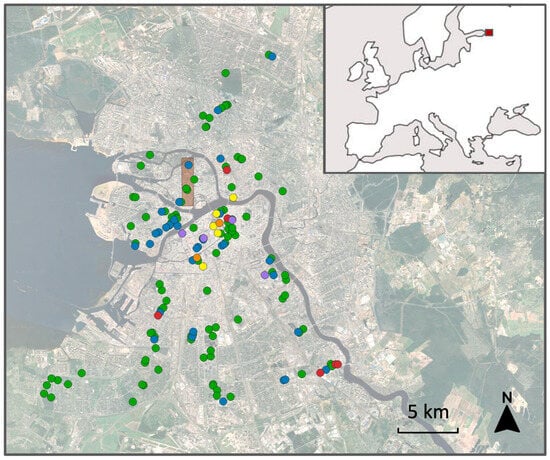
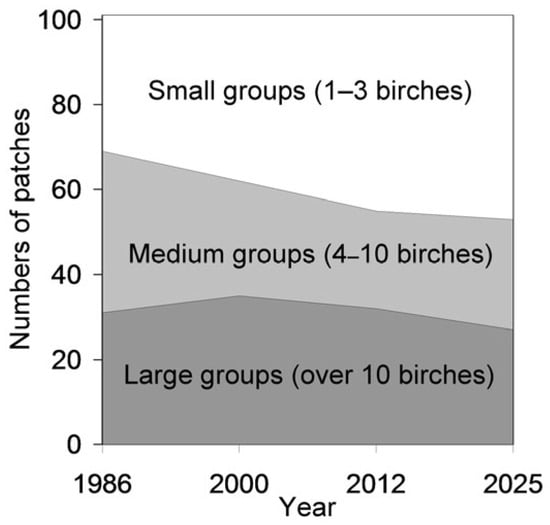
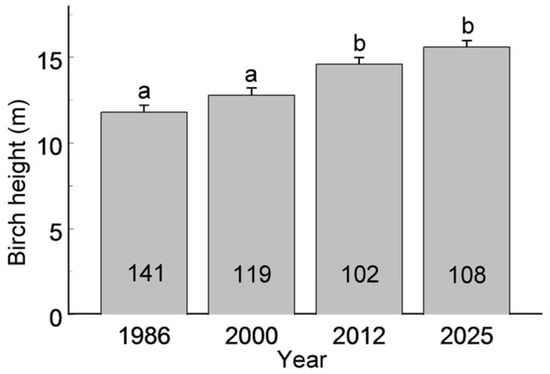
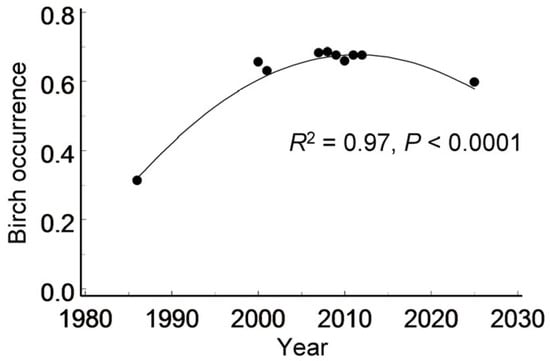
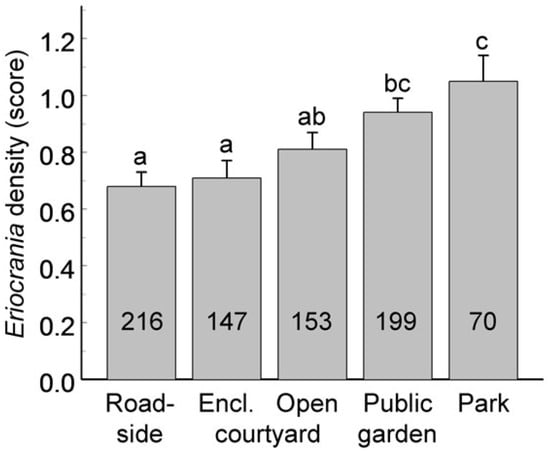
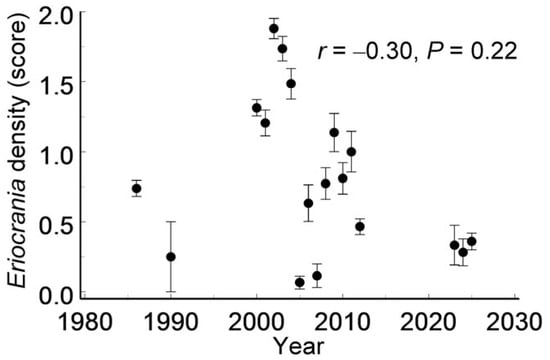
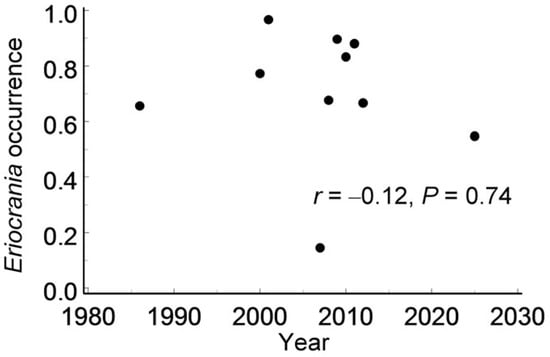
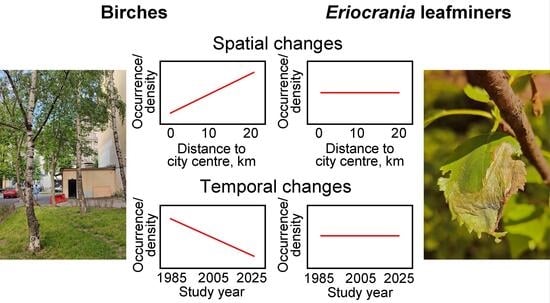
Understanding how urbanisation shapes species distributions and ecological interactions requires long-term, spatially structured data. Using an exceptionally rare 40-year dataset (1986–2025) from 150 habitat patches and 102 downtown grid cells in St. Petersburg, Russia, we examined patterns in birch (Betula pendula and B. pubescens) persistence, ground conditions, woody vegetation, and the occurrence of Eriocrania leaf-mining moths. Birch presence, birch abundance, and ground quality declined both toward the city centre and over time, whereas woody plant cover showed no clear spatial or temporal pattern. Eriocrania occurrence within birch-containing patches was influenced primarily by habitat type, artificial ground, and birch abundance, while distance to the city centre, year, and woody cover exerted no consistent effects. Habitat characteristics offered only moderate predictive power for local extinction risk in both birches and Eriocrania, indicating that multiple drivers interact to shape patch dynamics. Contrary to the widespread declines observed in many insect taxa, Eriocrania populations exhibited no directional density trend across four decades. This long-term stability highlights the resilience of specialised herbivores in heterogeneous urban landscapes and underscores the value of extended temporal datasets for detecting subtle or unexpected ecological responses to urbanisation.
Full article
Accurate short-term wind power forecasting plays a critical role in maintaining grid stability due to the inherently irregular and fluctuating nature of wind resources. Deep learning models such as LSTM, GRU, and CNN are widely used to learn temporal dynamics; however, their ability
[...] Read more.
Accurate short-term wind power forecasting plays a critical role in maintaining grid stability due to the inherently irregular and fluctuating nature of wind resources. Deep learning models such as LSTM, GRU, and CNN are widely used to learn temporal dynamics; however, their ability to capture or adapt to the underlying symmetries and asymmetries inherent in real-world wind energy data remains insufficiently explored. In this study, we evaluate and compare these models using authentic production and meteorological data from the Tokat Wind Farm in Türkiye. The forecasting scenarios were designed to reflect the temporal structure of the dataset, including seasonal patterns, recurrent behaviors, and the symmetry-breaking effects caused by abrupt changes in wind speed and operational variability. The results demonstrate that the LSTM model most effectively captures the temporal relationships and partial symmetries within the data, yielding the lowest error metrics (RMSE = 0.2355, MAE = 0.1249, MAPE = 25.16%, R2 = 0.8199). GRU and CNN offer moderate performance but show reduced sensitivity to asymmetric fluctuations, particularly during periods of high variability. The comparative findings highlight how symmetry-informed model behavior—specifically the ability to learn repeating temporal structures and respond to symmetry-breaking events—can significantly influence forecasting accuracy. This study provides practical insights into the interplay between data symmetries and model performance, supporting the development of more robust deep learning approaches for real-world wind energy forecasting.
Full article
Compulsory education is a foundation for equitable development, yet many children in urban slums remain excluded. In Dhaka, Bangladesh, this exclusion challenges the assumption that cities naturally provide better educational opportunities. This study aimed to identify the social and economic factors influencing access
[...] Read more.
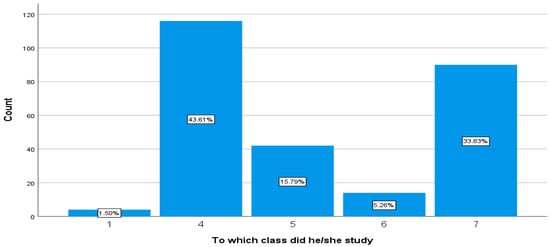
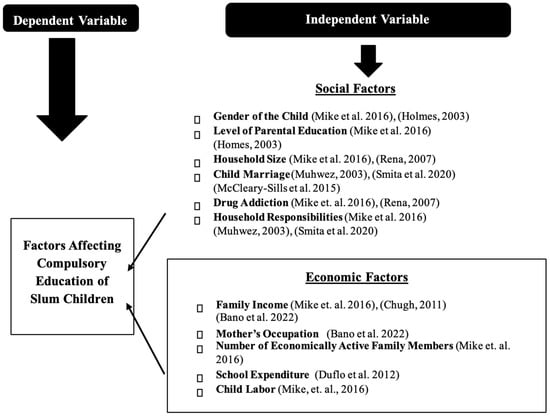
Compulsory education is a foundation for equitable development, yet many children in urban slums remain excluded. In Dhaka, Bangladesh, this exclusion challenges the assumption that cities naturally provide better educational opportunities. This study aimed to identify the social and economic factors influencing access to compulsory education among slum households. A mixed-methods design was applied using multistage sampling. Quantitative data were collected through surveys of 410 households across four large slums in Dhaka, and qualitative insights were drawn from 15 household interviews. Statistical tests, including Chi-square and one-way ANOVA, were used to examine associations between school dropout and socioeconomic variables. The results indicate that both social and economic conditions affect school dropout rates. Social influences include early marriage, child labor, drug use, low parental education, and household responsibilities that reduce time for schooling. Economic barriers include low family income, schooling costs, and dependence on child earnings. These constraints reduce the real opportunities children have to remain in school, which helps explain why exclusion continues despite compulsory education policies. Coordinated policy action is needed, including simplified school admission procedures, expanded mobile documentation services, and conditional stipends to offset incidental schooling costs. Adult literacy initiatives, stronger enforcement of child marriage and child labor laws, and practical training for school staff to work with slum communities are also important. These measures would support more consistent access to compulsory education for children living in Dhaka’s slums.
Full article
The global burden of obesity has forced a paradigm shift in biomedical research, moving beyond the historical view of simple caloric imbalance to recognizing obesity as a complex, systemic pathology governed by intricate molecular signaling networks [...]
Full article
Endocrine-disruptive chemicals (EDCs) are human-made substances that mimic the action of endocrine hormones and can lead to adverse health effects in living organisms, including humans [...]
Full article
Background: Atherosclerosis is the pathological basis for lethal cardio-cerebral vascular diseases, such as coronary artery disease and stroke. Fructus Choerospondiatis (FC) has demonstrated cardiac protective effects in multiple ethnomedicine. Whether these protective effects are attributed to the prevention of vascular atherosclerosis, however,
[...] Read more.
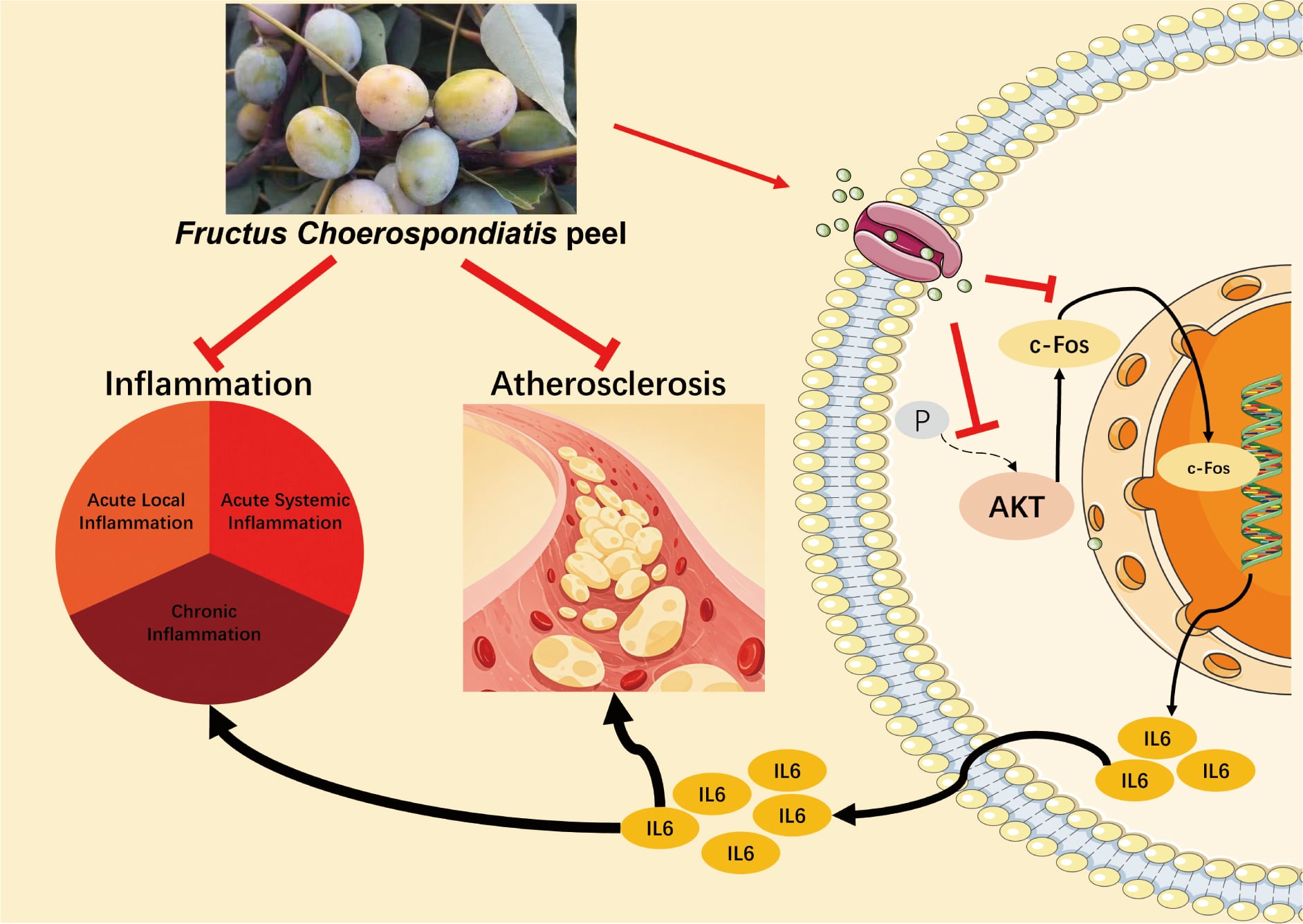
Background: Atherosclerosis is the pathological basis for lethal cardio-cerebral vascular diseases, such as coronary artery disease and stroke. Fructus Choerospondiatis (FC) has demonstrated cardiac protective effects in multiple ethnomedicine. Whether these protective effects are attributed to the prevention of vascular atherosclerosis, however, remains unknown. We aim to examine the anti-atherosclerotic effect of FC aqueous extract and elucidate the underlying mechanism. Methods: FC was separated into peel and pulp, and the aqueous extract was obtained separately by boiling in water to mimic decocting. Atherosclerosis model was established in ApoE−/− mice fed with a high-fat diet, and histological analysis were utilized to evaluate the development of atherosclerosis. Various inflammatory models were constructed in mice to evaluate the anti-inflammatory effect of FC extract systemically, including acute local inflammation induced by traumatic injury (ear/foot swelling), acute systemic inflammation triggered by pathogenic infection (LPS- and POLY (I:C)-induced), as well as chronic inflammatory conditions associated with oxidative stress (D-galactose-induced), metabolic disorder (db/db mice), and aging. LC-MS and network pharmacology identified bioactive components and targets. Western blotting, ELISA, qPCR, and immunofluorescence were utilized to analyze the key genes involved in the mechanisms. Results: FC peel extract reduced serum IL-6 level, atherosclerotic plaque area, and macrophage content in the plaque, while pulp extract showed no protective effects. Peel extract exhibits anti-inflammatory effects in all models. The integrative application of LC-MS and network pharmacology identified ellagic acid as the major bioactive component and AKT as its target protein. Mechanistically, FC peel extract inhibits AKT phosphorylation, suppresses c-FOS expression and nuclear translocation, reduces IL-6 transcription and inflammation, and thus alleviates atherosclerosis. Conclusions: FC peel aqueous extract exerts anti-atherosclerotic effect by inhibiting inflammation through AKT/c-FOS/IL-6 axis. This study provides novel insights into the protective effects against atherosclerosis of FC peel and highlights its potential application in the prevention and treatment of coronary artery diseases.
Full article
Reinforced concrete shear wall structures (RCSWs) are commonly used as explosion-resistant chambers for storing hazardous chemical materials and housing high-pressure reaction equipment, serving to isolate blast waves and prevent chain reactions. In this study, full-scale experiments and numerical simulations were conducted to investigate
[...] Read more.
Reinforced concrete shear wall structures (RCSWs) are commonly used as explosion-resistant chambers for storing hazardous chemical materials and housing high-pressure reaction equipment, serving to isolate blast waves and prevent chain reactions. In this study, full-scale experiments and numerical simulations were conducted to investigate the blast resistance of RC shear wall protective structures subjected to internal explosions. A full-scale RC shear wall structure measuring 9.7 m × 8 m × 6.95 m with a wall thickness of 0.8 m was constructed, and an internal detonation equivalent to 200 kg of TNT was initiated to simulate the extreme loading conditions that may occur in explosion control chambers. Based on experimental data analysis and numerical simulation results, the damage mechanisms and dynamic response characteristics of the structure were clarified. The results indicate that under internal explosions, severe damage first occurs at the wall–joint regions, primarily exhibiting through-thickness shear cracking near the supports. The structural damage process can be divided into two stages: local response and global response. Using validated finite element models, a parametric study was carried out to determine the influence of TNT charge weight and reinforcement configuration on the structural dynamic response. The findings of this research provide theoretical references for the design and strengthening of blast-resistant structures.
Full article
To investigate the influence of segmental lining width on ground and tunnel deformation during shield tunneling beneath residential buildings, a numerical analysis model was established using Midas GTS NX based on the engineering context of the Guangzhou Metro Guanggang Xincheng depot tunnel underpassing
[...] Read more.
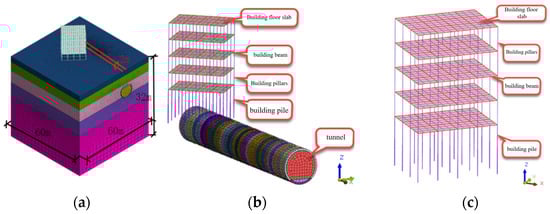
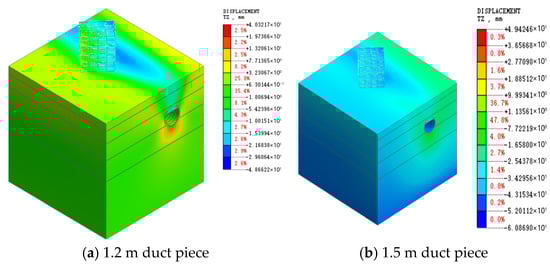
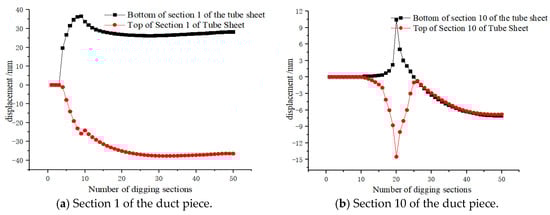
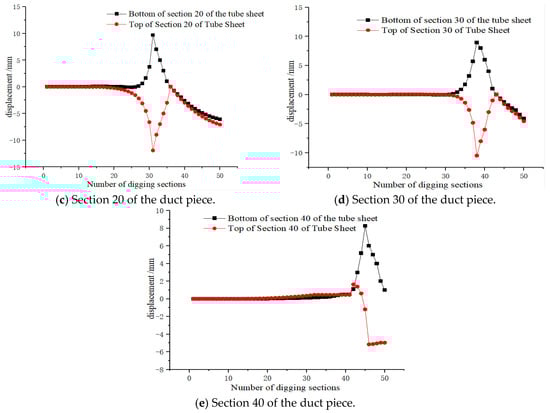
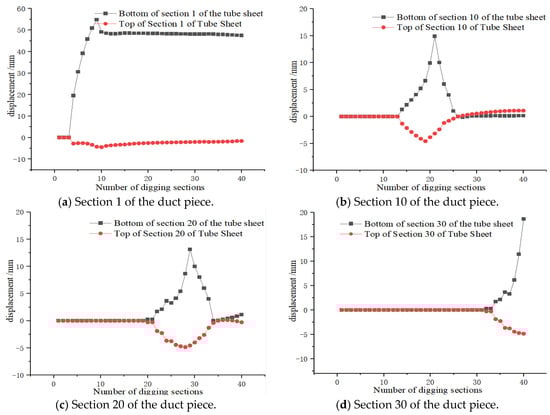
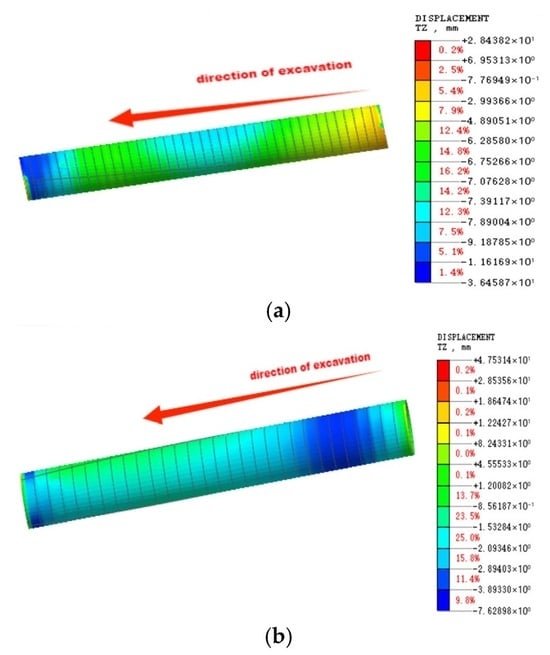
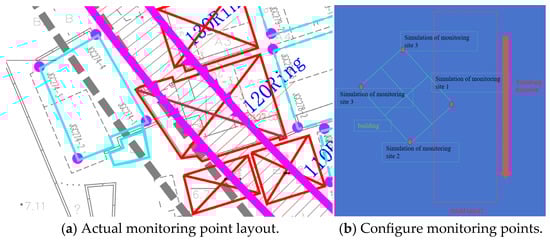
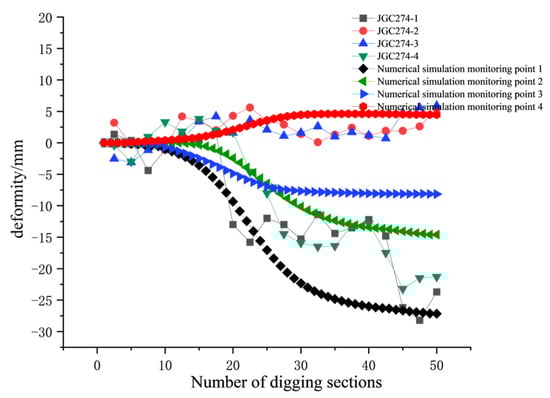
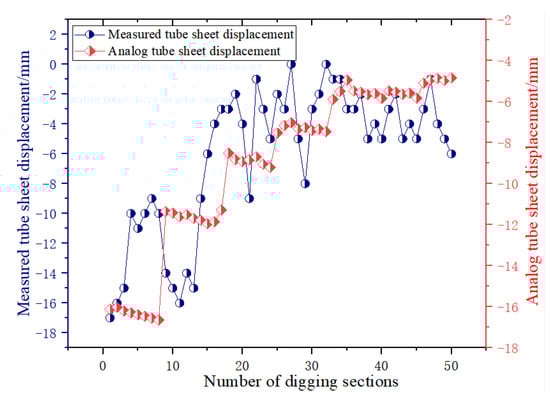
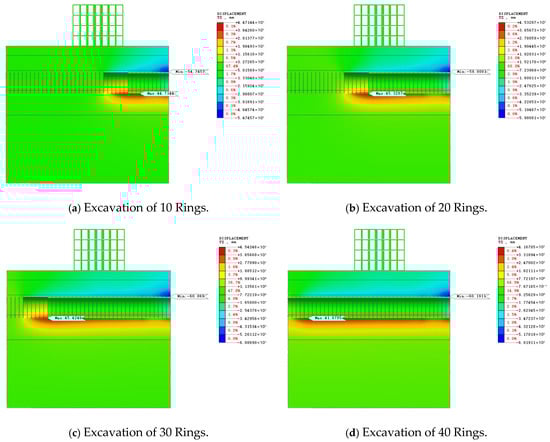
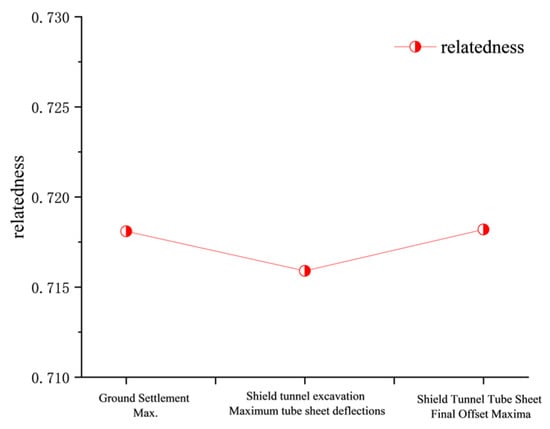
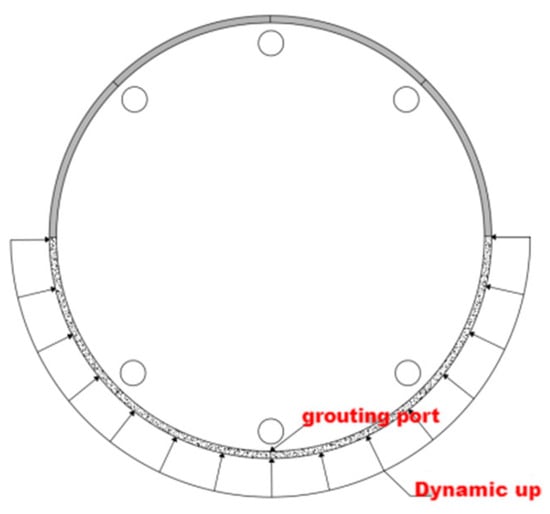
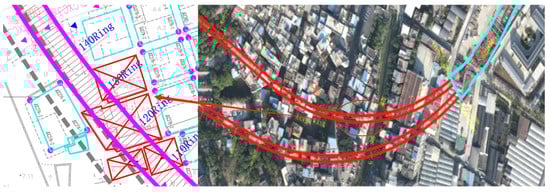
To investigate the influence of segmental lining width on ground and tunnel deformation during shield tunneling beneath residential buildings, a numerical analysis model was established using Midas GTS NX based on the engineering context of the Guangzhou Metro Guanggang Xincheng depot tunnel underpassing residential structures. The simulation results were validated through comparison with field monitoring data, and a gray relational analysis was employed to quantitatively assess the sensitivity of various deformation indicators to segment width. The findings indicate that, under the engineering scenario of a shield tunnel crossing beneath residential buildings, the use of 1.2 m-wide segments is more effective in controlling ground settlement and structural deformation of the tunnel compared with 1.5 m-wide segments. The deformation process associated with the 1.2 m segments exhibits a more stable settlement pattern, whereas the 1.5 m segments tend to induce repeated settlement–heave cycles in the surrounding ground, with a potential risk of segmental displacement exceeding warning thresholds. Sensitivity analysis shows that different deformation indicators respond unevenly to changes in segment width. From most to least sensitive, the indicators rank as follows: maximum ground deformation, maximum displacement during the post-excavation stage, and maximum displacement during the excavation stage. The results of this study provide theoretical support and reference for selecting segmental lining width in shield tunnels constructed beneath residential buildings.
Full article
Bacterial blight in rice, caused by Xanthomonas oryzae pv. oryzae (Xoo), poses a serious threat to global rice production. The ability of Xoo to form biofilms is a key factor for its virulence. The OryR protein is a LuxR-type quorum-sensing regulator essential for
[...] Read more.
Bacterial blight in rice, caused by Xanthomonas oryzae pv. oryzae (Xoo), poses a serious threat to global rice production. The ability of Xoo to form biofilms is a key factor for its virulence. The OryR protein is a LuxR-type quorum-sensing regulator essential for biofilm formation and Xoo pathogenicity. However, the three-dimensional structure of OryR remains poorly understood. This study integrates homology modeling, molecular dynamics (MD) simulations, and virtual screening to elucidate the structure of OryR and identify potential inhibitors that target its ligand-binding domain. MD simulations confirmed the structural stability of OryR, and comparative analysis with experimentally determined structures of ligand- or inhibitor-bound homologs revealed a binding site in OryR with a distinct hourglass-like shape for long-range contacts. Virtual screening of over 200,000 compounds from four chemical libraries identified several promising inhibitor candidates, with the top compounds showing strong binding energies in both molecular mechanics-generalized Born surface area (−68.3 kcal/mol) and molecular mechanics Poisson–Boltzmann surface area (−19.3 kcal/mol) calculations. Overall, this study provides insights into the OryR structure and highlights potential inhibitors that can be developed as novel agents to control bacterial blight. However, additional experimental validations are required to refine and optimize these leads for drug development.
Full article
Amid rising immigration levels in Europe, public perceptions of immigration appear closely linked to the ways in which news media portray these issues. While media effects on attitudes toward immigrants, and to a lesser degree on beliefs, have been widely studied, existing evidence
[...] Read more.
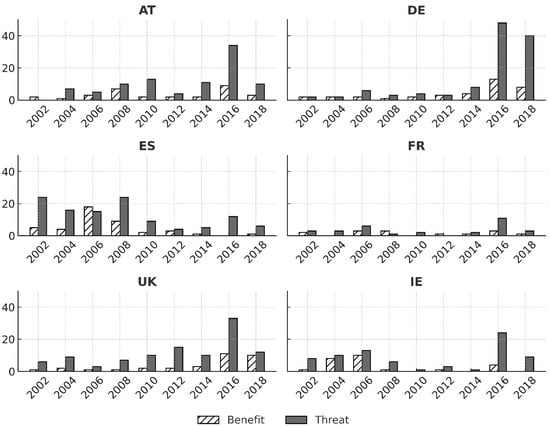
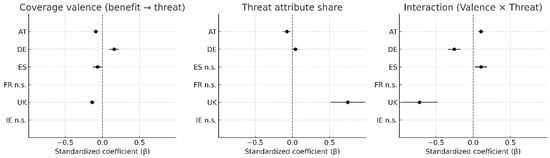
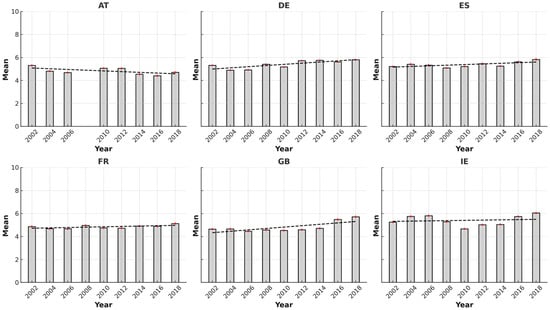
Amid rising immigration levels in Europe, public perceptions of immigration appear closely linked to the ways in which news media portray these issues. While media effects on attitudes toward immigrants, and to a lesser degree on beliefs, have been widely studied, existing evidence remains fragmented across national and temporal contexts. Drawing on the issue attribute agenda-setting approach, this study examines how macro-level patterns of media content relate to immigration beliefs across six European countries between 2002 and 2018. A mixed-method design integrates content analysis of newspaper articles with public opinion data from the European Social Survey and macro-level contextual indicators. Two media dimensions—valence (threat vs. benefit attribution) and attribute salience—are analyzed in relation to belief measures. Threat attributes dominated and increased slightly in media coverage, whereas immigration beliefs stayed largely stable. Multilevel and country-specific analyses identify significant but substantially weak and highly context-dependent associations, underscoring the importance of national context in shaping beliefs about immigration.
Full article
The study presents a comprehensive assessment of greenhouse gas (GHG) emissions and the carbon footprint (CF) of high-percentage spirit production in a Polish distillery. The analysis followed the GHG Protocol and ISO 14067:2018 standards, covering direct and indirect emissions across three Scopes. Using
[...] Read more.
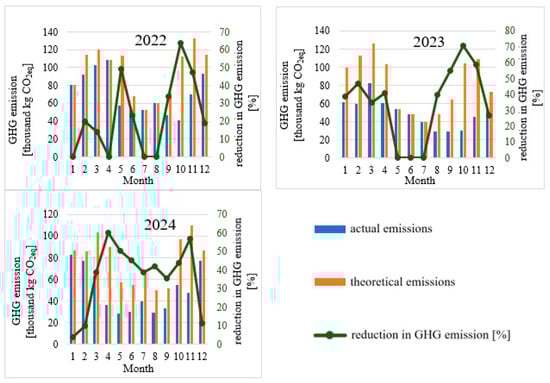
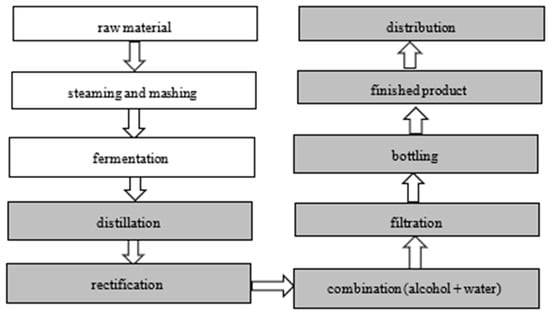
The study presents a comprehensive assessment of greenhouse gas (GHG) emissions and the carbon footprint (CF) of high-percentage spirit production in a Polish distillery. The analysis followed the GHG Protocol and ISO 14067:2018 standards, covering direct and indirect emissions across three Scopes. Using life cycle assessment (LCA) with a gate-to-gate boundary, emissions were across key technological processes. Verified operational data for 2022–2024 included detailed records of energy and fuel consumption. Electricity use was identified as the dominant emission source, accounting for 70–93% of total GHG emissions, followed by natural gas and transport fuels. The integration of renewable energy sources, including biomass and photovoltaic installations, resulted in a significant decrease in GHG emissions. The average carbon footprint of spirit production declined from 1.02 kg CO2eq/L in 2022 to 0.12–0.15 kg CO2eq/L in 2023–2024, representing an over 85% reduction in emission intensity. Production increased, but the company implemented better practices, including the use of biomass and photovoltaics as energy sources, which translated into a reduction in its carbon footprint. Scenario analysis showed that implementing the replacement of conventional fuels with renewables could lower total GHG emissions by up to 35%. The results confirm that renewable energy implementation and energy-efficiency improvements are effective decarbonization strategies for the spirits industry, supporting compliance with European Green Deal objectives and the transition toward climate-neutral production.
Full article
To address the torque ripple and speed fluctuation issues in high-frequency square-wave injection-based sensorless control of interior permanent magnet synchronous motors (IPMSM) caused by low-order stator current harmonics (primarily the fifth and seventh), this paper proposes a harmonic voltage compensation strategy based on
[...] Read more.
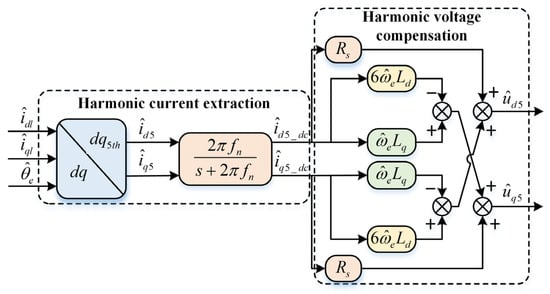
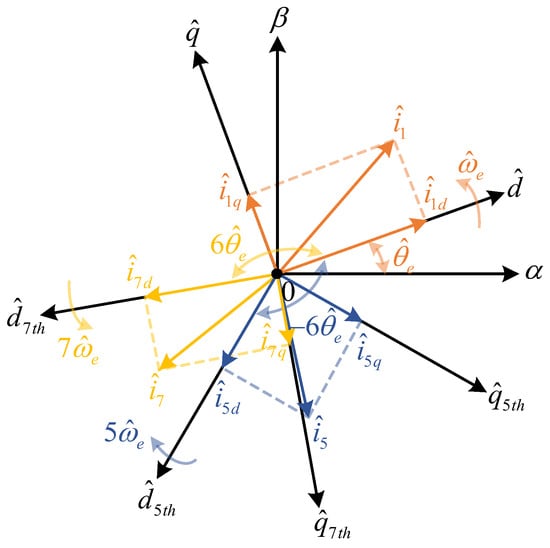
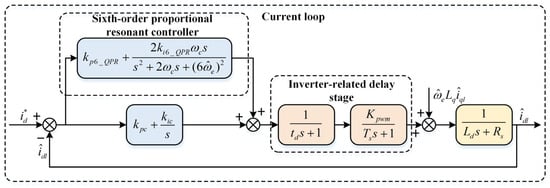
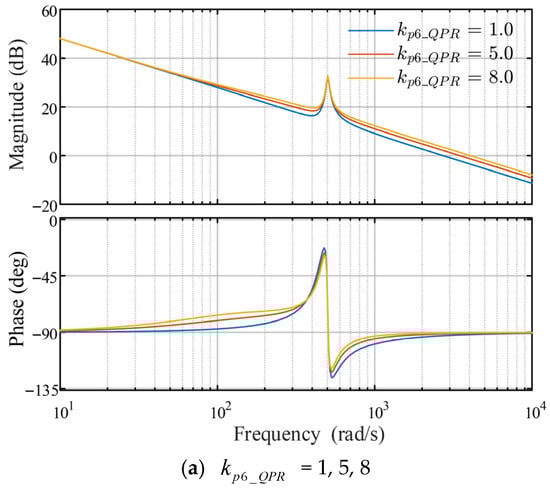
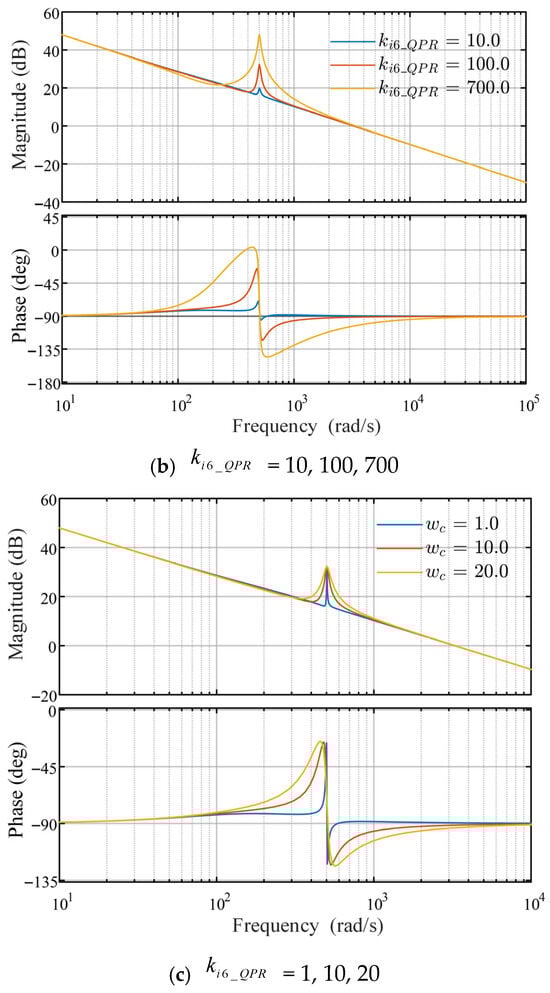
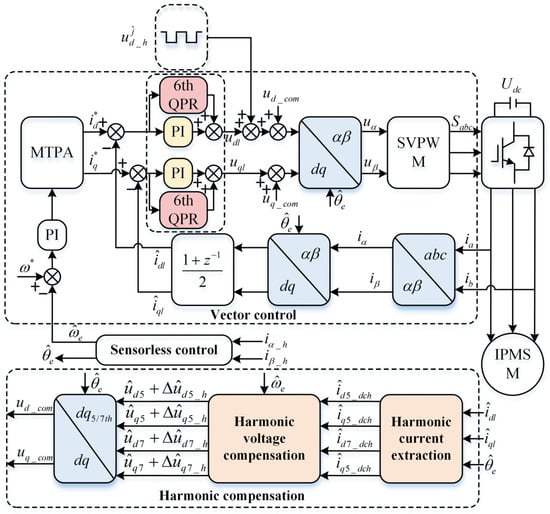
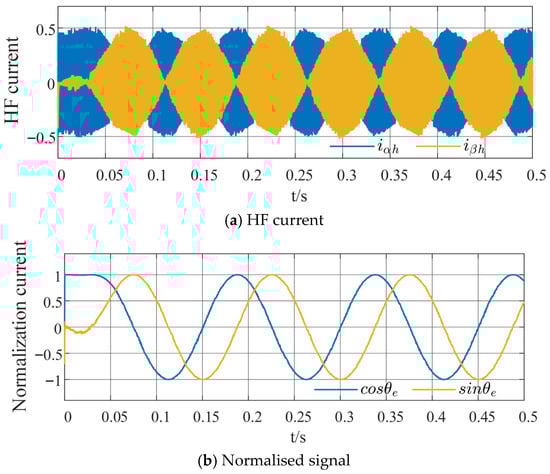
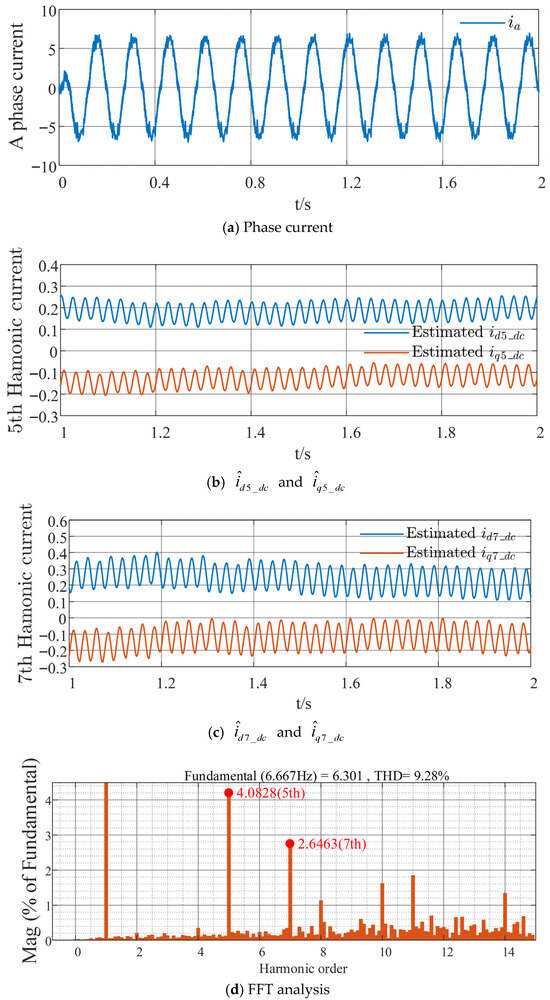
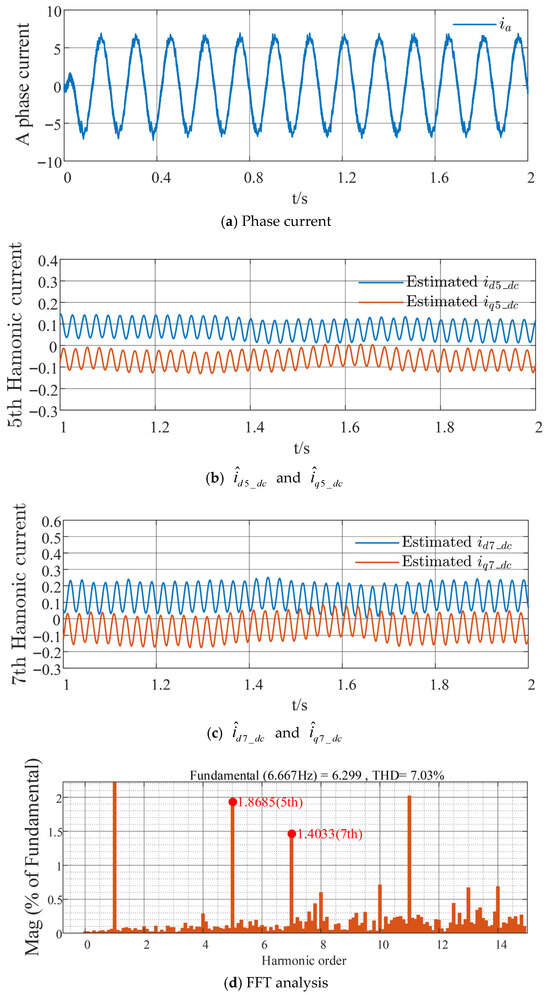
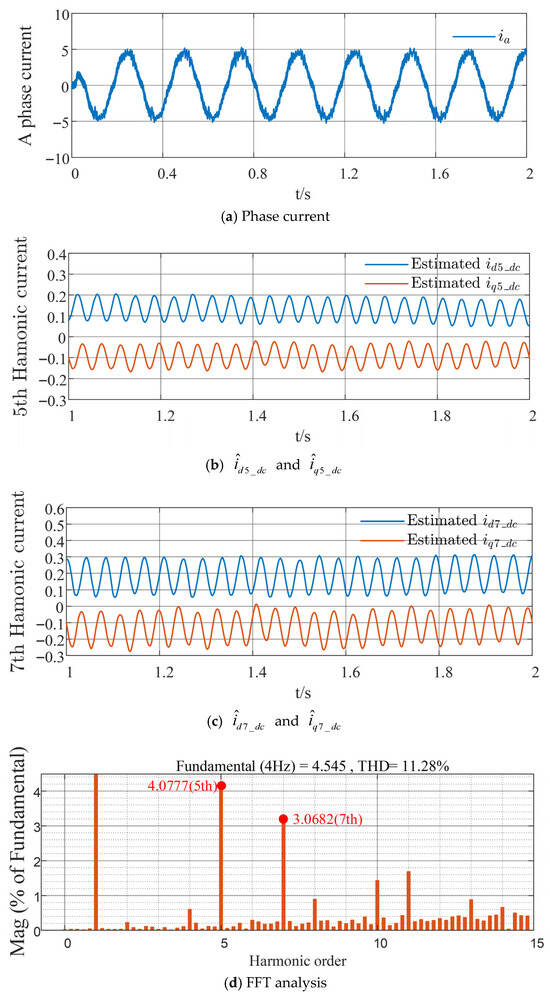
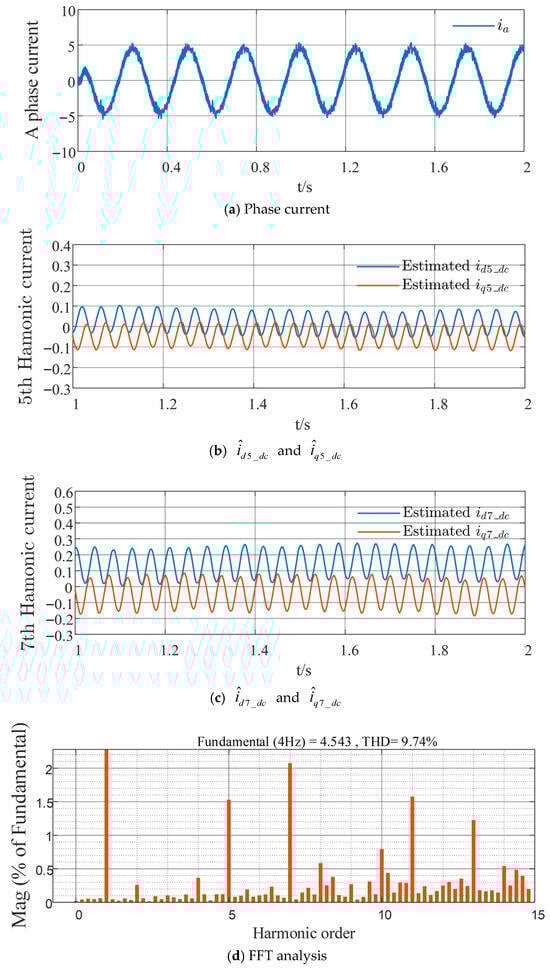
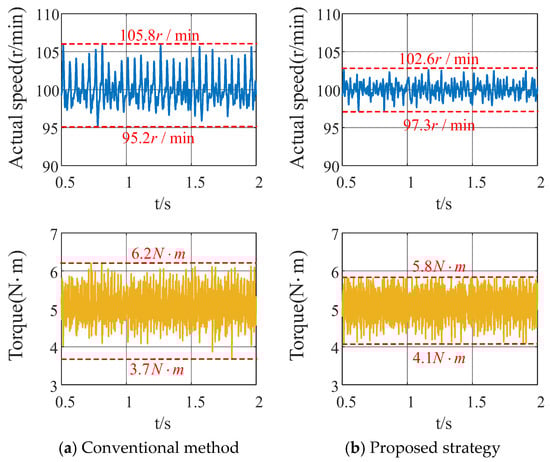
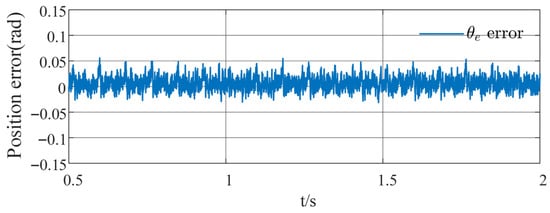
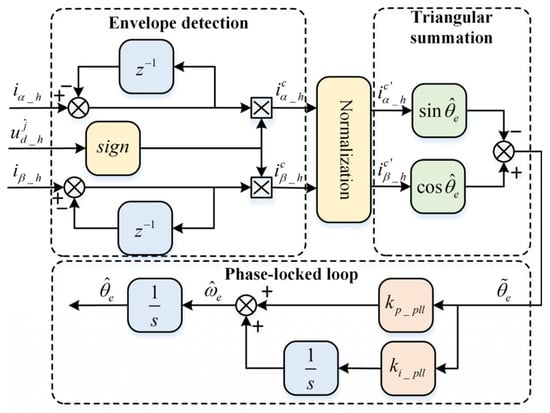
To address the torque ripple and speed fluctuation issues in high-frequency square-wave injection-based sensorless control of interior permanent magnet synchronous motors (IPMSM) caused by low-order stator current harmonics (primarily the fifth and seventh), this paper proposes a harmonic voltage compensation strategy based on a sixth-order quasi-proportional resonant (QPR) controller, which effectively suppresses these specific harmonic disturbances. The proposed method, building upon conventional high-frequency square-wave injection, introduces a harmonic current extraction technique based on multiple synchronous reference frame transformations to separate the fifth and seventh harmonic components accurately; then, according to the established harmonic voltage compensation equation, generates targeted compensation voltage commands; finally, further precisely suppresses the corresponding harmonic currents through a sixth-order QPR controller connected in parallel with the current proportional-integral (PI) controller. This paper comprehensively establishes the mathematical models for harmonic extraction and voltage compensation, and conducts a detailed analysis of the parameter design of the sixth-order QPR controller. Simulation results demonstrate that the proposed strategy can significantly suppress stator current distortion, effectively reduce torque and speed ripples, and substantially improve rotor position estimation accuracy, thereby verifying the superiority of the novel harmonic-suppression-based sensorless control strategy.
Full article
Accurate and rapid fault diagnosis is paramount to stabilizing proton exchange membrane fuel cells (PEMFC). To achieve this, this study proposes a novel fault diagnosis method that integrates a convolutional neural network (CNN), a bi-directional long short-term memory network (BiLSTM), and a waveform
[...] Read more.
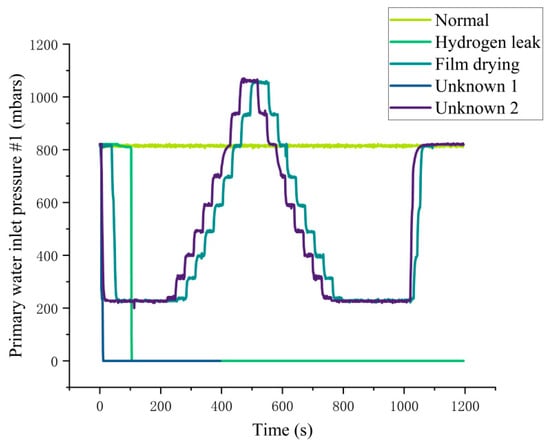
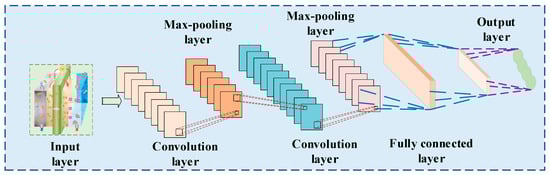
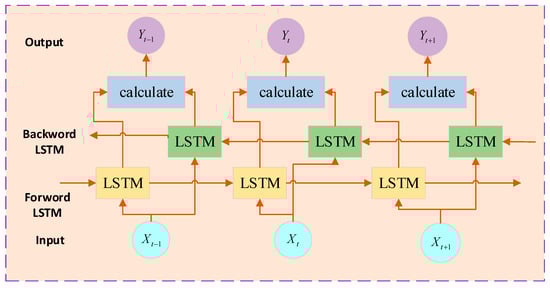
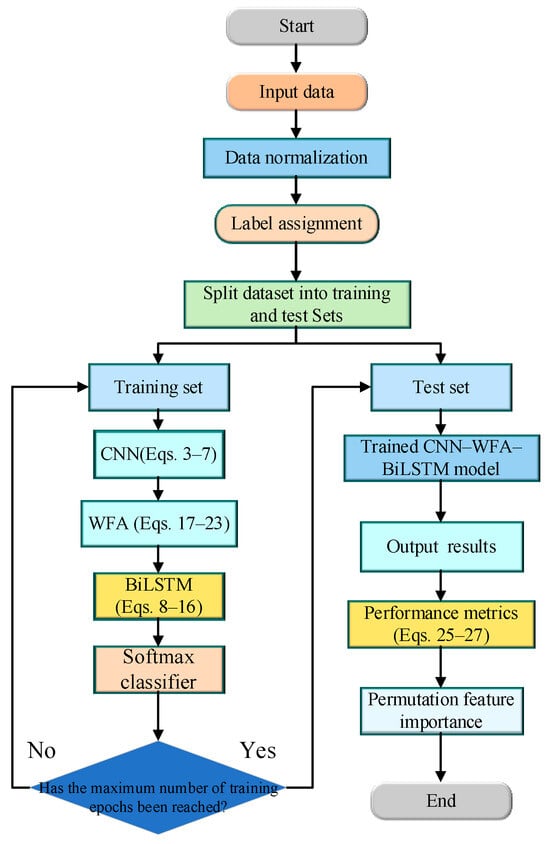
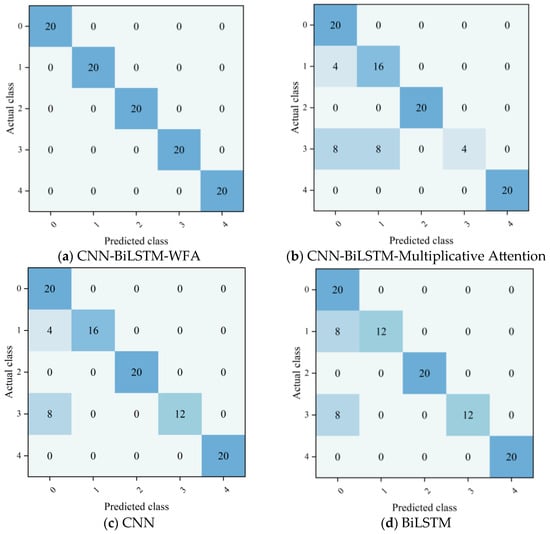
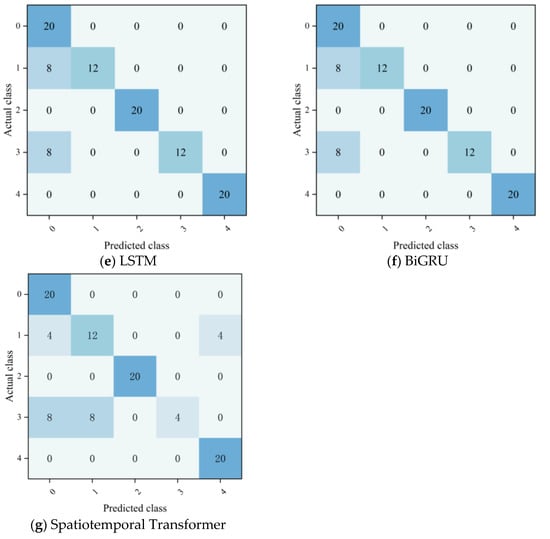
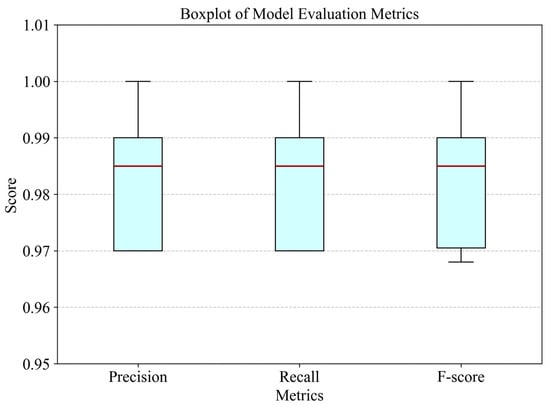
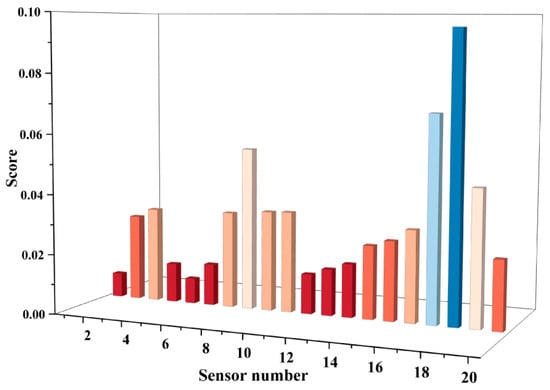
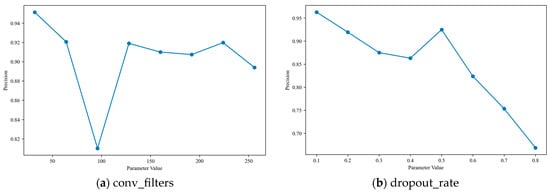
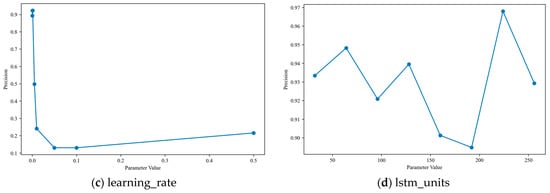
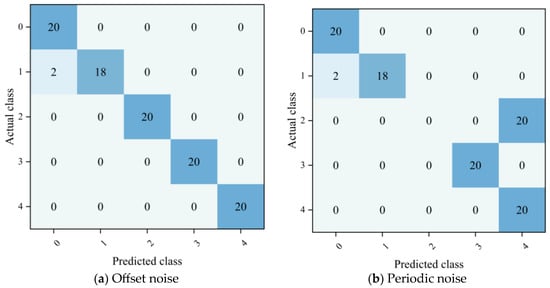
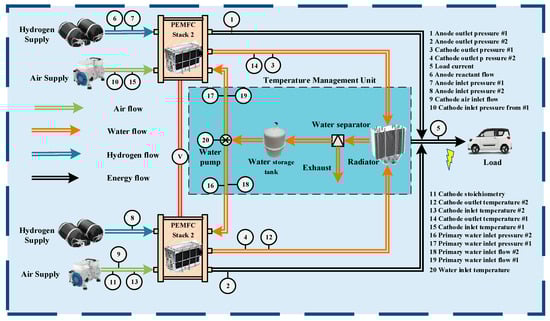
Accurate and rapid fault diagnosis is paramount to stabilizing proton exchange membrane fuel cells (PEMFC). To achieve this, this study proposes a novel fault diagnosis method that integrates a convolutional neural network (CNN), a bi-directional long short-term memory network (BiLSTM), and a waveform fault attention (WFA) mechanism. In the proposed framework, data are classified into five distinct categories utilizing a hierarchical clustering algorithm. Additionally, data augmentation techniques are implemented to bolster model performance. The introduction of amplitude attention and temporal difference attention, in conjunction with the construction of WFA, enables the accurate extraction of temporal-spatial features, significantly improving the distinguishability of fault diagnosis. Furthermore, feature contribution is evaluated using permutation feature importance (PFI) to identify key features, enhancing the interpretability of the model. Experimental findings verify that the proposed method enables high-precision fault identification, with precision values spanning 97–100% and an average stability of 98.3%, demonstrating robust performance even when the volume of original sample data is limited. This performance markedly surpasses that of extant methodologies. The comprehensive approach augments the accuracy, reliability, and interpretability of PEMFC fault diagnosis, and introduces a novel research paradigm for feature extraction, thereby possessing significant theoretical and practical application value.
Full article
We integrate morphological variation, CO1 distance and clustering, and geographic distribution to document unrecognized diversity within Meranoplus ‘berrimah’ and M. ‘snellingi’, members of the M. diversus group of specialist seed harvesters from Australia’s monsoonal (seasonal) tropics. This follows
[...] Read more.
We integrate morphological variation, CO1 distance and clustering, and geographic distribution to document unrecognized diversity within Meranoplus ‘berrimah’ and M. ‘snellingi’, members of the M. diversus group of specialist seed harvesters from Australia’s monsoonal (seasonal) tropics. This follows similar analyses of two other monsoonal ‘species’ of the group, M. ajax and M. unicolor, showing that both represent highly diverse complexes comprising an estimated 100 species each. We recognize eleven species among the 34 sequenced specimens attributable to M. berrimah and ten species among the 29 sequenced specimens attributable to M. snellingi. Images of all these species are provided. The M. berrimah complex has a far broader geographic range than was apparent when M. berrimah was originally described, occurring in the Kimberley region of Western Australia in addition to the Top End of the Northern Territory, whereas the M. snellingi complex appears to be restricted to the Top End. The limited geographic representation of our sequenced specimens suggests that many additional species occur in both complexes. We estimate that the M. snellingi complex contains 15–20 species in total, and that this number is considerably higher in the M. berrimah complex because of its broader distributional range. Our study provides further evidence that monsoonal Australia is a global centre of ant diversity, but it is not formally recognized as such because the great majority of its species is undescribed.
Full article
Background/Objectives: Immune checkpoint inhibitors (ICIs) show durable efficacy in tumors with deficient mismatch repair (dMMR) or high microsatellite instability (MSI-H), yet clinical responses remain heterogeneous. This study aimed to define immune subgroups within dMMR/MSI-H tumors and develop a reproducible transcriptomic signature predictive
[...] Read more.
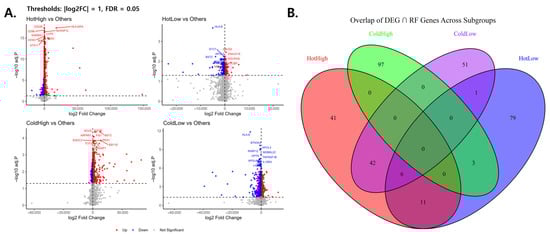
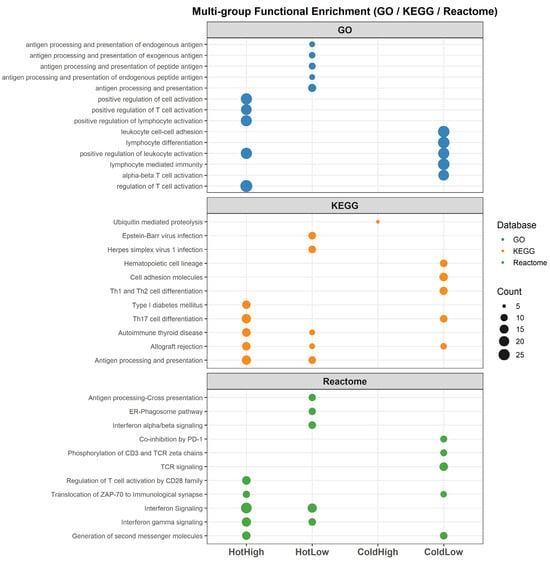
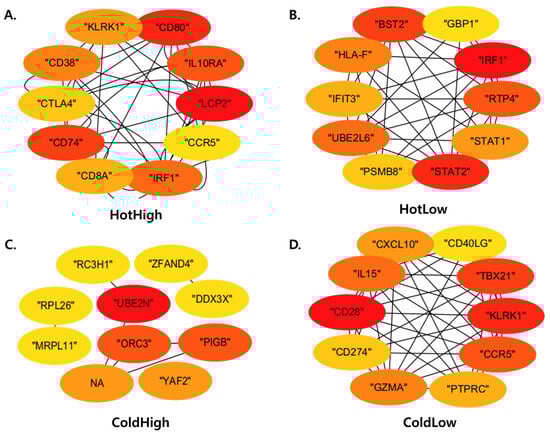
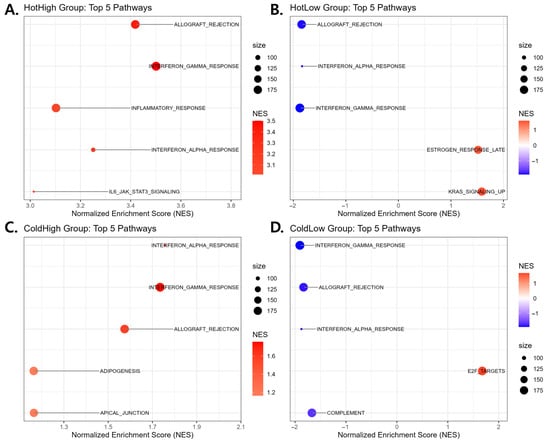
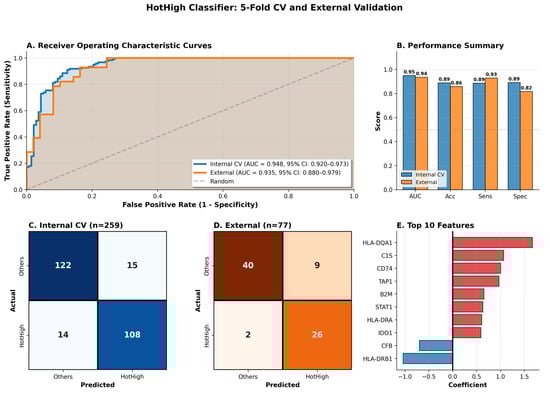
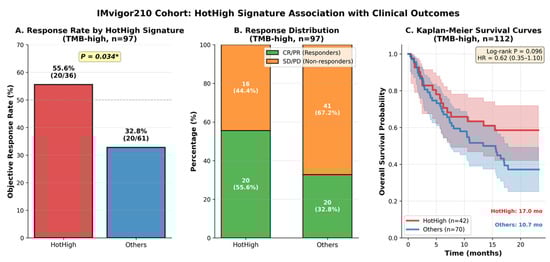
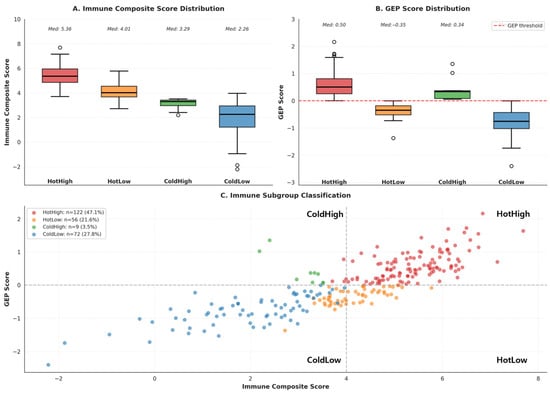
Background/Objectives: Immune checkpoint inhibitors (ICIs) show durable efficacy in tumors with deficient mismatch repair (dMMR) or high microsatellite instability (MSI-H), yet clinical responses remain heterogeneous. This study aimed to define immune subgroups within dMMR/MSI-H tumors and develop a reproducible transcriptomic signature predictive of ICI response. Methods: Four MSI-H-enriched cancer types (UCEC, COAD, READ, STAD) from The Cancer Genome Atlas were analyzed. Tumors were stratified by immune cell infiltration (MCP-counter immune composite score) and T-cell-inflamed gene expression profiles (GEP score). Integrating these two axes defined four immune subgroups. Differential expression, random forest feature selection, and pathway enrichment were performed to identify immune programs. A 20-gene immune signature representing the most immune-active subgroup was developed and validated across TCGA, GEO (GSE39582), and IMvigor210 cohorts. Results: Among the four subgroups, the most immune-active group showed strong activation of interferon signaling, antigen presentation, and T-cell-mediated pathways. The 20-gene signature—including CD74, STAT1, TAP1, and HLA-class genes—achieved high reproducibility (mean AUC = 0.95 ± 0.02; accuracy ≈ 89%). In the IMvigor210 cohort, this signature identified tumors with higher PD-L1 blockade response (55.6% vs. 32.8%, p = 0.034) and improved survival trends in the TMB-high subset. Conclusions: The proposed 20-gene signature quantitatively captures immune heterogeneity in dMMR/MSI-H tumors and serves as a practical, interpretable biomarker to identify true ICI responders and guide precision immunotherapy.
Full article
Background: Social media, especially Instagram, spreads nutrition-related information that often lacks scientific rigor. Many women report feeling inadequately informed about women’s health by healthcare professionals, turning to social media, increasing exposure to misinformation. Objectives: The NutriWomen platform aims to assess the
[...] Read more.
Background: Social media, especially Instagram, spreads nutrition-related information that often lacks scientific rigor. Many women report feeling inadequately informed about women’s health by healthcare professionals, turning to social media, increasing exposure to misinformation. Objectives: The NutriWomen platform aims to assess the quality, methodological soundness, and credibility of nutritional health claims and dietary recommendations on Instagram targeting women across different life stages. Its goal is to develop a systematic and scientifically grounded evaluation framework to assess Instagram nutrition-related claims and the methodological quality and interpretability of their supporting evidence, and to translate the results into accessible outputs that help women make informed nutrition decisions across life stages. Methods: This study follows a five-stage design Stage 1 involves a retrospective content analysis of Instagram posts containing nutrition-related claims targeted at women, identified through the “Top posts” function and screened using predefined criteria. Stage 2 assesses information quality using a validated 14-item tool. Stage 3 evaluates the scientific accuracy of claims by formulating PI(E)CO(TS) questions, selecting key outcomes, retrieving evidence from PubMed and the Cochrane Database, and appraising systematic reviews with a modified AMSTAR-2 tool incorporating GRADE ratings, when available. Stage 4 develops the NutriWomen website platform to translate assessments into accessible visual summaries. Stage 5 conducts a mixed-methods study with peri-, meno-, and postmenopausal women to explore information needs and evaluate platform usability through focus groups. Conclusions: The NutriWomen platform will be the first website to systematically publish the results of evaluations assessing the scientific quality of nutritional health claims on Instagram targeted at women across different life stages. It will provide a replicable methodology, and a digital tool designed to empower women with trustworthy nutrition information, with the potential to enhance health literacy and promote better health outcomes.
Full article





 Applied Sciences
 Sustainability
 IJMS
IJMS
 JCM
JCM
 Sensors
 Energies
 Electronics
 Materials
 Buildings
 Processes
 Mathematics
 Foods
Foods
 Molecules
 Healthcare
 Cancers
 Nutrients
 Plants
 Diagnostics
 Remote Sensing
 Animals
 Water
Water
 Polymers
 Biomedicines
 Agronomy
 Microorganisms
 Agriculture
 Symmetry
 JMSE
JMSE
 Cells
Cells
 Land
Land
 Biology
 Medicina
 Pharmaceuticals
 Education Sciences
 Behavioral Sciences
 Children
 Nanomaterials
 IJERPH
 Life
Life
 Horticulturae
 Coatings
 Forests
 Genes
Genes
 Biomolecules
 Pharmaceutics
 Antioxidants
 Religions
 Bioengineering
 Micromachines
 Minerals
 Pathogens
 Metals
 Brain Sciences
 Antibiotics
 Atmosphere
 Viruses
 Photonics
 Insects
 Machines
 Systems
 Veterinary Sciences
 CIMB
CIMB
 Toxics