
Feature Papers in Microplastics

A topical collection in Microplastics (ISSN 2673-8929).

Viewed by 13953

Editor


E-Mail Website
Collection Editor
School of Environmental Engineering, Technical University of Crete, Chania, Greece
Interests: environmental applications of nanobubble technology; marine litter-fate and biodegradation of weathered plastics and microplastics; combating marine oil spills with biological means; bioremediation; phytoremediation; wastewater treatment and subsequent reuse and utilization
Special Issues, Collections and Topics in MDPI journals

Topical Collection Information

Dear Colleagues,

Microplastics (MPs) have been found in all environmental compartments such as seawater and freshwater bodies, municipal wastewater and urban runoff, agricultural soils, sediments, and air. The level of plastic debris, mainly in the form of microplastics, in the environment is reaching unprecedented levels, and there is worldwide concern about their adverse effects on both living organisms (including humans) and the environment.

This Topic Collection of Microplastics aims to publish original articles related to the following topics: their sources, sinks, and environmental fate; potential effects on ecosystem services and human life; and mitigation measures to reduce their adverse effects. It is also vital to ensure the inclusion of articles raising public awareness and building effective science communication with all stakeholders (e.g., civil society, NGOs, government decision makers, and industry) to convey specific messages related to threats and potential opportunities to reduce microplastic impacts.

The topics include but are not limited to the following:

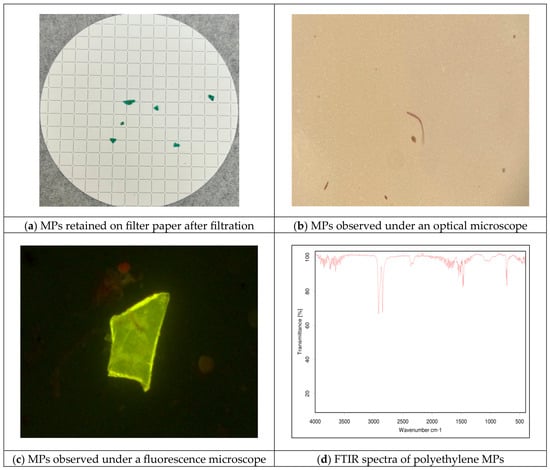
  • Sampling, characterization, and quantification of microplastics;
  • Microplastics and nanoplastics in soils;
  • Ocean cleanup of plastics and microplastics;
  • Marine debris and fishing gear—collection, recycling, fate, and cleanup;
  • Plastic and microplastic pollution and associated contaminants;
  • Plastic pellets in the environment—collection and mitigation;
  • Microfibers and nanoplastics from textiles;
  • Human health effects of microplastics and nanoplastics;
  • Ecotoxicological effects of microplastics and nanoplastics;
  • Biodegradable plastics and microplastics;
  • Chemical and biological recycling of waste plastics and microplastics;
  • Mitigation of micro- and nanoplastic pollution in aquatic systems;
  • Modelling fate and transport of plastics and micro- and nanoplastics in the environment;
  • Modelling of the generation of secondary microplastics;
  • Modelling of biodegradation and weathering of plastics and microplastics;
  • Legislation, policies, and economic impacts.

Alongside original research contributions and critical reviews, we encourage the submission of opinion papers, defined as short articles which reflect the author’s viewpoints on a particular subject, technique, or recent findings. Their structure is similar to that of a review, despite being significantly shorter and focused on the author’s view as opposed to a comprehensive, critical overview of current research.

Prof. Dr. Nicolas Kalogerakis
Collection Editor

Manuscript Submission Information

Manuscripts should be submitted online at www.mdpi.com by registering and logging in to this website. Once you are registered, click here to go to the submission form. Manuscripts can be submitted until the deadline. All submissions that pass pre-check are peer-reviewed. Accepted papers will be published continuously in the journal (as soon as accepted) and will be listed together on the collection website. Research articles, review articles as well as short communications are invited. For planned papers, a title and short abstract (about 250 words) can be sent to the Editorial Office for assessment.

Submitted manuscripts should not have been published previously, nor be under consideration for publication elsewhere (except conference proceedings papers). All manuscripts are thoroughly refereed through a single-blind peer-review process. A guide for authors and other relevant information for submission of manuscripts is available on the Instructions for Authors page. Microplastics is an international peer-reviewed open access quarterly journal published by MDPI.

Please visit the Instructions for Authors page before submitting a manuscript. The Article Processing Charge (APC) for publication in this open access journal is 1200 CHF (Swiss Francs). Submitted papers should be well formatted and use good English. Authors may use MDPI's English editing service prior to publication or during author revisions.


Keywords

  • sampling, characterization, and quantification of microplastics
  • microplastics and nanoplastics in soils
  • ocean cleanup of plastics and microplastics
  • marine debris and fishing gear—collection, recycling, fate, and cleanup
  • plastic and microplastic pollution and associated contaminants
  • plastic pellets in the environment—collection and mitigation
  • microfibers and nanoplastics from textiles
  • human health effects of microplastics and nanoplastics
  • ecotoxicological effects of microplastics and nanoplastics
  • biodegradable plastics and microplastics
  • chemical and biological recycling of waste plastics and microplastics
  • mitigation of micro- and nanoplastic pollution in aquatic systems
  • modelling fate and transport of plastics and micro- and nanoplastics in the environment
  • modelling of the generation of secondary microplastics
  • modelling of biodegradation and weathering of plastics and microplastics
  • legislation, policies, and economic impacts

Published Papers (12 papers)

2025

13 pages, 666 KB  
Article
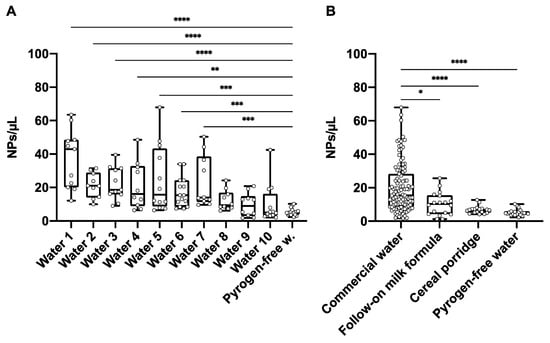
Nanoplastic Contamination Across Common Beverages and Infant Food: An Assessment of Packaging Influence
by Roser Salvia, Carlos Soriano, Irene Casanovas, Marc Sorigué, Emily Evans, Julia Gala de Pablo, Michael D. Ward and Jordi Petriz
Microplastics 2025, 4(4), 108; https://doi.org/10.3390/microplastics4040108 - 18 Dec 2025
Abstract
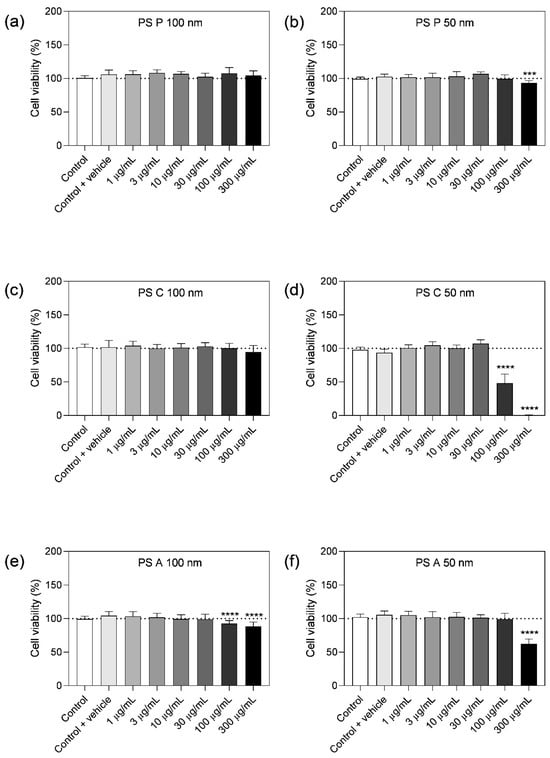
The widespread presence of nanoplastics (NPs) in the environment creates a significant and growing concern for global health, with ingestion, inhalation, and dermal contact identified as primary exposure pathways. Despite their documented presence in various environmental matrices and human tissues, robust quantitative data [...] Read more.
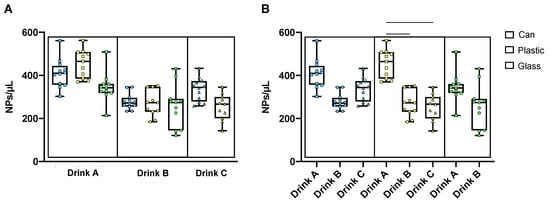
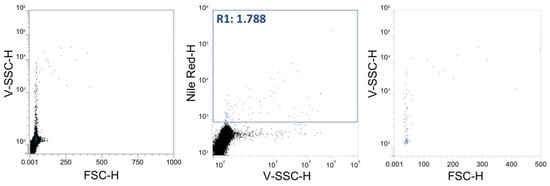
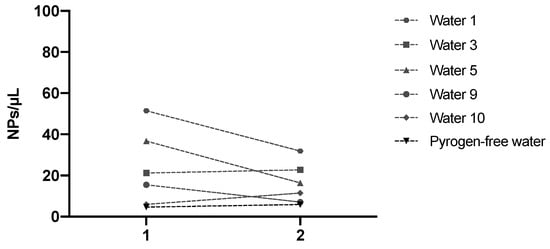
The widespread presence of nanoplastics (NPs) in the environment creates a significant and growing concern for global health, with ingestion, inhalation, and dermal contact identified as primary exposure pathways. Despite their documented presence in various environmental matrices and human tissues, robust quantitative data on NP levels remains scarce. This study addresses this critical gap by employing a novel and rapid flow cytometry technique to quantify nanoplastic concentrations in commercial waters, common beverages and infant food, with special focus in packaging influence. Pyrogen-free water was analyzed to establish the negative control for NP concentration, yielding 5.24 ± 2.02 events/µL. Ten commercial waters from natural springs in Spain and France showed NP levels ranging from 1.75 NP/µL to 67.94 NP/µL (mean: 19.90 ± 14.53 NP/µL), where three of those brands showed significantly higher NP numbers than the pyrogen-free water control. Compared to pyrogen-free water, infant formula and cereal porridge showed very low NP concentrations, with values of 10.27 ± 6.85 and 6.78 ± 2.27 events/µL, respectively, following triplicate analyses of six samples. Additional analyses comparing three similar soft drinks across different packaging (can, plastic bottle, or glass bottle) found no significant differences in NP concentration attributable to the container type. NPs, as ubiquitous contaminants, can be ingested by organisms through food and drink. Potential NP contamination in commercial water may be due to factors such as source water contamination, filtration and packaging. The presence of very low concentrations of NPs in infant foods suggests rigorous and effective quality control. Finally, the presence of NP in soft drinks was not affected by the type of packaging. Although soft drinks have higher NP levels than water, the type of packaging had no effect on the presence of NP in these soft drinks. Despite all plastic bottles being made of polyethylene terephthalate, variation in NP accumulation implies that material quality, storage condition, and substantially, water treatment and filtering processes contribute to NP contamination. This research gives evidence for widespread nanoplastic accumulation in bottled water, common beverages and infant formula and sets the stage for demanding research to further investigate sources, health effects, and development into effective quality control and preventive measures for public health. Full article
Show Figures

Figure 1

23 pages, 2089 KB  
Article
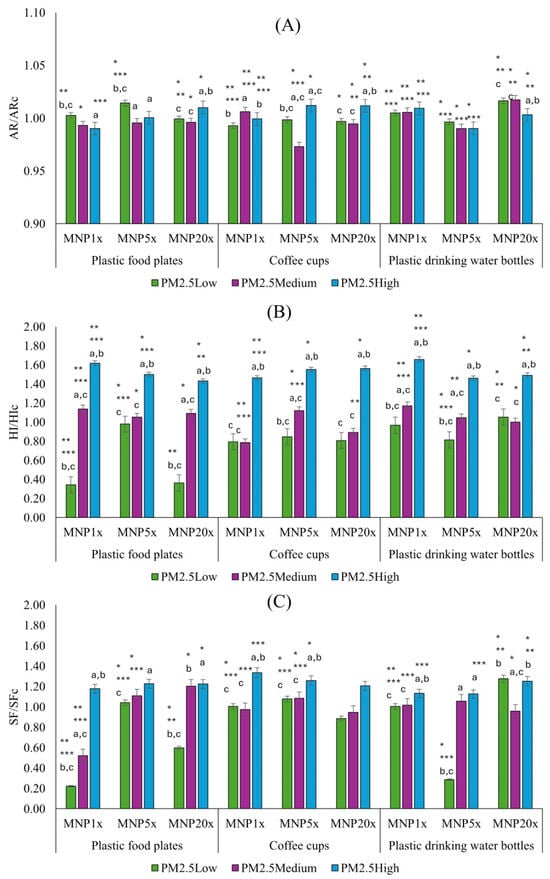
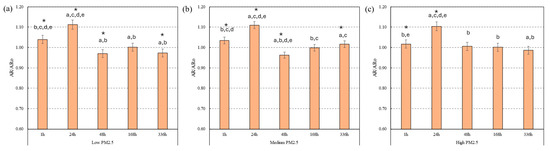
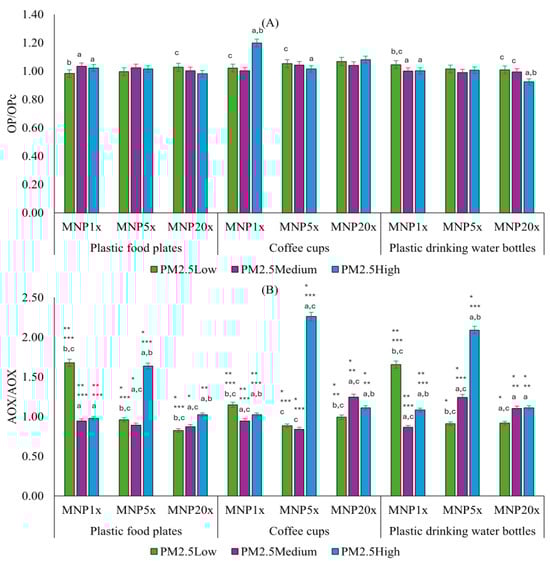
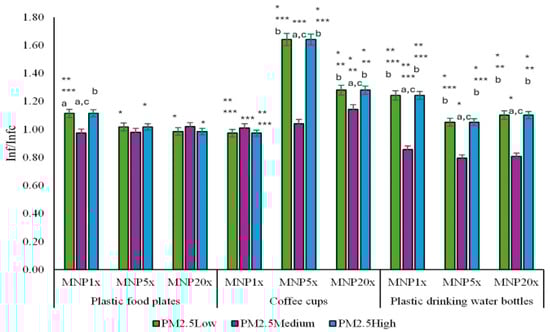
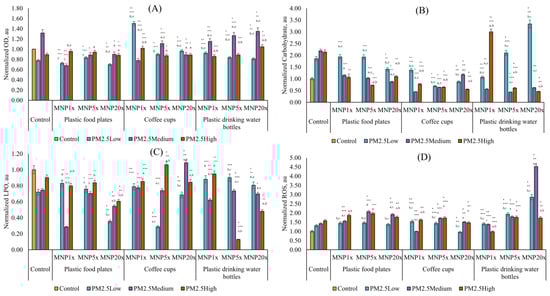
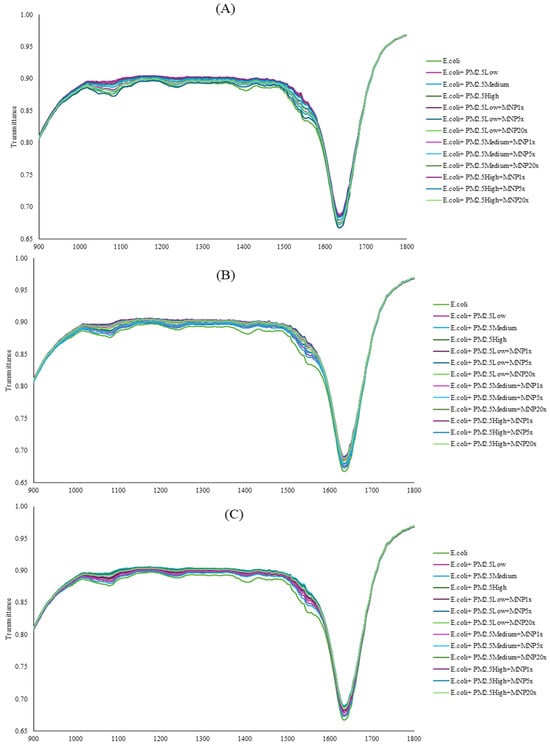
Can Micro/Nanoplastics Influence PM2.5 Characteristics: An Ex Situ Investigation by Physicochemical Indicators of PM2.5 and Their Bacterial Model Toxicity
by Hasan Saygin, Asli Baysal, Batuhan Tilkili and Sinem Karniyarik
Microplastics 2025, 4(4), 103; https://doi.org/10.3390/microplastics4040103 - 9 Dec 2025
Viewed by 167
Abstract
Exposure to PM2.5 and its associated micropollutants, including micro- and nanoplastics, has been strongly linked to adverse health effects in humans. The risk posed by micro/nanoplastics can be attributed to the particles themselves and their ability to leach into the surrounding environment. However, [...] Read more.
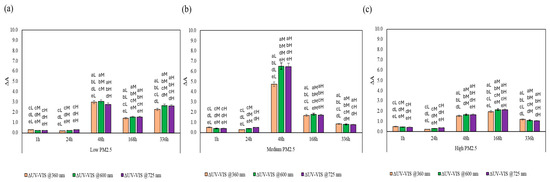
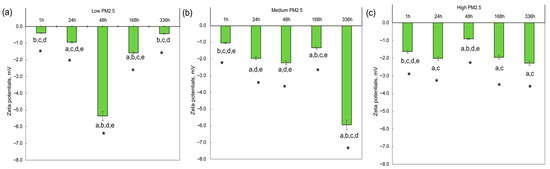
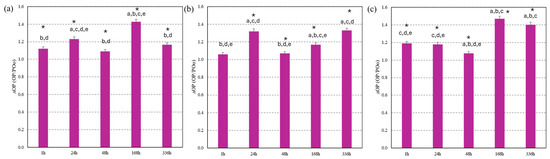
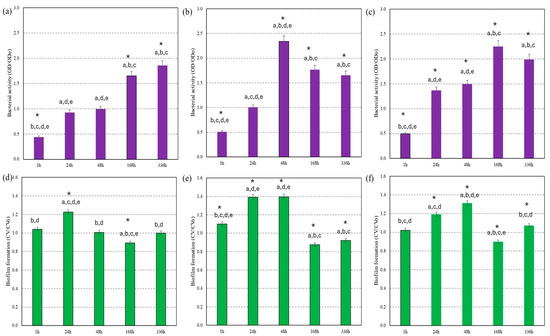
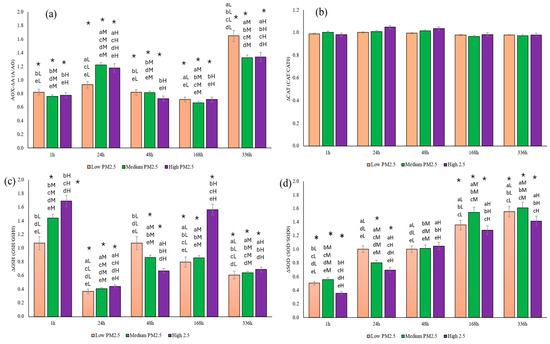
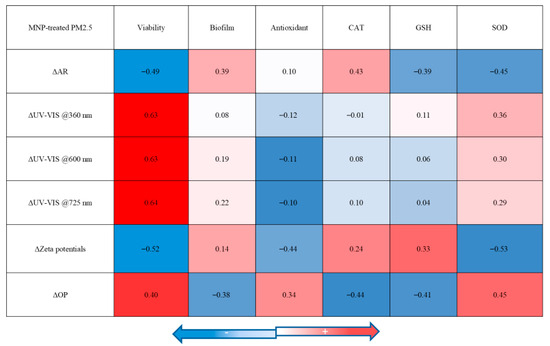
Exposure to PM2.5 and its associated micropollutants, including micro- and nanoplastics, has been strongly linked to adverse health effects in humans. The risk posed by micro/nanoplastics can be attributed to the particles themselves and their ability to leach into the surrounding environment. However, the impact of micro/nanoplastics on the surrounding environment through leaching is still underestimated. In this study, we conducted ex situ experiments involving micro/nanoplastics and PM2.5 at various particulate matter mass concentrations and exposure times (1–336 h). The micro/nanoplastics were then removed from the PM2.5 media, and the aromaticity, light absorption, zeta potential, and oxidative potential of the PM2.5 were measured. Furthermore, the toxicity of the PM2.5 was investigated using a bacterial model by Staphylococcus aureus. Changes in the aromaticity, light absorption, zeta potential, and oxidative potential of PM2.5 indicated the impact of the micro/nanoplastics on the PM2.5. For example, PM2.5 exhibited higher aromaticity in the initial exposure stages (2–4% and 9–11%), whereas its light absorption (0.5–6-fold) increased with prolonged exposure to micro/nanoplastics. Overall, more negative zeta potentials and higher oxidative inputs (~6–40%) were obtained in PM2.5 after micro/nanoplastic treatment. The bacterial model revealed that the viability and biofilm formation of bacteria were affected by PM2.5 exposed to micro/nanoplastics, compared to PM2.5 not exposed to micro/nanoplastics, for example, 0.5–2-fold higher bacterial activity with longer MNP exposure and 4–39% higher biofilm formation. Furthermore, the oxidative stress-related bacterial indicators were primarily influenced by the aromaticity, zeta potential, and oxidative potential of PM2.5. The results of this study suggest that the bacterium Staphylococcus aureus can adapt to PM2.5 contaminated with micro/nanoplastics. Therefore, this study highlights the potential impact of micro/nanoplastics on bacterial adaptation to environmental contaminants and antibiotic resistance via PM2.5. Full article
Show Figures

Figure 1

26 pages, 2529 KB  
Systematic Review
Microplastic Concentration in Mediterranean Commercial Fish: A Systematic Review
by Stefania M. Manolaki, Panagiotis D. Dimitriou, Maria Lampa, Ioannis Karakassis and Nafsika Papageorgiou
Microplastics 2025, 4(4), 100; https://doi.org/10.3390/microplastics4040100 - 5 Dec 2025
Viewed by 219
Abstract
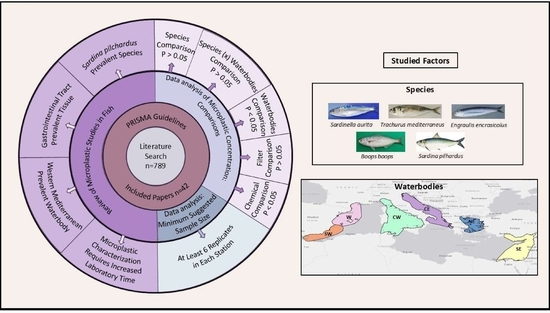
Nowadays, microplastic (MP) pollution has attracted increasing interest from the scientific community. This systematic review investigated the MP concentration in various tissues of five commercial fish species (Engraulis encrasicolus, Boops boops, Sardina pilchardus, Sardinella aurita, and Trachurus mediterraneus [...] Read more.
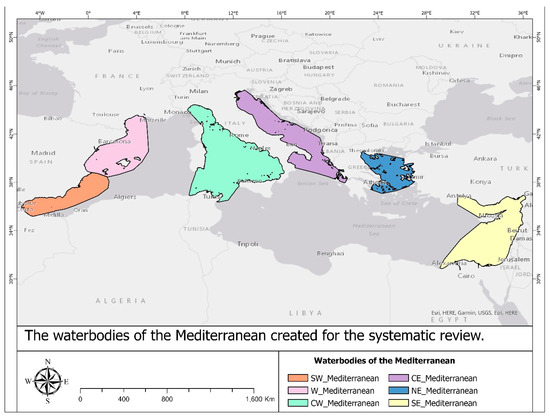
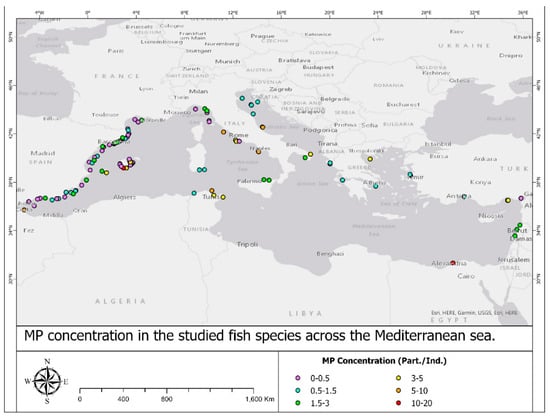
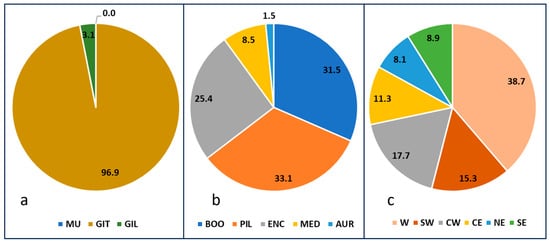
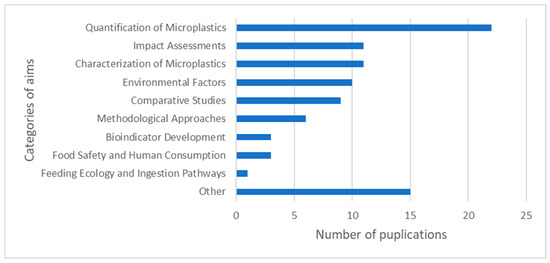
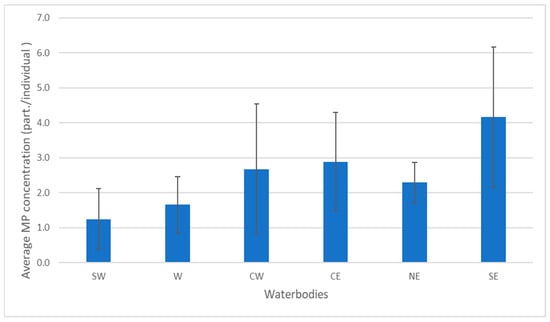
Nowadays, microplastic (MP) pollution has attracted increasing interest from the scientific community. This systematic review investigated the MP concentration in various tissues of five commercial fish species (Engraulis encrasicolus, Boops boops, Sardina pilchardus, Sardinella aurita, and Trachurus mediterraneus) in different Mediterranean water bodies in order to identify spatial trends and key analytes influencing their variation. The reported concentrations of MPs in all fish ranged from 4.2 particles/individual in the southeastern Mediterranean to 1.2 particles/individual in the western part, but these values are highly uncertain due to inconsistent methodologies, absence of recovery tests, and incomplete data reporting. No significant difference was found in the MP concentration of the different tissues of these species. The key factor affecting the MP concentration was the water body from which they were collected. This systematic review suggests that fewer than six samples may not provide statistically reliable results, and that a lack of detailed data reporting, despite the advances in chemical characterization techniques, continues to limit the robustness of MP studies. Additionally, this study evaluated how methodological differences could influence the reported MP concentrations. These findings offer a comprehensive overview of the MP expansion in the Mediterranean waterbodies and fish species, and provide recommendations for future research design improvement. Full article
Show Figures

Graphical abstract
16 pages, 740 KB  
Review
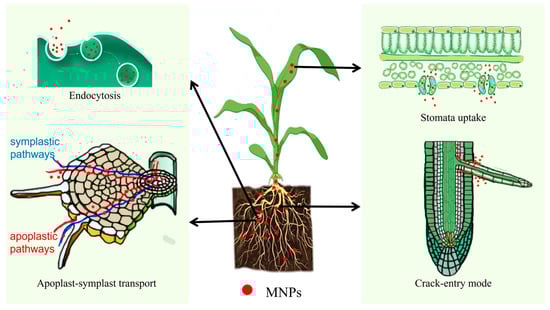
Microplastics in the Northern Gulf of Mexico: A Literature Review
by Evelyn McQueen and Eric L. Sparks
Microplastics 2025, 4(4), 87; https://doi.org/10.3390/microplastics4040087 - 10 Nov 2025
Viewed by 633
Abstract
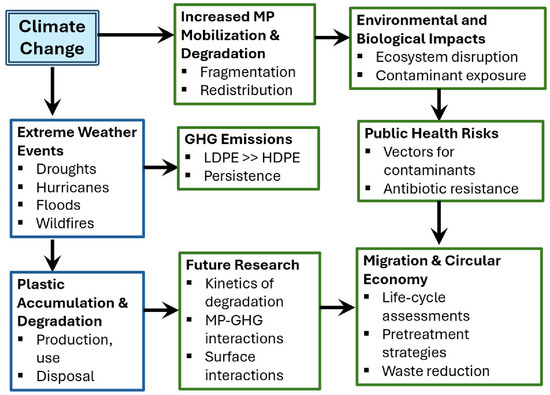
Plastics have become a ubiquitous feature of modern life, with their presence continually increasing. This widespread use has led to the global proliferation of plastics, including contamination of aquatic environments. This review focuses on microplastics—plastic particles less than 5 mm in size—in the [...] Read more.
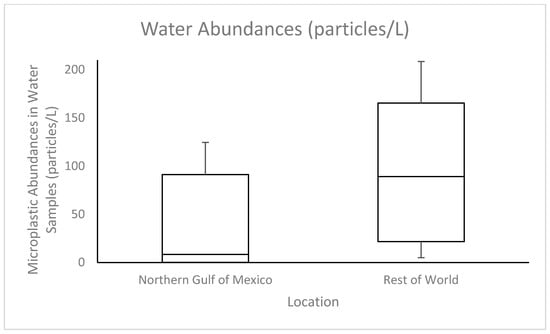
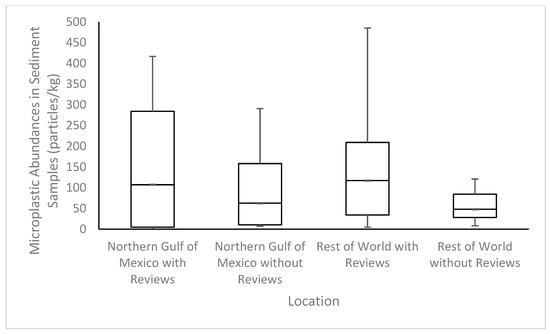
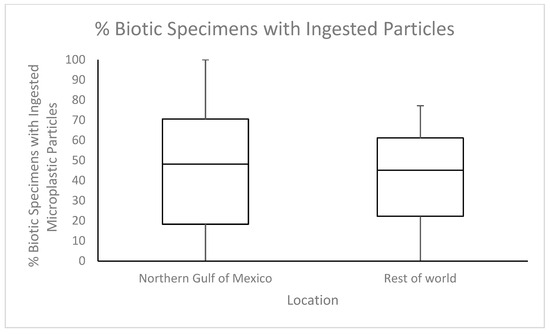
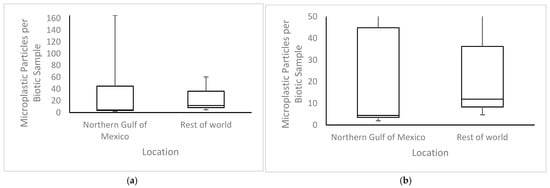
Plastics have become a ubiquitous feature of modern life, with their presence continually increasing. This widespread use has led to the global proliferation of plastics, including contamination of aquatic environments. This review focuses on microplastics—plastic particles less than 5 mm in size—in the Northern Gulf of Mexico. The central objective was to evaluate the abundance and potential impacts of microplastics in the region. Findings appear to indicate that microplastic concentrations in the water are below global averages, while concentrations in shoreline sediments are slightly above average. Although it appears fewer biological specimens contain microplastics in this region, the number of plastic particles per specimen appears higher compared to global observations. Microplastics significantly delay the transition of dissolved organic matter to particulate organic matter (by more than 200%), bioaccumulate in organisms, serve as adsorption surfaces for toxins and pollutants, and cause a range of biological effects. Further research is necessary to accurately quantify microplastic pollution and evaluate its ecological and environmental impacts. Full article
Show Figures

Figure 1

16 pages, 1912 KB  
Article
Characterization of Plastics Ingested by the Bioindicator Cory’s Shearwater from Tenerife Island (Canary Islands): Implications for Marine Environmental Monitoring
by Natalia Baena, Gema Paniagua González, Juan Carlos Bravo, Rosa María Garcinuño, Beneharo Rodríguez, Begoña Jiménez, Pilar Fernández-Hernando and Juan Muñoz-Arnanz
Microplastics 2025, 4(4), 82; https://doi.org/10.3390/microplastics4040082 - 3 Nov 2025
Viewed by 972
Abstract
Plastic pollution is a pressing environmental concern globally, especially in marine ecosystems. In this study, the evaluation of the potential ingestion of plastic, mostly in the form of microplastics (MPs), by fledglings of Cory’s shearwaters (Calonectris borealis) from the Canary Islands [...] Read more.
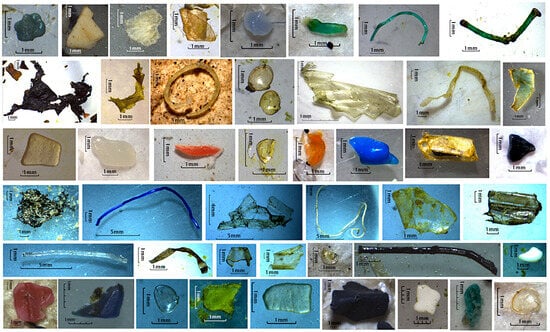
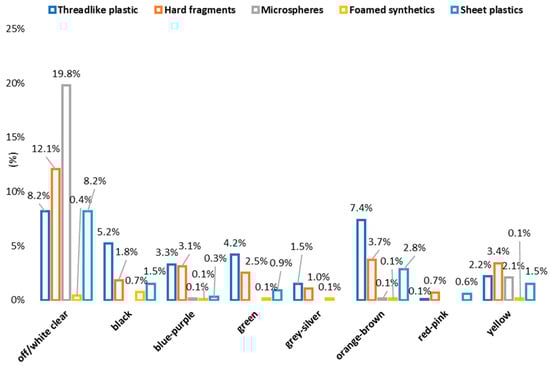
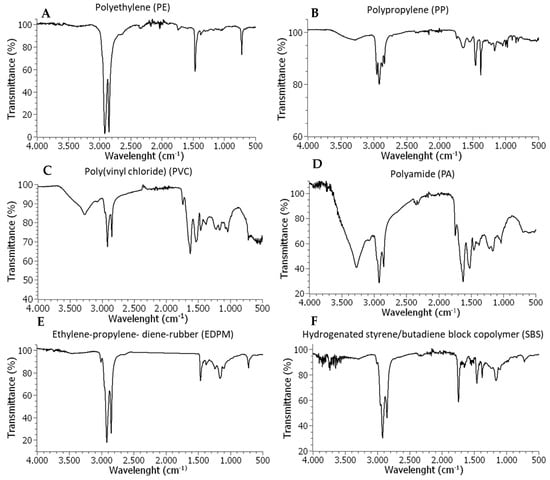
Plastic pollution is a pressing environmental concern globally, especially in marine ecosystems. In this study, the evaluation of the potential ingestion of plastic, mostly in the form of microplastics (MPs), by fledglings of Cory’s shearwaters (Calonectris borealis) from the Canary Islands (Spain) was conducted. The total number of plastics found in the stomach samples was 674, primarily comprising large MPs (1–5 mm: 82%), followed by mesoplastics (>5–25 mm: 18%). The predominant morphology was threadlike (31.6%), followed by hard, irregularly shaped fragments (28.3%), microspheres (22.4%), and sheets (15.7%). Loads were found to overlap with those described for the same species in highly populated areas such as the Mediterranean Sea. Plastic counts above Cory’s threshold value may suggest poor environmental status for the Canary Current region. FTIR-ATR analysis evidenced the predominance of polyethylene (PE) (46.7%), polypropylene (PP) (24.6%) and polyamide (PA) (20.4%). This is likely linked not only to the fact that PE is the most produced plastic worldwide, but also the fact that, along with PP, it makes up the highest amount of single-use plastic products. Overall, findings provide a contamination-controlled, FTIR-verified baseline for fledglings from Tenerife; however, given the limited, single-season sample (n = 33) and opportunistic design, results are descriptive and not intended for population-level inference. Yet, the potential of Cory’s shearwater as a sentinel species to monitor plastic pollution is highlighted, emphasizing the urgent need for effective mitigation strategies to address plastic pollution in marine environments. Full article
Show Figures

Figure 1

22 pages, 3283 KB  
Article
A Domain-Adaptive Deep Learning Approach for Microplastic Classification
by Max Barker, Tanmay Singha, Meg Willans, Mark Hackett and Duc-Son Pham
Microplastics 2025, 4(4), 69; https://doi.org/10.3390/microplastics4040069 - 1 Oct 2025
Cited by 1 | Viewed by 909
Abstract
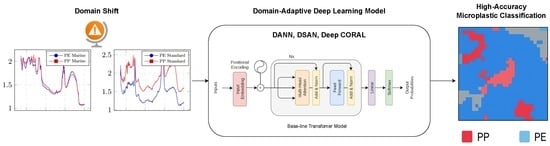
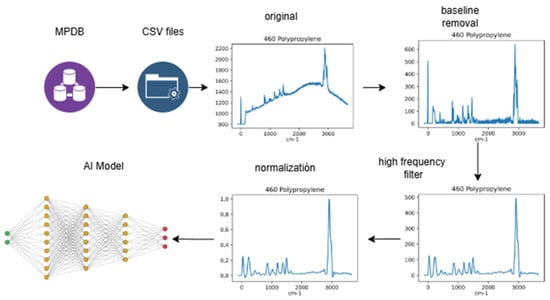
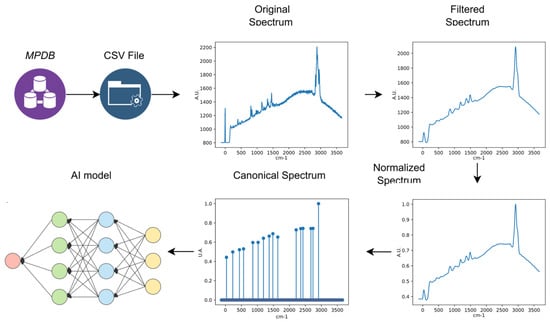
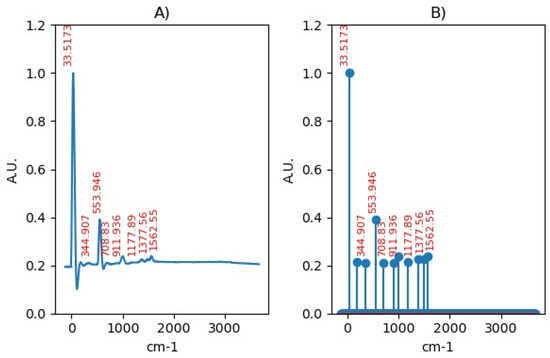
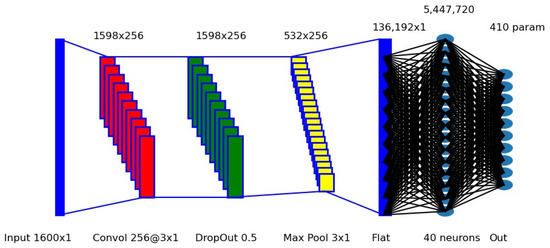
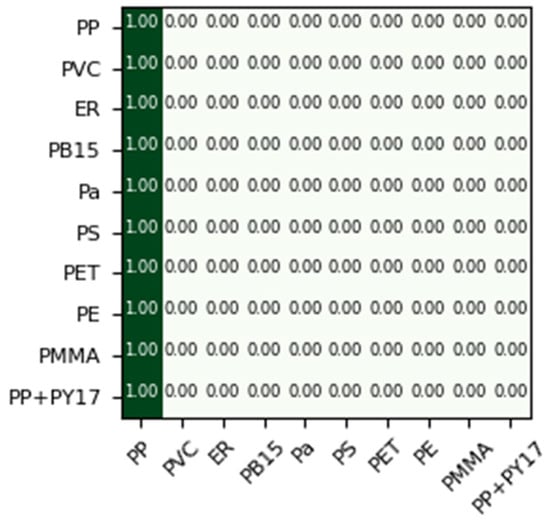
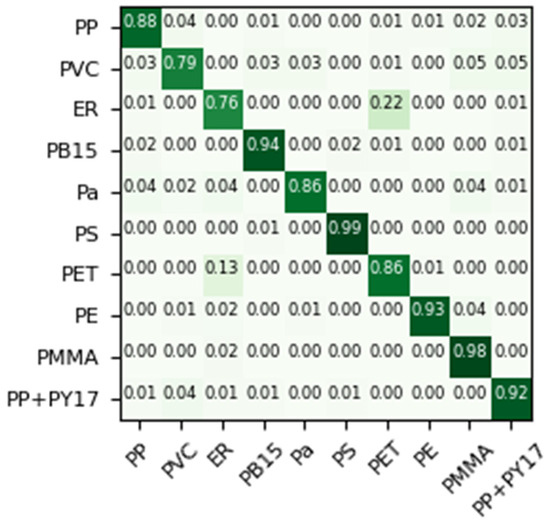
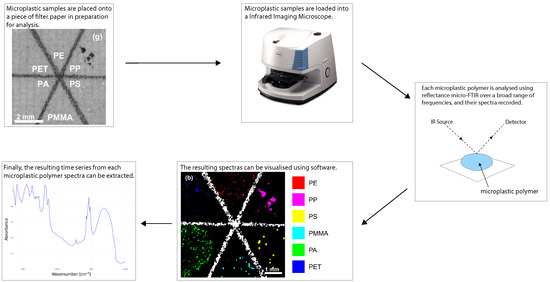
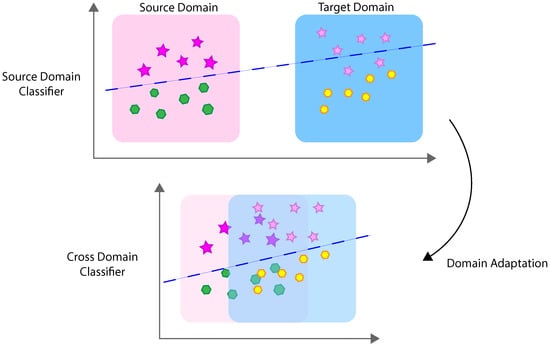
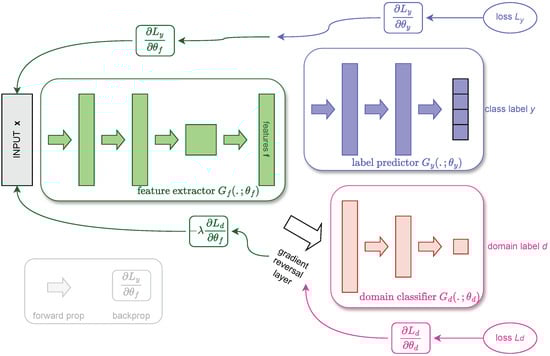
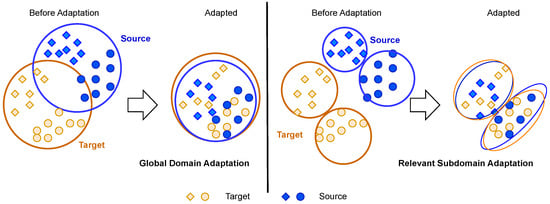
Microplastics pose a growing environmental concern, necessitating accurate and scalable methods for their detection and classification. This study presents a novel deep learning framework that integrates a transformer-based architecture with domain adaptation techniques to classify microplastics using reflectance micro-FTIR spectroscopy. A key challenge [...] Read more.
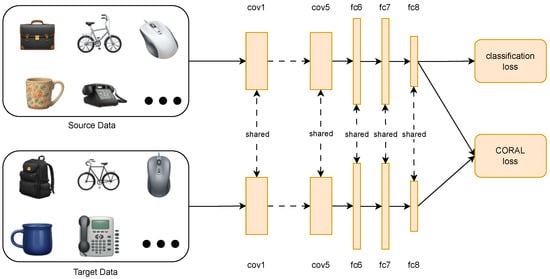
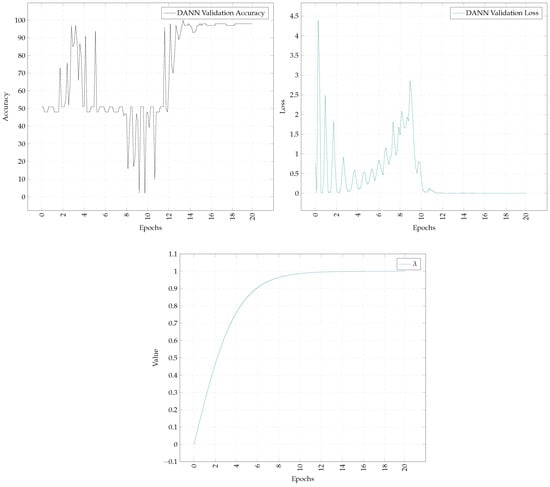
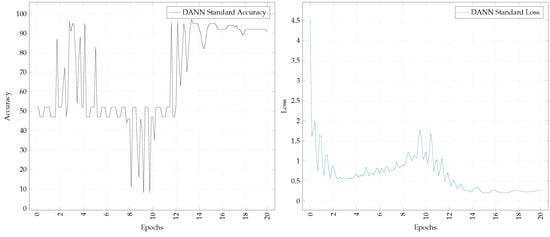
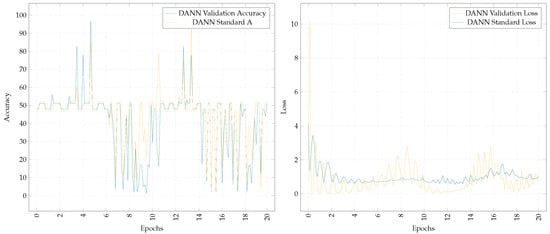
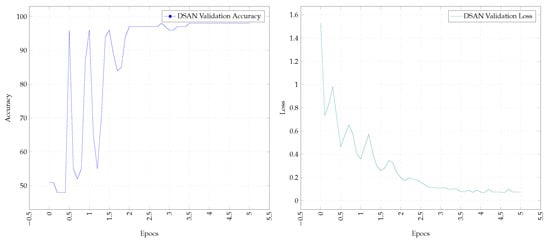
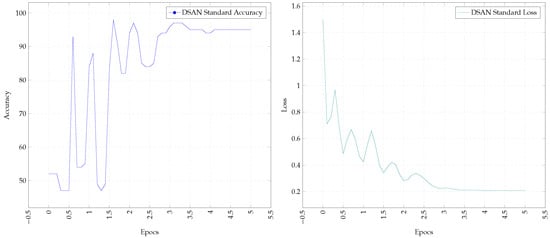
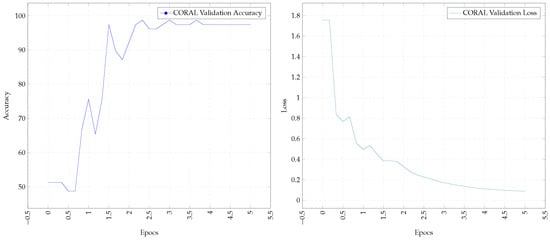
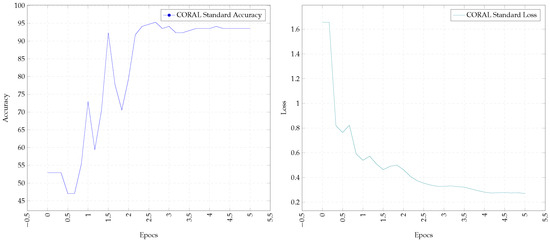
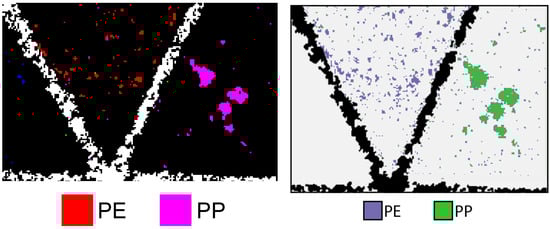
Microplastics pose a growing environmental concern, necessitating accurate and scalable methods for their detection and classification. This study presents a novel deep learning framework that integrates a transformer-based architecture with domain adaptation techniques to classify microplastics using reflectance micro-FTIR spectroscopy. A key challenge addressed in this work is the domain shift between laboratory-prepared reference spectra and environmentally sourced spectra, which can significantly degrade model performance. To overcome this, three domain-adaptation strategies—Domain Adversarial Neural Networks (DANN), Deep Subdomain-Adaptation Networks (DSAN), and Deep CORAL—were evaluated for their ability to enhance cross-domain generalization. Experimental results show that while DANN was unstable, DSAN and Deep CORAL improved target domain accuracy. Deep CORAL achieved 99% accuracy on the source and 94% on the target, offering balanced performance. DSAN reached 95% on the target but reduced source accuracy. Overall, statistical alignment methods outperformed adversarial approaches in transformer-based spectral adaptation. The proposed model was integrated into a reflectance micro-FTIR workflow, accurately identifying PE and PP microplastics from unlabelled spectra. Predictions closely matched expert-validated results, demonstrating practical applicability. This first use of a domain-adaptive transformer in microplastics spectroscopy sets a benchmark for high-throughput, cross-domain analysis. Future work will extend to more polymers and enhance model efficiency for field use. Full article
Show Figures

Graphical abstract
22 pages, 1597 KB  
Article
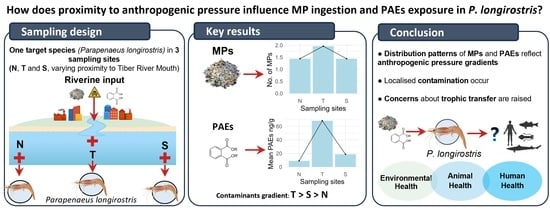
The Plastic Signature: Microplastic Ingestion and Phthalate Exposure in Parapenaeus longirostris from Three Tyrrhenian Sites (Mediterranean Sea)
by Laura Ciaralli, Sara Vencato, Giuseppe Andrea de Lucia, Tommaso Valente, Eleonora Monfardini, Giovanni Libralato, Loredana Manfra, Martina Radicioli, Cecilia Silvestri, Sandro Dattilo, Paolo Maria Riccobene, Giorgia Gioacchini, Daniela Berto, Valentina Lombardi, Mariacristina Cocca and Marco Matiddi
Microplastics 2025, 4(4), 67; https://doi.org/10.3390/microplastics4040067 - 30 Sep 2025
Viewed by 984
Abstract
Microplastic pollution is pervasive in marine ecosystems and poses a growing threat to marine organisms and human health. This study simultaneously investigates microplastic ingestion and phthalate exposure in Parapenaeus longirostris, a commercially valuable and ecologically relevant Mediterranean crustacean occupying an intermediate trophic [...] Read more.
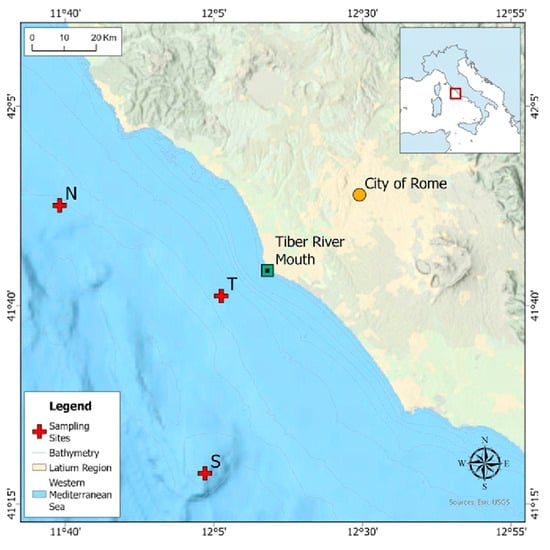
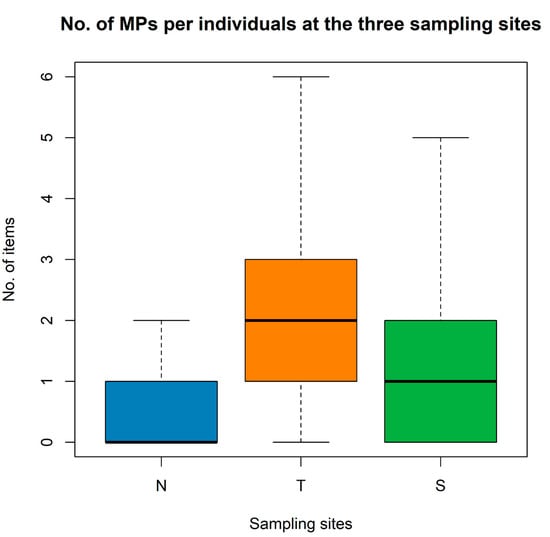
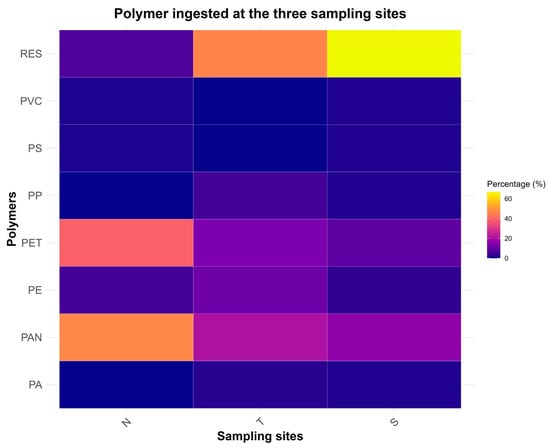
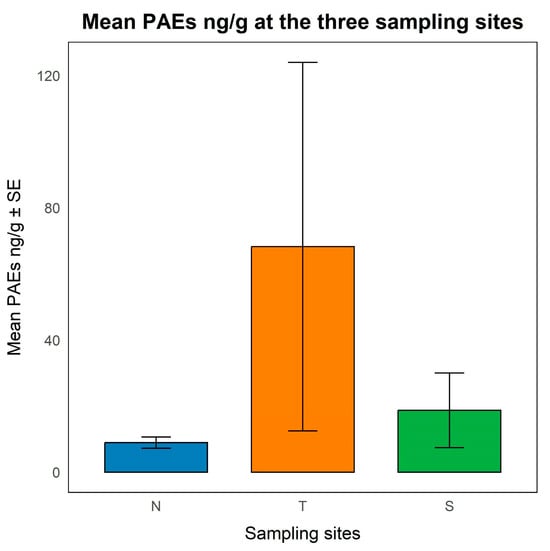
Microplastic pollution is pervasive in marine ecosystems and poses a growing threat to marine organisms and human health. This study simultaneously investigates microplastic ingestion and phthalate exposure in Parapenaeus longirostris, a commercially valuable and ecologically relevant Mediterranean crustacean occupying an intermediate trophic position. Specimens were collected from three coastal areas in the central Tyrrhenian Sea (Western Mediterranean): near the Tiber River mouth, one of the most polluted rivers in Italy, and two additional sites to the north and south. The frequency of individuals with ingested microplastics varied among locations: 78% near the Tiber River, 64% at site S, and 38% at site N, reflecting anthropogenic pressure gradients. Analyses confirmed the lower occurrence at site N, indicating higher ingestion near land-based pollution sources. Ingested microplastic polymer types varied among sites, reflecting location-specific contamination. Phthalates were present in shrimp muscle at all sites (5–1122 ng/g w.w.) with the highest average concentration (68.26 ± 55.74 ng/g) at the site with the highest microplastic ingestion. Although no statistical correlation was found, the similar spatial distribution of microplastics and phthalates suggests a potential link influenced by local pollution and individual variability. These findings provide novel evidence of microplastic and phthalate contamination in P. longirostris, highlighting its role as a trophic connector mediating contaminant transfer through the food web. While current levels suggest no potential risk to human health, continued monitoring and further studies on exposure along trophic pathways are recommended. Full article
Show Figures

Graphical abstract
22 pages, 2142 KB  
Article
Microplastic Distribution in a Small-Scale Aquatic System with Limited Anthropogenic Influence: A Case Study in Sasebo City, Japan
by Huiho Jeong, Daigo Fukuda, Ahmed Elwaleed, Quynh Thi Nguyen, Pyae Sone Soe, Byeong Kyu Min, Hyeon Seo Cho, Tetsuro Agusa and Yasuhiro Ishibashi
Microplastics 2025, 4(3), 55; https://doi.org/10.3390/microplastics4030055 - 26 Aug 2025
Viewed by 1540
Abstract
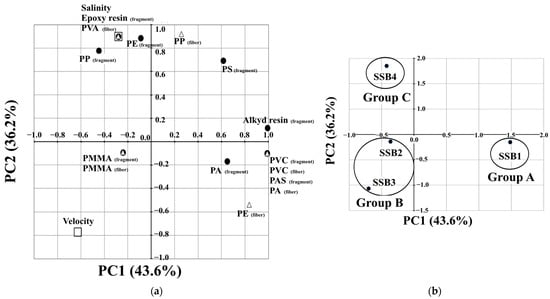
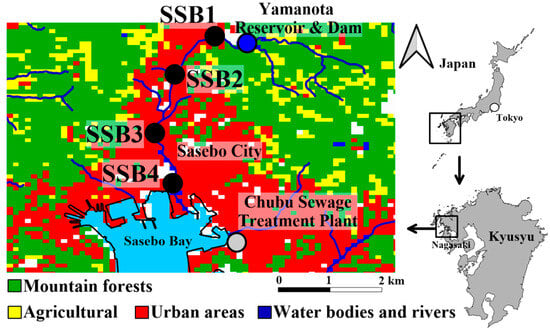
This study presents the first investigation into the distribution of microplastics (MPs) in Sasebo City, Japan, using principal component analysis (PCA) in conjunction with water flow velocity and salinity variables. The mean MP abundance was 82.4 ± 47.7 items/m3 (SSB1–SSB4), showing no [...] Read more.
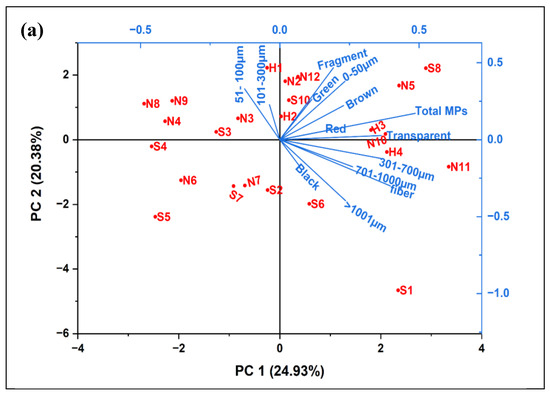
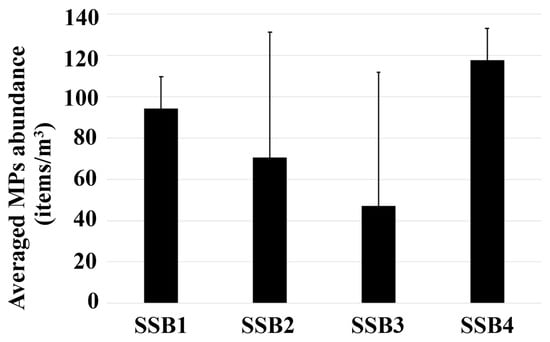
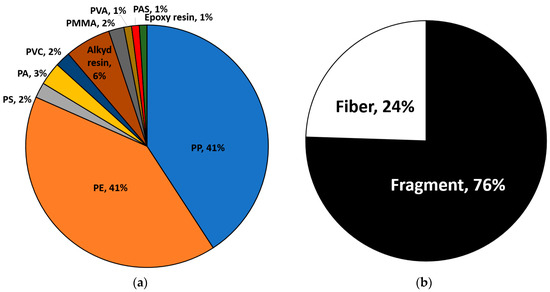
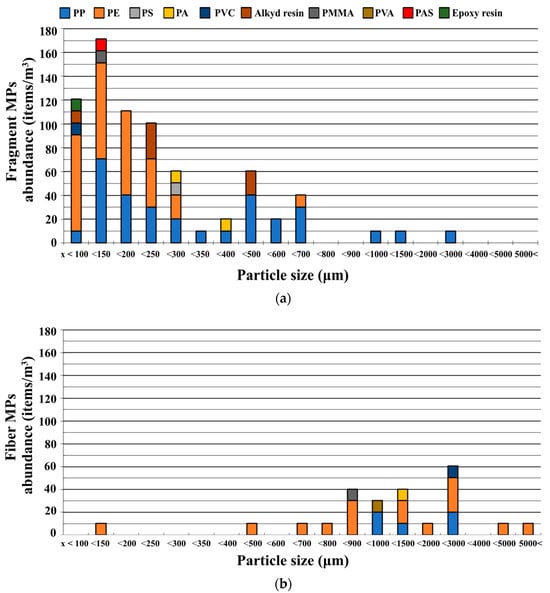
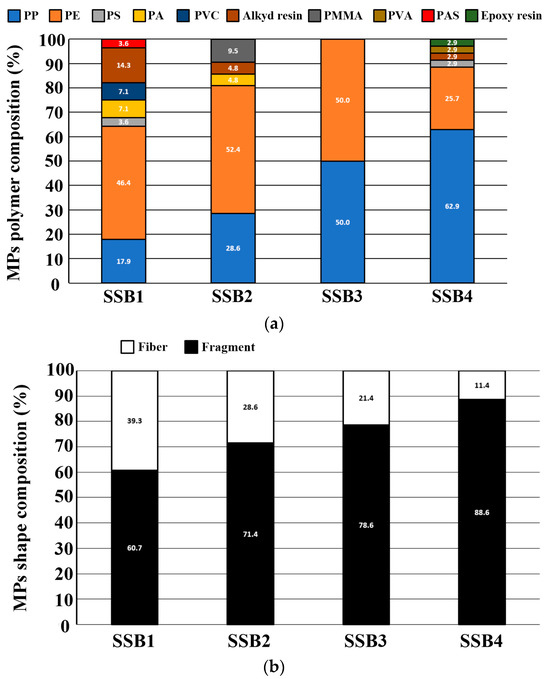
This study presents the first investigation into the distribution of microplastics (MPs) in Sasebo City, Japan, using principal component analysis (PCA) in conjunction with water flow velocity and salinity variables. The mean MP abundance was 82.4 ± 47.7 items/m3 (SSB1–SSB4), showing no significant difference among sampling points. The fragment-to-fiber ratio was 76:24, and polypropylene and polyethylene (each 41%) were the main polymers. Fragment abundance increased with decreasing particle size, while fibers were rare below 700 μm. PCA indicated distinct MP polymer and shape distributions corresponding to stagnant water (SSB1), high-flow conditions (SSB2 and SSB3), and seawater (SSB4). Based on the literature, the study area represents a case of a small-scale aquatic system with limited anthropogenic influence due to moderate population, short river length, efficient effluent discharge, minimal industry, good water quality, and the absence of significant spatial variation in MP abundance. The infrequent precipitation during the sampling event supports the findings of the present study as a reliable baseline for objectively assessing MP contamination. Compared to aquatic systems of varying scales and anthropogenic influence, this baseline is applicable to both small-scale and large-scale aquatic systems with significant influences. This will serve as a valuable reference for future MP studies across diverse freshwater environments. Full article
Show Figures

Figure 1

20 pages, 3721 KB  
Article
Removal of Co-Occurring Microplastics and Metals in an Aqueous System by Pristine and Magnetised Larch Biochar
by Stuart Cairns, Peter J. Holliman, Iain Robertson and Benjamin Harrison
Microplastics 2025, 4(3), 54; https://doi.org/10.3390/microplastics4030054 - 26 Aug 2025
Viewed by 1546
Abstract
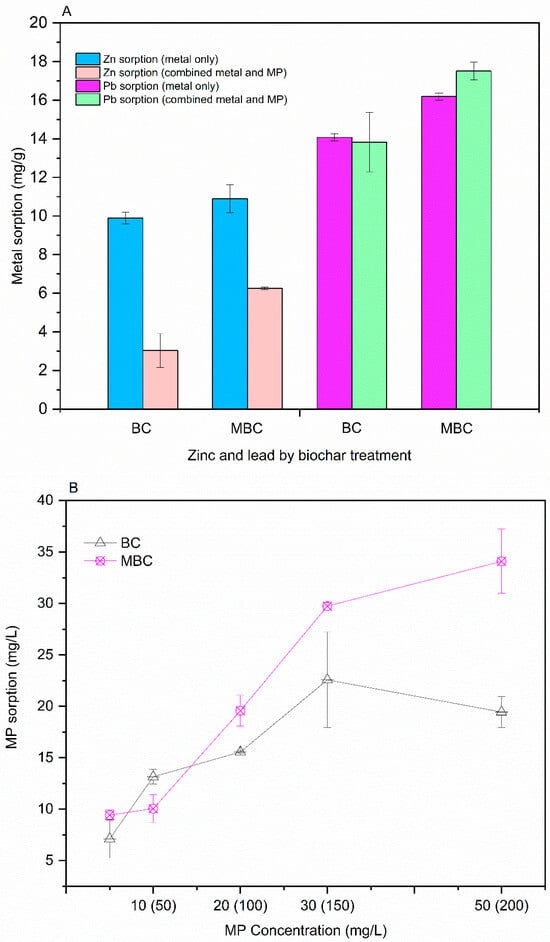
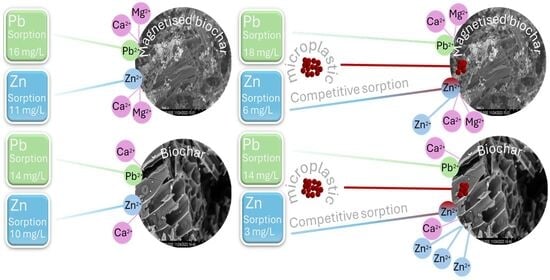
Microplastics and metals are increasingly recognised as major water contaminants with profound environmental and health consequences. The environmental co-occurrence of microplastics and metals are well documented in waterways, including urban runoff, highway balancing ponds, industrial wastewater, and mine-impacted waters, posing a multifaceted environmental [...] Read more.
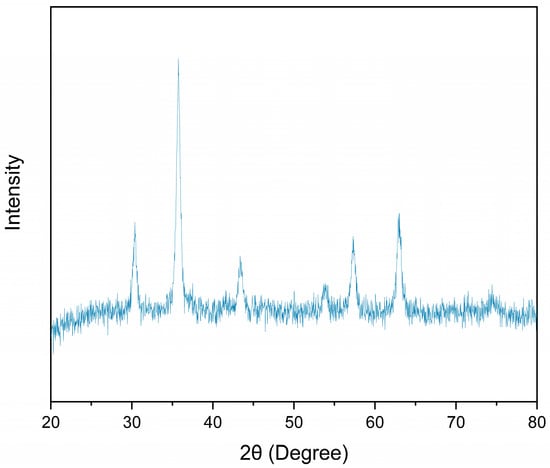
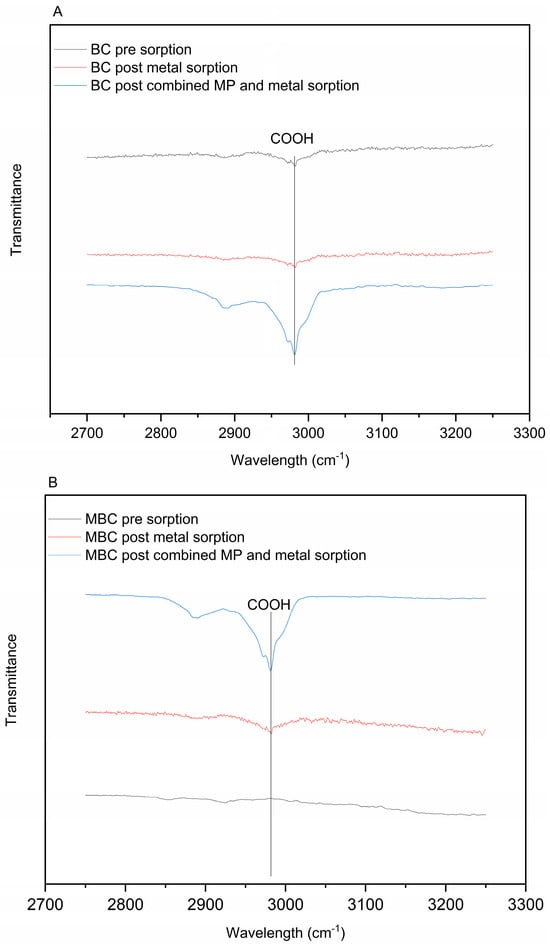
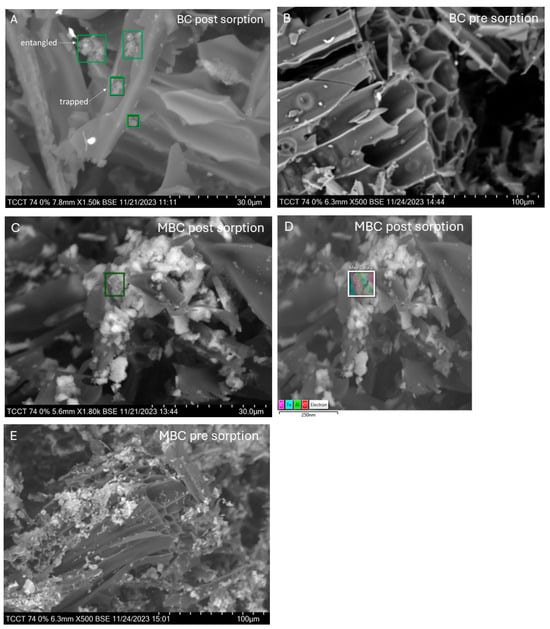
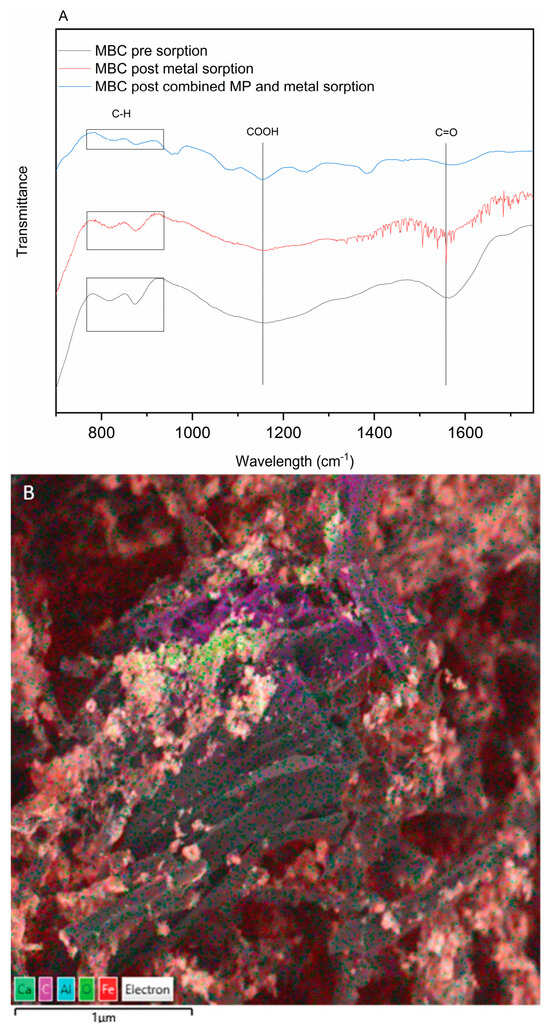
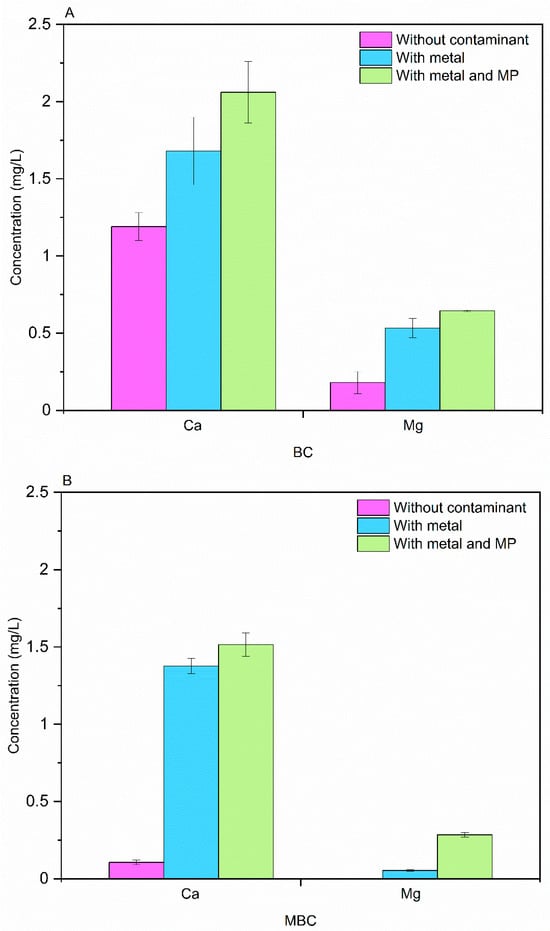
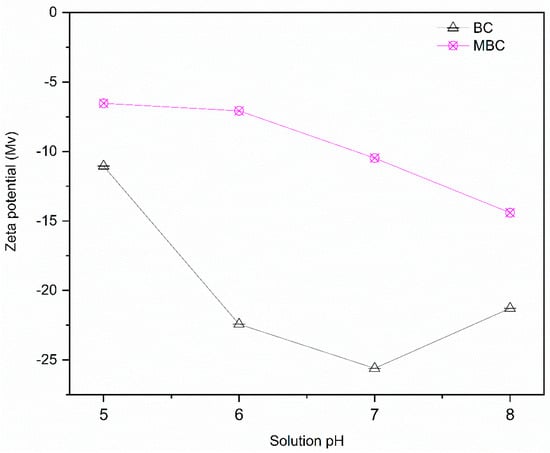
Microplastics and metals are increasingly recognised as major water contaminants with profound environmental and health consequences. The environmental co-occurrence of microplastics and metals are well documented in waterways, including urban runoff, highway balancing ponds, industrial wastewater, and mine-impacted waters, posing a multifaceted environmental threat. Urgent remedial action is required to remove co-occurring microplastics and metals from water, giving consideration to how their co-occurrence can affect remediative efforts. However, information on the sorption of microplastics and Pb and Zn simultaneously by biochar is lacking. In this current study, changes in the quantity of metal adsorbed by pristine larch biochar and magnetised larch biochar due to the presence of microplastics was assessed using spectroscopic techniques. This study demonstrated that magnetised larch biochar and pristine larch biochar both remove co-occurring microplastics, Pb, and Zn from solution. Neither magnetised larch biochar nor pristine larch biochar show any statistical difference in the sorption of Pb with the inclusion of microplastics into the aqueous matrix. However, the inclusion of microplastics result in the reduced sorption of Zn by 43% for magnetised larch biochar (p < 0.01) and 69% for pristine larch biochar (p < 0.01). Magnetised larch biochar also demonstrated greater sorption than pristine larch biochar for microplastics (p < 0.05), Zn co-occurring with microplastics (p < 0.05), and Zn with no microplastics present (p < 0.01). Despite the effects of competitive sorption between Zn and microplastics, the removal of Pb, Zn, and microplastic from a multi-contaminant system indicate that magnetic larch biochar is a viable option to remove multiple contaminants from aqueous environs where metals and microplastics are seen to co-occur. Full article
Show Figures

Graphical abstract
11 pages, 680 KB  
Article
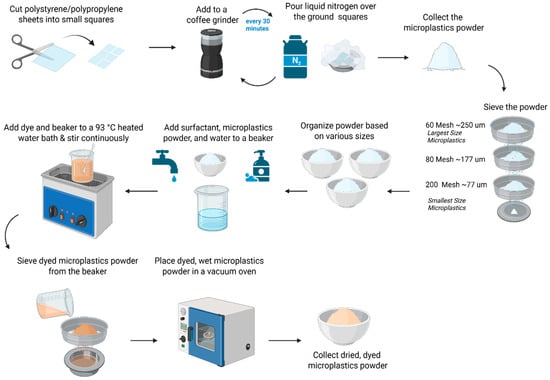
Comparative Assessment of Protocols for Microplastic Quantification in Wastewater
by Rubén Rodríguez-Alegre, Sergi Durán-Videra, David Carmona-Fernández, Laura Pérez Megías, Carlos Andecochea Saiz and Xialei You
Microplastics 2025, 4(3), 49; https://doi.org/10.3390/microplastics4030049 - 5 Aug 2025
Cited by 1 | Viewed by 1294
Abstract
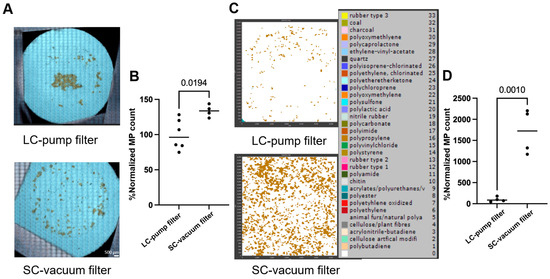
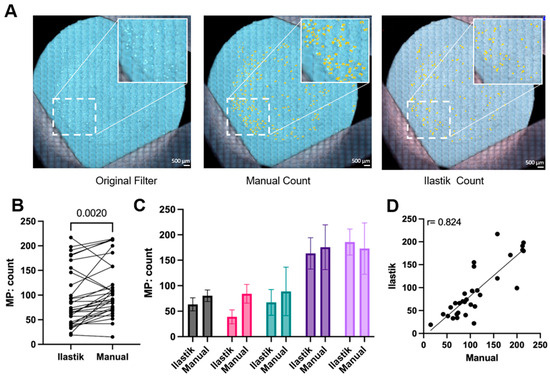
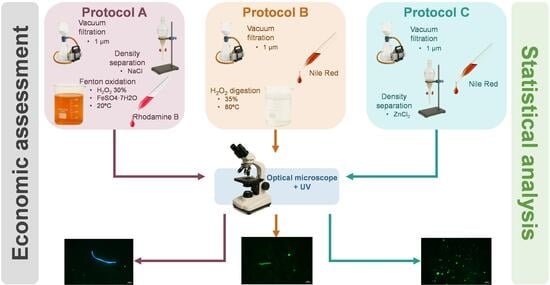
Microplastics are an increasing concern due to their widespread occurrence in aquatic environments worldwide. The lack of a harmonised protocol for their reliable quantification remains a major challenge in current scientific efforts. This study presents a comparative evaluation of three protocols for the [...] Read more.
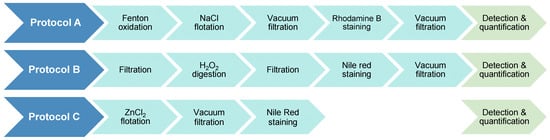
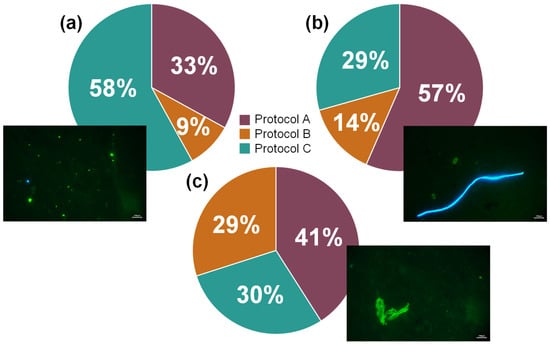
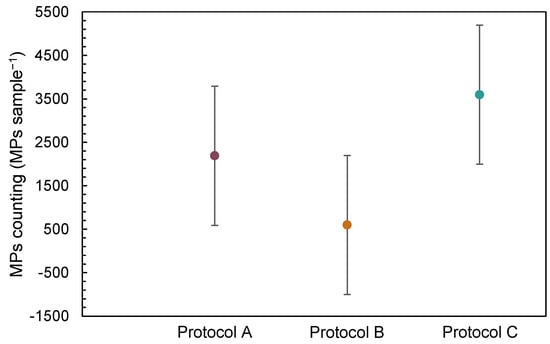
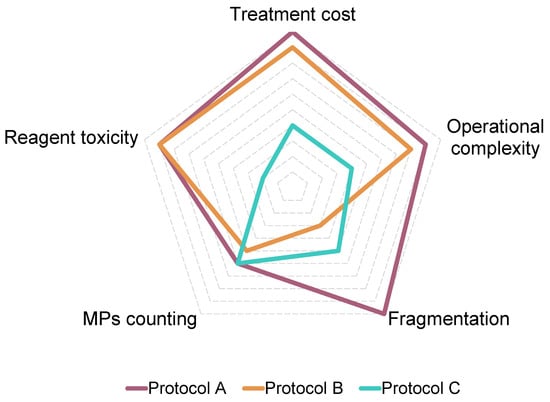
Microplastics are an increasing concern due to their widespread occurrence in aquatic environments worldwide. The lack of a harmonised protocol for their reliable quantification remains a major challenge in current scientific efforts. This study presents a comparative evaluation of three protocols for the detection and quantification of microplastics in aqueous samples. The protocols were assessed based on quantification efficiency, risk of particle degradation, staining performance, operational complexity, and cost per sample. Protocol A combined Rhodamine B and ethanol staining with NaCl-based density separation, demonstrating strong isolation performance while maintaining minimal chemical hazards and moderate cost (2.45€ per sample) that could be further reduced to 0.45€ per sample by substituting reagent-grade NaCl with table salt. Protocol B offered moderate isolation capacity and presented the highest risk of particle fragmentation, likely due to the use of acetone and high-temperature digestion. Protocol C, based on the combined use of Nile Red and ZnCl2, also presented a risk of particle fragmentation, resulting in the highest MP count for small and hydrophobic particles. In addition, its high cost (15.23€ per sample) limits its suitability for routine application. Full article
Show Figures

Graphical abstract
24 pages, 42622 KB  
Article
Seasonal Comparative Monitoring of Plastic and Microplastic Pollution in Lake Garda (Italy) Using Seabin During Summer–Autumn 2024
by Marco Papparotto, Claudia Gavazza, Paolo Matteotti and Luca Fambri
Microplastics 2025, 4(3), 44; https://doi.org/10.3390/microplastics4030044 - 28 Jul 2025
Viewed by 3331
Abstract
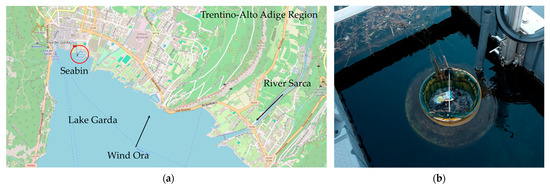
Plastic (P) and microplastic (MP) pollution in marine and freshwater environments is an increasingly urgent issue that needs to be addressed at many levels. The Seabin (an easily operated and cost-effective floating debris collection device) can help clean up buoyant plastic debris in [...] Read more.
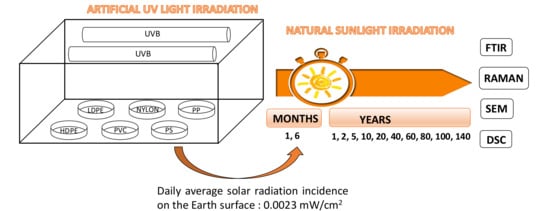
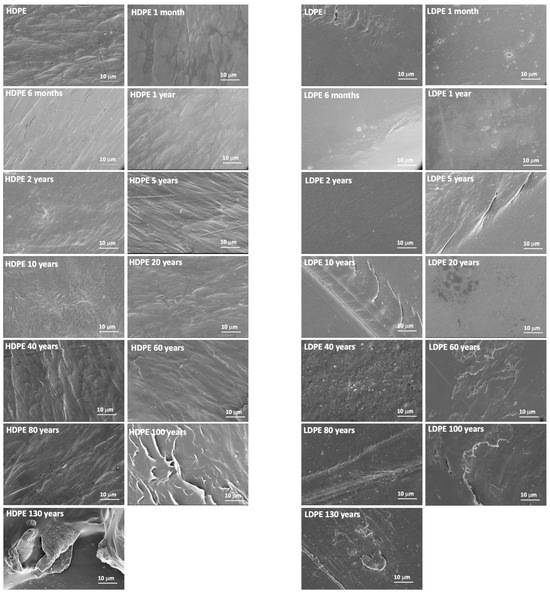
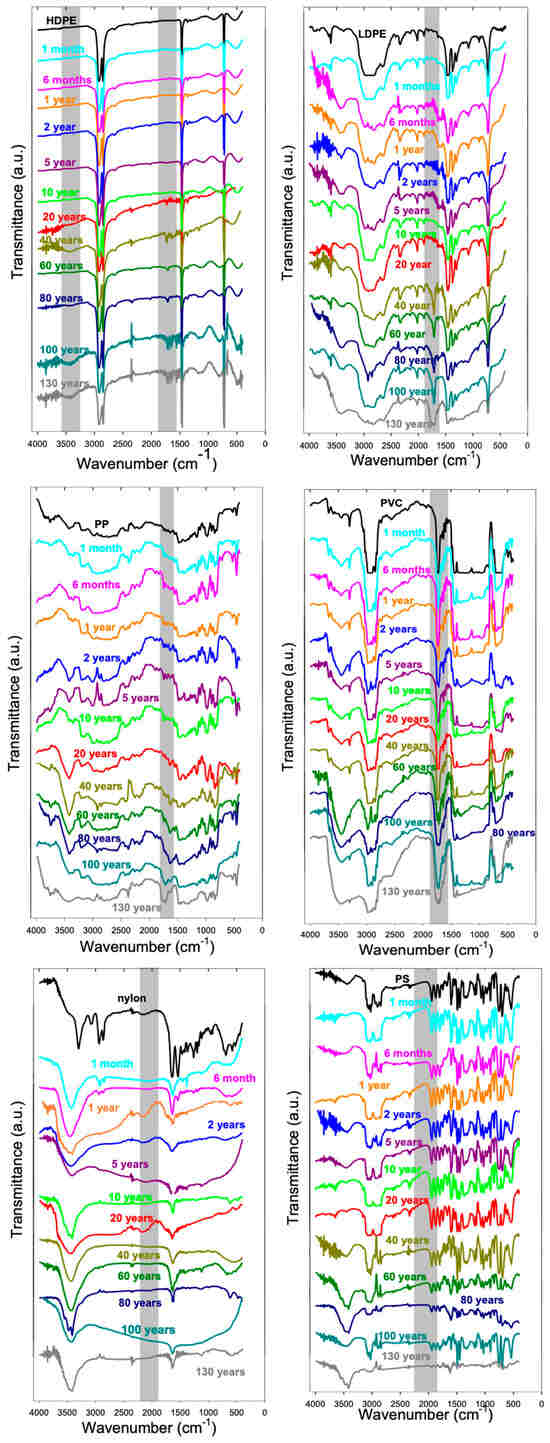
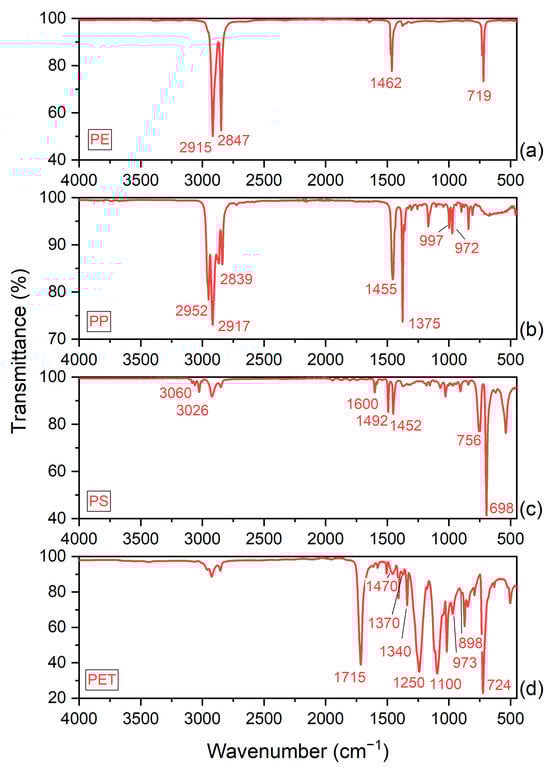
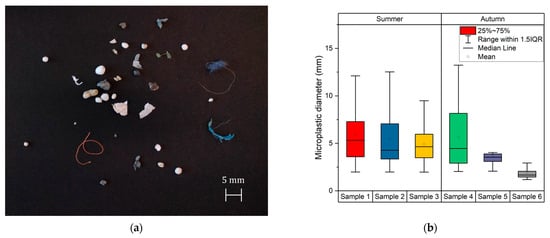
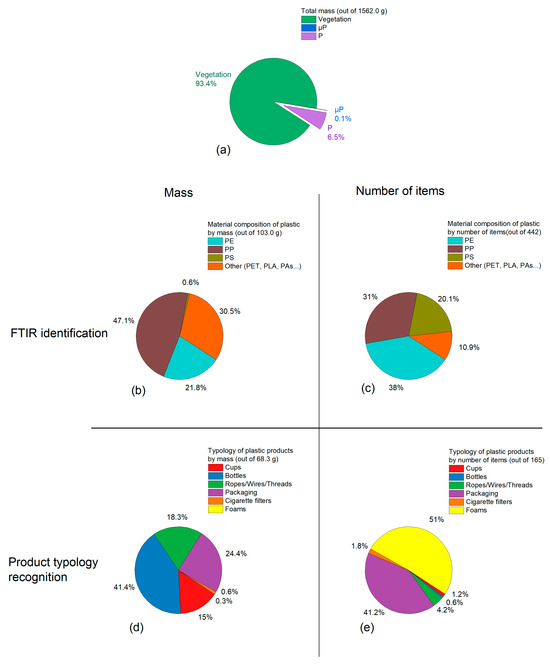
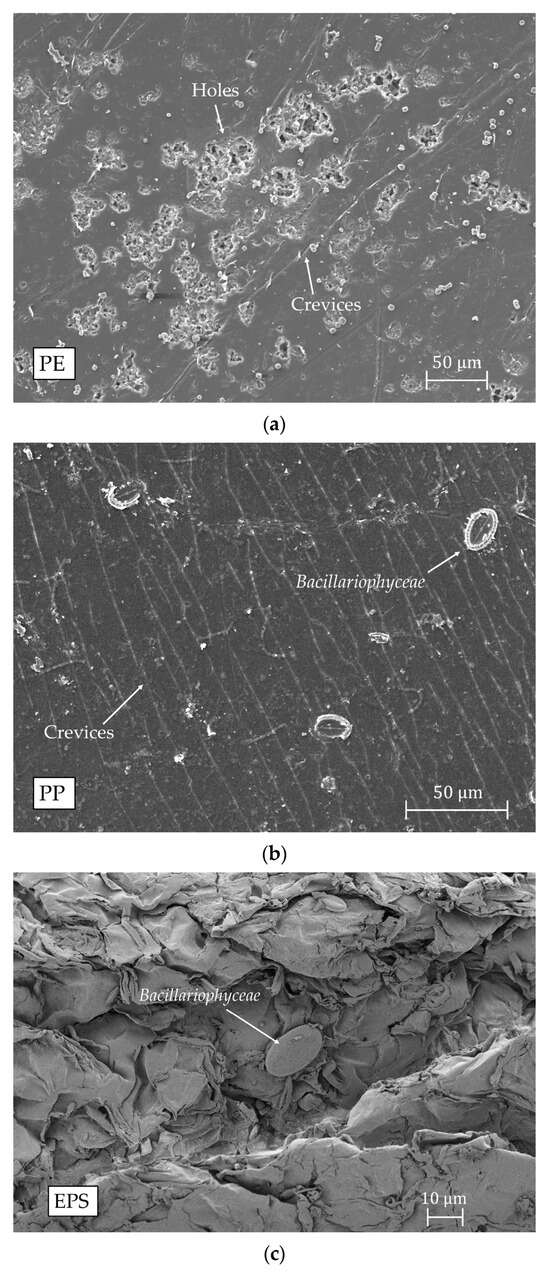
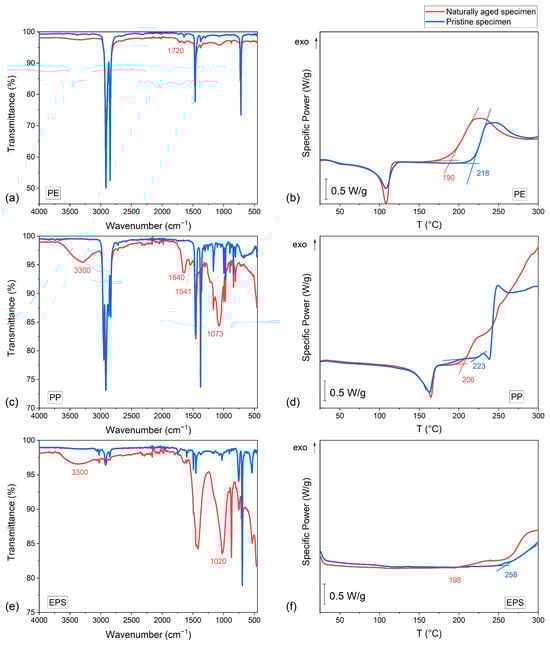
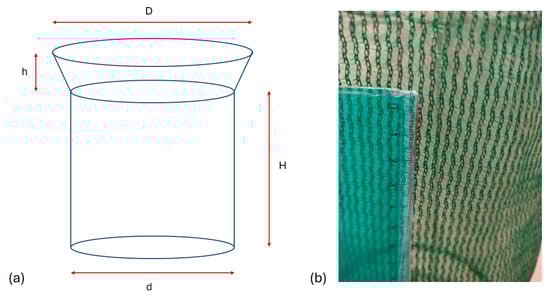
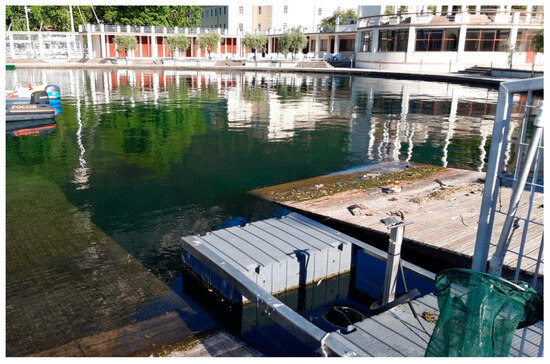
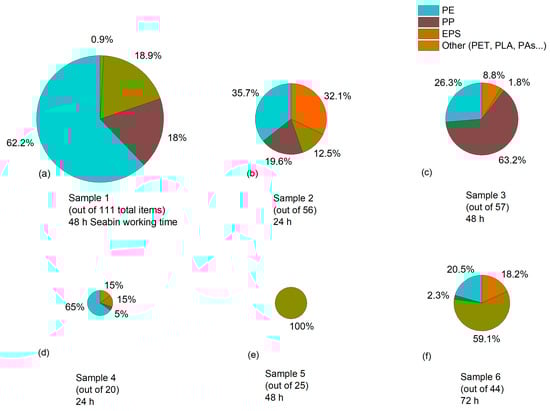
Plastic (P) and microplastic (MP) pollution in marine and freshwater environments is an increasingly urgent issue that needs to be addressed at many levels. The Seabin (an easily operated and cost-effective floating debris collection device) can help clean up buoyant plastic debris in calm waters while monitoring water pollution. A Seabin was used to conduct a comparative analysis of plastic and microplastic concentrations in northern Lake Garda (Italy) during peak and low tourist seasons. The composition of the litter was further investigated using Fourier-Transform Infrared (FTIR) spectroscopy. The analysis showed a decreased mean amount of plastic from summer (32.5 mg/m3) to autumn (17.6 mg/m3), with an average number of collected microplastics per day of 45 ± 15 and 15 ± 3, respectively. Packaging and foam accounted for 92.2% of the recognized plastic waste products. The material composition of the plastic mass (442 pieces, 103.0 g) was mainly identified as polypropylene (PP, 47.1%) and polyethylene (PE, 21.8%). Moreover, 313 microplastics (approximately 2.0 g) were counted with average weight in the range of 1–16 mg. A case study of selected plastic debris was also conducted. Spectroscopic, microscopic, and thermal analysis of specimens provided insights into how aging affects plastics in this specific environment. The purpose of this study was to establish a baseline for further research on the topic, to provide guidelines for similar analyses from a multidisciplinary perspective, to monitor plastic pollution in Lake Garda, and to inform policy makers, scientists, and the public. Full article
Show Figures

Figure 1

21 pages, 3239 KB  
Article
Vibratory Sorting for Pumice Removal in Microplastic Analysis of Coastal Sediment
by Yusuke Yonaha, Kei Nakagawa, Ken-ichi Shimizu, Mitsuharu Yagi, Achara Ussawarujikulchai and Hiroshi Asakura
Microplastics 2025, 4(2), 30; https://doi.org/10.3390/microplastics4020030 - 6 Jun 2025
Viewed by 1146
Abstract
Density separation using a wet method is the standard technique for extracting microplastics (MPs) from coastal sediments. However, the 2021 Japanese submarine volcanic eruption introduced substantial pumice into these sediments, complicating the process. Pumice contamination in the floating matter from density separation significantly [...] Read more.
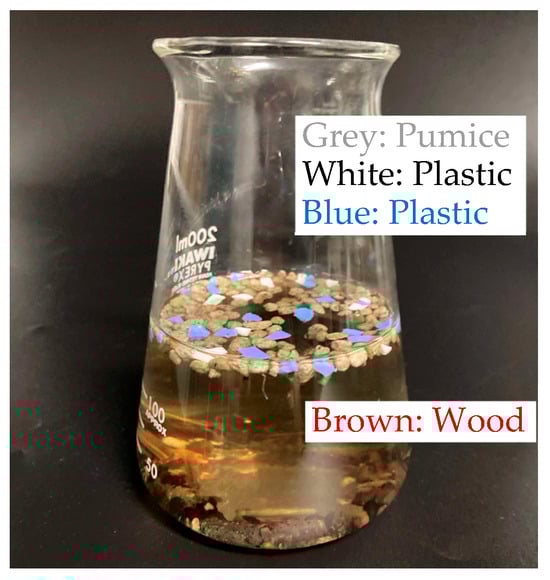
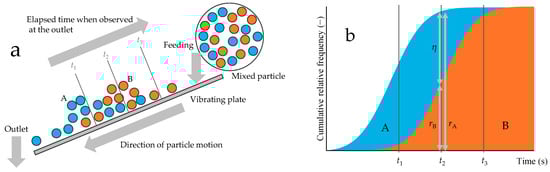
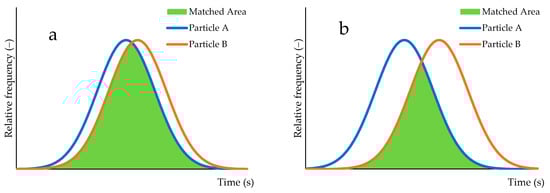
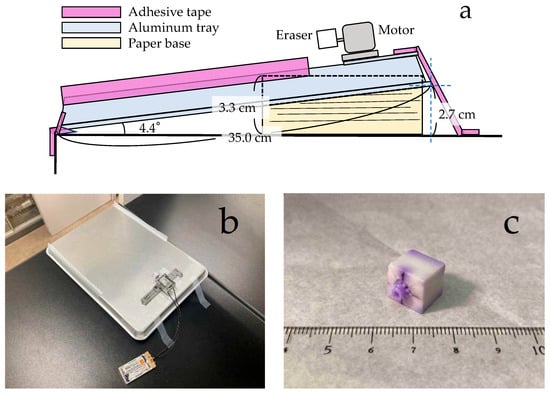
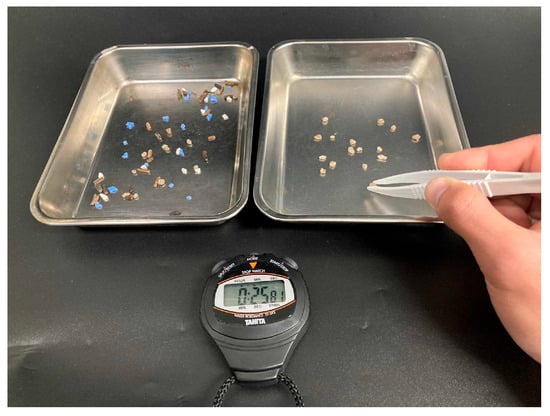
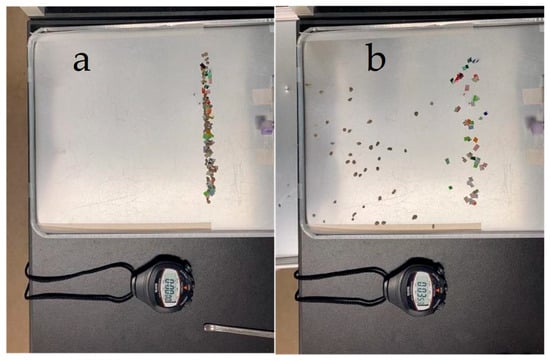
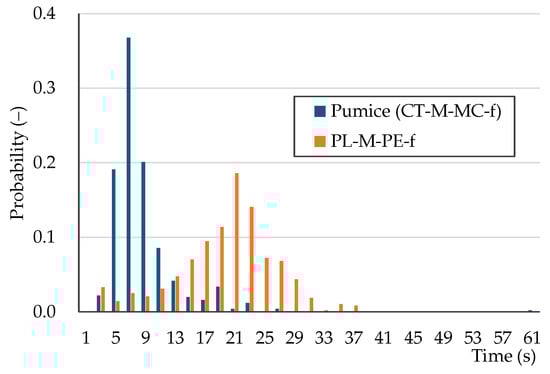
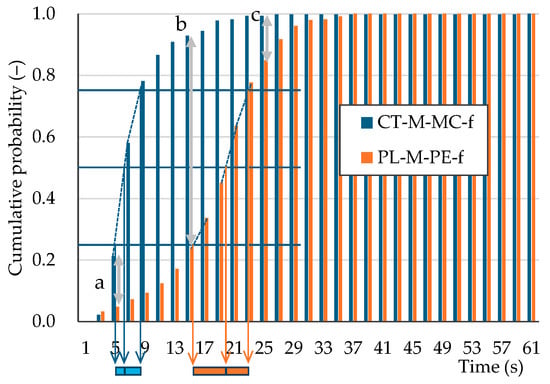
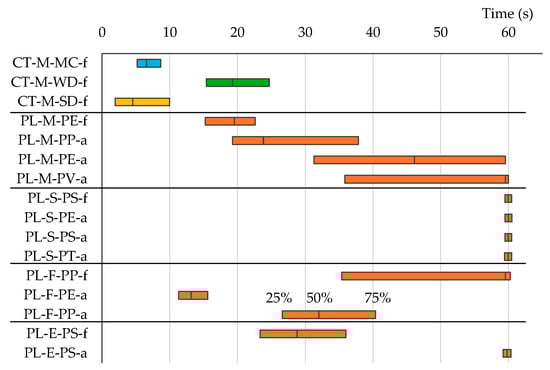
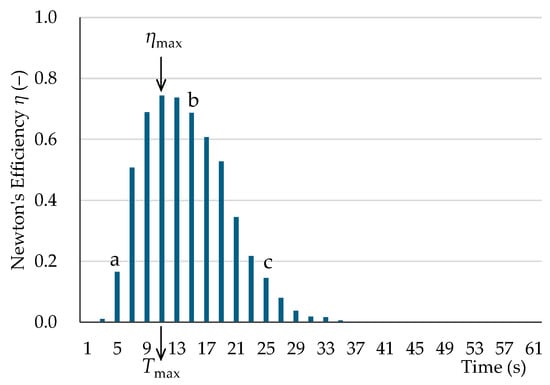
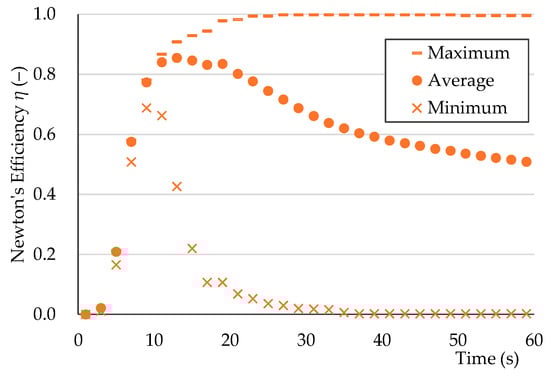
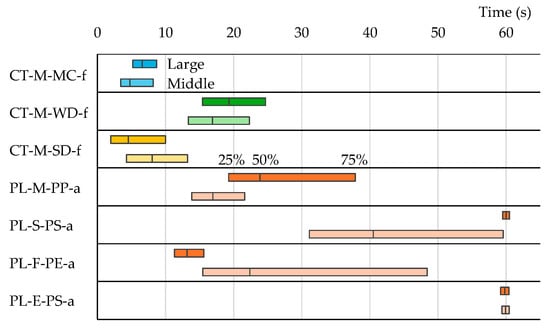
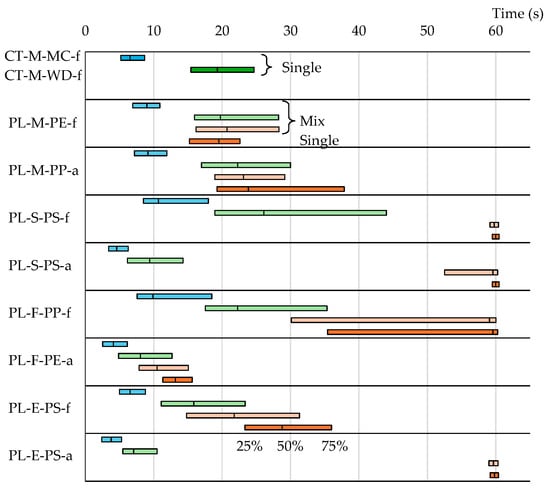
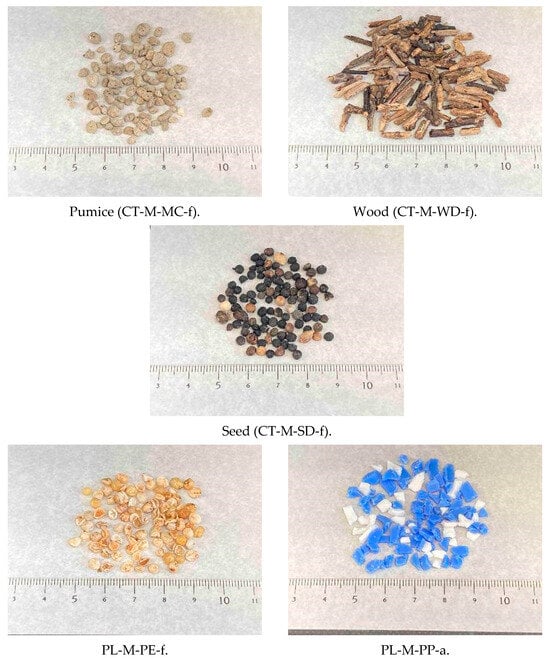
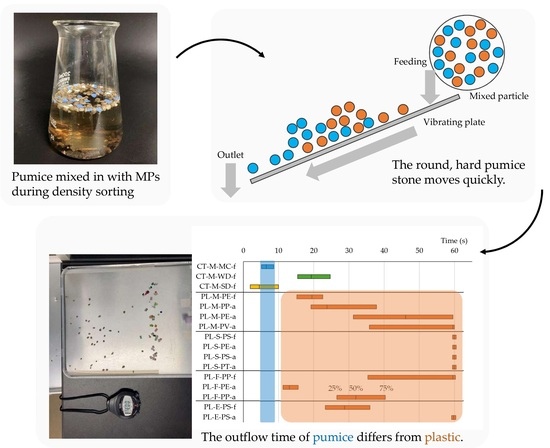
Density separation using a wet method is the standard technique for extracting microplastics (MPs) from coastal sediments. However, the 2021 Japanese submarine volcanic eruption introduced substantial pumice into these sediments, complicating the process. Pumice contamination in the floating matter from density separation significantly increases the workload of visual sorting. Pumice, distinguished by its spherical shape and hardness, exhibits distinct rolling and bouncing behaviors compared to plastic. In this study, we evaluated the sorting efficiency of a vibratory sorter in separating pumice from floating matter, comparing its performance with the existing methods. We analyzed the progressive behavior and the virtual sorting efficiency of single large- and medium-diameter particles using a vibrating plate and the actual sorting efficiency of mixed large-diameter particles. The maximum Newton’s efficiencies (ηmax) for the virtual sorting of single large-diameter pumice and plastic ranged from 0.74 to 1.00, and for medium-diameter particles, from 0.74 to 0.97. Sorting efficiency decreased with finer particles. The ηmax for the actual sorting of mixed large-diameter pumice and plastic was between 0.68 and 1.00, lower than the virtual sorting efficiency. While vibratory sorting, based on Newton’s efficiency, does not replace visual sorting, the time required for vibratory sorting is 21% of that required for visual sorting, making it valuable for estimating approximate MP quantities in coastal sediments. Additionally, this study provides a practical method for beach cleanups. Full article
Show Figures

Graphical abstract
Back to TopTop