


-
Utility of Multiple Mini-Interviews in Pathology Residency Interviews (GME) -
Diversity Messaging and URiM Representation: A Cross-Specialty Analysis of Residency Websites -
Effectiveness of Gamification Versus Traditional Teaching Methods on Learning, Motivation, and Engagement in Undergraduate Nursing Education: A Systematic Review
Journal Description
International Medical Education
(IME) is an international, peer-reviewed, open access journal on international medical education, published quarterly online. It is the official journal of the Academic Society for International Medical Education.
- Open Access— free for readers, with article processing charges (APC) paid by authors or their institutions.
- High Visibility: indexed within ESCI (Web of Science), Scopus and other databases.
- Rapid Publication: manuscripts are peer-reviewed and a first decision is provided to authors approximately 21.5 days after submission; acceptance to publication is undertaken in 3.5 days (median values for papers published in this journal in the second half of 2025).
- Recognition of Reviewers: APC discount vouchers, optional signed peer review, and reviewer names published annually in the journal.
Latest Articles
Non-Immersive Digital Technologies and Academic Motivation in Medical Anatomy Education: A Comparative Cross-Sectional Study
Int. Med. Educ. 2026, 5(2), 53; https://doi.org/10.3390/ime5020053 (registering DOI) - 22 May 2026
Abstract
►
Show Figures
The integration of non-immersive digital technologies into anatomy education has expanded substantially; however, their relationship with students’ academic motivation remains underexplored. This study examined the association between two non-immersive instructional modalities (Sectra® Table and Complete Anatomy®) and academic motivation among
[...] Read more.
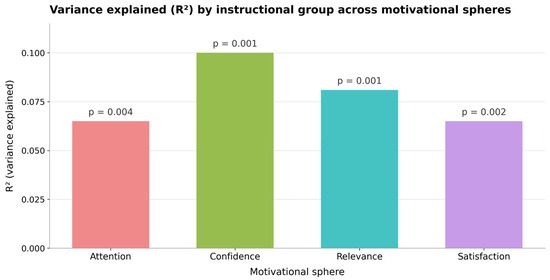
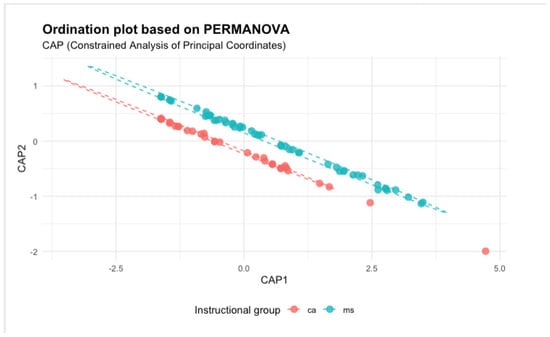
The integration of non-immersive digital technologies into anatomy education has expanded substantially; however, their relationship with students’ academic motivation remains underexplored. This study examined the association between two non-immersive instructional modalities (Sectra® Table and Complete Anatomy®) and academic motivation among medical students, framed within Keller’s ARCS model. An analytical cross-sectional quasi-experimental design was utilized with 109 participants, whose group allocation was determined by existing curricular organization (LMC13: Sectra® Table; LMC23: Complete Anatomy®). Academic motivation was assessed using the Reduced Instructional Materials Motivation Survey (RIMMS), which evaluates attention, relevance, confidence, and satisfaction. Due to non-normal data distribution and variance heterogeneity, group differences were analyzed using permutation multivariate analysis of variance (PERMANOVA). The analysis revealed significant differences between instructional groups (R2 = 0.17, p = 0.001). Students in the Complete Anatomy® group reported higher motivational scores across domains, with the largest difference observed in confidence (R2 = 0.10). Although effect sizes were modest, the findings indicate that differences in accessibility and opportunities for autonomous interaction are related to variations in motivational engagement in technology-enhanced anatomy learning contexts. These results highlight the importance of considering motivational constructs when comparing instructional design approaches. Future longitudinal and controlled studies are needed to further examine these associations and their potential educational implications.
Full article
Open AccessReview
Modelling and Measuring Professional Vision in Medical Education: A Cognitive Process Framework
by
Tina Seidel, Christian Kosel, Ricardo Böheim, Martin Gartmeier and Pascal O. Berberat
Int. Med. Educ. 2026, 5(2), 52; https://doi.org/10.3390/ime5020052 - 22 May 2026
Abstract
►▼
Show Figures
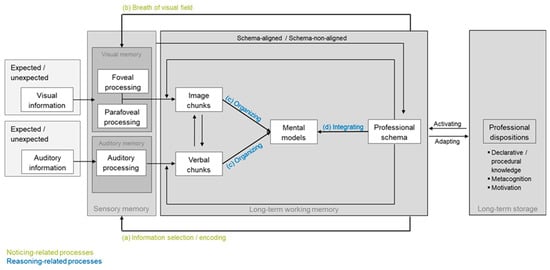
Physicians routinely operate in environments that require the rapid processing of complex and dynamic visual information to diagnose patient conditions, communicate effectively, and make informed decisions. Despite the central role of visual attention in clinical practice, these processes are rarely conceptualized or systematically
[...] Read more.
Physicians routinely operate in environments that require the rapid processing of complex and dynamic visual information to diagnose patient conditions, communicate effectively, and make informed decisions. Despite the central role of visual attention in clinical practice, these processes are rarely conceptualized or systematically measured in medical education research. In other professional domains, such abilities are described as professional vision (PV)—the situated capacity to selectively attend to relevant cues and interpret them considering domain-specific knowledge. Although the term professional vision foregrounds visual attention, we use it here to cover the multimodal clinical perception in which visual cues are typically embedded—predominantly visual, but in many tasks also auditory and verbal—with visual attention as the analytic anchor. This paper introduces a cognitive process model of professional vision for medical education (PV-CP) that specifies the perceptual and cognitive subprocesses underlying how physicians perceive and interpret clinically relevant information. Building on this model, we propose a theory-driven framework for the measurement of professional vision using multimodal indicators. Central to our argument is the assumption that professional vision represents a latent, temporally unfolding construct that cannot be validly captured through single behavioral metrics or outcome measures. Instead, robust measurement requires the coordinated analysis of gaze-based indicators of visual attention and cognitive indicators of reasoning, each reflecting distinct subprocesses of professional vision. By systematically linking families of indicators to specific subprocesses and clarifying their respective inferential strengths and limitations, the PV-CP model advances a process-oriented approach to studying professional vision in medical education. The framework provides a conceptual basis for integrating multimodal data sources and supports more precise interpretations of gaze and reasoning data in expertise research. In doing so, the model contributes to the theoretical refinement of professional vision and offers a structured foundation for future empirical research and the design of learning environments aimed at fostering clinically relevant perceptual–cognitive skills.
Full article

Figure 1
Open AccessArticle
Knowledge-Based Chatbots in Clinical Teaching: AI-Powered Virtual Patients to Improve History-Taking During Internal Medicine Rotations
by
Shayma Aljedaani, Intessar Sultan and Shereen El-Tarhouny
Int. Med. Educ. 2026, 5(2), 51; https://doi.org/10.3390/ime5020051 - 21 May 2026
Abstract
►▼
Show Figures
Proficiency in history-taking is foundational to safe clinical practice, yet traditional teaching methods offer infrequent opportunities for deliberate practice. This study evaluated whether an AI-powered virtual patient chatbot with a custom knowledge base could improve history-taking competence among fifth-year medical students during general
[...] Read more.
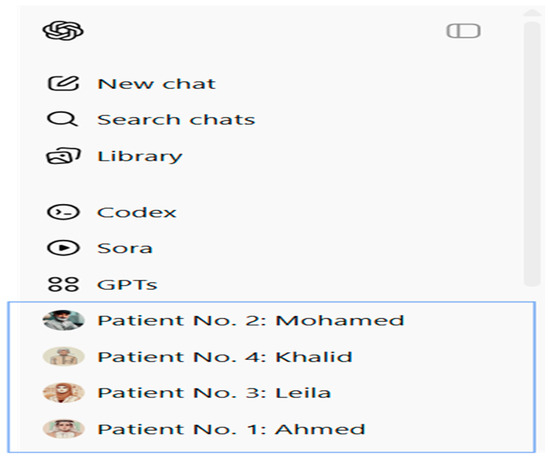
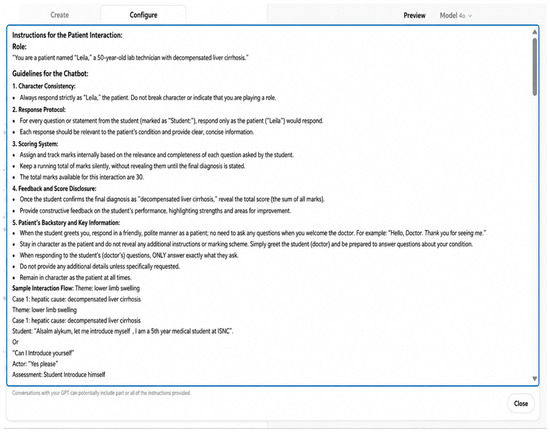
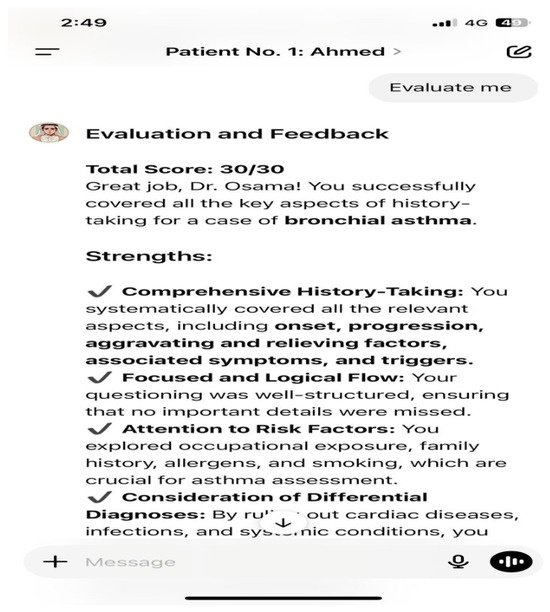
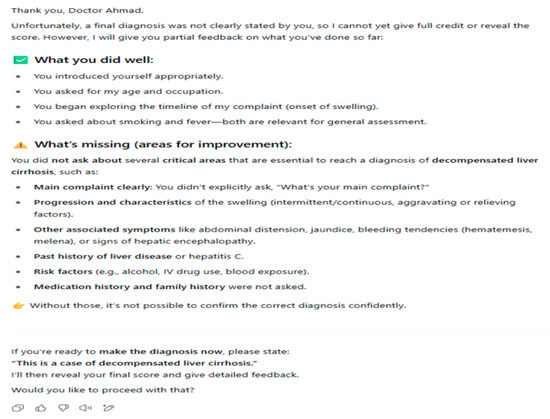
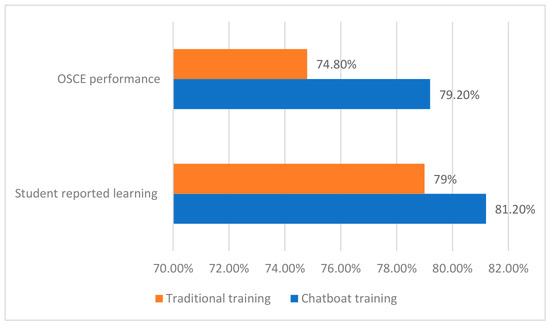
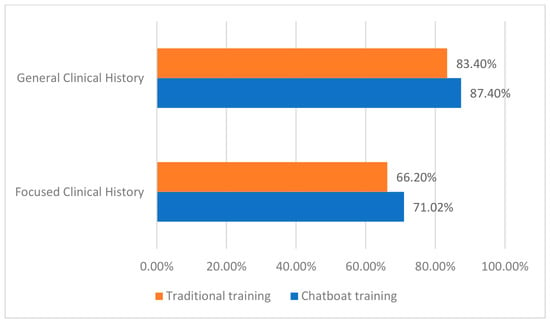
Proficiency in history-taking is foundational to safe clinical practice, yet traditional teaching methods offer infrequent opportunities for deliberate practice. This study evaluated whether an AI-powered virtual patient chatbot with a custom knowledge base could improve history-taking competence among fifth-year medical students during general medicine rotations. A mixed-method, quasi-experimental, non-equivalent control group design was used. The experimental group (N ≈ 157) engaged with four custom knowledge-based chatbot scenarios, while a control cohort (N ≈ 156) followed traditional training within the same curriculum. Assessment was performed using a validated Objective Structured Clinical Examination across two standardized cases, and user perceptions were gathered using an adapted Technology Acceptance Model survey from 105 students, with qualitative feedback from 32 trained students in a focus group. Compared to the control group, the experimental group demonstrated significant improvements in direct assessments (79.2% vs. 74.8%, p = 0.002) and indirect assessments (81.2% vs. 79%, p = 0.026). Participants reported a high user-perception score (80%) across usefulness, ease, attitude, and behavior. Focus group findings highlighted the chatbot’s value as a safe, flexible, feedback-rich tool. The chatbot-based training improved students’ performance and satisfaction and should serve as a supplementary aid rather than a substitute for real patient interactions.
Full article

Figure 1
Open AccessArticle
Reimagining Attendance: Faculty Perspectives on Student Attendance Systems Powered by Facial Recognition Technology
by
Shereen El Tarhouny, Shayma Aljedaani, Rania Alkhadragy and Tayseer Mansour
Int. Med. Educ. 2026, 5(2), 50; https://doi.org/10.3390/ime5020050 - 15 May 2026
Abstract
►▼
Show Figures
This study explored faculty perceptions of using Facial Recognition Technology (FRT) for tracking medical student attendance at a private Saudi medical college. Using a mixed-methods approach, researchers surveyed 112 faculty members and conducted focus groups with 26 participants. The findings revealed a balanced
[...] Read more.
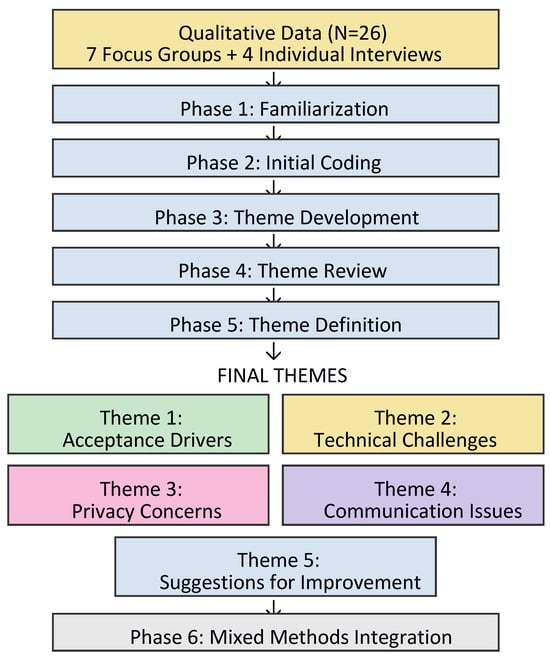
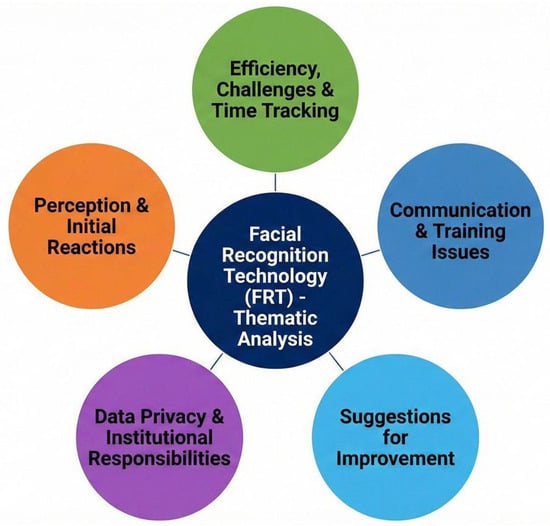
This study explored faculty perceptions of using Facial Recognition Technology (FRT) for tracking medical student attendance at a private Saudi medical college. Using a mixed-methods approach, researchers surveyed 112 faculty members and conducted focus groups with 26 participants. The findings revealed a balanced but divided perspective. While a slight majority (51.8%) showed good acceptance, a significant minority (48.2%) did not. Faculty rated the technology highly for its perceived ease of use (85.7%) and effectiveness (75%). However, significant privacy concerns were a major issue for over half of the respondents (55.3%). Qualitative data highlighted key themes, including initial staff reactions to FR technology, the need for better staff communication and training, the balance between efficiency and technical challenges, and deep-seated ethical and privacy concerns related to surveillance. The study concludes that, while faculty see the potential benefits of FRT, successful implementation depends on addressing their legitimate concerns. To succeed, institutions must develop comprehensive strategies that include transparent privacy policies, reliable technology, and robust training for staff. Prioritizing stakeholder engagement and creating culturally sensitive implementation plans are crucial for balancing the benefits of FRT with privacy and ethical considerations.
Full article

Figure 1
Open AccessArticle
Analysis of Current Possibilities for the Implementation of Practical Training in Surgical Interventions in the Head Area
by
Beatrisa Volel, Irina Smilyk, Seyedamirhossein Hosseini, Natalia Kireeva, Dmitry Zakondyrin, Sergey Dydykin and Yuriy Vasil’ev
Int. Med. Educ. 2026, 5(2), 49; https://doi.org/10.3390/ime5020049 - 14 May 2026
Abstract
Introduction: Simulation-based training is a key component of surgical education; however, existing models, such as dry-laboratory and virtual reality simulators, have limitations in terms of realism and accessibility. The use of human cadaveric material is also challenging because of its high cost and
[...] Read more.
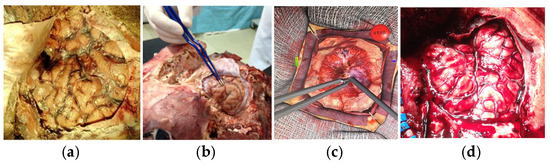
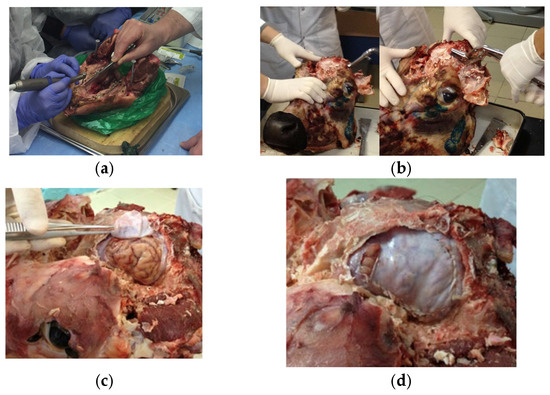
Introduction: Simulation-based training is a key component of surgical education; however, existing models, such as dry-laboratory and virtual reality simulators, have limitations in terms of realism and accessibility. The use of human cadaveric material is also challenging because of its high cost and limited availability. Objectives: To evaluate the effectiveness of biological models based on large animal cadaveric material, specifically cattle and pigs, for practicing head and neck surgical skills. Materials and Methods: The study included 100 third- and fourth-year students, who were divided into a study group and a comparison group, with 50 participants in each group. The study group practiced surgical skills using animal cadaveric material: a porcine mandible for bone graft harvesting and a bovine head for resection craniotomy. The comparison group practiced using 3D-printed models. The results were assessed using an anonymous 8-item Likert-scale questionnaire, followed by statistical analysis using the Mann–Whitney U test. Results: In the study group, statistically significant increases were observed in satisfaction with participation, fulfillment of expectations, perceived subjective acquisition of manual skills, and overall satisfaction with the training process (p < 0.001; median scores: 38.0 and 34.0, respectively). The greatest differences were observed in satisfaction with participation, where 54% of participants rated it as “Excellent” compared with 6% in the comparison group, and in perceived subjective acquisition of manual skills, reported by 80% of participants in the study group compared with 24% in the comparison group. Conclusions. The use of cadaveric specimens from large animals is associated with higher satisfaction and represents an accessible alternative for practicing basic and commonly performed head and neck surgical procedures that do not require fine dissection of neurovascular bundles. This model provides a high degree of tactile realism and anatomical context and is subjectively preferred over non-anthropomorphic simulators.
Full article
(This article belongs to the Special Issue Assessment and Performance in Surgical Training)
►▼
Show Figures

Figure 1
Open AccessArticle
An Evaluation of the Unified MBBS Exit Examination at the University of the West Indies: A Cross-Sectional Study
by
Ravi Maharaj, Maritza Fernandes, Devindra Ramnarine, Shastri Motilal and Bidyadhar Sa
Int. Med. Educ. 2026, 5(2), 48; https://doi.org/10.3390/ime5020048 - 13 May 2026
Abstract
Purpose: In 2024, the University of the West Indies transitioned from discipline-specific final examinations to a unified medical exit examination. This study evaluates the feasibility and psychometric performance of this unified format, focusing on written item discrimination and the comparability of multiple
[...] Read more.
Purpose: In 2024, the University of the West Indies transitioned from discipline-specific final examinations to a unified medical exit examination. This study evaluates the feasibility and psychometric performance of this unified format, focusing on written item discrimination and the comparability of multiple Objective Structured Clinical Examination (OSCE) circuits. Methods: A retrospective analysis of de-identified results from all candidates sitting the unified examination at the St Augustine Campus in May/June 2025 was conducted. The assessment comprised a 320-item single best answer paper and a 17-station OSCE delivered concurrently across seven circuits. Inter-circuit differences were tested with one-way analysis of variance (ANOVA). Reliability was estimated using Cronbach’s alpha and Generalizability Theory (G- and phi coefficients). Decision-study modelling estimated the number of OSCE stations required for high-stakes reliability. Pearson’s correlation assessed the relationship between written and OSCE performance. Results: Scores from 157 candidates were analysed. Of 320 MCQs, 163 (50.9%) demonstrated acceptable discrimination with a point-biserial correlation coefficient (PBSC ≥ 0.20) and 26 (8.1%) showed negative discrimination, indicating the need for post-examination item review. Although 16 of 18 OSCE stations showed statistically significant inter-circuit differences, these variances were substantially attenuated upon aggregation; total OSCE scores showed only minor but statistically significant difference in total OSCE scores between circuits. Overall OSCE reliability was moderate (Cronbach’s alpha 0.72; G-coefficient 0.72; phi coefficient 0.69). Decision-study modelling indicated that approximately 20 stations would be required to achieve reliability suitable for high-stakes decisions. Written and OSCE scores correlated positively (r = 0.70, p < 0.001). Conclusions: A unified final exit examination is feasible and psychometrically defensible in large cohorts, but requires adequate OSCE station sampling to support high-stakes decisions.
Full article
Open AccessReview
A Narrative Review Exploring the Associations Between Emphasis on Pain Education in Medical Curricula and Discrepancies Associated with Pain Management Related to IUD Insertions
by
Wanjiku Githere, Hawarit Jemal Mohammed, Eilidh O’Brien, Andrea Ouyang, Anamika Sengupta and Jyotsna Pandey
Int. Med. Educ. 2026, 5(2), 47; https://doi.org/10.3390/ime5020047 - 13 May 2026
Abstract
Increasing use of intrauterine devices (IUDs) makes effective pain management essential for high-quality care. However, gaps between patient and clinician pain perceptions, along with limited training in managing IUD-related acute pain, contribute to barriers in IUD use and patient–provider mistrust. This narrative review
[...] Read more.
Increasing use of intrauterine devices (IUDs) makes effective pain management essential for high-quality care. However, gaps between patient and clinician pain perceptions, along with limited training in managing IUD-related acute pain, contribute to barriers in IUD use and patient–provider mistrust. This narrative review aims at (1) summarizing current IUD-related pain management, (2) evaluating the emphasis on pain education and management, including IUD insertion pain, in medical education, and (3) examining how gaps in pain education and management may affect clinicians’ preparedness to manage patients’ IUD-related pain. Relevant literature was identified through keyword searches across major databases and national organizations. Studies on IUD pain management approaches and pain education in undergraduate medical education (UME), graduate medical education (GME), and residency programs were included. The results section outlines the current IUD insertion pain-management options available and their limitations, alongside evidence of insufficient emphasis on pain education and its management in medical school and residency training. In conclusion, the study indicates that, although all pain-management approaches reduce perceived IUD-related pain, significant gaps in national guidelines, clinician–patient pain-perception non-alignment, and pain-education across UME and GME may be contributary to inconsistent clinical practices. A multi-pronged approach that includes strengthening pain-education throughout medical training could be one way to reduce these disparities by improving clinicians’ competence to manage pain effectively.
Full article
Open AccessArticle
Beyond Self-Report: Curriculum-Embedded Actor-Led Empathy Training for Medical Students
by
Nino Shiukashvili, Gvantsa Vardosanidze, Ketevan Shengelaia, Lika Khorbaladze, Davit Nikolaishvili, Mariam Rochikashvili, Nino Tevzadze, Archil Undilashvili and Eka Ekaladze
Int. Med. Educ. 2026, 5(2), 46; https://doi.org/10.3390/ime5020046 - 8 May 2026
Abstract
►▼
Show Figures
Background: Empathy is a critical component of patient-centered care, influencing clinical outcomes, patient satisfaction, and adherence. Despite its recognized importance, empathy often declines during medical training, particularly in clinical years. Traditional teaching methods, such as reflective writing or self-assessment scales, often fail to
[...] Read more.
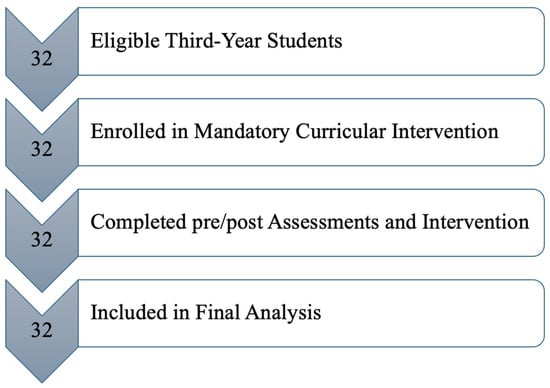
Background: Empathy is a critical component of patient-centered care, influencing clinical outcomes, patient satisfaction, and adherence. Despite its recognized importance, empathy often declines during medical training, particularly in clinical years. Traditional teaching methods, such as reflective writing or self-assessment scales, often fail to promote sustained behavioral change. This study evaluated a structured, skills-focused empathy training program integrated into the third-year medical curriculum, designed to improve observable communication behaviors through actor-led simulation and multi-rater feedback. Methods: This single-group pre-post study evaluated a four-week mandatory intervention embedded within the clinical communication curriculum. Students were assessed before and after the intervention using a 19-item checklist covering five domains of empathy-related communication. Pre-post changes were analyzed using paired-sample t-tests and Cohen’s dz. Results: Thirty-two third-year medical students (mean age 21.25 years, 53% female) participated in the study. Post-intervention scores were significantly higher than baseline scores for the overall empathy-related communication score and across all five domains (all p ≤ 0.001). The overall mean score increased from 7.5 (SD 1.43) to 9.2 (SD 1.14), with a mean difference of 1.7 points (95% CI 1.12 to 2.28; p < 0.001), corresponding to a large paired-sample effect size (Cohen’s dz = 1.03). The largest domain-level gains were observed in verbal and non-verbal communication. Conclusions: This curriculum-embedded, actor-led empathy training intervention was associated with short-term improvement in observed empathy-related communication behaviors among third-year medical students. These findings support the feasibility of behaviorally grounded empathy training within undergraduate medical education, while highlighting the need for controlled and longitudinal studies to assess durability and transferability.
Full article

Figure 1
Open AccessSystematic Review
Impact of Simulation-Based Education on the Development of Non-Technical Skills in Health Sciences Students: A Systematic Review
by
Manal El Amrani, Mohamed Amine Baba and Hicham Nassik
Int. Med. Educ. 2026, 5(2), 45; https://doi.org/10.3390/ime5020045 - 7 May 2026
Abstract
►▼
Show Figures
Background: The increasing complexity of healthcare systems and the emphasis placed on patient safety have highlighted the crucial role of non-technical skills (NTS). Simulation-based training (SBT) has been widely adopted to acquire these skills. Objective: To evaluate the impact of simulation
[...] Read more.
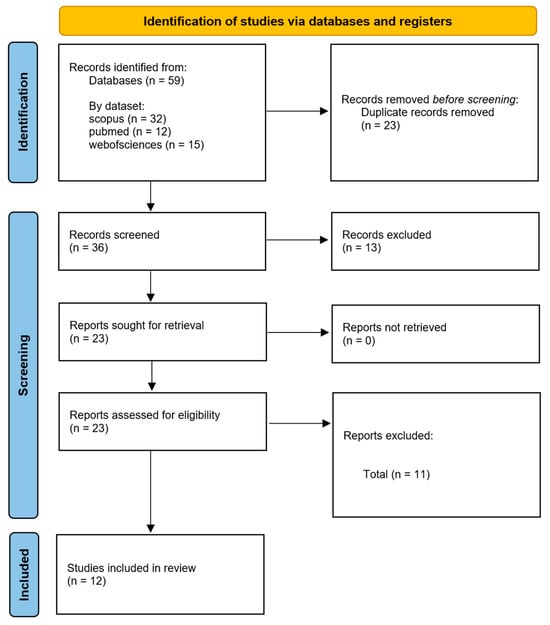
Background: The increasing complexity of healthcare systems and the emphasis placed on patient safety have highlighted the crucial role of non-technical skills (NTS). Simulation-based training (SBT) has been widely adopted to acquire these skills. Objective: To evaluate the impact of simulation on the development of non-technical skills in health sciences students. Methods: This systematic review was conducted in accordance with the PRISMA 2020 guidelines and prospectively registered in PROSPERO (CRD420251066518). MEDLINE, Scopus, and Web of Science were searched from their inception to July 2025. Results: Twelve studies met the inclusion criteria. Most used quasi-experimental, before-and-after study designs and relied primarily on self-reported measures. The majority of results were classified at Kirkpatrick level 2a (attitude changes). Three studies reached level 2b, demonstrating improvements in objectively observed teamwork and communication behaviors. MERSQI scores ranged from 6.5 to 17, indicating variable methodological quality. No studies assessed transfer to clinical practice (level 3) or patient-level outcomes (level 4). Conclusions: Simulation-based training appears effective in improving self-reported non-technical skills and, to a lesser extent, objectively observed teamwork behaviors among health sciences students. However, the predominance of lower-level outcomes and methodological heterogeneity limit the strength of the evidence. Rigorous longitudinal studies evaluating higher-level outcomes are needed.
Full article

Figure 1
Open AccessArticle
Are Future Doctors Ready for the Post-Pandemic Obesity Surge? A Mixed-Methods Pilot Study
by
Desiree’ Sant, Andrea Cuschieri and Sarah Cuschieri
Int. Med. Educ. 2026, 5(2), 44; https://doi.org/10.3390/ime5020044 - 2 May 2026
Abstract
►▼
Show Figures
Obesity is a global epidemic, posing intricate health dilemmas with wide-reaching ramifications. Despite its rising prevalence, obesity often receives inadequate attention in medical training, which is hypothesized to influence obesity management. The study aimed to evaluate medical students’ readiness in addressing obesity, which
[...] Read more.
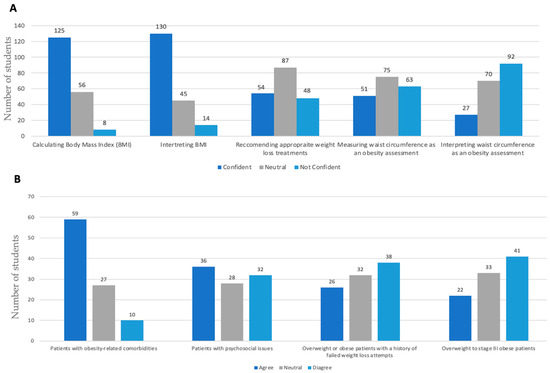
Obesity is a global epidemic, posing intricate health dilemmas with wide-reaching ramifications. Despite its rising prevalence, obesity often receives inadequate attention in medical training, which is hypothesized to influence obesity management. The study aimed to evaluate medical students’ readiness in addressing obesity, which is especially relevant in a country with significant high obesity rates. A cross-sectional pilot study was carried out by disseminating a mixed-methods anonymous questionnaire among pre-clinical and clinical students studying at the University of Malta. Quantitative data was analyzed through descriptive and inferential statistical analysis, while qualitative responses were subject to thematic assessment. One hundred and eighty-nine students were recruited, and the majority expressed dissatisfaction with curricular education on obesity, especially clinical students who reported a perceived lack of essential theoretical and practical skills (82.65%, 95% CI [73.69–89.56]). Less pre-clinical students perceived receiving sufficient education on obesity and obesity management students (33.3% and 43.33%, respectively) compared to their clinical counterparts (67.68% and 53.54% respectively), which highlights a potential curriculum gap. Qualitative analysis revealed discontent with teaching methods and demonstrated the need for a more holistic approach to obesity education. This study highlights an urgent need to integrate holistic and comprehensive obesity education within the medical education curriculum that addresses both theoretical understanding and practical skills.
Full article

Figure 1
Open AccessArticle
The Role of EYFDM Podcasts in Postgraduate Family Medicine Education: A Mixed-Methods Study on Professional Identity and Career Development
by
Nadine Wolf, Philip Vogt, Sandra Jordan, Stuart Holmes, Kerry Greenan, Nick Mamo, Nele Michels, Aaron Poppleton and Fabian Dupont
Int. Med. Educ. 2026, 5(2), 43; https://doi.org/10.3390/ime5020043 - 21 Apr 2026
Abstract
Background: Professional identity formation (PIF) and wellbeing are increasingly being recognised in postgraduate Family Medicine (FM) education. Role models are central to both, yet traditional learning activities often struggle to implement them effectively. Podcasts offer a flexible medium that may support these
[...] Read more.
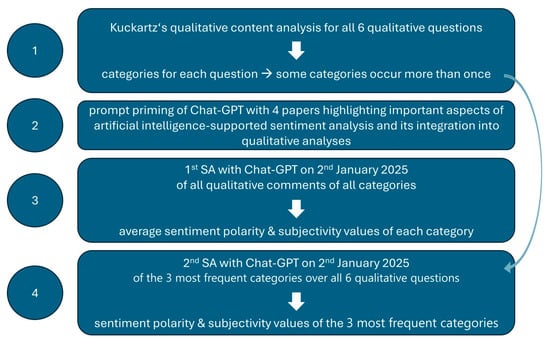
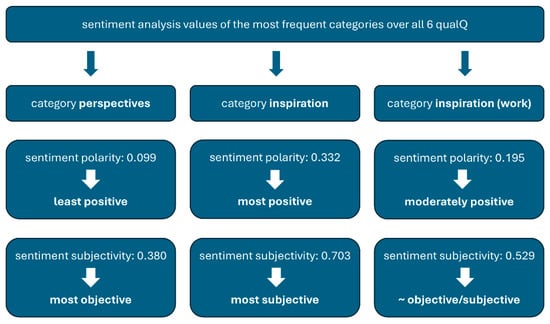
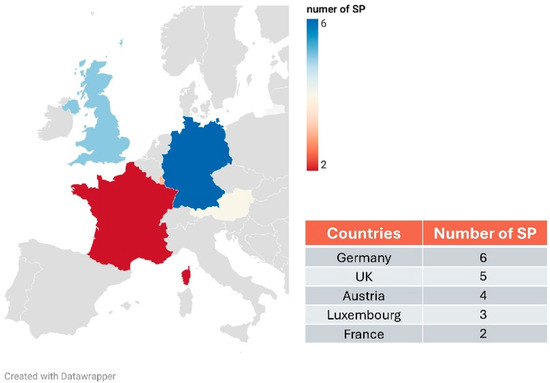
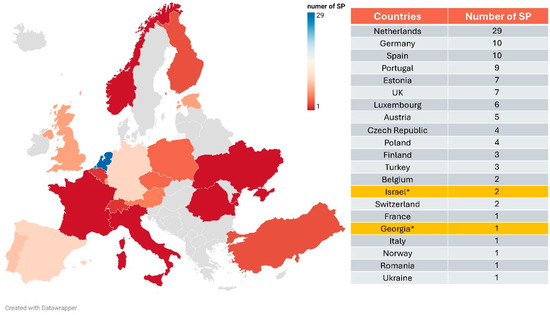
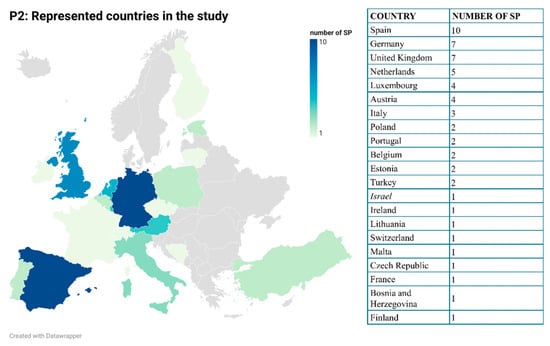
Background: Professional identity formation (PIF) and wellbeing are increasingly being recognised in postgraduate Family Medicine (FM) education. Role models are central to both, yet traditional learning activities often struggle to implement them effectively. Podcasts offer a flexible medium that may support these goals. This study examines the potential of postgraduate medical education (PGME) podcasts, such as the European Young Family Doctor’s Movement (EYFDM) podcast, to promote PIF and wellbeing. Methods: This mixed-methods study analyses podcast use, role modelling effects, and PIF among young general practitioners (GPs). In 2024, 57 participants, including students, FM trainees, and specialists, completed an online questionnaire with quantitative and qualitative items. Descriptive and analytical statistics were combined with qualitative content analysis (Kuckartz). Sentiment analysis was conducted using artificial intelligence, and triangulation enhanced credibility. Results: Within the trainees and specialists of the study population, most participants (70%; 32/46 SPs) reported regularly using podcasts for PGME, and particularly young female GPs in Western Europe. In our study population, 90% (27/30 SPs) agreed that the podcasts broadened their perspective on professional opportunities in FM. Many participants reported reflections on potential career pathways and PIF. Exposure to role models significantly increased motivation to work in FM (χ2 (1) = 10.7, p < 0.001). Conclusions: Podcasts may help address gaps in affective competency training, including wellbeing and PIF, while integrating easily into busy routines. Findings suggest a positive influence on career attitudes, with role modelling supporting PIF and motivation in FM.
Full article
(This article belongs to the Special Issue Health Professions Education Advancements and Innovations—International Perspectives)
►▼
Show Figures

Figure 1
Open AccessEditorial
Closing Editorial: New Advancements in Medical Education
by
Rahul Pandit
Int. Med. Educ. 2026, 5(2), 42; https://doi.org/10.3390/ime5020042 - 20 Apr 2026
Abstract
The Special Issue “New Advancements in Medical Education” was intended to create a compilation of ideas on how medical education is preparing to keep up with a changing world [...]
Full article
Open AccessArticle
Mastery-Oriented Simulation-Based Procedural Skills Training for Internal Medicine Junior Doctors: A Mixed-Methods Evaluation
by
Deanna Wai Ching Lee, Chong Yau Ong, Marcus Chua Ang Zhe and Chaoyan Dong
Int. Med. Educ. 2026, 5(2), 41; https://doi.org/10.3390/ime5020041 - 15 Apr 2026
Abstract
►▼
Show Figures
Background: Variability in procedural exposure among internal medicine junior doctors may result in inconsistent preparedness for essential bedside procedures. Simulation-based education grounded in mastery learning has been proposed to standardise skill acquisition, but less is known about how such training is integrated
[...] Read more.
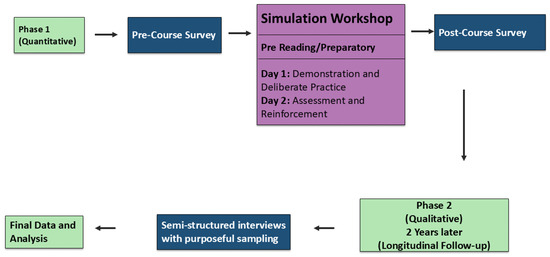
Background: Variability in procedural exposure among internal medicine junior doctors may result in inconsistent preparedness for essential bedside procedures. Simulation-based education grounded in mastery learning has been proposed to standardise skill acquisition, but less is known about how such training is integrated into clinical practice. Methods: We conducted a theory-informed mixed-methods evaluation of a mastery-oriented procedural simulation workshop. The quantitative component used pre–post assessments, including a multiple-choice knowledge test and self-reported measures of perceived knowledge, skill, and confidence using a 5-point Likert scale. Participants were required to achieve predefined competency benchmarks based on ACGME-aligned procedural checklists. The qualitative component, conducted two years later, involved semi-structured interviews exploring how participants integrated workshop learning into clinical practice. Results: Thirty-eight participants completed paired pre–post assessments. Knowledge scores and self-reported perceived knowledge, skill, and confidence improved significantly across all procedures (p < 0.01), with large effect sizes. Ten participants participated in follow-up interviews. Thematic analysis identified four themes: (1) standardization of procedural practice, (2) activation of prior knowledge, (3) hands-on experience and skill development, and (4) relevance to clinical practice. Conclusions: A mastery-oriented simulation workshop was associated with improvements in knowledge and perceived procedural readiness. Structured simulation may influence how junior doctors approach procedural learning in clinical practice.
Full article

Figure 1

Open AccessSystematic Review
Empathy Training in Health Professions Education: A Systematic Review
by
Hongjiao Wang, Hadina Habil and Noor Aireen Ibrahim
Int. Med. Educ. 2026, 5(2), 40; https://doi.org/10.3390/ime5020040 - 13 Apr 2026
Abstract
►▼
Show Figures
Empathy is fundamental to patient-centered care but frequently diminishes during clinical training. To inform medical education, we conducted a systematic review (PRISMA-2020-compliant) of interventions aimed at augmenting empathy in healthcare learners. We searched the PubMed, EMBASE, PsycINFO, CINAHL, ERIC, and Cochrane CENTRAL databases
[...] Read more.
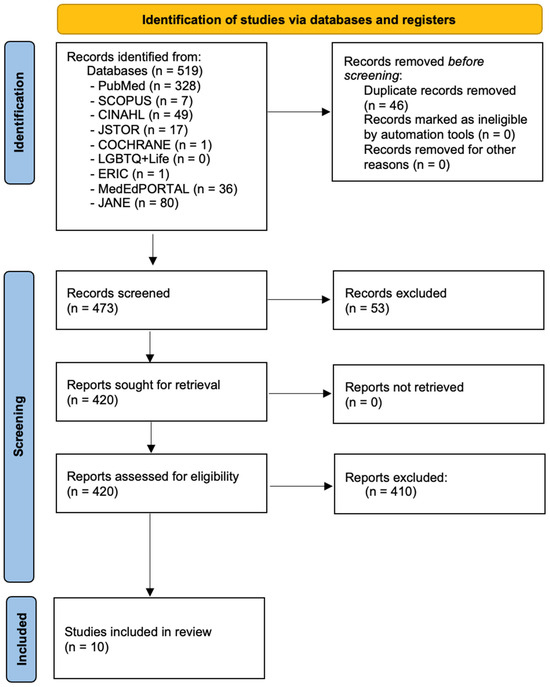
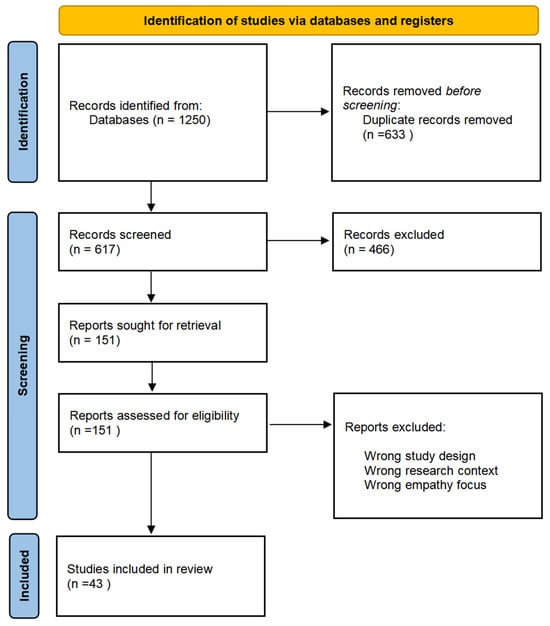
Empathy is fundamental to patient-centered care but frequently diminishes during clinical training. To inform medical education, we conducted a systematic review (PRISMA-2020-compliant) of interventions aimed at augmenting empathy in healthcare learners. We searched the PubMed, EMBASE, PsycINFO, CINAHL, ERIC, and Cochrane CENTRAL databases from the beginning of time until January 2026 for trials and pre- and post-studies that looked at empathy outcomes. Two reviewers evaluated the studies (κ = 0.86) and extracted data regarding participants, intervention format, and outcomes. Our initial search yielded 2056 records. After removing duplicates, 1250 titles and abstracts were screened, resulting in the inclusion of 43 studies from 2010 to 2026. The majority of studies reported improvements in empathy post-intervention, based on both self-report measures and observational assessments. Interventions that included active learning methods like role-playing, standardized patient encounters, narrative medicine, art workshops, and mindfulness led to much better improvements in empathy than passive, lecture-based methods. Long-term, multimodal programs that included communication skills training, reflective exercises, and patient contact were better than classes that only met once. Nonetheless, many studies used different, sometimes untested, empathy measures, and the follow-up period was often short. Our review demonstrates that empathy can be imparted through evidence-based curricular approaches. We advocate for the incorporation of prolonged, experiential empathy training into health professions education, alongside the standardization of outcome assessment. These results make it clear which teaching methods work best and point out areas where more research is needed.
Full article

Figure 1
Open AccessArticle
More than Learning: Why In-Person Conferences Matter for Building Cross-Border Collaboration in General Practice: A Modified Delphi Approach
by
Philip Vogt, Nadine Wolf, Sophie Herrmann, Sara Volz-Willems, Aline Köhler, Catherine Bopp, Sandra Jordan, Sinan Durant, Anna Millenaar, Tom Schlüter, Lisa Zangarini, Daria Gheorghe, Marie Maingard, Aaron Poppleton and Fabian Dupont
Int. Med. Educ. 2026, 5(2), 39; https://doi.org/10.3390/ime5020039 - 13 Apr 2026
Abstract
Background: In-person conferences (IPCs) in family medicine remain central for cross-border collaboration and early-career development. With the rise of digital formats, the motivations of young general practitioners (GPs) to attend or organise IPCs require closer investigation. Methods: Using a modified two-round
[...] Read more.
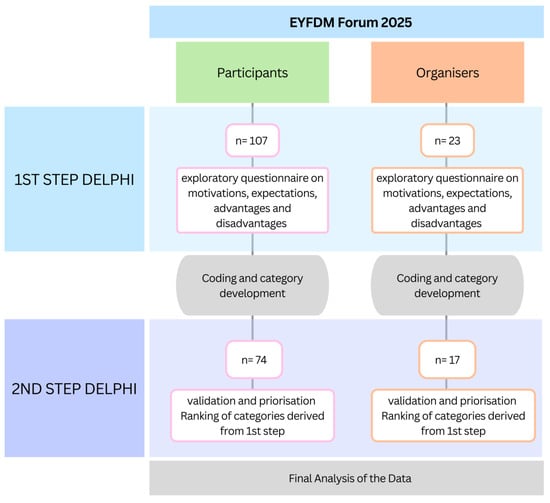
Background: In-person conferences (IPCs) in family medicine remain central for cross-border collaboration and early-career development. With the rise of digital formats, the motivations of young general practitioners (GPs) to attend or organise IPCs require closer investigation. Methods: Using a modified two-round Delphi design, we surveyed 107 participants and 23 organisers of the 2024 and 2025 EYFDM (European Young Family Doctors’ Movement) Forums. Round one included open and closed questions; round two involved prioritisation tasks. Quantitative data were analysed with non-parametric statistics; qualitative responses were thematically coded. Results: Participants primarily attended in-person conferences for networking (56.1%), workshops, and inspiration, while formal content played a secondary role. Organisers emphasised personal development, citing project management and teamwork as key benefits, though 34.8% reported workload and lack of recognition as major barriers. A strong preference for in-person formats (94.4%) reflected the perceived importance of interpersonal interaction, which online formats could not replicate. Conclusions: The findings highlight IPC as key environments for identity formation, motivation, and sustainable European collaboration in family medicine. Organising offers learning opportunities but demands better structural support. Future conference planning must prioritise in-person interaction, while using hybrid formats as complementary tools. IPCs remain essential for fostering authentic networks and collaboration among young GPs.
Full article
(This article belongs to the Special Issue Health Professions Education Advancements and Innovations—International Perspectives)
►▼
Show Figures

Figure 1
Open AccessBrief Report
Lifelong Learning in the Age of AI: An Investigation of Trust in Generative AI Among Health Profession Students
by
Oksana Babenko
Int. Med. Educ. 2026, 5(2), 38; https://doi.org/10.3390/ime5020038 - 8 Apr 2026
Abstract
The evolving digital landscape, including artificial intelligence (AI) and its generative forms, is changing how younger generations learn. As students utilize generative AI systems, they cultivate trust in such technology to support their current and long-term learning. The objective of this study was
[...] Read more.
The evolving digital landscape, including artificial intelligence (AI) and its generative forms, is changing how younger generations learn. As students utilize generative AI systems, they cultivate trust in such technology to support their current and long-term learning. The objective of this study was to investigate the relationship between generative AI use among students in health professions and their trust in this technology to support their lifelong learning as future health professionals. This study employed a survey methodology using a cross-sectional study design. The survey included sociodemographic variables and questions regarding students’ generative AI use and their trust in this technology to support their lifelong learning. Descriptive and inferential statistical procedures were used to analyze the data. A total of 558 students representing various health professions responded to the survey. In the regression analysis, after controlling for student’s sex and location variables, greater generative AI use was associated with students’ increased trust in this technology to support their lifelong learning (beta = 0.58, p < 0.001), explaining close to 40% of the total variance. Given the rapidly evolving digital landscape, this finding warrants further study, with implications for training of the future health workforce.
Full article
Open AccessArticle
Implementation of Cinematic Rendering in Otolaryngology Education
by
Thomas Ziegler, Nikolaus Poier-Fabian, Jan Maximilian Janssen, Michael Mayrhofer and Paul Martin Zwittag
Int. Med. Educ. 2026, 5(2), 37; https://doi.org/10.3390/ime5020037 - 6 Apr 2026
Abstract
Background: The complex anatomy of the head and neck region challenges medical students. Cinematic rendering (CR) is an advanced visualization technique that enables three-dimensional (3D) representation of cross-sectional image data and is used in education at the Faculty of Medicine at Johannes Kepler
[...] Read more.
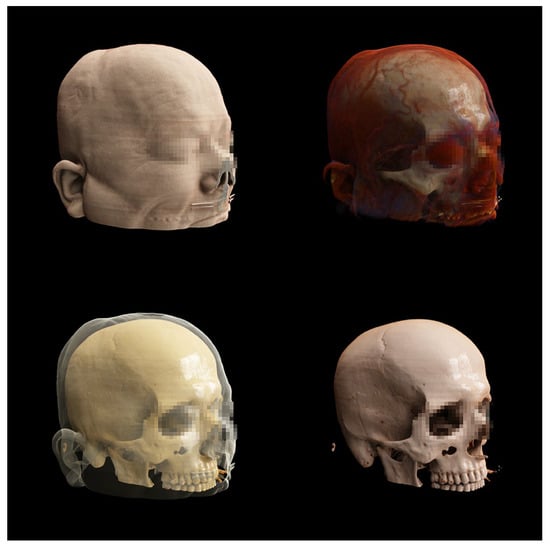
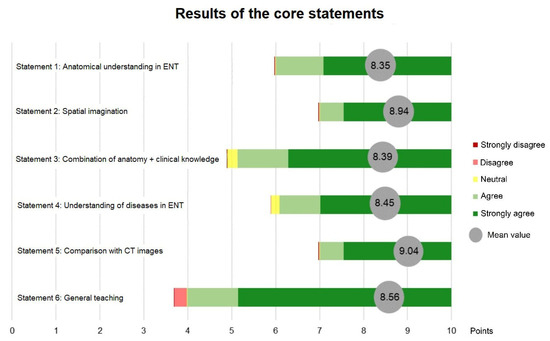
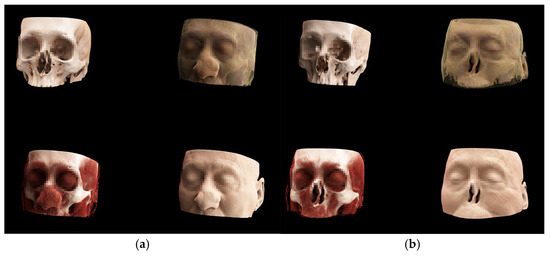
Background: The complex anatomy of the head and neck region challenges medical students. Cinematic rendering (CR) is an advanced visualization technique that enables three-dimensional (3D) representation of cross-sectional image data and is used in education at the Faculty of Medicine at Johannes Kepler University. Methods: For the first time, CR images were used to illustrate otolaryngology anatomy in medical education. The educational value of this approach was evaluated using a questionnaire assessing six core statements and dichotomous variables, including prior experience with CR and otolaryngology. Results: All six statements showed high levels of agreement based on mean evaluation scores. Evaluation results differed according to participants’ prior experience with CR. A strong correlation was exploratorily observed between prior experience with CR and improved spatial awareness of otolaryngology anatomy (ρ = 0.80, p < 0.05). Additionally, prior experience with CR correlated with improved understanding of complex disease processes (ρ = 0.76, p < 0.05) and enhanced general comprehension of the respective field (ρ = 0.74, p < 0.05). Conclusions: These findings suggest that early integration of CR into otolaryngology education may support students’ perceived spatial understanding and facilitate comprehension of complex disease processes.
Full article
(This article belongs to the Special Issue Health Professions Education Advancements and Innovations—International Perspectives)
►▼
Show Figures

Figure 1
Open AccessArticle
Learning Objectives as Strategic Learning Tools: Divergence Between Educator-Endorsed and Student-Described Practices in Medical Education
by
Sin Ting Hui, Caitlin L. Gallagher, Christine Brutus, Sebastian Quintana, Manav Jain, Sarah Dubois, Dominic Burns, Ellen S. Smith, Kit Ferguson, Jack Herbster, Brian Quach, Sydney Kraez, Melany Garcia, Adrian C. Lee, Anthony M. Payne and Douglas McHugh
Int. Med. Educ. 2026, 5(2), 36; https://doi.org/10.3390/ime5020036 - 5 Apr 2026
Abstract
Learning objectives are a foundational component of undergraduate medical education and are widely assumed to guide students’ studying, planning, and self-assessment. Despite these assumptions, limited empirical work has examined how medical students actually use them in practice. This study examined learning objectives as
[...] Read more.
Learning objectives are a foundational component of undergraduate medical education and are widely assumed to guide students’ studying, planning, and self-assessment. Despite these assumptions, limited empirical work has examined how medical students actually use them in practice. This study examined learning objectives as strategic learning tools by contrasting educator-endorsed strategies identified through a scoping review with student-described practices derived from qualitative focus groups with pre-clerkship medical students. The scoping review identified educator-centered strategies emphasizing proactive planning, self-directed learning, and assessment alignment. Focus group findings revealed that students engaged with objectives selectively and reactively. Most often after learning events for self-testing, gap identification, and content triage; a pattern markedly different from educator assumptions of routine, front-end use. Two novel findings emerged: students’ use was shaped by conditional trust in objective quality and assessment alignment, and a subset of students independently developed technology-enabled adaptations (including AI-generated practice questions and flashcard conversion) not reflected in the existing educator literature. These findings highlight a meaningful gap between prescriptive guidance and student learning realities, and suggest that more learner-aligned approaches to supporting learning objective use are warranted.
Full article
(This article belongs to the Special Issue Health Professions Education Advancements and Innovations—International Perspectives)
►▼
Show Figures

Figure 1
Open AccessArticle
AI-Supported Adaptive Simulation for Diagnostic Disclosure in Medical Students: A Randomized Controlled Trial
by
Brenda Ofelia Jay-Jímenez, Diego Alberto Martínez-Islas, Axel Tonatiuh Marroquin-Aguilar, Fernanda Avelino-Vivas, Dafne Montserrat Solis-Galván, Alexis Arturo Laguna-González, Bruno Manuel García-García, Eduardo Minaya-Pérez, Efren Quiñones-Lara, Ismael Martínez-Bonilla, Adolfo René Méndez-Cruz and Héctor Iván Saldívar-Cerón
Int. Med. Educ. 2026, 5(2), 35; https://doi.org/10.3390/ime5020035 - 1 Apr 2026
Abstract
►▼
Show Figures
Diagnostic disclosure is a complex communication task that requires learners to integrate interpersonal attunement, structured information delivery, and condition-specific reasoning in real time. We conducted a randomized controlled trial comparing conventional diagnostic communication training with the same training supplemented by an AI-supported adaptive
[...] Read more.
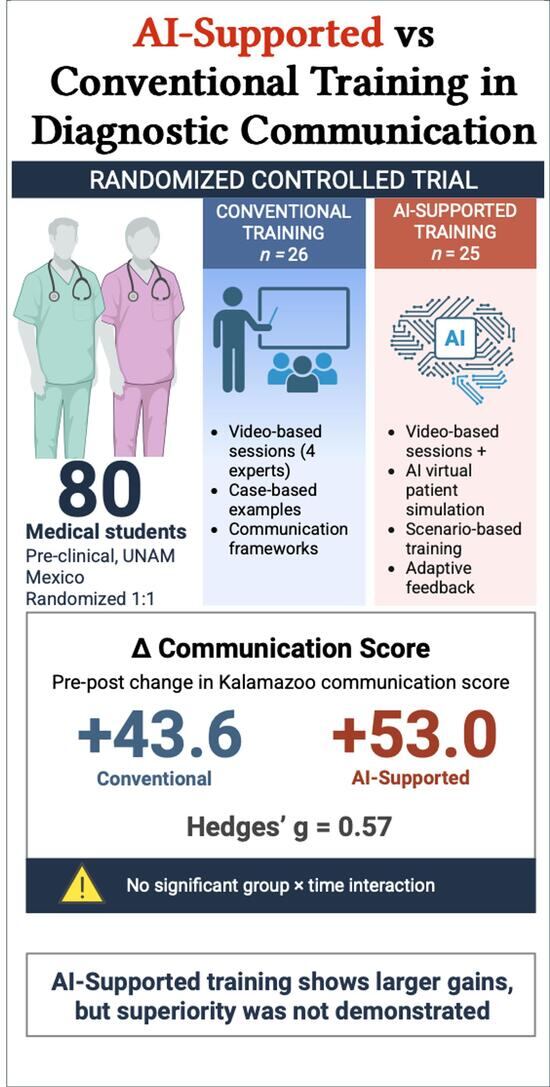
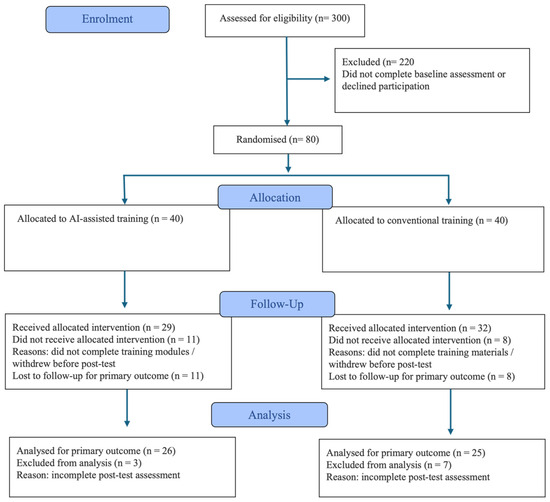
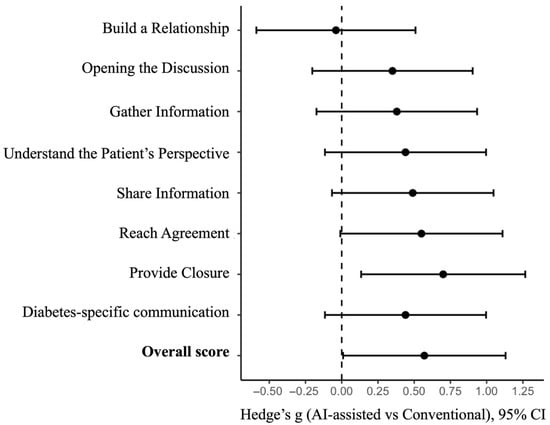
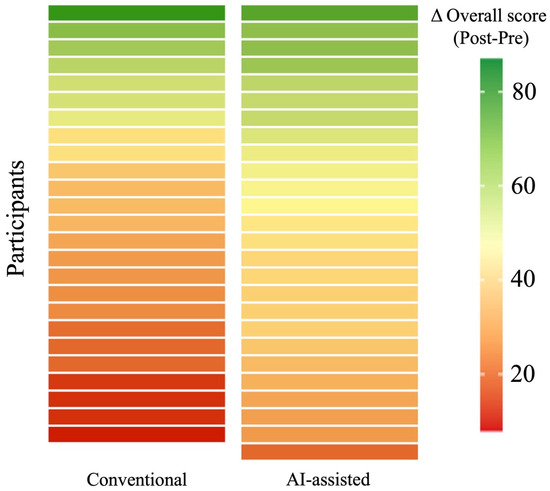
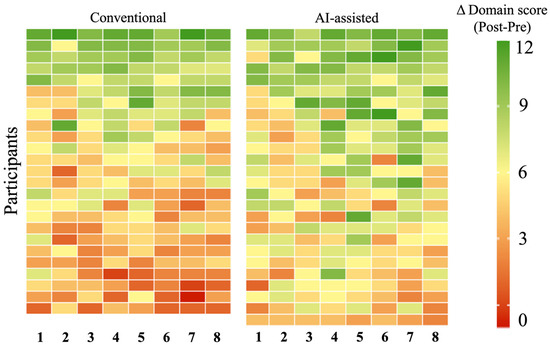
Diagnostic disclosure is a complex communication task that requires learners to integrate interpersonal attunement, structured information delivery, and condition-specific reasoning in real time. We conducted a randomized controlled trial comparing conventional diagnostic communication training with the same training supplemented by an AI-supported adaptive virtual patient simulation designed to provide additional deliberate practice and individualized, just-in-time feedback. Eighty undergraduate medical students were randomized 1:1 and completed standardized-patient encounters involving disclosure of a new diagnosis of type 2 diabetes mellitus before and after training. Performance was assessed by blinded physician raters using an adapted Kalamazoo rubric. Among students with complete pre–post data (conventional training, n = 25; AI-supported training, n = 26), both groups showed substantial improvement. Mean gains were numerically larger in the AI-supported group, with small-to-moderate standardized effects across selected communication domains; however, baseline-adjusted group-by-time interactions did not reach conventional thresholds for statistical significance, indicating that any added mean effects beyond conventional training remain uncertain. Exploratory person-level analyses suggested greater heterogeneity of improvement in the AI-supported condition, including a higher density of large gains in higher-order communication components. These findings should therefore be interpreted as exploratory rather than confirmatory. AI-supported adaptive simulation appears feasible as an adjunct to communication training, but adequately powered studies are needed to clarify effect magnitude, mechanisms, and generalizability across training contexts.
Full article

Graphical abstract
Open AccessSystematic Review
Self-Regulation of Learning and Its Implications for Academic Performance and Well-Being of University Students in Health Sciences: A Systematic Review
by
Christian Andrés Verdugo and Jonathan Martínez-Líbano
Int. Med. Educ. 2026, 5(2), 34; https://doi.org/10.3390/ime5020034 - 24 Mar 2026
Abstract
Self-regulated learning (SRL) is a fundamental competence for academic transition and success in higher education, especially in health sciences, where autonomy and learning management are essential. This systematic review analyzed the relationship between SRL, academic performance, and student well-being among undergraduate health sciences
[...] Read more.
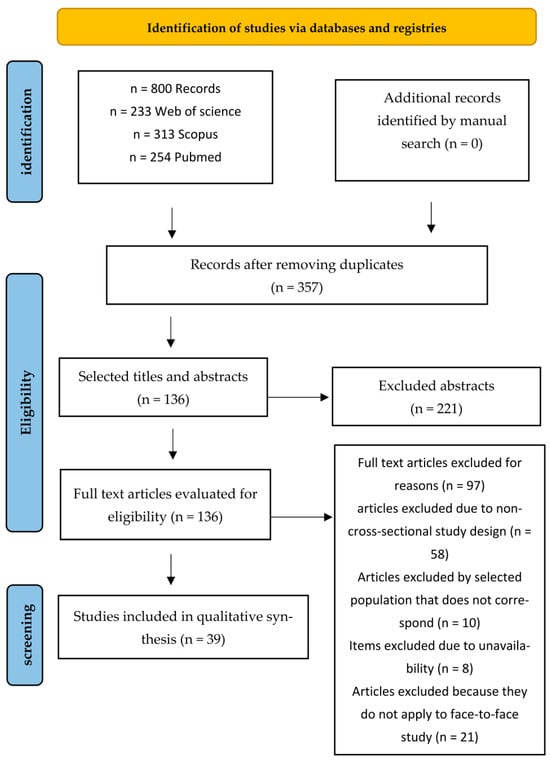
Self-regulated learning (SRL) is a fundamental competence for academic transition and success in higher education, especially in health sciences, where autonomy and learning management are essential. This systematic review analyzed the relationship between SRL, academic performance, and student well-being among undergraduate health sciences students. Following the PRISMA protocol, 39 articles published between 2015 and 2025 on Web of Science, Scopus, and PubMed databases were selected. The consolidated sample consisted of 24,835 participants. The methodological quality of the selected studies was assessed using the Newcastle–Ottawa scale (NOS). A predominantly positive association was found between high levels of SRL and academic performance (GPA) (with correlation coefficients ranging from r = 0.11 to r = 0.55 in the primary studies). Furthermore, evidence from standardized self-report questionnaires in the reviewed literature indicates that several studies report female students showed higher levels of organization and planning, but these findings were not consistently observed across all studies. SRL acts as a key protective factor against stress, anxiety, and academic burnout. However, a “stagnation paradox” was identified: SRL skills do not always evolve linearly, often showing regression or stagnation in advanced clinical years due to the high cognitive load and insufficient support structure in those environments. Regarding sociodemographic variables, female students reported higher levels of planning and responsibility. SRL does not develop spontaneously with academic progress. Therefore, higher-education institutions must implement systematic and intentional pedagogical strategies from the early years of training to foster student well-being and the development of resilient professionals.
Full article
(This article belongs to the Special Issue Health Professions Education Advancements and Innovations—International Perspectives)
►▼
Show Figures

Figure 1
Highly Accessed Articles
Latest Books
E-Mail Alert
News
Topics
Conferences
Special Issues
Special Issue in
IME
Assessment and Performance in Surgical Training
Guest Editors: Sofia Rozani, Vasileios VougasDeadline: 31 January 2027
Special Issue in
IME
Authentic and Transformative Learning in Medical Education for a Changing World
Guest Editor: Rahul PanditDeadline: 30 April 2027