


Special Issue "Tourism Research and Regional Sciences"

A special issue of Sustainability (ISSN 2071-1050). This special issue belongs to the section "Tourism, Culture, and Heritage".

Deadline for manuscript submissions: 31 December 2021.

Special Issue Editors

Prof. Dr. Lóránt Dénes Dávid
E-Mail Website
Guest Editor
Department of Tourism and Hospitality, Institute of Supply Chain Management, Marketing and Tourism, Faculty of Economics and Social Sciences, The Hungarian University of Agriculture and Life Sciences (MATE), Páter Károly Street 1, HU-2100 Gödöllő, Hungary
Interests: tourism; regional sciences; travel geography; creative tourism development; sustainability
Special Issues and Collections in MDPI journals
Prof. Dr. Laszlo VASA
E-Mail Website
Guest Editor
Doctoral School of Regional Sciences and Business Administration, Szechenyi Istvan University, 9026 Győr, Egyetem tér 1, Hungary
Interests: agricultural economics; household economics; tourism development; rural tourism; regional studies; innovation international studies
Mr. Setiawan Priatmoko
E-Mail Website
Guest Editor
Doctoral School of Economic and Regional Sciences, The Hungarian University of Agriculture and Life Sciences (MATE), Páter Károly Street 1, HU-2100 Gödöllő, Hungary
Interests: tourism development; rural tourism; tourism planning; tourism marketing; sustainable tourism; eco-tourism; community-based tourism

Special Issue Information

Dear Colleagues,

Despite its dynamic and volatile context, tourism is of extreme significance in society today (UNWTO, 2020). It plays a crucial role in job creation, export revenue, and domestic value added. It also directly contributes, on average, 4.4% of GDP, 6.9% of employment, and 21.5% of service-related exports to OECD countries (OECD, 2020). Thus, tourism affects both the environment and local communities. High growth transcends geographic and demographic boundaries, penetrates regional borders, and has various socioeconomic and environmental impacts as tourism activities rise (Figueroa and Rotarou, 2016; UNWTO, 2007).

This strong push for tourism activities based on economic interests highlights the pros and cons and different understandings of its role by the public, visitors, and policymakers (Aranburu et al., 2016; Jin et al., 2016). These varied views can become the source of interesting studies and debates to find the best way to use tourism as a driver of prosperity and to reduce poverty (Junaid et al., 2020; Yergeau, 2020).

This is even more pertinent with the emergence of advances in information technology and the way they are affecting tourism activities. Today, few people need the presence of physical travel agent offices due to the abundance of online travel companies using the development and innovation of ICT. Technology innovations cause inevitable changes in the behavior of both tourism businesses and tourists in certain tourist destination areas or new destinations and disrupt the tourism industry (Buhalis, 2019).

Researchers and academics are invited to share their thoughts and experiences in this Special Issue on the phenomenon of these tourism activities. The scope includes tourism policies and events with analytical approaches to tourism, specifically urban, rural, or spatial.

Our aim is for scientific findings to guide us in identifying solutions to urgent tourism and regional issues. Some of the topics of interest include location theory and spatial economics, location modeling, transportation, migration analysis, land use and urban development, interindustry analysis, environmental and ecological analysis, resource management, urban and regional policy analysis, geographical information systems, and spatial data analysis, as long as related to tourism activities.

We look forward to receiving articles on any topic related to tourism research and regional sciences. There are no strict thematic restrictions, and no scientific finding too small or too big to contribute to the evolving concepts and inferences on tourism research and regional sciences. Your ideas always matter.

Prof. Dr. Lóránt Dénes Dávid
Prof. Dr. Laszlo VASA
Mr. Setiawan Priatmoko
Guest Editors

Manuscript Submission Information

Manuscripts should be submitted online at www.mdpi.com by registering and logging in to this website. Once you are registered, click here to go to the submission form. Manuscripts can be submitted until the deadline. All papers will be peer-reviewed. Accepted papers will be published continuously in the journal (as soon as accepted) and will be listed together on the special issue website. Research articles, review articles as well as short communications are invited. For planned papers, a title and short abstract (about 100 words) can be sent to the Editorial Office for announcement on this website.

Submitted manuscripts should not have been published previously, nor be under consideration for publication elsewhere (except conference proceedings papers). All manuscripts are thoroughly refereed through a single-blind peer-review process. A guide for authors and other relevant information for submission of manuscripts is available on the Instructions for Authors page. Sustainability is an international peer-reviewed open access semimonthly journal published by MDPI.

Please visit the Instructions for Authors page before submitting a manuscript. The Article Processing Charge (APC) for publication in this open access journal is 1900 CHF (Swiss Francs). Submitted papers should be well formatted and use good English. Authors may use MDPI's English editing service prior to publication or during author revisions.

Keywords

  • tourism development
  • tourism planning
  • regional studies
  • spatial analysis
  • consumer behaviour
  • tourism marketing
  • sustainable tourism
  • eco-tourism
  • community-based tourism
  • hospitality
  • geotourism
  • alternative tourism

Published Papers (3 papers)

Order results
Result details
Select all
Export citation of selected articles as:

Research

Jump to: Other

Article
Application of Fuzzy Logic to Evaluate the Economic Impact of COVID-19: Case Study of a Project-Oriented Travel Agency
Sustainability 2021, 13(17), 9602; https://doi.org/10.3390/su13179602 (registering DOI) - 26 Aug 2021
Viewed by 172
Abstract
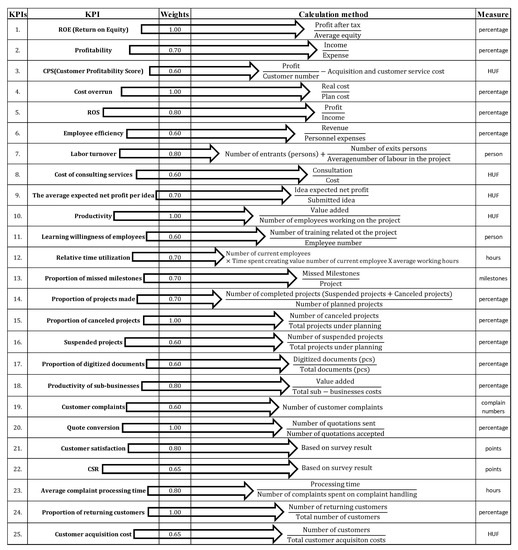
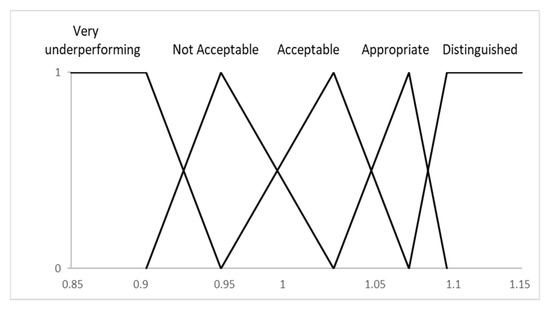
The aim of the study is to create a performance evaluation controlling model to evaluate the performance of tourism enterprises as a function of the economic effects of COVID-19. As a result of the significant change in demand resulting from the economic environment, [...] Read more.
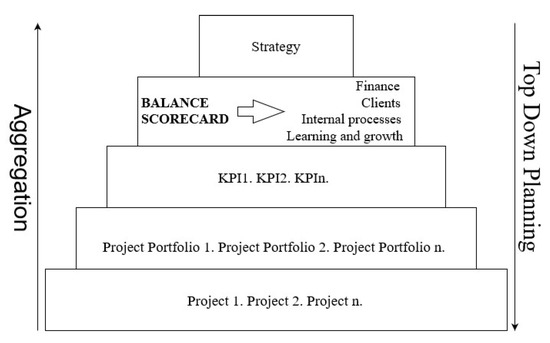
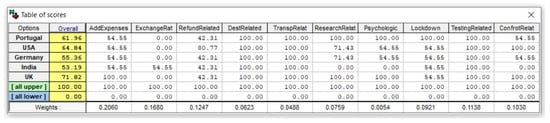
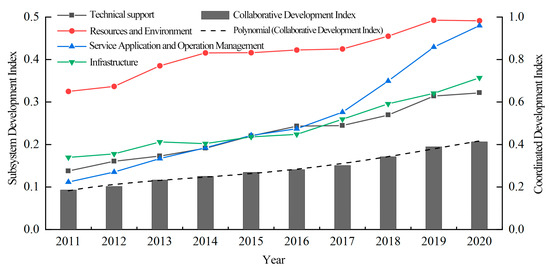
The aim of the study is to create a performance evaluation controlling model to evaluate the performance of tourism enterprises as a function of the economic effects of COVID-19. As a result of the significant change in demand resulting from the economic environment, expectations and cyclicality caused by the pandemic, the assessment of organization performance has become subjective. Under these changed environmental conditions, most of the methods used by tourism companies to evaluate performance are not effective enough. In our research, we illustrated a controlling model based on fuzzy logic through a case study. By applying the model, it becomes possible to evaluate project-oriented tourism organizations according to different standardized norms. Our model considers the subjectivity derived from measurability and goal setting. We point out that the performance of organizations operating in the tourism industry significantly influenced by COVID-19 can be subjectively assessed during the pandemic period and thus depends on the analytical context. By evaluating the performance of tourism organizations along internal organizational goals, more relevant information content and more informed managerial decision support can be achieved. Full article
(This article belongs to the Special Issue Tourism Research and Regional Sciences)
Show Figures

Figure 1
Article
Influence of Social Capital, Social Motivation and Functional Competencies of Entrepreneurs on Agritourism Business: Rural Lodges
Sustainability 2021, 13(15), 8641; https://doi.org/10.3390/su13158641 - 03 Aug 2021
Viewed by 312
Abstract
This study is aimed at examining the relationships between social capital, social motivation and functional competencies and their effects on the participation in the development of an agritourism business among Tunisian entrepreneurs who already have rural lodges in the agritourism sector in Tunisia. [...] Read more.
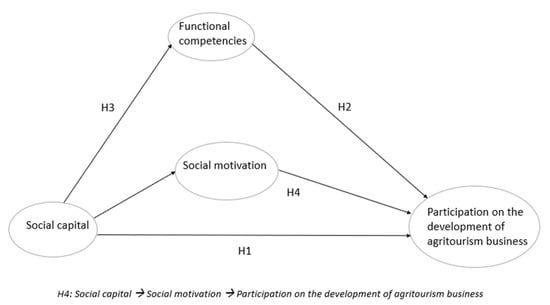
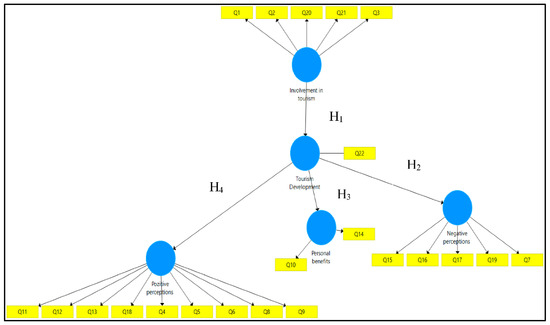
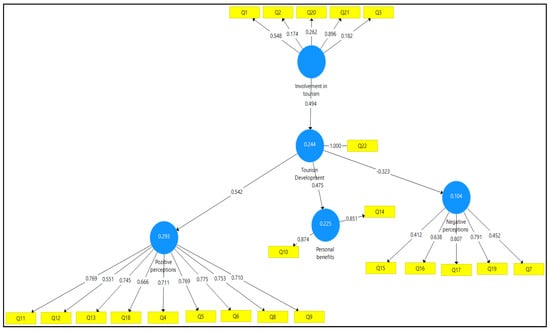
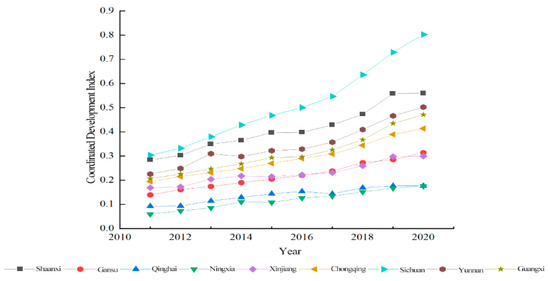
This study is aimed at examining the relationships between social capital, social motivation and functional competencies and their effects on the participation in the development of an agritourism business among Tunisian entrepreneurs who already have rural lodges in the agritourism sector in Tunisia. The authors applied structural modeling of the partial least squares equation to analyze 100 questionnaires completed by participants and test the hypotheses. The results showed positive and direct effects concerning the two variables, namely, the social capital and functional competencies on the participation in the development of a business in agritourism. On the other hand, the mediating role of social motivation between social capital and participation in the development of an agritourism business has shown an insignificant effect. This study creates a distinctive theoretical contribution to the literature on social entrepreneurial factors by analyzing the relationships between social capital, social motivation and functional competencies of an entrepreneur on participation in the development of a business in agritourism. In addition, this study investigates numerous practical implications of these results. Full article
(This article belongs to the Special Issue Tourism Research and Regional Sciences)
Show Figures

Figure 1
Other

Jump to: Research

Case Report
Reviving an Unpopular Tourism Destination through the Placemaking Approach: Case Study of Ngawen Temple, Indonesia
Sustainability 2021, 13(12), 6704; https://doi.org/10.3390/su13126704 - 12 Jun 2021
Viewed by 673
Abstract
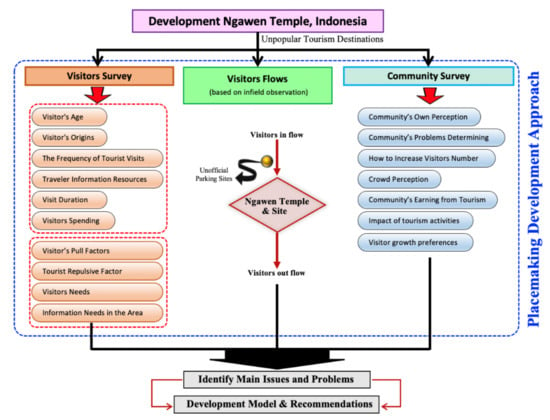
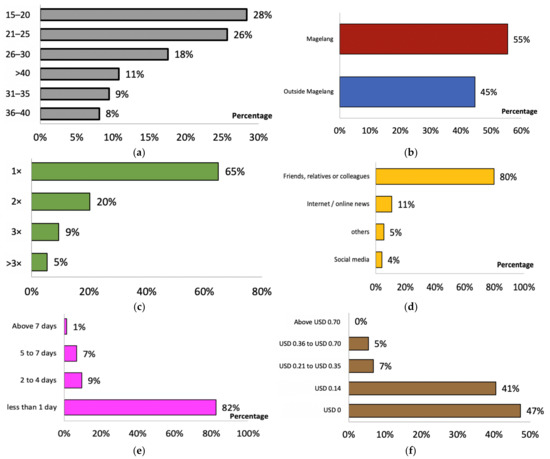
Changes in tourists’ behavior in recent times have been considered a driving force for emphasizing the importance of unpopular tourism destinations as one of the key potentials in the tourism industry in any nation. On the road to reviving unpopular tourism destinations, this [...] Read more.
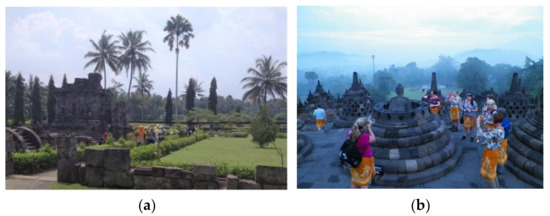
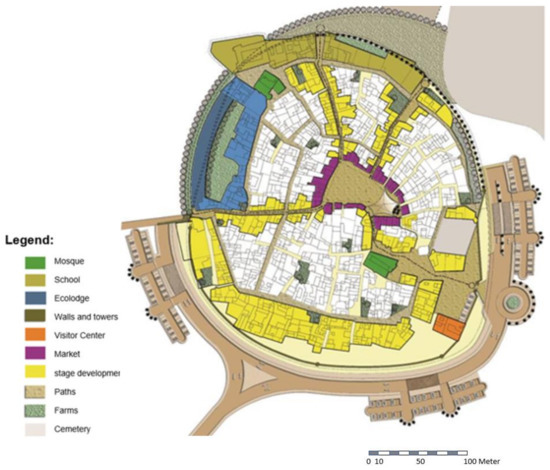
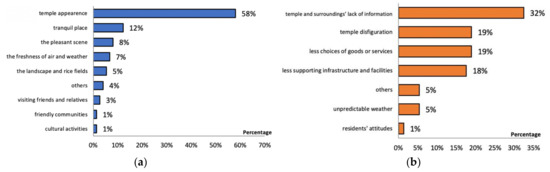
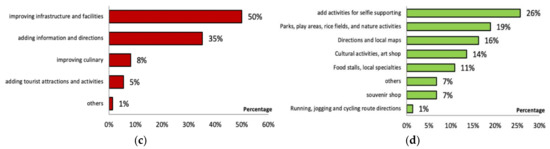
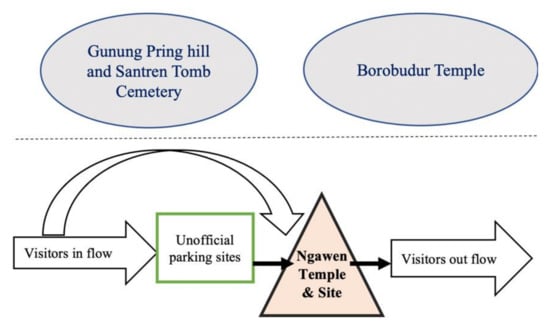
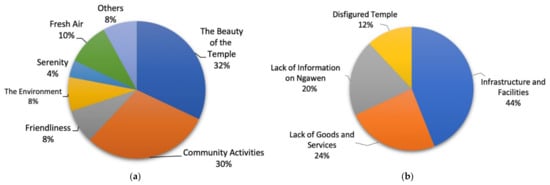
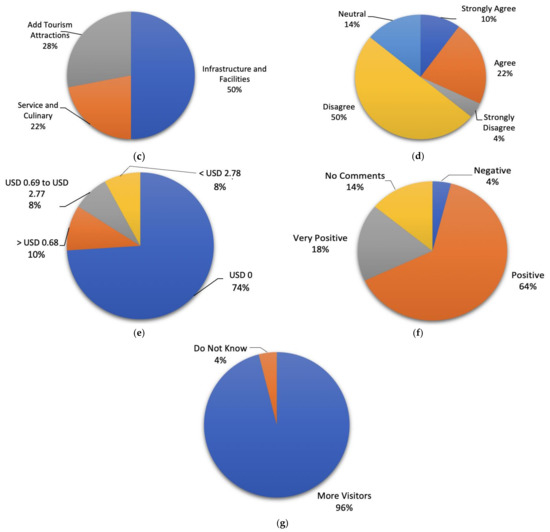
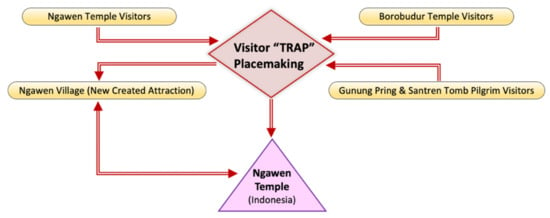
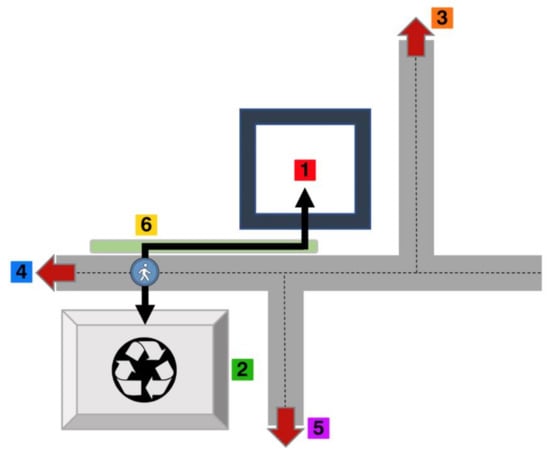
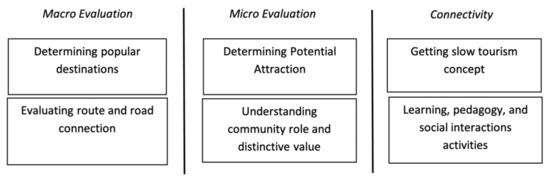
Changes in tourists’ behavior in recent times have been considered a driving force for emphasizing the importance of unpopular tourism destinations as one of the key potentials in the tourism industry in any nation. On the road to reviving unpopular tourism destinations, this study aims to identify the potential tourism aspect and development of the Ngawen Temple in Indonesia. This research applies the placemaking approach as the main strategy for resurrecting Ngawen Temple. By using visitor surveys, visitor flows, and community surveys, this research obtains a clearer assessment for determining the planning development of Ngawen Temple. The research results revealed that unpopular destinations still have the potential to be developed and bring more benefits to the local economy by conducting a comprehensive placemaking approach. Accordingly, possible strategies based on various literature and field observations can provide clues to stakeholders on how to use their tourism assets to improve local communities’ economies. Some of the most frequently proposed strategies are the following: link the unpopular destination with other popular ones through structured tourism trips; design a “tourist trap,” which is a created place to hold tourists longer in a destination using new additional facilities; improve the infrastructure; and establish more creative tourism spaces, such as tourism centers. Full article
(This article belongs to the Special Issue Tourism Research and Regional Sciences)
Show Figures

Figure 1
Back to TopTop