Science Education Promoting Sustainability
Share This Topical Collection
Editor
 Dr. Eila Jeronen
Dr. Eila Jeronen
E-Mail
Website
Collection Editor
1. Adjunct Professor, Faculty of Education, University of Oulu, FI-90014 Oulu, Finland
2. Adjunct Professor, Faculty of Educational Sciences, University of Helsinki, 00014 Helsinki, Finland
3. Adjunct Professor, Faculty of Education, University of Lapland, FI-96101 Rovaniemi, Finland
Interests: education; teacher education; environmental education; sustainable development education; health education
Special Issues, Collections and Topics in MDPI journals
Topical Collection Information
Dear Colleagues,
The aim of this Special Issue, “Science Education Promoting Sustainability” is to provide ideas of how sustainability can be promoted in teaching, studying, and learning in science subjects. In the 2030 Agenda for Sustainable Development, it has been stated that all learners should acquire the knowledge and skills needed to promote sustainable development (United Nations, A/RES/70/1, 2015, 17). Consequently, and also with the great proliferation of knowledge and rapid changes in the fields of science and technology, it is important to develop students' capacity for self-direction and self-growth in educational communities.
Science Education Promoting Sustainability focuses on views and experiences in science subjects at schools, and in teacher education, which support curricular work and school practices sharing a vision of a society that lives in balance with the Earth’s carrying capacity. In addition, your contribution can present and reflect on the ideas that offer learners a context for developing active citizenship and participation for understanding of the interdependencies of ecological, societal, and economic systems.
Dr. Eila Jeronen
Guest Editor
Manuscript Submission Information
Manuscripts should be submitted online at www.mdpi.com by registering and logging in to this website. Once you are registered, click here to go to the submission form. All submissions that pass pre-check are peer-reviewed. Accepted papers will be published continuously in the journal (as soon as accepted) and will be listed together on the collection website. Research articles, review articles as well as short communications are invited. For planned papers, a title and short abstract (about 250 words) can be sent to the Editorial Office for assessment.
Submitted manuscripts should not have been published previously, nor be under consideration for publication elsewhere (except conference proceedings papers). All manuscripts are thoroughly refereed through a single-blind peer-review process. A guide for authors and other relevant information for submission of manuscripts is available on the Instructions for Authors page. Sustainability is an international peer-reviewed open access semimonthly journal published by MDPI.
Please visit the Instructions for Authors page before submitting a manuscript.
The Article Processing Charge (APC) for publication in this open access journal is 2400 CHF (Swiss Francs).
Submitted papers should be well formatted and use good English. Authors may use MDPI's
English editing service prior to publication or during author revisions.
Keywords
- subject content knowledge
- teaching and learning methods
- assessment and evaluation
- scientific skills
- student's self-regulation
- student's beliefs
- sustainability education
- education for sustainable development
- environmental education, health education
Published Papers (30 papers)
Open AccessArticle
Effectiveness of AR-Based Formative Peer Assessment on Chinese Writing Performance of Students with Different Cognitive Styles
by
Caixia Li, Yuting Chen, Siwei Zhou, Jiandong Shi, Shasha Yang and Ming Li
Cited by 2 | Viewed by 2060
Abstract
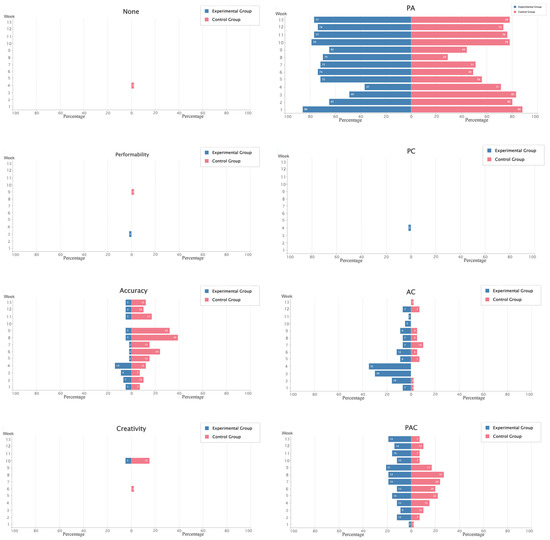
The ability to communicate effectively in writing and produce clear and cohesive text is a necessary skill in both educational settings and the workplace, yet many young students struggle to organize their thoughts and engage in deep thinking. To address these challenges, an
[...] Read more.
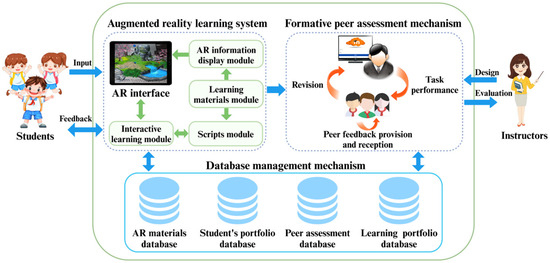
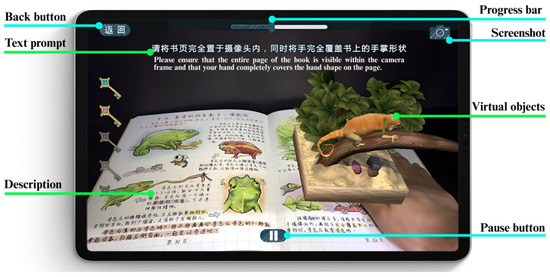
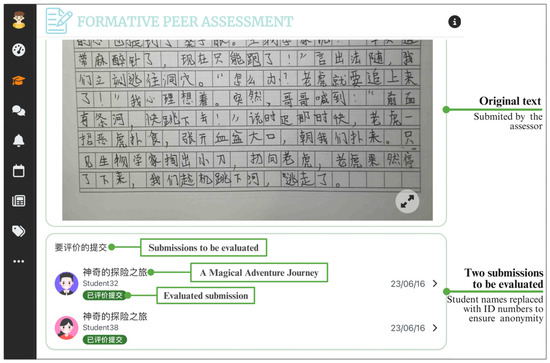
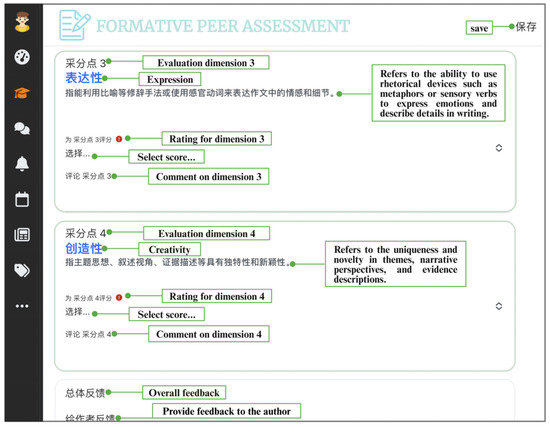
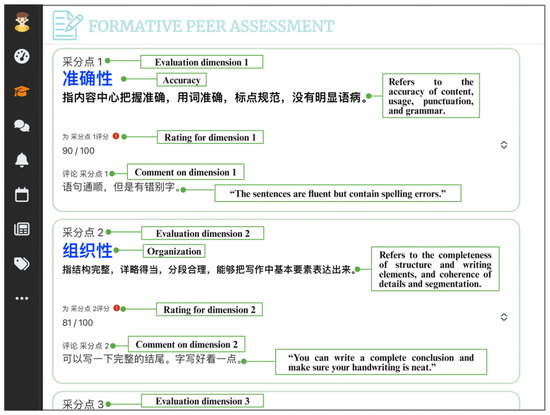
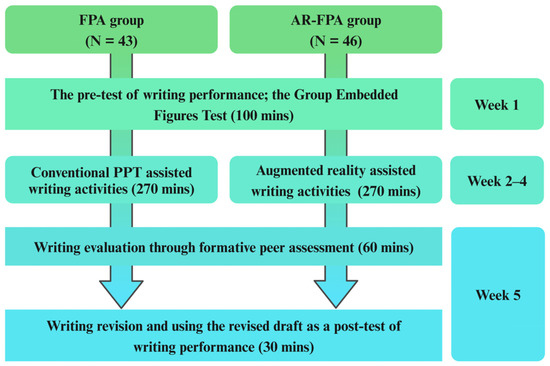
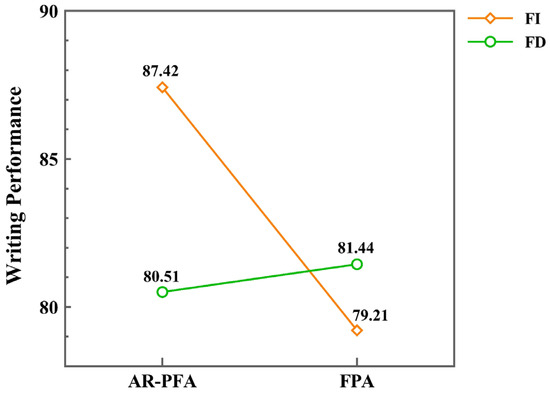
The ability to communicate effectively in writing and produce clear and cohesive text is a necessary skill in both educational settings and the workplace, yet many young students struggle to organize their thoughts and engage in deep thinking. To address these challenges, an augmented reality (AR) application titled “Explore Wild Animals” has been used to help students organize information; however, it may not accommodate different cognitive styles. Integrating formative peer assessment (FPA) strategy into AR-based instruction can enhance knowledge construction and address diverse cognitive needs. This study, conducted from May to June 2023, empirically investigates the effects of FPA in an AR environment on the writing performance of learners with field-independent (FI) and field-dependent (FD) cognitive styles. A total of 89 fifth-grade pupils from China were randomly assigned to two groups: one group adopting FPA in an AR environment (AR-FPA), and the other group adopting FPA in a conventional PowerPoint (PPT) version 2410 environment (FPA). The results of a two-way analysis of covariance (ANCOVA) indicate that the AR-FPA group outperformed the FPA group in writing performance. Specifically, FI learners benefitted more from the AR-FPA approach, while FD learners performed better with the FPA approach. However, multiple linear regression analysis reveals that the peer feedback quality and features showed little to no significant correlation with feedback providers’ writing performance, regardless of cognitive style. These results highlight the effectiveness of integrating AR and FPA in enhancing educational outcomes, providing practical insights for promoting the sustainability of technology-enhanced learning and teaching practices.
Full article
►▼
Show Figures
Open AccessArticle
Multiple Learning Features–Enhanced Knowledge Tracing Based on Learner–Resource Response Channels
by
Zhifeng Wang, Yulin Hou, Chunyan Zeng, Si Zhang and Ruiqiu Ye
Cited by 14 | Viewed by 4040
Abstract
Knowledge tracing is a crucial task that involves modeling learners’ knowledge levels and predicting their future learning performance. However, traditional deep knowledge tracing approaches often overlook the intrinsic relationships among learning features, treating them equally and failing to align with real learning scenarios.
[...] Read more.
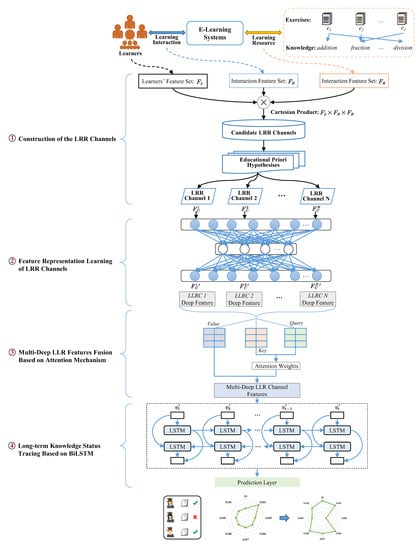
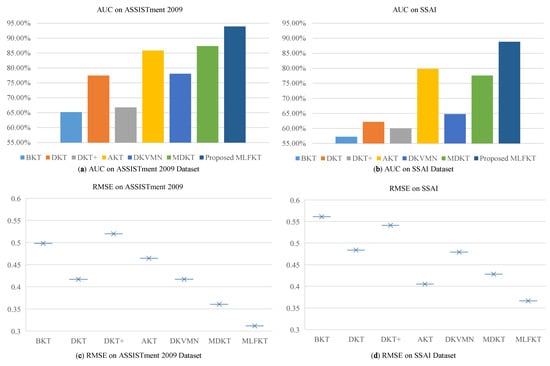
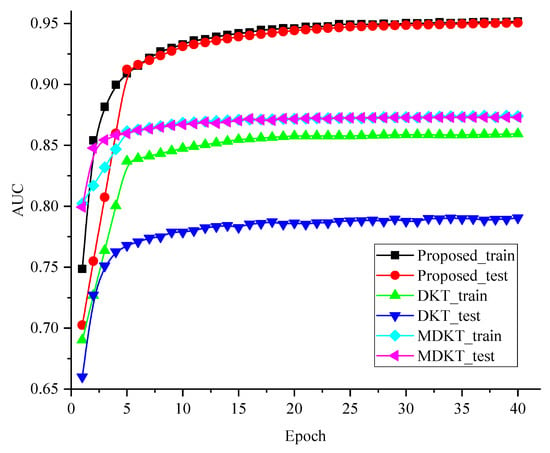
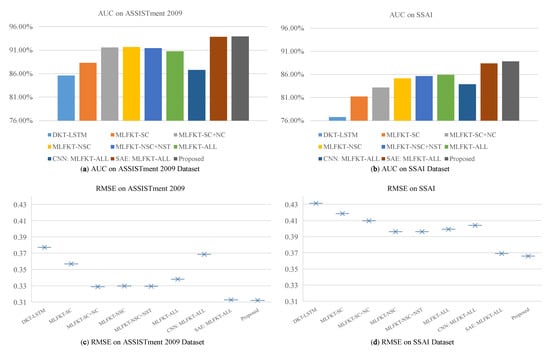
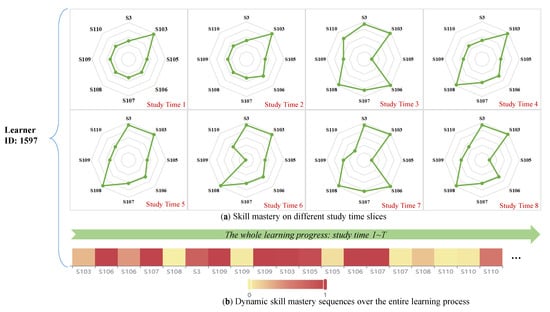
Knowledge tracing is a crucial task that involves modeling learners’ knowledge levels and predicting their future learning performance. However, traditional deep knowledge tracing approaches often overlook the intrinsic relationships among learning features, treating them equally and failing to align with real learning scenarios. To address these issues, this paper proposes the multiple learning features, enhanced knowledge tracing (MLFKT) framework. Firstly, we construct learner–resource response (LRR) channels based on psychometric theory, establishing stronger intrinsic connections among learning features and overcoming the limitations of the item response theory. Secondly, we leverage stacked auto-encoders to extract low-dimensional embeddings for different LRR channels with denser representations. Thirdly, considering the varying impact of different LRR channels on learning performance, we introduce an attention mechanism to assign distinct weights to each channel. Finally, to address the challenges of memory retention and forgetting in the learning process and to handle long-term dependency issues, we employ a bidirectional long short-term memory network to model learners’ knowledge states, enabling accurate prediction of learning performance. Through extensive experiments on two real datasets, we demonstrate the effectiveness of our proposed MLFKT approach, which outperforms six traditional methods. The newly proposed method can enhance educational sustainability by improving the diagnosis of learners’ self-cognitive structures and by empowering teachers to intervene and personalize their teaching accordingly.
Full article
►▼
Show Figures
Open AccessArticle
Chemistry Learning through Culturally Responsive Transformative Teaching (CRTT): Educating Indonesian High School Students for Cultural Sustainability
by
Yuli Rahmawati, Alin Mardiah, Elisabeth Taylor, Peter Charles Taylor and Achmad Ridwan
Cited by 18 | Viewed by 7679
Abstract
According to the United Nations Educational, Scientific, and Cultural Organization (UNESCO), culture provides the transformative dimension for ensuring the development process of the United Nations’ 2030 Agenda for Sustainable Development. As one of the key drivers in the implementation of the United Nations’
[...] Read more.
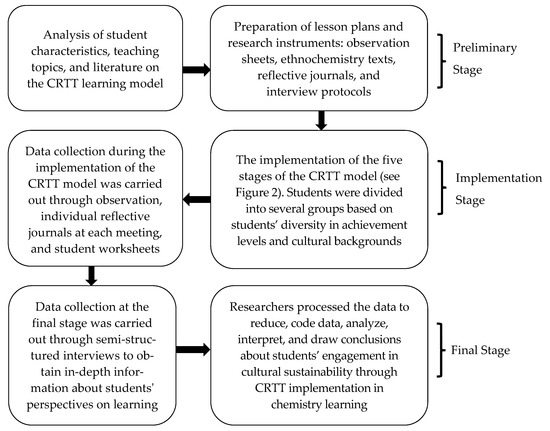
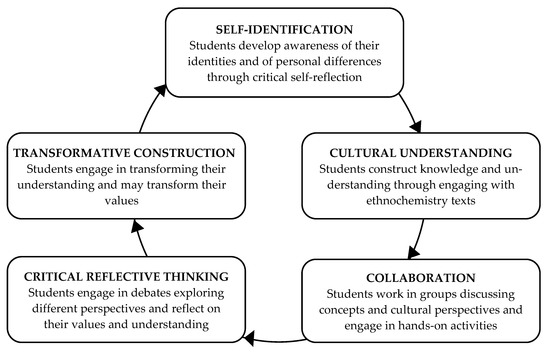
According to the United Nations Educational, Scientific, and Cultural Organization (UNESCO), culture provides the transformative dimension for ensuring the development process of the United Nations’ 2030 Agenda for Sustainable Development. As one of the key drivers in the implementation of the United Nations’ Sustainable Development Goals, culture ensures a people-centered and context-relevant approach that cuts across a range of policy areas and, thus, in the context of quality education promotes the development of human resources for cultural and environmental sustainability. It is in this context that we report on a study aimed at developing students’ cultural identity and supporting the younger generation in preserving their cultural heritage, whilst learning chemistry concepts at the same time. The culturally responsive transformative teaching (CRTT) model served as a theoretical framework for the research to engage students in culture-based, high school chemistry learning by utilizing specially designed ethnochemistry texts that highlighted the relationship between cultural values and chemistry concepts. Case studies were conducted within the interpretive research paradigm and involved 149 students from four high schools in four Indonesian provinces, namely Banten, west Java, Bangka Belitung, and south Sumatra. In particular, we were interested in understanding how well students engage in this innovative transformative learning model, designed to educate them about cultural sustainability. We generated data by means of students’ reflective journals, semi-structured interviews with students, and classroom observations. In general, the results from the research strongly suggest that students involved in cultural identity reflection, engaged in cultural-based chemistry learning, explored cultural heritage through a chemistry lens, applied social etiquette and ethics, and developed cultural heritage preservation awareness. These are important aspects of cultural sustainability. The results imply that culturally responsive chemistry education has great potential for educating students and empowering them as conservationists of Indonesian culture. Further research on empowering students on cultural sustainability with other ethnochemistry topics within Indonesian cultural contexts is needed to further investigate the CRTT model’s broader efficacy.
Full article
►▼
Show Figures
Open AccessArticle
DCKT: A Novel Dual-Centric Learning Model for Knowledge Tracing
by
Yixuan Chen, Shuang Wang, Fan Jiang, Yaxin Tu and Qionghao Huang
Cited by 9 | Viewed by 4244
Abstract
Knowledge tracing (KT), aiming to model learners’ mastery of a concept based on their historical learning records, has received extensive attention due to its great potential in realizing personalized learning in intelligent tutoring systems. However, most existing KT methods focus on a single
[...] Read more.
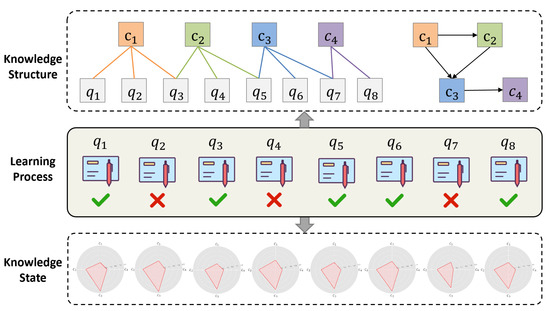
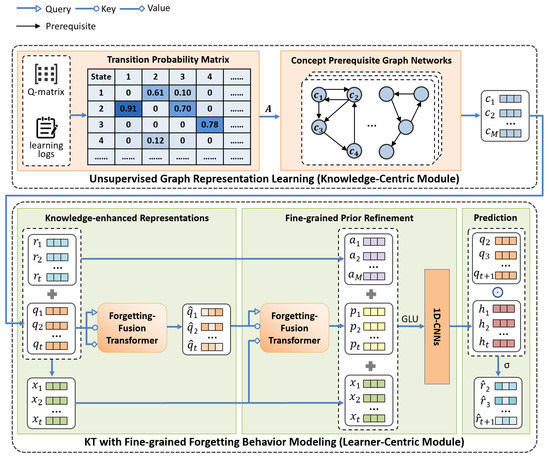
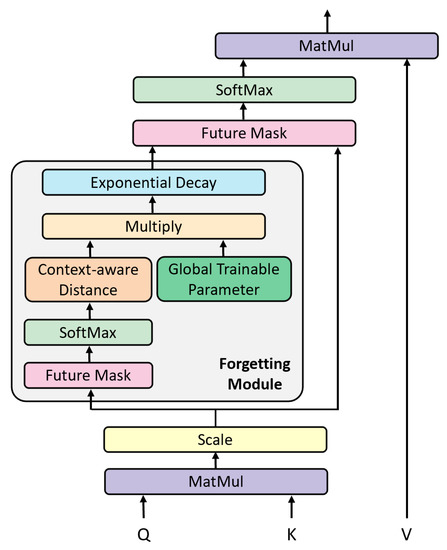
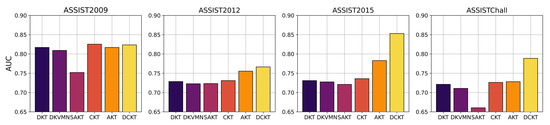
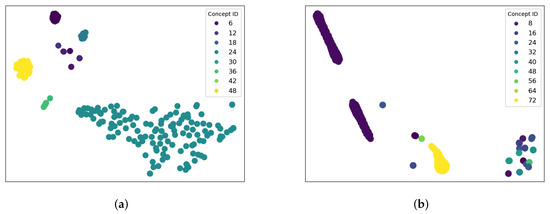
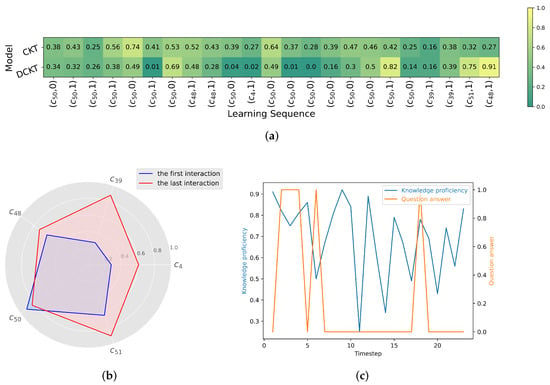
Knowledge tracing (KT), aiming to model learners’ mastery of a concept based on their historical learning records, has received extensive attention due to its great potential in realizing personalized learning in intelligent tutoring systems. However, most existing KT methods focus on a single aspect of knowledge or learner, not paying careful attention to the coupling influence of knowledge and learner characteristics. To fill this gap, in this paper, we explore a new paradigm for the KT task by exploiting the coupling influence of knowledge and learner. A novel model called Dual-Centric Knowledge Tracing (DCKT) is proposed to model knowledge states through two joint tasks of knowledge modeling and learner modeling. In particular, we first generate concept embeddings in abundant knowledge structure information via a pretext task (knowledge-centric): unsupervised graph representation learning. Then, we deeply measure learners’ prior knowledge the knowledge-enhanced representations and three predefined educational priors for discriminative feature enhancement. Furthermore, we design a forgetting-fusion transformer (learner-centric) to simulate the declining trend of learners’ knowledge proficiency over time, representing the common forgetting phenomenon. Extensive experiments were conducted on four public datasets, and the results demonstrate that DCKT could achieve better knowledge tracing results over all datasets via a dual-centric modeling process. Additionally, DCKT can learn meaningful question embeddings automatically without manual annotations. Our work indicates a potential future research direction for personalized learner modeling, which is of both accuracy and high interpretability.
Full article
►▼
Show Figures
Open AccessArticle
Study-GNN: A Novel Pipeline for Student Performance Prediction Based on Multi-Topology Graph Neural Networks
by
Ming Li, Xiangru Wang, Yi Wang, Yuting Chen and Yixuan Chen
Cited by 33 | Viewed by 7659
Abstract
Student performance prediction has attracted increasing attention in the field of educational data mining, or more broadly, intelligent education or “AI + education”. Accurate performance prediction plays a significant role in solving the problem of a student dropping out, promoting personalized learning and
[...] Read more.
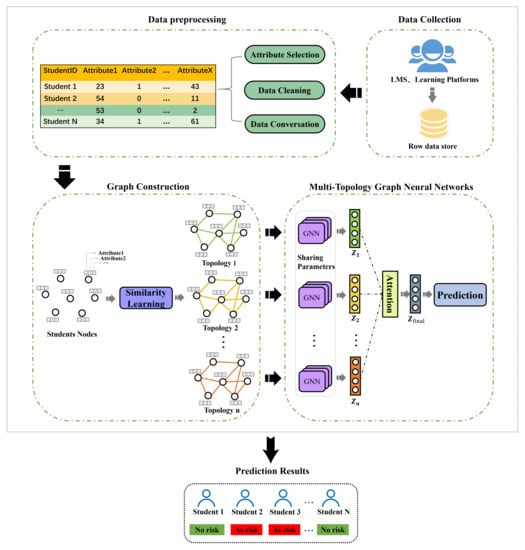
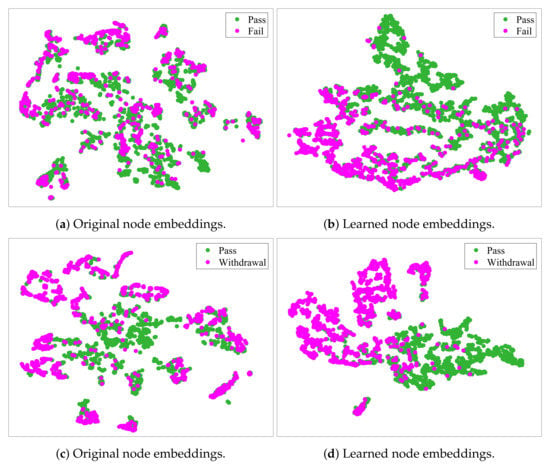
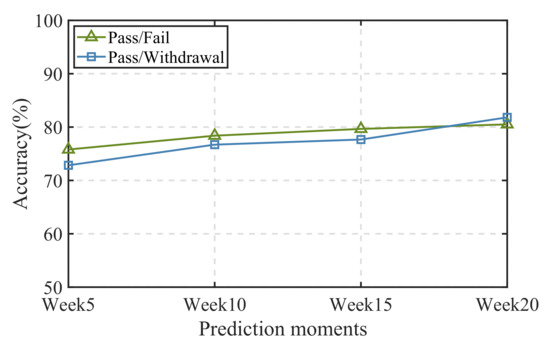
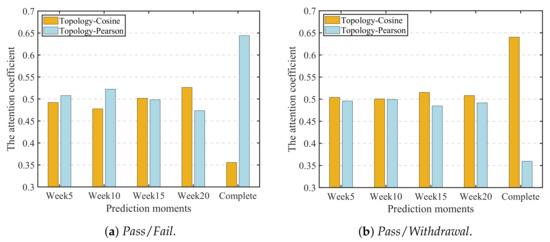
Student performance prediction has attracted increasing attention in the field of educational data mining, or more broadly, intelligent education or “AI + education”. Accurate performance prediction plays a significant role in solving the problem of a student dropping out, promoting personalized learning and improving teaching efficiency, etc. Traditional student performance prediction methods usually ignore the potential (underlying) relationship among students. In this paper, we use graph structure to reflect the students’ relationships and propose a novel pipeline for student performance prediction based on newly-developed multi-topology graph neural networks (termed MTGNN). In particular, we propose various ways for graph construction based on similarity learning using different distance metrics. Based on the multiple graphs of different topologies, we design an MTGNN module, as a key module in the pipeline, to deal with the semi-supervised node classification problem where each node represents a student (and the node label is the student’s performance, e.g.,
Pass/
Fail/
Withdrawal). An attention-based method is developed to produce the unified graph representation in MTGNN. The effectiveness of the proposed pipeline is verified in a case study, where a real-world educational dataset and several existing approaches are used for performance comparison. The experiment results show that, compared with some traditional machine learning methods and the vanilla graph convolutional network with only a single graph topology, our proposed pipeline works effectively and favorably in student performance prediction.
Full article
►▼
Show Figures
Open AccessArticle
Investigating Learners’ Engagement and Chinese Writing Learning Outcomes with Different Designs of SVVR-Based Activities
by
Ming Li, Yuting Chen, Linjie Zhang, Xuemei Wu and Changqin Huang
Cited by 21 | Viewed by 3494
Abstract
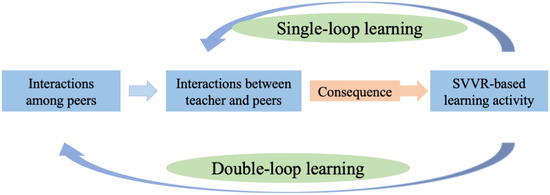
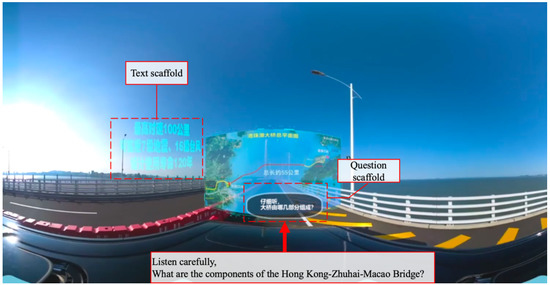
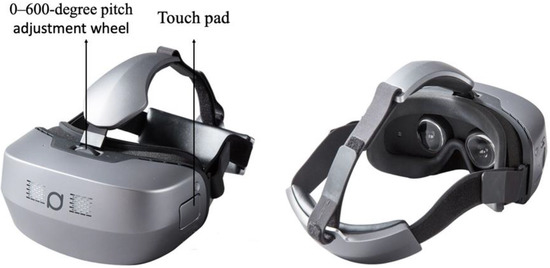
The goal of this study is to explore the affordances of spherical video-based virtual reality (SVVR)-based learning activities by comparing the students’ learning engagement models and their writing learning outcomes in a double-loop SVVR-based (DL-SVVR) learning activity and a single-loop SVVR-based (SL-SVVR) learning
[...] Read more.
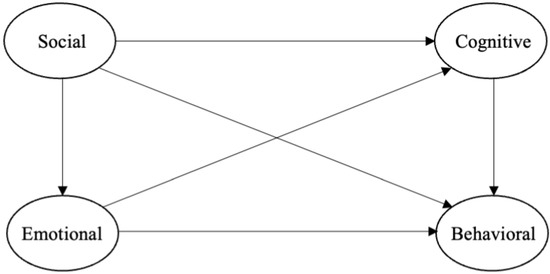
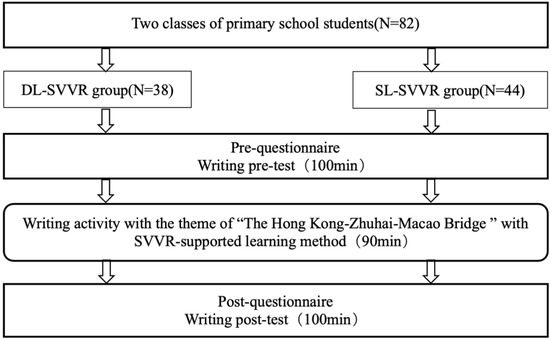
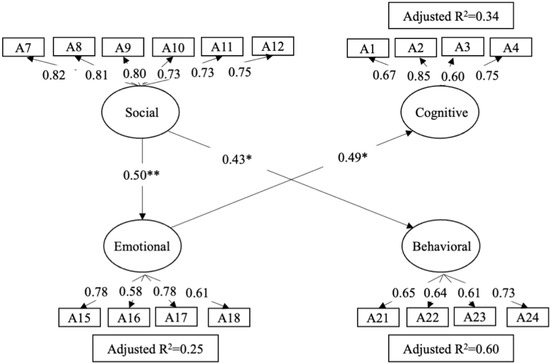
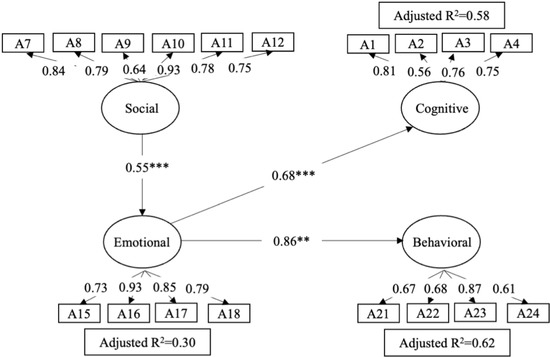
The goal of this study is to explore the affordances of spherical video-based virtual reality (SVVR)-based learning activities by comparing the students’ learning engagement models and their writing learning outcomes in a double-loop SVVR-based (DL-SVVR) learning activity and a single-loop SVVR-based (SL-SVVR) learning activity, respectively. For this purpose, we conduct an empirical study involving 82 fourth-grade students. The statistical results show that the students in the DL-SVVR group had higher learning behavioral engagement and better writing learning outcomes than those in the SL-SVVR group. Furthermore, as for the interrelationship between the subscales of students’ learning engagement, we find that, for the students in SL-SVVR group, their behavioral engagement can be positively predicted by the emotional engagement, while in the DL-SVVR group, students’ behavioral engagement can be positively predicted by their social engagement. For both groups, their social engagement can positively predict the emotional engagement. Importantly, our empirical results also show that the double-loop learning approach can potentially promote students’ writing learning outcomes by shifting their social engagement and behavioral engagement. The qualitative analysis results indicate that peer interaction has a positive impact on improving students’ learning interest and writing outcomes.
Full article
►▼
Show Figures
Open AccessArticle
Students’ Attitudes and Competences in Modeling Using 3D Cartoon Toy Design Maker
by
Yu Fu, Dongliang Zhang and Hao Jiang
Cited by 9 | Viewed by 4201
Abstract
With the rapid development of education and information technology, there has been an increasing focus on maker education, which emphasizes cultivating students’ creative thinking and problem-solving ability. This paper presents our efforts to create a 3D cartoon toy design curriculum system that offers
[...] Read more.
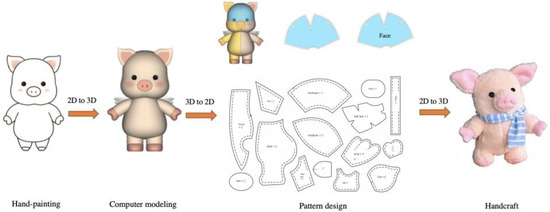
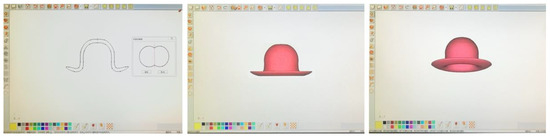
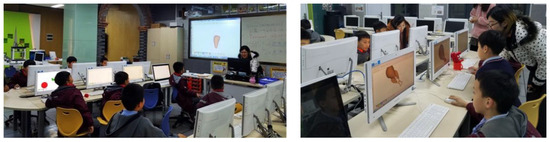
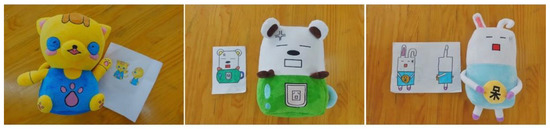
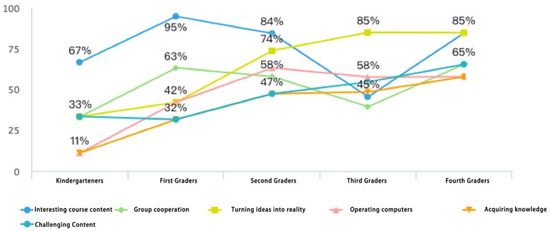
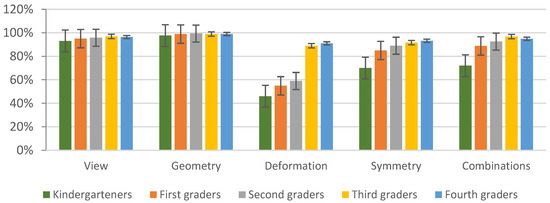
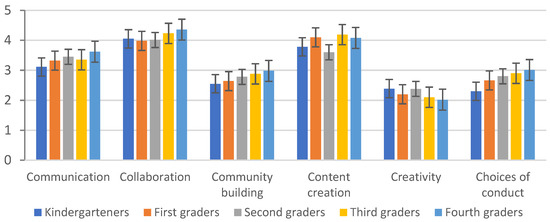
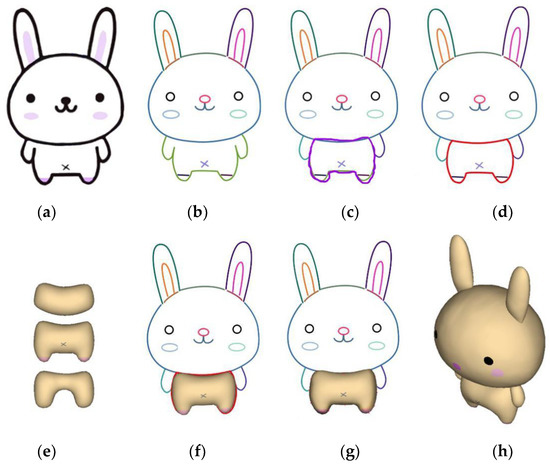
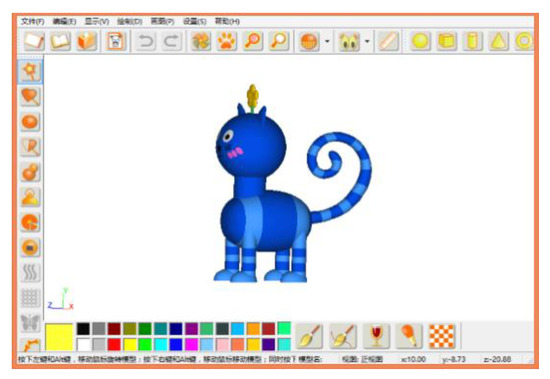
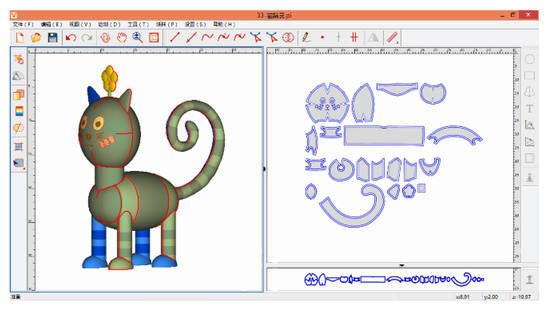
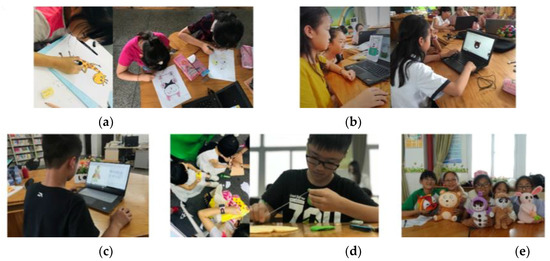
With the rapid development of education and information technology, there has been an increasing focus on maker education, which emphasizes cultivating students’ creative thinking and problem-solving ability. This paper presents our efforts to create a 3D cartoon toy design curriculum system that offers a playful and collaborative way to engage students with creation-based learning. It consists of a 3D modeling software and a series of 3D cartoon toy design courses. The former was developed according to students’ cognitive characteristics and hands-on operation habits, and the toy design courses include activities such as hand-painting, computer modeling, pattern design, handcraft, and creative display. This 3D cartoon toy design course was preliminarily implemented in one kindergarten and two primary schools in Hangzhou, an eastern city in mainland China. A learning assessment of participating students was conducted upon completion of the course. Results show that (1) the initial attitudes of junior students towards learning 3D cartoon toy design were mainly influenced by their interests, whereas senior students paid more attention to turning their ideas into reality with the help of technical tools. (2) All students were highly successful at mastering foundational modeling concepts, but the junior students were less successful at mastering abstract modeling concepts. (3) The course was most successful in developing students’ collaborative ability and content creation. (4) Additionally, teachers were successful at promoting a collaborative and communicative environment. Findings are discussed.
Full article
►▼
Show Figures
Open AccessArticle
Exploring Maker Innovation: A Transdisciplinary Engineering Design Perspective
by
Wei Liu, Yancong Zhu, Min Liu and Yanru Li
Cited by 18 | Viewed by 4478
Abstract
Researchers, designers, and engineers embrace the ongoing maker movement and view ‘grassroots innovation’ as essentially important for staying competitive in both academia and in industry. The research team gives full play to its expertise on innovation and entrepreneurship education. In the past five
[...] Read more.
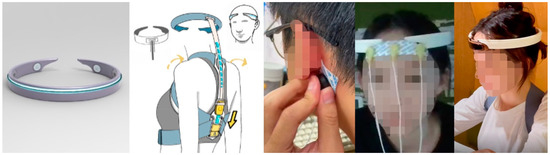
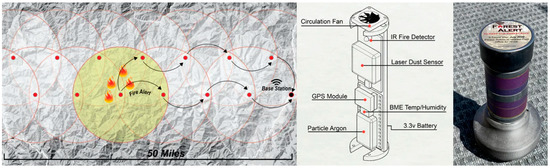
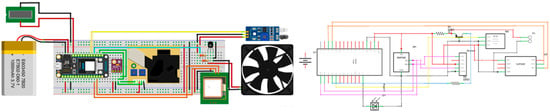
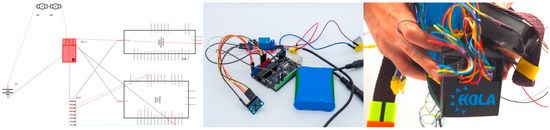
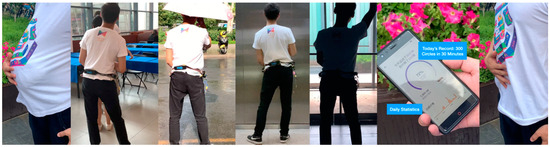
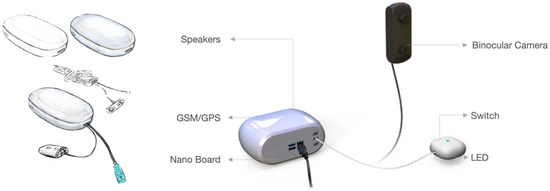
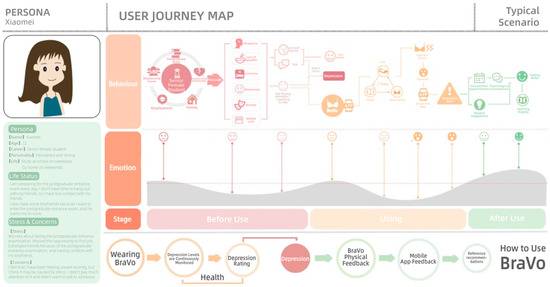
Researchers, designers, and engineers embrace the ongoing maker movement and view ‘grassroots innovation’ as essentially important for staying competitive in both academia and in industry. The research team gives full play to its expertise on innovation and entrepreneurship education. In the past five years of actively participating in the China-U.S. Young Maker Competition, the team coached and worked with over five hundred student makers to create innovative engineering prototypes focusing on the areas of community development, education, environmental protection, health and fitness, energy, transportation, and other areas of sustainable development by combining innovative design and emerging technologies. Several conceptual designs and developments are described. A transdisciplinary engineering design and teaching approach is presented and discussed. Due to the limited time allowed by the competition, more thorough design and development iterations will take place in a future study.
Full article
►▼
Show Figures
Open AccessArticle
Developing Eighth-Grade Students’ Computational Thinking with Critical Reflection
by
Zhenzhen He, Xuemei Wu, Qiyun Wang and Changqin Huang
Cited by 13 | Viewed by 4177
Abstract
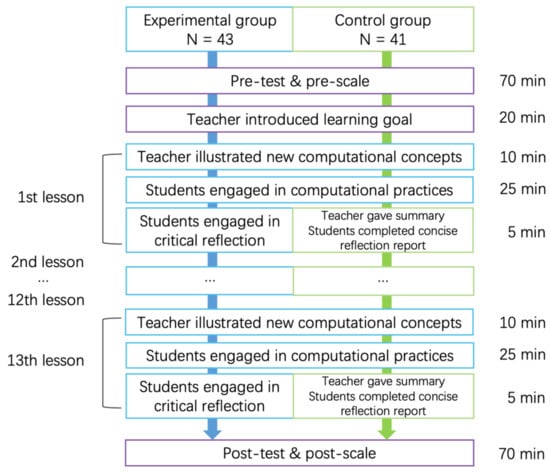
As computer science has become a vital power in facilitating the rapid and sustainable development of various fields, equipping everyone with computational thinking (CT) has been recognized as one of the core pillars supporting the sustainable development of individuals and our digital world.
[...] Read more.
As computer science has become a vital power in facilitating the rapid and sustainable development of various fields, equipping everyone with computational thinking (CT) has been recognized as one of the core pillars supporting the sustainable development of individuals and our digital world. However, it remains challenging for secondary school students to assimilate CT. Recently, critical reflection has been proposed as a useful metacognitive strategy for regulating students’ thinking to solve current and future problems. In this study, a quasi-experiment was conducted to investigate the role of critical reflection in advancing eighth-grade students’ CT. The participants were 95 eighth-grade students, comprising an experimental group (
n = 49) and a control group (
n = 46). The students’ CT was evaluated based on their learning performance in computational concepts, computational practices, and computational perspectives. The results showed that critical reflection, compared with traditional instruction from teachers, could significantly advance eighth-grade students’ CT. Interestingly, the two groups showed significantly different learning performance in computational practices during the learning process. Furthermore, interaction with peers and instructors played an essential role in helping students engage as active agents in critical reflection. The results of this study emphasize the need to develop students’ CT by practicing critical reflection in eighth-grade education.
Full article
►▼
Show Figures
Open AccessArticle
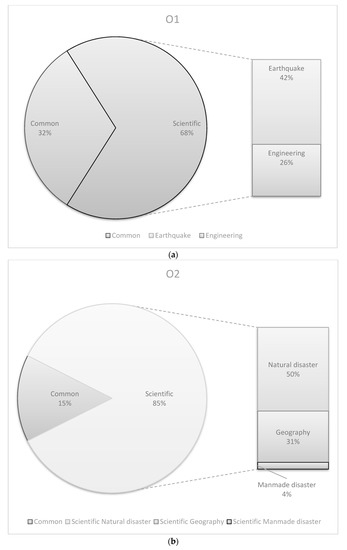
The Wadden Sea as a National Park and UNESCO World Heritage Site: Students’ Word Associations with These Two Conservation Designations
by
Till Schmäing and Norbert Grotjohann
Cited by 10 | Viewed by 4552
Abstract
The Wadden Sea ecosystem is unique in many respects from a biological perspective. This is one reason why it is protected by national parks in Germany and by its designation as a UNESCO World Heritage Site. In biology didactics, there are only a
[...] Read more.
The Wadden Sea ecosystem is unique in many respects from a biological perspective. This is one reason why it is protected by national parks in Germany and by its designation as a UNESCO World Heritage Site. In biology didactics, there are only a few studies that focus on the Wadden Sea. This work investigates students’ word associations with the two stimulus words “national park” and “UNESCO World Heritage Site”. The survey was conducted among students living directly at the Wadden Sea and among students from the inland. The analysis of the identified associations (
n = 8345) was carried out within the framework of a quantitative content analysis to be able to present and discuss the results on a group level. A statistically significant difference was found between the two groups. Overall, results showed that the students made subject-related associations as well as a large number of associations to both stimulus words that could be judged as non-subject-related. In some cases, a connection with the region of residence could be found, but this was not generally the case. Even students’ immediate residential proximity to the Wadden Sea is no guarantee that they have knowledge of the two considered protection terms.
Full article
Open AccessArticle
Investigating the Effectiveness of Using a Technological Approach on Students’ Achievement in Mathematics–Case Study of a High School in a Caribbean Country
by
Kendale Kashiem Dario Liburd and Hen-Yi Jen
Cited by 15 | Viewed by 13175
Abstract
It has always been a challenge for teachers to engage and motivate students to learn mathematics, due to the abstractness of some topics and the need for visual representation and technological resources. This study explores the effectiveness of using a technological approach on
[...] Read more.
It has always been a challenge for teachers to engage and motivate students to learn mathematics, due to the abstractness of some topics and the need for visual representation and technological resources. This study explores the effectiveness of using a technological approach on student achievement in mathematics, in general. A pre/post-test design was followed with a control and experimental group both learning the same topic over a 3-week period. A sample size of 35 (Experimental group = 18 and Control group = 17) high school students of 4th form level (Grade 10/Senior High) was taken with experimental group students taught using an interactive technological approach—GeoGebra software, in particular; while the control group learned the same material using the traditional approach without technology. GeoGebra is free software which can be used to teach different topics in mathematics education. Analysis of Covariance (ANCOVA) is applied in the study, and the findings shows that technology is an effective tool in teaching the topic of Coordinate Geometry concepts. It can be concluded that the student who was taught with the use of technology showed a higher level of conceptual understanding compared to the students who learned using the traditional method.
Full article
Open AccessArticle
COVID-19: An Outcome of Biodiversity Loss or a Conspiracy? Investigating the Attitudes of Environmental Students
by
Georgios Tsantopoulos, Aristotelis C. Papageorgiou and Evangelia Karasmanaki
Cited by 5 | Viewed by 4386
Abstract
The global environment is being constantly degraded, placing humans at increased risk for outbreaks of infectious diseases. In this regard, environmental quality must be enhanced in order to prevent pandemics in the future. However, it is unknown whether future environmental experts are aware
[...] Read more.
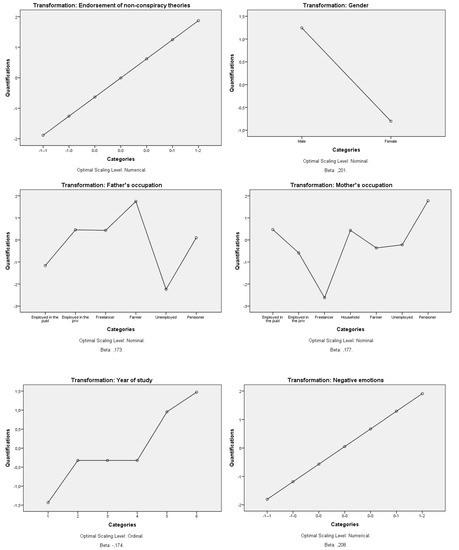
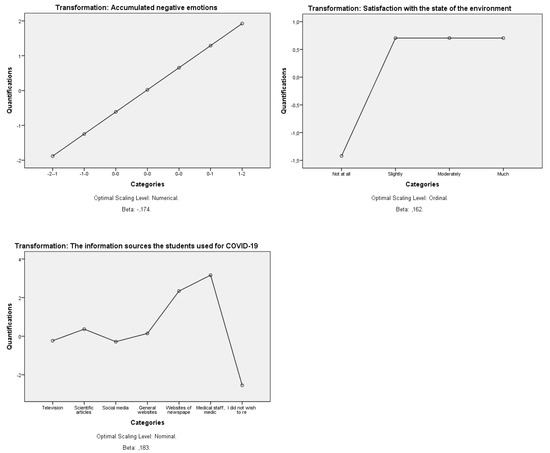
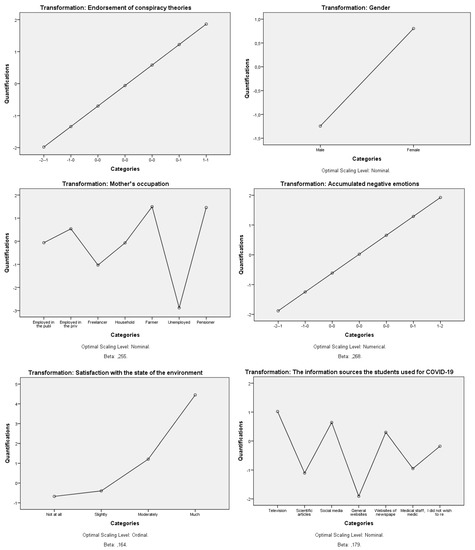
The global environment is being constantly degraded, placing humans at increased risk for outbreaks of infectious diseases. In this regard, environmental quality must be enhanced in order to prevent pandemics in the future. However, it is unknown whether future environmental experts are aware of the intricate relationship between environmental degradation and infectious diseases. This question is important because if they lack awareness about this relationship, they may not be able to contribute to biodiversity conservation which, in turn, can prevent outbreaks of infectious diseases. Hence, the aim of this paper is to investigate the attitudes of environmental students towards the pandemic. The primary objective is to examine their views on the origin of COVID-19 and a secondary objective is to discover the factors that affect the endorsement of conspiracy and non-conspiracy theories on the origin of COVID-19. Our findings indicated that an alarmingly high percentage of students endorsed the conspiracy theory that COVID-19 is a man-made virus for which there was a vaccine before it emerged, whereas only one in five students perceived that the virus is associated with climate change. These students are the future scientists who will be responsible for biodiversity conservation and climate change mitigation. Therefore, it is necessary to pay more attention to environmental students, both in Greece and elsewhere, and examine if such perceptions stem from any deficiencies in curricula or from the effects of the media.
Full article
►▼
Show Figures
Open AccessArticle
A Personality-Driven Recommender System for Cross-Domain Learning Based on Holland Code Assessments
by
Ja-Hwung Su, Yi-Wen Liao, Jia-Zhen Xu and Yu-Wei Zhao
Cited by 5 | Viewed by 5708
Abstract
Over the past few decades, AI has been widely used in the field of education. However, very little attention has been paid to the use of AI for enhancing the quality of cross-domain learning. College/university students are often interested in different domains of
[...] Read more.
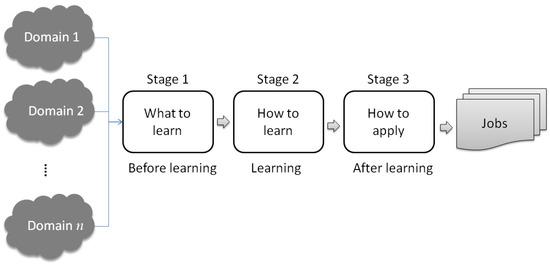
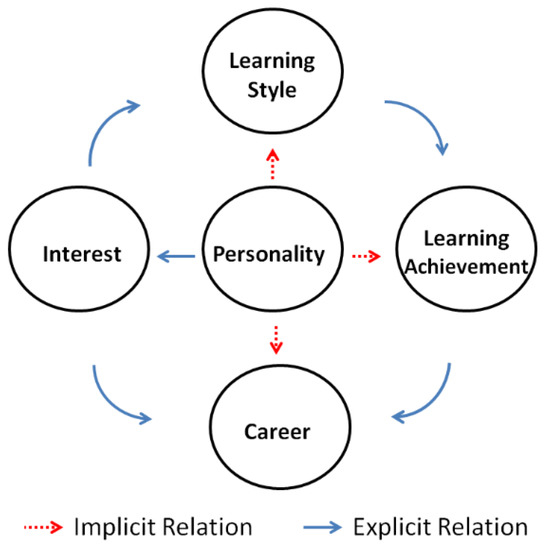
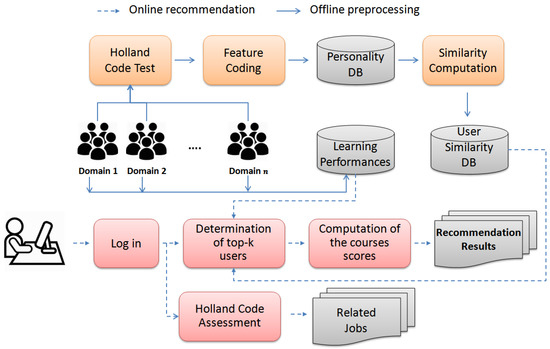
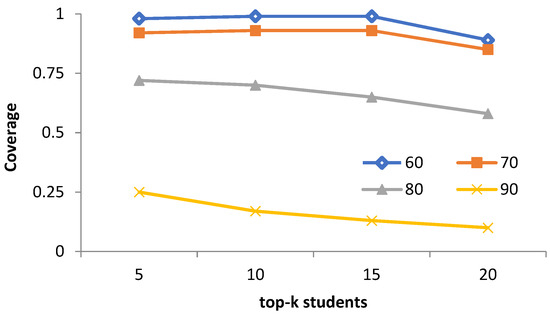
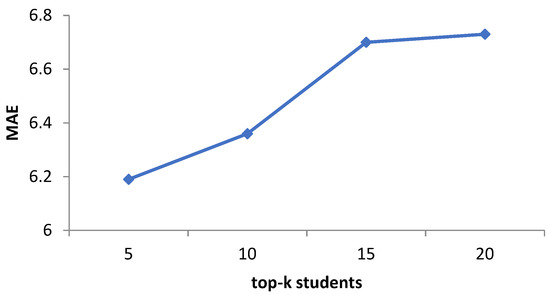
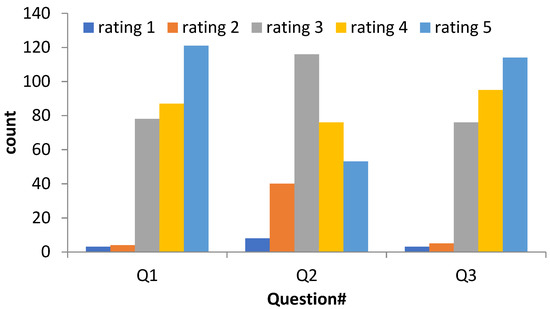
Over the past few decades, AI has been widely used in the field of education. However, very little attention has been paid to the use of AI for enhancing the quality of cross-domain learning. College/university students are often interested in different domains of knowledge but may be unaware of how to choose relevant cross-domain courses. Therefore, this paper presents a personality-driven recommender system that suggests cross-domain courses and related jobs by computing personality similarities and probable course grades. In this study, 710 students from 12 departments in a Taiwanese university conducted Holland code assessments. Based on the assessments, a comprehensive empirical study, including objective and subjective evaluations, was performed. The results reveal that (1) the recommender system shows very promising performances in predicting course grades (objective evaluations), (2) most of the student testers had encountered difficulties in selecting cross-domain courses and needed the further support of a recommender system, and (3) most of the student testers positively rated the proposed system (subjective evaluations). In summary, Holland code assessments are useful for connecting personalities, interests and learning styles, and the proposed system provides helpful information that supports good decision-making when choosing cross-domain courses.
Full article
►▼
Show Figures
Open AccessArticle
Assessing Environmental Attitudes and Cognitive Achievement within 9 Years of Informal Earth Education
by
Tessa-Marie Baierl, Bruce Johnson and Franz X. Bogner
Cited by 27 | Viewed by 5666
Abstract
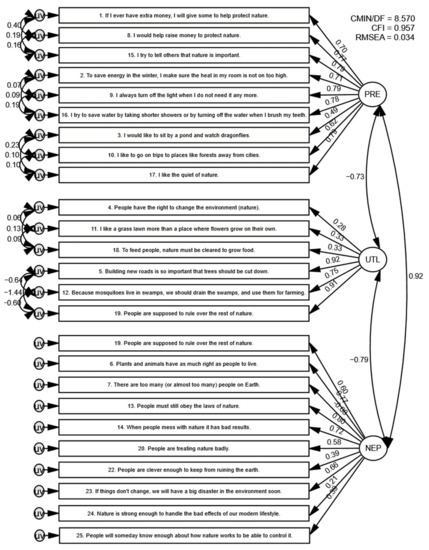
Given the multitude of attitude scales, we examined the relationship between the 2-Major Environmental Values model (2-MEV) and the New Environmental Paradigm scale (NEP) based on a 6585 child sample over a 9-year period. The students participated in a three-day outdoor earth education
[...] Read more.
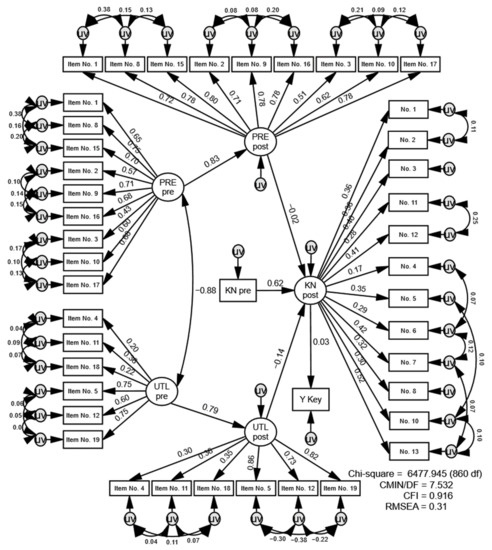
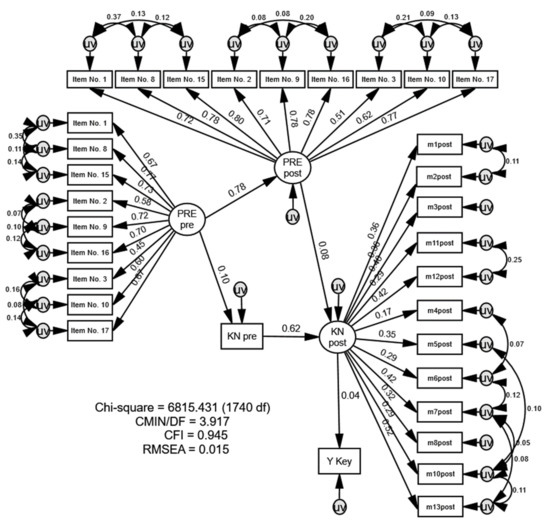
Given the multitude of attitude scales, we examined the relationship between the 2-Major Environmental Values model (2-MEV) and the New Environmental Paradigm scale (NEP) based on a 6585 child sample over a 9-year period. The students participated in a three-day outdoor earth education program at field centers in three different US states (Arizona, Pennsylvania, and Louisiana). We further investigated the scales’ sensitivity to program effects, relating cognitive achievement and attitude with respect to a pro-environmental indicator of behavior (Y key). The NEP and Preservation correlated highly, while the subscales Utilization and Preservation showed a strong inverse relationship. Based on further reliability and validity scores, and in line with the literature, this pointed to a unidimensional Preservation of Nature scale as a concise attitude measurement. In structural equation modelling, Preservation related to knowledge gains and the Y key, and effects from Preservation on knowledge held true for all three states. This suggests Preservation as one factor influencing cognitive achievement and environmentally conscious performance. Regarding program effects, the Earthkeepers program seemed to induce pro-environmental shifts based on knowledge gains and attitude changes (Preservation increasing and Utilization decreasing). Pro-environmental shifts were most prominent for those who received the Y key.
Full article
►▼
Show Figures
Open AccessArticle
New Water Culture versus the Traditional Design and Validation of a Questionnaire to Discriminate between Both
by
Alicia Benarroch, María Rodríguez-Serrano and Alejandra Ramírez-Segado
Cited by 15 | Viewed by 4063
Abstract
This article addresses the process of designing and validating a questionnaire on the New Water Culture, which aims to collect information on various issues related to water, such as its management, savings, and consumption. The questionnaire was subjected to a double validation process:
[...] Read more.
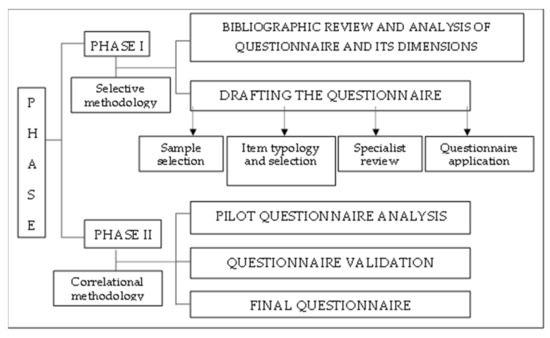
This article addresses the process of designing and validating a questionnaire on the New Water Culture, which aims to collect information on various issues related to water, such as its management, savings, and consumption. The questionnaire was subjected to a double validation process: an evaluation by a panel of experts, including members of the New Water Culture Foundation, and a pilot study, which allowed us to estimate the validation of the content as well as the corresponding internal consistency of the questionnaire. The construction and validation process resulted in a questionnaire consisting of 27 items with a total of 71 variables distributed in four sections: the first is related to scarcity, quantity, and distribution of water; the second collects questions about the different dimensions of water; the third analyses the different ways of carrying out water management; and the fourth and last section is related to personal actions associated with water. The reliability study showed a Cronbach alpha of 0.913, which demonstrates the development of a robust and reliable instrument allowing the identification of the most problematic issues associated with the New Water Culture.
Full article
►▼
Show Figures
Open AccessArticle
Sustainable Design and Prototyping Using Digital Fabrication Tools for Education
by
Sohail Ahmed Soomro, Hernan Casakin and Georgi V. Georgiev
Cited by 54 | Viewed by 12695
Abstract
Prototyping physical artifacts is a fundamental activity for both product development in industrial and engineering design domains and the development of digital fabrication skills. Prototyping is also essential for human-centric problem-solving in design education. Digital fabrication assists in rapid prototype development through computer-aided
[...] Read more.
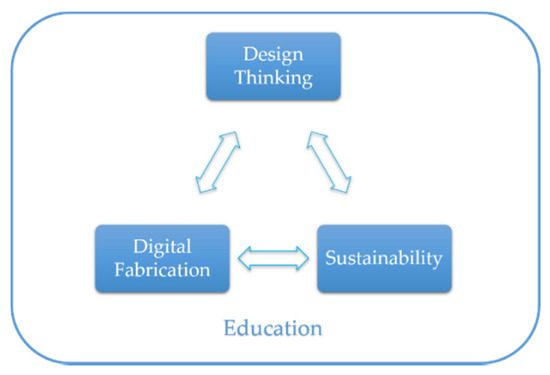
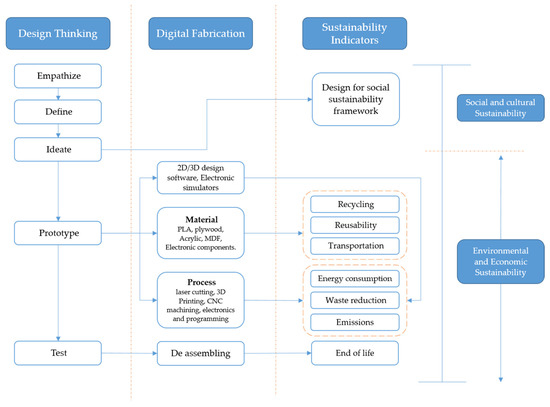
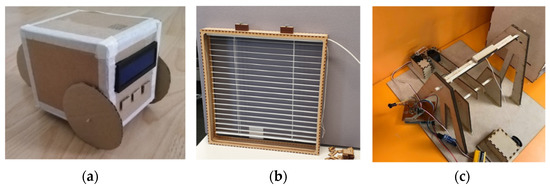
Prototyping physical artifacts is a fundamental activity for both product development in industrial and engineering design domains and the development of digital fabrication skills. Prototyping is also essential for human-centric problem-solving in design education. Digital fabrication assists in rapid prototype development through computer-aided design and manufacturing tools. Due to the spread of makerspaces like fabrication laboratories (FabLabs) around the world, the use of digital fabrication tools for prototyping in educational institutes is becoming increasingly common. Studies on the social, environmental, and economic sustainability of digital fabrication have been carried out. However, none of them focus on sustainability and prototyping-based digital fabrication tools or design education. To bridge this research gap, a conceptual framework for sustainable prototyping based on a five-stage design thinking model is proposed. The framework, which is based on a comprehensive literature review of social, economic, and environmental sustainability factors of digital fabrication, is applied to evaluate a prototyping process that took place in a FabLab in an education context aimed at enhancing sustainability. Three case studies are used to evaluate the proposed framework. Based on the findings, recommendations are presented for sustainable prototyping using digital fabrication tools.
Full article
►▼
Show Figures
Open AccessArticle
From Seafarers to E-farers: Maritime Cadets’ Perceptions Towards Seafaring Jobs in the Industry 4.0
by
Sohyun Jo, Enrico D’agostini and Jun Kang
Cited by 32 | Viewed by 9911
Abstract
Efforts to implement the concept of autonomous transport in the shipping industry are currently underway with the introduction of Maritime Autonomous Surface Ship (MASS), which is expected to usher in a new paradigm in maritime trade. However, this requires a stable supply of
[...] Read more.
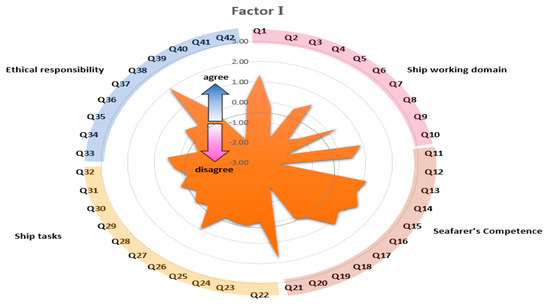
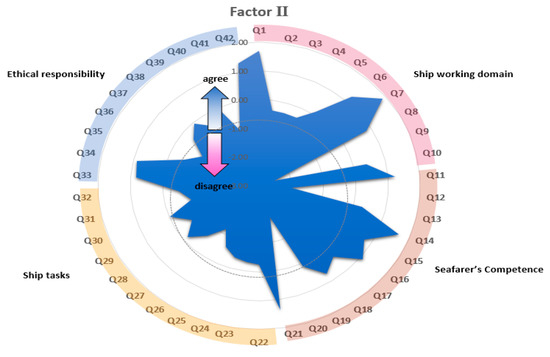
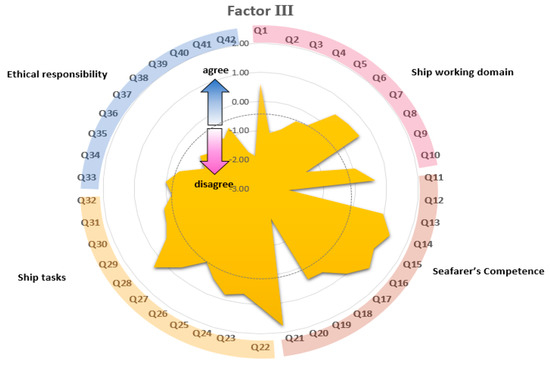
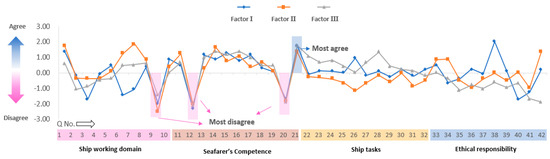
Efforts to implement the concept of autonomous transport in the shipping industry are currently underway with the introduction of Maritime Autonomous Surface Ship (MASS), which is expected to usher in a new paradigm in maritime trade. However, this requires a stable supply of highly qualified seafarers. Predicting the changes necessary for seafarer education and training in the MASS era is pivotal for the safe and efficient development and operation of autonomous ships. The present study conducted a survey using Q methodology on fourth year students of the Korea Maritime and Ocean University (KMOU), to examine their perceptions towards changes in ship organizations, and the competency of seafarers required in the MASS era. From the analysis, we extracted three unique clusters of cadets’ perceptions towards new competencies with the introduction of MASS: “the traditional seafarers’ centric role retainer”, the “ship organizational structure domain achiever”, and the “new technical competences builder”. The emerging findings can predict the educational needs and new competences of seafarers in the MASS era, as well as support managerial implications. These results are expected to serve in establishing the future direction of seafarer education and training in both private and public organisations.
Full article
►▼
Show Figures
Open AccessArticle
Learning Science during Teatime: Using a Citizen Science Approach to Collect Data on Litter Decomposition in Sweden and Austria
by
Taru Sandén, Heide Spiegel, Hannah Wenng, Michael Schwarz and Judith M. Sarneel
Cited by 15 | Viewed by 7174
Abstract
The decay of organic material—litter decomposition—is a critical process for life on Earth and an essential part of the global carbon cycle. Yet, this basic process remains unknown to many citizens. The Tea Bag Index (TBI) measures decomposition in a standardized, measurable, achievable,
[...] Read more.
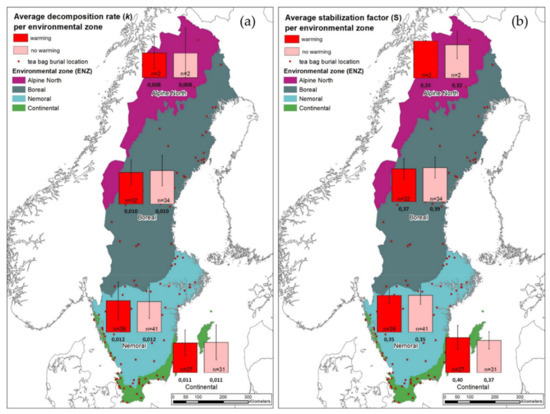
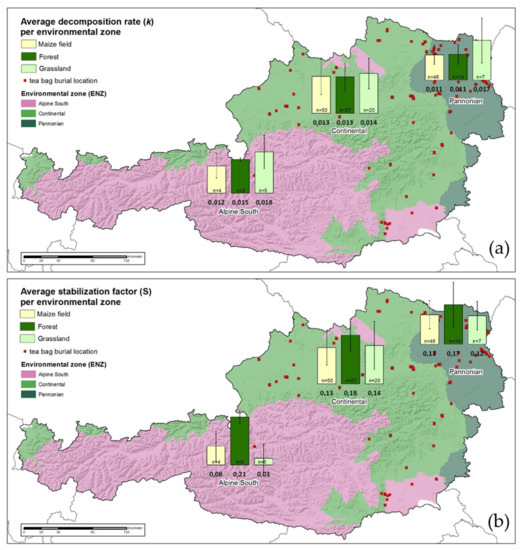
The decay of organic material—litter decomposition—is a critical process for life on Earth and an essential part of the global carbon cycle. Yet, this basic process remains unknown to many citizens. The Tea Bag Index (TBI) measures decomposition in a standardized, measurable, achievable, climate-relevant, and time-relevant way by burying commercial tea bags in soil for three months and calculating proxies to characterize the decomposition process (expressed as decomposition rate (k) and stabilization factor (S)). We measured TBI at 8 cm soil depth with the help of school and farm citizen scientists in 2015 in Sweden and in 2016 in Austria. Questionnaires to the participating schools and farms enabled us to capture lessons learned from this participatory data collection. In total >5500 citizen scientists participated in the mass experiments, and approximately 50% of the tea bags sent out yielded successful results that fell well within previously reported ranges. The average decomposition rates (
k) ranged from 0.008 to 0.012 g d
−1 in Sweden and from 0.012 to 0.015 g d
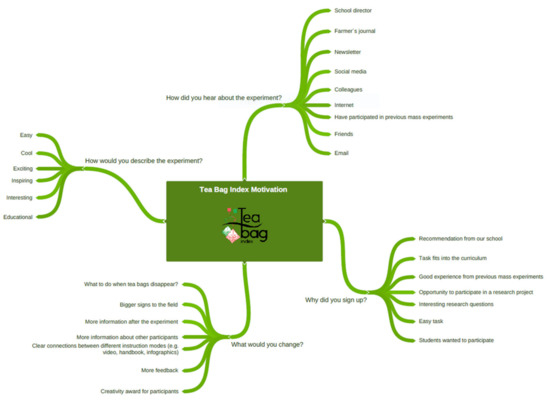
−1 in Austria. Stabilization factors (S) were up to four times higher in Sweden than Austria. Taking part in a global experiment was a great incentive for participants, and in future experiments the citizen scientists and TBI would benefit from having enhanced communication between the researchers and participants about the results gained.
Full article
►▼
Show Figures
Open AccessArticle
Implications of COVID-19 on the Labor Market of Saudi Arabia: The Role of Universities for a Sustainable Workforce
by
Abdulrahman O. Al-Youbi, Abdulmonem Al-Hayani, Ali Rizwan and Hani Choudhry
Cited by 41 | Viewed by 8330
Abstract
Governments all over the world are taking preventive measures to contain the spread of COVID-19. However, these measures have caused both long- and short-term effects on the socioeconomic situation of many countries. Due to lockdowns and business shutdowns, people are becoming unemployed or
[...] Read more.
Governments all over the world are taking preventive measures to contain the spread of COVID-19. However, these measures have caused both long- and short-term effects on the socioeconomic situation of many countries. Due to lockdowns and business shutdowns, people are becoming unemployed or are working on reduced wages, creating a unique type of career shock in the global job market. Moreover, this phenomenon also produces a negative reflux among workers, encouraging a new skill set for this unprecedented time. The present study aimed to investigate the implications of COVID-19 on the labor market of Saudi Arabia. Data were collected with the help of a questionnaire from both public and private sector employers (
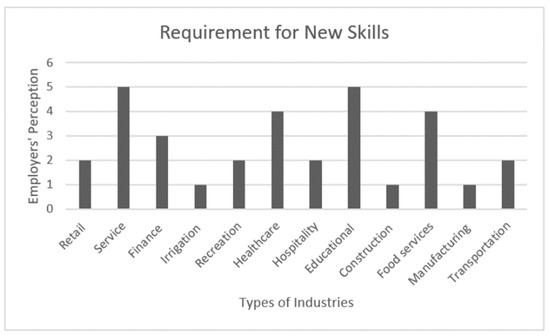
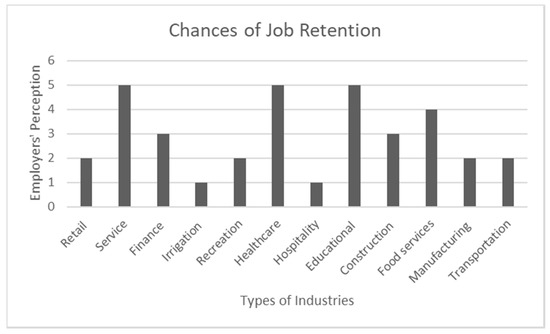
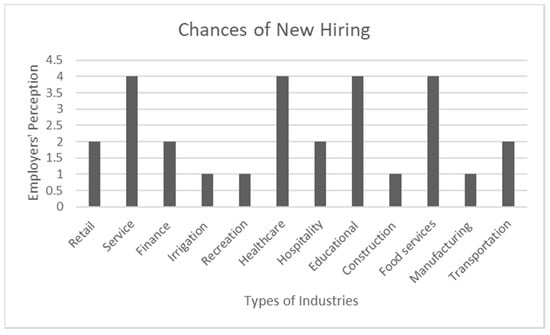
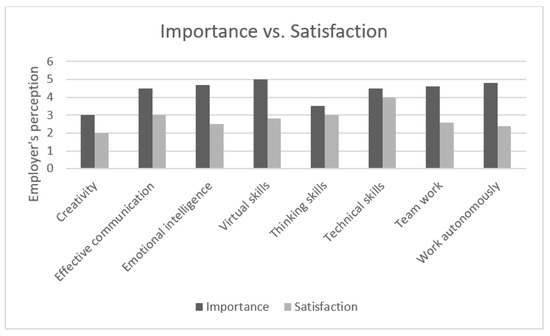
n = 234) to inquire about their perceptions of the new skill set required in the changing business environment during and after pandemics. The data were analyzed with the help of descriptive statistics as well as simple and companion regression. The results indicate that the healthcare, service and education sectors have quickly transformed themselves from conventional to remote forms of working and consider virtual skills, autonomous working and effective communication the most important skills for their workforce during the current and the postpandemic scenarios. Interviews were then conducted with educational leaders to develop a conceptual framework by integrating both qualitative and quantitative analysis of the surveys. The results of the study are beneficial for the educational leadership of higher education institutions (HEIs) to better align their educational programs with changing market needs. By doing so, they not only increase the sustainability of the workforce but also minimize the impact of COVID-19 on the Saudi labor market.
Full article
►▼
Show Figures
Open AccessArticle
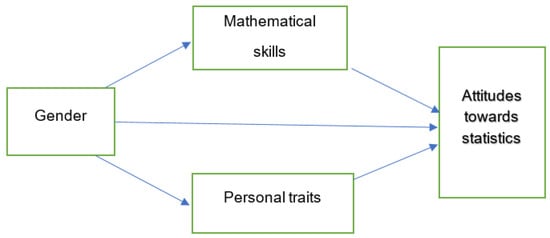
Attitudes towards Statistics among Business Students: Do Gender, Mathematical Skills and Personal Traits Matter?
by
Leiv Opstad
Cited by 7 | Viewed by 5633
Abstract
The purpose of this article was to investigate different variables, by combining mathematical skills and personal traits using The Big Five Model, to see which have the most influence on business students’ attitudes towards statistics. The Big Five personality traits make up a
[...] Read more.
The purpose of this article was to investigate different variables, by combining mathematical skills and personal traits using The Big Five Model, to see which have the most influence on business students’ attitudes towards statistics. The Big Five personality traits make up a model for capturing various personal characteristics. Specifically, we aimed to understand why there is a gender difference in attitudes towards statistics. Statistical skills are a key factor for success in business studies. The chosen methods were pairwise comparisons (
t-test) and a linear regression model, using a sample from a Norwegian business school. The finding was that there is a substantial gender gap towards attitudes towards statistics but taking mathematical skills and personal characteristics into consideration then results in this gap becoming much smaller. Furthermore, mathematical skills and personal traits were shown to have an impact on students’ attitudes towards statistics.
Full article
►▼
Show Figures
Open AccessArticle
Frames in Outdoor Environmental Education Programs: What We Communicate and Why We Think It Matters
by
Jan Činčera, Bruce Johnson, Roman Kroufek, Miloslav Kolenatý and Petra Šimonová
Cited by 9 | Viewed by 4656
Abstract
This paper discusses the application of frame analysis as a method of designing and evaluating outdoor environmental education programs. In particular, it investigates what frames are communicated in these programs, why and how program leaders focus on communicating particular frames, and how students
[...] Read more.
This paper discusses the application of frame analysis as a method of designing and evaluating outdoor environmental education programs. In particular, it investigates what frames are communicated in these programs, why and how program leaders focus on communicating particular frames, and how students interact with these frames. Five outdoor environmental education programs for elementary school students were analyzed. We used a qualitative approach that combined field observation, interviews with program leaders (
N = 15), qualitative findings based on questionnaires collected from the participants after completing the programs (
N = 365), and interviews with some of the students (
N = 10). According to the results, while the leaders intensively applied various surface frames to attract student interest and organize the program activities, the deep frames aimed for in the main program messages connected with the program goals often remained implicit and were not recognized by the students.
Full article
Open AccessCommunication
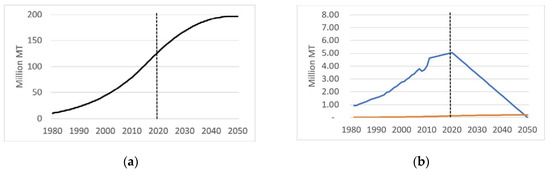
Can Young Generations Recognize Marine Plastic Waste as a Systemic Issue?
by
Takuro Uehara
Cited by 11 | Viewed by 4367
Abstract
This study reports preliminary survey results exploring whether children can recognize marine plastic waste as a systemic issue, especially regarding stock–flow relationships and delays. A systemic understanding of this issue is key to reducing marine plastic waste and to avoid its irreversible effects.
[...] Read more.
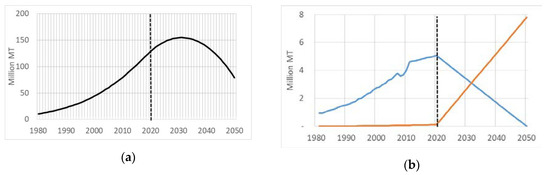
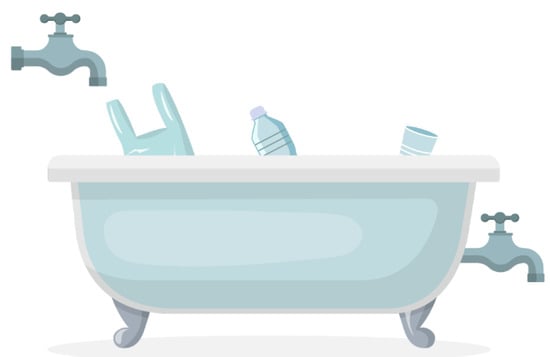
This study reports preliminary survey results exploring whether children can recognize marine plastic waste as a systemic issue, especially regarding stock–flow relationships and delays. A systemic understanding of this issue is key to reducing marine plastic waste and to avoid its irreversible effects. Reducing the inflow of waste does not necessarily reduce the waste accumulated in the ocean, unless its rate becomes smaller than the outflow (e.g., cleanup). Delays due to a wait-and-see policy will result in irreversible effects, such as animals swallowing plastic waste, and plastic waste becoming microplastics that are difficult to clean up. A questionnaire survey was conducted during workshops and poster sessions at an event for sustainability in Japan. Participants were children from fourth grade to high school (9–18 years old). Participants were shown to have a limited systematic understanding of marine plastic waste. The majority incorrectly adopted pattern matching (70.6%) and failed to draw correct inflow and outflow curves (94.1%). The majority (83.6%) did not point out delay issues. This study indicates a need to correct mental models to understand the issue by introducing system education.
Full article
►▼
Show Figures
Open AccessArticle
Merging Science Education into Communication: Developing and Validating a Scale for Science Edu-Communication Utilizing Awareness, Enjoyment, Interest, Opinion formation, and Understanding Dimensions (SEC-AEIOU)
by
Leon Yufeng Wu, Shannah Pinhsuan Wu and Chun-Yen Chang
Cited by 11 | Viewed by 8729
Abstract
For better understanding of how the public perceive the information in science communication; this study sought to develop the scale of Science Edu-Communication (SEC), an instrument to measure AEIOU:
Awareness; Enjoyment; Interest; Opinion formation; and
Understanding. The AEIOU framework was adopted for
[...] Read more.
For better understanding of how the public perceive the information in science communication; this study sought to develop the scale of Science Edu-Communication (SEC), an instrument to measure AEIOU:
Awareness; Enjoyment; Interest; Opinion formation; and
Understanding. The AEIOU framework was adopted for use as the major component of SEC to depict participants’ general perceptions of science communication from their daily life experiences. Responses from 121 participants were analysed using exploratory factor analysis; item discrimination; and qualitative coding analysis. Results support SEC-AEIOU as a valid and reliable instrument to measure the effectiveness of science communication experiences. Additionally; SEC-AEIOU can serve as a framework for research and practice to bridge science communication and science education. In particular; science communicators; educators; and institutions that engage in science communication and educational activities may benefit from such a metric. This scale seeks to assist in building a robust framework to facilitate the trend of bridging science communication and science education: Science Edu-Communication.
Full article
►▼
Show Figures
Open AccessArticle
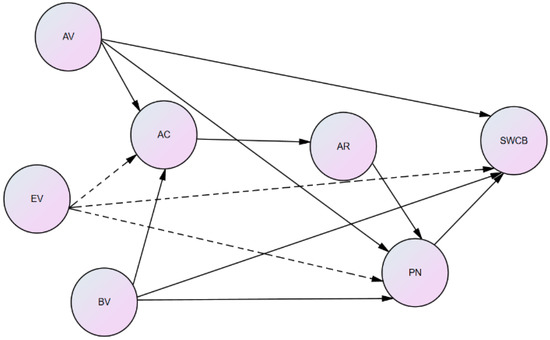
Future Teachers’ Sustainable Water Consumption Behavior: A Test of the Value-Belief-Norm Theory
by
Birgül Çakır Yıldırım and Güliz Karaarslan Semiz
Cited by 56 | Viewed by 7741
Abstract
The impact of climate change and the demand of people for water resources are dramatically increasing. In order to protect water supply in the world, it is essential to develop individuals’ sustainable water consumption behaviors. Teachers play a key role in fostering students’
[...] Read more.
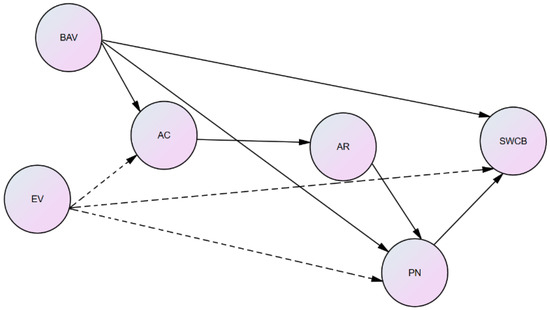
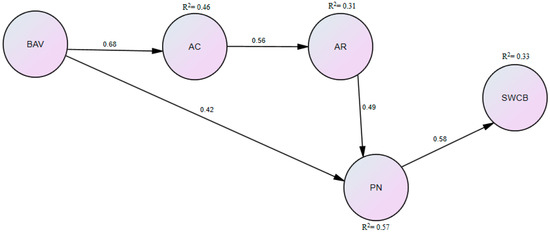
The impact of climate change and the demand of people for water resources are dramatically increasing. In order to protect water supply in the world, it is essential to develop individuals’ sustainable water consumption behaviors. Teachers play a key role in fostering students’ beliefs, attitudes, values and behaviors about sustainable water consumption. Therefore, the aim of this study was to explore pre-service teachers’ sustainable water consumption behaviors using the Value-Belief-Norm theory. 481 pre-service teachers completed a questionnaire measuring sustainable water consumption behavior, universal values, personal norms and beliefs that were categorized as awareness of consequences and ascription of responsibility. The results revealed that the Value-Belief-Norm theory could successfully explain sustainable water consumption behaviors of pre-service teachers. The study revealed that personal norm was a strong predictor to explain sustainable water consumption behavior. Mediation analysis confirmed the causal order of the variables in the model. In other words, personal norms mediated the relationship between ascription of responsibility and sustainable water consumption behavior; ascription of responsibility mediated the relationship between awareness of consequences and personal norms; awareness of consequences mediated the relationship between biospheric-altruistic values and ascription of responsibility; and lastly, personal norms mediated the relationship between biospheric-altruistic values and sustainable water consumption behavior. The results have important implications for education programs and environmental program designers. Through designing water conservation education programs, teachers and students’ sustainable water consumption behaviors can be fostered by strengthening their biospheric-altruistic values, environmental beliefs and personal norm to act for the environment.
Full article
►▼
Show Figures
Open AccessArticle
Sustainability Development in Mathematics Education—A Case Study of What Kind of Meanings Do Prospective Class Teachers Find for the Mathematical Symbol “23”?
by
Jorma Joutsenlahti and Päivi Perkkilä
Cited by 14 | Viewed by 8990
Abstract
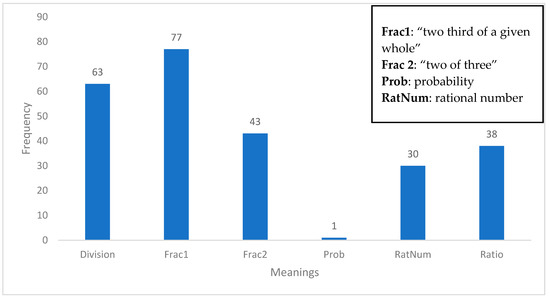
In this article, our focus is on sustainable development in mathematics education from the point of view of teacher training. The aim was to develop prospective teachers’ content knowledge and pedagogical content knowledge of school mathematics. As a case study, we chose the
[...] Read more.
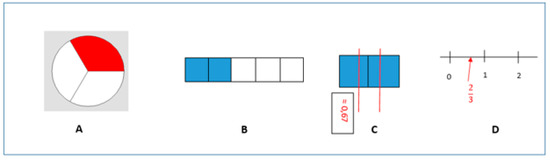
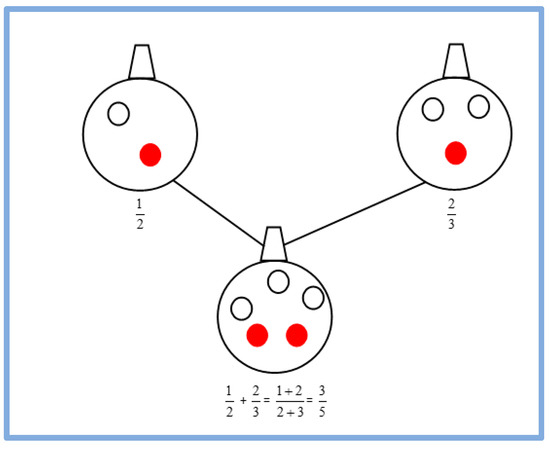
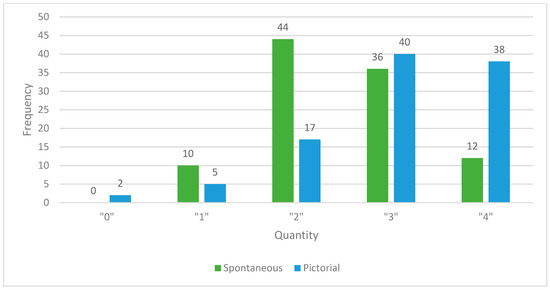
In this article, our focus is on sustainable development in mathematics education from the point of view of teacher training. The aim was to develop prospective teachers’ content knowledge and pedagogical content knowledge of school mathematics. As a case study, we chose the mathematical symbol “a/b”, and examined how prospective class teachers in Finland connect it to the concepts of fraction, ratio, division, rational number or probability. Mathematics textbooks often have a central role in lessons, and they affect strongly how pupils understand concepts and the relationships between them. We chose languaging as a multi-semiotic approach to interpreting what kind of meanings the prospective class teachers gave the mathematical symbol “a/b”. The results show that some of these concepts are difficult to see at the same time from the given mathematical symbol. The concept of ratio is particularly difficult for prospective class teachers to interpret. Pictorial presentation supported the interpretations. Mathematics learning materials and teacher education should develop in accordance with the results of the study.
Full article
►▼
Show Figures
Open AccessArticle
Examining the Relationships between Factors Influencing Environmental Behaviour among University Students
by
Jari Kukkonen, Sirpa Kärkkäinen and Tuula Keinonen
Cited by 47 | Viewed by 8076
Abstract
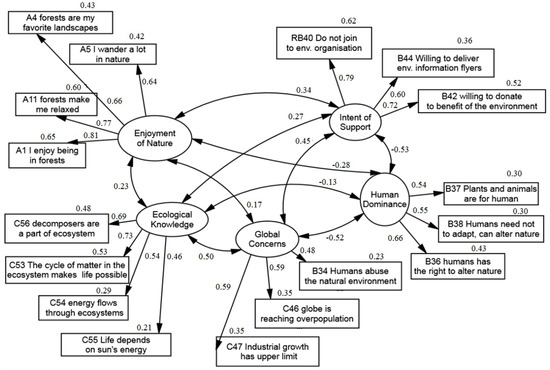
Education for sustainability may be seen as consisting of four dimensions: sensitivity and attitudes toward the environment, awareness and knowledge of the environment, environmentally friendly actions and participation. A questionnaire was drawn up which includes statements concerning all these dimensions and it was
[...] Read more.
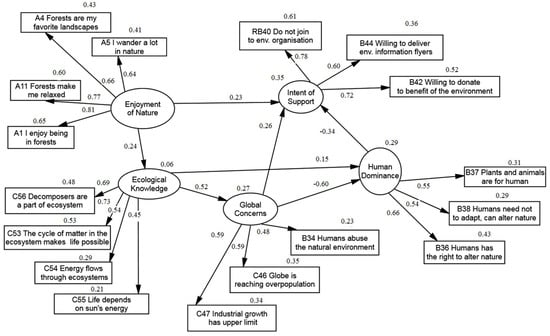
Education for sustainability may be seen as consisting of four dimensions: sensitivity and attitudes toward the environment, awareness and knowledge of the environment, environmentally friendly actions and participation. A questionnaire was drawn up which includes statements concerning all these dimensions and it was filled out by 674 university students from different majors. Data were analysed statistically and a structural equation model was formed. Results indicate that sensitivity toward or awareness of nature is the basis for the enjoyment of nature. The enjoyment of nature is directly positively related to the intention of support pro-environmental activity and to environmental knowledge. Furthermore, it has a mediational effect on ecological knowledge, concern, or the belief of human dominance over nature. Students who possess global concerns do not accept human dominance and this is related to the intent to support environmental activities. Students were found to form groups: “Sorters.” “Occasional actors” and “Resource savers.” Compared to prior research, due to the additional items concerning environmental sensitivity and awareness in our instrument, we were able to uncover the importance of sensitivity to the enjoyment of nature in the complex model of the relationships between awareness, attitudes, knowledge, concerns and intentions. Ecological knowledge leads to global concerns and, therefore, it should be promoted through science education.
Full article
►▼
Show Figures
Open AccessArticle
Chicken Raising in a Diverse Finnish Classroom: Multidimensional Sustainability Learning
by
Lili-Ann Wolff, Sari Vuorenpää and Pia Sjöblom
Cited by 4 | Viewed by 7572
Abstract
Social change requires new educational planning and sustainable teaching methods. Shaping an environment of care with animals as a part of the daily school life may produce such a change. In this article, we present a transdisciplinary study with the aim of exploring
[...] Read more.
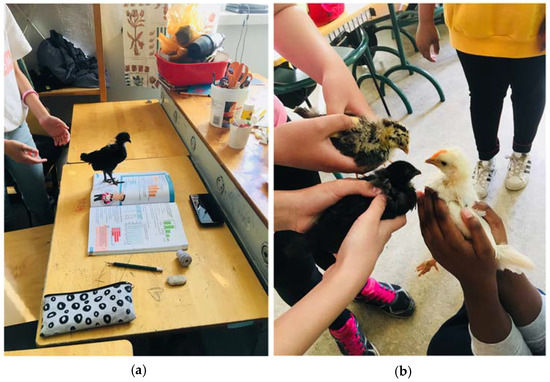
Social change requires new educational planning and sustainable teaching methods. Shaping an environment of care with animals as a part of the daily school life may produce such a change. In this article, we present a transdisciplinary study with the aim of exploring whether raising chickens in a classroom could promote learning, especially sustainability learning, and how. The study employs an ethnographic approach and we have analyzed the data according to interaction analysis. We collected the data in a culturally-diverse Finnish primary school class during May 2018. The data comprise field notes, videos and photographs from indoor and outdoor school activities; interviews and discussions with teachers and students; and, texts and artifacts that were made by students. The results show that having chickens in the classroom not only improved the students’ learning of biology, but also enhanced many other activities. The chicken project became part of a complex learning culture that met several of the aims of the curriculum and in many ways reached beyond the aim of merely learning science. The project became a natural part of sustainability education and promoted the acquisition of knowledge and skills in relation to the ecological and social dimensions of sustainability.
Full article
►▼
Show Figures
Open AccessFeature PaperArticle
Teaching Methods in Biology Promoting Biodiversity Education
by
Eija Yli-Panula, Eila Jeronen, Piia Lemmetty and Anna Pauna
Cited by 51 | Viewed by 16702
Abstract
The aim of this qualitative survey was to investigate what kind of teaching methods have been used in biology to promote biodiversity education (BDE) and how the methods support biodiversity (BD) learning. We found, in total, 317 international scientific articles published since 2000
[...] Read more.
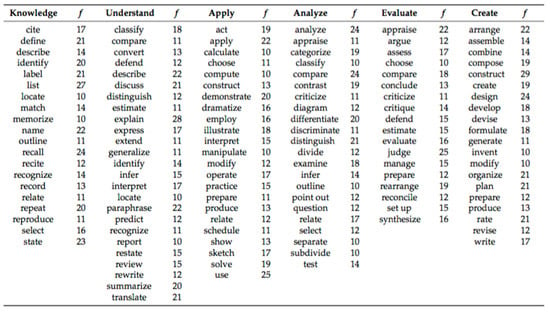
The aim of this qualitative survey was to investigate what kind of teaching methods have been used in biology to promote biodiversity education (BDE) and how the methods support biodiversity (BD) learning. We found, in total, 317 international scientific articles published since 2000 which described the teaching methods regarding BDE and the teaching, and/or the learning. From these ones 12 articles specifically addressed the teaching methods of BD. The content of these articles was analysed in detail. The detailed analysis was based on (a) the categories of the teaching methods used, (b) the conception of learning in the Finnish National Core Curricula for Secondary schools and (c) the revised Bloom’s taxonomy and Stanny’s verbs concerning the levels of taxonomy. The most used teaching methods were hands-on instruction, experiential learning, and teacher presentation. The least used ones were games, roleplay, debates, service learning, study trips, and visits. In all the articles, various teaching methods used during the lessons were described. The items concerning the teaching methods, which supported students learning were active participation and interaction—mentioned in all the articles—followed by observation, experimental work, experiential learning, and techniques for increasing environmental awareness. The understanding of the different perspectives of BD and the development of self-evaluation were addressed in only four and two of the articles, respectively. The four types of knowledge were supported by the used teaching methods in nine articles jointly. The lower levels of thinking skills were well-supported by the used teaching methods. The highest level of thinking skills, such as synthesis and evaluation, received the least amount of attention.
Full article
►▼
Show Figures
Open AccessArticle
Promoting Participation in Society through Science Education
by
Katri Varis, Ilpo Jäppinen, Sirpa Kärkkäinen, Tuula Keinonen and Esko Väyrynen
Cited by 8 | Viewed by 5090
Abstract
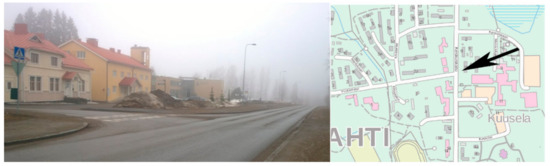
Participation in society can be promoted through science education. This study considers an example of how a lower secondary school teacher integrated participation in society into physics studies and how students (
n = 20) perceived the participation exercise. In the learning process,
[...] Read more.
Participation in society can be promoted through science education. This study considers an example of how a lower secondary school teacher integrated participation in society into physics studies and how students (
n = 20) perceived the participation exercise. In the learning process, students exchanged knowledge and tools with others and produced knowledge for the community in the form of a citizen’s initiative leading to an action by the municipality: the painting of a pedestrian crossing. The students were keen to exercise participation and produce information through inquiries for their citizen initiative. After the intervention, most of the students expressed their willingness to participate in society and act as active citizens, they perceived that they have the means and opportunities, as well as the possibility to find support to participate and influence. Students were willing to participate particularly in their local communities. Students perceived that they learned and gained competences while participating. Students acknowledged knowledge as a base of the decision, which may promote perceived value of physics and associated careers. Students also highlighted collaboration and shared experiences, which may create engagement and participation concerning the scientific issues to which they relate. Similar participation exercises are possible in other contexts and countries. Further studies should focus on different participation exercises to gain more knowledge about young people’s experiences on participation.
Full article
►▼
Show Figures
Open AccessArticle
A Study on the Spontaneous Representation of Animals in Young Children’s Drawings of Plant Life
by
José Domingo Villarroel, Alvaro Antón, Daniel Zuazagoitia and Teresa Nuño
Cited by 13 | Viewed by 8719
Abstract
Previous research indicates that complex biological concepts may be successfully introduced in preschool age, provided that suitable educational interventions are designed for the initial stages of education. In this regard, there is evidence that a basic understanding of the issue of the ecological
[...] Read more.
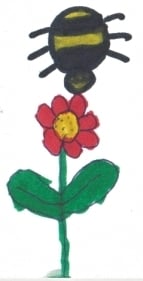
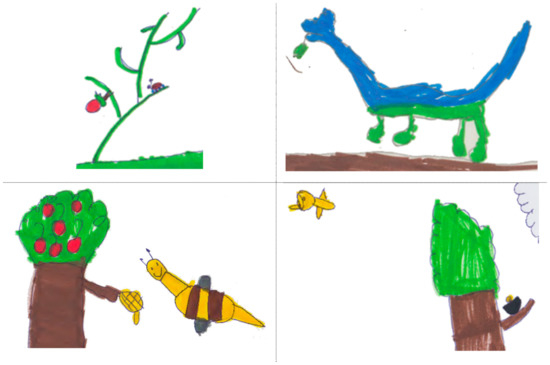
Previous research indicates that complex biological concepts may be successfully introduced in preschool age, provided that suitable educational interventions are designed for the initial stages of education. In this regard, there is evidence that a basic understanding of the issue of the ecological interactions among organisms may be achieved in the preschool years. With this in mind, this research project tests the assumption that recognising the fact that plants and animals are not isolated creatures, but live engaged in constant interactions in nature, may begin to be understood in early education. To that end, this study examines the content of free drawings that a sample of 328 children aged four to seven years of age, undertook when explaining their understanding of plant life. Data regarding the type and frequency of the depictions of animals found in the children’s graphic explanations on flora is collected and read in conjunction with participants’ gender and academic level. The results show that a substantial proportion of the children in the sample spontaneously drew illustrations of animals in their graphic explanations concerning vegetable life and, more significantly, some pictures show plants and animals engaged in clear contact. This is the case, despite the fact that the drawing activity had been focused solely on the issue of plant life and no indication linked to depicting other kinds of living things mentioned during the activity. The conclusions discuss the data collected in connection with the growing number of research projects that study the question of how young children begin to embrace the fundamental biological concepts that pave the way to the understanding of natural phenomena and make the public capable of making responsible choices when it comes to sustainability issues.
Full article
►▼
Show Figures