




-
Do Long-Haul Travels and Jet Lag Affect Athletes' Physiological, Humoral and Performance Outcomes? -
Prevalence and Predictors of Musculoskeletal Pain in Recreational Resistance Trainers: Associations with Age, Gender, and Training History -
Development and Validation of a Perception, Attitude, and Practice of Physical Activity to Support Personalized Physical Activity Promotion Among U.S. Older Adults -
Effects of a Physical-Literacy-Based Educational Intervention on Physical Activity and Body Composition in Preadolescent Children: A School-Based Controlled Trial
Journal Description
Sports
Sports
is an international, peer-reviewed, open access journal published monthly online by MDPI. The Strength and Conditioning Society (SCS), European Sport Nutrition Society (ESNS) and European Network of Sport Education (ENSE) are affiliated with Sports and their members receive discounts on the article processing charges.
- Open Access— free for readers, with article processing charges (APC) paid by authors or their institutions.
- High Visibility: indexed within Scopus, ESCI (Web of Science), PubMed, PMC, and other databases.
- Journal Rank: JCR - Q1 (Sport Sciences) / CiteScore - Q1 (Physical Therapy, Sports Therapy and Rehabilitation)
- Rapid Publication: manuscripts are peer-reviewed and a first decision is provided to authors approximately 19.9 days after submission; acceptance to publication is undertaken in 5.5 days (median values for papers published in this journal in the second half of 2025).
- Recognition of Reviewers: reviewers who provide timely, thorough peer-review reports receive vouchers entitling them to a discount on the APC of their next publication in any MDPI journal, in appreciation of the work done.
Impact Factor:
2.9 (2024);
5-Year Impact Factor:
3.3 (2024)
Latest Articles
The Impact of a Single Session of Sprint Interval Training (SIT) on Pain Pressure Threshold (PPT) in Healthy Adults
Sports 2026, 14(6), 237; https://doi.org/10.3390/sports14060237 (registering DOI) - 8 Jun 2026
Abstract
►
Show Figures
Different forms of aerobic exercise lead to Exercise-Induced Hypoalgesia (EIH). The aim of this study was to investigate the acute effect of a single session of Sprint Interval Training (SIT) on EIH. A total of 44 recreationally active young adults participated in a
[...] Read more.
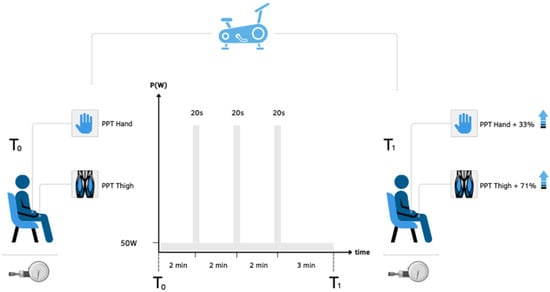
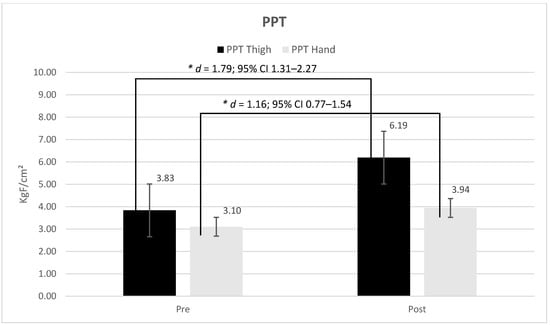
Different forms of aerobic exercise lead to Exercise-Induced Hypoalgesia (EIH). The aim of this study was to investigate the acute effect of a single session of Sprint Interval Training (SIT) on EIH. A total of 44 recreationally active young adults participated in a single SIT session on a cycle ergometer, consisting of a 2 min warm-up, 3 × 20 s “all-out” cycling bouts interspersed with 2 min of active recovery, and a 3 min cool-down. Pain Pressure Threshold (PPT) measurements were taken on the quadriceps (working muscle) and thenar eminence (resting muscle) before and after the session. Additionally, average power generated during the sprints and the Rating of Perceived Exertion (RPE) at the end of the session were recorded. Percentage changes from baseline to post-session were calculated for each participant and averaged. Paired-samples t-tests assessed pre–post differences in both local and distal PPT, with Cohen’s d effect sizes (ES) and 95% confidence intervals (CIs) determining the magnitude of differences. Pearson correlation examined the relationship between average power, RPE, and changes in local and distal PPT. All results were statistically significant (p < 0.001). A single SIT session induced a large hypoalgesic response at both the local site (d = 1.79; 95% CI 1.31–2.27) and the distal site (d = 1.16; 95% CI 0.77–1.54). No significant correlations were found between average power, RPE, and local and distal PPT changes. In this exploratory single-arm study, PPT increased significantly at both local and distal sites following a single 10 min SIT session, consistent with an acute EIH response; however, in the absence of a control condition, these findings should be interpreted with caution.
Full article
Open AccessSystematic Review
Interventions Related to Menstrual Health and Menstrual-Cycle-Associated Symptoms in Female Athletes: Implications for Recovery and Athletic Performance
by
Nina Mendez-Dominguez, Damaris Estrella-Castillo, Edgar Villarreal-Jimenez and Russell Arcila-Novelo
Sports 2026, 14(6), 236; https://doi.org/10.3390/sports14060236 (registering DOI) - 8 Jun 2026
Abstract
Background: Menstrual-cycle-associated symptoms and menstrual health conditions are common among female athletes and may influence recovery, perceived readiness, training availability, and athletic performance. However, evidence regarding interventions aimed at managing these symptoms and their functional implications in athletes remains limited and heterogeneous. Objective:
[...] Read more.
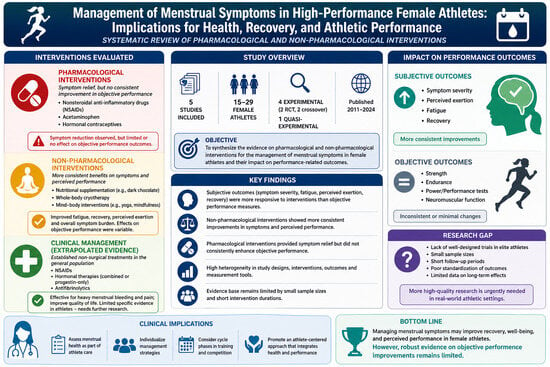
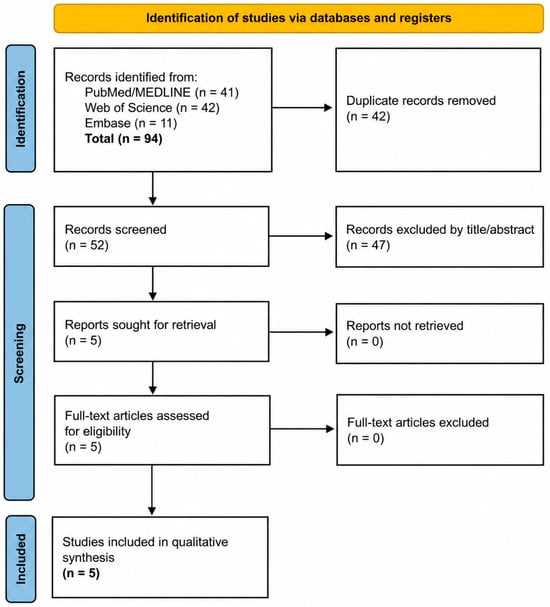
Background: Menstrual-cycle-associated symptoms and menstrual health conditions are common among female athletes and may influence recovery, perceived readiness, training availability, and athletic performance. However, evidence regarding interventions aimed at managing these symptoms and their functional implications in athletes remains limited and heterogeneous. Objective: The objective of this study is to synthesize the available evidence on pharmacological and non-pharmacological interventions related to menstrual health and menstrual-cycle-associated symptoms in female athletes and to evaluate their impact on performance, recovery, functional capacity, and symptom burden. Materials and Methods: A systematic review with narrative synthesis was conducted following PRISMA 2020 guidelines. Studies evaluating interventions associated with menstrual health or menstrual-cycle-related symptoms in female athletes were included when they reported outcomes related to athletic performance, recovery, functional capacity, or symptom burden. Results: Five studies published between 2023 and 2025 were included. The interventions evaluated included hormonally related strategies involving oral contraceptive timing, recovery interventions such as cryotherapy, mindfulness-based yoga, nutritional supplementation, and pharmacological pain-modulation approaches. However, findings regarding objective athletic performance outcomes were inconsistent, and the included studies showed substantial methodological heterogeneity. Conclusions: The available evidence suggests that certain interventions related to menstrual health may contribute to improvements in symptom burden, perceived recovery, or selected functional outcomes in female athletes. Nevertheless, the current evidence base remains limited, heterogeneous, and insufficient to support strong performance-related recommendations. Further high-quality studies specifically designed in female athlete populations are needed to inform evidence-based sports medicine practice.
Full article
(This article belongs to the Special Issue Applied Physiological Assessment for Athlete Health Monitoring)
►▼
Show Figures

Graphical abstract
Open AccessArticle
Formed on Ice: A Qualitative Study of Motivation, Pressure, and Identity in Early Ice Hockey Specialization
by
Sofia Ryman Augustsson, Linnéa Kristedal Asp and Pauline Schmidt
Sports 2026, 14(6), 235; https://doi.org/10.3390/sports14060235 (registering DOI) - 8 Jun 2026
Abstract
While much of the current research on early specialization focuses on physical outcomes, training models, and policy implications, little is known about how athletes themselves make sense of their developmental experiences. This study aims to examine how ice hockey players perceive and experience
[...] Read more.
While much of the current research on early specialization focuses on physical outcomes, training models, and policy implications, little is known about how athletes themselves make sense of their developmental experiences. This study aims to examine how ice hockey players perceive and experience early specialization within competitive youth sport contexts, with the goal of generating a nuanced, inductively grounded understanding of athlete development from the athlete perspective. A qualitative study design was used where eight current and former ice hockey players with experience of early specialization participated. Data were collected using semi-structured interviews and analyzed using qualitative conventional content analysis. Three overarching themes emerged, highlighting experiences of loneliness, pressure, and elevated expectations within elite sport environments, alongside the vital importance of support networks and team community: ‘Thrown into adulthood with premature expectations’, ‘Balancing Support and Pressure in Athlete Development’, and ‘The Struggle Between Dream and Reality’. Players described feeling pressured, isolated, and prematurely professionalized, often at the expense of personal development. The findings highlight the psychological and structural challenges of early specialization in elite ice hockey. While support systems played a crucial role, they also contributed to performance anxiety and external expectations. These insights underscore the need for youth sport systems that prioritize long-term athlete well-being over short-term success.
Full article
(This article belongs to the Special Issue Growth, Development, and Qualitative Research Protocols for Identifying and Developing Sports Talent for Adolescent Athletes)
Open AccessSystematic Review
Preseason Screening Tests and Physical Assessments as Predictors of Injury in Handball Players: A Systematic Review
by
Stelios Hadjisavvas, Irene-Chrysovalanto Themistocleous, Elena Papamichael, Michalis A. Efstathiou, Christina Michailidou and Manos Stefanakis
Sports 2026, 14(6), 234; https://doi.org/10.3390/sports14060234 - 5 Jun 2026
Abstract
Background: Preseason screening is widely used in handball to identify athletes at increased risk of injury, yet the prognostic value of different screening approaches remains unclear. The aim of this study was to systematically review the evidence on preseason screening tests and physical
[...] Read more.
Background: Preseason screening is widely used in handball to identify athletes at increased risk of injury, yet the prognostic value of different screening approaches remains unclear. The aim of this study was to systematically review the evidence on preseason screening tests and physical assessments in relation to subsequent injury outcomes in handball players. Methods: A systematic review was conducted according to PRISMA guidelines. PubMed, MEDLINE, CINAHL, and Scopus were searched on 14 March 2026. The first 100 results from Google Scholar were also screened, and backward citation searching was performed. Eligible studies included handball players and examined preseason or baseline screening, functional, musculoskeletal, or physical performance assessments in relation to prospectively recorded injury outcomes. Two independent reviewers performed study selection, data extraction, and risk-of-bias assessment using the QUIPS tool. Due to substantial heterogeneity in screening tools, injury outcomes, and follow-up procedures, meta-analysis was not performed. Results: Eight studies were included. Most were prospective cohorts involving adolescent, youth elite, or elite adult handball players. Shoulder-specific screening variables, particularly external rotation strength, strength imbalances, total rotational motion, and selected rotational adaptations, showed more consistent associations with subsequent shoulder-related outcomes. In contrast, broader movement-screening tools, including the Functional Movement Screen, the 9+ screening battery, and the upper quarter Y-Balance Test, generally showed limited associations with overall injury outcomes. Conclusions: Shoulder-specific preseason assessments may be more closely associated with subsequent shoulder-related outcomes than broader movement-screening tools, although the available evidence remains limited, heterogeneous, and derived exclusively from observational studies.
Full article
Open AccessArticle
Interrelationships Among Physical Fitness, General Motor Coordination, and Soccer-Specific Technical Skills in Youth Soccer Players
by
Vanessa Rocco, Stefano Amatori, Roberto Bensi, Elvira Padua, Bruno Ruscello, Sergiu Vlad Lazau, Piero Tamagnini, Maria Chiara Ricciotti, Stélia Xavier, Marco Bruno Luigi Rocchi, Davide Sisti and Fabrizio Perroni
Sports 2026, 14(6), 233; https://doi.org/10.3390/sports14060233 - 5 Jun 2026
Abstract
Soccer performance is characterized by high motor and cognitive complexity, resulting from the interaction between, among others, physical and technical components. However, evidence regarding the relationships among physical performance, motor coordination and soccer-specific technical remains limited. Therefore, this cross-sectional study aimed to investigate
[...] Read more.
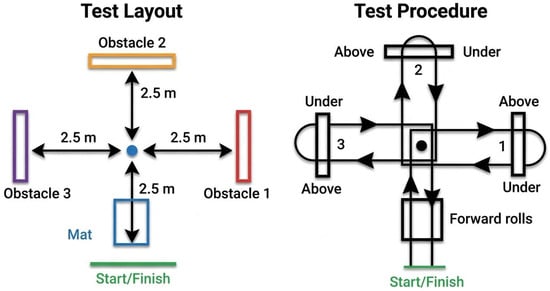
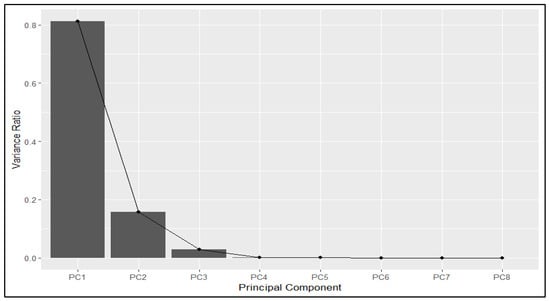
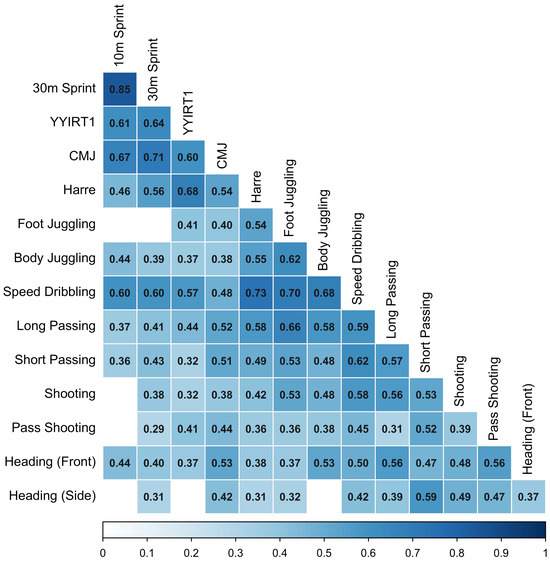
Soccer performance is characterized by high motor and cognitive complexity, resulting from the interaction between, among others, physical and technical components. However, evidence regarding the relationships among physical performance, motor coordination and soccer-specific technical remains limited. Therefore, this cross-sectional study aimed to investigate the associations among these domains in youth soccer players. Forty-nine male U15 participants (age: 14.3 ± 0.5 years) underwent anthropometric assessments, physical fitness testing (10 m, 30 m sprint, CMJ, YYIRT1), a general motor coordination test (Harre Circuit Test), and soccer-specific technical evaluation (F-MARC test battery). Associations among variables were assessed using Spearman correlations and exploratory principal component analysis (PCA) based on a Spearman correlation matrix with oblimin rotation. Significant associations emerged between general motor coordination, physical performance variables, and several soccer-specific technical skills. The PCA identified three partially overlapping components, cumulatively explaining about 70% of the variance, highlighting the multidimensional and interconnected nature of soccer-related performance capacities. General motor coordination demonstrated relevant loadings in both coordinative/technical and physical-performance-oriented domains. These findings suggest that youth soccer performance should not be interpreted through isolated physical or technical characteristics, but rather as the result of interactions among coordinative, neuromuscular, and technical factors. Consequently, multidimensional and individualized training approaches integrating physical, coordinative, and technical stimuli may represent relevant strategies for youth soccer development.
Full article
(This article belongs to the Special Issue Training, Performance and Development in Young Athletes)
►▼
Show Figures

Figure 1
Open AccessArticle
Effects of High-Intensity Interval Training with Blood Flow Restriction Versus Normobaric Hypoxia on Physiological Parameters in Apparently Healthy Young Men
by
Jose Jairo Narrea Vargas, Antonio Castillo-Paredes, Alexander Javier Iman Torres, Michelle Lozada-Urbano, Delsi M. Huaita Acha, Felipe Montalva-Valenzuela, Gustavo Humeres and Diego A. Bonilla
Sports 2026, 14(6), 232; https://doi.org/10.3390/sports14060232 - 5 Jun 2026
Abstract
High-intensity interval training (HIIT) is an efficient exercise strategy capable of eliciting acute cardiovascular and metabolic responses. Blood flow restriction (BFR) and normobaric hypoxia (NH) have been proposed as exposures to intensify physiological stress during exercise; however, comparative evidence between both strategies remains
[...] Read more.
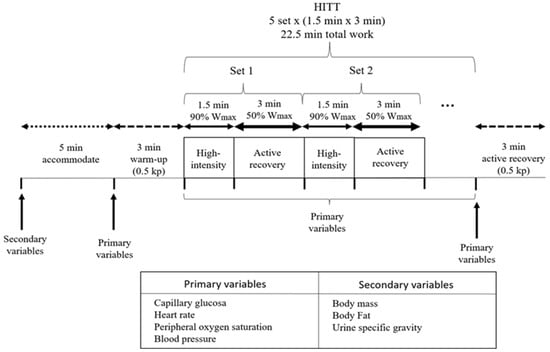
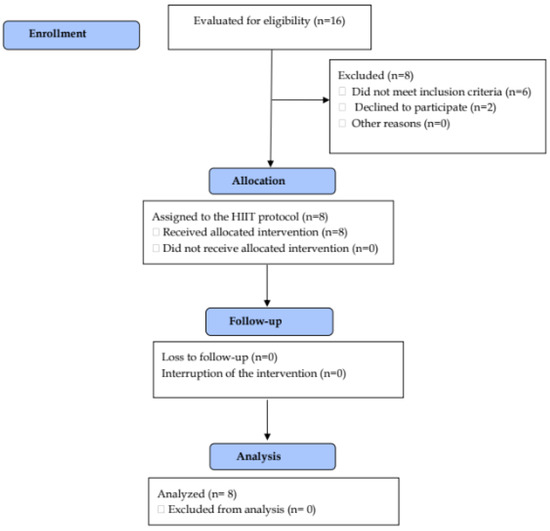
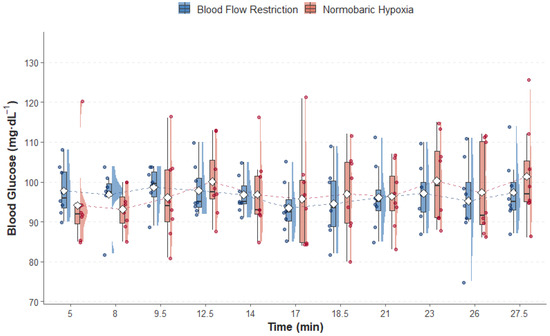
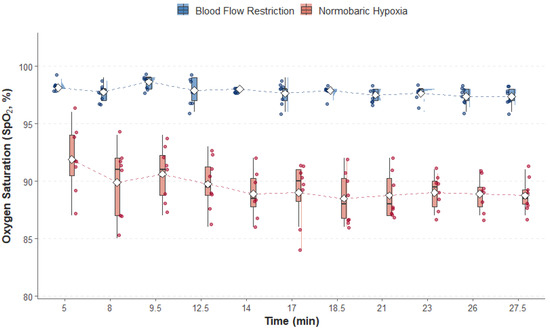
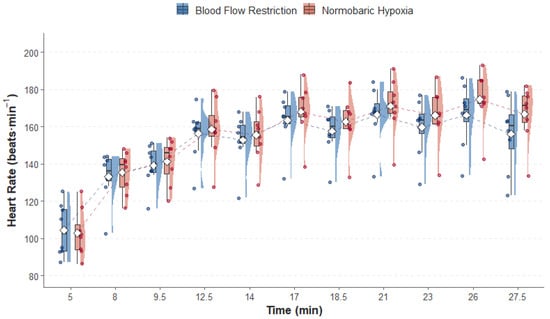
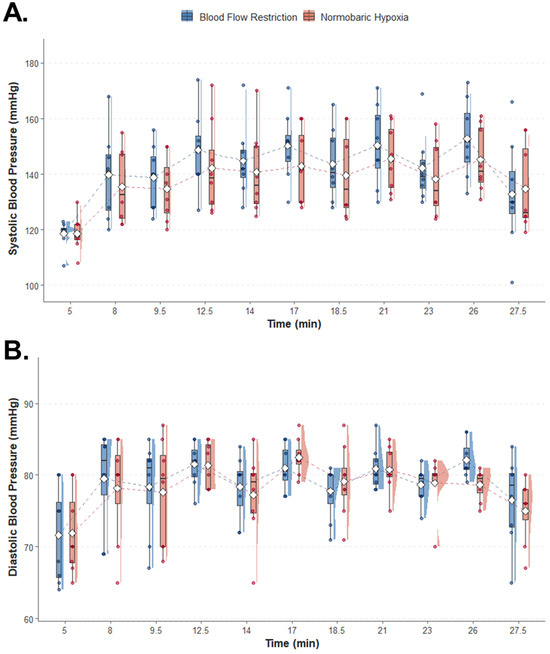
High-intensity interval training (HIIT) is an efficient exercise strategy capable of eliciting acute cardiovascular and metabolic responses. Blood flow restriction (BFR) and normobaric hypoxia (NH) have been proposed as exposures to intensify physiological stress during exercise; however, comparative evidence between both strategies remains limited. The aim of this study was to compare acute physiological responses in HIIT protocols performed under BFR and NH in apparently healthy young men. Eight volunteers completed two HIIT sessions in this fixed-order within-subject repeated-measures study: one with BFR and one with NH (simulated altitude: 3536 m above sea level; FiO2 ≈ 13.5%). Blood glucose, peripheral oxygen saturation (SpO2), heart rate, and blood pressure were repeatedly measured during the exercise protocol. After Bayesian analysis, no evidence of differences in glycemic response was observed, while heart rate and diastolic blood pressure responses appeared broadly comparable between conditions. However, SpO2 was consistently lower during NH, whereas systolic blood pressure values were higher under BFR. Although both BFR and NH induced acute physiological responses characteristic of HIIT, distinct physiological profiles were observed. NH was associated with greater systemic hypoxemic stress, whereas BFR showed higher systolic pressor responses.
Full article
(This article belongs to the Special Issue Exercise Physiological Responses and Performance Analysis)
►▼
Show Figures

Figure 1
Open AccessArticle
Associations Between Nutrition Knowledge, Body Composition, and Cardiopulmonary Exercise Performance in Adolescent Football Players
by
Andreea Simina Dumitrescu, Alexandru Alexandru and Sorin-Ovidiu Brîndescu
Sports 2026, 14(6), 231; https://doi.org/10.3390/sports14060231 - 5 Jun 2026
Abstract
Background: Optimizing physical performance in youth football requires a comprehensive understanding of the interplay among behavioural factors, structural body composition, and functional cardiorespiratory capacity. While sports nutrition knowledge is hypothesized to influence athletic development, its concurrent relationships with regional body compartments and objective
[...] Read more.
Background: Optimizing physical performance in youth football requires a comprehensive understanding of the interplay among behavioural factors, structural body composition, and functional cardiorespiratory capacity. While sports nutrition knowledge is hypothesized to influence athletic development, its concurrent relationships with regional body compartments and objective cardiopulmonary exercise testing (CPET) metrics remain poorly characterized in adolescent athletes. Methods: A cross-sectional study approach analysed body composition via bioelectrical impedance analysis (BIA), maximal cardiorespiratory testing, and sports nutrition knowledge evaluation using the Nutrition for Sport Knowledge Questionnaire (NSKQ). Structural associations and functional predictive capacities were analysed. Results: The cohort demonstrated an average VO2max of 51.18 ± 16.67 mL/kg/min and a mean total nutrition knowledge score of 43.56 ± 18.06 out of 81 (53.8%). Total and domain-specific nutrition knowledge scores were not associated with body mass index (BMI), fat-free mass (FFM), or fat-free mass percentage (FFM%). Higher nutrition knowledge scores were independently associated with superior VO2max and anaerobic threshold (AT) metrics. Exploratory geographic analyses revealed that rural-residing participants possessed significantly higher cardiorespiratory performance values and greater baseline nutrition knowledge profiles than their urban peers. Conclusions: In adolescent male football players, sports nutrition knowledge was not associated with static body composition measures but showed exploratory positive associations with selected cardiorespiratory fitness markers. These findings should be interpreted as cross-sectional and hypothesis-generating, as some potential confounding mediators were not assessed. These findings suggest that higher sports nutrition literacy may serve as a starting point for performance-supportive behaviours and metabolic conditioning, to some degree, warranting future interventional studies.
Full article
Open AccessBrief Report
Physical Activity During Official Match Play in Female Masters Basketball Players: An Accelerometry-Based Study
by
Dimitrios Balampanos, Dimitrios Pantazis, Christos Kokkotis, Alexandra Avloniti, Theodoros Stampoulis, Panagiotis Aggelakis, Efstratios Nedeltsos, Georgios Kaltsos, Maria Protopapa, Nikolaos-Orestis Retzepis, Panagiotis Foteinakis, Nikolaos Zaras, Maria Michalopoulou and Athanasios Chatzinikolaou
Sports 2026, 14(6), 230; https://doi.org/10.3390/sports14060230 - 5 Jun 2026
Abstract
Background/Objectives: Insufficient physical activity remains a major public health concern among adult women, highlighting the need to identify structured activity contexts that can contribute meaningfully to recommended weekly physical activity levels. Official masters basketball may represent one such context; however, the amount of
[...] Read more.
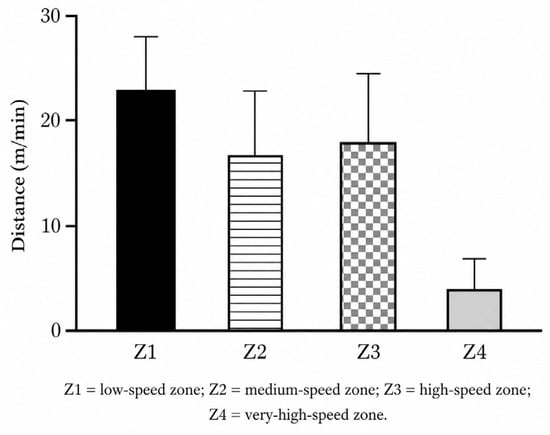
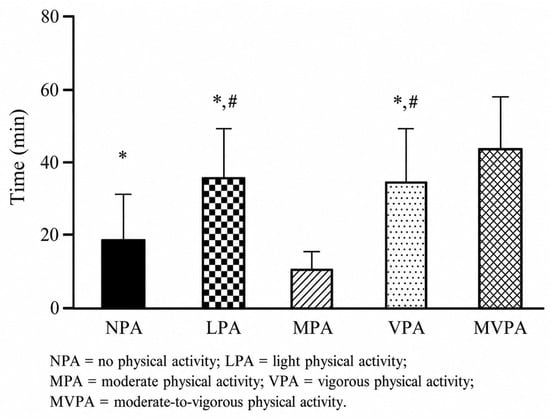
Background/Objectives: Insufficient physical activity remains a major public health concern among adult women, highlighting the need to identify structured activity contexts that can contribute meaningfully to recommended weekly physical activity levels. Official masters basketball may represent one such context; however, the amount of physical activity accumulated during female masters basketball match play remains insufficiently quantified. This study quantified the physical activity profile of official tournament match play among female masters basketball athletes and described the associated external physical demands. Methods: This observational study included 52 female master basketball athletes aged 37–63 years who competed in a three-day national masters tournament. Match demands were monitored using tri-axial microsensors. Physical activity was classified from processed raw tri-axial acceleration data into intensity zones, and differences in time spent across zones were examined using one-way repeated-measures ANOVA. External load during active play was quantified using total distance, distance across speed zones, accumulated acceleration load (AAL), mechanical load (ML), jump load (JL), and Physio Load. Results: Significant differences were observed across physical-activity intensity zones, with more time accumulated in light physical activity (LPA) and vigorous physical activity (VPA) than in moderate physical activity (MPA), whereas MPA accounted for the least time overall [F (1.98, 101.16) = 47.57, p < 0.001, ηp2 = 0.48]. Descriptively, moderate-to-vigorous physical activity (MVPA) amounted to 42.78 min, calculated as the sum of MPA (9.41 ± 3.82 min) and VPA (33.37 ± 14.49 min). During active play, athletes covered 59.19 ± 17.26 m·min−1, with most distance accumulated in the low- and medium-speed zones and limited very-high-speed running; AAL, ML, and JL averaged 8.32 ± 2.31 AU·min−1, 22.35 ± 5.53 AU·min−1, and 31.26 ± 28.35 J·min−1, respectively. Conclusions: Official female masters basketball appears to provide a meaningful intermittent physical-activity stimulus within a single monitored match exposure and may contribute substantially to weekly aerobic physical-activity accumulation in adult women.
Full article
(This article belongs to the Special Issue Benefits of Physical Activity and Exercise to Human Health: 2nd Edition)
►▼
Show Figures

Figure 1
Open AccessReview
Charting the Scientific Landscape of Indirect Estimation Models in Doping Prevalence Research: A Bibliometric Analysis with Narrative Appraisal
by
Andrea Petróczi, Dominic Sagoe, Anna Kiss, Sándor Soós, Razieh Chegeni, Annalena Veltmaat, Maarten Cruyff, Peter van der Heijden and Olivier de Hon
Sports 2026, 14(6), 229; https://doi.org/10.3390/sports14060229 - 3 Jun 2026
Abstract
►▼
Show Figures
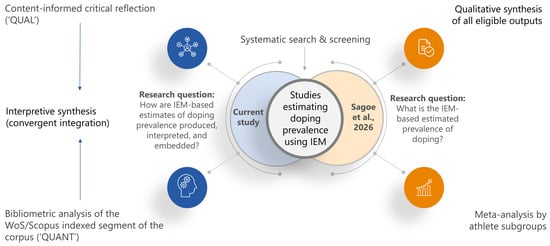
Interpreting doping prevalence estimates generated through indirect estimation models (IEMs) remains challenging for sport policy and governance due to the wide variation in reported rates and methodological complexity. In this study, we combined a critical appraisal of the methodological and epistemic developments of
[...] Read more.
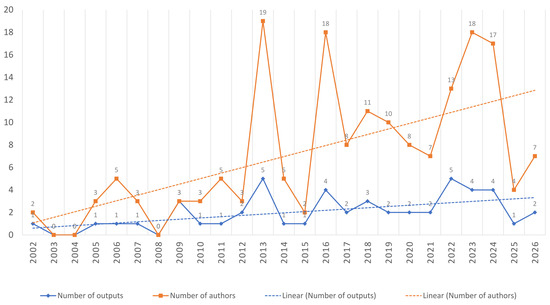
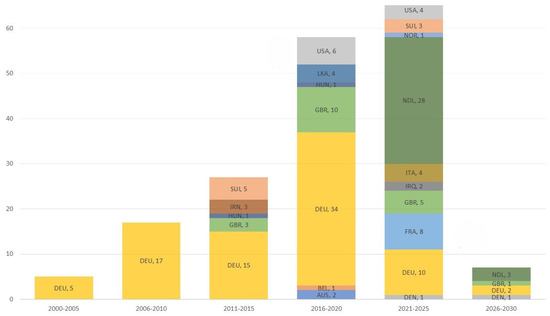
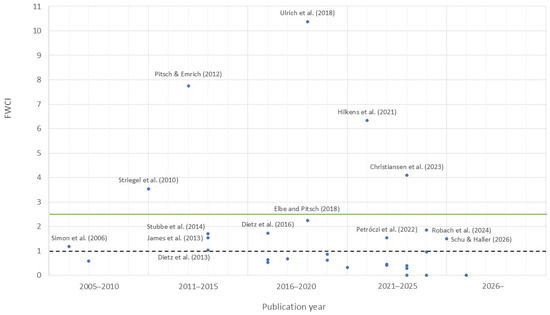
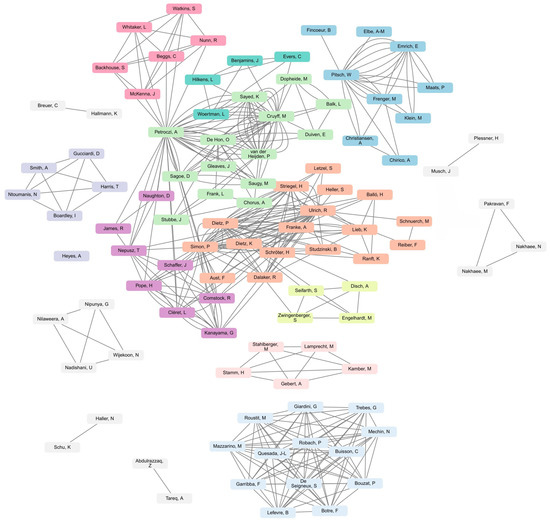
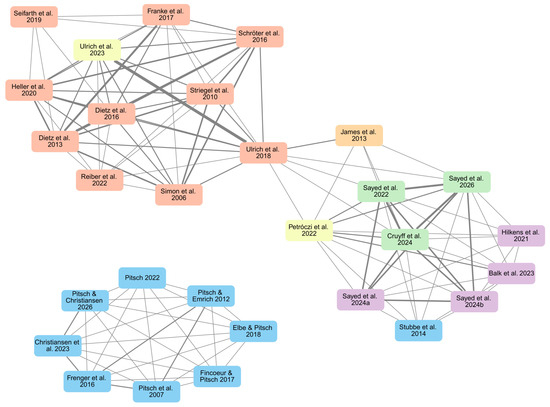
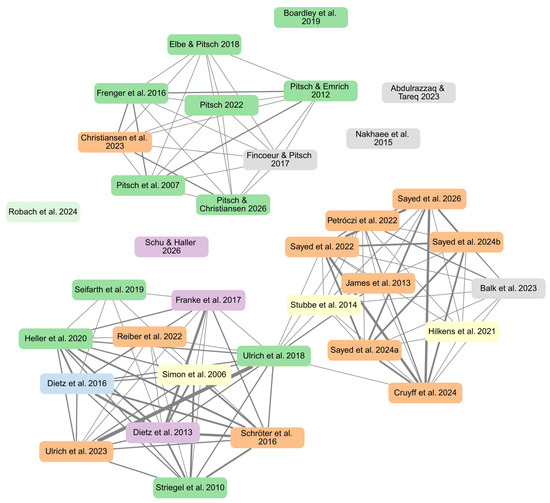
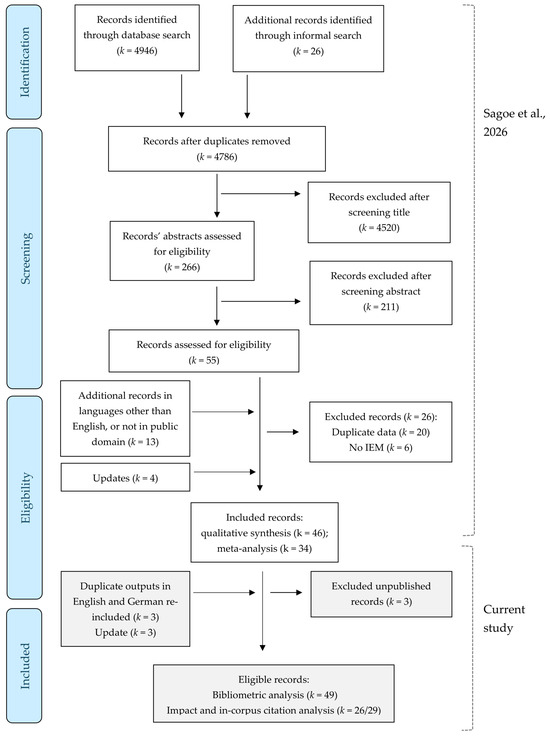
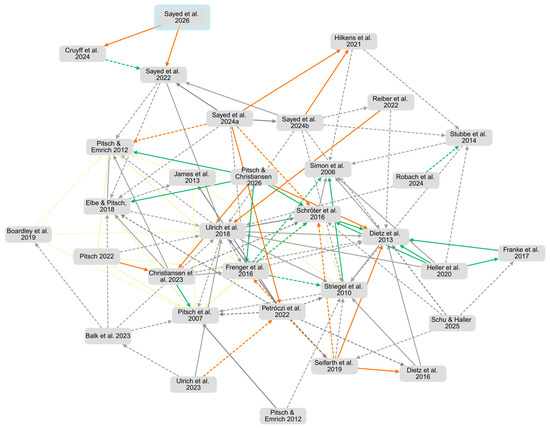
Interpreting doping prevalence estimates generated through indirect estimation models (IEMs) remains challenging for sport policy and governance due to the wide variation in reported rates and methodological complexity. In this study, we combined a critical appraisal of the methodological and epistemic developments of IEM applications to doping prevalence with a bibliometric analysis of publication trends, citation patterns, and collaboration networks, using a convergent parallel mixed-methods design. Across 52 records published between 2002 and 2026, this study maps the scientific landscape of IEM-based doping prevalence research. Findings show that IEM-based prevalence research is methodologically sophisticated yet institutionally dispersed and largely Eurocentric, reflecting a field still consolidating its standards and disciplinary identity. Over time, the focus has shifted from reporting prevalence rates to methodological critique and re-analysis of existing datasets. Reported prevalence estimates, ranging from 0 to 57.1%, are highly sensitive to modelling assumptions about athlete behaviour in complex survey environments. While this trend strengthens rigour, it also complicates evidence synthesis for policy actors and risks undermining trust in IEM-based estimates if poorly communicated. Anti-doping organisations and researchers should treat IEM-derived prevalence as bounded indicators rather than definitive rates and integrate prevalence evidence with contextual data for transparent policy and public communication.
Full article

Figure 1
Open AccessArticle
Effects of Body Composition and Anthropometric Profiles on Competitive Performance in U14 Male Basketball Players
by
João Rocha, João Serrano, Almudena Martinez-Sanchez, Amália Campos-Redondo and Sergio José Ibáñez
Sports 2026, 14(6), 228; https://doi.org/10.3390/sports14060228 - 2 Jun 2026
Abstract
Body composition and anthropometric characteristics are considered relevant factors in youth basketball performance, yet evidence in early adolescence remains limited. This study aimed to analyze the influence of these characteristics on competitive performance in U14 male basketball players from Portuguese regional selection teams.
[...] Read more.
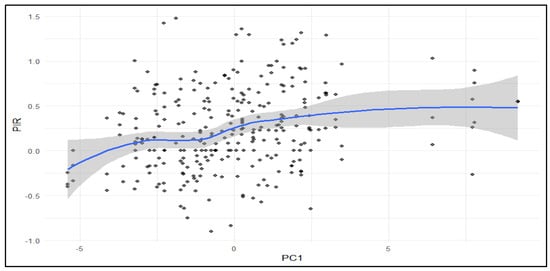
Body composition and anthropometric characteristics are considered relevant factors in youth basketball performance, yet evidence in early adolescence remains limited. This study aimed to analyze the influence of these characteristics on competitive performance in U14 male basketball players from Portuguese regional selection teams. Ninety-six athletes were assessed during a national youth tournament using a cross-sectional, descriptive, and correlational design. Body composition variables (weight, height, BMI, muscle mass, fat mass, fat-free mass, bone mass, and total body water) were measured using a Tanita MC-780MA bioelectrical impedance analyzer. Competitive performance was evaluated through the Performance Index Rating (PIR), normalized per minute of play. Spearman’s correlations showed moderate positive associations between PIR and height (ρ = 0.296), muscle mass (ρ = 0.280), fat-free mass (ρ = 0.280), bone mass (ρ = 0.274), and total body water (ρ = 0.262). Although multivariable regression analyses did not identify significant individual predictors due to severe multicollinearity, principal component analysis revealed an “overall body size” factor, mainly reflecting lean and bone mass, that significantly predicted PIR (β = 0.046, p < 0.001). Physically more developed players tended to demonstrate higher competitive effectiveness. Monitoring body composition may support youth development programs when combined with functional and technical assessments to inform individualized training and talent identification strategies.
Full article
(This article belongs to the Special Issue Training, Performance and Development in Young Athletes)
►▼
Show Figures

Figure 1
Open AccessArticle
Performance and Inter-Limb Asymmetry in Relation to Peak Height Velocity and Injury-Related Variables in Adolescent Male Soccer Players
by
Alberto Roso-Moliner, Rafael Albalad-Aiguabella, Demetrio Lozano, Borja Sancho-Monllor, Oscar Villanueva-Guerrero and José Luis Arjol-Serrano
Sports 2026, 14(6), 227; https://doi.org/10.3390/sports14060227 - 2 Jun 2026
Abstract
Adolescent footballers exhibit smaller change of direction (COD) deficits than adults, suggesting distinct biomechanical profiles; however, the role of physical performance variables in COD, considering maturation and injury-related factors, remains poorly understood. This study aimed to examine the relationships between sprint, jump, and
[...] Read more.
Adolescent footballers exhibit smaller change of direction (COD) deficits than adults, suggesting distinct biomechanical profiles; however, the role of physical performance variables in COD, considering maturation and injury-related factors, remains poorly understood. This study aimed to examine the relationships between sprint, jump, and COD performance, maturation status, and injury-related variables in young male footballers. Fifty-six national-level players (age: 16.67 ± 0.86 years) performed unilateral vertical and horizontal jump tests, 20 m linear sprint tests, and 180° COD assessments. Maturation status was estimated using peak height velocity (PHV), and injury incidence and severity were recorded over one competitive season. Associations were observed between PHV and sprint performance during the initial acceleration phase (0–10 m; p < 0.01). Unilateral jump measures were associated with sprint and COD performance, whereas inter-limb asymmetries showed limited associations with performance outcomes. Horizontal jump performance was also associated with the percentage-based COD deficit (%CODD). With respect to injury-related variables, injury incidence was associated with countermovement jump (CMJ) measures, with greater CMJ asymmetry being associated with higher injury incidence, while both unilateral CMJ variables were retained in the regression model. Overall, these findings suggest that biological maturation and unilateral neuromuscular performance may be relevant factors associated with youth football performance, whereas inter-limb asymmetry appears to play a more limited role; CMJ-related measures may warrant further consideration in relation to injury incidence in adolescent footballers.
Full article
(This article belongs to the Special Issue Biomechanical Research to Optimize Performance and Reduce Injury Risk in Team Sports)
Open AccessArticle
Effects of Velocity-Based French Contrast Training on Lower-Limb Power and Delivery Kinetics in Medium-Fast Cricket Bowlers: A Randomized Controlled Trial
by
Qidong Zhao and Chunlei Li
Sports 2026, 14(6), 226; https://doi.org/10.3390/sports14060226 - 1 Jun 2026
Abstract
►▼
Show Figures
The bowling performance of cricket fast bowlers is highly dependent on lower limb power and stiffness. French Contrast Training (FCT) and Velocity-Based Training (VBT) are effective ways to improve rate of force development and peak power. The objective of this study was to
[...] Read more.
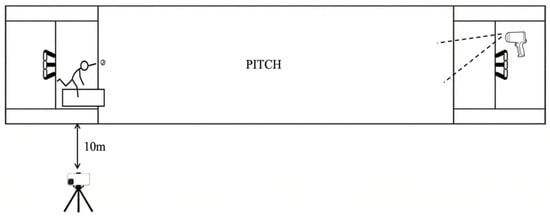
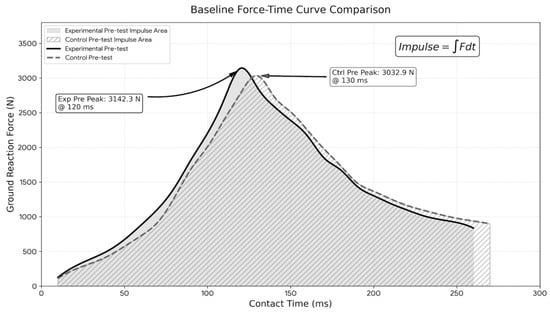
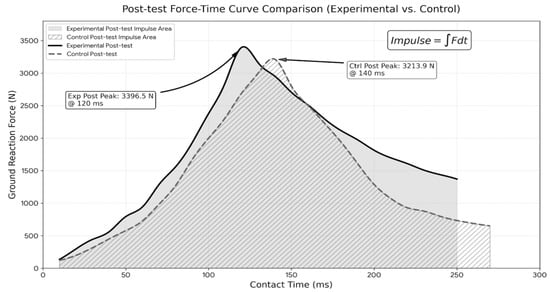
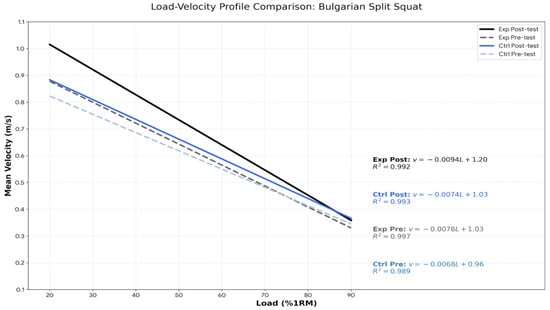
The bowling performance of cricket fast bowlers is highly dependent on lower limb power and stiffness. French Contrast Training (FCT) and Velocity-Based Training (VBT) are effective ways to improve rate of force development and peak power. The objective of this study was to investigate the effects of VBT-optimized FCT on the lower limb explosive power and bowling performance of cricket fast bowlers. Twenty adult male medium-fast bowlers volunteered for this study and were evenly divided into an experimental group (EG) and a control group (CG). The EG underwent an 8-week VBT-based FCT program, while the CG completed 8 weeks of traditional resistance training combined with traditional plyometric training. Before and after the intervention, subjects were tested on their Bulgarian split squat load–velocity profile, general lower limb power (countermovement jump height, squat jump height, Eccentric Utilization Ratio, and Reactive Strength Index), and bowling performance metrics (front foot contact time, peak force, impulse, front knee angle at ball release, and ball release speed). The results demonstrated that the EG showing significant advantage over the CG on movement velocity during the Bulgarian split squat at loads 20% 1RM, 40% 1RM, and 60% 1RM (p = 0.008, 0.011, 0.008, = 0.337, 0.313, 0.324). General lower limb power in the EG also improved significantly, with CMJ height, EUR, and RSI showing significant inter-group superiority compared to the CG (p < 0.001, = 0.019, 0.004, = 0.659, 0.281, 0.399). Regarding bowling performance, the EG demonstrated highly significant advantages in front foot contact impulse, front knee angle at ball release, and ball release speed (p < 0.001, = 0.572, 0.590, 0.704). In conclusion, the 8-week VBT-FCT program is more effective than the traditional resistance and plyometric training program of the same duration in enhancing lower limb power and bowling performance for medium-fast cricket bowlers.
Full article

Figure 1

Open AccessArticle
Shifting Attention and Response Time Performance in Adolescents: Effects of External and Internal Focus
by
Fábio Flôres, Priscila Cardozo, Denise Soares and Ricardo Drews
Sports 2026, 14(6), 225; https://doi.org/10.3390/sports14060225 - 29 May 2026
Abstract
Aim: To examine the effects of attentional focus on adolescents’ response time performance and investigate whether sports participation moderates this effect. Methods: Fifty-eight adolescents (16.46 years) were randomly assigned to one of three groups: external focus of attention (EF), internal focus of attention
[...] Read more.
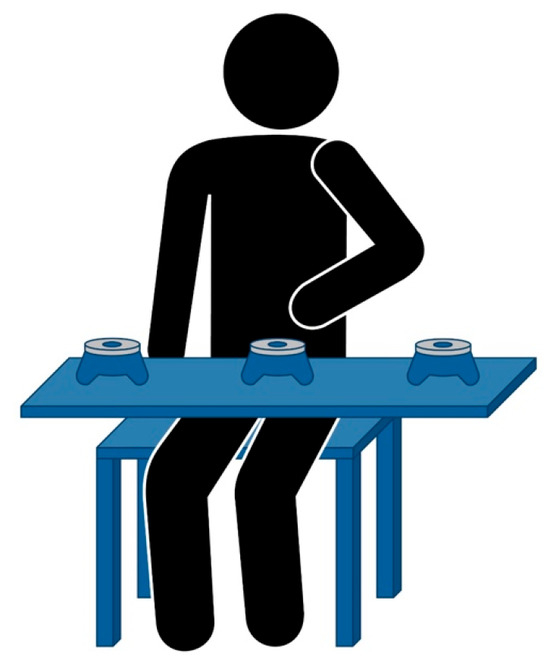
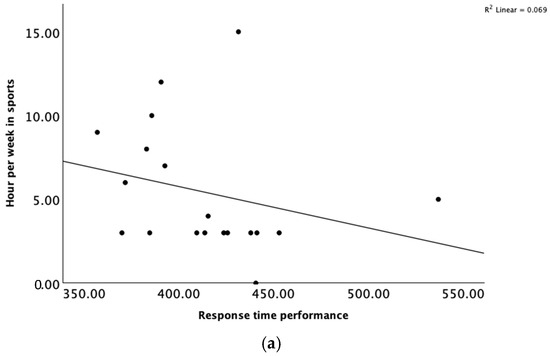
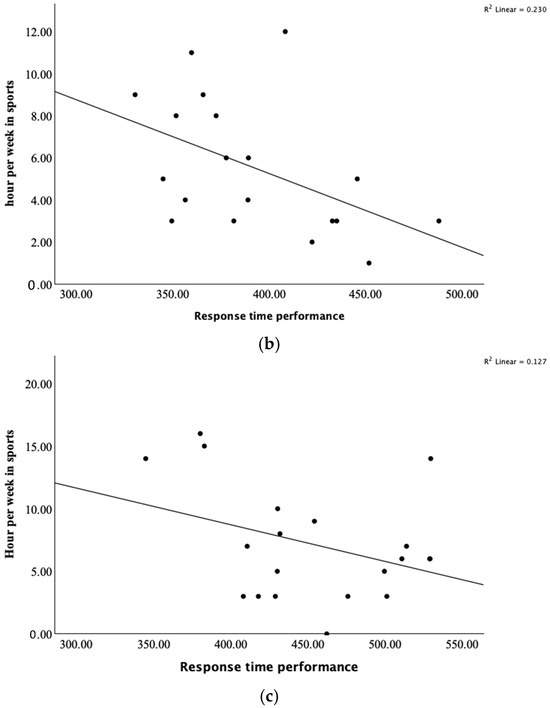
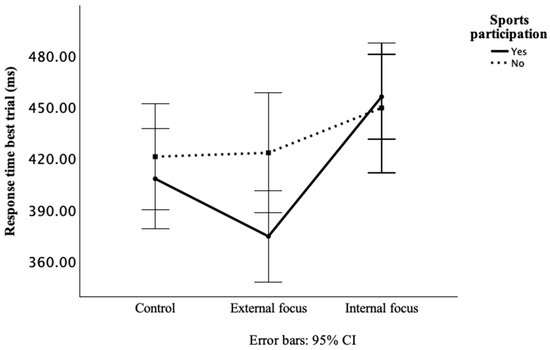
Aim: To examine the effects of attentional focus on adolescents’ response time performance and investigate whether sports participation moderates this effect. Methods: Fifty-eight adolescents (16.46 years) were randomly assigned to one of three groups: external focus of attention (EF), internal focus of attention (IF), or control. Participants performed a response-time task using a visual stimulus. A 3 × 2 factorial ANOVA was conducted, with attentional focus group (external, internal, control) and sports participation (yes, no) as between-subjects factors. Results: A significant main effect of attentional focus was found, with the EF group outperforming the IF and control groups. Sports participation alone was not a significant factor, and the interaction between attentional focus and sports participation was not statistically significant. However, exploratory analyses suggested a possible tendency for adolescents engaged in sports practice to respond more favorably to an EF strategy, though these findings should be interpreted with caution. No significant differences were observed among non-sports participants. Conclusion: These findings reinforce the benefits of an external attentional focus for adolescent response-time performance. Although exploratory, the results suggest that adolescents engaged in sports practice may respond more favorably to EF, highlighting the potential relevance of reconsidering commonly used IF instructions in youth sports and educational contexts.
Full article
(This article belongs to the Special Issue Advancing Athlete Assessment and Performance Training)
►▼
Show Figures

Figure 1
Open AccessArticle
Health Behaviours in Soccer Support Staff: 24-Hour Movement Adherence Is Positively Associated with Diet Quality
by
Olivia C. Coope, Tilly J. Spurr, Alex L. Levington, Tom Davies, Beth Lloyd, Enrique Jordán and Blanca Roman-Viñas
Sports 2026, 14(6), 224; https://doi.org/10.3390/sports14060224 - 29 May 2026
Abstract
Soccer support staff operate under demanding schedules and high-performance environments while guiding players’ movement, sleep, and nutrition; however, their own lifestyle behaviours remain under-researched. This exploratory study assessed adherence to the Canadian 24-Hour Movement (24HM) guidelines and its association with diet quality (DQ)
[...] Read more.
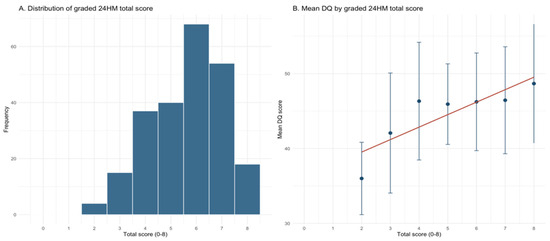
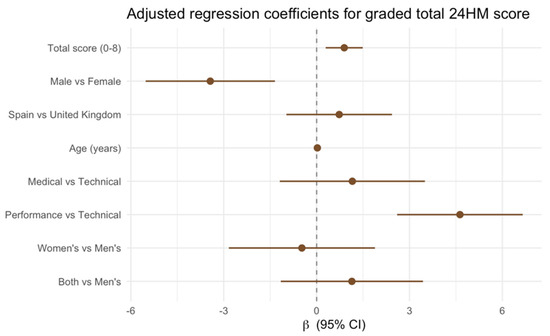
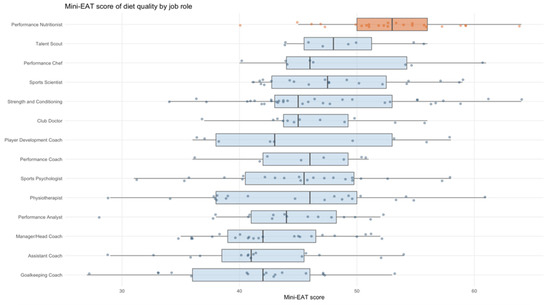
Soccer support staff operate under demanding schedules and high-performance environments while guiding players’ movement, sleep, and nutrition; however, their own lifestyle behaviours remain under-researched. This exploratory study assessed adherence to the Canadian 24-Hour Movement (24HM) guidelines and its association with diet quality (DQ) in professional and semi-professional soccer support staff. Methods: A cross-sectional survey collected data from 236 staff in the United Kingdom and Spain. Movement behaviours were measured using the Whole Day Matters Toolkit and DQ using the validated Mini-EAT questionnaire. A graded 24HM score (0–8) summed binary adherence across four general (MVPA, LPA, sedentary time, sleep) and four secondary (muscle-strengthening, sedentary interruptions, screen time, sleep–wake time) behaviours. Associations with DQ were estimated using adjusted multiple linear regression. Results: Only 7.6% of participants met all eight guidelines. Each one-point increase in the graded score was associated with 0.89-point higher DQ (95% CI 0.29–1.49, p = 0.004), with stronger associations observed for secondary behaviours (β = 1.27, p = 0.006) than for general behaviours (β = 0.38, p = 0.50). Conclusions: A graded 24HM scoring approach showed a graded association with DQ in soccer staff, with secondary movement behaviours showing a stronger association. All findings should be interpreted as exploratory and hypothesis-generating. ClinicalTrials.gov: NCT06771752.
Full article
(This article belongs to the Special Issue Improving Health and Performance in Football)
►▼
Show Figures

Figure 1
Open AccessArticle
Multilevel Analysis of Body Composition in Elite and Sub-Elite Female Volleyball Players: Structural and Potentially Modifiable Characteristics
by
Matteo Pincella, Fabrizio Spataro, Anjumol Cancian, Alberto Cecchinato, Emanuela Longa, Federica Sprenger, Giuseppe Annunziata, Giuseppe Cerullo and Francesco Campa
Sports 2026, 14(6), 223; https://doi.org/10.3390/sports14060223 - 29 May 2026
Abstract
Body composition is a key factor in volleyball performance, but research on female athletes has largely focused on only a few general traits. This study compared elite and sub-elite female volleyball players using a multilevel body composition framework to compare structural and potentially
[...] Read more.
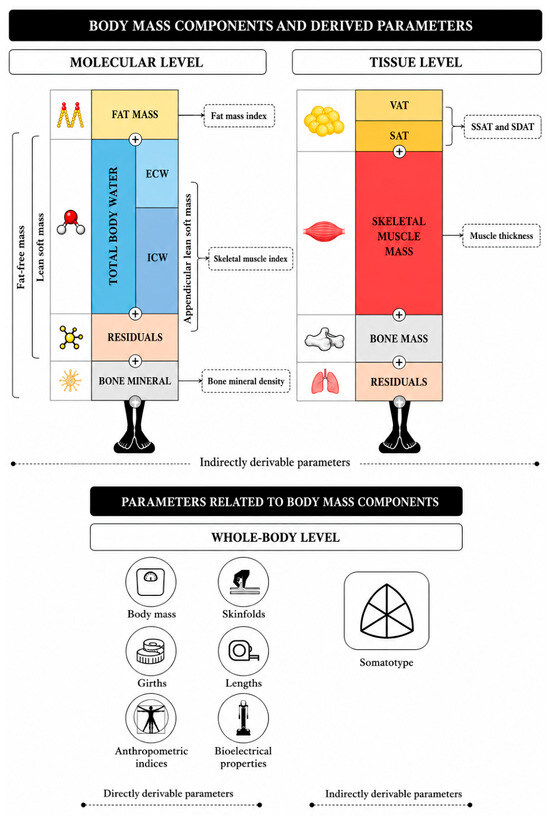
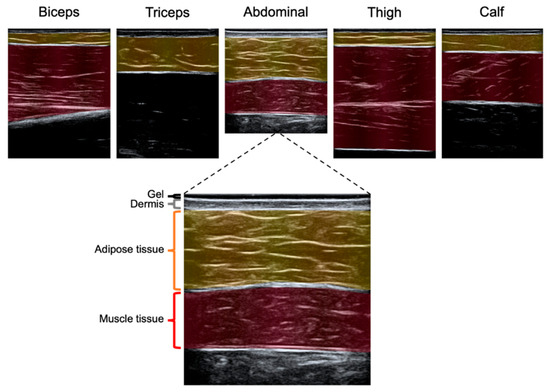
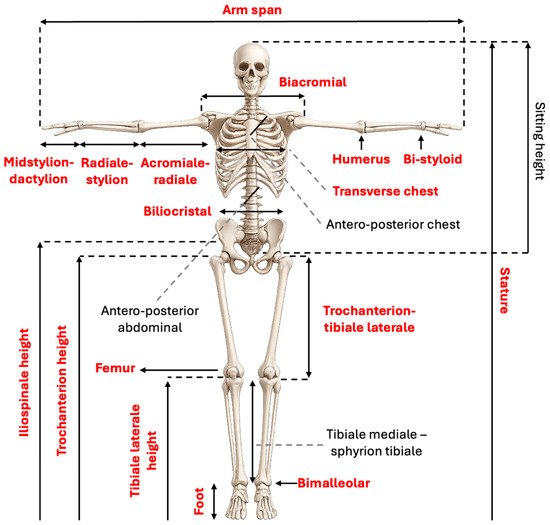
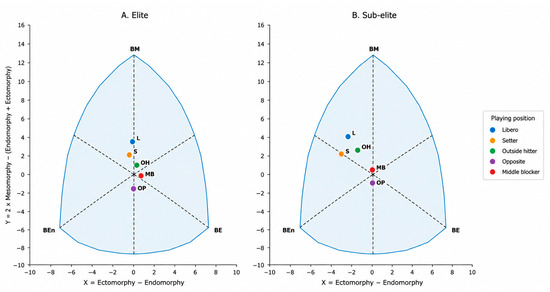
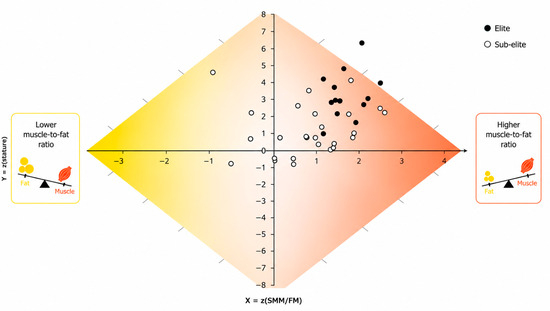
Body composition is a key factor in volleyball performance, but research on female athletes has largely focused on only a few general traits. This study compared elite and sub-elite female volleyball players using a multilevel body composition framework to compare structural and potentially modifiable characteristics across competitive levels. Forty female volleyball players were assessed and classified as elite (n = 15) or sub-elite (n = 25). Body composition was assessed using anthropometry and ultrasound. Elite players were taller (183.1 ± 8.2 vs. 170.7 ± 8.8 cm), heavier (76.0 ± 8.5 vs. 65.8 ± 9.1 kg), and displayed distinct body proportions compared with sub-elite players. The elite group also showed higher skeletal muscle index (SMI: 8.1 ± 0.7 vs. 7.3 ± 0.7 kg·m−2) and lower fat mass percentage (22.3 ± 2.2 vs. 25.3 ± 4.4%). However, differences in adiposity were attenuated when normalized for stature using fat mass index (FMI: 5.1 ± 0.8 vs. 5.8 ± 1.5 kg·m−2). Ultrasound-derived data indicated greater regional muscularity in elite players, whereas no differences were observed in the sum of adipose tissue layers, consistent with anthropometric skinfolds. The muscle-to-bone ratio did not differ between groups, suggesting proportional development of muscle and bone mass. Elite female volleyball players were characterized by greater structural dimensions and muscularity, whereas FMI appeared more informative than FM% for assessing adiposity.
Full article
(This article belongs to the Special Issue Determinants of Body Composition in Different Sports: From Assessment to Performance Optimization)
►▼
Show Figures

Figure 1
Open AccessArticle
Sport Satisfaction and Psychological Well-Being in Collegiate Athletes: The Role of Upbringing, Athletic Status, and Adaptive Psychological Attributes
by
Akorede A. Teriba, Radomir R. Mitic, Kathryn M. Ellingson, Amber M. Peterson, Aaron M. Cooper, Andrew C. Lenway, Cassidy M. Brown, Henry Rott and Jimmy J. Morin
Sports 2026, 14(6), 222; https://doi.org/10.3390/sports14060222 - 28 May 2026
Abstract
►▼
Show Figures
Athletes face a variety of pressures related to their sport participation, and these demands can contribute to persistent mental health challenges. The aim of this study was to examine the role of grit, growth mindset, emotion regulation, self-compassion, and psychological well-being in collegiate
[...] Read more.
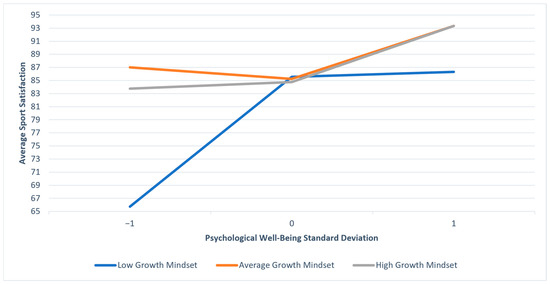
Athletes face a variety of pressures related to their sport participation, and these demands can contribute to persistent mental health challenges. The aim of this study was to examine the role of grit, growth mindset, emotion regulation, self-compassion, and psychological well-being in collegiate athletes’ sport satisfaction. Participants (N = 263) were recruited through CloudResearch and outreach emails to athletic programs. The sample included individuals from 43 U.S. states and represented rural, suburban, and urban communities. Among the 30 sports represented, basketball, football, and soccer had the highest participation. Results indicated significant differences in sport satisfaction (p = 0.007, η2 = 0.04) and growth mindset (p = 0.017, η2 = 0.03) across communities of upbringing, as well as differences in sport satisfaction across years in college (p = 0.008, η2 = 0.06). Scholarship status was associated with significant differences in sport satisfaction (p < 0.001, d = 0.85) and expressive suppression (p = 0.019, d = 0.31). Cognitive reappraisal (r = 0.427) demonstrated the strongest association with psychological well-being, whereas growth mindset (r = 0.501) showed the strongest association with sport satisfaction. Additionally, a significant interaction effect emerged between growth mindset and psychological well-being (p = 0.033, ΔR2 = 0.01) in predicting sport satisfaction. These findings highlight the importance of supporting student-athletes in effectively regulating their emotions and maintaining a belief in their capacity for growth, as both factors appear critical for promoting psychological well-being and enhancing satisfaction with the athletic experience.
Full article

Figure 1
Open AccessCommunication
Maximum Sprints Elicit Higher Peak Knee Joint Power than Resistance Training Exercises
by
Tobias Alt, Kenneth P. Clark, Jesper Augustsson and Jurdan Mendiguchia
Sports 2026, 14(6), 221; https://doi.org/10.3390/sports14060221 - 28 May 2026
Abstract
Background: Sprinting places exceptionally large mechanical demands on the knee flexors, particularly during the late swing phase when the hamstrings are actively lengthened under load. Therefore, coaches and practitioners try to increase the hamstrings’ capacity to absorb energy by various resistance training exercises
[...] Read more.
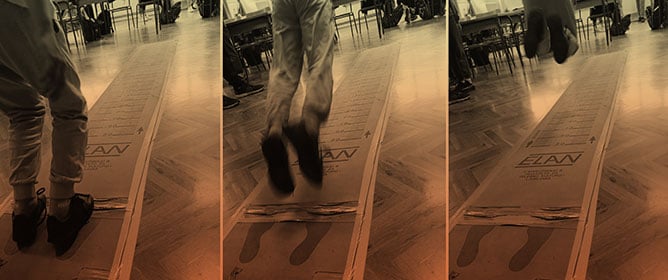
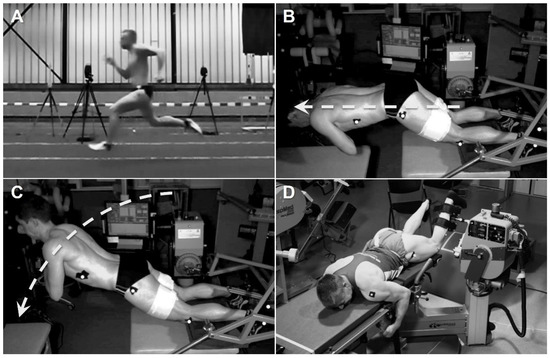
Background: Sprinting places exceptionally large mechanical demands on the knee flexors, particularly during the late swing phase when the hamstrings are actively lengthened under load. Therefore, coaches and practitioners try to increase the hamstrings’ capacity to absorb energy by various resistance training exercises with high (supramaximal) eccentric intensity. However, it is unclear whether the load parameters are equivalent to maximum sprints. Consequently, the aim of this short study was to compare peak knee power values derived from aggregated previously published datasets of maximum sprints and strenuous hamstring exercises, rather than from a single directly controlled experimental comparison. Methods: Previously published inverse dynamic analyses of sprints, explosive Razor Curls, decelerated Nordic Hamstring Exercise and eccentric isokinetic hamstring tests were aggregated and compared. Results: The combined data showed that both absolute and relative peak knee power were 8 to 14 times higher during sprinting at 10 m/s—primarily due to 6- to 14-fold higher knee extension angular velocities. Conclusions: Peak knee power during maximum sprints was not replicated by the analyzed hamstring exercise conditions, even if they were very explosive and strenuous.
Full article
(This article belongs to the Special Issue Strength and Conditioning: Enhancing Athletic Performance and Promoting Health)
►▼
Show Figures

Figure 1
Open AccessArticle
Discriminative Validity of Field-Based Propulsion and Sprint Tests in Elite Wheelchair Court Athletes with Different Functional Profiles
by
Jordi Sanchez-Grau, Roger Font, Víctor Toro-Román, Gerard Carmona and Adrián García-Fresneda
Sports 2026, 14(6), 220; https://doi.org/10.3390/sports14060220 - 28 May 2026
Abstract
Purpose: Field-based tests are widely used to assess propulsion and sprint performance in wheelchair athletes; however, their ability to discriminate between functional performance profiles associated with different impairment characteristics remains insufficiently explored. This study evaluated the discriminative capacity of propulsion, sprint, and
[...] Read more.
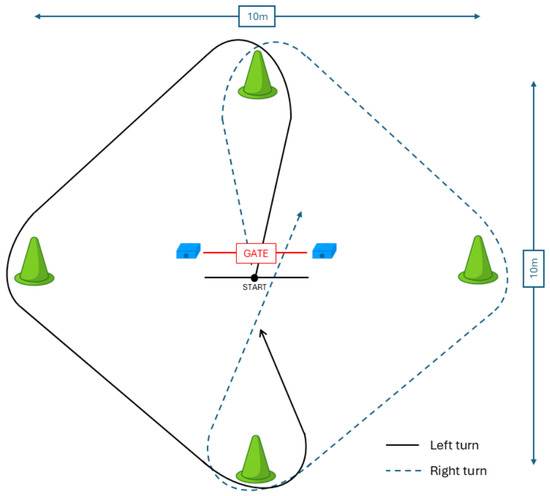
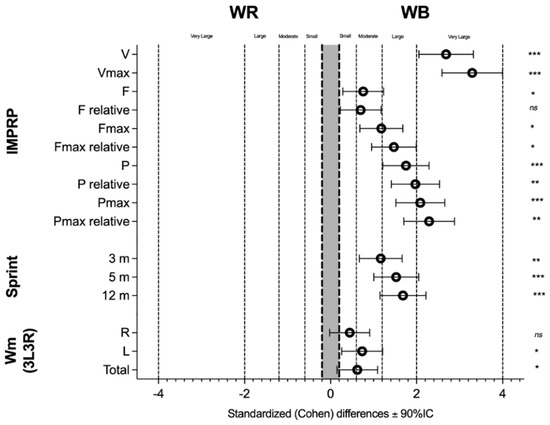
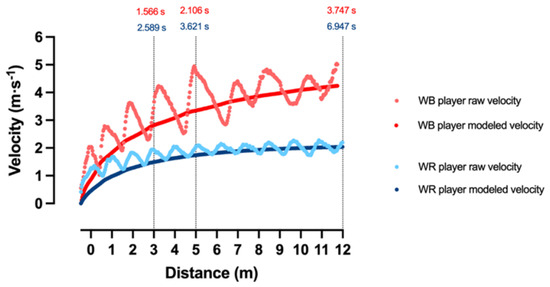
Purpose: Field-based tests are widely used to assess propulsion and sprint performance in wheelchair athletes; however, their ability to discriminate between functional performance profiles associated with different impairment characteristics remains insufficiently explored. This study evaluated the discriminative capacity of propulsion, sprint, and manoeuvrability tests in elite wheelchair court athletes. Methods: Nineteen male elite athletes (ten wheelchair basketball, nine wheelchair rugby) performed the initial maximum push-rim propulsion (IMPRP), a 12 m linear sprint (3, 5, and 12 m splits), and a wheelchair manoeuvrability test (3L3R). Test reliability was assessed using intraclass correlation coefficients (ICC). Results: Test reliability was high across all assessments (ICC ≥ 0.82). The higher functional performance profile group demonstrated substantially greater IMPRP mechanical outputs, including mean velocity (ES = 2.69), maximum velocity (ES = 3.29), mean power (ES = 1.75), and maximum power (ES = 2.09) (all p < 0.001). Sprint performance also showed large between-group differences at 5 m (ES = 1.53) and 12 m (ES = 1.68) (p < 0.001), whereas manoeuvrability differences were moderate (ES = 0.62; p = 0.043). Conclusions: IMPRP and short-distance sprint tests appeared sensitive to differences between ecologically distinct wheelchair court sport athletes characterised by different real-world functional performance profiles. These field-based assessments may be useful for performance monitoring and may complement ecologically distinct athlete groups in wheelchair court sports.
Full article
(This article belongs to the Special Issue Sport, Disability, and Well-Being: Research on Physical and Mental Health)
►▼
Show Figures

Figure 1
Open AccessArticle
From Doping Intentions to Life Aspirations: A Goal Systems Perspective of Performance Enhancement in Sport
by
Despoina Ourda, Lida Skoufa, Andreas Loukovitis, Haralambos Tsorbatzoudis and Vassilis Barkoukis
Sports 2026, 14(6), 219; https://doi.org/10.3390/sports14060219 - 26 May 2026
Abstract
►▼
Show Figures
Doping research has predominantly focused on proximal cognitive predictors of athletes’ intentions to use prohibited substances, often conceptualizing doping as a final behavioral outcome. Drawing on Self-Determination Theory and Goal Systems Theory, the present study examined the relationships between doping intentions, perceived means
[...] Read more.
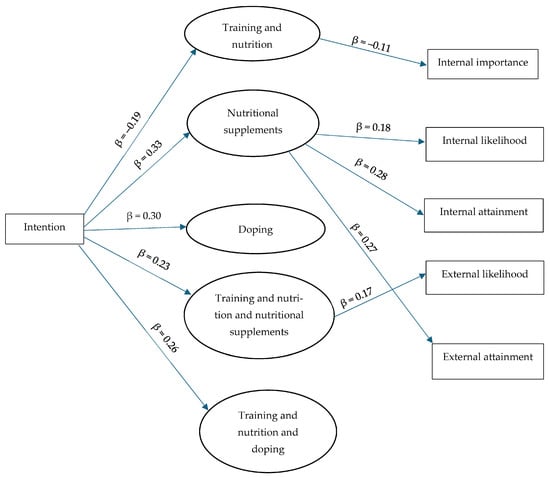
Doping research has predominantly focused on proximal cognitive predictors of athletes’ intentions to use prohibited substances, often conceptualizing doping as a final behavioral outcome. Drawing on Self-Determination Theory and Goal Systems Theory, the present study examined the relationships between doping intentions, perceived means of performance enhancement, and internal and external life aspirations among competitive athletes. A total of 204 athletes (Mage = 22.99 years) completed measures assessing doping intentions, perceived effectiveness of different performance enhancement means, and aspiration components. The results indicated that stronger doping intentions were negatively associated with internal aspiration components and positively associated with external aspiration components. Doping intentions were also positively related to perceived effectiveness of nutritional supplements, doping, and combined enhancement practices, while being negatively associated with reliance on training and nutrition alone. Several indirect effects were observed, demonstrating that perceived performance enhancement partially mediated the relationships between doping intentions and aspiration components. These findings suggest that performance enhancement behaviors are cognitively embedded within athletes’ motivational goal systems and play an active role in shaping aspiration-related evaluations. Overall, this study advances doping research by conceptualizing doping behavior as part of a broader, goal-directed, motivational structure rather than an isolated outcome.
Full article

Figure 1

Open AccessSystematic Review
The Effects of Different Warm-Ups on Volleyball Performance
by
Milosz Mielniczek and Roland van den Tillaar
Sports 2026, 14(6), 218; https://doi.org/10.3390/sports14060218 - 26 May 2026
Abstract
►▼
Show Figures
Objective: The objective was to evaluate the effectiveness of various warm-up strategies on volleyball-specific physical performance. Background: Warm-ups in volleyball aim to enhance performance and reduce injury risk, but no standardized approach exists and evidence on effectiveness is inconsistent. Methods: A systematic search
[...] Read more.
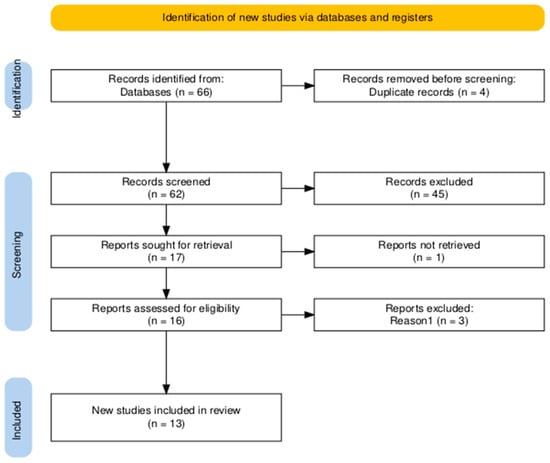
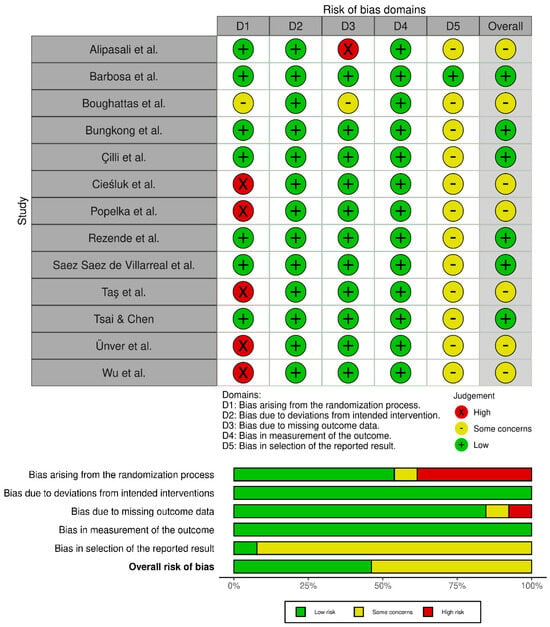
Objective: The objective was to evaluate the effectiveness of various warm-up strategies on volleyball-specific physical performance. Background: Warm-ups in volleyball aim to enhance performance and reduce injury risk, but no standardized approach exists and evidence on effectiveness is inconsistent. Methods: A systematic search of PubMed and Google Scholar was conducted through 12 November 2025. Two reviewers independently screened records and assessed risk of bias. A systematic search identified 108 records; 13 met inclusion criteria. Eligible studies examined the effects of different warm-up methods on volleyball-related physical performance. Risk of bias was assessed using the Cochrane Risk of Bias 2 (RoB 2) tool and visualized with the robvis package. Warm-up protocols were categorized into dynamic and static stretching, resisted warm-ups, foam rolling and vibration techniques, whole-body vibration, Raise Activate Mobilize Potentiate (RAMP), joint distraction methods, and volleyball-specific routines. Results: Dynamic, resisted, high-intensity, volleyball-specific, and whole-body vibration warm-ups showed the most consistent improvements in jump performance, agility, and reaction time. Static stretching provided minimal benefits, with occasional gains in agility or flexibility. Foam rolling and vibration foam rolling were largely ineffective, except for one study showing improved reactive strength. The results varied due to differences in athlete level, protocol duration/intensity, sample size, and measurement methods. Conclusion: Warm-ups appear to meaningfully influence volleyball performance. Dynamic, resisted, and sport-specific routines appear to be the most effective. More research is needed to define optimal, standardized protocols.
Full article

Figure 1

Journal Menu
► ▼ Journal Menu-
- Sports Home
- Aims & Scope
- Editorial Board
- Reviewer Board
- Topical Advisory Panel
- Instructions for Authors
- Special Issues
- Topics
- Topical Collections
- Article Processing Charge
- Indexing & Archiving
- Editor’s Choice Articles
- Most Cited & Viewed
- Journal Statistics
- Journal History
- Journal Awards
- Society Collaborations
- Editorial Office
Journal Browser
► ▼ Journal BrowserHighly Accessed Articles
Latest Books
E-Mail Alert
News
Topics
Topic in
Education Sciences, Sports
Sustainability-Oriented Learning in Physical Education and Health (PEH)
Topic Editors: Suzanne Lundvall, Andreas FröbergDeadline: 15 June 2026
Topic in
Applied Sciences, Brain Sciences, JFMK, Nutrients, Sports
Exercise and Nutrition for Physical Performance, Mental Health and General Well-Being
Topic Editors: Gian Mario Migliaccio, Luca RussoDeadline: 12 July 2026
Topic in
Biology, Brain Sciences, Sports, Biomechanics, JFMK, Physiologia
The Mechanics of Movement: Biomechanics in Sports Performance
Topic Editors: Mario Bernardo-Filho, Danúbia Da Cunha De Sá-Caputo, Redha TaiarDeadline: 31 July 2026
Topic in
Green Health, Healthcare, Sports, NeuroSci, JEMR
Perspectives in Motor Learning and Control: The Role of Neuroscience
Topic Editors: Gonçalo Dias, Mário José Martins da Silva PereiraDeadline: 31 August 2026
Special Issues
Special Issue in
Sports
The Prevention and Rehabilitation of Training Injuries
Guest Editor: Blanca de la Cruz-TorresDeadline: 15 June 2026
Special Issue in
Sports
From Brain to Movement: Cognitive and Perceptual Roles in Motor Control and Sport Performance
Guest Editors: Walter Staiano, Ulrich Kirk, Marco RomagnoliDeadline: 30 June 2026
Special Issue in
Sports
Structured Physical Activity Protocols Combined with Innovative Technologies to Support Neurodegenerative and Neurodevelopmental Disorders
Guest Editors: Giulia Di Martino, Alessandra Di CagnoDeadline: 30 June 2026
Special Issue in
Sports
Promotion of Healthy Habits, Inclusive Sport and Educational Improvement
Guest Editor: José Enrique Moral-GarcíaDeadline: 30 June 2026
Topical Collections
Topical Collection in
Sports
Human Physiology in Exercise, Health and Sports Performance
Collection Editors: Rodrigo Zacca, Robin Pla, Roberto Baldassarre