Dear Colleagues,
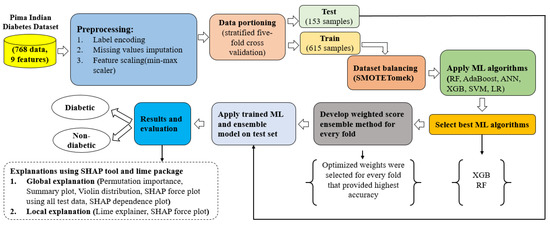
In recent decades, machine learning (ML) techniques have been providing encouraging breakthroughs in the biomedical research field, reporting outstanding predictive and classification performance.
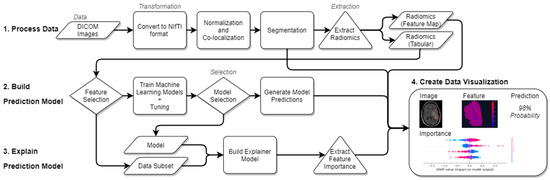
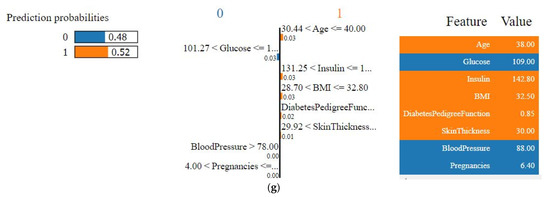
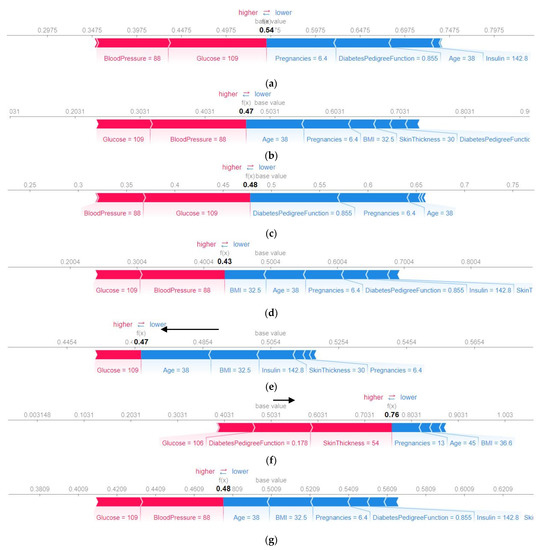
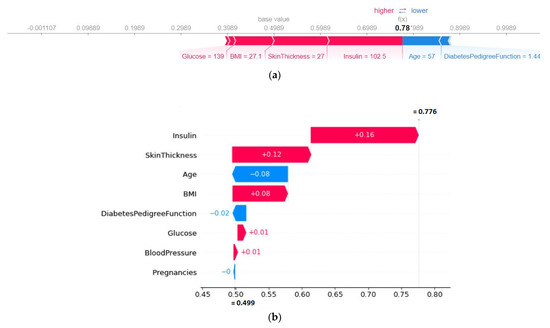
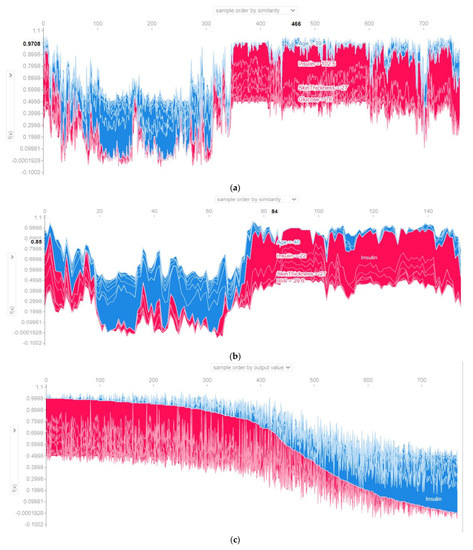
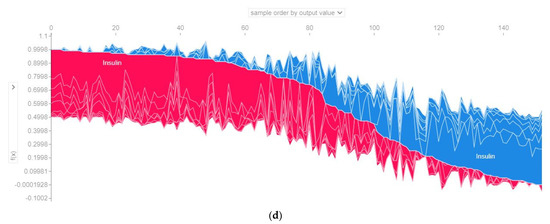
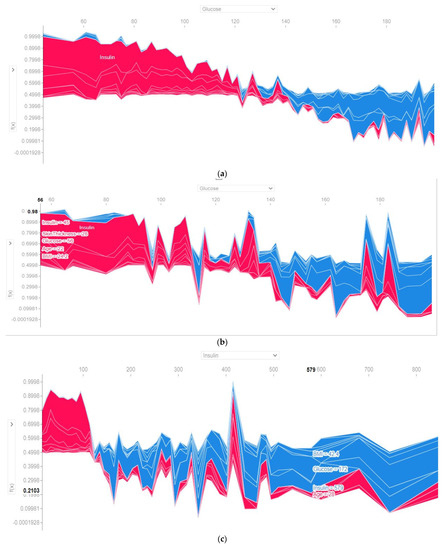
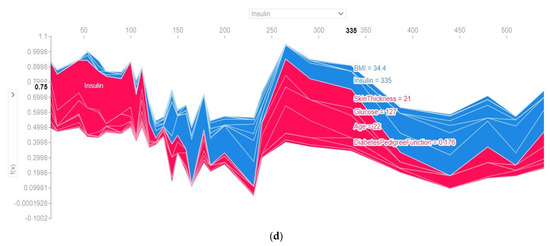
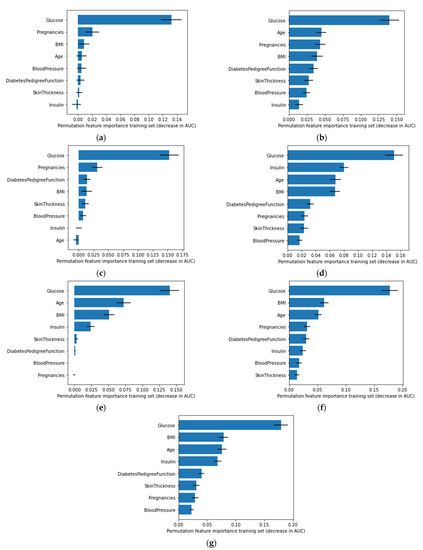
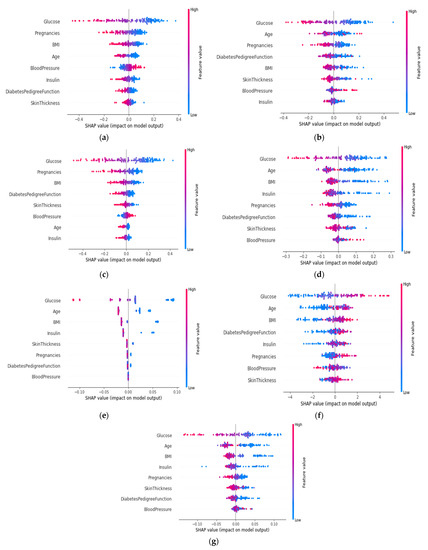
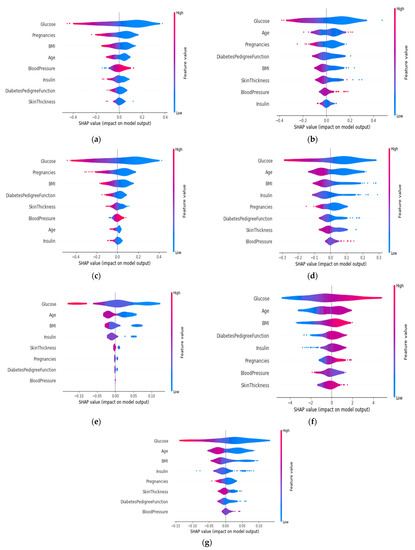
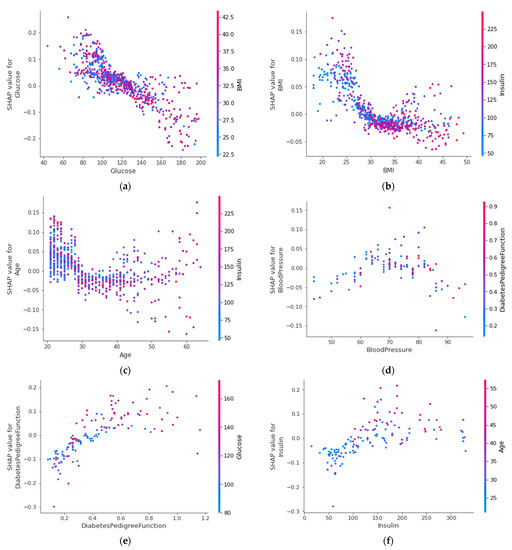
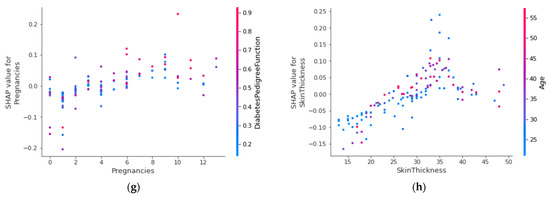
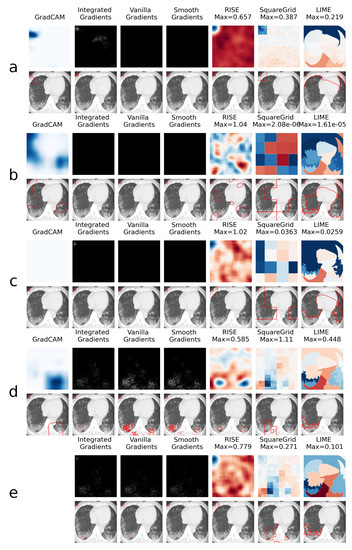
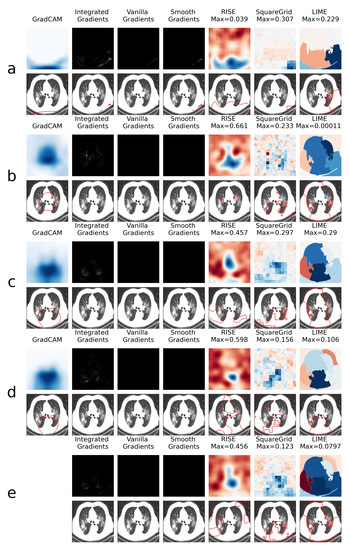
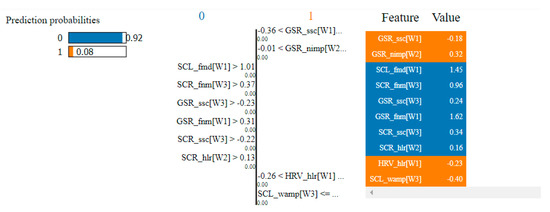
However, ML algorithms are often perceived as black boxes with no explanation about the final decision process. In this context, explainable machine learning (XML) techniques intend to “open” the black box and provide further insight into the inner working mechanisms underlying artificial intelligence algorithms. Hence, the goal of XML is to explain and interpret outcomes, predictions, decisions, and recommendations automatically achieved by ML models in order to create more comprehensible and transparent machine decisions.
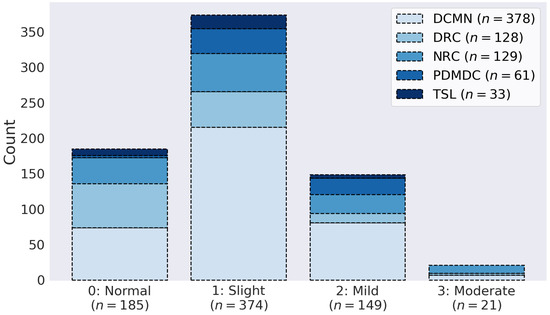
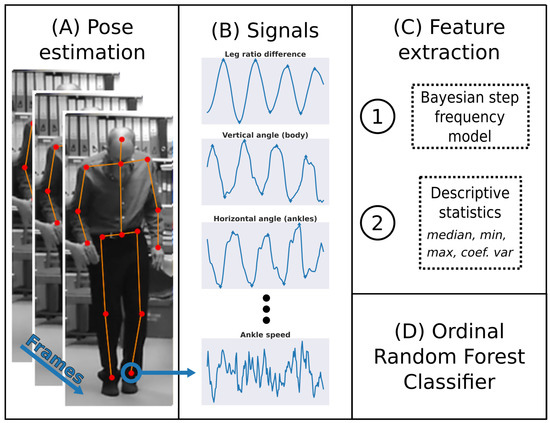
In medical application, such additional understanding, alongside the augmented availability of medical/clinical data acquired from even more interconnected biosensors (based on the Internet of Things (IoT) paradigm) as well as the recent advances in augmented techniques (e.g., generative adversarial network) able to generate synthetic samples, could play a significant role for clinicians, specifically, in the final human decision.
The proposed Topical Collection aims to collate innovative explainable ML-based approaches and augmented ML-based methodologies, as well as comprehensive survey papers, applied to problems in medicine and healthcare in order to develop the next generation of systems that can potentially lead to relevant advances in clinical and biomedical research.
Dr. Cosimo Ieracitano
Dr. Mufti Mahmud
Dr. Maryam Doborjeh
Dr. Aime' Lay-Ekuakille
Collection Editors
Manuscript Submission Information
Manuscripts should be submitted online at www.mdpi.com by registering and logging in to this website. Once you are registered, click here to go to the submission form. All submissions that pass pre-check are peer-reviewed. Accepted papers will be published continuously in the journal (as soon as accepted) and will be listed together on the collection website. Research articles, review articles as well as short communications are invited. For planned papers, a title and short abstract (about 250 words) can be sent to the Editorial Office for assessment.
Submitted manuscripts should not have been published previously, nor be under consideration for publication elsewhere (except conference proceedings papers). All manuscripts are thoroughly refereed through a single-blind peer-review process. A guide for authors and other relevant information for submission of manuscripts is available on the Instructions for Authors page. Sensors is an international peer-reviewed open access semimonthly journal published by MDPI.
Please visit the Instructions for Authors page before submitting a manuscript.
The Article Processing Charge (APC) for publication in this open access journal is 2600 CHF (Swiss Francs).
Submitted papers should be well formatted and use good English. Authors may use MDPI's
English editing service prior to publication or during author revisions.