Dear Colleagues,
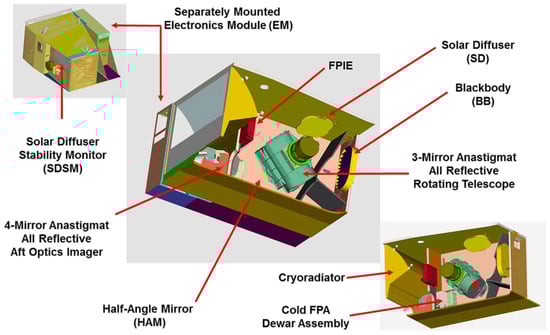
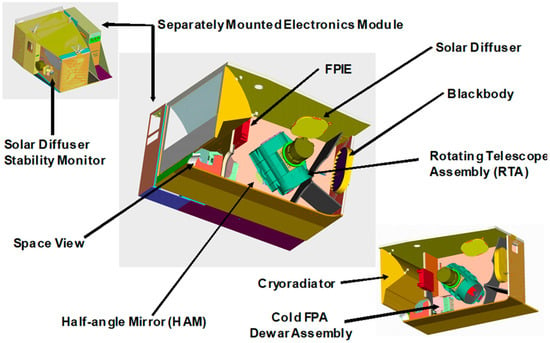
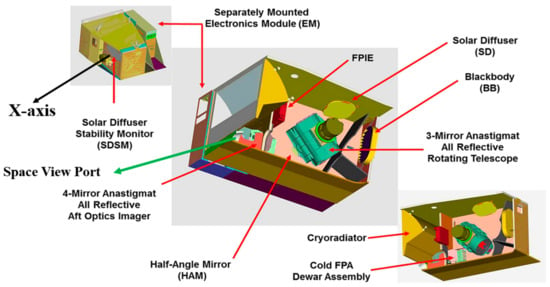
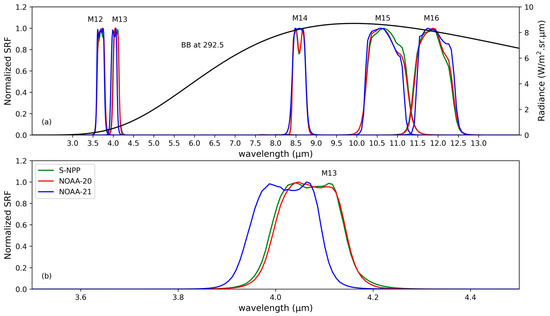
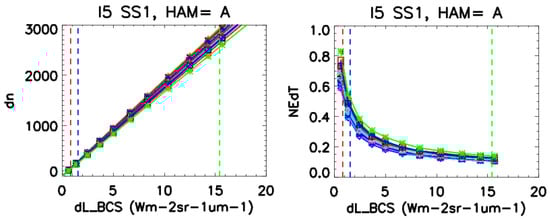
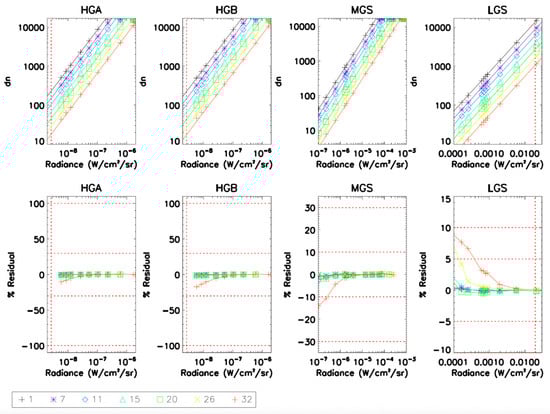
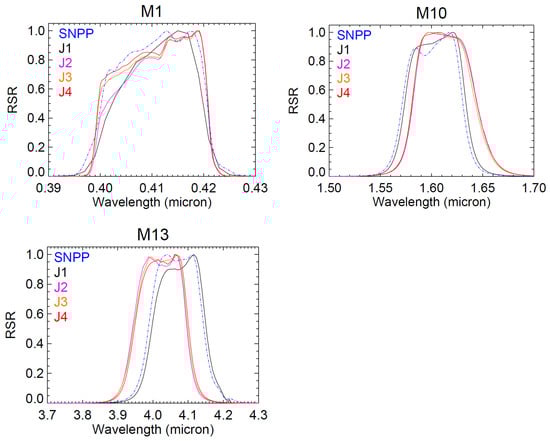
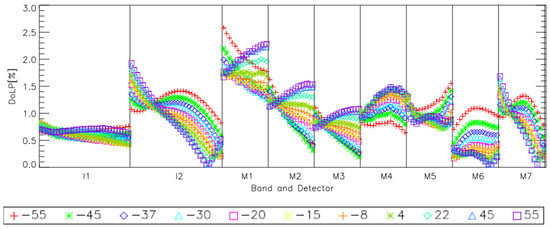
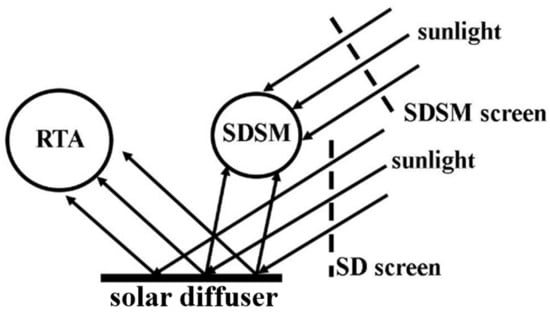
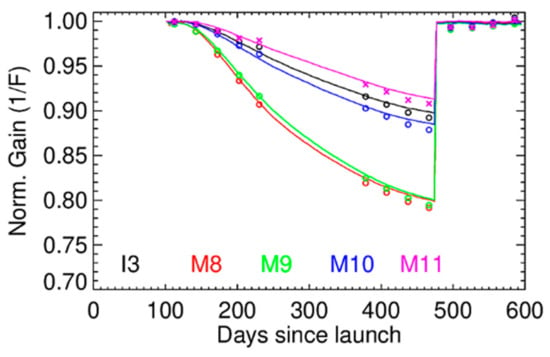
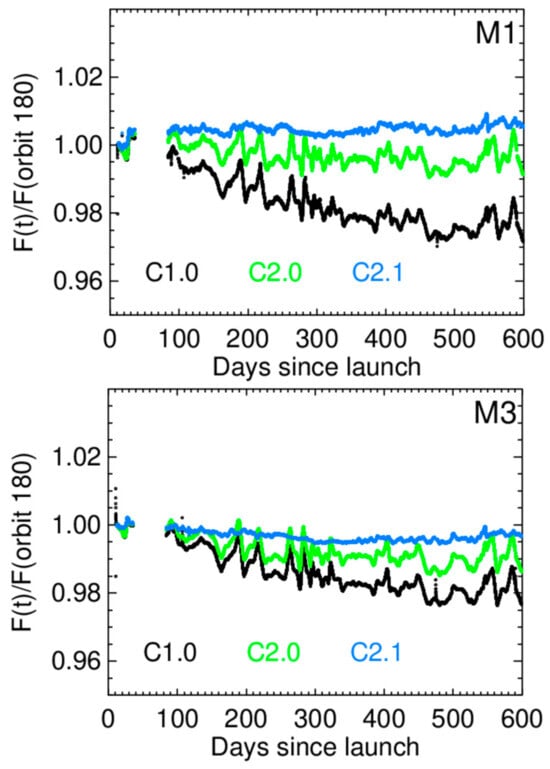
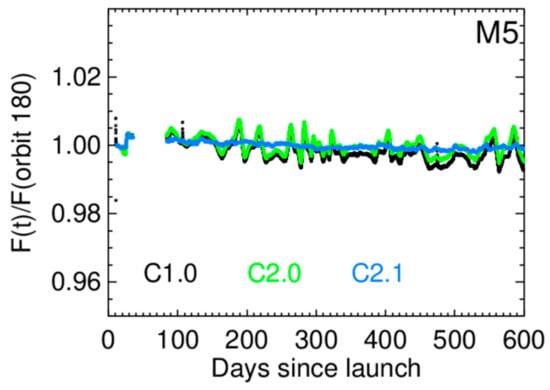
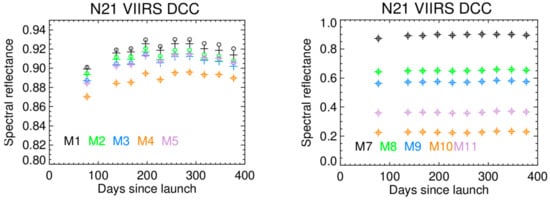
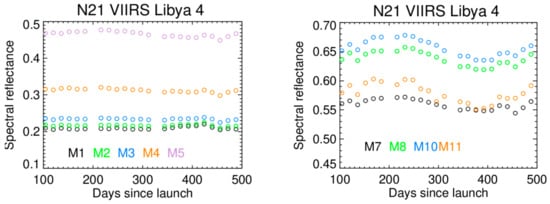
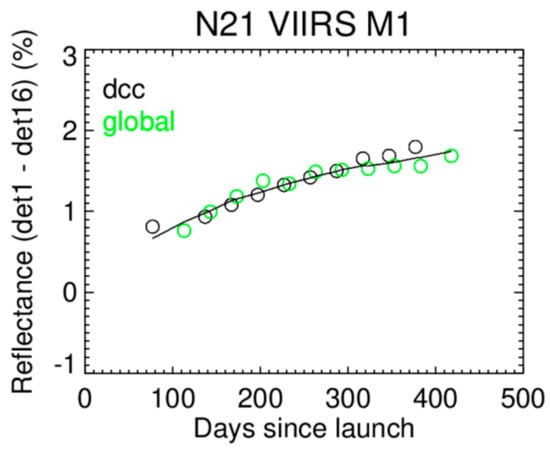
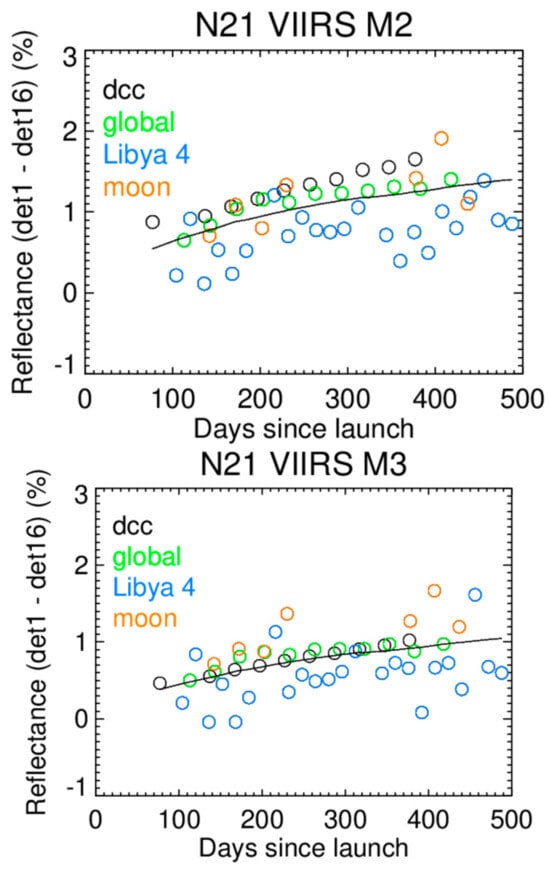
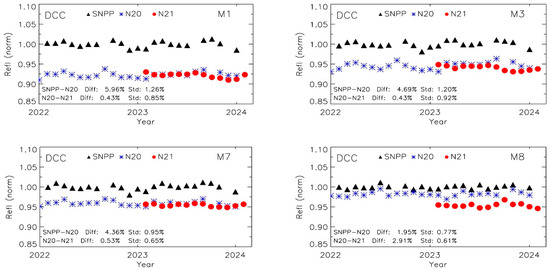
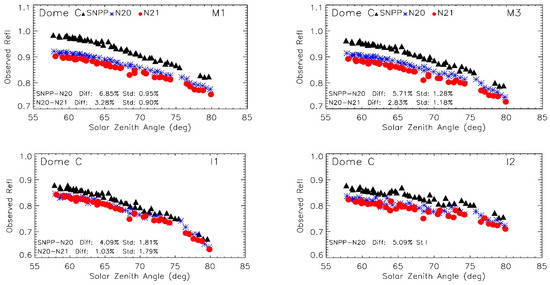
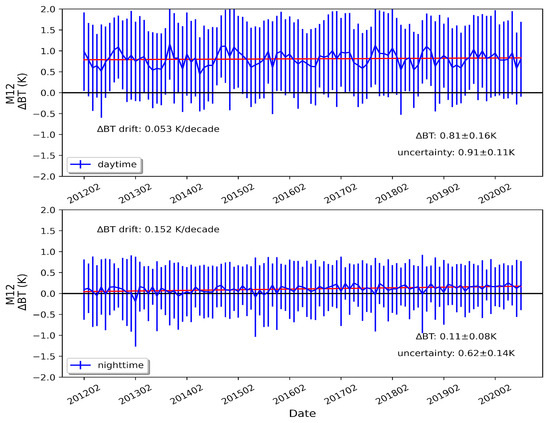
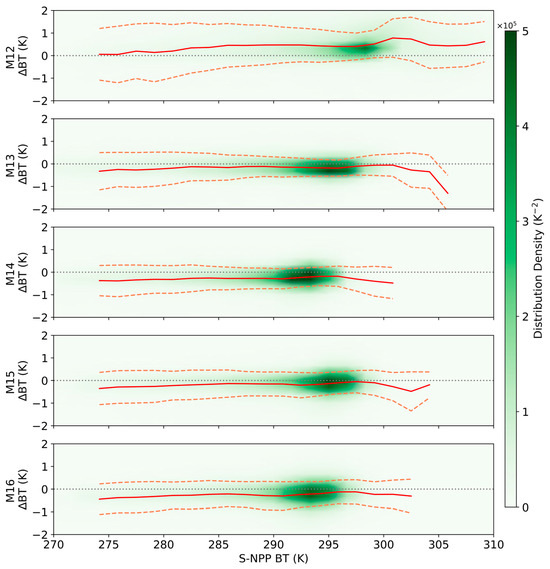
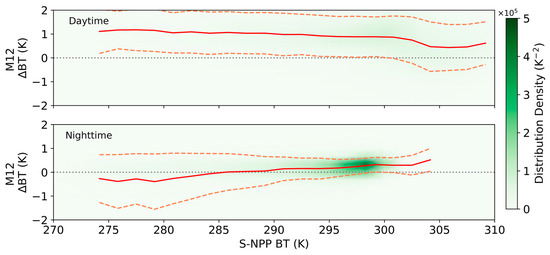
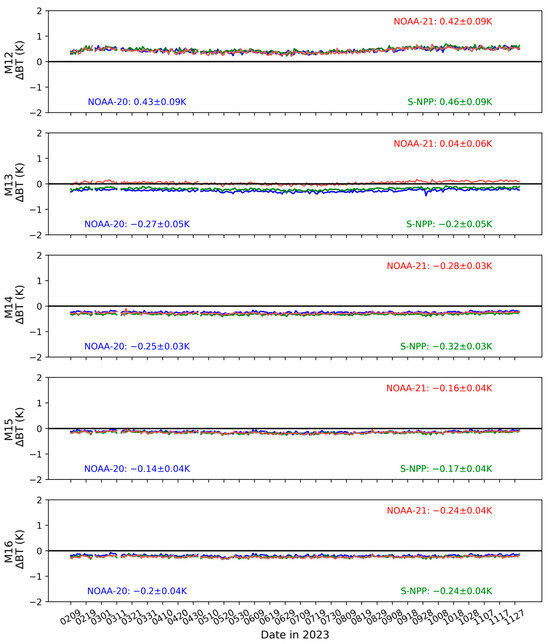
The Visible Infrared Imaging Radiometer Suite (VIIRS) stands as a pivotal instrument aboard the Suomi National Polar-Orbiting Partnership (SNPP), NOAA-20, NOAA-21, and future JPSS spacecrafts. VIIRS captures moderate-resolution, radiometrically accurate global images using 22 visible/near-infrared and infrared bands, spanning wavelengths from 0.41 to 12.5 microns. Commencing with SNPP in 2011, VIIRS has consistently delivered high-quality global observations for more than a decade, extending its support to diverse applications. These applications encompass weather forecasting, environmental monitoring, ocean and land studies, climate change research, and the monitoring of hazards such as hurricanes, fires, volcanoes, floods, storms, and tornadoes, as well as facilitating disaster relief efforts. The calibration and validation teams supporting NOAA and NASA VIIRS sensor data record (SDR) products perform research and development using advanced calibration and validation algorithms and methodologies for both instrument prelaunch and postlaunch; these ensure that the SDRs meet the mission requirements with sufficient margin and high quality, and enable recalibration with improved accuracy, consistency and stability for time series analysis and climate change detection. The central purpose of this Special Issue is to present a range of research on VIIRS calibration and validation, and to explore the applications enabled by VIIRS onboard SNPP, NOAA-20, and NOAA-21; it also aims to provide an overview of the prelaunch activities for VIIRS on future JPSS missions. The topics of interest for this Special Issue include, but are not limited to, the following:
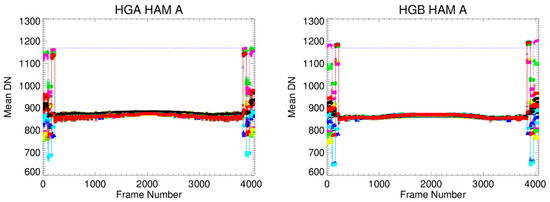
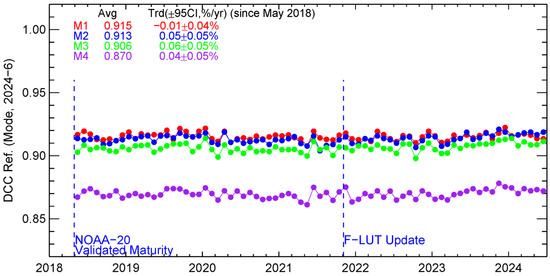
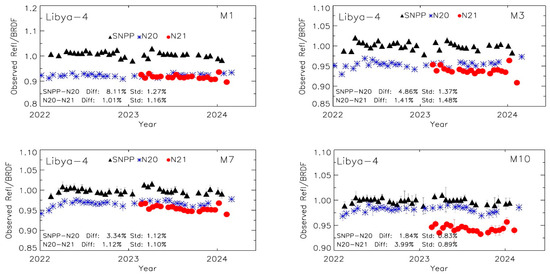
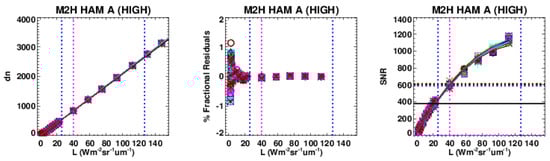
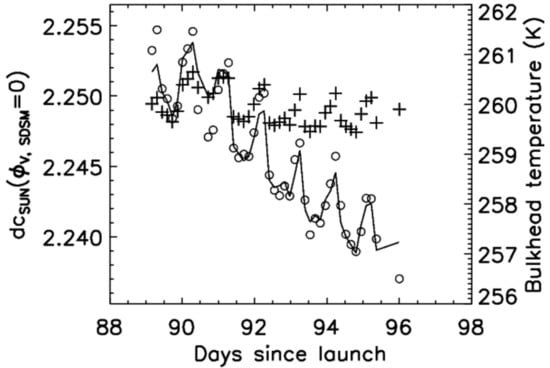
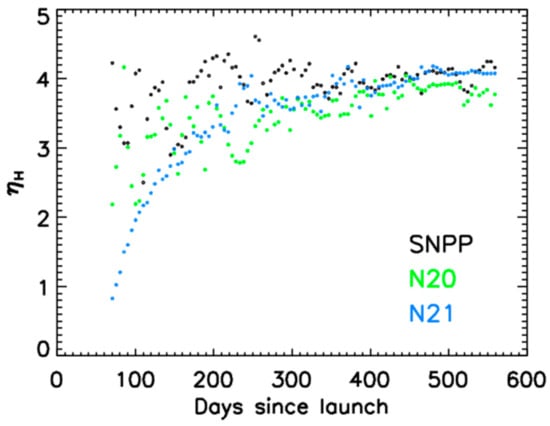
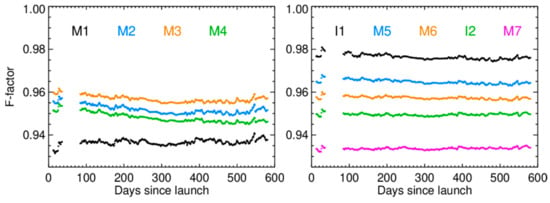
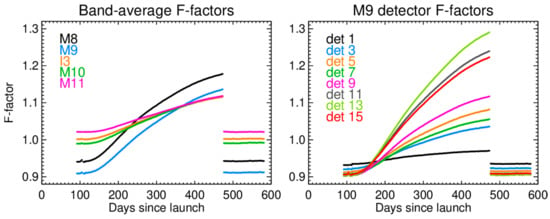
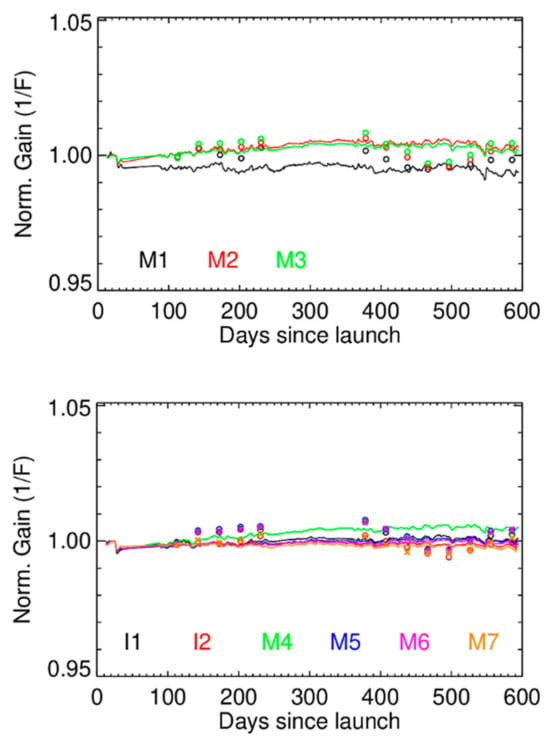
- The development of calibration techniques and the use of the results from on-orbit verification in post-launch check-out, calibration and validation, and the long-term monitoring of SNPP, NOAA-20 and NOAA-21 VIIRS sensor data records.
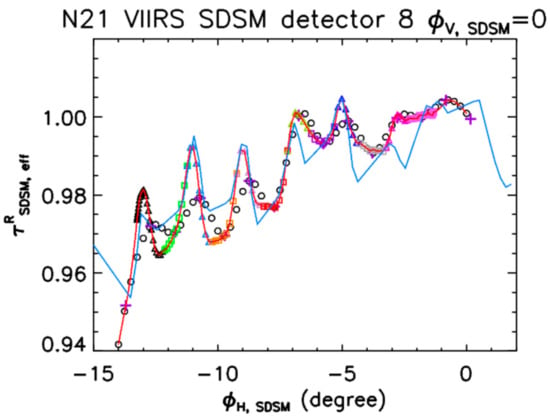
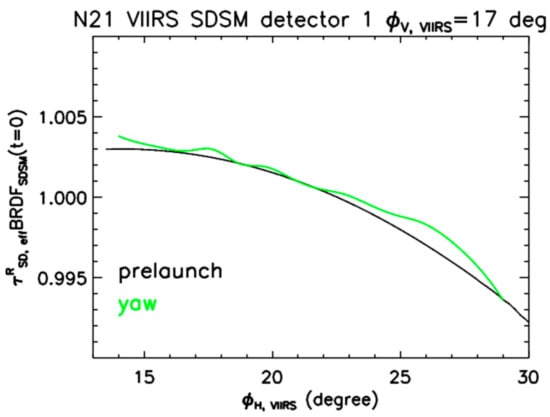
- Prelaunch calibration and validation work for NOAA-21 VIIRS and future JPSS VIIRS missions.
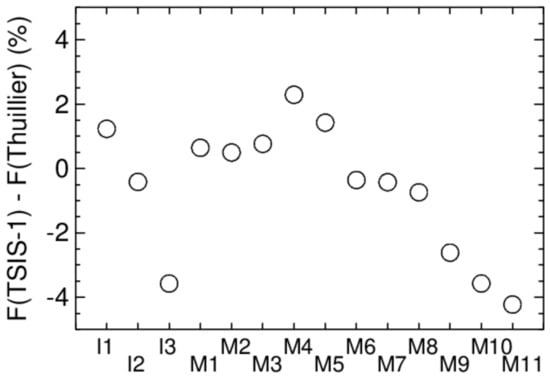
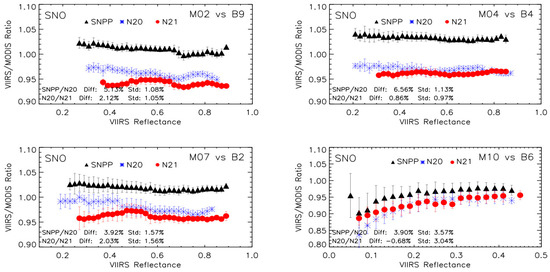
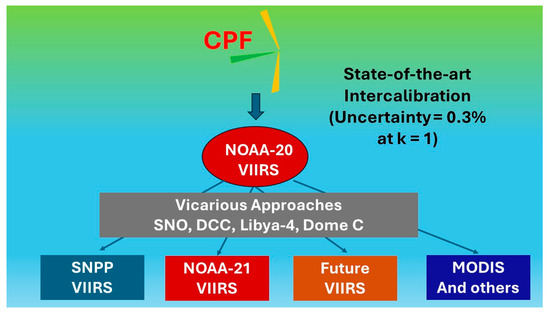
- Inter-comparison and inter-calibration of VIIRS data with other similar sensors, and also inter-comparison of calibration methodologies applied to other relevant sensors.
- Applications of VIIRS data to empower operational environmental monitoring, numerical weather forecasting and climate study, and validate VIIRS data quality.
- Applications of VIIRS day/night band data in studies involving both geophysical and social economic activities.
- Application of machine learning and artificial intelligence methodologies using VIIRS data.
Both submissions of original manuscripts of the latest research results and review contributions are welcome.
Dr. Xi Shao
Dr. Xiaoxiong Xiong
Dr. Changyong Cao
Guest Editors
Publisher’s Notice
As stated above, the central purpose of this Special Issue is to present research from The VIIRS Collection. Given this purpose, the Guest Editors’ contribution to this Special Issue may be greater than standard Special Issues published by MDPI. Further details on MDPI's Special Issue guidelines can be found here: https://www.mdpi.com/special_issues_guidelines. The Editorial Office and Editor-in-Chief of Remote Sensing has approved this and MDPI’s standard manuscript editorial processing procedure (https://www.mdpi.com/editorial_process) will be applied to all submissions. As per our standard procedure, Guest Editors are excluded from participating in the editorial process for their submission and/or for submissions from persons with whom a potential conflict of interest may exist. More details on MDPI’s Conflict of Interest policy for reviewers and editors can be found here: https://www.mdpi.com/ethics#_bookmark22.
Manuscript Submission Information
Manuscripts should be submitted online at www.mdpi.com by registering and logging in to this website. Once you are registered, click here to go to the submission form. All submissions that pass pre-check are peer-reviewed. Accepted papers will be published continuously in the journal (as soon as accepted) and will be listed together on the collection website. Research articles, review articles as well as short communications are invited. For planned papers, a title and short abstract (about 250 words) can be sent to the Editorial Office for assessment.
Submitted manuscripts should not have been published previously, nor be under consideration for publication elsewhere (except conference proceedings papers). All manuscripts are thoroughly refereed through a single-blind peer-review process. A guide for authors and other relevant information for submission of manuscripts is available on the Instructions for Authors page. Remote Sensing is an international peer-reviewed open access semimonthly journal published by MDPI.
Please visit the Instructions for Authors page before submitting a manuscript.
The Article Processing Charge (APC) for publication in this open access journal is 2700 CHF (Swiss Francs).
Submitted papers should be well formatted and use good English. Authors may use MDPI's
English editing service prior to publication or during author revisions.